
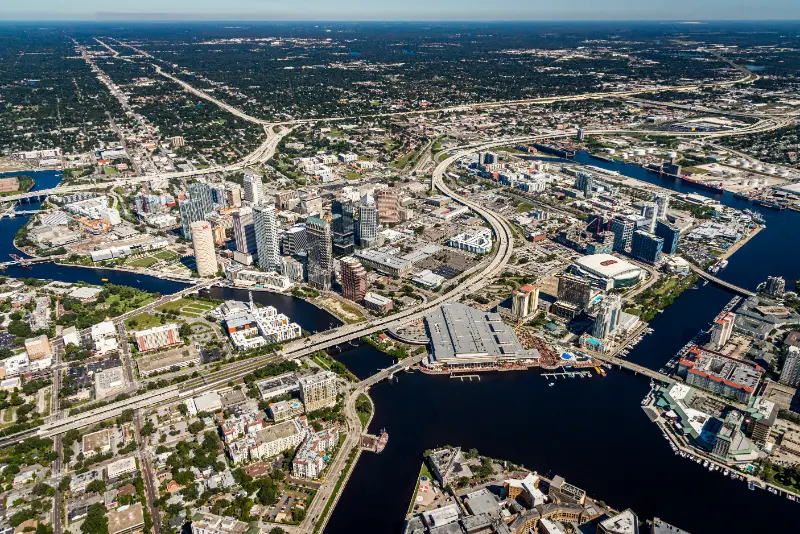
Tampa’s best-known visitor attractions can make it easy to overlook the stories of the neighborhoods that built the city. The city’s Soulwalk project offers a different approach: a collection of public art, historical markers, neighborhoods, and cultural landmarks reflecting Tampa’s Black history and continuing creative life. Rather than attempting an exhausting all-city checklist, you can spend three thoughtful days around a few walkable clusters. This plan prioritizes the Central Avenue and Scrub area, selected downtown landmarks, and time for museums, conversation, and local businesses.
Soulwalk is not one short, continuous trail. The City of Tampa describes a network spanning many neighborhoods and sites. Walking the entire network in one day would be impractical. Instead, consult the city’s maps and route descriptions and choose manageable clusters. The route below treats historic sites respectfully, never assumes a memorial or church is open to tourists, and makes room for rest and meaningful interpretation.
Before you begin: history is not a photo checklist
Tampa’s Black communities shaped civic life, business, education, music, labor, and the struggle for equal treatment. Some places commemorate achievements and community organization; others mark exclusion, violence, displacement, or institutions that no longer stand. Reading markers slowly is important because a vanished street or demolished building can be historically significant even when little architecture remains visible. A visitor should resist reducing such stories to a few colorful mural photographs.
The city’s project presents public art alongside research and markers. These are different forms of evidence and interpretation. A historical marker summarizes a subject; a public artwork may invite emotional or symbolic reflection; a museum can provide deeper documentation. Use all three thoughtfully. When a marker raises a question, look for a related museum resource or reputable local history organization rather than drawing sweeping conclusions from one sentence.
Day 1: Central Avenue and the Scrub
Begin with a manageable section of the Central Avenue and Scrub cluster, using the city’s map to identify current walking routes. The neighborhood once served as a significant center of Black business and cultural life. Urban change, clearance, and redevelopment have altered its physical character, so you will be reading the history of a place as much as viewing surviving storefronts. Allow extra time to make sense of what is no longer there.
Perry Harvey, Sr. Park is an important anchor for understanding the area’s story. Public art and commemorative elements offer points of entry into the history of Central Avenue. Move between installations slowly and read their explanations rather than treating them as decorative backdrops. A parent visiting with older children might discuss why a neighborhood can be central to a city’s identity even after its buildings and street patterns have changed. Take notes about names you want to research later.
The people behind the plaques and artworks
A heritage walk becomes richer when you look beyond the most famous names. Workers, clergy, entrepreneurs, musicians, educators, families, and civic organizers all helped sustain community life. Some markers reveal how segregation shaped where people could stay, work, and find entertainment. Others describe successes achieved despite those barriers. Rather than imagining the past as a single era, pay attention to dates and the way conditions changed across generations.
The city documents historic markers and has announced additional installations. Use the current map because locations, access, and interpretation may be updated. Respect active churches, offices, and residential streets. A heritage route does not turn every private property into a public attraction. Photograph public installations without blocking entrances or disturbing services.
Plan walking distances for mixed-age groups
A one-mile urban walk may be easy for some visitors and difficult for others. Tampa heat, road crossings, uneven brick surfaces, and the need to stand while reading markers can make a short distance more demanding. Decide the number of stops before you begin, and build in a shaded break and a nearby restroom. Do not promise a completely step-free route without checking the exact sidewalks and any current construction.
For older visitors, consider splitting the route into two small outings rather than pushing through one long session. A parent with a stroller should inspect crossings and surfaces. Teenagers may enjoy using a map to locate markers and compare historical images with the modern city. Smaller children may benefit from a shorter route with a clear theme, followed by a park or café break. Everyone can learn from the site without completing every marker.
Day 2: downtown markers and civic history
Use the second day for selected downtown Soulwalk locations. The city lists markers and landmarks that address Black civic life, labor, cultural influence, and experiences of discrimination. Some are close enough to combine on foot; others require a separate transport leg. Choose a logical cluster from the current map instead of assuming the nearest markers in numerical order form the best walking route.

Places associated with labor organizing, historical schools, and public life invite questions about whose achievements are usually celebrated in city tourism. A good heritage day is not measured by how many photographs you take. Consider writing down one person and one event to explore in more detail at an afternoon museum stop. The route is emotionally varied, and visitors may appreciate a quiet break after sites dealing with injustice or violence.
The Jackson House and historic preservation
The Jackson House is a significant subject in Tampa’s Black heritage history. Its story illustrates how accommodation, travel, and segregation intersected in the city. However, preservation projects and building conditions can affect public access. Do not assume the interior is open or that visitors can walk directly onto a work site. Check authoritative current information and appreciate exterior views only from permitted public space.
This distinction matters for visitors seeking a rewarding itinerary: a historically important building may be better approached as an interpretive stop than as a conventional museum admission. Pair it with the surrounding marker context and another confirmed open venue. Children can learn that historic preservation is a process involving resources, community effort, and difficult choices, not simply the automatic survival of every old building.
A museum afternoon that adds depth
The Tampa Bay History Center can provide broader historical context for a Soulwalk-focused day. Check its official site for current exhibitions, pricing, and accessibility arrangements. Do not assume every temporary exhibit will cover the subjects encountered on your walk. Instead, use the visit to understand Tampa’s growth, its neighborhoods, and the overlapping communities that shaped the region.
Another option is to spend time with official digital materials or an audio route rather than entering a second ticketed venue. The choice depends on your interests, budget, and energy level. Families with younger children may find one short museum visit enough. Older travelers might appreciate seated interpretation and air conditioning after an outdoor morning. The purpose is to give context to the places already visited, not fill another slot on a timetable.
Day 3: public art and living culture
The final day can focus on Soulwalk installations that emphasize artistic expression and living community stories. Consult the city map and select sites you can reach comfortably by your chosen transport. Be aware that murals and public artwork can change as buildings are renovated or redeveloped. A location listed in an older guide may not look the same today. This is especially important when planning a photography-specific outing.
Art is not separate from history here. Public installations may commemorate local leaders, labor, music, or neighborhood memory. Pause to consider how the artwork tells a story that a plaque alone could not. If visiting a community business, be a normal respectful customer rather than assuming its owner has time to provide a free historical lecture. Ask permission before photographing people or interiors.
New historical markers and what changes in 2026
The city announced new Soulwalk-related historical markers in 2026, including subjects connected with Black travelers in segregated Florida, community neighborhoods, organized labor, and fashion designer Ann Lowe. These additions show that urban heritage is an active field of public research and recognition. A trail map or list from several years ago may be incomplete. The city’s announcement provides useful background, while the live maps should guide your actual walk.
Visitors interested in Black heritage should pay attention to the themes of work and mobility. Places to sleep, routes of travel, and access to services were historically shaped by racial discrimination. Understanding that context makes a simple marker about a motel or a labor organization more meaningful. Avoid presenting all stories as triumphant or all as tragic; the history contains complex personal experiences and community achievements.
Three-day outline and alternatives
| Day | Focus | Sensible backup |
|---|---|---|
| 1 | Central Avenue, the Scrub, Perry Harvey Park | Shorter mapped loop and indoor rest |
| 2 | Downtown landmarks and interpretation | Tampa Bay History Center or audio resources |
| 3 | Public art and additional mapped sites | Repeat a meaningful cluster at a slower pace |
Using public transport and parking sensibly
Tampa’s attractions are spread across a functioning urban area. You can organize some Soulwalk clusters on foot, but the entire project is too large for a single pedestrian route. Check HART transit information or a current rideshare estimate if you are without a rental car. Travelers driving should use legal parking and avoid leaving valuables visible inside the car. A short stop at a marker does not justify parking in an unsafe or prohibited location.
Consider splitting walking days with a rideshare between clusters. For anyone with limited mobility, exact drop-off location matters more than the nominal distance between sites. Verify accessible museum entries and restrooms directly with venues. Do not rely on a travel website’s generic statement that all of downtown Tampa is accessible; conditions differ between sidewalks, crossings, buildings, and construction zones.

Talking about difficult history with children
Children can understand that some people were unfairly prevented from using services and that communities worked to create schools, businesses, cultural spaces, and safer opportunities. Keep explanations truthful and age-appropriate. Avoid graphic details when a child is not ready, but do not soften the reality of segregation into a harmless misunderstanding. Asking “Who is remembered here, and why?” can open a thoughtful conversation.
Teenagers may be interested in the way photographs, markers, art, and oral histories tell different parts of a story. Encourage them to notice whose perspective appears on an interpretive sign. If a memorial involves death or racial violence, give family members room to respond without demanding an immediate discussion. This is a different kind of vacation day from a beach or theme park, and that difference can be valuable.
When to visit and how much time to allow
Choose a mild morning if possible. Summer heat and thunderstorms can make outdoor walking unpleasant, while special events can change downtown traffic and parking. Arriving early also makes it easier to pause at markers without feeling rushed by lunch reservations. Use the official site maps for distances and plan a realistic time budget for reading; a half-mile of interpretive stops can take longer than a simple recreational walk.
Most outdoor markers are not ticketed attractions, but transport, meals, parking, and museums still cost money. Build a modest budget and check current museum admission or discount policies. Visitors traveling from another Florida city can make a focused one-day visit, but three days allow a deeper encounter with Central Avenue, downtown, and public art without trying to absorb too much history at once.
Frequently asked questions
Is Tampa Soulwalk one continuous walking path?
No. Soulwalk connects sites across many neighborhoods. Use the city’s current maps and select walkable clusters that fit your mobility, interests, and available time.
Does every Soulwalk marker have an indoor attraction?
No. Many sites are public markers or artworks, and some historically important buildings are closed or no longer stand. Check individual venues before planning interior visits.
Is this itinerary appropriate for teenagers?
Yes, especially teenagers interested in history, art, civil rights, community culture, or urban change. Choose a manageable route and encourage discussion rather than treating the walk as a sightseeing race.