

A forecast showing rain every day does not automatically mean a Florida vacation is ruined. In warmer months, brief afternoon thunderstorms can appear on the forecast repeatedly while mornings remain usable. At other times a stalled weather system can bring long periods of heavy rain, flooding or dangerous conditions. The right response depends on what the weather is actually doing, not on a single cloud icon. This guide helps travelers replace vulnerable outdoor activities with genuine alternatives, while keeping a clear boundary between an inconvenient wet day and a situation in which staying indoors or changing travel plans is the safe choice.
On this page
- Understand what the forecast actually says
- Separate minor inconvenience from hazardous weather
- Orlando: mix indoor attractions with short outdoor windows
- Tampa and St. Petersburg: an arts-focused wet day
- Miami and Fort Lauderdale: indoor culture, not a wet-city marathon
- The Panhandle: be prepared for fewer indoor choices
- Give young children an indoor day they can enjoy
- Plan for older adults and visitors with low stamina
- Keep food and transport flexible
- A simple three-level weather plan
- A realistic example in Orlando
- Quick comparison
- Frequently asked questions
- Official sources
Understand what the forecast actually says
Start with the National Weather Service forecast for the town where you are staying. Look at the hourly forecast, thunderstorm probability and any watches or warnings. A chance of afternoon storms is not the same as a forecast for continuous heavy rain. Morning beach or garden time may still be possible, but avoid planning a remote outdoor outing if thunderstorms are expected while you would be far from shelter. Conditions vary across the state; a forecast for Miami does not automatically describe the Gulf Coast or Orlando.
In Florida, lightning deserves serious attention. When you hear thunder, move to a substantial enclosed building or a hard-topped vehicle with the windows closed. A beach umbrella, open-sided pavilion, pool deck or tree is not a safe alternative. The National Weather Service advises remaining sheltered for at least thirty minutes after the last thunder. A crowded attraction may also close outdoor operations even before heavy rain begins; staff instructions take priority over a personal plan.
Separate minor inconvenience from hazardous weather
Light rain might call for a jacket and a museum reservation. A flood warning, severe thunderstorm warning or tropical storm threat is different. Avoid driving through flooded roads; the depth and road condition can be deceptive. If local officials advise residents and visitors to remain indoors or evacuate, do not continue sightseeing in the hope of finding an open attraction. Check lodging instructions, official road information and local emergency management channels instead.
Travel insurance and tour cancellation rights depend on contracts, timing and the reason for disruption. Photograph any notices, keep receipts and contact the company through its official channels. Never assume that a rain shower automatically qualifies for a refund on a nonrefundable ticket. Similarly, do not assume a hotel must refund a stay because outdoor plans were less enjoyable than expected. Before buying high-priced experiences, understand their stated weather policies.
Orlando: mix indoor attractions with short outdoor windows
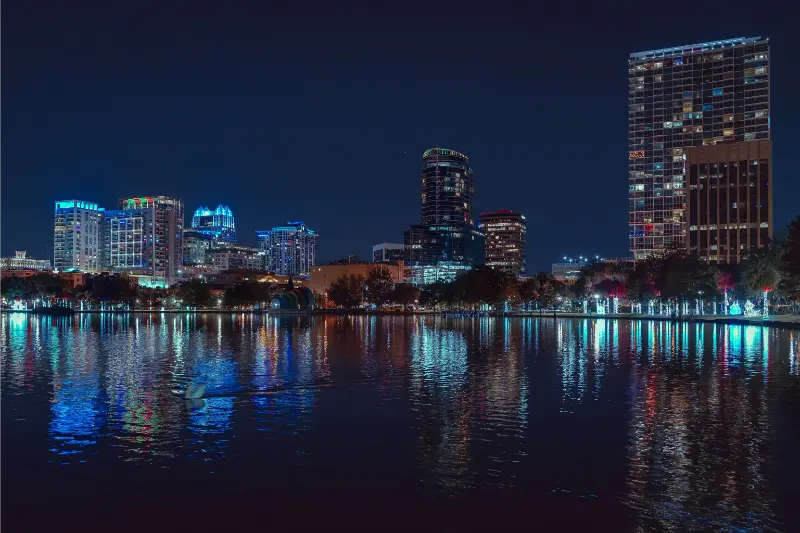
Orlando offers museums, exhibits, shopping areas and dining that do not require a full theme-park day. The Orlando Science Center is one possibility for families interested in hands-on learning, and other indoor attractions may suit older children or adults. Check the operating calendar and admission costs, because an indoor attraction can still be crowded during a rainy school holiday. Choose a small number of experiences within the same part of the city rather than driving repeatedly along congested roads in poor visibility.
Theme parks can operate in the rain, but outdoor rides and entertainment may pause during storms. If you already hold a park ticket, look for indoor attractions, meals and sheltered breaks while following official safety announcements. Do not count on the entire schedule returning immediately after the rain stops. Guests who are comfortable with wet conditions may find a short shower manageable; guests with children, mobility equipment or sensory sensitivities may prefer to return to their hotel until conditions improve.
Tampa and St. Petersburg: an arts-focused wet day
Tampa Bay is well suited to replacing a beach outing with a museum day. In St. Petersburg, the Dalí Museum offers galleries and programs that can fill several hours. Tampa has cultural attractions and historic interpretation, while other museums around the bay provide different options. Select places according to the visitors’ interests, not merely because they are indoors. Children who dislike art galleries might do better at an interactive science exhibit, while adults can happily spend an afternoon in a single collection.
Allow extra travel time on wet roads and choose parking near the venue. Coastal flooding can affect some low-lying streets independently of the severity of rainfall at the moment. Avoid parking in water-covered areas. A café or early dinner near the museum can turn a disappointing beach cancellation into a satisfying city day. Keep reservations flexible where possible; there is little advantage to crossing a bridge in a storm for a fixed restaurant booking when comparable food is available nearby.
Miami and Fort Lauderdale: indoor culture, not a wet-city marathon
In Miami, museums and galleries can make a cultural day, and selected markets or shopping areas offer respite from the heat. A rainy afternoon is not the time to plan five neighborhoods with complicated transfers. Choose one indoor anchor, such as an art museum, and one nearby meal. Little Havana or Little Haiti may be more enjoyable when you can explore on foot without heavy rain; cultural venues have their own schedules and may not be open on every day.
Fort Lauderdale has museums and indoor programs as well, but its waterways and low-lying roads deserve respect during intense rain. Check road conditions and avoid entering standing water by car or on foot. If a beach has lightning nearby, do not shelter under a palm tree or remain on a covered open-air terrace. Returning to the hotel for a long lunch or early evening can be the right choice. A safe quiet afternoon is not a failure.
The Panhandle: be prepared for fewer indoor choices
On the Emerald Coast and in smaller Panhandle beach towns, indoor attractions may be more widely spaced than in Orlando or Miami. Build your backup list before traveling: a local museum, visitor center, historic downtown or weather-safe café may be a better option than an exhausting drive to a distant indoor entertainment complex. In Pensacola, history and museum options can suit a wet day, subject to the specific venue’s access rules. Farther east, the correct choice depends on the town where you are based.
If a forecast suggests prolonged severe weather, do not take a long coastal highway drive simply to pass the time. Instead, check official warnings and make sure your lodging is in a safe position. Families in vacation rentals should know where the host’s emergency instructions, flashlights and essential supplies are located. Some areas can lose power during storms; a charged phone and backup battery are useful regardless of the season.
Give young children an indoor day they can enjoy
Parents often fear that children will be disappointed without the hotel pool or beach. A manageable alternative is a children’s museum, a science center with age-appropriate displays, or one indoor activity followed by quiet time. Do not substitute an all-day shopping mall unless the child enjoys it. For toddlers, preserve naps and meals. For school-age children, a short educational experience can work well when they have a clear activity to do rather than only looking at exhibits. Teens may prefer an indoor sports venue, escape room with appropriate age rules or time to choose a cultural activity themselves.
Rainy weather increases the importance of dry clothes, warm layers for heavily air-conditioned buildings and comfortable footwear. Wet shoes can cause blisters and create slipping risks. A small bag with snacks, water, a lightweight jacket and spare socks is useful. If someone uses a wheelchair or stroller, check that the chosen indoor venue has a workable entrance and a place to dry equipment without blocking others.
Plan for older adults and visitors with low stamina
Bad weather can make transfers harder for anyone who moves slowly or uses a cane, walker or mobility scooter. A venue labeled indoor may still require crossing a large uncovered car park. Look for covered drop-offs, elevators, benches, seating near restrooms and an easy pickup location. Reduce the number of stops. A museum plus a comfortable restaurant is often better than three attractions requiring repeated exits into heavy rain.
Visitors with hearing, vision or sensory needs may experience weather-related confusion and crowded indoor spaces differently. Check accessible services and communicate with staff about a quieter route if available. Medication, mobility device batteries and necessary equipment should remain protected from heavy rain. A hotel rest day with a small shared activity may be a more inclusive choice than forcing the group to keep an original schedule.
Keep food and transport flexible
During storms, rideshare waits and road conditions can change unexpectedly. If staying in a vacation rental, keep basic breakfast, drinking water and a simple meal available; there is no need to stockpile excessive quantities for an ordinary shower. For a more serious weather event, follow emergency management guidance on supplies and shelter. Never order a delivery driver into a location under an official evacuation or dangerous-road advisory just because the group wants restaurant food.
A wet day can also be a chance to enjoy Florida’s food culture: take time over a meal in Ybor City, a Cuban bakery in South Florida or a small coastal restaurant, if the location is safely accessible. Ask about opening hours and make reservations only when necessary. Pay attention to service charges and tipping policies rather than assuming every menu price is the final total.
A simple three-level weather plan
Use three options each morning. Level one is fair or manageable weather: do the outdoor activity early, carry rain protection and keep a nearby sheltered stop. Level two is regular thunderstorms or steady rain: shift to museums, indoor exhibits and restaurant plans close to the hotel. Level three is warnings for severe weather, flooding or tropical impacts: cancel discretionary travel, follow official local guidance and protect the group. You do not need to follow a rigid set of hours to use this system.
At the start of each day, identify the closest safe shelter to any outdoor destination and know how you will return. Never assume a covered tram platform or open pavilion counts as lightning-safe. Keep communication simple: if the main activity cancels, everyone knows which nearby indoor option is next. This eliminates arguments at the exact moment the weather gets worse.
A realistic example in Orlando
Imagine a planned morning garden visit followed by an afternoon pool break. If the weather forecast suggests later thunderstorms, keep the garden early and set a firm return time before storms approach. If heavy rain begins before departure, replace the garden with the science museum and eat nearby. If a severe weather warning is issued, do not drive to the museum at all; follow guidance and remain in safe shelter. One trip can legitimately use three different plans depending on the actual conditions.
The secret to a successful rainy Florida holiday is not pretending bad weather does not exist. It is designing days with choices and respecting safety limits. A few well-chosen museums, cafés and restful hours can make the journey worthwhile even when the weather prevents some outdoor plans.
Quick comparison
| Option | Good for | Check before you go |
|---|---|---|
| Ordinary light rain | Flexible museum or café visit | Check hours |
| Thunderstorms nearby | Go to substantial indoor shelter | Wait after last thunder |
| Flood or severe warning | Follow official instructions | Do not drive through water |
| Long wet spell | One indoor anchor per day | Avoid unnecessary intercity drives |
Frequently asked questions
Does a rain icon mean it will rain all day in Florida?
No. Review the hourly local forecast and any warnings; showers and prolonged storms create very different plans.
Do theme parks close when it rains?
Not necessarily, but specific outdoor attractions may pause or close because of lightning or other conditions. Follow operator announcements.
Is a beach pavilion safe during lightning?
No. Move to a substantial enclosed building or appropriate enclosed vehicle when thunder is heard.
Can I get a refund if a boat tour is canceled for weather?
The operator’s terms govern refunds and rebooking. Review them before buying and keep written cancellation notices.
Official sources
Official sources and planning details reviewed in October 2026. Confirm current admission rules, accessibility, opening hours and conditions before visiting.