Category: Florida Travel Guides

  • Northwest Florida Travel Guide: Pensacola, Destin, 30A, Panama City Beach and the Forgotten Coast

    Northwest Florida Travel Guide: Pensacola, Destin, 30A, Panama City Beach and the Forgotten Coast

    Northwest Florida is best understood as a region rather than a checklist of famous stops. Its strongest mix is white-sand Gulf beaches, military and maritime history, fishing towns and slower coastal road trips. A first-time visitor can build a satisfying trip by choosing one or two bases, then using day trips to add contrast instead of changing hotels every night.

    I would start by deciding whether the trip is mainly about coast, nature, cities, attractions or a combination. Good bases include Pensacola, Destin/Fort Walton Beach, South Walton/30A, Panama City Beach or Apalachicola. The distances are manageable when the itinerary follows one direction, but they become tiring when the same highways are repeated every day. The options suit couples, families, teenagers, senior travelers and multigenerational groups, with practical attention to accessibility and pacing.

    Quick planning summary

    • Best for: white-sand Gulf beaches, military and maritime history, fishing towns and slower coastal road trips.
    • Best bases: Pensacola, Destin/Fort Walton Beach, South Walton/30A, Panama City Beach or Apalachicola.
    • Recommended stay: 4–7 nights for one part of the region; 7–10 nights for a broader road trip.
    • Transport: a car is usually the easiest option outside compact downtowns and selected rail corridors.
    • Best planning rule: choose fewer bases and spend more time actually experiencing each place.

    In this guide

    Pensacola and Pensacola Beach

    Pensacola gives Northwest Florida a strong historical and cultural opening: a walkable downtown, naval heritage, museums and a long barrier-island beach just across the bay. It works especially well for travelers who want more than a resort beach because one day can mix architecture and local history with a second day on the sand. Pensacola Beach and nearby Gulf Islands landscapes add broad views, fishing, cycling and quieter shoreline beyond the busiest access points.
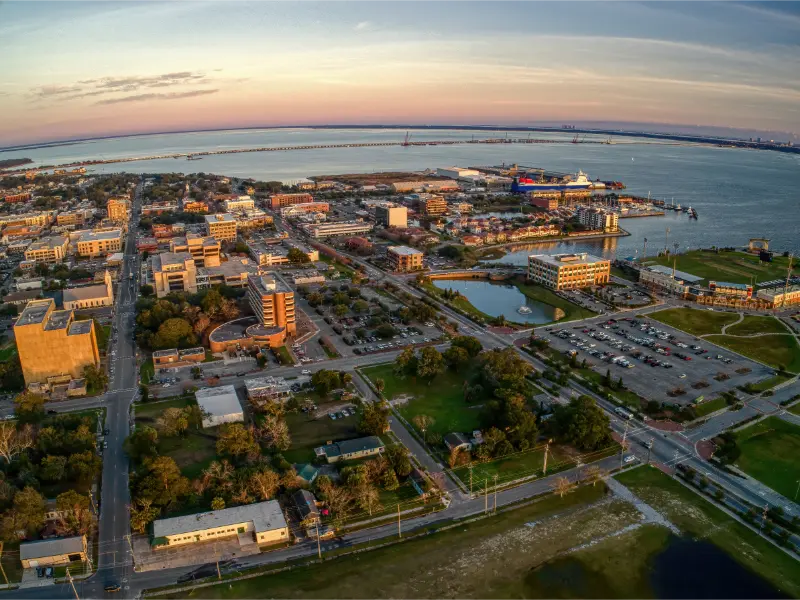
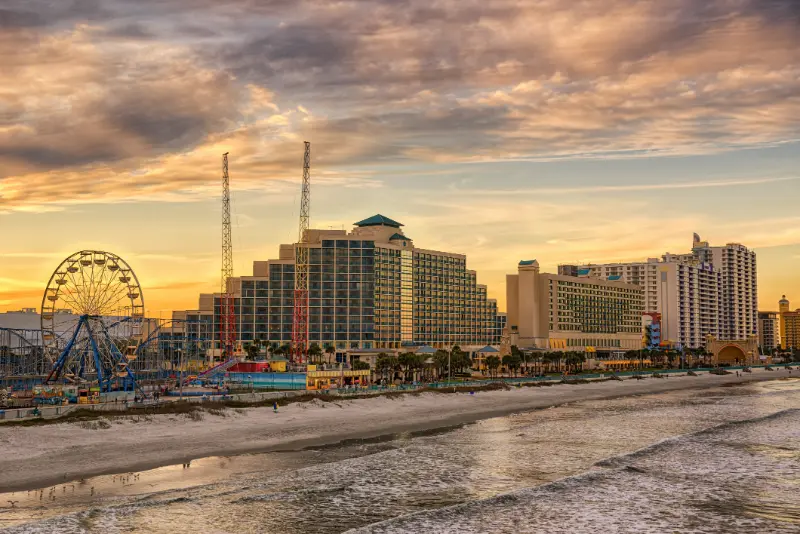
    Pensacola Florida Downtown Skyline at Golden Sunset Aerial

    Stay near downtown if restaurants and history matter most, or near the beach if early sand time is the priority. Allow extra time for bridges and beach traffic on holiday weekends. For a regional trip, the practical question is not how many stops can fit on a map but how much time the group wants to spend outside the car. Cluster attractions by base, preserve one lighter half-day, and avoid moving hotels simply to save a short drive. This matters for families with small children, senior travelers and anyone who values relaxed evenings.

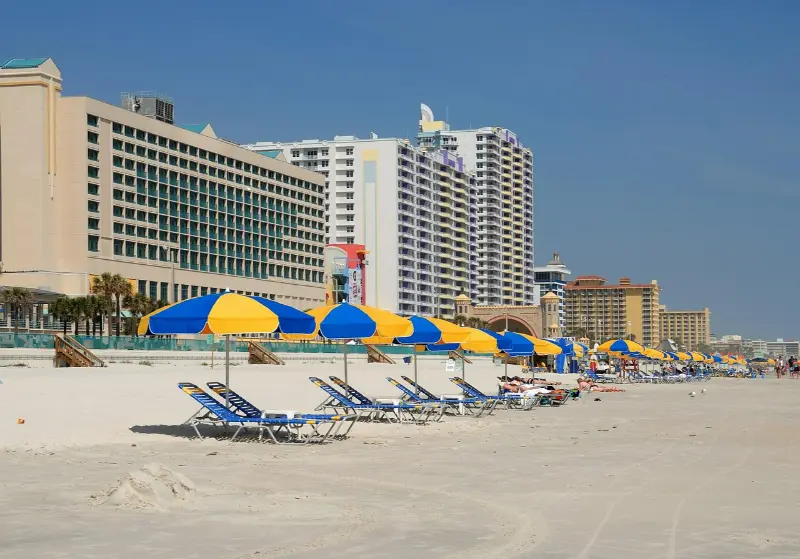
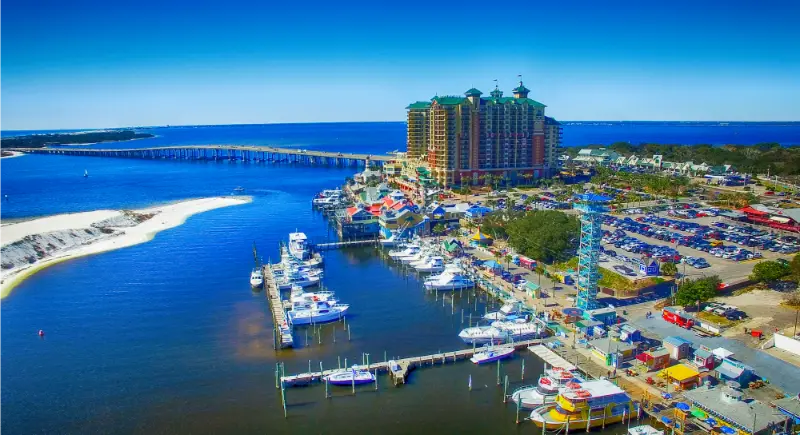
    The central Panhandle shifts toward classic emerald-water beach vacations. Navarre is comparatively relaxed, Fort Walton Beach is practical for families, and Destin adds marinas, charter fishing, waterfront entertainment and a large concentration of vacation rentals. Henderson Beach State Park and other protected stretches are useful when you want dune scenery rather than only resort frontage. This cluster is easy to enjoy without changing hotels every night.

    Pick one base for several nights. Driving the same coastal corridor repeatedly at peak times can consume more of the day than visitors expect, so group beach, marina and dinner plans geographically. Road-trip distances in Florida can be deceptive because bridges, beach traffic, weather and urban congestion change the real journey. I would plan around realistic door-to-door time, include a food or restroom stop, and keep a second nearby option for days when thunderstorms or capacity limits alter the original plan.

    South Walton and Scenic 30A

    South Walton and the communities along Scenic Highway 30A are strongest for travelers who enjoy attractive town centers, cycling, beach access and a slower daily rhythm. Seaside, Grayton Beach, Rosemary Beach and neighboring communities have distinct personalities, while coastal dune lakes and state parks add nature between developed areas. Prices can be higher than in some nearby beach towns, especially for well-located rentals.

    A bike or golf-cart-oriented plan may reduce short car trips where local rules permit, but do not assume every rental includes easy beach access. Verify parking, access points and any community-specific restrictions before booking. Accommodation location has a larger effect on the experience than a small difference in room price. Compare parking, resort fees, breakfast, laundry, kitchen facilities and the first drive of the morning. A well-located base often reduces both cost and fatigue over several days.

    Panama City Beach and St. Andrews

    Panama City Beach is one of the region’s easiest all-ages bases because it combines a long beach, family attractions, restaurants, boat excursions and nearby nature. St. Andrews State Park adds a more natural shoreline, while the lagoon side opens opportunities for paddling, fishing and wildlife trips. The destination can feel very different between quieter shoulder periods and major holiday or school-break weeks.
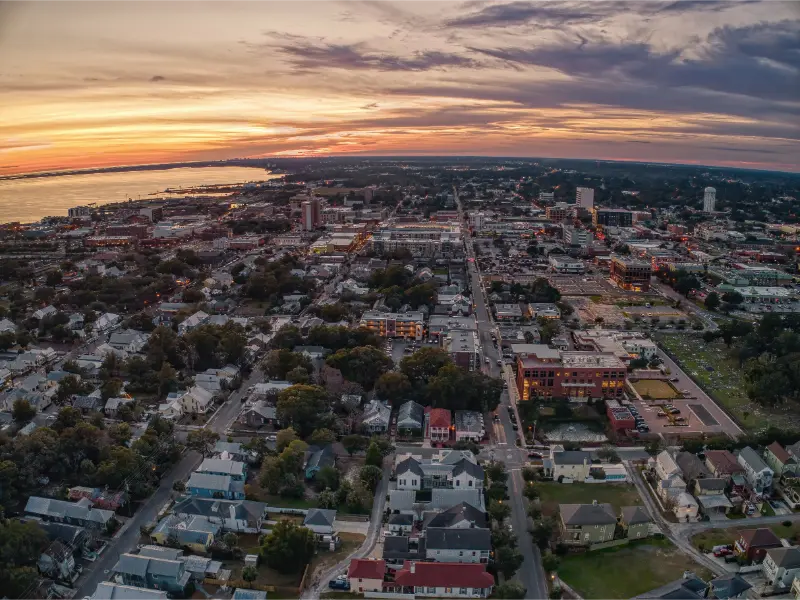
    Pensacola Florida Waterfront City Sunset Aerial

    Families should choose accommodation based on the part of the beach they expect to use most. A condo with kitchen and laundry can be more valuable than a slightly cheaper room that forces more driving and restaurant meals. Outdoor days are easiest when they start earlier, especially in warm months. Use midday for museums, lunch, pools or rest, then return outside later when conditions improve. Florida weather can change quickly, so a flexible sequence is usually better than a rigid hour-by-hour plan.

    Apalachicola, St. George Island and the Forgotten Coast

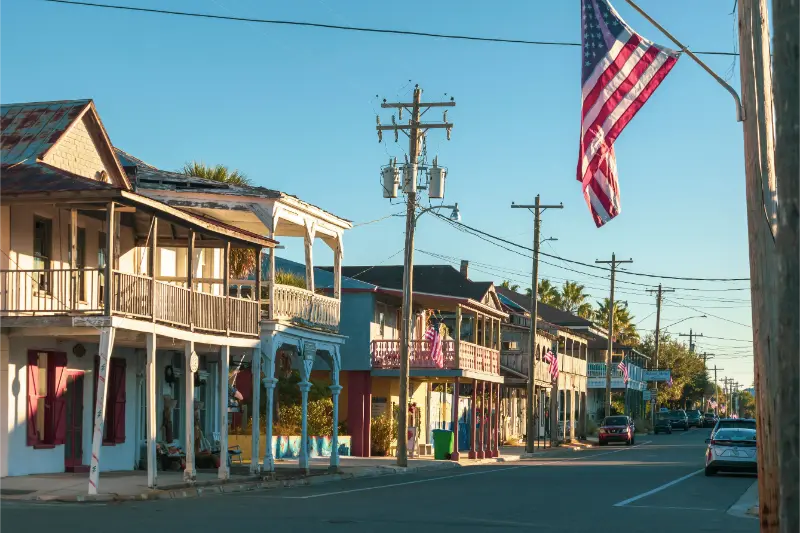
    Farther east, the Forgotten Coast changes the mood completely. Apalachicola offers a small historic downtown, seafood culture and an estuary setting, while St. George Island provides long beaches with less high-rise development. This part of Northwest Florida suits repeat visitors, couples, anglers, birders and families that prefer nature to nightlife. Services are more spread out, which is part of the appeal but also requires better planning.

    Fuel up before long coastal stretches, keep meal options flexible and check current park, bridge and weather conditions. Storm recovery or local works can temporarily affect individual roads and businesses. When an activity depends on wildlife, water, launches, ferries or park capacity, treat the schedule as conditional. Verify the responsible agency or operator shortly before travel and plan a nearby alternative that would still make the day worthwhile.

    Inland detours: Marianna, caverns and rivers

    Northwest Florida is not only coast. Around Marianna and the interior Panhandle, limestone geology, rivers, springs and forested landscapes give road-trippers a useful change of pace. Florida Caverns State Park is a notable example of the region’s inland character, while paddling routes and small towns make good breaks on a longer east-west drive. These stops are particularly useful when beach weather is unsettled.

    Treat inland attractions as real destinations rather than last-minute backups. Tour capacity, water levels, trail conditions and opening schedules can change, so check official sources before making a long detour. For a regional trip, the practical question is not how many stops can fit on a map but how much time the group wants to spend outside the car. Cluster attractions by base, preserve one lighter half-day, and avoid moving hotels simply to save a short drive. This matters for families with small children, senior travelers and anyone who values relaxed evenings.

    How many days to spend in Northwest Florida

    A quick beach break can work in three nights, but a regional trip needs more time because Pensacola and Apalachicola are far apart. Five to seven nights can cover one western and one central base; seven to ten days allows a more satisfying east-west road trip with a Forgotten Coast finish. Trying to visit every famous beach in one trip usually creates more windshield time than beach time.

    Build the itinerary around two or three bases and leave at least one flexible half-day for weather. Northwest Florida rewards slower stays because sunrise, sunset and calm morning beach time are part of the experience. Road-trip distances in Florida can be deceptive because bridges, beach traffic, weather and urban congestion change the real journey. I would plan around realistic door-to-door time, include a food or restroom stop, and keep a second nearby option for days when thunderstorms or capacity limits alter the original plan.

    Families, seniors and accessibility

    Northwest Florida can work extremely well for mixed-age trips if the day has one shared highlight rather than a long sequence of mandatory stops. Families with babies and toddlers benefit from short transfers, reliable restrooms, shade and accommodation where naps do not end the day. Teenagers often enjoy having one active or self-selected element such as surfing, kayaking, a sports event, shopping or a theme-park attraction. Senior travelers may prefer scenic drives, boat tours, museums and shorter walking loops.

    Accessibility should be checked at the level of the specific beach access, park, museum, boat, trail and hotel. A destination can be broadly accessible while one dune crossing, historic building or temporary route is not. Verify step-free access, beach mats or wheelchairs, elevators, accessible restrooms and parking directly when these features are essential. Build extra transition time into multigenerational days so the group does not have to move at the pace of its fastest member.

    Best time to visit

    The best season for Northwest Florida depends on the trip. Winter and early spring often bring comfortable outdoor weather but can also bring higher demand in popular coastal areas. Late spring can offer warm beach conditions before the most humid period. Summer is useful for school-holiday travel but requires earlier outdoor starts, frequent hydration and realistic thunderstorm backups. Fall can be quieter, but tropical-weather risk remains part of planning through hurricane season.

    Do not reduce the decision to a single statewide temperature chart. North Florida can feel much cooler than Miami in winter, Gulf and Atlantic water conditions differ, and inland afternoons can feel hotter than breezy beaches. For trips built around swimming, wildlife, fishing or festivals, check the seasonal pattern for that specific activity as well as the general weather.

    Getting around and airports

    A rental car is the most flexible way to explore Northwest Florida because many beaches, springs, preserves and small towns are not connected by frequent regional transit. In cities, however, parking can be expensive or inconvenient, so rideshare, trolleys, local buses or walking may be better for individual days. Build tolls, parking and one-way rental fees into the transport budget rather than treating the advertised car rate as the total cost.

    For flights, compare the airport closest to the first and last hotel rather than choosing solely by airfare. A cheaper flight that lands several hours from the actual destination may require an extra rental day, fuel and a tiring final drive. If the itinerary is linear, an open-jaw flight or one-way rental can sometimes save more time than it costs.

    Where to stay

    The strongest bases for Northwest Florida include Pensacola, Destin/Fort Walton Beach, South Walton/30A, Panama City Beach or Apalachicola. Beachfront lodging is valuable when sunrise, sand access and midday breaks are central to the trip. A downtown hotel is usually better when restaurants, museums and evening walks matter more. Vacation rentals can be useful for families and longer stays, but compare cleaning fees, parking, cancellation terms and legal occupancy rules before deciding they are cheaper.
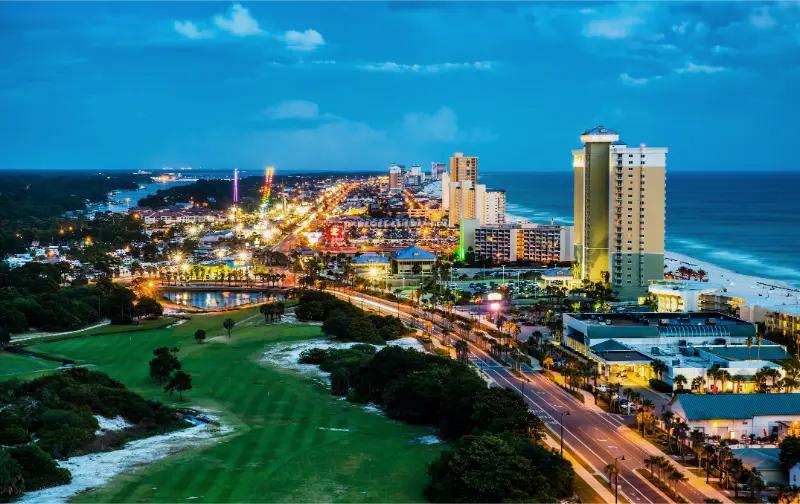
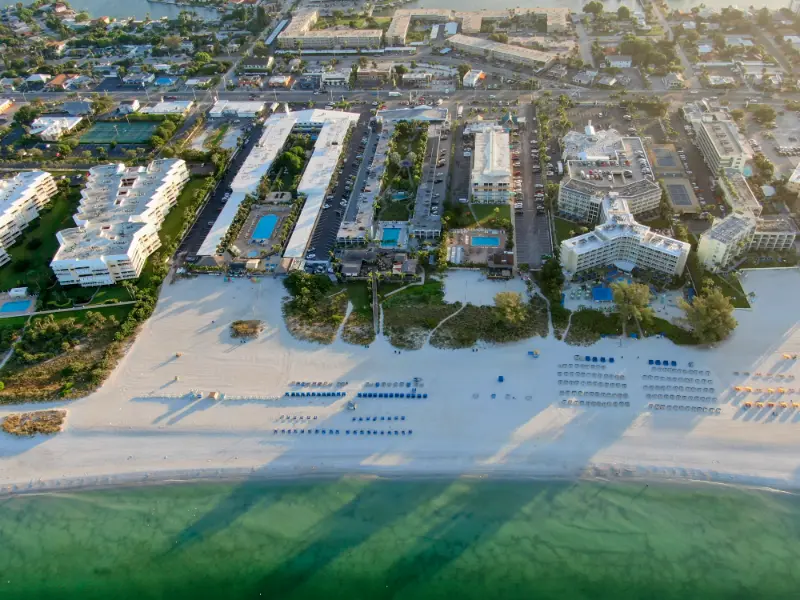
    Panama City Beach Hotels by the Gulf Aerial

    For a regional road trip, two well-chosen bases usually beat five one-night stops. Unpacking less often protects morning time and gives the group a place to recover after a long outdoor day. I would change hotels only when it removes a substantial drive or creates a genuinely different experience, not simply because another town appears on the route.

    A realistic 5-day regional itinerary

    Day 1: arrive and explore Pensacola and Pensacola Beach at an easy pace. Day 2: give the main beach, park or signature attraction a full day. Day 3: use Navarre, Fort Walton Beach and Destin for a contrasting experience. Day 4: choose South Walton and Scenic 30A or another nature-focused excursion. Day 5: finish with Panama City Beach and St. Andrews, a relaxed meal and departure without adding a distant final stop.

    If the trip lasts a week, add one unstructured weather day and one smaller town or wildlife area. If it lasts only three nights, remove a destination rather than compressing all five days. A successful regional itinerary should have enough space for a beach morning to run long, a child to need a nap, or a storm to push an outdoor plan to the following day.

    Budget and booking strategy

    The biggest cost variables are usually accommodation location, school-holiday timing, theme-park or attraction tickets, rental cars and restaurant frequency. Save by choosing the right base first, then compare a room with breakfast or kitchen facilities against a lower headline rate. Free beaches, state parks, downtown walks, scenic drives and wildlife areas can balance expensive attractions without making the trip feel cheap.

    Reserve genuinely capacity-limited experiences early, but avoid prepaying every hour of the trip. Check cancellation terms for hurricane season and for trips built around boat excursions. Prices, parking systems and reservation rules can change, so confirm the official source shortly before payment when a detail materially affects the budget.

    Common mistakes to avoid

    • Trying to cover the entire region from one hotel when the daily drive becomes repetitive.
    • Judging beach safety only by how calm the water looks.
    • Scheduling every outdoor activity for the hottest part of the afternoon.
    • Assuming every spring, refuge, ferry or boat tour operates the same way year-round.
    • Choosing accommodation by price without adding parking, resort fees and transport.
    • Planning wildlife encounters as guaranteed sightings.
    • Ignoring a weather backup and then losing a full day to thunderstorms.

    Pensacola travel guide, Destin and Fort Walton Beach guide, Florida Gulf Coast road trip, Best Florida beaches, Florida beach vacation guide.

    Official resources to check

    Opening hours, prices, event calendars, park capacity, water access, ferry or tour operations and storm-related conditions can change. Verify any detail that is essential to the trip with the responsible agency, attraction, accommodation or operator shortly before travel.

    Final advice

    Northwest Florida is most rewarding when the itinerary reflects what the region does best instead of trying to imitate another part of Florida. Choose a base that matches the group, protect the mornings for the experiences that matter most, and leave enough unscheduled time for weather and discovery. A slower regional trip usually creates better memories than a statewide checklist completed from the car.
  • Southeast Florida Travel Guide: Miami, Fort Lauderdale, Palm Beaches, Everglades and the Keys

    Southeast Florida Travel Guide: Miami, Fort Lauderdale, Palm Beaches, Everglades and the Keys

    Southeast Florida is best understood as a region rather than a checklist of famous stops. Its strongest mix is international city life, Atlantic beaches, Latin and Caribbean culture, rail-connected urban centers, Everglades access and Keys extensions. A first-time visitor can build a satisfying trip by choosing one or two bases, then using day trips to add contrast instead of changing hotels every night.

    I would start by deciding whether the trip is mainly about coast, nature, cities, attractions or a combination. Good bases include Miami/Miami Beach, Fort Lauderdale, West Palm Beach/Palm Beach or a split stay. The distances are manageable when the itinerary follows one direction, but they become tiring when the same highways are repeated every day. The options suit couples, families, teenagers, senior travelers and multigenerational groups, with practical attention to accessibility and pacing.

    Quick planning summary

    • Best for: international city life, Atlantic beaches, Latin and Caribbean culture, rail-connected urban centers, Everglades access and Keys extensions.
    • Best bases: Miami/Miami Beach, Fort Lauderdale, West Palm Beach/Palm Beach or a split stay.
    • Recommended stay: 4–7 nights for one part of the region; 7–10 nights for a broader road trip.
    • Transport: a car is usually the easiest option outside compact downtowns and selected rail corridors.
    • Best planning rule: choose fewer bases and spend more time actually experiencing each place.

    In this guide

    Miami and Miami Beach

    Miami is not one neighborhood. South Beach, Downtown, Brickell, Little Havana, Coconut Grove and Wynwood create different trips, and Miami Beach adds a separate barrier-island geography. The city works best when visitors choose a base that matches evening plans and then cluster daytime activities. Its food and cultural mix is a major part of the experience, not simply an addition to the beach.

    Avoid crossing the metro area several times a day. Use Metrorail, Metromover, buses, rideshare and walking where they make sense, and treat a rental car as optional for city-only days. For a regional trip, the practical question is not how many stops can fit on a map but how much time the group wants to spend outside the car. Cluster attractions by base, preserve one lighter half-day, and avoid moving hotels simply to save a short drive. This matters for families with small children, senior travelers and anyone who values relaxed evenings.

    Fort Lauderdale and the waterways

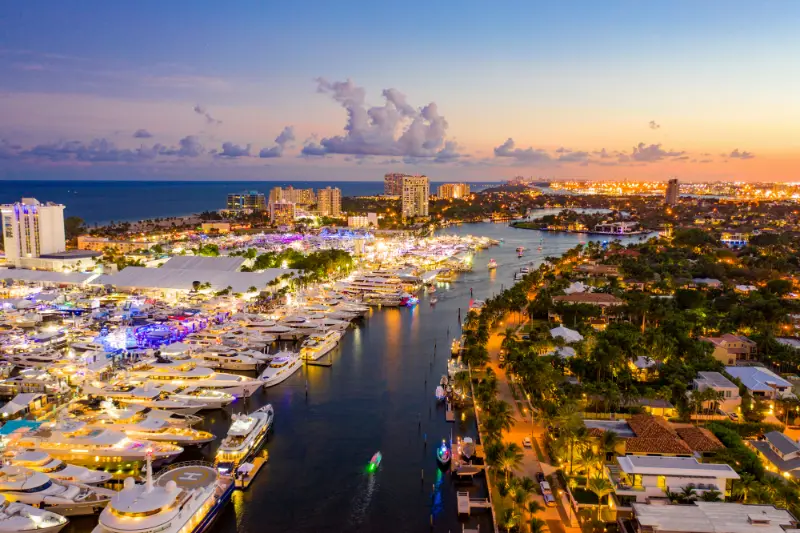
    Fort Lauderdale offers a beach-city compromise with canals, Water Taxi routes, Las Olas dining and a large cruise-port presence. It is generally easier to combine beach and urban activities here than in Miami, which can make it appealing to families and travelers who want a lower-intensity South Florida base.

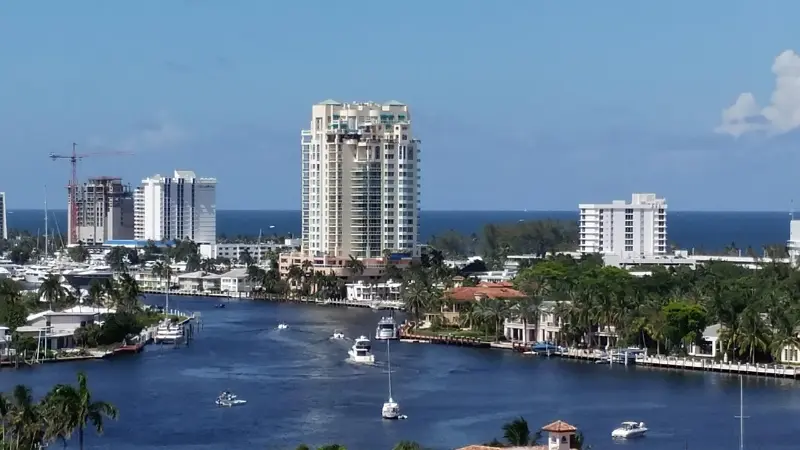
    Fort Lauderdale Marina and City Buildings

    Pre-cruise travelers should arrive early enough to absorb flight delays and still enjoy the city. Verify port transfer and hotel shuttle details rather than assuming proximity guarantees service. Road-trip distances in Florida can be deceptive because bridges, beach traffic, weather and urban congestion change the real journey. I would plan around realistic door-to-door time, include a food or restroom stop, and keep a second nearby option for days when thunderstorms or capacity limits alter the original plan.

    Palm Beach, West Palm Beach and coastal towns

    The Palm Beaches combine upscale resorts, walkable districts, gardens, museums, waterfronts and multiple beach communities. West Palm Beach has the strongest urban core, while Palm Beach emphasizes architecture and resort history. Delray Beach and Jupiter add different coastal personalities farther south and north.

    This area is well suited to a rail-based trip because Brightline serves West Palm Beach, but beach access may still require rideshare or local transit. Plan the last mile rather than only the intercity journey. Accommodation location has a larger effect on the experience than a small difference in room price. Compare parking, resort fees, breakfast, laundry, kitchen facilities and the first drive of the morning. A well-located base often reduces both cost and fatigue over several days.

    Everglades access from Southeast Florida

    The Everglades are close enough to Miami and Fort Lauderdale for a day trip, yet the park’s entrances lead to different landscapes and are not interconnected by an internal road. Shark Valley, the Homestead area and the wider ecosystem require different routes. A rushed visit can easily spend more time driving than walking or paddling.

    Choose one entrance based on the wildlife, trails or boat experience you want. Carry water, insect protection and weather flexibility, and never approach alligators or other wildlife. Outdoor days are easiest when they start earlier, especially in warm months. Use midday for museums, lunch, pools or rest, then return outside later when conditions improve. Florida weather can change quickly, so a flexible sequence is usually better than a rigid hour-by-hour plan.

    Biscayne Bay and water-based South Florida

    Biscayne National Park, Biscayne Bay and the urban coastline show why boats and water access matter so much in Southeast Florida. Snorkeling, paddling and boat tours can reveal mangroves, reefs and islands that cannot be understood from a highway. Conditions on the water are more important than a fixed itinerary.

    Book with operators that emphasize safety and conservation, and check wind and marine forecasts. Travelers who are uncomfortable on small boats should choose shore-based alternatives rather than forcing an excursion. When an activity depends on wildlife, water, launches, ferries or park capacity, treat the schedule as conditional. Verify the responsible agency or operator shortly before travel and plan a nearby alternative that would still make the day worthwhile.

    Florida Keys as an extension

    The Keys are often grouped into a Southeast Florida vacation, but Key Largo and Key West are far enough apart to deserve separate planning. Key Largo can work as an overnight from Miami, while a full Keys road trip needs several days. Traffic on the Overseas Highway can make return times unpredictable.

    Do not plan a Key West day trip from Miami unless the long travel day is the main objective. A split stay creates a much better balance of reef, sunset and road-trip experiences. For a regional trip, the practical question is not how many stops can fit on a map but how much time the group wants to spend outside the car. Cluster attractions by base, preserve one lighter half-day, and avoid moving hotels simply to save a short drive. This matters for families with small children, senior travelers and anyone who values relaxed evenings.

    Car-free possibilities and airport strategy

    Southeast Florida has the state’s strongest intercity rail options, with Brightline linking Miami, Aventura, Fort Lauderdale, Boca Raton and West Palm Beach, and continuing to Orlando. Major airports in Miami, Fort Lauderdale and Palm Beach give visitors multiple fare and schedule options.

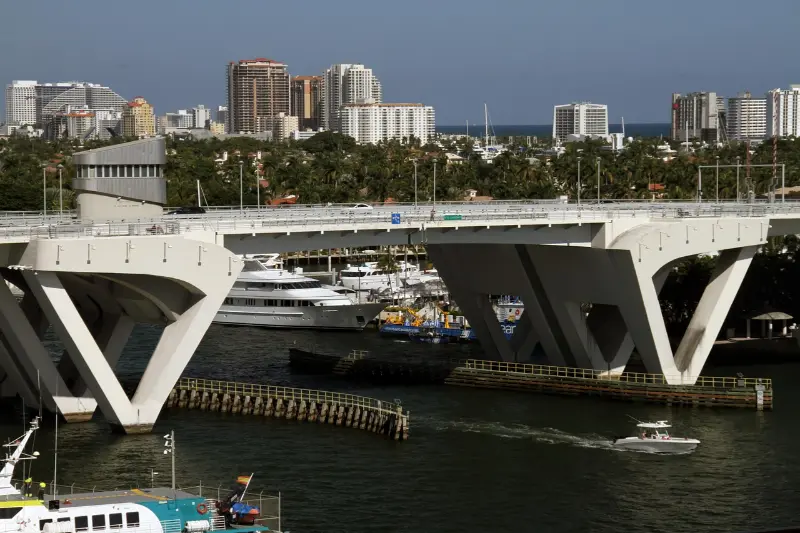
    Fort Lauderdale City Riverfront and Bridge

    Choose the airport based on the first and last nights, not only airfare. A cheaper flight can create expensive transfers if it lands far from the actual base during a congested time. Road-trip distances in Florida can be deceptive because bridges, beach traffic, weather and urban congestion change the real journey. I would plan around realistic door-to-door time, include a food or restroom stop, and keep a second nearby option for days when thunderstorms or capacity limits alter the original plan.

    Families, seniors and accessibility

    Southeast Florida can work extremely well for mixed-age trips if the day has one shared highlight rather than a long sequence of mandatory stops. Families with babies and toddlers benefit from short transfers, reliable restrooms, shade and accommodation where naps do not end the day. Teenagers often enjoy having one active or self-selected element such as surfing, kayaking, a sports event, shopping or a theme-park attraction. Senior travelers may prefer scenic drives, boat tours, museums and shorter walking loops.

    Accessibility should be checked at the level of the specific beach access, park, museum, boat, trail and hotel. A destination can be broadly accessible while one dune crossing, historic building or temporary route is not. Verify step-free access, beach mats or wheelchairs, elevators, accessible restrooms and parking directly when these features are essential. Build extra transition time into multigenerational days so the group does not have to move at the pace of its fastest member.

    Best time to visit

    The best season for Southeast Florida depends on the trip. Winter and early spring often bring comfortable outdoor weather but can also bring higher demand in popular coastal areas. Late spring can offer warm beach conditions before the most humid period. Summer is useful for school-holiday travel but requires earlier outdoor starts, frequent hydration and realistic thunderstorm backups. Fall can be quieter, but tropical-weather risk remains part of planning through hurricane season.

    Do not reduce the decision to a single statewide temperature chart. North Florida can feel much cooler than Miami in winter, Gulf and Atlantic water conditions differ, and inland afternoons can feel hotter than breezy beaches. For trips built around swimming, wildlife, fishing or festivals, check the seasonal pattern for that specific activity as well as the general weather.

    Getting around and airports

    A rental car is the most flexible way to explore Southeast Florida because many beaches, springs, preserves and small towns are not connected by frequent regional transit. In cities, however, parking can be expensive or inconvenient, so rideshare, trolleys, local buses or walking may be better for individual days. Build tolls, parking and one-way rental fees into the transport budget rather than treating the advertised car rate as the total cost.

    For flights, compare the airport closest to the first and last hotel rather than choosing solely by airfare. A cheaper flight that lands several hours from the actual destination may require an extra rental day, fuel and a tiring final drive. If the itinerary is linear, an open-jaw flight or one-way rental can sometimes save more time than it costs.

    Where to stay

    The strongest bases for Southeast Florida include Miami/Miami Beach, Fort Lauderdale, West Palm Beach/Palm Beach or a split stay. Beachfront lodging is valuable when sunrise, sand access and midday breaks are central to the trip. A downtown hotel is usually better when restaurants, museums and evening walks matter more. Vacation rentals can be useful for families and longer stays, but compare cleaning fees, parking, cancellation terms and legal occupancy rules before deciding they are cheaper.

    For a regional road trip, two well-chosen bases usually beat five one-night stops. Unpacking less often protects morning time and gives the group a place to recover after a long outdoor day. I would change hotels only when it removes a substantial drive or creates a genuinely different experience, not simply because another town appears on the route.

    A realistic 5-day regional itinerary

    Day 1: arrive and explore Miami and Miami Beach at an easy pace. Day 2: give the main beach, park or signature attraction a full day. Day 3: use Fort Lauderdale and the waterways for a contrasting experience. Day 4: choose Palm Beach, West Palm Beach and coastal towns or another nature-focused excursion. Day 5: finish with Everglades access from Southeast Florida, a relaxed meal and departure without adding a distant final stop.

    If the trip lasts a week, add one unstructured weather day and one smaller town or wildlife area. If it lasts only three nights, remove a destination rather than compressing all five days. A successful regional itinerary should have enough space for a beach morning to run long, a child to need a nap, or a storm to push an outdoor plan to the following day.

    Budget and booking strategy

    The biggest cost variables are usually accommodation location, school-holiday timing, theme-park or attraction tickets, rental cars and restaurant frequency. Save by choosing the right base first, then compare a room with breakfast or kitchen facilities against a lower headline rate. Free beaches, state parks, downtown walks, scenic drives and wildlife areas can balance expensive attractions without making the trip feel cheap.

    Reserve genuinely capacity-limited experiences early, but avoid prepaying every hour of the trip. Check cancellation terms for hurricane season and for trips built around boat excursions. Prices, parking systems and reservation rules can change, so confirm the official source shortly before payment when a detail materially affects the budget.

    Common mistakes to avoid

    • Trying to cover the entire region from one hotel when the daily drive becomes repetitive.
    • Judging beach safety only by how calm the water looks.
    • Scheduling every outdoor activity for the hottest part of the afternoon.
    • Assuming every spring, refuge, ferry or boat tour operates the same way year-round.
    • Choosing accommodation by price without adding parking, resort fees and transport.
    • Planning wildlife encounters as guaranteed sightings.
    • Ignoring a weather backup and then losing a full day to thunderstorms.

    Miami and Miami Beach guide, Fort Lauderdale guide, Palm Beaches guide, Everglades National Park guide, Florida Keys and Key West guide.

    Official resources to check

    Opening hours, prices, event calendars, park capacity, water access, ferry or tour operations and storm-related conditions can change. Verify any detail that is essential to the trip with the responsible agency, attraction, accommodation or operator shortly before travel.

    Final advice

    Southeast Florida is most rewarding when the itinerary reflects what the region does best instead of trying to imitate another part of Florida. Choose a base that matches the group, protect the mornings for the experiences that matter most, and leave enough unscheduled time for weather and discovery. A slower regional trip usually creates better memories than a statewide checklist completed from the car.
  • Florida Treasure Coast Travel Guide: Vero Beach, Fort Pierce, Port St. Lucie, Stuart and Hutchinson Island

    Florida Treasure Coast Travel Guide: Vero Beach, Fort Pierce, Port St. Lucie, Stuart and Hutchinson Island

    Florida Treasure Coast is best understood as a region rather than a checklist of famous stops. Its strongest mix is uncrowded Atlantic beaches, lagoon wildlife, fishing, small downtowns, sea-turtle habitat and a relaxed alternative to South Florida. A first-time visitor can build a satisfying trip by choosing one or two bases, then using day trips to add contrast instead of changing hotels every night.

    I would start by deciding whether the trip is mainly about coast, nature, cities, attractions or a combination. Good bases include Vero Beach, Fort Pierce, Port St. Lucie, Stuart or Hutchinson Island. The distances are manageable when the itinerary follows one direction, but they become tiring when the same highways are repeated every day. The options suit couples, families, teenagers, senior travelers and multigenerational groups, with practical attention to accessibility and pacing.

    Quick planning summary

    • Best for: uncrowded Atlantic beaches, lagoon wildlife, fishing, small downtowns, sea-turtle habitat and a relaxed alternative to South Florida.
    • Best bases: Vero Beach, Fort Pierce, Port St. Lucie, Stuart or Hutchinson Island.
    • Recommended stay: 4–7 nights for one part of the region; 7–10 nights for a broader road trip.
    • Transport: a car is usually the easiest option outside compact downtowns and selected rail corridors.
    • Best planning rule: choose fewer bases and spend more time actually experiencing each place.

    In this guide

    Vero Beach and Indian River County

    Vero Beach offers an appealing middle ground between resort convenience and a quieter coastal rhythm. The area includes public beaches, cultural institutions, gardens and access to the Indian River Lagoon. It works well for couples and multigenerational travelers who want good restaurants and services without the scale of Miami or Fort Lauderdale.

    Choose beachside accommodation for sunrise and easy sand time, or stay mainland for practical access and value. Causeway crossings are straightforward but add time if repeated several times a day. For a regional trip, the practical question is not how many stops can fit on a map but how much time the group wants to spend outside the car. Cluster attractions by base, preserve one lighter half-day, and avoid moving hotels simply to save a short drive. This matters for families with small children, senior travelers and anyone who values relaxed evenings.

    Fort Pierce: waterfront, fishing and history

    Fort Pierce has a working waterfront, historic downtown, fishing culture and access to reefs, beaches and lagoon environments. The town is particularly interesting for travelers who like local markets, museums and marine life alongside beach time. Hutchinson Island begins just across the water, giving the area both mainland and barrier-island options.

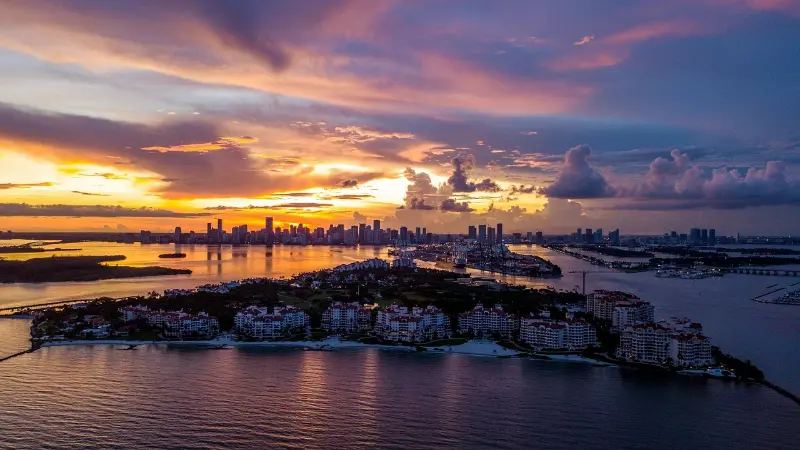
    Fisher Island Miami Waterfront at Sunset

    Check market days and museum schedules if they are part of the plan. Beach and boat activities should remain flexible around wind, thunderstorms and marine conditions. Road-trip distances in Florida can be deceptive because bridges, beach traffic, weather and urban congestion change the real journey. I would plan around realistic door-to-door time, include a food or restroom stop, and keep a second nearby option for days when thunderstorms or capacity limits alter the original plan.

    Hutchinson Island and long Atlantic beaches

    Hutchinson Island stretches along the coast with multiple beach accesses, parks and nature areas. It can feel far quieter than Southeast Florida despite being within driving reach of major airports. Sea turtles nest on this coastline, which makes nighttime lighting and respectful beach behavior important during nesting season.

    Use marked public accesses and follow seasonal lighting rules. Atlantic surf can be energetic, so families should check rip-current conditions and lifeguard coverage rather than judging safety by appearance. Accommodation location has a larger effect on the experience than a small difference in room price. Compare parking, resort fees, breakfast, laundry, kitchen facilities and the first drive of the morning. A well-located base often reduces both cost and fatigue over several days.

    Port St. Lucie as a practical base

    Port St. Lucie is inland from the barrier beaches but offers a large range of accommodation, shopping and everyday services. It can be a practical base for travelers visiting several parts of the Treasure Coast, especially families who prioritize space, parking and predictable dining over a beachfront address.

    Calculate actual morning drive times to the specific beach or attraction before booking. A lower room rate is useful only if the repeated commute still fits the desired pace. Outdoor days are easiest when they start earlier, especially in warm months. Use midday for museums, lunch, pools or rest, then return outside later when conditions improve. Florida weather can change quickly, so a flexible sequence is usually better than a rigid hour-by-hour plan.

    Stuart and the southern Treasure Coast

    Stuart combines a compact downtown, waterfront, boating and fishing identity at the southern end of the Treasure Coast. Nearby Jensen Beach and Hobe Sound add beach access and nature. The area transitions gradually toward the Palm Beaches, making it a useful stop on an Atlantic Coast road trip.

    Stay near downtown for evening walks and restaurants, or closer to the island if beach time dominates. Weekend events can make a small downtown much busier than expected. When an activity depends on wildlife, water, launches, ferries or park capacity, treat the schedule as conditional. Verify the responsible agency or operator shortly before travel and plan a nearby alternative that would still make the day worthwhile.

    Hobie Island Beach Park Miami with Water and Boats

    Lagoon wildlife, refuges and paddling

    The Indian River Lagoon and nearby preserves support dolphins, manatees, birds and diverse estuary habitats. Paddling and eco-tours can be excellent, but wildlife encounters should remain observational. Water quality and weather can vary across a long lagoon system.

    Use reputable operators, avoid feeding wildlife and check current local water advisories. Early morning is often more comfortable for paddling and birding in warmer months. For a regional trip, the practical question is not how many stops can fit on a map but how much time the group wants to spend outside the car. Cluster attractions by base, preserve one lighter half-day, and avoid moving hotels simply to save a short drive. This matters for families with small children, senior travelers and anyone who values relaxed evenings.

    How the Treasure Coast fits a Florida itinerary

    The Treasure Coast works well between the Space Coast and Palm Beaches on a north-south road trip. Two or three nights are enough for one base, while four or five allow beach, lagoon, downtown and nature days without rushing. It is also a strong standalone choice for travelers who want Atlantic coast access without major-city intensity.

    Do not schedule every day around a long drive to Miami or Orlando. The region is most rewarding when visitors actually use its quieter beaches, small downtowns and waterways rather than treating it only as a cheaper sleeping base. Road-trip distances in Florida can be deceptive because bridges, beach traffic, weather and urban congestion change the real journey. I would plan around realistic door-to-door time, include a food or restroom stop, and keep a second nearby option for days when thunderstorms or capacity limits alter the original plan.

    Families, seniors and accessibility

    Florida Treasure Coast can work extremely well for mixed-age trips if the day has one shared highlight rather than a long sequence of mandatory stops. Families with babies and toddlers benefit from short transfers, reliable restrooms, shade and accommodation where naps do not end the day. Teenagers often enjoy having one active or self-selected element such as surfing, kayaking, a sports event, shopping or a theme-park attraction. Senior travelers may prefer scenic drives, boat tours, museums and shorter walking loops.

    Accessibility should be checked at the level of the specific beach access, park, museum, boat, trail and hotel. A destination can be broadly accessible while one dune crossing, historic building or temporary route is not. Verify step-free access, beach mats or wheelchairs, elevators, accessible restrooms and parking directly when these features are essential. Build extra transition time into multigenerational days so the group does not have to move at the pace of its fastest member.

    Best time to visit

    The best season for Florida Treasure Coast depends on the trip. Winter and early spring often bring comfortable outdoor weather but can also bring higher demand in popular coastal areas. Late spring can offer warm beach conditions before the most humid period. Summer is useful for school-holiday travel but requires earlier outdoor starts, frequent hydration and realistic thunderstorm backups. Fall can be quieter, but tropical-weather risk remains part of planning through hurricane season.

    Do not reduce the decision to a single statewide temperature chart. North Florida can feel much cooler than Miami in winter, Gulf and Atlantic water conditions differ, and inland afternoons can feel hotter than breezy beaches. For trips built around swimming, wildlife, fishing or festivals, check the seasonal pattern for that specific activity as well as the general weather.

    Getting around and airports

    A rental car is the most flexible way to explore Florida Treasure Coast because many beaches, springs, preserves and small towns are not connected by frequent regional transit. In cities, however, parking can be expensive or inconvenient, so rideshare, trolleys, local buses or walking may be better for individual days. Build tolls, parking and one-way rental fees into the transport budget rather than treating the advertised car rate as the total cost.

    For flights, compare the airport closest to the first and last hotel rather than choosing solely by airfare. A cheaper flight that lands several hours from the actual destination may require an extra rental day, fuel and a tiring final drive. If the itinerary is linear, an open-jaw flight or one-way rental can sometimes save more time than it costs.

    Where to stay

    The strongest bases for Florida Treasure Coast include Vero Beach, Fort Pierce, Port St. Lucie, Stuart or Hutchinson Island. Beachfront lodging is valuable when sunrise, sand access and midday breaks are central to the trip. A downtown hotel is usually better when restaurants, museums and evening walks matter more. Vacation rentals can be useful for families and longer stays, but compare cleaning fees, parking, cancellation terms and legal occupancy rules before deciding they are cheaper.

    For a regional road trip, two well-chosen bases usually beat five one-night stops. Unpacking less often protects morning time and gives the group a place to recover after a long outdoor day. I would change hotels only when it removes a substantial drive or creates a genuinely different experience, not simply because another town appears on the route.

    A realistic 5-day regional itinerary

    Day 1: arrive and explore Vero Beach and Indian River County at an easy pace. Day 2: give the main beach, park or signature attraction a full day. Day 3: use Fort Pierce: waterfront, fishing and history for a contrasting experience. Day 4: choose Hutchinson Island and long Atlantic beaches or another nature-focused excursion. Day 5: finish with Port St. Lucie as a practical base, a relaxed meal and departure without adding a distant final stop.

    If the trip lasts a week, add one unstructured weather day and one smaller town or wildlife area. If it lasts only three nights, remove a destination rather than compressing all five days. A successful regional itinerary should have enough space for a beach morning to run long, a child to need a nap, or a storm to push an outdoor plan to the following day.

    Budget and booking strategy

    The biggest cost variables are usually accommodation location, school-holiday timing, theme-park or attraction tickets, rental cars and restaurant frequency. Save by choosing the right base first, then compare a room with breakfast or kitchen facilities against a lower headline rate. Free beaches, state parks, downtown walks, scenic drives and wildlife areas can balance expensive attractions without making the trip feel cheap.

    Reserve genuinely capacity-limited experiences early, but avoid prepaying every hour of the trip. Check cancellation terms for hurricane season and for trips built around boat excursions. Prices, parking systems and reservation rules can change, so confirm the official source shortly before payment when a detail materially affects the budget.

    Common mistakes to avoid

    • Trying to cover the entire region from one hotel when the daily drive becomes repetitive.
    • Judging beach safety only by how calm the water looks.
    • Scheduling every outdoor activity for the hottest part of the afternoon.
    • Assuming every spring, refuge, ferry or boat tour operates the same way year-round.
    • Choosing accommodation by price without adding parking, resort fees and transport.
    • Planning wildlife encounters as guaranteed sightings.
    • Ignoring a weather backup and then losing a full day to thunderstorms.

    Florida Atlantic Coast road trip, Best Florida beaches, Florida sea turtle nesting guide, Florida wildlife guide, Best beach towns in Florida.

    Official resources to check

    Opening hours, prices, event calendars, park capacity, water access, ferry or tour operations and storm-related conditions can change. Verify any detail that is essential to the trip with the responsible agency, attraction, accommodation or operator shortly before travel.

    Final advice

    Florida Treasure Coast is most rewarding when the itinerary reflects what the region does best instead of trying to imitate another part of Florida. Choose a base that matches the group, protect the mornings for the experiences that matter most, and leave enough unscheduled time for weather and discovery. A slower regional trip usually creates better memories than a statewide checklist completed from the car.
  • Best Things to Do in Florida: Theme Parks, Beaches, Springs, Wildlife, Cities and Road Trips

    Best Things to Do in Florida: Theme Parks, Beaches, Springs, Wildlife, Cities and Road Trips

    Florida is one of the rare destinations where a single vacation can combine world-famous theme parks, subtropical beaches, freshwater springs, wildlife-rich wetlands, historic cities, rocket launches, island roads and food shaped by Caribbean, Latin American and Southern influences. The challenge is not finding something to do; it is deciding what deserves limited vacation time. A useful statewide guide should therefore organize experiences by travel style instead of pretending that every visitor wants the same top-ten list.

    For a first trip, I would choose one headline experience, one water or nature experience and one place that shows a more local side of Florida. Families can combine Orlando with an easy beach, couples may prefer the Keys or Southwest Florida, senior travelers often benefit from longer stays in walkable coastal towns, and repeat visitors can build a road trip around springs, small towns or wildlife. The goal is a trip with contrast, not a race across the state.

    Quick Planning Summary

    • Theme parks remain a major draw, but Florida is much broader than Orlando.
    • Choose Gulf, Atlantic, Panhandle or Keys water experiences according to the trip rather than a generic beach ranking.
    • Springs, state parks and the Everglades provide some of the state’s most distinctive natural experiences.
    • Cities such as Miami, St. Petersburg, Tampa and St. Augustine add food, art, history and evening activity.
    • A road trip works best with two or three regional bases rather than a different hotel every night.

    In this guide

    Theme parks and major attractions

    Orlando contains the largest concentration of major theme parks, with Walt Disney World, Universal Orlando, SeaWorld and nearby LEGOLAND creating enough material for an entire vacation. A first-time visitor should decide whether theme parks are the trip or one part of the trip, because the answer changes hotel location, transport, budget and daily energy. Families with small children often benefit from midday breaks, while teenagers may prefer fewer parks with more time for headline rides and evening entertainment.

    Tickets and operating systems change regularly, so use official park information close to travel. Do not schedule a long drive or late flight immediately after a full opening-to-closing park day. Keep the day geographically compact. Florida traffic, bridge crossings and parking can turn a simple-looking transfer into lost vacation time, so one major area plus one nearby secondary stop is usually enough.

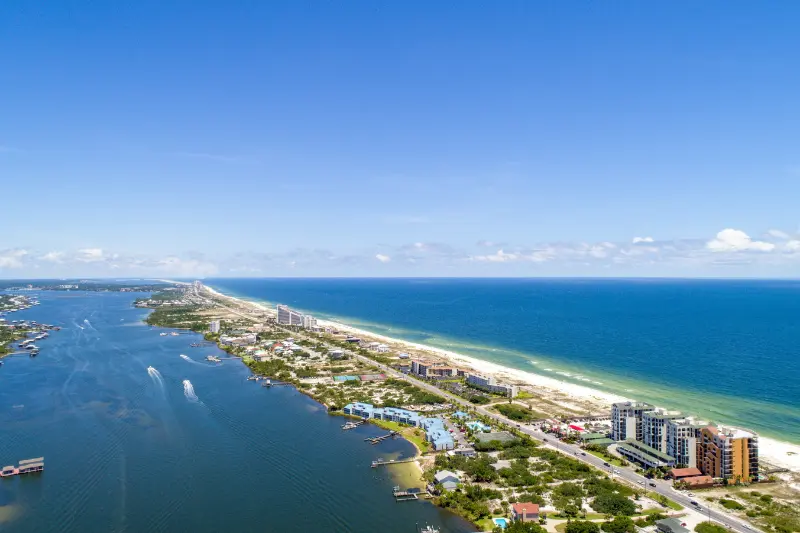
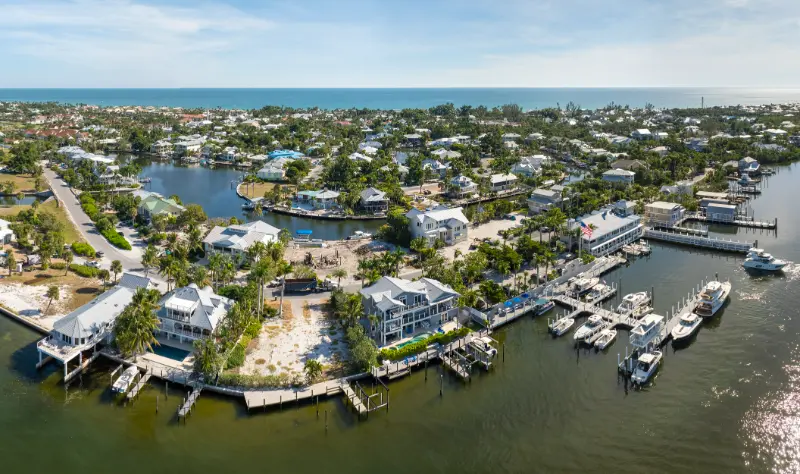
    Florida Coastal Highway and Sea Aerial View

    Florida beaches: Gulf, Atlantic, Panhandle and Keys

    Florida beaches are not interchangeable. Northwest Florida is known for bright sand and Gulf water, Central and Southwest Gulf communities emphasize sunsets and barrier islands, Atlantic beaches offer surf culture and sunrise, and South Florida mixes city life with tropical shoreline. The Keys are water-focused and scenic but do not provide endless broad sandy beaches at every stop.

    Choose the coast according to swimming, surfing, shelling, nightlife, family facilities or quiet scenery. Daily flags, rip-current guidance and storms matter more than a destination’s reputation for calm water. Build a weather alternative before the trip rather than after a thunderstorm begins. Museums, long lunches, pools and flexible neighborhood time can protect the day without forcing the group to chase the original schedule.

    Natural springs and state parks

    Clear freshwater springs are one of Florida’s most distinctive experiences, especially in North and Central Florida. Depending on the park, visitors may swim, tube, paddle, hike or take a boat tour through spring-fed rivers. State parks also protect beaches, dunes, forests, historic sites and caves, giving travelers a strong alternative to commercial attractions.

    Popular parks can reach capacity or use reservations, and water access can change with weather or conservation needs. Start early and verify the individual park rather than assuming all springs operate the same way. For multigenerational travel, let the slowest comfortable pace define the shared portion of the day. People can split for optional activities later, but meals and one headline experience are easier when nobody feels rushed.

    Everglades, wetlands and wildlife

    The Everglades and the wider South Florida ecosystem create a completely different Florida from the resort corridors. Visitors can explore boardwalks, ranger areas, wildlife drives, boat routes and guided experiences while learning how water shapes the landscape. Alligators are only one part of the story; birds, manatees, crocodiles, turtles and seasonal migrations can be equally memorable.

    Wildlife is never guaranteed. Keep distance, never feed animals and choose operators that treat observation as the experience rather than promising close contact. Check the official source shortly before travel whenever access depends on capacity, wildlife, weather, water conditions, event schedules or operating rules. Florida conditions can change without making the destination itself less worthwhile.

    Florida Keys and marine adventures

    The Overseas Highway, Key Largo reefs, Islamorada fishing culture and Key West history make the Keys one of the state’s strongest multi-day experiences. Snorkeling, diving, paddling, boating and sunsets are central, while the drive itself provides a sense of transition from mainland Florida to an island chain.

    The Keys are longer than they appear on a map. A Key Largo stay and a Key West stay create different trips, and bridge traffic can make same-day out-and-back plans tiring. Keep the day geographically compact. Florida traffic, bridge crossings and parking can turn a simple-looking transfer into lost vacation time, so one major area plus one nearby secondary stop is usually enough.

    Cities, culture and food

    Miami offers Latin and Caribbean influence, architecture and nightlife; St. Petersburg has a strong museum and waterfront scene; Tampa mixes historic neighborhoods with attractions; St. Augustine layers colonial history with beaches; and smaller downtowns such as Delray Beach, Naples or Sarasota create easier evening walking. Food can be part of the itinerary through seafood, Cuban cuisine, key lime pie and regional specialties.

    Choose one or two neighborhoods rather than crossing a metropolitan area repeatedly. In warm weather, museums and long lunches are useful midday activities between outdoor mornings and evenings. Build a weather alternative before the trip rather than after a thunderstorm begins. Museums, long lunches, pools and flexible neighborhood time can protect the day without forcing the group to chase the original schedule.

    Space Coast, rockets and science

    The Space Coast gives Florida a travel experience few destinations can match. Kennedy Space Center Visitor Complex can fill a full day, while Cocoa Beach and nearby nature areas make it possible to pair space history with an Atlantic coast stay. Launches can be extraordinary, but schedules can change because of weather or technical issues.

    Treat any launch as a bonus unless the trip is built with multiple flexible days. Check official launch information and traffic plans, and never create an airport connection that depends on a launch ending on time. For multigenerational travel, let the slowest comfortable pace define the shared portion of the day. People can split for optional activities later, but meals and one headline experience are easier when nobody feels rushed.

    Road trips, scenic drives and small towns

    A Florida road trip becomes more interesting when it links different landscapes rather than only major cities. Scenic A1A, the Overseas Highway, Gulf Coast routes, Big Bend, 30A and inland spring country all show different sides of the state. Small towns provide local restaurants, historic centers and lower-intensity days between major attractions.

    South Beach Miami Oceanfront Road and Palm Trees

    Limit daily mileage and protect at least one flexible half-day. Florida is large, and bridge traffic, thunderstorms and urban congestion can turn an optimistic driving plan into the main activity of the day. Check the official source shortly before travel whenever access depends on capacity, wildlife, weather, water conditions, event schedules or operating rules. Florida conditions can change without making the destination itself less worthwhile.

    Families, seniors and accessibility

    For mixed-age groups, the strongest strategy is one shared highlight per day plus an optional second activity. Babies and toddlers need shade, food and nap flexibility; teenagers usually appreciate one active or independent-feeling experience; senior travelers may value shorter walking loops, comfortable transport and a hotel close to evening dining. Accessibility varies widely by beach, trail, boat and historic building, so confirm essential features directly.

    When accessibility is essential, verify the exact route from parking or transit to the experience itself. A destination may advertise accessibility while an individual beach access, historic building, dock, trail or hotel facility still has limitations. Ask about step-free entry, elevators, accessible restrooms, seating and mobility equipment rather than relying on a general label.

    Best time and season

    There is no single best month for every Florida activity. Winter and spring favor comfortable walking and South Florida escapes; summer suits school calendars and warm-water vacations but brings intense heat and frequent thunderstorms; fall can offer value but overlaps with tropical-weather risk. Match the season to the priority—theme parks, wildlife, swimming, fishing or road-tripping—rather than choosing only by average temperature.

    Florida is long enough that conditions can differ substantially between the Panhandle, Central Florida, South Florida and the Keys. Recheck local weather and any marine, park or event conditions close to the travel date rather than planning only from statewide averages.

    Budget and booking strategy

    Mix expensive headline days with beaches, state parks, walks and smaller towns. A well-located hotel can reduce parking, tolls and time enough to justify a higher nightly rate. Compare total resort fees, parking, rental-car days and ticket costs before assuming one itinerary is cheaper than another.

    Compare the total trip cost rather than the first advertised price. Parking, resort fees, tolls, equipment rental, transport, meals and cancellation terms can change which option is actually good value. Reserve the experiences you would be genuinely disappointed to miss and keep ordinary sightseeing more flexible.

    How to build a realistic day

    Start with one anchor experience and one optional second stop. Add a meal area, transport plan and realistic return time before adding anything else. This makes the schedule resilient when weather, traffic, parking, a tired child or an unexpectedly good experience changes the original timing.

    Outdoor activities are often easiest earlier in the day during warm months. Use midday for indoor attractions, lunch, a pool or rest, then return outside later. Avoid scheduling the longest drive immediately after the most physically demanding activity.

    Common mistakes to avoid

    • Trying to combine Orlando, Miami and Key West in a short weekend.
    • Choosing a beach only from photographs without checking access and water conditions.
    • Treating wildlife sightings or rocket launches as guaranteed.
    • Booking every hour and leaving no weather flexibility.
    • Changing hotels too often instead of using regional bases.

    Florida travel guide for first-time visitors, Best places to visit in Florida, Best Florida state parks, Florida beach vacation guide, Best scenic drives in Florida.

    Official resources

    Operating rules, prices, access, weather procedures and schedules can change. When a detail is essential to the trip, confirm it with the responsible park, agency, destination or operator shortly before travel.

    Final advice

    Florida is at its best when the trip mixes one or two famous experiences with water, nature and a place that feels specific to the region. Choose fewer priorities, stay long enough to enjoy them and leave room for weather and spontaneous discoveries.

  • Central West Florida Travel Guide: Tampa, St. Petersburg, Clearwater, Sarasota, Springs and Gulf Beaches

    Central West Florida Travel Guide: Tampa, St. Petersburg, Clearwater, Sarasota, Springs and Gulf Beaches

    Central West Florida is best understood as a region rather than a checklist of famous stops. Its strongest mix is city culture, Gulf beaches, museums, family attractions, Greek heritage, springs and easy weekend combinations. A first-time visitor can build a satisfying trip by choosing one or two bases, then using day trips to add contrast instead of changing hotels every night.

    I would start by deciding whether the trip is mainly about coast, nature, cities, attractions or a combination. Good bases include Tampa, downtown St. Petersburg, Clearwater Beach, Sarasota or a quieter Gulf beach town. The distances are manageable when the itinerary follows one direction, but they become tiring when the same highways are repeated every day. The options suit couples, families, teenagers, senior travelers and multigenerational groups, with practical attention to accessibility and pacing.

    Quick planning summary

    • Best for: city culture, Gulf beaches, museums, family attractions, Greek heritage, springs and easy weekend combinations.
    • Best bases: Tampa, downtown St. Petersburg, Clearwater Beach, Sarasota or a quieter Gulf beach town.
    • Recommended stay: 4–7 nights for one part of the region; 7–10 nights for a broader road trip.
    • Transport: a car is usually the easiest option outside compact downtowns and selected rail corridors.
    • Best planning rule: choose fewer bases and spend more time actually experiencing each place.

    In this guide

    Tampa: urban base, attractions and Ybor City

    Tampa provides the region’s strongest city base with the Riverwalk, museums, sports, The Florida Aquarium, Busch Gardens and the historic character of Ybor City. It is especially useful for families and travelers flying in because accommodation options span downtown, airport areas and suburban districts. Tampa is not a beach city, so a beach-focused trip should account for bridge crossings.

    Stay downtown for walkable evenings or closer to the interstate network for day trips. Do not choose a Tampa hotel expecting to step onto Gulf sand; Clearwater and the barrier beaches are separate destinations. For a regional trip, the practical question is not how many stops can fit on a map but how much time the group wants to spend outside the car. Cluster attractions by base, preserve one lighter half-day, and avoid moving hotels simply to save a short drive. This matters for families with small children, senior travelers and anyone who values relaxed evenings.

    St. Petersburg: museums, murals and waterfront

    St. Petersburg combines major museums, public art, restaurants, waterfront parks and quick access to beaches. It is one of Florida’s best mixed-interest bases because a group can divide between culture and outdoor time without traveling far. Downtown stays are particularly convenient for evenings and rainy-day alternatives.

    Saint Petersburg Beach Florida Blue Ocean and Sand

    If beach time is the priority every morning, consider sleeping on the Gulf side instead. Crossing between downtown and barrier islands repeatedly can be slower than the map suggests at peak periods. Road-trip distances in Florida can be deceptive because bridges, beach traffic, weather and urban congestion change the real journey. I would plan around realistic door-to-door time, include a food or restroom stop, and keep a second nearby option for days when thunderstorms or capacity limits alter the original plan.

    Clearwater and the barrier beaches

    Clearwater Beach is lively and highly developed, while nearby communities such as Indian Rocks Beach, Redington and Madeira Beach offer different levels of activity. Caladesi and Honeymoon Island add protected landscapes. Gulf conditions are often gentler than Atlantic surf, but storms, currents and marine conditions still require attention.

    Choose the specific beach town for your preferred atmosphere rather than treating the entire coast as interchangeable. Parking, trolley service and beach-access design vary by community. Accommodation location has a larger effect on the experience than a small difference in room price. Compare parking, resort fees, breakfast, laundry, kitchen facilities and the first drive of the morning. A well-located base often reduces both cost and fatigue over several days.

    Tarpon Springs, Dunedin and northern Pinellas

    Tarpon Springs brings Greek-American heritage and sponge-diving history, while Dunedin adds a compact downtown, breweries, cycling and access to Honeymoon Island. These towns make excellent alternatives to a full beach day and are strong choices for couples and repeat visitors.

    The Pinellas Trail can connect parts of the experience by bicycle, but heat and thunderstorms matter. Schedule cycling earlier in warm months and keep an indoor or cafe break available. Outdoor days are easiest when they start earlier, especially in warm months. Use midday for museums, lunch, pools or rest, then return outside later when conditions improve. Florida weather can change quickly, so a flexible sequence is usually better than a rigid hour-by-hour plan.

    Sarasota, Siesta Key and culture

    Sarasota extends the regional trip south with The Ringling, gardens, performing arts, St. Armands and famous Siesta Key sand. It works particularly well for multigenerational groups because there are quality indoor options alongside beach time. The area deserves more than a rushed Tampa day trip if museums and islands are both priorities.

    One or two nights in Sarasota can reduce backtracking on a Gulf Coast road trip. Beach parking fills early in busy periods, so lodging location and shuttle options can be valuable. When an activity depends on wildlife, water, launches, ferries or park capacity, treat the schedule as conditional. Verify the responsible agency or operator shortly before travel and plan a nearby alternative that would still make the day worthwhile.

    Springs and rivers north of Tampa Bay

    North of the urban bay area, the landscape transitions toward spring-fed rivers, state forests and Nature Coast communities. Weeki Wachee, the Withlacoochee area and Crystal River can be reached from some Central West bases, but they are best treated as full-day outings rather than quick add-ons.

    Check park capacity, paddling reservations and wildlife rules before departure. Winter manatee conditions can change how water access operates in individual spring areas. For a regional trip, the practical question is not how many stops can fit on a map but how much time the group wants to spend outside the car. Cluster attractions by base, preserve one lighter half-day, and avoid moving hotels simply to save a short drive. This matters for families with small children, senior travelers and anyone who values relaxed evenings.

    Choosing between city, beach and split stays

    A first-time Central West trip often works best with two bases: one urban and one coastal. Tampa plus Clearwater, or St. Petersburg plus Sarasota, can reduce daily bridge driving. Travelers with only three nights should choose one side of the bay and make a single focused excursion.

    Map actual driving at the time of day you expect to travel. A hotel that looks central geographically may be inconvenient if every activity requires a congested bridge or causeway. Road-trip distances in Florida can be deceptive because bridges, beach traffic, weather and urban congestion change the real journey. I would plan around realistic door-to-door time, include a food or restroom stop, and keep a second nearby option for days when thunderstorms or capacity limits alter the original plan.

    Families, seniors and accessibility

    Central West Florida can work extremely well for mixed-age trips if the day has one shared highlight rather than a long sequence of mandatory stops. Families with babies and toddlers benefit from short transfers, reliable restrooms, shade and accommodation where naps do not end the day. Teenagers often enjoy having one active or self-selected element such as surfing, kayaking, a sports event, shopping or a theme-park attraction. Senior travelers may prefer scenic drives, boat tours, museums and shorter walking loops.

    Accessibility should be checked at the level of the specific beach access, park, museum, boat, trail and hotel. A destination can be broadly accessible while one dune crossing, historic building or temporary route is not. Verify step-free access, beach mats or wheelchairs, elevators, accessible restrooms and parking directly when these features are essential. Build extra transition time into multigenerational days so the group does not have to move at the pace of its fastest member.

    Best time to visit

    The best season for Central West Florida depends on the trip. Winter and early spring often bring comfortable outdoor weather but can also bring higher demand in popular coastal areas. Late spring can offer warm beach conditions before the most humid period. Summer is useful for school-holiday travel but requires earlier outdoor starts, frequent hydration and realistic thunderstorm backups. Fall can be quieter, but tropical-weather risk remains part of planning through hurricane season.

    Do not reduce the decision to a single statewide temperature chart. North Florida can feel much cooler than Miami in winter, Gulf and Atlantic water conditions differ, and inland afternoons can feel hotter than breezy beaches. For trips built around swimming, wildlife, fishing or festivals, check the seasonal pattern for that specific activity as well as the general weather.

    Getting around and airports

    A rental car is the most flexible way to explore Central West Florida because many beaches, springs, preserves and small towns are not connected by frequent regional transit. In cities, however, parking can be expensive or inconvenient, so rideshare, trolleys, local buses or walking may be better for individual days. Build tolls, parking and one-way rental fees into the transport budget rather than treating the advertised car rate as the total cost.

    For flights, compare the airport closest to the first and last hotel rather than choosing solely by airfare. A cheaper flight that lands several hours from the actual destination may require an extra rental day, fuel and a tiring final drive. If the itinerary is linear, an open-jaw flight or one-way rental can sometimes save more time than it costs.

    Where to stay

    The strongest bases for Central West Florida include Tampa, downtown St. Petersburg, Clearwater Beach, Sarasota or a quieter Gulf beach town. Beachfront lodging is valuable when sunrise, sand access and midday breaks are central to the trip. A downtown hotel is usually better when restaurants, museums and evening walks matter more. Vacation rentals can be useful for families and longer stays, but compare cleaning fees, parking, cancellation terms and legal occupancy rules before deciding they are cheaper.

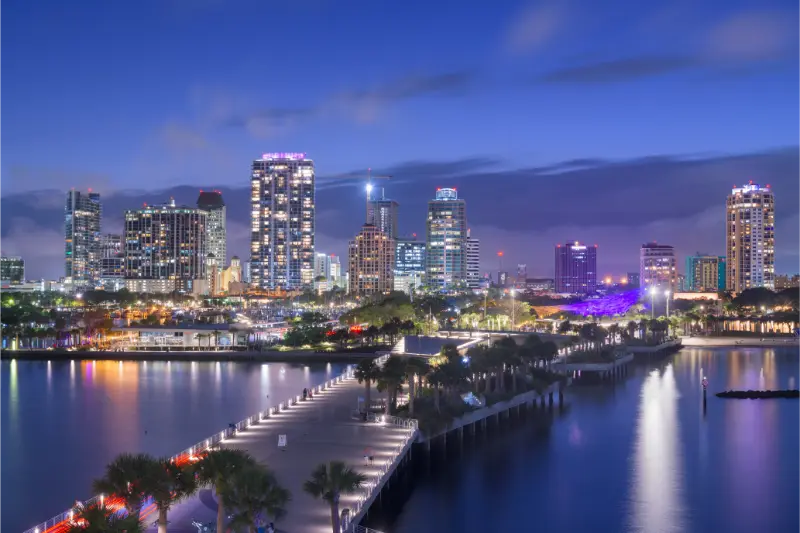
    Downtown Saint Petersburg Waterfront from Pier

    For a regional road trip, two well-chosen bases usually beat five one-night stops. Unpacking less often protects morning time and gives the group a place to recover after a long outdoor day. I would change hotels only when it removes a substantial drive or creates a genuinely different experience, not simply because another town appears on the route.

    A realistic 5-day regional itinerary

    Day 1: arrive and explore Tampa: urban base, attractions and Ybor City at an easy pace. Day 2: give the main beach, park or signature attraction a full day. Day 3: use St. Petersburg: museums, murals and waterfront for a contrasting experience. Day 4: choose Clearwater and the barrier beaches or another nature-focused excursion. Day 5: finish with Tarpon Springs, Dunedin and northern Pinellas, a relaxed meal and departure without adding a distant final stop.

    If the trip lasts a week, add one unstructured weather day and one smaller town or wildlife area. If it lasts only three nights, remove a destination rather than compressing all five days. A successful regional itinerary should have enough space for a beach morning to run long, a child to need a nap, or a storm to push an outdoor plan to the following day.

    Budget and booking strategy

    The biggest cost variables are usually accommodation location, school-holiday timing, theme-park or attraction tickets, rental cars and restaurant frequency. Save by choosing the right base first, then compare a room with breakfast or kitchen facilities against a lower headline rate. Free beaches, state parks, downtown walks, scenic drives and wildlife areas can balance expensive attractions without making the trip feel cheap.

    Reserve genuinely capacity-limited experiences early, but avoid prepaying every hour of the trip. Check cancellation terms for hurricane season and for trips built around boat excursions. Prices, parking systems and reservation rules can change, so confirm the official source shortly before payment when a detail materially affects the budget.

    Common mistakes to avoid

    • Trying to cover the entire region from one hotel when the daily drive becomes repetitive.
    • Judging beach safety only by how calm the water looks.
    • Scheduling every outdoor activity for the hottest part of the afternoon.
    • Assuming every spring, refuge, ferry or boat tour operates the same way year-round.
    • Choosing accommodation by price without adding parking, resort fees and transport.
    • Planning wildlife encounters as guaranteed sightings.
    • Ignoring a weather backup and then losing a full day to thunderstorms.

    Tampa travel guide, St. Petersburg and Clearwater guide, Sarasota and Siesta Key guide, Best day trips from Tampa, Florida Gulf Coast road trip.

    Official resources to check

    Opening hours, prices, event calendars, park capacity, water access, ferry or tour operations and storm-related conditions can change. Verify any detail that is essential to the trip with the responsible agency, attraction, accommodation or operator shortly before travel.

    Final advice

    Central West Florida is most rewarding when the itinerary reflects what the region does best instead of trying to imitate another part of Florida. Choose a base that matches the group, protect the mornings for the experiences that matter most, and leave enough unscheduled time for weather and discovery. A slower regional trip usually creates better memories than a statewide checklist completed from the car.
  • Florida Nature Coast Travel Guide: Crystal River, Homosassa, Weeki Wachee, Springs and Wildlife

    Florida Nature Coast Travel Guide: Crystal River, Homosassa, Weeki Wachee, Springs and Wildlife

    Florida Nature Coast is best understood as a region rather than a checklist of famous stops. Its strongest mix is spring-fed rivers, manatees, paddling, fishing, scalloping culture, wildlife and small Gulf communities. A first-time visitor can build a satisfying trip by choosing one or two bases, then using day trips to add contrast instead of changing hotels every night.

    I would start by deciding whether the trip is mainly about coast, nature, cities, attractions or a combination. Good bases include Crystal River, Homosassa, Weeki Wachee/Brooksville or a rural spring-country stay. The distances are manageable when the itinerary follows one direction, but they become tiring when the same highways are repeated every day. The options suit couples, families, teenagers, senior travelers and multigenerational groups, with practical attention to accessibility and pacing.

    Quick planning summary

    • Best for: spring-fed rivers, manatees, paddling, fishing, scalloping culture, wildlife and small Gulf communities.
    • Best bases: Crystal River, Homosassa, Weeki Wachee/Brooksville or a rural spring-country stay.
    • Recommended stay: 4–7 nights for one part of the region; 7–10 nights for a broader road trip.
    • Transport: a car is usually the easiest option outside compact downtowns and selected rail corridors.
    • Best planning rule: choose fewer bases and spend more time actually experiencing each place.

    In this guide

    Crystal River and manatee country

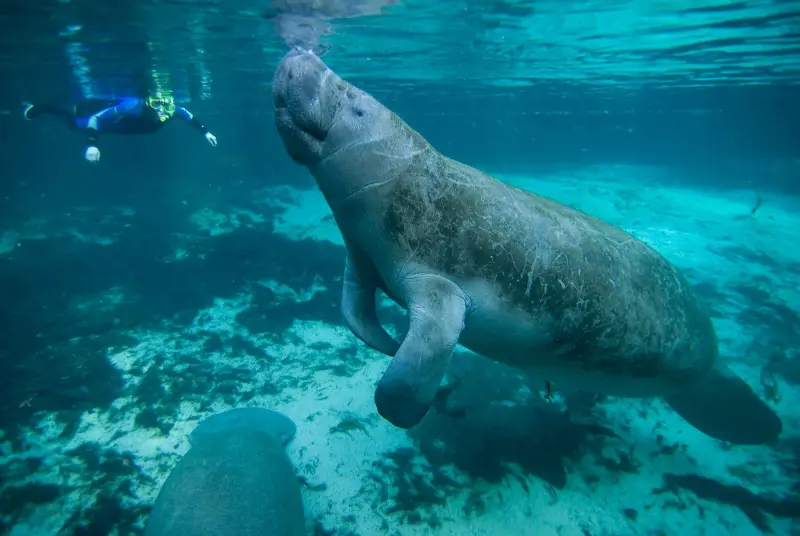
    Crystal River is the best-known Nature Coast base because spring-fed water provides important winter habitat for manatees. The area also supports paddling, fishing, trails and waterfront dining. Wildlife tourism is closely regulated for good reason: the quality of the experience depends on giving animals space and following sanctuary rules.

    Choose operators that explain current wildlife protections and keep expectations realistic. Winter cold fronts can concentrate manatees, while warmer conditions may spread them across a wider area. For a regional trip, the practical question is not how many stops can fit on a map but how much time the group wants to spend outside the car. Cluster attractions by base, preserve one lighter half-day, and avoid moving hotels simply to save a short drive. This matters for families with small children, senior travelers and anyone who values relaxed evenings.

    Homosassa and river life

    Homosassa has a working-waterfront feel with fishing, river channels, wildlife and a slower pace. Ellie Schiller Homosassa Springs Wildlife State Park provides an accessible way to learn about native wildlife, while the surrounding river supports boat and paddling trips. This makes the area useful for families and travelers who want nature without a demanding hike.

    Flock of Flamingos at Florida Wildlife Park

    Some wildlife experiences are weather-dependent, but the state park can provide a more predictable educational day. Verify current animal programs, trails and boat operations before arrival. Road-trip distances in Florida can be deceptive because bridges, beach traffic, weather and urban congestion change the real journey. I would plan around realistic door-to-door time, include a food or restroom stop, and keep a second nearby option for days when thunderstorms or capacity limits alter the original plan.

    Weeki Wachee and the spring-fed river

    Weeki Wachee is famous for its mermaid-show history and for a clear spring-fed river that attracts paddlers. Demand for paddling access can be high, and capacity or reservation systems may apply. The waterway is a living habitat, not a theme-park lazy river, so responsible launching and wildlife distance matter.

    Reserve authorized paddling access when required and do not enter restricted shoreline areas. A dry-land attraction or nearby park makes a good backup if weather disrupts the river plan. Accommodation location has a larger effect on the experience than a small difference in room price. Compare parking, resort fees, breakfast, laundry, kitchen facilities and the first drive of the morning. A well-located base often reduces both cost and fatigue over several days.

    Chassahowitzka, forests and quieter paddling

    Smaller Nature Coast rivers such as the Chassahowitzka offer a more rustic experience with springs, marshes and forested banks. These areas are better suited to travelers comfortable with basic launches, variable water conditions and fewer services. They can be deeply rewarding without being appropriate for every first-time paddler.

    Use local outfitters or current maps, carry drinking water and avoid relying on unofficial shortcuts to sensitive spring areas. Tides and wind can affect lower river sections. Outdoor days are easiest when they start earlier, especially in warm months. Use midday for museums, lunch, pools or rest, then return outside later when conditions improve. Florida weather can change quickly, so a flexible sequence is usually better than a rigid hour-by-hour plan.

    Fishing, scalloping and seasonal traditions

    Fishing is central to many Nature Coast communities, and seasonal scalloping draws visitors to parts of the Gulf when legal seasons are open. Rules, dates, bag limits and open zones can change, so trip planning must begin with current Florida Fish and Wildlife Conservation Commission information rather than an old blog post.

    If harvesting anything, confirm the exact current regulation for the county and date. Visitors who prefer not to harvest can still enjoy boat tours, seafood culture and wildlife-focused days. When an activity depends on wildlife, water, launches, ferries or park capacity, treat the schedule as conditional. Verify the responsible agency or operator shortly before travel and plan a nearby alternative that would still make the day worthwhile.

    Cedar Key and the northern transition

    Cedar Key sits toward the northern end of the broader Nature Coast idea and offers a compact island-town atmosphere, kayaking, birding and Gulf sunsets. It pairs well with inland springs on a road trip, but the drive from Crystal River is long enough that it should not be treated as a casual dinner outing.

    Consider one overnight if Cedar Key is a priority. Check local access and post-storm conditions close to the trip because small coastal communities can experience longer recovery timelines. For a regional trip, the practical question is not how many stops can fit on a map but how much time the group wants to spend outside the car. Cluster attractions by base, preserve one lighter half-day, and avoid moving hotels simply to save a short drive. This matters for families with small children, senior travelers and anyone who values relaxed evenings.

    Who will enjoy the Nature Coast most

    The Nature Coast is strongest for wildlife watchers, paddlers, anglers, families who enjoy outdoor learning and repeat Florida visitors seeking a slower region. It is less suited to travelers who want nightlife, large shopping districts or a resort lined with entertainment. The best days often begin early and end with a simple waterfront meal.

    Build expectations around ecosystems rather than attractions. Weather, tides, wildlife and water clarity are part of the experience, and a flexible traveler usually enjoys this region more than someone following a minute-by-minute plan. Road-trip distances in Florida can be deceptive because bridges, beach traffic, weather and urban congestion change the real journey. I would plan around realistic door-to-door time, include a food or restroom stop, and keep a second nearby option for days when thunderstorms or capacity limits alter the original plan.

    Pink Flamingos at Florida Wildlife Pond

    Families, seniors and accessibility

    Florida Nature Coast can work extremely well for mixed-age trips if the day has one shared highlight rather than a long sequence of mandatory stops. Families with babies and toddlers benefit from short transfers, reliable restrooms, shade and accommodation where naps do not end the day. Teenagers often enjoy having one active or self-selected element such as surfing, kayaking, a sports event, shopping or a theme-park attraction. Senior travelers may prefer scenic drives, boat tours, museums and shorter walking loops.

    Accessibility should be checked at the level of the specific beach access, park, museum, boat, trail and hotel. A destination can be broadly accessible while one dune crossing, historic building or temporary route is not. Verify step-free access, beach mats or wheelchairs, elevators, accessible restrooms and parking directly when these features are essential. Build extra transition time into multigenerational days so the group does not have to move at the pace of its fastest member.

    Best time to visit

    The best season for Florida Nature Coast depends on the trip. Winter and early spring often bring comfortable outdoor weather but can also bring higher demand in popular coastal areas. Late spring can offer warm beach conditions before the most humid period. Summer is useful for school-holiday travel but requires earlier outdoor starts, frequent hydration and realistic thunderstorm backups. Fall can be quieter, but tropical-weather risk remains part of planning through hurricane season.

    Do not reduce the decision to a single statewide temperature chart. North Florida can feel much cooler than Miami in winter, Gulf and Atlantic water conditions differ, and inland afternoons can feel hotter than breezy beaches. For trips built around swimming, wildlife, fishing or festivals, check the seasonal pattern for that specific activity as well as the general weather.

    Getting around and airports

    A rental car is the most flexible way to explore Florida Nature Coast because many beaches, springs, preserves and small towns are not connected by frequent regional transit. In cities, however, parking can be expensive or inconvenient, so rideshare, trolleys, local buses or walking may be better for individual days. Build tolls, parking and one-way rental fees into the transport budget rather than treating the advertised car rate as the total cost.

    For flights, compare the airport closest to the first and last hotel rather than choosing solely by airfare. A cheaper flight that lands several hours from the actual destination may require an extra rental day, fuel and a tiring final drive. If the itinerary is linear, an open-jaw flight or one-way rental can sometimes save more time than it costs.

    Where to stay

    The strongest bases for Florida Nature Coast include Crystal River, Homosassa, Weeki Wachee/Brooksville or a rural spring-country stay. Beachfront lodging is valuable when sunrise, sand access and midday breaks are central to the trip. A downtown hotel is usually better when restaurants, museums and evening walks matter more. Vacation rentals can be useful for families and longer stays, but compare cleaning fees, parking, cancellation terms and legal occupancy rules before deciding they are cheaper.

    For a regional road trip, two well-chosen bases usually beat five one-night stops. Unpacking less often protects morning time and gives the group a place to recover after a long outdoor day. I would change hotels only when it removes a substantial drive or creates a genuinely different experience, not simply because another town appears on the route.

    A realistic 5-day regional itinerary

    Day 1: arrive and explore Crystal River and manatee country at an easy pace. Day 2: give the main beach, park or signature attraction a full day. Day 3: use Homosassa and river life for a contrasting experience. Day 4: choose Weeki Wachee and the spring-fed river or another nature-focused excursion. Day 5: finish with Chassahowitzka, forests and quieter paddling, a relaxed meal and departure without adding a distant final stop.

    If the trip lasts a week, add one unstructured weather day and one smaller town or wildlife area. If it lasts only three nights, remove a destination rather than compressing all five days. A successful regional itinerary should have enough space for a beach morning to run long, a child to need a nap, or a storm to push an outdoor plan to the following day.

    Budget and booking strategy

    The biggest cost variables are usually accommodation location, school-holiday timing, theme-park or attraction tickets, rental cars and restaurant frequency. Save by choosing the right base first, then compare a room with breakfast or kitchen facilities against a lower headline rate. Free beaches, state parks, downtown walks, scenic drives and wildlife areas can balance expensive attractions without making the trip feel cheap.

    Reserve genuinely capacity-limited experiences early, but avoid prepaying every hour of the trip. Check cancellation terms for hurricane season and for trips built around boat excursions. Prices, parking systems and reservation rules can change, so confirm the official source shortly before payment when a detail materially affects the budget.

    Common mistakes to avoid

    • Trying to cover the entire region from one hotel when the daily drive becomes repetitive.
    • Judging beach safety only by how calm the water looks.
    • Scheduling every outdoor activity for the hottest part of the afternoon.
    • Assuming every spring, refuge, ferry or boat tour operates the same way year-round.
    • Choosing accommodation by price without adding parking, resort fees and transport.
    • Planning wildlife encounters as guaranteed sightings.
    • Ignoring a weather backup and then losing a full day to thunderstorms.

    Best places to see manatees, Ocala travel guide, Best natural springs in Florida, Florida kayaking guide, Florida wildlife guide.

    Official resources to check

    Opening hours, prices, event calendars, park capacity, water access, ferry or tour operations and storm-related conditions can change. Verify any detail that is essential to the trip with the responsible agency, attraction, accommodation or operator shortly before travel.

    Final advice

    Florida Nature Coast is most rewarding when the itinerary reflects what the region does best instead of trying to imitate another part of Florida. Choose a base that matches the group, protect the mornings for the experiences that matter most, and leave enough unscheduled time for weather and discovery. A slower regional trip usually creates better memories than a statewide checklist completed from the car.
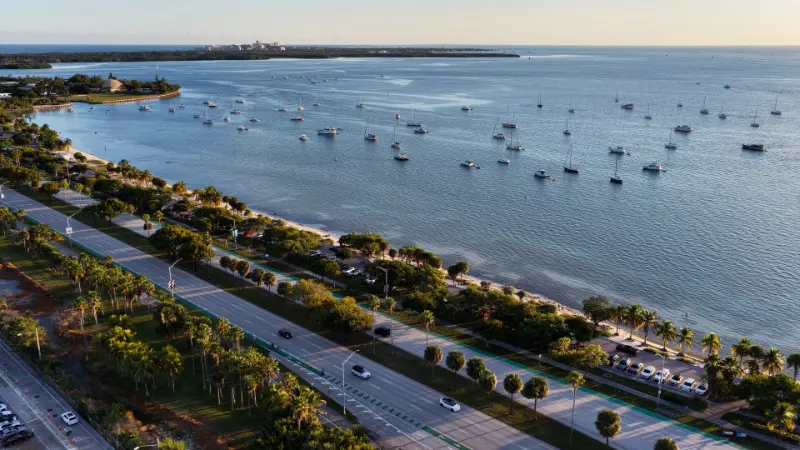
  • Gainesville Florida Travel Guide: Museums, Springs, Nature, Families and Where to Stay

    Gainesville Florida Travel Guide: Museums, Springs, Nature, Families and Where to Stay

    Gainesville is often reduced to the University of Florida, but a leisure trip quickly reveals a broader North Central Florida destination built around museums, wetlands, springs, trails, food and college-town energy. The university gives the city cultural depth and events; Paynes Prairie and nearby springs give it an outdoor identity that feels completely different from Orlando or the beaches. I would choose Gainesville for travelers who like learning and nature in equal measure.

    Explore this guide

    It works particularly well for families and multigenerational groups because the day can be divided into manageable pieces. A museum morning, a shaded lunch, an easy park and a wildlife drive can satisfy people with very different energy levels. The main planning challenge is timing: football weekends, university events, summer heat and spring capacity can all change the experience more than the distance on a map suggests.

    Quick planning summary

    • Best for: museums, university culture, nature, springs, birding, families, road trips and travelers looking for a lively North Central Florida base.
    • Ideal stay: 2–3 nights for Gainesville itself; 4–5 nights if you plan multiple springs, Paynes Prairie and side trips around Alachua County.
    • Best base: Downtown for restaurants and evenings; near the University of Florida for campus and museums; southwest Gainesville for newer hotels and easier road access.
    • Getting around: A car is useful for most leisure itineraries, especially for Paynes Prairie and springs. Downtown and campus can be explored in smaller walkable segments.
    • Planning principle: Use Gainesville as an indoor-outdoor pair: one museum, campus or food block and one nature block each day.

    Why Gainesville deserves a place in a Florida itinerary

    The city has an unusual concentration of high-quality cultural attractions for its size. The Florida Museum of Natural History, Butterfly Rainforest, Harn Museum of Art and university campus can fill a rainy or hot day without feeling like a fallback. Downtown adds restaurants and nightlife, while Depot Park gives families an easier public-space experience.

    The surrounding landscape is equally important. Paynes Prairie is known for broad views and wildlife, Sweetwater Wetlands brings birding close to town, and Ichetucknee, Gilchrist Blue and other springs are reachable as day trips. That means you can build a Florida vacation around ecology and water without giving up city conveniences.

    Best things to do on a first trip

    Make the Florida Museum of Natural History a core stop

    The museum is one of Gainesville’s strongest family attractions because it combines Florida ecology, fossils and changing exhibitions in a university setting. Some components may have separate admission or changing availability, so check the current visitor information before promising a particular exhibit to children.

    Add the Butterfly Rainforest if it fits your group

    The Butterfly Rainforest creates a very different experience from the main museum and is especially memorable for younger children, photographers and visitors who prefer a gentle attraction. It can be warm and humid, so it works best when the group is dressed for the indoor-outdoor transition.

    See Paynes Prairie Preserve State Park

    Paynes Prairie is the landscape that most clearly reminds visitors that Gainesville is not only a college town. Trails, overlooks and wildlife can include bison, wild horses and large numbers of birds, but sightings are never guaranteed. Start early, bring water and insect repellent, and treat animals as wild rather than approaching for photos.

    Walk Downtown Gainesville and Depot Park

    Downtown is best for food, murals, small businesses and evening energy, while Depot Park is easier with younger children and anyone who wants open space. Pairing the two gives a relaxed city day without the long walking distances of a major tourist district.

    Visit Sweetwater Wetlands Park

    Sweetwater Wetlands offers excellent birding and alligator-viewing possibilities close to town. The boardwalks and trails are exposed, so the first hours after opening are usually more comfortable. Wildlife etiquette matters: keep distance, do not feed animals and follow posted guidance.

    Plan one spring day

    Ichetucknee Springs is the famous tubing and paddling choice, while Gilchrist Blue and other nearby springs appeal to swimmers and paddlers. Access rules, reservations and seasonal operations can differ, so choose the exact spring before departure rather than driving around looking for whichever entrance has space.

    Use the university calendar strategically

    University of Florida games, graduations and major events can create atmosphere or create traffic, depending on why you are visiting. If you love sports, build around the event. If you want museums and nature, check the calendar and avoid paying event-weekend hotel rates unintentionally.

    Where to stay: choose the area before the hotel

    Gainesville is easier than many Florida cities, but hotel location still shapes the day. A downtown property supports evenings on foot; a campus-area stay helps with museums and university events; southwest Gainesville works better for interstate access and some newer hotels.

    Downtown Gainesville

    Best for restaurants, nightlife and a more local city feel. Useful for couples, solo travelers and visitors who do not want to drive to dinner every night.

    University of Florida and museum area

    Best for campus events, museums and travelers whose main purpose is connected to the university. Event traffic can be significant.

    Southwest Gainesville

    Practical for families, road trips and quick I-75 access. It can reduce highway time but usually means driving for downtown evenings.

    Suburban House with Front Garden in Florida

    Getting there and getting around

    Gainesville sits just off I-75 and is a natural stop between North Florida and Central Florida. Gainesville Regional Airport serves the city, while Jacksonville, Orlando and Tampa can be alternatives depending on airfare and the rest of the itinerary. A rental car is valuable if springs and state parks are part of the trip.

    Around campus and downtown, parking rules and event restrictions can change, so do not assume a normal weekday pattern applies during football weekends or major university dates. For a nature day, save maps and directions in advance because some spring and trail areas are outside the dense urban network.

    Families, teenagers, seniors and accessibility

    Young children usually do best with a museum or butterfly experience plus Depot Park rather than a full day of long trails. School-age children can handle a more ambitious museum-and-wetland combination. Teenagers may enjoy campus culture, food and tubing if they have some say in the itinerary.

    For seniors, Gainesville can be pleasantly flexible because many major museums and cultural stops are climate-controlled. Outdoor accessibility varies by trail and viewing area. Verify surfaces, restroom availability and distances at Paynes Prairie or spring parks if mobility is limited, and schedule nature walks before midday heat.

    Best time to visit

    Fall has university energy but can be busy on football weekends. Winter and spring are excellent for walking and birding, although cool fronts can make spring swimming feel different from the postcard image. Summer suits water activities but requires a realistic plan for heat and thunderstorms.

    Spring capacity and river conditions matter more than the calendar alone. For a tubing or paddling day, check the specific park’s current access and reservation system. If weather is unstable, Gainesville’s museums make it easier to swap morning and afternoon plans without wasting the day.

    A realistic 3-day itinerary

    Day 1 — Museums and downtown

    Start with the Florida Museum of Natural History and the Butterfly Rainforest, add the Harn or campus if energy allows, then move downtown for dinner.

    Day 2 — Prairie and wetlands

    Visit Paynes Prairie early, take a long midday break, then use Sweetwater Wetlands or Depot Park for a shorter late-afternoon outing.

    Day 3 — Springs

    Choose Ichetucknee, Gilchrist Blue or another spring based on the activity you want. Do not plan a second distant spring unless the first is only a short stop.

    Budget: where the money actually goes

    Gainesville can be one of Florida’s easier cities to plan on a moderate budget because public spaces and university museums reduce the need for expensive admissions every day. Lodging is the variable: football, graduation and event weekends can change prices dramatically.

    For spring days, bring food, water and dry clothes so you are not dependent on limited concessions. If you are flying, compare Gainesville Regional Airport with larger gateways using total ground-transport cost; a cheaper flight two hours away is not automatically a cheaper trip.

    Common mistakes to avoid

    • Booking a university-event weekend without realizing how much hotel demand and traffic change.
    • Visiting exposed wetlands in the hottest part of a summer day.
    • Assuming every spring accepts walk-up visitors or offers the same activity.
    • Trying to combine several distant springs in one day.
    • Treating Gainesville only as a college stop and missing its parks and museums.

    How to combine this stop with the rest of Florida

    Gainesville connects naturally with Ocala, the Suwannee River region and Northeast Florida. A strong nature route can run Gainesville → Ocala → Crystal River, while a North Florida road trip can continue toward Jacksonville or St. Augustine.

    Florida River Estuary Nature Reserve Aerial

    If you are traveling with children, alternating Gainesville’s museums with Ocala’s springs creates good variety. Travelers who want more small-town character can also use Gainesville as the service base for day trips to High Springs or other communities without moving luggage every night.

    Useful internal guides for planning

    Official resources to check before you go

    Hours, admission policies, event calendars, construction work and accessibility details can change. Check official sources shortly before travel, especially when one attraction is the main reason for the trip.

    Final thoughts

    Gainesville is a strong reminder that a Florida trip does not have to choose between culture and nature. Use the city’s museums and food as one half of the itinerary and the prairie, wetlands or springs as the other. With a realistic event calendar and early starts for outdoor days, it becomes one of the most balanced bases in North Central Florida.

  • Central East Florida Travel Guide: Daytona Beach, Space Coast, Cocoa Beach, Surfing and Wildlife

    Central East Florida Travel Guide: Daytona Beach, Space Coast, Cocoa Beach, Surfing and Wildlife

    Central East Florida is best understood as a region rather than a checklist of famous stops. Its strongest mix is space history, Atlantic surfing, long beaches, wildlife refuges, motorsports and coastal road trips. A first-time visitor can build a satisfying trip by choosing one or two bases, then using day trips to add contrast instead of changing hotels every night.

    I would start by deciding whether the trip is mainly about coast, nature, cities, attractions or a combination. Good bases include Daytona Beach/New Smyrna Beach, Cocoa Beach/Cape Canaveral or Melbourne. The distances are manageable when the itinerary follows one direction, but they become tiring when the same highways are repeated every day. The options suit couples, families, teenagers, senior travelers and multigenerational groups, with practical attention to accessibility and pacing.

    Quick planning summary

    • Best for: space history, Atlantic surfing, long beaches, wildlife refuges, motorsports and coastal road trips.
    • Best bases: Daytona Beach/New Smyrna Beach, Cocoa Beach/Cape Canaveral or Melbourne.
    • Recommended stay: 4–7 nights for one part of the region; 7–10 nights for a broader road trip.
    • Transport: a car is usually the easiest option outside compact downtowns and selected rail corridors.
    • Best planning rule: choose fewer bases and spend more time actually experiencing each place.

    In this guide

    Daytona Beach and Ormond Beach

    Daytona Beach combines a famous motorsports identity with a broad Atlantic shoreline and an established visitor infrastructure. Ormond Beach to the north adds quieter neighborhoods, history and access to scenic coastal drives. The area can serve families, race fans and road-trippers, but the atmosphere changes dramatically during major event weeks.

    Daytona Beach Oceanfront Skyline at Sunset

    Check the motorsports and festival calendar before booking even if you are not attending an event. Hotel rates, traffic and restaurant demand can shift sharply around race weekends and bike events. For a regional trip, the practical question is not how many stops can fit on a map but how much time the group wants to spend outside the car. Cluster attractions by base, preserve one lighter half-day, and avoid moving hotels simply to save a short drive. This matters for families with small children, senior travelers and anyone who values relaxed evenings.

    New Smyrna Beach and the surf coast

    New Smyrna Beach offers a walkable beach-town center, surfing culture, restaurants and easy access to lagoons and waterways. It suits travelers who want more local character than a large resort strip. Surf conditions can be excellent but also demanding, and the area is better approached with respect for currents, boards and marine life rather than as an automatic beginner beach.

    Beginners should use reputable instruction and swim near lifeguarded areas when possible. Keep the beach day flexible because wind, swell and thunderstorms can change conditions quickly. Road-trip distances in Florida can be deceptive because bridges, beach traffic, weather and urban congestion change the real journey. I would plan around realistic door-to-door time, include a food or restroom stop, and keep a second nearby option for days when thunderstorms or capacity limits alter the original plan.

    Kennedy Space Center and Merritt Island

    Kennedy Space Center Visitor Complex is the region’s signature attraction and deserves most of a day for first-time visitors. Merritt Island National Wildlife Refuge surrounds the space program with wetlands, birds, alligators and seasonal wildlife. The combination of engineering history and nature makes the Space Coast unusually varied.

    Treat launch viewing as a bonus, not the only reason for the trip, because schedules can change. Build the day around the visitor complex and refuge experiences that remain worthwhile regardless of launch status. Accommodation location has a larger effect on the experience than a small difference in room price. Compare parking, resort fees, breakfast, laundry, kitchen facilities and the first drive of the morning. A well-located base often reduces both cost and fatigue over several days.

    Cocoa Beach and Cape Canaveral

    Cocoa Beach is the easiest beach base for many Orlando visitors, with surfing, beach access and a long history tied to the space program. Cape Canaveral adds the cruise-port environment, waterfront dining and parks. Travelers boarding a cruise can turn an overnight buffer into a real coastal day rather than simply waiting near the terminal.

    Arriving a day before a cruise reduces transport risk and gives time for the beach or space attractions. Verify cruise-terminal instructions and do not assume every hotel shuttle serves every terminal. Outdoor days are easiest when they start earlier, especially in warm months. Use midday for museums, lunch, pools or rest, then return outside later when conditions improve. Florida weather can change quickly, so a flexible sequence is usually better than a rigid hour-by-hour plan.

    Canaveral National Seashore and wild coastline

    Canaveral National Seashore protects a long undeveloped stretch of Atlantic coast and provides a completely different experience from resort beaches. It is best for nature, quiet walks, fishing and understanding barrier-island ecology. Facilities are limited compared with urban beaches, and some areas may have specific access practices or closures.

    Bring water, sun protection and everything needed for the visit. Check current road, parking and beach-area notices before driving to the more remote ends of the seashore. When an activity depends on wildlife, water, launches, ferries or park capacity, treat the schedule as conditional. Verify the responsible agency or operator shortly before travel and plan a nearby alternative that would still make the day worthwhile.

    Melbourne, the beaches and Sebastian area

    Melbourne and nearby beach communities work well for travelers who prefer a smaller coastal base with restaurants, arts districts and access to the Indian River Lagoon. Farther south, Sebastian Inlet is important for surfing, fishing and coastal scenery. This section of the coast can be a bridge between the Space Coast and Treasure Coast.

    Choose a base based on evening preferences: mainland districts are practical for dining, while beachside lodging prioritizes sunrise and sand. Causeway crossings add time to repeated daily trips. For a regional trip, the practical question is not how many stops can fit on a map but how much time the group wants to spend outside the car. Cluster attractions by base, preserve one lighter half-day, and avoid moving hotels simply to save a short drive. This matters for families with small children, senior travelers and anyone who values relaxed evenings.

    Daytona Beach Oceanfront Hotels and Umbrellas

    Wildlife, lagoons and birding

    The Indian River Lagoon, Merritt Island and coastal preserves make Central East Florida one of the state’s strongest wildlife regions. Manatees, dolphins, shorebirds and sea turtles are possible, but sightings vary and nesting areas require respectful behavior. Nighttime lighting and beach activity matter during turtle season.

    Use official wildlife-viewing guidance, never touch or feed animals and follow seasonal beach-lighting rules. Binoculars often create a better experience than trying to move closer for photographs. Road-trip distances in Florida can be deceptive because bridges, beach traffic, weather and urban congestion change the real journey. I would plan around realistic door-to-door time, include a food or restroom stop, and keep a second nearby option for days when thunderstorms or capacity limits alter the original plan.

    Families, seniors and accessibility

    Central East Florida can work extremely well for mixed-age trips if the day has one shared highlight rather than a long sequence of mandatory stops. Families with babies and toddlers benefit from short transfers, reliable restrooms, shade and accommodation where naps do not end the day. Teenagers often enjoy having one active or self-selected element such as surfing, kayaking, a sports event, shopping or a theme-park attraction. Senior travelers may prefer scenic drives, boat tours, museums and shorter walking loops.

    Accessibility should be checked at the level of the specific beach access, park, museum, boat, trail and hotel. A destination can be broadly accessible while one dune crossing, historic building or temporary route is not. Verify step-free access, beach mats or wheelchairs, elevators, accessible restrooms and parking directly when these features are essential. Build extra transition time into multigenerational days so the group does not have to move at the pace of its fastest member.

    Best time to visit

    The best season for Central East Florida depends on the trip. Winter and early spring often bring comfortable outdoor weather but can also bring higher demand in popular coastal areas. Late spring can offer warm beach conditions before the most humid period. Summer is useful for school-holiday travel but requires earlier outdoor starts, frequent hydration and realistic thunderstorm backups. Fall can be quieter, but tropical-weather risk remains part of planning through hurricane season.

    Do not reduce the decision to a single statewide temperature chart. North Florida can feel much cooler than Miami in winter, Gulf and Atlantic water conditions differ, and inland afternoons can feel hotter than breezy beaches. For trips built around swimming, wildlife, fishing or festivals, check the seasonal pattern for that specific activity as well as the general weather.

    Getting around and airports

    A rental car is the most flexible way to explore Central East Florida because many beaches, springs, preserves and small towns are not connected by frequent regional transit. In cities, however, parking can be expensive or inconvenient, so rideshare, trolleys, local buses or walking may be better for individual days. Build tolls, parking and one-way rental fees into the transport budget rather than treating the advertised car rate as the total cost.

    For flights, compare the airport closest to the first and last hotel rather than choosing solely by airfare. A cheaper flight that lands several hours from the actual destination may require an extra rental day, fuel and a tiring final drive. If the itinerary is linear, an open-jaw flight or one-way rental can sometimes save more time than it costs.

    Where to stay

    The strongest bases for Central East Florida include Daytona Beach/New Smyrna Beach, Cocoa Beach/Cape Canaveral or Melbourne. Beachfront lodging is valuable when sunrise, sand access and midday breaks are central to the trip. A downtown hotel is usually better when restaurants, museums and evening walks matter more. Vacation rentals can be useful for families and longer stays, but compare cleaning fees, parking, cancellation terms and legal occupancy rules before deciding they are cheaper.

    For a regional road trip, two well-chosen bases usually beat five one-night stops. Unpacking less often protects morning time and gives the group a place to recover after a long outdoor day. I would change hotels only when it removes a substantial drive or creates a genuinely different experience, not simply because another town appears on the route.

    A realistic 5-day regional itinerary

    Day 1: arrive and explore Daytona Beach and Ormond Beach at an easy pace. Day 2: give the main beach, park or signature attraction a full day. Day 3: use New Smyrna Beach and the surf coast for a contrasting experience. Day 4: choose Kennedy Space Center and Merritt Island or another nature-focused excursion. Day 5: finish with Cocoa Beach and Cape Canaveral, a relaxed meal and departure without adding a distant final stop.

    If the trip lasts a week, add one unstructured weather day and one smaller town or wildlife area. If it lasts only three nights, remove a destination rather than compressing all five days. A successful regional itinerary should have enough space for a beach morning to run long, a child to need a nap, or a storm to push an outdoor plan to the following day.

    Budget and booking strategy

    The biggest cost variables are usually accommodation location, school-holiday timing, theme-park or attraction tickets, rental cars and restaurant frequency. Save by choosing the right base first, then compare a room with breakfast or kitchen facilities against a lower headline rate. Free beaches, state parks, downtown walks, scenic drives and wildlife areas can balance expensive attractions without making the trip feel cheap.

    Reserve genuinely capacity-limited experiences early, but avoid prepaying every hour of the trip. Check cancellation terms for hurricane season and for trips built around boat excursions. Prices, parking systems and reservation rules can change, so confirm the official source shortly before payment when a detail materially affects the budget.

    Common mistakes to avoid

    • Trying to cover the entire region from one hotel when the daily drive becomes repetitive.
    • Judging beach safety only by how calm the water looks.
    • Scheduling every outdoor activity for the hottest part of the afternoon.
    • Assuming every spring, refuge, ferry or boat tour operates the same way year-round.
    • Choosing accommodation by price without adding parking, resort fees and transport.
    • Planning wildlife encounters as guaranteed sightings.
    • Ignoring a weather backup and then losing a full day to thunderstorms.

    Daytona Beach travel guide, Space Coast and Cocoa Beach guide, Kennedy Space Center guide, Florida surfing guide, Florida Atlantic Coast road trip.

    Official resources to check

    Opening hours, prices, event calendars, park capacity, water access, ferry or tour operations and storm-related conditions can change. Verify any detail that is essential to the trip with the responsible agency, attraction, accommodation or operator shortly before travel.

    Final advice

    Central East Florida is most rewarding when the itinerary reflects what the region does best instead of trying to imitate another part of Florida. Choose a base that matches the group, protect the mornings for the experiences that matter most, and leave enough unscheduled time for weather and discovery. A slower regional trip usually creates better memories than a statewide checklist completed from the car.

  • North Central Florida Travel Guide: Tallahassee, Gainesville, Springs, Cedar Key and Small Towns

    North Central Florida Travel Guide: Tallahassee, Gainesville, Springs, Cedar Key and Small Towns

    North Central Florida is best understood as a region rather than a checklist of famous stops. Its strongest mix is springs, university towns, state capital history, forests, rivers and small communities with a slower pace. A first-time visitor can build a satisfying trip by choosing one or two bases, then using day trips to add contrast instead of changing hotels every night.

    I would start by deciding whether the trip is mainly about coast, nature, cities, attractions or a combination. Good bases include Tallahassee, Gainesville, High Springs, Lake City or Cedar Key. The distances are manageable when the itinerary follows one direction, but they become tiring when the same highways are repeated every day. The options suit couples, families, teenagers, senior travelers and multigenerational groups, with practical attention to accessibility and pacing.

    Quick planning summary

    • Best for: springs, university towns, state capital history, forests, rivers and small communities with a slower pace.
    • Best bases: Tallahassee, Gainesville, High Springs, Lake City or Cedar Key.
    • Recommended stay: 4–7 nights for one part of the region; 7–10 nights for a broader road trip.
    • Transport: a car is usually the easiest option outside compact downtowns and selected rail corridors.
    • Best planning rule: choose fewer bases and spend more time actually experiencing each place.

    In this guide

    Tallahassee and the capital region

    Tallahassee is a useful starting point because it combines state history, university energy, museums, gardens and wooded landscapes that feel different from the peninsula’s resort centers. The Capitol area and historic sites can fill a cultural day, while nearby parks and trails make it easy to alternate indoor and outdoor activities. The city is also a practical base for exploring Wakulla County and the Big Bend without changing hotels constantly.

    Plan cultural attractions in the hotter part of the day and outdoor walks earlier or later. College football weekends and legislative events can change hotel prices and traffic patterns. For a regional trip, the practical question is not how many stops can fit on a map but how much time the group wants to spend outside the car. Cluster attractions by base, preserve one lighter half-day, and avoid moving hotels simply to save a short drive. This matters for families with small children, senior travelers and anyone who values relaxed evenings.

    Wakulla Springs and Big Bend nature

    South of Tallahassee, spring-fed rivers, cypress scenery and coastal marshes introduce the Big Bend environment. Edward Ball Wakulla Springs State Park is known for its large spring and wildlife-rich river, while roads toward St. Marks and the Gulf reveal a less developed side of Florida. This is not a conventional beach-resort trip; the attraction is wildlife, paddling, birding and landscapes.

    Wildlife sightings and water clarity vary naturally. Check boat-tour operations, weather, river conditions and refuge or park notices shortly before the visit rather than building the entire day around one expected sighting. Road-trip distances in Florida can be deceptive because bridges, beach traffic, weather and urban congestion change the real journey. I would plan around realistic door-to-door time, include a food or restroom stop, and keep a second nearby option for days when thunderstorms or capacity limits alter the original plan.

    Gainesville: museums, campus and nature

    Gainesville balances a lively college-town atmosphere with excellent museums and easy access to preserves and springs. The Florida Museum of Natural History and nearby cultural attractions make strong rainy-day options, while trails, sinkholes and nearby rivers broaden the trip outdoors. Gainesville is one of the best North Central bases for travelers who want restaurants and services at night but nature during the day.

    Gainesville Florida Downtown Streets at Dusk

    Avoid scheduling every outdoor activity for midday in warm months. If visiting during a major University of Florida event, reserve accommodation early or consider a base outside the immediate campus zone. Accommodation location has a larger effect on the experience than a small difference in room price. Compare parking, resort fees, breakfast, laundry, kitchen facilities and the first drive of the morning. A well-located base often reduces both cost and fatigue over several days.

    High Springs, Ichetucknee and spring country

    High Springs and surrounding communities are gateways to some of Florida’s clearest freshwater experiences. Tubing, paddling and swimming can be unforgettable, but spring parks may use capacity controls, reservations or seasonal access rules. Water temperatures remain cool, which is welcome in hot weather but can surprise young children or anyone sensitive to cold.

    Arrive early when entry is first-come, carry dry clothing and use a backup spring or town activity. Never assume a social-media swimming spot is legal or open; use official park access points. Outdoor days are easiest when they start earlier, especially in warm months. Use midday for museums, lunch, pools or rest, then return outside later when conditions improve. Florida weather can change quickly, so a flexible sequence is usually better than a rigid hour-by-hour plan.

    Cedar Key and the Gulf edge

    Cedar Key provides a compact waterfront base with seafood, birding, kayaking and sunset views. Its appeal is scale: this is a place to slow down rather than chase a long checklist. The drive west crosses rural country, and services thin out as you approach the coast. Weather and storm impacts can matter more here than in larger resort cities.

    Before you goCheck current local access and business status before a dedicated trip, particularly after severe weather. A two-night stay is often more rewarding than a rushed lunch detour because sunrise, tides and evening light shape the experience. When an activity depends on wildlife, water, launches, ferries or park capacity, treat the schedule as conditional. Verify the responsible agency or operator shortly before travel and plan a nearby alternative that would still make the day worthwhile.

    Suwannee River country and Lake City

    The Suwannee corridor brings together springs, river parks, forest roads and small towns. Lake City is practical for interstate access, while river communities work better for paddling-focused trips. Distances can look short on a state map but involve slower rural roads. This area suits campers, RV travelers, hikers and families who enjoy outdoor days with fewer commercial attractions.

    Download maps before leaving major roads, carry water and fuel conservatively, and confirm river or trail conditions. Cell coverage and food options can be uneven around remote recreation areas. For a regional trip, the practical question is not how many stops can fit on a map but how much time the group wants to spend outside the car. Cluster attractions by base, preserve one lighter half-day, and avoid moving hotels simply to save a short drive. This matters for families with small children, senior travelers and anyone who values relaxed evenings.

    Small towns worth building into the route

    Micanopy, Monticello, Quincy and other North Central towns can add architecture, antiques, cafes and local history between nature stops. They work best as part of the route rather than as a race to collect town names. One well-timed lunch and a slow main-street walk can be more memorable than several rushed stops.

    Check opening days because small museums and independent shops may have limited hours. Pair a town with a nearby park or spring so the day still works if one small attraction is closed. Road-trip distances in Florida can be deceptive because bridges, beach traffic, weather and urban congestion change the real journey. I would plan around realistic door-to-door time, include a food or restroom stop, and keep a second nearby option for days when thunderstorms or capacity limits alter the original plan.

    Families, seniors and accessibility

    North Central Florida can work extremely well for mixed-age trips if the day has one shared highlight rather than a long sequence of mandatory stops. Families with babies and toddlers benefit from short transfers, reliable restrooms, shade and accommodation where naps do not end the day. Teenagers often enjoy having one active or self-selected element such as surfing, kayaking, a sports event, shopping or a theme-park attraction. Senior travelers may prefer scenic drives, boat tours, museums and shorter walking loops.

    Accessibility should be checked at the level of the specific beach access, park, museum, boat, trail and hotel. A destination can be broadly accessible while one dune crossing, historic building or temporary route is not. Verify step-free access, beach mats or wheelchairs, elevators, accessible restrooms and parking directly when these features are essential. Build extra transition time into multigenerational days so the group does not have to move at the pace of its fastest member.

    Best time to visit

    The best season for North Central Florida depends on the trip. Winter and early spring often bring comfortable outdoor weather but can also bring higher demand in popular coastal areas. Late spring can offer warm beach conditions before the most humid period. Summer is useful for school-holiday travel but requires earlier outdoor starts, frequent hydration and realistic thunderstorm backups. Fall can be quieter, but tropical-weather risk remains part of planning through hurricane season.

    Do not reduce the decision to a single statewide temperature chart. North Florida can feel much cooler than Miami in winter, Gulf and Atlantic water conditions differ, and inland afternoons can feel hotter than breezy beaches. For trips built around swimming, wildlife, fishing or festivals, check the seasonal pattern for that specific activity as well as the general weather.

    Getting around and airports

    A rental car is the most flexible way to explore North Central Florida because many beaches, springs, preserves and small towns are not connected by frequent regional transit. In cities, however, parking can be expensive or inconvenient, so rideshare, trolleys, local buses or walking may be better for individual days. Build tolls, parking and one-way rental fees into the transport budget rather than treating the advertised car rate as the total cost.

    For flights, compare the airport closest to the first and last hotel rather than choosing solely by airfare. A cheaper flight that lands several hours from the actual destination may require an extra rental day, fuel and a tiring final drive. If the itinerary is linear, an open-jaw flight or one-way rental can sometimes save more time than it costs.

    Where to stay

    The strongest bases for North Central Florida include Tallahassee, Gainesville, High Springs, Lake City or Cedar Key. Beachfront lodging is valuable when sunrise, sand access and midday breaks are central to the trip. A downtown hotel is usually better when restaurants, museums and evening walks matter more. Vacation rentals can be useful for families and longer stays, but compare cleaning fees, parking, cancellation terms and legal occupancy rules before deciding they are cheaper.

    Downtown Tallahassee Florida at Dusk

    For a regional road trip, two well-chosen bases usually beat five one-night stops. Unpacking less often protects morning time and gives the group a place to recover after a long outdoor day. I would change hotels only when it removes a substantial drive or creates a genuinely different experience, not simply because another town appears on the route.

    A realistic 5-day regional itinerary

    Day 1: arrive and explore Tallahassee and the capital region at an easy pace. Day 2: give the main beach, park or signature attraction a full day. Day 3: use Wakulla Springs and Big Bend nature for a contrasting experience. Day 4: choose Gainesville: museums, campus and nature or another nature-focused excursion. Day 5: finish with High Springs, Ichetucknee and spring country, a relaxed meal and departure without adding a distant final stop.

    If the trip lasts a week, add one unstructured weather day and one smaller town or wildlife area. If it lasts only three nights, remove a destination rather than compressing all five days. A successful regional itinerary should have enough space for a beach morning to run long, a child to need a nap, or a storm to push an outdoor plan to the following day.

    Budget and booking strategy

    The biggest cost variables are usually accommodation location, school-holiday timing, theme-park or attraction tickets, rental cars and restaurant frequency. Save by choosing the right base first, then compare a room with breakfast or kitchen facilities against a lower headline rate. Free beaches, state parks, downtown walks, scenic drives and wildlife areas can balance expensive attractions without making the trip feel cheap.

    Reserve genuinely capacity-limited experiences early, but avoid prepaying every hour of the trip. Check cancellation terms for hurricane season and for trips built around boat excursions. Prices, parking systems and reservation rules can change, so confirm the official source shortly before payment when a detail materially affects the budget.

    Common mistakes to avoid

    • Trying to cover the entire region from one hotel when the daily drive becomes repetitive.
    • Judging beach safety only by how calm the water looks.
    • Scheduling every outdoor activity for the hottest part of the afternoon.
    • Assuming every spring, refuge, ferry or boat tour operates the same way year-round.
    • Choosing accommodation by price without adding parking, resort fees and transport.
    • Planning wildlife encounters as guaranteed sightings.
    • Ignoring a weather backup and then losing a full day to thunderstorms.

    Gainesville travel guide, Best natural springs in Florida, Best Florida state parks, Florida kayaking guide, Best small towns in Florida.

    Official resources to check

    Opening hours, prices, event calendars, park capacity, water access, ferry or tour operations and storm-related conditions can change. Verify any detail that is essential to the trip with the responsible agency, attraction, accommodation or operator shortly before travel.

    Final advice

    North Central Florida is most rewarding when the itinerary reflects what the region does best instead of trying to imitate another part of Florida. Choose a base that matches the group, protect the mornings for the experiences that matter most, and leave enough unscheduled time for weather and discovery. A slower regional trip usually creates better memories than a statewide checklist completed from the car.