
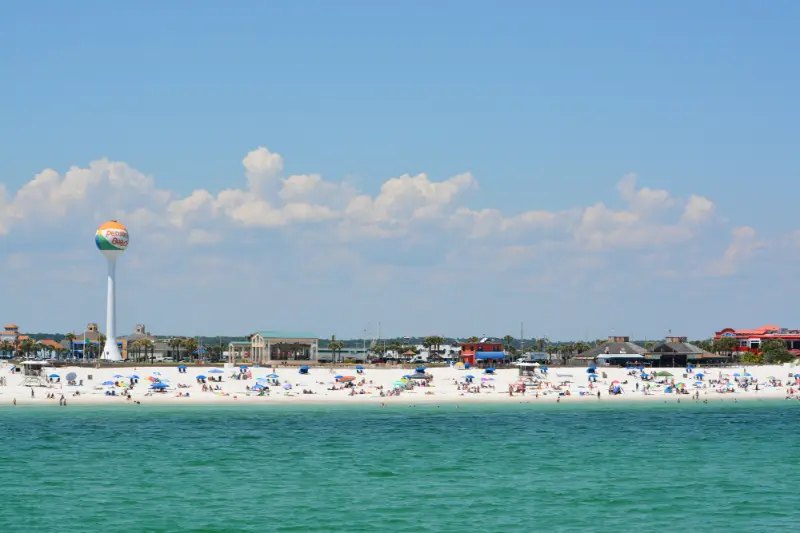
Pensacola combines two Florida trips that are often separated elsewhere: a historic city break and a white-sand Gulf beach holiday. Downtown has centuries of layered history, walkable streets and restaurants, while Pensacola Beach and Perdido Key offer the classic Northwest Florida shoreline. The military and aviation identity adds another dimension, especially through the National Naval Aviation Museum and Blue Angels culture.
A first visit works best when you avoid commuting back and forth between downtown and the beach several times a day. Choose a beach base if most mornings will start on the sand, or stay downtown if restaurants, history and evening walkability matter more. With four or five days, you can enjoy both without rushing and still leave room for Gulf Islands National Seashore.
Quick planning summary
- Best for: Beach travelers, history fans, military and aviation enthusiasts, families and Gulf Coast road trips.
- Ideal stay: Three to five nights; a week for a slower beach vacation with side trips.
- Do not miss: Pensacola Beach, historic downtown, Gulf Islands National Seashore and the naval aviation experience if access conditions allow.
- Getting around: A car is useful; seasonal trolley and local transport can reduce beach driving on selected dates.
- Key planning rule: Check current NAS Pensacola visitor access and identification rules before planning museum or lighthouse visits.
How to plan this trip without overloading the itinerary
The most useful way to plan Pensacola Florida is to decide what the trip is really about before booking every hour. Choose two or three experiences that would make the visit feel successful even if weather, traffic or fatigue changes the rest of the schedule. Then place those anchors on different days and leave breathing room around them. Florida trips often look easy on a map, but parking, bridge traffic, security lines, heat, thunderstorms and long walks can turn a neat spreadsheet into a tiring holiday.
For mixed-age groups, plan by energy rather than by attraction count. Put the most important outdoor or high-demand experience in the cooler morning, use lunch as a real rest period, and keep at least one afternoon flexible. A toddler, a teenager and a grandparent do not need to enjoy the same activity at the same intensity. The strongest itineraries make it normal to split up for a few hours and meet again for a meal, sunset or evening activity.
The experiences worth building the trip around
Pensacola Beach
Pensacola Beach combines very light sand, clear-looking Gulf water in favorable conditions and a developed core with restaurants and activities. Public access points extend beyond the busiest area, so families can choose amenities or a quieter feel. Seasonal trolley service can reduce parking pressure, but schedules change; check the current year rather than relying on an old timetable.
Gulf Islands National Seashore
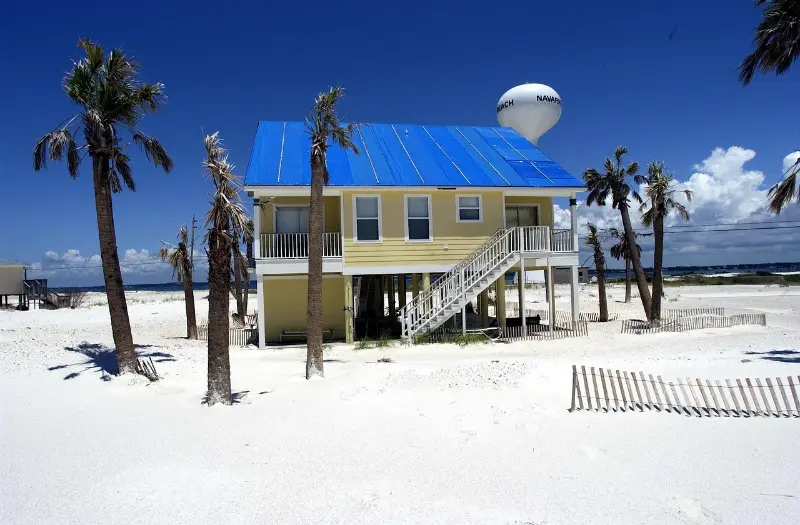
Protected shoreline around the Pensacola area offers a more natural contrast to developed beach zones. Fort Pickens adds history, beaches and trails in one day. Weather, road conditions and storms can affect access, so verify National Park Service information before making it the fixed centerpiece of a short visit.
Historic downtown Pensacola
Downtown is compact enough for a walking day that mixes historic sites, museums, restaurants and waterfront areas. Pensacola’s long history gives the city more depth than a typical beach resort. Start in the morning, take a real lunch break and continue only if the group still has energy rather than trying to visit every small museum in one sweep.
National Naval Aviation Museum
The National Naval Aviation Museum is one of the most important aviation museums in the country and a major reason many travelers choose Pensacola. It sits on Naval Air Station Pensacola, so access procedures and acceptable identification can change. Check official rules immediately before travel, especially for international visitors, rather than assuming the requirements from a previous year still apply.
Blue Angels culture
The Blue Angels are based in Pensacola and practice opportunities may be available on selected dates. Practice schedules can change because of operations and weather. Treat them like a launch schedule: plan around official information but keep expectations flexible. Even when no practice occurs, the city’s aviation identity remains visible through the museum and local culture.
Perdido Key
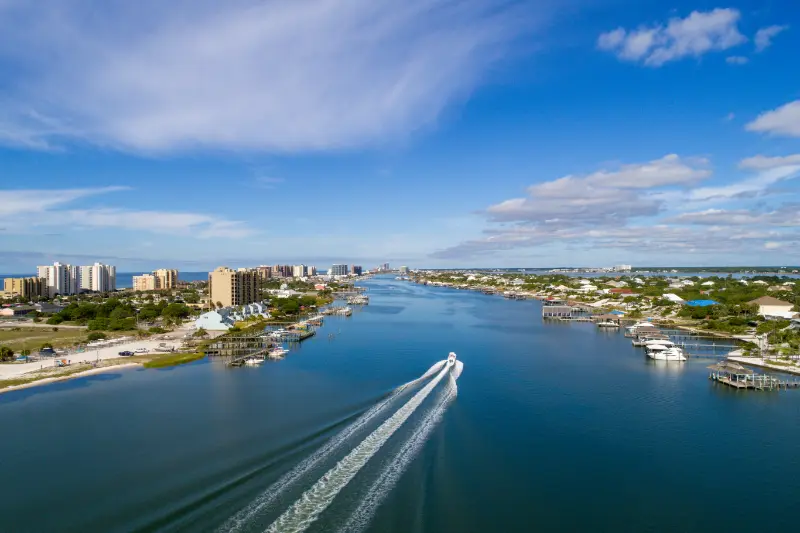
Perdido Key is a useful alternative for travelers who want a quieter beach base west of the city. It can be combined with protected shoreline and a slower pace, but it is not the best base if you plan to spend every evening downtown. Choose between Perdido Key and Pensacola Beach based on where you want to spend most of your time, not simply on the lowest room price.
Where to stay: choose the base before the hotel
Pensacola Beach is the strongest base for travelers who want sand outside the door and evening restaurants without returning downtown. Downtown Pensacola is better for a city-first trip, short weekend or traveler who enjoys walking to dinner. Perdido Key suits a quieter beach holiday. Airport hotels are practical for one-night logistics but do not offer the atmosphere of the main visitor districts.
Families staying a week may prefer a condo with kitchen and laundry. Couples can do well downtown and drive to the beach for one or two days. Senior travelers should check the distance from room to beach and whether boardwalks are step-free. The best base is the one that removes a daily drive, not necessarily the one that sits at the geographic midpoint.
Before paying, check the full price rather than the headline room rate. Resort fees, parking, destination fees and breakfast can change the comparison between two hotels. Families should also look for a refrigerator, laundry access and a pool that is genuinely useful rather than decorative. Travelers with mobility limitations should verify elevator access, step-free routes, bathroom layout and the real distance from the room to parking, transit or the beach.
Getting there and getting around
Pensacola International Airport is close to the city, and a rental car is useful for beaches, Fort Pickens, Perdido Key and NAS-related attractions. Downtown itself can be explored on foot once parked. Seasonal beach trolley service can make Pensacola Beach easier on selected dates, but service periods vary by year.
Bridge traffic and beach parking can become busy on peak weekends. Plan beach days as beach days rather than making multiple downtown crossings. If you have a fixed NAS tour, museum visit or boat departure, allow additional time for security or parking.
Getting aroundIf you are driving, save the hotel, airport, parking garage and first major attraction in your phone before departure. Florida weather can create sudden detours or poor visibility, and a simple offline plan reduces stress. Do not build a schedule that depends on crossing a large metro area or barrier-island bridge at exactly the time you expect; add a buffer whenever a tour, meal or ticket has a fixed start.
Families, teenagers, seniors and accessibility
Families can balance beach mornings with history, aviation and shorter waterfront walks. The naval museum can be fascinating for school-age children and teenagers, while toddlers may need a shorter visit. Senior travelers often enjoy the historic center and museums but should protect the hottest part of the day. Visit Pensacola publishes accessibility resources, and individual beach access points vary in parking, mats and facilities. Confirm the exact location when accessibility is essential.
For multigenerational travel, one of the best strategies is to separate the group for one high-energy block rather than forcing everyone through the same day. People who want rides, paddling or long beach time can do that while others choose a museum, garden, café or hotel break. Reunite for the activity with the broadest appeal. When accessibility is essential, confirm details directly with the attraction, hotel, park or transport provider shortly before travel because equipment, procedures and construction can change.
Best time to visit
Spring and autumn can be excellent for comfortable beach and city days, while summer is hot, humid and popular with families. Winter is quieter and good for history and outdoor walks, though swimming weather is less predictable. Hurricane-season flexibility matters in the warmer half of the year. Blue Angels and event schedules create demand on specific dates, so check the local calendar before booking.
Florida’s Atlantic hurricane season runs from June through November, but that does not mean a trip during those months is automatically a bad idea. The practical response is flexible booking: understand cancellation rules, monitor official forecasts close to departure and avoid making expensive nonrefundable plans that leave no room to adapt. Ordinary afternoon thunderstorms are far more common than a direct tropical-system impact and can often be handled with a long lunch or indoor backup.
A realistic first-time itinerary
Day 1
Historic downtown Pensacola, museums and a waterfront dinner.
Day 2
Pensacola Beach with no major inland commitment until evening.
Day 3
National Naval Aviation Museum and other NAS attractions if current access rules allow.
Day 4
Fort Pickens and Gulf Islands National Seashore, with beach time built into the same geographic day.
Day 5
Perdido Key, a dolphin cruise or a flexible repeat day depending on weather.
This itinerary is intentionally not packed from breakfast to bedtime. If a beach, museum, park or neighborhood is working for your group, stay longer. A successful Florida trip is not measured by the number of pins cleared from a map. The open space is what allows you to react to weather, tired children, a restaurant recommendation, a wildlife sighting or simply the desire to spend another hour by the water.
Food, breaks and evening strategy
Do not let restaurant logistics control the entire vacation. For breakfast, convenience often matters more than novelty, especially before a park, tour or beach morning. At lunch, prioritize shade, air-conditioning and enough time to recover. Save the meal you are genuinely excited about for an evening when the group is not arriving exhausted from a distant attraction. Reservations are useful for one or two special meals, but keeping other evenings flexible prevents a delayed boat trip, storm or traffic jam from becoming a crisis.
Families can save money and time with simple groceries for breakfast, fruit, water and snacks. Couples may prefer a slower dinner and one less daytime stop. Senior travelers often benefit from eating slightly earlier, before the busiest restaurant period, while teenagers may appreciate one evening with a more casual walkable district rather than another formal plan. Wherever you eat, avoid leaving food or trash around wildlife and follow local beach and park rules.
Budget: where the money actually goes
Pensacola can offer good value compared with some larger Florida resort markets, but beachfront summer rates and special-event weekends can still rise sharply. Save by mixing free beach and downtown walking with one or two paid experiences. Condos can be economical for families who use the kitchen. Rental-car and parking costs are usually manageable if you avoid unnecessary daily crossings between city and beach.
When comparing two versions of the trip, calculate the whole day rather than one price. A cheaper hotel far away may add parking, fuel and rideshare costs. A discounted ticket can be poor value if it forces an itinerary that is too intense. Conversely, one strategically located hotel, one well-chosen tour and several free beaches or neighborhoods can produce a better trip than buying a long list of attractions. Keep a small weather buffer in the budget so changing one activity does not feel like losing money twice.
Practical packing and comfort
Bring sun protection every season: broad-spectrum sunscreen, a hat, sunglasses and refillable water bottles. Add a compact rain layer in the warmer months and a light sweater in winter, when air-conditioned interiors or cold fronts can surprise visitors. Comfortable shoes matter even on beach trips because boardwalks, museums, parking lots and downtown walks add up. If you are spending time on the water, keep a dry bag or waterproof phone pouch and a change of clothes in the car.
For young children, pack more snacks and spare clothing than you expect to need. For older adults, keep medication, water and a simple rest plan accessible rather than buried in luggage. If the day depends on a phone for tickets, maps and rideshare, carry a small power bank. Download confirmation emails and key addresses before leaving reliable Wi-Fi.
Common mistakes to avoid
- Arriving at NAS Pensacola without checking current identification and visitor-access rules.
- Driving between downtown and the beach repeatedly in one day.
- Assuming a Blue Angels practice will happen exactly as scheduled regardless of weather.
- Treating Fort Pickens as a quick add-on without checking road and park conditions.
- Choosing Perdido Key for a trip that is actually centered on downtown Pensacola.
Another common mistake is treating travel time as empty space. The journey between a hotel and an attraction may include parking, security, a shuttle, a long walk and a queue before the experience even begins. Build the day from door to door, not from map pin to map pin. This single change usually creates a calmer itinerary and makes it easier to travel with children, older adults or anyone who needs regular breaks.
Useful Wonderful Florida guides to read next
Continue planning with Best Beaches in Florida, Florida Road Trip Itinerary, Florida with Kids.
Official resources to check before you go
Opening hours, admission systems, road access, parking, seasonal services and accessibility procedures can change. Use official sources for the final check shortly before travel, especially when a particular attraction, beach access, tour, transport service or event is essential to your itinerary.
Final thoughts
Pensacola deserves more than a quick beach stop because its history and aviation identity make it unlike other Panhandle resorts. Give the city one focused day, the beach another, and use Gulf Islands National Seashore or Perdido Key to slow the pace. The result is a vacation with real variety without the long transfers required in much larger Florida destinations.