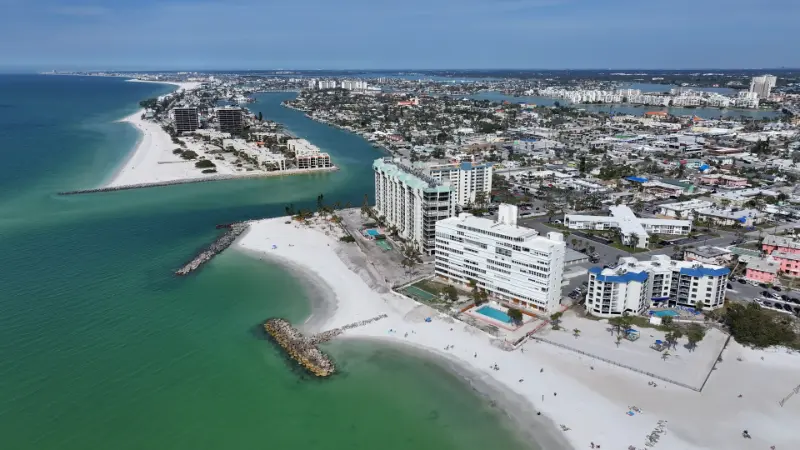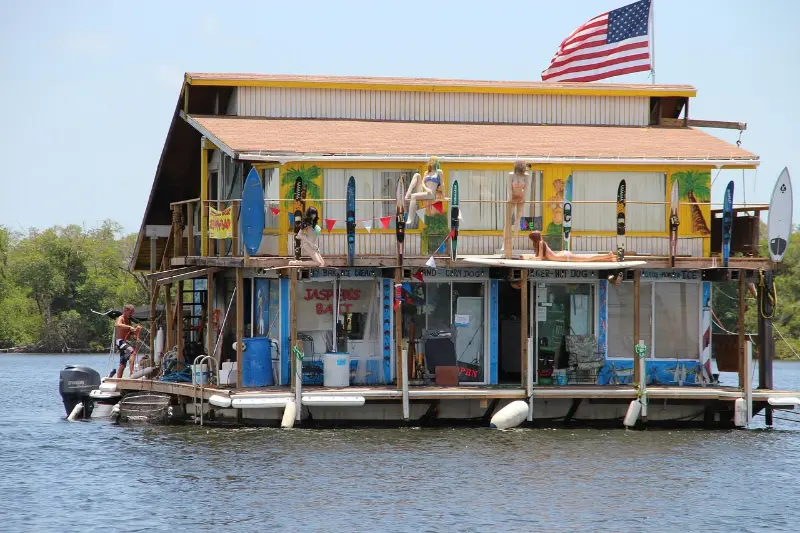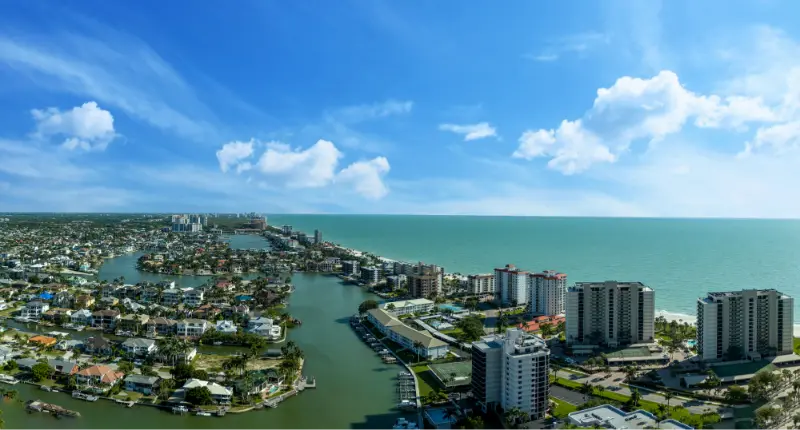
Category: Florida Travel Guides

  • Florida Gulf Coast Road Trip: Pensacola to Naples with Beaches, Springs and Coastal Towns

    Florida Gulf Coast Road Trip: Pensacola to Naples with Beaches, Springs and Coastal Towns

    A Florida Gulf Coast road trip is much longer and more varied than the phrase “white-sand beaches” suggests. From Pensacola and the Panhandle through the Big Bend, Tampa Bay, Sarasota, Fort Myers and Naples, the coastline shifts from resort beaches to marshes, fishing towns, springs, barrier islands and urban waterfronts. Driving the entire route deserves at least 10 to 14 days if you want the places between the endpoints to matter.

    I would not follow the water literally every mile. The Big Bend and Nature Coast require inland connections, and some barrier islands add slow bridge traffic. The most satisfying route uses regional bases and day trips. Families may emphasize the Panhandle and Sarasota beaches; wildlife travelers can slow down around the Big Bend and Crystal River; senior travelers may prefer longer stays in St. Petersburg, Sarasota or Naples.

    Quick planning summary

    • Best Panhandle start: Pensacola, Navarre, Destin or 30A depending on trip style.
    • Best wild middle: Big Bend and Nature Coast.
    • Best urban-waterfront stop: St. Petersburg/Tampa Bay.
    • Best culture plus beach: Sarasota.
    • Best southern finish: Naples and Marco Island.

    In this guide

    Pensacola and the western Panhandle

    Pensacola adds history and naval culture to the beach-road-trip formula. Pensacola Beach, Gulf Islands scenery and the National Naval Aviation Museum can fill two days, while Navarre offers a quieter coastal alternative farther east. Start the route with two nights if arriving by air rather than landing and immediately driving several hours.

    For a Gulf Coast road trip, I would make this part of the trip deliberately rather than treating it as a box to tick. Think about parking or station access, shade, restrooms, meal timing and how much walking the group will actually enjoy. Storm recovery and seasonal beach conditions should be checked before travel. A flexible backup nearby is useful because Florida weather, traffic and local access can change the shape of a day even when the main destination stays open.

    Destin, Fort Walton Beach and 30A

    The Emerald Coast section is where many travelers imagine the classic Panhandle vacation. Destin and Fort Walton Beach offer family attractions and boating, while Scenic Highway 30A links smaller planned beach communities and coastal dune lakes. Choose either a resort base or a 30A-style slow day; repeated parking searches across multiple beach towns can become the whole itinerary.

    For a Gulf Coast road trip, I would make this part of the trip deliberately rather than treating it as a box to tick. Think about parking or station access, shade, restrooms, meal timing and how much walking the group will actually enjoy. Peak-season traffic can make short distances surprisingly slow. A flexible backup nearby is useful because Florida weather, traffic and local access can change the shape of a day even when the main destination stays open.

    Apalachicola and the Big Bend transition

    East of the busiest Panhandle beaches, the coast becomes wilder and more historic. Apalachicola, St. George Island, Carrabelle and the Big Bend Scenic Byway introduce forests, marshes, seafood history and wildlife. This is not the place to expect continuous resort beaches. Fuel up, download maps and plan daylight driving on remote stretches.

    Naples Florida Historic Shopping Street with Blue Car

    For a Gulf Coast road trip, I would make this part of the trip deliberately rather than treating it as a box to tick. Think about parking or station access, shade, restrooms, meal timing and how much walking the group will actually enjoy. Some coastal areas remain vulnerable to storm impacts and limited services. A flexible backup nearby is useful because Florida weather, traffic and local access can change the shape of a day even when the main destination stays open.

    Nature Coast springs and manatee country

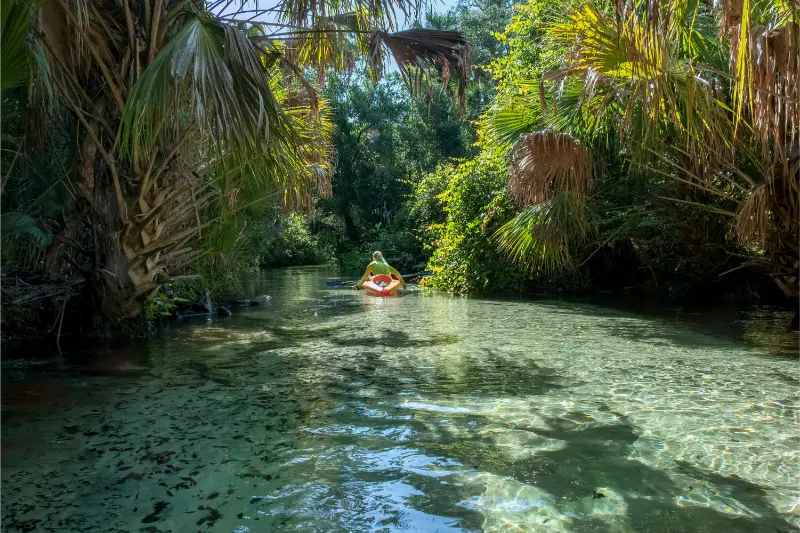
    Crystal River, Homosassa and nearby spring regions create a freshwater chapter within a Gulf road trip. Winter can bring manatee viewing opportunities, while warmer seasons may suit paddling and spring visits. Coastal marshes and small towns make the region feel different from both the Panhandle and Tampa Bay. Book wildlife experiences responsibly and follow sanctuary rules.

    For a Gulf Coast road trip, I would make this part of the trip deliberately rather than treating it as a box to tick. Think about parking or station access, shade, restrooms, meal timing and how much walking the group will actually enjoy. Wildlife should never be touched, chased or blocked for photographs. A flexible backup nearby is useful because Florida weather, traffic and local access can change the shape of a day even when the main destination stays open.

    Tampa Bay and St. Petersburg

    Tampa Bay is the route’s major urban reset with museums, sports, neighborhoods, attractions and waterfronts. St. Petersburg works particularly well for art and a walkable downtown, while Clearwater and other Gulf beaches remain within reach. Tampa adds Ybor City and major attractions. Stay on the side of the bay that matches most of your plans.

    For a Gulf Coast road trip, I would make this part of the trip deliberately rather than treating it as a box to tick. Think about parking or station access, shade, restrooms, meal timing and how much walking the group will actually enjoy. Cross-bay traffic can complicate a schedule that looks simple on a map. A flexible backup nearby is useful because Florida weather, traffic and local access can change the shape of a day even when the main destination stays open.

    Sarasota, barrier islands and Charlotte Harbor

    Sarasota combines culture and beaches, making it one of the easiest multi-interest stops on the Gulf Coast. The Ringling, downtown, Siesta Key and nearby islands can fill several days. Farther south, Venice, Englewood and Charlotte Harbor add quieter alternatives. Use one base for two or three nights and choose beach access strategically.

    For a Gulf Coast road trip, I would make this part of the trip deliberately rather than treating it as a box to tick. Think about parking or station access, shade, restrooms, meal timing and how much walking the group will actually enjoy. Barrier-island parking and bridge traffic are the practical constraints. A flexible backup nearby is useful because Florida weather, traffic and local access can change the shape of a day even when the main destination stays open.

    Fort Myers, Sanibel, Naples and Marco Island

    Southwest Florida provides a relaxed finish with beaches, shelling, wildlife and polished town centers. Fort Myers and Sanibel offer different experiences from Naples and Marco Island, so choose the base that matches your budget and preferred pace. Everglades and Ten Thousand Islands excursions can extend the trip south and east. Verify current island access and facilities because coastal recovery can evolve over time.

    Naples Beach Florida Sand and Turquoise Water

    For a Gulf Coast road trip, I would make this part of the trip deliberately rather than treating it as a box to tick. Think about parking or station access, shade, restrooms, meal timing and how much walking the group will actually enjoy. Do not schedule a long wildlife boat excursion immediately before a same-day flight. A flexible backup nearby is useful because Florida weather, traffic and local access can change the shape of a day even when the main destination stays open.

    Families, seniors and accessibility

    Families should avoid changing hotels every night and choose at least one three-night Gulf base with a pool or easy beach access. Senior travelers may prefer St. Petersburg, Sarasota or Naples for restaurants and cultural backups, while active teenagers can enjoy paddling, snorkeling or fishing in selected regions. For multigenerational groups, the most effective plan is usually to identify one shared highlight and then allow different energy levels around it. Young children need shade, food and predictable breaks; teenagers often value one activity that feels independent or active; senior travelers may prefer shorter walking loops, seated tours or a hotel closer to the evening activity.

    Accessibility varies by beach access, historic district, transit stop, park and accommodation. Verify step-free routes, beach mats, wheelchairs, elevators and accessible restrooms directly when they are essential. Florida State Parks, for example, has an Access for All program, but amenities differ by park. A destination can be broadly accessible while one boardwalk, dune crossing or temporary route is not.

    Best time to go

    Spring and fall can balance warmth and crowds, winter is comfortable but expensive in many southern Gulf areas, and summer brings intense heat, storms and hurricane-season flexibility needs. Florida is large enough that North Florida, Central Florida, South Florida and the Keys can feel like different seasons on the same week. Winter fronts, summer thunderstorms, hurricane-season uncertainty, spring-break demand and holiday weekends can all change a trip.

    Instead of choosing a month only from average temperature, match the season to your priority: swimming, wildlife, theme parks, road-tripping, festivals or comfortable walking. Check the forecast, surf or marine conditions and any park or event calendar again shortly before travel.

    Budget and booking

    Beachfront rates vary dramatically along the Gulf, so mixing one premium barrier-island stay with inland or downtown bases can control costs. Compare the total cost rather than the headline room or fare. Resort fees, parking, tolls, rental-car charges, beach equipment, attraction tickets and meals can change the real daily budget substantially.

    Book the experiences that would genuinely disappoint you to miss, but keep ordinary beach, neighborhood and nature time flexible. A refundable room or cancellable activity can be worth more than a small prepaid discount during storm season or around major holiday periods. Keep confirmation emails and cancellation terms accessible offline.

    How to build a realistic day

    The Gulf Coast is too long for a chain of one-night stops; use regional bases and make the coast the experience rather than the distance target. I usually plan one anchor experience, one optional secondary stop and a meal area rather than a chain of reservations. That creates room for traffic, parking, weather, a tired child, a longer museum visit or an unexpectedly good beach.

    Start outdoor days earlier when heat or crowds matter, and avoid putting the longest drive after the most physically demanding activity. If the group is staying several nights, deliberately schedule one lighter half-day. Florida vacations improve when there is enough space to enjoy a place rather than only reach it.

    Common mistakes to avoid

    • Assuming the entire Gulf Coast is one continuous white-sand resort strip.
    • Underestimating the distance between the Panhandle and Southwest Florida.
    • Changing hotels on every barrier island.
    • Ignoring bridge traffic and limited parking.
    • Treating wildlife encounters as guaranteed attractions.

    Florida Gulf Coast vs Atlantic Coast, Best beach towns in Florida, Best natural wonders in Florida, Florida beach safety guide, Best time to visit Florida.

    Official resources to check

    Schedules, prices, access rules, road conditions, event dates, transit service and weather-related operations can change. If a detail is essential to the trip, confirm it with the responsible public agency, destination or operator shortly before travel.

    Final advice

    The Gulf Coast deserves time because its character changes more than a simple beach map suggests. Build the trip around regional bases, let the Big Bend and Nature Coast slow you down, and save enough unstructured time for the water, sunsets and small towns that make the route memorable.
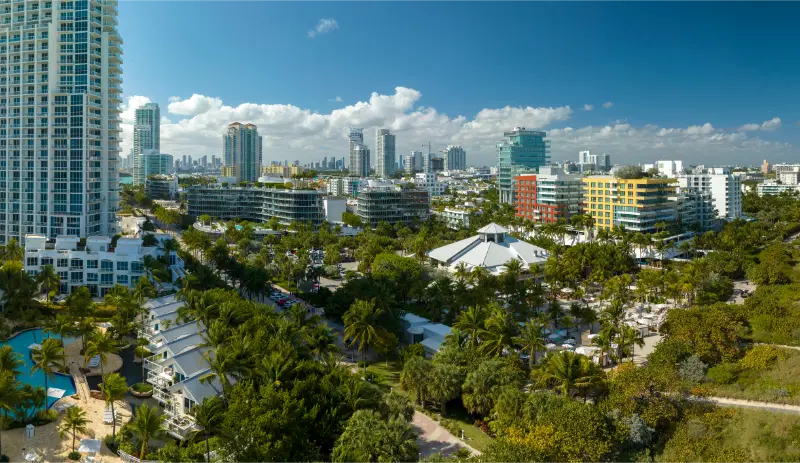

  • Florida Luxury Travel Guide: Beach Resorts, Spas, Golf, Dining, Yachts and Private Experiences

    Florida Luxury Travel Guide: Beach Resorts, Spas, Golf, Dining, Yachts and Private Experiences

    Luxury travel in Florida is not one style. Miami and Palm Beach emphasize design, dining and service; Naples and Southwest Florida mix polished resorts with golf and Gulf sunsets; the Keys provide privacy, boating and island atmosphere; Orlando can deliver high-end resorts around major attractions. The most satisfying luxury trip is usually the one where money buys time, privacy or access rather than simply a more expensive room.

    I would decide which parts of the trip deserve a premium. A beachfront room may eliminate daily driving, a private guide can turn an Everglades day into a more focused experience, and a yacht charter can replace several separate activities. At the same time, Florida’s beaches, sunsets and state parks are often inexpensive or free, so a luxury itinerary does not need every hour to be costly.

    Quick Planning Summary

    • Miami, Palm Beach, Naples and the Keys are core luxury regions, with different personalities.
    • Use premium spending to buy location, privacy, service or expert access.
    • Golf, spas, boating and dining can be trip anchors rather than add-ons.
    • Resort fees, parking and cancellation terms still matter at high price points.
    • Mix expensive experiences with beaches, art districts and nature for a trip that feels varied rather than transactional.

    In this guide

    Miami and Miami Beach

    Miami luxury can combine oceanfront hotels, design, art, Latin American dining and nightlife. South Beach offers energy and architecture, while quieter parts of Miami Beach or mainland neighborhoods may suit travelers who want restaurants and culture without being in the center of late-night activity.

    Choose the neighborhood before choosing the hotel brand. A premium room in the wrong part of the city can create more driving than a less famous property close to the experiences you actually want. Keep the day geographically compact. Florida traffic, bridge crossings and parking can turn a simple-looking transfer into lost vacation time, so one major area plus one nearby secondary stop is usually enough.

    Palm Beach and the Gold Coast

    Palm Beach has a classic resort identity built around beaches, historic hotels, shopping, golf and refined dining. Nearby West Palm Beach adds cultural venues and a more urban downtown, while Boca Raton and Delray Beach offer additional high-end bases.

    A split between resort time and a walkable town can make a longer stay more interesting. Do not schedule every meal at the property if local restaurants are part of the destination appeal. Build a weather alternative before the trip rather than after a thunderstorm begins. Museums, long lunches, pools and flexible neighborhood time can protect the day without forcing the group to chase the original schedule.

    Naples and Southwest Florida

    Naples is one of Florida’s easiest luxury bases for travelers who want Gulf beaches, golf, restaurants and a relaxed pace. Marco Island and nearby coastal areas add boating and access toward the Ten Thousand Islands, while Fort Myers and Sanibel region can add nature-focused contrast.

    Book water activities with flexible weather terms. A private boat day is a strong splurge only if conditions make it enjoyable. For multigenerational travel, let the slowest comfortable pace define the shared portion of the day. People can split for optional activities later, but meals and one headline experience are easier when nobody feels rushed.

    Florida Keys and private-island style

    The Keys offer luxury through setting: waterfront rooms, private docks, fishing or snorkeling charters and a slower island rhythm. Key Largo and Islamorada are easier to reach from Miami, while Key West provides more nightlife and historic character.

    Florida Luxury Waterfront Mansion and Yachts

    Understand the shoreline. High-end Keys properties may have beautiful water access without the broad sandy beach some travelers expect. Check the official source shortly before travel whenever access depends on capacity, wildlife, weather, water conditions, event schedules or operating rules. Florida conditions can change without making the destination itself less worthwhile.

    Orlando beyond standard theme-park travel

    Luxury Orlando can mean resort-level pools and spas, premium dining, golf and efficient park access. A well-located resort can make a demanding attraction trip feel much easier by shortening transfers and creating a comfortable midday retreat.

    Do not assume expensive park tickets and expensive hotels automatically create a relaxed schedule. Protect downtime and use concierge or transport services only where they genuinely save effort. Keep the day geographically compact. Florida traffic, bridge crossings and parking can turn a simple-looking transfer into lost vacation time, so one major area plus one nearby secondary stop is usually enough.

    Spas, golf and wellness

    Florida’s resort regions are strong for golf, tennis, pickleball, spas and wellness programming. These activities can be central to a couples or multigenerational trip, especially when not everyone wants the same beach or theme-park day.

    Reserve high-demand tee times and spa treatments early, but keep weather-dependent golf flexible when possible. Heat can make midday rounds uncomfortable for visitors not accustomed to Florida conditions. Build a weather alternative before the trip rather than after a thunderstorm begins. Museums, long lunches, pools and flexible neighborhood time can protect the day without forcing the group to chase the original schedule.

    Yachts, private guides and tailored experiences

    Private boating, fishing charters, food tours and naturalist guides can deliver experiences that are difficult to replicate independently. The value comes from local knowledge and a schedule designed around the group, not merely exclusivity.

    Check licenses, insurance, cancellation rules and exactly what the quoted price includes. A reputable professional should be clear about weather decisions and safety. For multigenerational travel, let the slowest comfortable pace define the shared portion of the day. People can split for optional activities later, but meals and one headline experience are easier when nobody feels rushed.

    Service, fees and smart splurges

    Luxury properties often add resort fees, valet parking, beach services and taxes that materially change the final bill. A premium rate should be judged against included services and the time it saves. One memorable dinner or private day can have more impact than upgrading every night of a two-week trip.

    Decide in advance what is worth paying extra for and what is not. This prevents “luxury” from becoming a series of automatic upgrades that do not improve the actual vacation. Check the official source shortly before travel whenever access depends on capacity, wildlife, weather, water conditions, event schedules or operating rules. Florida conditions can change without making the destination itself less worthwhile.

    Families, seniors and accessibility

    Luxury can work well for multigenerational travel when it provides space, service and simpler logistics. Families may benefit more from a two-bedroom suite and easy transport than from formal amenities. Senior travelers should still verify walking distances and accessible routes; price does not guarantee effortless mobility.

    When accessibility is essential, verify the exact route from parking or transit to the experience itself. A destination may advertise accessibility while an individual beach access, historic building, dock, trail or hotel facility still has limitations. Ask about step-free entry, elevators, accessible restrooms, seating and mobility equipment rather than relying on a general label.

    Best time and season

    Winter and early spring drive strong demand in South Florida and Southwest Florida, while Orlando has its own holiday and school-break peaks. Summer can provide resort value but brings heat and storms. Hurricane-season flexibility matters for coastal stays, private charters and nonrefundable packages.

    Florida is long enough that conditions can differ substantially between the Panhandle, Central Florida, South Florida and the Keys. Recheck local weather and any marine, park or event conditions close to the travel date rather than planning only from statewide averages.

    Budget and booking strategy

    Set a premium budget by category: room, one signature dinner, one private experience and perhaps spa or golf. Compare packages against à la carte prices, but read cancellation and included-service details carefully. Luxury is most valuable where it solves a real trip problem.

    Golf Course with Lake in Florida

    Compare the total trip cost rather than the first advertised price. Parking, resort fees, tolls, equipment rental, transport, meals and cancellation terms can change which option is actually good value. Reserve the experiences you would be genuinely disappointed to miss and keep ordinary sightseeing more flexible.

    How to build a realistic day

    Start with one anchor experience and one optional second stop. Add a meal area, transport plan and realistic return time before adding anything else. This makes the schedule resilient when weather, traffic, parking, a tired child or an unexpectedly good experience changes the original timing.

    Outdoor activities are often easiest earlier in the day during warm months. Use midday for indoor attractions, lunch, a pool or rest, then return outside later. Avoid scheduling the longest drive immediately after the most physically demanding activity.

    Common mistakes to avoid

    • Choosing the most expensive hotel without choosing the right neighborhood.
    • Assuming every waterfront Keys resort has a broad sandy beach.
    • Overbooking premium experiences until there is no downtime.
    • Ignoring resort fees and valet parking in the final budget.
    • Using a private charter without checking credentials and weather policies.

    Miami and Miami Beach travel guide, Florida Keys and Key West travel guide, Romantic Florida, Where to stay in Florida, Florida food guide.

    Official resources

    Operating rules, prices, access, weather procedures and schedules can change. When a detail is essential to the trip, confirm it with the responsible park, agency, destination or operator shortly before travel.

    Final advice

    A strong luxury Florida trip spends more where the difference is real: a better location, an expert guide, privacy, exceptional service or time saved. Keep enough simple beach, art and nature moments in the itinerary so the trip still feels connected to Florida rather than only to the resort.

  • Florida Toll Roads Guide: SunPass, TOLL-BY-PLATE, Rental Cars and Orlando Visitor Toll Pass

    Florida Toll Roads Guide: SunPass, TOLL-BY-PLATE, Rental Cars and Orlando Visitor Toll Pass

    Tolls are a normal part of driving in Florida, especially around Orlando, on the Florida Turnpike and on several expressways and bridges in Central and South Florida. They are not difficult once you choose a payment method, but rental-car programs can create avoidable fees when visitors discover the system only after driving through the first gantry.

    The useful question is not “How do I avoid every toll?” A no-toll route can add time, traffic and fuel. The better question is “Which payment method fits this rental and itinerary?” This guide explains the main choices, how electronic tolling works and what to check before leaving the airport.

    Quick Planning Summary

    • SunPass is Florida’s prepaid toll program and normally offers the lowest toll rate on participating Florida facilities.
    • TOLL-BY-PLATE photographs the plate when no accepted transponder is detected; rental vehicles are usually handled through the rental company or its toll vendor.
    • Rental-company toll programs have different daily, usage and administrative fees, so read the agreement before driving.
    • Visitor Toll Pass is a free temporary toll pass for eligible rental-car customers traveling roundtrip through Orlando International Airport.
    • Use the official toll calculator for route estimates instead of relying on old blog posts with fixed prices.

    In this guide

    How Florida toll roads work

    Many Florida toll facilities use electronic collection rather than traditional cash booths. A vehicle with an accepted transponder is detected as it passes under the gantry; otherwise the license plate may be photographed and charged through the applicable plate-based system. This keeps traffic moving but means visitors should decide on a payment method before the first toll road.

    Toll amounts depend on the facility, distance, vehicle class and payment method. Managed lanes have additional rules and should not be entered casually because a navigation app suggests a faster route. When driving a rental vehicle, the rental agreement matters because the registered owner is the rental company, not the traveler.

    SunPass for visitors

    SunPass is Florida’s prepaid electronic toll program. The official SunPass site states that customers receive the lowest available Florida toll rates compared with TOLL-BY-PLATE. Travelers who already have a compatible transponder may be able to use it in a rental, but they must follow the account instructions for adding the rental plate and rental period.

    A portable transponder can make sense for frequent Florida visitors or a long road trip. A sticker-style device is less flexible because it is designed for one windshield. Before buying anything, check current compatibility, activation requirements and whether your rental company allows personal transponders without simultaneously enrolling the vehicle in its own toll program.

    TOLL-BY-PLATE

    TOLL-BY-PLATE uses a photograph of the vehicle’s license plate when an accepted transponder is not detected. For a privately owned vehicle, invoices go to the registered owner and include the applicable tolls and administrative charge. Florida’s Turnpike notes that TOLL-BY-PLATE is not accepted in managed lanes, so drivers need an accepted transponder for those facilities.

    A rental car is different because the plate belongs to the rental company. Post-paid invoices do not simply follow the tourist home. Rental agencies and toll vendors use their own programs and fees to connect the toll to the renter. That is why reading the rental contract is essential.

    Rental car toll programs

    Most major rental companies offer electronic toll programs, but their pricing structures are not identical. Some charge a fee on every rental day, some on days when a toll is used, and others bundle tolls differently. The amount can change, so an old comparison chart should never be treated as permanent.

    Ask three questions at pickup: What is the administrative or service fee? Is it charged every rental day or only on toll-use days? Are actual tolls included or added separately? If you bring your own accepted transponder, ask how to prevent double billing. Keep the rental agreement and toll receipts until the final credit-card charges have posted.

    Visitor Toll Pass at Orlando International Airport

    Visitor Toll Pass is designed for rental-car customers traveling roundtrip through Orlando International Airport. The program uses a temporary hangtag, is free to reserve, and charges the lowest Florida toll rate without the rental-company toll-program fees. Travelers reserve it through the program’s app, pick up the pass at the airport, connect the rental vehicle’s plate and return the hangtag at the end of the trip.

    Orlando Florida City Avenue with Cars and Palm Trees

    This can be an excellent option for an Orlando-based road trip, but eligibility and procedures can change. It is specifically tied to Orlando International Airport and participating rental arrangements, so confirm the current requirements before assuming it will work for a vehicle collected elsewhere.

    Where visitors are most likely to encounter tolls

    Orlando has a dense network of toll roads linking the airport, theme-park areas and surrounding communities. The Florida Turnpike runs through a large part of the state, and South Florida has toll facilities and managed lanes. Some bridges and causeways also charge tolls.

    A traveler spending a week on a single Gulf Coast island may use very few tolls, while a family landing in Orlando, visiting theme parks and taking day trips can pass through several in a day. This difference is why the best payment strategy is itinerary-specific rather than universal.

    Navigation apps can reroute through toll roads automatically. Check whether “avoid tolls” is enabled only if you genuinely want slower alternatives. Avoiding every toll can be false economy when it adds substantial distance or sends you through congested local roads.

    Managed lanes deserve extra attention because access and payment rules differ from ordinary toll roads. Read overhead signs and do not make a last-second lane change. If your rental or transponder setup does not allow managed-lane use, configure navigation accordingly and remain in general-purpose lanes.

    How to estimate toll costs before the trip

    The official SunPass and Florida Turnpike toll calculators are better planning tools than memorizing individual plaza prices. Enter the origin, destination, vehicle and payment type to compare realistic costs. Do this for the longest driving days, not every short local trip.

    For a family vacation, put tolls into the same transport budget as fuel and parking. A toll road that saves thirty or forty minutes at the right time may be worth more than the small monetary saving of avoiding it. The key is knowing the payment method in advance so the convenience does not come with surprise administrative fees.

    Families, seniors and accessibility

    Families benefit from reducing decisions at the wheel. Set up the toll payment before loading children and luggage into the rental car, and let another adult handle navigation when possible. If a child needs an urgent stop, take the next safe exit rather than worrying about whether the route adds a toll.

    Senior travelers and visitors unfamiliar with U.S. roads may prefer a single clear payment method rather than switching between cash assumptions, rental programs and apps. Travelers with mobility needs should remember that toll strategy and accessible travel are separate questions: the most convenient route may still require confirming accessible parking and drop-off arrangements at the destination.

    Budget and booking strategy

    The toll itself is often not the expensive part; rental-company administrative fees can be. Compare the projected toll total with the service charges attached to each option. Visitor Toll Pass can be especially attractive for eligible Orlando airport rentals because the program is designed to avoid extra rental toll-program fees.

    Orlando Retro Drive In at Night with Classic Cars

    Do not spend an hour driving around a toll road to save a few dollars without considering fuel, time and stress. A budget strategy should value vacation time as well as cash.

    What to check before travel

    Before collecting a rental vehicle, recheck the rental company’s current toll terms, the SunPass rental-vehicle instructions and Visitor Toll Pass eligibility if you are flying through Orlando International Airport. Toll systems evolve, and managed-lane rules can differ from ordinary toll roads.

    After returning the car, review the final rental statement for toll charges and keep documentation until everything has settled. If you used a personal transponder, remove the rental plate from your account at the end of the rental period.

    Common mistakes to avoid

    • Assuming all rental companies charge the same toll-program fees.
    • Entering a managed lane without confirming that the payment method is accepted.
    • Buying a transponder without checking whether it can be used and removed from the rental vehicle.
    • Trying to avoid every toll even when the alternative adds major driving time.
    • Leaving a rental plate active on a personal toll account after the car is returned.

    Getting Around Florida, Florida Airports Guide, Florida on a Budget, Florida Road Trip Itinerary, Florida Travel Guide for First-Time Visitors.

    Official resources

    Rules, prices, access arrangements, reservation systems and operating procedures can change. When a detail is important to the trip, confirm it with the responsible agency, park, attraction, hotel or local authority shortly before travel.

    Final advice

    Florida toll roads are easiest when you make one decision before driving: choose the payment method, understand its fees and use it consistently. For many visitors, paying a reasonable toll is far better than building an awkward route around the system. The expensive mistake is not the toll; it is arriving without a plan.

  • Florida Honeymoon Guide: Keys, Gulf Coast, Miami, Amelia Island, Resorts and Romantic Itineraries

    Florida Honeymoon Guide: Keys, Gulf Coast, Miami, Amelia Island, Resorts and Romantic Itineraries

    Florida can support very different honeymoons without requiring an international flight after a wedding. Couples can spend a week driving through the Keys, stay in a Gulf Coast resort with sunsets every evening, combine Miami dining with the beach, or choose a quieter historic town such as Amelia Island or St. Augustine. The best honeymoon is not automatically the most luxurious; it is the one that fits how the couple actually likes to travel after an exhausting event.

    I would limit hotel changes, especially in the first few days. A honeymoon often benefits from more rest than a normal sightseeing trip, and two bases can be enough for a week. Choose one memorable splurge—perhaps a private boat trip, spa day or special dinner—then leave room for unstructured mornings, beach time and weather changes.

    Quick Planning Summary

    • The Florida Keys suit couples who want water, sunsets and island atmosphere.
    • Naples and Southwest Florida are strong for resort relaxation and Gulf Coast dining.
    • Miami works for couples who want design, food, nightlife and beach in the same trip.
    • Amelia Island and St. Augustine suit history, slower pacing and Northeast Florida scenery.
    • Two well-chosen bases usually create a better honeymoon than a long list of one-night stops.

    In this guide

    Florida Keys honeymoon

    The Keys provide one of Florida’s most distinctive honeymoon settings because the drive, water and island rhythm feel separate from the mainland. Key Largo and Islamorada offer diving, fishing and quieter resorts, while Key West adds historic streets, sunset activity and nightlife.

    A split stay can work well, but do not change hotels on every island. Two or three nights in the Upper Keys plus several nights in Key West creates more relaxation than constant packing. Keep the day geographically compact. Florida traffic, bridge crossings and parking can turn a simple-looking transfer into lost vacation time, so one major area plus one nearby secondary stop is usually enough.

    Naples, Marco Island and Southwest Florida

    Southwest Florida is ideal for couples who value beaches, good restaurants, golf, spas and sunset. Naples feels polished and easy to navigate, while Marco Island provides a more resort-oriented island base and access to Ten Thousand Islands excursions.

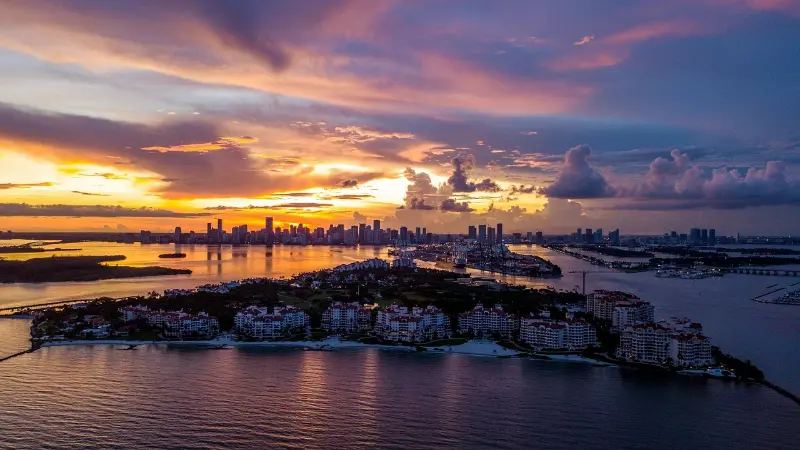
    Fisher Island Miami Waterfront at Sunset

    Leave one day completely open for pool, beach and a long dinner. A honeymoon does not need an excursion every morning to feel memorable. Build a weather alternative before the trip rather than after a thunderstorm begins. Museums, long lunches, pools and flexible neighborhood time can protect the day without forcing the group to chase the original schedule.

    Miami and Palm Beach

    Miami suits couples who want high-energy dining, architecture, nightlife and beach, while Palm Beach offers a more classic resort atmosphere. Combining them can work if the trip is long enough, but traffic and parking make neighborhood choice important.

    Stay where the evening plans are. Paying for a better location can be more romantic than spending the same amount on a larger room far from restaurants. For multigenerational travel, let the slowest comfortable pace define the shared portion of the day. People can split for optional activities later, but meals and one headline experience are easier when nobody feels rushed.

    Amelia Island and St. Augustine

    Northeast Florida provides a quieter honeymoon with historic streets, coastal scenery and fewer resort-corridor demands. Amelia Island offers beaches and a relaxed island atmosphere; St. Augustine adds architecture, restaurants and a walkable historic core.

    This region can also work well for couples who dislike tropical heat. Winter may be cooler than South Florida, so pack for changing temperatures rather than assuming beach weather every day. Check the official source shortly before travel whenever access depends on capacity, wildlife, weather, water conditions, event schedules or operating rules. Florida conditions can change without making the destination itself less worthwhile.

    Orlando for couples who genuinely love theme parks

    A honeymoon in Orlando can be excellent when both travelers truly enjoy theme parks, resorts and entertainment. Adults can combine park days with spas, high-end dining, golf and pool time. The mistake is using a honeymoon to attempt every attraction because the trip feels “special.”

    Choose fewer park days, stay close enough for breaks and reserve one non-park day. Exhaustion is not more romantic because the hotel is luxurious. Keep the day geographically compact. Florida traffic, bridge crossings and parking can turn a simple-looking transfer into lost vacation time, so one major area plus one nearby secondary stop is usually enough.

    Resort honeymoon or Florida road trip?

    A resort honeymoon minimizes decisions and allows more rest. A road trip creates variety and shared discovery but adds driving, parking and packing. Couples who enjoy exploring may love a Keys or Gulf Coast route; couples recovering from a large wedding may prefer one beachfront base.

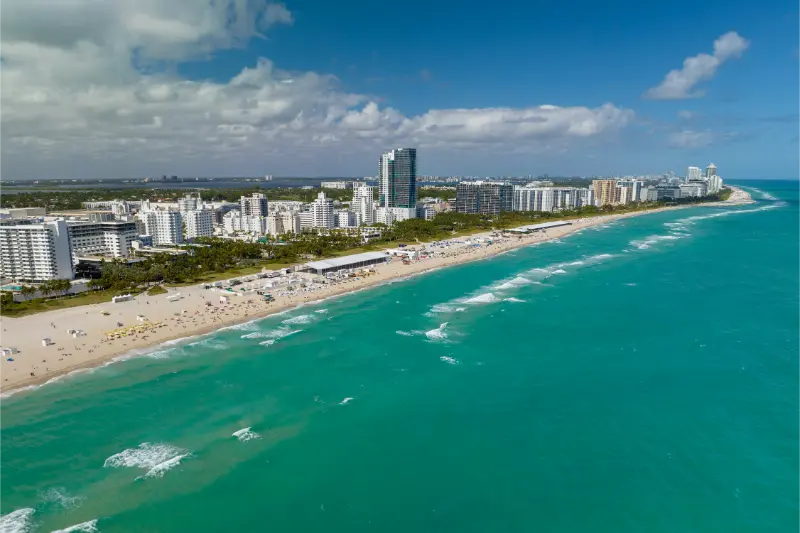
    Miami Beach Florida Hotels on White Sand Coast Aerial

    Choose based on normal travel behavior, not on what a honeymoon is supposed to look like. If one partner dislikes long drives, do not build the trip around them. Build a weather alternative before the trip rather than after a thunderstorm begins. Museums, long lunches, pools and flexible neighborhood time can protect the day without forcing the group to chase the original schedule.

    Where to splurge and where to save

    The most memorable splurges usually create time together: a waterfront room, private boat, special tasting menu, spa treatment or scenic experience. Saving on ordinary lunches, a rental-car category or a few hotel nights can fund the experience that actually matters.

    Discuss priorities before booking. A shared plan prevents one person from treating every upgrade as essential while the other is worried about the total cost. For multigenerational travel, let the slowest comfortable pace define the shared portion of the day. People can split for optional activities later, but meals and one headline experience are easier when nobody feels rushed.

    Weather, insurance and flexible booking

    Honeymoons often have fixed dates because they follow a wedding, which makes weather flexibility more difficult. Summer heat, thunderstorms and hurricane-season uncertainty should influence cancellation terms and travel insurance decisions.

    Book weather-dependent excursions with sensible cancellation rules. If the honeymoon is coastal during tropical-weather season, understand insurance coverage before paying large nonrefundable deposits. Check the official source shortly before travel whenever access depends on capacity, wildlife, weather, water conditions, event schedules or operating rules. Florida conditions can change without making the destination itself less worthwhile.

    Families, seniors and accessibility

    A honeymoon article is naturally couple-focused, but accessibility and comfort still matter at every age. Couples with mobility needs should verify step-free beach access, elevators and boat boarding. Older honeymooners may prefer a slower itinerary with longer stays, while younger couples can still benefit from scheduled rest after a demanding wedding week.

    When accessibility is essential, verify the exact route from parking or transit to the experience itself. A destination may advertise accessibility while an individual beach access, historic building, dock, trail or hotel facility still has limitations. Ask about step-free entry, elevators, accessible restrooms, seating and mobility equipment rather than relying on a general label.

    Best time and season

    Winter and spring are popular for South Florida and the Keys, while summer offers warm water but stronger heat and storms. Northeast Florida is cooler in winter. Hurricane season does not mean a trip will be disrupted, but fixed-date honeymooners should prioritize flexible reservations and appropriate insurance.

    Florida is long enough that conditions can differ substantially between the Panhandle, Central Florida, South Florida and the Keys. Recheck local weather and any marine, park or event conditions close to the travel date rather than planning only from statewide averages.

    Budget and booking strategy

    Decide the total honeymoon budget before choosing resorts. Allocate a portion to one or two signature experiences and protect a contingency fund for transport or weather changes. A beautiful room is less valuable if the remaining budget forces every meal and activity to feel stressful.

    Compare the total trip cost rather than the first advertised price. Parking, resort fees, tolls, equipment rental, transport, meals and cancellation terms can change which option is actually good value. Reserve the experiences you would be genuinely disappointed to miss and keep ordinary sightseeing more flexible.

    How to build a realistic day

    Start with one anchor experience and one optional second stop. Add a meal area, transport plan and realistic return time before adding anything else. This makes the schedule resilient when weather, traffic, parking, a tired child or an unexpectedly good experience changes the original timing.

    Outdoor activities are often easiest earlier in the day during warm months. Use midday for indoor attractions, lunch, a pool or rest, then return outside later. Avoid scheduling the longest drive immediately after the most physically demanding activity.

    Common mistakes to avoid

    • Changing hotels every night on a one-week honeymoon.
    • Choosing a destination because it looks romantic rather than because both people enjoy its activities.
    • Scheduling theme parks or excursions every day with no rest.
    • Ignoring hurricane-season cancellation terms on fixed dates.
    • Spending heavily on the room while leaving no budget for shared experiences.

    Romantic Florida, Florida Keys and Key West travel guide, Florida beach vacation guide, Best time to visit Florida, Best islands in Florida.

    Official resources

    Operating rules, prices, access, weather procedures and schedules can change. When a detail is essential to the trip, confirm it with the responsible park, agency, destination or operator shortly before travel.

    Final advice

    A Florida honeymoon should feel easier than the weeks before it. Pick the travel style both people already enjoy, reduce unnecessary hotel changes and spend extra where it creates time, privacy or a memory you will genuinely share.

  • 10 Days in Florida: Road Trip Itinerary for Orlando, Gulf Coast, Everglades and Miami

    10 Days in Florida: Road Trip Itinerary for Orlando, Gulf Coast, Everglades and Miami

    Ten days is one of the best lengths for a first Florida road trip because it is long enough to show real contrast without requiring a new hotel every night. I would build the route around four bases: Orlando, the Tampa Bay or Sarasota Gulf Coast, the Everglades-Naples corridor, and Miami. This creates theme parks, beaches, wildlife and city culture while keeping most transfers manageable.

    The exact route should change with flights and interests. Families may spend an extra day in Orlando; beach-first travelers can shift that day to the Gulf; birders may want more Everglades time; couples may slow the Miami section. The important principle is to move generally in one direction and avoid using Florida’s interstates as the main attraction.

    Quick planning summary

    • Days 1-3: Orlando with one or two major attraction days.
    • Days 4-5: Tampa Bay, St. Petersburg or Sarasota and a Gulf beach.
    • Days 6-7: Naples/Marco Island plus an Everglades gateway.
    • Days 8-10: Miami, neighborhoods, beach and departure.
    • Best pace: four bases rather than nine hotel changes.

    In this guide

    Days 1-3: Orlando as the energetic start

    Starting in Orlando works well because major airports and attractions make arrival logistics straightforward. Use Day 1 for arrival, then choose one or two anchor days at Disney, Universal, Kennedy Space Center or another major attraction. A third day can be a spring, Winter Park or a lighter resort day. Do not spend all three days sprinting from opening to closing if the road trip continues immediately afterward.

    For a ten-day Florida road trip, I would make this part of the trip deliberately rather than treating it as a box to tick. Think about parking or station access, shade, restrooms, meal timing and how much walking the group will actually enjoy. A tired driver on Day 4 is a poor trade for one extra late-night ride. A flexible backup nearby is useful because Florida weather, traffic and local access can change the shape of a day even when the main destination stays open.

    Days 4-5: cross to Tampa Bay or Sarasota

    The move west introduces the Gulf Coast without an extreme drive. St. Petersburg combines museums and waterfront with beaches nearby, Tampa adds attractions and Ybor City, while Sarasota offers The Ringling and access to Siesta Key. Choose one metro area rather than commuting between all three. Stay on the side of the bay that matches the next morning’s plan.

    For a ten-day Florida road trip, I would make this part of the trip deliberately rather than treating it as a box to tick. Think about parking or station access, shade, restrooms, meal timing and how much walking the group will actually enjoy. Bridge traffic can make a short-looking cross-bay trip much slower at peak times. A flexible backup nearby is useful because Florida weather, traffic and local access can change the shape of a day even when the main destination stays open.

    Days 6-7: Southwest Florida and Everglades edge

    Naples or Marco Island provides a comfortable base for Gulf beaches and access toward the Everglades. One day can be beach and town; the next can focus on a guided wetland experience, Big Cypress or an Everglades route chosen for current conditions. Start wildlife days early and carry water, sun protection and insect repellent.

    For a ten-day Florida road trip, I would make this part of the trip deliberately rather than treating it as a box to tick. Think about parking or station access, shade, restrooms, meal timing and how much walking the group will actually enjoy. Do not approach alligators or stop unsafely on roadside shoulders for wildlife. A flexible backup nearby is useful because Florida weather, traffic and local access can change the shape of a day even when the main destination stays open.

    Days 8-10: Miami as the final base

    Miami works well at the end because it provides food, neighborhoods, culture and beach time with a major airport for departure. Use one day for South Beach and Art Deco, one for Little Havana or Coconut Grove plus a museum, and keep the last day lighter. If the Keys are essential, replace a Miami day rather than adding a huge day trip. Choose the hotel around the evening experience and parking strategy.

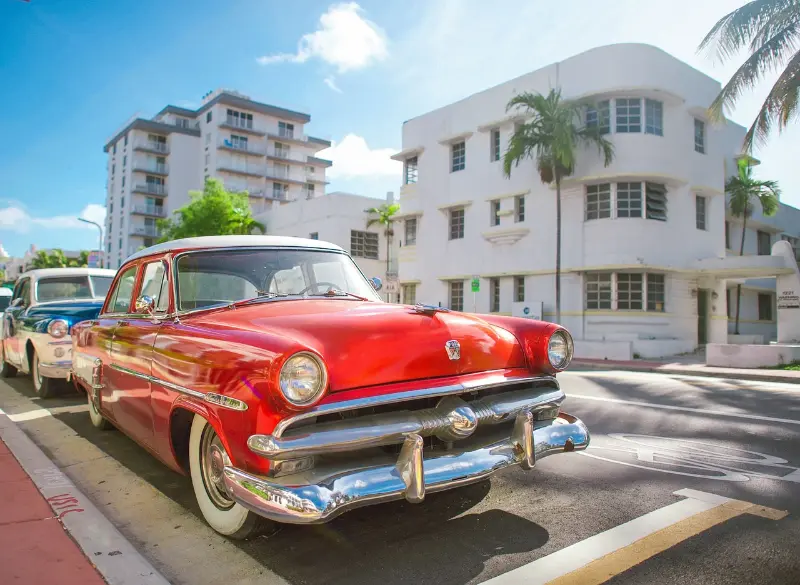
    Red Vintage Car outside Miami Beach Hotel

    For a ten-day Florida road trip, I would make this part of the trip deliberately rather than treating it as a box to tick. Think about parking or station access, shade, restrooms, meal timing and how much walking the group will actually enjoy. Avoid a long Everglades excursion on the final day before a flight. A flexible backup nearby is useful because Florida weather, traffic and local access can change the shape of a day even when the main destination stays open.

    Where the Keys fit—and where they do not

    The Keys are tempting, but a 10-day itinerary already has four strong regions. Key Largo can be added after the Everglades if snorkeling is a priority, while Key West deserves at least one overnight. To include it properly, remove a Gulf or Orlando day rather than stacking more driving. Treat the Overseas Highway as part of the experience and allow for traffic.

    For a ten-day Florida road trip, I would make this part of the trip deliberately rather than treating it as a box to tick. Think about parking or station access, shade, restrooms, meal timing and how much walking the group will actually enjoy. A same-day Miami-Key West round trip is possible but usually too long for this balanced itinerary. A flexible backup nearby is useful because Florida weather, traffic and local access can change the shape of a day even when the main destination stays open.

    Rental-car strategy and one-way routes

    A road trip is easier when the car plan matches the flight plan. Open-jaw flights into Orlando and out of Miami can reduce backtracking. Compare one-way rental fees with the time and fuel saved, and understand toll billing before leaving the airport. Photograph the car at pickup and keep fuel and toll policies with the reservation.

    For a ten-day Florida road trip, I would make this part of the trip deliberately rather than treating it as a box to tick. Think about parking or station access, shade, restrooms, meal timing and how much walking the group will actually enjoy. Do not assume every rental company handles Florida toll roads the same way. A flexible backup nearby is useful because Florida weather, traffic and local access can change the shape of a day even when the main destination stays open.

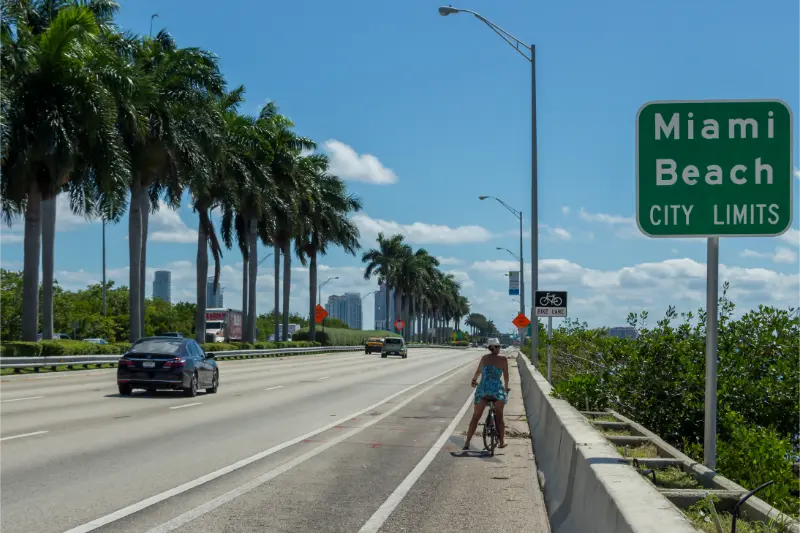
    Miami Beach City Limits Road Sign

    How to adjust the route for different travelers

    A flexible 10-day framework should change by age and interest. Families can add Orlando time, senior travelers can reduce hotel moves, beach lovers can extend Sarasota or Naples, and wildlife-focused visitors can spend more time around Big Cypress and the Everglades. Make the longest transfer day the lightest activity day.

    For a ten-day Florida road trip, I would make this part of the trip deliberately rather than treating it as a box to tick. Think about parking or station access, shade, restrooms, meal timing and how much walking the group will actually enjoy. The itinerary should serve the group rather than force everyone to follow a generic top-ten route. A flexible backup nearby is useful because Florida weather, traffic and local access can change the shape of a day even when the main destination stays open.

    Families, seniors and accessibility

    Families should consider a two-bedroom rental or suite on the Gulf portion to create recovery time after Orlando. Senior travelers often benefit from spending three nights in one base rather than adding Key West. Accessible travelers should confirm boardwalk and beach access individually at each stop. For multigenerational groups, the most effective plan is usually to identify one shared highlight and then allow different energy levels around it. Young children need shade, food and predictable breaks; teenagers often value one activity that feels independent or active; senior travelers may prefer shorter walking loops, seated tours or a hotel closer to the evening activity.

    Accessibility varies by beach access, historic district, transit stop, park and accommodation. Verify step-free routes, beach mats, wheelchairs, elevators and accessible restrooms directly when they are essential. Florida State Parks, for example, has an Access for All program, but amenities differ by park. A destination can be broadly accessible while one boardwalk, dune crossing or temporary route is not.

    Best time to go

    Late fall through spring gives comfortable road-trip temperatures, while summer requires storm awareness and earlier outdoor activities. Hurricane-season flexibility matters for coastal bookings. Florida is large enough that North Florida, Central Florida, South Florida and the Keys can feel like different seasons on the same week. Winter fronts, summer thunderstorms, hurricane-season uncertainty, spring-break demand and holiday weekends can all change a trip.

    Instead of choosing a month only from average temperature, match the season to your priority: swimming, wildlife, theme parks, road-tripping, festivals or comfortable walking. Check the forecast, surf or marine conditions and any park or event calendar again shortly before travel.

    Budget and booking

    A 10-day trip benefits from mixing premium attraction days with free beaches, waterfront walks and state parks. Compare the total cost rather than the headline room or fare. Resort fees, parking, tolls, rental-car charges, beach equipment, attraction tickets and meals can change the real daily budget substantially.

    Book the experiences that would genuinely disappoint you to miss, but keep ordinary beach, neighborhood and nature time flexible. A refundable room or cancellable activity can be worth more than a small prepaid discount during storm season or around major holiday periods. Keep confirmation emails and cancellation terms accessible offline.

    How to build a realistic day

    Transfer days should include one meaningful stop, not three major attractions. I usually plan one anchor experience, one optional secondary stop and a meal area rather than a chain of reservations. That creates room for traffic, parking, weather, a tired child, a longer museum visit or an unexpectedly good beach.

    Start outdoor days earlier when heat or crowds matter, and avoid putting the longest drive after the most physically demanding activity. If the group is staying several nights, deliberately schedule one lighter half-day. Florida vacations improve when there is enough space to enjoy a place rather than only reach it.

    Common mistakes to avoid

    • Changing hotels almost every night.
    • Adding Key West without removing time elsewhere.
    • Ignoring toll and parking costs in the rental-car budget.
    • Scheduling the longest drive after a full theme-park day.
    • Treating the Everglades as one single entrance or experience.

    Florida travel guide for first-time visitors, Best time to visit Florida, Where to stay in Florida, Florida weather guide, Florida travel insurance guide.

    Official resources to check

    Schedules, prices, access rules, road conditions, event dates, transit service and weather-related operations can change. If a detail is essential to the trip, confirm it with the responsible public agency, destination or operator shortly before travel.

    Final advice

    Ten days is enough for a real Florida journey when the route has direction and restraint. Use four bases, let each region feel different and protect a few open hours along the way. The road trip should reveal Florida rather than become a race across it.

  • Cocoa Beach Florida Travel Guide: Surfing, Rocket Launches, Beaches, Families and Where to Stay

    Cocoa Beach Florida Travel Guide: Surfing, Rocket Launches, Beaches, Families and Where to Stay

    Cocoa Beach works especially well when you want a real Atlantic beach stay without giving up easy access to the Space Coast. Surf culture, broad sand, casual restaurants and the possibility of watching a rocket climb into the sky give the city a personality that is different from both Orlando and South Florida.

    For families, couples and multigenerational groups, the biggest advantage is flexibility. A morning can start with the beach, continue with lunch and a shaded break, then shift to a launch-viewing area, a surf lesson or a short nature stop. You do not need to fill every hour for the trip to feel complete.

    The best way to plan Cocoa Beach is to treat the ocean and space program as complementary themes. Keep one day mainly local, reserve a separate day for Kennedy Space Center if it matters to you, and avoid building a schedule that depends on a rocket launch occurring at an exact time because launch windows can move.

    Quick planning summary

    • Recommended stay: 3–4 nights for a balanced beach-and-Space-Coast trip.
    • Best first stop: the beach near your hotel or Cocoa Beach Pier for orientation.
    • Best for: families, surfers, space fans, couples and travelers combining Orlando with the Atlantic coast.
    • Transport: a car is the easiest option for the wider Space Coast, while selected beach areas are walkable.
    • Planning rule: build around one major activity per half-day and keep launch plans flexible.

    In this guide

    Why visit Cocoa Beach?

    Cocoa Beach is one of the most recognizable bases on Florida’s Space Coast and is often described as one of the closest ocean-beach options to Orlando. That makes it useful both as a destination and as a two- or three-night extension after theme-park days.

    The beach itself is only part of the appeal. Surfing history, the pier, local parks, kayak opportunities and rocket-launch culture give you several ways to shape a trip without repeating the same type of activity every day.

    It is also a good destination for mixed-age groups. Children can enjoy sand and gentle beach time, teenagers may prefer surfing or water activities, and older travelers can choose shorter walks, shaded breaks and scenic stops without feeling that they are missing the entire destination.

    What makes the area memorable is the contrast between relaxed beach-town routines and the scale of the space program nearby. A quiet sunrise can be followed by a day learning about spacecraft, astronauts and launches, then dinner back near the ocean.

    Where to stay

    Near Cocoa Beach Pier

    A lively choice for first-time visitors who want a recognizable landmark, beach access, restaurants and an easy introduction to the town.

    Central Cocoa Beach

    Useful for balancing beach time with local dining, surf shops and short drives north or south. This can be the most practical all-round base.

    South Cocoa Beach

    A quieter option for travelers who prefer a more residential feel and are happy to drive for some restaurants and attractions.

    Compare the exact route from your room to the beach. Oceanfront, ocean-view and “near the beach” can mean very different daily experiences, especially for families carrying chairs, shade, toys or mobility equipment.

    If Kennedy Space Center is a priority, do not assume every oceanfront hotel is equally convenient. Map the morning drive before booking and check parking, breakfast times and whether you need to cross busy roads with children or luggage.

    Best things to do

    Cocoa Beach Pier

    Use the pier area as an orientation point for the beach, food and ocean views. It can be busy, so early morning or late afternoon often feels easier than the middle of the day.

    Surfing and surf lessons

    Cocoa Beach is closely associated with surfing. Beginners can book a lesson rather than renting equipment blindly; experienced surfers should still check local conditions and etiquette.

    Lori Wilson Park

    A useful beach-and-park stop with a more natural feel than the commercial core. It can work well for a slower morning or a family reset.

    Rocket-launch viewing

    Launches are visible from many places along the Space Coast when conditions cooperate. Treat a launch as a bonus unless you are willing to adjust your schedule around official updates.

    Kennedy Space Center Visitor Complex

    This deserves a separate full day for most first-time visitors. The drive is manageable from Cocoa Beach, but the experience is too substantial to squeeze into a beach morning.

    Do not try to combine Kennedy Space Center, a long beach session, a surf lesson and a launch watch in one day. The destination is easier when you separate “space day” from “beach day.”

    Space Shuttle Rocket Launch Kennedy Space Center

    If your group includes very young children or anyone sensitive to heat, schedule the beach early and use museums, lunch or hotel time for the hottest part of the afternoon.

    Nature and outdoor time

    The Atlantic is the main outdoor attraction, but the wider Space Coast also includes lagoons, mangrove areas and wildlife habitat. Guided kayaking can add a very different perspective from the beach.

    Sea-turtle nesting is an important seasonal feature on this coast. Follow local lighting rules and never approach nests or hatchlings. Responsible viewing protects the animals and keeps beaches enjoyable for everyone.

    For sunrise, the beach is the obvious choice. For sunset, look toward river or lagoon viewpoints rather than expecting the sun to set over the Atlantic.

    Getting there and around

    Orlando International Airport is the main gateway for many visitors, while Melbourne Orlando International Airport can be convenient for some routes. Drive times depend heavily on traffic and the exact part of Cocoa Beach.

    A car makes Kennedy Space Center, Merritt Island, Titusville and other Space Coast stops much easier. If you plan to stay almost entirely near the beach, rideshare and walking can reduce driving, but they are less flexible for regional exploration.

    Parking rules vary by beach access and attraction. Check posted signs instead of assuming hotel parking rights extend to public beach areas.

    If a launch is scheduled, expect traffic patterns and popular viewing areas to change. Build extra time into the day rather than planning a tight dinner or airport connection immediately afterward.

    Best time to visit

    Late fall through spring usually brings more comfortable temperatures for long walks and outdoor sightseeing. It is also a popular period, so lodging can rise around holidays and major events.

    Summer is hot, humid and stormier, but families tied to school calendars can still have a good trip by starting early, resting midday and keeping indoor alternatives ready.

    Launches happen throughout the year, but schedules are operational rather than seasonal. Always use current official information.

    Ocean conditions change day by day. A beautiful forecast does not replace checking surf, rip-current guidance and beach flags once you arrive.

    Families, teens, seniors and accessibility

    Families with young children benefit from staying close to the beach so naps and clothing changes do not require a car trip. A refrigerator and simple breakfast setup can also make early mornings easier.

    Teenagers may appreciate surf lessons, paddle sports and the space program more than a long list of passive sightseeing stops. Let them choose one activity that becomes the anchor of the day.

    Senior travelers often do best with a hotel that reduces daily driving and offers elevators, shade and easy food access. Plan Kennedy Space Center as a full outing with rest opportunities rather than as a rushed add-on.

    For accessibility, verify beach-mat or beach-wheelchair availability with the specific access point or provider you intend to use. Conditions and equipment can vary, so confirm rather than relying on a general destination description.

    A practical 3-day itinerary

    Day 1: Beach and town

    Arrive, settle in and keep the first day deliberately simple. Walk the beach, orient yourself around the pier or central area, have an early dinner and watch sunset colors build over the town.

    Day 2: Kennedy Space Center

    Leave enough time for a full visit. Return to Cocoa Beach for an easy dinner rather than planning another major attraction.

    Kennedy Space Center Rocket Garden

    Day 3: Surf, nature and a flexible launch window

    Book a morning surf lesson or beach session, use midday for lunch and shade, then choose a kayak outing, park, local shopping or a launch-viewing plan if one is active.

    With a fourth day, add a slower nature outing or simply protect a full beach day. That extra day is valuable when weather or launch changes disrupt the first plan.

    Food and evenings

    Cocoa Beach dining is casual and well suited to vacation rhythms. Seafood, tacos, breakfast spots and beach-town restaurants make it easy to keep meals informal.

    Family tipFor families, early dinners reduce waits and keep evenings flexible. Couples may prefer to separate one nicer dinner from the busiest beach hours.

    Do not drive across the region just for every meal. Choosing a few restaurants near the hotel can make the trip feel far less rushed.

    Budget and booking

    Beach time can be inexpensive, while Kennedy Space Center, lessons and tours raise the daily cost. Decide which paid experience matters most before adding extras.

    Compare hotels by total cost, including parking, resort charges and breakfast. A slightly higher room rate can be better value if it reduces paid parking and daily driving.

    Reserve high-priority timed experiences early, but leave beach time flexible. This balance protects both your budget and your ability to adapt to weather.

    Easy day trips and extensions

    Titusville and Merritt Island

    A strong extension for wildlife, launch viewpoints and a different perspective on the Space Coast.

    Orlando

    Possible as a day trip, but better treated as a separate base if you plan multiple theme-park days.

    Melbourne and the beaches

    Useful for a quieter coastal day, arts, dining and a change of pace south of Cocoa Beach.

    Canaveral National Seashore

    A nature-focused option where conditions, access and operating details should be checked before departure.

    Mistakes to avoid

    • Planning every hour: Leave room for weather, traffic, meals and an activity that takes longer than expected.
    • Choosing lodging only by nightly price: A cheaper room can cost more overall when parking, resort fees and long daily drives are added.
    • Underestimating Florida weather: Heat, humidity, thunderstorms and strong sun can change the best order for the day.
    • Ignoring beach and water conditions: Flags, currents, wind and storms deserve the same attention as attraction opening times.
    • Skipping a backup plan: An indoor museum, shaded district or flexible restaurant plan can rescue a day when outdoor conditions change.

    The most common Cocoa Beach mistake is trying to make a launch schedule behave like a theme-park reservation. Spaceflight changes; build the rest of the trip so it still works if the launch moves.

    • Florida Space Coast and Cocoa Beach guide
    • Kennedy Space Center Visitor Complex guide
    • Florida surfing guide
    • Florida beach safety guide
    • Florida with kids guide

    These guides help you decide whether Cocoa Beach should be a stand-alone stay, a Space Coast base or a beach extension to an Orlando itinerary.

    Official resources

    For opening hours, closures, launch schedules, beach conditions, event calendars and other details that can change, use Visit Space Coast’s Cocoa Beach visitor information. Check again shortly before travel, especially for weather-dependent activities, park access, parking and major events.

    Frequently asked questions

    How many days do you need in Cocoa Beach?

    Three nights are enough for a beach day, a Kennedy Space Center day and one flexible surf or nature day. Four nights feel better if a rocket launch matters to you.

    Is Cocoa Beach good for families?

    Yes. The combination of beach time, surfing, casual dining and nearby space attractions works especially well for mixed-age family trips.

    Do you need a car in Cocoa Beach?

    Not for every hour of a beach-centered stay, but a car is the easiest way to reach Kennedy Space Center and explore the wider Space Coast.

    Can you see rocket launches from Cocoa Beach?

    Many launches can be seen from the area when weather and trajectory cooperate, but always follow current official launch information and local viewing guidance.

    Is Cocoa Beach worth staying overnight instead of visiting from Orlando?

    Yes if the ocean, sunrise, surfing or a slower coastal pace matters. An overnight stay removes the pressure of driving back after a long beach or space day.

    Cocoa Beach is at its best when you stop treating it as only “Orlando’s beach” and give it enough time to develop its own rhythm. A few nights create space for the ocean, surfing, wildlife and the extraordinary presence of the space program nearby.

  • 5 Days in Florida: First-Time Itinerary for Orlando, Space Coast and Miami

    5 Days in Florida: First-Time Itinerary for Orlando, Space Coast and Miami

    Five days is enough for a memorable first taste of Florida, but not enough to sample the whole state. The itinerary I would recommend most often combines Orlando, the Space Coast and Miami because the route introduces three very different versions of Florida: theme-park energy, beaches and space history, then a major South Florida city with tropical neighborhoods and food. It works best when you accept that the Keys, Gulf Coast and St. Augustine belong on another trip.

    This plan can be done with a rental car or with Brightline plus targeted transfers, though the Space Coast is easier with a car or organized tour. Families should protect sleep and pool time; couples can shift more time to restaurants and neighborhoods; senior travelers can reduce park hours and use seated experiences. The objective is variety without turning every day into a relocation.

    Quick planning summary

    • Day 1: arrive Orlando and keep the evening easy.
    • Day 2: one Orlando theme-park or non-park anchor.
    • Day 3: Kennedy Space Center and optional Cocoa Beach.
    • Day 4: travel to Miami and explore one neighborhood cluster.
    • Day 5: Miami morning, beach or culture, then departure.

    In this guide

    Day 1: arrive in Orlando and protect your energy

    The first day should absorb flight delays, luggage and the mental shift into vacation mode. Stay near the attraction cluster you will use on Day 2, collect groceries or sunscreen, have an early dinner and resist buying a late-night ticket simply because the calendar looks empty. If arrival is early, use the hotel pool, Disney Springs or a short neighborhood outing instead of a full park.

    For a five-day first Florida trip, I would make this part of the trip deliberately rather than treating it as a box to tick. Think about parking or station access, shade, restrooms, meal timing and how much walking the group will actually enjoy. Late arrivals should not be followed by a dawn rope-drop unless everyone genuinely tolerates short sleep. A flexible backup nearby is useful because Florida weather, traffic and local access can change the shape of a day even when the main destination stays open.

    Day 2: choose one Orlando anchor

    One full Orlando day can be excellent if you pick a single theme-park complex or a clearly defined alternative. Walt Disney World, Universal Orlando, SeaWorld or a non-park combination each requires a different strategy. Trying to visit two major resorts in one day usually creates more transport than enjoyment. Buy the ticket that matches the real hours you can use and plan one proper meal or rest break.

    For a five-day first Florida trip, I would make this part of the trip deliberately rather than treating it as a box to tick. Think about parking or station access, shade, restrooms, meal timing and how much walking the group will actually enjoy. Current reservation systems, park entry rules and ride operations should be checked directly before travel. A flexible backup nearby is useful because Florida weather, traffic and local access can change the shape of a day even when the main destination stays open.

    Day 3: Kennedy Space Center and the Space Coast

    Kennedy Space Center provides a completely different day from Orlando’s theme parks. The visitor complex, Space Shuttle Atlantis, rockets and bus-tour elements can fill most of the day. Cocoa Beach works best as a short sunset or dinner add-on rather than a second full itinerary. Leave Orlando early and treat any rocket launch as a bonus, not the foundation of the schedule.

    For a five-day first Florida trip, I would make this part of the trip deliberately rather than treating it as a box to tick. Think about parking or station access, shade, restrooms, meal timing and how much walking the group will actually enjoy. Launches can move and NASA-related operations can affect access. A flexible backup nearby is useful because Florida weather, traffic and local access can change the shape of a day even when the main destination stays open.

    Day 4: travel to Miami and choose one neighborhood cluster

    The move to Miami should be part of the trip rather than a wasted transit day. Brightline can connect Orlando to Miami without highway driving, while a rental car offers flexibility if you still need it. After arrival, choose one cluster such as South Beach, Brickell-Downtown, Coconut Grove or Little Havana. Do not schedule a long Everglades excursion on the same day as the intercity move.

    Miami Beach Coast and Causeway Aerial View

    For a five-day first Florida trip, I would make this part of the trip deliberately rather than treating it as a box to tick. Think about parking or station access, shade, restrooms, meal timing and how much walking the group will actually enjoy. Miami traffic makes cross-city dinner reservations risky after a long travel day. A flexible backup nearby is useful because Florida weather, traffic and local access can change the shape of a day even when the main destination stays open.

    Day 5: finish with beach, culture or food

    The final day should reflect what the group has missed rather than adding another major transfer. A sunrise walk on Miami Beach, Vizcaya, a museum, Little Havana food stop or a waterfront morning can work depending on flight time. Keep luggage storage and airport travel in the plan from the beginning. Stay within a reasonable distance of the airport route and leave extra traffic margin.

    For a five-day first Florida trip, I would make this part of the trip deliberately rather than treating it as a box to tick. Think about parking or station access, shade, restrooms, meal timing and how much walking the group will actually enjoy. Do not put a timed boat tour immediately before an afternoon flight. A flexible backup nearby is useful because Florida weather, traffic and local access can change the shape of a day even when the main destination stays open.

    Car or train for this route?

    Both can work, but they create different versions of the trip. A car is simplest for Kennedy Space Center and flexible Space Coast stops, while Brightline removes the longest Orlando-Miami driving leg. A hybrid plan can rent a car in Orlando, return it, then take the train south. Compare one-way fees, parking and rideshare rather than only the rental day rate.

    For a five-day first Florida trip, I would make this part of the trip deliberately rather than treating it as a box to tick. Think about parking or station access, shade, restrooms, meal timing and how much walking the group will actually enjoy. Train schedules and transfer options must be verified for the actual travel date. A flexible backup nearby is useful because Florida weather, traffic and local access can change the shape of a day even when the main destination stays open.

    What I would skip on a five-day trip

    The Keys, Naples, Tampa Bay, St. Augustine and the Panhandle are excellent, but they do not all belong in this itinerary. Adding them creates long drives and shallow visits. A short trip becomes stronger when every destination feels different and there is at least one evening with no major logistics. Keep a future-trip list instead of forcing every famous name into the first visit.

    For a five-day first Florida trip, I would make this part of the trip deliberately rather than treating it as a box to tick. Think about parking or station access, shade, restrooms, meal timing and how much walking the group will actually enjoy. Five days should introduce Florida, not attempt to finish it. A flexible backup nearby is useful because Florida weather, traffic and local access can change the shape of a day even when the main destination stays open.

    Families, seniors and accessibility

    Families should protect the Orlando day from becoming too long and keep the Miami section geographically compact. Young children may prefer a hotel pool afternoon over another attraction, while teenagers often respond well to the contrast between theme parks, space history and a city neighborhood. For multigenerational groups, the most effective plan is usually to identify one shared highlight and then allow different energy levels around it. Young children need shade, food and predictable breaks; teenagers often value one activity that feels independent or active; senior travelers may prefer shorter walking loops, seated tours or a hotel closer to the evening activity.

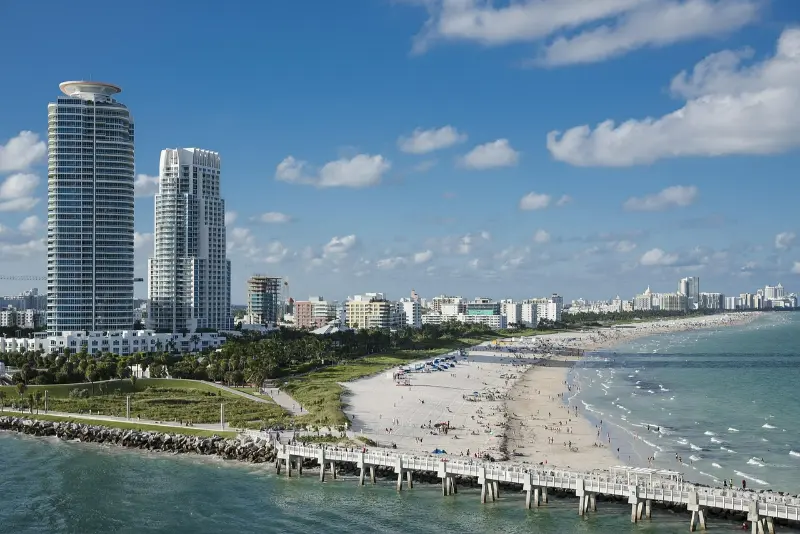
    Miami Beach Aerial View Along Coast

    Accessibility varies by beach access, historic district, transit stop, park and accommodation. Verify step-free routes, beach mats, wheelchairs, elevators and accessible restrooms directly when they are essential. Florida State Parks, for example, has an Access for All program, but amenities differ by park. A destination can be broadly accessible while one boardwalk, dune crossing or temporary route is not.

    Best time to go

    Winter and spring offer comfortable walking weather, while summer requires earlier outdoor starts and more indoor breaks. Holiday periods can raise both park and hotel demand. Florida is large enough that North Florida, Central Florida, South Florida and the Keys can feel like different seasons on the same week. Winter fronts, summer thunderstorms, hurricane-season uncertainty, spring-break demand and holiday weekends can all change a trip.

    Instead of choosing a month only from average temperature, match the season to your priority: swimming, wildlife, theme parks, road-tripping, festivals or comfortable walking. Check the forecast, surf or marine conditions and any park or event calendar again shortly before travel.

    Budget and booking

    Five days can become expensive when every day is ticketed, so mix one premium Orlando day with lower-cost beach or neighborhood time. Compare the total cost rather than the headline room or fare. Resort fees, parking, tolls, rental-car charges, beach equipment, attraction tickets and meals can change the real daily budget substantially.

    Book the experiences that would genuinely disappoint you to miss, but keep ordinary beach, neighborhood and nature time flexible. A refundable room or cancellable activity can be worth more than a small prepaid discount during storm season or around major holiday periods. Keep confirmation emails and cancellation terms accessible offline.

    How to build a realistic day

    On a short itinerary, each relocation should replace an activity rather than sit on top of it. I usually plan one anchor experience, one optional secondary stop and a meal area rather than a chain of reservations. That creates room for traffic, parking, weather, a tired child, a longer museum visit or an unexpectedly good beach.

    Start outdoor days earlier when heat or crowds matter, and avoid putting the longest drive after the most physically demanding activity. If the group is staying several nights, deliberately schedule one lighter half-day. Florida vacations improve when there is enough space to enjoy a place rather than only reach it.

    Common mistakes to avoid

    • Adding the Keys or Gulf Coast just to say you visited.
    • Scheduling two major Orlando resort complexes in one day.
    • Depending on a rocket launch that may move.
    • Crossing Miami repeatedly instead of choosing one neighborhood cluster.
    • Booking the final attraction too close to flight time.

    Florida travel guide for first-time visitors, Florida airports guide, Florida theme parks guide, Best time to visit Florida, Where to stay in Florida.

    Official resources to check

    Schedules, prices, access rules, road conditions, event dates, transit service and weather-related operations can change. If a detail is essential to the trip, confirm it with the responsible public agency, destination or operator shortly before travel.

    Final advice

    Five days becomes enough when you stop trying to cover the entire map. Orlando, the Space Coast and Miami give a first-time visitor three distinct Florida experiences with a logical southbound flow and enough flexibility to recover from weather or delays.

  • Florida Nightlife Guide: Miami, Tampa, Orlando, Key West, Fort Lauderdale and Live Music

    Florida Nightlife Guide: Miami, Tampa, Orlando, Key West, Fort Lauderdale and Live Music

    Florida nightlife ranges from international club culture in Miami to live music and historic districts in Tampa, resort entertainment in Orlando, open-air bars in Key West and relaxed waterfront evenings across the Gulf Coast. A useful nightlife guide should not assume every traveler wants a nightclub. Comedy, concerts, rooftop bars, theater, sports, food halls, evening markets and sunset districts all belong in the same conversation.

    The best night out usually starts with geography. Stay near the district you expect to use, avoid repeated late-night drives across a metropolitan area and decide in advance how the group will get back to the hotel. Couples, groups of friends, families with teenagers and senior travelers can all find evening options if “nightlife” is defined broadly enough.

    Quick Planning Summary

    • Miami offers the widest range of high-energy nightlife and late-night dining.
    • Tampa and St. Petersburg combine historic districts, live music, sports and waterfront evenings.
    • Orlando nightlife includes resort districts, concerts, dining and entertainment beyond theme parks.
    • Key West is compact and social, with sunset activity and walkable evening streets.
    • Safe transport matters more than finding the most famous venue.

    In this guide

    Miami and Miami Beach

    Miami has Florida’s most internationally recognized nightlife, from South Beach clubs and rooftop bars to Latin music, Wynwood, Brickell and more relaxed neighborhood venues. The city is large enough that two famous places can be impractical to combine on the same night.

    Choose one district and let dinner, drinks and music happen within it. Rideshare is often easier than moving a car between neighborhoods and paying multiple parking charges. Keep the day geographically compact. Florida traffic, bridge crossings and parking can turn a simple-looking transfer into lost vacation time, so one major area plus one nearby secondary stop is usually enough.

    Tampa, Ybor City and St. Petersburg

    Ybor City brings historic architecture, bars, music and late-night energy, while downtown Tampa and the waterfront provide restaurants, events and sports. Across the bay, St. Petersburg has a strong Central Avenue and downtown scene with breweries, music, galleries and an easier evening walking pattern.

    Do not plan to bounce between Tampa and St. Petersburg repeatedly late at night. Pick the side of the bay that matches the evening and stay there. Build a weather alternative before the trip rather than after a thunderstorm begins. Museums, long lunches, pools and flexible neighborhood time can protect the day without forcing the group to chase the original schedule.

    Orlando after the parks

    Orlando nightlife extends beyond theme parks through entertainment districts, International Drive, downtown venues, restaurants, shows and concert events. Resort areas also provide bars and dining without requiring a drive after a long park day.

    The biggest mistake is planning a major night out after a 12-hour theme-park day. Choose one evening when the daytime schedule is intentionally lighter. For multigenerational travel, let the slowest comfortable pace define the shared portion of the day. People can split for optional activities later, but meals and one headline experience are easier when nobody feels rushed.

    Key West evenings

    Key West is one of Florida’s easiest places for a car-free evening because Old Town, sunset areas, restaurants and bars can be explored on foot from a central hotel. Duval Street is famous, but side streets and waterfront venues can provide a different pace.

    Key West Ocean View from Beach

    Book accommodation with noise in mind. A room in the center of nightlife is convenient but may not suit travelers who want an early, quiet night. Check the official source shortly before travel whenever access depends on capacity, wildlife, weather, water conditions, event schedules or operating rules. Florida conditions can change without making the destination itself less worthwhile.

    Fort Lauderdale and the Palm Beaches

    Fort Lauderdale offers beach bars, Las Olas dining and waterfront venues, while Boca Raton, Delray Beach and West Palm Beach provide smaller evening districts with restaurants, music and events. These areas can work well for travelers who want nightlife without Miami’s scale.

    Stay close to the chosen district when possible. South Florida distances can look short on a map while traffic makes late-night transfers frustrating. Keep the day geographically compact. Florida traffic, bridge crossings and parking can turn a simple-looking transfer into lost vacation time, so one major area plus one nearby secondary stop is usually enough.

    Live music, theater, comedy and sports

    Florida’s major cities host concerts, performing arts, comedy, professional sports and college events. These are valuable nightlife options for travelers who prefer a scheduled experience over bars or clubs. Smaller towns may have outdoor music, art walks and seasonal festivals.

    Check event calendars before choosing hotel dates. A concert or game can raise nearby room prices and parking demand even for travelers not attending. Build a weather alternative before the trip rather than after a thunderstorm begins. Museums, long lunches, pools and flexible neighborhood time can protect the day without forcing the group to chase the original schedule.

    Family-friendly evenings

    Families can still enjoy Florida after dark through waterfront walks, mini golf, dinner shows, theme-park districts, evening wildlife programs, stargazing and seasonal light displays. Teenagers often appreciate a lively district even when alcohol-centered venues are not appropriate.

    Choose well-lit, pedestrian-friendly areas and verify age restrictions for individual venues. A “nightlife district” can contain both family attractions and adults-only spaces. For multigenerational travel, let the slowest comfortable pace define the shared portion of the day. People can split for optional activities later, but meals and one headline experience are easier when nobody feels rushed.

    Key West Florida Island and Neighborhood Aerial

    Safe transport and practical planning

    Late-night driving deserves a plan before the first drink. Rideshare, walking, hotel shuttles and designated drivers are often simpler than solving transport at closing time. Florida also has waterways and bridge crossings that can separate nightlife areas more than visitors expect.

    Save the hotel address offline, keep the group together and never rely on one person who has been drinking to decide later whether they are able to drive. Check the official source shortly before travel whenever access depends on capacity, wildlife, weather, water conditions, event schedules or operating rules. Florida conditions can change without making the destination itself less worthwhile.

    Families, seniors and accessibility

    Evening travel should match the group’s energy. Families with young children may enjoy an early sunset and dinner rather than a late district. Senior travelers can prioritize live music, theater and walkable restaurant areas with seating. Travelers with mobility needs should check sidewalks, venue entrances and rideshare drop-off points in historic districts.

    When accessibility is essential, verify the exact route from parking or transit to the experience itself. A destination may advertise accessibility while an individual beach access, historic building, dock, trail or hotel facility still has limitations. Ask about step-free entry, elevators, accessible restrooms, seating and mobility equipment rather than relying on a general label.

    Best time and season

    Outdoor nightlife is most comfortable in cooler months, but festivals and concerts run all year. Summer evenings remain humid and thunderstorms can affect outdoor events. Major holidays, spring break and special-event weekends can change crowd levels dramatically.

    Florida is long enough that conditions can differ substantially between the Panhandle, Central Florida, South Florida and the Keys. Recheck local weather and any marine, park or event conditions close to the travel date rather than planning only from statewide averages.

    Budget and booking strategy

    A good night does not require bottle-service prices. Mix a paid show or event with a walkable district, happy-hour meal or free waterfront activity. Parking and rideshare surge pricing can be a significant part of the night, so include transport in the budget.

    Compare the total trip cost rather than the first advertised price. Parking, resort fees, tolls, equipment rental, transport, meals and cancellation terms can change which option is actually good value. Reserve the experiences you would be genuinely disappointed to miss and keep ordinary sightseeing more flexible.

    How to build a realistic day

    Start with one anchor experience and one optional second stop. Add a meal area, transport plan and realistic return time before adding anything else. This makes the schedule resilient when weather, traffic, parking, a tired child or an unexpectedly good experience changes the original timing.

    Outdoor activities are often easiest earlier in the day during warm months. Use midday for indoor attractions, lunch, a pool or rest, then return outside later. Avoid scheduling the longest drive immediately after the most physically demanding activity.

    Common mistakes to avoid

    • Trying to visit several distant nightlife districts in one evening.
    • Planning a late night after an exhausting full-day attraction schedule.
    • Driving because the hotel looks close on a map despite drinking.
    • Ignoring age restrictions or dress policies at specific venues.
    • Booking a hotel in the middle of nightlife without considering noise.

    Miami and Miami Beach travel guide, Florida food guide, Florida arts and culture guide, Florida sports travel guide, Key West Florida travel guide.

    Official resources

    Operating rules, prices, access, weather procedures and schedules can change. When a detail is essential to the trip, confirm it with the responsible park, agency, destination or operator shortly before travel.

    Final advice

    Florida nightlife is broader than clubs. Choose one district, match the evening to the group and solve the return trip before going out. The best nights often combine dinner, music and a walkable neighborhood rather than a checklist of famous venues.

  • Ocala Florida Travel Guide: Horse Country, Springs, Silver Springs, Families and Where to Stay

    Ocala Florida Travel Guide: Horse Country, Springs, Silver Springs, Families and Where to Stay

    Ocala is the Central Florida destination I would choose when the trip needs more horses, springs and open landscape than theme parks. The city is the practical center of Marion County, but the experience spreads far beyond downtown: Silver Springs, horse farms, the World Equestrian Center, Rainbow River, Ocala National Forest and small communities such as Dunnellon all shape the visit. That geography means an Ocala vacation works best when you choose a theme for each day rather than driving in circles between attractions.

    Explore this guide

    It is also a strong multigenerational destination. Children can ride a glass-bottom boat, teenagers can paddle or bike, adults can explore horse country and local restaurants, and seniors can enjoy gardens, scenic drives and spectator-friendly equestrian events without needing a high-adrenaline itinerary. The area can feel rural within minutes of the city, so good planning is less about tickets and more about distance, weather and the right base.

    Quick planning summary

    • Best for: horse lovers, springs and paddling, nature, families, active seniors, road-trippers and travelers who want a slower alternative to Orlando.
    • Ideal stay: 3–4 nights for Ocala plus Silver Springs and horse country; 5 nights if Rainbow River, Ocala National Forest or longer outdoor days are priorities.
    • Best base: Downtown for restaurants and local character; west/northwest Ocala for World Equestrian Center; east Ocala for Silver Springs; Dunnellon if Rainbow River is the main goal.
    • Getting around: A car is essential for most itineraries. The region is broad, and the best springs, horse venues and forest recreation areas are separated by meaningful driving time.
    • Planning principle: Group each day geographically: horse country, Silver Springs/east Ocala, downtown, or Dunnellon/Rainbow River.

    Why Ocala deserves a place in a Florida itinerary

    Ocala/Marion County’s official tourism organization presents the region around equestrian culture, outdoor adventure and springs, which is exactly how I would structure a first visit. The World Equestrian Center makes horse sport accessible even to travelers who do not own a horse, while Silver Springs and Rainbow River show the clear-water side of inland Florida.

    The city itself prevents the trip from becoming purely rural. Downtown Ocala has a compact square, restaurants, public art and cultural stops; Sholom Park offers a gentler garden experience; Fort King adds local history. That balance is useful when weather or mobility makes an all-outdoor itinerary unrealistic.

    Best things to do on a first trip

    Ride the glass-bottom boats at Silver Springs State Park

    Silver Springs is the signature first-time experience because the boats allow almost every age group to see the spring environment without swimming or paddling. Kayaking and trails can extend the day, but a boat ride alone can be enough for travelers who prefer a gentler pace. Check current reservations, launch rules and capacity before weekends or holidays.

    Kayaking on Juniper Springs Creek Florida

    See World Equestrian Center as a visitor, not only a competitor

    World Equestrian Center–Ocala is a major reason the city has become more visible to leisure travelers. Many events are spectator-friendly, and the complex also has restaurants, shops and landscaped public spaces. Event calendars change constantly, so the best strategy is to check what is actually running during your dates rather than assuming a headline competition will be in progress.

    Take a horse-country drive or farm tour

    The horse farms northwest of the city explain why Ocala is known as horse country. A guided farm experience provides far more context than simply driving past fenced pastures. Book reputable operators, respect private property and avoid stopping on narrow roads for photographs.

    Walk Downtown Ocala and the historic square

    Downtown is compact enough for an easy meal-and-walk combination. Use the square, murals, local businesses and seasonal events as the relaxed part of the trip after an outdoor morning. It is also a better evening base than the forest or spring areas if you want restaurant choice without another long drive.

    Add Rainbow Springs or the Rainbow River

    Dunnellon and Rainbow Springs are a natural second water day. Swimming, tubing and paddling depend on season, access point and current rules, and the headsprings can be popular enough to require reservations. Treat it as its own day rather than an add-on after Silver Springs.

    Use Sholom Park or Fort King for a lower-intensity block

    Sholom Park works well for gardens and easy walking, while Fort King adds Seminole War and local-history context. Either can fill a shorter morning or late afternoon when the group does not want another major attraction.

    Choose one Ocala National Forest experience carefully

    Alexander Springs, Juniper Springs, Salt Springs and forest trails can be wonderful, but the national forest is large and conditions vary. Pick one recreation area, check road and water information, and avoid creating a day that spends more time relocating than exploring.

    Where to stay: choose the area before the hotel

    Where you sleep matters because Ocala is not a compact resort. A hotel near I-75 can be convenient for a road trip but less appealing for an evening walk; downtown has atmosphere but may add time to horse-country or forest days. Match the base to the two activities you care about most.

    Downtown Ocala

    Best for restaurants, local atmosphere and short evening walks. Good for couples and travelers who want the city to feel like part of the vacation.

    West and northwest Ocala

    Best for World Equestrian Center, horse farms and event-focused trips. Check event schedules because traffic and room demand can change substantially.

    East Ocala and Silver Springs area

    Practical for Silver Springs State Park and trips into Ocala National Forest. It is less central for west-side equestrian activities.

    Dunnellon

    A different base for travelers whose priority is Rainbow River, paddling and a smaller-town pace. It works well for a split stay but adds driving to central Ocala.

    Getting there and getting around

    Ocala is close to I-75 and works naturally on a north-south Florida road trip. Gainesville is to the north and the Orlando region is to the southeast, but the smaller roads around springs and horse country are what shape daily timing. Keep a realistic buffer for rural driving and do not rely on mileage alone.

    Most visitors fly through Orlando, Tampa or another regional airport and rent a car. Ocala has local aviation facilities but is not a major commercial-airport destination. If you arrive late, consider sleeping near the airport rather than beginning a rural drive tired, especially with children or after an international flight.

    Families, teenagers, seniors and accessibility

    For young children, a glass-bottom boat plus a park or pool is often more successful than a long paddling itinerary. School-age children can handle short trails and spring days with planned breaks. Teenagers may enjoy kayaking, mountain biking at Santos or equestrian events more when they have a clear active role.

    Luxury Home with Backyard Swimming Pool

    Seniors can experience much of Ocala through boat tours, spectator venues, gardens and scenic drives. Accessibility varies across natural surfaces, launches and trails, so confirm the exact experience in advance. World Equestrian Center and many urban attractions are easier to navigate than remote forest recreation areas, which can have uneven terrain and longer distances from parking.

    Best time to visit

    Fall through spring offers the most comfortable outdoor weather. Winter can be cool in the mornings, which is useful for walking and horse events but less appealing for swimming. Summer makes the springs tempting but also brings heat, thunderstorms and heavier demand around water attractions.

    For spring swimming, tubing and paddling, verify water access and reservation systems shortly before travel because capacity rules can change. Equestrian calendars also create their own high-demand periods. I would rather reserve the key event or spring day first and then build the rest of the trip around it.

    A realistic 3-day itinerary

    Day 1 — Silver Springs and downtown

    Take a morning glass-bottom boat or paddle at Silver Springs, rest during the hottest part of the day, then explore Downtown Ocala and have dinner near the square.

    Day 2 — Horse country

    Plan a horse-farm tour or spectator event at World Equestrian Center. Add Sholom Park only if the group still has energy rather than forcing another major drive.

    Day 3 — Rainbow River or Ocala National Forest

    Choose one water environment as the day’s anchor. Rainbow River suits tubing and paddling; an Ocala National Forest spring suits travelers who want a more rustic setting.

    Optional Day 4 — Culture and flexibility

    Use Fort King, the Appleton Museum, Santos trails or a relaxed restaurant day depending on weather and the interests of the group.

    Budget: where the money actually goes

    Ocala can be moderate in cost because many outdoor and cultural stops have low admission compared with Central Florida theme parks. The expensive choices are usually specialized tours, premium lodging around major horse events and equipment or guide services. Decide which one experience deserves the splurge and keep the rest of the trip simple.

    If you are staying for springs, a cooler, refillable bottles and simple picnic supplies can reduce both cost and stress. Compare hotel location with fuel and driving time; a cheaper room on the wrong side of town can be a poor value when every day begins with a forty-minute cross-county drive.

    Common mistakes to avoid

    • Trying to see Silver Springs, Rainbow Springs and the World Equestrian Center in one day.
    • Assuming every spring allows the same activities or walk-up entry.
    • Driving onto rural or forest roads without checking current conditions.
    • Treating World Equestrian Center as interesting only to experienced horse people.
    • Booking an event-weekend hotel without checking cancellation and parking details.

    How to combine this stop with the rest of Florida

    Ocala works well between Gainesville and the Orlando area, and it can also connect west toward Crystal River. A nature-focused route could combine Gainesville, Ocala and Crystal River; a family route can pair Ocala with Orlando while giving everyone a quieter reset between theme-park days.

    If springs are the priority, use Ocala as one base and resist changing hotels every night. Silver Springs, Rainbow River and several forest recreation areas are different enough to justify multiple days, but they are easier when luggage stays put.

    Useful internal guides for planning

    Official resources to check before you go

    Hours, admission policies, event calendars, construction work and accessibility details can change. Check official sources shortly before travel, especially when one attraction is the main reason for the trip.

    Final thoughts

    Ocala is strongest when you let the region be itself: horse country, clear water, forest and a walkable small-city core. Pick one geographic zone per day, protect the coolest hours for outdoor activities and leave enough flexibility for weather or event schedules. That approach produces a much better trip than trying to treat Marion County like a compact attraction district.

  • Florida Beach Vacation Guide: Choosing a Coast, Where to Stay, Safety, Packing and Trip Planning

    Florida Beach Vacation Guide: Choosing a Coast, Where to Stay, Safety, Packing and Trip Planning

    Florida has enough coastline that “beach vacation” is not one product. The Panhandle offers bright sand and seasonal resort energy, the central Gulf Coast mixes barrier islands with cities, Southwest Florida combines beaches with wildlife and polished towns, the Atlantic brings surf and sunrise, and the Keys offer tropical water with fewer classic broad-sand beaches than many first-time visitors expect. Choosing the coast is the most important decision because it shapes water conditions, driving, price and daily activities.

    I would start with the group rather than a ranking. Families may value facilities and short sand access, couples may prioritize walkable dinners or sunsets, teenagers may want surf or water sports, and senior travelers may prefer a promenade, beach chairs and easy parking. The perfect coast for one trip can be wrong for another, and daily beach safety conditions still matter more than a destination’s reputation.

    Quick planning summary

    • Best first decision: choose Gulf, Atlantic, Panhandle or Keys based on trip style.
    • Best accommodation decision: pay for location when it removes daily parking and bridge stress.
    • Best safety habit: check flags, surf and weather before entering the water.
    • Best packing rule: protect from sun and rain without hauling the entire house to the sand.
    • Best itinerary: beach in the best part of the day, then one nearby town or nature activity.

    In this guide

    Gulf Coast versus Atlantic Coast

    The Gulf and Atlantic offer different tendencies, but neither should be reduced to a simple “calm versus waves” rule. The Gulf often attracts travelers seeking sunsets and gentler-looking water, while Atlantic destinations offer surf culture, sunrise and easier pairings with the Space Coast or Miami. Weather systems can reverse expectations quickly. Choose the coast for the region and activities, then check daily conditions locally.

    Saint Pete Beach Florida Gulf Coast Hotels Aerial

    For a Florida beach vacation, I would make this part of the trip deliberately rather than treating it as a box to tick. Think about parking or station access, shade, restrooms, meal timing and how much walking the group will actually enjoy. Never assume a green-looking forecast means safe swimming without beach-specific guidance. A flexible backup nearby is useful because Florida weather, traffic and local access can change the shape of a day even when the main destination stays open.

    Panhandle beaches

    Pensacola Beach, Navarre, Destin, Fort Walton Beach and 30A form a distinctive northern Gulf beach region. The sand and water color attract families, but seasons matter: summer is hot and busy, spring break changes demand, and winter can be much cooler than South Florida. Pick the town style first—resort, quiet island or planned beach community—then choose the property.

    For a Florida beach vacation, I would make this part of the trip deliberately rather than treating it as a box to tick. Think about parking or station access, shade, restrooms, meal timing and how much walking the group will actually enjoy. Hurricane recovery and seasonal business hours can affect individual areas. A flexible backup nearby is useful because Florida weather, traffic and local access can change the shape of a day even when the main destination stays open.

    Central Gulf and Tampa Bay beaches

    Clearwater, St. Pete Beach, Anna Maria Island and nearby Gulf communities combine beach days with major-city backups. This is excellent for travelers who want museums, sports, restaurants and an airport within reach. The trade-off is bridge and parking congestion. Stay on the barrier island if daily beach access matters more than city flexibility.

    For a Florida beach vacation, I would make this part of the trip deliberately rather than treating it as a box to tick. Think about parking or station access, shade, restrooms, meal timing and how much walking the group will actually enjoy. Cross-bay travel can turn a relaxed beach plan into a traffic-heavy one. A flexible backup nearby is useful because Florida weather, traffic and local access can change the shape of a day even when the main destination stays open.

    Southwest Florida beaches

    Sarasota, Venice, Fort Myers, Sanibel, Naples and Marco Island create a long menu of Gulf experiences. Some areas emphasize shelling and nature, others polished dining and resorts. This variety makes Southwest Florida strong for longer stays because a weather day can become a museum, garden or Everglades outing. Verify current beach access and nearby services, especially where storm recovery has changed infrastructure.

    For a Florida beach vacation, I would make this part of the trip deliberately rather than treating it as a box to tick. Think about parking or station access, shade, restrooms, meal timing and how much walking the group will actually enjoy. Respect wildlife closures and never disturb nesting birds or turtles. A flexible backup nearby is useful because Florida weather, traffic and local access can change the shape of a day even when the main destination stays open.

    Atlantic beaches and the Space Coast

    The Atlantic coast is strong for active beach travelers and road trips. Amelia Island, St. Augustine, Daytona, Cocoa Beach, Vero Beach, the Palm Beaches, Fort Lauderdale and Miami Beach each pair sand with a distinct town or attraction cluster. If swimming with children, prioritize guarded access and understand rip-current guidance.

    For a Florida beach vacation, I would make this part of the trip deliberately rather than treating it as a box to tick. Think about parking or station access, shade, restrooms, meal timing and how much walking the group will actually enjoy. Ocean conditions can be hazardous even when the sky is clear. A flexible backup nearby is useful because Florida weather, traffic and local access can change the shape of a day even when the main destination stays open.

    Florida Keys beach expectations

    The Keys are tropical and water-focused, but they are not a continuous chain of broad sandy beaches. Snorkeling, boating, paddling, sunsets and reef experiences often matter more than traditional surf-and-sand days. Bahia Honda is a notable beach destination, while many resorts use small private shorelines or docks. Choose the Keys because you want island and marine life, not because you expect miles of powdery beach.

    For a Florida beach vacation, I would make this part of the trip deliberately rather than treating it as a box to tick. Think about parking or station access, shade, restrooms, meal timing and how much walking the group will actually enjoy. Reef and marine conditions can change with weather and conservation rules. A flexible backup nearby is useful because Florida weather, traffic and local access can change the shape of a day even when the main destination stays open.

    American Flag outside Florida Wooden Beach House

    Hotel, condo or vacation rental?

    The accommodation format changes the beach trip as much as the coastline. Hotels simplify services and short stays; condos add kitchens and laundry; vacation rentals can work for extended families but require closer attention to fees, parking and local rules. Beachfront location can justify a premium if it eliminates daily parking battles. Compare the full stay cost and cancellation terms rather than the first nightly rate.

    For a Florida beach vacation, I would make this part of the trip deliberately rather than treating it as a box to tick. Think about parking or station access, shade, restrooms, meal timing and how much walking the group will actually enjoy. Verify beach access rather than assuming “ocean view” means direct sand access. A flexible backup nearby is useful because Florida weather, traffic and local access can change the shape of a day even when the main destination stays open.

    Beach safety, sun and storms

    Florida beach safety begins before anyone enters the water. Check warning flags, lifeguard coverage, surf and local advisories. Rip currents can pull swimmers away from shore; official Florida guidance recommends not fighting the current and swimming out of it before returning toward shore. Summer lightning and heat also require immediate respect. Use shade, hydration and reapply sunscreen, especially with children and older adults.

    For a Florida beach vacation, I would make this part of the trip deliberately rather than treating it as a box to tick. Think about parking or station access, shade, restrooms, meal timing and how much walking the group will actually enjoy. Do not remain on an exposed beach during thunder because the rain has not started yet. A flexible backup nearby is useful because Florida weather, traffic and local access can change the shape of a day even when the main destination stays open.

    Families, seniors and accessibility

    A successful beach vacation is usually built around the group’s least flexible need. With a baby that may be naps and shade; with a grandparent it may be short walking distance and an elevator; with teenagers it may be water sports or evening activity. The best base gives everyone some independence without requiring a car for every small task. For multigenerational groups, the most effective plan is usually to identify one shared highlight and then allow different energy levels around it. Young children need shade, food and predictable breaks; teenagers often value one activity that feels independent or active; senior travelers may prefer shorter walking loops, seated tours or a hotel closer to the evening activity.

    Accessibility varies by beach access, historic district, transit stop, park and accommodation. Verify step-free routes, beach mats, wheelchairs, elevators and accessible restrooms directly when they are essential. Florida State Parks, for example, has an Access for All program, but amenities differ by park. A destination can be broadly accessible while one boardwalk, dune crossing or temporary route is not.

    Best time to go

    South Florida and the Keys have the warmest winter profile, while North Florida and the Panhandle can be cool. Summer means warm water, intense heat and storms; spring and fall can balance comfort and value but still have weather variability. Florida is large enough that North Florida, Central Florida, South Florida and the Keys can feel like different seasons on the same week. Winter fronts, summer thunderstorms, hurricane-season uncertainty, spring-break demand and holiday weekends can all change a trip.

    Instead of choosing a month only from average temperature, match the season to your priority: swimming, wildlife, theme parks, road-tripping, festivals or comfortable walking. Check the forecast, surf or marine conditions and any park or event calendar again shortly before travel.

    Budget and booking

    Beachfront rooms cost more, but a cheap inland property can add daily parking, fuel and time. Compare the full logistics, especially for families carrying chairs, coolers and strollers. Compare the total cost rather than the headline room or fare. Resort fees, parking, tolls, rental-car charges, beach equipment, attraction tickets and meals can change the real daily budget substantially.

    Book the experiences that would genuinely disappoint you to miss, but keep ordinary beach, neighborhood and nature time flexible. A refundable room or cancellable activity can be worth more than a small prepaid discount during storm season or around major holiday periods. Keep confirmation emails and cancellation terms accessible offline.

    How to build a realistic day

    Use the best beach window—often earlier in hot months—then transition to lunch, pool, museum, nap or town time instead of forcing an all-day sand marathon. I usually plan one anchor experience, one optional secondary stop and a meal area rather than a chain of reservations. That creates room for traffic, parking, weather, a tired child, a longer museum visit or an unexpectedly good beach.

    Start outdoor days earlier when heat or crowds matter, and avoid putting the longest drive after the most physically demanding activity. If the group is staying several nights, deliberately schedule one lighter half-day. Florida vacations improve when there is enough space to enjoy a place rather than only reach it.

    Common mistakes to avoid

    • Choosing a coastline from one viral photo without understanding the region.
    • Assuming “ocean view” guarantees direct beach access.
    • Ignoring rip currents, flags or lightning.
    • Packing too much gear and too little shade or water.
    • Building every day around the beach with no weather alternative.

    Florida Gulf Coast vs Atlantic Coast, Best beach towns in Florida, Florida beach safety guide, Florida packing list, Where to stay in Florida.

    Official resources to check

    Schedules, prices, access rules, road conditions, event dates, transit service and weather-related operations can change. If a detail is essential to the trip, confirm it with the responsible public agency, destination or operator shortly before travel.

    Final advice

    A Florida beach vacation becomes much easier once you stop searching for one “best beach.” Choose the coast that matches your season and group, pay attention to access and safety, and build a base that makes ordinary meals and rest easy. The right logistics leave more room for the simple parts—water, sand, sunrise or sunset—that you came for.