
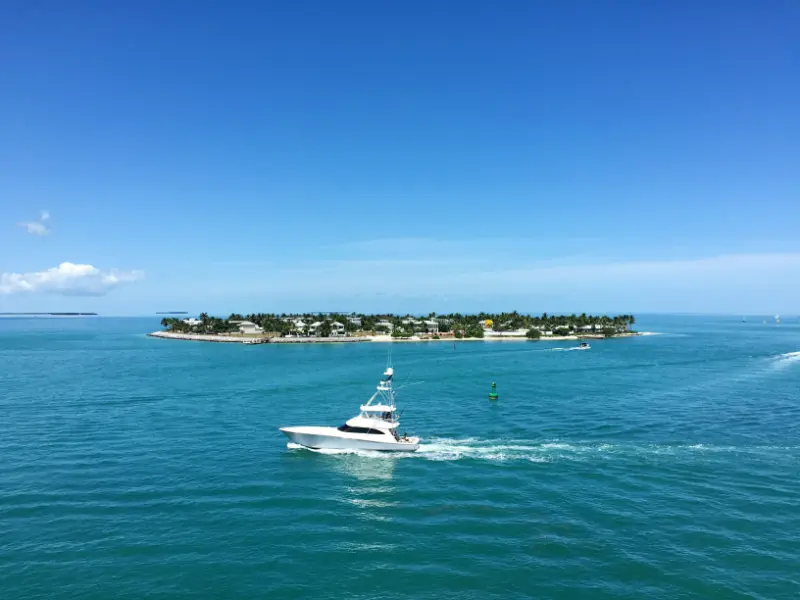
Florida nightlife ranges from international club culture in Miami to live music and historic districts in Tampa, resort entertainment in Orlando, open-air bars in Key West and relaxed waterfront evenings across the Gulf Coast. A useful nightlife guide should not assume every traveler wants a nightclub. Comedy, concerts, rooftop bars, theater, sports, food halls, evening markets and sunset districts all belong in the same conversation.
The best night out usually starts with geography. Stay near the district you expect to use, avoid repeated late-night drives across a metropolitan area and decide in advance how the group will get back to the hotel. Couples, groups of friends, families with teenagers and senior travelers can all find evening options if “nightlife” is defined broadly enough.
Quick Planning Summary
- Miami offers the widest range of high-energy nightlife and late-night dining.
- Tampa and St. Petersburg combine historic districts, live music, sports and waterfront evenings.
- Orlando nightlife includes resort districts, concerts, dining and entertainment beyond theme parks.
- Key West is compact and social, with sunset activity and walkable evening streets.
- Safe transport matters more than finding the most famous venue.
In this guide
- Miami and Miami Beach
- Tampa, Ybor City and St. Petersburg
- Orlando after the parks
- Key West evenings
- Fort Lauderdale and the Palm Beaches
- Live music, theater, comedy and sports
- Family-friendly evenings
- Safe transport and practical planning
- Families, seniors and accessibility
- Best time and season
- Budget and booking strategy
- How to build a realistic day
- Common mistakes to avoid
- Related Wonderful Florida guides
- Official resources
- Final advice
Miami and Miami Beach
Miami has Florida’s most internationally recognized nightlife, from South Beach clubs and rooftop bars to Latin music, Wynwood, Brickell and more relaxed neighborhood venues. The city is large enough that two famous places can be impractical to combine on the same night.
Choose one district and let dinner, drinks and music happen within it. Rideshare is often easier than moving a car between neighborhoods and paying multiple parking charges. Keep the day geographically compact. Florida traffic, bridge crossings and parking can turn a simple-looking transfer into lost vacation time, so one major area plus one nearby secondary stop is usually enough.
Tampa, Ybor City and St. Petersburg
Ybor City brings historic architecture, bars, music and late-night energy, while downtown Tampa and the waterfront provide restaurants, events and sports. Across the bay, St. Petersburg has a strong Central Avenue and downtown scene with breweries, music, galleries and an easier evening walking pattern.
Do not plan to bounce between Tampa and St. Petersburg repeatedly late at night. Pick the side of the bay that matches the evening and stay there. Build a weather alternative before the trip rather than after a thunderstorm begins. Museums, long lunches, pools and flexible neighborhood time can protect the day without forcing the group to chase the original schedule.
Orlando after the parks
Orlando nightlife extends beyond theme parks through entertainment districts, International Drive, downtown venues, restaurants, shows and concert events. Resort areas also provide bars and dining without requiring a drive after a long park day.
The biggest mistake is planning a major night out after a 12-hour theme-park day. Choose one evening when the daytime schedule is intentionally lighter. For multigenerational travel, let the slowest comfortable pace define the shared portion of the day. People can split for optional activities later, but meals and one headline experience are easier when nobody feels rushed.
Key West evenings
Key West is one of Florida’s easiest places for a car-free evening because Old Town, sunset areas, restaurants and bars can be explored on foot from a central hotel. Duval Street is famous, but side streets and waterfront venues can provide a different pace.
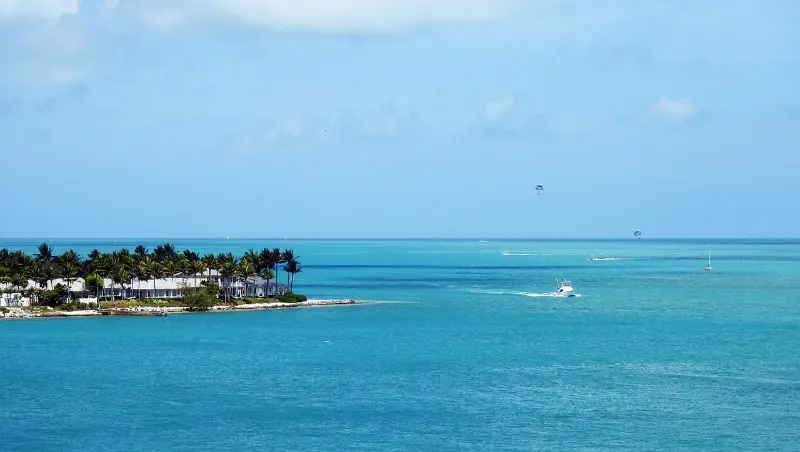
Book accommodation with noise in mind. A room in the center of nightlife is convenient but may not suit travelers who want an early, quiet night. Check the official source shortly before travel whenever access depends on capacity, wildlife, weather, water conditions, event schedules or operating rules. Florida conditions can change without making the destination itself less worthwhile.
Fort Lauderdale and the Palm Beaches
Fort Lauderdale offers beach bars, Las Olas dining and waterfront venues, while Boca Raton, Delray Beach and West Palm Beach provide smaller evening districts with restaurants, music and events. These areas can work well for travelers who want nightlife without Miami’s scale.
Stay close to the chosen district when possible. South Florida distances can look short on a map while traffic makes late-night transfers frustrating. Keep the day geographically compact. Florida traffic, bridge crossings and parking can turn a simple-looking transfer into lost vacation time, so one major area plus one nearby secondary stop is usually enough.
Live music, theater, comedy and sports
Florida’s major cities host concerts, performing arts, comedy, professional sports and college events. These are valuable nightlife options for travelers who prefer a scheduled experience over bars or clubs. Smaller towns may have outdoor music, art walks and seasonal festivals.
Check event calendars before choosing hotel dates. A concert or game can raise nearby room prices and parking demand even for travelers not attending. Build a weather alternative before the trip rather than after a thunderstorm begins. Museums, long lunches, pools and flexible neighborhood time can protect the day without forcing the group to chase the original schedule.
Family-friendly evenings
Families can still enjoy Florida after dark through waterfront walks, mini golf, dinner shows, theme-park districts, evening wildlife programs, stargazing and seasonal light displays. Teenagers often appreciate a lively district even when alcohol-centered venues are not appropriate.
Choose well-lit, pedestrian-friendly areas and verify age restrictions for individual venues. A “nightlife district” can contain both family attractions and adults-only spaces. For multigenerational travel, let the slowest comfortable pace define the shared portion of the day. People can split for optional activities later, but meals and one headline experience are easier when nobody feels rushed.
Safe transport and practical planning
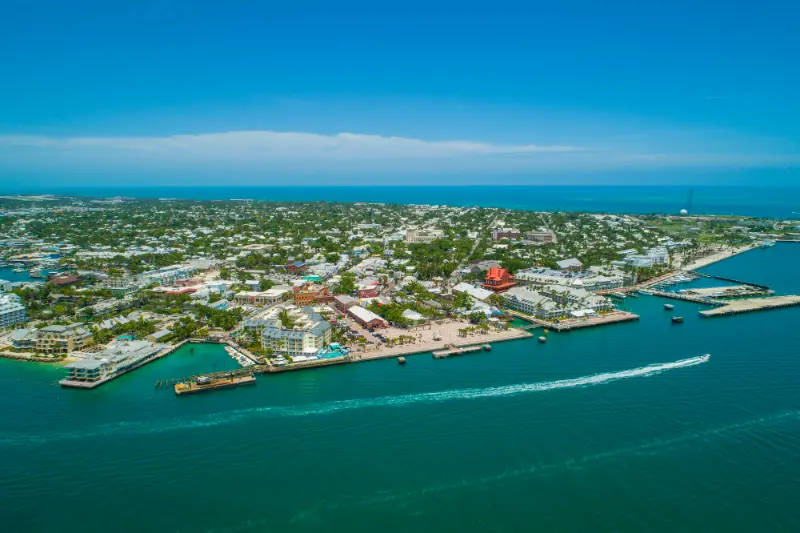
Late-night driving deserves a plan before the first drink. Rideshare, walking, hotel shuttles and designated drivers are often simpler than solving transport at closing time. Florida also has waterways and bridge crossings that can separate nightlife areas more than visitors expect.
Save the hotel address offline, keep the group together and never rely on one person who has been drinking to decide later whether they are able to drive. Check the official source shortly before travel whenever access depends on capacity, wildlife, weather, water conditions, event schedules or operating rules. Florida conditions can change without making the destination itself less worthwhile.
Families, seniors and accessibility
Evening travel should match the group’s energy. Families with young children may enjoy an early sunset and dinner rather than a late district. Senior travelers can prioritize live music, theater and walkable restaurant areas with seating. Travelers with mobility needs should check sidewalks, venue entrances and rideshare drop-off points in historic districts.
When accessibility is essential, verify the exact route from parking or transit to the experience itself. A destination may advertise accessibility while an individual beach access, historic building, dock, trail or hotel facility still has limitations. Ask about step-free entry, elevators, accessible restrooms, seating and mobility equipment rather than relying on a general label.
Best time and season
Outdoor nightlife is most comfortable in cooler months, but festivals and concerts run all year. Summer evenings remain humid and thunderstorms can affect outdoor events. Major holidays, spring break and special-event weekends can change crowd levels dramatically.
Florida is long enough that conditions can differ substantially between the Panhandle, Central Florida, South Florida and the Keys. Recheck local weather and any marine, park or event conditions close to the travel date rather than planning only from statewide averages.
Budget and booking strategy
A good night does not require bottle-service prices. Mix a paid show or event with a walkable district, happy-hour meal or free waterfront activity. Parking and rideshare surge pricing can be a significant part of the night, so include transport in the budget.
Compare the total trip cost rather than the first advertised price. Parking, resort fees, tolls, equipment rental, transport, meals and cancellation terms can change which option is actually good value. Reserve the experiences you would be genuinely disappointed to miss and keep ordinary sightseeing more flexible.
How to build a realistic day
Start with one anchor experience and one optional second stop. Add a meal area, transport plan and realistic return time before adding anything else. This makes the schedule resilient when weather, traffic, parking, a tired child or an unexpectedly good experience changes the original timing.
Outdoor activities are often easiest earlier in the day during warm months. Use midday for indoor attractions, lunch, a pool or rest, then return outside later. Avoid scheduling the longest drive immediately after the most physically demanding activity.
Common mistakes to avoid
- Trying to visit several distant nightlife districts in one evening.
- Planning a late night after an exhausting full-day attraction schedule.
- Driving because the hotel looks close on a map despite drinking.
- Ignoring age restrictions or dress policies at specific venues.
- Booking a hotel in the middle of nightlife without considering noise.
Related Wonderful Florida guides
Miami and Miami Beach travel guide, Florida food guide, Florida arts and culture guide, Florida sports travel guide, Key West Florida travel guide.
Official resources
Operating rules, prices, access, weather procedures and schedules can change. When a detail is essential to the trip, confirm it with the responsible park, agency, destination or operator shortly before travel.
Final advice
Florida nightlife is broader than clubs. Choose one district, match the evening to the group and solve the return trip before going out. The best nights often combine dinner, music and a walkable neighborhood rather than a checklist of famous venues.