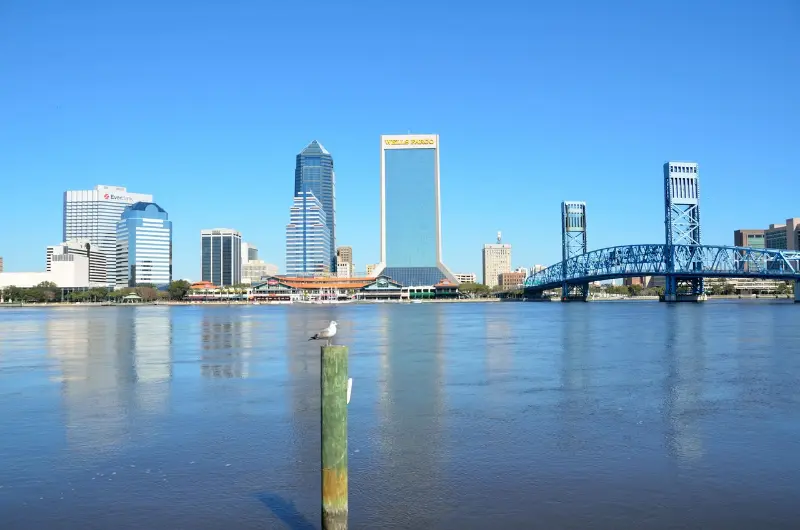
West Palm Beach Florida is an urban South Florida base with a real downtown, a walkable waterfront and easy access to the resort feel of Palm Beach across the Intracoastal. The easiest way to enjoy it is to decide what role it should play in the wider Florida trip. It can be a self-contained two- or three-night stop, a quieter base near a larger destination, or a practical part of a longer road trip. What usually goes wrong is trying to make one hotel location serve beaches, museums, nature, nightlife and distant day trips equally well.
I would plan West Palm Beach Florida around two priorities: where you want to spend the early morning and where you want to be after dinner. Those two choices determine whether you should stay by the beach, near the main downtown district or in a more spacious property farther out. The destination is particularly good for travelers who want culture and restaurants without giving up beach access, couples, families mixing indoor and outdoor days, and visitors using Brightline for part of a South Florida trip.
Quick planning summary
- Clematis Street and the downtown waterfront — Clematis Street is the historic spine of downtown.
- Norton Museum of Art — The Norton is one of South Florida’s strongest art museums and is an excellent hot-weather or rainy-day anchor.
- CityPlace and the central district — CityPlace adds shopping, restaurants and evening activity close to downtown hotels.
- Mounts Botanical Garden, Cox Science Center and Palm Beach Zoo — These three attractions sit south of downtown and work especially well for families or multigenerational groups.
- Best stay strategy: choose the district that matches your first and last activity of the day, not the cheapest room on a map.
- Best pacing: one major activity plus one flexible neighborhood, beach or park stop per day.
- For families and seniors: protect a midday rest during hot weather and verify parking, shade and accessible routes before arrival.
In this guide
- Quick planning summary
- Why visit and who it suits
- Where to stay
- Best things to do
- Beaches, parks and outdoor time
- Getting there and around
- Best time to visit
- Families, teens, seniors and accessibility
- A practical 3-day itinerary
- Food and evening planning
- Budget and booking strategy
- Day trips and how to combine the region
- Common mistakes to avoid
- Related Wonderful Florida guides
- Official resources
- Frequently asked questions
- Final advice
Why visit West Palm Beach Florida?
West Palm Beach Florida works because it offers a clear identity without forcing every traveler into the same itinerary. A beach-first visitor can spend long mornings outdoors, while someone interested in culture can build the day around museums, local districts and dining. Families can alternate active mornings with easier afternoons, and couples can keep evenings walkable instead of driving from one isolated attraction to another.

The destination also fits a broader Florida strategy. Rather than changing hotels every night, use it as a base and make selective day trips. This is usually more enjoyable than collecting cities. The reward comes from learning the rhythm of one place: which mornings are quiet, where parking becomes difficult, when the waterfront is comfortable and how much downtime your group actually needs.
Where to stay in West Palm Beach Florida
Downtown West Palm Beach is the most convenient base for Clematis Street, CityPlace, the waterfront and Brightline. The airport area can be practical for a short stay with a rental car. Palm Beach island is a different experience: quieter, more resort-oriented and generally more expensive, but excellent if the beach itself is the priority.
Before booking, compare the full stay cost rather than the nightly rate. Parking, resort or destination fees, breakfast, beach equipment, kitchen access and the need for rideshare can change the value dramatically. A slightly more expensive hotel in the right district can be cheaper than a low room rate that requires two paid car trips every day.
Families should also check room layout, not just occupancy. A sofa bed that technically sleeps two children may be fine for one night but uncomfortable for a week. For senior travelers, elevator reliability, walk-in showers, short routes to the lobby and shade around the property can matter more than a rooftop pool.
Best things to do in West Palm Beach Florida
Clematis Street and the downtown waterfront
Clematis Street is the historic spine of downtown. It works best as an unhurried walk rather than a checklist: cafés, restaurants, nightlife and the waterfront all sit close together. Pair it with the Flagler Drive waterfront and you have an easy first afternoon after a flight.
Norton Museum of Art
The Norton is one of South Florida’s strongest art museums and is an excellent hot-weather or rainy-day anchor. Its location makes it easy to combine with downtown dining rather than turning the museum into an isolated half-day across town.
CityPlace and the central district
CityPlace adds shopping, restaurants and evening activity close to downtown hotels. It is useful for groups with different interests because one person can shop while another rests at the hotel or meets later for dinner.
Mounts Botanical Garden, Cox Science Center and Palm Beach Zoo
These three attractions sit south of downtown and work especially well for families or multigenerational groups. I would choose one or two rather than trying to rush through all three, especially in warm weather.
Palm Beach island and Worth Avenue
Crossing the Intracoastal changes the mood quickly. Palm Beach is ideal for architecture, landscaped streets, luxury shopping and ocean time. It is worth treating as a separate half-day rather than assuming West Palm Beach and Palm Beach are the same place.
Beaches, parks and outdoor time
The city itself faces the Intracoastal rather than an ocean beach, so beach days usually mean crossing to Palm Beach or driving to another coastal access. That separation is useful: you can stay downtown for restaurants and rail access, then choose the beach that best matches parking, lifeguards and facilities on the day. For an easy nature break, Grassy Waters Preserve and Okeeheelee Park add boardwalks, water and birdlife away from the urban core.
Florida outdoor days are easiest when you schedule by temperature rather than by a rigid list. Put the longest walk, beach session, bike ride or wildlife activity early. Use lunch, a museum or the hotel for the hottest part of the day, then return outside later. In summer, thunderstorms can be brief but intense; in winter, a windy cold front can make an exposed beach far less comfortable than the air temperature suggests.
Whenever swimming is part of the plan, check local flags, lifeguard coverage and current conditions. Never assume a calm-looking ocean or Gulf is risk-free, and do not build a family beach day around a tiny access point if you know you need toilets, shade and an accessible path.
Getting there and around
Brightline makes West Palm Beach one of the easiest South Florida cities to include without driving every mile. A car is still useful for beaches, gardens, wildlife areas and multi-stop Palm Beach County days. Palm Beach International Airport is close to downtown, while Fort Lauderdale and Miami airports can make sense in a wider rail-based itinerary.
For a rental car, include parking and tolls in the budget before pickup. For a car-free or partly car-free stay, check whether the hotel is truly within comfortable walking distance of restaurants and the activities you care about. Florida heat turns a pleasant-looking one-mile map walk into a very different experience at midday.
Airport choice should be based on total transfer time and flight convenience, not only distance. A nonstop flight to a slightly farther airport can be easier than a connection that saves twenty minutes on the ground. If your trip combines several Florida regions, consider collecting or returning the rental car only for the road-trip segment.
Best time to visit
For most travelers, the cooler and drier part of the year offers the easiest outdoor conditions, but it also brings stronger seasonal demand in many Florida destinations. Spring can balance warm weather with fewer winter visitors, while summer offers long daylight and family travel availability at the cost of heat, humidity and frequent thunderstorms. Fall can be quieter, but tropical weather planning matters.
Do not choose a month only from average temperature. Think about the activities that define your trip. Beach swimming, wildlife viewing, outdoor festivals, theme parks and restaurant-focused weekends all have different ideal conditions. Check event calendars and local school-holiday patterns before paying a non-refundable rate.
Families, teens, seniors and accessibility
Family tipFor families with babies or toddlers, reduce the number of transitions. One beach, one lunch area and one easy afternoon stop is enough for a good day. Teenagers usually enjoy having one activity with independence or adrenaline—surfing, cycling, shopping, paddling or an evening district—rather than being moved through adult sightseeing all day.
Senior travelers often benefit from the same strategy: shorter walks, earlier starts, reliable seating and a hotel near dinner. If mobility is limited, verify accessible parking, ramps, beach mats, wheelchairs or boarding assistance directly with the responsible attraction or local authority. “Accessible” can mean very different things depending on whether the challenge is a museum floor, soft sand or a small boat.

Multigenerational groups do not need to remain together every hour. Plan one shared anchor each day, then allow a split. Grandparents can return to the hotel while teenagers stay at the beach; one adult can take children to a playground while another visits a museum. Regrouping for dinner is often more successful than forcing everyone to follow the most demanding itinerary.
A practical 3-day West Palm Beach Florida itinerary
Day 1: understand the center
Check in, explore the primary downtown or visitor district and keep the first evening easy. Choose a walkable dinner and one short attraction or waterfront stop. Arrival days are the wrong time to schedule a prepaid activity that becomes stressful if the flight, rental car or traffic is late.
Day 2: the signature experience
Use the morning for the destination’s main outdoor or cultural priority, then take a real break at lunch. In the afternoon, choose one secondary attraction from the list above rather than trying to complete all of them. Finish in the district you most want to experience after dark.
Day 3: nature or a selective day trip
Use the final full day for nature, a neighboring community or a second beach. If the weather is poor, swap in a museum, shopping district or indoor family attraction. Keep the last evening simple so packing and departure do not turn a good trip into a rushed finish.
Food and evening planning
Downtown offers the greatest concentration of casual and polished dining, while Palm Beach leans more upscale. For families, I would choose one reservation meal and keep the rest flexible. Waterfront or outdoor seating is appealing, but summer heat can make indoor air-conditioning the smarter choice at midday.
Florida dining times can become competitive in winter and on event weekends. Reserve only the meals that really matter; too many fixed reservations can make a beach or wildlife day feel rushed. For breakfast, a hotel room with a refrigerator or small kitchen can save both money and time, especially for families.
Budget and booking strategy
The biggest costs are usually lodging, transport and the activities that require a ticket or boat. Build the budget in that order. Free beaches and parks do not always mean a free day once parking, rentals and food are included. Conversely, a paid attraction with included parking and several hours of entertainment can be good value for a family.
I would compare at least three lodging scenarios: the convenient central hotel, a beach or resort property, and a larger room or rental farther out. Add parking and local transport to each. For a short stay, location often wins. For a week with children, kitchen and laundry access can justify a little more driving.
Keep cancellation terms visible in your planning notes. Florida weather can change, and boat tours, outdoor attractions and beach days are more enjoyable when one weather delay does not threaten the value of the whole trip.
Day trips and how to combine the region
Palm Beach island is the obvious short excursion. Jupiter adds lighthouse and coastal scenery to the north, while Boca Raton and Delray Beach are easy southbound additions. For a longer trip, combine West Palm Beach with Fort Lauderdale or Miami instead of changing hotels every night.
A useful rule is to avoid more than one substantial drive on consecutive days. If you take a long day trip, make the following morning local. Florida roads can be easy when traffic is light and exhausting when weather, crashes or weekend beach traffic intervene. A slower plan usually produces more usable vacation time.
Common mistakes to avoid
- Booking the cheapest hotel without checking the real driving pattern of the trip.
- Scheduling beach, museum, wildlife and nightlife priorities into the same day.
- Ignoring parking costs or assuming every beach access has the same facilities.
- Planning long outdoor activities at midday in the hottest months.
- Using drive-time estimates that do not include event, bridge, theme-park or beach traffic.
- Forgetting that a good multigenerational itinerary needs rest, shade and easy meal options.
- Treating a weather-sensitive activity as guaranteed instead of keeping a flexible backup.
Related Wonderful Florida guides
- The Palm Beaches travel guide
- Norton Museum of Art guide
- Clematis Street guide
- Mounts Botanical Garden guide
- Southeast Florida travel guide
Official resources
Hours, parking systems, admission prices, beach rules, event schedules and construction can change. When a particular attraction or service is essential to your trip, confirm it on the official source shortly before travel.
Frequently asked questions
How many days do you need in West Palm Beach Florida?
Two full days is enough for a focused first visit, while three nights gives you room for a beach or nature day, the main cultural district and one nearby excursion without rushing. Longer stays make sense if the accommodation itself—such as a beach resort or vacation home—is part of the vacation.
Do you need a car in West Palm Beach Florida?
That depends on the neighborhood. A central stay can reduce driving for meals and evening walks, but a car is usually helpful once you add beaches, nature preserves, family attractions or day trips. Check the actual address before deciding.
Is West Palm Beach Florida good for families?
Yes, especially when you build the day around short activity blocks and a midday rest. The strongest family trips mix one destination-specific attraction with beach, park or pool time rather than trying to entertain children continuously.
Is West Palm Beach Florida suitable for senior travelers?
Usually yes. Choose lodging close to dinner, check walking surfaces and parking, and use the cooler morning for outdoor sightseeing. Call ahead when wheelchair, scooter or accessible beach equipment is essential.
What is the biggest planning mistake?
Trying to use West Palm Beach Florida as both a relaxed vacation base and a launch point for a long drive every day. Pick a few regional excursions and protect enough local time to enjoy the destination you actually booked.
Final advice
West Palm Beach Florida is most rewarding when you let its strongest experiences set the pace. Choose the right neighborhood, protect the morning for what matters most, leave room for Florida weather and build the trip around the people traveling with you. A thoughtful two- or three-day stay will usually feel richer than a longer checklist with too much driving.