Category: Florida Travel Guides

  • Best Islands in Florida: Keys, Gulf Coast, Atlantic Beaches and Car-Free Escapes

    Best Islands in Florida: Keys, Gulf Coast, Atlantic Beaches and Car-Free Escapes

    Florida islands are not one category of vacation. Some are connected by bridges and function like full beach towns; others require ferries or boats and feel genuinely removed from the mainland. The Keys are tropical and road-trip oriented, Amelia Island blends history with Atlantic beaches, Sanibel is built around shelling and nature, and Gulf barrier islands can range from resort-heavy to deliberately quiet.

    Explore this guide

    The right island depends on how much infrastructure you want. Families may value a supermarket, shaded playground and easy medical access more than isolation. Couples may prefer a walkable village and sunset restaurants. Nature travelers may happily trade nightlife for wildlife, paddling and dark skies.

    Quick planning summary

    • Best island road trip: Florida Keys
    • Best history plus beach: Amelia Island
    • Best shelling and wildlife: Sanibel and Captiva
    • Best relaxed family Gulf base: Anna Maria Island
    • Best refined small-island feel: Gasparilla Island and Boca Grande
    • Best remote experience: boat-access islands and national-park destinations when conditions allow
    • Planning rule: check bridge, ferry, parking and evacuation realities before booking an island stay

    Florida Keys: many islands, one famous highway

    The Keys stretch far enough that choosing a base matters. Key Largo is practical for reef and dive trips, Islamorada is strong for fishing and water days, Marathon balances location with family services, and Key West offers the deepest mix of history, nightlife and walking.

    Do not treat the entire chain as one destination. Driving from the Upper Keys to Key West can consume a large part of a vacation day when traffic is slow. A split stay or a deliberately paced road trip works better than commuting long distances every day.
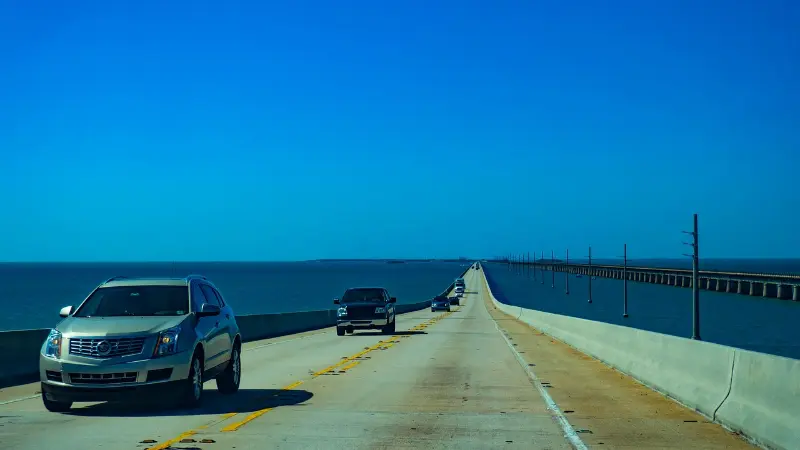
    Florida Keys Ocean Causeway and Cars

    Amelia Island: Atlantic beach and historic Fernandina

    Amelia Island is one of Florida’s easiest island choices for travelers who want both a real historic center and beach access. Fernandina Beach gives the trip restaurants, museums and a harbor, while Fort Clinch, dunes and shoreline add nature.

    Because the island is in Northeast Florida, seasons feel more pronounced than in the Keys. Winter can be cool, which is excellent for walking but not guaranteed swimming weather.

    Sanibel and Captiva: nature first

    Sanibel and Captiva are best known for Gulf beaches, shelling, cycling and wildlife rather than urban entertainment. The experience depends heavily on the condition of local beaches, roads and businesses, so check current recovery or construction information before travel.

    These islands reward early starts. Wildlife refuges and beaches are more comfortable before midday heat, and parking at popular access points can become competitive.

    Anna Maria Island: low-rise Gulf vacation rhythm

    Anna Maria Island appeals to families and couples who want beach time, local restaurants and a more relaxed Gulf atmosphere. The free island trolley and compact communities can reduce some driving, but peak-season traffic still affects the bridges and main roads.

    Choose accommodation by the part of the island you will use most. A slightly cheaper room that forces repeated cross-island drives may not feel like a bargain.

    Gasparilla Island and Boca Grande

    Gasparilla Island feels polished and compact, with lighthouse history, beaches and a village that suits bicycles and golf carts. It is a strong option for travelers who want quiet quality rather than a long attraction list.

    Accommodation and dining can be expensive, and the island is not the best choice for people who need constant entertainment. Its value is precisely the slower pace.

    Marco Island and Ten Thousand Islands access

    Marco Island is larger and more resort-oriented than many of the islands on this list. It works as a comfortable base for beaches, boat trips and excursions toward the Ten Thousand Islands and Everglades region.

    Families may appreciate the full-service resort environment, while independent travelers should research public beach access and parking rather than assuming the shoreline is equally easy to reach everywhere.

    Remote and boat-access islands

    Florida also offers islands that are reached primarily by boat or ferry. These can provide extraordinary beaches, birdlife, snorkeling or historic sites, but they require more planning around weather, capacity, food, water and return transportation.

    Remote does not always mean easier. A traveler with limited mobility, very young children or medical needs should understand dock transfers, shade availability and restroom facilities before committing to a day trip.

    Families, older travelers and accessibility

    With babies and toddlers, I favor islands with short transfers, grocery access and easy shade rather than a long boat ride. Teenagers may enjoy snorkeling, fishing, paddling or cycling, but involve them in choosing the activity so the island does not feel like endless passive beach time. Senior travelers should compare bridge or ferry access, walking surfaces and the distance from lodging to restaurants. For wheelchair users, confirm beach mats, beach wheelchairs and dock accessibility at the specific access point.

    For mixed-age groups, I would plan the day around the person with the lowest heat tolerance or the strongest mobility, feeding or rest requirement, then let more energetic travelers add optional activities. Florida becomes much easier when the group does not have to move as one unit every minute. Build obvious meeting points, keep phones charged and choose a hotel or base that allows someone to stop early without collapsing the rest of the day.

    Budget and booking strategy

    Island stays often cost more because land, parking and inventory are limited. Save money by traveling midweek, staying near rather than directly on the sand, and choosing one paid water activity rather than booking something every day. Calculate bridge tolls, ferry fares, parking and resort fees. A mainland hotel can be cheaper, but repeated island commuting can erase both time and savings.

    When comparing prices, look at the total daily cost rather than one headline number. Parking, tolls, resort fees, food, equipment rental, transfers and cancellation rules can change which option is actually cheaper. I also prefer reservations that can be modified when weather or family needs are likely to affect the plan, even if the flexible rate costs a little more.

    Best timing and seasonal planning

    Winter and spring are popular for comfortable temperatures and lower humidity, especially in South and Southwest Florida. Summer brings warm water and family travel but also heat, storms and insects. Hurricane-season planning is especially important on barrier islands because evacuation orders and bridge access can affect the entire stay. Always check current conditions after major storms.

    Florida is large enough that conditions vary by region. A cool morning in North Florida can coexist with beach weather in the Keys, and a thunderstorm in one part of a metro area does not mean the entire day is lost. Check local forecasts, water conditions and official attraction notices close to the visit rather than relying on a statewide forecast saved weeks earlier.
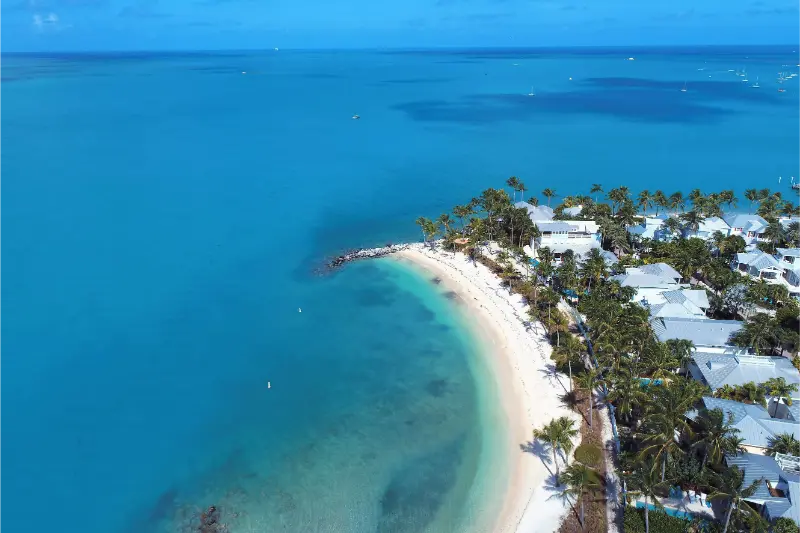
    Florida Keys Key West Coastal Neighborhood and Sea Aerial

    A practical way to use this guide

    Start by choosing the one outcome that would make the trip feel successful. Then protect the time, location and budget for that priority before adding optional experiences. This prevents a common Florida problem: an itinerary with many individually good ideas that becomes tiring because the driving, heat and check-in times do not fit together.

    I would also separate fixed commitments from flexible choices. Flights, cruises, major attraction reservations and special tours belong in the fixed group. Beaches, neighborhood walks, parks, casual restaurants and hotel-pool time can usually remain flexible. When weather or fatigue changes the day, move the flexible pieces instead of trying to force the original schedule.

    Island logistics that matter more than they look on a map

    Island vacations magnify ordinary logistics. A supermarket that appears ten miles away may require a bridge crossing and traffic; a medical clinic may be much farther than it is on the mainland; and a popular restaurant may not have parking at the time you want to eat. Before arrival, identify groceries, pharmacy access, fuel if you are driving and the practical route off the island.

    I also avoid scheduling a flight immediately after a long island transfer. Bridges, ferries and weather can create delays that a normal city hotel does not. If the island is remote or boat-access only, spend the final night closer to the airport or build a generous transfer buffer. The calmer the island feels, the more important it is to respect the logistics that make that calm possible.

    Common mistakes to avoid

    • Assuming every Florida island is tropical, car-free or quiet.
    • Booking far from the beach access you actually plan to use.
    • Underestimating bridge traffic and limited parking.
    • Planning a remote boat day without checking shade, restrooms and return times.
    • Ignoring hurricane evacuation realities on barrier islands.
    • Trying to drive the entire Keys chain repeatedly from one base.

    Useful Wonderful Florida guides

    Official resources to check before you go

    Hours, access rules, reservation systems, transportation schedules and weather-related closures can change. Check the official source shortly before travel when a specific attraction, service or route is essential to the trip.

    Final thoughts

    An island trip works when the access, pace and infrastructure match your expectations. Decide whether you want nightlife, nature, a walkable village, resort services or genuine remoteness, then choose accordingly. Florida has an island for almost every style of traveler, but not every island offers every style of vacation.


  • Florida Theme Park Planning Guide: Choosing Parks, Tickets, Hotels, Rest Days and Family Strategy

    Florida Theme Park Planning Guide: Choosing Parks, Tickets, Hotels, Rest Days and Family Strategy

    Florida has enough major theme parks to fill several vacations, not one. Walt Disney World, Universal Orlando, SeaWorld Orlando, LEGOLAND Florida and Busch Gardens Tampa Bay each appeal to different ages and travel styles. The most common planning mistake is treating them as a single giant attraction and trying to fit too many parks into too few days.

    A successful theme-park trip starts with priorities. Decide which experiences would genuinely disappoint the group to miss, then build enough rest and transport time around them. This guide focuses on the planning decisions that apply across brands: how many park days to book, whether to stay on-site, how to pace families and grandparents, and where the hidden costs appear.

    Quick Planning Summary

    • Choose parks by the interests and heights of the actual travelers, not by brand recognition alone.
    • One park per day is usually enough; large resorts often deserve multiple days.
    • Build at least one lighter or rest day into a multi-park vacation.
    • Compare hotels by transport, parking, room layout and early-entry benefits—not only nightly price.
    • Check official park calendars, ticket rules and accessibility information close to travel because systems change frequently.

    In this guide

    Choose the right parks for your group

    Start with ages, heights, thrill tolerance and favorite stories or animals. A preschooler, coaster-focused teenager and grandparent may all enjoy the same vacation, but they may not share the same ideal park day. List the top three experiences for each traveler and look for overlap.

    Do not buy a ticket package simply because it includes more parks. A cheaper unused day is still wasted money. First-time visitors often benefit from fewer parks with more time inside each rather than collecting entrance scans across Orlando and Tampa.

    How many park days do you really need?

    For a short Florida trip, two or three park days can be enough when the vacation also includes beaches, nature or a cruise. A dedicated Orlando trip can easily justify five or more park days, especially when visiting more than one resort. The limiting factor is often energy rather than attractions.

    Avoid scheduling a full park day immediately after a late flight or before an early departure. Walking distances, heat and sensory load accumulate. A mid-trip pool morning, resort day or short visit to a spring can make the remaining park days more enjoyable.

    Theme Park at Night with Illuminated Buildings

    Tickets, reservations and dated products

    Theme-park ticket systems change regularly. Some products are date-based, some include multiple parks, and some optional services are purchased separately. Buy from official sellers or reputable authorized sources and understand refund, change and expiration rules before payment.

    If the park uses reservations, virtual queues, timed entry or app-based systems, learn the basics before arrival but avoid building the entire vacation around one feature that may change. Save confirmation numbers and screenshots in addition to relying on the app.

    On-site vs off-site hotels

    On-site hotels can offer transport and convenience, and some resorts provide early-entry or other benefits. Off-site hotels and vacation rentals may offer more space, kitchens or lower nightly prices. The correct comparison includes parking, resort fees, shuttle reliability and the time spent moving between room and park gate.

    Families with young children often value a short midday return to the hotel more than a larger room farther away. Groups with a car and several non-park days may prefer an off-site base. Do not assume every hotel shuttle runs frequently enough for your schedule; read the timetable.

    Transport and parking strategy

    Theme-park transport is part of the day. Resort buses, boats, trains, hotel shuttles, rideshare and private cars each have trade-offs. A family leaving after fireworks can face a very different journey from the easy morning arrival.

    If driving, save the parking section in your phone. If using rideshare, confirm the official pickup point before the end of the night. If moving between different resort complexes, budget more time than the map suggests because security, parking and walking occur at both ends.

    Heat, rain and rest days

    Florida weather should shape the schedule. Early morning can be more comfortable for outdoor queues, while midday is a useful time for lunch, indoor shows or a hotel break. Afternoon thunderstorms are common in warm months and can temporarily close outdoor rides.

    Ponchos, refillable water bottles and quick-drying clothing are more useful than trying to outsmart every forecast. If a child or senior traveler is fading, a rest is not a failure of planning; it is often what protects the evening.

    Food, dining and special experiences

    Dining reservations can add structure, but too many fixed meals can make a park day rigid. Choose one meal that matters and keep the rest flexible. Mobile ordering can save time when available, but menus and procedures change.

    Food allergies and dietary needs should be researched through official park resources. Families with babies should also identify baby-care or quiet indoor areas before the day begins. Carry a few familiar snacks when permitted so hunger does not become the reason everyone leaves a line they wanted to experience.

    Building a balanced Florida theme-park week

    A strong seven-day schedule might contain four park days, one rest or pool day, one non-park Florida experience and one flexible arrival or departure day. That is only a framework. The right mix depends on whether the group is visiting primarily for theme parks or using Orlando as one part of a larger Florida vacation.

    Florida Theme Park Entrance Boulevard

    When combining Orlando with Tampa, the Space Coast or beaches, move hotels only when it clearly saves repeated driving. Changing accommodation every night can consume the time you hoped to gain.

    A simple three-day theme-park pattern

    A useful three-day pattern is intense, light, intense. Use the first day for a headline park, the second for a slower start, pool time or a smaller attraction, and the third for another major park. This is not a rule; it is a way to protect sleep and legs when several expensive days are booked close together.

    If the group has only three vacation days total, the lighter day can still include an evening district, mini golf, shopping or a resort meal. The important part is avoiding three consecutive dawn-to-fireworks marathons unless everyone genuinely enjoys that pace. A vacation can contain fewer ride counts and still create better memories.

    Families, seniors and accessibility

    For babies and toddlers, plan around naps, shade and stroller logistics. For elementary-age children, check height requirements before creating expectations. Teenagers can help rank thrill rides and may appreciate separate time with an adult who shares their interests. Multigenerational groups should agree on a daily meeting point and allow people to split for part of the day.

    Senior travelers and guests with disabilities should use the official accessibility guides for each park because procedures differ by company and attraction. Ask about mobility-device rental, transfer requirements, companion restrooms and queue accommodations before travel. Build more seated breaks into the day than the youngest adult thinks they need.

    Budget and booking strategy

    Theme-park budgets are driven by tickets, hotels, food, parking and optional convenience products. The cheapest room can become expensive after daily parking and long rideshare trips; the most expensive on-site hotel may not be worth it if the group leaves early every day. Compare the whole package.

    Set a souvenir budget before entering gift shops with children. Reserve splurges for experiences that matter to the group rather than buying every add-on because it promises to save time. A rest day can be one of the cheapest and most valuable days of the trip.

    What to check before travel

    Recheck official park hours, ticket terms, ride closures, height requirements, accessibility programs, transportation schedules and any reservation or virtual-queue system before travel. Theme-park operations evolve rapidly, and an article written months earlier cannot replace the official app or website for day-of details.

    Also confirm hotel shuttle schedules and parking costs. Special events can change closing times and crowd patterns even when the park is open normally during the day.

    Common mistakes to avoid

    • Trying to visit too many parks in too few days.
    • Buying ticket bundles before checking the ages, heights and interests of the group.
    • Skipping rest because every day feels expensive.
    • Choosing a hotel by room price while ignoring transport and parking costs.
    • Relying on outdated app or queue instructions instead of current official information.

    Florida Theme Parks Guide, Walt Disney World for First-Time Visitors, Universal Orlando Resort Guide, Florida with Kids, Florida on a Budget.

    Official resources

    Rules, prices, access arrangements, reservation systems and operating procedures can change. When a detail is important to the trip, confirm it with the responsible agency, park, attraction, hotel or local authority shortly before travel.

    Final advice

    A Florida theme-park vacation becomes easier when every day has one clear purpose and enough margin for everyone in the group. Choose fewer parks, protect sleep and rest, understand transport, and spend money on the experiences your group will remember rather than on complexity for its own sake.

  • Best Beach Towns in Florida: Gulf, Atlantic, Keys, Families and Old Florida Charm

    Best Beach Towns in Florida: Gulf, Atlantic, Keys, Families and Old Florida Charm

    Florida has hundreds of coastal communities, and choosing a beach town is often more important than choosing the beach itself. The sand may be beautiful in many places, but the surrounding town determines whether you can walk to dinner, find a quiet rental, entertain teenagers, avoid high-rise development or fill a rainy afternoon. A good beach vacation starts with matching the community to the way you actually travel.

    I would not rank Florida beach towns with a single winner. Fernandina Beach is strong for history, New Smyrna Beach for surf and a real downtown, St. George Island for quiet nature, Clearwater for family infrastructure, Naples for polished comfort, Sanibel for shelling, and Islamorada for Keys water culture. The useful question is not ‘Which is best?’ but ‘Which town gives my group the right balance of beach, services and atmosphere?’

    Quick planning summary

    • Best for history and walkability: Fernandina Beach and St. Augustine-area communities.
    • Best for surf culture: New Smyrna Beach and Cocoa Beach.
    • Best for quiet Gulf nature: St. George Island, Sanibel and selected Forgotten Coast communities.
    • Best for family infrastructure: Clearwater Beach, Destin-area communities and Panama City Beach.
    • Best for Keys atmosphere: Islamorada or Key West, depending on whether you want water activities or nightlife and history.

    In this guide

    Fernandina Beach and Amelia Island

    Fernandina Beach combines a historic downtown with easy access to Amelia Island beaches, which makes it one of Florida’s most rounded coastal bases. Centre Street provides restaurants, shops and architecture that remain interesting when the weather is not perfect. Fort Clinch State Park adds history, trails and beach access.

    This is an excellent choice for couples, multigenerational families and road-trippers exploring Northeast Florida. The Atlantic water is cooler in winter than South Florida, so choose the season based on whether swimming or simply being by the coast is the priority.

    New Smyrna Beach and Cocoa Beach

    New Smyrna Beach has a strong surf identity, a walkable dining district and access to the Indian River Lagoon. It feels more like a functioning coastal town than a purpose-built resort. Cocoa Beach is especially useful for families combining the beach with Kennedy Space Center and the wider Space Coast.

    Both are Atlantic towns, so waves and rip currents are part of beach planning. Surfers may prefer conditions that a toddler family finds less comfortable. Check lifeguard coverage and local beach-driving rules where relevant, and choose the access point for your needs rather than simply following the busiest pin.

    St. George Island and the Forgotten Coast

    St. George Island is the choice for travelers who want wide natural beaches, fishing, shelling, stargazing and a lower-density atmosphere. The state park protects a large stretch of the island and helps preserve the sense that nature is the main attraction. Nearby Apalachicola adds history and seafood.

    The tradeoff is limited urban entertainment. This is not the right town for a group that wants malls, nightlife and a large indoor-attraction menu. It is ideal when the goal is to slow down, cook in a rental, cycle, fish and watch the weather move across the Gulf.

    Clearwater, St. Pete Beach and Gulf convenience

    The Tampa Bay beaches offer far more services than remote islands: hotels, restaurants, attractions and easy access to St. Petersburg museums or Tampa. Clearwater Beach is lively and family-oriented, while neighboring beach communities vary in scale and character.

    This region works well for first-time Gulf visitors who want a beach vacation without giving up city options. The downside is traffic and parking during busy periods. Staying close enough to walk to the sand can be worth paying more if the beach is the main reason for the trip.

    Sanibel, Naples and Southwest Florida

    Sanibel is famous for shelling, wildlife and cycling, while Naples combines beaches with refined dining, shopping and access to the Everglades region. Captiva feels smaller and more resort-like. These destinations suit travelers who value warm winter weather and sunset-oriented Gulf days.

    Storm recovery can change beach access, businesses and infrastructure over time, so check current local information rather than relying on old photos or reviews. Southwest Florida rewards travelers who leave room for nature and do not expect every island to operate exactly as it did years ago.

    Islamorada, Key West and the Keys

    Florida Keys communities are beach towns only in a loose sense because the islands are as much about reefs, boating, fishing and waterfront culture as broad sandy beaches. Islamorada is a strong base for water activities and a relaxed Keys atmosphere. Key West offers history, nightlife, museums and sunset culture.

    Key West Old Town Colorful Wooden Houses Aerial

    If your dream is endless wide sand, another region may be a better match. If your dream is snorkeling, fishing, tropical drives and eating beside the water, the Keys can be extraordinary. Understand the destination you are choosing instead of assuming every Florida coast offers the same beach experience.

    How to choose between a small town and a resort beach

    Small beach towns are strongest when local identity, quieter streets and independent businesses matter. Resort beaches are stronger when you want abundant restaurants, watersports, hotel services and entertainment. Neither is inherently more authentic. The right choice depends on whether the group feels energized or burdened by options.

    For a first Florida beach trip with children, convenience often wins. For a repeat trip or a couple seeking quiet, a smaller town can feel more rewarding. Multi-generational groups may split the difference by staying near a walkable center but visiting a more natural state-park beach during the day.

    Getting around once you arrive

    Some beach towns are genuinely walkable; others require a car for groceries, dinner and public beach access. Islands can have trolleys, bikes or golf-cart cultures, but rules vary and summer heat changes how practical a one-mile walk feels. Check the exact location of your accommodation before assuming you can park the car for the week.

    If you fly into Florida, compare airport distance with the number of days you will actually spend driving. A remote town may justify a rental car, while a compact resort district can make rideshare and walking practical. The transport decision should follow the town, not precede it.

    Families, seniors and accessibility

    Families should prioritize the practical beach day: lifeguards where available, restrooms, shade, food and the distance from accommodation to sand. Teenagers may care about surf lessons, watersports or a walkable evening district. Toddlers do better when returning to the room for naps is easy.

    Senior travelers and visitors with mobility needs should research beach mats, accessible parking, boardwalks and the surface between the hotel and water. A flat waterfront town can be easier than a remote natural beach even if the latter looks more beautiful in photographs.

    Key West Old Town and Waterfront Aerial

    Best time to go

    South Florida and the Keys are strongest for warm winter weather, while North Florida and the Panhandle have more seasonal temperature variation. Summer brings warm water almost everywhere but also heat, storms and tropical-weather risk. Spring and fall can offer an excellent compromise.

    Beach quality on a particular day depends on wind, waves, water conditions and local advisories. Never choose the entire trip from average monthly temperature alone.

    Budget and booking

    High-demand islands and beachfront towns can be expensive, especially when accommodation supply is limited. A property one or two blocks inland can save money without changing the beach experience much. Parking fees and resort charges should be included in comparisons.

    Remote towns sometimes have fewer restaurants and higher grocery logistics but encourage cooking in a rental. Busy resort towns offer more competition but also more temptation to spend on attractions. Match the town to both your desired atmosphere and spending style.

    How to build a realistic day

    For a beach-town stay, schedule less. Use the morning for the sand or a water activity, eat lunch, rest during the hottest period and take a walk or short attraction later. The town should make the day easier, not become another checklist.

    Keep at least one weather-flexible day for museums, shopping, a historic district or a nature center. Every coastal vacation eventually meets wind, rain or rough surf.

    Common mistakes to avoid

    • Choosing a town only from a single beach photograph.
    • Assuming Gulf and Atlantic water conditions feel the same.
    • Booking remote islands for a group that wants nightlife and shopping.
    • Underestimating parking and bridge traffic in popular resort towns.
    • Expecting the Florida Keys to have the same broad sandy beaches as the Panhandle.
    • Ignoring accessibility, lifeguard coverage and restroom location.

    Best beaches in Florida, Florida Gulf Coast vs Atlantic Coast, Amelia Island travel guide, St. Petersburg and Clearwater guide, Florida Keys and Key West guide.

    Official resources to check

    Hours, fees, access rules, wildlife conditions, weather impacts and reservation requirements can change. If a particular experience is essential to your trip, check the responsible agency, destination or operator again shortly before you travel.

    Final advice

    The best Florida beach town is the one that works after you leave the sand. Choose the right level of walkability, services, nightlife, nature and family infrastructure, then let the beach be the anchor rather than the entire plan. Florida’s coast becomes much easier to understand once you compare towns by lifestyle instead of by sand color alone.

  • Fort Myers Beach Florida Travel Guide: Estero Island, Mound House, Beaches, Families and Where to Stay

    Fort Myers Beach Florida Travel Guide: Estero Island, Mound House, Beaches, Families and Where to Stay

    Fort Myers Beach has long been one of Southwest Florida’s classic Gulf beach towns, with Estero Island combining sand, boating, casual dining and access to the protected waters of Estero Bay. The area has also been rebuilding and evolving, so practical planning matters more here than in destinations where every block looks the same year after year.

    A good trip focuses on what is open and enjoyable now rather than comparing the destination with old photographs. Beaches, water activities, Mound House, nearby nature and the broader Fort Myers-Sanibel region give you more than enough for several days.

    The easiest approach is to choose your section of the island carefully, confirm current access and parking, then keep the itinerary flexible. This is especially important for families, senior travelers and anyone who wants a relaxing stay rather than a daily logistics project.

    Quick planning summary

    • Recommended stay: 3–5 nights, depending on how much of Southwest Florida you want to explore.
    • Best first stop: the beach near your lodging and the central island area for orientation.
    • Best for: Gulf beach travelers, boaters, couples, families and visitors combining the island with Sanibel or Fort Myers.
    • Transport: a car is useful for regional trips, but parking and bridge traffic make a well-chosen base important.
    • Planning rule: confirm current conditions shortly before travel and keep at least one day flexible.

    In this guide

    Why visit Fort Myers Beach?

    Fort Myers Beach offers a livelier beach-town experience than some of Southwest Florida’s quieter islands. You can combine classic sand-and-sunset time with boating, local history and day trips to nature-rich islands and preserves.

    Fort Myers Beach Florida Pier and White Sand

    Mound House adds cultural depth by interpreting the island’s long human history, while Lovers Key State Park to the south provides a more natural counterpoint to the built-up beach corridor.

    The destination also works well for travelers who like to alternate between active and easy days. A boat outing can be followed by a slow beach morning, and a day on Sanibel can be balanced by a short local evening.

    Because the area has experienced major storm impacts and ongoing redevelopment, the best plan is current rather than nostalgic: verify the specific beach access, parking area, business or attraction that matters to your trip.

    Where to stay

    North end near Times Square and the bridge

    Convenient for visitors who want activity, restaurants and easier access back toward the mainland. Check the current level of construction and operating businesses.

    Central Estero Island

    A practical middle-ground with beach access and a more residential feel in places. It can reduce the sense of being in the busiest part of town.

    South end toward Lovers Key

    A quieter base that works well for travelers focused on nature and a slower atmosphere, though some meals and services may require more driving.

    Verify the exact property status, parking arrangement and nearby services before paying a nonrefundable rate. In a rebuilding destination, old review photos can be less useful than recent operational information.

    If anyone in the group has limited mobility, ask specific questions about elevators, ramps, temporary walkways, beach access and the distance from parking to the room.

    Best things to do

    Fort Myers Beach shoreline

    Protect at least one unstructured morning for the beach. The point of staying on Estero Island is to have time when you are not racing to the next attraction.

    Mound House

    A valuable cultural stop that helps explain Calusa history and the island’s long relationship with Estero Bay.

    Bowditch Point and north-end nature

    When access is available, the north end offers a different perspective from the central resort corridor and can be useful for walking and wildlife watching.

    Lovers Key State Park

    A strong nature day with beaches and coastal habitat south of the island. Check current access and facilities before departure.

    Boating and dolphin-watching

    Water is central to the region. Choose a reputable operator and match the length of the trip to children, motion sensitivity and weather conditions.

    Current conditions can change faster than old guidebooks. Confirm parking, park access and business operations shortly before the trip.

    If you are also visiting Sanibel, do not treat both islands as a single rushed day. Each deserves enough time to slow down and enjoy the environment.

    Nature and outdoor time

    Estero Bay, mangroves, Gulf beaches and nearby islands create excellent opportunities for paddling, birding and wildlife observation.

    Shelling can be enjoyable, but follow local rules and never collect live animals. The ecological value of the shoreline matters more than the souvenir bag.

    Strong sun and summer storms affect even short beach outings. Carry water, shade and a simple exit plan rather than waiting until everyone is overheated.

    Getting there and around

    Southwest Florida International Airport is the main air gateway. The final drive depends on bridge traffic and where you are staying on Estero Island.

    A car is helpful for Sanibel, downtown Fort Myers, shopping and nature areas, but the island becomes easier when you can walk to at least some meals and beach access.

    Bridge approaches can become slow during busy periods. Avoid creating reservations on opposite sides of the island with unrealistic transfer times.

    For boat trips, verify departure marina and parking before the day of the excursion. “Fort Myers Beach” can refer to different areas around the island and back bay.

    Best time to visit

    Winter and early spring are popular for comfortable weather, seasonal visitors and beach conditions. Expect higher demand.

    Late spring can be warm and pleasant, with fewer winter crowds, but heat builds quickly.

    Summer is hot, humid and storm-prone. Morning activities and long midday breaks are the most practical strategy.

    During hurricane season, flexible bookings and current local information are particularly important because storm recovery can affect access even after the weather has cleared.

    Families, teens, seniors and accessibility

    Families should choose lodging that reduces repeated bridge crossings and makes it easy to return for naps, snacks or clothing changes.

    Teenagers may prefer paddling, boating or fishing to passive sightseeing. Give them a role in choosing the water activity.

    Senior travelers can enjoy the destination with a slower schedule, but should prioritize shade, elevators, short transfer routes and clear information about current walking surfaces.

    Accessibility can vary by beach access and property, especially where repairs or temporary routes exist. Confirm conditions directly rather than assuming older accessibility descriptions remain accurate.

    A practical 3-day itinerary

    Day 1: Beach and island orientation

    Settle in, walk the beach, learn your local access points and keep the first sunset close to the hotel.

    Day 2: Mound House and the bay

    Use the cooler morning for history or a guided water experience, rest midday and return to the beach later.

    Day 3: Lovers Key or Sanibel extension

    Choose a nature-focused day south toward Lovers Key or a separate island day on Sanibel, depending on your interests and current conditions.

    A fourth day is ideal for doing almost nothing beyond beach, pool, lunch and sunset. That slow day often becomes the one people remember most.

    Food and evenings

    Seafood, casual waterfront meals and beach-town restaurants define much of the local dining experience. Recent openings and operating hours can change, so check close to travel.

    Lunch can be a better time than dinner for popular waterfront spots if you want a view with less waiting.

    Keep one or two meals simple in the room or rental, especially if children or older travelers need an early night.

    Budget and booking

    Lodging is often the largest expense. Compare cancellation terms carefully because current conditions and weather can affect plans.

    Boat tours and premium waterfront dining can raise costs quickly. Pick the paid experiences that are truly distinctive to the region.

    Beach mornings, nature walks and sunsets help balance the budget without making the trip feel limited.

    Easy day trips and extensions

    Sanibel and Captiva

    Best for shelling culture, wildlife and island scenery; allow a full day rather than rushing.

    Downtown Fort Myers

    Add history, riverfront atmosphere and a more urban restaurant scene.

    Naples

    A polished Gulf Coast contrast with shopping, dining and beaches.

    Pine Island and Matlacha area

    A slower, artistic and water-oriented side of Southwest Florida that feels very different from the resort corridor.

    Mistakes to avoid

    • Planning every hour: Leave room for weather, traffic, meals and an activity that takes longer than expected.
    • Choosing lodging only by nightly price: A cheaper room can cost more overall when parking, resort fees and long daily drives are added.
    • Underestimating Florida weather: Heat, humidity, thunderstorms and strong sun can change the best order for the day.
    • Ignoring beach and water conditions: Flags, currents, wind and storms deserve the same attention as attraction opening times.
    • Skipping a backup plan: An indoor museum, shaded district or flexible restaurant plan can rescue a day when outdoor conditions change.

    The destination changes. The biggest mistake is relying on an old itinerary without confirming current beach access, parking and business operations.

    • Fort Myers, Sanibel and Captiva travel guide
    • Southwest Florida travel guide
    • Florida Gulf Coast road trip
    • Florida beach vacation guide
    • Florida wildlife guide

    Use these related guides to decide whether Fort Myers Beach should be your main base or one stop in a broader Southwest Florida itinerary.

    Official resources

    For opening hours, closures, launch schedules, beach conditions, event calendars and other details that can change, use Visit Fort Myers’ Fort Myers Beach information. Check again shortly before travel, especially for weather-dependent activities, park access, parking and major events.

    Frequently asked questions

    How long should I stay in Fort Myers Beach?

    Three nights work for a focused beach visit; four or five are better if you also want Sanibel, Lovers Key or a boat day.

    Fort Myers Beach Florida Long Wooden Fishing Pier

    Is Fort Myers Beach open for visitors?

    Visitor experiences continue, but specific parking areas, businesses and facilities can change. Verify current information shortly before travel.

    Is a car necessary?

    A car is useful for regional exploration, though a central hotel can reduce how often you need it on the island.

    Is Fort Myers Beach good for families?

    Yes, especially for beach time and water activities, but choose lodging carefully so daily logistics remain simple.

    Should I stay here or on Sanibel?

    Choose Fort Myers Beach for a livelier beach-town feel and Sanibel for a quieter, nature-focused island atmosphere.

    Fort Myers Beach is best approached with flexibility and current information. Build the trip around the Gulf, Estero Bay and nearby nature, then let the destination’s present-day rhythm guide the details.

  • Florida Cruise Ports Guide: Miami, Port Canaveral, Fort Lauderdale, Tampa and Pre-Cruise Planning

    Florida Cruise Ports Guide: Miami, Port Canaveral, Fort Lauderdale, Tampa and Pre-Cruise Planning

    Florida is one of the world’s major cruise gateways, and the port you choose can shape the land portion of the vacation as much as the ship. PortMiami, Port Canaveral, Port Everglades and Port Tampa Bay each connect differently to airports, hotels and attractions. A low cruise fare is not automatically the cheapest trip if the port requires a long transfer or an expensive one-night hotel.

    Explore this guide

    My strongest advice is simple: arrive in the port region at least the day before a cruise when practical. Flights are delayed, highways close and storms happen. Losing a hotel night is frustrating; missing a ship is far worse. A pre-cruise night also gives families and older travelers time to recover before boarding.

    Quick planning summary

    • PortMiami: best for Miami stays, South Beach and a huge cruise network
    • Port Canaveral: best paired with Orlando, Kennedy Space Center and the Space Coast
    • Port Everglades: very convenient to Fort Lauderdale airport and beaches
    • Port Tampa Bay: good for Tampa Bay stays and Gulf Coast itineraries
    • Other ports: Jacksonville and Palm Beach can be useful depending on the cruise line and itinerary
    • Key rule: compare total ground transport and hotel cost, not only the cruise fare

    PortMiami

    PortMiami sits close to Downtown Miami and Brickell, which makes it easy to add city time before or after sailing. Miami International Airport is the major gateway, while Fort Lauderdale-Hollywood can also be practical depending on airfare and transfer plans.

    A pre-cruise hotel in Downtown or Brickell can simplify embarkation morning. South Beach is more vacation-like, but allow extra time for traffic and the bridge route to the port.

    Port Canaveral

    Port Canaveral is the natural cruise partner for Orlando vacations and the Space Coast. It is not in Orlando, so travelers flying into Orlando International should budget transfer time to the coast. Families often combine a cruise with theme parks, while others spend the pre-cruise day at Kennedy Space Center or Cocoa Beach.

    Decide whether the land stay belongs before or after the cruise. Doing theme parks first can make the cruise feel like a rest; doing them after protects the embarkation day from park fatigue.

    Port Everglades in Fort Lauderdale

    Port Everglades is unusually close to Fort Lauderdale-Hollywood International Airport and to many Fort Lauderdale hotels. That geography can reduce transfer stress, though I would still avoid same-day air travel when a missed connection could jeopardize the sailing.

    Fort Lauderdale Florida Downtown Oceanfront Skyline at Sunset

    Las Olas, the beach and the water-taxi network give the area enough to justify an extra night rather than treating Fort Lauderdale as only a transfer point.

    Port Tampa Bay

    Port Tampa Bay works well with Downtown Tampa, the Riverwalk, Ybor City and pre- or post-cruise stays around Tampa Bay. Tampa International Airport is the main gateway, and families can also connect the trip with Busch Gardens or Gulf beaches.

    Bridge traffic toward Clearwater and St. Pete can be significant, so a beach hotel is not automatically the easiest choice for embarkation morning.

    Other Florida cruise gateways

    JAXPORT in Jacksonville and the Port of Palm Beach serve selected cruise itineraries and can be excellent when the sailing fits the traveler. Their smaller scale may appeal to people who do not need the broadest ship choice.

    Always confirm the exact terminal and port in the cruise documents. ‘Miami area’ or ‘Orlando cruise’ marketing language is not precise enough for transportation planning.

    Airports, hotels and arrival day

    The safest flight is usually the one that lands the day before. Choose a hotel based on the arrival path and embarkation morning, not only tourist appeal. An airport hotel can be sensible after a late flight; a downtown hotel may be better when you arrive early enough to enjoy the city.

    Families should consider room layout and breakfast timing. Senior travelers may value shuttle simplicity and elevators more than nightlife. Verify whether a hotel shuttle is free, paid, scheduled or first-come.

    Parking and ground transportation

    Driving can be convenient for regional travelers, but compare official port parking, off-site parking and hotel park-and-cruise packages. Read security, shuttle and cancellation terms. For rental cars, check whether a one-way drop-off near the port is actually available.

    Rideshare works well in many port cities, but surge pricing and luggage volume can matter. Large families may need two vehicles or a prearranged van.

    Families, older travelers and accessibility

    Families with young children should minimize transfers and avoid complicated same-day flight connections. Teenagers may enjoy adding a beach, Kennedy Space Center or city day before sailing. Senior travelers should allow extra boarding time and choose hotels with straightforward elevator and luggage access. Travelers using wheelchairs or mobility devices should arrange airport and cruise-line assistance in advance and confirm accessible ground transportation separately; port accessibility does not guarantee the ride from the airport will meet every need.

    Fort Lauderdale Waterfront Tropical Sunset

    For mixed-age groups, I would plan the day around the person with the lowest heat tolerance or the strongest mobility, feeding or rest requirement, then let more energetic travelers add optional activities. Florida becomes much easier when the group does not have to move as one unit every minute. Build obvious meeting points, keep phones charged and choose a hotel or base that allows someone to stop early without collapsing the rest of the day.

    Budget and booking strategy

    Cruise pricing can hide the land costs around the sailing. Add airfare, one pre-cruise hotel, transfers, parking, meals and possible resort or destination fees. Sometimes a cruise departing from a slightly more expensive port is cheaper overall because flights are direct or the airport is close. Families driving to the port should compare parking for the full cruise length with one-way rental costs.

    When comparing prices, look at the total daily cost rather than one headline number. Parking, tolls, resort fees, food, equipment rental, transfers and cancellation rules can change which option is actually cheaper. I also prefer reservations that can be modified when weather or family needs are likely to affect the plan, even if the flexible rate costs a little more.

    Best timing and seasonal planning

    Winter and spring are popular cruise periods, while hurricane season can affect routes, ports and flights. Cruise lines may change itineraries for weather while still operating the sailing. Arriving a day early is especially important during periods of high flight disruption or when the embarkation port is several hours from the airport.

    Florida is large enough that conditions vary by region. A cool morning in North Florida can coexist with beach weather in the Keys, and a thunderstorm in one part of a metro area does not mean the entire day is lost. Check local forecasts, water conditions and official attraction notices close to the visit rather than relying on a statewide forecast saved weeks earlier.

    A practical way to use this guide

    Start by choosing the one outcome that would make the trip feel successful. Then protect the time, location and budget for that priority before adding optional experiences. This prevents a common Florida problem: an itinerary with many individually good ideas that becomes tiring because the driving, heat and check-in times do not fit together.

    I would also separate fixed commitments from flexible choices. Flights, cruises, major attraction reservations and special tours belong in the fixed group. Beaches, neighborhood walks, parks, casual restaurants and hotel-pool time can usually remain flexible. When weather or fatigue changes the day, move the flexible pieces instead of trying to force the original schedule.

    Embarkation morning without unnecessary stress

    On cruise morning, keep passports or identification, boarding documents, medication and essential valuables in a small personal bag that never goes with checked luggage. Cruise-line baggage may reach the cabin later, so include anything needed for the first several hours, such as sunscreen, swimwear, a change for children or medical supplies.

    Do not arrive at the terminal far earlier than the assigned process allows unless the cruise line specifically recommends it. A comfortable hotel breakfast and a planned transfer are usually better than standing outside with luggage. At the same time, build traffic margin. Ports are industrial transportation areas as well as passenger terminals, and road patterns can change on busy sailing days.

    Common mistakes to avoid

    • Flying in on embarkation morning when the trip depends on multiple connections.
    • Calling Port Canaveral an Orlando port and underestimating the ground transfer.
    • Booking a beach hotel far from the terminal without allowing traffic time.
    • Comparing cruise fares without adding hotel, transfer and parking costs.
    • Assuming every hotel offers a free cruise shuttle.
    • Relying on marketing names instead of checking the exact terminal address.

    Useful Wonderful Florida guides

    Official resources to check before you go

    Hours, access rules, reservation systems, transportation schedules and weather-related closures can change. Check the official source shortly before travel when a specific attraction, service or route is essential to the trip.

    Final thoughts

    A Florida cruise begins before the gangway. The airport, hotel, transfer and embarkation morning are part of the trip, and a little extra time protects the expensive part that follows. Choose the port that works for the whole journey, not just the cruise fare.

  • Homestead and Florida City Travel Guide: Everglades, Biscayne, Redland, Farms and Where to Stay

    Homestead and Florida City Travel Guide: Everglades, Biscayne, Redland, Farms and Where to Stay

    Homestead and Florida City are much more than places to pass through on the way to the Keys. Together they form one of South Florida’s most useful nature bases, with the main road toward Everglades National Park, access to Biscayne National Park, tropical agriculture in the Redland and a local food scene that feels very different from central Miami.

    I would choose this area for travelers who want national parks, farms and road-trip practicality more than nightlife. It is especially strong for families and photographers because you can combine wildlife, fruit stands, botanical experiences and big landscapes while keeping lodging and parking simpler than in Miami Beach.

    I would plan Homestead and Florida City by geography rather than by a long attraction checklist. Group nearby places together, protect one half-day with no fixed booking and choose lodging that shortens the drives you will repeat. In Florida, a hotel that saves twenty minutes twice a day can be more valuable than a slightly cheaper rate farther away.

    Quick planning summary

    • Recommended stay: 2–4 nights for a first visit.
    • Best first stop: Everglades National Park from the Homestead entrance.
    • Best for: travelers who want a mix of local character, outdoor time and realistic day-to-day logistics.
    • Transport: choose lodging by the places you will visit most often, not only by the advertised destination name.
    • Planning rule: one priority activity in the morning, one flexible afternoon option and an easy evening close to the hotel.

    In this guide

    Why visit Homestead and Florida City?

    Homestead and Florida City are much more than places to pass through on the way to the Keys. Together they form one of South Florida’s most useful nature bases, with the main road toward Everglades National Park, access to Biscayne National Park, tropical agriculture in the Redland and a local food scene that feels very different from central Miami.

    I would choose this area for travelers who want national parks, farms and road-trip practicality more than nightlife. It is especially strong for families and photographers because you can combine wildlife, fruit stands, botanical experiences and big landscapes while keeping lodging and parking simpler than in Miami Beach.

    Homestead and Florida City is most rewarding when you give it enough time to change pace during the day. Early morning is often the best window for beaches, gardens, trails, wildlife or water activities; lunch and the hottest hours are better for museums, shaded districts or a real rest; late afternoon can bring a second outdoor window. Staying at least a few nights also gives you a backup day if wind, storms, capacity limits or traffic interfere with the original plan.

    I would not judge the destination only by the number of famous attractions. The quality of the trip usually comes from the combination of a good base, short transfers, one or two signature experiences and unstructured time for a neighborhood, park, café or sunset that was not on the original checklist.

    Where to stay

    Homestead near downtown and major roads

    A practical base for restaurants, groceries and access toward both national parks. Choose the exact hotel carefully because walkability varies block by block.

    Florida City

    Often convenient for travelers continuing to the Florida Keys or the Everglades. It is functional rather than resort-like, which can be an advantage on a road trip.

    Redland and rural-style stays

    Best for travelers who want agricultural scenery and a quieter atmosphere. Confirm driving time, nighttime road conditions and exactly what services are nearby.

    Before booking, compare the full trip rather than the nightly rate. Look at parking, resort fees, breakfast, kitchen and laundry facilities, beach or park access, elevator availability and the first drive of the morning. If anyone in the group has limited mobility, confirm the route from the room to the parking area, pool, beach or restaurant instead of relying on a generic accessibility icon.

    Family tipFor families, a slightly larger room with a refrigerator can make mornings much easier. Couples may prefer a smaller but walkable property near dinner. Senior travelers often benefit from avoiding properties where every meal, attraction and sunset requires another car trip. The best area is the one that removes friction from the part of the day your group values most.

    Best things to do

    Everglades National Park from the Homestead entrance

    The Ernest F. Coe side provides access to classic freshwater and coastal Everglades landscapes. Start early and choose only a few stops rather than trying to cover the entire park in one day.

    Sunset over Everglades National Park Landscape

    Biscayne National Park

    A mostly marine national park where the best experience often involves a boat, paddle or guided activity. The visitor center is useful even when weather cancels a water trip.

    Fruit & Spice Park and Redland agriculture

    A memorable way to understand South Florida’s tropical growing region. Seasonal fruit changes the experience throughout the year.

    Coral Castle

    An unusual roadside-historic attraction that fits well into a half-day with Redland stops.

    Local farms, fruit stands and tropical flavors

    This is one of the few parts of a Florida vacation where agriculture itself can be a major attraction. Verify seasonal opening days because some well-known farm stops are not year-round.

    Do not try to fit all of these into one day. Choose the two experiences that define the destination for you, then use the others as weather alternatives or shorter additions. If a boat tour, guided activity or timed attraction is important, reserve that first and keep nearby flexible stops around it rather than creating a chain of nonrefundable bookings.

    Nature, beaches and outdoor time

    The Everglades and Biscayne are fundamentally different parks, so do not treat them as interchangeable. One is driven by wetlands, road stops, trails and wildlife observation; the other is largely water-based. Heat, mosquitoes, thunderstorms and sun exposure affect both. Carry more water than you think you need and protect camera gear and electronics from sudden rain.

    Outdoor planning in Florida works best by conditions rather than by a rigid clock. Check heat, lightning, wind, tides, surf flags and local alerts before leaving the hotel. Carry water and sun protection even when the morning feels comfortable. On beaches and waterways, follow lifeguard or ranger guidance and never assume that calm-looking water means there is no current or marine risk.

    Wildlife should stay wild. Do not feed animals, block their movement, approach nests or turn a close photograph into the goal of the encounter. Ethical viewing usually produces a better experience anyway because animals behave more naturally when people give them space.

    Getting there and around

    A car is close to essential for this itinerary. Miami International Airport is the most common gateway, with Fort Lauderdale also possible. Homestead works well as the final mainland stop before the Keys, but leave early for U.S. 1 because weekend traffic can build quickly. Fuel up before entering long park sections where services are limited.

    Waterfront Resort Buildings in Florida

    For rental cars, add tolls, parking and fuel to the budget before pickup. If part of the stay is meant to be car-free, verify the exact walking route from the hotel rather than only the distance. A mile in humidity, across a multi-lane road or with a stroller can feel very different from a mile on a shaded pedestrian street.

    Arrival day should stay intentionally light. Flights, baggage, rental-car lines and traffic can consume more time than expected, so I would avoid placing the most expensive tour on the first afternoon. Use arrival day to learn the area, buy water or groceries and have an easy dinner near the hotel.

    Best time to visit

    The cooler dry season is usually the easiest time for Everglades hiking, wildlife observation and lower humidity, while summer is hotter, wetter and more demanding. The wet season also changes water levels and wildlife patterns, so it is not simply ‘bad weather’—it is a different ecosystem experience. Tropical systems can disrupt travel from summer into fall.

    Prices and crowds can be driven by school calendars, festivals, sporting events and holiday weekends as much as by weather. If a specific event is not the reason for the trip, check the calendar before choosing dates. Shoulder periods can provide excellent value, but flexible cancellation terms are worth more than the absolute lowest rate when tropical weather is part of the season.

    Families, teenagers, seniors and accessibility

    Families with babies or toddlers usually do best with one major outing and one easy reset—pool, playground, beach or hotel rest—rather than three ticketed stops. Teenagers often enjoy the trip more when at least one activity feels active or independent, such as paddling, cycling, shopping, photography or a boat excursion. Senior travelers benefit from the same principle: shorter outdoor blocks, reliable seating and fewer hotel changes.

    For multigenerational groups, do not force everyone through the same pace. Choose one shared morning anchor, then split for a few hours if needed and regroup for dinner. Parents can use nap or pool time, teenagers can add an activity, and older travelers can choose a museum, café or shaded walk without feeling that they are slowing the group down.

    Heat management matters across every age group. Build shade, indoor time and hydration into the schedule before anyone feels exhausted. A good vacation day does not have to last from breakfast until midnight; one memorable experience plus an easy evening can be more successful than three attractions completed by force.

    A practical 3-day itinerary

    Day 1: orientation and an easy local evening

    Check in, learn the immediate area and choose Everglades National Park from the Homestead entrance or another short signature stop that does not require a long transfer. Keep dinner close to the hotel. Arrival day is for understanding the destination, not proving how much can fit into six hours.

    Day 2: the signature experience

    Use the coolest part of the morning for Biscayne National Park or the most weather-sensitive activity on your list. Take a real midday break, then add Fruit & Spice Park and Redland agriculture if energy and conditions are good. Finish with a sunset, waterfront walk or neighborhood dinner instead of another long drive.

    Day 3: nature, culture or a selective excursion

    Choose Coral Castle, spend more time at the beach or park you liked most, or make one of the day trips below. If the weather turns poor, use a museum, shopping district, historic site or long lunch as the backup. Leave enough space at the end of the day to pack and prepare for departure without ruining the final evening.

    If you have 2–4 nights, slow this itinerary down rather than adding more distant places. Repeat a favorite beach, schedule a second water activity, add a rest morning or take one full regional day trip. Repetition is often what turns a checklist vacation into an actual holiday.

    Food and evening planning

    Homestead and Florida City are excellent places to look beyond resort dining. Mexican, Caribbean and barbecue options sit alongside farm-focused stops and tropical-fruit products. Redland wineries and breweries can be interesting for adults, but the most distinctive experience may be as simple as a fruit shake made with something that was grown nearby.

    For mixed-age groups, dinner location matters almost as much as the restaurant. A twenty-minute drive after a full beach or park day can feel much longer than it did on the map. Choose at least half of your evening meals close to the hotel and save the longer drive for one restaurant that is genuinely worth it.

    Budget and booking strategy

    The real budget is larger than the room rate. Add parking, resort or destination fees, tolls, equipment rentals, breakfast, beach gear and the cost of getting from the airport. A more expensive hotel can be the better value when it includes parking, a kitchen or a location that eliminates repeated rideshare trips.

    Florida Resort with Circular Building Aerial View

    To control costs, decide which experiences are worth paying for and let parks, beaches, walking districts and scenic drives fill the rest of the schedule. Families can save significantly with a refrigerator or kitchen, while couples may prefer to spend more on one memorable dinner and keep lunches casual.

    Reserve popular lodging and one must-do experience first. Everything else can be layered around those anchors. Avoid paying in advance for multiple outdoor activities on consecutive days unless cancellation policies are generous; one windy or stormy period can otherwise affect several reservations at once.

    Best day trips

    Key Largo

    The easiest Keys extension for reef, mangrove and wildlife experiences.

    Key Biscayne

    A good contrast with beaches, lighthouse history and easy access back toward Miami.

    Miami and Coral Gables

    Useful for museums, dining and architecture after several nature-heavy days.

    A day trip should add contrast, not simply duplicate what you can do near the hotel. Pick one destination and spend enough time there to understand it. If the round-trip drive is long, an overnight may be a better use of vacation time—especially with young children, senior travelers or anyone who dislikes repeated packing and early starts.

    Mistakes to avoid

    The biggest mistake is trying to use Homestead and Florida City only as a sleeping base for distant attractions every day. If most mornings begin with a long drive, the hotel location is working against the trip. Protect enough local time to enjoy the destination you actually booked.

    Another common mistake is planning by map distance instead of real Florida travel time. Bridges, beach traffic, school breaks, thunderstorms, road work and limited parking can turn a short-looking transfer into the most tiring part of the day. Leave buffer time and avoid stacking fixed reservations back to back.

    Do not assume every waterfront hotel has a usable beach, every beach has lifeguards, or every nature attraction operates the same way year-round. Read the current access rules and official alerts shortly before the visit, especially when parking, capacity, weather or wildlife protections can change the plan.

    Finally, do not overbook the final day. Weather delays, traffic and longer-than-expected meals are normal parts of Florida travel. Leaving one open block protects the experiences that came before it and gives you somewhere to move an activity that had to be postponed.

    Use these guides to expand the trip without repeating the same research:

    Official resources to check before you go

    Hours, parking rules, capacity limits, tours and weather-related closures can change. Check the official sources shortly before travel:

    Frequently asked questions

    Is Homestead and Florida City worth visiting?

    Yes, if the experiences in this guide match the way you like to travel. Homestead and Florida City is strongest when you allow enough time for its local character rather than using it only as a stop between two more famous places.

    How many days should I spend in Homestead and Florida City?

    2–4 nights is a useful first-trip range. Shorter stays work when you have one clear goal; longer stays are better for water activities, families, slower travelers and anyone who wants a weather backup day.

    Do I need a car?

    For most itineraries, a car is helpful even when one neighborhood is walkable. The answer depends on the hotel location and whether your plans include parks, beaches, day trips or airports outside the immediate center.

    Is Homestead and Florida City good for families and senior travelers?

    Usually yes. The key is matching activity length, heat exposure and accommodation location to the group. Confirm accessibility details directly when ramps, beach access, boat boarding or elevators are essential.

    What should I book first?

    Book the accommodation and the one experience that would be difficult to replace. Then keep enough flexibility for weather, traffic and changes in energy. A vacation with a little empty space is usually easier to enjoy.

    Final advice

    Homestead and Florida City works best when the itinerary reflects the place rather than fighting it. Stay close to what matters, use mornings intelligently, respect Florida weather and wildlife, and let one or two excellent experiences carry each day. That approach works just as well for a couple as it does for a family with children or a multigenerational group.

  • Florida Hotels and Resorts Guide: Where to Stay, Resort Fees, Parking, Family Rooms and Booking Tips

    Florida Hotels and Resorts Guide: Where to Stay, Resort Fees, Parking, Family Rooms and Booking Tips

    Where you stay can change a Florida vacation more than the star rating. A hotel that looks inexpensive may add daily parking, resort fees and long drives, while a slightly higher room rate can include a beach location, useful transport or a suite that saves money on meals. Florida accommodation also varies dramatically between Orlando resorts, Miami high-rises, Gulf Coast condos, historic inns, roadside motels and state-park cabins.

    The best hotel is therefore the one that supports the itinerary. This guide explains how to compare locations, fees, room layouts, beach access and cancellation rules so the accommodation does not become the hidden source of stress.

    Quick Planning Summary

    • Compare the total stay price, including resort fees, taxes, parking and mandatory charges.
    • Choose location based on the activity you will do most often, not the attraction you might visit once.
    • Families should compare room layout, refrigerators, laundry and parking before focusing on pools or décor.
    • Beachfront, ocean-view and beach-access descriptions are not interchangeable; check the map and exact access route.
    • Read cancellation terms again before payment, especially during hurricane season or when booking nonrefundable rates.

    In this guide

    Choose the location before the hotel brand

    Start by placing the trip’s anchor experiences on a map. If four of five days are at theme parks, a hotel near that resort corridor may save hours. If the vacation is mostly beach time, a property with direct or easy public access can be more valuable than a luxury hotel several blocks inland.

    Florida metro areas can be geographically large. “Miami,” “Orlando” or “Tampa Bay” in a booking result may cover very different neighborhoods. Check actual driving time at the hour you expect to travel, not only distance in miles.

    Hotels, resorts, motels, condos and vacation rentals

    Full-service resorts can bundle pools, restaurants, activities and beach services. Limited-service hotels may offer better value when the room is mainly for sleeping. Motels can be practical on road trips, while condo-style properties provide kitchens and laundry for longer stays. Vacation rentals offer space but can have cleaning fees, minimum stays and different service expectations.

    Florida Beachfront Hotels from Above

    Choose the format that matches the vacation. A couple on a three-night city break may not need a kitchen. A family staying ten days may save money and stress with laundry and separate sleeping space. Do not pay for amenities you will not use.

    Resort fees and mandatory charges

    Some Florida hotels charge a daily resort or destination fee in addition to the room rate. The fee may cover Wi-Fi, beach chairs, fitness facilities or other services, but it remains part of the cost even when you do not use everything included. Always read the final price breakdown before booking.

    Ask whether parking is separate, whether the fee is per room or per person and whether taxes apply to the fee. When comparing two hotels, calculate the full stay rather than multiplying the advertised nightly rate.

    Parking and transport

    Overnight parking can materially change the budget in Miami, beach resorts and downtown districts. Valet-only properties may cost more than nearby self-parking hotels. In Orlando, a hotel shuttle can be valuable, but only if its schedule matches park opening and closing times.

    If the trip is partly car-free, ask whether you actually need the rental vehicle on hotel days. Returning a car before a city stay can eliminate parking and toll-program costs. Conversely, a remote resort with free parking may still be inconvenient without a car.

    What beachfront and waterfront really mean

    “Ocean view,” “waterfront,” “beachfront” and “near the beach” describe different experiences. A room may overlook water without direct swimming access; a resort may sit on an inlet rather than the open Gulf or Atlantic. Use satellite maps and recent guest photos to understand the relationship between the building, road, dunes, boardwalk and beach.

    For mobility needs, the critical question is not whether the property is beachfront but whether there is a step-free route from room to sand or beach mat. Ask directly when that access determines whether the stay will work.

    Florida Historic Pink Beachfront Hotel

    Family rooms and practical amenities

    Square footage alone does not tell you whether a family room works. Check bed types, bathroom count, doors between sleeping areas, refrigerator size and whether a sofa bed blocks the room when open. For babies, ask about cribs and blackout conditions. For teenagers, privacy can matter more than an extra pool.

    Laundry, breakfast and a small kitchen can reduce daily friction on longer trips. A resort with spectacular amenities may still be a poor choice if everyone must eat every meal at expensive on-site restaurants.

    Accessibility questions to ask before booking

    Florida hotels must follow accessibility requirements, but travelers should still verify the features they personally need. Ask about roll-in showers, bed height, pool lifts, accessible parking, elevators, step-free beach routes and the distance from the accessible room to common areas.

    Do not rely on a generic “accessible room” label. Confirm the exact room type and make the request part of the reservation record. If an essential feature is not guaranteed, call the property before the cancellation deadline.

    Cancellation policies and weather risk

    Flexible cancellation can be worth paying for during tropical-weather season or when the trip depends on a cruise, flight connection or outdoor event. Nonrefundable rates are not automatically bad, but the saving should be meaningful enough to justify the risk.

    Travel insurance may cover some disruptions, but policies differ. Read both the hotel terms and insurance conditions. If a storm threatens, follow the hotel and local authorities rather than assuming a social-media post applies to your property.

    When to book and when to keep watching rates

    Hotel prices in Florida can move with school holidays, major events, cruise departures, spring break and local festivals. If the stay is important, book a flexible rate when you find an acceptable price and continue checking until the cancellation deadline. Rebooking a lower flexible rate can be worthwhile, but only if the room type and included benefits are truly comparable.

    Do not cancel a confirmed room until the replacement booking is finalized. During high-demand periods, inventory can disappear between browser tabs. For special room layouts, connecting rooms or accessibility features, direct confirmation with the property can be more valuable than chasing a small last-minute discount.

    Families, seniors and accessibility

    Families should prioritize sleep, breakfast logistics and travel time before entertainment features. A hotel with a great children’s pool is less useful if bedtime is disrupted by a loud entertainment district. Grandparents may prefer elevators, short corridors and easy seating near the pool or beach. Multigenerational groups often benefit from adjoining rooms or a suite with a shared living area.

    For mobility needs, request precise information about room features and routes. Beach resorts can have long boardwalks, soft sand and pool gates that matter even when the building itself is accessible.

    Budget and booking strategy

    Create a simple spreadsheet or note with room rate, taxes, resort fee, parking, breakfast and expected transport. Compare the total for the entire stay. A hotel that is $30 more per night but includes parking and breakfast can be cheaper than the apparent bargain.

    Book direct or through a trusted platform, but understand who controls changes and refunds. If loyalty points are involved, compare the cash value with fees that still must be paid on award stays.

    What to check before travel

    Before arrival, reconfirm the room type, cancellation deadline, parking cost, resort fee, check-in time and any construction or renovation that affects pools, beach access or restaurants. Ask whether a large event could affect parking or noise.

    For coastal stays, check local beach conditions and storm impacts. A hotel can be operating normally while the adjacent beach access is temporarily closed or narrowed.

    Common mistakes to avoid

    • Comparing hotels only by the advertised nightly rate.
    • Booking a famous resort far from the activities you will do every day.
    • Assuming “ocean view” means direct beach access.
    • Ignoring parking, resort fees and breakfast costs until check-in.
    • Requesting an accessibility feature without confirming the exact room setup.

    Florida Vacation Rental Guide, Florida Family Resorts Guide, Florida on a Budget, Florida Beach Vacation Guide, Florida Travel Guide for First-Time Visitors.

    Official resources

    Rules, prices, access arrangements, reservation systems and operating procedures can change. When a detail is important to the trip, confirm it with the responsible agency, park, attraction, hotel or local authority shortly before travel.

    Final advice

    Choose Florida accommodation as part of the itinerary, not as a separate shopping exercise. The right location, honest total price and practical room layout can save more time and money than a flashy amenity list. Read the final charges, verify essential access and pay for convenience where it will actually be used.

  • Florida Family Resorts Guide: Orlando, Gulf Coast, Atlantic Beaches, Keys and Multigenerational Stays

    Florida Family Resorts Guide: Orlando, Gulf Coast, Atlantic Beaches, Keys and Multigenerational Stays

    Florida has family resorts for almost every style of vacation, but the best property is not always the one with the longest amenity list. An Orlando resort with shuttle service can save hours of driving; a Gulf Coast resort with direct beach access can simplify life with toddlers; a condo-style property with laundry and a kitchen may be more valuable to a multigenerational family than a luxury lobby. The useful question is what the resort removes from the day.

    I would compare family resorts by location, room layout, pool and shade, food flexibility, transport and the needs of the youngest and oldest traveler. Kids clubs and water slides are excellent only if the family will use them. For a short theme-park trip, transport may matter most; for a week at the beach, kitchen facilities, beach access and laundry can change the entire experience.

    Quick Planning Summary

    • Orlando resort choice should begin with the parks and transport you expect to use most.
    • Beach resorts are easiest with direct sand access, a pool and practical food options.
    • Suites, kitchens and laundry often matter more than decorative luxury for longer family stays.
    • Kids clubs, childcare and activity schedules should be checked for ages, hours and extra fees.
    • Multigenerational groups should prioritize elevators, short walking distances and flexible room configurations.

    In this guide

    Orlando resort styles

    Orlando offers everything from heavily themed hotels to large vacation resorts, suite properties and off-site condos. Staying inside or close to a major resort complex can simplify transport and midday breaks, while an off-site property may provide more space and a kitchen for less money. The right choice depends on which parks are central to the trip.

    Map the actual entrance or transport point rather than relying on the word “near.” A property can be geographically close to Orlando attractions while still requiring long daily drives in traffic. Keep the day geographically compact. Florida traffic, bridge crossings and parking can turn a simple-looking transfer into lost vacation time, so one major area plus one nearby secondary stop is usually enough.

    Pleasure Island Sign at Orlando Theme Park

    Gulf Coast family resorts

    Clearwater, St. Pete Beach, Sarasota-area islands, Fort Myers region, Naples and the Panhandle all offer family-oriented coastal stays. Gulf resorts are popular for pool-and-beach days where the family can return to the room easily. Barrier-island location can be worth paying for if it eliminates parking and bridge traffic.

    Check whether beach chairs, umbrellas, parking and resort activities are included or charged separately. A competitive nightly rate can become less attractive after daily fees. Build a weather alternative before the trip rather than after a thunderstorm begins. Museums, long lunches, pools and flexible neighborhood time can protect the day without forcing the group to chase the original schedule.

    Atlantic Coast family resorts

    Atlantic resorts can pair beaches with surfing, Space Coast attractions, historic towns or South Florida city experiences. Amelia Island and Northeast Florida can feel relaxed, Cocoa Beach works well with Kennedy Space Center, and Southeast Florida offers more urban dining and entertainment.

    Choose a beach with the right swimming conditions and lifeguard access for the family. The Atlantic can offer more active surf than a child expects. For multigenerational travel, let the slowest comfortable pace define the shared portion of the day. People can split for optional activities later, but meals and one headline experience are easier when nobody feels rushed.

    Florida Keys family stays

    The Keys suit families who want snorkeling, boating, wildlife and island atmosphere more than a traditional broad-sand beach holiday. Resorts may focus on pools, docks, small private shorelines and water activities. Key Largo and Islamorada can be easier for shorter mainland-connected trips than driving all the way to Key West.

    Do not choose a Keys resort from beach photographs alone. Verify the type of shoreline, swimming access and how much of the family day depends on boat excursions. Check the official source shortly before travel whenever access depends on capacity, wildlife, weather, water conditions, event schedules or operating rules. Florida conditions can change without making the destination itself less worthwhile.

    Pools, water features and kids clubs

    A good resort pool can rescue a day when weather, naps or energy make a full excursion unrealistic. Water slides and splash areas are particularly useful with school-age children, while shaded shallow areas matter more for toddlers. Kids clubs can give adults a break but often have age, reservation and fee rules.

    Read the current activity calendar rather than assuming a resort’s marketing photos represent daily programming. Seasonal schedules can change. Keep the day geographically compact. Florida traffic, bridge crossings and parking can turn a simple-looking transfer into lost vacation time, so one major area plus one nearby secondary stop is usually enough.

    Suites, kitchens and laundry

    Room configuration affects family travel more than many booking filters show. A separate sleeping area can preserve adult evenings after young children go to bed, while a kitchen reduces restaurant dependence and helps with allergies or picky eaters. Laundry is extremely useful on beach and theme-park trips.

    Compare the total space and practical features, not only the room category name. Some “suites” are large rooms without a true door between sleeping areas. Build a weather alternative before the trip rather than after a thunderstorm begins. Museums, long lunches, pools and flexible neighborhood time can protect the day without forcing the group to chase the original schedule.

    Transport, parking and resort fees

    Shuttles can save rental-car days, but frequency and reservation requirements matter. Beach resorts may charge for parking, while urban properties can add valet fees. Resort fees may include activities the family will use or may simply raise the effective nightly price.

    Calculate the full trip cost with transport and fees before comparing hotels. Paying more for a property that eliminates a rental car or daily beach parking can still be the better value. For multigenerational travel, let the slowest comfortable pace define the shared portion of the day. People can split for optional activities later, but meals and one headline experience are easier when nobody feels rushed.

    Multigenerational and accessible resort planning

    A resort for grandparents, parents and children needs more than children’s entertainment. Elevators, short routes, seating, accessible pools, step-free beach access and nearby dining can determine whether everyone participates comfortably. Connecting rooms or multi-bedroom units can balance togetherness with privacy.

    Call the property when a specific accessible feature is essential. Room-category labels do not always describe the path from parking to pool, beach and restaurant. Check the official source shortly before travel whenever access depends on capacity, wildlife, weather, water conditions, event schedules or operating rules. Florida conditions can change without making the destination itself less worthwhile.

    Families, seniors and accessibility

    Family resorts should be evaluated by the family’s actual routine. Babies need quiet sleep and refrigeration, toddlers need short walking routes, teenagers may value a separate activity area, and grandparents may need seating and elevators. The perfect property is the one that makes ordinary parts of the day easier.

    When accessibility is essential, verify the exact route from parking or transit to the experience itself. A destination may advertise accessibility while an individual beach access, historic building, dock, trail or hotel facility still has limitations. Ask about step-free entry, elevators, accessible restrooms, seating and mobility equipment rather than relying on a general label.

    Best time and season

    School holidays, spring break, winter demand and major theme-park periods can change resort prices sharply. Summer provides maximum pool use but adds heat and storms. Shoulder periods can offer better value if school schedules allow, but always compare cancellation flexibility during tropical-weather season.

    Florida is long enough that conditions can differ substantially between the Panhandle, Central Florida, South Florida and the Keys. Recheck local weather and any marine, park or event conditions close to the travel date rather than planning only from statewide averages.

    Budget and booking strategy

    Separate the room rate from the total resort cost. Add parking, resort fees, breakfast, beach equipment, transport and food. A suite with breakfast and kitchen may outperform a cheaper standard room once two restaurant meals a day are included.

    Compare the total trip cost rather than the first advertised price. Parking, resort fees, tolls, equipment rental, transport, meals and cancellation terms can change which option is actually good value. Reserve the experiences you would be genuinely disappointed to miss and keep ordinary sightseeing more flexible.

    How to build a realistic day

    Start with one anchor experience and one optional second stop. Add a meal area, transport plan and realistic return time before adding anything else. This makes the schedule resilient when weather, traffic, parking, a tired child or an unexpectedly good experience changes the original timing.

    Outdoor activities are often easiest earlier in the day during warm months. Use midday for indoor attractions, lunch, a pool or rest, then return outside later. Avoid scheduling the longest drive immediately after the most physically demanding activity.

    Common mistakes to avoid

    • Choosing a resort only from the pool photograph.
    • Assuming every “suite” has a separate bedroom.
    • Ignoring daily parking and resort fees.
    • Booking a beach resort without confirming actual beach access.
    • Selecting a large resort for a mobility-limited traveler without checking walking distances.

    Florida with kids, Where to stay in Florida, Orlando travel guide for first-time visitors, Florida beach vacation guide, Florida for seniors.

    Official resources

    Operating rules, prices, access, weather procedures and schedules can change. When a detail is essential to the trip, confirm it with the responsible park, agency, destination or operator shortly before travel.

    Final advice

    The best Florida family resort is not necessarily the most elaborate one. Choose the property that removes the hardest part of your vacation—transport, meals, beach access, nap logistics or mobility—and the amenities will feel much more valuable.

  • Florida Birdwatching Guide: Everglades, Space Coast, Keys, Panhandle and the Great Florida Birding Trail

    Florida Birdwatching Guide: Everglades, Space Coast, Keys, Panhandle and the Great Florida Birding Trail

    Florida is one of the easiest states for turning a normal vacation into a birdwatching trip because productive habitat appears beside beaches, wetlands, suburban parks, refuges and road-trip routes. The Great Florida Birding and Wildlife Trail links more than 500 wildlife-viewing sites across the state, so visitors do not need to be expert birders or travel to remote wilderness to have a rewarding morning. The best experiences usually happen early, with a simple pair of binoculars and enough time to stop moving.

    A dedicated birding trip can focus on South Florida specialties, coastal migration or Panhandle forests, but casual travelers can add birding to an Everglades day, Space Coast stay or state-park visit. Families may enjoy short boardwalks with obvious wading birds, while experienced birders can target seasonal species and less accessible habitats. The key is to choose habitat and season rather than chasing an unrealistic statewide checklist.

    Quick Planning Summary

    • Use the Great Florida Birding and Wildlife Trail to find sites by region and amenities.
    • South Florida wetlands are strong for wading birds and subtropical species.
    • The Space Coast and Merritt Island area combine lagoons, marshes and coastal habitat.
    • Migration can make the Keys and Panhandle especially rewarding at the right time.
    • Ethical birding means distance, quiet observation and respecting nesting or closed areas.

    In this guide

    Start with the Great Florida Birding and Wildlife Trail

    The statewide trail is a practical planning framework because it organizes hundreds of sites and includes a mix of large refuges, state parks, beaches and small urban locations. The official site lets travelers explore regions and site information rather than relying on a social-media list that may omit access restrictions or seasonal changes.

    Choose two or three nearby sites around an existing hotel base. Birding improves when the morning begins close to habitat instead of after a two-hour drive. Keep the day geographically compact. Florida traffic, bridge crossings and parking can turn a simple-looking transfer into lost vacation time, so one major area plus one nearby secondary stop is usually enough.

    Everglades and South Florida wetlands

    Everglades National Park, Big Cypress and surrounding wetlands create iconic birding landscapes with herons, egrets, ibis, anhingas, raptors and seasonal concentrations of wildlife. Water levels influence where birds gather, so the exact experience can vary dramatically between visits.

    Florida Everglades River and Swamp Landscape

    Boardwalks and roadside pullouts can be productive without a strenuous hike. Stay on established routes and never approach wildlife for a closer photograph. Build a weather alternative before the trip rather than after a thunderstorm begins. Museums, long lunches, pools and flexible neighborhood time can protect the day without forcing the group to chase the original schedule.

    Space Coast, Merritt Island and lagoon habitat

    Brevard County and the Space Coast are strong because Atlantic beaches, the Indian River Lagoon and protected refuge habitat sit close together. A day can combine shorebirds, marsh birds and raptors, with Kennedy Space Center and Cocoa Beach nearby for non-birding family members.

    Launch operations, refuge access and seasonal closures can affect individual roads. Check current conditions before driving long refuge loops. For multigenerational travel, let the slowest comfortable pace define the shared portion of the day. People can split for optional activities later, but meals and one headline experience are easier when nobody feels rushed.

    Florida Keys and migration

    The Keys can concentrate migrating birds because the island chain sits at the edge of major seasonal routes between North America and the Caribbean. Dry Tortugas is famous among birders, but getting there requires a ferry or seaplane and weather can affect access. Key West and other Keys also have gardens, shorelines and preserves worth exploring.

    Do not build a short vacation around one rare species. Migration is dynamic, and a good birding day is about habitat and observation rather than a guaranteed checklist. Check the official source shortly before travel whenever access depends on capacity, wildlife, weather, water conditions, event schedules or operating rules. Florida conditions can change without making the destination itself less worthwhile.

    Panhandle, Big Bend and forest birds

    Northwest and North Central Florida offer a different birding experience with pine forests, coastal marshes, rivers and migration stopovers. St. Marks National Wildlife Refuge and other Gulf habitats can be especially rewarding, while inland forests add species not associated with South Florida wetlands.

    Long rural drives require fuel, water and downloaded maps. Insects and heat can be significant outside winter, so dress for habitat rather than for a city walk. Keep the day geographically compact. Florida traffic, bridge crossings and parking can turn a simple-looking transfer into lost vacation time, so one major area plus one nearby secondary stop is usually enough.

    Central Florida wetlands and prairie

    Central Florida includes large lakes, marshes, ranch country and prairie habitat that can produce excellent birding without leaving the Orlando region very far. Places such as Lake Apopka area drives, Kissimmee Prairie and state parks can add a nature day to a theme-park vacation.

    Florida Everglades Calm Lake at Sunset

    Start early for cooler temperatures and better activity. Some wildlife drives operate on limited days or schedules, so check official access before planning. Build a weather alternative before the trip rather than after a thunderstorm begins. Museums, long lunches, pools and flexible neighborhood time can protect the day without forcing the group to chase the original schedule.

    Beginner gear and identification

    A comfortable pair of binoculars matters more than expensive camera equipment. A field guide or bird-identification app helps, but beginners should focus first on size, shape, behavior and habitat. Photographing an unfamiliar bird can be useful for later identification without spending the entire outing staring at a screen.

    Carry water, sun protection and insect repellent. Download maps where cell coverage is weak, and tell someone where you are going if exploring a remote trail alone. For multigenerational travel, let the slowest comfortable pace define the shared portion of the day. People can split for optional activities later, but meals and one headline experience are easier when nobody feels rushed.

    Ethical birding and nesting seasons

    Birds use Florida beaches, islands, wetlands and trees for nesting, resting and feeding. Getting too close can force adults from nests or repeatedly disturb exhausted migrants. Dogs, drones and playback of bird calls can also create stress or violate site rules.

    Use binoculars and telephoto lenses to create distance. Obey roped-off beach nesting zones and site-specific closures even when another visitor ignores them. Check the official source shortly before travel whenever access depends on capacity, wildlife, weather, water conditions, event schedules or operating rules. Florida conditions can change without making the destination itself less worthwhile.

    Families, seniors and accessibility

    Birdwatching is unusually adaptable across ages because a productive outing can be 30 minutes on a boardwalk or a full day in a refuge. Children often respond better to short identification challenges than long silent hikes. Senior travelers can choose accessible loops and observation decks. When mobility is limited, search the Birding Trail for sites with appropriate amenities and confirm surface conditions.

    When accessibility is essential, verify the exact route from parking or transit to the experience itself. A destination may advertise accessibility while an individual beach access, historic building, dock, trail or hotel facility still has limitations. Ask about step-free entry, elevators, accessible restrooms, seating and mobility equipment rather than relying on a general label.

    Best time and season

    Migration makes spring and fall exciting, winter attracts many visiting species and comfortable weather, and summer brings breeding activity but also heat, storms and insects. The best season varies by target habitat. Water levels can be as important as temperature in wetlands.

    Florida is long enough that conditions can differ substantially between the Panhandle, Central Florida, South Florida and the Keys. Recheck local weather and any marine, park or event conditions close to the travel date rather than planning only from statewide averages.

    Budget and booking strategy

    Birding can be one of Florida’s lower-cost activities. Binoculars, park entry and perhaps one guided outing may be the main expenses. A professional guide can be worthwhile for a short specialist trip, but beginners can have excellent experiences using official trail sites and state parks independently.

    Compare the total trip cost rather than the first advertised price. Parking, resort fees, tolls, equipment rental, transport, meals and cancellation terms can change which option is actually good value. Reserve the experiences you would be genuinely disappointed to miss and keep ordinary sightseeing more flexible.

    How to build a realistic day

    Start with one anchor experience and one optional second stop. Add a meal area, transport plan and realistic return time before adding anything else. This makes the schedule resilient when weather, traffic, parking, a tired child or an unexpectedly good experience changes the original timing.

    Outdoor activities are often easiest earlier in the day during warm months. Use midday for indoor attractions, lunch, a pool or rest, then return outside later. Avoid scheduling the longest drive immediately after the most physically demanding activity.

    Common mistakes to avoid

    • Driving across the state to chase one reported bird on a short vacation.
    • Approaching nests or roosts for a photograph.
    • Starting too late on a hot summer day.
    • Forgetting water and insect protection in remote wetlands.
    • Assuming every refuge road is open every day of the year.

    Florida wildlife guide, Best Florida state parks, Best scenic drives in Florida, Best places to visit in Florida, Best time to visit Florida.

    Official resources

    Operating rules, prices, access, weather procedures and schedules can change. When a detail is essential to the trip, confirm it with the responsible park, agency, destination or operator shortly before travel.

    Final advice

    Florida birding works best when it is built around habitat, season and patience. Start early, use official trail resources, keep respectful distance and let common birds be part of the experience rather than treating the day as a hunt for rare sightings.

  • Clearwater Beach Florida Travel Guide: Pier 60, Sand Key, Families, Sunsets and Where to Stay

    Clearwater Beach Florida Travel Guide: Pier 60, Sand Key, Families, Sunsets and Where to Stay

    Clearwater Beach is one of Florida’s easiest Gulf Coast destinations to understand: soft sand, calm-looking water, a compact resort strip and a strong sunset culture all sit within a relatively small area. The simplicity is part of the appeal, but the trip is better when you choose the right end of the beach for your travel style.

    Families often appreciate the walkability and shallow-looking shoreline, couples like the sunsets and waterfront restaurants, while older travelers can build a low-driving vacation if they select a hotel close to the places they will actually use.

    The key is to avoid confusing “easy” with “effortless.” Parking, bridge traffic, busy weekends and summer storms still shape the day. A good Clearwater Beach plan uses early mornings, one main activity at a time and a hotel location that reduces unnecessary car trips.

    Quick planning summary

    • Recommended stay: 3–4 nights for a beach-centered stay, longer if you want St. Petersburg and island day trips.
    • Best first stop: Pier 60 and the central beachfront for orientation.
    • Best for: families, couples, first-time Gulf Coast visitors and travelers who want a walkable beach base.
    • Transport: walk locally when possible; use a car, trolley or rideshare for the wider St. Pete-Clearwater area.
    • Planning rule: stay near your priority beach zone and avoid moving the car for every meal.

    In this guide

    Why visit Clearwater Beach?

    Clearwater Beach combines a classic resort-beach atmosphere with enough restaurants, rentals and entertainment to support a trip without constant driving. That is one reason it works well for short vacations.

    The area around Pier 60 is lively and convenient, while the beach becomes calmer as you move away from the busiest center. South toward Sand Key, the atmosphere changes again, giving you a useful range of choices within a short distance.

    Clearwater Beach Pier and White Sand

    The destination also makes a strong base for a broader Pinellas County trip. St. Petersburg, Dunedin, Honeymoon Island and other Gulf communities are close enough to add variety without changing hotels every night.

    A Clearwater Beach vacation does not need an aggressive sightseeing list. Its strength is the combination of beach time, sunset, one or two water activities and easy access to nearby coastal towns.

    Where to stay

    Near Pier 60

    Best for first-time visitors who want restaurants, activity and a central position. Expect the liveliest atmosphere and potentially more noise.

    North Clearwater Beach

    A good compromise for travelers who want a quieter feel while staying within walking distance of much of the central strip.

    South end and Sand Key area

    Useful for a calmer base, resort-style stays and travelers who are comfortable using a car or trolley for some meals and activities.

    Look beyond “beachfront.” Compare room-to-sand distance, elevator access, parking, breakfast, pool shade and whether you can walk safely to dinner after dark.

    For multigenerational trips, a central hotel can reduce daily logistics dramatically. The savings in time and energy may be worth more than a cheaper property farther inland.

    Best things to do

    Pier 60

    Use the pier area for views, fishing atmosphere and the well-known sunset scene. It is an easy first stop but not the only part of the beach worth seeing.

    A full beach morning

    Give the beach a real block of time instead of squeezing it between attractions. Early hours are usually easier for families, photography and long walks.

    Sand Key Park

    A useful change of pace just south of Clearwater Beach, with a more spacious park setting and a different feel from the main resort strip.

    Clearwater Marine Aquarium

    A strong indoor or mixed-weather option, especially for families interested in marine-life rescue and rehabilitation.

    Dolphin, sailing or sunset cruises

    Choose one water-based experience rather than stacking several. Conditions and departure points vary, so confirm the specific operator and weather policy.

    If you are staying only three nights, one cruise, one beach day and one broader-area day are usually enough. Too many reservations can make a simple beach trip feel like a checklist.

    Sunset is a daily anchor here. Plan dinner around it rather than discovering at the last minute that your reservation conflicts with the best light of the day.

    Nature and outdoor time

    The Gulf is the center of the outdoor experience, but conditions still require respect. Calm-looking water can change, and thunderstorms can develop quickly in warm months.

    Northward, Dunedin and the barrier islands add trails, parks and quieter beach settings. Southward, Sand Key and the St. Pete Beach corridor offer more options for coastal exploration.

    Birding, dolphin watching and paddling can all fit a slower itinerary. Choose experiences that match the least mobile or least confident traveler in the group rather than the most adventurous person.

    Getting there and around

    Tampa International Airport is the main gateway for many travelers, with St. Pete-Clearwater International Airport useful for some routes. Ground time varies with bridge traffic and arrival hour.

    Once settled near the central beach, walking can handle many meals and short outings. For St. Petersburg, Dunedin and other regional stops, a car or rideshare is more practical.

    Parking can be one of the most frustrating parts of a busy beach day. If your hotel includes parking, think carefully before moving the car just to save a short walk.

    Local trolley and transit options can help on selected routes. Check current service rather than assuming a seasonal schedule will match your travel dates.

    Best time to visit

    Winter and spring are popular because temperatures are comfortable and many visitors are escaping colder climates. That popularity can push up rates.

    Late spring can offer warm beach weather before the deepest summer humidity, though no period is guaranteed.

    Summer brings heat, humidity and frequent afternoon storms. Start beach time early, hydrate and use the hotel or an indoor attraction during the hottest hours.

    Fall can be quieter, but tropical-weather risk remains part of planning. Flexible reservations are valuable during hurricane season.

    Families, teens, seniors and accessibility

    Families benefit from the compact layout, especially when lodging is close to the sand. Build in pool or room breaks rather than trying to keep small children outdoors through midday heat.

    Teenagers may prefer paddle sports, cruises and a more independent walkable environment, while younger children often need simpler beach-and-pool days.

    Senior travelers should prioritize elevators, shade, short walking routes and a hotel with food nearby. A beautiful beachfront property can still be inconvenient if the route from room to sand is long or complicated.

    For accessibility, confirm beach access mats, wheelchairs, parking and restroom conditions at the specific access point you plan to use. Do not rely only on broad destination claims.

    A practical 3-day itinerary

    Day 1: Pier 60 and sunset

    Check in, walk the central beach, learn the layout and keep the evening for sunset and a nearby dinner.

    Day 2: Beach and water experience

    Use the morning for the beach, rest midday and choose a dolphin, sailing or sunset cruise later in the day.

    Day 3: Sand Key and a nearby town

    Spend time at Sand Key, then add Dunedin, St. Petersburg or another nearby stop depending on your interests and energy.

    Clearwater Beach Florida Gulf Coast White Sand Resorts

    With an extra day, protect it as an unstructured beach or pool day. That is often more valuable than adding a fourth distant attraction.

    Food and evenings

    Seafood and casual Gulf Coast dining dominate the vacation mood, but the broader St. Pete-Clearwater area adds a much wider restaurant scene if you want variety.

    Families can reduce waits by eating earlier than the main dinner rush. Couples may prefer one sunset-view meal and more casual choices on other nights.

    If you have a kitchenette, use it for breakfast and simple snacks rather than trying to cook every meal. The point is to remove friction, not recreate home routines.

    Budget and booking

    The beach itself can keep daily entertainment costs low. Cruises, aquarium tickets and resort parking are the main extras to decide on in advance.

    Compare resort fees, parking and umbrella or cabana costs when evaluating hotels. The nightly rate rarely tells the full story.

    If the trip is built around one premium hotel, balance it with free beach mornings and low-cost local exploration instead of buying an attraction every day.

    Easy day trips and extensions

    Dunedin and Honeymoon Island

    A good combination of small-town atmosphere and nature.

    St. Petersburg

    Add museums, waterfront parks, murals and a more urban evening.

    Tarpon Springs

    Useful for Greek heritage, the Sponge Docks and a different Gulf Coast experience.

    Fort De Soto area

    A nature-focused option for beaches, trails and historic interest, subject to current access conditions.

    Mistakes to avoid

    • Planning every hour: Leave room for weather, traffic, meals and an activity that takes longer than expected.
    • Choosing lodging only by nightly price: A cheaper room can cost more overall when parking, resort fees and long daily drives are added.
    • Underestimating Florida weather: Heat, humidity, thunderstorms and strong sun can change the best order for the day.
    • Ignoring beach and water conditions: Flags, currents, wind and storms deserve the same attention as attraction opening times.
    • Skipping a backup plan: An indoor museum, shaded district or flexible restaurant plan can rescue a day when outdoor conditions change.

    At Clearwater Beach, moving the car too often is a surprisingly common way to waste vacation time. Once you have a good parking position, use your feet or local transport when practical.

    • St. Petersburg and Clearwater travel guide
    • Best Florida beaches for families
    • Florida Gulf Coast road trip
    • Florida beach vacation guide
    • Florida with kids

    These guides help you compare Clearwater Beach with other Gulf Coast bases and decide how much of the wider Tampa Bay region to include.

    Official resources

    For opening hours, closures, launch schedules, beach conditions, event calendars and other details that can change, use Visit St. Pete-Clearwater’s Clearwater Beach information. Check again shortly before travel, especially for weather-dependent activities, park access, parking and major events.

    Frequently asked questions

    How many days are enough for Clearwater Beach?

    Three nights work for a focused beach break; four or five are better if you also want St. Petersburg, Dunedin or island parks.

    Is Clearwater Beach walkable?

    The central beach area is walkable for many visitors, especially if your hotel is near Pier 60. Regional exploration still benefits from a car or rideshare.

    Is Clearwater Beach good for families?

    Yes. The combination of sand, relatively compact services and family-oriented activities makes it one of the easier Gulf Coast bases.

    Should I stay in Clearwater Beach or St. Petersburg?

    Choose Clearwater Beach for a sand-first vacation and St. Petersburg for museums, neighborhoods and a more urban waterfront. Many travelers combine both.

    Do I need to reserve beach activities in advance?

    Reserve only the experiences that matter most, especially during busy periods. Keep ordinary beach time flexible so weather can guide the day.

    Clearwater Beach is most rewarding when you use its compact layout to simplify the vacation. Stay in the right zone, protect morning beach time, enjoy sunset and use only a few regional outings to add variety.