
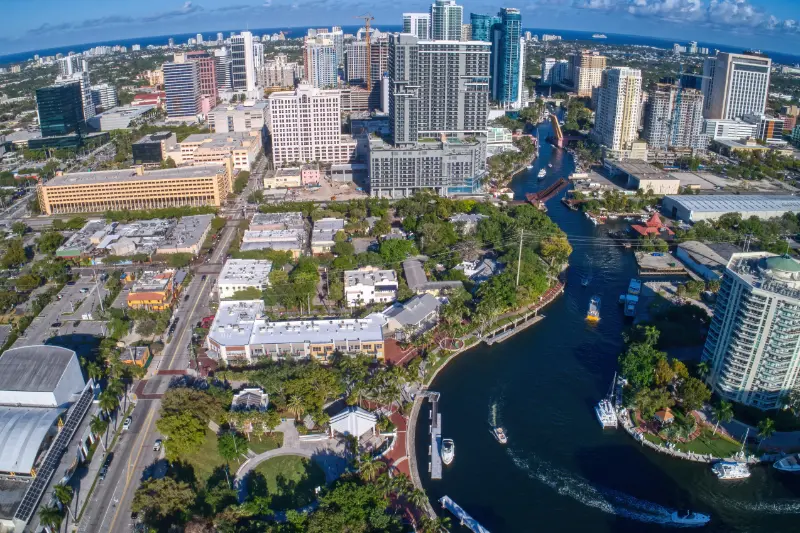
Florida is one of the world’s major cruise gateways, and the port you choose can shape the land portion of the vacation as much as the ship. PortMiami, Port Canaveral, Port Everglades and Port Tampa Bay each connect differently to airports, hotels and attractions. A low cruise fare is not automatically the cheapest trip if the port requires a long transfer or an expensive one-night hotel.
My strongest advice is simple: arrive in the port region at least the day before a cruise when practical. Flights are delayed, highways close and storms happen. Losing a hotel night is frustrating; missing a ship is far worse. A pre-cruise night also gives families and older travelers time to recover before boarding.
Quick planning summary
- PortMiami: best for Miami stays, South Beach and a huge cruise network
- Port Canaveral: best paired with Orlando, Kennedy Space Center and the Space Coast
- Port Everglades: very convenient to Fort Lauderdale airport and beaches
- Port Tampa Bay: good for Tampa Bay stays and Gulf Coast itineraries
- Other ports: Jacksonville and Palm Beach can be useful depending on the cruise line and itinerary
- Key rule: compare total ground transport and hotel cost, not only the cruise fare
PortMiami
PortMiami sits close to Downtown Miami and Brickell, which makes it easy to add city time before or after sailing. Miami International Airport is the major gateway, while Fort Lauderdale-Hollywood can also be practical depending on airfare and transfer plans.
A pre-cruise hotel in Downtown or Brickell can simplify embarkation morning. South Beach is more vacation-like, but allow extra time for traffic and the bridge route to the port.
Port Canaveral
Port Canaveral is the natural cruise partner for Orlando vacations and the Space Coast. It is not in Orlando, so travelers flying into Orlando International should budget transfer time to the coast. Families often combine a cruise with theme parks, while others spend the pre-cruise day at Kennedy Space Center or Cocoa Beach.
Decide whether the land stay belongs before or after the cruise. Doing theme parks first can make the cruise feel like a rest; doing them after protects the embarkation day from park fatigue.
Port Everglades in Fort Lauderdale
Port Everglades is unusually close to Fort Lauderdale-Hollywood International Airport and to many Fort Lauderdale hotels. That geography can reduce transfer stress, though I would still avoid same-day air travel when a missed connection could jeopardize the sailing.

Las Olas, the beach and the water-taxi network give the area enough to justify an extra night rather than treating Fort Lauderdale as only a transfer point.
Port Tampa Bay
Port Tampa Bay works well with Downtown Tampa, the Riverwalk, Ybor City and pre- or post-cruise stays around Tampa Bay. Tampa International Airport is the main gateway, and families can also connect the trip with Busch Gardens or Gulf beaches.
Bridge traffic toward Clearwater and St. Pete can be significant, so a beach hotel is not automatically the easiest choice for embarkation morning.
Other Florida cruise gateways
JAXPORT in Jacksonville and the Port of Palm Beach serve selected cruise itineraries and can be excellent when the sailing fits the traveler. Their smaller scale may appeal to people who do not need the broadest ship choice.
Always confirm the exact terminal and port in the cruise documents. ‘Miami area’ or ‘Orlando cruise’ marketing language is not precise enough for transportation planning.
Airports, hotels and arrival day
The safest flight is usually the one that lands the day before. Choose a hotel based on the arrival path and embarkation morning, not only tourist appeal. An airport hotel can be sensible after a late flight; a downtown hotel may be better when you arrive early enough to enjoy the city.
Families should consider room layout and breakfast timing. Senior travelers may value shuttle simplicity and elevators more than nightlife. Verify whether a hotel shuttle is free, paid, scheduled or first-come.
Parking and ground transportation
Driving can be convenient for regional travelers, but compare official port parking, off-site parking and hotel park-and-cruise packages. Read security, shuttle and cancellation terms. For rental cars, check whether a one-way drop-off near the port is actually available.
Rideshare works well in many port cities, but surge pricing and luggage volume can matter. Large families may need two vehicles or a prearranged van.
Families, older travelers and accessibility
Families with young children should minimize transfers and avoid complicated same-day flight connections. Teenagers may enjoy adding a beach, Kennedy Space Center or city day before sailing. Senior travelers should allow extra boarding time and choose hotels with straightforward elevator and luggage access. Travelers using wheelchairs or mobility devices should arrange airport and cruise-line assistance in advance and confirm accessible ground transportation separately; port accessibility does not guarantee the ride from the airport will meet every need.
For mixed-age groups, I would plan the day around the person with the lowest heat tolerance or the strongest mobility, feeding or rest requirement, then let more energetic travelers add optional activities. Florida becomes much easier when the group does not have to move as one unit every minute. Build obvious meeting points, keep phones charged and choose a hotel or base that allows someone to stop early without collapsing the rest of the day.
Budget and booking strategy
Cruise pricing can hide the land costs around the sailing. Add airfare, one pre-cruise hotel, transfers, parking, meals and possible resort or destination fees. Sometimes a cruise departing from a slightly more expensive port is cheaper overall because flights are direct or the airport is close. Families driving to the port should compare parking for the full cruise length with one-way rental costs.
When comparing prices, look at the total daily cost rather than one headline number. Parking, tolls, resort fees, food, equipment rental, transfers and cancellation rules can change which option is actually cheaper. I also prefer reservations that can be modified when weather or family needs are likely to affect the plan, even if the flexible rate costs a little more.
Best timing and seasonal planning
Winter and spring are popular cruise periods, while hurricane season can affect routes, ports and flights. Cruise lines may change itineraries for weather while still operating the sailing. Arriving a day early is especially important during periods of high flight disruption or when the embarkation port is several hours from the airport.
Florida is large enough that conditions vary by region. A cool morning in North Florida can coexist with beach weather in the Keys, and a thunderstorm in one part of a metro area does not mean the entire day is lost. Check local forecasts, water conditions and official attraction notices close to the visit rather than relying on a statewide forecast saved weeks earlier.
A practical way to use this guide
Start by choosing the one outcome that would make the trip feel successful. Then protect the time, location and budget for that priority before adding optional experiences. This prevents a common Florida problem: an itinerary with many individually good ideas that becomes tiring because the driving, heat and check-in times do not fit together.
I would also separate fixed commitments from flexible choices. Flights, cruises, major attraction reservations and special tours belong in the fixed group. Beaches, neighborhood walks, parks, casual restaurants and hotel-pool time can usually remain flexible. When weather or fatigue changes the day, move the flexible pieces instead of trying to force the original schedule.
Embarkation morning without unnecessary stress
On cruise morning, keep passports or identification, boarding documents, medication and essential valuables in a small personal bag that never goes with checked luggage. Cruise-line baggage may reach the cabin later, so include anything needed for the first several hours, such as sunscreen, swimwear, a change for children or medical supplies.
Do not arrive at the terminal far earlier than the assigned process allows unless the cruise line specifically recommends it. A comfortable hotel breakfast and a planned transfer are usually better than standing outside with luggage. At the same time, build traffic margin. Ports are industrial transportation areas as well as passenger terminals, and road patterns can change on busy sailing days.
Common mistakes to avoid
- Flying in on embarkation morning when the trip depends on multiple connections.
- Calling Port Canaveral an Orlando port and underestimating the ground transfer.
- Booking a beach hotel far from the terminal without allowing traffic time.
- Comparing cruise fares without adding hotel, transfer and parking costs.
- Assuming every hotel offers a free cruise shuttle.
- Relying on marketing names instead of checking the exact terminal address.
Useful Wonderful Florida guides
Official resources to check before you go
Hours, access rules, reservation systems, transportation schedules and weather-related closures can change. Check the official source shortly before travel when a specific attraction, service or route is essential to the trip.
Final thoughts
A Florida cruise begins before the gangway. The airport, hotel, transfer and embarkation morning are part of the trip, and a little extra time protects the expensive part that follows. Choose the port that works for the whole journey, not just the cruise fare.