

Ten days is one of the best lengths for a first Florida road trip because it is long enough to show real contrast without requiring a new hotel every night. I would build the route around four bases: Orlando, the Tampa Bay or Sarasota Gulf Coast, the Everglades-Naples corridor, and Miami. This creates theme parks, beaches, wildlife and city culture while keeping most transfers manageable.
The exact route should change with flights and interests. Families may spend an extra day in Orlando; beach-first travelers can shift that day to the Gulf; birders may want more Everglades time; couples may slow the Miami section. The important principle is to move generally in one direction and avoid using Florida’s interstates as the main attraction.
Quick planning summary
- Days 1-3: Orlando with one or two major attraction days.
- Days 4-5: Tampa Bay, St. Petersburg or Sarasota and a Gulf beach.
- Days 6-7: Naples/Marco Island plus an Everglades gateway.
- Days 8-10: Miami, neighborhoods, beach and departure.
- Best pace: four bases rather than nine hotel changes.
In this guide
- Quick planning summary
- Days 1-3: Orlando as the energetic start
- Days 4-5: cross to Tampa Bay or Sarasota
- Days 6-7: Southwest Florida and Everglades edge
- Days 8-10: Miami as the final base
- Where the Keys fit—and where they do not
- Rental-car strategy and one-way routes
- How to adjust the route for different travelers
- Families, seniors and accessibility
- Best time to go
- Budget and booking
- How to build a realistic day
- Common mistakes to avoid
- Related Wonderful Florida guides
- Official resources to check
- Final advice
Days 1-3: Orlando as the energetic start
Starting in Orlando works well because major airports and attractions make arrival logistics straightforward. Use Day 1 for arrival, then choose one or two anchor days at Disney, Universal, Kennedy Space Center or another major attraction. A third day can be a spring, Winter Park or a lighter resort day. Do not spend all three days sprinting from opening to closing if the road trip continues immediately afterward.
For a ten-day Florida road trip, I would make this part of the trip deliberately rather than treating it as a box to tick. Think about parking or station access, shade, restrooms, meal timing and how much walking the group will actually enjoy. A tired driver on Day 4 is a poor trade for one extra late-night ride. A flexible backup nearby is useful because Florida weather, traffic and local access can change the shape of a day even when the main destination stays open.
Days 4-5: cross to Tampa Bay or Sarasota
The move west introduces the Gulf Coast without an extreme drive. St. Petersburg combines museums and waterfront with beaches nearby, Tampa adds attractions and Ybor City, while Sarasota offers The Ringling and access to Siesta Key. Choose one metro area rather than commuting between all three. Stay on the side of the bay that matches the next morning’s plan.
For a ten-day Florida road trip, I would make this part of the trip deliberately rather than treating it as a box to tick. Think about parking or station access, shade, restrooms, meal timing and how much walking the group will actually enjoy. Bridge traffic can make a short-looking cross-bay trip much slower at peak times. A flexible backup nearby is useful because Florida weather, traffic and local access can change the shape of a day even when the main destination stays open.
Days 6-7: Southwest Florida and Everglades edge
Naples or Marco Island provides a comfortable base for Gulf beaches and access toward the Everglades. One day can be beach and town; the next can focus on a guided wetland experience, Big Cypress or an Everglades route chosen for current conditions. Start wildlife days early and carry water, sun protection and insect repellent.
For a ten-day Florida road trip, I would make this part of the trip deliberately rather than treating it as a box to tick. Think about parking or station access, shade, restrooms, meal timing and how much walking the group will actually enjoy. Do not approach alligators or stop unsafely on roadside shoulders for wildlife. A flexible backup nearby is useful because Florida weather, traffic and local access can change the shape of a day even when the main destination stays open.
Days 8-10: Miami as the final base
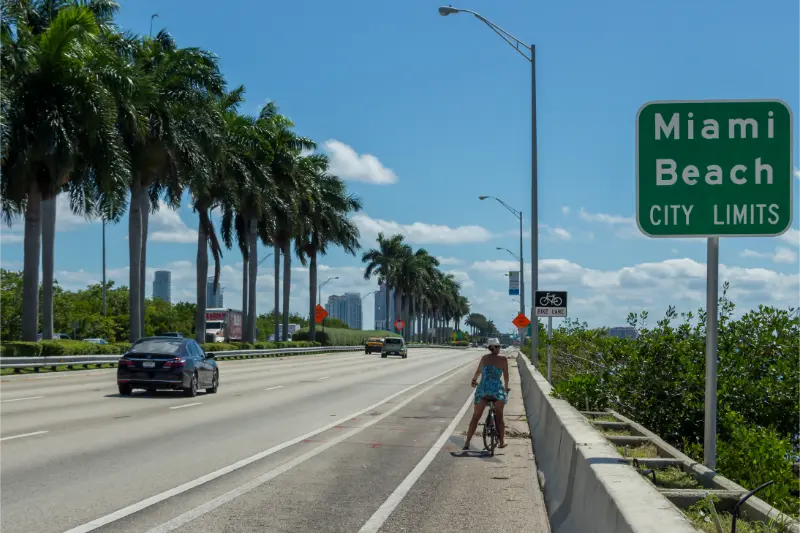
Miami works well at the end because it provides food, neighborhoods, culture and beach time with a major airport for departure. Use one day for South Beach and Art Deco, one for Little Havana or Coconut Grove plus a museum, and keep the last day lighter. If the Keys are essential, replace a Miami day rather than adding a huge day trip. Choose the hotel around the evening experience and parking strategy.
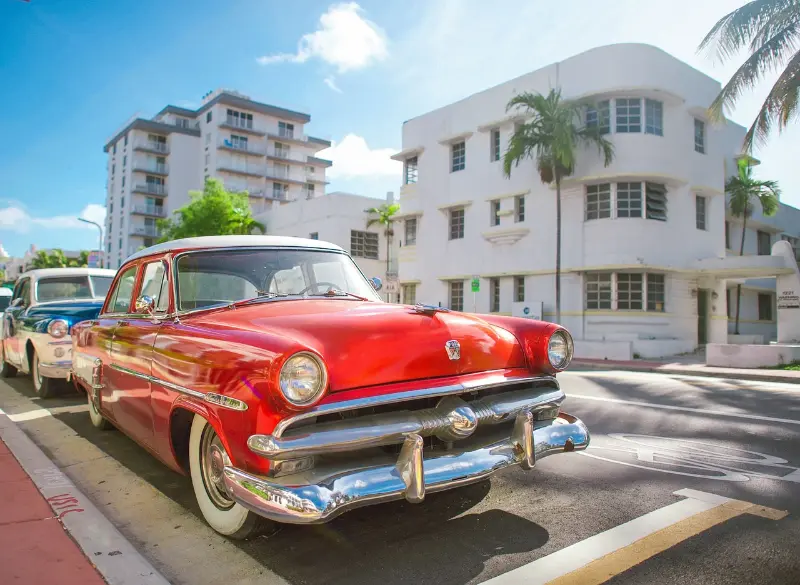
For a ten-day Florida road trip, I would make this part of the trip deliberately rather than treating it as a box to tick. Think about parking or station access, shade, restrooms, meal timing and how much walking the group will actually enjoy. Avoid a long Everglades excursion on the final day before a flight. A flexible backup nearby is useful because Florida weather, traffic and local access can change the shape of a day even when the main destination stays open.
Where the Keys fit—and where they do not
The Keys are tempting, but a 10-day itinerary already has four strong regions. Key Largo can be added after the Everglades if snorkeling is a priority, while Key West deserves at least one overnight. To include it properly, remove a Gulf or Orlando day rather than stacking more driving. Treat the Overseas Highway as part of the experience and allow for traffic.
For a ten-day Florida road trip, I would make this part of the trip deliberately rather than treating it as a box to tick. Think about parking or station access, shade, restrooms, meal timing and how much walking the group will actually enjoy. A same-day Miami-Key West round trip is possible but usually too long for this balanced itinerary. A flexible backup nearby is useful because Florida weather, traffic and local access can change the shape of a day even when the main destination stays open.
Rental-car strategy and one-way routes
A road trip is easier when the car plan matches the flight plan. Open-jaw flights into Orlando and out of Miami can reduce backtracking. Compare one-way rental fees with the time and fuel saved, and understand toll billing before leaving the airport. Photograph the car at pickup and keep fuel and toll policies with the reservation.
For a ten-day Florida road trip, I would make this part of the trip deliberately rather than treating it as a box to tick. Think about parking or station access, shade, restrooms, meal timing and how much walking the group will actually enjoy. Do not assume every rental company handles Florida toll roads the same way. A flexible backup nearby is useful because Florida weather, traffic and local access can change the shape of a day even when the main destination stays open.
How to adjust the route for different travelers
A flexible 10-day framework should change by age and interest. Families can add Orlando time, senior travelers can reduce hotel moves, beach lovers can extend Sarasota or Naples, and wildlife-focused visitors can spend more time around Big Cypress and the Everglades. Make the longest transfer day the lightest activity day.
For a ten-day Florida road trip, I would make this part of the trip deliberately rather than treating it as a box to tick. Think about parking or station access, shade, restrooms, meal timing and how much walking the group will actually enjoy. The itinerary should serve the group rather than force everyone to follow a generic top-ten route. A flexible backup nearby is useful because Florida weather, traffic and local access can change the shape of a day even when the main destination stays open.
Families, seniors and accessibility
Families should consider a two-bedroom rental or suite on the Gulf portion to create recovery time after Orlando. Senior travelers often benefit from spending three nights in one base rather than adding Key West. Accessible travelers should confirm boardwalk and beach access individually at each stop. For multigenerational groups, the most effective plan is usually to identify one shared highlight and then allow different energy levels around it. Young children need shade, food and predictable breaks; teenagers often value one activity that feels independent or active; senior travelers may prefer shorter walking loops, seated tours or a hotel closer to the evening activity.
Accessibility varies by beach access, historic district, transit stop, park and accommodation. Verify step-free routes, beach mats, wheelchairs, elevators and accessible restrooms directly when they are essential. Florida State Parks, for example, has an Access for All program, but amenities differ by park. A destination can be broadly accessible while one boardwalk, dune crossing or temporary route is not.
Best time to go
Late fall through spring gives comfortable road-trip temperatures, while summer requires storm awareness and earlier outdoor activities. Hurricane-season flexibility matters for coastal bookings. Florida is large enough that North Florida, Central Florida, South Florida and the Keys can feel like different seasons on the same week. Winter fronts, summer thunderstorms, hurricane-season uncertainty, spring-break demand and holiday weekends can all change a trip.
Instead of choosing a month only from average temperature, match the season to your priority: swimming, wildlife, theme parks, road-tripping, festivals or comfortable walking. Check the forecast, surf or marine conditions and any park or event calendar again shortly before travel.
Budget and booking
A 10-day trip benefits from mixing premium attraction days with free beaches, waterfront walks and state parks. Compare the total cost rather than the headline room or fare. Resort fees, parking, tolls, rental-car charges, beach equipment, attraction tickets and meals can change the real daily budget substantially.
Book the experiences that would genuinely disappoint you to miss, but keep ordinary beach, neighborhood and nature time flexible. A refundable room or cancellable activity can be worth more than a small prepaid discount during storm season or around major holiday periods. Keep confirmation emails and cancellation terms accessible offline.
How to build a realistic day
Transfer days should include one meaningful stop, not three major attractions. I usually plan one anchor experience, one optional secondary stop and a meal area rather than a chain of reservations. That creates room for traffic, parking, weather, a tired child, a longer museum visit or an unexpectedly good beach.
Start outdoor days earlier when heat or crowds matter, and avoid putting the longest drive after the most physically demanding activity. If the group is staying several nights, deliberately schedule one lighter half-day. Florida vacations improve when there is enough space to enjoy a place rather than only reach it.
Common mistakes to avoid
- Changing hotels almost every night.
- Adding Key West without removing time elsewhere.
- Ignoring toll and parking costs in the rental-car budget.
- Scheduling the longest drive after a full theme-park day.
- Treating the Everglades as one single entrance or experience.
Related Wonderful Florida guides
Florida travel guide for first-time visitors, Best time to visit Florida, Where to stay in Florida, Florida weather guide, Florida travel insurance guide.
Official resources to check
Schedules, prices, access rules, road conditions, event dates, transit service and weather-related operations can change. If a detail is essential to the trip, confirm it with the responsible public agency, destination or operator shortly before travel.
Final advice
Ten days is enough for a real Florida journey when the route has direction and restraint. Use four bases, let each region feel different and protect a few open hours along the way. The road trip should reveal Florida rather than become a race across it.