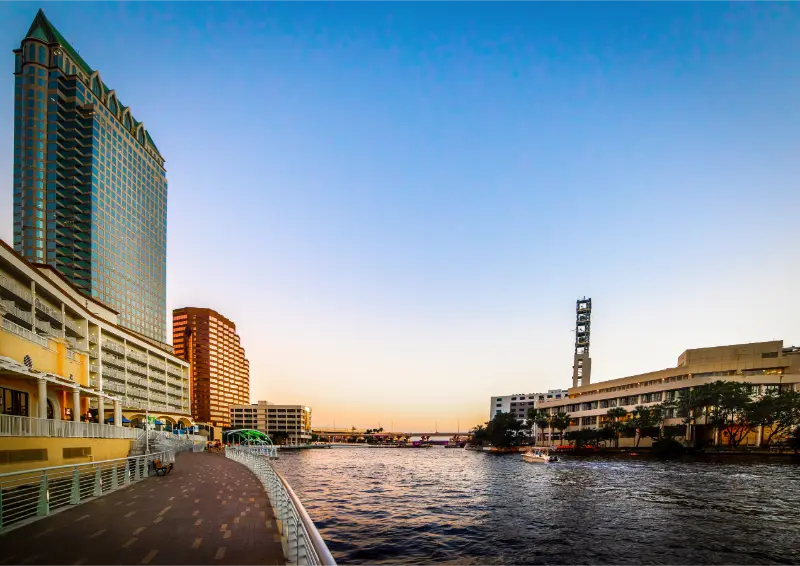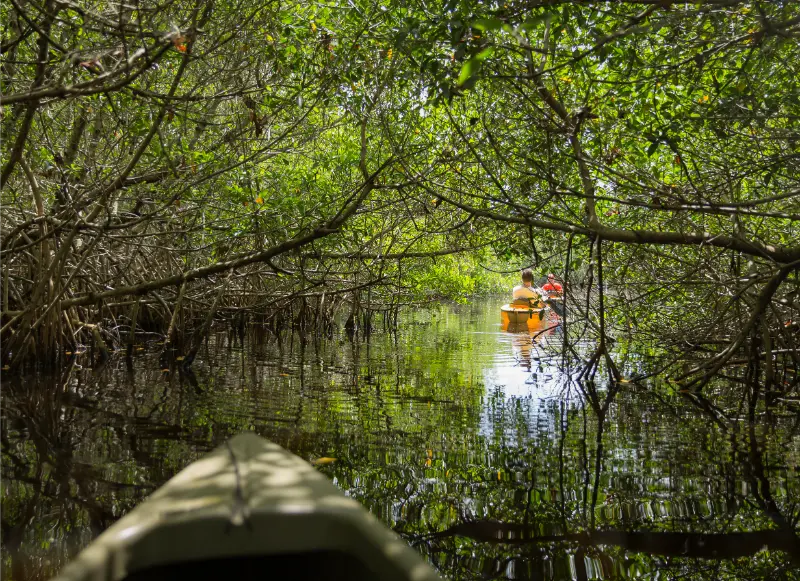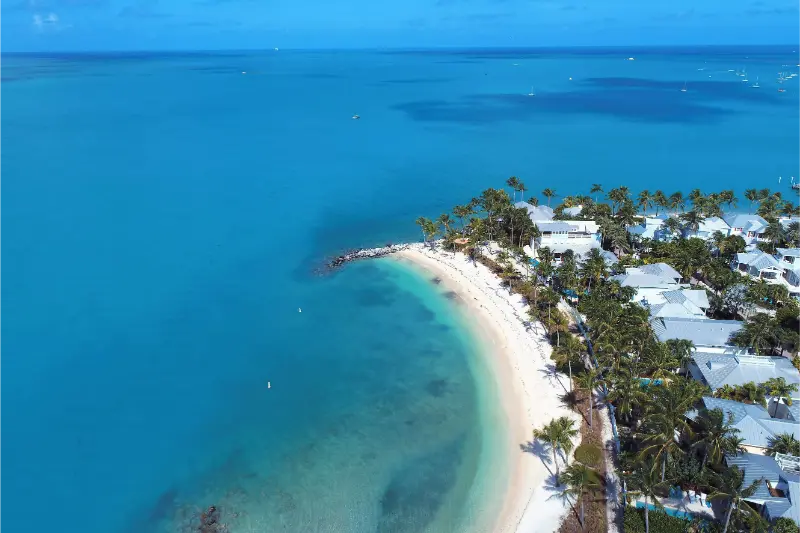
Category: Florida Travel Guides

  • Where to Stay in Sanford and Lake Mary: Historic Riverfront, Airport Access or a Calm Central Florida Base?

    Where to Stay in Sanford and Lake Mary: Historic Riverfront, Airport Access or a Calm Central Florida Base?

    Sanford and Lake Mary are close enough to share a trip, but they suit different kinds of visitors. Historic Sanford, on Lake Monroe and the St. Johns River, offers restaurants, older streets and a walkable riverfront atmosphere. Lake Mary has suburban conveniences, business hotels and routes useful for regional driving. Travelers also look here because of Orlando Sanford International Airport and Central Florida rail connections. The choice is not simply between two town names: a hotel near the airport, a room beside Sanford's First Street and a Lake Mary property by a major road can create very different experiences.

    Which area should you choose?

    AreaBest forConsider before booking
    Historic SanfordRiverWalk and restaurantsEvent parking and older buildings
    Lake MaryPractical hotels and road accessOften suburban and car-oriented
    SFB airport vicinityEarly flights and late arrivalsNot a riverfront holiday setting
    Rail-related propertiesSelected weekday tripsStations not always downtown

    Historic Sanford for riverfront atmosphere

    Downtown Sanford is the choice for visitors who want an actual neighborhood outside the hotel door. The older streets around First Street lead to restaurants, shops and cultural venues, while the RiverWalk offers views toward Lake Monroe. Staying close to this area can make an easy two-night break feel like a proper vacation rather than a stop beside a highway. Couples may enjoy dinner and an evening walk; families can organize a slower morning without driving to the first activity of the day. Check individual event dates because festivals and concerts can change street activity significantly.

    Historic accommodation has charm but also practical limitations. Ask whether bedrooms are reached by stairs, if parking is reserved and how late restaurants remain open on your dates. A property with a river view might still be several blocks from the main restaurant district. Check the actual pedestrian route after dark and whether the entrance is easy to find. Visitors who need minimal walking may be happier with a modern room near the core than with a picturesque inn that requires negotiating steps and uneven paving.

    Lake Monroe and the RiverWalk as everyday advantages

    One of Sanford's strongest selling points is the ability to build a day around the water without planning a boat excursion. A morning walk along the RiverWalk, a shaded pause and lunch nearby can be enough for seniors, families with young children or travelers recovering from a long flight. The riverfront is for views and recreation rather than an ocean-beach experience. Lake Monroe is not a substitute for the Atlantic shoreline, and waterfront accommodation does not mean unrestricted swimming or boat access.

    Florida Sunset over Calm Lake

    If you plan boating or other water activities, consult the operator for launch locations, conditions and accessibility. Waterfront walks can be exposed to heat, and afternoon storms may arrive quickly during warm months. Choose the time of day that suits your group, bring water and identify indoor alternatives. The RiverWalk's usefulness also depends on your room's precise location. A hotel marketed as being in Sanford can still require a drive before you reach the promenade, so do not rely on the city name as a measure of walkability.

    Lake Mary for conventional hotels and everyday conveniences

    Lake Mary is appealing for travelers who need dependable hotel services, access to shops and a location that works for driving around Seminole County. This includes people visiting friends, attending meetings or using the area as a base for a few Central Florida excursions. The atmosphere is more suburban than historic Sanford, and a large part of the accommodation supply is designed with drivers in mind. If your ideal evening is a quiet hotel room after a day of outings, that may be an advantage rather than a drawback.

    Check whether the property is actually close to the small downtown area or located beside a major commercial road. Both types of location may advertise “Lake Mary,” yet only one might support an easy walk to independent restaurants. Business-focused hotels sometimes have weekday breakfast and service patterns that differ on weekends. Verify parking, pool hours and whether a connecting room or accessible suite can be guaranteed. For longer stays, laundry and a usable kitchen area may matter more than a spa or decorative lobby.

    Orlando Sanford International Airport: choose the correct airport

    Sanford's airport is Orlando Sanford International Airport, not Orlando International Airport. The two are different facilities, and mixing them up can create serious transfer problems. If your ticket uses SFB, review the drive and the hotel's shuttle policy for SFB specifically. A property that advertises “Orlando airport transportation” might actually mean another airport or a chargeable transfer arranged through a third party. Ask for pickup instructions, service hours and fees before confirming the booking.

    An airport-focused hotel is practical for a late landing, an early departure or a short transit stop. It may not be pleasant for travelers who expect to walk to Sanford's riverfront each morning. A hotel closer to historic downtown can provide a more satisfying holiday atmosphere but require extra planning for an early flight. For an overnight connection with children, prioritize staffed check-in, nearby food and a reliable transfer. For four days exploring the St. Johns River region, choose a base where the sights matter more than terminal proximity.

    United Airlines Jet on Airport Runway

    SunRail and the difference between a station and downtown

    SunRail provides commuter rail service through Sanford and Lake Mary, with connections to Winter Park and central Orlando among other destinations. It can add useful flexibility to a weekday trip. However, Sanford's SunRail station lies outside the historic downtown core, so arriving by train does not mean you can simply step onto First Street. Check the current trolley or connecting service, including how late it operates. Lake Mary's station is also not at every hotel marketed as being in the city.

    SunRail normally runs on weekdays rather than weekends, and schedules can differ on holidays. A rail-based vacation therefore needs a realistic timetable, not only a station symbol on a map. Look up the last return service and how you will travel from the platform to the hotel. For wheelchair users or visitors with a stroller, confirm step-free station features and the accessibility of the connecting route. If the itinerary requires frequent evening outings or remote nature attractions, having a car may still be the most practical choice.

    Nature outings and the St. Johns River corridor

    Sanford is a useful base for exploring the St. Johns River environment and nearby parks. An outing to a wildlife area or a short boat excursion can complement historic streets and dining. But nature sites are not always grouped within one compact pedestrian district, and many require a vehicle. Match the lodging to the actual excursions you plan: a river-oriented break is different from a week of shopping and business meetings. Avoid vague claims that every nearby lake or reserve permits paddling, fishing or swimming without checking its posted rules.

    Family tipFor families, a morning nature outing is often more comfortable before the strongest heat. Keep a rain alternative in mind and consider mosquitoes near waterways, particularly at dawn and dusk. Visitors who enjoy bird photography should maintain distance from nesting sites and respect restricted areas. A gentle, guided activity can suit travelers who prefer not to walk far, provided boarding access and seating are confirmed. The area's appeal lies in observing a different side of Florida, not in chasing as many animals or boat tours as possible.

    Families, couples and senior travelers

    A downtown Sanford base is often attractive for couples and older visitors who value restaurants within walking distance. For toddlers, proximity to a park and easy access to the room may make midday rest possible. In Lake Mary, families who drive to several activities may prefer a larger suite, predictable parking and an indoor space for rainy afternoons. With teenagers, consider whether the accommodation offers enough separate sleeping and lounging room. The right base depends on the group's energy and daily routine, not merely its age profile.

    Mobility requirements should be assessed at property level. Older historic buildings can have narrow passages or stairs; modern hotels can have long corridors and distant parking. Ask for bathroom details, entrance gradients and elevator availability. If visiting with a service animal, understand the applicable accommodation policies and any separate pet rules for ordinary pets. During warm weather, a short walk can feel much longer after midday. Build shaded breaks into the schedule rather than making the whole party follow the pace of the most energetic member.

    Day trips to Orlando or the Atlantic coast

    Sanford and Lake Mary can both serve as bases for regional travel, including outings toward Orlando or the Atlantic beaches. They are not, however, beach towns. If you plan to visit the ocean every morning, choose a coastal property instead of relying on optimistic travel estimates. Similarly, visitors expecting five consecutive days at Walt Disney World may find these northern locations inconvenient compared with accommodation closer to the parks. They work best when Sanford, Lake Mary or the surrounding region is itself part of the trip.

    For a mixed itinerary, group attractions geographically. A day in Winter Park and central Orlando is logical from this area; an outing to a Space Coast beach deserves its own time and travel plan. Avoid combining a lengthy theme park visit with a demanding drive late at night if children or older relatives are tired. A single accommodation can work for several destinations, but it should not become a source of daily stress simply because it appeared to be centrally located on a statewide map.

    Hotel costs, parking and the value of being able to walk

    Compare the final cost of a historic downtown room with a standard hotel in Lake Mary or near Sanford's airport. A downtown premium may save money on evening rideshares or parking when you intend to eat out daily. A road-accessible hotel could be better value when most activities require a car. Include taxes, breakfast, parking, pet charges and any extra-person fees. If you will arrive in two vehicles, confirm whether the reservation includes two parking spaces. A “free parking” description can have restrictions or limited capacity.

    For a short stay, a hotel with staffed reception may be simpler than an apartment rental with a cleaning fee and minimum stay. For a week, laundry and kitchen access might justify a different arrangement. Ask about noise near entertainment streets or highways and read recent maintenance feedback. If a property looks very inexpensive, check why: it may be distant from your interests or lack services you expect. Flexible cancellation can be valuable when flight changes or tropical weather are possible.

    A three-day Sanford and Lake Mary itinerary

    Spend day one exploring historic Sanford and the waterfront, including an unhurried meal around First Street. On day two, plan one nature or river-oriented outing in the morning and a relaxed afternoon. On day three, visit Lake Mary's compact center or another nearby destination depending on your arrival route and departure schedule. This plan leaves room for weather changes and can be adapted for children who nap or seniors who prefer fewer long walks. If the trip is strictly an airport stop, keep expectations simpler and choose convenience over sightseeing ambition.

    Before booking, decide which part of this itinerary matters most. Historic Sanford favors atmosphere and walkable evenings. Lake Mary favors straightforward regional access and familiar accommodation styles. Airport-area hotels solve an entirely different problem. Once you have chosen the right purpose, check the exact address, train or shuttle service, room accessibility and total price. Those details turn a vague Central Florida location into a comfortable base for your particular journey.

    Frequently asked questions

    Is Orlando Sanford airport the same as Orlando International?

    No. SFB and MCO are separate airports with different routes and transfer arrangements.

    Is Sanford SunRail station in historic downtown?

    No. It is outside downtown; check current trolley and other connecting transport.

    Which location is best for a relaxed weekend?

    Historic Sanford is appealing for walking and dining, while Lake Mary often suits car-based trips and conventional hotels.
    Official visitor resources

  • Tampa Bay Sports Weekend: A Three-Day Trip for Football, Hockey, Baseball and Families

    Tampa Bay Sports Weekend: A Three-Day Trip for Football, Hockey, Baseball and Families

    A Tampa Bay weekend built around live sports can be memorable even for travelers who do not follow American leagues closely. The region has major teams, smaller stadium experiences, spring training and an attractive mix of waterfront districts and beaches. With the right game, you can spend one day cheering in a crowd and another exploring St. Petersburg or Tampa at a slower pace. This is a particularly good option for adults and teenagers, but families with younger children and older fans can also enjoy it when the stadium, seats and schedule are chosen carefully.

    The mistake is to plan a sports vacation around a team name without checking where the game is actually being played. A Tampa Bay team may have its venue in Tampa, St. Petersburg, Clearwater or another part of the region. Seasonal schedules, postseason games, stadium renovations and event changes affect the experience. Choose the exact game and ticket first, then pick your hotel and transport accordingly.

    Choose the right sport for your travel dates

    American football, ice hockey, baseball and soccer operate on different calendars. The Tampa Bay Buccaneers play National Football League games during the NFL season, and their home venue is Raymond James Stadium in Tampa. The Tampa Bay Lightning compete in the National Hockey League, with their home games in downtown Tampa. The Tampa Bay Rays are the region’s Major League Baseball team, but venue details should be checked at the time of booking rather than assumed from older articles or maps.

    Spring training baseball gives visitors additional options, with teams using several stadiums across the area in the pre-season. Soccer and other sporting events provide alternatives when none of the major-league schedules match your dates. Not every league has a home game every weekend. Some teams may be away for consecutive weeks, and postseason schedules can change at short notice.

    Start with the official team’s schedule, not a resale platform’s ‘popular events’ page. Confirm home versus away, the correct city, start time, age-related ticket policies and accessibility options before you decide where to sleep. The ideal sport is the one you can genuinely attend comfortably, not the biggest-name event on your calendar.

    Where to stay for a two- or three-night sports trip

    Stay in downtown Tampa if the centerpiece is hockey and you want restaurants and some attractions within a manageable urban area. A hotel near the stadium district may be more convenient for Buccaneers football, though the area around Raymond James is not equivalent to a pedestrian-friendly downtown neighborhood. For baseball or a waterfront-focused break, St. Petersburg or Clearwater may suit better depending on the current venue. Do not use a generic ‘Tampa Bay’ hotel search without checking the actual address.

    Tampa International Airport is a sensible arrival point for much of the region, but the transfer to your chosen accommodation can vary. A rental car is useful for visiting beaches and multiple cities, while rideshare or an arranged transfer may be sufficient for a stay focused on one downtown event. Game-day road closures, surges in rideshare demand and expensive parking should be factored into the decision.

    If you travel with an older fan who cannot stand in long queues, choose lodging that minimizes walking and ask the team or stadium about accessible entrances, drop-offs and seating. A cheaper room twenty miles away may be a poor deal once transport and fatigue are included.

    Day 1: arrive in Tampa and explore the waterfront

    Keep the first day simple. Check into the hotel, collect tickets on your phone or confirm the correct ticket app, and enjoy an easy walk or meal in a suitable Tampa neighborhood. The Tampa Riverwalk can be an appealing option for views and casual exploration, with activities and restaurants in its general area. Choose a realistic segment rather than expecting everyone to walk its entire length after a flight.

    Families can use the afternoon to explain basic game rules before attending. Children do not need to understand every technical detail to enjoy the atmosphere, but a brief explanation of scoring, breaks and crowd noise can reduce uncertainty. Adults unfamiliar with American stadiums should be prepared for security screening and rules about bags, outside food and camera equipment. These vary by venue and must be checked on the official event page.

    Avoid a late, expensive attraction if the next day includes a long stadium visit. Food, hydration and a comfortable bedtime have more impact on the quality of a sports weekend than squeezing in one additional museum. If your planned game happens on the first night, reverse the days and use this arrival afternoon as a buffer for travel delays.

    Day 2 option A: a Buccaneers football game

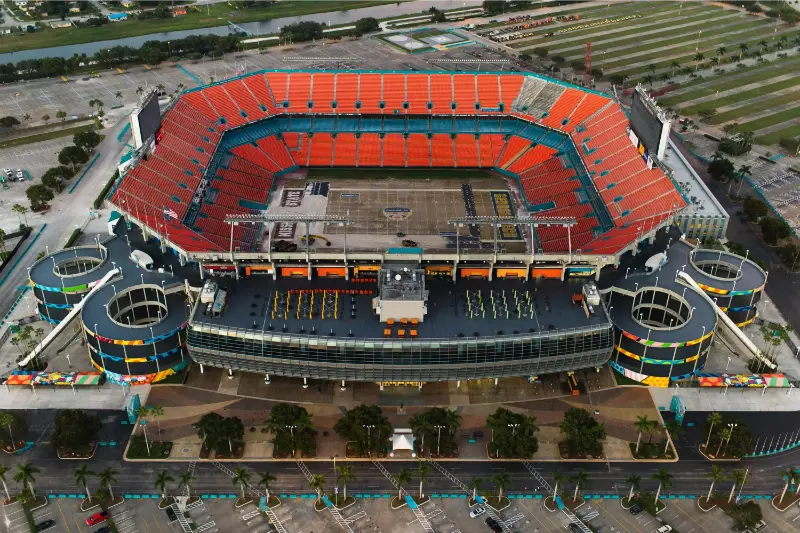
    A Buccaneers game can be an exciting introduction to the NFL, with tailgating culture, music, big-screen entertainment and a crowd that builds energy long before kickoff. Official Buccaneers schedule and ticket information is the place to verify dates and the current game venue. Some events begin in strong afternoon sunshine, so prepare for heat and sun even during months that feel cooler elsewhere in the United States.

    Allow generous time for traffic, security and finding your seats. Check the official stadium parking system and whether a prebooked space is required or sensible. If using a rideshare, identify the designated pickup zone before the game, when cellular networks and crowds may make navigation more difficult. Children should know what to do if separated, and adults should identify a meeting location outside the main flow of departing spectators.

    Florida Football Stadium Aerial View

    Football games include pauses, and the overall outing is longer than the time spent actively playing. For a young child, an expensive seat close to the field may be less important than easy restroom access and a comfortable row. For older fans, an accessible location and less time standing can matter more than a perfect viewing angle. Never buy seats assuming venue staff can move you into an accessible section on the day.

    Day 2 option B: Tampa Bay Lightning hockey downtown

    Ice hockey offers a very different experience. It takes place indoors and is often easier to pair with a downtown Tampa dinner, although crowds and security still require planning. The Lightning’s official schedule provides current home games, opponents and times. Arena naming, sponsor signage and access information can change, so follow the team’s current event directions rather than older map screenshots.

    For children, explain that hockey is fast and the puck is small, and choose seats with a view that makes the full rink easy to follow. The arena may feel chilly compared with a Florida afternoon, so pack a light layer. Loud goal celebrations can surprise toddlers or people with sensory sensitivity; suitable hearing protection may help. Some fans prefer being close to the action, while others find that higher, central seats give a better overview of play.

    Arrive early enough to find your section and get food without rushing. If someone in your party uses a wheelchair, ask about the exact accessible seating and companion arrangements before purchasing. After the game, allow time for pedestrian crowds to disperse rather than assuming a car will arrive at the exit immediately.

    Day 2 option C: baseball, spring training or a smaller local game

    Baseball can be especially enjoyable for families because the rhythm provides time to talk, snack and watch the details of the game. The Tampa Bay Rays are the area’s MLB team, while spring training brings additional clubs to nearby stadiums. But do not rely on a permanent venue description without checking the current season’s official schedule. Facilities can change, and an article written in an earlier year may point to an outdated home field.

    A spring training game can be a welcoming first experience for a child or someone who is curious about the sport without wanting the atmosphere of a packed football stadium. Look at the date and venue carefully: some preseason games are at alternate sites or split-squad locations. Bring a cap and sunscreen for afternoon seats, particularly when the grandstand provides limited shade.

    Baseball Game in Florida Stadium

    Baseball parks can have themed food and souvenirs, but costs add up quickly. Set a family budget for drinks and merchandise in advance. Ask about bag rules, stroller storage and child ticket policies. If your child wants to leave early, it may be better to enjoy seven innings comfortably than insist on every minute.

    Day 3: St. Petersburg, Clearwater or a family-friendly museum

    Choose a slower day after the game. St. Petersburg offers museums, a waterfront setting and an appealing downtown food scene. Clearwater and nearby Gulf beaches provide a different sort of outing, although parking and surf safety need attention. If the game was late, start with brunch and decide where to go according to everyone’s energy rather than driving straight to a beach for sunrise.

    For families, an aquarium, museum or shaded waterfront park may be more practical than an exposed beach on a very hot day. Teenagers can help choose lunch or a neighborhood to explore. Senior fans can enjoy the weekend without needing to spend the day walking between attractions. If your group includes people with different interests, split for a couple of hours and reunite for a shared meal.

    Be realistic about geography. Crossing bridges between Tampa, St. Petersburg and Clearwater can take longer than visitors expect at busy times. A relaxed day in one area is preferable to a series of hurried stops across the region.

    Buying tickets safely and understanding the true cost

    Whenever possible, start on official team or venue websites and follow their authorized ticket platform. A resale ticket is not automatically invalid, but the seller’s guarantees, delivery method and refund policies must be understood. Beware screenshots of QR codes, listings that conceal the actual section, and offers through social media messages without reliable purchase protection. Read the final price after fees before comparing options.

    Budget for four separate elements: event admission, local transport and parking, food and the hotel. A football game with high parking demand may cost significantly more than a smaller baseball outing even if the face-value tickets appear similar. Many stadiums use cashless payments, and bag policies often limit backpacks or large purses. Always review the current rules rather than relying on advice from someone who visited a different venue.

    Families should choose tickets based on comfort. A modestly priced seat with shade, an accessible route or proximity to restrooms may offer more value than a premium section that is too loud, hot or difficult to reach.

    Accessible seating, sensory concerns and mixed-age groups

    Professional venues typically provide information on accessible seating and visitor services, but the exact arrangements differ. Contact the stadium before purchase if a traveler needs a wheelchair position, companion seat, hearing assistance, step-free route or other accommodation. Some fans need a venue-approved mobility-device check or a particular gate. Never assume you can arrive late and have staff solve every issue on the spot.

    For people who dislike crowds, consider a daytime baseball game at a smaller venue or a lower-demand matchup. Noise-reducing headphones, a predetermined quiet area and permission to leave early can make a game manageable for children with sensory sensitivities. Older adults may appreciate shaded or indoor settings, nearby toilets and the chance to sit throughout the outing.

    Keep emergency contact details accessible. In crowded areas, agree on a meeting place and discuss what children should do if separated. If the weather turns severe at an outdoor stadium, follow official announcements; concourses and parking lots may have specific shelter procedures.

    Seasonal planning without outdated promises

    The sports calendar is not uniform throughout the year. Football is primarily a fall and winter activity, while baseball runs through warmer months and spring training precedes the MLB season. Hockey spans much of the cooler part of the year, and soccer has a separate calendar. Exact dates, playoff qualification and home games cannot be predicted in advance, so the schedule is the first item to confirm.

    A three-day sports trip works best with one guaranteed core event and two flexible days. Do not reserve flights because of an unconfirmed rumor about a future match or stadium event. If your preferred team is away, consider changing the dates or choosing a different sporting experience rather than building the entire weekend around stadium photographs with no game.

    Frequently asked questions

    Can we see two major games in one weekend? Sometimes schedules align, but venue geography and game timing can make it tiring. Treat one game as the anchor and a second as a bonus.

    Is football suitable for young children? It can be, with attention to heat, crowd noise, long event duration and restroom access.

    Should we stay in Tampa or St. Petersburg? Choose according to the exact game venue and your preferred non-sports activities, not the regional team name.

    Can international visitors buy game tickets? Generally yes through authorized channels, but payment methods and ticket delivery requirements vary. Check the venue’s procedures.

    Will a game always be played at the venue shown on old travel articles? No. Always verify the current team’s schedule and official event address.

    Official places to check

    Start with the Tampa Bay Buccaneers, Tampa Bay Lightning, Tampa Bay Rays and the relevant venue’s official accessibility and security pages. Check schedules and policies again close to travel.

  • Arriving at Florida’s Major Airports: Your First Hour at Orlando, Miami, Tampa, and Fort Lauderdale

    Arriving at Florida’s Major Airports: Your First Hour at Orlando, Miami, Tampa, and Fort Lauderdale

    The first hour after landing can shape the first day of a Florida vacation. Orlando International (MCO), Miami International (MIA), Tampa International (TPA), and Fort Lauderdale-Hollywood International (FLL) are not arranged the same way, and a transfer method that is convenient at one can be confusing at another. This guide focuses on decisions visitors really face after a domestic or international flight: locating baggage, arranging rental cars, finding the correct shuttle, handling child seats, and reaching a hotel without paying for the wrong service. It is designed for first-time visitors, families, older adults, and travelers with mobility needs, not as a replacement for live airport maps.

    Quick planning table

    AirportFirst ground-transport decision
    MCOTerminal A/B versus separate Terminal C
    MIAMIA Mover versus Downtown Metromover
    TPASkyConnect to the Rental Car Center
    FLLTerminal 1 pedestrian link; other terminals shuttle

    Before leaving home: choose how you will leave the airport

    A traveler who plans to rent a car needs different information from someone taking a hotel shuttle or a train. Make that choice before departure if possible. Keep the booking confirmation, company name, pickup instructions, and hotel address available offline. Note the actual arrival terminal if your airline provides it, but remember that gate and terminal assignments can change. If you are entering the United States from abroad, allow time for immigration and customs before estimating when you will be ready for a booked driver.

    If you land late at night, verify both the arrival time and the operating hours of your chosen ground-transport provider. Some rental desks are open late, while others require a specific late-arrival arrangement; off-airport shuttles may have shorter schedules than the terminal itself. If traveling with children, confirm child seats and the intended installation method before you fly. A driver who cannot legally carry your party is not a useful backup plan, regardless of the price advertised in an app.

    Orlando International Airport (MCO): watch the terminal letter

    MCO includes Terminals A and B in a main complex and a separate Terminal C, so knowing the terminal is particularly important. The airport's official terminal maps show where baggage claim, ground transportation, and rental-car facilities are located. Terminal C has a different vertical layout from A/B, and simply following a memory of an older visit can lead you to the wrong floor. After collecting bags, read the ground transportation signs for your actual terminal rather than walking toward the first group of buses outside.

    Terminals A and B are connected within the main airport building, but Terminal C requires a designated link or shuttle arrangement. The airport publishes instructions for connections between A/B, the train station, and C. If your family is carrying two suitcases, a folded stroller, and infant supplies, a transfer that looks short on the map may still take considerable time. Choose the route with elevators and an official shuttle where appropriate. Do not schedule a restaurant reservation for the moment your flight touches down; baggage, immigration, and onward ground travel are separate steps.

    Orlando: rental car, resort shuttle, or rail connection?

    Visitors heading to several theme parks may value having a car for some days, but parking charges and the number of people traveling matter. Check whether your resort offers an airport transfer and whether it is included in the booking or sold separately. At MCO, on-airport rental car companies have designated areas; off-airport companies typically require a shuttle from specific marked spaces. A cheaper quote may not compensate for an extra transfer with tired children. Read the actual pickup method before comparing prices.

    MCO also has a Brightline station connected via the airport's ground transportation infrastructure, useful for some onward journeys toward South Florida. It is not a direct train to every Orlando hotel or amusement park. If you intend to continue by train, confirm the departure date and time, boarding cutoff, baggage allowance, and how to move between your terminal and the station. The airport wayfinding information helps with terminal transfers; a separate Brightline schedule is essential for a reserved rail trip.

    Miami International Airport (MIA): do not confuse MIA Mover and Metromover

    Miami's airport has its own passenger transport connections, and two similarly named systems can confuse visitors. The MIA Mover is an airport people-mover linking the terminal area with the Miami Intermodal Center, where certain rental-car and transit connections are located. Downtown Metromover is a separate free local transit service in another part of the city. It cannot be boarded directly at an arrival gate. Before leaving baggage claim, identify whether you are going to the Rental Car Center, a taxi pickup, a transit connection, or a hotel shuttle.

    Fort Lauderdale Florida Waterfront Suburbs Aerial

    With a direct hotel transfer, use the designated pickup area described by the airport or the operator. For a rental car, follow official signs toward the connection to the Rental Car Center and verify the rental company's actual counter or shuttle procedure. Travelers going into Downtown or Brickell may be able to make a transit journey, but the number of changes matters, particularly with heavy bags. Compare the total door-to-door time with the cost of a licensed taxi or rideshare. A metropolitan transit map does not show the difficulty of climbing through a busy terminal after a long flight.

    Tampa International Airport (TPA): why SkyConnect matters

    Tampa International uses a distinctive main-terminal and airside arrangement. The official airport information explains that SkyConnect connects the main terminal with the Economy Parking Garage and Rental Car Center. That makes the rental-car process different from airports where you walk directly to counters near baggage claim. Locate the correct SkyConnect signs and allow time to travel to the Rental Car Center, complete paperwork, inspect the vehicle, and leave the garage. Picking up a car is rarely instantaneous, even when the reservation has been prepaid.

    Tampa also serves travelers staying in downtown Tampa, Clearwater, St. Petersburg, and Gulf Coast communities. Those destinations have very different driving distances and transport choices. A hotel that advertises 'near Tampa' may be on the opposite side of a bridge from the airport. Compare the exact destination address rather than a broad region. If you are not hiring a car, confirm taxi or rideshare pickup locations and whether hotel shuttle service is genuinely included. Some smaller properties advertise shuttles that run only on request or at limited hours.

    Fort Lauderdale (FLL): the terminal changes the rental-car route

    At Fort Lauderdale-Hollywood International Airport, the Rental Car Center sits next to Terminal 1. The county's official guidance describes a pedestrian bridge for Terminal 1 users and courtesy shuttle buses for passengers from Terminals 2, 3, and 4. That distinction can save time, particularly if your party includes someone using a mobility aid. Follow the posted Rental Car Center signs and do not improvise a dangerous walk on airport roads. The courtesy shuttle is a transfer within the airport's system, not an indication that all rental companies are located in the same building.

    Fort Lauderdale Florida Harborfront and Shops

    FLL can be a sensible arrival airport for Fort Lauderdale and nearby destinations, but it is not automatically the cheapest airport for every Miami or Palm Beach trip once transfer costs are added. If you plan to use Tri-Rail or another transit connection, check the airport shuttle and onward train schedules together. Some hotel shuttles must be requested after arrival; others operate on a timetable. Verify what happens if a flight is delayed beyond the final pickup, especially when traveling with children or arriving late from overseas.

    Rental car paperwork and the final price

    A rental-car confirmation is not necessarily the complete amount due at the counter. Check your driver's license, passport if relevant, accepted payment card, security deposit, age-related surcharges, additional-driver rules, and any documentation required for visitors with licenses issued abroad. The rental company may have specific rules on debit cards and local customers. If you need a child restraint, reserve it explicitly or bring an approved one suitable for the vehicle and child. Inspect the seats before setting off rather than discovering a problem on a highway shoulder.

    Photograph the car's exterior and interior at pickup, recording existing damage, windshield condition, fuel level, and mileage where applicable. Ask how electronic tolls are charged, whether an extra daily service fee applies, and how to pay for parking at your destination. If you plan to return the car to a different airport, verify the one-way fee and the exact return address. A pickup bargain can disappear once toll service, extra drivers, and parking are considered. Keep copies of the agreement and return instructions accessible offline.

    Getting through the airport with a baby, a stroller, or a wheelchair

    Large terminals may involve elevators, moving walkways, shuttle boarding, and long distances between baggage claim and ground transportation. Do not assume a stroller can remain unfolded on every shuttle. Carry essentials such as diapers, medication, a bottle, and a change of clothes in a bag that can be accessed even while suitcases are being moved. Families with a baby should know which adult is responsible for holding the child and which manages baggage before entering a crowded pickup area.

    For mobility needs, contact your airline and the airport's accessibility service pages before traveling, and clarify whether assistance continues from the aircraft through baggage collection and to the requested pickup point. The airport's accessible route and the transport operator's accessible vehicle are separate responsibilities. Wheelchair-accessible rideshare vehicles may not be instantly available. A traveler with hearing or vision impairments can ask staff for written or verbal directions; don't rely exclusively on an airport app. Build generous connection time when meeting rail departures or mobility transport reservations.

    International arrivals, customs, and timing expectations

    Passengers arriving internationally may need to complete passport control, baggage retrieval, customs procedures, and potentially a terminal transfer before meeting their onward transport. Actual times vary with staffing, flight volume, and the number of arriving passengers. It is misleading to promise that everyone can meet a driver fifteen minutes after landing. If booking a transfer, choose an operator that has a clear flight-delay and waiting-time policy. Confirm exactly where the driver will meet you and whether the fare includes airport pickup fees.

    For a connection to another U.S. flight, check whether checked luggage must be collected and rechecked at your arrival airport. Rules depend on the journey and airline. If a checked bag is missing, report it using the airline's baggage service process before leaving the airport, retaining the baggage claim number and a contact address. Do not surrender your passport or valuables to someone offering unofficial help. After a long journey, a calm, well-lit transfer is worth more than saving a small amount through an uncertain arrangement.

    First-day planning for families, seniors, and nervous drivers

    After a night flight or a long transatlantic journey, avoid scheduling a lengthy highway drive as your first activity. One useful approach is a nearby airport hotel for the first night, followed by vehicle pickup the next morning. That may introduce an extra check-in, but it can be safer when the driver is tired. Another approach is a direct transfer to a hotel where groceries and dinner are easy to find. Compare the complete cost rather than assuming either strategy is always better. Keep the first evening free from ambitious sightseeing promises.

    An older traveler who prefers not to drive after dark may benefit from a daytime arrival and a prearranged accessible transfer. Families with children can plan a brief meal, a bath, and early bedtime instead of a theme park ticket on arrival day. Even healthy adults should respect the effects of fatigue and unfamiliar driving conditions. Florida weather can involve intense rainfall, and navigating toll roads in the dark while tired is not an ideal introduction to a vacation. A good arrival plan removes decisions at the point when your group has the least energy.

    Essential checks and reliable information

    Use each airport's live or official information before departure: MCO terminal maps, the Miami-Dade transportation system, the Tampa Airport FAQ, and FLL's ground transportation page. Verify the rental company's pickup instructions separately. Transportation locations, terminal layouts, and service patterns can change as airports renovate facilities.

    The most successful Florida arrival is deliberately simple: know the terminal, know where your baggage is collected, choose one onward mode, and have a fallback if that mode is delayed. Whether you are twenty-five or ninety-five, arriving with clear instructions is more valuable than memorizing every service offered at the airport. Treat the first hour as part of the vacation rather than an obstacle to overcome, and the remaining days will begin on a much calmer footing.

    Frequently asked questions

    Is Terminal C at Orlando the same as Terminal A or B?

    No. Terminal C is separate and has different levels for arrivals, rental cars, and transport. Use MCO's current signs and maps to select the correct transfer between buildings.

    Can I walk to rental cars at Fort Lauderdale from every terminal?

    The official FLL instructions describe a pedestrian link from Terminal 1, with courtesy shuttles serving Terminals 2, 3, and 4. Follow current airport signage.

    Is a prepaid rental-car price the final amount?

    Not necessarily. Deposits, toll programs, optional equipment, additional drivers, fuel, parking, and applicable charges may affect the total. Review the written agreement before accepting the vehicle.

  • Cold War Florida: Four Days of Missile History, Miami Stories and the Everglades

    Cold War Florida: Four Days of Missile History, Miami Stories and the Everglades

    Florida’s Cold War history is not confined to a museum display. During the decades when the United States and the Soviet Union watched each other closely, South Florida was a strategic frontier. Military airfields, coastal surveillance, immigration, and the Cuban Missile Crisis shaped communities that now welcome vacationers. A thoughtful trip can connect those stories without turning a serious period into a collection of weapons photographs. Base yourself around Miami and Homestead for four days, then add Key West or the Space Coast only if your schedule permits.

    Why South Florida makes a compelling history trip

    Geography explains much of the story. The Florida Straits separate Key West from Cuba by roughly ninety miles, and the southern peninsula offered locations for radar, air defense, and military logistics. The Cuban Missile Crisis of October 1962 intensified existing security concerns and made the relationship between local communities and national strategy unusually visible. A visitor can see the contrast between the quiet landscapes of today and the strategic calculations once attached to them. Start with that larger story before searching for particular bunkers or aircraft; the trip becomes easier to understand and more respectful.

    Do not assume every former military property welcomes casual visitors. Some sites remain active installations, others operate only through scheduled programs, and several survive mainly through photographs and archives. A museum that explains military aviation may be open when a historic missile installation is not. Build an itinerary with one confirmed indoor attraction each day and treat ranger-led access as an optional addition. Children can engage with maps, technology and personal stories, while older relatives may appreciate the slower pace and places to sit.

    Day one: Miami's neighborhoods and the Cuban story

    Begin in Miami with a visit focused on the city’s Cuban and wider Caribbean history. Little Havana is a living neighborhood rather than a Cold War theme park. Its restaurants, memorials and cultural spaces represent different generations of migration, political opinion, family reunification and community life. Walk a manageable stretch of Calle Ocho, stop for a meal at a local business and avoid treating a mural or memorial as proof of a single uniform perspective. Different residents experienced the same international events in very different ways.

    Miami Suburban Neighborhood Aerial View

    If a museum exhibition or guided cultural tour addresses the Cuban Revolution, the Bay of Pigs invasion or the 1962 crisis, read the institution’s description before reserving. Contemporary exhibits can change, and a general sightseeing tour may offer little historical interpretation. Build time into the afternoon to review archival photographs from Florida Memory or the National Archives. Those records can make an ordinary downtown drive more meaningful, especially when explaining to teenagers why South Florida became so important to federal decision-makers.

    Day two: Homestead and the military landscape

    The Homestead area offers a practical transition from urban history to the landscape of national defense. Homestead Air Reserve Base has a long aviation history, but it is a working military facility, not a visitor attraction where travelers can simply drive through the gate. Seek out public museum programs, heritage material and visitor information from official military or local sources instead of relying on an online map pin. The difference between viewing aircraft in a public exhibition and attempting to access an installation should be explained to children before departure.

    Use the remaining day to explore the agricultural roads and visitor-friendly stops around Homestead and Florida City. This is also a convenient place to stay before an Everglades excursion. Choose a hotel with straightforward parking and a flexible breakfast time; the next day’s ranger activities may have a limited window. Carry water and sun protection even if you expect to spend most of the day indoors. The region’s heat, short thunderstorms and relatively long distances between stops can affect a history-focused trip as much as a wildlife vacation.

    Practical comparison at a glance

    ConsiderationChoice or stopWhat to know
    FocusMiami neighborhoods and archivesHM-69 missile heritage
    Public accessCultural places and museumsSeasonal programs only
    Best baseMiami or HomesteadHomestead for early park start
    Day lengthFlexible urban walksPark drive plus confirmed tour

    Day three: the Nike Missile Site inside Everglades National Park

    The Nike Missile Site HM-69 is among the most memorable places to learn about the Cold War in Florida. It is preserved within Everglades National Park near the Homestead entrance. Nike Hercules missiles once formed part of the country’s air-defense network, and the site’s buildings help visitors understand the personnel, equipment and procedures behind that system. The surrounding sawgrass landscape can feel unexpectedly peaceful. That contrast is precisely why a guided explanation matters: without it, the site is a group of utilitarian structures with little context.

    Do not promise yourself entry on a particular date. The National Park Service has offered seasonal guided programs, open houses and special events, but these are not equivalent to unrestricted daily opening hours. Check the Everglades event calendar and ask staff at the Ernest F. Coe Visitor Center whether HM-69 access is scheduled during your visit. If no program runs, make the visitor center and a short, open trail your planned activities, and learn about the missile site using the park’s official material. Never try to enter locked areas or follow an unmarked route.

    Miami Downtown Bayfront Park with Skyscrapers

    How to make an Everglades day work for different ages

    A group ranging from a schoolchild to a grandparent does not need a long hike to appreciate the southern Everglades. Confirm current conditions at the Ernest F. Coe Visitor Center and choose one accessible boardwalk or short trail that meets the needs of the least mobile traveler. Boardwalk surfaces, shade, distance from parking and restroom access vary, so ask specific questions rather than assuming the label “easy” guarantees a suitable visit. The wildlife experience is a bonus, not a promise: alligators and birds follow their own schedules.

    Plan lunch and hydration conservatively, particularly during warmer months. Avoid squeezing the Nike Site, a lengthy Flamingo excursion and several trails into a single afternoon. Flamingo is significantly farther south within the park and involves additional driving that many families underestimate. A teenager who is interested in military technology may prefer time discussing the missile installation; a younger child may value ten minutes watching birds more than another history lecture. Choose one main theme for the day and let the rest be optional.

    Day four: choose a museum, a neighborhood or a quieter return

    Keep the final day flexible. One choice is a Miami museum or documented local heritage exhibit with aviation, immigration or twentieth-century political history. Another is a slower return through Homestead, perhaps stopping for a meal and reviewing the places that shaped the trip. If you have an evening flight, do not schedule a remote park program whose end time could jeopardize your airport transfer. Miami traffic can be unpredictable, and a rental-car return adds time beyond the drive to the terminal.

    Families with older children can create a simple timeline: the postwar years, the 1959 Cuban Revolution, the 1961 Bay of Pigs invasion, the 1962 missile crisis and later migration waves. The goal is not to turn a vacation into a test. It is to give photographs, monuments and exhibits some connection to real people’s lives. For visitors who enjoy deeper research, Florida Memory and the National Park Service provide material that can be read before or after the trip without requiring admission to another attraction.

    Should you add Key West?

    Key West adds an island perspective, including the Harry S. Truman Little White House, where Truman spent working visits during his presidency. It can help explain the early Cold War presidency, but it is not a substitute for visiting the missile site or for understanding Miami’s Cuban communities. From the mainland, the Florida Keys require substantial driving, especially if your hotel is in central Miami. Treat Key West as an additional one- or two-night stay, not a casual detour after an already full Everglades day.

    The Overseas Highway is scenic but often slow, with limited alternatives when traffic stalls. If someone in the group becomes tired on long drives, stop in the Upper or Middle Keys rather than forcing the entire route. Verify the Little White House tour schedule and the accessibility of the specific areas you hope to see. Historical homes frequently have narrow circulation, stairs or rooms that cannot accommodate every mobility aid. A shorter, enjoyable visit is better than an exhausting attempt to include every famous location.

    What about Cape Canaveral and the Space Coast?

    The Space Coast contributes another dimension: rockets, the space race and the civilian and military infrastructure of launch operations. Kennedy Space Center Visitor Complex provides a substantial public visitor experience, though its exhibitions do not replace specialized research into every Cold War defense installation. It is far enough from Homestead that combining both areas in a four-day South Florida trip usually creates too much driving. If space exploration is the main interest, split the vacation into two bases or save the Space Coast for a separate trip.

    On a longer itinerary, explain the difference between military missile development, human spaceflight and the later commercial space industry. They overlap historically but are not identical. Do not build an itinerary around a launch whose date might move for technical or weather reasons. Choose museums and exhibits that remain rewarding when no rocket takes off. An interested child can learn a great deal from a carefully selected exhibition without needing to witness a launch or travel hundreds of extra miles.

    Budgeting a Cold War history vacation

    The largest costs are usually accommodation, transportation and any major admission tickets rather than simply looking at memorials. Compare a Miami hotel with a Homestead hotel for the same nights, including parking charges, breakfast and the cost of traveling to each stop. A two-base trip can save driving but adds the inconvenience of changing rooms. For a four-day itinerary centered on Homestead and the southern Everglades, a single base near the south end of Miami-Dade may be more comfortable than returning to Miami Beach every evening.

    Use a simple budget with separate rows for rental car, fuel, parking, national-park admission, paid museum admissions, meals and contingency spending. National park fees and passes differ by residency and the visitor’s eligibility, and rules can change. Read the official entrance information before choosing a pass. Do not purchase a tour solely because its title contains “secret bunker”; confirm who operates it, where it actually enters, whether photography is allowed, and what cancellation terms apply.

    Accessibility, weather and responsible behavior

    Cold War heritage sites can be physically awkward: some include unshaded paved surfaces, older buildings and limited seating. Ask about accessible parking, restroom locations and actual interior routes, not just whether a site describes itself as accessible. At Everglades, mobility conditions can differ between the visitor center, open trails and special-event areas. Bringing a stroller, walker or wheelchair does not mean all parts of a historical installation are automatically usable. Contact the operator before making a nonrefundable booking if access is central to your visit.

    Treat memorials and places tied to political conflict respectfully. Do not stage lighthearted reenactments at sites where people experienced displacement, imprisonment or fear. When discussing the Cuban Missile Crisis, make room for the experiences of people in Cuba as well as those in Florida; both international tensions and individual choices matter. If you photograph an interpretive panel, also read the date and source. Florida’s Cold War history becomes more interesting when visitors notice its complexity rather than reducing it to a dramatic headline.

    A realistic four-day schedule and final checks

    For a compact trip, use day one for Miami’s Cuban and Caribbean context; day two for Homestead heritage and a relaxed local afternoon; day three for Everglades, with Nike Site access only if a confirmed ranger program exists; and day four for a museum, archival exhibition or flexible return. This is deliberately not a checklist of every missile and airplane in Florida. It gives each part of the story enough time and leaves room for heat, weather, traffic and a traveler’s energy level.

    Before leaving, check Everglades operating alerts, the current Nike Site program calendar, official military-public-access rules and the opening times of any museums on your plan. Book a rental car only after checking the driver’s age, coverage and parking needs. Save two nearby alternatives in case a guided event is canceled. With those details settled, the trip offers a meaningful perspective on a part of Florida that visitors often overlook between the beaches and theme parks.

    Frequently asked questions

    Can visitors enter the Nike Missile Site every day?

    No. Access is program-dependent. Check the National Park Service calendar or ask the Ernest F. Coe Visitor Center about scheduled tours or open houses.

    Is Homestead Air Reserve Base open to ordinary tourists?

    It is an active military installation, so public access is restricted. Visit approved public exhibits or programs rather than assuming the base itself offers walk-in sightseeing.

    Can I do Key West and the Everglades in one day?

    That would involve a great deal of driving and little meaningful time at either place. Plan separate days or overnight stays.

    Official information and useful maps

  • Kennedy Space Center vs Orlando Science Center: The Best Science Day for Your Family

    Kennedy Space Center vs Orlando Science Center: The Best Science Day for Your Family

    An Orlando vacation can include a meaningful science day without requiring another roller coaster. Two popular options are Kennedy Space Center Visitor Complex on the Atlantic coast and Orlando Science Center in the city. The names sound related, yet the days are very different. Kennedy connects visitors with American space exploration, historic spacecraft, launch infrastructure, and the scale of the space program. Orlando Science Center focuses on interactive learning across a wider range of scientific topics. The choice is not simply about which one is more famous; it depends on travel time, the attention span of children, mobility, weather, and what adults want to learn.

    The fundamental difference in experience

    Kennedy Space Center Visitor Complex is a destination in itself. Visitors can see major spacecraft displays, exhibitions connected with astronauts and missions, and presentations that put American spaceflight into context. Certain experiences involve special-effect theaters, transport to areas within the visitor program, and timed presentations. Someone who has followed space exploration for decades may find that seeing an actual spacecraft is worth a full day and the drive from Orlando. A teenager interested in engineering may also appreciate the difference between a museum display and hardware designed for flight.

    Kennedy Space Center Exploration Sign

    Orlando Science Center is more of an urban learning museum. Instead of focusing primarily on rockets, it provides hands-on exhibits and educational programming that may cover natural sciences, technology, discovery, and age-specific activities. The appeal is the chance to explore different subjects with less investment in a long transfer. A young child can be fascinated by a participatory display even when they would not appreciate the historical importance of a NASA mission. Neither approach is superior: one offers a distinctive place in Florida’s space story, and the other allows a broader, more flexible scientific visit.

    The first decision is transportation

    Kennedy Space Center is not in central Orlando. It is on Merritt Island, near the Space Coast, and normally requires a substantial road journey from Orlando hotels. Exact travel time depends on your starting point, traffic, weather, and route. Visitors without a rental car should investigate a reputable organized transfer or a private ride before buying admission. Ordinary local public transit from an International Drive hotel does not offer the same convenience as going to a city museum. The return journey matters too, especially if the party has spent many hours walking.

    Orlando Science Center is in Orlando’s Loch Haven area. A short ride from many urban neighborhoods can make it a practical option for someone who is already staying in the city, although guests near Disney or the outer tourist districts must still calculate their own travel. Compare parking and rideshare expenses, not only the distance shown on a map. A family with car seats, a mobility aid, or a baby who sleeps in a stroller will appreciate a door-to-door plan. Choosing the closer museum can protect an entire afternoon for swimming, a playground, or dinner.

    Which option is best for preschoolers?

    Young children generally respond best to experiences they can manipulate, watch at close range, or revisit. Orlando Science Center often suits this style of learning, although parents should always check which galleries and programs are offered for the child’s age on the intended date. A smaller museum outing allows a family to stop for lunch and leave when a toddler is ready. It is less important to maximize admission value than to match a child’s energy and attention. Many families would rather enjoy two hours of discovery than six hours of repeated requests to be carried.

    At Kennedy, a preschooler may be thrilled by the size of a rocket and the spectacle of spacecraft but lose interest in extended films, talks, or historical detail. Parents should identify a few visual highlights and offer simple explanations: this machine carried people into space, these suits protected astronauts, and these structures helped launch missions. Do not assume every simulation is appropriate for young children or every bus or theater experience welcomes strollers. Verify age, safety, and transfer information directly. A child can have a worthwhile visit without completing the full adult itinerary.

    Which option is best for school-age children and teens?

    Children beginning to study planets, physics, and engineering may get immense value from Kennedy, particularly if they have read or watched material about spaceflight beforehand. Encourage them to choose questions to investigate: How is a spacecraft protected during launch? Why are spacecraft shaped differently? What does an astronaut need for living in orbit? Seeing real objects makes these questions more concrete. Older teens may enjoy discussing engineering tradeoffs and the historical context of missions. However, do not treat one child’s enthusiasm as a reason to force younger siblings through every presentation.

    Orlando Science Center may be the better day for children who like to experiment, move between topics, and ask questions not limited to astronomy. Its broad scope can engage siblings with different interests without dividing the family between separate destinations. Encourage children to explain what they discovered rather than rushing to the next display. Some experiences or special programs may have their own schedules or fees, so consult the current calendar. A child who likes biology, coding, chemistry, or general hands-on exploration may prefer this museum even if adults assumed a rocket attraction would be more impressive.

    At a glance: practical differences

    What mattersFirst optionSecond option
    FocusSpaceflight history and spacecraftBroad hands-on science learning
    GeographySpace Coast near Cape CanaveralLoch Haven area in Orlando
    Travel from OrlandoSignificant road journeyGenerally shorter city transfer
    Young childrenChoose a few visual highlightsExplore interactive exhibits at own pace
    Launch viewingNot guaranteed by admissionNot a space launch venue

    Older travelers and mobility considerations

    Kennedy is large, and the scale of the experience can translate into a tiring visit. The official visitor complex provides accessibility information about wheelchair and scooter rentals, captioning, hearing assistance, accessible restrooms, and attractions that involve motion or transfer requirements. Reservations and availability may differ for various services. If a guest wants to avoid a launch simulation or prolonged standing, identify other exhibits that provide a full day of interest. A visitor in their eighties may enjoy spacecraft history just as much as a younger traveler, but a slow-paced route and a comfortable meal make the difference.

    At Orlando Science Center, the opportunity to concentrate on selected galleries and leave more easily can be attractive to visitors who prefer shorter outings. Confirm elevator routes, drop-off areas, accessible parking, and available seating for any planned program. Do not equate a building described as accessible with every exhibit being equally usable for every guest. If someone has limited vision or hearing, call ahead about descriptive or captioned experiences and assistance. The best plan allows people to participate actively, not merely sit while other family members explore.

    Tickets and the cost of the whole day

    Admission prices and special offers change, and package descriptions can be confusing. Kennedy tickets may have optional add-on experiences, while organized transport from Orlando may be sold separately. Orlando Science Center may offer special exhibitions or events with additional pricing. Compare the exact calendar date and what the basic ticket includes. A visitor who books an expensive transport package for Kennedy without checking departure points could end up with an early pickup and a very long day. Ask whether cancellations, schedule changes, and transport delays are covered.

    Calculate the real household total: tickets, any taxes and online fees, parking, driving fuel or transfer, food, and extras you actually want. For a family of five, a comparatively modest difference in per-person admission may become significant, while a long rideshare journey can change the result entirely. A family already visiting the Space Coast might find Kennedy more logical because the transfer is shorter. An Orlando family seeking a half-day museum often gets better value by choosing the science center and using the saved travel time for another activity.

    NASA Kennedy Space Center Spacecraft Hangar

    Is a rocket launch guaranteed?

    No. A launch is never guaranteed simply because you are visiting Kennedy Space Center. Mission dates and launch windows can change for technical reasons, weather, safety, or operational priorities. Public viewing arrangements also vary by mission; a visitor complex ticket does not automatically provide the best available viewing site or a special launch package. Make a Kennedy day worthwhile on the strength of its permanent exhibitions. If a launch happens during the trip and viewing is possible, treat it as an additional benefit rather than the foundation of a nonrefundable vacation plan.

    The other useful distinction is that the visitor complex is not the entire operational NASA site. Some areas are restricted, and transportation within visitor experiences follows official routes and policies. Do not assume you can drive through launch areas or freely access a viewing location mentioned in an old blog post. Kennedy’s official launch schedule and visitor information should be consulted close to the trip. For those who mainly want to see a launch, separate planning about public viewing locations, weather, traffic, and safe parking is necessary.

    Weather and the ideal time of day

    Florida’s Atlantic coast can bring heat, rain, coastal wind, and afternoon storms. Kennedy offers substantial indoor exhibition time, but some movement between experiences occurs outdoors and certain transport programs may be affected by operating conditions. Bring water, a hat, rain protection, and appropriate footwear. It is worth arriving with a short list of priority indoor displays rather than attempting to cross the complex repeatedly during peak heat. Families should schedule meals according to the youngest guest’s routine, not only according to the next presentation.

    Orlando Science Center can be a strong choice for a rainy or very hot day, but that also makes it appealing to other families who abandon outdoor plans. Popular school holidays and special events can affect attendance. Review the museum’s opening days and timed programs before departing. If rain is likely, allow extra travel time; driving around Orlando can be slow during a heavy thunderstorm. Neither destination should be sold as a guaranteed crowd-free refuge. A flexible start and a list of preferred activities work better than attempting to predict exactly where everyone will be at midday.

    A sensible Kennedy itinerary

    Begin with orientation and the exhibitions that matter most to the group. If the visitor bus tour or a scheduled presentation is central to the visit, investigate its current operating arrangements and queue requirements early rather than assuming unlimited departures throughout the day. Plan substantial time for the major spacecraft displays and allow teenagers to read the interpretive material without rushing. Schedule a proper lunch and an indoor rest. Families with preschoolers can choose fewer high-impact exhibits and depart before fatigue turns the return drive into a struggle.

    Before leaving, check whether the group has enough energy for one final exhibit or whether a relaxed meal on the Space Coast would be more enjoyable. Do not reserve a fixed evening attraction back in Orlando that depends on ideal traffic. If the day includes a planned beach stop, consider the additional changing and safety requirements; the beach is not simply a roadside photo opportunity. Travelers with medical equipment, wheelchairs, or sensory needs should confirm the access requirements of any special attraction rather than assuming it is included with general entrance arrangements.

    A sensible Orlando Science Center itinerary

    For the science center, begin by choosing two or three exhibits that appeal to different members of the family. Let children spend real time interacting with displays; learning often happens through repetition rather than seeing every room. Check the schedule for any presentation you definitely want to attend, but otherwise avoid overprogramming. A lunch break can divide the visit naturally into a more active morning and a quieter afternoon. If young children become overwhelmed, use a less crowded area or finish early rather than turning the visit into a forced march.

    The rest of the day can include a nearby park or garden if the weather cooperates, but verify the walking distance and suitable parking before promising that combination. Orlando has interesting neighborhoods beyond the resort corridors, and the museum can make a good anchor for exploring that side of the city. If driving from a theme-park hotel, plan the return before evening congestion. A shorter day is often a welcome change from several consecutive resort attractions and helps younger children recover for the following morning.

    The real recommendation

    Choose Kennedy Space Center if spaceflight, astronauts, rocket engineering, and iconic American missions are a major interest and your group is comfortable devoting a substantial day to travel and exploration. Choose Orlando Science Center if you want broad science learning, hands-on opportunities, a more flexible outing, or less time in the car. Children do not need to be a particular age to benefit, but their attention span and comfort should determine the schedule. The same principle applies to adults with mobility limitations and to older relatives.

    If the decision remains close, review each site’s current exhibit list with your group and ask which three experiences they would miss most. That simple exercise usually makes the right answer clear. Confirm operating hours, special-program ticket terms, transport costs, and accessibility requests before booking. The most rewarding science day is not necessarily the largest or most expensive; it is the one that turns curiosity into an enjoyable shared experience without exhausting everyone involved.

    Frequently asked questions

    Can you visit Kennedy Space Center and Orlando Science Center in one day?

    Technically possible under some schedules, but not a good plan for most families. Kennedy deserves ample time and involves a separate road journey from Orlando.

    Does Kennedy Space Center admission guarantee a launch viewing?

    No. Mission schedules, launch windows, viewing availability, and ticketed packages change. Plan around the exhibitions rather than assuming a launch.

    Which museum is easier with a toddler?

    Orlando Science Center may offer a more flexible, hands-on, shorter visit. Kennedy can still work with a child who enjoys rockets if adults adapt the day to their stamina.

    Official information to check before your trip

  • Where to Stay in Treasure Island and Madeira Beach: Wide Sand, John’s Pass and Gulf Coast Condos

    Where to Stay in Treasure Island and Madeira Beach: Wide Sand, John’s Pass and Gulf Coast Condos

    Treasure Island and Madeira Beach are neighbors on the Gulf-facing barrier islands west of St. Petersburg. Both promise sand and sunsets, but they suit different kinds of vacations. Treasure Island is known for wide stretches of beach and a mix of smaller hotels and rentals. Madeira Beach has a more concentrated activity center around John’s Pass, with shops, restaurants and boat trips. That distinction helps travelers decide where to sleep, particularly if they have young children, want to avoid driving every day or need quiet evenings. The advertised city name matters less than the specific section of shoreline and what is reachable from the hotel door.

    Which area should you choose?

    AreaBest forConsider before booking
    Central Treasure IslandWide-beach vacations and hotelsLong sand crossing in some sections
    Sunset BeachCalmer residential breaksLimited casual dining nearby
    Madeira by John's PassRestaurants, cruises and short staysBusy traffic and potential evening noise
    Northern Madeira BeachQuieter condos and Gulf outingsCheck location and beach access

    Central Treasure Island for a wide-beach vacation

    Treasure Island's broad municipal beach is attractive for families who want room for sandcastles and a relaxed daily routine. Hotels and apartments near the central beachfront make it easy to spend the first part of the morning outdoors, retreat during the midday heat and come back for the changing light in the evening. The sand can be unusually wide in some sections, however, so “right on the beach” does not always mean a short walk from the building to the waterline.

    This matters for visitors with small children, heavy beach equipment or limited walking stamina. Inspect recent photographs showing the complete sand crossing rather than a cropped view from a balcony. If a member of the group uses a wheelchair or walker, ask about boardwalks, beach mats and any available assistance at the particular access rather than assuming that an accessible hotel provides accessible access to the sea.

    Restaurants and lodging are distributed along Gulf Boulevard. A room may be easy for a car-free beach day but a longer walk from dinner than the booking page suggests. For a holiday centered on local restaurants, study actual pedestrian routes with realistic summer temperatures in mind.

    Sunset Beach and the quieter end of Treasure Island

    At Treasure Island's southern end, Sunset Beach has a different atmosphere from the main municipal beach. Visitors drawn to a residential-feeling setting and attractive evening skies may prefer accommodation in this area. Houses and smaller rentals can be appealing, but parking, rental minimum stays and access arrangements differ from large hotels. The quietest listing is not necessarily the most practical one for travelers wanting breakfast out every morning.

    Beach rules and local access can vary between sections of a barrier island. If an advertisement promises a private path, ask whether it is part of the rented property or a shared easement. Look at nighttime lighting and the location of the assigned parking space. A walk that appears short at noon can feel much longer in heavy rain or when carrying groceries after dark.

    For a couple staying several nights, Sunset Beach may offer the kind of uncomplicated evenings that make a coastal vacation memorable. A family that values an on-site swimming pool, front desk and easy dining may find central Treasure Island more convenient. Both choices deserve attention to the actual building rather than a general neighborhood reputation.

    Madeira Beach close to John's Pass Village

    John's Pass Village and Boardwalk gives Madeira Beach an energetic center, with waterfront dining, souvenir shops and excursion operators. Staying within comfortable walking distance works well for travelers who want to book a dolphin cruise or fishing trip without driving to the dock. The area also appeals to teenagers who enjoy having several casual places to explore with adults nearby. Arriving early for a scheduled boat departure is much less stressful when the pier is close to your lodging.

    Florida Canal and Waterfront Condos

    The same convenience can bring noise, traffic and busier parking conditions. A room near entertainment venues may be lively late in the evening. Ask about the unit’s position within the building, soundproofing and whether a balcony overlooks a busy road. Some “John's Pass area” properties are not across from the beach, even if water is visible on the map; check whether they face the harbor, a canal or the Gulf.

    If the boat trip is a single afternoon rather than the focus of the entire stay, there is little reason to pay a premium solely for proximity to the boardwalk. You can visit the area from a quieter base after checking parking or transit details.

    Madeira Beach farther from the boardwalk

    North of the busiest commercial district, Madeira Beach offers a different mix of accommodations. Some apartment buildings and small hotels face the Gulf; others stand across Gulf Boulevard or along the Intracoastal waterways. This can work especially well for families who plan multiple beach days, cook some meals and treat John’s Pass as an occasional outing rather than daily entertainment.

    Archibald Memorial Beach Park is an established public access point with facilities, and it is useful as a reference when evaluating nearby listings. But the park is not a substitute for confirming private-property access or paid parking arrangements. A unit with direct beachfront steps may be wonderful for a frequent swimmer; a well-maintained place across the road may be better for a longer stay if it has an elevator, laundry and a protected parking space.

    Watch for the distinction between “bayfront” and “beachfront.” The Intracoastal side can be attractive for watching boats and evening light, but it is not the open Gulf shore. Ask for the full address and building floor before deciding whether a listing delivers the experience you imagine.

    Hotels or condominiums: which works better?

    A hotel can simplify a two- or three-night break with a staffed check-in, luggage storage, housekeeping and a predictable process for late arrivals. A condominium may offer better value for a week when separate bedrooms, a refrigerator and laundry reduce the work of a family vacation. The difference is not simply price; it is how much responsibility the traveler wants to take for keys, trash, cleaning, parking permits and property rules.

    When a rental advertises a swimming pool, find out whether the guest has access to it and whether the pool is heated during the chosen season. Ask about quiet hours, extra visitors, occupancy limits and any separate amenity fees. A sofa bed should not be counted as a comfortable adult bed without checking its size. For families with toddlers, inspect balcony doors, pool gates and the route from the front door to the street.

    Hotels can also levy compulsory resort or parking charges. Compare the complete bill for identical dates instead of ranking nightly prices on a search results screen. A cheaper condo with a substantial cleaning charge might cost more for a weekend than a hotel with breakfast.

    Choosing a base for families and older travelers

    A family with a preschooler often benefits from being able to return to the room quickly for lunch, naps and shade. Central Treasure Island has the advantage of expansive sand; Madeira Beach near John’s Pass offers more non-beach entertainment on foot. Neither is automatically best. Ask children what activities they genuinely want: a pool and beach toys might be enough, while older children may enjoy an organized boating excursion or watching fishing boats return.

    For grandparents or travelers with limited stamina, the distance between accommodation and waterline deserves particular attention. On a wide beach, crossing sand may be the day's most demanding activity. Look for paved approaches and check current accessibility arrangements with the local tourism authority or municipality. A comfortable balcony overlooking the Gulf can also make a restful vacation when not everyone wishes to spend hours on the beach.

    Choose predictable meal options and easy restroom access. Traveling together does not mean the entire group must follow one timetable; a nearby apartment lets someone rest while others enjoy a short evening walk.

    Getting around: beach trolley, roads and parking

    The barrier-island corridor is served by the Suncoast Beach Trolley, which can be useful for selected outings. However, a published route does not guarantee a convenient stop at the property or a late-night return. Look up the latest timetable, fare information, mobility provisions and stop locations for the intended day. Beach traffic increases around weekends, special events and busy holiday periods, making a short drive less predictable than it appears.

    If arriving with a car, confirm whether the reservation includes assigned parking and how many vehicles are allowed. Public beach parking may be metered or time-limited, and occupancy can be high during peak periods. A rental car is more useful for airport transfers and regional excursions than for driving between two beaches every afternoon. Travelers staying near John's Pass may be able to walk to boat operators and restaurants instead.

    For an airport arrival, plan the last-mile transfer and a reliable check-in method. Beachfront condos do not always have a staffed desk; a late flight can complicate access if the host expects an in-person handoff.

    Swimming, weather and a responsible beach routine

    The Gulf often looks gentle in promotional photographs, but weather and surf conditions change. Watch local warning flags and heed lightning alerts. Avoid swimming near boat channels or jetties and remain alert to fishing activity. Beach nourishment, repairs and storm recovery can also temporarily change a familiar access point or parking lot; current municipal notices are more useful than last year's photos.

    Plan longer outings earlier in hot weather and carry water, sun protection and footwear for the pavement. Young children should be supervised closely near water regardless of how shallow it appears. Turtle-nesting rules may restrict beach lighting and nighttime activities at certain times of year. Turn off unnecessary beachfront lights, avoid disturbing marked nests and leave wildlife undisturbed.

    A rainy afternoon does not have to spoil the vacation. Instead of forcing an exposed beach day, use the time for a local meal, a sheltered waterfront view or rest at the accommodation. Allowing for these breaks is often the difference between a relaxing trip and an exhausting schedule.

    An easy three-day plan that fits either town

    Arrive, settle in and walk only as far as the nearest beach access on the first day. Buy breakfast supplies and have an unhurried dinner. On day two, enjoy the Gulf in the morning, return for a rest, then choose a sunset walk. Families can repeat the same enjoyable beach rather than packing up to see a different one each day; variety is optional, not required.

    Use day three for John's Pass if you are based in Treasure Island, or for a broad Treasure Island beach walk if you are based in Madeira. A cruise or fishing trip requires advance attention to boarding, weather cancellation and accessibility arrangements. Visitors who prefer less activity can spend the same day visiting a nearby café and taking photographs on the shoreline. The program should bend around energy levels, not the other way around.

    For a longer stay, add one day in St. Petersburg or another nearby coastal community, preferably leaving an unscheduled day between more ambitious outings. This makes weather disruptions easier to absorb.

    What a realistic accommodation budget must include

    Work from three actual listings that cover the same dates and number of people. Total their taxes, resort charges, cleaning fees, parking, pet fees if relevant and the cost of reaching the beach. Then consider the time saved by walking. A beach hotel with an apparently higher nightly rate may become competitive when it avoids a daily car trip; an apartment farther from John's Pass may suit a family that values self-catering and does not plan many excursions.

    If you expect to use a boat operator, check whether you need to pay for separate marina parking. If you bring more than one vehicle, make sure the reservation permits both. Nonrefundable rates deserve caution during storm season, particularly if flight interruptions would leave you paying for unused nights. Read cancellation conditions carefully, including separate policies for vacation-rental management companies.

    Avoid payment arrangements that bypass the booking platform without a documented reason. Save the listing description and fee breakdown so you can check them against the final confirmation. An attractive advertised total is not useful unless it includes everything required for the stay.

    Final booking decisions: choose the vacation you will actually take

    Choose central Treasure Island when wide sand and an uncomplicated hotel-style beach day are the priorities. Consider Sunset Beach for a calmer residential setting if your group's dining and parking needs are straightforward. Pick a place near John's Pass in Madeira Beach when walking to boat excursions and restaurants matters most. Look farther north in Madeira for a quieter condo base while keeping the boardwalk within reach for occasional outings.

    Before booking, ask the host or hotel about the real view, legal beach access, floor and elevator, overnight parking, pool access, mandatory charges and late arrival. Check current local information for storm-related changes and accessible beach facilities. A successful Gulf Coast vacation depends less on finding the flashiest room than on choosing a location where the daily routine feels easy.

    Frequently asked questions

    Which beach town is better for boating excursions?

    Madeira Beach near John’s Pass is convenient for several excursion operators. Confirm the dock used by the actual operator before booking.

    Does Treasure Island have a very wide beach?

    Several parts have particularly broad sand, which can mean a longer trip from a beachfront room to the waterline.

    Are the towns easy to explore without a car?

    Selected coastal trips may be possible using local transit, but check current trolley hours and the precise stop near the hotel.

    Official visitor resources

  • The Florida Aquarium vs Clearwater Marine Aquarium: Which Tampa Bay Attraction Should You Visit?

    The Florida Aquarium vs Clearwater Marine Aquarium: Which Tampa Bay Attraction Should You Visit?

    The Florida Aquarium in Tampa and Clearwater Marine Aquarium are both excellent places to learn about marine life, yet they have different missions and visitor experiences. The Florida Aquarium is a large conservation-based attraction where exhibits introduce ecosystems and a broad variety of animals. Clearwater Marine Aquarium is a working rescue and rehabilitation organization where the stories of individual animals and medical care are central. A family planning only one aquarium day should not choose on the assumption that these are two versions of the same attraction. Think about whether the group wants broad underwater discovery, a closer look at wildlife rescue, or a particular experience that fits its ages and interests.

    What makes the Tampa aquarium distinctive?

    The Florida Aquarium occupies a location in downtown Tampa, convenient for combining a visit with other city attractions. Its displays connect freshwater habitats, wetlands, coastal environments, marine life, and conservation themes. Rather than focusing exclusively on famous individual animals, it invites visitors to notice the relationships between ecosystems. For an elementary-school child fascinated by fish, a variety of habitats may make the day feel like a continuous discovery. Teens interested in biology, coral conservation, or environmental systems can find ideas worth discussing rather than merely taking pictures.

    School of Fish at Florida Aquarium

    Its nonprofit mission goes beyond entertainment: official information emphasizes conservation, education, animal care, and research, including efforts related to coral and sea turtles. That does not mean every aspect of the facility is a rehabilitation display. Think of it primarily as a purpose-built aquarium offering many animal and educational experiences. The exact special programs, behind-the-scenes encounters, and events vary by day and may cost extra. Check what is included with general admission so the children’s expectations match the ticket you buy.

    Why Clearwater is a different kind of visit

    Clearwater Marine Aquarium identifies itself as a working marine animal hospital focused on rescue, rehabilitation, and release when possible. Some resident animals cannot return to the wild and remain as ambassadors for education. Visitors may learn about animal injuries, treatment, threats in the ocean, and the human choices that affect wildlife survival. This is often deeply memorable for thoughtful children and adults, but it is not quite the same as walking through a sequence of large decorative marine displays.

    The organization’s mission should guide expectations. Rescue facilities may alter access or the visibility of an animal because medical care comes first. It would be wrong to promise a particular dolphin interaction or treatment procedure on the day you visit. Some younger children may need simple explanations of illness and rehabilitation, while older children may appreciate the nuance. Clearwater offers an opportunity to talk about why rescuing an animal is sometimes complicated, and why release is not always medically possible.

    Which one is better for toddlers and preschoolers?

    Young children often respond best to clear visual variety, manageable visit segments, and places to stop without disrupting the group. The Florida Aquarium can suit this approach well because the experience naturally moves through different exhibits. However, busy indoor spaces, darkened rooms, and loud groups may be uncomfortable for some toddlers. A shorter visit can be more successful than trying to see every display. Parents should check stroller policies, baby-changing facilities, and the exact services available before arrival.

    Clearwater Marine Aquarium can also interest young children, particularly those captivated by dolphins or sea turtles, but adults may need to interpret the rescue story in age-appropriate language. Do not promise a ‘dolphin show’ as if the center were a traditional marine performance venue. Its value is connected to care and education, not simply spectacle. For either attraction, an early entry time and a planned snack can make a remarkable difference. It is better to leave after a happy two-hour visit than force a tired child through a third hour of exhibits.

    Which aquarium teaches older children more?

    For school-age children, the answer depends on what they want to study. A child fascinated by food chains, ecosystems, and marine biodiversity may favor The Florida Aquarium. It gives a broad framework for explaining how rivers, wetlands, and oceans are linked. A child interested in veterinary medicine, conservation careers, animal rehabilitation, or the effects of fishing line and boat traffic may find Clearwater Marine Aquarium especially powerful. Neither style is automatically more educational; different questions lead to different learning opportunities.

    A useful strategy is to choose one observation challenge before arriving. At Tampa, ask the child to find three ways animals adapt to their environments. At Clearwater, ask what problems rescuers face and what choices humans can make to reduce those problems. Keep the conversation curious rather than testing children with facts they may not remember. Encourage observation, listen to staff explanations, and respect restrictions around animal-care spaces. Quiet learning can be as valuable as a dramatic close-up encounter.

    A realistic visit length and daily pacing

    Do not assume a fixed visit duration applies to every family. At the Tampa aquarium, a visitor who enjoys carefully reading displays and participating in scheduled programs may stay much longer than someone making a quick overview. At Clearwater, a family that engages with animal stories, presentations, or booked experiences may also spend significant time. Factor in the time for parking, ticket entry, meals, and any special program. If you have a separate evening reservation, avoid booking the entire aquarium day without a buffer.

    During school holidays and rainy afternoons, indoor attractions may become crowded. Check official timed-entry or advance-purchase recommendations. Plan one priority presentation, then keep the rest flexible. If someone uses a mobility aid, ask about routes, elevators, or viewing heights associated with the experiences your family wants. The total number of exhibits is less important than whether everyone can enjoy the chosen route. A short visit with thoughtful stops is a legitimate way to experience either aquarium.

    At a glance: useful differences

    QuestionOption AOption B / consideration
    MissionThe Florida Aquarium: marine habitatsClearwater Marine Aquarium: rescue and rehabilitation
    LocationDowntown TampaClearwater
    Best forBroad aquatic ecosystemsInterest in animal care and rehabilitation
    PlanningDate-based admission pricingCheck current programs and times

    Location: downtown Tampa versus Clearwater

    The Florida Aquarium’s downtown Tampa location makes it compatible with a city day. Families might visit the aquarium, take a break for food nearby, then explore a manageable portion of the waterfront. Do not assume every nearby attraction is covered by aquarium admission. Check downtown traffic, event-related parking changes, and walking distances before deciding to leave the car in one place. For visitors staying in central Tampa, the aquarium can be a straightforward urban outing.

    Clearwater Florida Waterfront Marina Aerial

    Clearwater Marine Aquarium is located at 249 Windward Passage in Clearwater, not directly on every tourist’s preferred beach access. If combining it with a Clearwater Beach afternoon, map the route and account for bridge traffic and parking. A sensible plan is to visit the aquarium first, then decide whether there is time and energy for a short beach stop. Travelers staying in St. Petersburg or near Tampa International Airport should compare actual driving times for the selected day. The nearest attraction on a map is not always the quickest to reach in holiday traffic.

    How to compare tickets and add-ons

    Ticket offers may vary by date, promotions, age categories, and special activities. Read the ticket inclusions before comparing two headline prices. One attraction might offer a premium animal encounter while the other has a different guided program; neither is a comparable part of ordinary admission unless stated. Check whether the ticket is dated or flexible, whether entry can be rescheduled, and what the refund policy says. If paying through a third-party platform, ensure the booking conditions match those of the official operator.

    Calculate the total: admission for each family member, parking, meals, optional experiences, and transportation. A seemingly small price difference may be outweighed by a longer drive or a more expensive add-on that your child is especially eager to book. For visitors with reduced mobility, cost may include accessible transport or nearby parking. For a multigenerational group, consider whether a program is suitable for everyone or if only one or two participants should purchase it. Buying every available experience does not necessarily make the visit better.

    Accessibility and sensory considerations

    Both attractions are designed to welcome a range of visitors, but individual exhibits and programs can have different access requirements. Before traveling, review the current accessibility information for wheelchairs, hearing accommodations, sensory needs, and assistance services. Contact the venue if a particular elevator, route, or accessible restroom is necessary. An aquarium may be easier for some visitors than an outdoor wildlife walk, but it can still involve long standing periods and crowds around popular windows.

    For a person sensitive to noise or darkness, plan a quieter visit time and avoid the busiest periods if possible. If a child needs predictable transitions, review a map together before arriving and identify one or two places to pause. Guests with visual impairment may benefit from guided explanation or tactile opportunities, but should ask which services are available rather than assuming everything is hands-on. Animal welfare rules may prohibit touching and photography in certain contexts; those boundaries apply to everyone.

    Conservation is more than an exhibit label

    The Florida Aquarium conducts conservation work associated with marine habitats, coral, and animal care. Clearwater Marine Aquarium emphasizes rescuing and rehabilitating marine animals and, when appropriate, releasing them. These approaches connect: healthy ecosystems can reduce threats to animals, while rescue programs show the consequences of environmental problems. A family that enjoys learning can get different but complementary messages from the two sites, especially if there is time for both on separate days.

    Use the visit to reinforce responsible travel. Do not feed wild dolphins, approach stranded marine animals, disturb sea turtle nesting sites, or leave fishing line on beaches. In the event of a wildlife emergency, contact the appropriate official responder instead of attempting an improvised rescue. A photograph of a marine animal is valuable, but the more important lesson is that animals are not props for tourism. Choose experiences emphasizing welfare and factual education instead of guaranteed close contact.

    One-day plan centered on Tampa

    For a family staying in Tampa, start at The Florida Aquarium with one or two priorities chosen in advance. Visit the relevant exhibits early, take a meal break, and return for any scheduled presentation the group especially wants. After leaving, decide whether a short waterfront stroll is realistic or whether everyone would rather return to the hotel. That decision may be different in July heat than on a cool January morning. A trip does not need two major attractions on the same day to be worthwhile.

    If your group includes a toddler and older children, divide attention intentionally: let one adult spend extra time discussing an ecosystem while the other takes the toddler to a suitable space or break. Meet for a shared favorite exhibit and lunch. On days with uncertain weather, verify local transportation and parking before traveling. Downtown events can affect the easiest entry route. Keep the itinerary flexible and check any restaurant or venue opening times rather than assuming all neighboring businesses keep the aquarium’s schedule.

    One-day plan centered on Clearwater

    At Clearwater Marine Aquarium, build the day around understanding the rescue mission. Begin with the main exhibits, learn the stories of resident animals, and join a scheduled educational program if one is available and appropriate. Leave time for children to ask questions about rehabilitation and release. If an animal-care area is not accessible that day, explain that respecting the needs of the animal is part of what makes this organization different from a standard entertainment attraction.

    Afterward, choose a quiet waterfront meal or a brief beach visit if the weather and group’s energy allow it. Clearwater’s beach environment can be busy, so check parking and water safety separately from aquarium planning. Do not promise both a long aquarium visit and an extensive beach day to preschool children without a place to rest. For adults and older visitors, the combination of a mission-focused morning and a relaxed afternoon is often more appealing than rushing between multiple paid activities.

    Final recommendation: choose by the experience you value

    Choose The Florida Aquarium if the family wants broad ecosystem displays, many kinds of aquatic life, and an aquarium experience that fits a downtown Tampa outing. Choose Clearwater Marine Aquarium if the group is motivated by animal rescue, rehabilitation, and the personal stories of marine residents. If you have two free days, visiting both offers complementary lessons rather than duplication. Whichever you select, confirm tickets, programs, parking, and accessibility directly before the visit, and teach children that marine animals are living creatures whose needs take precedence over entertainment.

    Frequently asked questions

    Is Clearwater Marine Aquarium a traditional dolphin show aquarium?

    No. It is a working rescue and rehabilitation organization. Resident animals and educational experiences reflect that mission, and animal welfare comes first.

    Is The Florida Aquarium better on a rainy day?

    It offers substantial indoor exhibits, but guests should still check operating conditions and travel safely during storms. Clearwater Marine Aquarium also has indoor visitor areas; compare current schedules.

    Can we visit both in one day?

    It is possible for some travelers but often rushed. Two separate days allow time for education, meals, traffic, and age-appropriate breaks without treating the visit as a race.

    Official sources and trip planning

  • Everglades vs Biscayne National Park: Which South Florida Nature Trip Should You Choose?

    Everglades vs Biscayne National Park: Which South Florida Nature Trip Should You Choose?

    Everglades National Park and Biscayne National Park protect two extraordinary but very different parts of South Florida. The Everglades are famous for freshwater wetlands, mangroves, wildlife, scenic drives, and walks through subtropical landscapes. Biscayne protects a vast marine environment, including bay waters, islands, reefs, and shoreline ecosystems. For travelers with one free day near Miami, the right choice depends on whether they want to drive and walk or spend significant time on the water. Both are national parks, yet planning a visit to one as if it were the other is a common mistake that can lead to a disappointing day.

    Understand the landscapes before choosing

    The Everglades are not a single swamp reached through one gate. The park includes sawgrass prairies, hardwood hammocks, coastal mangroves, and extensive estuarine environments. Different visitor areas provide different experiences, and the principal road entrances do not connect with one another inside the park. A visitor starting near Homestead can explore the main southern road, while the Shark Valley entrance is approached from the Tamiami Trail and the Gulf Coast area is reached near Everglades City. Choosing the wrong entrance can add a large and unnecessary detour to the day.

    Biscayne National Park is dominated by water. The Dante Fascell Visitor Center and its shoreline surroundings are accessible by road, but reaching much of the park’s protected islands, reefs, and marine landscapes requires a boat. This is not a typical drive-through national park with an extensive network of land trails. A traveler who books no water-based activity can still enjoy the visitor center, shoreline views, and educational exhibits, but they should not expect to reach offshore islands by driving to another parking lot. That fundamental difference should shape the entire decision.

    Which park is better without a boat?

    For visitors who want a nature day without boarding a boat, the Everglades usually offer more choices. The main southern entrance leads to park facilities and walks that can be adapted to different energy levels. Shark Valley has a long loop route with its own transportation and bicycle options when available. Visitors can learn about wetland habitat at visitor centers and enjoy scenery without paddling into remote waterways. This makes the Everglades a sensible first national-park choice for many families, especially those with cautious swimmers or travelers who want to remain on land.

    Kayaking in Everglades National Park Florida

    At Biscayne, a land-only outing is much more limited in geographic scope. The visitor center area offers a useful introduction to the marine park, but an offshore boat tour can be essential for someone who expects to see islands or reef-related scenery. Tours depend on weather, availability, departure location, and operator requirements. Book only through legitimate services and check cancellation conditions. A visitor prone to seasickness, unable to transfer onto a particular vessel, or uncomfortable on open water should not be pressured into booking because the park is famous for its reefs.

    Which park is better for wildlife photography?

    Everglades visitors may have opportunities to observe alligators, wading birds, turtles, and other animals, but sightings depend on season, water level, weather, and behavior. Dry-season conditions can concentrate certain wildlife near accessible viewing areas, yet there is no guarantee that any particular animal will appear. Bring binoculars and a camera that can photograph from a safe distance. Do not approach alligators, feed animals, or stand on the edge of a trail to achieve a closer picture. Wildlife photography is most rewarding when the habitat remains undisturbed.

    Biscayne offers a different photographic subject: blue water, mangrove coast, sea life, islands, and potentially underwater environments. The full marine experience may depend on a guided boat, snorkeling trip, or other suitable water activity. Clear visibility cannot be guaranteed, even during a well-planned outing. Wind and weather can determine what tours operate. Someone hoping for photographs of dolphins, fish, or marine birds should treat those as possibilities, not paid promises. For a non-swimmer, a sightseeing boat may be more appropriate than a snorkeling excursion if offered and accessible.

    Families with toddlers and school-age kids

    For young children, an Everglades outing can focus on one easy walk, an educational stop, and observing wildlife from a safe distance. Choose a short activity close to restrooms and shaded breaks rather than beginning with the longest trail. Bring drinking water, sun protection, appropriate shoes, and insect protection. Toddlers should remain under direct adult supervision near canals and wetlands. Do not allow children to feed, touch, or approach wildlife. The experience can still be fascinating: seeing a heron in its natural habitat is often enough to inspire questions about food chains and conservation.

    Biscayne may appeal to children who love boats, marine animals, and colorful water, but parental planning is more important. Check minimum ages, life-jacket requirements, shade on board, restroom access, seasickness concerns, and how operators handle changes in weather. A long snorkeling outing is not automatically suitable for a child who cannot yet swim confidently. If several generations are traveling together, one group may enjoy an organized boat trip while another spends a quiet morning at the visitor center, provided transport and supervision are arranged responsibly.

    At a glance: practical differences

    What mattersFirst optionSecond option
    LandscapeWetlands and diverse coastal habitatsBay, reefs and marine islands
    Land-only dayMany more land-based optionsVisitor center and limited shoreline
    Boat requirementOptional for many first visitsImportant for much of park
    WildlifeAlligators, birds and wetlandsMarine life and coastal birds
    NavigationEntrances do not connectTour launch point must be checked

    Teens, adults, and adventurous visitors

    Teenagers may appreciate the Everglades for photography, ecology, a guided ranger program, or an active cycling experience where available. Some also enjoy learning how wetland restoration connects to the region’s water supply and wildlife. Outdoor adventure can be rewarding, but never underestimate heat, thunderstorms, limited phone signal, and long distances between services. A guided activity is particularly useful for first-time visitors who want context without taking responsibility for navigation in remote terrain. Independent backcountry plans require skills and preparation beyond an ordinary day trip.

    Biscayne can be compelling for confident swimmers and water-oriented travelers who want to explore marine habitats. Snorkeling, paddling, and guided island trips may be offered through authorized operators, with conditions and eligibility varying. Avoid treating a water tour as simply another ride that will happen regardless of weather. Boat navigation in shallow, ecologically sensitive areas requires care, and visitors should follow speed zones and reef-protection guidance. A teen who dislikes swimming may still enjoy a suitable sightseeing trip, but ask what will actually happen on board rather than booking solely for the park’s name.

    Mobility, accessible services, and older travelers

    The Everglades have visitor centers and selected routes that can be suitable for people who prefer short walks, but surfaces, shade, accessible restroom arrangements, and seasonal conditions vary by site. A visitor using a wheelchair should examine the specific accessible facilities and any available tour-vehicle accommodation before leaving Miami. The same is true for travelers with low vision, hearing needs, or limited stamina. A park description stating that an area has an accessible trail does not guarantee that every tour or additional walk will be appropriate for a particular visitor.

    At Biscayne, the land-based visitor center is a potential option for guests who cannot board a vessel, while participating in a tour requires checking boarding ramps, seating, accessible restrooms, and safety procedures with the actual operator. Do not assume a boat is accessible merely because it leaves from a public marina. Some guests may find a comfortable short visit by road more rewarding than a potentially difficult transfer onto the water. For seniors and multigenerational groups, accessibility should decide the activity before nonrefundable tickets are purchased.

    Distance, entrances, and driving logistics

    From the Miami area, the Everglades route depends on which entrance you choose. A traveler heading for Shark Valley should navigate toward the Tamiami Trail, while someone seeking the Anhinga Trail area or Flamingo road should approach from Homestead. There is no internal park road connecting those entrances into one simple loop. If you want to add an Everglades visit to a Key Largo trip, the Homestead-side approach may fit geographically better, but actual drive times must be checked. Never input only ‘Everglades National Park’ into navigation and assume the result is the area you intended.

    Sunset over Everglades National Park Landscape

    Biscayne’s land-based orientation point is near Homestead, making it possible to pair a short visitor-center stop with other activities south of Miami. However, a booked boat excursion has its own departure requirements, and the tour’s launch point may differ from the visitor center. Verify the operator’s exact meeting location, parking, check-in window, and any check-in requirements. Traffic and storms can affect arrival. If you need to return a rental car that evening, avoid building an itinerary that depends on a tour ending at an exact moment in perfect conditions.

    Entrance fees, tour charges, and realistic budgets

    The cost structures are not identical. Everglades National Park has an entrance-fee system, subject to current federal rules and eligibility, while separate concessions such as tram rides, bicycle rentals, and guided experiences may involve additional charges. Rules affecting nonresidents and park passes can change, so use the official National Park Service fee page. A family’s total includes the vehicle, any desired tour, food, and transport. Spending money on a ranger-approved or concession-operated activity may add educational value, but it should be a deliberate choice rather than something assumed to be covered by entry.

    Biscayne can be inexpensive for a shoreline orientation visit but more expensive for a water-based experience because tours and equipment must be arranged. Compare sightseeing, paddling, and snorkeling products carefully. Ask whether equipment, guide, life jacket, taxes, and cancellation protection are included. An inexpensive ticket that does not match the experience you want is not a bargain. If a marine tour is a major reason for your trip, reserve early when practical and keep another South Florida nature option available in case weather prevents departure.

    Weather and the best season

    The Everglades have distinct wetter and drier periods. During hotter and wetter months, thunderstorms, insects, and high humidity may make long walks unpleasant, and wildlife viewing patterns differ. The cooler dry season often feels more comfortable for walking and ranger activities, though crowds can increase at popular locations. Pack water and sun protection in every season. Conditions in the wetland do not necessarily match the weather outside an Orlando or Miami hotel window; check regional forecasts and park alerts before leaving.

    Biscayne’s boat activities are particularly sensitive to wind, sea state, visibility, and storms. A sunny morning on land is not proof that the water will be calm enough for the planned tour. Cooler months can provide pleasant outdoor temperatures but may also include windy days. The right approach is to book with a clear weather policy and maintain flexibility. Visitors who are susceptible to seasickness should ask about vessel type and duration, and consider whether a shorter protected-water tour would be more comfortable than an open-water activity.

    A one-day plan for the Everglades

    Choose one entrance area rather than attempting to visit Shark Valley, the southern road, and Gulf Coast in a single rushed day. If you select the Homestead entrance, start at the Ernest F. Coe Visitor Center for orientation, then choose one or two available short walks, allowing generous time to observe wildlife responsibly. Build a shaded lunch or rest stop into the schedule. If you choose Shark Valley, check current operating arrangements for the loop and any concession service beforehand. Do not assume that a specific vehicle or tram departure will be available without planning.

    Keep the end of the day flexible. Driving from a distant Everglades entrance back to Miami after dark may be tiring, particularly if anyone has spent hours in the sun. Fuel the vehicle beforehand, maintain drinking water, and avoid remote roads during dangerous weather. A family with older relatives might leave after a strong half-day rather than chase a final viewpoint. The park’s scale encourages curiosity, but a successful first visit is one that respects both wildlife and the travelers’ limits.

    Florida Everglades River and Swamp Landscape

    A one-day plan for Biscayne

    Begin with a clear choice: a land-based introduction or a prebooked water excursion. If touring by boat, allow generous time for check-in, equipment instructions, safety briefing, and return. Do not schedule a long second attraction immediately after the trip. Carry a hat, water, appropriate footwear, and any motion-sickness supplies recommended for your circumstances. If snorkeling, confirm that each participant has the appropriate ability and understands instructions; operators’ safety rules should take precedence over the excitement of reaching a reef.

    After the boat trip, a relaxed meal near Homestead can be a pleasant finish, but watch for traffic and weather changes. If you are not going on the water, enjoy the visitor center and shoreline surroundings, then combine the stop with a nearby garden or other appropriate destination. Acknowledge that this is an introduction to Biscayne’s marine story, not a comprehensive island visit. That distinction helps families set realistic expectations and prevents the common disappointment of arriving at a national park expecting a network of roads that does not exist.

    The best choice in one sentence

    Choose the Everglades if you want a mostly land-based experience of wetlands, birds, alligators, short trails, and park interpretation. Choose Biscayne if the marine environment is the central attraction and you can arrange a suitable boat or water experience. Both are worthwhile, but they reward different types of preparation. A visitor who cannot or does not want to board a boat will often get a fuller first-time nature day in the Everglades, whereas someone who loves reefs and boat travel may find Biscayne especially memorable.

    Before committing, check official park alerts, entrance details, weather, tour conditions, and accessibility information. Resist the temptation to pack both parks into one day because they look near one another on a regional map. Give each its own time and travel arrangement. South Florida’s protected landscapes deserve more than a rushed photograph, and your group deserves a day that fits its interests, age range, energy, and sense of adventure.

    Frequently asked questions

    Can you drive through Biscayne National Park?

    Only a very limited portion is accessible by road. Reaching most islands and marine environments requires a boat or water-based tour.

    Can I see alligators at Biscayne?

    Biscayne is primarily a marine park. If observing wetland wildlife from land is your priority, the Everglades is generally the more suitable choice.

    Can I visit both parks in one day?

    You may be able to make brief stops at both, but an in-depth visit to either deserves more time, especially if a Biscayne boat tour is involved.

    Official information to check before your trip

  • Orlando vs Miami for Your First Florida Vacation: Which City Should You Choose?

    Orlando vs Miami for Your First Florida Vacation: Which City Should You Choose?

    Orlando and Miami are two famous Florida gateways, yet they deliver almost opposite first impressions. Orlando’s visitor landscape is shaped by theme parks, resort hotels, family attractions, and entertainment districts. Miami combines beaches, urban neighborhoods, food, architecture, art, and a diverse cultural scene. Neither destination represents all of Florida, and neither is automatically best for every visitor. A family with a preschooler who adores Disney characters may prefer Orlando, while a couple who wants beach mornings and lively neighborhoods may enjoy Miami more. This comparison focuses on what seven vacation days will actually feel like, including budget, transport, pace, accessibility, and the option of adding another destination.

    Think about the vacation you want, not the postcards

    Orlando is well suited to travelers who want a trip organized around major attractions. A theme-park holiday can be exciting because each day has a clear purpose, especially for a child who has been looking forward to visiting a particular park. But those days often involve early departures, queues, long walking routes, planned meals, and sometimes expensive admission. Families can also enjoy Orlando beyond the parks, including gardens, museums, lakes, and neighborhoods. It is a mistake to assume you must buy a Disney or Universal ticket every day to justify being there.

    Miami is more naturally a city-and-coast vacation. Visitors can spend one day exploring Miami Beach, another around cultural districts and museums, and another enjoying a waterfront setting. Miami is large, and the best experiences are not all next to one another. Its beaches are attractive but do not guarantee calm water, empty sand, or convenient parking. Cultural attractions and dining may be the main reason for visiting, especially for adults. When choosing between the two cities, write down what you actually want each morning to involve: a park entrance and rides, or the freedom to combine neighborhoods, restaurants, and beach time.

    Orlando with babies and preschoolers

    Orlando can be wonderful for babies and preschoolers when adults set realistic expectations. Young children may love characters, gentle attractions, water play, and colorful environments, but long park days can become exhausting. Height restrictions mean that many famous rides are not available to every child. A family can spend heavily on admission without achieving the experience pictured in advertisements. Build shorter visits, predictable meals, stroller breaks, and perhaps a return to the accommodation for naps into the schedule. One carefully chosen park day can be more enjoyable than several rushed ones.

    Accommodation is a major part of this choice. A suite or vacation rental with a separate sleeping space, kitchenette, and laundry can be useful for a family with an infant. Check pool barriers and the actual quality of child-safety equipment rather than relying on a listing’s family-friendly label. Families staying on-site at certain theme-park resorts may enjoy transport or admission benefits, but these vary. A preschooler may also appreciate a calm museum morning or a local playground between big attractions. The best Orlando holiday for a young child rarely follows an adult thrill-ride schedule.

    Miami with babies and preschoolers

    Miami offers families more opportunity to alternate indoor and outdoor activities without purchasing daily theme-park tickets. A short beach morning, shaded park stop, and early dinner can create an enjoyable routine. However, beaches require vigilant supervision, especially with changing surf, currents, heat, and crowded access points. Families should check lifeguard information and beach advisories, bring appropriate sun protection, and avoid assuming the ocean is safe because the water looks inviting. Choose accommodation with practical access to essentials rather than a dramatic ocean view several streets from a suitable beach entrance.

    Travel around the city can be more complicated with small children. Some hotel districts are easy to explore on foot, while reaching other attractions requires a car, transit connections, or rideshare. Ask about stroller accessibility, child-seat arrangements, and suitable drop-off areas before booking transport. A family may benefit from staying in one neighborhood and choosing a modest number of nearby excursions. Children often enjoy a relaxed boat-viewing stroll or interactive museum more than repeated long drives. A low-pressure Miami stay can be excellent, but it needs its own safety and logistics plan.

    Miami Downtown City Skyline at Twilight

    Teenagers: rides or independent city interests?

    Teenagers who enjoy roller coasters, immersive entertainment, and heavily themed experiences may vote strongly for Orlando. Disney, Universal, and other attractions offer very different ride and show profiles, so ask teens to choose their favorites in advance. Do not automatically purchase multi-park admission because everyone in the group is over twelve. Some teenagers care more about shopping, entertainment districts, sports, or science museums than intense rides. Orlando can serve those interests too, but the adults need to build a balanced itinerary rather than filling every hour with attractions selected for younger siblings.

    Miami may appeal to teens interested in street art, music, photography, architecture, beaches, and international food. Choose age-appropriate experiences and plan transportation carefully. Not every busy nightlife district is suitable for unsupervised minors, and beaches require the same safety rules regardless of age. Invite a teenager to research one neighborhood or museum and plan an afternoon for the family. The city becomes more engaging when young travelers have some ownership of the schedule. For many families, the answer is not which destination is objectively better but which one reflects the teenagers’ real interests.

    At a glance: practical differences

    What mattersFirst optionSecond option
    Vacation focusTheme parks and family attractionsBeaches and cultural neighborhoods
    Typical major expenseAdmissions and resort accommodationHotels, transport and meals
    Without a carResort shuttles for selected attractionsTransit in some neighborhoods
    ToddlersShort, planned park daysBeach safety and short city visits
    TeensThrill rides and themed entertainmentArt, food, beach and urban experiences

    Couples and adults without children

    Orlando is not only a family destination. Couples can enjoy resort dining, themed entertainment, gardens, special events, and a carefully chosen attraction day. Some adults adore high-energy theme parks; others may prefer a quieter hotel with a pool and occasional museum visits. The challenge is selecting accommodation and an itinerary that do not assume every guest wants to spend the entire vacation at a park. An adult-only visit can work well when you consciously combine paid headline experiences with lower-cost leisure days.

    Miami offers a different combination of beach time, contemporary culture, historic neighborhoods, cafes, museums, and restaurants. The experience may suit couples who enjoy exploring cities and deciding spontaneously where to eat. Yet the city’s cost can rise quickly through accommodation, parking, resort fees, and frequent transport. Staying close to the places you want to visit can reduce both expense and friction. A well-located hotel may be worth more than a discounted room far from any planned activity. For couples, evening atmosphere and mobility between neighborhoods may matter more than the total number of headline attractions.

    Grandparents and senior travelers

    Older travelers can enjoy either city, but pacing deserves deliberate attention. Orlando’s theme parks can involve extensive standing, walking, temperature exposure, and crowds. Guests using wheelchairs or scooters should study each park’s accessibility guide and reserve necessary equipment or services where possible. Choose one or two main activities per day and allow a true afternoon rest. A grandparent who does not ride coasters can still enjoy exhibitions, shows, gardens, and family meals, but should have personally appealing options rather than spending the day waiting outside ride exits.

    Miami may offer appealing short outings to museums, waterfront areas, and restaurants. However, not every beach access route is step-free, and city sidewalks, transport stops, and heat vary between neighborhoods. Ask whether the hotel has suitable lifts, accessible bathrooms, and comfortable seating. A car or prearranged accessible transfer may make sense for scattered attractions. Early morning sightseeing and an indoor midday break often work well. Older travelers should be involved in deciding what they want to see, not treated as passengers whose only role is keeping pace with the group.

    What a week in Orlando can look like

    For a first visit, consider two major attraction days separated by a quieter morning. Day one can focus on arrival and the hotel. Day two could be a chosen Disney or Universal park, with day three devoted to a pool, garden, or museum. Day four might bring a second park, but the exact selection should reflect children’s heights and interests. Day five can be a lighter local activity, day six a favorite repeat or special event, and day seven a relaxed departure. The rhythm leaves room for weather changes and makes expensive days more enjoyable.

    Avoid trying to visit every major park in one week simply because the city is famous for them. Ticket prices, queues, and daily energy vary. If your family has never visited an American theme park, one full day is enough to learn whether everyone enjoys this style of travel. Check whether tickets need date-specific reservations, what transport is included with the hotel, and how long the return journey takes at closing. A late night can make the following morning difficult for children and adults alike. Deliberate rest is part of the itinerary, not wasted vacation time.

    Orlando Lakefront City Skyline Illuminated at Night

    What a week in Miami can look like

    A Miami first trip can begin with a calm arrival and a walk near the hotel. Use one day for Miami Beach and the oceanfront, another for selected city neighborhoods, and a third for museums or gardens. On another day, consider an organized or self-guided outing focused on Biscayne Bay or the city’s cultural food scene, subject to safety and availability. Leave time for a genuinely unplanned morning. A beach city becomes much less enjoyable when every hour is scheduled and the family spends half the day navigating traffic.

    A day trip south toward Homestead or a suitable national park entrance can add nature, but the destination and transport must be selected carefully. The Everglades and Biscayne National Park offer very different experiences and cannot be treated as quick add-ons without planning. If you want to visit the Florida Keys, allow realistic driving and avoid claiming that Key West is a short outing from central Miami. A week based in Miami can be culturally rich without covering the whole region. Build the schedule around neighborhoods you want to explore, not a social-media checklist.

    Which city is easier without a rental car?

    Neither city is universally easy without a car, but they present different options. Orlando’s resort districts are spread out, and staying in a hotel with useful transport to your selected attractions may be essential. Public transit is available but may be too slow for a crowded park itinerary, particularly with young children. A hotel advertising a shuttle is not enough; check exact routes, booking rules, departure times, and whether every member of the group can use it. Some attractions require separate transportation even when a property serves one major theme-park resort.

    Miami has rail and bus options in some districts and useful free transit services in certain areas, but visitors still need to understand geography. The Metromover is useful in the downtown and Brickell area, not a free train to every beach. A family staying near South Beach may be able to walk for some outings and take direct transport for others. Transit becomes less convenient if you plan long nature trips or multiple scattered attractions. For either city, compare the entire hotel-to-activity journey before deciding whether you can leave the rental car out of the budget.

    Compare the complete vacation cost

    An Orlando holiday may devote a large portion of its budget to admissions. Daily tickets, premium line access, on-site accommodation, parking, and meals can add up quickly. A cheaper off-site hotel may still be worthwhile if you have a car and do not need to return for naps, while an on-site property can reduce some travel stress. Calculate the actual total for your intended parks rather than assuming a multi-day ticket is always better value. The number of people and their ages have a major effect on the final cost.

    Miami can avoid repeated theme-park admission but carries its own expenses. Beach-area accommodation, parking, resort or destination fees, taxis, and restaurants may be costly. A family in a self-catering apartment could save on some meals but must verify cleaning charges, minimum stays, and rules for short-term rentals. Include airfares and airport transfers for both cities. If one city has a direct international flight and the other requires a connection, the difference in time and baggage handling may outweigh small hotel savings. Make budgets based on your actual dates, not generic daily averages.

    Weather and when to travel

    Orlando is inland, with hot, humid summers and frequent warm-season thunderstorms. Outdoor park plans should include hydration, shade, and an indoor alternative. Miami is farther south and coastal, but it is not immune to heat, storms, rain, or beach advisories. Winter can be pleasant for many outdoor activities in both places, though crowds and prices rise around popular holidays. No season guarantees perfect swimming or the absence of rain. Choose travel dates according to what you intend to do and the flexibility of your bookings.

    Atlantic hurricane season runs from June through November, and severe weather can disrupt flights, parks, road conditions, and beaches. Review the National Hurricane Center’s current information before travel and follow local instructions if a storm threatens. Travel insurance terms and hotel cancellation policies vary; a rainy forecast does not automatically justify a refund. For families with young children or older travelers, flexible accommodation and a plan for indoor days can be more important than forcing the itinerary to match a brochure. Weather should change your schedule, not push you toward unsafe conditions.

    Can you combine Orlando and Miami?

    Yes, but make the transfer a genuine travel day rather than pretending the cities are neighboring districts. You can travel between them by car, appropriate intercity rail connections, or other arranged services depending on your circumstances. Check departure points, final hotel transport, baggage arrangements, and current timetables. A family with multiple children may find one longer transfer manageable, but frequent hotel changes are tiring. Consider a three-night and four-night split rather than changing rooms every second day.

    Orlando Downtown Colorful Skyline Reflections at Night

    A combined holiday works best when the two places serve distinct interests: a few theme-park days in Orlando followed by beach and culture in Miami, for example. It works less well when every day is overloaded with attractions and no one has time to relax. Do not add an ambitious stop between the cities simply to say you have seen another part of Florida. The best use of the split is experiencing genuinely different vacation styles without creating unnecessary packing and transportation stress.

    The final decision for a first trip

    Choose Orlando if theme parks, family attractions, and immersive entertainment are the primary reason for going. Choose Miami if you value beaches, cultural neighborhoods, restaurants, urban exploration, and a more flexible daily rhythm. For babies and grandparents, the better destination is the one whose hotel and outings support comfortable rest and straightforward transportation. Teenagers may prefer either city depending on whether they love thrill rides or city activities. There is no universal winner for travelers aged two to ninety-two.

    Before buying flights, list the three experiences every traveler hopes to have, compare the real weekly costs, and check how you will reach each activity. If your group loves both ideas and you have enough days, a thoughtful split can be worthwhile. If you have only a short vacation, choosing one city and enjoying it well is usually better than spending a large portion of the trip transferring between hotels.

    Frequently asked questions

    Is Orlando or Miami better for a family with young children?

    Orlando is often ideal for families whose children love theme parks, while Miami can suit families who prefer beaches, museums, and a slower routine. The child’s stamina and accommodation matter most.

    Can you visit both in a one-week vacation?

    Yes, but allow a proper travel day and avoid too many hotel changes. Splitting the week only makes sense when both cities offer experiences your party values.

    Is Miami always cheaper than Orlando?

    No. Orlando can be expensive because of park tickets, while Miami can be costly for hotels, parking, transport, and dining. Compare full trip budgets.

    Official information to check before your trip

  • Three Days in Key Largo and Islamorada: Reefs, Mangroves and a Slow Upper Keys Road Trip

    Three Days in Key Largo and Islamorada: Reefs, Mangroves and a Slow Upper Keys Road Trip

    Key Largo and Islamorada are often treated as places to pass on the way to Key West, yet the Upper Keys can easily fill a three-day vacation. Coral reef excursions, mangrove waterways, Florida Bay sunsets, and low-rise island accommodation create a very different pace from Miami. The first thing to understand is that these islands do not have endless public sandy beaches. Much of the shoreline consists of marinas, mangroves, private properties, and shallow coastal habitat. This itinerary focuses on the water responsibly while preserving enough land-based options for children, seniors, and travelers who do not snorkel.

    Three-day itinerary at a glance

    DayRecommended focusEasy alternative
    Day 1Key Largo and John PennekampReef or land-based marine discovery
    Day 2Islamorada waterfront and mangrovesChoose a calm backcountry trip
    Day 3Weather-based favorite activityLeave time for Overseas Highway

    Decide on Key Largo or Islamorada as your base

    Key Largo is a practical base for reef excursions and a shorter drive from mainland South Florida. Islamorada is appealing for fishing traditions, waterfront dining, and a relaxed village atmosphere spread along several keys. Neither destination should be judged solely by a hotel's claim of “private beach.” A small imported-sand area beside a resort lagoon is not the same as an expansive Atlantic bathing beach. Study the actual property photos, shoreline, parking, pool, and distance to restaurants before choosing.

    Three-night vacation rentals can add significant cleaning charges, and roadside addresses can be less walkable than they appear. On the Overseas Highway, shops and attractions may be separated by stretches without comfortable pedestrian connections. If you are traveling with a stroller or walker, ask specifically about elevator access, steps down to docks, pool entry, and ground-floor rooms. A resort with an easy on-site dinner option may be convenient for older visitors who prefer not to drive after dark. Choose one base for all three nights rather than moving luggage between two nearby islands.

    Day one morning: John Pennekamp and Key Largo's marine environment

    John Pennekamp Coral Reef State Park is an important introduction to the marine ecology of the Upper Keys. Begin by checking the official park information for admission, boat activities, weather policies, and available facilities. Reef boat trips and snorkeling are not guaranteed on every day, and some experiences may require advance booking. If you are unfamiliar with snorkeling, ask whether the trip is appropriate for beginners and what swimming ability is expected. A coral reef is a protected habitat, not a place to stand or collect souvenirs.

    Travelers who prefer to remain ashore can still learn about the park's coastal environment and enjoy an approved land-based activity. The experience should be framed around marine conservation and conditions on the day, not the promise of turquoise water in every season. Families with small children may be happiest with a shorter visit and a quiet lunch rather than a long offshore trip. Check restroom locations and accessible options in advance. If weather makes offshore conditions unsafe, do not pressure a captain to depart; the Keys have plenty of alternatives on land.

    Seven Mile Bridge Florida Keys in Turquoise Sea

    Day one afternoon: a low-pressure Key Largo evening

    After the state park, give the group a long break, especially if anyone has been on a boat. A dockside meal or a modest stroll near your accommodation is enough for the first evening. The best sunset viewpoints are generally toward Florida Bay on the western side, whereas many reef trips depart from the ocean side. Check whether a restaurant genuinely overlooks the sunset direction instead of trusting a generic “ocean view” label.

    If your accommodation has a pool, enjoy it without feeling the need to drive back onto U.S. 1 for another attraction. Parents can let children recover from travel, and older visitors may prefer to sit by the water. Evenings in the Keys are not always cool; carry drinking water and be prepared for insects near mangroves. A calm first day keeps the next morning available for an early boat excursion if the forecast improves. Staying in one place matters more than adding every postcard stop on the highway.

    Day two morning: Islamorada's island character

    Drive south toward Islamorada at a relaxed pace. The village includes several islands and a series of waterfront businesses rather than one compact old town. Fishing, boating, and Florida Bay views are part of its identity. A morning visit might include a local historical stop, a gallery, or a walk in an approved public area before lunch. Check any museum's current open days and respect private marinas and docks. The absence of a broad public boardwalk is not a flaw; it is part of the place's working waterfront character.

    A family may enjoy learning about how fishing and coral ecosystems shape the local economy. Couples can linger over breakfast and look for a quiet viewpoint. Those with limited mobility should decide in advance how far they are comfortable walking, since roadside routes can be exposed to sun and traffic. Do not attempt to cross U.S. 1 casually for a photograph. Choose a parking location on the correct side of the road and stay within designated pedestrian areas. A small number of meaningful stops beats repeatedly loading and unloading the car.

    Day two afternoon: mangroves, a boat ride, or a restful shore

    A guided eco-tour through mangrove-lined waters can show a different environment from a coral reef trip. The shallow backcountry and Florida Bay support birds and marine life, but wildlife is never guaranteed. Choose an operator with clear safety practices, appropriate flotation equipment, and a route matched to the group's abilities. Ask about shade and bathroom facilities on longer boat tours, minimum ages for children, and whether the vessel has steps that could be difficult for a passenger with a mobility aid.

    Alternatively, spend the afternoon at the accommodation or explore a land-based nature stop. Do not book offshore snorkeling and a backcountry boat trip on the same day merely because both are advertised as “must do.” Time in strong sun and wind can be tiring, particularly for children and older travelers. If rain or high wind disrupts the trip, use the afternoon to learn about local history, enjoy a restaurant, or rest beside a pool. This island landscape invites careful observation, not constant movement.

    Day three: one signature activity chosen by the weather

    Use the final full day for the activity that best matches the forecast and the group's energy. A calm morning might support a reef tour for confident swimmers, while another day may favor a protected mangrove excursion. For visitors who have already enjoyed boating, choose an easy nature stop or a longer meal with a view. A three-day Keys trip is not incomplete because it lacks a dive or fishing charter. You can appreciate these islands fully without entering deep water.

    Bahia Honda State Park Florida Keys Beach and Bridge

    If someone in your group hopes to see wildlife, explain in advance that dolphins, manatees, rays, and reef fish are wild. Respect distance limits, never feed animals, and do not touch coral or seagrass. Bring reef-appropriate sun protection and follow local environmental guidance. If your departure involves a drive to Miami, keep the last afternoon close to your hotel and allow plenty of time on the Overseas Highway. This is a two-lane corridor in many places, with slowdowns that can be significant after incidents or during busy travel periods.

    The beach question: what families should expect

    Key Largo and Islamorada are not equivalents of Siesta Key or Clearwater Beach. Some accommodation provides a small private sand area or a sheltered pool, and certain parks offer designated shoreline recreation. Other sites face seawalls or mangroves, which are beautiful but not suited to traditional beach swimming. Before booking, ask exactly where guests can enter the water, whether footwear is advisable, and whether the property offers supervised swimming facilities. Water clarity varies with weather and wind.

    For younger children, a safe shallow pool and an easy room return may be more useful than a demanding boat tour. Older children and teenagers may enjoy a beginner-appropriate snorkeling trip with instruction, but minimum age and swimming ability rules matter. Visitors with sensory sensitivities may prefer a private morning by the water over a crowded charter. Seniors should consider whether the vessel has handrails, stable boarding, and convenient seating. The family vacation works best when nobody is forced into an activity simply because it is famous.

    Driving, food, and accommodation costs

    A car is the most practical way to experience both island areas and reach boat departure points. Roads are straightforward but traffic can be slow, particularly during weekends, holidays, and incidents on the highway. Build extra time for checking in to a charter, because arriving late may mean missing the departure. Choose meal stops near the route rather than driving back and forth repeatedly. Confirm parking at your hotel and at any operator's marina; some have limited spaces.

    Accommodation ranges widely, with resort fees, taxes, and required charges that may surprise first-time visitors. Compare the final price for the entire stay and consider whether included breakfast or beach gear is genuinely valuable. One water excursion may be the main paid highlight, while sunset views and gentle walks cost little. Check the refund policy carefully before purchasing weather-sensitive trips. A less expensive rental far from restaurants can also lead to additional driving and groceries. If you intend to eat out each evening, a location near several options may improve the vacation more than a slightly larger room.

    Heat, hurricane season, and marine safety

    The Keys can be warm and humid, and open-water activity exposes visitors to sun and wind even when air temperatures seem comfortable. Keep drinking water available and avoid a full day without shade. Afternoon thunderstorms and rough-water periods may cancel cruises or snorkeling trips. During hurricane season, follow official forecasts and local evacuation instructions and never assume that a hotel can remain open if a serious storm threatens. Flexible booking terms are especially important for island travel.

    Marine safety deserves explicit attention. Coral reefs are fragile and can be damaged by standing, kicking, or touching. Boat propellers and channels are hazards, and the currents near some bridges and inlets may be strong. Children should wear suitable flotation when required, and adults should know their own swimming limits. A scenic dock does not authorize entering the water. If you are unfamiliar with a location, ask an experienced operator rather than relying on what other visitors appear to be doing.

    An all-ages alternative without getting on a boat

    Not everyone wants an offshore adventure. You can structure all three days around an easy state-park visit, waterfront meals, a local museum or gallery, a short mangrove or birdwatching viewpoint, and relaxing at the accommodation. Choose a place to stay with a view, pool, and dining nearby. Spend day one exploring Key Largo's coastal environment, day two enjoying Islamorada's village atmosphere and history, and day three revisiting your favorite spot. This is particularly comfortable for travelers who tire easily or prefer photography to swimming.

    If you do want more activity, substitute exactly one suitable excursion without altering the rest of the plan. A trip with young children can be successful through familiar routines and time together, while a couple might spend more on a memorable dinner. There is no need to continue all the way to Key West to have an authentic Keys vacation. The Upper Keys have their own distinct character and deserve unhurried attention.

    Before departure: five practical checks

    Confirm the property's real shoreline and any resort charges, the operator's meeting address and weather policy, official state-park access conditions, and the road time back to the mainland. If you require mobility accommodations, request specific photos or measurements of doors, steps, docks, and bathrooms. Verify the swimming rules rather than guessing from a rental listing. During turtle or other wildlife-sensitive periods, respect posted closures and lighting restrictions.

    This three-day route is built around Key Largo's marine conservation landscape and Islamorada's bayfront culture. A single good boat outing, two comfortable evenings, and a few hours of simply watching the water often reveal more than racing down the Overseas Highway from attraction to attraction. Let the weather decide the day's water activity, and let the people traveling decide the pace.

    Frequently asked questions

    Are there wide public sand beaches throughout the Upper Keys?

    No. Shoreline is often mangrove, marina, canal or private waterfront; verify the exact approved swimming area.

    Is a reef trip suitable for all ages?

    It depends on boat conditions, minimum ages, swimming ability, and the specific operator.

    Do we need to drive to Key West?

    No. Key Largo and Islamorada can fill a comfortable three-day vacation themselves.

    Official visitor information