Category: Florida Travel Guides

  • Orlando Beyond Theme Parks: Four Days of Art, Gardens and Local Life

    Orlando Beyond Theme Parks: Four Days of Art, Gardens and Local Life

    Orlando is often treated as a place where every vacation day must begin at a theme park gate. Yet the city has botanical gardens, art collections, lakeside neighborhoods, science exhibits and small cultural districts that reward a completely different approach. Four days away from the resort corridors can be an appealing addition to a longer Florida trip or a stand-alone city break for adults, grandparents and families who want a calmer pace. It also offers a sensible rest period between expensive, physically demanding attractions.

    This itinerary focuses on Orlando’s central cultural area and nearby Winter Park, using one main attraction each day and enough flexibility for meals and outdoor time. Distances between some neighborhoods require a car or carefully planned transport, and museum hours vary. There is no need to pretend that every stop is free or that a garden can replace a thrill ride for every teenager. The goal is to choose places that are enjoyable on their own terms.

    Four Orlando days beyond the parks

    Day Main experience Flexible option
    One Lake Eola and downtown Shorter waterfront walk
    Two Leu Gardens and Mennello Museum One venue if weather or energy changes
    Three Morse Museum in Winter Park Shops, café or scenic lake activity
    Four Orlando Science Center Alternative gallery or slow neighborhood day

    Pick an appropriate base outside the resort corridor

    If your primary interests are Lake Eola, museums and Winter Park, staying near downtown Orlando or the northern central neighborhoods can reduce driving compared with an International Drive hotel. Winter Park provides a different atmosphere with tree-lined streets and a concentration of art and shops. Hotels near the main theme-park approaches may be convenient for those parks but can add considerable cross-town driving to a cultural itinerary. Compare exact locations and parking before booking.

    A car makes the four days flexible, but drivers should allow extra time around commuter peaks and major events. Travelers who prefer transit can explore combinations of SunRail and local buses, recognizing that some routes and operating days may not fit evening or weekend museum visits. Never assume that a commuter train runs daily. Check the exact station-to-attraction walk, especially with a stroller or mobility aid. A neighborhood that looks close on the map may have large intersections or weather-exposed sidewalks.

    Day one: Lake Eola and downtown at a walking pace

    Begin with a morning in the Lake Eola area rather than rushing into a museum. The downtown lake and surrounding public space offer room to notice how Orlando functions as a real city. Watch the water, admire the skyline and choose a comfortable shaded spot. The path around the lake can be a pleasant outing for travelers who enjoy a short walk, though no one needs to complete the whole circuit. For those with knee or back problems, prioritize an easy parking or drop-off location and a place to sit.

    Have lunch nearby and spend part of the afternoon in a selected gallery, library or neighborhood venue that matches the group’s interests. Check its individual opening schedule. The evening could involve a concert or performance if something suitable is on, but it works equally well as an early dinner. Visitors used to the Orlando of giant attractions may find this first day surprisingly restful. Avoid forcing an elaborate nightlife plan onto travelers who have just flown or who are recovering from a week of parks.

    Day two: Leu Gardens and the living landscape

    Harry P. Leu Gardens is a botanical setting close to central Orlando, with themed plant collections and walking paths. It rewards a slow visit in which visitors look at different leaf shapes, flowering seasons and garden design rather than simply walking to the far end. The City of Orlando listing for Leu Gardens provides the address and visitor basics. Confirm the admission and any closures or seasonal events before setting out, especially around holidays.

    Cinderella Castle in Magic Kingdom Gardens

    Bring water, insect repellent when useful and shoes suitable for garden paths. A garden is outdoors even when there is plenty of greenery, and summer humidity can make midday visits uncomfortable. Travelers with limited mobility should ask which routes are paved, where seating is placed and whether a wheelchair or other assistance is available. Families with younger children can turn the outing into a search for textures, birds and shapes without picking plants. An hour spent looking carefully is better than dragging tired children through every section.

    Add the Mennello Museum to a garden day

    The Mennello Museum of American Art, set in the Loch Haven cultural district, makes a good indoor counterpoint to a morning outdoors. Exhibitions change, so look up the current program rather than expecting one permanent display to fill an afternoon. The museum’s visitor information provides current opening and accessibility details. It can be particularly satisfying for visitors interested in American artists and regional cultural perspectives beyond the large-scale entertainment industry.

    Allow time to engage with a few works rather than reading every label. For a teenager, ask which piece they would choose to display in their own room and why. For a grandparent, the museum can be an easy cultural experience if transport and seating are arranged thoughtfully. A group with very young children may prefer to shorten the museum stay and visit the surrounding open space. If an exhibition seems unlikely to appeal to everyone, it is reasonable to split the group for part of the afternoon.

    Day three: the Morse Museum and Winter Park

    Winter Park is an excellent choice for a slower cultural day. The Charles Hosmer Morse Museum of American Art is noted for its collection associated with Louis Comfort Tiffany, along with other works in American decorative arts. The Morse Museum visitor page sets out current hours, charges and gallery guidelines; it is generally closed on Mondays. The stained-glass and decorative objects can be interesting even to travelers who do not normally spend much time in museums, especially when they notice how color and light transform the material.

    After the museum, have lunch in Winter Park and explore a manageable portion of the central streets. Do not assume that someone with limited stamina wants to browse every shop. Choose one shaded route and perhaps a café where the group can sit for a while. A scenic boat tour on nearby lakes may appeal to some, but verify steps, shade and current operations if you are considering it. Families should allow an alternative for anyone who prefers a playground or an outdoor break over additional gallery time.

    Day four: Orlando Science Center or a flexible culture day

    The Orlando Science Center can serve as a particularly useful option for groups with different ages, including children who learn best through interactive displays. It is not simply a rainy-day shelter: plan the visit around the areas that match your interests, whether hands-on science, nature exhibits or a special presentation. The official Science Center visitor page provides the current calendar and indicates regular Wednesday closure outside certain school breaks. Check before choosing it as the only major activity on your last day.

    Adults traveling without children may prefer a second art venue, an architectural walk or an unhurried restaurant lunch. If younger children are present, build in an exit after a few hours rather than trying to justify the ticket price by exhausting them. Indoor attractions are especially useful during Florida’s thunderstorm season, but they can also be crowded during school holidays. A simple morning plan with the option to leave early usually produces a happier group than a schedule that depends on seeing every exhibit.

    Make four days work for grandparents and children together

    Different generations often have different ideas of a good day. One adult may enjoy a detailed museum tour; a child may need an open space every hour. Choose one shared highlight each day and then permit smaller groups to separate briefly. For example, a couple of adults can visit a gallery while another family member takes the children for a snack and a short walk. Agree on the meeting point and timing rather than expecting everyone to remain together constantly.

    Check mobility needs at the exact venue level. A museum with accessible entrances may still have long gallery distances, and a botanical garden with paved paths may expose visitors to heat. The combination of indoor and outdoor options is one of this itinerary’s strengths. A visitor over 80 can enjoy art and gardens with selective stops, while teenagers can take the lead in choosing a science exhibition or evening meal. The best shared trip respects these preferences without making one age group responsible for all decisions.

    What to do in a thunderstorm or an especially hot afternoon

    Summer storms in Central Florida may develop quickly. Do not stay on open lake paths or under isolated trees when lightning is nearby. A short garden day can become a museum afternoon if the schedule allows. Check storm radar before departure and have a clear plan to return to the hotel rather than driving between several attractions during heavy rain. Leave space for rest after long outdoor mornings; heat exhaustion is a real concern even when walking distances appear modest on paper.

    Pack lightweight clothing, drinking water and a compact rain layer rather than assuming every indoor venue will be easy to reach directly from covered parking. A rental car may offer useful flexibility, but parking garages, paid lots and one-way streets can slow a quick change of plan. If children have already enjoyed one museum, there is no rule requiring a second. A meal somewhere comfortable and an early evening can be a better use of vacation time than another ticket bought only because the rain continues.

    Calculate the cultural vacation budget

    The four-day budget includes lodging, parking or public transport, food and a mix of paid and free experiences. Lake Eola can be the low-cost component; museums and gardens have admission charges, while special programs may cost extra. Compare the actual current ticket rates for each traveler rather than assuming every venue uses the same senior or child age limits. A museum membership or reciprocal arrangement may help frequent visitors, but a one-time tourist should check the terms before purchasing.

    Choosing a central hotel can sometimes cost more per night than a highway property but save time and money on parking and long daily transfers. A family may prefer a room with a small kitchen to reduce restaurant expenses. Couples might spend that money on one memorable dinner instead. Build a small allowance for an optional performance, a special exhibition or a rainy-day change. The schedule remains useful even if you spend almost nothing beyond meals on one of the days.

    A city worth seeing beyond its attractions

    Orlando’s gardens and institutions tell different stories about the region: the plants adapted to its subtropical climate, the artists connected to American cultural movements and the science that shapes modern life. These are not consolation prizes for people who cannot afford a theme park. They are legitimate reasons to travel. Treat each neighborhood respectfully, obey local parking rules and support institutions by checking their visitor information rather than relying on old opening-hours screenshots.

    It is perfectly reasonable to come back to a favorite garden or art collection on another trip. Four days give a first impression, not mastery of the city. If the group leaves with one vivid memory of stained glass, a relaxed lakeside afternoon or a child’s excited explanation of an experiment, the itinerary has done its job without a single roller coaster.

    Frequently asked questions

    Is Orlando worth visiting without Disney or Universal?

    Yes. Downtown parks, Leu Gardens, the Mennello Museum, the Morse Museum in Winter Park and the Orlando Science Center offer several varied days with no theme parks.

    Do the museums all open every day?

    No. Opening days differ: for example, the Morse Museum normally closes Mondays and the Science Center commonly closes Wednesdays outside specified exceptions. Check current calendars before fixing an itinerary.

    Can older travelers enjoy this itinerary without long walks?

    Often, with selective galleries, planned parking, shaded rest stops and shorter garden visits. Confirm the exact accessibility arrangements and avoid the hottest outdoor hours.


  • Kissimmee vs Lake Buena Vista: Where Should You Stay for an Orlando Theme Park Vacation?

    Kissimmee vs Lake Buena Vista: Where Should You Stay for an Orlando Theme Park Vacation?

    Travelers searching for accommodation near Walt Disney World often discover two very different names on booking websites: Kissimmee and Lake Buena Vista. The choice is not simply a matter of distance from the parks. Kissimmee includes extensive vacation-home developments, apartment-style stays and hotels spread across a large area south and east of the resort. Lake Buena Vista is associated with Disney-area hotels, restaurants and shorter transfers from selected properties, although an address that says Lake Buena Vista does not automatically guarantee Disney transportation. Families planning several park days should compare actual journeys, room layouts and the cost of getting everyone to the entrance. A convenient location can save more energy than a slightly cheaper room.

    Start with an address, not a neighborhood label

    Kissimmee covers a broad geographical area, with some vacation homes close to Disney’s western approaches and others considerably farther away. A booking labeled ‘near Disney’ may still require a long drive once resort roads, traffic lights and parking lots are included. Lake Buena Vista is similarly used loosely in hotel marketing. Some properties are inside Disney’s transportation ecosystem, while independent hotels operate along surrounding roads and offer separate shuttle services with different rules. Before paying, enter the accommodation address and the specific park destination in a route planner at the approximate time you expect to travel. Compare the hotel-to-park entrance journey, including parking, walking and any bus connection. A promotional map pin is not a transport plan.

    What staying in Kissimmee is really like

    Kissimmee can be appealing when several adults and children need more room than a standard hotel provides. A three-bedroom rental with a kitchen, laundry machine and shared living space may make a week easier, particularly if grandparents or teenagers prefer quiet evenings apart from the group. Some communities have pools, playgrounds and additional amenities, but availability and charges vary by property. The trade-off is that most visitors will need a car for parks, groceries and restaurants. A ‘private pool’ also means adults must plan active child supervision and verify fencing or alarms. If the house is in a large development, the drive from its driveway to a major road can matter more than the advertised distance to Disney.

    What Lake Buena Vista offers

    The main advantage of a well-chosen Lake Buena Vista hotel is the possibility of a simpler park-focused routine. Some properties have dependable hotel shuttles, frequent nearby dining options or access to Disney-run transportation if the hotel qualifies. Others offer nothing beyond a scheduled private coach, so always read the details rather than assuming the entire area functions like a Disney-owned resort. A hotel room may be smaller than a Kissimmee house, but daily housekeeping options, front-desk assistance and the ability to leave some driving to someone else can reduce stress. Visitors staying only three or four nights may find a compact hotel more convenient than a rental with a separate check-in process and departure cleaning rules.

    Disney-owned hotels and independent hotels are different

    Disney resort hotels operate their own transportation networks and often advertise particular guest benefits. Benefits, eligibility and operating details can change, and not every hotel near Disney is an official Disney resort. Independent hotels may offer shuttles with fixed morning departures, advance sign-up or paid seats. Ask whether the service reaches Magic Kingdom’s Transportation and Ticket Center or another drop-off point, whether it operates in the evening and how it accommodates folded strollers and wheelchairs. A late park closing does not automatically mean your shuttle will wait. If you plan to leave midday for a toddler’s nap, infrequent return services can erase the advantage of a seemingly convenient hotel. Obtain the actual timetable before booking.

    The real cost of a rental house

    A Kissimmee house may appear economical when its nightly price is divided among six or eight travelers. Look beyond the headline: cleaning fees, service charges, security deposits, parking rules, pool heating and taxes can change the final sum. Some gated communities charge for optional club facilities, while others include them. Food savings from a kitchen are realistic only if the group actually intends to shop and cook. Decide whether anyone wants to prepare breakfast before a long park day and clean afterward. Laundry access is valuable when traveling with small children, but it is less useful if you stay only two nights. Compare the complete seven-night cost and the price of the vehicle needed to reach the parks.

    The real cost of a nearby hotel

    A Lake Buena Vista hotel can feel expensive when comparing square footage, but some practical conveniences compensate for the difference. Check if breakfast is included, whether parking is free, whether a resort or destination charge is compulsory and what its shuttle actually provides. A room with a refrigerator and microwave may cover simple meals without the complexity of a vacation-house kitchen. The best scenario for a short family trip is often a property where breakfast, transport and an easy dinner are within comfortable reach. However, do not assume the shuttle is complimentary or that it serves every Disney park. Hotel offers should be compared as full itineraries, not isolated room rates.

    Park mornings and the cost of wasted time

    Arriving at a park takes several stages: getting ready, leaving accommodation, traveling, reaching a parking or transit point, passing security and reaching the first attraction. Traffic on major roads into Disney can change dramatically during opening hours and busy weeks. If you are driving from Kissimmee, leave a comfortable margin and follow the official directions for your destination, not an old shortcut advertised online. If you are using a hotel shuttle, work backward from the scheduled departure and the place where it drops you off. Families that travel with one person using a mobility aid need to confirm accessible transport in advance. The shortest distance in miles does not always create the calmest arrival.

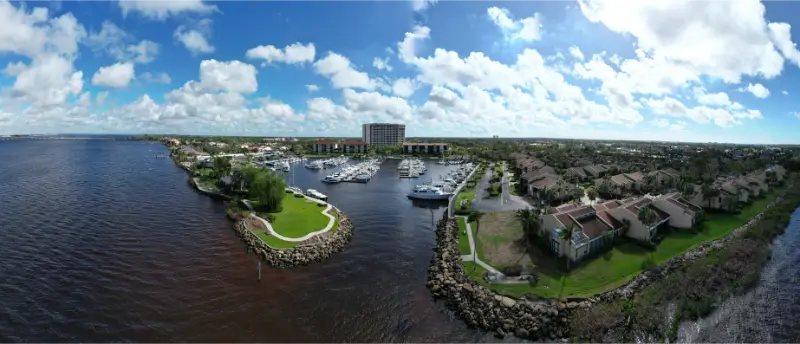
    Orlando Theme Park Resort Aerial View

    At a glance: practical comparison

    DecisionOption or featureWhat to check
    Lodging strengthLarge vacation homes and shared spaceHotels and services near the resort
    TransportCar often essentialHotel-dependent buses or car
    Best forLarger groups staying a full weekShort, park-centered stays
    Extra fees to inspectCleaning and pool heatingParking, resort charges, shuttle

    Families with preschoolers and strollers

    A toddler can turn a park-focused holiday into a cycle of naps, snacks, sunscreen and early returns. Kissimmee gives families a spacious retreat when the rental is equipped with a safe sleep space, kitchen and separate bedrooms. But a long car journey for every midday break may be tiring. A reliable hotel near Disney may make it easier for one adult to return with the youngest child while others stay in the park, provided the transport schedule supports that plan. Assess the stroller’s folded size, child-restraint requirements for vehicles and whether the property has elevators or ground-floor access. Also check pool gates and balcony locks; never assume holiday accommodation has the same childproofing as home.

    Teenagers, couples and multi-generational groups

    Teenagers may appreciate a Kissimmee rental’s separate rooms, pool and relaxed evening schedule, especially on rest days. Couples on a brief Disney-centered break may prefer the simplicity of a well-connected Lake Buena Vista hotel. When grandparents join the party, consider the route between parking, bedroom, bathroom, pool and breakfast rather than assuming a larger rental is automatically more comfortable. A two-story house may contain most bedrooms upstairs; a hotel could have elevators but a long corridor and considerable walking. Ask for an accessible room if needed and confirm exact features. Some mixed-age groups benefit from two adjoining hotel rooms; others will prefer a single home where people can eat and rest together.

    Will you also visit Universal or SeaWorld?

    The answer affects where to sleep. Walt Disney World occupies a broad area southwest of central Orlando, while Universal Orlando and SeaWorld are in separate entertainment corridors. If half the week involves non-Disney attractions, a Lake Buena Vista hotel may not save as much travel time as you expect. Likewise, a Kissimmee rental positioned near Disney’s southwestern edge can create longer cross-town drives to Universal. Plot each intended destination and mark the number of visits rather than judging the hotel by one famous park. Families planning multiple Universal days may be better served by a different base altogether. The goal is not to be ‘central’ on a map, but to minimize repeated, unpleasant transfers.

    Arriving at Orlando International Airport

    Orlando International Airport (MCO) is a common gateway for either area. Rental cars are practical for many Kissimmee stays, though queues, toll programs, seat rentals and additional-driver fees belong in the budget. For a hotel-based Lake Buena Vista stay, a private transfer or rideshare may be an alternative, but prices depend on passenger count, luggage and arrival time. Confirm child seats directly with a transport provider if necessary; do not assume they will be supplied. Orlando Sanford International Airport is a different airport considerably farther from many Disney-area properties and should be evaluated separately. If arriving after a long international flight, a short first evening and easy meal may be preferable to buying park tickets for arrival day.

    How to spend a seven-night vacation

    A sensible first day involves airport arrival, settling in and groceries or a simple dinner. Spread three or four substantial park days across the stay, inserting at least one recovery morning after a late night. A Kissimmee family might use the rental pool or a carefully selected local attraction on a rest day. A Lake Buena Vista visitor might have a slow breakfast, explore the hotel’s amenities or visit a nearby dining area without another long drive. Reserve one flexible day for weather, fatigue or a favorite park you want to revisit. Avoid assuming everyone must do a ride-heavy itinerary for seven consecutive days. Building a comfortable routine is more valuable than filling every hour with attractions.

    Accessibility and mobility planning

    For wheelchair users, the critical details include the bathroom layout, bed height, step-free entrance, parking and the transport vehicle actually used to reach parks. Some rental homes advertise an accessible entrance but still have narrow internal doors or high bathtub sides. Some hotel shuttles are accessible, but not necessarily every departure; request written confirmation from the operator. Travelers using a scooter should check whether it can be secured on the shuttle and whether a vehicle reservation is required. When choosing accommodation, inspect accessibility photographs and ask targeted questions rather than relying on a listing’s general description. A property five miles closer to the park offers little benefit if transfers are unreliable or exhausting.

    Weather, busy seasons and booking flexibility

    Orlando’s summer brings heat, humidity, thunderstorms and heavy afternoon rain, while school holidays and major events can affect availability in any season. High-demand weeks make booking popular rental communities or convenient hotel rooms in advance sensible, but refund policies matter too. Hurricane season lasts from June through November, and a travel plan should have room for changed flights or closed facilities. A rental contract may have different cancellation or storm provisions from a large hotel; read the actual terms rather than assuming travel insurance covers everything. Build in an indoor alternative and avoid scheduling your entire vacation around a single day with no flexibility. Check current Disney park reservations and tickets on the official site before purchase.

    Final decision: room to spread out or less transport work?

    Choose Kissimmee if your group needs multiple bedrooms, shared living space, a kitchen and a pool, and if you are comfortable using a car. Choose a carefully researched Lake Buena Vista hotel if your priority is a shorter, more predictable park-focused routine with front-desk support and transport that works for your schedule. Some addresses in either location will be poor choices; the hotel name or ZIP code is not a guarantee. Compare the full bill, identify the exact park transfers and ask how easy it is to return midday. A family-friendly holiday is built around energy and convenience, not simply the cheapest advertised rate.

    Frequently asked questions

    Is every Lake Buena Vista hotel inside Disney World?

    No. Some are independent and have their own shuttle timetables, charges and eligibility rules.

    Are Kissimmee vacation homes always cheaper than hotels?

    No. Cleaning, pool heating, taxes, vehicle rental and other charges can change the comparison substantially.

    Can I reach every Orlando theme park on a single hotel shuttle?

    Not necessarily. Confirm the exact destination, timetable, accessibility and any advance-reservation requirements.

  • Everglades Shark Valley vs Flamingo: Which Entrance Should You Choose for Your First Visit?

    Everglades Shark Valley vs Flamingo: Which Entrance Should You Choose for Your First Visit?

    Shark Valley and Flamingo are both part of Everglades National Park, but they are far from interchangeable stops. Shark Valley is reached from the Tamiami Trail west of Miami, where visitors can experience a broad freshwater landscape by tram, bicycle, or a long paved loop. Flamingo lies at the end of the park road reached through the Homestead entrance, where coastal wetlands meet Florida Bay. Choosing between them is an important trip-planning decision: there is no quick internal road connecting the two visitor centers, and a first-time visitor who treats them as neighboring attractions can lose much of the day driving.

    Where they are and why geography matters

    Shark Valley is on U.S. 41, the Tamiami Trail. The National Park Service gives its visitor center address as 36000 SW 8th Street, Miami, FL 33194. This is a practical location for travelers coming from the Miami side or crossing the peninsula between southeast and southwest Florida. Access is via a road that is not connected directly to the main Homestead entrance road inside the park. Before leaving, confirm any temporary road or facility alerts and account for congestion on the approach.

    Flamingo is reached through Everglades National Park’s southern roadway, generally entered near Homestead through the Ernest F. Coe area. The drive itself is part of the experience, passing different habitats and potential short stops. Flamingo is a true destination rather than a quick branch from Shark Valley. If staying near Miami, driving there and back already occupies a meaningful part of the day, particularly with photo stops. Families with young children need restroom and food plans because services become more limited as the route continues toward Florida Bay.

    Shark Valley: a concentrated Everglades experience

    Shark Valley is best known for its fifteen-mile loop and observation tower. Visitors can experience it by tram when operating, by bicycle, or on foot, though walking the entire loop would be demanding for most casual tourists. The beauty of the area is the open marsh landscape and the chance to learn about the freshwater Everglades. The actual wildlife sightings are unpredictable, and an alligator is not an attraction that can be scheduled. Visitors should keep a safe distance from animals and respect all marked areas.

    Sunset over Everglades National Park Landscape

    A tram can be attractive to groups with young children, grandparents, or anyone who prefers not to cycle a long route, but accessibility, booking arrangements, and operating schedules need direct confirmation. The tram is a separate concession service and does not simply come included in park admission. On a busy day, securing the desired departure may shape the entire visit. Think about the time needed to park, use facilities, take the tram, and return rather than assigning Shark Valley an arbitrary one-hour stop.

    Flamingo: the Everglades' coastal edge

    Flamingo offers a different sense of place at the southern end of the main park road. The landscape around Florida Bay, coastal birds, mangroves, and the transition between freshwater and saltwater environments are major attractions. A visit might involve viewing the bay, learning at the visitor center, taking a ranger or concession activity if available, and enjoying short scenic stops along the drive. Water levels, wind, and seasonal conditions can greatly affect what visitors see and which activities are practical.

    It is not necessary to kayak or book a boat tour to appreciate Flamingo, although water-based experiences can be a major draw for suitably prepared travelers. Families with toddlers or travelers reluctant to board a boat can still enjoy scenic viewpoints and shorter walks subject to current facility conditions. Check which visitor-center services and concessions are operating. Do not assume food, fuel, and equipment are available at all hours simply because older travel guides list them. Pack water and basic supplies before leaving Homestead.

    What kind of wildlife might you see?

    At Shark Valley, visitors often hope to see alligators and wading birds in marsh habitats. Sightings depend on season, weather, water conditions, time of day, and animal behavior. There is no ethical reason to move closer to an alligator for a photograph or block its movement. Never feed animals. If an animal appears near a trail, give it space and follow ranger directions. People unfamiliar with Florida wildlife should read the park’s advice before arrival so curiosity does not create danger.

    Flamingo can offer a broader coastal and estuarine dimension, with interest in birds, mangrove ecosystems, and occasionally wildlife associated with Florida Bay. Manatee sightings cannot be guaranteed, and seeing one should never involve approaching or disturbing it. Bring binoculars, protect equipment from sun and rain, and give yourself quiet observation time. If a family member wants wildlife but cannot walk far, choose a suitable viewing area rather than attempting a trail beyond their ability. An enjoyable sighting often comes from patient observation, not distance traveled.

    Choosing the right experience for children

    Shark Valley can work particularly well for a child who likes a clear beginning, middle, and end to the day’s main activity. A tram journey can become the centerpiece, followed by a short educational stop and lunch elsewhere. For toddlers, confirm stroller and child seating arrangements before buying tickets. Young children should remain supervised closely near wildlife and open water. A child who is tired, hungry, or overheated will not enjoy a long outdoor experience no matter how spectacular the marsh looks to adults.

    Flamingo may suit older children who are curious about how rivers, wetlands, and bays connect and who tolerate a longer road day. Build several modest stops into the main drive rather than asking children to sit for hours without a purpose. Pack snacks and make restroom stops strategically. If the child is interested in boats, check age limits and life-jacket requirements on the actual tour. A family’s safest choice may be a viewing-focused itinerary rather than an adventure activity that requires more skill or endurance than the group possesses.

    At a glance: useful differences

    QuestionOption AOption B / consideration
    Main experienceShark Valley: tram and loop viewsFlamingo: coastal Everglades and marina
    Travel corridorTamiami Trail/US 41Southern park road from Homestead
    No car?Return transport must be arrangedVery limited/absent public transport
    Time neededHalf- to full-day depending on activityAllow long access drive and return

    Senior travelers and mobility needs

    Shark Valley has the potential advantage of a guided tram experience, which reduces the need to complete the whole loop on foot. However, a mobility device user must verify current tram accessibility, the loading procedure, and whether advance arrangements are required. The area can be hot and exposed; shade, seating, restrooms, and water are important considerations. If riding the tram is not practical for a specific traveler, a shorter visit near the entrance may still be worthwhile, but it should not be presented as equivalent to reaching the observation tower.

    At Flamingo, longer driving distances may be physically tiring even though much of the day can be organized around shorter stops. A traveler with a walker might prefer the comfort of an air-conditioned car between viewpoints, while another may find continuous road travel difficult. Request current information about accessible paths, restrooms, visitor-center entrances, and boat tours. A visible accessible symbol on a brochure does not guarantee a route is suitable for every individual. Choose one or two manageable goals and preserve time for rest.

    Weather, insects, and the two main seasons

    The Everglades generally distinguish a wet season and a dry season. The park describes the wet season broadly from April through October and the dry season from November through March. During wetter months, heat, afternoon storms, insects, and high water can affect comfort and wildlife visibility. In the dry season, some wildlife may be more concentrated around remaining water, although conditions change from year to year. Do not promise easy sightings or a mosquito-free visit based solely on a month of travel.

    For either entrance, wear practical clothing, bring water, use appropriate insect protection, and monitor lightning risks. Coastal Flamingo may have windy conditions distinct from Shark Valley’s interior marsh. A forecast for downtown Miami is not a full description of the park. If severe weather approaches, leave exposed viewpoints, boardwalks, or open-water activities as directed by staff. Hurricane season may also affect facilities and roads, even after a storm has passed. Always consult the park’s current alerts before a long drive.

    Entrance fees and optional activity costs

    Everglades National Park admission and the prices of concession-operated activities are different expenses. A tram ticket at Shark Valley, a bike rental, or an authorized boat experience near Flamingo can add significantly to the cost. If you hold a federal pass, check what it covers and how it applies to your group; it should not be assumed to include optional tours. International travelers in 2026 should also verify nonresident pricing rules rather than using resident fee examples from older articles.

    Build a straightforward budget with admission, tour costs, parking or transportation, fuel, meals, and a reserve for changeable conditions. A self-directed visit may be affordable compared with a premium excursion, but it provides a different experience. For a family with four or five people, the cost of a tram or water tour can become a large line item. Choose the activity that best serves the group’s interests and abilities instead of booking every option because it appears on a checklist.

    A practical Shark Valley half-day

    Reach the entrance with time to park, read the latest posted information, and use the visitor-center facilities. If a tram is the main event, reserve or confirm the departure and allow generous time around it. Afterward, enjoy a short area near the visitor center or take in educational material rather than immediately driving away. This is enough for many first-time visitors. Those choosing to bicycle must be prepared for distance, sun exposure, other users, and the possibility of changing conditions.

    For a Miami-based visitor, a Shark Valley outing can fit with a separate stop on U.S. 41, but avoid assuming that a nearby commercial airboat tour is part of the national park. Private operators and National Park Service experiences have different rules, fees, and conservation messages. Pick any add-on deliberately and verify its safety standards. If children are tired after the loop, go back to the hotel instead of insisting on a second major activity; the wetland experience itself can justify the trip.

    A practical Flamingo full-day

    Leave Homestead with sufficient fuel, water, and an understanding of the park road. Stop at the visitor center near the entrance if open and gather any current information about trails or concessions. Select one short nature trail or viewpoint en route, then continue toward Flamingo without making every roadside stop obligatory. At the southern end, devote time to Florida Bay views, a visitor-center experience, or a booked activity. Build enough daylight into the return drive to avoid rushing through unfamiliar wildlife country after dark.

    If a family wants to include a boat outing, reserve it early and check cancellation or weather policies. Guests who do not want a boat can still have a meaningful day by focusing on interpretation, photography, and accessible viewpoints. The route is especially rewarding for people interested in ecological transitions. Children can look for differences between inland sawgrass habitats and coastal mangrove environments, while adults can enjoy the sense of traveling through a landscape that changes gradually rather than a series of unrelated attractions.

    Can you do Shark Valley and Flamingo together?

    They are part of the same national park, but their road approaches are distinct. Trying to visit both in a single day is generally a poor plan for a relaxed family vacation, particularly if you want a tram at one location and a boat activity at the other. A committed traveler could spend a long day mostly driving, yet would sacrifice the patient observation that makes both sites special. Instead, assign separate days when the schedule allows, or choose the location that matches your group’s interests.

    Consider the rest of your Florida itinerary. Travelers driving between Miami and Naples along U.S. 41 may find Shark Valley geographically convenient. Those based near Homestead or combining southern Everglades habitats with the Keys approach may find Flamingo a stronger fit. Do not confuse Flamingo with the Gulf Coast entrance near Everglades City, which is another separate area. Checking the actual park map before departure prevents an avoidable detour and makes the day easier for everyone.

    Final recommendation

    Choose Shark Valley for a relatively concentrated freshwater Everglades experience centered on the loop, observation tower, and possible tram. Choose Flamingo for a more extensive park-road journey to coastal habitats and Florida Bay, with options for scenic stops and water-based activities. For first-time visitors with younger children or limited time, Shark Valley often feels easier to plan; for travelers excited by the park’s geographical range, Flamingo can be more rewarding. In either case, park alerts, current concessions, and your group’s comfort should decide the day—not a promise of specific wildlife sightings.

    Frequently asked questions

    Can I drive directly from Shark Valley to Flamingo inside the park?

    No. They are reached from different road approaches. Plan the travel route outside the park’s visitor areas and allow substantial time if visiting both.

    Is Shark Valley's tram included with national park admission?

    No. It is a separate concession activity. Check current fares, accessibility arrangements, and departure times with the operator.

    Is Flamingo worth visiting without a boat tour?

    Yes, for people interested in coastal scenery, the park-road habitat changes, and visitor-center interpretation. Confirm current facilities and avoid treating wildlife sightings as guaranteed.

    Official sources and trip planning

  • Florida’s Atlantic Coast Without Swimming: Five Days from St. Augustine to Daytona Beach

    Florida’s Atlantic Coast Without Swimming: Five Days from St. Augustine to Daytona Beach

    An oceanfront vacation does not have to revolve around getting into the water. Some visitors cannot swim; some simply dislike waves, jellyfish, saltwater or the feeling of sand sticking to wet clothes. A family with a baby may be happiest watching the surf from a protected boardwalk, while a couple visiting in winter may find the Atlantic too cool for swimming. The coast between St. Augustine and Daytona Beach provides historic sites, quiet overlooks, marine education and cafés close enough together to create a rewarding five-day trip without one planned swim.

    This route is particularly useful for travelers who enjoy coastal scenery but prefer their feet dry. It combines St. Augustine, Anastasia Island, Flagler Beach, Ormond Beach and Daytona Beach, with a car recommended for moving between towns. The schedule is deliberately lighter than a typical beach checklist. You will still need sun protection and weather awareness, even if nobody enters the ocean. At every beach, respect tide lines, restricted nesting areas and local warning signs.

    Start with lodging that makes the ocean optional

    A beachfront hotel sounds convenient, but a rental car, parking fees and restaurant choices can make an inland base more practical. In St. Augustine, staying near the historic center gives easy access to museums and restaurants, while accommodations on Anastasia Island may reduce the effort of reaching the shore. For the southern half, consider Ormond Beach or Daytona Beach depending on the room layout and activities. With a five-day trip, two bases can minimize unnecessary driving; staying in one place is possible but adds repeated coastal transfers.

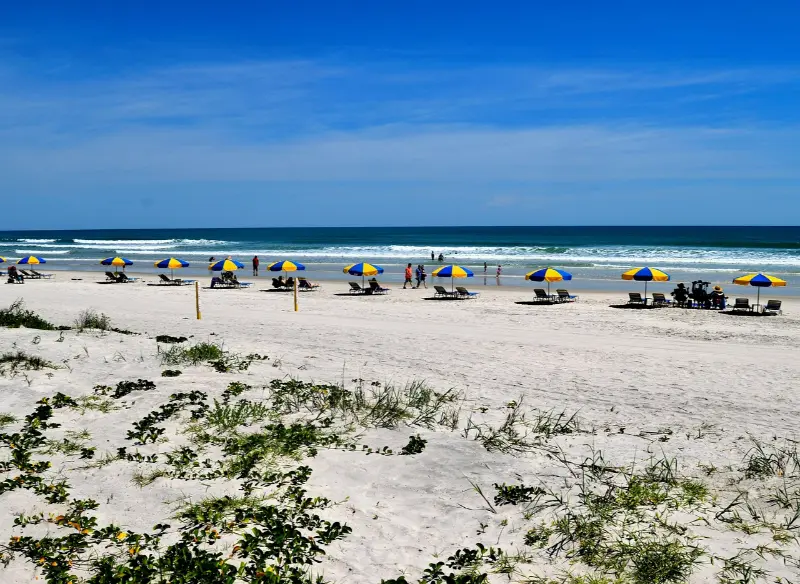
    Daytona Beach White Sand and Blue Ocean

    For people with limited mobility, ask about accessible entrances, elevators, the route to breakfast, and whether the promised ‘ocean view’ is usable from a seated position. A balcony may have a threshold or obstructed railing. Families with children should prioritize safe sleeping space and reasonable drives. Compare parking and resort fees in the full quote, not just nightly room rates. You are paying for a coastal setting, not for an obligation to swim.

    Day one: St. Augustine’s historic waterfront

    Begin with the bayfront and a single historic attraction rather than racing across town. Castillo de San Marcos National Monument is an excellent lesson in coastal defense and the city’s long history. Its stone walls and waterfront position are memorable even for guests who remain on the lower level; the National Park Service notes that the gun deck requires stairs while the lower level is wheelchair accessible. Consult current operating hours and accessible-route details before arrival.

    Afterward, choose a café or short guided activity close to the historic core. St. Augustine’s sidewalks can be crowded and uneven, so do not assume a child stroller or mobility scooter will roll effortlessly along every street. If the afternoon is hot, enjoy a quieter museum visit or return to the hotel. The point of this first day is to appreciate the Atlantic environment—sea breeze, historic fortifications, harbor traffic—without scheduling an exhausting walk.

    Day two: Anastasia State Park from dry land

    Anastasia State Park offers dunes, natural habitats and beach access near St. Augustine. A visit can work entirely on dry land: take photographs from approved walkways, picnic in a designated area and spend time observing shorebirds without pursuing them. The park lists accessible beach features, including elevated boardwalks, Mobi-Mat and beach wheelchairs; their availability may change, so confirm if a specific amenity is essential. Beach wheelchair access does not make surf conditions suitable for swimming.

    For families with a toddler, shade and restroom access are more important than the length of the beach. Choose a short outing around the cooler morning, and plan lunch off the beach before children become tired. Avoid walking across dunes or disturbing vegetation, even if doing so appears to offer a better view. A visitor who cannot walk on loose sand should not feel excluded: enjoying the water from a constructed access point is a valid beach experience.

    Day three: Flagler Beach and scenic A1A

    Drive south along the coast with time for small stops rather than treating A1A as a motorway. Flagler Beach has a different atmosphere from the larger resorts: lower-rise streets in parts of town, local restaurants and long ocean views. The pier area has experienced reconstruction and access changes, so check current municipal updates rather than assuming old photos reflect present conditions. A bench, accessible overlook or café terrace can supply the sense of being at the beach without requiring a barefoot walk.

    Take a short detour for a park or nature area if weather and mobility allow. Bring binoculars for shorebirds and look from appropriate distances. If strong wind blows sand across the road, reduce the length of outdoor stops. Travelers seeking a quiet day should skip attempting every public beach access. One comfortable stop with a good view is often much better than three difficult parking searches.

    Day four: Ormond Beach and coastal history

    Ormond Beach offers a softer change of pace after Flagler. Plan a manageable waterfront or park visit, then choose a museum, gallery or historic site whose opening day matches your schedule. Some attractions have limited weekday hours and paid admission; verify directly. The nearby Halifax River adds another waterfront scene that is not oceanfront, which can be appealing on windy days. A sunset or late-afternoon river view can substitute for any beach activity without making the day feel empty.

    If the group includes adults who tire easily, schedule lunch and a comfortable hotel break between outings. Kids can enjoy spotting boats and birds from a supervised viewpoint, but keep them away from unprotected waterfront edges. For a rainy day, have one indoor museum or family activity chosen in advance; thunderstorms should never be treated as a reason to remain under a beach shelter and wait for better light.

    Day five: Daytona without the waves

    Daytona Beach is best known for driving and racing history as well as a busy shore. For visitors not interested in swimming, the speedway experience or a local museum can anchor the day, with an optional short oceanfront stop. Daytona International Speedway tours and availability vary around events; book based on official information rather than assuming that the entire facility can be toured on any date. For children who like vehicles, this is a vivid alternative to another afternoon digging in sand.

    Daytona Beach Oceanfront Observation Wheel

    Keep the departure day lighter if you have an onward flight. The coastal roads and town traffic can become congested during major events, racing weekends and spring-break periods. Avoid planning both a distant attraction and a same-day airport departure with no buffer. Whether you end in Daytona or drive back to St. Augustine, give yourself enough time for meals, fuel and the return of the rental car.

    Activities that replace swimming instead of imitating it

    A good non-swimming coast trip is not just a list of beaches where guests refuse to enter the water. It focuses on things the ocean creates: lighthouses and defensive forts, bird habitats, estuaries, seafood traditions and different styles of coastal town. Guided history tours, visitor centers, short boardwalks, cafés with water views and wildlife-watching stops can create a real sense of place. They also provide variety for people who dislike intense outdoor exercise.

    Do not assume a boat tour is a universally good alternative. Someone who avoids swimming because of motion sickness or a fear of open water may not enjoy a cruise. Ask each person what kind of contact with the sea feels comfortable. A sheltered garden, museum or riverfront promenade may be the best fit. Ocean views can be enjoyed without purchasing equipment, renting a boat or collecting a large number of attractions.

    A comfortable pace for children and older travelers

    With a baby, fit the main outing between feeding and sleep rather than scheduling around a perfect sunset. School-age children often do well when a historic site is paired with a snack or hands-on museum. Teenagers may enjoy selecting the day’s café, photographing a boardwalk or visiting motorsports attractions. Older travelers may prefer a seated viewpoint and a half-day excursion. There is no reason every member of a mixed-age party must follow the same steps on the same day.

    For someone using a wheelchair or walker, verify the exact accessible route at each park, not just the presence of designated parking. A beach access ramp can end before loose sand; a restaurant may have an accessible door on another side. Distances on a map can be misleading during hot weather. Choose shorter routes with benches and usable restrooms where possible.

    Food, parking and budgeting

    Budget for at least one historic attraction, one museum or speedway activity, fuel, parking and dining, while leaving room for free scenic stops. Public beaches and parks can charge vehicle fees or have limited spaces. Dining near a scenic waterfront often costs more than casual meals a few blocks inland. A family can keep costs predictable by choosing one paid experience per day and eating some breakfasts at the hotel.

    Check event calendars, especially around Daytona. Busy weekends change hotel prices and traffic patterns significantly. If traveling in February or during spring vacation weeks, reserve refundable accommodation ahead of time. A short walk and a takeout lunch can be just as pleasant as a full-service waterfront restaurant when parking is difficult or children need a break.

    Weather and shoreline safety for non-swimmers

    Even dry-land visitors need beach safety habits. Waves can surge onto rocks or walkways, and thunderstorms can arrive quickly. Avoid standing near the waterline for photographs when high surf is present. Follow beach erosion closures and stay away from damaged boardwalks. Sea turtle nesting areas and protected dunes require extra respect. No photograph is worth crossing barriers or disturbing animals.

    A winter visit can include chilly wind, while summer often brings high humidity and afternoon lightning. Dress in layers when needed and carry drinking water. If a storm approaches, retreat to a substantial building or enclosed vehicle and wait until conditions are safe. Do not assume the beach shelter itself provides lightning protection. These simple choices make a shore-centered vacation enjoyable even without swimming.

    Five-day summary

    Day Base or location Focus without swimming Backup
    1 St. Augustine Bayfront history and Castillo Indoor museum or café
    2 Anastasia Island Park overlooks and beach views Shaded picnic and visitor information
    3 Flagler Beach Scenic A1A and quiet shore stops Town dining and galleries
    4 Ormond Beach Halifax River and local history Museum visit
    5 Daytona Beach Speedway or museum and a final view Direct departure

    Frequently asked questions

    Can I enjoy Florida’s Atlantic coast if I cannot swim?

    Absolutely. Historic forts, scenic overlooks, nature centers, galleries, waterfront restaurants and motorsports attractions offer many reasons to visit. Choose accessible dry-land activities that fit the group’s interests.

    Are Florida beaches safe to approach when swimming is prohibited?

    Not automatically. Closures, large waves and storm conditions can affect the shoreline and boardwalks. Follow signs and local instructions and remain in permitted areas.

    Should I book one hotel or two for this route?

    Two bases usually shorten drives, but a single base is possible if your group values unpacking only once. Balance the extra driving against moving luggage and the specific activities you have selected.

    Official travel references

  • Cape Coral and Fort Myers in Five Days: Riverfront, History and Gulf Coast Nature

    Cape Coral and Fort Myers in Five Days: Riverfront, History and Gulf Coast Nature

    Cape Coral and Fort Myers sit on opposite sides of the Caloosahatchee River, close enough to share a vacation but different enough that your choice of hotel changes how the week feels. Cape Coral is known for residential canals and spread-out neighborhoods. Fort Myers offers more obvious historic and cultural stops, while the beaches on the barrier islands are a separate excursion rather than something you can reach simply by stepping outside a downtown hotel. This five-day plan explains how to use the region without pretending it is one continuous walkable resort.

    It suits couples, families with school-age children and older travelers who want a mix of local history, river views, nature and time near the water. It is less useful for people who want a hotel directly on a wide oceanfront beach every day. A rental car makes the itinerary much easier, and the condition of individual beaches, boardwalks and businesses should be verified after severe weather events.

    Where to stay: Cape Coral or Fort Myers?

    Choose For Main compromise
    Downtown Fort Myers Restaurants, historic streets and riverfront evenings Drive to Gulf beaches
    Cape Coral House rentals, kitchen space and relaxed residential pace Most errands require a car
    Fort Myers beach corridor Beach-focused stays when properties and access are open Traffic, parking and possible rebuilding
    Near airport and major highways Easy late arrival or early departure Less neighborhood character

    Cape Coral accommodations often appeal to multigenerational groups looking for two or three bedrooms. Check the total rental cost, pool safety, cancellation terms and whether a waterfront dock is private and secured. A canal view is not a swimming invitation. In Fort Myers, choosing a downtown hotel lets you enjoy some meals without driving, but ask about parking charges, noise from nightlife and the walking distance to the waterfront.

    Do not book an ‘island beach hotel’ merely because the listing says Fort Myers. Fort Myers, Fort Myers Beach, Sanibel and Captiva are distinct areas with different roads and travel times. Confirm the exact address and current facilities on a map.

    Fort Myers Florida Colorful Buildings and Palms

    Day 1: discover the riverfront and downtown Fort Myers

    Begin in the historic downtown and choose a few blocks rather than trying to tour the whole city before lunch. The streets near the river reveal an older Florida of civic buildings, shops and waterfront views. A café stop and a short stroll can provide a pleasant introduction while allowing time to locate parking and get comfortable with the region.

    For families, turn the walk into a small scavenger hunt: identify the river, find a historic façade and notice how the downtown differs from a newer shopping district. For adults, an architecture-oriented afternoon makes sense. Visitors with mobility needs should check street surfaces and parking locations in advance; an attractive historical district does not automatically have an entirely level route.

    Keep the first evening local. The sunset is enjoyable from a public riverfront area when conditions permit, but restaurants may be busy on weekends or during events. Confirm operating hours rather than relying on an old directory. After a long flight, choose a low-stress dinner instead of attempting a remote waterfront drive.

    Day 2: Edison and Ford history with a garden break

    The Edison and Ford Winter Estates are the area’s signature history attraction, bringing together preserved buildings, collections and gardens associated with the inventors’ winter residences. A visit helps explain why Fort Myers developed its reputation as a winter retreat. The attraction is not simply a house where you move from room to room: grounds, exhibits and tour options deserve time, especially if your family enjoys science or historical stories.

    Check the Estates’ official visitor information for current ticket types, guided activities and accessibility details. Parts of a historic property can have constraints that differ from the modern visitor facilities. If a member of your group has limited stamina, prioritize one tour plus a short garden visit instead of trying to cover every display.

    Lunch afterward can be unhurried. Leave the afternoon for a simple park or hotel pool rather than driving to Sanibel and back. The appeal of this five-day trip is having room to absorb experiences. Children may enjoy relating inventions and historical tools to devices they use today; encourage questions without promising a particular hands-on exhibit or demonstration.

    Day 3: Cape Coral's canals and protected nature

    Cape Coral’s extensive canal layout can make it feel very different from Fort Myers despite the short distance between them. Drive through a few residential areas only when you have a legitimate destination; there is no need to turn private neighborhoods into a sightseeing tour. Choose a public waterfront park, a local restaurant or a designated nature area, and respect residents’ driveways and dock access.

    Four Mile Cove Ecological Preserve is a commonly recommended mangrove-oriented escape, but trail conditions, storm repairs and seasonal closures must be checked through the city before you go. A boardwalk that looks easy in photographs may include damaged or inaccessible sections after storms. If it is not open, use a verified public park or an interpretive nature center rather than improvising entry through a closed gate.

    A family with young children may prefer a short nature outing, an afternoon snack and a playground. Adults who enjoy photography can watch for wading birds from public paths. Wildlife is most likely to be interesting when people remain quiet, keep their distance and avoid feeding birds or fish. Ask a local outfit about an authorized guided experience only if you genuinely want to spend time on the water.

    Day 4: choose one barrier-island adventure

    A beach day is best approached as its own destination. Sanibel, Captiva and Fort Myers Beach should not be stacked into one hurried ‘three beaches by lunch’ circuit. Traffic, causeways, parking availability and weather can consume much of the day. First choose what matters: shelling, a broad beach with services, a pleasant coastal lunch or simply seeing the Gulf. Then verify the specific access point and its current conditions.

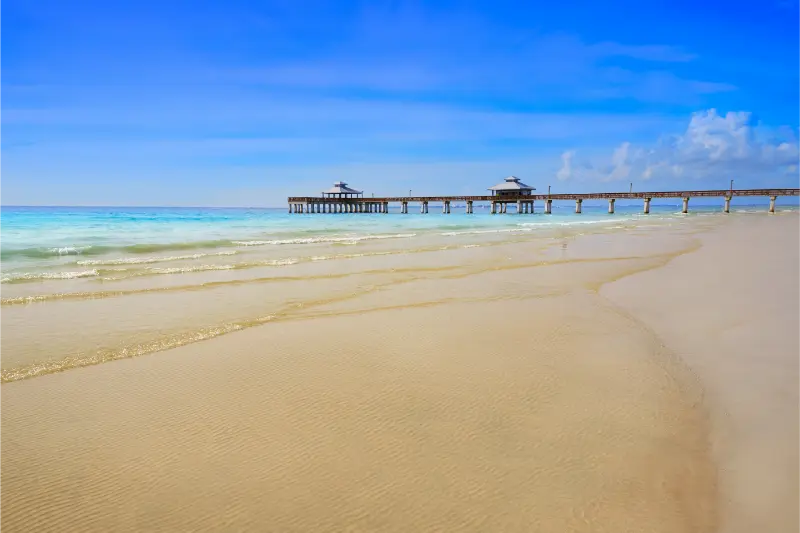
    Fort Myers Beach Pier Florida Wide Shoreline

    Sanibel is famous for shells, but collecting is not a reason to disturb live animals or enter sensitive habitat. Follow posted restrictions and leave living organisms where you found them. Swimming conditions depend on local flags, weather and water quality. The NOAA safe-swimming guidance is a helpful reminder to check conditions and choose a lifeguarded area when entering the water.

    If your family includes an infant or someone who struggles on soft sand, consider a shorter shoreline visit followed by an accessible indoor lunch. Ask the beach authority about mats, wheelchair arrangements and restrooms; these differ from one access point to another. The entire day should not depend on spending four hours under the sun. Cloud, wind and rain are sufficient reasons to change plans.

    Day 5: wetlands or a second city day before departure

    Six Mile Cypress Slough Preserve provides an opportunity to see southwest Florida’s freshwater landscape from a designated walking route. It is a very different experience from the seawater scenery of the Gulf. Before visiting, check county notices, the availability of parking and the condition of any boardwalk sections. Bring drinking water and plan a gentle pace. Even a short nature outing can feel long during a hot and humid afternoon.

    An alternative final day is to return to downtown Fort Myers for a museum, leisurely lunch or shops. People staying in Cape Coral may want to explore another neighborhood instead of crossing the river again. If your flight departs from Southwest Florida International Airport, set a departure buffer that includes bridge traffic, returning the rental car and checking luggage.

    Children may remember watching a bird along a quiet wetland trail more vividly than an expensive attraction. There is no obligation to purchase a ticket for every day of a Florida vacation. The best final day is often the one that leaves everyone fresh enough for the trip home.

    Choosing the right season

    Winter and early spring often provide pleasant conditions for long walks, but accommodation can be expensive and popular public spaces are busy. Summer is humid and storm-prone, so start outdoor days early and reserve an indoor afternoon option. Autumn may bring quieter periods but falls within Atlantic hurricane season; check forecasts, travel insurance and cancellation policies. The same beach access can feel very different after a storm or during major reconstruction.

    Red tide, bacterial advisories and other coastal conditions can affect specific beaches. Use county beach updates and Florida’s official environmental monitoring rather than a single statewide statement that ‘the Gulf is clear.’ Visitors with respiratory sensitivities may need to avoid a beach during an active bloom. No itinerary should guarantee clear water, shells or a wildlife sighting on a particular day.

    Getting around without needless driving

    A car is the practical default for this region. Before selecting accommodation, open a map and enter the places you will actually visit: downtown Fort Myers, a Cape Coral park, the Estates, a nature preserve and one island access point. Compare travel times at plausible hours, not at midnight with empty roads. A hotel that costs slightly more but reduces repeated bridge crossings may save both time and parking costs.

    For travelers without a car, stay in a compact area and plan only a small number of outings with taxis or suitable rideshare. Public transport can serve certain corridors but will not make island exploration effortless. People traveling with a wheelchair or larger stroller should arrange an appropriate vehicle rather than assuming one will arrive quickly on demand.

    A realistic five-day spending plan

    List your accommodation, parking, car rental, bridge or road tolls if applicable, one paid history attraction, groceries, meals and a beach day. Add a contingency for severe weather or changes in access. Do not calculate budget using an advertised nightly rate that omits cleaning fees, service fees or taxes. A Cape Coral home with a kitchen may save money on family meals but can also come with higher cleaning charges and more driving.

    A couple staying downtown might choose restaurants and modest attractions, while a six-person family could split a larger rental house and prepare breakfast. There is no universally cheaper base. Compare the full five-day plan in dollars and hours of travel. Paying for a private boat ride is optional; public parks and interpretive spaces can provide excellent experiences at a lower cost.

    Practical considerations for multiple generations

    For young children, protect nap time and verify child safety seats. For grandparents, choose hotels with elevators, suitable bathrooms and nearby restaurants. For everyone, use insect repellent appropriate to the person, carry water and seek shade. Check that a rented house has safe pool barriers and that sliding doors can be secured. Never leave children unsupervised near canals, pools, rivers or the Gulf.

    If storms threaten, stay away from shorelines and flooded streets. Ask your property what happens if a tropical weather system disrupts the booking. When attractions close, swap the order of days rather than driving to a closed park. The region rewards visitors who plan one main activity per day and leave time for relaxed discovery.

    Frequently asked questions

    Is Cape Coral on the beach?

    Cape Coral has extensive canals and waterfront settings but is not the same as staying directly on Sanibel or Fort Myers Beach. Reaching many Gulf beach access points requires driving.

    Can I visit Sanibel and Captiva in one day?

    You can, but a comfortable day usually focuses on one or two specific stops. Traffic and parking conditions should determine whether a second location is worthwhile.

    Is this trip possible without renting a car?

    A limited Fort Myers-centered vacation is possible with prearranged transfers, but most of the proposed nature and coastal trips are easier with a vehicle. Compare the true cost of rideshares before deciding.

  • Dunedin vs Tarpon Springs: Which Tampa Bay Town Makes the Better Vacation Base?

    Dunedin vs Tarpon Springs: Which Tampa Bay Town Makes the Better Vacation Base?

    Dunedin and Tarpon Springs offer two appealing alternatives to staying in the busiest parts of Tampa Bay. Both are on the northern Pinellas coast, both have distinctive downtown areas, and both give visitors an opportunity to mix small-town life with nature. Their personalities differ. Dunedin is strongly associated with the Pinellas Trail, craft-oriented downtown dining and trips toward Honeymoon Island. Tarpon Springs is celebrated for its Greek heritage, sponge docks and an old waterfront working-town character. Neither should be judged by a single photograph. A traveler choosing a base should compare lodging, how often they need a car, nearby outdoor experiences and the number of hours they want to spend in restaurants rather than on a beach.

    Where the two towns sit

    The towns lie relatively close together north of Clearwater, but they are not interchangeable neighborhoods. Dunedin’s downtown is inland from the island beaches; Honeymoon Island requires a separate journey over the Dunedin Causeway. Tarpon Springs has a historic downtown and a separate sponge-dock district to the north, so even a room ‘in Tarpon Springs’ may require a drive between the two. Fred Howard Park provides a local Gulf-facing option reached along a causeway, but it is not the same as staying on an expansive resort beach. For either town, start with the accommodation’s actual street address and calculate the journey to the particular waterfront you plan to visit. Do not mistake a coastal ZIP code for doorstep beach access.

    Why visitors enjoy Dunedin

    Dunedin is an approachable choice for people who like independent cafes, galleries, breweries, lively but not overwhelming evenings and short rides on a multipurpose trail. Around Main Street you can plan a morning walk with a coffee stop, then return later for dinner without organizing a complicated sightseeing transfer. The Pinellas Trail passes near central areas, creating a useful outdoor activity for many cyclists and walkers. Dunedin also works as a gateway to Honeymoon Island State Park; a visit there is a separate outing with state-park entry rules and changing conditions. Dunedin’s drawback is that the downtown is not a beach resort. Hotel photographs showing a marina or sunset do not necessarily imply direct sand access.

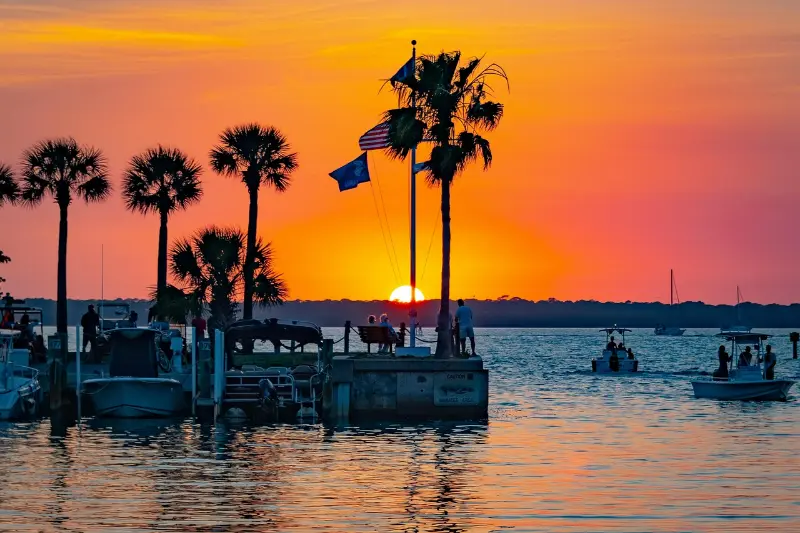
    Dunedin Florida Palm Trees at Sunset

    Why Tarpon Springs deserves a longer stay

    Tarpon Springs is best approached as a cultural destination, not merely a quick lunch stop at the sponge docks. Its Greek-American history is visible in restaurants, bakeries, shops and the waterfront streets where sponge harvesting shaped local life. Visitors can explore the district on foot, choose a Greek meal and look for cultural exhibits or events, verifying current openings. Downtown Tarpon Springs has a different atmosphere from the dock area and offers its own independent shops and architecture. A visit to Fred Howard Park or nearby coastal viewpoints provides an outdoor counterpoint. The most common mistake is to schedule only forty minutes at the docks, then conclude that there is nothing else to do. A relaxed stay makes room for the town’s layers of history.

    Is either town truly walkable?

    Walkability depends on the address and the destination. A downtown Dunedin room can make breakfast, dinner and some cultural stops accessible on foot, but reaching Honeymoon Island usually requires driving, cycling or a specifically verified transport service. In Tarpon Springs, the historic downtown and sponge docks are distinct areas; even when both have pedestrian-friendly streets, the route between them may be too long or uncomfortable for some visitors. Evaluate sidewalks, crossings and afternoon heat, especially if someone uses a stroller or walker. Pinellas transit services can be helpful on selected corridors, but route patterns and weekend service should be checked for the exact dates. Avoid building an entire week around an assumed trolley connection without confirming it.

    Beaches and shoreline expectations

    Honeymoon Island State Park is one of Dunedin’s best-known nearby natural escapes. Its coastal environment supports birdwatching, beach walks and time by the Gulf, but the exact beach areas available can change after storms or during park works. The causeway itself also attracts people who enjoy views and water activities. Tarpon Springs is convenient for Fred Howard Park, whose causeway leads toward Gulf views and beach facilities managed by Pinellas County. Neither setting guarantees gentle swimming. Check posted alerts, current beach conditions and where lifeguards are operating. Visitors who need a wide serviced resort beach every day might prefer staying on Clearwater Beach or another barrier island, using Dunedin or Tarpon Springs as day trips instead.

    Cycling and outdoor time

    Dunedin generally has an advantage for travelers who want to make cycling part of a daily routine. The Pinellas Trail provides a dedicated corridor through many urban and suburban areas, although users must still obey signals and be careful at road crossings. Rent a bike only after checking the shop’s age requirements, helmet options, return time and whether children’s sizes or adaptive bikes are available. Tarpon Springs can also be approached using the trail network, making a one-way ride between towns attractive to confident cyclists. Do not describe the entire route as isolated from traffic: intersections and surface conditions still require attention. In hot weather, morning riding with plenty of water is preferable to a long afternoon effort.

    Food and local atmosphere

    Dunedin encourages casual browsing and choosing a restaurant after a day of cycling or exploring. Its food scene includes many kinds of casual American and international dining, and weekend evenings may be busy. Tarpon Springs offers something more specific: Greek bakeries, seafood and traditions tied to the area’s sponge-diving heritage. Try a short menu of dishes you genuinely want to taste rather than booking every meal at the same waterfront strip. Food prices vary widely by venue, and a busy tourist-facing restaurant is not automatically the most representative. Travelers with allergies should ask staff directly about ingredients and preparation. If you need an early dinner with toddlers, verify opening hours and consider reservations on busy weekends.

    At a glance: practical comparison

    DecisionOption or featureWhat to check
    Distinctive attractionPinellas Trail and downtownGreek heritage and sponge docks
    Nearby natureHoneymoon IslandFred Howard Park
    Evening routineCafes and compact downtownWaterfront food and cultural strolls
    Need a car?Useful for island accessUseful between districts

    Couples, teenagers and family groups

    Couples who enjoy cycling, evening walks and a variety of cafes may lean toward Dunedin. Travelers interested in immigrant heritage, maritime history and a compact cultural outing may prefer Tarpon Springs. Teenagers may enjoy Dunedin’s trail-and-town combination or Tarpon’s distinctive waterfront shopping, depending on their interests; neither town offers the scale of central Orlando entertainment. For young children, choose one outdoor activity and one indoor or shaded stop rather than exhausting everyone with consecutive walks. Grandparents may appreciate an accessible cafe and an easy waterfront view more than a difficult beach entry. The family decision should be based on how your days work, not which town appears livelier in promotional photographs.

    Where to sleep in Dunedin

    For a weekend focused on restaurants and evening strolls, investigate lodging near downtown, checking whether sidewalks and crossings are manageable. A property near the waterfront may have attractive views but not necessarily a public beach. If your itinerary prioritizes Honeymoon Island, compare driving distance and park access rather than the distance from downtown. Hotels and inns sometimes have limited parking or rooms reached by stairs; ask before paying if you are traveling with several suitcases or mobility equipment. For families, a small kitchenette and laundry facilities may be more valuable than a decorative room. During popular event weekends, room noise and parking arrangements deserve special attention.

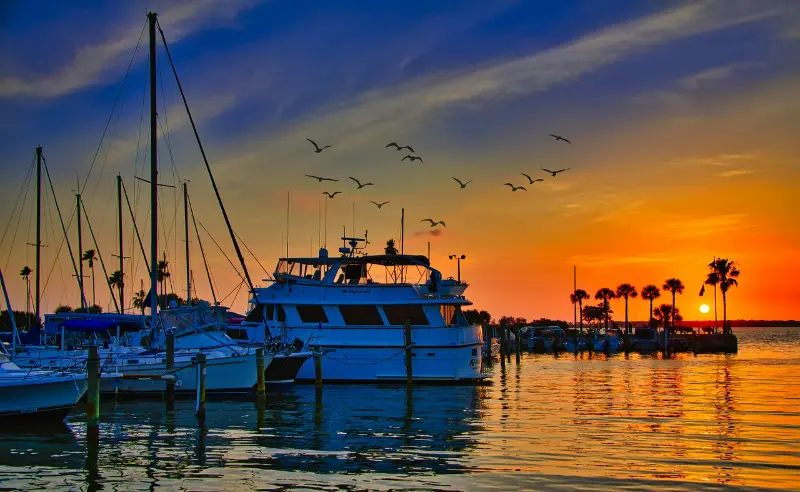
    Dunedin Harbor with Boats at Golden Sunset

    Where to sleep in Tarpon Springs

    Choosing accommodation around Tarpon Springs involves deciding which district you will visit most often. A place convenient to the historic downtown may not be walkable to the sponge docks, and a waterfront-focused room may be farther from a supermarket. Hotels along main roads offer practical access for day trips but can require a car for every meal. Evaluate guest parking, room access and whether there is a comfortable alternative when summer thunderstorms interrupt a planned walk. If staying with younger children, ask about quiet rooms and swimming-pool safety; if traveling with seniors, prioritize elevators, reliable air conditioning and a short route to breakfast. The strongest booking choice is the one aligned with your primary reason to visit.

    A two-day Dunedin plan

    Spend your first morning exploring downtown on foot, allowing time for an unplanned cafe or gallery rather than treating the town as a checklist. In the afternoon, consider a short Pinellas Trail ride or stroll, choosing a manageable section and a safe turnaround point. Have dinner downtown and enjoy a relaxed evening. On day two, leave early for Honeymoon Island State Park if the current park conditions favor your activity. Focus on one beach section, a wildlife walk or simply the views, then return for a shaded rest. This pace works for visitors who want variety without commuting across Tampa Bay each hour. Confirm state-park fees and access updates before setting out.

    A two-day Tarpon Springs plan

    Begin at the sponge docks, learn why sponge harvesting became central to the community and explore local shops without treating every display as a museum. Choose a Greek meal and spend time understanding the town’s cultural history. In the afternoon, visit downtown Tarpon Springs or a cultural attraction with confirmed opening hours. Reserve day two for Fred Howard Park if weather and local access allow, or use it as a flexible morning in town when the Gulf is windy. A short outing to another nearby community may be worthwhile, but avoid squeezing Dunedin, Clearwater and several beaches into one afternoon. The goal is to leave time for the activities that make Tarpon Springs different.

    Costs, parking and getting here

    Tampa International Airport is often a sensible gateway for northern Pinellas County, but price flights and ground transportation together. Rental-car rates, toll roads and traffic affect the true total. Parking rules differ between downtown streets, beaches and state or county parks. Ask the hotel whether parking is included, then budget separately for the outdoor destinations. A car makes wider travel easier, while travelers hoping to rely on public transport should check the latest Pinellas Suncoast Transit Authority routes and actual stop locations. Bike rentals can be cost-effective for a short recreational ride but are not automatically a safe substitute for car journeys carrying beach chairs, luggage or small children.

    Accessibility, weather and seasonality

    Florida’s heat and sudden storms are relevant even on an apparently easy downtown walk. Carry water, seek indoor breaks and avoid long exposed stretches in the middle of summer. Winter and spring can be comfortable for cultural browsing and riding, although tourism and event weekends may bring more crowds. Hurricane season runs from June through November, so coastal plans require flexible booking and attention to local alerts. Accessible-travel planning should cover curbs, restaurant entrances, restroom locations and parking at the actual site. Historic districts sometimes have uneven surfaces, while beach routes can cross sand or boardwalk steps. A successful trip may involve enjoying the waterfront without going onto the beach itself.

    Which town is a better fit?

    Choose Dunedin for a bike-friendly, restaurant-oriented weekend with easy access to a coastal state park. Choose Tarpon Springs for Greek-American heritage, sponge-dock culture and a working-waterfront atmosphere. For a traveler who wants to stay directly on a broad sandy beach, neither downtown alone necessarily fulfills the brief. Ask which activity will occupy most of your hours and look for lodging close to that activity. Check the final room price, transport arrangements and outdoor-site conditions before booking. Both towns can be rewarding without a packed itinerary; the better base is the place that makes your preferred slow day simple.

    Frequently asked questions

    Can I walk from downtown Dunedin to Honeymoon Island?

    Not comfortably for most visitors. Check the actual route and use suitable transport rather than treating downtown as a beachfront location.

    Are the Tarpon Springs sponge docks the same as historic downtown?

    No. They are distinct districts. Plan transport between them if you do not want a long walk.

    Which town works better without a car?

    A carefully chosen downtown Dunedin stay may suit a short town-focused visit, but access to beaches and wider outings still needs confirmation.

  • PortMiami vs Port Everglades: Which Florida Cruise Departure Is Easier?

    PortMiami vs Port Everglades: Which Florida Cruise Departure Is Easier?

    PortMiami and Port Everglades are two major cruise gateways in South Florida. Travelers sometimes treat them as interchangeable because both connect to Caribbean itineraries and the airports are in the same broad metropolitan region. They are not the same port, and a small booking mistake can lead to a costly transfer or even a missed sailing. Miami offers a downtown-and-bay setting; Port Everglades lies in the Fort Lauderdale area and is especially convenient for travelers flying into FLL. The practical choice depends first on ship and itinerary, then on flights, hotel location, embarkation timing, parking, and the needs of everyone in your party.

    Let the cruise ship and itinerary decide first

    The most important difference between two cruises is often the actual ship, sailing dates, cabin configuration, ports of call, and total price. Do not choose PortMiami or Port Everglades because one sounds easier without checking what you would give up. A ship from the less convenient port may have a better itinerary, more suitable accessible cabins, or a schedule that matches school holidays. On the other hand, two similar cruises from the different ports can present a meaningful opportunity to reduce ground travel or book a more comfortable pre-cruise stay.

    Check the departure location on the cruise line’s official confirmation rather than relying on an agency headline that says ‘Miami area.’ Port Everglades and PortMiami have different terminal arrangements, road entrances, and parking systems. Terminal assignments can be updated as ships or operational needs change. Save the exact port address and any updated terminal instructions, then check again during the week before sailing. The port choice is not a sightseeing preference; it is a transportation decision that must align with the ship reservation.

    What departing from PortMiami feels like

    PortMiami is close to Downtown Miami and the city’s waterfront skyline. This can make it attractive for travelers who want a day in Brickell, the waterfront museums, Little Havana, or Miami Beach before their cruise. A pre-cruise hotel in a downtown district may allow time for an evening meal and a relatively straightforward transfer the next morning. Yet hotel location matters: a property in South Beach is not the same as being directly across from a cruise terminal, and the trip may depend on causeway traffic.

    Miami can also be crowded on busy cruise turnaround days. Roads and terminal approaches may have security controls and queues, especially when multiple large ships are embarking. Do not rely on a taxi driver’s ability to find the right ship without a terminal number. Prepare the boarding documentation, bag tags, and transport booking before leaving the hotel. Choose a sensible departure time that follows the cruise line’s check-in instructions. Arriving excessively early does not always accelerate boarding and may leave a family waiting with luggage in uncomfortable conditions.

    What departing from Port Everglades feels like

    Port Everglades is located near Fort Lauderdale, Hollywood, and Dania Beach. Fort Lauderdale-Hollywood International Airport is geographically close, so a traveler with a suitable flight and a nearby hotel may find the ground transfer particularly easy. The airport’s proximity is not a license to arrive at the last possible minute, however. Airlines and cruise operators have separate schedules and security procedures, and traffic at terminal checkpoints can add time. Choose a hotel with a clear transfer plan and allow for normal delays.

    Sunset over Everglades National Park Landscape

    Fort Lauderdale can be a pleasant pre-cruise base for visitors who enjoy a beach promenade, Las Olas Boulevard, waterways, or a relaxed dinner near their lodging. Some hotels advertise cruise packages or shuttle services; these should be checked for price, departure window, accessibility, and whether transport is included or paid separately. A short distance on the map is not proof that a hotel offers a walkable cruise transfer, especially with bulky baggage or children. Most families should arrange a proper vehicle to the confirmed terminal.

    Miami International or Fort Lauderdale Airport?

    PortMiami is commonly paired with Miami International Airport, while Port Everglades is commonly paired with FLL. This is a useful starting point, not a universal rule. Travelers coming from overseas may have a much better nonstop flight to one airport, and a direct long-haul service can be worth a longer ground transfer. Compare overall travel time, fare conditions, baggage, and the need for an overnight hotel. A cheaper indirect flight with an uncomfortable connection may be less reliable than a nonstop arrival the previous afternoon.

    Avoid assuming that either airport supplies a direct free port shuttle. Ground transportation arrangements vary, and the cruise line’s transfer package, when offered, may have eligibility and flight-time restrictions. If arriving at one airport and sailing from the other city’s port, price a reliable private or shared transfer before booking the airfare. The same applies after disembarkation. Families should request appropriate child seats, and travelers with mobility devices should confirm vehicle compatibility before paying any nonrefundable fee.

    At a glance: practical differences

    What mattersFirst optionSecond option
    LocationMiamiFort Lauderdale area
    Usually paired airportMiami InternationalFort Lauderdale-Hollywood
    Pre-cruise dayMiami neighborhoods and waterfrontFort Lauderdale beach and Las Olas
    TerminalConfirm ship and terminalConfirm ship and terminal
    Main decision factorShip, itinerary and total transfer costShip, itinerary and total transfer cost

    Why the night before matters

    For visitors flying a long distance, especially internationally, arriving one day before departure usually provides a more resilient plan than flying in on cruise morning. Weather, missed connections, baggage delays, and airline schedule changes are outside the passenger’s control. The cost of an overnight hotel can be small compared with the risk of missing an entire voyage. Choose accommodation near an area you would genuinely enjoy visiting, but avoid making the evening so ambitious that everyone starts the cruise exhausted.

    For a PortMiami sailing, a downtown hotel may be convenient for waterfront dining and the next day’s transfer. For Port Everglades, a Fort Lauderdale hotel can work well. Check cancellation terms, early arrival or luggage-storage options, breakfast availability, and whether the hotel can arrange the port transfer at the time you need. If grandparents or small children are traveling, a large hotel room with enough beds and a quiet night may be more valuable than a fashionable location several miles farther away.

    Parking if you drive to the ship

    Travelers driving from elsewhere in Florida should compare official parking at the actual cruise terminal with reputable off-site facilities. Official parking may be convenient for luggage and walking, but the price and accepted payment methods can vary by port, vehicle size, and facility. Do not use a parking price copied from an old review to plan a seven-night expense. Visit the official port website for current rates and instructions, confirm any reservation requirements, and check whether you need to pay on entry or exit.

    Off-site parking can reduce cost but may introduce a shuttle ride, waiting time, a restriction on oversized vehicles, and uncertainty after returning from the cruise. For a group traveling with a wheelchair, stroller, or several heavy suitcases, a slightly more expensive facility near the terminal may be more comfortable. If you are using a rented car, ask whether returning it near the port and taking a short transfer is cheaper than paying the rental and parking throughout the voyage. Include one-way drop-off charges where relevant.

    Traveling with babies, children, and teenagers

    Families should build the embarkation plan around documentation, luggage, and rest. Keep passports, boarding documents, prescribed medicines, snacks, and essential baby supplies in a hand-carried bag. Cruise luggage delivery to the cabin can take time; pack anything needed during the first afternoon separately. Ask the cruise line about required travel documents for minors and any rules for a child traveling with only one parent or another relative. A domestic-sounding Caribbean itinerary can still involve international border requirements that differ according to citizenship.

    Teenagers may enjoy spending a night near the Miami waterfront or Fort Lauderdale Beach before boarding, but do not plan a long sightseeing day after a tiring flight. A short walk, early dinner, and predictable bedtime can make embarkation more enjoyable. Parents should discuss where and when the family will meet after boarding if the ship’s layout is unfamiliar. Keep the party together during port security and check-in. Both ports can work for children of any age; the best choice is usually whichever minimizes rushed transfers while matching the ship and cabin the family wants.

    Accessible cabins and boarding arrangements

    For travelers who use wheelchairs or mobility aids, the accessible cabin inventory on a particular ship is often more important than the departure port. Ask the cruise line about cabins, door widths, shower arrangement, mobility-device storage, and embarkation support before confirming the booking. Do not assume every cabin sold as ‘accessible’ serves every type of equipment or traveler. Some itineraries also involve tender ports where getting ashore can depend on sea conditions and transfer capability. Research these aspects while choosing the ship, not after selecting the cheapest sailing.

    Both PortMiami and Port Everglades have terminal and transport arrangements intended to serve varied passengers, but exact procedures depend on the ship and terminal. Contact the cruise line about assistance at check-in and boarding and verify any special transport requirements with your hotel or provider. Travelers with limited standing tolerance should not be expected to wait in a general queue without a plan. If an older relative requires an accessible vehicle, arrange this beforehand and allow an extra margin for boarding and luggage transfer.

    How much time after the cruise for a flight?

    A cruise’s advertised arrival time is not the same as the moment passengers can enter a taxi. The ship must complete arrival procedures, disembarkation runs in groups, immigration or customs requirements may apply, and guests must collect luggage. Roads can be busy when several vessels disembark simultaneously. Leave time for airport check-in, security, and any flight-specific international departure requirements. Avoid buying a very early departure merely because FLL or MIA looks close to the port on a map.

    If your flight options are awkward, consider spending another night in South Florida. That can turn a stressful departure into a pleasant final day. For families, the additional hotel may be useful if children are tired after a busy cruise. Travelers using mobility assistance should factor in the boarding or disembarkation procedure and the availability of their arranged transfer. The cruise line and airline can provide guidance for the actual itinerary; do not treat a generic two-hour rule found online as a guarantee.

    Comparing cruise totals instead of headline fares

    A cruise advertised at a lower per-person fare can become more expensive after taxes, port fees, gratuities, onboard extras, and ground arrangements. Compare equivalent cabins on similar dates, then add flights, baggage, pre-cruise hotel, two transfers, parking if relevant, and any necessary additional night. A family may decide that a closer departure port is worth a slightly higher fare, particularly if it avoids a connection or expensive vehicle transfer. Conversely, a much better itinerary can justify extra transport when arranged comfortably.

    Be particularly careful with nonrefundable bookings. An airport hotel package may be paid in advance, while a cruise transfer can have fixed departure times or cancellation restrictions. Calculate the whole vacation for each option and do not mix a flexible rate in one column with a restrictive rate in the other. If the price difference is small, prioritize the itinerary and cabin that fit your travelers. Everyone will spend far more time aboard the ship than in the cruise terminal, but a smooth start and finish still matter.

    A pre-cruise day in Miami

    For PortMiami, choose a manageable hotel and spend the afternoon on one part of the city instead of racing between South Beach, Wynwood, Little Havana, and Brickell. A waterfront walk and a relaxed meal may be sufficient after an international flight. If sightseeing matters, book an arrival that gives genuine daylight and leave luggage at the hotel before beginning. Check restaurant distances, transport, and any accessibility needs. At night, confirm the next day’s terminal number and pickup time so the morning does not begin with frantic phone calls.

    On embarkation morning, eat breakfast, check the sailing instructions, and travel with a reasonable time buffer. Keep documents with one responsible adult but ensure the whole family knows where they are. Do not hand passports to a driver or leave them in checked luggage. A simple start reduces the chance of lost items. If the family wants a skyline photograph, do it when time allows, not by making an unplanned stop that risks the boarding window. Once aboard, the vacation can begin on a calmer note.

    A pre-cruise day in Fort Lauderdale

    For Port Everglades, a short walk along the beach or an outing near Las Olas can make a pleasant afternoon without committing to a lengthy drive. Families with preschoolers may prefer the hotel pool and an early dinner. Confirm whether a hotel shuttle is offered and whether all guests and bags can ride together. A package that limits departures to one fixed hour may not match your check-in window. Keep an alternative taxi or accessible transport arrangement available in case a shuttle is full or delayed.

    The morning should follow the same principle as in Miami: verify the correct ship, terminal, documentation, and departure time. Even a port located close to the airport can experience traffic and security queues on a busy sailing day. Allow older relatives enough time to board transport and reach the terminal without rushing. Do not treat proximity as permission to gamble on an exact arrival minute. A low-stress cruise day begins with accepting that the port is part of the journey, not an obstacle to race through.

    The best port for your trip

    Choose PortMiami when the desired ship or itinerary leaves there, you have a convenient flight to MIA, or you want a pre-cruise stay centered on Miami’s urban attractions. Choose Port Everglades when it matches your preferred cruise and FLL flights or a Fort Lauderdale hotel provide an easier transfer. If two otherwise similar ships are available from each port, compare the entire household total and the departure timetable rather than assuming one city is inherently cheaper or more convenient.

    Confirm the port and terminal in writing, plan the prior night when flying from afar, arrange ground transport for the actual number of passengers and bags, and keep documents in cabin luggage. Every age group benefits from these simple decisions. A well-chosen cruise should fit the whole party on board, and a practical port arrangement ensures that the vacation begins with anticipation rather than last-minute stress.

    Frequently asked questions

    Is Port Everglades the same as PortMiami?

    No. Port Everglades is in the Fort Lauderdale area; PortMiami is in Miami. Verify the ship’s actual departure terminal.

    Is it safe to fly in the same morning as a cruise?

    It can be risky, particularly with international flights or tight connections. Arriving a day earlier often provides more protection against delays.

    Which airport is nearest to Port Everglades?

    Fort Lauderdale-Hollywood International Airport is geographically nearby, but transfers and flight schedules should still be checked for the specific sailing.

    Official information to check before your trip

  • Three Days in Clearwater Beach and Dunedin: Gulf Sunsets, Marine Life and an Easy Coastal Escape

    Three Days in Clearwater Beach and Dunedin: Gulf Sunsets, Marine Life and an Easy Coastal Escape

    Clearwater Beach is famous for broad white sand and lively sunset evenings, while nearby Dunedin offers a walkable small downtown, cycling culture, and access toward Honeymoon Island. You can enjoy both in three days without trying to cover all of Tampa Bay. The important choice is where to sleep: a beachfront hotel gives you short trips back to your room, while staying in the mainland or in Dunedin changes how often you need to cross bridges and arrange transport. This route is built for a manageable beach break with room for nature, a marine learning stop, and a quiet afternoon.

    Three-day itinerary at a glance

    DayRecommended focusEasy alternative
    Day 1Clearwater Beach and Pier 60 sunsetBeach morning and a relaxed evening
    Day 2Marine learning and downtown DunedinChoose one aquarium or nature stop
    Day 3Honeymoon Island or favorite beachStay near hotel if departing early

    Pick the right home base before planning attractions

    Staying near Pier 60 on Clearwater Beach puts the main shore, restaurants, and evening activity within reach, but it can mean busier sidewalks, significant room rates, and parking charges. The quieter northern stretch suits people who prefer a morning walk and a calmer night, provided they are comfortable with the distance to meals. On the mainland, hotels can cost differently and put you closer to other attractions, though you may have to make the beach crossing each day. Dunedin is a strong alternative if cafés, shops, and cycling matter more than waking up directly beside the Gulf.

    Check whether your room truly faces the beach or merely overlooks a marina or neighboring building. A coastal apartment might offer a kitchen and laundry, but compare cleaning fees, parking arrangements, and check-in conditions before booking. People with limited mobility should ask about elevators, accessible bathrooms, and the distance from the entrance to a usable beach approach. If you intend to spend most evenings in downtown Dunedin, staying on Clearwater Beach may create avoidable driving. Two appealing destinations can be near each other without being interchangeable as overnight bases.

    Day one morning: Clearwater Beach before the busiest hours

    Arrive early for the main beach experience. The sand near Pier 60 is a convenient introduction, with facilities and businesses nearby, while sections farther north can feel less congested. Find the specific public access and understand any parking payment before unloading bags, coolers, and children. An early walk is often the most comfortable way to appreciate the shape of the shoreline; later, the sun is stronger and busy areas fill up. Bringing water, hats, and shade turns a short beach visit into an easy morning instead of a search for supplies.

    Swimming conditions still depend on flags, weather, and lifeguard arrangements. The Gulf often looks gentle, but small children should always have a nearby adult, and nobody should enter during unsafe surf or lightning. A traveler who does not swim can still have an excellent first day by walking the paved promenade, reading in shade, or sitting at a café with a water view. Confirm beach-wheelchair and mat availability from the relevant local service if accessibility matters; an accessible parking stall does not solve the challenge of soft sand.

    Day one afternoon and the Pier 60 sunset

    After lunch, make time for a genuine indoor break. Families who spend all day outside in summer heat often lose the energy they wanted for the evening. Later, walk around the Pier 60 district, allowing time to browse without committing to an expensive activity. The sunset gathering traditionally includes performers and vendors, but exact arrangements can change, so treat it as an appealing possibility rather than a guaranteed daily show with an identical lineup.

    Pier 60 Clearwater Beach Sunset over Water

    If you prefer a boat ride, consider a short sightseeing or dolphin-viewing excursion instead of adding it automatically on top of the beach. Ask the operator about the actual pier or marina, the boat's shade, restroom, boarding steps, and weather cancellation rules. A family with a stroller may appreciate a large vessel more than a small high-speed craft. Dinner reservations near the beach can simplify the evening during busy periods, although a picnic or casual early supper may be more relaxing for younger children.

    Day two morning: a conservation-centered marine visit

    Clearwater Marine Aquarium is known as a working marine animal rescue and rehabilitation institution. It can be a rewarding stop for children interested in sea turtles and dolphins, and its indoor exhibits provide a change of pace from the beach. Frame the visit around the animals' care and conservation rather than promising close physical encounters. Admission arrangements, exhibit access, and resident animals can change, so read the aquarium's own information shortly before your visit.

    Allow more time than a quick photo stop but avoid packing every hour with scheduled activities. A family may spend longer at a presentation than anticipated; a senior visitor may benefit from a café break or quieter seating. Ask in advance about wheelchair routes and quiet spaces if needed. If the aquarium is not the right fit, substitute a waterfront stroll in mainland Clearwater or a shaded nature stop. One thoughtful activity is more valuable here than driving between several attractions that cover similar themes.

    Day two afternoon: take a slow walk through Dunedin

    Drive or arrange transport to downtown Dunedin for a very different coastal atmosphere. Independent shops, cafés, and the Pinellas Trail give the town a compact, relaxed character. The trail can be attractive for cycling or a short walk, but its crossings and the heat still deserve attention. Don't treat a popular multiuse path as a place for small children to run unsupervised. Choose a section that fits your energy and return for a long drink or an unhurried meal.

    Dunedin is on the mainland; its downtown does not have a Gulf swimming beach. Visitors who see waterfront images online sometimes assume that every part of this area offers sand outside the door. A few blocks of town exploration can be more satisfying than another crowded beach hour, especially for couples, solo travelers, or families with a child tired of swimming. Check the local event calendar before visiting, because a festival can make an ordinary street busier and change the parking situation. For a quiet evening, dine here and return to the hotel without trying to fit in a second sunset event.

    Clearwater Beach Pier and White Sand

    Day three: Honeymoon Island or an even easier beach day

    Honeymoon Island State Park is a natural third-day choice for travelers who want a less commercial shoreline and a chance to observe coastal habitats. It is reached from the Dunedin area, not by strolling from downtown. Verify the park's current facilities, beach sections, parking, entrance conditions, and any closures related to storms or habitat work. The shoreline can vary with weather and erosion, and nature-focused visitors should stay within marked routes and respect nesting areas.

    Do not promise everyone a long hike and a beach picnic simply because a park map shows several activities. Families with preschool children might enjoy a single shoreline stop. Visitors who walk slowly may prefer a short accessible nature viewpoint or a comfortable bench instead of a long sandy route. If the group has already loved Clearwater Beach, returning to the familiar public access is a completely valid alternative. Three days in this region does not require visiting three different beaches.

    How to visit with children, teens, or older relatives

    For very young children, plan beaches before the strongest heat and attractions after a nap. Bring familiar snacks, refillable water bottles, and dry clothes for moving between outdoor and air-conditioned spaces. School-age children may enjoy comparing the open Gulf beach with a rescue aquarium and a natural island. Teenagers could choose between cycling, boat sightseeing, or an additional beach outing, but set safety boundaries around roads, docks, and the water.

    For older relatives, inspect the real walking distance from the hotel lobby to the sand and to dinner. A central beach address may sound convenient while still involving a long walk in direct sun. Agree ahead of time that one person can return to the accommodation without forcing the whole group to change plans. Travelers who need a sensory break may welcome a quieter lunch or a time-limited museum visit rather than constant music and crowds. A successful multigenerational itinerary has room for different speeds.

    Avoiding parking frustration and unnecessary transfers

    Parking on the barrier island is a major planning consideration. Public lots and on-street spaces can fill quickly, and private hotel parking may be expensive. If you stay on Clearwater Beach, consider leaving the car parked for day one and exploring nearby places on foot. The region has local transit and seasonal or route-specific services, but never assume a ferry, trolley, or shuttle will be operating at the exact hour you need; confirm current schedules and stops before relying on one to reach a booked activity.

    Dunedin and the state park may be easiest by car, depending on the group's requirements. If you are traveling without a car, design the entire visit around one lodging base and fewer distant stops. The time spent transferring can consume a substantial part of a short holiday, especially when walking to stops under the midday sun. Rather than zigzagging across the region, group mainland activities together on the same day, then return to the beach for your final evening.

    What the seasons change on this itinerary

    Summer brings warm beach days, high humidity, busy family travel, and the possibility of afternoon thunderstorms. Spring and fall may feel more comfortable for long walks, though they can still bring crowds or unsettled conditions. Winter is appealing for bright coastal scenery and restaurant visits, but water temperatures may not suit everyone. The best time is not one universal month: it depends on whether you prioritize swimming, cycling, fewer visitors, or a flexible hotel budget.

    Check the forecast every morning, especially lightning risk before a beach or boat activity. If a heavy rain period develops, visit the aquarium at a suitable time, enjoy indoor dining, and save the park for improved conditions. For trips during hurricane season, watch official updates and understand accommodation cancellations rather than relying on a generic forecast issued several days earlier. A carefully spaced three-day trip adapts more comfortably than a calendar of fixed tickets.

    Budget and booking decisions that matter most

    The largest cost difference often comes from accommodation location and parking rather than a single attraction ticket. A walkable beach hotel might cost more per night but reduce driving or rideshare expenses; a mainland rental may be economical if you already have a car and expect several local outings. Add resort fees, parking, taxes, cleaning charges, and beach equipment before making comparisons. Ask what is included, particularly when a property advertises a private pool or beach amenities.

    A cost-conscious plan can still feel special: two Gulf mornings, a sunset walk, a few hours in Dunedin, and one paid marine activity if it appeals. Buy advance tickets only when the schedule is stable and the cancellation rules suit your trip. Restaurant spending is easy to manage by mixing a casual lunch or groceries with one memorable dinner. The best vacation value is not measured by how many attractions you cross off a list but by whether everyone enjoys the time between them.

    Make the last day calm rather than ambitious

    If your flight or drive home begins on day three, replace Honeymoon Island with a short familiar beach walk, breakfast, and a reliable checkout plan. Leave room for traffic across the causeways, returning a rental car, or locating a rideshare pickup point. Keep wet swimsuits separate from luggage that must remain dry. If a person in the group becomes tired, there is no need to complete the full sequence: Clearwater Beach and an evening in Dunedin already make a pleasant coastal getaway.

    Before departure, review the accommodation's parking and checkout instructions, the forecast, and opening or access notices for any place you intend to enter. If a booked animal-care visit or boat excursion is central to your trip, confirm the time directly with the organization. That final check preserves the relaxed rhythm this itinerary is designed to create.

    Frequently asked questions

    Can I visit Clearwater Beach and Dunedin without a car?

    Some activities may be possible with local transit or rideshare, but check current routes and plan fewer transfers.

    Is Dunedin directly on a swimming beach?

    Its downtown is on the mainland. Gulf beach outings require travel to a coastal destination.

    Do I need all day at Clearwater Beach?

    No. A morning on the shore and a sunset outing can be a satisfying introduction.

    Official visitor information

  • Tampa Bay With a Dog: A Four-Day Florida Vacation With Parks, Walks and Realistic Beach Rules

    Tampa Bay With a Dog: A Four-Day Florida Vacation With Parks, Walks and Realistic Beach Rules

    A vacation in Tampa Bay with a dog can be rewarding, but it works best when the itinerary is built around places where pets are genuinely permitted. There is a difference between a hotel describing itself as dog-friendly, a park allowing a leashed dog and a designated beach where an animal may enter the water. St. Petersburg, Gulfport, parts of Tampa and the Pinellas coast offer enjoyable public spaces, yet each manages pets in its own way. This four-day outline prioritizes comfortable walks, safe temperature planning and straightforward accommodation logistics. It is meant for responsible dog owners who want to discover the area without forcing a pet into crowded indoor attractions or protected wildlife habitats.

    Choose the base by the dog's routine

    When booking, start with the dog’s everyday needs. A quiet room, a reasonable walk to an appropriate outdoor area and quick access to fresh water are more important than a hotel lobby that welcomes pets for photographs. Downtown St. Petersburg can make short walks and owner-friendly outdoor dining convenient, but busy roads and hot pavement require attention. A Gulfport base offers a smaller-town rhythm, while some inland Pinellas properties provide easier parking and direct access to green spaces. Beachfront accommodation sounds appealing, yet many beaches do not allow dogs on the sand. Request the full pet policy before paying: permitted weight, breed restrictions, number of animals, fees, cleaning charges and whether the dog may be left unattended in the room.

    Understand county park and beach rules

    Pinellas County allows leashed dogs in many county parks but restricts access to areas such as beaches, swimming zones, boardwalks, shelters and certain preserve lands. Its official guidance identifies the designated dog beach at Fort De Soto as the exception among its county beaches. At the park, separate fenced areas accommodate smaller and larger dogs, with a designated beach access on the southwestern side. Do not interpret this as permission to take your dog anywhere at Fort De Soto; other beach and fort areas have restrictions. In general park areas, leashes must be no longer than six feet, and owners must clean up after their pets. Municipal parks may have different rules, so check signs and official city information on each visit.

    A responsible morning at Fort De Soto

    Fort De Soto can be the highlight of a dog-friendly Tampa Bay holiday if the animal is comfortable around unfamiliar dogs and people. Arrive early, before the sand and pavement grow hot. Park according to the current county payment rules and walk to the designated dog beach through the posted entrance. Observe other animals before entering: a fenced area is not a requirement to allow a nervous or reactive dog off leash. Keep water, a leash, cleanup bags and a towel close. Avoid letting the dog chase birds, disturb dunes or drink salt water. When the animal tires, leave rather than extending the visit for the humans’ benefit. Check the county’s park-update page for temporary closures or maintenance before traveling across town.

    Tampa Bay Florida Waterfront and Coastline Aerial

    What an urban St. Petersburg walk can offer

    Downtown St. Petersburg has waterfront views and pedestrian areas that can make an enjoyable early-morning walk, but a dog owner must distinguish ordinary sidewalks from parks or facilities with specific restrictions. Choose a route with shade and water breaks rather than aiming to walk the entire waterfront during the hottest hours. Carry a collapsible bowl and let the animal rest on cool ground. Some outdoor restaurant patios may welcome dogs at management’s discretion; confirm before taking a seat and never assume the dog may enter an indoor dining room. A well-behaved dog should remain close to the table rather than blocking pedestrian space. The attraction is spending an ordinary pleasant morning together, not ticking off every famous waterfront building.

    Gulfport as a relaxed alternative

    Gulfport offers a smaller-scale outing with local shops, an arts-oriented atmosphere and a walkable waterfront district. It can be comfortable for a visitor who wants a modest cafe stop and a chance to explore without a long formal attraction schedule. However, a waterfront walkway is not necessarily a legal dog beach. Read signs carefully and keep the dog leashed where required. An animal that becomes anxious around bicycles, children or crowded weekend markets may be happier on a quieter side street with shorter walks. Plan the outing for morning or early evening, with a shaded break between sections. Choose a pet-friendly outdoor patio only after confirming the policy and keep other diners’ space respected.

    Dog parks are not for every dog

    Off-leash parks can be enjoyable for confident, social animals, but they are not a suitable place for every pet. Pinellas County’s rules require supervision, vaccination and licensing, and they prohibit aggressive behavior and puppies younger than four months. Owners must carry a leash, clean up waste and be prepared to interrupt rough play. Do not bring a fearful dog into a busy enclosure to ‘socialize’ it during a vacation. A calm on-leash walk may be a much better choice. Be especially cautious when traveling with children, because a dog can react differently after a long journey and a hot day. Use the posted separation between large- and small-dog areas where appropriate. Leave promptly when the environment becomes tense.

    Hot pavement, humidity and hydration

    Florida heat can be dangerous for dogs even when the sky is cloudy. Pavement that feels tolerable through shoes may be painful to paw pads. Choose grass or shaded paths, place the back of your hand against the surface before a long walk and avoid high-exertion games in midday heat. Dogs with short muzzles, thick coats or other vulnerabilities may struggle sooner. Carry drinking water and provide frequent quiet breaks in air conditioning. Signs such as heavy distress, weakness or collapse require urgent veterinary advice; owners should not assume the dog simply needs a longer nap. Never leave any pet in a parked car, even with the window cracked. Keeping the itinerary light is a safety measure, not wasted vacation time.

    At a glance: practical comparison

    DecisionOption or featureWhat to check
    Designated dog beachFort De SotoOnly signed permitted sections
    Park walkingKeep leash and check local rulesShaded hours are preferable
    Hotel policyConfirm fees and unattended-pet rulesRequest terms in writing
    SafetyWater, paw protection and restNo dog alone in parked car

    Planning hotel stays and housekeeping

    A dog-friendly booking can include surprises. Some hotels accept only dogs below a certain size, charge by night or limit the number of animals. Others require the owner to be present during housekeeping and prohibit leaving pets alone. Ask whether the closest relief area is lit at night, how waste is disposed of and whether elevators are spacious enough for the animal and luggage. If using a private rental, verify that permission is explicit in the contract and check fences carefully; a photograph of a fenced yard does not reveal gaps or gates that do not latch. Bring bedding with familiar smells and protect the room from sand and damp fur. A property near a suitable short walking route can be worth more than one with a decorative pool.

    Getting to Tampa Bay with a dog

    Drivers should plan regular water and relief stops and secure the animal in an appropriate restraint or carrier. Never allow a dog to move freely where it can interfere with the driver. If flying, review the airline’s pet rules well before buying tickets; cabin limits, carriers, documentation and temperature restrictions vary. Animals traveling as pets are not treated like trained service animals, and separate legal rules apply to service animals. Do not assume rideshare drivers, bus operators or car-rental shuttles will carry a dog simply because the animal is small. Ask directly and prepare a safe alternative. After arrival, allow the animal time to decompress rather than scheduling a crowded restaurant or long dog-park session immediately.

    Tampa Bay Florida Cruise Ship at Port

    Four days with a flexible schedule

    Day one should involve settling in, a short walk and an early dinner. On day two, make Fort De Soto’s designated dog beach the main event if conditions and your dog’s temperament are appropriate; return before the strongest heat. Day three can be an early St. Petersburg waterfront walk followed by a long indoor rest and a quiet outdoor dinner. Day four might include Gulfport or another verified dog-friendly park, depending on your lodging and the weather. A dog that dislikes water can still enjoy shaded walks and quiet neighborhood exploration. These are deliberately short outings; they leave the pet enough time to sleep and avoid stressful exposure to crowds.

    Beaches, wildlife and ecological responsibility

    Coastal Tampa Bay includes nesting birds, sensitive dune vegetation and habitats that are not places for off-leash play. Keep dogs out of posted protected areas, even if the animal seems gentle. A dog chasing a shorebird can interrupt feeding or nesting without physically catching anything. On beaches where dogs are permitted, prevent digging into dunes and pick up all waste. Do not let pets swim in water with posted quality advisories, visible algal blooms or dangerous currents. Rinse salt and sand from the dog’s coat after an appropriate outing. Responsible travel protects wildlife and makes the area more welcoming to other visitors, including people who are frightened of dogs or allergic to them.

    Restaurants and the social side of traveling with pets

    Outdoor dining can be part of the trip when a restaurant permits it and the dog can settle quietly beneath the table. Call before arriving, especially if the venue has a crowded weekend patio or an event. Bring a mat, water and a short leash. Avoid placing a dog on a chair or allowing it to approach food service areas, and leave if the animal is visibly uncomfortable. During storms, outdoor patios may close even when the restaurant remains open, so plan a simple hotel meal as a backup. Families traveling with a dog and young children should consider alternating adult responsibilities rather than asking everyone to endure a lengthy dinner while managing a tired pet.

    Accessibility and mixed-age family travel

    A multi-generational group may include one person who cannot walk long distances and another who wants to take the dog out frequently. Choose a hotel with a step-free entrance and nearby permitted relief area so those needs do not conflict. A beach-walk plan that requires carrying the dog or moving a wheelchair across soft sand may not be suitable. Identify a shaded place where relatives can rest while another adult handles a short pet walk. If the dog is a trained service animal, different access rules apply; do not present ordinary pet restrictions as necessarily governing service animals. Always be considerate of other users and keep working animals undistracted. When booking, ask specific questions rather than assuming a general ‘accessible, pet-friendly’ description covers every detail.

    What to pack and budget

    Pack regular food, a water bowl, leash, secure carrier or restraint, cleanup bags, a familiar blanket, grooming supplies and relevant veterinary information. A photograph of vaccination records can be helpful, but check whether any operator requires an original or specific certificate. Include the hotel pet charge, possible cleaning fees, parking, entry fees and extra driving in the cost estimate. Do not buy tickets for attractions that prohibit pets without arranging responsible supervision. Research veterinary clinics near the accommodation before arrival, particularly if the dog has a history of illness or heat sensitivity. Travel insurance and emergency funds should reflect the animal’s needs without assuming every policy covers veterinary care. A flexible, modest itinerary is often better value than an expensive schedule with no rest.

    Final advice for a pleasant dog-friendly holiday

    Tampa Bay can work very well for dog owners who choose the right base and respect specific access rules. Build the trip around short walks, suitable dog parks and the designated Fort De Soto dog beach rather than assuming dogs are allowed at every famous beach. Choose cooler hours, provide ample water and observe the dog’s behavior before entering crowded places. Make hotel policies explicit in writing and plan a fallback when lightning or heat cancels an outing. The success of the vacation is measured by the comfort of both the animal and the people, not by how many coastal landmarks they reach together.

    Frequently asked questions

    Can I take my dog to any Pinellas County beach?

    No. Pinellas County identifies a specific dog beach at Fort De Soto; ordinary county beaches have pet restrictions.

    Can a dog stay alone in the hotel room?

    Only if the property’s specific pet policy permits it. Many hotels prohibit unattended pets or have additional conditions.

    Is summer a good time for long dog walks?

    Avoid extended midday activity. Heat, humidity and hot pavement can make short shaded walks and indoor rests much safer.

  • Three Days in Sarasota and Siesta Key: Culture, Gardens and a Gulf Beach Weekend

    Three Days in Sarasota and Siesta Key: Culture, Gardens and a Gulf Beach Weekend

    Sarasota is one of the easiest places in Florida to combine a Gulf Coast vacation with museums, gardens, and a lively city center. Siesta Key is famous for its pale sand, but it is not simply a neighborhood of downtown Sarasota; crossing between island and mainland takes time, particularly during busy beach periods. This three-day itinerary keeps one full morning for the beach, one for the city's cultural side, and one for nature or a favorite return visit. It works for couples, families, older travelers, and anyone who wants a beach holiday with variety but not endless driving.

    Three-day itinerary at a glance

    DayRecommended focusEasy alternative
    Day 1Siesta Beach and a quiet eveningEnjoy one public beach access
    Day 2The Ringling and bayfront or gardenOne cultural focus
    Day 3Myakka River or favorite beachNature only if conditions suit

    Choose between a beach stay and the Sarasota mainland

    Staying on Siesta Key can be ideal if your priority is reaching the sand early without searching for parking. Its different areas, however, have different walking routes, dining options, and beach access arrangements. A rental described as “on Siesta Key” may be on the bay side, where the view is over sheltered water rather than the Gulf. Sarasota mainland hotels can offer access to restaurants and cultural attractions, but a beach trip then requires a bridge crossing and transport planning.

    Look carefully at what is included in the total accommodation price. Condominiums and short rentals may add cleaning, service, and parking fees; hotels may add resort charges. For a group with grandparents or young children, a kitchen, lift, and predictable pool access can be useful. Ask for the precise distance to a legal beach entrance and whether the path involves steps or a busy road. An expensive room near the shore may be worthwhile when members of the group need frequent rests; the cheaper mainland room is not automatically better value once you account for transport.

    Day one morning: give Siesta Beach time to breathe

    Spend the first morning on Siesta Beach, choosing the public access that best matches your mobility and parking needs. Arrive early and carry sun protection, shade, drinking water, and simple snacks. The sand's appearance and the broad shoreline are a major reason people visit, but even here beach conditions change. Watch warnings about surf, currents, lightning, and marine life. Young children need close adult supervision at the waterline, and a sunny sky is not a reason to ignore flags.

    Siesta Key Florida Turquoise Water Aerial

    A person who does not swim can still enjoy the setting through a short walk, a good view, and time beneath shade. Accessibility services and beach equipment depend on local provision; confirm availability for your dates rather than assume a mat or beach wheelchair will be waiting. Families with babies should plan to leave before the strongest heat and return for naps. A two-hour visit often creates a more pleasant memory than pushing everyone into an entire morning and afternoon on open sand.

    Day one afternoon and evening: a gentle return to the island

    After lunch, allow a long hotel break. Then decide whether to stay on Siesta Key for an early evening stroll or return to Sarasota's mainland dining areas. Siesta Key Village has restaurants and shops, but it can become lively and congested. A calm dinner within walking distance of your accommodation may be more appealing than a search for parking after sunset. If staying on the mainland, avoid crossing the bridge repeatedly simply to take photographs of the same beach.

    Older visitors may prefer a seated sunset viewpoint; parents may want a familiar restaurant with a short wait. If the beach is busy, choose a quieter public area you have confirmed is accessible. Do not treat every piece of shoreline as public just because there is sand beyond a gate. Travelers who appreciate quiet evenings might return directly to their accommodation, saving their energy for the museum or garden visit planned for the next day. A slow first evening is a feature of a well-balanced vacation, not wasted time.

    Day two morning: The Ringling and Sarasota's cultural identity

    The Ringling is a standout cultural attraction that can introduce visitors to art, circus history, gardens, and an important chapter of Sarasota's development. It deserves time rather than a rushed stop between beaches. Check the institution's official website for which museum buildings and grounds are open, exhibition schedules, separate admissions, and accessibility arrangements. Some parts of a complex cultural site may have different tickets or opening times. Agree on the components most interesting to your group before arrival.

    Children may be particularly drawn to circus-related displays, while art enthusiasts might spend longer in the galleries. For older relatives, one building and a short outdoor walk may be preferable to attempting the entire site. Make time for drinking water and a seated break, especially when moving between indoor exhibits and exposed grounds. Some families will find a half-day sufficient; others can spend much longer. The point of day two is to experience Sarasota's cultural character instead of treating it as an afterthought to Siesta Key.

    Nokomis Beach Sarasota County Florida at Sunset Aerial

    Day two afternoon: the bayfront or a botanical garden

    After the museum, choose a single second experience. Downtown Sarasota and its bayfront offer places to stroll and enjoy a meal, while Marie Selby Botanical Gardens provides a beautiful plant-focused alternative. Both can work well, but their appeal differs. The bayfront is about the city's relationship with the water and restaurants; a botanical garden is more deliberate, with admissions, planned paths, and exhibits. Check the garden's current visitor arrangements before deciding, including open hours and wheelchair-friendly routes.

    For travelers with small children, a long museum morning plus a formal garden afternoon may be too much. In that case, choose lunch and a short bayfront stop instead. Couples might prefer an hour among tropical plants, followed by a quiet dinner. If a thunderstorm is approaching, avoid exposed waterfront areas and move indoors. There is no reason to cover every Sarasota attraction just because a weekend itinerary can look impressive on paper. Choose one memorable afternoon and let the group set the pace.

    Day three option one: natural Florida at Myakka River

    Myakka River State Park provides a very different side of the Sarasota area, with wetlands, open landscapes, and wildlife. It is a worthwhile final-day option when nature is a priority and everyone is comfortable with a drive inland. Read the official park updates for access, trail conditions, services, and any activities requiring separate reservations. Wildlife, including alligators, must always be observed from a safe distance; never approach or feed animals. Open landscapes can be hot, and insect conditions vary.

    Do not promise yourself a long hike and a boat tour on the same short morning. Choose one approved route or viewpoint, carry sufficient water, and ask about the current condition of any boardwalk or viewing structure. A family with young children might spend an hour watching birds and learning about marsh habitat before returning for lunch. For a visitor using a mobility aid, a shorter firm-surface option may be more comfortable than a trail that looks easy in a brochure. If the weather is unstable, leave the park for another trip.

    Day three option two: another beach, with no extra driving

    If your group came chiefly for the Gulf, returning to the beach you enjoyed most may be the ideal final day. You could choose a different public access on Siesta Key or remain close to your lodging, depending on parking and conditions. People often feel compelled to visit Lido Key, Longboat Key, and Venice in the same short vacation, but those destinations add drive time and different parking challenges. Three days are not enough to experience the entire region deeply, and there is no need to try.

    A relaxed beach morning can be paired with an early lunch and a carefully timed departure. Travelers who do not wish to swim can enjoy a shaded stroll or waterfront café. Families with older children might favor a water activity, but check operator qualifications, age restrictions, and weather. For grandparents, minimize difficult sand approaches and choose an ocean view they can comfortably reach. The successful version of this day feels restful rather than like a final race around Sarasota County.

    Building the weekend around different ages

    With babies and toddlers, plan a reliable nap each day and choose a hotel or rental where meals and laundry are straightforward. An early beach morning is ideal, and a museum visit should be shortened as needed. With school-age children, The Ringling and a simple nature stop can provide variety beyond sand play. Teenagers may enjoy choosing a water-based activity or an independent browsing stop in a safe, agreed area, but beaches and roads still require close attention.

    For seniors or people who need breaks, prioritize smooth surfaces, seating, and predictable travel times. Large museum grounds and tropical gardens can involve more walking than expected, while beach sand can be particularly difficult. Ask for current accessibility information directly from each venue. A couple might focus on an art museum, an elegant dinner, and one beach morning. A multigenerational group can divide for an afternoon and meet later rather than expecting everyone to cover every attraction at the same speed.

    Driving, parking, and keeping the trip affordable

    Having a car makes it easier to combine Siesta Key with Sarasota's museums and Myakka River, but parking and bridge traffic can be frustrating in popular periods. Group your day geographically: beach on day one, cultural attractions on day two, and one optional nature destination on day three. If you will not have a car, choose a compact lodging area and accept fewer distant excursions. Check public transportation or rideshare coverage before relying on it; proximity on a map does not guarantee a convenient connection.

    For budgeting, consider one significant paid attraction, one optional garden or park admission, and plenty of free or low-cost time near the water. Restaurant meals and lodging often cost more than the basic activities. A rental kitchen helps only if your group actually intends to use it; add all fees when comparing properties. Watch for parking costs at beaches and museums and avoid buying fixed tickets for a day when poor weather would make the visit unsuitable. A modest itinerary can feel luxurious when nobody is rushing.

    Weather, coastal care, and the best rhythm

    Sarasota is warm for much of the year, but summer can be hot, humid, and stormy in the afternoon. A winter trip may offer comfortable outdoor sightseeing even if the water is cooler for swimming. School holidays and popular winter weeks affect room availability and traffic. Check day-by-day conditions rather than relying on broad seasonal claims. Lightning requires leaving beaches and open waterfront spaces promptly, and tropical-weather alerts should always take precedence over holiday plans.

    Respect dune vegetation and sea turtle restrictions along the Gulf shore. At Myakka, keep safe distances from wildlife and stay on open routes. In botanical gardens, do not remove plant material. These are practical ways to preserve the experiences you came to enjoy. The nicest schedule often places the outdoor activity early, the main meal or museum visit around midday, and an easy sunset outing at the end of the day. That pattern gives people of many ages the chance to enjoy Sarasota comfortably.

    What to verify before your three days begin

    Confirm beach access and parking on Siesta Key, The Ringling's current exhibits and tickets, and whichever second attraction you hope to visit. If choosing Myakka River State Park, check official access notices and the weather. Review lodging fees and whether a car is worth having for the whole stay. Travelers with mobility requirements should contact attractions to confirm routes, equipment, and bathrooms rather than making assumptions from promotional photographs.

    A three-day visit centered on one excellent beach morning, one cultural day, and one optional nature experience captures Sarasota's strongest qualities. If the weather changes or a child wants more beach time, swap the order. The city's appeal lies in the combination of coastline, art, and natural landscapes, not in completing every attraction before checkout.

    Frequently asked questions

    Is Siesta Key the same as downtown Sarasota?

    No. Siesta Key is on a barrier island and bridge crossings take time.

    Can we visit The Ringling and Myakka River in one day?

    Both deserve time; putting them on different days usually makes the trip more comfortable.

    Does a Siesta Key rental guarantee public beach access?

    No. Confirm the exact legal approach and whether the property is on the Gulf or the bay side.

    Official visitor information