Category: Florida Travel Guides

  • Orlando Airport vs Tampa Airport: Which Should You Fly Into for Central Florida?

    Orlando Airport vs Tampa Airport: Which Should You Fly Into for Central Florida?

    Many Florida visitors automatically search for flights to Orlando International Airport (MCO) when planning a theme-park vacation. Others find an attractive fare to Tampa International Airport (TPA) and wonder whether the saving is worth it. The correct answer depends on where you are staying, whether you plan to visit Tampa Bay as well as Orlando, the need for a rental car, arrival times, and the comfort of the people traveling with you. Tampa and Orlando are separate metropolitan areas. A flight into the cheaper airport can be a smart choice for the right road trip, but an inconvenient transfer can also turn an inexpensive ticket into an exhausting arrival day.

    Know what each airport is convenient for

    Orlando International Airport is the natural major-airport option for many visitors heading to Walt Disney World, Universal Orlando, the International Drive corridor, or central Orlando hotels. Its services are designed to handle large numbers of tourists heading into the resort region, though visitors must still plan how they will get from the airport to their specific accommodation. A hotel name that contains ‘Orlando’ does not guarantee a short transfer. The city and surrounding tourist areas are extensive, and afternoon traffic can complicate what looks like a simple road journey.

    Orlando Airport Operations Support Building

    Tampa International is convenient for many Tampa Bay destinations, including Tampa itself and onward journeys toward Clearwater, St. Petersburg, and other Gulf Coast locations. It can also be a starting point for a Central Florida road trip that includes both Tampa Bay and Orlando. The key is whether that broader itinerary is something you genuinely want. Flying into TPA only to drive directly to a Disney hotel and then return the same way after a week of theme parks creates extra distance and effort that must be justified by the airfare difference.

    Compare actual flight quality first

    A nonstop flight into Tampa may be preferable to a difficult connecting itinerary into Orlando, particularly for travelers with small children, older relatives, or mobility needs. Conversely, a direct flight to MCO could be more comfortable than a complicated route into TPA even if Tampa appears cheaper on the booking screen. Compare number of connections, baggage rules, arrival hour, the possibility of an overnight connection, and whether the entire journey is protected on one airline ticket. A fare saving is not useful if a missed connection or baggage complication significantly increases the risk of disrupting the vacation.

    For international visitors, also consider where immigration and customs are completed. Depending on the itinerary, the passenger may need to handle entry formalities and checked baggage at an earlier U.S. airport before continuing on a domestic leg. This creates time pressure if the connection is short. Book a realistic itinerary rather than trusting a minimum connection that leaves no margin for delays. Flight schedules change by airline and season; the most suitable airport cannot be chosen without looking at the exact flights available from your point of departure.

    Transportation from MCO to resort hotels

    Orlando International has rental-car services, commercial ground transport, and various other ways to leave the airport. Guests visiting Disney or Universal should compare rideshare, private transfers, rental cars, and any hotel-specific shuttle service that actually operates from MCO. Do not assume a complimentary Disney airport transfer exists because a guest remembers a previous travel era. Each transport product has current rules, and some resort shuttles serve theme parks but not the airport. Read the exact pickup instructions and check whether children require appropriate car seats in the booked vehicle.

    The right transport can depend on the whole holiday. A family staying on-site at a resort with frequent park transport may not need a rental car for every day, especially if meals and activities are concentrated there. A visitor staying in a vacation home or planning multiple scattered outings may find a car more flexible. Add parking and toll arrangements to the calculation. If anyone uses an ECV or wheelchair, verify whether the transport has suitable capacity and boarding arrangements. A convenient airport transfer is one that matches your actual party and luggage, not the cheapest service advertised in isolation.

    Transportation from TPA to Orlando

    Tampa International to an Orlando-area hotel involves an intercity ground journey. The exact route depends on whether you are heading to the Disney area, downtown Orlando, Universal, or another location. Driving times can vary considerably, especially on busy highways. A rental car is often a logical option for travelers who plan to explore both regions, but it may be an unnecessary expense for someone whose entire vacation is based at one Orlando resort. Private transfers can be arranged, but the cost for a larger family should be quoted in advance.

    Public transport from TPA to an Orlando hotel is not a simple, universal, direct airport shuttle. Some combinations of intercity services and local transport may be possible, but transferring with luggage can be awkward, particularly with small children or a traveler with limited mobility. Verify the entire route from terminal to the hotel door rather than assuming a service that connects the cities serves both airports and every tourist district. If the journey will finish after dark, think carefully about fatigue and road safety before arranging a long rental-car drive immediately after an overnight flight.

    Orlando Highway and Airport Roads Aerial

    At a glance: practical differences

    What mattersFirst optionSecond option
    AirportOrlando International — MCOTampa International — TPA
    Often convenient forDisney, Universal, OrlandoTampa Bay and central Gulf Coast
    Disney-focused tripUsually shorter local transferIntercity road journey
    Gulf Coast tripPotentially longer transferOften better geographically
    CompareFare + transfer + hotel + fatigueFare + transfer + hotel + fatigue

    MCO or TPA for a Disney-focused vacation?

    If most days are at Walt Disney World and you have a convenient flight to both airports, MCO usually has the location advantage. The transfer to the Disney resort area is more straightforward than starting in Tampa, and a family may be able to avoid renting a car throughout the trip. That can reduce parking, toll, and fuel costs. Yet the result depends on ticket prices and transfers: a large fare saving into TPA could justify the extra driving, particularly if you already intended to rent a vehicle and visit Tampa Bay.

    Make a budget for both scenarios on the same dates. With MCO, count airfares and direct ground transport to the hotel, plus any cars or rides used later. With TPA, count airfares and the full intercity transfer in both directions, potential rental-car fees, fuel, tolls, and the value of time. A family arriving at Tampa late at night may prefer an airport hotel before driving onward; if that adds a room night, include it. A journey that looks like a bargain before adding these costs may not be cheaper in practice.

    MCO or TPA for Universal and International Drive?

    For visitors concentrated on Universal Orlando and International Drive, MCO often makes the most straightforward base. The destination is in the Orlando region, so travelers can focus on getting to the hotel and beginning the vacation rather than undertaking a cross-region transfer. Check whether the hotel offers a reliable transport service to the specific parks being visited. A shuttle serving Universal Studios Florida may not be equivalent to direct service for every new Universal gate or every departure time. Hotel location and current routing should be checked carefully.

    TPA may still be reasonable when your trip includes Busch Gardens, ZooTampa, Gulf Coast beaches, or another reason to spend time in the Tampa area before heading east. Instead of treating the drive as wasted time, make Tampa Bay a legitimate part of the holiday. For example, enjoy two nights there before continuing to an Orlando resort. This plan avoids an immediate return drive solely for a cheaper flight. However, if everyone wants only Universal attractions, one airport-to-hotel transfer through Orlando is usually a simpler way to start and end the holiday.

    MCO or TPA for Gulf Coast beaches?

    For a vacation focused on Clearwater Beach, St. Petersburg, Tampa, or parts of the central Gulf Coast, TPA often makes geographical sense. Families can reach many destinations without the added cross-state transfer from Orlando. A direct transfer from TPA to a beach hotel may allow children to settle in earlier. But beach towns still have traffic, bridges, parking restrictions, and seasonal congestion. Enter the exact hotel address and check arrival routes, especially on weekends or holiday periods. A regional airport advantage does not eliminate the need for a proper transport plan.

    MCO becomes more appealing if flights are significantly better or if the holiday includes Orlando attractions before continuing toward the coast. In that case, the longer trip to the beach is part of a deliberate multi-destination itinerary. Some travelers enjoy several theme-park days followed by a relaxed Gulf Coast stay. If you plan to change hotels once, compare where the rental car will be collected and returned, and whether an open-jaw itinerary using different airports could make sense. Do not assume one-way car rentals have the same fee structure as returning to the original airport.

    Families with babies and multiple children

    The difference between a manageable and difficult arrival day is often the number of transitions. After a long flight, children may be tired, hungry, and uncomfortable in unfamiliar surroundings. A shorter MCO transfer can be valuable for Orlando-bound families, even when the fare costs more. On the other hand, a nonstop flight into TPA followed by an appropriate overnight rest may be better than a highly stressful connection into MCO. Ask how your children handle driving after flying and build a plan that respects their usual rest and feeding routines.

    Arrange correct car seats in advance, whether renting a vehicle or hiring a transfer. Do not assume a taxi or rideshare has suitable seats ready for infants and young children. Keep feeding supplies, medicines, extra clothing, and essential documents in hand luggage. If several children need assistance, avoid planning a fast connection between transport services immediately after collecting baggage. A slightly higher fare for a direct flight and simple vehicle transfer can be worthwhile when it prevents an exhausting first day.

    Seniors and travelers who need mobility assistance

    For an older traveler or someone with limited stamina, the main question is how much standing, walking, and transferring the itinerary requires. Airports offer accessibility services, but these must be requested or confirmed through the airline and relevant provider. Compare terminal movement, baggage collection, accessible vehicle availability, and whether the traveler will need to sit for a long road journey after the flight. A Tampa arrival for an Orlando hotel can still work, but the extra road time should be considered carefully.

    If someone uses a powered mobility device, confirm dimensions, battery transport requirements with the airline, and capacity of any shuttle or rented vehicle. Do not assume an ordinary rideshare vehicle can carry a large scooter. If oxygen or other medical equipment is involved, consult the carrier’s rules in advance. For senior visitors, choosing a hotel close to the first day’s activity may matter more than the airport in isolation. Build a gentle arrival day with food, rest, and no prepaid attraction whose start time depends on perfectly punctual flights.

    Should you rent a car?

    A car can be valuable on a Florida itinerary that links Tampa Bay, Orlando, multiple beaches, nature areas, and small towns. It provides flexibility, particularly when public transport is inconvenient. But the price is more than the advertised rental rate. Check insurance terms, fuel, toll policies, parking at hotels and attractions, child seats, additional-driver charges, and any one-way drop-off fee. If the group plans to stay at a walkable or well-connected theme-park resort, renting a vehicle solely to travel from TPA may be an inefficient expense.

    Some visitors can use an airport transfer for the first segment and arrange shorter rentals later. Others prefer the simplicity of keeping one vehicle for the entire stay. Compare both options in a spreadsheet or simple list, including how much the party values not moving luggage repeatedly. International visitors should confirm driving-license requirements, accepted documents, and rental terms with the provider. Do not rely on vague assurances about tolls or insurance from a booking description; request details before paying a nonrefundable rate.

    Weather, fatigue, and highway driving

    Central Florida and Tampa Bay both experience heavy rain and thunderstorms, especially in warmer months. A long drive after a transatlantic flight is not the time to learn unfamiliar highway rules while fatigued. If your flight into TPA arrives late and you need to reach Orlando, consider an overnight stay rather than driving immediately. Traffic on major routes can be variable, and severe weather may affect visibility. Keep your phone charged, download maps, and follow official road alerts if conditions change.

    Tampa Florida Highway Light Trails at Night

    During hurricane season, flight operations and roads can be disrupted across several regions. Neither MCO nor TPA can guarantee immunity. Travel insurance and flexible hotels may help, subject to their specific conditions. Avoid making an inflexible arrival plan dependent on the highway being clear at a particular minute. A practical itinerary includes a backup arrival option and a way to contact the hotel if check-in will be late. Starting the holiday safely is more important than reaching the resort a few hours sooner.

    Four itineraries and the airport that fits

    For a week almost entirely at Disney World, search MCO first, then test whether a meaningful TPA fare saving survives the added transfer costs. For a family spending four days at Universal and two on International Drive, MCO again has the location advantage unless Tampa serves a separate trip purpose. For a week around Clearwater and St. Petersburg, TPA is usually a strong starting point. For a mixed Tampa Bay–Orlando itinerary, consider flying into one airport and out of the other, but compare the whole fare and rental-car drop-off terms before committing.

    Travelers visiting only one or two days in each region should resist overloading the trip. A week with too many hotel changes can waste time and leave children exhausted. Pick a main base and plan at most one deliberate transition where practical. If airport choice creates a very late transfer, adjust the overnight plan before buying flights. The best airport is not an abstract winner; it is the option that makes the particular route, budget, and family schedule work comfortably.

    The final choice

    Choose MCO when Orlando attractions and hotels dominate the trip and flight schedules are convenient. Choose TPA when Tampa Bay or the central Gulf Coast is the main destination, or when a Florida road trip benefits from starting in the west. A well-priced flight to the other airport can work, but only after including transfers, vehicle expenses, fatigue, and any additional hotel night. For very young children, seniors, or travelers with mobility needs, a direct flight and an easy transfer may be worth paying more for.

    Before checkout, record the exact hotel address, best available flights, door-to-door ground transport, late-arrival plan, and the total cost for every traveler. Keep the first evening relaxed and avoid making attraction tickets depend on a perfectly timed arrival. Airports are the gateway to the experience you want in Florida, not the reason for the vacation. Choose the gateway that lets you begin the trip safely and enjoyably.

    Frequently asked questions

    Is Tampa Airport close enough for Disney World?

    It is possible to fly to TPA and travel to Disney, but it involves an intercity transfer. Compare costs and travel time against MCO for the specific hotel.

    Which airport is better for Clearwater Beach?

    Tampa International often has the geographic advantage, although flight quality, price, and the exact hotel address can change the decision.

    Could I arrive at MCO and fly home from TPA?

    Yes, if suitable flights and transport are available. Confirm rental-car one-way charges or other transfer arrangements before booking.
    Official information to check before your trip

  • Navarre Beach Florida Travel Guide: Pier, Gulf Islands, Families, Nature and Where to Stay

    Navarre Beach Florida Travel Guide: Pier, Gulf Islands, Families, Nature and Where to Stay

    Navarre Beach is a strong choice for travelers who want Northwest Florida’s white sand and emerald water without building the entire vacation around a large resort strip. The barrier-island setting, long pier, marine-life focus and nearby protected coastline create a slower, nature-forward beach stay.

    It works particularly well for families, couples and multigenerational groups that value beach quality over nightlife. The rhythm is simple: start early, spend real time by the Gulf, add one nature or water activity, and avoid driving farther than necessary every day.

    Navarre also sits between Pensacola and the Fort Walton-Destin corridor, which means you can add larger attractions without sacrificing a quieter home base. The best plan is to use those regional options selectively rather than commuting across the Panhandle every day.

    Quick planning summary

    • Recommended stay: 3–5 nights for a relaxed beach trip.
    • Best first stop: Navarre Beach Pier and the central public-beach area.
    • Best for: families, couples, nature lovers and travelers who prefer a quieter Panhandle base.
    • Transport: a car is recommended for airport transfers and regional day trips; the beach area itself is compact.
    • Planning rule: keep most days local and use only one or two longer Panhandle drives.

    In this guide

    Why visit Navarre Beach?

    Navarre Beach is known for a less hectic atmosphere than some of Florida’s larger beach destinations. That difference is meaningful when your goal is sunrise, sand, swimming, fishing and time together rather than a packed attraction schedule.

    The pier is a recognizable landmark and a useful orientation point, while the marine park and conservation-focused attractions add educational value for children and adults.

    Nearby sections of Gulf Islands National Seashore bring protected dunes, long views and a sense of open coastline that can be difficult to find near heavily developed beach strips.

    Because entertainment is more limited than in larger resort towns, Navarre rewards travelers who actually want a beach vacation. If your group needs large nightlife districts every evening, a different base may be better.

    Where to stay

    Navarre Beach barrier island

    The best choice for walking to the Gulf and minimizing daily beach logistics. Compare exact access and parking when choosing a condo or hotel.

    Navarre mainland near the bridge

    Useful for lower rates, easier access to groceries and more driving flexibility. You will need to cross the bridge for most beach time.

    West toward Gulf Islands access

    Good for travelers prioritizing protected coastline and a quieter feel, though services are more limited.

    Beachfront rentals can be ideal for families, but compare cleaning fees, minimum stays, elevator access and cancellation rules before assuming a condo is cheaper than a hotel.

    Destin Florida Turquoise Gulf Beach and Hotels

    If grandparents or anyone with mobility limitations is traveling, confirm the route from parking to sand and the exact elevator or stair situation in the building.

    Best things to do

    Navarre Beach Pier

    Walk the pier for views, fishing atmosphere and a broad look at the Gulf. It can be enjoyable even if nobody in your group plans to fish.

    Navarre Beach Marine Park

    Use the park area for a combination of beach, education and easier family-oriented time.

    Navarre Beach Sea Turtle Conservation Center

    A compact educational stop that can add context to the wildlife you may see along the coast. Check current admission and operating details.

    Gulf Islands National Seashore

    Protected coastal landscapes west of Navarre provide a beautiful contrast to developed beach areas. Confirm access, road and facility conditions before going.

    Paddling, snorkeling or fishing

    Choose the water activity that best fits your group’s confidence and the day’s conditions. Beginners should favor guided or well-supported options.

    Navarre is not a destination where you need ten major attractions. A good beach, one water activity, the pier and a protected-coast day are enough for a satisfying trip.

    If conditions are windy or stormy, use the mainland for lunch, shopping or a relaxed drive rather than forcing a water activity because it was booked months earlier.

    Nature and outdoor time

    The beach and Gulf Islands shoreline are the main outdoor reasons to visit. Early mornings are excellent for walking and birding before the sand becomes hotter.

    Marine life can include sea turtles, dolphins, rays and many fish species. Observe wildlife from a respectful distance and follow local rules around nesting and protected areas.

    The Panhandle can feel cooler in winter than South Florida. Pack for wind and temperature variation rather than assuming every Florida beach day will be hot.

    Getting there and around

    Pensacola International Airport is a common gateway, while Destin-Fort Walton Beach Airport can also work depending on flight options and the direction of your broader trip.

    A rental car makes groceries, mainland restaurants, Pensacola and Fort Walton-Destin trips much easier. Once on the island, you may not need to drive for every beach session.

    Holiday weekends and summer Saturdays can create bridge and highway traffic. Build arrival and departure days with margin rather than tight reservations.

    For Gulf Islands National Seashore and regional parks, confirm current road and facility status. Storms can temporarily affect access.

    Best time to visit

    Spring is one of the most comfortable periods for mild weather and beach walks, though spring-break dates can raise demand.

    Summer brings warm Gulf water, family travel and the highest heat. Early outdoor hours are the easiest.

    Fall can be beautiful and less crowded, but tropical-weather planning matters until hurricane season ends.

    Winter is quiet and can be excellent for long walks, but water temperatures and wind may make it more of a coastal-escape season than a swimming season.

    Families, teens, seniors and accessibility

    Families with young children should prioritize direct beach access, shade and an easy route back to the room. The simpler the logistics, the longer the beach feels enjoyable.

    Teenagers may enjoy the pier, snorkeling, paddle sports or fishing more than a schedule of small indoor attractions.

    Senior travelers can have an excellent trip with a Gulf-view base, short walks and selective day trips. Avoid booking a rental with complicated stair access unless everyone is comfortable with it.

    Accessibility varies by public access point and property. Confirm current beach-mobility equipment and restroom access directly with the relevant facility.

    A practical 3-day itinerary

    Day 1: Pier and central beach

    Arrive, settle in, walk the pier, enjoy a long beach session and keep dinner nearby.

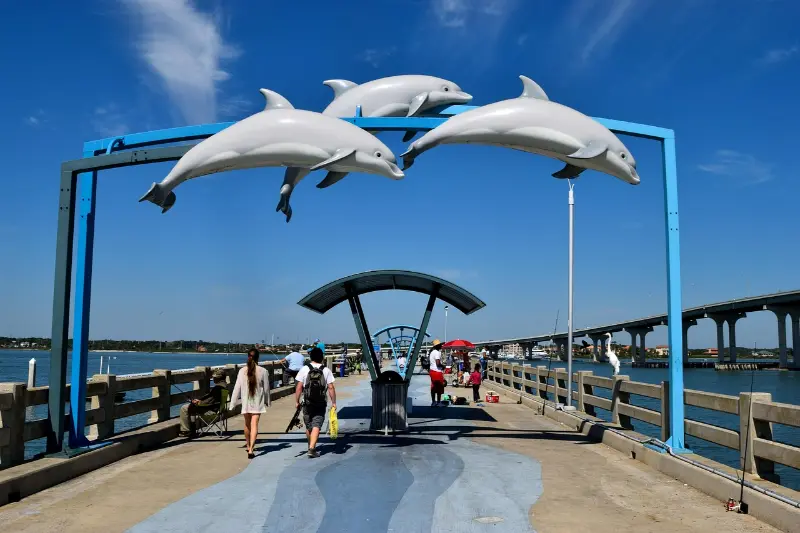
    Dolphin Sculptures at Florida Fishing Pier

    Day 2: Marine life and water

    Visit the marine park or conservation center, then choose a paddling, snorkeling or fishing experience if conditions are suitable.

    Day 3: Protected coastline

    Drive toward Gulf Islands National Seashore for a quieter nature day, returning to Navarre before evening traffic if possible.

    With a fourth day, either do absolutely nothing beyond the beach or make one deliberate trip to Pensacola. Do not turn every day into a highway day.

    Food and evenings

    Expect casual seafood, beach grills and mainland restaurants rather than a huge dining district. That fits the destination’s low-key character.

    A condo kitchen can be valuable for breakfast and lunch, especially for families. Use restaurants for the meals that feel special rather than every single snack.

    For dinner, check seasonal hours and waits. Quieter destinations can have fewer late-night options than major resort towns.

    Budget and booking

    Vacation rentals can be good value for larger groups, but fees matter. Compare the full booking total and not just the advertised nightly price.

    Many of the best experiences are beach- and nature-based, which helps control costs if you limit equipment rentals and guided tours.

    If flights to one regional airport are much cheaper, compare total rental-car time before deciding. A low airfare is not always the cheapest trip.

    Easy day trips and extensions

    Pensacola

    Add history, museums, downtown dining and a larger cultural scene.

    Pensacola Beach

    A livelier beach-day alternative with a different island atmosphere.

    Fort Walton Beach and Destin

    Useful for larger attractions, harbor activities and a more developed resort environment.

    Blackwater River area

    A nature-focused inland contrast for paddling or forest scenery when you want a break from the Gulf.

    Mistakes to avoid

    • Planning every hour: Leave room for weather, traffic, meals and an activity that takes longer than expected.
    • Choosing lodging only by nightly price: A cheaper room can cost more overall when parking, resort fees and long daily drives are added.
    • Underestimating Florida weather: Heat, humidity, thunderstorms and strong sun can change the best order for the day.
    • Ignoring beach and water conditions: Flags, currents, wind and storms deserve the same attention as attraction opening times.
    • Skipping a backup plan: An indoor museum, shaded district or flexible restaurant plan can rescue a day when outdoor conditions change.

    The biggest Navarre mistake is booking a quiet destination and then driving long distances every day to find constant entertainment. Let the beach be the main event.

    These guides are useful if you are comparing Navarre with Pensacola, Destin, 30A or other Panhandle bases.

    Official resources

    For opening hours, closures, launch schedules, beach conditions, event calendars and other details that can change, use Navarre Beach’s official visitor information. Check again shortly before travel, especially for weather-dependent activities, park access, parking and major events.

    Frequently asked questions

    Is Navarre Beach quieter than Destin?

    Generally yes. Navarre is often chosen for a slower beach-centered atmosphere, while Destin has a larger concentration of resort entertainment and harbor activity.

    How many days do you need?

    Three nights work for a beach break; four or five are better if you want Gulf Islands National Seashore and a Pensacola day.

    Do you need a car?

    Yes for most visitors, especially for airport transfers, groceries and regional exploration.

    Is Navarre Beach good for children?

    Yes, particularly for families who value beach time and simple nature activities. Always follow current water-safety guidance.

    Can Navarre Beach work in winter?

    Yes for a quiet coastal escape, fishing and walking, but expect cooler air and water than South Florida.

    Navarre Beach succeeds by being less complicated than many Florida resort towns. Choose a comfortable base, let the Gulf set the pace and use the surrounding Panhandle only when a day trip truly adds something.

  • Tallahassee Florida Travel Guide: Best Things to Do, History, Nature, Families and Planning Tips

    Tallahassee Florida Travel Guide: Best Things to Do, History, Nature, Families and Planning Tips

    Tallahassee is one of Florida’s most underrated city breaks. The state capital feels very different from Miami, Orlando or Tampa: the landscape is hillier, live oaks frame older neighborhoods, universities shape the local rhythm, and major attractions range from state politics and Spanish-colonial archaeology to wildlife, gardens and clear-water springs. It is a particularly useful destination for travelers who want Florida history and nature in the same trip.

    Explore this guide

    For a first visit, two full days and two nights is the best starting point. One day can cover the Capitol district and one major museum or historic site. A second day lets you choose between north-side gardens, Tallahassee Museum, Wakulla Springs or the St. Marks coast. Families, seniors and road-trippers benefit from the city’s relatively compact scale, but the best nature sites are far enough away that a car is strongly recommended.

    Quick planning summary

    • Best stay: 2 nights for first-time visitors; 3 nights if adding the coast or a university event
    • Main experiences: Florida government, living history, museums, gardens, wildlife, springs and Big Bend scenery
    • Car: highly recommended for most travelers
    • Best season: late October through April for walking and outdoor sightseeing
    • Best for: families, history travelers, multigenerational groups, nature lovers and road-trippers
    • Good day trips: Wakulla Springs, St. Marks National Wildlife Refuge and coastal Big Bend communities

    Important current-status note

    October 2026 information snapshot: this article is scheduled for 2028. Hours, fees, construction zones, exhibit access, boat-tour schedules, trail conditions and wildlife closures can change before publication. Use the practical details below as a verified planning baseline, then check the linked official source shortly before the trip.

    Why Tallahassee deserves more than a quick Capitol stop

    Many travelers see Tallahassee only as a highway overnight. That misses the city’s strongest advantage: it combines several layers of Florida history in a manageable area. You can learn how state government works, then step into a reconstructed 17th-century Apalachee-Spanish mission, visit a working archaeological landscape, walk formal gardens and end the trip in a cypress-lined spring or Gulf Coast wildlife refuge.

    Florida State Capitol Tallahassee Government Building

    Best things to do in Tallahassee

    • Florida Historic Capitol Museum: free and central, ideal for understanding how Florida government evolved.
    • Mission San Luis: one of the strongest living-history experiences in North Florida.
    • Tallahassee Museum: a large outdoor museum combining regional history, native wildlife and adventure activities.
    • Maclay Gardens: especially rewarding during the January–April bloom season.
    • Cascades Park: easy downtown green space for a walk, children or an evening reset.
    • Goodwood Museum & Gardens: a slower historic-house experience with free grounds.
    • Lake Jackson Mounds: a small but culturally important archaeological state park.
    • Wakulla Springs: one of the best wildlife-and-water half-days near the city.
    • St. Marks NWR: the strongest choice for birding, coastal scenery and a scenic wildlife drive.

    How many days do you need?

    One day is enough for a focused downtown visit, but it is not enough for both city history and the Big Bend coast. Two days lets you pair government/history with one nature half-day. Three days makes the trip more relaxed and gives you room for a garden, university area or additional museum without rushing.

    One-day plan

    Start at the Historic Capitol, walk part of downtown, eat lunch nearby, then choose Mission San Luis or Cascades Park depending on your interests. If children are the priority, Tallahassee Museum can replace the afternoon history stop.

    Two-day plan

    Use Day 1 for downtown and history. Use Day 2 for Wakulla Springs or St. Marks NWR, not both unless you are comfortable with a long outdoor day and additional driving.

    Where to stay

    Downtown is the easiest base for first-time visitors who want museums, restaurants and government sites within a short drive. The I-10/Thomasville Road side of town works better for travelers prioritizing Maclay Gardens, road access and newer hotels. University-adjacent areas can be lively and convenient, but football weekends and major events can sharply change prices and traffic.

    Food and local rhythm

    The city mixes Southern cooking, college-town casual restaurants, newer coffee shops and state-government lunch spots. Avoid building a minute-by-minute restaurant plan around government or university districts; event days can change traffic and waiting times quickly.

    Official planning resources

    For current destination information, use Visit Tallahassee and verify each attraction on its own official site before travel.

    Planning the visit for different ages

    For mixed-age groups, the best strategy is to combine one high-interest stop with one low-effort stop. Babies and toddlers usually need shade, reliable restrooms and room to reset. School-age children often respond well to animals, reconstructed history and interactive outdoor spaces. Teenagers may prefer zip lines, scenic drives, photography and less structured time. Older travelers often appreciate museums, gardens and boat tours where the experience does not depend on long walks. Accessibility varies widely, especially at archaeological and refuge sites, so check the official accessibility information when mobility is a major factor.

    Best season, heat and rain

    Late October through April is usually the easiest season for long walks, gardens and wildlife drives. Spring can be especially pleasant, although pollen is noticeable and popular gardens attract more visitors. Summer is hot, humid and storm-prone. Outdoor plans are usually better in the morning, with museums or lunch reserved for the hottest part of the day. The Big Bend coast can also be affected by tropical systems, prescribed burns, flooding and temporary wildlife closures. Check radar and official alerts before driving to a remote site.

    Accessibility and low-effort alternatives

    Tallahassee has several good choices for travelers who want meaningful sightseeing without long walks. The Historic Capitol, Goodwood grounds, short museum visits and a river boat at Wakulla Springs can all work well when heat, mobility or stamina limits a longer outdoor day. At nature preserves and archaeological parks, surface conditions may include roots, grass, sand or uneven ground. Never assume that a short trail is automatically stroller- or wheelchair-friendly.

    Tallahassee Florida Capitol Square and Monument

    What to bring

    • Refillable water bottle
    • Sun protection and sunglasses
    • Light rain layer from late spring through early fall
    • Insect repellent for refuges, wetlands and evening walks
    • Comfortable shoes for brick, grass, roots and museum floors
    • Binoculars for wildlife sites
    • Downloaded map for remote Big Bend locations
    • A light layer for heavily air-conditioned museums and boat rides

    How to combine it with nearby places

    For a city-focused day, combine the Capitol area with another North Florida city stop only on a longer road trip rather than the same day. For a slower Nature Coast sequence, Tallahassee connects naturally after Cedar Key.

    Common planning mistakes

    • trying to combine downtown Tallahassee and the Gulf coast in a tightly timed half-day
    • assuming every museum is open seven days a week
    • arriving at a state park or refuge without checking current alerts
    • scheduling only outdoor stops during a summer afternoon
    • treating wildlife sightings as guaranteed
    • forgetting that government-area construction can change entrances and parking

    How this stop fits a longer Florida road trip

    Tallahassee works well as a two-night break between North Central Florida and the western Panhandle. Travelers coming from Cedar Key or Ocala should avoid treating the drive as dead time: the landscape changes noticeably as you move into pine forest, rolling terrain and the Big Bend. If you are continuing west, use Tallahassee for history and food, then dedicate a separate half-day to Wakulla Springs or St. Marks rather than squeezing them into departure morning.

    Final planning advice

    Build the day around one anchor experience and leave at least one hour unassigned. Tallahassee rewards curiosity more than speed: an unexpected legislative exhibit, wildlife sighting, garden in bloom or slower lunch often becomes more memorable than the attraction you originally thought would be the highlight.

    A more realistic way to plan the day

    Tallahassee and the surrounding Big Bend are easier to enjoy when you plan by geography rather than by attraction count. Downtown history, north-side gardens, west-side museums and the coastal wildlife corridor south of the city are not all next door to one another. Traffic is usually manageable compared with South Florida, but parking, state-government schedules, heat and afternoon storms can still turn an overpacked day into a rushed one.

    Count transitions as part of the itinerary. Parking, security checks, walking back to the car, changing clothes after water activities and waiting for a tour all consume time. A day with two strong stops and an unhurried meal is usually more satisfying than four attractions connected by constant driving. This is especially true in summer, when heat and thunderstorms make the middle of the day less predictable.

    Budget and value

    Tallahassee can be a relatively affordable Florida destination because several major sites are free or low-cost. Spend where it improves the experience: a guided boat at Wakulla Springs, a timed historic-house tour or a family attraction may be worth more than adding several minor paid stops. Free parks and museums are most valuable when they match your interests, not simply because they cost nothing.

    Photography and wildlife etiquette

    Use a longer lens or binoculars instead of approaching wildlife. At historic and archaeological sites, stay on public routes and do not move objects for photographs. Tripods, commercial shoots and drones may be restricted, especially on government property, in museums and on federal wildlife refuges. When in doubt, ask before setting up equipment.

    Food, water and restroom planning

    Downtown Tallahassee has many food options, but remote parks and refuges do not. Carry water in the car and never assume that a visitor center, cafe or vending area will be open simply because the outdoor site is accessible. Families with young children should identify the last reliable restroom before driving toward a refuge or spring.

    If the weather changes

    Keep one indoor backup in mind. The Historic Capitol, a house museum or another city attraction can replace a stormy outdoor block. After lightning passes, do not immediately resume swimming or exposed-trail activities unless staff or official alerts indicate conditions are safe. A flexible itinerary is a strength, not a failure to plan.

  • Bonita Springs and Estero Travel Guide: Lovers Key, Beaches, Nature, Shopping and Where to Stay

    Bonita Springs and Estero Travel Guide: Lovers Key, Beaches, Nature, Shopping and Where to Stay

    Bonita Springs and Estero sit between Naples and Fort Myers, which makes them easy to overlook and very useful to know. This is a strong base for travelers who want Southwest Florida beaches and nature without committing to the price or pace of a larger resort center. Lovers Key, Estero Bay, historic Koreshan State Park, wildlife areas and open-air shopping give the area enough variety for a three- or four-night stay.

    For a first visit, I would plan Bonita Springs and Estero around two questions: what do you want to do before lunch, and where do you want to be after dinner? Those choices determine whether a central hotel, a beach-side base or a more practical inland property will save the most time. The destination is easier when you protect mornings for the priority experience, use the hottest part of the day for lunch or an indoor stop, and leave enough flexibility for Florida weather.

    Quick planning summary

    • Lovers Key State Park — The signature nature stop for beach, paddling, wildlife and trails.
    • Koreshan State Park — A fascinating mix of Estero River nature and the preserved story of the Koreshan Unity settlement.
    • Mound Key and Estero Bay — Experienced paddlers and guided visitors can explore a landscape with deep Calusa history.
    • Wonder Gardens — A compact wildlife and botanical attraction in Bonita Springs that works well with children or on a day when you want something easier than a long beach session.
    • Best pacing: one major activity plus one flexible neighborhood, park or beach stop each day.
    • Who it suits: couples, families, senior travelers and multigenerational groups who prefer a balanced Florida itinerary.
    • Transport: a car is usually helpful even when one district is walkable.

    In this guide

    Why visit Bonita Springs and Estero?

    Bonita Springs and Estero sit between Naples and Fort Myers, which makes them easy to overlook and very useful to know. This is a strong base for travelers who want Southwest Florida beaches and nature without committing to the price or pace of a larger resort center. Lovers Key, Estero Bay, historic Koreshan State Park, wildlife areas and open-air shopping give the area enough variety for a three- or four-night stay.

    The strongest reason to stay rather than rush through is the ability to experience different parts of the day. Morning light, lunchtime heat and the evening waterfront or downtown atmosphere can completely change a place. An overnight also lets you choose the best weather window for a beach, boat, trail or wildlife activity instead of forcing it into one fixed hour.

    I would not use Bonita Springs and Estero as a base for a long drive every day. It works better when at least half the trip is genuinely local. Pick two or three regional excursions, keep the rest close to the hotel, and allow enough unstructured time for a park, café, sunset or local event you did not know about before arrival.

    Where to stay

    Bonita Springs near the Imperial River

    Good for local restaurants, Riverside Park and a more residential Old Florida feel.

    Bonita Beach and Little Hickory Island area

    Best for travelers who want the coast to shape the day. Verify parking and access arrangements before booking because beach infrastructure can change after major storms and restoration projects.

    Estero and Coconut Point

    A practical choice for shopping, modern hotels and road access between Naples and Fort Myers. It suits families who value easy parking and predictable services.

    Before booking, compare the total trip cost. A centrally located room can cost more per night but save parking, fuel and rideshare. A larger room farther out can be better for a family if it includes a kitchen, laundry and free parking. Senior travelers should check walking distance, elevator access and bathroom layout; families should look beyond the advertised occupancy and consider whether everyone can actually sleep comfortably for several nights.

    Best things to do

    Lovers Key State Park

    The signature nature stop for beach, paddling, wildlife and trails. Access arrangements have changed during resilience work, so check the official park page before the visit.

    Koreshan State Park

    A fascinating mix of Estero River nature and the preserved story of the Koreshan Unity settlement. It is one of the best cultural counterpoints to a beach-heavy itinerary.

    Mound Key and Estero Bay

    Experienced paddlers and guided visitors can explore a landscape with deep Calusa history. A guide is a good choice if tides and navigation are unfamiliar.

    Wonder Gardens

    A compact wildlife and botanical attraction in Bonita Springs that works well with children or on a day when you want something easier than a long beach session.

    Riverside Park and downtown Bonita Springs

    A low-key community center for events, music and a relaxed local evening.

    Coconut Point and regional shopping

    Useful for dining, shopping and weather-proof time, especially on arrival day or during an afternoon storm.

    Illuminated Shopping Complex at Night

    Nature, beaches and outdoor time

    The best outdoor experiences are estuary-based rather than only beach-based. Lovers Key, Estero Bay and Corkscrew Swamp Sanctuary in the wider region create a strong wildlife itinerary. Start early in warm months and carry insect protection for marsh and cypress environments.

    Outdoor planning in Florida works best by temperature rather than by a rigid clock. Put the longest walk, bike ride, paddle or beach session early, then use lunch and an indoor attraction for the hottest hours. Later afternoon can be excellent again, but summer storms may arrive quickly. If swimming is part of the day, check flags, lifeguard coverage and local conditions instead of assuming calm-looking water is safe.

    Wildlife encounters should stay observational. Do not feed birds, dolphins, manatees, alligators or other animals, and never block an animal’s movement for a photograph. When nesting areas, rookeries or protected habitats have seasonal restrictions, treat those rules as part of the experience rather than an inconvenience.

    Getting there and around

    Southwest Florida International Airport is convenient to Estero and Bonita Springs. A car is still the most practical option because beaches, parks and shopping districts are spread out. Check current beach parking and shuttle arrangements before relying on old maps or reviews.

    For rental cars, add parking and tolls to the budget before pickup. If you plan a partly car-free stay, verify the exact hotel address and not just the neighborhood name. A one-mile walk on a map can feel very different in midday humidity, across a wide arterial road or with a stroller. Airport choice should be based on nonstop flights and total transfer time, not only straight-line distance.

    Best time to visit

    For most travelers, late fall through spring gives the easiest combination of comfortable outdoor weather and lower humidity, although winter can also bring higher accommodation prices and busier weekends. Summer is workable if you start outside early, take a real midday break and expect afternoon thunderstorms. Shoulder-season travel can offer better value, but tropical systems and heat should stay in the planning conversation.

    Event weekends can change both prices and traffic, especially in smaller towns where one festival fills much of the hotel inventory. If a specific event is the reason for the trip, book early. If it is not, checking the calendar before choosing dates can help you avoid paying festival-weekend rates for an ordinary getaway.

    Families, teenagers, seniors and accessibility

    Family tipFor families with babies or toddlers, reduce transitions: one major attraction plus pool, park or beach time is enough for a good day. Teenagers usually respond better when the plan includes something active or independent such as paddling, cycling, shopping or a waterfront district. Senior travelers benefit from the same pacing—shorter outdoor blocks, dependable seating and a hotel close to dinner. If accessibility is essential, confirm ramps, beach mats, accessible restrooms, boat boarding and parking directly with the operator or local authority before arrival.

    Multigenerational trips do not need to keep everyone together every hour. One shared morning anchor, followed by optional afternoon choices, often works better than forcing the youngest child and oldest adult through the same pace. Regrouping for dinner can turn a difficult schedule into an easy one.

    A practical 3-day itinerary

    Day 1: learn the center

    Arrive, check in and explore the main downtown or waterfront district. Choose one short attraction and an easy dinner within a few minutes of the hotel. Avoid expensive prepaid activities on arrival day because flight delays, rental-car lines and traffic can turn them into stress.

    Florida City Center with Shopping Streets Aerial

    Day 2: signature outdoor experience

    Use the morning for the destination’s strongest beach, preserve, boat, trail or cultural activity. Take a real lunch break, then choose one secondary attraction from the list above. Finish with a sunset or neighborhood dinner rather than adding another long drive.

    Day 3: culture, nature or a selective day trip

    Choose the experience you skipped on day two or make one regional excursion. If the weather is poor, switch to a museum, shopping district or indoor family attraction. Keep the final evening simple so departure does not become a rushed ending to the trip.

    Food and evening planning

    The area mixes resort dining, local seafood, farm-to-table restaurants and casual family options. Estero is convenient for predictable choices, while downtown Bonita rewards a slower evening around local venues.

    For families, breakfast in the room and one planned restaurant meal can make the day easier. For couples, a walkable dinner district is often worth paying slightly more for the hotel. In winter and during special events, reserve only the meals that really matter; too many fixed bookings can make outdoor days feel rushed.

    Budget and booking strategy

    The largest costs are usually lodging, transport and paid experiences. Compare the full stay, not only the room rate: parking, resort or destination fees, breakfast, beach equipment and rideshare can change the real price. Free parks and beaches still create parking and food costs, while one well-chosen paid attraction can deliver several hours of useful family time. Keep at least one flexible day so poor weather does not force you to waste a prepaid outdoor booking.

    A useful budget test is to compare three lodging scenarios: the central hotel, the resort or beach property, and a larger room or rental farther out. Add parking, breakfast, local transport and the amount of driving each requires. The cheapest nightly rate is not always the cheapest trip.

    Best day trips and regional combinations

    Naples, Fort Myers, Sanibel and Captiva all fit naturally. For a short trip, choose either a Naples day or a Fort Myers/Sanibel day rather than trying to sample the entire coast at once.

    Avoid stacking substantial drives on consecutive days. If you take a long day trip, make the following morning local. Florida roads can be easy when traffic is light and exhausting when crashes, storms, bridge delays or weekend beach traffic intervene.

    Common mistakes to avoid

    • Booking the cheapest hotel without checking the actual daily driving pattern.
    • Trying to combine a full beach day, a major attraction and a long-distance day trip in one schedule.
    • Ignoring afternoon heat or thunderstorms when planning outdoor time.
    • Assuming every beach access or park has the same parking, lifeguards and restroom facilities.
    • Building every evening around a fixed reservation when boat tours, traffic or weather can run late.
    • For multigenerational groups, keeping everyone together all day instead of planning one shared anchor and optional split time.

    Official resources

    Hours, admission prices, beach access, parking systems, ferry schedules, construction and storm-recovery conditions can change. If a specific attraction or service is essential to your trip, confirm it with the official source shortly before travel.

    Frequently asked questions

    How many days do you need in Bonita Springs and Estero?

    Two full days is enough for a focused introduction, while three or four nights gives you room for the signature outdoor experience, the main cultural district and one nearby excursion without rushing. Stay longer if the hotel, beach or boating itself is a major part of the vacation.

    Do you need a car?

    For most visitors, yes. One central district may be walkable, but beaches, preserves, airports and day trips are easier with a car. A partly car-free trip can work when you deliberately choose a central hotel and limit regional excursions.

    Is Bonita Springs and Estero good for families?

    Yes, especially when you keep days simple. One destination-specific attraction plus beach, park or pool time is usually more successful than filling every hour. Check age, height and boarding requirements before paying for water activities.

    Is it suitable for senior travelers?

    Usually yes. Choose lodging close to dinner, schedule outdoor sightseeing in the cooler morning and verify accessibility details when they are essential. Boat steps, soft sand and long boardwalks can matter more than an attraction’s general “accessible” label.

    What is the biggest planning mistake?

    Trying to use the destination as a launch point for a long drive every day. Protect enough local time to enjoy the place you actually booked, and treat day trips as optional additions rather than the whole vacation.

    Final advice

    Bonita Springs and Estero is most rewarding when you let its strongest experiences set the pace. Choose the right base, protect the morning for what matters most, leave room for Florida weather and build the itinerary around the people traveling with you. A thoughtful three-night stay usually feels richer than a longer checklist with too much driving.

  • Florida Native American History and Archaeology Travel Guide: Mounds, Museums and Living Cultures

    Florida Native American History and Archaeology Travel Guide: Mounds, Museums and Living Cultures

    Florida’s Indigenous history stretches back more than 12,000 years, and the story is not limited to archaeological sites: living tribal nations and communities remain central to Florida today.

    Florida Native American History and Archaeology Travel Guide is best approached as a trip-planning framework rather than a checklist. Florida is large, conditions vary by region, and many of the most memorable experiences depend on timing, weather, reservations, mobility needs and the pace of the people traveling with you.

    This guide is written for travelers of many ages and abilities. It includes practical choices for families with young children, teenagers, couples, solo travelers, senior visitors and multigenerational groups, while avoiding the assumption that every traveler wants the same level of activity.

    Quick planning summary

    • Best approach: Plan by cultural landscape rather than trying to collect mound sites. North Florida, the Gulf Coast and South Florida each tell different stories. Give tribal museums and tribally presented history the same priority as state archaeological parks.
    • Who it suits: Outdoor archaeological sites can involve heat, uneven trails and limited shade. Families should keep visits short and use museum exhibits to provide context. Senior travelers and visitors with mobility needs should check trail surfaces and viewing options before arrival.
    • Important rule: Archaeological sites are protected. Never remove pottery, shell, bone, stone tools or other cultural material, never climb closed mounds and never dig. Be especially respectful at places that may contain burials or sacred landscapes.
    • Planning principle: verify hours, access rules, reservations and temporary closures on official websites shortly before travel.
    • Pacing: choose fewer high-quality stops and allow time for parking, heat, weather and rest.

    In this guide

    Why this belongs in a Florida itinerary

    Florida’s Indigenous history stretches back more than 12,000 years, and the story is not limited to archaeological sites: living tribal nations and communities remain central to Florida today. The value of this type of trip is that it reveals a layer of Florida beyond the standard theme-park-and-beach combination. It can also be mixed into a conventional vacation: one historic stop on a road trip, one accessible beach day between attraction days, or one evening under dark skies can add variety without forcing the entire vacation into a niche theme.

    The key is to choose experiences that fit the group. A site that is perfect for a history enthusiast may involve steep stairs, uneven surfaces or long outdoor exposure. A location that is excellent for children may feel busy or sensory-intense. Reading the access notes and deciding what your group actually wants to do is more important than collecting famous names.

    Best places and experiences to consider

    Lake Jackson Mounds

    Near Tallahassee, Lake Jackson Mounds Archaeological State Park offers a landscape-based introduction to Mississippian-era ceremonial life. Trails and earthworks help visitors understand that archaeology is not only about objects in display cases.

    Crystal River Archaeological State Park

    Crystal River preserves a complex of mounds and archaeological features along the Gulf Coast. A museum visit before walking the grounds can make the landscape easier to interpret.

    Shell Mound and the Cedar Key area

    The Shell Mound area near Cedar Key connects archaeology with estuary ecology. Visitors should remain on designated routes and avoid disturbing shell deposits or artifacts.

    South Florida tribal museums and cultural centers

    South Florida offers opportunities to learn directly from living Seminole and Miccosukee communities. Tribal museums and cultural programs should be treated as primary sources for contemporary identity, not as extensions of archaeological tourism.

    Seminole Wars sites

    Battlefields, forts and heritage trails document the violence and displacement associated with the Seminole Wars. These stops are more meaningful when the narrative includes Native resistance and survival rather than presenting the story only from a military perspective.

    Museum collections

    Regional museums across Florida hold archaeological collections that can help connect pottery, tools, trade and ceremonial objects to specific places. Museum interpretation is especially useful before visiting outdoor mound sites.

    The official statewide heritage trail

    Florida’s Native American Heritage Trail identifies more than 100 destinations and emphasizes both ancient heritage and living cultures. It is a strong starting point for choosing sites by region.

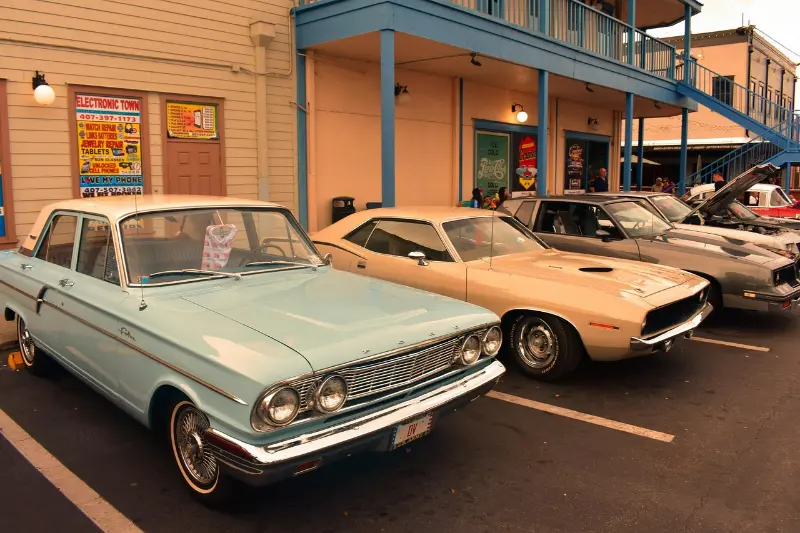
    Classic American Vintage Cars on a Florida Street

    How to build a realistic route

    Plan by cultural landscape rather than trying to collect mound sites. North Florida, the Gulf Coast and South Florida each tell different stories. Give tribal museums and tribally presented history the same priority as state archaeological parks. Avoid linking distant stops simply because they appear on the same statewide list. Florida driving times can be substantial, and bridges, beach traffic, weather, event congestion and urban rush hours can add time. Build clusters: Northeast Florida, Central Florida, the Gulf Coast, South Florida or the Panhandle, then choose the strongest stops inside one cluster.

    For a road trip, alternate one demanding day with one lighter day. A demanding day might include a long museum visit, a climb, several miles of walking or a remote nature excursion. A lighter day can be a waterfront district, short boardwalk, scenic drive or hotel-pool afternoon. This rhythm works especially well for families and multigenerational groups.

    Families, seniors and accessibility

    Outdoor archaeological sites can involve heat, uneven trails and limited shade. Families should keep visits short and use museum exhibits to provide context. Senior travelers and visitors with mobility needs should check trail surfaces and viewing options before arrival. Before arrival, check the exact route from parking to the main experience, restroom locations, shade, seating and whether wheelchairs or other adaptive equipment must be reserved. Historic structures and natural landscapes can have unavoidable barriers even when the visitor center itself is accessible.

    Families with younger children should use shorter interpretive stops and allow time for snacks and movement. Teenagers often engage more when they can photograph, navigate, choose the next stop or connect the visit to a larger story. Senior travelers may prefer morning visits, shorter distances and a nearby lunch stop rather than stacking multiple demanding sites in one day.

    Rules, etiquette and safety

    Archaeological sites are protected. Never remove pottery, shell, bone, stone tools or other cultural material, never climb closed mounds and never dig. Be especially respectful at places that may contain burials or sacred landscapes. Rules may differ on federal, state, county, tribal and private land. Never assume that collecting, climbing, entering after dark, using a drone, touching artifacts, leaving a boardwalk or bringing a pet is allowed just because it was permitted somewhere else.

    For current statewide or official guidance, consult Florida Department of State Native American Heritage Trail before travel. If a site has its own official page, that page should take priority for hours, closures, reservations and accessibility details.

    Budget, reservations and timing

    Many experiences in this guide can be inexpensive, but costs add up through parking, tolls, tours, museum admission, boat trips and lodging. Decide which experience benefits from a paid tour and which is better self-guided. A guided visit can be worthwhile when access is restricted, interpretation is important or logistics are complicated; otherwise, a free trail, museum day or scenic stop may offer better value.

    Reserve early when the experience has limited capacity, timed entry, small-group tours or scarce campsites. For everything else, flexibility can be more valuable. A refundable room or movable day plan gives you room to react to heat, storms, wind, closures and the energy level of the group.

    A sample multi-day approach

    1. Day 1: Start at a museum or visitor center to understand chronology and terminology.
    2. Day 2: Visit one archaeological landscape slowly rather than several in a rush.
    3. Day 3: Add a tribally operated museum or cultural program where possible.
    4. Day 4: Use the final day for a related fort, battlefield or heritage trail while keeping Native perspectives central to the story.

    Treat this as a planning pattern rather than a fixed schedule. If one stop becomes the highlight of the trip, stay longer. The purpose of a good itinerary is not to complete a list; it is to create enough structure that the group can enjoy the day without constantly negotiating what comes next.

    Common mistakes to avoid

    • Trying to cover too many regions in one short trip.
    • Relying on third-party opening hours without checking the official site.
    • Ignoring accessibility details until arrival.
    • Treating wildlife, historic resources or archaeological material as props rather than protected resources.
    • Building a schedule with no weather backup or rest time.

    Frequently asked questions

    How many days do I need?

    A focused regional trip can work in two or three days, while a statewide route needs substantially more time. Choose depth over mileage.

    Is this suitable for children?

    Usually, if you select age-appropriate stops and keep individual visits shorter. Interactive museums, boardwalks, short trails and scenic stops often work better than long lecture-style visits.

    Can senior travelers enjoy this type of trip?

    Yes. Prioritize parking proximity, shade, seating, restrooms, step-free routes and a slower daily schedule. Call ahead when the experience depends on adaptive equipment or staff assistance.

    Should I book tours in advance?

    Book early for limited-capacity tours, special access, holiday periods and small-group experiences. For open-access parks and districts, keep more flexibility.

  • Panama City Florida Travel Guide: Historic St. Andrews, St. Andrews Bay, Shell Island and Where to Stay

    Panama City Florida Travel Guide: Historic St. Andrews, St. Andrews Bay, Shell Island and Where to Stay

    Panama City is often confused with Panama City Beach, but the two offer different vacation experiences. Panama City sits on St. Andrews Bay and is strongest for historic neighborhoods, local food, boating, arts and a more lived-in waterfront atmosphere.

    That makes it a useful base for travelers who want Northwest Florida without spending every hour on a resort beach strip. Historic St. Andrews, downtown Panama City and the bay can fill several days, while the famous Gulf beaches remain close enough for selective day trips.

    The best trip uses the city for what it does differently: oyster and seafood culture, bay access, local neighborhoods and boating. If you want a beachfront hotel where the Gulf is directly outside the room, Panama City Beach is usually the more obvious base.

    Quick planning summary

    • Recommended stay: 2–4 nights, or longer when combined with Panama City Beach and 30A.
    • Best first stop: Historic St. Andrews or the downtown waterfront.
    • Best for: food travelers, boaters, families seeking a local feel and road trippers exploring Northwest Florida.
    • Transport: a car is useful, though Historic St. Andrews and downtown each have walkable pockets.
    • Planning rule: choose one neighborhood as your evening base and use the bay for at least one experience.

    In this guide

    Why visit Panama City?

    Panama City has several historic districts and a relationship with St. Andrews Bay that gives it a different identity from the resort corridor across the bridge.

    Historic St. Andrews is particularly useful for first-time visitors because restaurants, local businesses, waterfront views and history sit close together. It feels more like a neighborhood than an attraction complex.

    The bay opens the door to fishing, sailing, dolphin trips and access toward Shell Island. Water experiences can therefore become the signature part of the stay even if you never book a Gulf-front hotel.

    Family tipFor families and older travelers, the city can also be easier than a nonstop beach itinerary because museums, shaded areas and neighborhood meals provide alternatives when weather changes.

    Where to stay

    Historic St. Andrews

    Best for character, local dining, waterfront atmosphere and an easy evening walk.

    Florida Historic Wooden House and American Flag

    Downtown Panama City

    Useful for arts, events, restaurants and travelers who prefer an urban waterfront base.

    Near the bridge toward Panama City Beach

    Practical for visitors planning frequent Gulf-beach days, though it offers less neighborhood atmosphere than St. Andrews.

    Decide whether your trip is bay-first or beach-first. The answer should guide the hotel choice more than the city name in the listing.

    If you book a vacation rental, compare cleaning fees, parking and distance to restaurants. A cheaper house can create more driving than expected.

    Best things to do

    Historic St. Andrews

    Walk the neighborhood slowly, combining local shops, waterfront views, museums or galleries and a meal rather than rushing through in an hour.

    Downtown Panama City

    Use downtown for murals, arts, local businesses and an evening that feels different from the beach corridor.

    St. Andrews Bay

    Fishing, sailing, dolphin tours and other water experiences are central to the destination. Pick one that matches your group’s energy and weather tolerance.

    Shell Island outing

    Shell Island is an undeveloped barrier island reached by boat. Plan for sun, water, limited services and changing marine conditions.

    Local museums and cultural stops

    Use smaller museums and cultural sites as weather alternatives and as a way to understand the city beyond the shoreline.

    Do not confuse Shell Island with a full-service beach. Carry what you need and follow the instructions of your boat operator or official access provider.

    If oysters and local seafood interest you, treat food as part of the sightseeing rather than an afterthought.

    Nature and outdoor time

    St. Andrews Bay is a major natural asset, with wildlife, fishing and boating opportunities throughout the broader area.

    Shell Island adds undeveloped barrier-island scenery and a stronger feeling of nature than heavily serviced beaches.

    For Gulf beach time, drive across toward Panama City Beach or farther west. Keep one dedicated beach day instead of commuting back and forth multiple times each day.

    Getting there and around

    Northwest Florida Beaches International Airport serves the broader area. A rental car gives you the most flexibility for the airport, bay, beach and 30A excursions.

    Historic St. Andrews and downtown are walkable in sections, but the city as a whole is not a car-free destination for most visitors.

    Bridge traffic toward Panama City Beach can affect timing. Avoid making multiple cross-bay trips in a single day unless they are necessary.

    Boat departures use different marinas and docks. Confirm the exact departure point before setting out, especially for Shell Island trips.

    Best time to visit

    Spring and fall are comfortable for walking, boating and dining outdoors, with summer and holiday periods generally busier.

    Summer brings classic Gulf weather, family travel and frequent afternoon storms. Schedule boat trips early when possible.

    Winter is quieter and can be attractive for food, local culture and fishing, though it is less reliable for swimming.

    Tropical-weather season requires flexible plans. Water-based trips are particularly sensitive to wind and storms.

    Families, teens, seniors and accessibility

    Families can combine a boat day with small museums, parks and a beach day rather than expecting children to enjoy long restaurant-and-shopping days.

    Teenagers may appreciate fishing, paddle sports, boat rentals or a Shell Island outing more than traditional sightseeing.

    Senior travelers can enjoy Historic St. Andrews and waterfront dining at a slower pace, but should check walking surfaces and shade before planning long midday walks.

    Accessibility differs by boat operator, dock and beach. Confirm boarding steps and mobility accommodations in advance if anyone needs assistance.

    A practical 3-day itinerary

    Day 1: Historic St. Andrews

    Walk the neighborhood, have a seafood lunch, explore the waterfront and keep dinner in the same area.

    Day 2: Bay or Shell Island

    Book a boat-based experience in the morning, rest midday and use the evening for downtown Panama City.

    Day 3: Gulf beach day

    Cross toward Panama City Beach or continue west toward a quieter beach area, returning to Panama City for dinner.

    If you have a fourth day, add a 30A or nature excursion rather than repeating the same bridge crossing several times.

    Food and evenings

    Panama City has a strong seafood identity, with oysters and Gulf catches playing a major role in local dining.

    Historic St. Andrews is a natural place to combine food and sightseeing. Use lunch or early dinner to reduce waits.

    If seafood is not your priority, the city still offers casual Southern, international and modern dining options, especially around its neighborhood centers.

    Budget and booking

    Staying in Panama City can sometimes cost less than a comparable Gulf-front resort, but you may spend more on driving and beach-day logistics.

    Boat trips are the main paid experience to prioritize. Pick one excellent water outing instead of several similar tours.

    Neighborhood walks, murals and waterfront time help create full days without constant admission fees.

    Easy day trips and extensions

    Panama City Beach

    Use it for classic Gulf sand, resort attractions and a different evening atmosphere.

    Scenic 30A

    A strong full-day road trip for beach towns, architecture and coastal scenery.

    Mexico Beach

    A quieter coastal extension east of Panama City.

    St. Andrews State Park area

    Add nature and Gulf access when you want a more park-focused beach day.

    Mistakes to avoid

    • Planning every hour: Leave room for weather, traffic, meals and an activity that takes longer than expected.
    • Choosing lodging only by nightly price: A cheaper room can cost more overall when parking, resort fees and long daily drives are added.
    • Underestimating Florida weather: Heat, humidity, thunderstorms and strong sun can change the best order for the day.
    • Ignoring beach and water conditions: Flags, currents, wind and storms deserve the same attention as attraction opening times.
    • Skipping a backup plan: An indoor museum, shaded district or flexible restaurant plan can rescue a day when outdoor conditions change.

    The biggest mistake is booking Panama City while imagining Panama City Beach. Decide whether you want bay-and-neighborhood character or a Gulf-front resort before choosing the base.

    These guides help position Panama City within a broader Panhandle itinerary and show when Panama City Beach or 30A may be a better base.

    Official resources

    For opening hours, closures, launch schedules, beach conditions, event calendars and other details that can change, use Destination Panama City official visitor information. Check again shortly before travel, especially for weather-dependent activities, park access, parking and major events.

    Frequently asked questions

    Is Panama City the same as Panama City Beach?

    No. They are neighboring communities with different personalities. Panama City is bay- and neighborhood-oriented; Panama City Beach is the better-known Gulf resort destination.

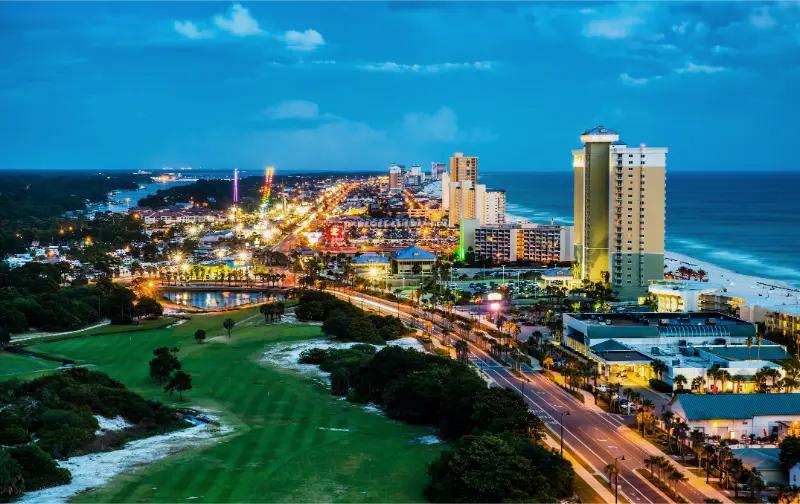
    Panama City Beach Hotels by the Gulf Aerial

    How many days do you need?

    Two nights work for St. Andrews and a bay outing; three or four are better if you also want Shell Island and a Gulf beach day.

    Is Panama City good for families?

    Yes, especially when you combine a boat experience, parks, museums and one beach day rather than relying only on restaurant-oriented sightseeing.

    Do you need a car?

    For most visitors, yes. The region is spread out and day trips are much easier with a car.

    Is Shell Island worth visiting?

    It can be one of the most memorable nature experiences in the area, but plan for limited services and check current boat access and weather conditions.

    Panama City deserves to be understood on its own terms. Use the bay, historic neighborhoods and local food as the core of the trip, then add the famous Gulf beaches when they genuinely improve the itinerary.

  • Key Biscayne Florida Travel Guide: Crandon Park, Bill Baggs, Beaches, Families and Where to Stay

    Key Biscayne Florida Travel Guide: Crandon Park, Bill Baggs, Beaches, Families and Where to Stay

    Key Biscayne feels surprisingly separate from Miami even though the skyline is visible across the bay. The island’s strength is a simple combination: broad parks, beaches, the historic Cape Florida Lighthouse and enough village services to make a multi-night stay comfortable. It is an excellent choice when you want South Florida nature without giving up quick access to museums and restaurants on the mainland.

    I would choose Key Biscayne for families, couples and senior travelers who value morning beach walks, parks and a calm evening rhythm. It can also work as a restorative final stop after a busier Miami or Keys itinerary. The trade-off is price and the fact that almost every mainland excursion uses the same causeway.

    A good Key Biscayne trip does not need every hour reserved. Book only the experience that would be difficult to replace, then let weather and energy decide the rest. That approach makes the destination work for travelers from toddlers to grandparents because everyone gets a clearer pace and fewer unnecessary transitions.

    Quick planning summary

    • Recommended stay: 2–4 nights for a first visit.
    • Best first stop: Bill Baggs Cape Florida State Park.
    • Best for: travelers who want a mix of local character, outdoor time and realistic day-to-day logistics.
    • Transport: choose lodging by the places you will visit most often, not only by the advertised destination name.
    • Planning rule: one priority activity in the morning, one flexible afternoon option and an easy evening close to the hotel.

    In this guide

    Why visit Key Biscayne?

    Key Biscayne feels surprisingly separate from Miami even though the skyline is visible across the bay. The island’s strength is a simple combination: broad parks, beaches, the historic Cape Florida Lighthouse and enough village services to make a multi-night stay comfortable. It is an excellent choice when you want South Florida nature without giving up quick access to museums and restaurants on the mainland.

    Miami Beach Biscayne Bay Aerial View

    I would choose Key Biscayne for families, couples and senior travelers who value morning beach walks, parks and a calm evening rhythm. It can also work as a restorative final stop after a busier Miami or Keys itinerary. The trade-off is price and the fact that almost every mainland excursion uses the same causeway.

    Key Biscayne is most rewarding when you give it enough time to change pace during the day. Early morning is often the best window for beaches, gardens, trails, wildlife or water activities; lunch and the hottest hours are better for museums, shaded districts or a real rest; late afternoon can bring a second outdoor window. Staying at least a few nights also gives you a backup day if wind, storms, capacity limits or traffic interfere with the original plan.

    I would not judge the destination only by the number of famous attractions. The quality of the trip usually comes from the combination of a good base, short transfers, one or two signature experiences and unstructured time for a neighborhood, park, café or sunset that was not on the original checklist.

    Where to stay

    Village center

    Best for restaurants, groceries and a more practical stay. You may not wake up directly on the sand, but daily logistics are simple.

    Resort and oceanfront properties

    A strong choice when pool, beach and spa time are part of the vacation rather than just amenities. Compare resort, parking and dining costs rather than looking only at the nightly rate.

    Mainland Miami with Key Biscayne day trips

    Often better value if you want only one beach day here. It makes less sense if sunrise walks and repeated park visits are central to the trip.

    Before booking, compare the full trip rather than the nightly rate. Look at parking, resort fees, breakfast, kitchen and laundry facilities, beach or park access, elevator availability and the first drive of the morning. If anyone in the group has limited mobility, confirm the route from the room to the parking area, pool, beach or restaurant instead of relying on a generic accessibility icon.

    Family tipFor families, a slightly larger room with a refrigerator can make mornings much easier. Couples may prefer a smaller but walkable property near dinner. Senior travelers often benefit from avoiding properties where every meal, attraction and sunset requires another car trip. The best area is the one that removes friction from the part of the day your group values most.

    Best things to do

    Bill Baggs Cape Florida State Park

    The island’s signature nature-and-history destination, with beach, trails, fishing areas and the historic lighthouse. Check current lighthouse-tour availability and park capacity.

    Crandon Park

    A large beach-and-park complex with family facilities, nature and room to spend most of a day. Accessibility features are particularly useful for travelers who need beach mats or wheelchairs; verify current availability before arrival.

    Cape Florida Lighthouse

    The historic lighthouse creates one of the most recognizable views in the Miami area. Climb schedules and access can be weather-dependent.

    Biscayne Nature Center and coastal ecology

    A useful educational stop for families who want to understand dunes, marine life and the ecosystems surrounding the island.

    Cycling and waterfront time

    Key Biscayne is popular with cyclists, but road conditions and traffic matter. Families and casual riders should favor separated or low-stress routes rather than assuming the entire causeway is comfortable for every skill level.

    Do not try to fit all of these into one day. Choose the two experiences that define the destination for you, then use the others as weather alternatives or shorter additions. If a boat tour, guided activity or timed attraction is important, reserve that first and keep nearby flexible stops around it rather than creating a chain of nonrefundable bookings.

    Nature, beaches and outdoor time

    Key Biscayne’s beaches can look calm, but heat, lightning and marine conditions still deserve attention. Start longer walks and bike rides early. If accessibility is important, Crandon Park and Bill Baggs both have documented features, yet it is worth calling ahead because equipment availability can change day to day.

    Outdoor planning in Florida works best by conditions rather than by a rigid clock. Check heat, lightning, wind, tides, surf flags and local alerts before leaving the hotel. Carry water and sun protection even when the morning feels comfortable. On beaches and waterways, follow lifeguard or ranger guidance and never assume that calm-looking water means there is no current or marine risk.

    Wildlife should stay wild. Do not feed animals, block their movement, approach nests or turn a close photograph into the goal of the encounter. Ethical viewing usually produces a better experience anyway because animals behave more naturally when people give them space.

    Getting there and around

    Key Biscayne is reached via the Rickenbacker Causeway from Miami. A car or rideshare is convenient, but weekend traffic and event congestion can slow the return trip. Miami International Airport is the natural air gateway. If you stay on the island, group mainland sightseeing into one or two days instead of crossing back and forth repeatedly.

    For rental cars, add tolls, parking and fuel to the budget before pickup. If part of the stay is meant to be car-free, verify the exact walking route from the hotel rather than only the distance. A mile in humidity, across a multi-lane road or with a stroller can feel very different from a mile on a shaded pedestrian street.

    Arrival day should stay intentionally light. Flights, baggage, rental-car lines and traffic can consume more time than expected, so I would avoid placing the most expensive tour on the first afternoon. Use arrival day to learn the area, buy water or groceries and have an easy dinner near the hotel.

    Best time to visit

    Winter and spring offer the easiest weather for beaches, cycling and parks, with higher lodging demand. Summer brings hot water and family travel but also strong heat, afternoon storms and hurricane-season uncertainty. Shoulder periods can be excellent when hotel rates soften and you are comfortable with flexible plans.

    Prices and crowds can be driven by school calendars, festivals, sporting events and holiday weekends as much as by weather. If a specific event is not the reason for the trip, check the calendar before choosing dates. Shoulder periods can provide excellent value, but flexible cancellation terms are worth more than the absolute lowest rate when tropical weather is part of the season.

    Families, teenagers, seniors and accessibility

    For multigenerational groups, do not force everyone through the same pace. Choose one shared morning anchor, then split for a few hours if needed and regroup for dinner. Parents can use nap or pool time, teenagers can add an activity, and older travelers can choose a museum, café or shaded walk without feeling that they are slowing the group down.

    Accessibility should be checked at the exact attraction or beach access you plan to use. A destination may advertise itself as accessible while individual boardwalks, boat docks, sand paths or historic buildings have limitations. Confirm accessible parking, restrooms, ramps, beach mats or wheelchairs, elevator access and boarding procedures when those details are essential.

    Heat management matters across every age group. Build shade, indoor time and hydration into the schedule before anyone feels exhausted. A good vacation day does not have to last from breakfast until midnight; one memorable experience plus an easy evening can be more successful than three attractions completed by force.

    A practical 3-day itinerary

    Day 1: orientation and an easy local evening

    Check in, learn the immediate area and choose Bill Baggs Cape Florida State Park or another short signature stop that does not require a long transfer. Keep dinner close to the hotel. Arrival day is for understanding the destination, not proving how much can fit into six hours.

    Day 2: the signature experience

    Use the coolest part of the morning for Crandon Park or the most weather-sensitive activity on your list. Take a real midday break, then add Cape Florida Lighthouse if energy and conditions are good. Finish with a sunset, waterfront walk or neighborhood dinner instead of another long drive.

    Day 3: nature, culture or a selective excursion

    Choose Biscayne Nature Center and coastal ecology, spend more time at the beach or park you liked most, or make one of the day trips below. If the weather turns poor, use a museum, shopping district, historic site or long lunch as the backup. Leave enough space at the end of the day to pack and prepare for departure without ruining the final evening.

    If you have 2–4 nights, slow this itinerary down rather than adding more distant places. Repeat a favorite beach, schedule a second water activity, add a rest morning or take one full regional day trip. Repetition is often what turns a checklist vacation into an actual holiday.

    Food and evening planning

    Village restaurants make Key Biscayne easier than a remote beach resort, while waterfront dining on the island can turn sunset into the main event. For families, a room with a refrigerator or kitchen helps reduce the cost of breakfasts and beach lunches. Reserve only the most important meal so a perfect beach afternoon does not have to end early.

    For mixed-age groups, dinner location matters almost as much as the restaurant. A twenty-minute drive after a full beach or park day can feel much longer than it did on the map. Choose at least half of your evening meals close to the hotel and save the longer drive for one restaurant that is genuinely worth it.

    Budget and booking strategy

    To control costs, decide which experiences are worth paying for and let parks, beaches, walking districts and scenic drives fill the rest of the schedule. Families can save significantly with a refrigerator or kitchen, while couples may prefer to spend more on one memorable dinner and keep lunches casual.

    The real budget is larger than the room rate. Add parking, resort or destination fees, tolls, equipment rentals, breakfast, beach gear and the cost of getting from the airport. A more expensive hotel can be the better value when it includes parking, a kitchen or a location that eliminates repeated rideshare trips.

    Reserve popular lodging and one must-do experience first. Everything else can be layered around those anchors. Avoid paying in advance for multiple outdoor activities on consecutive days unless cancellation policies are generous; one windy or stormy period can otherwise affect several reservations at once.

    Best day trips

    Downtown Miami and Brickell

    Easy for museums, waterfront walks and a more urban evening.

    Coral Gables

    A strong architecture, garden and dining day without going all the way to Miami Beach.

    Coconut Grove and Vizcaya

    Ideal for tropical gardens, bayfront parks and historic Miami atmosphere.

    A day trip should add contrast, not simply duplicate what you can do near the hotel. Pick one destination and spend enough time there to understand it. If the round-trip drive is long, an overnight may be a better use of vacation time—especially with young children, senior travelers or anyone who dislikes repeated packing and early starts.

    Mistakes to avoid

    The biggest mistake is trying to use Key Biscayne only as a sleeping base for distant attractions every day. If most mornings begin with a long drive, the hotel location is working against the trip. Protect enough local time to enjoy the destination you actually booked.

    Another common mistake is planning by map distance instead of real Florida travel time. Bridges, beach traffic, school breaks, thunderstorms, road work and limited parking can turn a short-looking transfer into the most tiring part of the day. Leave buffer time and avoid stacking fixed reservations back to back.

    Do not assume every waterfront hotel has a usable beach, every beach has lifeguards, or every nature attraction operates the same way year-round. Read the current access rules and official alerts shortly before the visit, especially when parking, capacity, weather or wildlife protections can change the plan.

    Finally, do not overbook the final day. Weather delays, traffic and longer-than-expected meals are normal parts of Florida travel. Leaving one open block protects the experiences that came before it and gives you somewhere to move an activity that had to be postponed.

    Use these guides to expand the trip without repeating the same research:

    Official resources to check before you go

    Hours, parking rules, capacity limits, tours and weather-related closures can change. Check the official sources shortly before travel:

    Frequently asked questions

    Is Key Biscayne worth visiting?

    Yes, if the experiences in this guide match the way you like to travel. Key Biscayne is strongest when you allow enough time for its local character rather than using it only as a stop between two more famous places.

    How many days should I spend in Key Biscayne?

    2–4 nights is a useful first-trip range. Shorter stays work when you have one clear goal; longer stays are better for water activities, families, slower travelers and anyone who wants a weather backup day.

    Do I need a car?

    For most itineraries, a car is helpful even when one neighborhood is walkable. The answer depends on the hotel location and whether your plans include parks, beaches, day trips or airports outside the immediate center.

    Is Key Biscayne good for families and senior travelers?

    Usually yes. The key is matching activity length, heat exposure and accommodation location to the group. Confirm accessibility details directly when ramps, beach access, boat boarding or elevators are essential.

    What should I book first?

    Book the accommodation and the one experience that would be difficult to replace. Then keep enough flexibility for weather, traffic and changes in energy. A vacation with a little empty space is usually easier to enjoy.

    Final advice

    Key Biscayne works best when the itinerary reflects the place rather than fighting it. Stay close to what matters, use mornings intelligently, respect Florida weather and wildlife, and let one or two excellent experiences carry each day. That approach works just as well for a couple as it does for a family with children or a multigenerational group.

  • Cape Coral Florida Travel Guide: Canals, Boating, Nature, Families and Where to Stay

    Cape Coral Florida Travel Guide: Canals, Boating, Nature, Families and Where to Stay

    Cape Coral Florida is a sprawling Southwest Florida waterfront city built around canals, boating, neighborhood parks and vacation homes rather than a single compact tourist center. The easiest way to enjoy it is to decide what role it should play in the wider Florida trip. It can be a self-contained two- or three-night stop, a quieter base near a larger destination, or a practical part of a longer road trip. What usually goes wrong is trying to make one hotel location serve beaches, museums, nature, nightlife and distant day trips equally well.

    I would plan Cape Coral Florida around two priorities: where you want to spend the early morning and where you want to be after dinner. Those two choices determine whether you should stay by the beach, near the main downtown district or in a more spacious property farther out. The destination is particularly good for boaters, families wanting a house or condo, longer-stay visitors, anglers and travelers who prefer a residential Gulf Coast base with day-trip flexibility.

    Quick planning summary

    • Boating and the canal lifestyle — Cape Coral makes the most sense when you understand that water access is part of the destination.
    • Four Mile Cove Ecological Preserve — Four Mile Cove provides mangrove scenery and a quieter contrast to the residential city.
    • Rotary Park and wildlife watching — Rotary Park is a good place for short walks, butterfly habitat and birding.
    • Cape Harbour, Tarpon Point and waterfront evenings — The marina districts are ideal for a relaxed dinner, sunset walk and low-pressure evening.
    • Best stay strategy: choose the district that matches your first and last activity of the day, not the cheapest room on a map.
    • Best pacing: one major activity plus one flexible neighborhood, beach or park stop per day.
    • For families and seniors: protect a midday rest during hot weather and verify parking, shade and accessible routes before arrival.

    In this guide

    Why visit Cape Coral Florida?

    Cape Coral Florida works because it offers a clear identity without forcing every traveler into the same itinerary. A beach-first visitor can spend long mornings outdoors, while someone interested in culture can build the day around museums, local districts and dining. Families can alternate active mornings with easier afternoons, and couples can keep evenings walkable instead of driving from one isolated attraction to another.

    Coral Castle Outdoor Stone Sculptures Florida

    The destination also fits a broader Florida strategy. Rather than changing hotels every night, use it as a base and make selective day trips. This is usually more enjoyable than collecting cities. The reward comes from learning the rhythm of one place: which mornings are quiet, where parking becomes difficult, when the waterfront is comfortable and how much downtime your group actually needs.

    Where to stay in Cape Coral Florida

    South Cape is convenient for restaurants and nightlife, while Cape Harbour and Tarpon Point appeal to visitors who want a marina atmosphere. Waterfront vacation rentals can be excellent for families, but canal access, pool safety and driving distance to groceries or beaches should be checked carefully before booking.
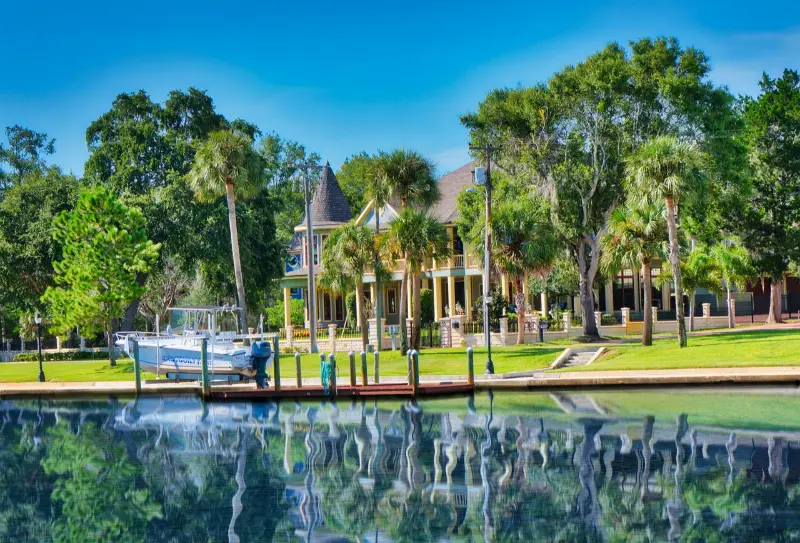
    Before booking, compare the full stay cost rather than the nightly rate. Parking, resort or destination fees, breakfast, beach equipment, kitchen access and the need for rideshare can change the value dramatically. A slightly more expensive hotel in the right district can be cheaper than a low room rate that requires two paid car trips every day.

    Families should also check room layout, not just occupancy. A sofa bed that technically sleeps two children may be fine for one night but uncomfortable for a week. For senior travelers, elevator reliability, walk-in showers, short routes to the lobby and shade around the property can matter more than a rooftop pool.

    Best things to do in Cape Coral Florida

    Boating and the canal lifestyle

    Cape Coral makes the most sense when you understand that water access is part of the destination. A boat rental or charter can transform the trip, but route knowledge, weather, tides, local rules and insurance matter. First-time boaters should favor guided or professionally managed options over treating the canals like a simple road network.

    Four Mile Cove Ecological Preserve

    Four Mile Cove provides mangrove scenery and a quieter contrast to the residential city. Boardwalk-style walking and paddling opportunities make it useful for birders and families, especially in cooler morning hours.

    Rotary Park and wildlife watching

    Rotary Park is a good place for short walks, butterfly habitat and birding. Cape Coral is also known for burrowing owls in developed neighborhoods, but sightings should be treated responsibly: keep distance, do not approach burrows and follow local conservation guidance.

    Cape Harbour, Tarpon Point and waterfront evenings

    The marina districts are ideal for a relaxed dinner, sunset walk and low-pressure evening. They are especially useful for multigenerational groups because people can sit, stroll or eat without committing to a long attraction.

    Family attractions and parks

    Water-play and family entertainment can fill a non-boating day. Operating schedules can change seasonally, so check the current calendar before promising a specific water-park or recreation day to children.

    Beaches, parks and outdoor time

    Cape Coral is waterfront, but it is not the same as staying directly on a Gulf barrier-island beach. For classic sand-and-surf days you may drive toward Fort Myers Beach, Sanibel or other coastal areas, and traffic can add time. In exchange, Cape Coral offers canal access, parks and more space in many vacation rentals.

    Coral Castle Historic Stone Entrance Florida

    Florida outdoor days are easiest when you schedule by temperature rather than by a rigid list. Put the longest walk, beach session, bike ride or wildlife activity early. Use lunch, a museum or the hotel for the hottest part of the day, then return outside later. In summer, thunderstorms can be brief but intense; in winter, a windy cold front can make an exposed beach far less comfortable than the air temperature suggests.

    Whenever swimming is part of the plan, check local flags, lifeguard coverage and current conditions. Never assume a calm-looking ocean or Gulf is risk-free, and do not build a family beach day around a tiny access point if you know you need toilets, shade and an accessible path.

    Getting there and around

    A car is close to essential for most leisure trips because the city is large and attractions are spread out. Fort Myers is just across the river, but bridge traffic and beach traffic can change drive times. If boating is central, choose accommodation based on dock and water access first, not only on straight-line distance to the coast.

    For a rental car, include parking and tolls in the budget before pickup. For a car-free or partly car-free stay, check whether the hotel is truly within comfortable walking distance of restaurants and the activities you care about. Florida heat turns a pleasant-looking one-mile map walk into a very different experience at midday.

    Airport choice should be based on total transfer time and flight convenience, not only distance. A nonstop flight to a slightly farther airport can be easier than a connection that saves twenty minutes on the ground. If your trip combines several Florida regions, consider collecting or returning the rental car only for the road-trip segment.

    Best time to visit

    For most travelers, the cooler and drier part of the year offers the easiest outdoor conditions, but it also brings stronger seasonal demand in many Florida destinations. Spring can balance warm weather with fewer winter visitors, while summer offers long daylight and family travel availability at the cost of heat, humidity and frequent thunderstorms. Fall can be quieter, but tropical weather planning matters.

    Do not choose a month only from average temperature. Think about the activities that define your trip. Beach swimming, wildlife viewing, outdoor festivals, theme parks and restaurant-focused weekends all have different ideal conditions. Check event calendars and local school-holiday patterns before paying a non-refundable rate.

    Families, teens, seniors and accessibility

    Family tipFor families with babies or toddlers, reduce the number of transitions. One beach, one lunch area and one easy afternoon stop is enough for a good day. Teenagers usually enjoy having one activity with independence or adrenaline—surfing, cycling, shopping, paddling or an evening district—rather than being moved through adult sightseeing all day.

    Senior travelers often benefit from the same strategy: shorter walks, earlier starts, reliable seating and a hotel near dinner. If mobility is limited, verify accessible parking, ramps, beach mats, wheelchairs or boarding assistance directly with the responsible attraction or local authority. “Accessible” can mean very different things depending on whether the challenge is a museum floor, soft sand or a small boat.

    Multigenerational groups do not need to remain together every hour. Plan one shared anchor each day, then allow a split. Grandparents can return to the hotel while teenagers stay at the beach; one adult can take children to a playground while another visits a museum. Regrouping for dinner is often more successful than forcing everyone to follow the most demanding itinerary.

    A practical 3-day Cape Coral Florida itinerary

    Day 1: understand the center

    Check in, explore the primary downtown or visitor district and keep the first evening easy. Choose a walkable dinner and one short attraction or waterfront stop. Arrival days are the wrong time to schedule a prepaid activity that becomes stressful if the flight, rental car or traffic is late.

    Day 2: the signature experience

    Use the morning for the destination’s main outdoor or cultural priority, then take a real break at lunch. In the afternoon, choose one secondary attraction from the list above rather than trying to complete all of them. Finish in the district you most want to experience after dark.

    Day 3: nature or a selective day trip

    Use the final full day for nature, a neighboring community or a second beach. If the weather is poor, swap in a museum, shopping district or indoor family attraction. Keep the last evening simple so packing and departure do not turn a good trip into a rushed finish.

    Food and evening planning

    South Cape and the marina areas have the most visitor-friendly concentrations of restaurants. Seafood is an obvious choice, but casual waterfront dining can be crowded at sunset. Vacation-home travelers can save money by mixing restaurant nights with simple meals at the rental.

    Florida dining times can become competitive in winter and on event weekends. Reserve only the meals that really matter; too many fixed reservations can make a beach or wildlife day feel rushed. For breakfast, a hotel room with a refrigerator or small kitchen can save both money and time, especially for families.

    Budget and booking strategy

    The biggest costs are usually lodging, transport and the activities that require a ticket or boat. Build the budget in that order. Free beaches and parks do not always mean a free day once parking, rentals and food are included. Conversely, a paid attraction with included parking and several hours of entertainment can be good value for a family.

    I would compare at least three lodging scenarios: the convenient central hotel, a beach or resort property, and a larger room or rental farther out. Add parking and local transport to each. For a short stay, location often wins. For a week with children, kitchen and laundry access can justify a little more driving.

    Keep cancellation terms visible in your planning notes. Florida weather can change, and boat tours, outdoor attractions and beach days are more enjoyable when one weather delay does not threaten the value of the whole trip.

    Day trips and how to combine the region

    Fort Myers, Sanibel, Captiva and Pine Island expand the trip naturally. Naples and the Everglades are possible longer day trips, but I would not do them on consecutive days with children. Cape Coral works best as a relaxed base with two or three substantial outings rather than a hotel used only for sleeping.

    A useful rule is to avoid more than one substantial drive on consecutive days. If you take a long day trip, make the following morning local. Florida roads can be easy when traffic is light and exhausting when weather, crashes or weekend beach traffic intervene. A slower plan usually produces more usable vacation time.

    Common mistakes to avoid

    • Booking the cheapest hotel without checking the real driving pattern of the trip.
    • Scheduling beach, museum, wildlife and nightlife priorities into the same day.
    • Ignoring parking costs or assuming every beach access has the same facilities.
    • Planning long outdoor activities at midday in the hottest months.
    • Using drive-time estimates that do not include event, bridge, theme-park or beach traffic.
    • Forgetting that a good multigenerational itinerary needs rest, shade and easy meal options.
    • Treating a weather-sensitive activity as guaranteed instead of keeping a flexible backup.

    Official resources

    Hours, parking systems, admission prices, beach rules, event schedules and construction can change. When a particular attraction or service is essential to your trip, confirm it on the official source shortly before travel.

    Frequently asked questions

    How many days do you need in Cape Coral Florida?

    Two full days is enough for a focused first visit, while three nights gives you room for a beach or nature day, the main cultural district and one nearby excursion without rushing. Longer stays make sense if the accommodation itself—such as a beach resort or vacation home—is part of the vacation.

    Do you need a car in Cape Coral Florida?

    That depends on the neighborhood. A central stay can reduce driving for meals and evening walks, but a car is usually helpful once you add beaches, nature preserves, family attractions or day trips. Check the actual address before deciding.

    Is Cape Coral Florida good for families?

    Yes, especially when you build the day around short activity blocks and a midday rest. The strongest family trips mix one destination-specific attraction with beach, park or pool time rather than trying to entertain children continuously.

    Is Cape Coral Florida suitable for senior travelers?

    Usually yes. Choose lodging close to dinner, check walking surfaces and parking, and use the cooler morning for outdoor sightseeing. Call ahead when wheelchair, scooter or accessible beach equipment is essential.

    What is the biggest planning mistake?

    Trying to use Cape Coral Florida as both a relaxed vacation base and a launch point for a long drive every day. Pick a few regional excursions and protect enough local time to enjoy the destination you actually booked.

    Final advice

    Cape Coral Florida is most rewarding when you let its strongest experiences set the pace. Choose the right neighborhood, protect the morning for what matters most, leave room for Florida weather and build the trip around the people traveling with you. A thoughtful two- or three-day stay will usually feel richer than a longer checklist with too much driving.

  • Punta Gorda and Port Charlotte Travel Guide: Charlotte Harbor, Boating, Nature and Where to Stay

    Punta Gorda and Port Charlotte Travel Guide: Charlotte Harbor, Boating, Nature and Where to Stay

    Punta Gorda and Port Charlotte make sense for travelers who prefer a calmer Southwest Florida base built around Charlotte Harbor rather than a dense resort strip. Punta Gorda brings the walkable historic core, waterfront parks and Fishermen’s Village; Port Charlotte adds practical lodging, shopping and access to the wider region. Together they work especially well for boating, fishing, cycling, nature and relaxed multigenerational trips.

    For a first visit, I would plan Punta Gorda and Port Charlotte around two questions: what do you want to do before lunch, and where do you want to be after dinner? Those choices determine whether a central hotel, a beach-side base or a more practical inland property will save the most time. The destination is easier when you protect mornings for the priority experience, use the hottest part of the day for lunch or an indoor stop, and leave enough flexibility for Florida weather.

    Quick planning summary

    • Fishermen’s Village — A waterfront complex for shops, dining, marina activity and harbor views.
    • Punta Gorda Harborwalk — The waterfront walking and cycling network helps connect parks, marinas and downtown.
    • Peace River — The river is central to local kayaking, fishing and fossil-hunting culture.
    • Peace River Botanical & Sculpture Gardens — A landscaped cultural stop that gives the trip an indoor-outdoor balance and works well for visitors who want something quieter than a full beach day.
    • Best pacing: one major activity plus one flexible neighborhood, park or beach stop each day.
    • Who it suits: couples, families, senior travelers and multigenerational groups who prefer a balanced Florida itinerary.
    • Transport: a car is usually helpful even when one district is walkable.

    In this guide

    Why visit Punta Gorda and Port Charlotte?

    Punta Gorda and Port Charlotte make sense for travelers who prefer a calmer Southwest Florida base built around Charlotte Harbor rather than a dense resort strip. Punta Gorda brings the walkable historic core, waterfront parks and Fishermen’s Village; Port Charlotte adds practical lodging, shopping and access to the wider region. Together they work especially well for boating, fishing, cycling, nature and relaxed multigenerational trips.

    The strongest reason to stay rather than rush through is the ability to experience different parts of the day. Morning light, lunchtime heat and the evening waterfront or downtown atmosphere can completely change a place. An overnight also lets you choose the best weather window for a beach, boat, trail or wildlife activity instead of forcing it into one fixed hour.

    I would not use Punta Gorda and Port Charlotte as a base for a long drive every day. It works better when at least half the trip is genuinely local. Pick two or three regional excursions, keep the rest close to the hotel, and allow enough unstructured time for a park, café, sunset or local event you did not know about before arrival.

    Where to stay

    Historic Punta Gorda

    Best for waterfront walks, local restaurants and a more atmospheric evening. You can park the car and spend part of the day on foot.

    Historic Tall Sailing Ships Docked in Florida Harbor

    Charlotte Harbor and Fishermen’s Village area

    Useful for travelers who want marina views, boat departures and easy access to waterfront dining.

    Port Charlotte

    Often the practical choice for larger hotels, highway access and road-trip value, especially if you plan to explore several directions rather than stay downtown every day.

    Before booking, compare the total trip cost. A centrally located room can cost more per night but save parking, fuel and rideshare. A larger room farther out can be better for a family if it includes a kitchen, laundry and free parking. Senior travelers should check walking distance, elevator access and bathroom layout; families should look beyond the advertised occupancy and consider whether everyone can actually sleep comfortably for several nights.

    Best things to do

    Fishermen’s Village

    A waterfront complex for shops, dining, marina activity and harbor views. It is easy to combine with an evening walk and sunset without turning the day into a long drive.

    Punta Gorda Harborwalk

    The waterfront walking and cycling network helps connect parks, marinas and downtown. It is one of the best ways to understand how the city relates to Charlotte Harbor.

    Peace River

    The river is central to local kayaking, fishing and fossil-hunting culture. Guided experiences are useful if you are unfamiliar with tides, wildlife or access points.

    Peace River Botanical & Sculpture Gardens

    A landscaped cultural stop that gives the trip an indoor-outdoor balance and works well for visitors who want something quieter than a full beach day.

    Charlotte Harbor Environmental Center and preserves

    The wider harbor region rewards birding, short trails and interpretation of mangrove and estuary ecosystems.

    Historic downtown Punta Gorda

    Murals, local restaurants and compact streets make this the best part of the area for an unstructured afternoon or evening.

    Nature, beaches and outdoor time

    Charlotte Harbor is the main attraction even when you never step onto a boat. Mangroves, tidal rivers and bird habitat shape the landscape. If you book fishing, paddling or a wildlife cruise, keep a weather backup because wind can change harbor conditions quickly.

    Outdoor planning in Florida works best by temperature rather than by a rigid clock. Put the longest walk, bike ride, paddle or beach session early, then use lunch and an indoor attraction for the hottest hours. Later afternoon can be excellent again, but summer storms may arrive quickly. If swimming is part of the day, check flags, lifeguard coverage and local conditions instead of assuming calm-looking water is safe.

    Wildlife encounters should stay observational. Do not feed birds, dolphins, manatees, alligators or other animals, and never block an animal’s movement for a photograph. When nesting areas, rookeries or protected habitats have seasonal restrictions, treat those rules as part of the experience rather than an inconvenience.

    Florida River Estuary Nature Reserve Aerial

    Getting there and around

    A car is the easiest way to connect Punta Gorda, Port Charlotte and outlying beaches. Punta Gorda Airport can be convenient for some routes, while Southwest Florida International Airport offers broader service. Distances look short on a map, but bridges and beach traffic can change drive times.

    For rental cars, add parking and tolls to the budget before pickup. If you plan a partly car-free stay, verify the exact hotel address and not just the neighborhood name. A one-mile walk on a map can feel very different in midday humidity, across a wide arterial road or with a stroller. Airport choice should be based on nonstop flights and total transfer time, not only straight-line distance.

    Best time to visit

    For most travelers, late fall through spring gives the easiest combination of comfortable outdoor weather and lower humidity, although winter can also bring higher accommodation prices and busier weekends. Summer is workable if you start outside early, take a real midday break and expect afternoon thunderstorms. Shoulder-season travel can offer better value, but tropical systems and heat should stay in the planning conversation.

    Event weekends can change both prices and traffic, especially in smaller towns where one festival fills much of the hotel inventory. If a specific event is the reason for the trip, book early. If it is not, checking the calendar before choosing dates can help you avoid paying festival-weekend rates for an ordinary getaway.

    Families, teenagers, seniors and accessibility

    Family tipFor families with babies or toddlers, reduce transitions: one major attraction plus pool, park or beach time is enough for a good day. Teenagers usually respond better when the plan includes something active or independent such as paddling, cycling, shopping or a waterfront district. Senior travelers benefit from the same pacing—shorter outdoor blocks, dependable seating and a hotel close to dinner. If accessibility is essential, confirm ramps, beach mats, accessible restrooms, boat boarding and parking directly with the operator or local authority before arrival.

    Multigenerational trips do not need to keep everyone together every hour. One shared morning anchor, followed by optional afternoon choices, often works better than forcing the youngest child and oldest adult through the same pace. Regrouping for dinner can turn a difficult schedule into an easy one.

    A practical 3-day itinerary

    Day 1: learn the center

    Arrive, check in and explore the main downtown or waterfront district. Choose one short attraction and an easy dinner within a few minutes of the hotel. Avoid expensive prepaid activities on arrival day because flight delays, rental-car lines and traffic can turn them into stress.

    Day 2: signature outdoor experience

    Use the morning for the destination’s strongest beach, preserve, boat, trail or cultural activity. Take a real lunch break, then choose one secondary attraction from the list above. Finish with a sunset or neighborhood dinner rather than adding another long drive.

    Day 3: culture, nature or a selective day trip

    Choose the experience you skipped on day two or make one regional excursion. If the weather is poor, switch to a museum, shopping district or indoor family attraction. Keep the final evening simple so departure does not become a rushed ending to the trip.

    Food and evening planning

    Look for seafood, casual waterfront restaurants and independent downtown dining. Punta Gorda is the better choice for a walkable dinner; Port Charlotte is more spread out and usually easier for parking and quick family meals.

    For families, breakfast in the room and one planned restaurant meal can make the day easier. For couples, a walkable dinner district is often worth paying slightly more for the hotel. In winter and during special events, reserve only the meals that really matter; too many fixed bookings can make outdoor days feel rushed.

    Budget and booking strategy

    The largest costs are usually lodging, transport and paid experiences. Compare the full stay, not only the room rate: parking, resort or destination fees, breakfast, beach equipment and rideshare can change the real price. Free parks and beaches still create parking and food costs, while one well-chosen paid attraction can deliver several hours of useful family time. Keep at least one flexible day so poor weather does not force you to waste a prepaid outdoor booking.

    A useful budget test is to compare three lodging scenarios: the central hotel, the resort or beach property, and a larger room or rental farther out. Add parking, breakfast, local transport and the amount of driving each requires. The cheapest nightly rate is not always the cheapest trip.

    Best day trips and regional combinations

    Boca Grande, Englewood, Venice and Fort Myers are all possible day trips. I would pick one coastal direction rather than combining several beaches in the same day.

    Avoid stacking substantial drives on consecutive days. If you take a long day trip, make the following morning local. Florida roads can be easy when traffic is light and exhausting when crashes, storms, bridge delays or weekend beach traffic intervene.

    Common mistakes to avoid

    • Booking the cheapest hotel without checking the actual daily driving pattern.
    • Trying to combine a full beach day, a major attraction and a long-distance day trip in one schedule.
    • Ignoring afternoon heat or thunderstorms when planning outdoor time.
    • Assuming every beach access or park has the same parking, lifeguards and restroom facilities.
    • Building every evening around a fixed reservation when boat tours, traffic or weather can run late.
    • For multigenerational groups, keeping everyone together all day instead of planning one shared anchor and optional split time.

    Official resources

    Hours, admission prices, beach access, parking systems, ferry schedules, construction and storm-recovery conditions can change. If a specific attraction or service is essential to your trip, confirm it with the official source shortly before travel.

    Frequently asked questions

    How many days do you need in Punta Gorda and Port Charlotte?

    Two full days is enough for a focused introduction, while three or four nights gives you room for the signature outdoor experience, the main cultural district and one nearby excursion without rushing. Stay longer if the hotel, beach or boating itself is a major part of the vacation.

    Do you need a car?

    For most visitors, yes. One central district may be walkable, but beaches, preserves, airports and day trips are easier with a car. A partly car-free trip can work when you deliberately choose a central hotel and limit regional excursions.

    Is Punta Gorda and Port Charlotte good for families?

    Yes, especially when you keep days simple. One destination-specific attraction plus beach, park or pool time is usually more successful than filling every hour. Check age, height and boarding requirements before paying for water activities.

    Is it suitable for senior travelers?

    Usually yes. Choose lodging close to dinner, schedule outdoor sightseeing in the cooler morning and verify accessibility details when they are essential. Boat steps, soft sand and long boardwalks can matter more than an attraction’s general “accessible” label.

    What is the biggest planning mistake?

    Trying to use the destination as a launch point for a long drive every day. Protect enough local time to enjoy the place you actually booked, and treat day trips as optional additions rather than the whole vacation.

    Final advice

    Punta Gorda and Port Charlotte is most rewarding when you let its strongest experiences set the pace. Choose the right base, protect the morning for what matters most, leave room for Florida weather and build the itinerary around the people traveling with you. A thoughtful three-night stay usually feels richer than a longer checklist with too much driving.

  • Vero Beach Florida Travel Guide: Beaches, Art, Gardens, Lagoon Nature and Where to Stay

    Vero Beach Florida Travel Guide: Beaches, Art, Gardens, Lagoon Nature and Where to Stay

    Vero Beach works best for travelers who want a polished coastal town without the scale of South Florida’s major resort cities. The barrier-island side has beaches, Ocean Drive, art and theater; the mainland adds downtown restaurants and practical services; the Indian River Lagoon brings wildlife and paddling. It is a particularly good fit for couples, families who prefer a slower beach trip and senior travelers who value short driving distances.

    For a first visit, I would plan Vero Beach Florida around two questions: what do you want to do before lunch, and where do you want to be after dinner? Those choices determine whether a central hotel, a beach-side base or a more practical inland property will save the most time. The destination is easier when you protect mornings for the priority experience, use the hottest part of the day for lunch or an indoor stop, and leave enough flexibility for Florida weather.

    Quick planning summary

    • Vero Beach oceanfront parks — Humiston, Jaycee, South Beach and other county access points differ in lifeguards, parking and facilities.
    • McKee Botanical Garden — A lush subtropical garden that provides shade, water features and a slower-paced outing away from the beach.
    • Vero Beach Museum of Art — A strong cultural anchor near Riverside Park that works well on hot or rainy afternoons.
    • Riverside Theatre and the arts district — Theater and events give Vero a year-round cultural side that rewards at least one evening off the beach.
    • Best pacing: one major activity plus one flexible neighborhood, park or beach stop each day.
    • Who it suits: couples, families, senior travelers and multigenerational groups who prefer a balanced Florida itinerary.
    • Transport: a car is usually helpful even when one district is walkable.

    In this guide

    Why visit Vero Beach Florida?

    Vero Beach works best for travelers who want a polished coastal town without the scale of South Florida’s major resort cities. The barrier-island side has beaches, Ocean Drive, art and theater; the mainland adds downtown restaurants and practical services; the Indian River Lagoon brings wildlife and paddling. It is a particularly good fit for couples, families who prefer a slower beach trip and senior travelers who value short driving distances.

    The strongest reason to stay rather than rush through is the ability to experience different parts of the day. Morning light, lunchtime heat and the evening waterfront or downtown atmosphere can completely change a place. An overnight also lets you choose the best weather window for a beach, boat, trail or wildlife activity instead of forcing it into one fixed hour.

    I would not use Vero Beach Florida as a base for a long drive every day. It works better when at least half the trip is genuinely local. Pick two or three regional excursions, keep the rest close to the hotel, and allow enough unstructured time for a park, café, sunset or local event you did not know about before arrival.

    Where to stay

    Oceanside and Ocean Drive

    The classic Vero choice for beach access, walkable dining and an easy sunrise. It is usually the most expensive area but can reduce daily driving.

    Mainland downtown Vero Beach

    A good compromise for restaurants, galleries and access to both I-95 and the barrier island.

    Near I-95

    Best for road-trip value and late arrivals, but less atmospheric if you want the beach to be part of every morning and evening.

    Before booking, compare the total trip cost. A centrally located room can cost more per night but save parking, fuel and rideshare. A larger room farther out can be better for a family if it includes a kitchen, laundry and free parking. Senior travelers should check walking distance, elevator access and bathroom layout; families should look beyond the advertised occupancy and consider whether everyone can actually sleep comfortably for several nights.

    Best things to do

    Vero Beach oceanfront parks

    Humiston, Jaycee, South Beach and other county access points differ in lifeguards, parking and facilities. Match the beach to your group instead of simply choosing the closest pin.

    McKee Botanical Garden

    A lush subtropical garden that provides shade, water features and a slower-paced outing away from the beach.

    Vero Beach Museum of Art

    A strong cultural anchor near Riverside Park that works well on hot or rainy afternoons.

    Riverside Theatre and the arts district

    Theater and events give Vero a year-round cultural side that rewards at least one evening off the beach.

    Environmental Learning Center

    An excellent way to understand the Indian River Lagoon through trails, aquariums and nature programs.

    Round Island and lagoon parks

    These areas are useful for paddling, manatee watching possibilities and quieter nature time.

    Nature, beaches and outdoor time

    Vero’s coast is important sea-turtle nesting habitat, while the lagoon is a nationally significant estuary. Respect marked nests, keep beaches dark at night during nesting season and never approach wildlife for a closer photo. Nature is a reason to slow down here, not another checklist.

    Florida River Estuary Nature Reserve Aerial

    Outdoor planning in Florida works best by temperature rather than by a rigid clock. Put the longest walk, bike ride, paddle or beach session early, then use lunch and an indoor attraction for the hottest hours. Later afternoon can be excellent again, but summer storms may arrive quickly. If swimming is part of the day, check flags, lifeguard coverage and local conditions instead of assuming calm-looking water is safe.

    Wildlife encounters should stay observational. Do not feed birds, dolphins, manatees, alligators or other animals, and never block an animal’s movement for a photograph. When nesting areas, rookeries or protected habitats have seasonal restrictions, treat those rules as part of the experience rather than an inconvenience.

    Getting there and around

    A car is useful because the barrier island, mainland and I-95 corridor are separated. Melbourne Orlando International Airport can be convenient for some routes; Orlando and Palm Beach are alternatives for wider Florida itineraries.

    For rental cars, add parking and tolls to the budget before pickup. If you plan a partly car-free stay, verify the exact hotel address and not just the neighborhood name. A one-mile walk on a map can feel very different in midday humidity, across a wide arterial road or with a stroller. Airport choice should be based on nonstop flights and total transfer time, not only straight-line distance.

    Best time to visit

    For most travelers, late fall through spring gives the easiest combination of comfortable outdoor weather and lower humidity, although winter can also bring higher accommodation prices and busier weekends. Summer is workable if you start outside early, take a real midday break and expect afternoon thunderstorms. Shoulder-season travel can offer better value, but tropical systems and heat should stay in the planning conversation.

    Event weekends can change both prices and traffic, especially in smaller towns where one festival fills much of the hotel inventory. If a specific event is the reason for the trip, book early. If it is not, checking the calendar before choosing dates can help you avoid paying festival-weekend rates for an ordinary getaway.

    Families, teenagers, seniors and accessibility

    Family tipFor families with babies or toddlers, reduce transitions: one major attraction plus pool, park or beach time is enough for a good day. Teenagers usually respond better when the plan includes something active or independent such as paddling, cycling, shopping or a waterfront district. Senior travelers benefit from the same pacing—shorter outdoor blocks, dependable seating and a hotel close to dinner. If accessibility is essential, confirm ramps, beach mats, accessible restrooms, boat boarding and parking directly with the operator or local authority before arrival.

    Florida House with Garden and Palm Trees

    Multigenerational trips do not need to keep everyone together every hour. One shared morning anchor, followed by optional afternoon choices, often works better than forcing the youngest child and oldest adult through the same pace. Regrouping for dinner can turn a difficult schedule into an easy one.

    A practical 3-day itinerary

    Day 1: learn the center

    Arrive, check in and explore the main downtown or waterfront district. Choose one short attraction and an easy dinner within a few minutes of the hotel. Avoid expensive prepaid activities on arrival day because flight delays, rental-car lines and traffic can turn them into stress.

    Day 2: signature outdoor experience

    Use the morning for the destination’s strongest beach, preserve, boat, trail or cultural activity. Take a real lunch break, then choose one secondary attraction from the list above. Finish with a sunset or neighborhood dinner rather than adding another long drive.

    Day 3: culture, nature or a selective day trip

    Choose the experience you skipped on day two or make one regional excursion. If the weather is poor, switch to a museum, shopping district or indoor family attraction. Keep the final evening simple so departure does not become a rushed ending to the trip.

    Food and evening planning

    Ocean Drive offers convenient vacation dining, while the mainland adds local restaurants and better value. A split stay is unnecessary; just plan one or two mainland evenings if you are based at the beach.

    For families, breakfast in the room and one planned restaurant meal can make the day easier. For couples, a walkable dinner district is often worth paying slightly more for the hotel. In winter and during special events, reserve only the meals that really matter; too many fixed bookings can make outdoor days feel rushed.

    Budget and booking strategy

    The largest costs are usually lodging, transport and paid experiences. Compare the full stay, not only the room rate: parking, resort or destination fees, breakfast, beach equipment and rideshare can change the real price. Free parks and beaches still create parking and food costs, while one well-chosen paid attraction can deliver several hours of useful family time. Keep at least one flexible day so poor weather does not force you to waste a prepaid outdoor booking.

    A useful budget test is to compare three lodging scenarios: the central hotel, the resort or beach property, and a larger room or rental farther out. Add parking, breakfast, local transport and the amount of driving each requires. The cheapest nightly rate is not always the cheapest trip.

    Best day trips and regional combinations

    Sebastian Inlet, Fort Pierce and the northern Space Coast are easy options. Keep the drive short if you have already paid for an oceanside room—Vero is most enjoyable when you actually use the beach and lagoon rather than leaving every day.

    Avoid stacking substantial drives on consecutive days. If you take a long day trip, make the following morning local. Florida roads can be easy when traffic is light and exhausting when crashes, storms, bridge delays or weekend beach traffic intervene.

    Common mistakes to avoid

    • Booking the cheapest hotel without checking the actual daily driving pattern.
    • Trying to combine a full beach day, a major attraction and a long-distance day trip in one schedule.
    • Ignoring afternoon heat or thunderstorms when planning outdoor time.
    • Assuming every beach access or park has the same parking, lifeguards and restroom facilities.
    • Building every evening around a fixed reservation when boat tours, traffic or weather can run late.
    • For multigenerational groups, keeping everyone together all day instead of planning one shared anchor and optional split time.

    Official resources

    Hours, admission prices, beach access, parking systems, ferry schedules, construction and storm-recovery conditions can change. If a specific attraction or service is essential to your trip, confirm it with the official source shortly before travel.

    Frequently asked questions

    How many days do you need in Vero Beach Florida?

    Two full days is enough for a focused introduction, while three or four nights gives you room for the signature outdoor experience, the main cultural district and one nearby excursion without rushing. Stay longer if the hotel, beach or boating itself is a major part of the vacation.

    Do you need a car?

    For most visitors, yes. One central district may be walkable, but beaches, preserves, airports and day trips are easier with a car. A partly car-free trip can work when you deliberately choose a central hotel and limit regional excursions.

    Is Vero Beach Florida good for families?

    Yes, especially when you keep days simple. One destination-specific attraction plus beach, park or pool time is usually more successful than filling every hour. Check age, height and boarding requirements before paying for water activities.

    Is it suitable for senior travelers?

    Usually yes. Choose lodging close to dinner, schedule outdoor sightseeing in the cooler morning and verify accessibility details when they are essential. Boat steps, soft sand and long boardwalks can matter more than an attraction’s general “accessible” label.

    What is the biggest planning mistake?

    Trying to use the destination as a launch point for a long drive every day. Protect enough local time to enjoy the place you actually booked, and treat day trips as optional additions rather than the whole vacation.

    Final advice

    Vero Beach Florida is most rewarding when you let its strongest experiences set the pace. Choose the right base, protect the morning for what matters most, leave room for Florida weather and build the itinerary around the people traveling with you. A thoughtful three-night stay usually feels richer than a longer checklist with too much driving.