

Food is a good way to discover how varied Florida is, but a memorable food trip takes more planning than writing a list of restaurants. The state’s kitchens reflect many histories, including Indigenous foodways, Southern traditions, Caribbean migration, Cuban American communities and coastal fishing. The flavors change from Miami to Tampa and from the Keys to North Florida. You do not need luxury reservations to explore that variety. A Cuban bakery breakfast, a thoughtfully chosen seafood lunch and a neighborhood cultural stop can say more about a place than an elaborate tasting menu. The key is to respect local communities, manage travel distances and understand when a famous dish is seasonal or a restaurant’s ‘traditional’ claim is simply advertising.
On this page
- Choose one food region for a short trip
- Miami's Cuban American food culture
- Tampa's Ybor City and the sandwich debate
- Little Haiti and Caribbean influences in South Florida
- Key West: key lime pie and island dining
- Gulf Coast seafood: know what is local and in season
- Southern food and North Florida small towns
- Farmers markets, groceries and cooking in a rental
- Allergies, vegetarian choices and dietary needs
- Budget, tips and meal pacing
- A manageable nine-night sample route
- Quick comparison
- Frequently asked questions
- Official sources
Choose one food region for a short trip
Florida is too large to sample responsibly on a three-day statewide circuit. Miami and Tampa are several hours apart, and Key West adds an extended drive down the Overseas Highway. With three or four days, stay in one region and explore food through neighborhood walks, markets and a couple of sit-down meals. A week allows two connected bases; ten or more days can support several without turning every meal into a highway stop. Decide whether your goal is street-level local culture, seafood, cooking classes, markets or destination restaurants, because those experiences need different budgets and reservations.
Instead of collecting ‘best’ lists, choose a question for each day. How did cigar workers shape the food of Ybor City? What makes Cuban coffee service a social ritual? Which fish are commonly sold locally and which are imported? Who owns and runs the business? A little curiosity changes the experience from checking off a menu to understanding the people and places around it. Ask respectfully and avoid treating workers as performers required to explain their culture during a busy shift.
Miami's Cuban American food culture
In Little Havana, coffee windows, bakeries and restaurants can introduce visitors to cafecito, pastelitos, croquetas and other familiar parts of Cuban American food culture. The neighborhood includes real homes, shops and community institutions; it is not a food theme park. Consider walking a limited section in daylight, choosing one bakery and sitting down for a meal rather than stopping only to take photos. Some of the most interesting experiences are ordinary: watching how people order coffee and seeing which pastries are available fresh that morning.
A Cuban sandwich is not simply one recipe everywhere in Florida. Miami and Tampa have distinct traditions and local arguments about the details. Enjoy the comparison rather than insisting that a single version is objectively correct. Menus, portion sizes and service styles vary. If you are not familiar with ordering at a bakery window, ask what a dish contains and what the current price is. Bring a payment method accepted by the business and remember that busy venues may have limited seating.
Tampa's Ybor City and the sandwich debate
Tampa has a strong Cuban, Spanish and Italian immigrant history connected with its cigar-making industries. Ybor City provides a chance to connect a meal with the district’s heritage. A museum or historic interpretation stop can give context to the food before lunch. A Tampa-style Cuban sandwich often includes ingredients that distinguish it from the version commonly associated with Miami, but recipes vary between establishments. Comparing sandwiches in two cities can be fun when it is part of a broader understanding of the communities that made them.
Visit Ybor during a time of day that fits your interests. The area has dining and nightlife, but a quiet historical outing is different from a busy evening. Check museum hours and plan parking or public transport before you arrive. Respect residential streets and businesses. If traveling with children or older relatives, prioritize a manageable daytime route and a restaurant with comfortable seating instead of trying to combine a long walking tour with a late dinner.
Little Haiti and Caribbean influences in South Florida
Miami’s Little Haiti has cultural institutions and businesses reflecting Haitian heritage. The city-supported Little Haiti Cultural Complex and Caribbean Marketplace provide a starting point for researching current events and public programs. Food options around the broader neighborhood reflect Haitian and other Caribbean traditions; dishes and restaurant ownership differ, so do not assume every Caribbean establishment serves the same cuisine. Take time to understand how dishes are prepared and whether ingredients such as peppers, seafood or peanuts appear in a meal.
Checking opening hours matters here as much as anywhere else. A marketplace or cultural program may operate on a limited calendar. Visitors should not photograph people without consent or wander into private spaces to recreate images from social media. Support businesses through ordinary purchases and approach a neighborhood with the same courtesy you would show at home. A respectful food trip has room to listen, not just consume.
Key West: key lime pie and island dining
Key lime pie is strongly associated with the Florida Keys, but not every slice sold to tourists is made with an identical recipe. Some versions are tart and restrained; others are sweeter or covered in elaborate toppings. If tasting pie is a goal, try a small portion at a bakery or restaurant whose menu interests you for other reasons too. Pair dessert with a walk through Key West’s historic streets and learn about the island’s maritime and trading history. Food tells only part of the story.
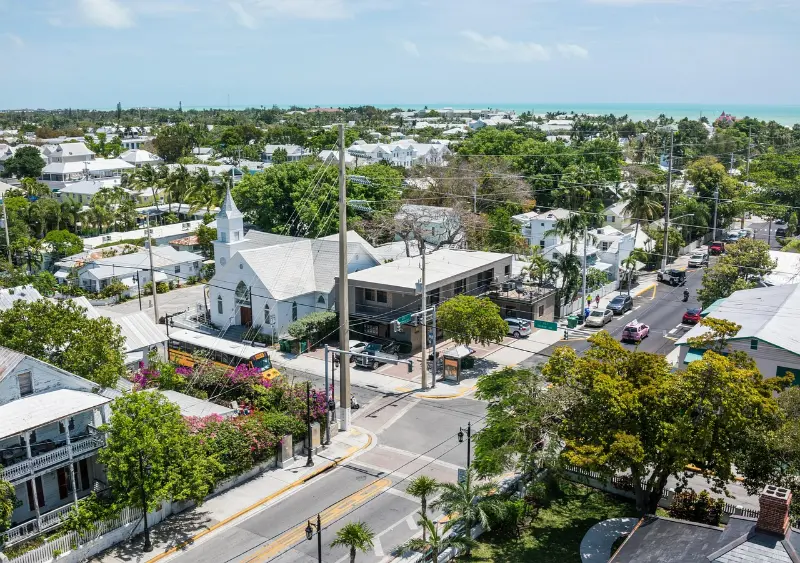
Do not combine a quick overnight in Miami with an ambitious same-day Key West food crawl unless you are comfortable spending long hours in transit. The Overseas Highway can be slow, especially on busy weekends or after disruptions. Staying on the islands gives you more time for meals and exploring without racing back. Visitors who prefer quiet evenings may want accommodations away from the busiest nightlife streets. Restaurant bookings can be useful for a special dinner, but leave room for spontaneous discoveries.
Gulf Coast seafood: know what is local and in season
The Gulf Coast has long fishing traditions, but a restaurant near the water does not necessarily serve fish caught that morning. Menus can include both domestic and imported seafood, and availability changes with weather, seasons and regulations. Ask about species and sourcing if those details matter to you. In fishing communities around Apalachicola, the Nature Coast and Southwest Florida, cultural history and working waterfronts are as interesting as the meal itself. Look for museums, docks and heritage interpretation that are open to visitors without disrupting commercial work.
Stone crab claws are a well-known seasonal Florida product, yet dates, catches and prices are regulated and can change. Do not assume fresh local claws are available year-round or at a fixed low price. Visitors with shellfish allergies must take cross-contact seriously, even in restaurants where seafood is the main attraction. A vegetable dish or another alternative should be planned before the group reaches a remote waterfront dining area with few choices.
Southern food and North Florida small towns
North Florida’s food culture differs from the tropical image many overseas travelers expect. Southern influences appear in breakfasts, barbecue, traditional side dishes and small-town cafés. The Panhandle and rural communities can reward travelers willing to make a deliberate stop outside the interstate service areas. However, there is no need to claim every restaurant is an untouched historic institution. Business ownership and menus change, and family recipes are not identical from one county to the next.
If you are traveling between Jacksonville, Tallahassee and Pensacola, plan food stops where you will already be, rather than adding long detours for an internet-famous dish. Check weekly opening schedules: smaller cafés may close early or on particular days. Food portions can be large, so sharing is sometimes sensible if the venue allows it. For people with dietary restrictions, call ahead; a small restaurant may be able to accommodate a request, but it is not guaranteed.
Farmers markets, groceries and cooking in a rental
A local market can introduce seasonal produce, honey, preserves and small businesses without the cost of several restaurant meals. Check whether the market is a regular weekly event or a special festival. Arrive early enough for the vendors you want but avoid assuming every stall accepts cashless payment. In warm weather, keep perishable purchases cool. A vacation rental kitchen can be useful for families, though it is worth confirming the actual appliances and utensils before buying ingredients that require extensive preparation.
Try a low-stress market meal: fresh produce, a prepared bakery item and another ready-to-eat option from vendors whose food-handling arrangements look appropriate. Keep seafood refrigerated and follow official food-safety guidance rather than carrying raw fish for hours in a warm rental car. Cooking at home is not automatically cheaper if you buy large quantities of spices and equipment for a two-night stay, so compare honestly with an affordable nearby restaurant.
Allergies, vegetarian choices and dietary needs
Travelers with celiac disease, severe food allergies or other medical dietary needs should research restaurants before arriving hungry. Explain the specific ingredient or cross-contact concern and ask direct questions about preparation. A menu with ‘vegetarian’ or ‘gluten free’ beside a dish is not a complete safety guarantee. For people who avoid particular foods for religious or ethical reasons, Miami, Orlando and other larger cities may offer more specialized choices, but availability varies by neighborhood. Confirm hours, certification claims and ingredients directly.
Carrying familiar safe snacks can make a road trip much easier, particularly with children. At a special-event food stall, staff may not have the same detailed ingredient information as a full-service restaurant; if a safety question cannot be answered, choose a different meal. Florida’s diverse food culture is enjoyable only when every traveler can participate comfortably without pressure to try something that may harm them.
Budget, tips and meal pacing
Plan a daily food allowance that includes taxes, service charges, tips where customary, coffee, snacks and drinking water. A restaurant’s menu price may not match the final amount paid. Some venues add automatic gratuity for larger groups; review the bill before adding another tip. A high-priced waterfront meal can be worth it for a special occasion, but repeating that expense every day is not necessary to explore local cuisine. Breakfast from a bakery and a relaxed lunch often cost less than a series of elaborate dinners.
Reserve an evening restaurant only if timing truly matters. A trip filled with fixed dinner appointments becomes stressful when storms or traffic delay the group. People traveling with older relatives or small children may enjoy a substantial midday meal and an easy early dinner. Check accessibility, seating and restroom arrangements if someone cannot stand in a long line. A great food vacation is not measured by how many dishes the group eats in a single afternoon.
A manageable nine-night sample route
Spend three nights in Tampa Bay for Ybor City, historic interpretation and coastal dining. Fly or drive to South Florida for four nights, exploring selected Miami neighborhoods and perhaps Fort Lauderdale without cramming them into the same day. Use the final two nights in the Upper Keys if a relaxed island experience fits your goals; otherwise stay in South Florida and avoid another hotel change. For travelers who want Key West specifically, give it more time and be honest about the drive. Book transport between distant regions as a real travel day, not a brief transition.

An alternative food trip stays entirely on the Gulf Coast, linking Tampa Bay, Sarasota and a working waterfront town. That route works better for travelers who prefer scenic towns and seafood to big-city neighborhoods. Both itineraries can be adapted for low-stamina guests by reducing walking and making the restaurant the anchor of the day. Be curious, check facts directly with vendors, and leave room for places you did not discover before departing.
Quick comparison
| Option | Good for | Check before you go |
|---|---|---|
| Miami Little Havana | Cuban American bakeries and coffee | Walk respectfully and check hours |
| Tampa Ybor City | Cigar-era heritage and Cuban sandwiches | Visit museum alongside food |
| Little Haiti | Haitian culture and restaurants | Check cultural programs |
| Florida Keys | Key lime pie and island dining | Driving takes time |
| Gulf Coast | Seasonal seafood and working waterfronts | Ask about sourcing |
Frequently asked questions
Can I explore Florida's food culture without an expensive restaurant budget?
Yes. Bakeries, markets, modest cafés and a few well-chosen sit-down meals can tell a rich story.
Is a Cuban sandwich the same in Tampa and Miami?
There are different regional traditions and variations among businesses. Compare them as part of the local history rather than expecting one standard recipe.
Is all Gulf Coast seafood local?
No. Ask about species and origin if sourcing matters. Availability varies with season and weather.
Should I reserve every restaurant?
Usually not. Reserve special meals, but leave other meals flexible to accommodate travel times and changing plans.
Official sources
Official sources and planning details reviewed in October 2026. Confirm current admission rules, accessibility, opening hours and conditions before visiting.