Florida’s seafood heritage is far richer than a plate of shrimp in a restaurant overlooking a marina. Fishing families, oyster communities, small markets and independent processors have shaped towns along both coasts. For travelers, the most rewarding food-focused journey begins by asking where a product actually came from, which species are in season and how the working waterfront is connected to the local landscape. This five-day road trip uses three very different Gulf Coast destinations—Cortez, Cedar Key and Apalachicola—to explore seafood culture without assuming every market is open daily or that every catch is harvested locally. It suits curious adults, families with older children and slow travelers who appreciate communities beyond the beach resorts.
In this guide
- What makes a working waterfront different
- Ask what 'fresh Florida seafood' means
- Day one: Cortez on Sarasota Bay
- What to eat around Cortez
- Day two: Bradenton area and a flexible nature stop
- Day three: Cedar Key's small-island character
- Cedar Key with children and older travelers
- Day four: Apalachicola's oyster story
- Day five: Eastpoint and a gentle coastal extension
- Seafood seasons, closures and sustainable choices
- Practical shopping and food safety
- A realistic budget for a five-day food trip
- How to include non-seafood eaters
- Airports, driving and seasonal conditions
- Bringing the waterfront experience home
What makes a working waterfront different
A working waterfront is not simply an attractive place to photograph boats. It may contain docks, fish houses, processing facilities, commercial vessels, bait suppliers and businesses that depend on the daily catch. At a public viewing area you can learn about this economy, but commercial wharves are workplaces with moving equipment and sometimes restricted access. Visitors should not wander onto private docks or photograph workers from a few feet away without permission. Some waterfront towns have more visible tourism businesses, while others retain facilities that focus almost entirely on fishing. Respect these distinctions. Buying responsibly sourced local seafood or dining with businesses that explain their supply chain supports a more meaningful connection than assuming every restaurant serving fish is part of the local fleet.
Ask what 'fresh Florida seafood' means
A fish restaurant may be located beside the Gulf while serving seafood brought from elsewhere. That is not automatically a problem, but it is different from buying locally harvested fish. The Florida Department of Agriculture and Consumer Services maintains a retail seafood market locator and encourages customers to ask for Fresh From Florida products. Its directory is not an endorsement of every seller and availability varies. Questions worth asking include the species, harvest origin, whether it is wild-caught or farmed, and whether it has been previously frozen. Previously frozen seafood can still be excellent, safe and practical. Avoid judging quality by a handwritten sign alone. Choose reputable retailers, keep food chilled and follow safe storage practices after purchase.
Day one: Cortez on Sarasota Bay
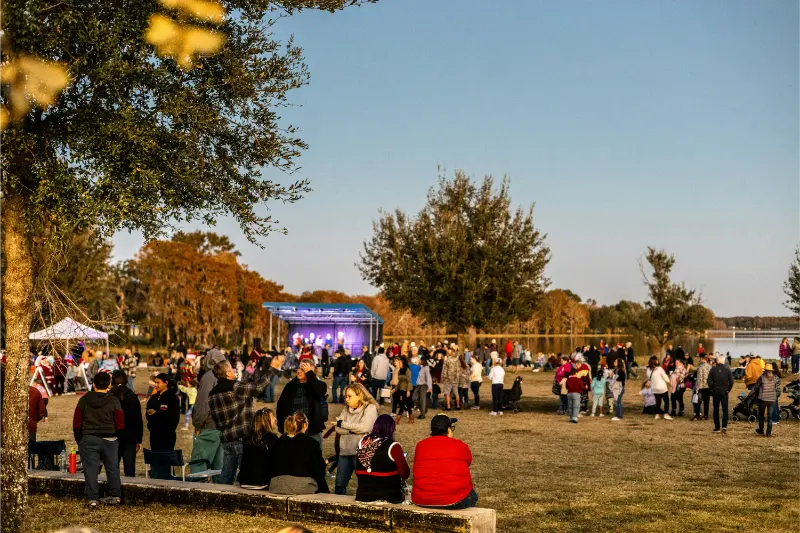
Begin in the historic fishing village of Cortez, west of Bradenton, where the waterfront’s relationship to commercial fishing remains central to local identity. A walk through permitted public areas can reveal a different atmosphere from the more resort-oriented barrier islands nearby. Allow time for a seafood meal and consider learning about local history through cultural resources that are genuinely open on your dates. The Florida Maritime Museum has reported a temporary closure for facility work, so do not build a trip around an assumed museum visit. Instead, verify current public programs or alternative nearby attractions before driving there. The village deserves respectful exploration, with an understanding that many residents and businesses are working rather than performing for visitors.
What to eat around Cortez
A local seafood meal is an opportunity to ask about Gulf species and preparation styles rather than choosing whichever menu item has the most elaborate description. Mullet has a particular historical association with parts of coastal Florida, while shrimp and seasonal catches may also appear. Menus and prices change according to supply, weather and the operator. If you want to buy fish to cook in a rental, check market opening hours directly; do not arrive late in the evening expecting fresh stock. Plan a simple chilled storage solution before buying. Families may enjoy discussing which species are local and how fish reach the table, but avoid presenting fishing as only a quaint historical activity: it remains a livelihood affected by fuel, regulations, weather and ecosystem health.
Day two: Bradenton area and a flexible nature stop
Spend the second day near the Bradenton and Sarasota Bay area rather than immediately driving north. This gives you time to visit another waterfront viewpoint, a market with confirmed opening hours or an educational attraction that explains local coastal ecology. A short nature walk can help connect the seafood economy to seagrass, mangroves and estuaries where young marine life finds habitat. For children, one outdoor stop and one food-related visit is enough. If the weather is stormy, make it a cafe or market day and avoid exposed docks. This day also functions as a useful buffer if a seller’s inventory was limited the previous evening. Resist the urge to turn every meal into a complicated drive; enjoy the community’s everyday pace.
Day three: Cedar Key's small-island character
Drive north toward Cedar Key, allowing time for traffic and any road updates along the Nature Coast. Cedar Key feels different from a large beachfront resort: it is a small community of waterfront streets, boats, shops and striking Gulf views. Its seafood identity has changed over time, with clam aquaculture playing an important economic role alongside other maritime traditions. Take time to understand that shellfish farming is a managed business shaped by water quality and environmental conditions. Ask restaurants or retailers where their clams come from rather than assuming every menu item originated nearby. After storms, coastal businesses and roads can face repairs; confirm operations before traveling. Enjoy the landscape without intruding on aquaculture lease areas or working docks.
Cedar Key with children and older travelers
Cedar Key rewards a slower approach. A family might choose a short waterfront walk, a local lunch and an educational stop instead of a full day on the sand. Some streets and waterfront paths may have uneven surfaces, and the exposed Gulf heat can be tiring. Grandparents who prefer to remain seated can enjoy a view from a restaurant or public area while others explore nearby shops. Verify accessible entrances and restrooms individually, particularly in older buildings. Children should never wander unaccompanied onto docks or near boat ramps. A picnic is possible if you have a legal place to sit and adequate cool storage, but buying takeout from a reputable local business can make the day simpler. Allow time for sunset without promising a specific clear-sky view.
At a glance: practical comparison
| Decision | Option or feature | What to check |
|---|---|---|
| Cortez | Working fishing-village heritage | Check whether museums are open |
| Cedar Key | Clam aquaculture and island history | Verify seller operating times |
| Apalachicola | Oyster heritage and river economy | Confirm harvest origin |
| All destinations | Buy from reputable sellers | Cold storage and food safety matter |
Day four: Apalachicola's oyster story
Apalachicola is closely associated with oysters, river culture and the meeting of the Apalachicola River and the Gulf. The area’s oyster history is an essential subject, but travelers should avoid assuming that the historic wild oyster fishery is operating as it once did. Management closures, restoration and changing harvest rules have affected the bay. Restaurants may serve oysters from other regions or approved aquaculture sources, and that should be explained openly rather than obscured by nostalgia. Learn about the town’s built heritage, walk through the public commercial district and ask informed questions about modern seafood sourcing. A meal is more meaningful when you understand both the proud tradition and the environmental challenges behind it.
Day five: Eastpoint and a gentle coastal extension
Use a final day to learn more about the communities across the bay, such as Eastpoint, or make a careful excursion toward St. George Island if weather and access are suitable. The objective is not to turn the working waterfront into an amusement park. Visit publicly accessible viewpoints, choose a retailer or restaurant with verified operating hours and observe how roads, bridges and waterways influence the town. A family with younger children may prefer one short shoreline stop and an early lunch. A traveler interested in photography should avoid blocking commercial activity. If a strong storm or fishing closure changes the area’s rhythm, treat that as a reminder to support local businesses respectfully rather than demanding a predetermined tourism experience.
Seafood seasons, closures and sustainable choices
Florida seafood species are subject to different harvest seasons, size limits and conservation rules. Stone crab claws, spiny lobster, certain reef fish and shellfish all involve specific regulations; retail availability may also be affected by weather and local closures. Do not rely on a social-media list of ‘what is in season’ from several years ago. The Florida Fish and Wildlife Conservation Commission and Florida agriculture authorities publish current information; consult those resources when a particular species is central to your trip. Restaurants may lawfully serve imports or aquaculture products, so ask what the menu means by ‘local.’ Respect protected species and never buy seafood offered informally without a credible source or required licensing. Buying thoughtfully matters more than collecting the rarest item.
Practical shopping and food safety
Fresh seafood is perishable and requires careful temperature control. If you are driving several hours after visiting a market, bring a cooler and adequate ice or frozen packs, and keep the product below food-safety temperature thresholds. Purchase near the end of the day’s outing when possible. Ask the seller about handling, storage and whether fish has previously been frozen. Raw seafood carries specific foodborne-illness risks, particularly for children, pregnant travelers, older people and those with certain medical vulnerabilities; fully cooked options are generally the more conservative choice. Never assume an oyster’s flavor proves it is safe to eat raw. A rental kitchen should have a reliable refrigerator, clean utensils and a way to prepare seafood thoroughly. Use official food-safety guidance when uncertain.
A realistic budget for a five-day food trip
Budget separately for accommodation, fuel, parking, meals and optional museum admission. The road trip covers a considerable distance, so one hotel for all five nights would create repeated long drives. Consider two or three bases instead, with the Cortez area for the first two days, the Cedar Key region for one night and the Apalachicola area for the final two. This is more manageable than crossing the Gulf Coast in a single day while expecting leisurely market visits. Restaurants serving specialty seafood can be expensive, but a few shared dishes or carefully chosen lunch specials can keep the experience accessible. Do not purchase large amounts of seafood simply because it appears cheaper at a dockside shop; storage and waste erase the saving.
How to include non-seafood eaters
A mixed-age group may contain a vegetarian, a child who dislikes fish or an adult with a shellfish allergy. The road trip can still work because the heritage, architecture and landscape are interesting beyond the plate. Choose restaurants that offer clear alternatives and ask staff about cross-contact when allergies are severe. Do not assume that a fried side dish is safe for a seafood-allergic visitor simply because it does not visibly contain fish. Seafood markets are often busy workplaces with wet floors and strong smells, so check whether a hesitant child will enjoy the experience before arranging a long visit. Split the group for an hour if necessary: some can explore a permitted waterfront viewpoint while others browse food shops. The vacation should not require everyone to eat the same meal.
Airports, driving and seasonal conditions
A one-way itinerary may involve arriving through the Tampa Bay region and leaving from an airport serving the Panhandle, depending on flight schedules and rental-car terms. One-way vehicle fees can be significant, so compare a round trip and a two-base alternative if the flight cost is high. Give time to slower coastal routes and avoid making assumptions about road access after tropical weather. Hurricane season runs from June through November. Summer can be humid with frequent thunderstorms, while winter and spring may offer comfortable walking but varying seafood availability and higher lodging demand. Verify commercial tours, museums and seafood sellers directly shortly before visiting. A working waterfront does not operate solely on the tourist calendar.
Bringing the waterfront experience home
The strongest memory of this journey may be understanding how different towns depend on healthy coastal habitats, resilient local businesses and the people who work on the water. Ask questions politely, purchase from legitimate vendors when possible and avoid romanticizing difficult livelihoods. Photograph public views without entering private operations. At the end of the trip, you should be able to explain why clam aquaculture matters to Cedar Key, why Cortez retains an active fishing identity and why Apalachicola’s oyster story involves conservation as well as tradition. That understanding makes a seafood meal feel connected to a place rather than interchangeable with a restaurant in any coastal city.
Frequently asked questions
Does every coastal Florida restaurant serve local fish?
No. Ask the restaurant about harvest origin and whether seafood is local, domestic, imported, wild or farmed.
Can I count on the same seafood every month?
No. Seasons, weather, harvest rules and supply change availability. Confirm with the seller and official agencies.
Is Apalachicola still the same wild-oyster destination it once was?
Its historic fishery has faced major management and restoration changes. Check current sources and ask restaurants where their oysters originate.