Category: Florida Travel Planning

  • Panama City Beach on a Budget: Free Beaches, Low-Cost Days, Food and Money-Saving Tips

    Panama City Beach on a Budget: Free Beaches, Low-Cost Days, Food and Money-Saving Tips

    A Panama City Beach vacation does not have to be built around expensive attractions every day. The Gulf, public beach access, sunsets, parks and simple walks can carry a large part of the experience, while one or two carefully chosen paid activities become the memorable extras rather than the financial baseline. The biggest budget gains come from accommodation, food and transportation decisions made before arrival—not from skipping every ice cream or souvenir once you are already there.

    Explore this guide

    Quick planning summary

    • Best for: Families, couples, students and road-trippers who want a real beach vacation while keeping daily spending under control.
    • Ideal trip length: 3–5 nights is enough for a low-cost beach break; a week becomes good value when lodging includes a kitchen and laundry.
    • Getting around: A car can be economical for families and grocery runs, while a well-located stay can reduce fuel and parking costs.
    • Most important planning point: Set the lodging and food strategy first, then choose only the paid attractions that truly improve the trip.

    Start with the total room cost, not the headline rate

    Panama City Beach accommodation can look inexpensive until taxes, cleaning charges, resort fees and parking are added. Compare the final total for the exact dates and number of guests. For a family staying several nights, a condo with kitchen and laundry can offset a higher nightly price by reducing restaurant meals and paid laundry. For a short couple’s trip, a hotel near Pier Park may be better value if it removes the need to drive for dinner and evening entertainment.

    Flexibility also has a value. A slightly more expensive refundable rate can protect a vacation budget during hurricane season or when family plans are uncertain. Do not choose a nonrefundable bargain simply because the displayed rate is lower; compare what would happen if a flight changes, a child becomes sick or severe weather alters the trip.

    Use free beach time as the center of the itinerary

    The beach is not filler between attractions—it is the main reason many people visit. An early swim, a midday break and a sunset return can create a complete day without admission tickets. Public access points vary in parking and facilities, so choose the one that best fits the group rather than driving repeatedly to the most famous pier. Bring reusable water bottles, shade, towels and simple snacks, then leave the beach with all belongings under the local Leave No Trace rules.

    Low-cost nature is one of the destination’s strengths

    Panama City Beach Conservation Park is a strong choice for travelers who enjoy walking or cycling and want a break from commercial attractions. Historic St. Andrews and Downtown Panama City can also create a low-cost half day built around waterfront views, murals, browsing and one affordable meal. State parks charge fees, but a carefully planned state-park day can still be excellent value because beach, walking, wildlife and scenic time are bundled into one stop.

    Panama City Beach Skyline and Shoreline Aerial

    Choose one paid anchor experience

    Instead of buying tickets impulsively, ask which experience would be disappointing to miss. A family may choose Shipwreck Island or WonderWorks; a nature-focused traveler may prefer a boat trip; a couple may spend on one special dinner or sunset experience. Once that anchor is chosen, surround it with free or inexpensive activities. The result often feels more deliberate and less rushed than trying to “get value” from several admissions in one day.

    Food savings that do not make every meal a chore

    A budget vacation becomes unpleasant if every meal turns into a calculation. Use a simple split: inexpensive breakfast at the room, picnic or casual lunch, and one restaurant meal. Families can keep cereal, fruit, sandwich ingredients, drinks and familiar snacks on hand; couples can use the same approach and spend the savings on seafood or a sunset dinner. A grocery stop early in the trip is most efficient when it is combined with check-in rather than repeated daily.

    Transportation can quietly become the expensive category

    A distant cheap room can create more driving, parking and rideshare spending than a better-located property. If renting a car, compare the full cost including taxes, parking and fuel. If traveling without a car, estimate the likely number of rideshare trips before assuming that strategy is cheaper. For a short stay, location may save more money than negotiating every meal. For a long road trip, free hotel parking and easy highway access may matter more.

    Travel dates can matter more than coupon hunting

    Weekends, holidays, major events and school-break periods can raise lodging demand. If your schedule is flexible, compare several date combinations rather than only searching for a discount code. Late spring and fall can offer a different balance of weather, crowds and prices, while winter can be attractive to travelers who value walking and quiet more than warm Gulf swimming. Always compare actual current rates because the cheapest month is not identical every year.

    Choose accommodation for the trip you are actually taking

    Panama City Beach stretches for miles, so the cheapest room is not automatically the best value. A property near Pier Park can reduce evening driving, the West End can feel calmer, Middle Beach keeps many attractions reasonably close, and the Grand Lagoon side can be convenient for boating and St. Andrews State Park. Compare the real route from the room to the beach, parking area, elevator, pool and restaurants rather than relying on the phrase “beachfront” alone.
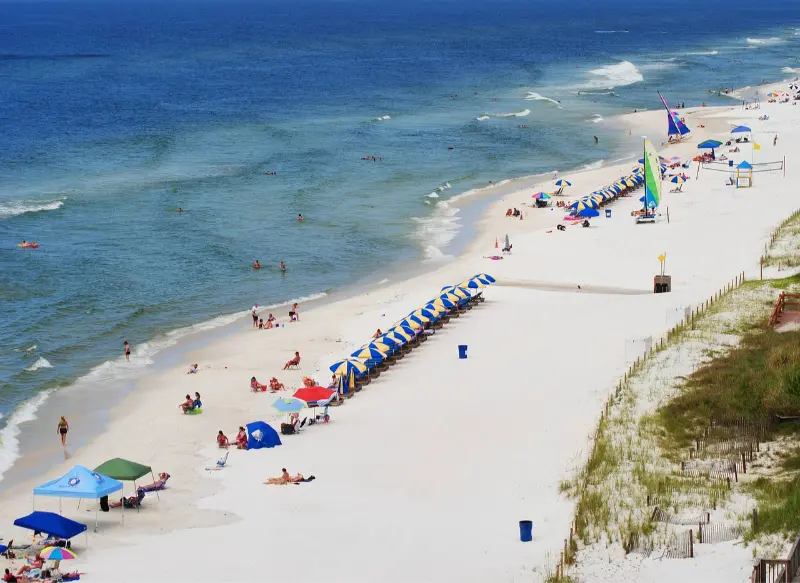
    Panama City Beach Aerial View with Turquoise Sea

    For budget travel, I would choose the area that minimizes the biggest recurring cost. A family with a car may value free parking and a kitchen; a couple without a car may save more by staying near restaurants and Pier Park. If a property offers a low base rate but charges large cleaning or resort fees, divide the final total by the number of nights before deciding whether it is truly inexpensive.

    Always compare the total accommodation price. Parking, resort fees, cleaning charges, taxes and cancellation conditions can change the ranking between a hotel and a condo. For longer stays, a kitchen and laundry may save both money and time. Travelers with mobility needs should confirm the complete accessible route directly with the property, including parking, entrances, elevators, bathrooms and access to any advertised beach or pool facilities.

    Beach safety should shape the day, not interrupt it

    Panama City Beach uses a beach warning flag system, and the safest habit is to check the current flag before anyone enters the Gulf. Green still means use caution, yellow indicates a medium hazard, red indicates a high hazard, purple warns of dangerous marine life, and double red closes the water to the public. Water can look attractive from a balcony while currents remain strong, so visual impressions are not a substitute for the posted warning. When lifeguarded areas are available, they are the better choice for families, less-confident swimmers and anyone unfamiliar with Gulf conditions.

    Rip currents, lightning, heat and changing surf are the hazards most likely to alter an otherwise ordinary beach day. Keep children within the level of supervision their swimming ability requires, do not treat inflatables as lifesaving devices, and move indoors when thunderstorms approach rather than waiting for the rain to become heavy. A flexible itinerary makes this much easier: if the Gulf is unsafe, switch to a park, museum, shopping block or long meal and return only when conditions are appropriate.

    Food and budget planning without making the trip feel cheap

    Planning tipThe easiest way to control spending is to decide which experiences deserve money before arrival. Beach time, sunset, public parks and walking can fill large parts of the day, leaving room for one paid attraction, boat trip or special meal that actually matters to the group. A condo kitchen is useful for breakfast, cold drinks, snacks and simple lunches, while a hotel traveler can still save by keeping fruit, water and familiar snacks in the room.

    Avoid driving across the entire beach for every meal. Choose restaurants close to the activity you are already doing, and treat one destination meal as the exception rather than the daily rule. Families should compare children’s menus and waiting times, while couples and solo travelers may get better value from an early dinner or a casual seafood lunch followed by sunset. Prices and operating schedules change, so check current menus and ticket pages before building a day around a specific offer.

    Common budget mistakes

    • Comparing nightly rates without taxes, fees and parking.
    • Buying attraction tickets before checking weather and age or height suitability.
    • Driving long distances for a “cheap” meal that saves only a few dollars.
    • Underestimating grocery, drinks and snack costs in hot weather.
    • Choosing rigid nonrefundable bookings during a season when plans may change.
    • Trying to eliminate every enjoyable expense instead of choosing a few things worth paying for.

    Useful Wonderful Florida guides to combine with this article

    Continue planning with best time to visit Panama City Beach, one-day Panama City Beach itinerary, Panama City Beach Conservation Park and where to stay in Panama City Beach.

    Official information to check before travel

    Opening hours, parking arrangements, beach conditions, transportation services and local rules can change. If a specific feature is essential to the day, confirm it with the operator or public agency shortly before leaving your accommodation.

    Final planning advice

    The best low-cost Panama City Beach trip still feels generous: plenty of Gulf time, one or two experiences you genuinely wanted, food you enjoy and enough flexibility to handle weather. Save on the parts that do not matter to you, spend intentionally on the parts that do, and let the beach carry more of the itinerary than a stack of tickets.

    One more practical planning point

    A useful budgeting exercise is to set a daily discretionary amount after lodging and transportation are already paid. That amount can cover meals, small admissions and treats without turning every purchase into a debate. If one day includes a major paid attraction, make the next day mostly beach and nature rather than trying to spend the same amount every day.

  • Orlando or Tampa for a Family Vacation? How to Choose the Better Florida Base

    Orlando or Tampa for a Family Vacation? How to Choose the Better Florida Base

    Orlando and Tampa are close enough to share a Florida vacation, yet they produce very different days. Orlando makes the most sense when theme parks and resort-style convenience are the main event. Tampa is stronger for a family that wants an active city, waterfront neighborhoods, museums, wildlife attractions and access to Gulf Coast beaches. The best choice is not simply the city with the cheapest hotel room. It is the one that allows your group to spend more time enjoying Florida and less time moving between attractions. This comparison is for parents with babies or teenagers, grandparents traveling with the family, couples and first-time visitors weighing a short stay or a full week.

    Quick decision table

    CompareOption AOption B / planning note
    Main appealOrlando: Disney and UniversalTampa: waterfront, museums, Busch Gardens
    Best forMulti-day theme-park vacationsGulf beach trips with city activities
    TransportResort shuttles on selected routesCar useful for beaches and outskirts

    Start with the vacation you actually want

    Write down the three experiences everyone would be disappointed to miss. If two are at Walt Disney World or Universal Orlando Resort, an Orlando-area hotel usually wins even if Tampa accommodations look less expensive. Repeated drives between Tampa and Orlando can add parking, tolls, fuel, fatigue and uncertainty. If your list contains the Tampa Riverwalk, The Florida Aquarium, Busch Gardens and a Gulf beach, staying in Tampa or nearby may be much more comfortable. Families seeking a combination should consider dividing their stay into two bases rather than using either city as a universal launch point. This approach limits long outings with small children or adults who need regular breaks.

    What Orlando offers besides the obvious theme parks

    Orlando is not a single resort complex. The metropolitan area includes Lake Eola in downtown Orlando, Winter Park with museums and boat tours, gardens, nature preserves and independent dining districts. Vacation rentals around Kissimmee and the theme parks can make longer stays practical, particularly for families that need multiple bedrooms. However, attractions marketed as ‘Orlando’ may be spread across a large area. A hotel close to one resort does not necessarily offer convenient access to another. Estimate realistic door-to-door journeys using the exact lodging address, not an average distance to ‘Orlando.’ Consider spending one day in a quieter neighborhood to prevent a week of high-energy outings from exhausting everyone.

    What Tampa offers for mixed ages

    Tampa’s central waterfront creates a different kind of vacation. The Riverwalk connects public spaces, downtown sights and family-friendly stops, although the entire route is longer than someone with limited stamina may want to walk. The Florida Aquarium and Tampa’s museums provide indoor alternatives to hot or rainy afternoons. Ybor City offers cultural history and a distinctive neighborhood, best enjoyed with awareness of its changing atmosphere across the day and evening. Busch Gardens brings major rides and animal exhibits to the region. Tampa also gives you access to St. Petersburg, Clearwater and the broader bay area, but it is important to understand that these are separate destinations with traffic and bridges between them.

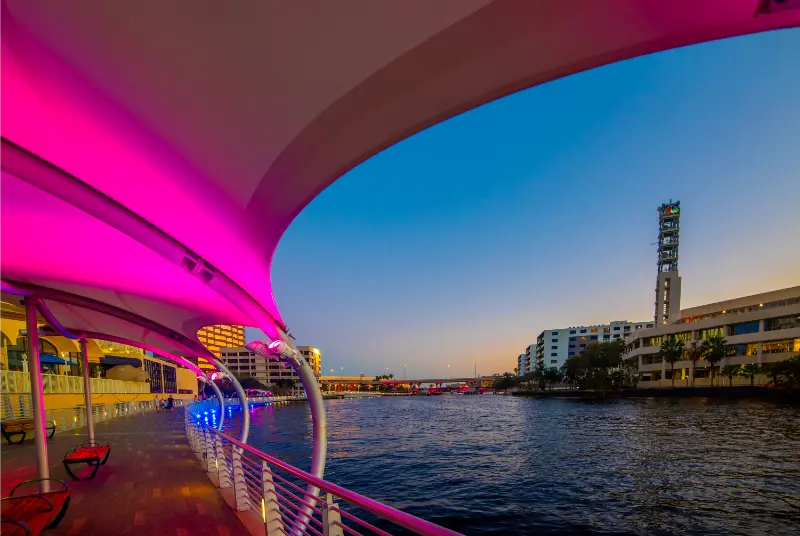
    Downtown Tampa Skyline Illuminated at Night

    Which city works better with children under six?

    The answer depends on whether the children can enjoy the attractions you plan to pay for. In Orlando, character encounters, gentle rides and visually rich areas can make wonderful family memories, but ticket costs and afternoon queues may be difficult to justify for a toddler who needs several naps. Tampa allows shorter outings around parks, aquariums and waterfront areas without booking every hour in advance. Neither city removes the need for child seats in vehicles or heat management in summer. Choose accommodation with easy meals, laundry and a comfortable place for downtime. For a preschooler’s first Florida vacation, two manageable activities often work better than six ambitious stops in either destination.

    Which is more appealing to teenagers?

    Teenagers who love ambitious theme-park rides, movie franchises and immersive attractions will often vote for Orlando. A teen who has already visited the resorts may appreciate Tampa’s sports events, museums, street art and time at nearby beaches. Busch Gardens can offer a strong alternative for coaster enthusiasts, subject to current attraction operations and rider requirements. In either city, ask teenagers what they want beyond the headline ticket: one might prefer a quiet coffee stop and photography, another an evening sports game. Allow some independent choices within safe family arrangements. The better city is one that gives every traveler agency rather than imposing a list designed entirely around a younger sibling.

    Getting from the airport to your hotel

    Orlando International Airport (MCO) is often the practical entry point for Orlando resorts, while Tampa International Airport (TPA) serves the Tampa Bay area. Flight schedules, nonstop availability, baggage costs and rental car prices can outweigh theoretical savings on accommodation. Orlando Sanford Airport (SFB) is another possibility for some airlines, but it is not the same airport as MCO and is farther from many theme-park hotels. If you land in one city and stay in the other, include transfer time and late-arrival issues. Check the actual transportation arrangement before booking a lower fare. Families with car seats, strollers or mobility equipment need enough vehicle space and should not assume every rideshare service supplies special seating.

    Can you enjoy either destination without a car?

    Some travelers can stay at an Orlando resort and use hotel transportation or prearranged transfers for almost the entire visit. That works best when you deliberately restrict the itinerary to attractions served by those services. Tampa offers downtown walking areas, a historic streetcar route and public transportation, but many beaches, wildlife sites and outer neighborhoods are not easy to combine by transit in one day. A rental car can be convenient in either city, although parking charges may be substantial at popular sites. For a car-free vacation, compare hotel locations on a map and verify return transportation after dinner. A single badly placed hotel can turn the apparent convenience of public transit into repeated expensive rideshare journeys.

    Orlando hotel zones versus Tampa hotel zones

    In Orlando, look carefully at the difference between a Disney-area hotel, International Drive lodging, a Universal-area stay and downtown accommodation. These are not interchangeable. Ask about resort fees, parking, whether transportation is included and whether it reaches the park entrance at useful times. In Tampa, downtown suits waterfront dining and museums, while Westshore can be practical for flights and business-style hotels. Staying in St. Petersburg or on the beach changes the balance again. A vacation home may offer space but could require a car and substantial cleaning charges. Compare the all-in cost for your dates, including taxes, mandatory fees, parking and actual transport, before accepting any ‘best area’ claim.

    How the two destinations compare on budget

    Orlando can be expensive when several people need multiple days of park admission, paid upgrades and parking. Tampa may provide more days with modest admission costs, public parks and neighborhood activities, but a family that includes Busch Gardens, aquarium tickets and repeated beach transfers can also spend heavily. Build a simple budget with five categories: accommodation, local transportation, tickets, meals and contingency. Put actual date-specific prices into the spreadsheet rather than reusing a generic daily estimate. For a family of five, even a small price difference per person becomes meaningful when repeated across ticket days. A cheaper vacation is one where the things you genuinely want are affordable, not merely one with fewer famous attractions.

    Weather, afternoon storms and a realistic daily rhythm

    Both cities have hot, humid periods and summer thunderstorms. Neither can promise dependable afternoon outdoor plans. Orlando’s long attraction days require particular attention to shade, hydration and indoor breaks; Tampa’s bayfront is also exposed to heat, and nearby beaches have lightning and water conditions to consider. Check National Weather Service alerts, park operating notices and beach safety flags each day. Hurricane season runs from June through November, and a storm can affect flights or roads even when the eye does not reach your destination. A flexible booking and at least one indoor alternative are more useful than relying on statements such as ‘Florida is sunny all year.’

    A four-day Orlando sample that leaves room to rest

    Spend arrival day settling into your resort rather than racing to a park after a late flight. Give day two to the one park the family values most, with a planned midday rest or shorter operating day if needed. On day three, explore Winter Park or a nearby cultural attraction, adjusting the outing to your car and walking needs. Reserve day four for either another resort visit or a relaxed pool morning before departure. This is not the itinerary for people trying to experience every park in four days. It is a more achievable version for a multigenerational party, for children who become overwhelmed or for visitors who want to leave Florida with energy remaining.

    A four-day Tampa sample with a Gulf Coast day

    After checking into a Tampa-area hotel, use the first evening for an easy waterfront meal. Spend day two visiting The Florida Aquarium and a short portion of the Riverwalk, taking a longer lunch during hot weather. Make day three a dedicated beach day near Clearwater or St. Pete Beach, but choose one beach rather than attempting both and account for parking or transfer delays. On day four, take a shorter Ybor City history outing, a museum visit or a sports event according to the group’s interests. If you stay in St. Petersburg instead, reverse the order to reduce bridge crossings. The guiding principle is to group attractions geographically, not just by popularity.

    When splitting your week makes better sense

    For a seven- or eight-night vacation with clear priorities in both regions, consider three or four nights around Orlando followed by several nights in Tampa Bay. The hotel move costs packing time, but the tradeoff may be worthwhile if it replaces multiple long round trips. Use the transfer day for a single stop and lunch, not an ambitious theme-park visit. Renting a car for the intercity segment can be useful, although one-way rental terms and parking need comparison. Travelers flying home from a different airport should check one-way airfares and baggage arrangements before committing. A split stay is most effective when each hotel serves a distinct set of planned activities.

    Accessibility and comfort for older travelers

    Do not equate ‘family friendly’ with universally accessible. A long resort corridor, uneven historic street, crowded queue or lack of nearby seating can create problems. Ask hotels to confirm the actual accessible room type and route from parking, not simply whether the building has an elevator. Verify the accessibility guide of each ticketed attraction and the availability of mobility rentals. In Tampa, a short waterfront circuit may be better than walking the full Riverwalk; in Orlando, a slower park day may be enjoyable without thrill rides. Build in places where members of the group can rest without being separated for hours. Different stamina levels should influence the choice of city from the beginning.

    The final decision: answer four questions

    Choose Orlando when the first priority is Disney or Universal, you want a resort-centered stay and you are prepared for the cost and intensity of that experience. Choose Tampa when waterfront culture, museums, a different large theme park and accessible Gulf Coast day trips fit better. Then ask four specific questions: Which three attractions matter? How many expensive ticket days do we want? How will we get between them? How much walking can everyone comfortably manage? If your answers point in opposite directions, a split stay may be the strongest result. The best Florida vacation is not necessarily the one that includes the most recognizable place names.

    Official resources to verify before booking

    Check the current visitor information at Visit Orlando, Visit Tampa Bay and the Tampa International Airport website. Verify individual attraction calendars before buying nonrefundable admission; operating hours and show schedules can change. Do not assume older promotional packages are still offered.

    Frequently asked questions

    Is Tampa close enough to visit Disney World for one day?

    It is possible by car, but the round trip can be tiring, especially after a long park day. For multiple Disney days, an Orlando-area base usually makes more sense.

    Which city is best for families that want beaches?

    Tampa Bay is closer to Gulf Coast beaches. Orlando is inland and requires a longer journey to either coast. The individual beach location and traffic still matter.

    Is Orlando only for theme parks?

    No. Winter Park, downtown Orlando, gardens, museums and nature destinations provide a varied trip, although accommodation and transport should match the places you choose.

  • Panama City Beach for Seniors: Easy Beaches, Nature, Comfort and Multigenerational Travel Tips

    Panama City Beach for Seniors: Easy Beaches, Nature, Comfort and Multigenerational Travel Tips

    Panama City Beach does not have to be a high-energy resort vacation. For senior travelers, the destination can be shaped around morning beach walks, scenic nature, waterfront meals, short attractions, easy evenings and enough recovery time between outings. The key is to plan around comfort rather than distance alone. A destination may look close on a map but still involve a long parking walk, hot sand, stairs or a busy transfer. Choosing the right accommodation, asking specific accessibility questions and protecting the coolest parts of the day can make the Gulf Coast far more enjoyable.

    Explore this guide

    Quick planning summary

    • Best for: Older adults traveling independently, couples who prefer a comfortable pace and multigenerational families planning around different mobility and energy levels.
    • Ideal trip length: 4–7 nights lets you avoid rushing and move outdoor activities to the most comfortable weather windows.
    • Getting around: A car gives the most flexibility across Panama City Beach, state parks and Panama City, but a resort-focused stay near one activity cluster can reduce driving.
    • Safety priority: Check current beach warning flags before entering the Gulf and move indoors early when thunderstorms approach.

    How to use this guide

    Older adults traveling independently, couples who prefer a comfortable pace and multigenerational families planning around different mobility and energy levels. The goal is not to create a schedule that looks impressive on paper. Panama City Beach is easiest when the most weather-dependent activity happens early, the middle of the day includes shade or indoor time, and the evening stays flexible. Travel time along Front Beach Road can be longer than the mileage suggests during busy periods, so group activities by area.

    Choose the easiest beach access, not just the closest

    If walking on loose sand is tiring, research the exact access point before leaving the hotel. Panama City Beach has numerous public beach accesses and an expanding accessible-travel program, including mobility-focused features at selected locations. Beach Access 22 at Edward F. Hickey Jr. Park has been promoted for accessible design, but facilities can change and every traveler has different needs. Confirm parking, ramp or mat conditions and restroom access shortly before your trip. If standing in the surf is not comfortable, a pier, boardwalk or shaded shoreline view can still provide a satisfying beach experience.

    Panama City Beach Aerial View with Turquoise Sea

    Use mornings for the most active outdoor time

    Heat and humidity can make a short walk feel much harder than expected. Plan beach walks, park visits and longer outdoor stops earlier, then use midday for lunch, rest, museums, shopping or a scenic drive. This rhythm also works for travelers taking medications that increase sun sensitivity or who simply prefer a slower pace. Carry water before you feel thirsty and use sun protection even during breezy Gulf mornings. If the forecast changes, move the activity rather than pushing through uncomfortable conditions to preserve a schedule.

    Pick nature stops with seating and flexible distance

    Conservation Park and the state parks around Panama City Beach can add quiet natural scenery, but the right route depends on mobility, temperature and surface conditions. Choose short boardwalk or observation experiences when a long trail is unnecessary. Ask park staff about current accessible routes and closures, and turn around before fatigue becomes a problem. Wildlife viewing from a comfortable location is often more enjoyable than covering many miles. Camp Helen can also provide a quieter change of pace on the west side of the destination.

    Build meals and rest into the sightseeing plan

    Senior travelers often enjoy a destination more when lunch is treated as a real stop rather than something squeezed between attractions. A seated midday meal creates shade, hydration and a chance to reassess the weather. If a restaurant is important, reserve when practical or eat slightly earlier than peak periods. Choose evening plans close to your accommodation so the day does not end with a long drive in heavy traffic. A condo kitchen can also be valuable for breakfast and light dinners when the group does not want to go out again.

    Make multigenerational days modular

    Grandparents do not need to attend every water slide, and children do not need to sit through every slow-paced activity. Choose one shared experience—perhaps a beach morning, pier sunset, wildlife visit or dinner—then allow the group to split. While younger family members spend several hours at Shipwreck Island, older adults might enjoy a relaxed lunch, a scenic drive or rest at the accommodation. Reuniting later can create a better family vacation than keeping everyone together from breakfast until bedtime.

    Plan medical and practical needs before arrival

    Travelers who rely on mobility devices, oxygen, refrigeration for medication or specific dietary needs should verify the accommodation setup directly rather than assuming a generic ‘accessible room’ answers every question. Save key addresses, insurance information and medication lists offline. Keep prescription medication in carry-on luggage when flying and bring enough for unexpected travel disruption. This preparation is not about expecting a problem; it reduces the amount of attention logistics require once the vacation begins.

    Families, age groups and different travel styles

    Age alone does not determine what someone can do. Some travelers in their seventies want long paddles and full beach days, while others need frequent seating or a mobility device. Plan around specific abilities, heat tolerance and interests. In mixed-age groups, one shared activity plus optional parallel plans is usually more successful than choosing the lowest common denominator all day.

    For a mixed-age group, decide which activity everyone truly wants to share and let the rest of the day be modular. A vacation becomes easier when a toddler can nap, a teenager can choose an activity and an older traveler can skip a long exposed walk without the group treating those choices as problems.

    Where to stay

    The West End can appeal to travelers seeking a quieter atmosphere, while Pier Park is convenient for dining, shopping and evening activity. Middle Beach keeps many services central, and Grand Lagoon is useful for boat excursions. Wherever you stay, ask about elevator access, walk-in or roll-in showers if needed, parking distance, balcony thresholds, pool access and the exact route to the beach. A ‘beachfront’ property can still involve a substantial walk from the room to the shoreline.

    Compare the total accommodation cost rather than only the first nightly rate shown. Parking, resort fees, cleaning charges, taxes and cancellation rules can materially change the value. For families and longer stays, laundry and a kitchen may save time as well as money. For travelers with mobility needs, confirm the route from parking to room to beach or pool directly with the property.

    Beach safety: the rule that should shape every itinerary

    Panama City Beach uses a beach warning flag system. A green flag still means use caution; yellow indicates a medium hazard; red signals high hazard; purple warns of dangerous marine life; and double red means the water is closed to the public. Conditions can look calm from a balcony while currents remain dangerous. Check the current flag status before entering the Gulf and follow lifeguard and local-authority instructions.

    Panama City Beach Skyline and Shoreline Aerial

    Rip currents are a major Gulf hazard. Swim near lifeguarded areas when possible, keep children within direct reach appropriate to their ability and do not use inflatable toys as safety devices. If lightning develops, leave the water and beach early and move to a safe indoor location. A trip can be rearranged; water and thunderstorm warnings should not be negotiated with an itinerary.

    Weather, heat and the best daily rhythm

    In warm months, an early outdoor block followed by lunch, indoor time or a hotel break usually works better than staying exposed through the hottest hours. Afternoon thunderstorms can be localized and fast-moving, so keep one indoor alternative available. In cooler months, mornings may require a light layer even when the afternoon is pleasant. Check the actual forecast shortly before travel instead of relying on long-term climate averages.

    Sun, humidity and saltwater add fatigue gradually. Drink water throughout the day, reapply sun protection and schedule recovery time after long beach or boat sessions. This matters for children, senior travelers and visitors arriving from cooler climates, but it also affects healthy adults who underestimate how much energy a full day outside requires.

    Driving, parking and getting around

    Panama City Beach is long rather than compact. Before leaving, enter the exact parking area or attraction—not only the destination name—into navigation. Group stops on the same side of town, and avoid driving from east to west and back again for minor errands. During busy seasons, add buffer time for Front Beach Road and popular access points. Never park on dunes, landscaped areas or private property because a map pin appears close to the beach.

    If you are flying into ECP and plan to explore state parks, Panama City, the West End or other Panhandle destinations, a rental car is usually the most flexible choice. Resort-focused travelers may be able to combine transfers or rideshare with walking, but compare the real cost against parking and rental fees before deciding.

    Food and budget planning

    Use geography to control both cost and stress. Eat near the activity you are already doing instead of driving across the city for every meal. A condo kitchen can make breakfast, snacks and one simple dinner inexpensive, leaving more budget for a boat trip or attraction that matters. Families should keep water and familiar snacks available, while travelers with dietary restrictions should identify a few reliable options before arriving.

    Ticket prices and operating schedules can change, so compare current official prices shortly before travel. Do not assume a multi-attraction day is automatically better value. One well-chosen paid experience plus free beach time, a park walk and sunset can create a stronger day than several rushed admissions.

    Common mistakes to avoid

    • Choosing lodging without checking the actual walking route to the beach
    • Scheduling long outdoor activities in the hottest part of the day
    • Assuming every public beach access has the same mobility features
    • Keeping a multigenerational group together for every activity
    • Underestimating how tiring sand, humidity and evening traffic can be
    • Leaving no flexibility for Gulf weather, traffic or a tired traveler.

    Useful Wonderful Florida guides to combine with this article

    Depending on your itinerary, continue with Panama City Beach travel guide, Conservation Park guide, Camp Helen State Park guide, Pier Park guide and M.B. Miller County Pier guide.

    Official information to check before travel

    Opening hours, access conditions, beach flags, parking arrangements, attraction restrictions and transportation services can change. Use official or primary sources shortly before travel when a specific feature is essential to your day.

    Final planning advice

    Panama City Beach is easiest to enjoy when the beach is treated as part of the schedule rather than the entire schedule. Choose one anchor experience, leave room for weather and rest, and keep the final hours of the day simple. That approach works for families, couples, teenagers, senior travelers and visitors with accessibility needs because it gives the trip enough structure to be useful without turning a Florida vacation into a sequence of deadlines.

  • Kissimmee vs Lake Buena Vista: Where Should You Stay for an Orlando Theme Park Vacation?

    Kissimmee vs Lake Buena Vista: Where Should You Stay for an Orlando Theme Park Vacation?

    Travelers searching for accommodation near Walt Disney World often discover two very different names on booking websites: Kissimmee and Lake Buena Vista. The choice is not simply a matter of distance from the parks. Kissimmee includes extensive vacation-home developments, apartment-style stays and hotels spread across a large area south and east of the resort. Lake Buena Vista is associated with Disney-area hotels, restaurants and shorter transfers from selected properties, although an address that says Lake Buena Vista does not automatically guarantee Disney transportation. Families planning several park days should compare actual journeys, room layouts and the cost of getting everyone to the entrance. A convenient location can save more energy than a slightly cheaper room.

    Start with an address, not a neighborhood label

    Kissimmee covers a broad geographical area, with some vacation homes close to Disney’s western approaches and others considerably farther away. A booking labeled ‘near Disney’ may still require a long drive once resort roads, traffic lights and parking lots are included. Lake Buena Vista is similarly used loosely in hotel marketing. Some properties are inside Disney’s transportation ecosystem, while independent hotels operate along surrounding roads and offer separate shuttle services with different rules. Before paying, enter the accommodation address and the specific park destination in a route planner at the approximate time you expect to travel. Compare the hotel-to-park entrance journey, including parking, walking and any bus connection. A promotional map pin is not a transport plan.

    What staying in Kissimmee is really like

    Kissimmee can be appealing when several adults and children need more room than a standard hotel provides. A three-bedroom rental with a kitchen, laundry machine and shared living space may make a week easier, particularly if grandparents or teenagers prefer quiet evenings apart from the group. Some communities have pools, playgrounds and additional amenities, but availability and charges vary by property. The trade-off is that most visitors will need a car for parks, groceries and restaurants. A ‘private pool’ also means adults must plan active child supervision and verify fencing or alarms. If the house is in a large development, the drive from its driveway to a major road can matter more than the advertised distance to Disney.

    What Lake Buena Vista offers

    The main advantage of a well-chosen Lake Buena Vista hotel is the possibility of a simpler park-focused routine. Some properties have dependable hotel shuttles, frequent nearby dining options or access to Disney-run transportation if the hotel qualifies. Others offer nothing beyond a scheduled private coach, so always read the details rather than assuming the entire area functions like a Disney-owned resort. A hotel room may be smaller than a Kissimmee house, but daily housekeeping options, front-desk assistance and the ability to leave some driving to someone else can reduce stress. Visitors staying only three or four nights may find a compact hotel more convenient than a rental with a separate check-in process and departure cleaning rules.

    Disney-owned hotels and independent hotels are different

    Disney resort hotels operate their own transportation networks and often advertise particular guest benefits. Benefits, eligibility and operating details can change, and not every hotel near Disney is an official Disney resort. Independent hotels may offer shuttles with fixed morning departures, advance sign-up or paid seats. Ask whether the service reaches Magic Kingdom’s Transportation and Ticket Center or another drop-off point, whether it operates in the evening and how it accommodates folded strollers and wheelchairs. A late park closing does not automatically mean your shuttle will wait. If you plan to leave midday for a toddler’s nap, infrequent return services can erase the advantage of a seemingly convenient hotel. Obtain the actual timetable before booking.

    The real cost of a rental house

    A Kissimmee house may appear economical when its nightly price is divided among six or eight travelers. Look beyond the headline: cleaning fees, service charges, security deposits, parking rules, pool heating and taxes can change the final sum. Some gated communities charge for optional club facilities, while others include them. Food savings from a kitchen are realistic only if the group actually intends to shop and cook. Decide whether anyone wants to prepare breakfast before a long park day and clean afterward. Laundry access is valuable when traveling with small children, but it is less useful if you stay only two nights. Compare the complete seven-night cost and the price of the vehicle needed to reach the parks.

    The real cost of a nearby hotel

    A Lake Buena Vista hotel can feel expensive when comparing square footage, but some practical conveniences compensate for the difference. Check if breakfast is included, whether parking is free, whether a resort or destination charge is compulsory and what its shuttle actually provides. A room with a refrigerator and microwave may cover simple meals without the complexity of a vacation-house kitchen. The best scenario for a short family trip is often a property where breakfast, transport and an easy dinner are within comfortable reach. However, do not assume the shuttle is complimentary or that it serves every Disney park. Hotel offers should be compared as full itineraries, not isolated room rates.

    Park mornings and the cost of wasted time

    Arriving at a park takes several stages: getting ready, leaving accommodation, traveling, reaching a parking or transit point, passing security and reaching the first attraction. Traffic on major roads into Disney can change dramatically during opening hours and busy weeks. If you are driving from Kissimmee, leave a comfortable margin and follow the official directions for your destination, not an old shortcut advertised online. If you are using a hotel shuttle, work backward from the scheduled departure and the place where it drops you off. Families that travel with one person using a mobility aid need to confirm accessible transport in advance. The shortest distance in miles does not always create the calmest arrival.

    Orlando Theme Park Resort Aerial View

    At a glance: practical comparison

    DecisionOption or featureWhat to check
    Lodging strengthLarge vacation homes and shared spaceHotels and services near the resort
    TransportCar often essentialHotel-dependent buses or car
    Best forLarger groups staying a full weekShort, park-centered stays
    Extra fees to inspectCleaning and pool heatingParking, resort charges, shuttle

    Families with preschoolers and strollers

    A toddler can turn a park-focused holiday into a cycle of naps, snacks, sunscreen and early returns. Kissimmee gives families a spacious retreat when the rental is equipped with a safe sleep space, kitchen and separate bedrooms. But a long car journey for every midday break may be tiring. A reliable hotel near Disney may make it easier for one adult to return with the youngest child while others stay in the park, provided the transport schedule supports that plan. Assess the stroller’s folded size, child-restraint requirements for vehicles and whether the property has elevators or ground-floor access. Also check pool gates and balcony locks; never assume holiday accommodation has the same childproofing as home.

    Teenagers, couples and multi-generational groups

    Teenagers may appreciate a Kissimmee rental’s separate rooms, pool and relaxed evening schedule, especially on rest days. Couples on a brief Disney-centered break may prefer the simplicity of a well-connected Lake Buena Vista hotel. When grandparents join the party, consider the route between parking, bedroom, bathroom, pool and breakfast rather than assuming a larger rental is automatically more comfortable. A two-story house may contain most bedrooms upstairs; a hotel could have elevators but a long corridor and considerable walking. Ask for an accessible room if needed and confirm exact features. Some mixed-age groups benefit from two adjoining hotel rooms; others will prefer a single home where people can eat and rest together.

    Will you also visit Universal or SeaWorld?

    The answer affects where to sleep. Walt Disney World occupies a broad area southwest of central Orlando, while Universal Orlando and SeaWorld are in separate entertainment corridors. If half the week involves non-Disney attractions, a Lake Buena Vista hotel may not save as much travel time as you expect. Likewise, a Kissimmee rental positioned near Disney’s southwestern edge can create longer cross-town drives to Universal. Plot each intended destination and mark the number of visits rather than judging the hotel by one famous park. Families planning multiple Universal days may be better served by a different base altogether. The goal is not to be ‘central’ on a map, but to minimize repeated, unpleasant transfers.

    Arriving at Orlando International Airport

    Orlando International Airport (MCO) is a common gateway for either area. Rental cars are practical for many Kissimmee stays, though queues, toll programs, seat rentals and additional-driver fees belong in the budget. For a hotel-based Lake Buena Vista stay, a private transfer or rideshare may be an alternative, but prices depend on passenger count, luggage and arrival time. Confirm child seats directly with a transport provider if necessary; do not assume they will be supplied. Orlando Sanford International Airport is a different airport considerably farther from many Disney-area properties and should be evaluated separately. If arriving after a long international flight, a short first evening and easy meal may be preferable to buying park tickets for arrival day.

    How to spend a seven-night vacation

    A sensible first day involves airport arrival, settling in and groceries or a simple dinner. Spread three or four substantial park days across the stay, inserting at least one recovery morning after a late night. A Kissimmee family might use the rental pool or a carefully selected local attraction on a rest day. A Lake Buena Vista visitor might have a slow breakfast, explore the hotel’s amenities or visit a nearby dining area without another long drive. Reserve one flexible day for weather, fatigue or a favorite park you want to revisit. Avoid assuming everyone must do a ride-heavy itinerary for seven consecutive days. Building a comfortable routine is more valuable than filling every hour with attractions.

    Accessibility and mobility planning

    For wheelchair users, the critical details include the bathroom layout, bed height, step-free entrance, parking and the transport vehicle actually used to reach parks. Some rental homes advertise an accessible entrance but still have narrow internal doors or high bathtub sides. Some hotel shuttles are accessible, but not necessarily every departure; request written confirmation from the operator. Travelers using a scooter should check whether it can be secured on the shuttle and whether a vehicle reservation is required. When choosing accommodation, inspect accessibility photographs and ask targeted questions rather than relying on a listing’s general description. A property five miles closer to the park offers little benefit if transfers are unreliable or exhausting.

    Weather, busy seasons and booking flexibility

    Orlando’s summer brings heat, humidity, thunderstorms and heavy afternoon rain, while school holidays and major events can affect availability in any season. High-demand weeks make booking popular rental communities or convenient hotel rooms in advance sensible, but refund policies matter too. Hurricane season lasts from June through November, and a travel plan should have room for changed flights or closed facilities. A rental contract may have different cancellation or storm provisions from a large hotel; read the actual terms rather than assuming travel insurance covers everything. Build in an indoor alternative and avoid scheduling your entire vacation around a single day with no flexibility. Check current Disney park reservations and tickets on the official site before purchase.

    Final decision: room to spread out or less transport work?

    Choose Kissimmee if your group needs multiple bedrooms, shared living space, a kitchen and a pool, and if you are comfortable using a car. Choose a carefully researched Lake Buena Vista hotel if your priority is a shorter, more predictable park-focused routine with front-desk support and transport that works for your schedule. Some addresses in either location will be poor choices; the hotel name or ZIP code is not a guarantee. Compare the full bill, identify the exact park transfers and ask how easy it is to return midday. A family-friendly holiday is built around energy and convenience, not simply the cheapest advertised rate.

    Frequently asked questions

    Is every Lake Buena Vista hotel inside Disney World?

    No. Some are independent and have their own shuttle timetables, charges and eligibility rules.

    Are Kissimmee vacation homes always cheaper than hotels?

    No. Cleaning, pool heating, taxes, vehicle rental and other charges can change the comparison substantially.

    Can I reach every Orlando theme park on a single hotel shuttle?

    Not necessarily. Confirm the exact destination, timetable, accessibility and any advance-reservation requirements.

  • Panama City Beach with a Baby: Beach Shade, Feeding, Sleep, Strollers and Easy Family Days

    Panama City Beach with a Baby: Beach Shade, Feeding, Sleep, Strollers and Easy Family Days

    A Panama City Beach vacation with a baby can be wonderfully simple when the day is designed around shade, sleep, feeding and short transitions rather than around a long attraction list. The Gulf beach is visually the main event, but infants experience the destination through temperature, noise, routines and how quickly adults can return to a cool room. That means a good plan often looks less ambitious than a trip with older children: an early beach walk, a shaded break, a calm lunch, a nap at the accommodation and one easy evening outing can be a full and successful day.

    Explore this guide

    Quick planning summary

    • Best for: Parents and grandparents traveling with an infant, especially families who want beach time without giving up naps and routine.
    • Ideal trip length: 3–6 nights gives enough flexibility for short beach sessions, weather changes and rest days.
    • Getting around: A car is useful, but a beachfront or near-beach stay can remove many daily transfers and make naps far easier.
    • Most important planning point: Protect sleep and temperature first; the vacation becomes easier when the accommodation functions as part of the itinerary.

    Pick the room before you pick the attractions

    With a baby, lodging features can matter more than the attraction list. A separate sleeping space, reliable air-conditioning, a refrigerator, microwave or kitchen, blackout curtains and easy laundry access can change the entire trip. If adults must sit silently in a dark hotel room during every nap, the stay may feel restrictive; a condo or suite with a balcony or separate living area can give the family more usable time. Confirm crib availability before arrival rather than assuming one will be waiting, and inspect any provided sleep equipment before use.

    Beachfront is valuable when it truly shortens the route between the room and the sand. Check whether the path involves stairs, a long boardwalk, several elevator changes or a large pool deck. A stroller-friendly entrance and quick indoor return are especially useful during sudden heat, feeding time or a diaper emergency. If the property is across Front Beach Road, look carefully at crossings and the exact route rather than relying on marketing distance.

    Use the beach in short, cool windows

    For infants, the best beach session is usually early in the morning or later in the afternoon, when the sun is lower and the sand is less intense. Think in short blocks: arrive, create shade, let the adults enjoy the shoreline, take a few photos, and leave before everyone becomes overheated or overtired. A baby does not need a full beach day to “get value” from a Florida vacation, and adults often enjoy the coast more when they know a cool room is nearby.

    Bring more drinking water for the adults than you expect to need, a clean surface for changes, lightweight clothing, a sun-protection plan appropriate for the baby’s age, and a way to keep sand away from feeding equipment. Shade is essential, but tents and umbrellas do not remove heat risk. Air temperature, reflected heat from sand and humidity can still build quickly, so frequent indoor breaks are part of the plan rather than a failure of it.

    Stroller, carrier or both?

    A stroller is useful at Pier Park, paved parks, the airport and long promenades, while a carrier can be easier for short transfers where sand or crowded spaces make wheels awkward. Many families benefit from bringing both, but only if they will genuinely use them; oversized travel gear can become a burden in a rental car or small condo. For evening walks, a stroller with good ventilation and a canopy can make a slow family outing easier, while a carrier works well when the baby is settled and the adult is comfortable with the temperature.

    Build the day around feeding and naps

    Trying to preserve every home routine exactly can be stressful, but abandoning all routine can be worse. Keep the most important anchors—first nap, major feedings and bedtime—then let the rest of the day move around them. Schedule the beach or a short walk before the morning nap, use the middle of the day for the longest indoor rest, and plan dinner close to the accommodation. That rhythm reduces time in the car and gives adults a predictable reset.

    If the baby uses formula, pumped milk or refrigerated food, plan storage before arrival and carry enough supplies for travel delays. Families driving from ECP should avoid scheduling a nonrefundable attraction immediately after landing. Flights, baggage collection, car-seat setup and the first grocery stop can easily take longer than expected, and a calm check-in is more valuable than rushing to meet a ticket time.

    Easy outings that work with an infant

    Pier Park can work well because adults can walk, eat, shop and return to the car without committing to a long attraction. Panama City Beach Conservation Park offers a different kind of outing when the weather is mild and the family wants quiet nature, though the route should be chosen for shade, surface and distance. A short visit to Historic St. Andrews or a scenic drive can also feel like a real change of scene without creating a long, overstimulating day.

    Panama City Beach Hotels by the Gulf Aerial

    Paid attractions are not automatically a bad choice with a baby, but they should primarily appeal to the accompanying adults or older siblings. If the family includes toddlers or school-age children, let their needs determine the attraction and keep the infant’s rest plan simple. For multigenerational groups, splitting for two or three hours can be ideal: one adult stays with the baby while others enjoy a water park or active excursion, then everyone reunites for dinner.

    Car seats, airport arrival and short transfers

    Families flying into Northwest Florida Beaches International Airport should decide before travel whether to bring a car seat, rent one or use a transportation provider that can meet their requirements. Do not assume rideshare vehicles will include infant seats. If you are renting a car, add the flight details to the reservation, allow time to install the seat correctly and keep essential baby supplies in carry-on luggage in case checked bags are delayed.

    Choose accommodation for the trip you are actually taking

    Panama City Beach stretches for miles, so the cheapest room is not automatically the best value. A property near Pier Park can reduce evening driving, the West End can feel calmer, Middle Beach keeps many attractions reasonably close, and the Grand Lagoon side can be convenient for boating and St. Andrews State Park. Compare the real route from the room to the beach, parking area, elevator, pool and restaurants rather than relying on the phrase “beachfront” alone.

    For an infant trip, I would prioritize a quiet sleeping setup, fast elevator access, a refrigerator and the shortest practical route to the beach over a more dramatic view from a harder-to-use property. A ground-level or low-floor unit can be convenient, but noise from pools, parking lots and entertainment areas should be considered. Ask about construction or renovation work when sleep quality is critical.

    Always compare the total accommodation price. Parking, resort fees, cleaning charges, taxes and cancellation conditions can change the ranking between a hotel and a condo. For longer stays, a kitchen and laundry may save both money and time. Travelers with mobility needs should confirm the complete accessible route directly with the property, including parking, entrances, elevators, bathrooms and access to any advertised beach or pool facilities.

    Beach safety should shape the day, not interrupt it

    Panama City Beach uses a beach warning flag system, and the safest habit is to check the current flag before anyone enters the Gulf. Green still means use caution, yellow indicates a medium hazard, red indicates a high hazard, purple warns of dangerous marine life, and double red closes the water to the public. Water can look attractive from a balcony while currents remain strong, so visual impressions are not a substitute for the posted warning. When lifeguarded areas are available, they are the better choice for families, less-confident swimmers and anyone unfamiliar with Gulf conditions.

    Panama City Beach Skyline and Shoreline Aerial

    Rip currents, lightning, heat and changing surf are the hazards most likely to alter an otherwise ordinary beach day. Keep children within the level of supervision their swimming ability requires, do not treat inflatables as lifesaving devices, and move indoors when thunderstorms approach rather than waiting for the rain to become heavy. A flexible itinerary makes this much easier: if the Gulf is unsafe, switch to a park, museum, shopping block or long meal and return only when conditions are appropriate.

    Food and budget planning without making the trip feel cheap

    Planning tipThe easiest way to control spending is to decide which experiences deserve money before arrival. Beach time, sunset, public parks and walking can fill large parts of the day, leaving room for one paid attraction, boat trip or special meal that actually matters to the group. A condo kitchen is useful for breakfast, cold drinks, snacks and simple lunches, while a hotel traveler can still save by keeping fruit, water and familiar snacks in the room.

    Avoid driving across the entire beach for every meal. Choose restaurants close to the activity you are already doing, and treat one destination meal as the exception rather than the daily rule. Families should compare children’s menus and waiting times, while couples and solo travelers may get better value from an early dinner or a casual seafood lunch followed by sunset. Prices and operating schedules change, so check current menus and ticket pages before building a day around a specific offer.

    Common mistakes with a baby

    • Planning full beach days instead of several short beach windows.
    • Choosing a room without checking refrigerator, crib, laundry or sleeping-space details.
    • Assuming a stroller can roll easily on every beach access.
    • Booking a long attraction immediately after a flight or during the usual nap window.
    • Carrying every piece of baby gear from home instead of choosing a small, useful travel setup.
    • Treating heat, lightning or surf warnings as something the baby can simply “push through.”

    Useful Wonderful Florida guides to combine with this article

    Continue planning with Panama City Beach with toddlers and preschoolers, where to stay in Panama City Beach, ECP airport to Panama City Beach and Panama City Beach Conservation Park.

    Official information to check before travel

    Opening hours, parking arrangements, beach conditions, transportation services and local rules can change. If a specific feature is essential to the day, confirm it with the operator or public agency shortly before leaving your accommodation.

    Final planning advice

    The most comfortable Panama City Beach trip with a baby is usually the one that leaves the most room to change plans. Use the beach in short windows, make the room easy to return to, protect the baby’s main sleep periods and give the adults one simple highlight each day. That structure still feels like a Florida vacation, but it avoids asking an infant to tolerate the pace of an older child or adult itinerary.

  • Kosher Travel in Florida: Miami Beach, Orlando, Shabbat and Family Logistics

    Kosher Travel in Florida: Miami Beach, Orlando, Shabbat and Family Logistics

    Florida can be a rewarding destination for kosher-observant travelers, with major tourist attractions, coastal neighborhoods and established Jewish communities. Yet a kosher vacation requires more than finding one restaurant on a map. You may need reliable certification, suitable groceries, Shabbat-compatible accommodation, synagogue access and a transportation plan that works with your observance. Choices also vary among families: the supervision accepted by one traveler may not meet another’s standards. This guide focuses on how to research current options responsibly, especially in South Florida and Orlando. It avoids unverified claims that particular restaurants or hotel kitchens maintain a specific kosher standard.

    At a glance

    Planning issuePractical action
    Kosher certificationVerify current supervising organization
    South FloridaResearch walking distances in exact neighborhood
    OrlandoPlan park meals and grocery access
    ShabbatConfirm suitable hotel and local arrangements

    Begin by clarifying your own kashrut requirements

    Before booking a hotel, agree on the standards each traveler follows. Discuss accepted certification agencies, meat and dairy separation, packaged food labels, kitchen use and Shabbat needs. A restaurant described as ‘kosher-style’ is not necessarily kosher, and a listing from last year may no longer reflect its supervision. Ask businesses for current certification information and verify it with the supervising authority if that matters to your family. If there are several travelers with different needs, select meals everyone can enjoy without pressure to compromise. Clear decisions at home reduce confusion when a group is hungry after a delayed flight or a long day at the beach.

    South Florida has distinct neighborhoods

    Miami Beach, Surfside, North Miami Beach, Aventura and nearby Broward communities are different places with different transport needs and local amenities. Do not book accommodation merely because the advertisement says ‘near Miami’ and assume kosher dining is walkable. Check the exact street location of restaurants, grocery stores and synagogues. A hotel in South Beach may be convenient for sightseeing but too far from particular community facilities for a Shabbat plan. Beachfront hotels, apartment buildings and smaller inns can have very different policies around kitchens, keys and elevators. Examine the route on foot if you plan to avoid vehicle travel during Shabbat, and ask local organizations about relevant neighborhood considerations.

    Miami Beach Ocean Drive Restaurant Terraces

    Orlando is a separate kind of kosher vacation

    Orlando’s theme parks attract large families, but dining options and community resources may be spread across a wide metropolitan area. An on-property resort can reduce daily transport to the parks but may not offer the food or kitchen arrangements your group needs. A vacation rental can provide more meal flexibility, although koshering a non-kosher kitchen is not automatically simple or appropriate; seek guidance according to your practice. If you choose a hotel, ask about refrigerators, microwaves, permitted outside food and accessible groceries. Look up community resources through current local contacts instead of assuming that one listing covers the whole Orlando tourist corridor. Plan evening transport because long drives after a park day can be tiring.

    Chabad and other Jewish community resources

    The Chabad center locator for Florida is a practical starting point for researching community contacts across Miami, Orlando, Tampa and many other cities. Local synagogues and community organizations can also provide information about services, kosher supplies or holiday events, but offerings are not identical and may require advance notice. Contact the relevant organization rather than assuming meals, Shabbat hospitality or access are always available to visitors. If you need a minyan, accessibility accommodations or specific service times, confirm the exact dates. Community contacts can help with orientation; they should not be treated as a substitute for checking kosher certification or business opening hours directly.

    Book accommodation around Shabbat logistics

    A suitable Shabbat stay may depend on walking distance, room location, entrance procedures, elevator arrangements and how electronic keys are managed. Ask the property about its current practices without assuming the staff understands every requirement. If a hotel advertises a ‘Shabbat-friendly’ experience, request a precise explanation of what that means and which services are guaranteed. Consider stairs, lighting, emergency exits and the needs of older relatives or wheelchair users when comparing properties. A room on a very high floor can create challenges if normal lift use is not part of your practice. Work through the practical questions before paying a nonrefundable rate, and consult your religious authority on matters requiring personal halachic decisions.

    Verify restaurants, takeout and catering

    A current kosher certificate, the identity of the supervising organization and the scope of its coverage are more informative than an old review. Ask whether supervision applies to the entire premises or specific packaged products, and whether the restaurant operates under the same arrangement on your travel dates. Catering or delivery may be convenient for theme-park days or Shabbat meals, but confirm ordering deadlines, packaging, pickup or delivery windows and any holiday closures. Avoid publishing definitive kosher claims about a business that you have not verified recently. Keeping a list of two or three current options near the hotel reduces the temptation to travel across the city for every meal.

    Kosher groceries and cooking in Florida

    Supermarkets may carry certified packaged goods, fresh fruit, vegetables and items suitable for simple meals, but product availability varies by branch. Check certification labels on individual packages rather than assuming every product within a brand is identical. A kitchenette can be useful for breakfast or packed lunches, subject to the household’s kitchen standards. Confirm whether the accommodation supplies cookware, dishes and cleaning equipment and whether those are suitable under your practice. If you are traveling with a baby or child, bring familiar food and feeding essentials for the first day. Grocery stores may be farther apart in tourist corridors than they appear on a map, so organize shopping before a long attraction day.

    Parks, attractions and carrying food

    At Walt Disney World or Universal Orlando, review the park’s official policy on outside food, coolers and prohibited containers before departure. Some families prefer to bring verified meals and snacks rather than depend on last-minute restaurant searches. Heat makes proper food handling especially important; pack items according to food-safety instructions and avoid leaving perishables in a hot car. A convenient meal spot may be outside the gates or in a resort area, but leaving and reentering can cost time. Combine food logistics with the park’s opening hours, transport plan and rest needs. When traveling with young children, reliability is often worth more than trying an ambitious list of attractions.

    Plan holidays and seasonal travel carefully

    Jewish holidays can affect restaurant opening hours, communal events, accommodation demand and local travel patterns. Confirm the dates for the specific year rather than relying on a generic annual travel calendar. Passover may require entirely different food and lodging arrangements from an ordinary winter beach holiday. Families visiting around school breaks should expect higher accommodation prices and increased theme-park crowds. Book critical items early while preserving flexibility where possible. If a hotel markets a holiday package, verify its supervision, meal arrangements and booking conditions directly. Travel during a religious holiday can be especially meaningful, but it requires accurate details that change from year to year.

    Beaches, nature and sightseeing beyond meals

    Kosher travel can still include all the pleasure of Florida: a shaded oceanfront walk, historic St. Augustine, botanical gardens, wildlife viewing, sports and major attractions. Select beaches with appropriate facilities and a comfortable environment for your family; a quieter morning can be more enjoyable than peak midday heat. A Miami vacation might combine coastal promenades with art or architecture, while an Orlando trip may mix park days with pools and nature walks. Travelers who avoid transport during Shabbat may appreciate a walkable neighborhood for that day and longer excursions at other times. Separate the core food and observance arrangements from the flexible sightseeing plan so that both work well.

    Children, grandparents and accessibility

    A multigenerational family may need two kinds of planning at once: kosher meals and practical access for mobility, hearing or medical needs. Confirm whether a hotel offers both a suitable room and the location required for Shabbat walking. Restaurants may be popular with large families but difficult for wheelchairs or strollers at crowded times; ask about seating when booking. Older travelers may benefit from a shorter itinerary and reliable afternoon rest. Children can enjoy theme parks without visiting every attraction in one day. Pack familiar snacks, allow generous time for meals and identify nearby places to sit in shade. A smooth kosher vacation should feel like a holiday, not a sequence of logistical tests.

    A sample four-day South Florida stay

    On arrival day, check into a suitably located hotel, obtain groceries and confirm meal reservations. The second day might include a short Miami Beach promenade walk, a museum visit and a dinner whose supervision has been verified. The third could focus on a nature or cultural outing with a packed lunch and a generous rest. For Shabbat, keep activities within the boundaries and practices important to your family, with arrangements confirmed beforehand. This example is not a religious itinerary prescribed for all visitors; it shows why choosing the right neighborhood early makes the rest of the trip easier. In Orlando, replace city sightseeing with one or two selective park days and more generous transfer time.

    Frequently asked questions

    Is every restaurant described as kosher-style actually kosher?

    No. The phrase may refer to food traditions without current kosher supervision. Check certification and standards directly with the restaurant and relevant supervising authority.

    Miami Beach Outdoor Restaurant and Cafe Seating

    Is Miami Beach always the best place to stay?

    It depends on the exact neighborhood, food options, synagogue access and your Shabbat preferences. Check walking routes and transport needs rather than relying on the city’s name.

    Can I find Jewish community contacts outside Miami?

    Yes. The Chabad locator lists centers across Florida, including Orlando and other cities. Confirm their current programs, access and availability directly.

    Do theme parks allow personal food?

    Operators have their own policies and limits on containers. Review the current rules before carrying meals or coolers into a park.

    Should I assume a vacation rental kitchen is kosher?

    No. Discuss equipment, previous use and any questions about suitability according to your standards before making plans that depend on cooking there.

    Reliable sources for current local arrangements

    Use the Florida Chabad center directory, Visit Florida’s official destination resources and Walt Disney World’s dining overview for location and trip planning. Verify certification, Shabbat services and seasonal offerings with the providers and supervising organizations themselves.

  • Orlando Theme Park Rest Days: Six Easy Ways to Recharge Between Rides

    Orlando Theme Park Rest Days: Six Easy Ways to Recharge Between Rides

    Orlando’s biggest vacation mistake is not always buying the wrong ticket. It is scheduling demanding theme-park days so close together that the whole family stops enjoying them. Crowds, heat, queueing, late fireworks, and the walk back to a car or shuttle can make a park day more tiring than its brochure suggests. A thoughtful rest day is not a wasted day; it protects the money and energy already committed to the major attractions.

    This guide offers six very different recovery days, from a true pool-and-laundry morning to a peaceful downtown neighborhood, a garden visit, and a modestly priced nature outing. You can use these ideas between Disney or Universal days, after an intense travel day, or as alternatives when someone decides they have had enough rides. None requires inventing a new two-hour road trip, and several work for grandparents or children who nap.

    Match the rest day to the kind of tiredness

    How the group feels Better choice Avoid
    Sleep-deprived Pool, late breakfast, early dinner A sunrise departure
    Tired feet Seated show, café, short garden loop Extensive shopping-center walking
    Overstimulated Quiet hotel day, uncrowded park Busy entertainment districts
    Restless children Short playground visit, swimming Another whole day of queues
    Rainy or very hot Small indoor museum, hotel activities Long outdoor trail
    Ready for light exploration Winter Park or a nearby spring area Cross-state sightseeing

    Start by choosing a hotel that supports downtime

    The hotel is part of the experience when you spend more than one night near Orlando’s parks. A pleasant pool, laundry facilities, affordable breakfast, a simple food option, and space for an afternoon rest can matter more than a photogenic lobby. Ask whether the pool has seasonal opening hours, whether the splash area is supervised, and whether pool chairs are easy to find in busy periods.

    Travelers without a car should pay particular attention to the shuttle schedule. Many hotel shuttles run at set times, do not serve every attraction, or require advance seats. A rest day should not involve waiting at the entrance for a bus that comes only twice. An apartment or vacation rental with a kitchen may be more economical for a larger family, but factor in cleaning charges, resort access restrictions, car parking, and the work of preparing meals.

    Day idea one: give the hotel its own place in the itinerary

    Begin without an alarm. Eat breakfast slowly, wash clothes, review tickets for the following day, and swim for a manageable period if conditions are safe. Children often enjoy repeating a familiar pool activity more than visiting a new attraction every hour. Set aside a proper lunch and a quiet afternoon, especially for toddlers or relatives who tire in the heat.

    The day can still feel special without leaving the property. Let each person choose a snack, play cards, or watch the sunset from a shaded common area. A nearby grocery stop can replace expensive food deliveries for the next few days. If adults want different activities, arrange short turns watching younger children rather than pressuring everyone to stay together all day. Sleep is the attraction you came to protect.

    Day idea two: enjoy Winter Park for art and a short walk

    Winter Park is a change from theme-park corridors: tree-lined streets, cafés, lakes, and cultural attractions. The Charles Hosmer Morse Museum of American Art is particularly appealing if you enjoy decorative arts and Tiffany glass; check the museum’s visit details for opening days and current admission. Choose one attraction and one meal rather than treating Park Avenue as a marathon shopping route.

    Orlando New Year Fireworks at Theme Park

    If the group wants outdoors, stop in a public green space for a short period. Remember that Orlando-area heat reaches inland neighborhoods too; an attractive tree canopy is not a substitute for water and shade breaks. Travelers with mobility concerns should verify walking distance and parking before committing to the street section. Winter Park is best for children who can enjoy a gallery or café; a preschooler desperate for a playground may need a different plan.

    Day idea three: an easy garden outing

    Harry P. Leu Gardens offers a calm contrast to crowded rides, with landscaped grounds and seasonal displays. Review the official gardens website for opening times, seasonal closures, events, and ticket information. In the cooler months, an early morning visit can be an excellent way to move gently while still seeing something new. In midsummer, keep the outing shorter and schedule a cool indoor stop afterward.

    Gardens are not automatically effortless for wheelchair users or grandparents with a walker. Contact staff for current paved-route information, slopes, restroom locations, and any temporary closures. Strollers should be prepared for sun exposure even in leafy sections. Encourage older children to photograph unusual leaves or spot pollinators rather than sprint to the next sign. Garden visits become more rewarding when they invite attention, not a race through a checklist.

    Day idea four: enjoy a single museum with children

    A science museum or children’s venue makes sense when the weather is oppressive, but choose based on age. The Orlando Science Center may suit school-age children who enjoy interactive exhibits; verify timed programs, ticket categories, and accessibility directly via its official calendar. An energetic eight-year-old and a two-year-old will not always enjoy the same rooms for the same length of time. Decide in advance how long the family wants to stay and where to eat.

    Indoor does not always mean calm. Interactive museums can be loud, and popular school-holiday dates bring lines. Families traveling with children who need lower sensory stimulation should ask about quieter hours, headphones, and re-entry rather than assuming air conditioning solves everything. If you are already paying for multiple major parks, a free library event or hotel activity may provide a more economical break than adding another admission ticket.

    Day idea five: a short waterside escape near the city

    For travelers who want to see natural Florida, look at nearby Wekiwa Springs State Park in Apopka. The spring setting offers a different view of the region, with forest, water, and opportunities for a limited walk. Crucially, day-use reservations are required under the park’s current entry system. Check the reservation process and park notices before driving; do not arrive spontaneously expecting a place.

    A spring park is not a theme-park swimming pool. Water conditions, wildlife, capacity, and safety rules are different. Guests who do not want to swim can still enjoy a careful look at the landscape and a picnic if facilities are open. Keep children close to adults around the water. If a park is full or a storm is forecast, make the day an easy local lunch and hotel-pool afternoon instead of searching for another distant spring.

    Day idea six: build a flexible evening instead of a full-day excursion

    Sometimes the best rest-day outing starts at four in the afternoon. Have lunch and a nap at the hotel, then choose an early dinner in a nearby neighborhood. Celebration’s lakeside area, accessible from many southwest Orlando accommodation districts by car, can feel pleasant for a short stroll; however, it is a residential community, so respect local parking and private-property rules. Other groups may prefer a modest shopping stop for snacks and forgotten supplies.

    Avoid reserving a late-night dinner simply because the next morning has no early park ticket. Many people need two consecutive easy evenings to recover from accumulated fatigue. For children who still wake at dawn, an early dinner is more useful than a midnight show. For teens, give them a choice between a leisurely café visit and a pool session; the sense of control matters during a long family trip.

    How to distribute the six ideas around paid park days

    A useful seven-day pattern might be park, pool day, park, garden morning, park, neighborhood evening, departure. That does not mean every group should add three paid outdoor attractions to the week. If the holiday centers on two park days, one genuine rest day may be enough. If you have five intensive park tickets, protect at least one completely open period and assess everybody’s condition before booking the next excursion.

    Separate recovery from transit. A day transferring between hotels, returning a rental car, buying groceries, and collecting tickets is not really free time. Likewise, moving from a Disney-area hotel to an attraction on the other side of metropolitan Orlando can consume a substantial part of the day. Keep a simple map of your hotel and nearby easy options so you can choose a realistic plan quickly.

    Cost comparison: what a rest day really costs

    Recovery option Main costs How to keep it manageable
    Hotel day Food, perhaps pool-related rental Bring snacks and use included facilities
    Winter Park Transport, museum, dining Choose one paid visit
    Leu Gardens Admission and transport Check current discount categories
    Science venue Tickets, parking, food Compare one visit with free alternatives
    Wekiwa Springs Admission, reservation, transport Verify booking before departure
    Local evening Dinner and short transfer Pick a place near the accommodation

    Resort and transportation prices change. A paid museum may be worth more than repeated rideshare charges to a supposedly free attraction. Conversely, an expensive theme-park hotel with an enjoyable pool can make staying put excellent value. Compare the actual total for the family rather than a price per adult that excludes younger children, parking, taxes, or transfer expenses.

    Staying comfortable across different ages

    For babies, a quiet hotel room is often more important than another attraction. Preschoolers may need a playground or splash area, while teenagers benefit from deciding their own afternoon activity. Grandparents should have permission to enjoy a separate, shorter outing; no one should feel obligated to do the same number of steps. A family that spends every hour together is not necessarily having the best shared holiday.

    Visitors with chronic heat sensitivity or mobility limitations should plan door-to-door access, shaded waiting areas, and comfortable seating. Even if a venue is wheelchair accessible, traveling across its large parking lot or gardens can still be demanding. Ask specific questions about distances and facilities. For everyone, carry water, sun protection, and a reliable way to contact the hotel.

    What to do when a Florida thunderstorm changes the day

    Summer storms can develop quickly. Check a reliable forecast, and stop swimming when thunder is heard or venue staff direct visitors out. Lightning is a serious hazard around pools, open lawns, beaches, and water. Do not shelter under an isolated tree. An indoor meal or an afternoon back at the hotel can salvage the day while preserving energy for tomorrow.

    Do not assume an attraction’s rain policy provides a refund. Read the terms before purchase, especially for boat trips, outdoor gardens, and special evening events. Keep a small list of indoor options with current opening hours rather than choosing a museum at random when the sky darkens. Rainy weather is often the right moment to slow down, not to keep driving until you find sunshine.

    A two-minute decision before every rest day

    Ask four questions: Who needs sleep? Who wants movement? What will the weather be like? What is within a realistic travel radius of the hotel? If the answers disagree, split into two small groups for a few hours. A grandparent may enjoy a museum while children swim with another adult, or a teen may need downtime while parents explore a garden. Meeting for dinner can be the shared highlight.

    Most importantly, resist the urge to judge the success of your vacation by the number of pins collected on a map. Rest days help the next major attraction feel exciting again. In Orlando, that can be the difference between a trip everyone remembers warmly and a technically impressive itinerary nobody wants to repeat.

    Frequently asked questions

    Is a rest day necessary between every Orlando theme park?

    Not always. It depends on heat, age, mobility, sleep, and how long your park days are. Many families benefit from at least one unscheduled block during a multi-park trip.

    Can I visit Wekiwa Springs spontaneously on my day off?

    Do not count on it. The park currently requires day-use reservations, so check its official booking rules and notices before leaving your hotel.

    What is the cheapest Orlando rest day?

    Often a day using your hotel’s included pool and facilities, with groceries or a nearby meal. Compare the full costs of transportation and admissions before deciding.

  • Homestead to Biscayne Bay: A Four-Day Everglades and Redland Escape

    Homestead to Biscayne Bay: A Four-Day Everglades and Redland Escape

    The area south of Miami offers one of Florida’s strongest contrasts: shallow tropical waters and islands in Biscayne National Park, sawgrass and freshwater wetlands in Everglades National Park, and agricultural roads through the Redland. Homestead and Florida City are useful bases for all three. Four days let you appreciate these places without pretending the national parks are next door to one another in the way attractions inside a theme park might be. This itinerary is for curious first-timers, birdwatchers and families seeking a less commercial South Florida experience, with enough backup ideas for travelers who prefer short walks or indoor stops.

    Why this route works

    The most important geographical detail is that Everglades and Biscayne are different national parks with different access. Everglades has a road corridor from the Homestead entrance toward Flamingo, with stops such as Royal Palm. Biscayne is predominantly aquatic: the Dante Fascell Visitor Center at Convoy Point provides a land-based introduction, but visiting islands or underwater sites requires appropriate boat access. The Redland’s farms are private businesses with changing opening seasons and rules. Treat these as separate themed days rather than buying a package that promises to “see everything” in a single rushed afternoon.

    Day 1: Homestead, the Redland and a flexible arrival

    Begin with a gentle orientation in Homestead or Florida City, then visit the rural Redland on roads where farms, tropical fruit growing and old South Florida landscapes appear between suburban development. Choose one farm stand or attraction that has confirmed public hours rather than stopping on private property because a fruit tree looks interesting. Fruit and Spice Park can be an educational option when open, but botanical availability and guided experiences depend on the season. If you want to see historic buildings or local collections, verify a museum’s opening day before making it the day’s centerpiece. A relaxed first afternoon gives visitors time to stock water, insect repellent and food for the national parks, where services can be sparse. Finish early and review the following day’s forecast; heat and mosquitoes matter more here than the number of attractions you check off.

    Day 2: Everglades Royal Palm and the road toward Flamingo

    Enter Everglades National Park from the Homestead side and begin with the Ernest F. Coe area to confirm current ranger advice and any closures. Royal Palm’s Anhinga Trail is a classic short introduction to the wetlands when open: look for wading birds, turtles and alligators from designated paths, not from the water’s edge. Gumbo Limbo Trail provides a contrasting shaded hardwood-hammock environment where conditions allow. Continue along the Main Park Road only as far as your group can comfortably travel; Flamingo is a substantial additional drive from the entrance and requires a separate allowance for stops and the return journey. Carry drinking water, food and fuel, since facilities can be limited or changed by storms. If a boat excursion is available at Flamingo, reserve through an authorized operator and confirm accessibility and weather policy. Do not add Shark Valley, which is a different entrance far from this corridor.

    Day 3: Biscayne National Park above and below the water

    Head to Convoy Point for the Dante Fascell Visitor Center at Biscayne National Park. Interpretive displays and shoreline views help visitors understand mangroves, coral reefs and protected islands even without booking a boat. To reach Boca Chita Key, Elliott Key or snorkeling areas, arrange a legitimate boat tour rather than assuming a ferry leaves continuously from the visitor center. Availability, tides, weather, passenger limits and snorkeling requirements all vary. A family with young children or a member who cannot board a small vessel can enjoy the land-based center and combine it with a nearby approved nature or heritage stop. Strong wind can cancel a tour without making the whole day a failure. Treat coral, seagrass and marine creatures as protected habitat; never stand on coral or approach wildlife for a photograph. Return to Homestead before a late-night long drive.

    Sunset over Everglades National Park Landscape

    Day 4: Choose the experience you missed, not a fourth rushed park

    Use this day strategically. If the weather was poor at Biscayne, it provides a second opportunity for a safely operated boat excursion, subject to availability. If your party preferred dry land, return to the Redland for an open farm or explore an educational site along the local heritage corridor. Another worthwhile option is a longer Everglades drive if you deliberately avoided Flamingo on Day 2; this gives the distant part of the park a proper window. Families may instead value a hotel-pool afternoon and a relaxed dinner. Avoid squeezing in Key West, which requires a significant additional road trip along the Overseas Highway. Travelers flying out of Miami International Airport should put traffic and car return ahead of one final distant attraction.

    Where to stay and how to choose a base

    Homestead or Florida City can reduce driving compared with sleeping in central Miami when both national parks are priorities. Look for well-reviewed accommodations near the routes you actually intend to use, and verify onsite parking, breakfast, laundry and family-room layouts. A resort in the northern Keys may be appealing but adds traffic on the bridges for Everglades days. Remote lodges or campground options require much more preparation, especially around storm season and mosquito conditions. Do not choose a property solely from a map that makes two park visitor centers appear close: actual roads and park entrances dictate travel time.

    Getting around and making the drives realistic

    For this itinerary, a car is effectively essential. There is no visitor-friendly frequent transit linking Redland farms, Flamingo and Biscayne’s land entrance. Download offline maps in advance because cell coverage is limited in parts of Everglades. Fuel up before entering the longer road corridor and never stop on narrow shoulders to photograph wildlife. Buy national park admission through approved channels and distinguish a park entrance fee from the ticket for a boat tour. Navigation apps may suggest shortcuts across roads that do not connect through Everglades; use official NPS directions. For a flight day, leave a large buffer for Miami-area traffic.

    Costs and ways to save without missing the point

    Budget separately for Everglades admission, optional Biscayne boat experiences, an authorized Flamingo excursion and paid farms or museums. Many visitor-center and short-trail experiences cost much less than private water tours, but those tours can be the highlight for visitors who are comfortable aboard boats. Carry picnic food appropriately and respect park rules against feeding wildlife. Hotel value comes from reducing driving as much as from the nightly rate. Snorkeling equipment rental, child flotation requirements and dry bags can change the real cost of a water excursion, so request a full breakdown before booking.

    Kayaking in Everglades National Park Florida

    Planning for babies, kids, teenagers and older travelers

    Young children often engage well with the Anhinga Trail, short boardwalks and a fruit-growing visit, but require sun and insect protection and constant supervision near water. School-age children can compare a freshwater wetland with the marine ecosystem at Biscayne; turn the trip into an observation exercise rather than a nonstop lecture. Teens may enjoy photography or guided snorkeling if conditions and skills fit. Seniors can participate through short walks and interpretive centers, with boat boarding considered individually. Wheelchair accessibility differs among trails, boats and storm-affected facilities; consult NPS access guidance for the precise feature. Alligators, crocodiles and marine animals are wild and must be observed from a respectful distance.

    When to visit and what weather changes

    Dry-season months generally make Everglades trails more comfortable for many visitors, but wildlife sightings remain unpredictable and popular routes can fill. Wet-season heat, storms and mosquitoes require extra care and can affect boat departures. Check hurricane forecasts, park alerts and water-tour cancellation rules. Biscayne’s boating conditions depend on wind, not simply whether rain appears in a city forecast. Build an indoor or short-walk alternative before you travel. Do not carry plastic bottles or snacks into places where regulations prohibit them; each park and tour operator may have specific conservation rules.

    Smart substitutions if plans change

    If Biscayne’s boat tours are canceled, visit the Dante Fascell center and reserve a different date rather than negotiating with an unlicensed operator. If a long Everglades road outing is too tiring, focus on Royal Palm and one ranger-recommended short trail. If insect activity is heavy, choose an indoor Homestead cultural stop and return to the landscape earlier the following day. Families who do not want to snorkel can prioritize habitats visible from land. A missed wildlife sighting does not need to be “fixed” by chasing animals along the highway. This vacation is strongest when observation is patient and routes remain realistic.

    Mistakes that can spoil this itinerary

    The cardinal error is assuming Biscayne National Park can be seen from a conventional scenic driving loop. Much of it requires boats. Equally problematic is including Shark Valley on a Homestead day without accounting for the separate entrance. Never enter closed refuge or crocodile habitat, feed wildlife, or stand on coral. Verify farm opening days and national park alerts before departure. Most importantly, take the distance to Flamingo seriously: allow a real out-and-back window rather than treating it as a five-minute extension of Royal Palm.

    At-a-glance four-day plan

    DayMain experienceTravel-planning emphasis
    1Homestead, the Redland and a flexible arrivalAllow enough time and confirm opening hours
    2Everglades Royal Palm and the road toward FlamingoCheck parking, weather and any access alerts
    3Biscayne National Park above and below the waterPlan meals and adapt for the group
    4Choose the experience you missed, not a fourth rushed parkLeave a realistic buffer before departing

    Frequently asked questions

    Can we see both national parks in one day?

    You can visit their land-based visitor facilities, but meaningful outings in both parks deserve separate days. A Biscayne boat tour alone can occupy much of one day.

    Is Shark Valley near Homestead?

    No. Shark Valley is accessed through a different Everglades entrance much farther northwest; it should not be added casually.

    Can we enjoy Biscayne without snorkeling?

    Yes. The visitor center and guided boat sightseeing may suit visitors who avoid entering the water, provided tour conditions and mobility requirements fit.

    Where should we stay?

    Homestead and Florida City are practical for this route. Confirm actual driving times to each park entrance and any boat departure point.

    Are manatees or crocodiles guaranteed?

    No wild animal encounter can be promised. Watch from a distance and follow NPS and FWC rules at all times.

    Official resources for final trip planning

    For this Homestead Everglades Biscayne 4 day itinerary route, prices, operating hours, accessibility features and temporary closures may change. Review the official notices before departure and adjust each outing to the abilities and interests of your travelers.

  • ECP Airport to Panama City Beach: Rental Cars, Transfers, Arrival Tips and Northwest Florida Planning

    ECP Airport to Panama City Beach: Rental Cars, Transfers, Arrival Tips and Northwest Florida Planning

    Northwest Florida Beaches International Airport (ECP) is the main air gateway for many Panama City Beach vacations. The airport is in the Panama City area, and the airport itself describes Panama City Beach as roughly a twenty-minute trip under favorable conditions. The transfer can take longer depending on traffic, your exact accommodation and rental-car pickup. The most important decision is whether you need a car for the entire trip. Travelers staying at one beachfront resort may use transfers or rideshare, while families planning state parks, grocery runs, 30A or other Panhandle stops usually benefit from a rental car.

    Explore this guide

    Quick planning summary

    • Best for: Fly-in visitors to Panama City Beach, families with luggage, travelers renting a car and anyone connecting a Bay County vacation with the wider Florida Panhandle.
    • Ideal trip length: Use this guide for arrival and departure planning; ECP is a gateway rather than a sightseeing destination.
    • Getting around: A car gives the most flexibility across Panama City Beach, state parks and Panama City, but a resort-focused stay near one activity cluster can reduce driving.
    • Safety priority: Check current beach warning flags before entering the Gulf and move indoors early when thunderstorms approach.

    How to use this guide

    Fly-in visitors to Panama City Beach, families with luggage, travelers renting a car and anyone connecting a Bay County vacation with the wider Florida Panhandle. The goal is not to create a schedule that looks impressive on paper. Panama City Beach is easiest when the most weather-dependent activity happens early, the middle of the day includes shade or indoor time, and the evening stays flexible. Travel time along Front Beach Road can be longer than the mileage suggests during busy periods, so group activities by area.

    Know the airport code and time zone before you book

    The airport code is ECP, and the airport operates on Central Time. This matters when travelers are comparing flights, hotel check-in and road trips toward Gulf County, where the time-zone boundary can create confusion. Save the full airport name—Northwest Florida Beaches International Airport—rather than relying on a generic search for ‘Panama City airport.’ Confirm the time shown on every flight reservation and allow normal airport buffer time even though the terminal can feel smaller and easier than a major hub.

    Rental car: the most flexible option for exploring

    ECP has rental-car service on site, and the airport’s current FAQ states that rental counters remain open after the last arriving flight for customers with reservations, subject to current procedures. Include your flight details when booking and verify the company directly if arriving late. A rental car is especially useful for St. Andrews State Park, Camp Helen, grocery stops, Panama City, the 30A corridor and any itinerary that changes beaches or neighborhoods frequently. Families should reserve child seats in advance or travel with their own if that better fits their needs.

    Transfers and rideshare can work for resort-focused stays

    If you plan to remain near one beachfront property and mostly walk to the beach, restaurants and pool, paying for a rental car plus parking may not provide much value. Compare private transfer, taxi or rideshare costs for your travel dates and group size. Large families should confirm luggage capacity before requesting a standard vehicle. Travelers using wheelchairs or other mobility devices should verify accessible-vehicle availability ahead of time rather than assuming an on-demand option will be available at arrival.

    Make the first hour after landing easy

    Do not schedule a timed attraction immediately after arrival. Baggage delivery, rental-car pickup, traffic and grocery shopping can all add uncertainty. The best arrival plan is usually airport, accommodation, essential groceries or meal, then beach only if everyone still has energy and daylight. Families with young children should keep swimwear and one change of clothes easy to reach. If luggage is delayed, having medication, chargers, basic toiletries and a lightweight outfit in carry-on baggage can protect the first night.

    Departure day needs more margin than the beach map suggests

    A short-looking drive to ECP can be slowed by traffic, fuel stops, rental-car return or a final hotel checkout issue. Work backward from the airline’s recommended arrival time and add room for your group. Families returning car seats, mobility equipment or oversized luggage should allow additional handling time. If you are driving from another part of the Panhandle, remember that time-zone changes can affect your calculation. Set the airport as the final destination the night before and confirm the route again on departure morning.

    Connecting Panama City Beach with a wider road trip

    ECP also works well for travelers beginning or ending a Northwest Florida road trip. A rental car makes it possible to combine Panama City Beach with Mexico Beach, the Forgotten Coast or communities along Scenic Highway 30A, depending on your available time. Avoid turning arrival day into a long cross-region drive after an early flight unless the driver is rested. One night near Panama City Beach at the beginning or end can make the overall trip safer and less stressful.

    Panama City Beach Skyline and Shoreline Aerial

    Families, age groups and different travel styles

    Families should plan for child seats, luggage volume and food after the flight. Teenagers can help with navigation and baggage while adults handle the rental or transfer. Senior travelers may prefer a direct transfer when the vacation is resort-centered. Travelers with mobility devices should discuss equipment dimensions, transfer needs and vehicle accessibility with the provider before arrival.

    For a mixed-age group, decide which activity everyone truly wants to share and let the rest of the day be modular. A vacation becomes easier when a toddler can nap, a teenager can choose an activity and an older traveler can skip a long exposed walk without the group treating those choices as problems.

    Where to stay

    If the flight arrives late, choose accommodation that has a clear after-hours check-in process. For a short trip, staying near Pier Park or another walkable activity cluster can reduce the need for a car. For longer trips with parks and day trips, choose the area based on your vacation priorities and keep the rental car. Do not choose a hotel simply because its marketing says ‘near the airport’ if the actual purpose of the trip is the beach.

    Compare the total accommodation cost rather than only the first nightly rate shown. Parking, resort fees, cleaning charges, taxes and cancellation rules can materially change the value. For families and longer stays, laundry and a kitchen may save time as well as money. For travelers with mobility needs, confirm the route from parking to room to beach or pool directly with the property.

    Beach safety: the rule that should shape every itinerary

    Panama City Beach uses a beach warning flag system. A green flag still means use caution; yellow indicates a medium hazard; red signals high hazard; purple warns of dangerous marine life; and double red means the water is closed to the public. Conditions can look calm from a balcony while currents remain dangerous. Check the current flag status before entering the Gulf and follow lifeguard and local-authority instructions.

    Rip currents are a major Gulf hazard. Swim near lifeguarded areas when possible, keep children within direct reach appropriate to their ability and do not use inflatable toys as safety devices. If lightning develops, leave the water and beach early and move to a safe indoor location. A trip can be rearranged; water and thunderstorm warnings should not be negotiated with an itinerary.

    Weather, heat and the best daily rhythm

    In warm months, an early outdoor block followed by lunch, indoor time or a hotel break usually works better than staying exposed through the hottest hours. Afternoon thunderstorms can be localized and fast-moving, so keep one indoor alternative available. In cooler months, mornings may require a light layer even when the afternoon is pleasant. Check the actual forecast shortly before travel instead of relying on long-term climate averages.

    Sun, humidity and saltwater add fatigue gradually. Drink water throughout the day, reapply sun protection and schedule recovery time after long beach or boat sessions. This matters for children, senior travelers and visitors arriving from cooler climates, but it also affects healthy adults who underestimate how much energy a full day outside requires.

    Driving, parking and getting around

    Panama City Beach is long rather than compact. Before leaving, enter the exact parking area or attraction—not only the destination name—into navigation. Group stops on the same side of town, and avoid driving from east to west and back again for minor errands. During busy seasons, add buffer time for Front Beach Road and popular access points. Never park on dunes, landscaped areas or private property because a map pin appears close to the beach.

    Panama City Beach Aerial View with Turquoise Sea

    If you are flying into ECP and plan to explore state parks, Panama City, the West End or other Panhandle destinations, a rental car is usually the most flexible choice. Resort-focused travelers may be able to combine transfers or rideshare with walking, but compare the real cost against parking and rental fees before deciding.

    Food and budget planning

    Use geography to control both cost and stress. Eat near the activity you are already doing instead of driving across the city for every meal. A condo kitchen can make breakfast, snacks and one simple dinner inexpensive, leaving more budget for a boat trip or attraction that matters. Families should keep water and familiar snacks available, while travelers with dietary restrictions should identify a few reliable options before arriving.

    Ticket prices and operating schedules can change, so compare current official prices shortly before travel. Do not assume a multi-attraction day is automatically better value. One well-chosen paid experience plus free beach time, a park walk and sunset can create a stronger day than several rushed admissions.

    Common mistakes to avoid

    • Searching for the wrong airport because the destination name is generic
    • Renting a car without adding flight details for a late arrival
    • Assuming a rideshare vehicle will fit a large family and all beach luggage
    • Scheduling a paid attraction immediately after landing
    • Forgetting Central Time when connecting the trip with Eastern Time parts of the Panhandle
    • Leaving no flexibility for Gulf weather, traffic or a tired traveler.

    Useful Wonderful Florida guides to combine with this article

    Depending on your itinerary, continue with Panama City Beach travel guide, where to stay in Panama City Beach, three-day Panama City Beach itinerary, Mexico Beach travel guide and Camp Helen State Park guide.

    Official information to check before travel

    Opening hours, access conditions, beach flags, parking arrangements, attraction restrictions and transportation services can change. Use official or primary sources shortly before travel when a specific feature is essential to your day.

    Final planning advice

    Panama City Beach is easiest to enjoy when the beach is treated as part of the schedule rather than the entire schedule. Choose one anchor experience, leave room for weather and rest, and keep the final hours of the day simple. That approach works for families, couples, teenagers, senior travelers and visitors with accessibility needs because it gives the trip enough structure to be useful without turning a Florida vacation into a sequence of deadlines.

  • Universal Orlando Hotel vs International Drive: Where Should You Stay?

    Universal Orlando Hotel vs International Drive: Where Should You Stay?

    For a Universal Orlando vacation, two lodging choices come up repeatedly: an official Universal Orlando hotel or a property along International Drive. Both can put you near the entertainment district, but they create very different daily routines. Official hotels may include resort transportation and selected guest benefits; International Drive offers numerous independent hotels, restaurants and attractions, sometimes with lower-looking rates. A room that seems cheaper on a booking page can become less attractive once parking, shuttles, breakfast and transportation are added. Conversely, a family that plans only one park day may gain little from paying for several nights at a resort property. This guide compares the real tradeoffs for couples, children, teenagers, senior travelers and guests who prefer not to ride major attractions.

    Quick comparison

    QuestionOption AOption B
    Early Park AdmissionEligible hotels; participating park variesNot generally automatic
    TransportationSelected shuttles, paths or water taxisIndependent shuttles or rideshares
    Express benefitCertain specific hotels and parksUsually separate purchase
    Best useSeveral Universal-centered daysMixed attractions and independent dining

    Start with the exact park or attraction you want

    Universal Orlando Resort includes different theme parks and entertainment areas, and not every visitor ticket or hotel benefit applies identically to every destination. Universal Studios Florida and Islands of Adventure are established parks beside CityWalk, while Epic Universe adds a separate geography to the vacation. Volcano Bay is another distinct water-park experience, with its own access and operating considerations. When a hotel advertises being “next to Universal,” ask which park entrance, transport hub or pedestrian route it actually refers to. A walking route convenient for CityWalk does not automatically make Epic Universe equally close. Similarly, a hotel on International Drive could be near one attraction cluster but far from another. Put your actual park and hotel addresses into the same map before comparing transportation promises.

    Official Universal hotel benefits need careful reading

    Universal identifies Early Park Admission as a benefit of eligible resort hotels and certain selected groups, but the participating park, open attractions and exact early-entry duration may vary by date. The official information describes entry to a participating park up to one hour early with valid park admission; it is not an all-parks, all-rides guarantee. Some hotel categories also include different privileges, and benefits should be verified against the named hotel and the calendar for your trip. The phrase “official Universal hotel” does not make every room an identical package. If your family usually arrives at opening and enjoys the available early-entry attractions, the advantage may be meaningful. If your group is unlikely to wake early, count that benefit as convenient but not essential.

    Express benefits are not the same for every hotel

    A common planning mistake is assuming that staying at any Universal hotel automatically provides unlimited Express access for all parks. Certain select hotels have offered Universal Express Unlimited benefits for specified parks and eligible stays, but restrictions and participating attractions matter. Official hotel information makes clear that some complimentary Express arrangements are not valid at Universal Epic Universe or Volcano Bay. Always read the actual current hotel description and the list of covered parks before booking an expensive room. An Express benefit can be valuable during busy periods for a ride-focused family, but it may have little importance for grandparents who plan to watch shows, explore shops and enjoy a leisurely lunch. Never put an unverified dollar value beside a perk based on a generic blog article.

    Universal resort transportation and walking paths

    Some official hotels provide shuttle transportation, water taxis or dedicated walking routes, depending on property location and current operations. These arrangements can remove the need to drive and park for selected resort visits, making morning arrival and evening returns easier. Yet the distance from your actual room to the bus stop or boat dock matters, especially when a child is tired or someone uses a mobility aid. Verify whether the chosen route goes directly to the park you intend to visit or involves a hub transfer. A walking path shown as short on a map may feel much longer in afternoon heat or during a thunderstorm. The important question is not whether transportation is included, but how your entire party will travel comfortably from bedroom to park and back twice in one day.

    Hogsmeade at Universal Orlando Resort

    What International Drive offers instead

    International Drive is a long corridor, not one compact neighborhood. It includes hotels of different price levels, restaurants, attractions and convention-oriented properties, and some stretches support pleasant short walks while others involve busy roads and substantial distances. An I-Drive hotel can be ideal for travelers splitting time between Universal, other Orlando attractions, shopping and independent dining. But hotel descriptions such as “walking distance to Universal” must be tested against actual sidewalks, crossings and park entry routes. Many properties provide shuttles, yet the service may be infrequent, shared with other hotels or inconvenient for an evening return. Some room deals exclude parking and breakfast. Choose the specific part of I-Drive that suits your interests rather than assuming the whole corridor feels like one resort district.

    Comparing the real transport costs

    Write down the cost of a hotel, taxes, resort charges, parking and every likely journey. If you stay in an official Universal hotel, calculate airport transfer and any excursions beyond Universal. If you stay on International Drive, add hotel parking, theme park parking if driving, rideshare trips or shuttle costs, and travel between activities. A rental car may help when your plans include the Kennedy Space Center or distant outlet areas, but it can sit unused during consecutive theme-park days. Do not count a hotel shuttle as free convenience until you see its departure times and reservation policy. For a family requiring child restraints, rideshare choices can be more complicated than they appear. A more expensive room may save a great deal of time, but the size of that saving is personal to your itinerary.

    A park-heavy four-day itinerary

    A visitor planning several consecutive Universal days often benefits from reducing daily transfers. One day might be centered on Universal Studios Florida, another on Islands of Adventure and another on Epic Universe, with a flexible rest or water-park day depending on tickets and weather. This is an illustrative rhythm, not a claim that a particular park needs exactly one day for every traveler. Returning to the hotel for a midday break may be especially useful when touring with young children or older guests. If all four days revolve around the resort, official transport and early access can carry more practical value. In that situation, carefully compare an official hotel with similarly priced I-Drive properties rather than immediately selecting the lowest nightly rate.

    A mixed Orlando itinerary

    If you intend to spend one day at Universal, one at a museum or shopping area and another visiting other Orlando attractions, an International Drive base may provide convenient flexibility. You can choose nearby restaurants and vary the day without spending every morning in a theme-park transport routine. However, do not overestimate what can be reached on foot. Busy intersections, summer heat and sudden rain can turn a long walk into an uncomfortable journey. A well-located Universal resort hotel can also serve a mixed visit, particularly if the rate is attractive and CityWalk dining is important to you. Look at the actual three-day map: where are the morning attractions, dinner options and end-of-day returns? The number of crossings and transfers often matters more than a small hotel price difference.

    Families with toddlers and children under ten

    A family with young children may care most about reaching the room quickly after a tiring park session. An official hotel with straightforward transport can be very convenient, but the details differ by property. Verify stroller policies and where shuttle loading occurs. A spacious I-Drive suite can make naps, breakfast and laundry easier, but parents need to know how to return without waiting a long time for a scheduled shuttle. If the group expects to spend half the day in a hotel pool, compare water-play facilities, shade and any mandatory charges. Choosing a room with an actual separate bedroom can improve sleep significantly. A child who has reached their limit will not appreciate an elaborate hotel theme if the journey home is confusing. The best family accommodation supports ordinary needs before adding entertainment.

    Teenagers, thrill-seekers and park non-riders

    Teenagers planning thrill rides may value early park entry, shorter transfers and any valid Express benefit. But children who do not meet height rules or dislike intense rides should not have their holiday assessed only by how many attractions they can ride. Universal entertainment districts include shows, shops, dining and themed environments that some guests enjoy at a slower pace. A grandparent may choose a restful hotel afternoon and rejoin the family for dinner. If the party separates during the day, agree on meeting locations and ensure that every traveler can navigate the return arrangements comfortably. For non-riders, an I-Drive stay with indoor attractions and restaurants may provide welcome variety, but so can a well-chosen resort hotel with pleasant public spaces. Consider every member’s schedule, not only the biggest ride enthusiast’s.

    Accessibility and sensory considerations

    Ask both official hotels and independent properties for details on room accessibility, shower type, elevators, transport boarding and the distance from the room to a bus stop. A hotel’s accessible-room listing does not confirm that an entire route through the park is step-free. Visitors with sensory sensitivities may prefer a quieter room away from pools, corridors or entertainment venues. In a busy I-Drive setting, traffic and street noise can change by building and floor. At a themed resort, music and bustling lobby areas may be exciting for some visitors but tiring for others. Review Universal’s current accessibility services for the actual parks, and separate those from hotel facilities. If someone uses a wheelchair or needs accessible transport, request a description of the exact hotel-to-park journey rather than a vague promise of accessible shuttle service.

    Resort and International Drive food choices

    Eating is an important practical difference. Official hotel food courts, restaurants and CityWalk can simplify meals around park days, but prices and choice vary. International Drive provides numerous independent dining options, some within a short walk of selected hotels. Yet a restaurant across a busy multi-lane road may be much less convenient than it appears on a map, especially with small children. Look for a breakfast option that opens before the day’s park arrival time and for at least one easy dinner close to the room. A suite with a refrigerator and microwave can support simple breakfasts and snacks without requiring a full kitchen. If your party has dietary restrictions, check menus and procedures in advance rather than assuming that any large hotel can handle every need without notice.

    Compare three hotel budgets, not two labels

    Instead of comparing “Universal hotel” with “I-Drive hotel” in the abstract, shortlist one property at a lower price point, one with an intermediate level of service and one premium option, then calculate the final cost for identical dates. Include the actual bedding arrangement, taxes, parking, meals, transport and any desired ticket upgrades. A premium room with a specific benefit may be cost-effective for four ride-focused adults during a busy period, while a family that takes slow afternoons may never recover the premium in convenience. Conversely, a cheap room with an unreliable shuttle can increase rideshare expenses and frustration. If a resort bundle includes tickets, compare its exact ticket conditions against buying admission separately. Promotions frequently change and may exclude holidays or certain room categories.

    Booking mistakes that cause avoidable disappointment

    Do not assume an Epic Universe transfer follows the same route as Universal Studios Florida. Do not assume that an Express privilege applies to every theme park or every hotel. Avoid choosing International Drive lodging only by a claim such as “five minutes from Universal”; investigate traffic and walking distances. Read shuttle operating times, return rules and baggage arrangements. Check whether breakfast, parking or a mandatory hotel fee is included in the displayed total. If you expect to use early entry, make sure the park and admission type on that date are eligible. For a larger family, confirm bedding and room capacity in writing. A small amount of research before payment prevents the common mistake of discovering that the advertised benefit does not match the vacation you actually booked.

    The better choice for your travel style

    Choose an official Universal hotel when most of your vacation centers on the resort, you value predictable transport and you intend to use benefits confirmed for that hotel. Choose International Drive when the price difference remains attractive after transport and fees and your plans involve several different Orlando destinations. For a short visit, prioritize the hotel that makes arrivals and returns straightforward; for a week, additional space and independent dining may carry more weight. Families with small children should examine afternoon-break logistics, while seniors should assess steps, walking distances and seating. No lodging option is automatically best because of its branding. The right choice is the one that makes an ordinary day pleasant even after the excitement of the attractions fades.

    Frequently asked questions

    Does every Universal hotel include Express Unlimited?

    No. Only specific hotel benefits apply, and complimentary Express does not automatically cover Epic Universe or Volcano Bay.

    Can International Drive be walked end to end?

    Not comfortably as one unified neighborhood. It is a long corridor with traffic and variable pedestrian conditions.

    Does early entry work at every Universal park each day?

    No. Participating parks, attractions and times vary with the official schedule.