Category: Florida Travel Planning

  • Three Days in Florida After a Cruise: Stay Longer Near Miami, Port Canaveral, Fort Lauderdale or Tampa

    Three Days in Florida After a Cruise: Stay Longer Near Miami, Port Canaveral, Fort Lauderdale or Tampa

    The morning your cruise ends does not have to be the end of your Florida vacation. Three additional nights on land can turn a journey focused on the ship into a chance to experience local neighborhoods, museums, beaches and nature. But it is easy to overestimate what you can do after disembarkation. Luggage, customs procedures, tired children and an uncertain arrival time can make a complicated first day stressful. A good post-cruise extension begins with a comfortable hotel and one easily reached area—not a race to the next attraction.

    On this page

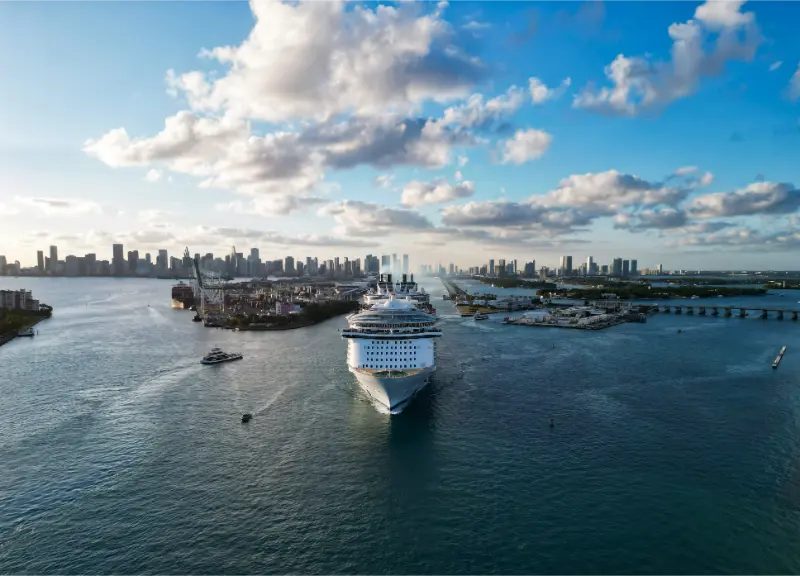
    The right extension depends on where the ship docks. PortMiami, Port Everglades near Fort Lauderdale, Port Canaveral on the Space Coast and Port Tampa Bay lead naturally to different trips. This guide shows how to choose between them, which activities make sense over three days and how to avoid transportation mistakes. It applies to couples, families with children and older visitors who prefer a slower transition from ship to shore.

    First, verify your actual disembarkation port

    Do not rely only on the general name of the cruise. A South Florida itinerary can involve PortMiami or Port Everglades, which are distinct facilities. A cruise advertised as sailing from the Orlando area generally uses Port Canaveral, not downtown Orlando. Tampa sailings use the Port Tampa Bay area, with a different airport and hotel geography. Check the cruise line’s final documents for the precise terminal and any changes.

    A three-day extension should follow that port unless you have a compelling reason to relocate. Traveling from Canaveral to Miami after a cruise merely to see one beach can consume time and transport budget. Most visitors benefit from staying near their arrival coast and ending the holiday at an airport with convenient departure options. Compare flights from the nearest appropriate airports before committing to a hotel.

    Confirm whether the cruise line transports passengers to the airport, whether the service can be booked without an immediate flight and what documentation is required. Independent transfers offer flexibility but should be arranged with enough time for baggage collection and border formalities. Never assume you can walk directly from a cruise terminal to a nearby hotel even when the map looks simple.

    Cruise arrival day: plan for uncertainty and tiredness

    Disembarkation involves the ship’s schedule, passengers leaving in groups, luggage collection and any required inspection. You may reach your hotel well before normal check-in, and an early room cannot be guaranteed without confirmation. Arrange baggage storage and a place to sit. A hotel with a lobby, restaurant and accessible toilets can be far more useful at this moment than one that saves a small amount of money but leaves everyone waiting outside.

    Choose one gentle activity: a waterfront lunch, a short park visit or a neighborhood stroll. Avoid same-day tickets for an attraction far from the port, especially if they are nonrefundable. Travelers may be dehydrated, sun-exposed or affected by motion after several days at sea. For families, provide snacks and quiet time before proposing another adventurous outing. A leisurely afternoon is often the most enjoyable part of the transition.

    If a child is traveling with a stroller or a guest needs a mobility-friendly vehicle, arrange the transfer in advance. Cruise line excursions and regular rideshare services are not always suitable for child-restraint or wheelchair requirements. Confirm the number of bags that can fit inside the chosen vehicle; a family of five leaving a cruise may have more luggage than it carried into the airport.

    Option 1: Three nights after PortMiami

    PortMiami is close to urban Miami, but neighborhoods have different strengths. Downtown and Brickell place visitors near transit and dining, while Miami Beach offers an ocean-focused stay that usually requires a separate transfer from the port. Choose according to your group: travelers wanting museums and urban exploration may like downtown, while a family that mainly wants a beach morning may prefer a well-located Miami Beach hotel. Beware of resort fees and costly beach parking when comparing prices.

    On Day 1, check in and choose a short waterfront outing. On Day 2, visit one cultural destination such as a museum or a neighborhood with a different atmosphere, with time for a relaxed meal. On Day 3, choose a beach morning if conditions allow or explore a quiet park before packing. Do not combine a full Everglades excursion, South Beach, a Keys day trip and several museums into two full days. Each can deserve its own careful visit.

    The official PortMiami visitor information and transport guidance explain terminal access and transport options. If you plan to travel onward by Brightline, verify station transfers and train times rather than assuming a terminal-to-train connection is automatic.

    Option 2: Fort Lauderdale after Port Everglades

    For a cruise ending at Port Everglades, Fort Lauderdale offers coastal hotels, the Riverwalk area, boating-related activities and an airport nearby. It can be a convenient extension for travelers who do not wish to spend several more hours changing cities. Lodging near the beach can make a restful third day possible; staying closer to the urban core may be better for dining, museums and transport access. Confirm the exact terminal and pickup zone with your transfer provider.

    Fort Lauderdale Downtown Skyline across Canal

    On the first afternoon, keep your plans close to the hotel. Day 2 can focus on the riverfront, a museum and a leisurely meal, or a scenic boat experience if weather and boarding arrangements work. Day 3 is ideal for beach time, a botanical or nature stop, or simply relaxing by the pool. Families with children may prefer fewer moves and a hotel offering predictable food options.

    Miami is reachable from Fort Lauderdale, including by rail, but a three-day extension does not require another city. If your international flight departs from Miami International Airport, consider airport transfers and traffic before deciding whether to switch accommodation. One base often saves more time than a hurried two-hotel itinerary.

    Option 3: Port Canaveral and the Space Coast

    Port Canaveral sits near Cocoa Beach and other Space Coast communities. Visitors often imagine that Port Canaveral and Orlando theme parks occupy the same neighborhood, but they are separated by a meaningful drive. The most natural cruise extension stays around Cocoa Beach, Cape Canaveral or nearby coastal towns. Kennedy Space Center Visitor Complex can be an outstanding full-day outing for space enthusiasts, though booking, hours and exhibit operations need checking in advance.

    On Day 1, arrive and enjoy a coastal meal or a hotel pool. Day 2 can be dedicated to Kennedy Space Center for a family or group truly interested in rockets, exploration and exhibits. Day 3 offers a beach morning, a nature-focused outing or a relaxed day before flying home. For travelers who dislike theme parks, the Space Coast provides a distinct Florida vacation rather than simply serving as a substitute for Orlando.

    If you prefer Disney or Universal, you can stay in Orlando after the cruise instead, but allow for the full port-to-city transfer, park ticket costs and hotel logistics. Do not book an evening theme-park experience on the assumption that everyone will be ready immediately after leaving the ship. Confirm your flight airport—Orlando International Airport is a common option, but transport remains necessary.

    Option 4: Three days after a Tampa cruise

    Port Tampa Bay connects naturally to downtown Tampa, the waterfront and Tampa Bay cultural attractions. After disembarking, choose accommodation near the activities you want rather than defaulting to a distant beach resort. Downtown can work for people interested in the Riverwalk, museums and restaurants, while a Gulf beach stay offers a different, slower conclusion to the holiday. Beaches around Clearwater and St. Pete are not simply a few steps from the port and require a planned transfer.

    Day 1 might be lunch and a short Tampa Riverwalk outing. Day 2 can be a museum or aquarium experience, especially with children. Day 3 could involve a coastal excursion if weather and your transportation arrangements support it. An older traveler may prefer two full days downtown with a scenic boat or café experience instead of spending another day driving between areas.

    Tampa International Airport can be practical for onward travel, but check actual flight options. If your next flight requires a connection, the shortest drive to the airport is not necessarily the best overall itinerary. Compare cancellation policies and allow enough time on departure day for all travelers, particularly when the party includes children or travelers requiring assistance.

    Choosing the right hotel after sleeping on a cruise ship

    A hotel after a cruise serves a different purpose than the pre-cruise hotel. You may want a larger room, a quiet bedroom, accessible bathroom or a balcony where you can relax without scheduled activities. Compare location, breakfast, laundry, baggage storage and the actual distance from the port. If your ship arrives early, ask about luggage storage rather than assuming complimentary early check-in. For a family, a suite with separate sleeping space can provide real value after several nights in a compact cabin.

    Do not assume cruise-line transfer offers are cheaper than private options for every party size. With a large family, a suitably sized vehicle may be cost-effective; for one solo traveler, a shared service may make sense. Compare pickup location, vehicle type and waiting policy. For beach hotels, add resort fees, parking, umbrella rentals and meals to the advertised rate before concluding that the extension is inexpensive.

    Travelers with dietary restrictions should check that nearby food is available outside tourist entertainment hours. A hotel breakfast can be helpful, especially on the last day before an early flight. If you plan a rental car, inspect one-way return terms, toll arrangements and child seat policies. Having a car is not automatically necessary for an urban Miami or Fort Lauderdale stay.

    Staying safe and flexible after a cruise

    Travel insurance and travel documents still matter once you are off the ship. Confirm whether your policy covers the land extension and any medical needs after the cruise ends. A person who becomes unwell should not attempt an ambitious multi-stop sightseeing day. Keep medications and essential supplies accessible rather than packed in luggage sent to hotel storage. International travelers should understand the entry and customs requirements that apply when returning to the United States.

    On beaches, check local flags, surf forecasts and posted safety advice. Not every location has lifeguards, and the Atlantic coast can have strong currents. If thunderstorms affect outdoor activities, switch to a museum or hotel rest instead of trying to preserve a beach schedule at all costs. For boat tours after the cruise, consider whether anyone still has motion sensitivity; another water excursion may not be the best choice.

    A flexible plan is also a financial safeguard. Booking one main ticket for each full day leaves room to adapt. Buying several timed tours on the first disembarkation afternoon exposes the group to delays beyond its control. Save nonrefundable experiences for days when you are already settled in the area.

    Getting to the airport on your final morning

    Leave sufficient time for the exact airport, not simply the nearest city name. If you are flying internationally, account for the airline’s recommended arrival time, security, luggage and traffic. Miami and Fort Lauderdale airports are different; Orlando International Airport is not located at Port Canaveral; Tampa International Airport is not beside Clearwater Beach. Check the route before choosing the final hotel.

    Arrange a shuttle, car return or private transfer in writing. For very early departures, ask whether the hotel can provide a simple breakfast or a safe option nearby. If you have spent the three days without a car, do not wait until the last evening to discover that your chosen transfer company cannot accommodate a stroller, wheelchair or six large bags.

    How to choose between the four extensions

    For urban culture and a beach option, Miami is appealing. For a manageable combination of riverfront, ocean and airport proximity, consider Fort Lauderdale. For space exploration and an easy coastal mood, the Space Coast is especially distinctive. For museums, waterfront walks and access to the Gulf, Tampa Bay is a strong choice. The best extension is the one located near your actual port and matched to the group’s interests.

    Give yourself permission to do less after a cruise. A calm first afternoon, one outstanding full-day outing and a final coastal or cultural day is enough. Spending three days in a genuine part of Florida can complement the cruise beautifully without turning the return journey into another complicated project.

    Quick planning snapshot

    Planning pointPractical guidance
    PortMiamiMiami urban culture or Miami Beach stay
    Port EvergladesFort Lauderdale waterfront and nearby airport
    Port CanaveralCocoa Beach, Kennedy Space Center, Space Coast
    Port Tampa BayTampa museums, Riverwalk and Gulf Coast add-on

    Frequently asked questions

    Is it worth staying in Florida after a cruise?

    Yes, if you can add two or three nights without straining the budget. It provides a chance to see Florida beyond the port, with less pressure than trying to squeeze sightseeing into disembarkation day.

    Should we stay in Miami after a Port Everglades cruise?

    You can, but Fort Lauderdale is usually more convenient for a short extension. Move to Miami only when its specific attractions or your return flight justify the extra transfer.

    How far is Port Canaveral from Orlando theme parks?

    It is a meaningful road journey, not a walkable connection. Plan transportation and time accordingly, and avoid assuming you can complete a major park visit on cruise arrival day.

    Can we book an attraction for the morning our cruise arrives?

    It is risky unless the schedule has ample flexibility. Disembarkation, baggage procedures and transfers can take longer than expected. Use the first morning for settling in and choose fixed-time activities on later days.

  • Mexico Beach Florida Travel Guide: White Sand, Beach Access, Fishing, Families and Planning Tips

    Mexico Beach Florida Travel Guide: White Sand, Beach Access, Fishing, Families and Planning Tips

    Mexico Beach sits just west of Gulf County in Bay County and offers a very different experience from the high-rise resort sections farther along the Panhandle. The town is small, beach-focused and easy to understand: nearly five miles of white-sand shoreline, frequent public accesses along Highway 98, local restaurants and a slower pace that works well for families, couples and road-trippers.

    Explore this guide

    The destination has rebuilt extensively after Hurricane Michael and continues to evolve, so travelers should use current local information rather than relying on old photos or pre-storm assumptions. A good visit focuses on the beach first, adds fishing or a simple water activity, and leaves enough flexibility for weather and local dining.

    Quick planning summary

    • Best for: quiet beach vacations, families, fishing, sunsets and road trips
    • Beach: almost 5 miles of shoreline with numerous public accesses
    • Lifeguards/flag system: local tourism currently states no municipal lifeguards or warning-flag system
    • Welcome Center: 102 Canal Parkway
    • Time zone: Central Time in Mexico Beach

    Important current-status note

    October 2026 information snapshot: this article is scheduled for 2028. Hours, prices, construction, storm repairs, beach access, wildlife rules, tour schedules and local ordinances can change before publication. The practical details below are a verified planning baseline, not a promise that every 2026 condition will still apply in 2028. Recheck the linked official source shortly before travel.

    Current practical baseline

    Mexico Beach tourism currently describes almost five miles of beach with numerous public accesses along Highway 98. Its beach-safety information states that the city does not operate a warning-flag system or lifeguards, so personal water-safety judgment is especially important. The Welcome Center at 102 Canal Parkway currently lists Monday–Friday hours of 8 a.m.–4 p.m. local time. Mexico Beach is in the Central Time Zone.

    Why choose Mexico Beach

    Choose Mexico Beach when you want beach time without the scale and traffic of a major resort strip. There is enough dining, lodging and activity to support a vacation, but the town still feels compact. Travelers seeking nightlife, amusement parks or endless shopping may prefer a larger base; those seeking sand, fishing and quiet evenings are more likely to appreciate it.

    Beach access

    Public accesses are spaced along Highway 98 and help protect dunes by directing foot traffic to designated walkovers. Use them instead of crossing vegetation or dunes. Parking conditions vary by access, so travelers with mobility needs should identify the most suitable entry before arriving with a full beach setup.

    White quartz sand

    Local tourism highlights the unusually white quartz sand, which contributes to the bright appearance of the shoreline. Enjoy it without removing dune vegetation or disturbing protected areas. Fill in deep holes before leaving because they can become hazards for people and nesting wildlife.

    Empty White Sand Florida Beach under Blue Sky

    Water safety without lifeguards

    The absence of a municipal lifeguard and warning-flag system means visitors must take extra responsibility. Never assume calm-looking water is automatically safe. Swim with others, supervise children directly, watch changing wind and thunderstorms, and leave the water when conditions deteriorate. If you are uncertain, ask the Welcome Center or local authorities about current conditions.

    Fishing and boating

    Fishing is part of the town’s identity, with shore, charter and offshore options depending on season and weather. Book reputable operators, verify licensing and do not schedule a tight airport or driving deadline immediately after a weather-dependent charter. Wind cancellations are part of coastal travel, not a reason to push an unsafe departure.

    Families with children

    The compact destination works well for families who are happy with beach-centered days. Bring shade, snacks and water, and alternate long sand sessions with a meal or short drive. Because there are no lifeguards, adults should assign active supervision rather than assuming another family member is watching the children.

    Where to stay

    Beachfront rentals maximize convenience for families carrying gear. Small hotels and rentals slightly inland can offer better value. Compare total cost, not just nightly rate: parking, cleaning fees, kitchen access and walking distance to the beach can matter more than a small difference in room price.

    Food and evening pace

    Seafood and casual dining fit the destination. Opening days and hours can change seasonally, so do not wait until late evening to discover that your preferred restaurant has closed. A relaxed early dinner followed by sunset often suits Mexico Beach better than a tightly scheduled nightlife plan.

    Road-trip combinations

    Mexico Beach pairs naturally with Port St. Joe and Gulf County to the east. If you are continuing farther toward the Forgotten Coast, use Apalachicola or St. George Island State Park as separate overnight or full-day stops rather than trying to string every beach together in one day.

    Central Time versus nearby Eastern Time

    Mexico Beach is in Central Time, while Port St. Joe and most of Gulf County use Eastern Time. The boundary is close enough that a short drive can change the clock. Confirm the time zone on dinner bookings, tours and check-in instructions, particularly when crossing the county line.

    Weather, storms and seasonal planning

    Northwest Florida has a long warm season, strong summer sun, frequent afternoon thunderstorms and a hurricane season that can affect beaches, roads and facilities even when the center of a storm is far away. Spring and fall often provide a more comfortable balance for walking and cycling, while winter can be excellent for quiet sightseeing but may bring cool or windy days. Check radar, marine conditions and official alerts before committing to exposed beaches, paddling or long drives on low coastal roads.

    Accessibility and multigenerational travel

    Accessibility varies from modern museums and paved parks to soft sand, dunes, natural trails and boat-only destinations. For a wheelchair, walker or stroller, verify the exact accessible route rather than assuming that a short distance will be easy. Multigenerational groups usually do best by pairing one higher-effort outdoor activity with one low-effort stop such as a scenic overlook, museum, picnic area or short waterfront walk. In hot weather, schedule the most exposed activity early and save air-conditioned stops for midday.

    Budget and value

    This part of the Panhandle can be good value because beaches, scenic drives and several public parks cost little or nothing. The larger expenses are usually lodging, boat trips, equipment rentals, fishing charters and restaurant meals. Save money by grouping stops geographically, carrying water and beach supplies, and avoiding unnecessary back-and-forth drives. A free beach is not truly inexpensive if reaching it requires repeated long detours, parking changes and extra fuel.

    Florida Beach with Turquoise Water and White Sand

    What to bring

    • refillable water and more than you expect to drink on a remote day
    • broad-spectrum sunscreen, hat and sunglasses
    • insect repellent for marshes, forests and evenings
    • comfortable footwear plus sandals or water shoes when useful
    • light rain layer in the warm season
    • offline map or downloaded directions for areas with weak mobile service
    • small power bank for navigation and photography

    Common planning mistakes

    • assuming every beach access has restrooms, lifeguards or food nearby
    • underestimating heat, wind and thunderstorms on an exposed coast
    • treating wildlife sightings, shelling or fishing success as guaranteed
    • ignoring tides and marine conditions before paddling or boating
    • planning too many separated communities in a single short day
    • forgetting that hurricane repairs and erosion can change access
    • relying on old prices or social-media posts instead of an official source

    A better daily rhythm

    Put the most weather-sensitive experience first. Beach time, wildlife viewing, paddling and long walks are usually better early, while museums, downtown shops and long lunches work well during the hottest or stormiest part of the afternoon. Leave at least an hour unassigned. That margin absorbs a bridge delay, a longer meal, a sudden shower or the simple decision to stay at a beautiful beach longer than planned.

    Parking, arrival and driving strategy

    On this stretch of coast, a few extra minutes of preparation can save a surprising amount of time. Put the exact public entrance or parking area into navigation before leaving, because a destination name may cover miles of shoreline or preserve land. Keep fuel above half a tank on remote days, avoid blocking residential access, and never create your own parking space on dunes or vegetation. If a fixed tour or museum opening matters, arrive with a buffer rather than planning to pull in at the exact start time.

    Restrooms, food and practical breaks

    Facilities become less predictable as you move away from Port St. Joe and Mexico Beach. Some parks have restrooms and picnic areas; natural beaches, launches and preserve access points may have very little. Families should use a restroom before a long beach or paddling session, carry snacks and keep drinking water in the car. Restaurants in small coastal communities may close earlier or take midweek days off, particularly outside peak season.

    Photography and responsible wildlife viewing

    Sunrise, sunset, dunes, shorebirds and the changing colors of St. Joseph Bay provide excellent photography without leaving designated access. Use a longer lens for birds and other wildlife, and do not walk into nesting areas for a closer image. Drones may be restricted by the land manager, state park, refuge or local ordinance; verify the exact property rules before flying rather than assuming open sky means permission.

    If the weather changes

    Have a backup that does not depend on calm water. Port St. Joe history stops, the Welcome Center, shops and a longer meal can replace a beach or paddling session during lightning or strong wind. After tropical weather, give official road, park and county updates more weight than crowdsourced posts because washouts, dune repairs and access restrictions can change rapidly.

    Final planning advice

    Use this guide to decide whether the experience fits your group rather than treating it as another box to check. Gulf County and the neighboring coast reward travelers who accept a slower pace and leave room for weather, wildlife, local food and spontaneous stops. One memorable beach or nature experience plus one cultural stop usually creates a better day than racing between five attractions.

    Official information

    Check official visitor information shortly before travel for current hours, fees, closures, access rules and safety notices.

  • Panama City Beach with Teenagers: Beaches, Water Activities, Food, Shopping and Family Tips

    Panama City Beach with Teenagers: Beaches, Water Activities, Food, Shopping and Family Tips

    Panama City Beach can work very well with teenagers because the destination offers something between a pure resort vacation and a nonstop theme-park schedule. Teens can spend time in the Gulf, try water-based activities, walk Pier Park, photograph sunsets, explore nature and still have room for the unstructured hours that often matter most at this age. The challenge for parents is not finding things to do; it is avoiding an itinerary that feels designed for younger children. Give teenagers meaningful choices, clear safety boundaries and some control over the pace, and the same beach trip can work for the whole family.

    Explore this guide

    Quick planning summary

    • Best for: Families traveling with preteens and teenagers who want a vacation that feels active and social without turning every day into a scheduled attraction marathon.
    • Ideal trip length: 4–7 nights gives enough time for beach days, one or two paid experiences, nature and independent downtime.
    • Getting around: A car gives the most flexibility across Panama City Beach, state parks and Panama City, but a resort-focused stay near one activity cluster can reduce driving.
    • Safety priority: Check current beach warning flags before entering the Gulf and move indoors early when thunderstorms approach.

    How to use this guide

    Families traveling with preteens and teenagers who want a vacation that feels active and social without turning every day into a scheduled attraction marathon. The goal is not to create a schedule that looks impressive on paper. Panama City Beach is easiest when the most weather-dependent activity happens early, the middle of the day includes shade or indoor time, and the evening stays flexible. Travel time along Front Beach Road can be longer than the mileage suggests during busy periods, so group activities by area.

    Let teenagers help design the day

    Ask each teenager to choose one priority for the trip and one restaurant or evening plan. This small amount of ownership changes the tone of the vacation. A teen who selected a snorkeling outing or sunset stop is more likely to engage with the day than one who is simply following an adult schedule. Parents can still control cost, safety and transportation by offering a short list of acceptable options. For siblings with very different interests, alternate who gets first choice rather than forcing every activity to satisfy everyone equally.

    Use the Gulf for active time, not just sitting on the sand

    Teenagers who get bored with a conventional beach day may enjoy swimming when conditions are safe, paddle sports, a guided boat trip, fishing, snorkeling or simply walking farther along the shoreline with a camera. Match the activity to actual swimming ability and comfort in open water. Operators may have age, weight or participation rules, and weather can cancel excursions, so verify details before booking. The beach flag system still applies to confident swimmers; experience does not override current surf and rip-current hazards.

    Pier Park works best as flexible social time

    Pier Park can be more useful with teenagers than a tightly scheduled evening attraction. Give the family a meeting time, establish boundaries and allow older teens to browse shops or choose food within an agreed area if you are comfortable doing so. The adjacent Russell-Fields Pier area can add sunset or beach time without another long drive. During crowded periods, plan where everyone will meet if mobile service is slow or batteries are low. Independence works best when the logistics are decided before the group separates.

    Panama City Beach Florida Pier over Turquoise Sea

    Mix high-energy and low-energy days

    A water park, long boating day or several hours in the sun can drain teenagers as much as younger children, even when they do not admit it. Follow an active day with a later breakfast, a shorter beach session, shopping, a scenic drive or a relaxed pool afternoon. This pacing also controls spending because every day does not need a ticketed attraction. Leave some unscheduled time for music, phones, gaming, reading or simply doing nothing. Teenagers often remember the freedom of a vacation as much as the formal activities.

    Use nature without turning it into homework

    St. Andrews State Park, Shell Island and Conservation Park can add variety, but present them as experiences rather than educational assignments. Let teens photograph wildlife, map a trail, identify a sunset location or choose a short route. A nature stop can be especially effective early in the morning before the central resort strip becomes busier. Bring insect protection and water, and keep the route realistic for the heat. If the group is not enjoying a trail, turn around; finishing every planned mile is not the point.

    Plan food as part of the experience

    Teenagers often care about where and what they eat, so build at least a few meals around choice rather than convenience. A seafood meal, casual beach food, dessert stop or locally popular breakfast can become a trip highlight. If the family has a condo, mix restaurants with simple meals in the room so the budget can support one or two experiences that matter more. Avoid making everyone hungry while searching for the perfect restaurant at peak dinner time; choose the general area before leaving the beach.

    Families, age groups and different travel styles

    Younger teens usually need closer supervision around water, crowds and evening outings, while older teens may be ready for limited independence in a defined area. The family should agree on meeting points, phone charging, transportation and what happens if plans change. When younger siblings are also traveling, splitting the group for a few hours can be healthier than asking a teenager to spend every day at preschool-oriented attractions.

    For a mixed-age group, decide which activity everyone truly wants to share and let the rest of the day be modular. A vacation becomes easier when a toddler can nap, a teenager can choose an activity and an older traveler can skip a long exposed walk without the group treating those choices as problems.

    Where to stay

    The Pier Park area is convenient for teens who value walkable evening entertainment, while Grand Lagoon can be useful if boating and fishing are major priorities. The West End is quieter and can suit families who want more downtime. A condo with enough sleeping space, reliable Wi‑Fi and a pool may be more useful to teenagers than a hotel with formal common areas. Check exactly how far the room is from the beach and whether teens can safely reach the places you expect them to use independently.

    Compare the total accommodation cost rather than only the first nightly rate shown. Parking, resort fees, cleaning charges, taxes and cancellation rules can materially change the value. For families and longer stays, laundry and a kitchen may save time as well as money. For travelers with mobility needs, confirm the route from parking to room to beach or pool directly with the property.

    Beach safety: the rule that should shape every itinerary

    Panama City Beach uses a beach warning flag system. A green flag still means use caution; yellow indicates a medium hazard; red signals high hazard; purple warns of dangerous marine life; and double red means the water is closed to the public. Conditions can look calm from a balcony while currents remain dangerous. Check the current flag status before entering the Gulf and follow lifeguard and local-authority instructions.

    Panama City Beach Skyline and Shoreline Aerial

    Rip currents are a major Gulf hazard. Swim near lifeguarded areas when possible, keep children within direct reach appropriate to their ability and do not use inflatable toys as safety devices. If lightning develops, leave the water and beach early and move to a safe indoor location. A trip can be rearranged; water and thunderstorm warnings should not be negotiated with an itinerary.

    Weather, heat and the best daily rhythm

    In warm months, an early outdoor block followed by lunch, indoor time or a hotel break usually works better than staying exposed through the hottest hours. Afternoon thunderstorms can be localized and fast-moving, so keep one indoor alternative available. In cooler months, mornings may require a light layer even when the afternoon is pleasant. Check the actual forecast shortly before travel instead of relying on long-term climate averages.

    Sun, humidity and saltwater add fatigue gradually. Drink water throughout the day, reapply sun protection and schedule recovery time after long beach or boat sessions. This matters for children, senior travelers and visitors arriving from cooler climates, but it also affects healthy adults who underestimate how much energy a full day outside requires.

    Driving, parking and getting around

    Panama City Beach is long rather than compact. Before leaving, enter the exact parking area or attraction—not only the destination name—into navigation. Group stops on the same side of town, and avoid driving from east to west and back again for minor errands. During busy seasons, add buffer time for Front Beach Road and popular access points. Never park on dunes, landscaped areas or private property because a map pin appears close to the beach.

    If you are flying into ECP and plan to explore state parks, Panama City, the West End or other Panhandle destinations, a rental car is usually the most flexible choice. Resort-focused travelers may be able to combine transfers or rideshare with walking, but compare the real cost against parking and rental fees before deciding.

    Food and budget planning

    Use geography to control both cost and stress. Eat near the activity you are already doing instead of driving across the city for every meal. A condo kitchen can make breakfast, snacks and one simple dinner inexpensive, leaving more budget for a boat trip or attraction that matters. Families should keep water and familiar snacks available, while travelers with dietary restrictions should identify a few reliable options before arriving.

    Ticket prices and operating schedules can change, so compare current official prices shortly before travel. Do not assume a multi-attraction day is automatically better value. One well-chosen paid experience plus free beach time, a park walk and sunset can create a stronger day than several rushed admissions.

    Common mistakes to avoid

    • Planning every hour without giving teenagers any choice
    • Treating all family attractions as equally suitable for teens
    • Ignoring open-water risk because a teenager is a strong pool swimmer
    • Booking multiple expensive activities on consecutive days
    • Assuming everyone wants to spend every meal and evening together
    • Leaving no flexibility for Gulf weather, traffic or a tired traveler.

    Useful Wonderful Florida guides to combine with this article

    Depending on your itinerary, continue with Panama City Beach with kids guide, Pier Park guide, Russell-Fields City Pier guide, Shell Island guide and Conservation Park guide.

    Official information to check before travel

    Opening hours, access conditions, beach flags, parking arrangements, attraction restrictions and transportation services can change. Use official or primary sources shortly before travel when a specific feature is essential to your day.

    Final planning advice

    Panama City Beach is easiest to enjoy when the beach is treated as part of the schedule rather than the entire schedule. Choose one anchor experience, leave room for weather and rest, and keep the final hours of the day simple. That approach works for families, couples, teenagers, senior travelers and visitors with accessibility needs because it gives the trip enough structure to be useful without turning a Florida vacation into a sequence of deadlines.

  • Epic Universe vs Islands of Adventure: Which Universal Orlando Park Should You Choose?

    Epic Universe vs Islands of Adventure: Which Universal Orlando Park Should You Choose?

    Epic Universe and Islands of Adventure are both part of Universal Orlando, yet they are not interchangeable days. One is organized around distinct, elaborately themed worlds; the other offers a familiar island-to-island route with major roller coasters, Harry Potter attractions, Marvel adventures, and Jurassic Park. The right choice depends less on which park is newer and more on what your group actually enjoys, which tickets you can buy, how much walking you tolerate, and whether every traveler wants to ride. This comparison helps you build a satisfying day rather than buying an expensive ticket based on a single photograph.

    Understand what each park feels like

    Epic Universe uses a central hub and separate themed worlds, including Super Nintendo World, the Wizarding World of Harry Potter – Ministry of Magic, How to Train Your Dragon – Isle of Berk, and Dark Universe. For a first-time visitor, moving between those environments can be the highlight in itself. Large themed spaces, elaborate queues, restaurants, and night lighting reward travelers who like immersion even when they skip a headliner. But the novelty that makes the park exciting also means popular experiences may require patient planning and a willingness to change priorities as operating conditions evolve.

    Islands of Adventure has a different rhythm. Guests circle a lagoon through lands such as Marvel Super Hero Island, Jurassic Park, Hogsmeade, Seuss Landing, and The Lost Continent area as operating offerings evolve. It combines story-driven rides with intense coasters, water attractions, outdoor paths, and family areas. Compared with Epic Universe, its overall identity may feel more straightforward to repeat visitors who know what they want. If your group already has a favorite Jurassic or Harry Potter attraction, that known preference can be a stronger deciding factor than the age of the park.

    Which is better for toddlers and preschoolers?

    A toddler does not judge a theme park by the number of lands. They notice shade, noise, stroller routes, snack breaks, familiar characters, and whether a parent keeps promising rides they cannot board. At Epic Universe, the colorful environments can be delightful to look at, but parents should review the current attraction height limits and sensory intensity before promising a Nintendo or dragon-themed ride. Some environments include darkness, dramatic sounds, and long indoor queues that may be tiring even for children who meet the height rule. Set a few calm goals and reserve plenty of time for unstructured exploration.

    At Islands of Adventure, Seuss Landing offers a recognizable family-oriented environment and places to pause away from the most intimidating thrill rides. However, not every attraction in a seemingly child-friendly land is suitable for every age or height, and water rides can leave young children wet and cold in air-conditioned spaces afterward. Families with preschoolers should compare a small list of actual accessible attractions at both parks, rather than assuming the newer park automatically wins. Families planning several Orlando days may prefer LEGOLAND or a non-park morning on a different day instead of forcing a second intense park visit.

    What teenagers and thrill seekers will notice

    For a teenager eager for major coasters, both parks can produce a memorable day. Islands of Adventure has long been associated with highly energetic attractions, including the Jurassic World VelociCoaster and The Incredible Hulk Coaster. Epic Universe brings its own high-profile thrill experiences such as Stardust Racers alongside elaborate immersive rides. Not everyone in a teenage group has the same appetite for speed, drops, darkness, motion simulation, or restrictive restraints. Before buying tickets, ask each traveler to choose three attractions they would genuinely ride, then compare the overlap.

    Height is only part of eligibility. Riders may need to satisfy seat, restraint, mobility, or medical restrictions, and lockers or loose-item rules can affect how quickly a group moves. A child who barely reaches a posted minimum is not automatically comfortable with the experience. Equally, a fearless adult may be unable to ride a particular attraction because of the restraint. Universal publishes ride height and accessibility information by park; use those documents as the deciding reference, not an old online list of the ‘top ten’ coasters.

    If some travelers do not ride at all

    Grandparents, expecting parents, visitors prone to motion sickness, and anyone recovering from an injury may still enjoy either destination, but their day should not be reduced to waiting outside ride exits. Epic Universe can be attractive for people who love themed environments, environmental details, shows, food, and observing the atmosphere of distinct worlds. Consider how much exposed walking is involved and whether the day’s longest waits occur inside or outside. Some indoor experiences also contain movement, darkness, or effects that guests may prefer to avoid entirely.

    Islands of Adventure offers richly detailed areas, scenic paths, places to eat, character experiences when available, and opportunities to watch the family enjoy a shared land without entering every queue. Yet frequent backtracking around the lagoon can turn a relaxing day into a tiring one. Choose a meeting spot before splitting up, agree on one shared meal, and assign a realistic number of activities that non-riders actively want. If accessible transportation or an ECV is needed, arrange availability before arrival rather than expecting a mobility aid to be waiting at the gate.

    At a glance: practical differences

    What mattersFirst optionSecond option
    ThemeImmersive newer worldsClassic islands and coasters
    Harry PotterMinistry of MagicHogsmeade and Hogwarts
    CoastersNew major thrill attractionsVelociCoaster and Hulk
    Travel strategyPrioritize worlds and check admissionCirculate around the lagoon
    For non-ridersExplore themed environmentsShows, lands and scenic walks

    Harry Potter: two very different visits

    Hogsmeade at Islands of Adventure evokes the village setting with Hogwarts as its defining backdrop, while the Ministry of Magic area at Epic Universe draws from a different period and setting of the Wizarding World. A fan may have a strong preference even before examining rides. The signature attractions can differ in height limits, intensity, and how their queues operate. If a member of your party only wants to see Hogwarts, a ticket for Epic Universe will not substitute for time in Hogsmeade. Conversely, buying only Islands of Adventure will not provide access to the Ministry of Magic experience.

    The Hogwarts Express is a separate planning issue. It links Hogsmeade at Islands of Adventure with King’s Cross at Universal Studios Florida, not Epic Universe, and it requires appropriate Park-to-Park admission. Many visitors confuse the number of parks on a ticket with their ability to cross between them. Read the exact product description on your booking confirmation and verify which park or combination it admits on the chosen date. Do not assume that the word Universal in a ticket name means entry to every Universal Orlando gate.

    Harry Potter Wizarding World Street Universal Orlando

    How to compare ticket value without guessing prices

    Prices fluctuate by date, product, promotions, and whether you buy one day or a package. It is better to calculate cost per genuinely enjoyable day than to compare only headline starting prices. Add admission for every paying person, taxes and checkout charges shown, parking or rideshare, meals, possible lockers, and extras you actively intend to buy. Express-style privileges and hotel benefits vary by participating park and product. A family attracted to one particular attraction may not gain much from paying for numerous unused extras.

    Build two budgets using the same date, number of people, and transportation assumptions. Then write down the three activities each visitor is most excited about at each park. If Epic Universe attracts everyone for different reasons, its higher perceived expense may still deliver better value. If a group wants multiple rounds on established coasters and familiar Harry Potter scenery, Islands of Adventure may be the simpler choice. Never treat a quoted third-party admission price as final until you examine date restrictions, cancellation conditions, and the authorized seller’s checkout total.

    Walking, weather, and the realistic pace of a day

    Florida humidity changes the apparent difficulty of a park day. Crowded, exposed paths feel different in July than on a cool February morning. Epic Universe’s worlds may encourage a visitor to cross the hub repeatedly; Islands of Adventure’s circular layout rewards choosing a direction and limiting unnecessary returns. Both days benefit from an early check of the map, water stops, indoor breaks, and a plan for storms. Rides can pause during lightning and wind, and outdoor queue conditions can change without warning.

    For children or older relatives, schedule a genuine break before the group becomes exhausted. That might be a long indoor lunch, a show, or a return to the hotel if travel time makes it worthwhile. Avoid constructing a rigid minute-by-minute itinerary dependent on attraction wait times. On arrival, check the official application and choose one or two anchors. Let everything else remain flexible. A family that enjoys six well-chosen experiences usually has a better day than one that rushes past fifteen attractions and remembers only standing in line.

    Hotel location and transportation choices

    The best hotel is not necessarily the one with the shortest straight-line distance to a park gate. Ask about the actual shuttle route, walking distance, frequency, earliest departure, and accessibility. Universal resort hotels have different transport links and changing benefit packages; some privileges may exclude certain parks, dates, or ticket types. A property on International Drive may offer a lower room rate but require paid transfers, parking, or an early rideshare. If anyone uses a walker or stroller, every extra transfer adds friction.

    Families staying several nights should also consider laundry, kitchen access, bedroom separation, and quiet sleep. Those features may be worth more than a heavily advertised shuttle. If you are visiting both Epic Universe and Islands of Adventure, compare the route from the same hotel to both instead of assuming it is identical. Check actual pickup points for your visit date and leave room for queues at security and ticket validation. Return transport after an evening event can be more difficult than arrival, so arrange the journey both ways.

    Accessibility and sensory comfort

    Universal provides an accessibility guide covering ride transfer requirements, mobility devices, sensory effects, queue accommodations, and communication access. Study the specific attraction pages for the chosen park. An accessible entrance does not necessarily mean that an attraction vehicle can accommodate every mobility device without transfer. Some guests may need assistance from their traveling companion; others may choose shows and walk-through experiences. Contact Guest Services before buying nonrefundable tickets if a particular feature is essential to the trip.

    For sensory-sensitive guests, the most valuable preparation is knowing where a quiet reset can happen. Download a map, identify a calm place outside the busiest land, carry ear protection when useful, and avoid scheduling several loud indoor attractions consecutively. Keep expectations flexible: a child may love one visually rich area and reject the next for no obvious reason. That is not a failed park day. The important thing is building a day that respects how a particular visitor experiences sound, light, movement, and waiting.

    A day plan for each park

    At Epic Universe, begin by opening the current park map and confirming which experiences are operating. Pick one high-priority land and complete its most important activity before fatigue grows. Spend the middle of the day enjoying scenery, lunch, a calmer experience, and shade. Move to a second themed world when the group is ready rather than crossing back and forth whenever the app changes by a few minutes. For older visitors or small children, treat the evening as a bonus rather than an obligation.

    At Islands of Adventure, enter with two or three ride priorities and a clear direction around the lagoon. Group nearby attractions to reduce walking. Build a midday meal near the route instead of retracing every step. If someone wants Hogsmeade while another prefers Seuss Landing, agree on a planned split and reunion. Be especially cautious about water rides if you are flying home or attending dinner immediately afterward. Leave the last hour open for an unexpected favorite, shopping, or a relaxed exit before transport queues peak.

    Which park should you actually book?

    Choose Epic Universe if the new themed worlds are the main reason for your Orlando trip, several members of your party are enthusiastic about the specific experiences there, and your group values discovering immersive environments. Choose Islands of Adventure if familiar signature rides, Hogsmeade, established coasters, and a relatively clear circulation route match your interests. Either is a poor value if the travelers most affected by height restrictions, sensory effects, or limited mobility have no appealing alternative activities planned.

    The final step is practical: confirm the park’s operating calendar, ticket validity, ride alerts, current accessibility requirements, and the transportation arrangement for that exact day. Compare the full price of a pleasant, feasible day for everyone, not the marketing claim that one park is the ultimate adventure. You can enjoy Florida across generations without making every family member spend every hour on the same ride.

    Frequently asked questions

    Does an Islands of Adventure ticket include Epic Universe?

    Do not assume so. Universal sells different admission products and multi-park combinations. Check your ticket’s stated gates, date, and terms before purchasing.

    Is Epic Universe suitable for a child who cannot ride big coasters?

    It may be, especially if the child enjoys themed environments and qualifying family attractions. Check individual height restrictions, sensory effects, and the current operating list.

    Can I ride Hogwarts Express from Epic Universe?

    No. The Hogwarts Express connects Universal Studios Florida and Islands of Adventure, and riders need the appropriate Park-to-Park ticket.

    Official information to check before your trip

  • Port St. Joe Florida Travel Guide: Best Things to Do, Bayfront, History, Beaches and Planning Tips

    Port St. Joe Florida Travel Guide: Best Things to Do, Bayfront, History, Beaches and Planning Tips

    Port St. Joe is one of the easiest bases for understanding Gulf County because it combines a real small-town center with immediate access to St. Joseph Bay, Cape San Blas, St. Joe Beach and the inland communities around Wewahitchka. It is not a high-rise resort town, and that is exactly why many travelers like it. The best trips use the town as a practical hub rather than trying to turn every hour into an attraction.

    Explore this guide

    A first visit works well for couples, families, anglers, road-trippers and travelers who want a quieter Panhandle stop between Apalachicola and Panama City. Historic context matters here: the early town of St. Joseph hosted Florida’s first constitutional convention, while the modern waterfront reflects a long relationship with fishing, shipping and St. Joseph Bay.

    Quick planning summary

    • Best for: small-town atmosphere, bay views, history, families and outdoor trips
    • Time needed: 1 full day for town; 2–4 nights as a Gulf County base
    • Car: strongly recommended
    • Best base area: downtown/bayfront for walkability or the beaches for sand-first trips
    • Nearest major comparisons: Apalachicola to the east and Mexico Beach/Panama City to the west

    Important current-status note

    October 2026 information snapshot: this article is scheduled for 2028. Hours, prices, construction, storm repairs, beach access, wildlife rules, tour schedules and local ordinances can change before publication. The practical details below are a verified planning baseline, not a promise that every 2026 condition will still apply in 2028. Recheck the linked official source shortly before travel.

    Current practical baseline

    The Gulf County tourism office describes Port St. Joe as a small beach town on St. Joseph Bay with historic downtown, parks, walking trails and boating access. The Gulf County Welcome Center is at 150 Captain Fred’s Place and currently publishes Monday–Thursday hours of 7 a.m.–5:30 p.m. Eastern time. Treat those 2026 hours as a planning reference and verify them again before a 2028 visit.

    Why Port St. Joe works as a base

    The town sits close enough to Cape San Blas, St. Joe Beach, Indian Pass and inland Gulf County that you can change the day according to weather. If the Gulf is rough, shift to a museum, downtown meal or bayfront walk. If the morning is calm, use it for paddling, fishing or beach time. That flexibility is valuable on a coast where wind and thunderstorms can reshape plans quickly.

    Start with downtown and the bayfront

    Historic downtown is compact and better experienced on foot than through repeated short car moves. Browse shops, stop for coffee or lunch and then walk toward St. Joseph Bay. George Core Park, the relocated Cape San Blas Lighthouse and the Gulf County Welcome Center create an easy orientation area. The goal is not to rush; a slower walk gives context before you drive to the beaches or peninsula.

    Florida Bayfront Causeway Aerial View

    History: Constitution City

    Port St. Joe is closely tied to the 1838 convention that drafted Florida’s first constitution. The Constitution Convention Museum State Park is the most focused place to understand that story. Travelers who normally skip small museums may still find this one worthwhile because the local history explains why the community calls itself Constitution City.

    Cape San Blas Lighthouse and George Core Park

    The historic Cape San Blas Lighthouse was moved from the cape to Port St. Joe in 2014 after shoreline erosion threatened the structure. It now stands near the bayfront. The local tourism office currently lists Wednesday–Saturday hours that can vary, so call or check the latest schedule before planning a climb. Even if a climb is unavailable, the park and bayfront make a convenient short stop.

    Best day trips from Port St. Joe

    Choose one direction rather than collecting everything. For a beach-and-nature day, drive toward Cape San Blas and the state park. For a quieter Old Florida atmosphere, use Indian Pass. To the east, Apalachicola adds seafood, museums and river history, while St. Vincent National Wildlife Refuge is a much more remote boat-access experience that deserves separate planning.

    Families, teenagers and senior travelers

    Families can combine a short museum, playground or bayfront walk with beach time so children are not asked to spend an entire day sightseeing. Teenagers often respond better to kayaking, fishing, cycling or sunset beach time than to a long museum sequence. Senior travelers may appreciate the compact downtown and scenic drives, but heat and soft sand can make apparently short beach walks tiring.

    Food and seafood planning

    Leave flexibility for meals rather than building the itinerary around one restaurant. Gulf seafood is a major part of the local experience, but catches, seasons and opening days change. Ask what is fresh and local rather than assuming a particular species or product will be available. On summer weekends, an earlier lunch or dinner can reduce waiting.

    How long to stay

    One full day is enough to see downtown, the bayfront and one historical stop. Two nights create a better trip because you can add Cape San Blas or St. Joe Beach without rushing. Three or four nights are ideal for families or travelers who want one beach day, one water-based experience and one slower history or nature day.

    How to combine Port St. Joe with the Forgotten Coast

    If your road trip arrives from the east, use St. George Island State Park or Apalachicola on a separate day rather than forcing them into the same afternoon. The roads look short on a map, but beach stops, meals and two-lane driving quickly expand the schedule.

    Cruise Ships Leaving Florida Cruise Port

    Weather, storms and seasonal planning

    Northwest Florida has a long warm season, strong summer sun, frequent afternoon thunderstorms and a hurricane season that can affect beaches, roads and facilities even when the center of a storm is far away. Spring and fall often provide a more comfortable balance for walking and cycling, while winter can be excellent for quiet sightseeing but may bring cool or windy days. Check radar, marine conditions and official alerts before committing to exposed beaches, paddling or long drives on low coastal roads.

    Accessibility and multigenerational travel

    Accessibility varies from modern museums and paved parks to soft sand, dunes, natural trails and boat-only destinations. For a wheelchair, walker or stroller, verify the exact accessible route rather than assuming that a short distance will be easy. Multigenerational groups usually do best by pairing one higher-effort outdoor activity with one low-effort stop such as a scenic overlook, museum, picnic area or short waterfront walk. In hot weather, schedule the most exposed activity early and save air-conditioned stops for midday.

    Budget and value

    This part of the Panhandle can be good value because beaches, scenic drives and several public parks cost little or nothing. The larger expenses are usually lodging, boat trips, equipment rentals, fishing charters and restaurant meals. Save money by grouping stops geographically, carrying water and beach supplies, and avoiding unnecessary back-and-forth drives. A free beach is not truly inexpensive if reaching it requires repeated long detours, parking changes and extra fuel.

    What to bring

    • refillable water and more than you expect to drink on a remote day
    • broad-spectrum sunscreen, hat and sunglasses
    • insect repellent for marshes, forests and evenings
    • comfortable footwear plus sandals or water shoes when useful
    • light rain layer in the warm season
    • offline map or downloaded directions for areas with weak mobile service
    • small power bank for navigation and photography

    Common planning mistakes

    • assuming every beach access has restrooms, lifeguards or food nearby
    • underestimating heat, wind and thunderstorms on an exposed coast
    • treating wildlife sightings, shelling or fishing success as guaranteed
    • ignoring tides and marine conditions before paddling or boating
    • planning too many separated communities in a single short day
    • forgetting that hurricane repairs and erosion can change access
    • relying on old prices or social-media posts instead of an official source

    A better daily rhythm

    Put the most weather-sensitive experience first. Beach time, wildlife viewing, paddling and long walks are usually better early, while museums, downtown shops and long lunches work well during the hottest or stormiest part of the afternoon. Leave at least an hour unassigned. That margin absorbs a bridge delay, a longer meal, a sudden shower or the simple decision to stay at a beautiful beach longer than planned.

    Parking, arrival and driving strategy

    On this stretch of coast, a few extra minutes of preparation can save a surprising amount of time. Put the exact public entrance or parking area into navigation before leaving, because a destination name may cover miles of shoreline or preserve land. Keep fuel above half a tank on remote days, avoid blocking residential access, and never create your own parking space on dunes or vegetation. If a fixed tour or museum opening matters, arrive with a buffer rather than planning to pull in at the exact start time.

    Restrooms, food and practical breaks

    Facilities become less predictable as you move away from Port St. Joe and Mexico Beach. Some parks have restrooms and picnic areas; natural beaches, launches and preserve access points may have very little. Families should use a restroom before a long beach or paddling session, carry snacks and keep drinking water in the car. Restaurants in small coastal communities may close earlier or take midweek days off, particularly outside peak season.

    Photography and responsible wildlife viewing

    Sunrise, sunset, dunes, shorebirds and the changing colors of St. Joseph Bay provide excellent photography without leaving designated access. Use a longer lens for birds and other wildlife, and do not walk into nesting areas for a closer image. Drones may be restricted by the land manager, state park, refuge or local ordinance; verify the exact property rules before flying rather than assuming open sky means permission.

    If the weather changes

    Have a backup that does not depend on calm water. Port St. Joe history stops, the Welcome Center, shops and a longer meal can replace a beach or paddling session during lightning or strong wind. After tropical weather, give official road, park and county updates more weight than crowdsourced posts because washouts, dune repairs and access restrictions can change rapidly.

    Final planning advice

    Use this guide to decide whether the experience fits your group rather than treating it as another box to check. Gulf County and the neighboring coast reward travelers who accept a slower pace and leave room for weather, wildlife, local food and spontaneous stops. One memorable beach or nature experience plus one cultural stop usually creates a better day than racing between five attractions.

    Official information

    Check official visitor information shortly before travel for current hours, fees, closures, access rules and safety notices.

  • Fort Lauderdale Without a Car: Four Days by Water Trolley, Shuttle and on Foot

    Fort Lauderdale Without a Car: Four Days by Water Trolley, Shuttle and on Foot

    Fort Lauderdale is famous for canals and boats, which makes it tempting to plan a vacation without renting a car. That is possible, but it is much easier when you distinguish three different services: the paid sightseeing Water Taxi, the city’s free LauderGO! Water Trolley on the New River, and its street-level community shuttles and micro-movers. They do not follow identical routes, operate under the same ticketing system, or serve every hotel and beach. A four-day stay can work beautifully when you choose your base first and build small neighborhoods into each day.

    This guide is written for visitors who prefer not to drive, including international travelers, couples, families with older children, and older adults who want a lighter program. It does not promise that every boat is wheelchair accessible. In fact, Fort Lauderdale’s official Water Trolley page says that the free vessel is not wheelchair accessible and points visitors toward other community mobility services. Anyone with specific boarding requirements should contact the operator before buying tickets or planning a transfer.

    Choose one walkable base, not the cheapest remote room

    Downtown and Las Olas-area lodging can put restaurants, galleries, and some riverfront stops within a manageable radius. Beachfront accommodation provides easy ocean access but may require more frequent trips inland for museums and evening activities. Hotels near airport highways can look inexpensive while generating repeated taxi expenses. Study the exact hotel address in relation to a shuttle stop, a lawful pedestrian crossing, and the attractions you want most.

    Consider noise, parking fees even if you will not have a car, elevators, swimming-pool access, and whether the hotel offers a realistic route to your first activity. Some downtown streets are pleasant to walk; others may require crossing larger roads or construction zones. A person with a rolling suitcase, a stroller, or a mobility aid may experience the same route very differently from a traveler carrying a small backpack.

    Understand the free LauderGO! Water Trolley

    The city’s free water trolley operates on the New River, offering a short scenic journey between designated riverfront stops. This is a different proposition from a paid all-day sightseeing route. The official service currently lists several stops, including Laura Ward Park, Esplanade Park, and others; some stops may be closed because of construction. It also provides approximate wait-time information and explains that bridge openings can cause delays. Read the current map on the day rather than treating a printed map as permanent.

    The trolley is part of the city’s mobility network, not a magical bridge to every beach and attraction. Passenger space is limited. On busy days, you may wait for another departure or decide to walk a short alternative route. The service is especially enjoyable for visitors who can board comfortably and want to experience the river itself. If boarding conditions are unsuitable, choose a ground transport option rather than attempting a risky transfer.

    What the paid Water Taxi does differently

    Fort Lauderdale’s paid Water Taxi is generally organized around broader tourist routes and stops, with fares and schedules that depend on the service chosen. It can function as both transportation and a scenic outing, but buying a pass only makes financial sense if the operating route matches your plans. Compare the price of a day pass with the cost of your actual planned trips. A family that uses the boat once may prefer a single trip or ground transport instead.

    Fort Lauderdale Florida Harborfront and Shops

    Check the official Water Taxi operator for current boarding points, accessibility details, child fares, evening operations, and weather cancellations. Do not assume its boats are interchangeable with the free municipal trolley. If you have an appointment or flight connection, allow much more time than the nominal travel duration because boarding queues and schedules can change.

    Day 1: arrive and enjoy Las Olas

    After arriving at your hotel, spend the first afternoon exploring a comfortable portion of Las Olas Boulevard or the nearby riverfront. Choose one section rather than attempting the whole district on arrival day. You may find shops, cafés, restaurants, and galleries, but availability varies by day and season. If someone is tired after a flight, lunch and a twenty-minute walk can be more enjoyable than squeezing in a museum before check-in.

    For families, identify a bathroom and shaded rest stop before children become restless. Older travelers may appreciate early dinner reservations and a short ride back to the hotel. Stay aware of traffic crossings and cyclists. A pleasant pedestrian district still contains intersections and vehicle entrances. On rainy afternoons, choose a nearby indoor venue instead of trying to keep to an outdoor schedule at all costs.

    Day 2: the New River and downtown heritage

    Begin with a riverfront walk and, if suitable, a ride on the free trolley. The New River is a revealing way to see Fort Lauderdale: bridges, boats, waterside homes, and commercial activity occupy the same corridor. Look for public walkways and remain outside private dock areas. Construction may temporarily block familiar paths or boarding points, so have a ground route in mind before you leave the hotel.

    Add one cultural attraction such as the Historic Stranahan House Museum or a downtown gallery if it is open and interests your group. History tours may have reserved entry and building-access limitations, while galleries may close for private events. Check current opening directly. Families who are not interested in long museum visits can focus on a short history stop and an extended lunch. One meaningful venue is often enough for a day that also includes public transport and walking.

    Day 3: a beach day without a rental car

    Use the LauderGO! Beach Link where its route and schedule suit your accommodation, or choose another verified public bus or rideshare transfer. The city lists the community shuttle routes and current timetable resources. Never assume that a free shuttle will operate late enough to return from dinner. Save a second option and check the last service in advance.

    At the beach, plan for a short visit rather than an entire unshaded day. Choose an access point with restrooms and, when swimming, follow lifeguard warnings about surf and rip currents. A scenic beach walk is often more suitable for a multigenerational group than several hours of swimming. If walking on loose sand is difficult, enjoy an oceanfront promenade or café and confirm any beach accessibility equipment locally before making the trip.

    Day 4: gardens, museums, or a final river ride

    Reserve the fourth day for a quieter attraction within a practical transport radius. Options depend on your interests: a museum, a garden, an arts venue, or another riverfront neighborhood. Confirm opening hours first, then calculate the full door-to-door journey. With public transport, a destination may appear near on a map but involve an inconvenient connection or a stop on the opposite side of a busy road.

    If your departure flight is that evening, avoid crossing town for a small attraction you can easily miss. Check baggage storage rules at the hotel and arrange an airport transfer that does not rely on a last-minute shuttle. Keep a change of clothes accessible in case you want to freshen up after the beach. A relaxed morning, lunch, and early return for bags can make the last day feel like a holiday instead of a transport puzzle.

    Compare your transport choices

    ServiceMain useLimitation to check
    Free New River Water TrolleyShort scenic river journeysNot wheelchair accessible; stops may change
    Paid Water TaxiBroader sightseeing on the waterwaysTicket price, route and boarding conditions
    LauderGO! community shuttlesNeighborhood and beach connectionsSpecific operating days and last departure
    Micro MoverLimited on-demand service zonesApp booking, area coverage and availability
    Rideshare or taxiAirport and difficult connectionsCost, luggage capacity and pickup location

    Micro Mover and free neighborhood shuttles

    The city also describes a free Micro Mover service through LauderGO!, with operating areas including downtown and beach districts. Service boundaries and dispatch procedures differ from a scheduled bus. Read the official mobility overview and any app instructions before relying on it. On-demand does not mean a vehicle will be immediately available at every street corner.

    Travelers without mobile data should identify alternatives before leaving the hotel. A map screenshot, written hotel address, and phone number can be helpful, but some app-based transport cannot be booked fully offline. If you need wheelchair transportation, ask the service directly about accessible vehicles and reservations. Do not treat a small electric neighborhood vehicle as universally suitable for all passengers or luggage.

    Four days with children or older travelers

    With children, build each day around one central activity and one backup. The boat ride itself may be the highlight, so there is little reason to add three museums. Carry water and sun protection, allow toilet breaks, and do not let children lean over waterside railings. For grandparents, choose a hotel with a practical return route and avoid planning multiple transfers after dark. A short taxi ride at the end of the day can be worth the expense.

    People with limited mobility should independently verify step-free hotel entrances, sidewalk conditions, museum facilities, and boat boarding procedures. The free water trolley’s published limitation is particularly important. A land-based itinerary may be more suitable, and it can still offer river views, art, cafés, and beach scenery. Accessibility is not one universal yes-or-no property of an entire destination.

    Costs and when passes pay off

    Not renting a car can eliminate rental fees, fuel, and parking, but it does not make ground transport free. Airport transfers, paid water taxi fares, taxis during rain, and optional tours can add up. Compare a realistic four-day transport total with the full price of a rental car, including insurance choices and hotel parking. Many travelers will prefer the flexibility of a compact car-free itinerary even if it is not the absolute cheapest option.

    Look at the final booking amount for accommodation, not the headline nightly rate. Downtown and beachfront hotels may charge destination or other mandatory fees. For ticketed attractions, buy only after checking the intended date and cancellation terms. If a public transit route changes, being based near several activities gives you a stronger backup than a nonrefundable timetable-dependent excursion.

    Weather, boats, and the importance of flexibility

    Thunderstorms and high winds can interrupt boat services, outdoor walking, and beach plans. Florida’s summer humidity also makes long walks uncomfortable at midday. Do your river and beach activity in the cooler portion of the day when practical, leaving museums or a relaxed meal for hot afternoons. Do not continue a waterfront outing when lightning threatens. The day’s success should not depend on completing every leg of a boat route.

    A four-day Fort Lauderdale visit without a car works best when you accept that the city is both a waterfront destination and a functioning urban area. Choose an appropriate base, verify transport before each day, and keep travel ambitions realistic. The reward is being able to watch boats pass, step into a gallery, and enjoy the Atlantic without worrying about where to park after every stop.

    Fort Lauderdale Waterfront Tropical Sunset

    Frequently asked questions

    Is the free Fort Lauderdale Water Trolley the same as the Water Taxi?

    No. The municipal free Water Trolley serves designated New River stops. The paid Water Taxi operates separate tourist routes and ticket options. Check both operators before planning journeys.

    Can someone using a wheelchair ride the free Water Trolley?

    The City of Fort Lauderdale states that the free Water Trolley vessel is not wheelchair accessible. Contact the city about suitable community shuttle alternatives and confirm other transport services separately.

    Do I need a car to visit Fort Lauderdale Beach from downtown?

    Not necessarily. Some city shuttle routes, public transit, and rideshares connect the two areas. Verify the exact stop, service days, closing time, and the distance you will walk from the stop to your destination.

  • Five Days in Tampa Bay Without a Car: Streetcars, Buses, Museums and Beach Time

    Five Days in Tampa Bay Without a Car: Streetcars, Buses, Museums and Beach Time

    You can enjoy parts of Tampa Bay without renting a car, but a realistic car-free itinerary looks different from a road trip. Tampa, downtown St. Petersburg and St. Pete Beach have useful transit services; remote springs, scattered nature preserves and many attractions beyond the urban corridors are much harder to reach. This five-day plan uses two bases—central Tampa and downtown St. Petersburg or St. Pete Beach—and treats public transport as a way to explore specific neighborhoods rather than a promise of seamless access to the entire region. It works best for travelers who can manage some walking, though accessible transit and arranged transfers can broaden the options. If you have large luggage, small children or mobility equipment, inspect the transfer chain before booking.

    The central rule: book your hotel beside the transit you will actually use

    Choose a Tampa hotel near downtown, Water Street, Channelside or the TECO Line Streetcar corridor if you want museums, restaurants and historic Ybor City. A generic “Tampa-area” hotel by a highway interchange may require a car for every meal. For the St. Petersburg segment, a downtown property near SunRunner stops makes it easier to visit both the city and St. Pete Beach. If your priority is the Gulf shoreline, select a hotel near a SunRunner beach stop instead. Confirm the walking distance in minutes and the presence of continuous sidewalks, crosswalks and ramps; a half-mile in Florida heat with suitcases is not always a trivial transfer. You will spend more time at attractions and less time solving basic logistics.

    Day 1: arrive in Tampa and use the downtown streetcar

    Tampa International Airport has bus services operated by HART, including airport connections via routes identified on the agency’s current information pages. The airport pickup is near the Rental Car Center, reached by SkyConnect, not necessarily immediately outside your airline’s baggage door. If that transfer is awkward after a long flight, a prepaid taxi or rideshare may be worthwhile without undermining the car-free concept. Once checked in, explore a short section of downtown Tampa and the Channel District. The TECO Line Streetcar links downtown, Channelside and Ybor City; the city describes a roughly 2.7-mile system and has published free-fare service, but check the latest fare policy before boarding. Use the first evening to learn stop locations and make an uncomplicated dinner plan.

    Day 2: Tampa Riverwalk, museums and Ybor City

    Spend the morning around the Tampa Riverwalk, choosing a section near a museum or waterfront attraction rather than expecting to walk its entire length. The Florida Aquarium may suit families, while a history or art museum can be the main stop for visitors who enjoy quieter cultural experiences. Verify current admission, timed tickets, opening days and bag rules directly with each venue. Later, use the streetcar for Ybor City, where the historic urban fabric and cigar-making heritage differ from the modern waterfront. Take time to understand the neighborhood rather than rushing between dining venues. At night, some blocks can be busy with nightlife; families or visitors who dislike noise may prefer an earlier dinner. Return using a confirmed streetcar or taxi option rather than expecting service past its scheduled hours.

    Day 3: move from Tampa to St. Petersburg thoughtfully

    Tampa and St. Petersburg are on opposite sides of the bay; this is the itinerary’s least effortless transfer. Check current intercounty transit options and whether a bus actually connects your exact hotel locations at a useful time. Do not assume a sightseeing ferry runs year-round or on your chosen date: cross-bay ferry availability can change. The practical alternative for luggage-heavy travelers is a direct car service between hotels. After arriving, settle into downtown St. Petersburg and choose one nearby attraction, perhaps the waterfront or a selected museum. Avoid buying museum tickets with a narrow check-in window immediately after an uncertain bus transfer. A short afternoon walk, hotel break and local dinner are a proper travel day, especially for a family or an older visitor.

    Tampa Bay Marina and Waterfront Aerial

    Day 4: St. Petersburg's art and waterfront on foot

    Downtown St. Petersburg has museums, parks and dining clustered closely enough for a rewarding no-car day if your hotel is well positioned. The Dalí Museum and the Museum of Fine Arts have different collections and visitor requirements; select one rather than making every gallery obligatory. Waterfront spaces provide scenery and places to rest, though not every pier activity is free or always operating. Check whether any streets are closed for major events. Families with toddlers may need a stroller, and people with mobility limitations should verify curb cuts and museum entries before setting out. The afternoon can be spent around Central Avenue, watching the neighborhood change from business blocks to restaurants and galleries. Plan a simple return route before dark.

    Day 5: ride the SunRunner to St. Pete Beach

    The PSTA SunRunner is the key transit tool on the St. Petersburg side. Its published route connects downtown St. Petersburg, Central Avenue districts and St. Pete Beach, with accessible stops and cashless contactless payment. The authority’s current service description notes frequent daytime departures and slower late-evening intervals, but use the live schedule for your actual date. Beach parking worries disappear when you arrive by bus, yet the beach itself still requires planning for sun, restrooms, shade and a safe return. Choose one public access near a SunRunner stop and avoid carrying more equipment than you can manage. If surf conditions are unsafe or thunderstorms form, return to the city for indoor time. Travel back with plenty of margin, particularly before an evening flight.

    HART and PSTA are different systems

    HART serves Hillsborough County, including Tampa, while PSTA operates in Pinellas County, including St. Petersburg and its beaches. A map can make them look like a single continuous network, but tickets, schedules, service frequencies and connections need independent checking. The TECO Line Streetcar is a relatively easy local ride, and the SunRunner is an efficient corridor service; neither replaces every bus needed for a remote attraction. Download the relevant agency’s current route map, confirm payment methods and use stop names rather than simply searching for an attraction. For visitors who do not speak English fluently, screenshots of stop locations and a translation app can reduce confusion. When service is infrequent, plan around the return bus first.

    Which Tampa Bay attractions are not easy without a car?

    Fort De Soto Park, many Gulf barrier-island nature preserves, remote springs and certain suburban museums are less convenient by direct transit. You may be able to arrange a rideshare or a tour for a specific outing, but a five-day car-free holiday should not depend on several unreliable return pickups in isolated areas. Clearwater Beach is also a separate trip from central St. Petersburg and can require different connections than SunRunner. If a destination is essential, price a prearranged round trip and assess whether the travel time outweighs the attraction itself. It is more rewarding to explore the Riverwalk, Ybor City, St. Pete museums and one Gulf beach thoroughly than to spend every afternoon changing buses.

    Tampa Bay Florida Cruise Ship at Port

    Airport arrivals, transfers and luggage strategies

    Fly into Tampa International Airport if the itinerary starts in Tampa, or consider ending near the airport with ample transfer time. Buses can be economical but less suitable when carrying large suitcases, a stroller and a folded wheelchair together. Some services may have limited luggage space, and boarding rules vary. For a traveler using a wheelchair, confirm that the planned accessible station and transit vehicle can accommodate the equipment, and request airport assistance directly with the airline if needed. Do not leave baggage in a museum cloakroom without checking whether one exists. Ask the hotel to hold bags only after confirming its policies. On departure day, allow a generous buffer for an intercounty transfer or use a directly booked ride.

    Money: when a rental car is actually cheaper

    A car-free visit eliminates rental charges, parking fees and toll uncertainties, but it adds bus fares, airport transfers and possibly taxi rides. For one or two adults staying near transit, the economics can be attractive. For a family of five staying far from central districts, repeated rideshare trips could outweigh a rental car‘s cost. Calculate the route by each day, using actual hotel locations and published fares rather than a general claim that buses are cheap. Museum admissions, meals and beach equipment still cost money regardless of transport. The SunRunner and streetcar have their own fare systems and policies, so do not assume one ticket works across both counties. Set aside a taxi contingency fund for illness, thunderstorms or a missed last departure.

    Accessibility and traveling with children

    Accessible transit infrastructure helps, but the complete journey matters: hotel entrance, path to stop, vehicle boarding, stop-to-attraction walk and accessible restroom. An older traveler with limited endurance might prefer one museum and a scenic lunch over two bus transfers in summer heat. Families with toddlers should check stroller rules, space and child seating requirements for any private transfer. Children need supervision near busy streets and transit platforms. Sensory-sensitive visitors may find peak-hour buses overwhelming and might prefer off-peak travel. Teenagers can help navigate, but they should understand the system before traveling independently. A good car-free schedule includes periods to sit down and a backup way home if the final leg becomes too difficult.

    Weather and service interruptions

    Florida thunderstorms can make outdoor walking unsafe in minutes. If thunder is audible, seek a substantial building rather than shelter under a transit-stop roof in an exposed place. Major festivals, roadworks, sports events and flood-related disruptions can reroute buses or streetcars. Both HART and PSTA publish service alerts, and Pinellas County has recently dealt with storm recovery at coastal facilities. Check each agency’s alerts each morning, particularly before a connection with a flight. If a storm warning or evacuation order is issued, follow local emergency-management directions; a tourist itinerary cannot override them. Indoor museums provide routine rain alternatives, but no attraction is worth crossing a flooded street to reach.

    Five-day car-free schedule

    DayBaseMain experiencesTransport reality
    1Central TampaArrival, Channelside, simple dinnerAirport bus or arranged ride; streetcar
    2Central TampaRiverwalk, museum, Ybor CityWalk and TECO Streetcar
    3St. PetersburgTransfer, waterfront, restConfirm intercounty service or direct ride
    4St. PetersburgMuseum and Central AvenueWalk, short transit or accessible taxi
    5St. Pete Beach / departureGulf beach and returnPSTA SunRunner and airport transfer

    Frequently asked questions

    Can I visit Tampa and St. Petersburg without a rental car?

    Yes, provided you stay near useful transit and avoid planning remote attractions. The intercity transfer needs special attention because the two cities have separate networks.

    Does the SunRunner go to Clearwater Beach?

    No. Its principal corridor links downtown St. Petersburg and St. Pete Beach. Clearwater requires separate transport planning.

    Is the Tampa streetcar free?

    The City of Tampa has published a free-fare policy for the TECO Line, but fare policies may change. Verify the current official information before your travel date.

    Is this itinerary suitable for someone using a wheelchair?

    Parts can be, but only after checking the entire path from hotel to transit stop, vehicle, attraction and restroom. Arrange specialized transfers if a regular connection cannot meet your needs.

    Should we use public transit to reach Fort De Soto?

    Not as the default for this itinerary. The park is much less directly served than the downtown and beach corridors. Arrange an appropriate round-trip transfer if it is a priority.

    Official transit tools

    A car-free Tampa Bay trip succeeds by choosing connected places and by knowing when a direct paid transfer is more sensible than a complicated sequence of buses. It should feel like a vacation rather than a public-transport endurance test.

  • Grocery Delivery in Florida: Hotels, Disney Resorts and Vacation Rental Shopping

    Grocery Delivery in Florida: Hotels, Disney Resorts and Vacation Rental Shopping

    A grocery delivery can make a Florida holiday far more comfortable, especially when you arrive with children, have a kitchen in a vacation rental or want to spend less on restaurant meals. Yet ordering food to a hotel is different from delivering it to a private house. The reception desk may have restrictions, a resort may charge for room delivery, and a driver may not be permitted to enter a gated property. This guide explains how to plan supermarket orders, choose the right delivery address and avoid food-safety and budget problems without relying on any promise that an individual shop will always serve your location.

    At a glance

    Planning stepPractical action
    PropertyAsk where the courier is allowed to deliver
    BasketOrder for actual meals and available fridge space
    Food safetyRefrigerate perishables without delay
    Disney resortCheck current handling and lobby pickup policies

    Decide whether you really need delivery

    Delivery is attractive when you have no car, are staying for a week or more, or need heavy items such as bottled drinks, nappies and breakfast supplies. A quick supermarket visit may be better if you want to inspect fresh fruit, compare brands, or avoid delivery charges and minimum-order conditions. Some vacation rentals sit within easy walking distance of shops; others are miles from the nearest grocery store. Before planning a large delivery, locate the nearest supermarket, check opening hours and calculate whether a taxi ride plus shopping time is genuinely less convenient.

    For a short Orlando theme-park stay, breakfast and picnic ingredients may be enough. On a coastal condo vacation, the kitchen might make it economical to buy ingredients for several dinners. Avoid ordering a week’s worth of delicate produce if you will be eating out most nights. A small initial basket that supports the first two days leaves room to learn your family’s appetite, fridge size and the local food options after arrival.

    Hotels, resort lobbies and private apartments

    A hotel may accept some grocery deliveries at a reception or bell-services desk, but individual procedures vary. Others insist that the guest meet the courier outside or refuse chilled items altogether. In a condominium, security staff may require a gate code and a registered guest name. Private rental hosts may not want drivers entering before the check-in period or using the owner’s personal mailbox. Ask the property exactly where deliveries should be made and whether they may arrive before you check in. Never assume that ‘front desk delivery’ is universally available.

    Provide a complete address, building name and any instructions the property has authorized. Do not put a stranger’s private access code in a public delivery note. In a large resort, a map pin can indicate the wrong entrance; the driver may waste time circling a parking lot while perishable food warms in the vehicle. Make your phone reachable and be prepared to collect the order from a safe designated place.

    Disney World grocery delivery policies

    Disney publishes specific rules about receiving grocery orders at its resort hotels. The official guidance states that grocery deliveries depend on the resort’s policies and may be limited or unavailable. Where Bell Services or Luggage Assistance brings a grocery order to the room, Disney describes a $6 fee per order, while collection from the resort lobby may avoid that particular handling fee. Orders requiring age or identity verification must be received directly by the guest. These details should be checked again when you book because operating policies and fees can change.

    Cinderella Castle at Disney Magic Kingdom from Distance

    Use the Walt Disney World mail and grocery delivery page rather than assuming a delivery-app checkout screen reflects hotel rules. Some guest rooms offer only a small refrigerator, so check capacity before ordering large cartons, frozen products or a week’s supply of fresh food. A kitchen-equipped villa provides much more flexibility, but do not infer that every Disney property has identical facilities, appliances or delivery access.

    Ordering from supermarkets and delivery platforms

    Different supermarkets and delivery apps may be available in Miami, Tampa, Jacksonville and Orlando. Address coverage, service fees, product availability, substitutions, tips and delivery windows depend on the location and provider. Before placing an order, review the full price including taxes, platform charges, optional gratuity and any membership terms. An introductory discount may come with eligibility conditions; do not sign up for a paid membership merely because the checkout suggests it without reading cancellation procedures.

    Keep a screenshot of your basket and order number. List acceptable substitutes only when they are genuinely suitable. This matters for infant formula, allergy-sensitive products and items needed for religious or medical diets. If a shopper cannot find the requested brand, ‘closest replacement’ may not be safe. Disable substitutions for critical products or explain precise restrictions through the platform’s supported messaging system. When in doubt, arrange to buy an essential item in person.

    Build a sensible first-day grocery basket

    The best starter order is usually simple: drinking water if needed, breakfast items, fruit that travels well, snacks, a few easy lunches and any routine household supplies your accommodation does not provide. Add small quantities of milk or yogurt only once you know the refrigerator is usable. In a condo with cooking facilities, choose one easy dinner after a long flight instead of an elaborate recipe. Remember paper towels, dish soap and trash bags may or may not be included in a rental, depending on the host’s policy.

    A family with a baby may need nappies, wipes and familiar food, but do not depend on the first order for absolutely essential supplies. Carry enough appropriate feeding supplies in hand baggage to cover the flight, airport transfers and unforeseen delay. Older travelers may appreciate smaller and lighter packages rather than oversized bottles that are difficult to carry upstairs. Group orders around real needs instead of automatically buying bulk quantities.

    Food safety in Florida’s heat

    Hot and humid conditions make safe delivery timing important. USDA guidance recommends not leaving perishable food at room temperature for longer than two hours, or one hour when temperatures exceed 90°F. If an order contains meat, seafood, dairy or prepared meals, collect it promptly and refrigerate it without a long sightseeing detour. An unattended grocery bag outside an apartment is not a safe food-storage strategy. Confirm that the fridge is cold and functioning before ordering items that require constant refrigeration.

    If a parcel arrives warm, is damaged or contains leaking packages, inspect it immediately and use the platform’s reporting process. Do not consume spoiled food just because the order was expensive. The USDA food safety basics and danger-zone advice explain the core time-and-temperature principles.

    Grocery delivery at beach condos and gated resorts

    Gulf Coast and Atlantic beach rentals can have complex layouts: two similarly named towers, a gated parking entrance or a separate street address for deliveries. Read the rental’s instructions before ordering. Ask whether reception will let a delivery person through, and whether you must meet the driver outside the gate. Check if shopping carts or luggage trolleys are available to move heavy bags to upper floors. Elevators can be busy at arrival time and may not be suitable for leaving chilled items unattended.

    Where parking is difficult, choose a realistic delivery window rather than asking a courier to wait during a public holiday or weekend check-in rush. In places such as the Keys, small islands and rural stretches of Florida, coverage may be limited or delivery charges high. Buying supplies in a larger town before heading to the accommodation may be more practical, but store perishables safely during the drive.

    Special diets and medication-related needs

    Grocery delivery can help gluten-free, vegan, halal or kosher travelers, yet platform search results are not a substitute for reading package labels. Ingredients and certification can differ between countries and brands. For a life-threatening allergy or medically necessary nutrition, confirm exact products with the manufacturer or qualified professional when appropriate, rather than accepting automatic replacements. Some essential medicines require pharmacies and medical procedures that are separate from ordinary supermarket orders.

    Many visitors also need familiar snacks when travelling with children who have sensory sensitivities. Pack a safe initial supply and confirm what is stocked locally before relying on delivery. Refrigerated or temperature-sensitive products may need special handling during an outage. Ask the host about backup power limitations, and do not assume a hotel front desk can safely store medically essential products or accept prescription deliveries on your behalf.

    Money-saving strategies that do not cause waste

    Compare the total delivered price with one conventional shopping trip, including parking, fuel, time and transport. A convenient delivery can still be excellent value for a family without a car even when individual items cost a little more. Create a meal plan based on your actual sightseeing schedule: on full Disney days you may only need breakfast and late-evening snacks, while a relaxed beach day allows a home-cooked lunch. Buying six dinners for a five-night stay creates waste.

    Choose food that can be used in more than one way. Bread, fruit, eggs and salad ingredients may provide several easy meals. Packable snacks reduce impulse purchases during outings, but be mindful of attractions that restrict cooler size, outside drinks or particular types of packaging. Review venue-specific food rules before leaving the rental. Keep the receipt so you can track spending accurately across a family group.

    What to do when a delivery goes wrong

    A late order can interfere with a dinner reservation or check-in. Build a contingency: know a nearby store, restaurant or simple hotel meal option. Contact the delivery platform through its official app if products are missing, the order is left at the wrong building or the driver cannot reach you. Do not share payment card details in unsolicited messages from someone claiming to fix the problem. Confirm that refunds or credits are recorded before assuming the dispute is closed.

    If your group has mobility challenges, plan a collection point that does not require long walks with groceries. Avoid asking hotel staff to perform tasks not offered by the property. A small wheeled bag may help but should not obstruct corridors or accessible entrances. During severe weather, accept that some services may suspend delivery; stock only a modest emergency supply consistent with local official guidance.

    A simple arrival-day order plan

    Two days before travel, confirm the property’s address and delivery policy, then shortlist available stores without finalizing an unnecessarily early order. On arrival, check into the actual unit, inspect the kitchen, test the refrigerator and verify the delivery meeting point. Order nonessential items for a realistic window when someone will be at home. Store perishable products immediately and keep all confirmation messages until your order is complete.

    Before checking out, see whether unopened products can be used, taken home where permitted or donated according to local rules; do not leave perishables in the room for staff to manage. Plan the final two days around the food that remains. This small habit saves money and reduces waste while making the trip easier for everyone in the group.

    Frequently asked questions

    Can groceries be delivered to a Disney resort hotel?

    Some deliveries may be accepted subject to Disney’s current property policies and handling conditions. Check the official resort guidance before ordering.

    Disney Cirque du Soleil Acrobatic Show

    Can a courier deliver to my room door?

    Not always. Hotels, gated communities and condos may require lobby collection or a guest meeting at an approved location.

    Should I order groceries before landing?

    Only if the accommodation explicitly permits early delivery and safe storage. Otherwise wait until you can receive and refrigerate food.

    Are grocery delivery fees the same as a shopper tip?

    No. Read the fee descriptions and decide separately whether to leave an optional gratuity.

    What if a diet-specific item is substituted?

    Do not assume the replacement is equivalent. Check ingredients and certifications and report unsuitable substitutions through the provider.

    Official sources and further reading

    Review Disney’s grocery delivery rules, USDA safe food handling guidance, and USDA’s perishable-food temperature guidance. Delivery providers and accommodation policies should be checked for the specific address.

  • Orlando International Airport (MCO) vs Sanford Airport (SFB): Which Arrival Is Better?

    Orlando International Airport (MCO) vs Sanford Airport (SFB): Which Arrival Is Better?

    A flight search may offer two airports carrying the Orlando name: Orlando International Airport (MCO) and Orlando Sanford International Airport (SFB). They are not the same airport, and they should never be treated as interchangeable on a hotel or rental-car reservation. MCO is the area’s principal airport and has extensive air service and transport choices. SFB is farther northeast in Sanford and can be convenient for certain flight routes or for travelers staying nearer Seminole County. The cheaper airfare is not necessarily the cheaper trip. Before booking, compare where the plane actually lands, how you will reach the hotel, what time it arrives and which facilities your family requires after a long journey.

    Quick decision table

    CompareOption AOption B / planning note
    Airport codeMCO: Orlando InternationalSFB: Orlando Sanford International
    Typical fitOrlando theme-park resort regionSanford and some nonstop routes
    Before bookingCheck terminal and hotel transferVerify long transfer and desk hours

    Start with the code, not the word Orlando

    Airline booking sites identify airports with three-letter codes for good reason. MCO refers to Orlando International Airport, while SFB refers to Orlando Sanford International Airport. A person who searches simply for an ‘Orlando airport transfer’ can accidentally reserve pickup at the wrong location. Use the code on the flight confirmation, and enter that code into the transport booking. If two family members arrive on different flights, verify that both land at the same airport before scheduling one driver. The distinction is particularly important for visitors who book accommodation through one provider and air tickets through another. A few seconds checking the code can prevent an expensive and stressful arrival day.

    Orlando Airport Operations Support Building

    MCO's practical advantages

    MCO offers a large network of domestic and international connections and a range of ground transport options. Many Orlando-area hotels and shuttle services are accustomed to the airport, but that does not mean every property offers a complimentary transfer. MCO has separate terminal arrangements, and the pickup level or rental-car location may depend on whether you arrive in Terminals A, B or C. Follow the signs and your operator’s current instructions instead of relying on an older article’s generic ‘go downstairs’ advice. For a family visiting the theme parks, MCO is often easier from a distance perspective than SFB, though the real journey still depends on the hotel, traffic and chosen mode of transport.

    SFB's practical advantages and limitations

    SFB may provide an attractive nonstop fare or schedule for specific departure cities and airlines. The smaller-airport setting can be appealing, particularly if you are planning to explore Sanford, DeLand or other parts of north-central Florida. However, SFB is not right beside the major resort corridors around Disney World and Universal. An onward drive to the theme parks can be substantially longer than many first-time visitors expect. The official airport lists pickup arrangements for taxis, rideshares and prearranged shuttles across from baggage claim areas, with rental-car options nearby. Confirm the current location and rental agency hours if your flight lands late. A low air ticket may lose its appeal after a private transfer for several people.

    Compare the full cost of the journey

    A meaningful comparison begins with two quotes for the same dates, including baggage, seat selection and any booking fees. Add the price of a transfer or rental car from each airport to the actual accommodation address. Include child seats, any late-night surcharge, parking, tolls and the return trip. If the cheaper flight uses SFB, ask whether its schedule creates an extra hotel night or a long wait after checkout. On a family booking, the airfare difference may be substantial, but so can the total of two private transfers. Avoid generic claims that one airport is always cheaper. A clear travel budget uses the real flight, vehicle and hotel arrangements available for your group today.

    Arrivals for families with babies or toddlers

    The first decision is how the child will travel safely from the airport. A rideshare or shuttle should not be assumed to provide an appropriate infant or booster seat. Arrange your own suitable seat or a confirmed transport provider that supplies one, consistent with applicable law and safe-use guidance. Consider luggage, stroller size and the need for a comfortable place to feed or change a baby after landing. A slightly more expensive flight to a closer airport may be worth it when a toddler has already endured a long journey. Avoid scheduling an expensive theme-park ticket immediately after arrival. Allow time for grocery supplies, a simple meal, sleep and possible flight delays.

    Older travelers and mobility needs

    A shorter distance from the plane to a vehicle does not automatically mean an airport is easier for someone with limited mobility. The connecting flight, walking route, assistance arrangements and boarding policies matter too. Arrange wheelchair or mobility assistance through the airline in advance and confirm special equipment policies. At MCO, know which terminal is used and how to reach the correct pickup area. At SFB, verify the collection point and the suitability of the booked vehicle for mobility equipment. An accessible hotel should also be confirmed in detail. If someone cannot comfortably travel in a standard sedan, reserve the appropriate transport in advance rather than hoping a vehicle will appear on demand.

    Renting a car at MCO

    MCO has on-airport and off-airport rental options, with collection arrangements varying by company and terminal. Some off-airport providers use shuttle pickup points, while on-airport operators may have desks or garage arrangements connected to terminals. Read the exact confirmation for your rental brand instead of assuming all companies share one counter. Check the time the desk or vehicle collection area closes, how late arrivals are handled and whether the contract allows your planned drivers. Compare total price with taxes, compulsory fees and the rental’s toll billing policy. Before leaving, photograph the car’s condition and identify the correct return address. A rental is convenient only when the booking conditions are understood.

    Renting a car at SFB

    SFB’s official ground transportation information identifies rental car pickup near the terminal and the Welcome Center, though the exact operator location can differ. Check whether your selected rental agency is on site, whether it will remain open after your flight and how the return works for an early-morning departure. Do not assume a company appearing in an online aggregator is directly inside the terminal. Families traveling with substantial luggage should confirm vehicle size, child seats and whether the trunk can accommodate mobility equipment. A rental may be sensible if you want to explore north-central Florida before the theme parks. For a resort-only stay, calculate parking and the vehicle’s idle days before choosing to rent for the entire vacation.

    Can either airport work without a rental car?

    Yes, if the ground transfer is arranged around the actual hotel and travel dates. At MCO, various shuttles, taxis, private transfers and rideshares serve different destinations, but not every hotel is covered by each service. At SFB, the official airport lists taxis, rideshares and prearranged transport; a fixed pickup may be particularly useful if you arrive late or carry extensive luggage. A car-free theme-park holiday works best when the hotel has suitable park transportation or you have planned rideshares for the days without service. If you intend to visit natural areas or dispersed city attractions, transport costs can increase rapidly. Do not assume a regular public bus offers a direct door-to-door connection.

    Orlando Highway and Airport Roads Aerial

    Late arrivals create different risks

    A late flight makes even routine arrangements harder. Rental desks may close, a transfer operator may apply different rules and children may become tired before collecting bags. If the flight to SFB arrives late and the hotel is far south of Orlando, plan where you will stop for food and whether it is sensible to drive unfamiliar toll roads at night. If you land at MCO, your closest hotel may still require significant transfer time if it’s in a different part of the resort region. Make sure someone in the party has working phone service, hotel confirmation and the transport contact number. Confirm what happens when a flight is delayed instead of simply booking the earliest quoted pickup time.

    International visitors: connections and immigration

    Some visitors will arrive in Florida after a domestic connection rather than a direct international flight. Immigration, customs and baggage procedures depend on the flight routing and where entry into the United States occurs. Do not estimate connection times using a domestic-only timetable if you will need to collect luggage, complete formalities and check bags again. Passport and visa or travel authorization requirements are determined by nationality and immigration status, not by which Orlando-area airport you choose. Consult your airline and official US government sources for the current rules. If your itinerary involves separate tickets, missed-connection protection may be limited. A slightly longer, protected connection can be more valuable than a lower headline fare.

    What about visiting the beaches and other Florida regions?

    MCO can be a practical starting point for Orlando, the Space Coast and further road trips, while SFB is naturally positioned for Sanford, parts of Volusia County and some north-central destinations. Yet traffic, toll roads and the hotel location alter every journey. For a holiday based mostly around Daytona Beach or New Smyrna Beach, comparing SFB with other airport options may be worthwhile. For Disney-area resorts, MCO often has a geographical advantage. If the vacation includes Tampa Bay or a Gulf Coast stay, a flight into Tampa International Airport might be more sensible than either Orlando choice. The objective is not to find the airport with the lowest ticket price but the best starting point for the whole route.

    A sample cost worksheet for a family of four

    Imagine one flight costing $200 less in total than the other; that is only the opening number. Add two airport transfers, luggage surcharges, extra time off work, an additional meal during a long journey and any car-rental differential. If a long transfer is quoted at $140 each way, it could erase the airfare saving immediately. These amounts are examples for arithmetic, not current price estimates for MCO or SFB. Replace them with actual booking quotes. Families should also evaluate the cost of stress: an arrival after midnight with a baby and no confirmed seat is not a sound plan simply because the plane ticket was lower. Compare the journey from home to hotel, not just runway to runway.

    The safest airport decision process

    First, write down the airport code and arrival time. Second, map the route to the exact first-night hotel. Third, obtain a complete transport quote for all passengers and luggage. Fourth, verify any required accessibility or child-seat arrangements and the operator’s late-flight policy. Fifth, compare the return journey and departure time. Only then decide whether the cheaper fare is better value. Choose MCO for many conventional Orlando resort trips with convenient scheduled service, or SFB when its particular nonstop flight and your ground plan make practical sense. Neither airport is categorically superior for all travelers. The right airport is the one that makes the beginning and end of your vacation manageable.

    Official transportation information

    Use the Orlando International Airport website for terminal-specific transport and the Orlando Sanford International Airport ground transportation page for its current pickup zones and rental options. Verify your airline confirmation and rental provider details immediately before departure.

    Frequently asked questions

    Are MCO and SFB terminals at the same airport?

    No. They are separate airports. Always use the three-letter code when arranging transport.

    Which is closer to Disney World?

    MCO is generally the more convenient of the two for Disney-area hotels, but the actual travel time depends on the hotel and traffic.

    Is there a guaranteed free shuttle from either airport to Disney?

    No universal free airport-to-resort shuttle should be assumed. Confirm services and any fees with the hotel or transport provider.

  • Brightline With Kids: Five Car-Free Days From Orlando to Fort Lauderdale

    Brightline With Kids: Five Car-Free Days From Orlando to Fort Lauderdale

    Florida’s private intercity train service makes a short family vacation possible without driving the entire distance between Central and South Florida. Brightline links Orlando International Airport with cities in South Florida, including Fort Lauderdale. You can combine a train experience with museums, waterfront walks and a manageable city base. The key is remembering that a train journey does not automatically make the whole vacation car-free: the station, hotel and family attractions still need a practical connection.

    This five-day itinerary works best with children who enjoy transit, families flying into one region and out of another, or anyone who would rather avoid highway driving. It focuses on Fort Lauderdale rather than trying to visit every Brightline destination. Timetables, fares and station transfer products change, so treat the day-by-day outline as a framework. Book actual trains and family-friendly connections through official providers.

    Understand the route before booking flights

    Brightline’s Orlando station is located at Orlando International Airport. That is useful if you are arriving by air, but the station is not a neighborhood in central Orlando or a theme-park hotel. For a city stay in Orlando, you need to plan the trip from your lodging to the airport station. Likewise, Fort Lauderdale’s station is not literally on the beach. Calculate a transfer to your hotel and the activities you intend to visit. A half-mile stroll may be comfortable with one backpack yet miserable with a stroller, carry-on bags and afternoon heat.

    Fort Lauderdale Florida Canal and Waterfront Neighborhood

    When choosing flights, consider an open-jaw itinerary: arrive at Orlando and leave from Fort Lauderdale or a suitable nearby airport if the pricing and schedules make sense. Do not assume that booking through different airlines will protect missed connections. Leave a sensible margin between landing, immigration, baggage collection and your train departure. An international flight delay could cost the train fare if ticket change conditions are strict. Read the fare terms at checkout before deciding that the lowest displayed price is the best option.

    Traveling with babies, children and strollers

    Brightline’s family-travel information explains that children age two and under travel free and that children ages three to twelve may qualify for fare savings when traveling with an adult, subject to current conditions and selected fare types. Verify age bands and the final price in the booking flow: promotions and discounts can end or change. The operator also says strollers, car seats and booster seats can be carried onboard without counting as regular carry-on luggage, though you should check dimensions and stowage policies for your specific equipment.

    That does not mean you can comfortably carry an unlimited number of bags. A compact stroller, one personal backpack per adult and a small bag of snacks are usually easier to manage than oversized cases. Put essential medications, wipes and documents in an accessible pocket. Have children use the restroom before boarding. Set expectations about sitting, sound volume and walking only with permission. A train is exciting for young travelers, but it is still shared transport; considerate behavior improves the ride for everyone.

    Day one: arrive in Orlando and prioritize the transfer

    If your flight lands late, stay near the airport rather than forcing the train connection on the same evening. With an earlier arrival and enough buffer, taking Brightline south can be a pleasant start to the trip. The journey allows everyone to watch scenery without one adult monitoring highway traffic. Pick up easy food before boarding if dietary restrictions or limited opening hours are a concern. Keep liquids and snacks organized and follow the operator’s current rules about food and beverages.

    Once in Fort Lauderdale, transfer directly to the hotel. If you are using a taxi or rideshare with children, Florida child-restraint requirements may apply, and vehicle availability is not guaranteed for every child seat configuration. Pre-book a suitable transfer or bring appropriate restraints when necessary. Choose a hotel with easy meals nearby and practical access to your main attractions. Resist the urge to include a beach outing on arrival day; the first evening is for a shower, dinner and a calm bedtime.

    Day two: explore downtown Fort Lauderdale on foot

    A downtown day works best when you cluster stops in a compact area around the Riverwalk and nearby cultural sites. Check walking routes for shade, sidewalk accessibility and safe crossings. Some waterfront stretches are delightful, but Florida humidity can make even modest distances demanding. Start with an outdoor walk before the hottest part of the day, then select one indoor attraction if it suits your children’s interests. The Museum of Discovery and Science is a logical possibility, but review its schedule and ticket details before making a promise.

    Fort Lauderdale Waterfront Tropical Sunset

    Lunch can be the day’s reset point. Families with toddlers often do better with a meal before the crowd’s peak; teenagers may enjoy choosing a restaurant or identifying a public artwork. Take a break back at the hotel if needed. A car-free itinerary should not feel like an endurance test. If an attraction is farther than anticipated, a short transfer is often safer than dragging tired children along busy roads. Walking is enjoyable when you have chosen it, not when you are trapped by an unrealistic map calculation.

    Day three: an easy beach day without assuming easy water

    Fort Lauderdale’s beach is a familiar attraction, but a waterfront visit does not require swimming. Look for a public access with the facilities your group needs, check any active beach advisories, and choose a transportation method that minimizes carrying gear. Parking is not your problem without a car, but traffic and transfer delays still matter. Take a compact sand kit, sun protection and water rather than transporting half your hotel room.

    Observe warning flags and lifeguard guidance, and understand that ocean currents can be dangerous even on sunny days. One adult may struggle to supervise several young swimmers at once. Plan a sand-focused morning, supervised paddling where conditions allow, or a shaded boardwalk stroll. Families uncomfortable with waves can spend less time at the shoreline and more at an indoor attraction. Florida beaches also protect wildlife: leave dunes and marked turtle nesting areas undisturbed, remove all trash, and never shine lights toward nesting turtles or hatchlings.

    Day four: choose a genuinely nearby day trip

    Instead of heading back to Orlando or across the entire metropolitan area, choose a destination accessible by a short local transfer. A nature center, coastal park, art museum or another neighborhood can give the day a new focus. Confirm that the venue is open on your chosen weekday and that its entrance is where the map indicates; parks sometimes have multiple gates and limited pedestrian access. If you are visiting during school holidays, book popular indoor experiences ahead but leave the afternoon free.

    The train can also support a separate South Florida outing on certain routes, but do not buy an additional intercity ticket without calculating onward local transfers. A station near a city does not guarantee a walkable path to the activity you want. Families with bigger children may enjoy riding another short train segment simply for the experience; families with babies may prefer a quiet pool afternoon. Either approach is valid. This is a vacation, not an assignment to use every transportation option.

    Day five: departure without last-minute transportation stress

    Prepare the return or onward transfer the evening before. Recheck train times, station entrance, luggage allowance and any weather or service alerts. If your flight departs from South Florida, calculate the complete journey from hotel to airport, including possible security delays. If returning to Orlando by Brightline, avoid booking a train that arrives only a little before a flight. Separate tickets often leave the traveler responsible when a delay causes a missed connection. Build a generous buffer or consider an airport-area overnight.

    Pack snacks before checkout, let the children use the restroom and keep a clean outfit reachable if spills are common. Confirm accessibility assistance in advance for anyone needing help through the station, and arrive with enough time to locate the correct boarding area. A little administrative preparation is what makes train travel feel smooth rather than fragile.

    Where to stay: walkability versus beach atmosphere

    Hotel base Advantages Trade-offs
    Downtown Fort Lauderdale Urban dining, some attractions and waterfront walking Beach usually requires a transfer
    Beachfront area Convenient early sand time, sea views Transfer to rail station and downtown activities
    Near the train station Simpler arrival/departure with luggage Location and family amenities vary
    Airport hotel Practical for late flights or early departure Not ideal for a five-day sightseeing base

    Check whether rooms offer connecting doors if that matters for your family, and whether resort fees, breakfast and laundry cost extra. An apartment-style suite might reduce meal costs and make naptime easier. For visitors with mobility limitations, request concrete details such as a step-free route from the curb to the room and actual bed height. Never assume ‘accessible’ means all the features you need.

    What a no-car budget must include

    Calculate train fares, airport transfers, local rides, occasional taxis and lodging near convenient transit. A bargain accommodation far from both station and beach can absorb its savings through multiple rideshares. Compare the cost of eating near your hotel against buying groceries or using a kitchenette. For families, bag fees and stroller management can be as important as the headline fare. Fares fluctuate by date, booking window, demand and class, so use current quotes rather than a made-up universal total.

    On the other hand, you may avoid rental-car fees, parking, toll charges and the stress of driving. If the train ride is a central part of the holiday, its value is not only measured against driving costs; children may remember the journey itself. Balance that enjoyment against the need for flexible transport at either end. Car-free travel is a good choice when you design the places you stay around it.

    Accessibility, comfort and practical contingencies

    Brightline states that its trains and stations are wheelchair-accessible, but travelers should communicate particular assistance requirements ahead of time. A stroller-friendly station does not guarantee every nearby street is easy to cross. Confirm step-free hotel access, sidewalk conditions and luggage arrangements. If traveling with an older relative, give them an easy option to sit while one adult handles tickets or snacks. During summer storms, prepare a nearby indoor venue; do not treat a downpour as simply an inconvenience to walk through with young children.

    Carry both digital and saved-offline booking details. A photograph of the train ticket, hotel address and emergency contacts can help when mobile service is poor, but follow any operator rules about required ticket display or identification. Check for real-time service changes before leaving the hotel. Do not rely on unofficial timetables copied into a travel blog months earlier. Your itinerary should survive a delayed train by sacrificing an optional activity, not by threatening the entire vacation.

    Frequently asked questions

    Is Brightline a direct substitute for having a car in Florida?

    No. It connects major stations, while hotels and attractions may require local transit, walking or a prearranged transfer. Build the whole itinerary around the station-to-hotel connection.

    Can families bring strollers on Brightline?

    Brightline’s family information says strollers and child restraints can be brought onboard without counting as regular carry-ons. Check current luggage and storage rules before traveling with oversized equipment.

    Is Fort Lauderdale a good stop for younger children?

    Yes, if you choose a walkable hotel area and limit each day to a few compatible activities. Build extra time for beach supervision, food stops and warm-weather breaks.

    Official sources for booking

    Confirm fares, child policies and station details with Brightline family travel and the Brightline official site. For museums see the Museum of Discovery and Science. Check Florida’s child-restraint law before arranging car transfers and the National Weather Service for coastal weather.