Category: Florida Travel Planning

  • Fort Lauderdale Before a Cruise: Three Nights Near Port Everglades

    Fort Lauderdale Before a Cruise: Three Nights Near Port Everglades

    A cruise departing from Port Everglades can be the beginning of a Florida vacation rather than the only part of it. Fort Lauderdale is close enough to the port for a comfortable pre-cruise stay, with beach walks, canals, museums and relaxed waterfront meals. Arriving two or three nights early can also provide a buffer against delayed flights without demanding an ambitious sightseeing schedule before embarkation.

    The trick is knowing which airport and port you are using, where to stay, and how much sightseeing fits between travel days. Port Everglades is near Fort Lauderdale-Hollywood International Airport, but it is not PortMiami or Port Canaveral. Your cruise documents, rather than a generic map search for ‘Florida port,’ determine the correct terminal and embarkation details.

    A realistic three-night plan before sailing

    Day Where Main goal Avoid
    Arrival Fort Lauderdale Reach hotel, easy meal, sleep Long evening sightseeing
    Full day 1 Fort Lauderdale Beach or canal-focused outing Multiple distant attractions
    Full day 2 Fort Lauderdale Museum, park or quiet shopping Overcommitting the afternoon
    Embarkation Port Everglades Safe transfer and timely check-in Uncertain transport and last-minute errands

    First confirm the departure port and terminal

    Port Everglades serves cruises from Fort Lauderdale and has multiple entrances and terminals. The port’s official ground-transport guide identifies security checkpoints and the importance of travel documents and photo identification. Port operations change with ship schedules, so always use your cruise line’s current terminal assignment and check-in instructions.

    A cruise may depart from PortMiami even when flights are advertised to Fort Lauderdale, or vice versa. Do not use a hotel shuttle that says ‘cruise port’ without confirming which port it serves. A terminal might also change closer to sailing; consult the operator’s communications. Print or download boarding documents and make sure every adult can access identification at the checkpoint.

    Check the permitted arrival time, luggage procedures and any restrictions on prohibited items. The convenience of the nearby airport does not remove the possibility of late flights, baggage delays or traffic. Flying in on embarkation morning is more vulnerable than arriving a day or two earlier.

    Choose the right hotel location

    Three typical choices suit different travelers. A hotel near the airport is convenient after a late arrival and may offer simpler parking or transfers. A hotel near SE 17th Street can be practical for both port access and shops or dining. A beach-area hotel creates a more recognizably coastal vacation but generally requires additional road transport to the ship terminal.

    Compare full stay costs, including taxes, resort fees, parking, breakfast, baggage storage and cruise shuttles. A ‘free airport shuttle’ may not include a port transfer; a port shuttle may operate only at limited times or require a reservation. Ask the hotel what happens if you arrive late or if your ship’s boarding time changes. Do not pay for a transport package without verifying its departure point and luggage capacity.

    Travelers using wheelchairs or scooters should ask about specific room features and prearrange an accessible transfer. A generic promise of ‘shuttle service’ is not evidence that a vehicle can load a powered mobility device. A family with small children should organize age-appropriate restraints for any road journey and confirm sleeping arrangements in the hotel.

    Arrival day: keep the first evening light

    If flying into Fort Lauderdale-Hollywood International Airport, the port and many hotels are relatively close by road, but transfers still require correct pickup zones and travel time. If landing at Miami International Airport instead, allow a longer journey and consider congestion. The official Port Everglades location page clarifies its geographical position near Fort Lauderdale and the surrounding cities.

    After checking in, explore only the hotel’s immediate neighborhood. Have a simple dinner and organize essential paperwork. If arriving from overseas, allow for immigration and jet lag. It is better to begin the next morning rested than to chase an evening attraction you will barely remember.

    Check that your luggage fits the cruise line’s allowances and that medications, passports, chargers and valuable items can be kept in carry-on bags. Do not discover embarkation-day restrictions while a taxi is already waiting outside the hotel.

    Full day one: enjoy Fort Lauderdale’s coastline

    Choose either a beach-focused day or a canals-and-riverfront day, depending on your interests and the weather. A public beachfront stroll offers ocean views, cafés and relaxed people-watching without requiring swimming. If you want to enter the ocean, pay attention to lifeguard instructions, flags, currents and water-quality notices. Children and weaker swimmers should not be taken into unsafe surf merely because a cruise vacation is about to begin.
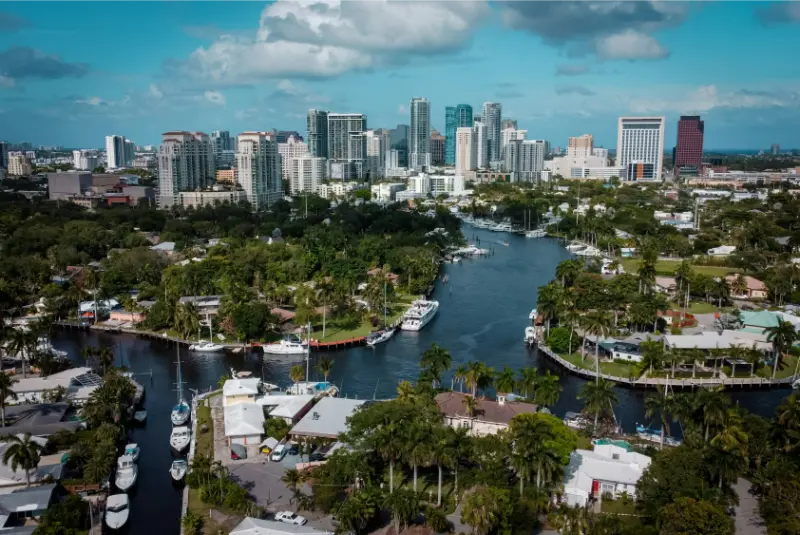
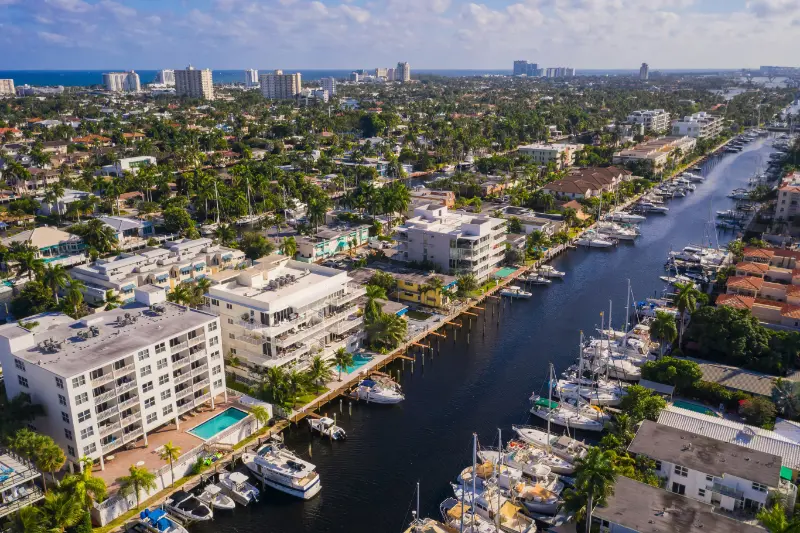
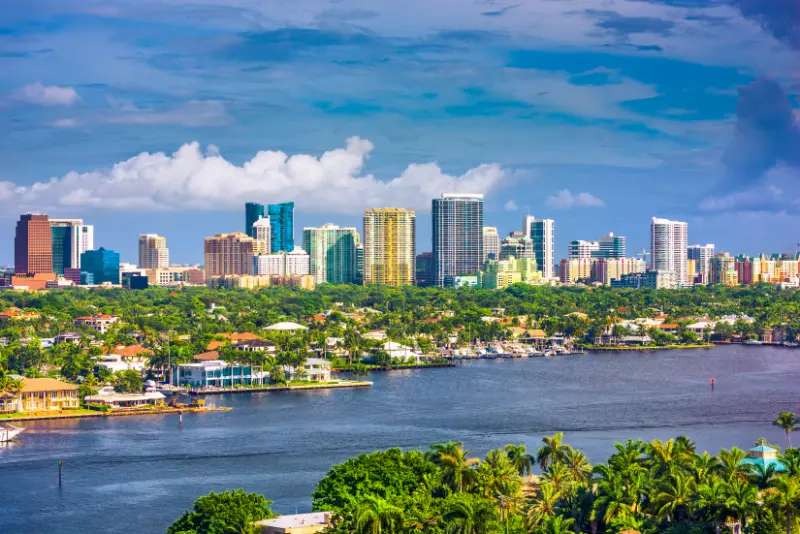
    Fort Lauderdale Downtown Skyline across Canal

    For a less beach-oriented outing, spend time around Las Olas Boulevard and the Riverwalk. Choose a section that suits your walking tolerance; a map showing adjacent districts can conceal hot, unshaded blocks. A boat tour may provide a view of the canals, but check boarding steps, seating, duration and weather policies before buying. Someone prone to motion sickness might prefer a dry-land afternoon rather than another vessel before the cruise.

    Do not use the afternoon to travel to distant Miami Beach and return in rush-hour traffic. You can have a satisfying Florida day without proving that you visited another city.

    Full day two: culture and something for every generation

    A museum or cultural attraction is a helpful choice before embarkation because it offers a predictable schedule and weather protection. Depending on interests, consider the Museum of Discovery and Science for a family with children, or a suitable art or historic venue in the Fort Lauderdale area. Check current exhibition hours, admission and access features directly. The youngest visitor may enjoy an interactive museum for an hour, while grandparents may appreciate a relaxed seated exhibit.

    Choose lunch near the day’s main attraction and leave the afternoon open. A short shop visit for sunscreen, snacks or small travel supplies is sensible; buying an entirely new luggage set the evening before departure is not. If the hotel has a pool, check its hours and supervision requirements. A little downtime before a cruise is not wasted vacation time.

    For teenagers, consider giving a choice between one active attraction and one cultural stop rather than selecting everything for them. For older travelers, the most valuable feature may be proximity between transport drop-off, seating and restrooms.

    The embarkation morning step by step

    Have breakfast, check out with enough buffer, and verify the current terminal in the cruise line’s app or official documents. Arrange a taxi, appropriate rideshare or confirmed shuttle with a clear pickup window. Keep passports and boarding documents on your person, not in luggage sent to the ship. Follow the port’s signs and security instructions, and do not attempt to wander between terminals on foot without authorized access.

    The official port transportation information notes that entrances and checkpoints have security requirements. Each adult should have the documentation requested by the port and cruise company. Vehicle inspections or congestion can add time. Do not aim to arrive significantly earlier than an assigned terminal slot simply because you are anxious, but leave a reasonable road and check-in buffer.

    If the ship is delayed or moved, follow the cruise operator’s latest instructions. Ask your hotel about storing luggage only if you genuinely have time to return; otherwise remain near the planned pickup point. Cruising is a fixed-departure activity, and sightseeing is secondary on this day.

    What if your flight arrives after midnight?

    Late-night arrivals are manageable when the hotel is prepared. Reserve the correct night, notify the front desk of your flight, and confirm whether a shuttle still operates. If you land at 12:30 a.m. on Saturday and want immediate access to a room, you normally need a Friday-night booking. Keep written instructions for the pickup zone, plus a backup licensed taxi or suitable rideshare.

    International passengers may take longer through border procedures. A hotel that is geographically close to the airport may not have a pickup service after your flight. If a child needs a car seat or an adult needs adapted transport, prearrangement is especially important. Avoid collecting a rental car solely for a short transfer when taxis are a practical alternative for your group.

    A calm first night is the real benefit of adding time before the cruise. It turns an unpredictable travel day into a buffer instead of a race.

    Do you need a rental car?

    For a Fort Lauderdale-centered three-night pre-cruise trip, many visitors can avoid renting a car by choosing a well-located hotel and using short taxi or rideshare journeys. This can save parking charges, rental fees and the complication of returning the vehicle before boarding. However, families traveling far from the beach district or visitors with substantial mobility equipment may find a carefully arranged vehicle more convenient.
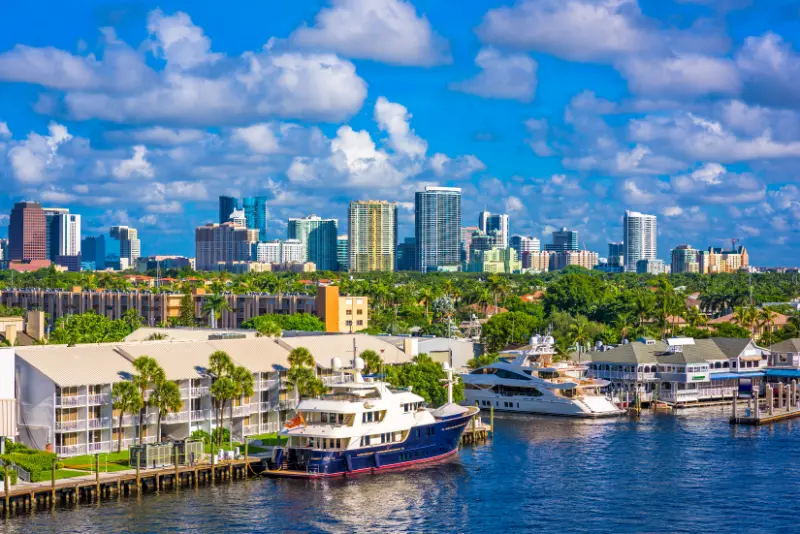
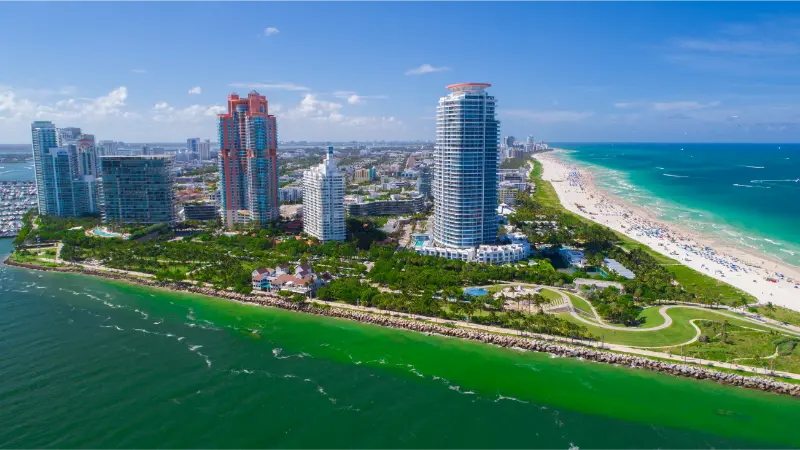
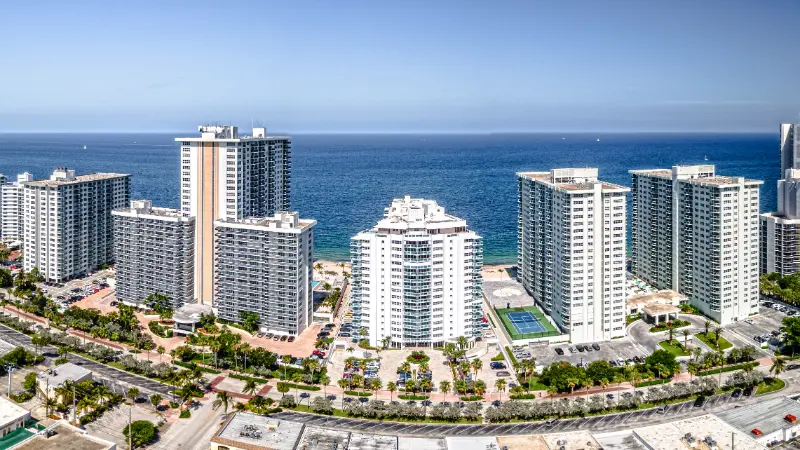
    Fort Lauderdale Florida Oceanfront Skyline and Bay

    If you rent a car, confirm the return branch location and its transfer to the port; a rental counter at the airport is not necessarily in the same complex as the cruise terminal. Add fuel, tolls and possible return delays. Do not assume a one-way booking is included in a promotional quote until the final confirmation shows it.

    Public transportation may be useful for some local outings, but avoid an uncertain connection as the only way to catch the ship. Plan the port transfer with a service appropriate to your boarding time and luggage.

    Budget the extension separately from the cruise

    Set a pre-cruise budget for hotel nights, airport-to-hotel transfers, meals, one or two attractions, hotel-to-port transportation, and incidental shopping. Compare what the extra nights add in costs with what they remove in risk: a missed flight connection is much more difficult when the ship departs on a fixed schedule. Travel insurance may have relevant protections, but only according to its actual terms.

    Families can save by choosing a hotel with breakfast and one major paid attraction rather than booking tours every day. Couples may prefer one special waterfront dinner. Seniors may value a higher-priced hotel near convenient services. The best budget is aligned with the group’s needs rather than the greatest number of activities per dollar.

    Do not assume a pre-cruise hotel stay includes a free cruise transfer or that an included shuttle is accessible to every traveler. Make a complete price comparison before choosing packages.

    Returning from the cruise and planning flights home

    If extending the vacation after the cruise instead, remember that ship disembarkation time is not the same as the time you are free to leave the terminal with luggage. Immigration and clearance may create delays. Book homebound flights with a sensible margin recommended by the cruise company and airline, considering the airport and ground transfer. Do not rely on the ship reaching port precisely at its scheduled time.

    A post-cruise night in Fort Lauderdale can provide another beach or museum day and reduce travel-day pressure. Families with children may appreciate a quiet hotel afternoon. If your onward flight is from Miami, add the longer ground transfer rather than treating it as equivalent to Fort Lauderdale airport.

    Frequently asked questions

    Is Port Everglades the same as PortMiami?

    No. Port Everglades is in the Fort Lauderdale area, while PortMiami is farther south. Confirm your specific cruise terminal before booking transfers.

    Is one pre-cruise hotel night enough?

    One night provides a useful buffer, but two or three nights let you enjoy Fort Lauderdale without rushing. Choose based on the flight itinerary and your tolerance for delays.

    Can I stay in Fort Lauderdale without a car before a cruise?

    Often yes, if your hotel and attractions are well located and you arrange suitable airport and port transfers. Check accessibility and child-seat needs in advance.
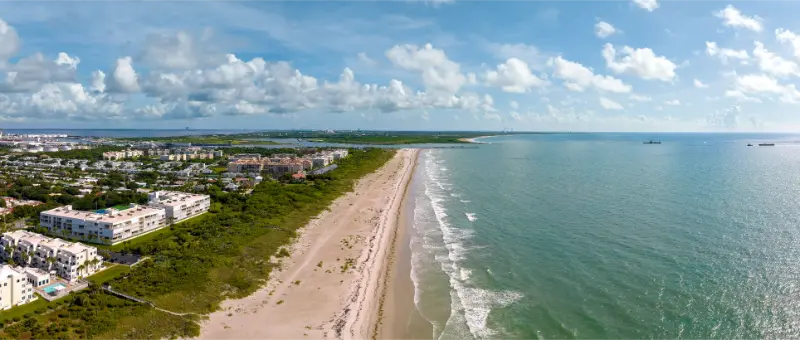

  • First Surf Lessons in Florida: Cocoa Beach, New Smyrna and St. Augustine Compared

    First Surf Lessons in Florida: Cocoa Beach, New Smyrna and St. Augustine Compared

    Florida’s Atlantic coast is one of the easiest places for a traveler to become interested in surfing: the beaches are accessible from major cities, shops rent equipment, and watching surfers in the morning can make the sport look inviting. But a first surf lesson should not begin with choosing the tallest wave or buying a board. The right starting point is a reputable instructor, suitable conditions and an honest assessment of swimming ability. Cocoa Beach, New Smyrna Beach and the St. Augustine area each provide possibilities, but no beach is safe for every beginner every day.

    This guide is for adults and families thinking about a first supervised lesson. It also explains what non-surfing companions can do, how to plan a comfortable beach trip and when to postpone. Surfers of any age can benefit from good instruction when the activity is appropriate to their fitness and health, but young children need age-appropriate programs and close adult supervision.

    Compare the three regions before booking

    Destination A good reason to consider it Questions to ask
    Cocoa Beach Established surf culture near the Space Coast Where are lessons held, and is that spot lifeguarded?
    New Smyrna Beach Recognizable surfing community and local shops How are conditions, access and wildlife warnings managed?
    St. Augustine area Historic vacation with the option of a beach lesson Which specific beach is used, and how far is it from the city?

    The beach name alone is not enough. A school may choose different sandbars or access points depending on tides, surf and local rules. Ask for the exact meeting location, age minimum, swimming prerequisites, instructor ratio and weather cancellation terms. A lesson in ‘St. Augustine’ may take place a significant drive from your downtown hotel, so do not assume you can walk from a historic inn carrying a board.

    Who should take a beginner lesson?

    A first-time surfer should already be comfortable swimming, able to follow directions in moving water and willing to learn basic ocean safety. Learning to balance on a board does not replace the ability to deal with surf. For children, instructors may have minimum ages, weight limits or swimming assessments. Never pressure a child who is frightened of waves simply because the family bought a lesson package.

    Adults starting later in life may enjoy surfing, but activity selection should reflect balance, mobility, stamina and any advice from their own healthcare professional. Someone who has trouble getting up from the floor might find repeated pop-up movements challenging and may prefer a modified lesson or a different water activity. Reputable schools should explain their teaching approach and honestly discuss whether the current conditions are suitable.

    Non-swimmers should not book an ordinary ocean surfing lesson on the assumption that a board will keep them safe. Instead, consider swimming instruction in a controlled environment or enjoy a dry-land introduction to surfing culture before taking the next step.

    What a responsible surf lesson should include

    A good first lesson begins on land. Instructors explain basic ocean conditions, how the board works, where to stand, what to do when falling and how to avoid collisions. Beginners often practice the pop-up movement on sand before entering shallow, appropriate surf. In the water, the instructor should set clear boundaries and adjust the activity to the participant’s ability.

    Ask about the school’s equipment inspection, instructor qualifications, insurance, group size, child safeguarding practices and emergency plan. A brightly advertised ‘family surf adventure’ does not guarantee individual attention. For someone anxious in open water, a private lesson with a calm instructor may be a better investment than a cheaper large-group session, even if the time on the board is shorter.

    Confirm what the lesson price includes: board, leash, suitable rash guard or wetsuit if needed, instruction time, taxes and parking. Photograph or video services should be optional. Do not buy a board before learning whether you enjoy the activity or what size is appropriate.

    The ocean is not a swimming pool

    Rip currents, changing wave sets, shore breaks and collisions are significant risks. The National Weather Service’s beach safety guidance recommends checking surf-zone forecasts, talking with lifeguards and recognizing that pool swimming differs from ocean swimming. A calm-looking gap between breaking waves can indicate a current. Never judge conditions solely by a photograph taken earlier that morning.

    If caught in a rip current, the NWS advises staying calm, not fighting directly against it, and signaling for help when necessary. See its official survival guidance. This is important knowledge, but it does not make dangerous conditions acceptable for a beginner lesson. If beach flags or the instructor indicate that conditions are unsuitable, postpone. Losing a deposit is unpleasant; taking unnecessary risks in the ocean is far worse.

    Lightning is another reason to stop. Move out of the water and seek substantial shelter if thunder occurs. An umbrella, beach tent or open shelter is not safe lightning protection. Do not leave the decision entirely to an enthusiastic teenager who wants to continue.

    Flagler College Saint Augustine Spanish Architecture

    Cocoa Beach: a surfing trip with other attractions

    Cocoa Beach is well known within Florida surfing culture and makes an accessible option for a short vacation on the Space Coast. It is particularly useful for families who want one surf lesson and other activities for companions who prefer land. The area has beaches, restaurants and opportunities to explore beyond the waves. Choose lodging according to the actual lesson meeting point so you are not driving unnecessarily at dawn with equipment and children.

    Non-surfers can watch from a permitted area of the beach, take a walk or enjoy the local shops. Keep spectators away from other surfers’ launch routes and comply with any lifeguard directions. For a group that includes grandparents, check where there are benches, accessible restrooms or a short hard-surface beach approach. Surf culture can be enjoyed without every family member entering the ocean.

    Consider adding a second day for Space Coast nature or history rather than scheduling two exhausting surf lessons back to back. First-time learners may be surprisingly tired and sore after a short session.

    New Smyrna Beach: take local conditions seriously

    New Smyrna Beach has a longstanding association with surfing. That does not mean every surf zone there is ideal for beginners. Conditions and local patterns vary, including areas near inlets where currents can be complicated. Ask an established instructor which location is being used on the exact day, and do not wander toward an inlet because the waves look more exciting. Follow local beach rules and lifeguard advice.

    Parts of the surrounding coast have vehicle-on-beach traditions and regulated driving areas. If your selected access permits vehicles, read current county rules, signs and designated routes. Children should not play around moving beach vehicles or parked cars. If you prefer a quieter shore environment, choose an access that does not involve vehicle traffic when such a choice is available.

    Build in time for the town itself. A relaxed meal or an afternoon in a nearby historic district creates a balanced visit for companions who are not surfing. Avoid trying to combine a demanding first lesson, a long drive and several extra attractions in one day.

    St. Augustine: history first, surfing as a day activity

    St. Augustine works especially well for visitors who want a cultural vacation with a surf lesson included. Spend one day exploring the historic center and another morning at an appropriate beach arranged with an instructor. The city and the beach areas are not identical locations; check the meeting point, parking, bridge crossings and expected traffic before choosing accommodation.

    Horse Drawn Carriage in Saint Augustine Florida

    If a family includes grandparents or young children who will not surf, a history-oriented day gives them their own highlight rather than leaving them as spectators for the entire trip. A beach morning followed by a quiet meal may be enough for the lesson day. In hot weather, begin early and avoid an extended afternoon on exposed sand.

    Surf schools may change meeting spots according to conditions. A flexible itinerary with one spare morning provides a useful buffer if the lesson is postponed. Do not book a nonrefundable onward drive immediately after the only available surf session.

    What to wear and carry

    A rash guard, comfortable swim clothing, appropriate sun protection and a secure way to keep valuables out of the water are useful. Some instructors provide boards and wetsuits; ask rather than packing expensive equipment. Remove jewelry that could be lost or cause injury, and avoid using loose items that might fall off in the surf. Apply sunscreen suitable for water activity according to its directions and take breaks in shade.

    Bring drinking water, a towel, dry clothing and a light snack. Sand can be hot, especially on summer afternoons. Ask whether protective footwear is appropriate for the instruction area, since ordinary flip-flops are not worn while standing on a surfboard. A lesson may involve repeated short bursts of activity, and participants can tire more quickly than anticipated.

    One lesson or a three-day learning vacation?

    One introductory lesson is appropriate for discovering whether you enjoy the sport. A three-day plan can help with repetition, but it should not assume the ocean will cooperate for three consecutive mornings. If you are staying several days, schedule flexible sessions with room for weather changes and recovery. Ask the school whether packages permit rescheduling or refunds when waves are unsafe.

    For families, alternate surf mornings with a museum, a nature stop or relaxing time. Children may retain skills better when they are rested and engaged rather than exhausted by repeated drills. Adults can use the non-surf days to enjoy the chosen destination. The holiday should remain satisfying even if only one session goes ahead.

    Budget: the true cost of learning

    Compare the lesson itself, equipment, beach parking, any additional group fee, lodging and transport. A school with a slightly higher rate may provide a smaller class, better-fitting equipment and a meeting location closer to your hotel. Those differences may be more valuable than a cheap deal. Check cancellation terms for thunderstorm or unsafe surf conditions, and understand whether postponement creates a credit or cash refund.

    Do not buy a board until you have completed a lesson or two and received advice about appropriate size. Renting an additional day is an option only when you have the skill, safe conditions and supervision necessary to continue. Beginners should not interpret one successful ride as proof they are ready for an unsupervised session.

    Accessibility and alternatives for nonparticipants

    Surf lessons require physical movements and contact with waves that may not suit every traveler. Some adaptive surfing organizations or specialized instructors provide opportunities for people with disabilities, but availability and support arrangements must be confirmed for the exact date and participant. Ask about transfers, equipment, safety personnel, parking and accessible facilities. Never assume a standard group lesson can be adapted spontaneously.

    A family member who cannot participate can still enjoy a coastal visit. Choose a lifeguarded, accessible public beach area with a suitable viewing point and a short route to refreshments. If the entire group would prefer a water experience without surf, consider a guided boat tour or a land-based nature outing instead. The purpose is a memorable Florida day, not meeting someone else’s sporting expectations.

    Respect for other surfers and the coast

    Follow instructor directions about spacing, waiting turns and keeping boards under control. Avoid crowded surf areas beyond your ability. Leashes help retain boards but do not remove collision risk. Respect marked wildlife areas, sea turtle nesting protections and local beach rules. Carry out trash and do not abandon wax, broken equipment or plastic packaging.

    If a lesson is canceled, use the day for the destination you chose: Cocoa Beach’s coastal culture, New Smyrna Beach’s town atmosphere or St. Augustine’s history. A safe change of plan is a sign of good judgment, not a wasted vacation.

    Frequently asked questions

    Which Florida beach is best for a first surf lesson?

    Cocoa Beach, New Smyrna Beach and the St. Augustine area all have surf culture, but the best specific beach depends on that day’s conditions and the instructor’s assessment. Choose the school before choosing a wave.

    Can someone who cannot swim learn to surf in the ocean?

    Ordinary ocean surf lessons are not a safe substitute for swimming ability. Learn to swim first and discuss prerequisites with a qualified instructor.

    Can children and grandparents take lessons together?

    Possibly, if a reputable school offers age-appropriate instruction and each participant meets its requirements. Others can enjoy watching safely from shore without entering the water.

  • Four Days After a Port Canaveral Cruise: Cocoa Beach, Space and Coastal Nature

    Four Days After a Port Canaveral Cruise: Cocoa Beach, Space and Coastal Nature

    A Florida cruise can be the centerpiece of a vacation, but it does not have to end when the ship reaches Port Canaveral. Four extra days around Cocoa Beach, Cape Canaveral, Merritt Island and Kennedy Space Center can turn a quick airport transfer into an enjoyable coastal break. After several days aboard a ship, many travelers appreciate the freedom to choose a small museum, a peaceful beach morning or a simple seafood lunch without another tight excursion schedule.

    This itinerary begins on the day you disembark at Port Canaveral and ends with a straightforward departure. It is especially suitable for families with children, couples and multigenerational groups who want a gentle transition from cruise ship to land. The practical challenge is managing luggage, transportation, hotel check-in times and fatigue without wasting the first day.

    First decide whether a four-day extension makes sense

    If you are exhausted after the cruise and have an early flight, staying four days simply to fill time is unlikely to improve the trip. Choose the extension because you want Kennedy Space Center, beach time or wildlife experiences around the Space Coast. Four days is enough for an easy introduction without moving hotels. Staying longer gives you flexibility if the weather interrupts plans or a child needs extra rest.

    There is little advantage to transferring to an Orlando resort if the activities you want are near the coast. Cocoa Beach and Cape Canaveral are practical lodging areas for beach and cruise-port access. Titusville can be a sensible choice for space enthusiasts and nature-focused visitors with a car, but it is not an oceanfront town. Read precise hotel locations rather than trusting “near the port” or “near Kennedy Space Center” labels.

    Check the complete accommodation cost. A beachfront room may have parking or resort fees, while a hotel with breakfast and a pool can be good value for the first day after disembarkation. If anyone uses a mobility aid, confirm the exact accessible room and transfer arrangements before reserving.

    Day one: disembarkation, luggage and a relaxing beach afternoon

    Don’t schedule Kennedy Space Center on the morning you leave the ship. Even when disembarkation works smoothly, passengers may need time for baggage collection, transport and hotel check-in. Cruise lines control the departure process, and queues or changes can affect your schedule. The official Port Canaveral cruise site provides terminal information, but the cruise company should be your main source for disembarkation instructions.

    Arrange where your bags will go before you step off the ship. If your room is not ready, ask whether the hotel will store luggage securely and what identification is needed to retrieve it. Do not leave luggage in an unattended rental vehicle in an exposed parking lot. If you plan to rent a car after the cruise, reserve the pickup location and transport in advance; don’t assume the rental counter is inside the passenger terminal.

    After checking in, a short Cocoa Beach outing is enough. Choose a designated public beach access and keep the afternoon flexible. Some travelers will want a swim; others may prefer a shaded café and time to recover. Have an early dinner and resist booking a late attraction on the same day.

    Transport options after Port Canaveral

    You have three broad choices: a rental car for the entire extension, prearranged private or shared transfers plus occasional rideshare, or a cruise-and-hotel shuttle combination. A car provides the greatest flexibility for Kennedy Space Center, wildlife areas and food shopping. However, rental fees, tolls, parking and driver fatigue can make it less appealing to a couple planning mostly to rest at a beach hotel.

    Shuttles are convenient only if they serve the exact hotel, rental-car facility or terminal you are using. Ask about pickup instructions, baggage allowances, child restraints, accessibility and wait times. A hotel shuttle marketed for pre-cruise passengers may not offer the same service for guests arriving after a sailing. Obtain the details in writing where possible.

    For official driving and terminal orientation, see Port Canaveral’s directions and parking page. Cruise-terminal access and passenger pickup procedures can differ by terminal. The port’s general location in Cape Canaveral is not enough information to give to every driver.

    Cruise Ships Leaving Florida Cruise Port

    Day two: dedicate a full day to Kennedy Space Center

    The Kennedy Space Center Visitor Complex is the anchor attraction for many post-cruise travelers. A full day gives you time to explore spaceflight history and major exhibits without rushing between check-in and airport departure. Check current operating hours, ticket choices and the availability of any transport-based visitor experiences before you arrive. Some experiences require additional planning or separate tickets.

    Start with the elements most important to your family. Young children might enjoy more interactive displays but may tire during longer presentations. Teenagers can connect exhibits to the engineering challenges of launch vehicles. Adults and grandparents may appreciate the history and stories of the people who worked in the space program. Rather than attempting every exhibit, select a few meaningful priorities and leave room for an indoor rest.

    Rocket launches are exciting but cannot be promised. Schedules may change with weather and operational requirements, sometimes more than once. Do not buy nonrefundable accommodation or flights solely because an unconfirmed launch appears on a calendar. Enjoy the visitor complex regardless of whether anything launches during your stay.

    Day three: choose coastal wildlife or an uncomplicated beach day

    After an indoor-and-outdoor museum day, day three offers a choice. Nature enthusiasts can investigate public areas of Merritt Island National Wildlife Refuge, which protects lagoon and coastal habitats. The refuge is a meaningful place to look for birds and understand the landscape around the space center. Specific roads, observation areas and visitor facilities may close because of weather, habitat management or launch-related activity, so confirm access before driving there.

    If the family is tired, choose a beach morning instead. Cocoa Beach and nearby public coastal locations allow a flexible outing without committing to another expensive attraction. Check warning flags and conditions before swimming, and never assume a calm-looking section of water is safe. For an older traveler, a shaded viewpoint or casual café may be much more pleasant than walking across soft sand.

    An optional alternative is a short educational stop near a marine conservation center or wildlife exhibit, provided you verify its opening hours. Do not schedule three different nature spots simply because each sounds interesting. One good visit and a leisurely lunch allow the day to feel like a vacation rather than a race.

    A note about Canaveral National Seashore

    Some visitors see the name “Canaveral” and assume the national seashore lies directly beside every Cape Canaveral cruise hotel. In fact, its public access districts have distinct routes, including Playalinda near Titusville and Apollo near New Smyrna Beach. They are not a quick stroll from the cruise terminal. The National Park Service visitor information explains the access points and current regulations.

    This coast protects fragile habitat, and access can be limited by wildlife protection, storms and launch security. Check the correct district and current status before adding it to day three. Bring provisions appropriate to a more natural location, which may not have the convenience of an urban beach. Stay out of closed areas and don’t assume that a broad empty shoreline means swimming will be supervised.

    For a family with toddlers or mobility needs, a well-maintained public beach access closer to the hotel may be the more enjoyable choice. Nature is not more authentic merely because it requires a longer and harder journey.

    Day four: a calm checkout and airport transfer

    Most visitors should keep the final day free of timed attractions. Have breakfast, organize luggage and check out with enough time for the airport transfer. Orlando International Airport is a common flight gateway, but road traffic and rental-car return can add time. Other regional airports may fit some routes better. Base departure planning on your actual itinerary rather than an optimistic transfer time quoted without context.

    If your flight leaves late, enjoy a short beach walk or a café near the hotel, but have a definite time to leave. Check the road route before setting off. Cruise traffic, events and accidents can affect approaches to the port and Orlando highways. Save the rental-car return address separately from the passenger terminal address.

    Parents should account for car seats and luggage space. A rideshare advertised for five passengers may not comfortably accommodate five people plus cruise suitcases and a stroller. Confirm vehicle size and child-seat arrangements before accepting the transfer. For older relatives, allow time for elevator waits, assistance and rest stops.

    What to do if the weather interrupts your plans

    Florida coastal weather can shift quickly. If storms affect the beach, consider indoor alternatives or simply relax at the hotel. If Kennedy Space Center must be moved, check ticket terms and available dates rather than assuming your purchase can be changed without restrictions. If refuge roads close, respect barriers and choose an open local attraction instead.

    During hurricane season, follow the National Hurricane Center and local instructions. The cruise itself may have been rerouted, and a subsequent coastal hotel stay may face separate travel disruptions. Understand the cancellation rules for both bookings; cruise protection and independent hotel reservations do not necessarily have the same coverage.

    Keep a small flexible budget for last-minute transport or an indoor activity. It is much better than paying for multiple nonrefundable excursions that all depend on perfect weather.

    Traveling after a cruise with children or grandparents

    A child’s energy after disembarkation can be unpredictable. Even if the sailing was enjoyable, late nights, unfamiliar meals and constant stimulation may leave everyone tired. Make day one deliberately uncomplicated. Book a room where someone can nap while others read, and avoid making the hotel pool the responsibility of an older relative without an explicit agreement.

    Older travelers may prefer an organized hotel transfer to picking up a rental car at a busy facility immediately after leaving the ship. If assistance is needed, coordinate with the cruise line, ground transfer provider and hotel separately; one provider’s accessibility arrangements do not automatically extend to the next stage. Ask about boarding steps and whether a wheelchair must be folded or transferred.

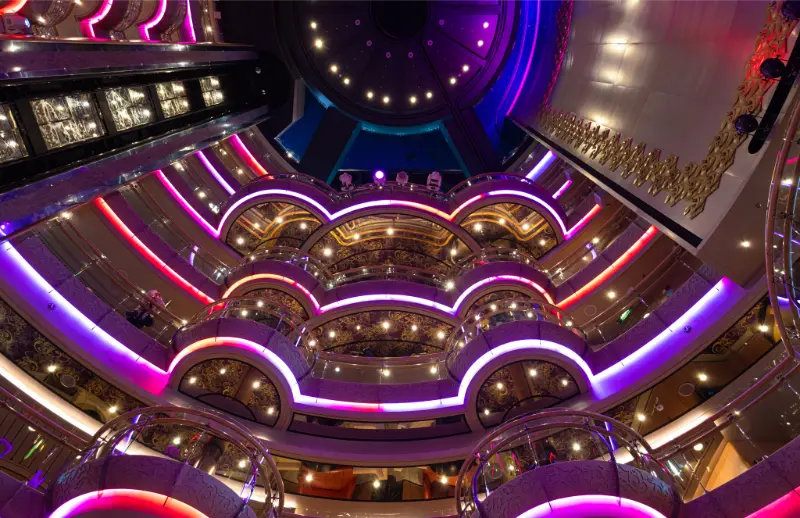
    Cruise Ship Atrium with Colorful Interior Lighting

    Teenagers might want a voice in selecting day three’s activity. Offer a choice between a beach morning and a wildlife outing, but keep adult responsibility for transportation and water safety. A quiet afternoon is an acceptable choice for any age.

    Budgeting the extension without surprise fees

    Separate the cruise’s final bill from the land extension budget. On land, the principal costs will be lodging, transfers or rental car, meals and admission to Kennedy Space Center or other attractions. Add parking, fuel, toll-service charges and resort fees. If renting a car for only two days, compare that arrangement with a four-day rental and the cost of returning the vehicle at a different location.

    A beachfront property might cost more than a hotel a short drive inland. Decide how much beach access you will actually use. If you will be out all day at the space center, a comfortable hotel with breakfast may be more valuable than paying for a direct ocean view for every night. Conversely, if you want two restful beach days, proximity to the shoreline may justify a premium.

    Day Priority Avoid
    1 Disembark, store bags, check in, easy beach Major timed attraction
    2 Kennedy Space Center Depending on a guaranteed launch
    3 Wildlife refuge or relaxed coast Too many far-apart stops
    4 Breakfast, checkout, flight transfer Tight connection to airport

    This extension works because it changes the pace. Instead of leaving a ship and immediately returning home, you have time to explore the part of Florida that surrounds your cruise port and discover that the Space Coast offers much more than a place to embark.

    Frequently asked questions

    Can I visit Kennedy Space Center on the day I leave a cruise?

    It is possible in some circumstances, but the uncertainty of disembarkation, luggage and travel makes the following day a more comfortable choice for most families.

    Do I need a rental car for a Port Canaveral extension?

    Not always. A beach-focused stay can work with planned transfers, but a car makes the space center, wildlife refuges and flexible outings easier.

    Is Canaveral National Seashore next to the cruise terminals?

    No. Its public entrance areas require separate drives. Verify the route and any closures through the National Park Service before visiting.

  • Dunedin vs Tarpon Springs: Which Tampa Bay Town Makes the Better Vacation Base?

    Dunedin vs Tarpon Springs: Which Tampa Bay Town Makes the Better Vacation Base?

    Dunedin and Tarpon Springs offer two appealing alternatives to staying in the busiest parts of Tampa Bay. Both are on the northern Pinellas coast, both have distinctive downtown areas, and both give visitors an opportunity to mix small-town life with nature. Their personalities differ. Dunedin is strongly associated with the Pinellas Trail, craft-oriented downtown dining and trips toward Honeymoon Island. Tarpon Springs is celebrated for its Greek heritage, sponge docks and an old waterfront working-town character. Neither should be judged by a single photograph. A traveler choosing a base should compare lodging, how often they need a car, nearby outdoor experiences and the number of hours they want to spend in restaurants rather than on a beach.

    Where the two towns sit

    The towns lie relatively close together north of Clearwater, but they are not interchangeable neighborhoods. Dunedin’s downtown is inland from the island beaches; Honeymoon Island requires a separate journey over the Dunedin Causeway. Tarpon Springs has a historic downtown and a separate sponge-dock district to the north, so even a room ‘in Tarpon Springs’ may require a drive between the two. Fred Howard Park provides a local Gulf-facing option reached along a causeway, but it is not the same as staying on an expansive resort beach. For either town, start with the accommodation’s actual street address and calculate the journey to the particular waterfront you plan to visit. Do not mistake a coastal ZIP code for doorstep beach access.

    Why visitors enjoy Dunedin

    Dunedin is an approachable choice for people who like independent cafes, galleries, breweries, lively but not overwhelming evenings and short rides on a multipurpose trail. Around Main Street you can plan a morning walk with a coffee stop, then return later for dinner without organizing a complicated sightseeing transfer. The Pinellas Trail passes near central areas, creating a useful outdoor activity for many cyclists and walkers. Dunedin also works as a gateway to Honeymoon Island State Park; a visit there is a separate outing with state-park entry rules and changing conditions. Dunedin’s drawback is that the downtown is not a beach resort. Hotel photographs showing a marina or sunset do not necessarily imply direct sand access.

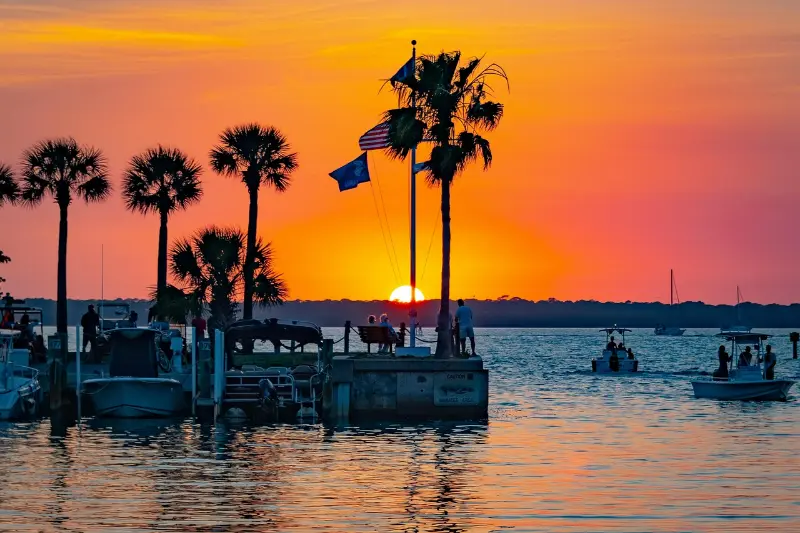
    Dunedin Florida Palm Trees at Sunset

    Why Tarpon Springs deserves a longer stay

    Tarpon Springs is best approached as a cultural destination, not merely a quick lunch stop at the sponge docks. Its Greek-American history is visible in restaurants, bakeries, shops and the waterfront streets where sponge harvesting shaped local life. Visitors can explore the district on foot, choose a Greek meal and look for cultural exhibits or events, verifying current openings. Downtown Tarpon Springs has a different atmosphere from the dock area and offers its own independent shops and architecture. A visit to Fred Howard Park or nearby coastal viewpoints provides an outdoor counterpoint. The most common mistake is to schedule only forty minutes at the docks, then conclude that there is nothing else to do. A relaxed stay makes room for the town’s layers of history.

    Is either town truly walkable?

    Walkability depends on the address and the destination. A downtown Dunedin room can make breakfast, dinner and some cultural stops accessible on foot, but reaching Honeymoon Island usually requires driving, cycling or a specifically verified transport service. In Tarpon Springs, the historic downtown and sponge docks are distinct areas; even when both have pedestrian-friendly streets, the route between them may be too long or uncomfortable for some visitors. Evaluate sidewalks, crossings and afternoon heat, especially if someone uses a stroller or walker. Pinellas transit services can be helpful on selected corridors, but route patterns and weekend service should be checked for the exact dates. Avoid building an entire week around an assumed trolley connection without confirming it.

    Beaches and shoreline expectations

    Honeymoon Island State Park is one of Dunedin’s best-known nearby natural escapes. Its coastal environment supports birdwatching, beach walks and time by the Gulf, but the exact beach areas available can change after storms or during park works. The causeway itself also attracts people who enjoy views and water activities. Tarpon Springs is convenient for Fred Howard Park, whose causeway leads toward Gulf views and beach facilities managed by Pinellas County. Neither setting guarantees gentle swimming. Check posted alerts, current beach conditions and where lifeguards are operating. Visitors who need a wide serviced resort beach every day might prefer staying on Clearwater Beach or another barrier island, using Dunedin or Tarpon Springs as day trips instead.

    Cycling and outdoor time

    Dunedin generally has an advantage for travelers who want to make cycling part of a daily routine. The Pinellas Trail provides a dedicated corridor through many urban and suburban areas, although users must still obey signals and be careful at road crossings. Rent a bike only after checking the shop’s age requirements, helmet options, return time and whether children’s sizes or adaptive bikes are available. Tarpon Springs can also be approached using the trail network, making a one-way ride between towns attractive to confident cyclists. Do not describe the entire route as isolated from traffic: intersections and surface conditions still require attention. In hot weather, morning riding with plenty of water is preferable to a long afternoon effort.

    Food and local atmosphere

    Dunedin encourages casual browsing and choosing a restaurant after a day of cycling or exploring. Its food scene includes many kinds of casual American and international dining, and weekend evenings may be busy. Tarpon Springs offers something more specific: Greek bakeries, seafood and traditions tied to the area’s sponge-diving heritage. Try a short menu of dishes you genuinely want to taste rather than booking every meal at the same waterfront strip. Food prices vary widely by venue, and a busy tourist-facing restaurant is not automatically the most representative. Travelers with allergies should ask staff directly about ingredients and preparation. If you need an early dinner with toddlers, verify opening hours and consider reservations on busy weekends.

    At a glance: practical comparison

    DecisionOption or featureWhat to check
    Distinctive attractionPinellas Trail and downtownGreek heritage and sponge docks
    Nearby natureHoneymoon IslandFred Howard Park
    Evening routineCafes and compact downtownWaterfront food and cultural strolls
    Need a car?Useful for island accessUseful between districts

    Couples, teenagers and family groups

    Couples who enjoy cycling, evening walks and a variety of cafes may lean toward Dunedin. Travelers interested in immigrant heritage, maritime history and a compact cultural outing may prefer Tarpon Springs. Teenagers may enjoy Dunedin’s trail-and-town combination or Tarpon’s distinctive waterfront shopping, depending on their interests; neither town offers the scale of central Orlando entertainment. For young children, choose one outdoor activity and one indoor or shaded stop rather than exhausting everyone with consecutive walks. Grandparents may appreciate an accessible cafe and an easy waterfront view more than a difficult beach entry. The family decision should be based on how your days work, not which town appears livelier in promotional photographs.

    Where to sleep in Dunedin

    For a weekend focused on restaurants and evening strolls, investigate lodging near downtown, checking whether sidewalks and crossings are manageable. A property near the waterfront may have attractive views but not necessarily a public beach. If your itinerary prioritizes Honeymoon Island, compare driving distance and park access rather than the distance from downtown. Hotels and inns sometimes have limited parking or rooms reached by stairs; ask before paying if you are traveling with several suitcases or mobility equipment. For families, a small kitchenette and laundry facilities may be more valuable than a decorative room. During popular event weekends, room noise and parking arrangements deserve special attention.

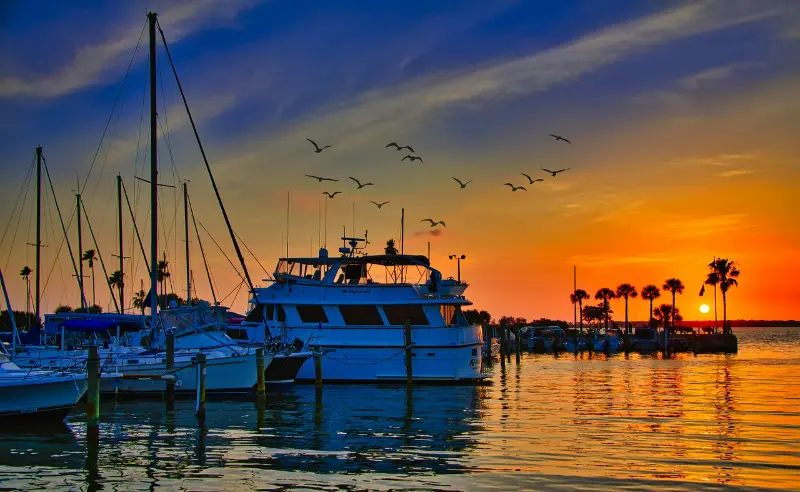
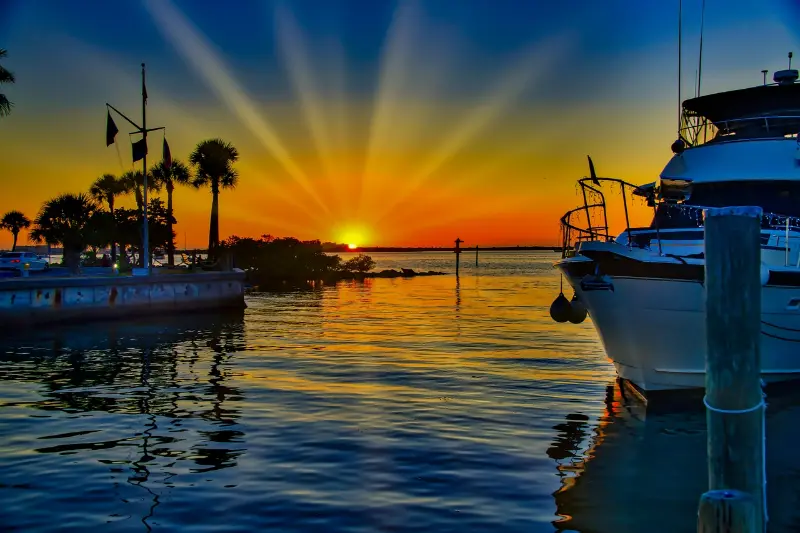
    Dunedin Harbor with Boats at Golden Sunset

    Where to sleep in Tarpon Springs

    Choosing accommodation around Tarpon Springs involves deciding which district you will visit most often. A place convenient to the historic downtown may not be walkable to the sponge docks, and a waterfront-focused room may be farther from a supermarket. Hotels along main roads offer practical access for day trips but can require a car for every meal. Evaluate guest parking, room access and whether there is a comfortable alternative when summer thunderstorms interrupt a planned walk. If staying with younger children, ask about quiet rooms and swimming-pool safety; if traveling with seniors, prioritize elevators, reliable air conditioning and a short route to breakfast. The strongest booking choice is the one aligned with your primary reason to visit.

    A two-day Dunedin plan

    Spend your first morning exploring downtown on foot, allowing time for an unplanned cafe or gallery rather than treating the town as a checklist. In the afternoon, consider a short Pinellas Trail ride or stroll, choosing a manageable section and a safe turnaround point. Have dinner downtown and enjoy a relaxed evening. On day two, leave early for Honeymoon Island State Park if the current park conditions favor your activity. Focus on one beach section, a wildlife walk or simply the views, then return for a shaded rest. This pace works for visitors who want variety without commuting across Tampa Bay each hour. Confirm state-park fees and access updates before setting out.

    A two-day Tarpon Springs plan

    Begin at the sponge docks, learn why sponge harvesting became central to the community and explore local shops without treating every display as a museum. Choose a Greek meal and spend time understanding the town’s cultural history. In the afternoon, visit downtown Tarpon Springs or a cultural attraction with confirmed opening hours. Reserve day two for Fred Howard Park if weather and local access allow, or use it as a flexible morning in town when the Gulf is windy. A short outing to another nearby community may be worthwhile, but avoid squeezing Dunedin, Clearwater and several beaches into one afternoon. The goal is to leave time for the activities that make Tarpon Springs different.

    Costs, parking and getting here

    Tampa International Airport is often a sensible gateway for northern Pinellas County, but price flights and ground transportation together. Rental-car rates, toll roads and traffic affect the true total. Parking rules differ between downtown streets, beaches and state or county parks. Ask the hotel whether parking is included, then budget separately for the outdoor destinations. A car makes wider travel easier, while travelers hoping to rely on public transport should check the latest Pinellas Suncoast Transit Authority routes and actual stop locations. Bike rentals can be cost-effective for a short recreational ride but are not automatically a safe substitute for car journeys carrying beach chairs, luggage or small children.

    Accessibility, weather and seasonality

    Florida’s heat and sudden storms are relevant even on an apparently easy downtown walk. Carry water, seek indoor breaks and avoid long exposed stretches in the middle of summer. Winter and spring can be comfortable for cultural browsing and riding, although tourism and event weekends may bring more crowds. Hurricane season runs from June through November, so coastal plans require flexible booking and attention to local alerts. Accessible-travel planning should cover curbs, restaurant entrances, restroom locations and parking at the actual site. Historic districts sometimes have uneven surfaces, while beach routes can cross sand or boardwalk steps. A successful trip may involve enjoying the waterfront without going onto the beach itself.

    Which town is a better fit?

    Choose Dunedin for a bike-friendly, restaurant-oriented weekend with easy access to a coastal state park. Choose Tarpon Springs for Greek-American heritage, sponge-dock culture and a working-waterfront atmosphere. For a traveler who wants to stay directly on a broad sandy beach, neither downtown alone necessarily fulfills the brief. Ask which activity will occupy most of your hours and look for lodging close to that activity. Check the final room price, transport arrangements and outdoor-site conditions before booking. Both towns can be rewarding without a packed itinerary; the better base is the place that makes your preferred slow day simple.

    Frequently asked questions

    Can I walk from downtown Dunedin to Honeymoon Island?

    Not comfortably for most visitors. Check the actual route and use suitable transport rather than treating downtown as a beachfront location.

    Are the Tarpon Springs sponge docks the same as historic downtown?

    No. They are distinct districts. Plan transport between them if you do not want a long walk.

    Which town works better without a car?

    A carefully chosen downtown Dunedin stay may suit a short town-focused visit, but access to beaches and wider outings still needs confirmation.

  • A Rainy Week in Florida: Practical Backup Plans for Orlando, Tampa Bay, Miami and the Panhandle

    A Rainy Week in Florida: Practical Backup Plans for Orlando, Tampa Bay, Miami and the Panhandle

    A forecast showing rain every day does not automatically mean a Florida vacation is ruined. In warmer months, brief afternoon thunderstorms can appear on the forecast repeatedly while mornings remain usable. At other times a stalled weather system can bring long periods of heavy rain, flooding or dangerous conditions. The right response depends on what the weather is actually doing, not on a single cloud icon. This guide helps travelers replace vulnerable outdoor activities with genuine alternatives, while keeping a clear boundary between an inconvenient wet day and a situation in which staying indoors or changing travel plans is the safe choice.

    On this page

    Understand what the forecast actually says

    Start with the National Weather Service forecast for the town where you are staying. Look at the hourly forecast, thunderstorm probability and any watches or warnings. A chance of afternoon storms is not the same as a forecast for continuous heavy rain. Morning beach or garden time may still be possible, but avoid planning a remote outdoor outing if thunderstorms are expected while you would be far from shelter. Conditions vary across the state; a forecast for Miami does not automatically describe the Gulf Coast or Orlando.

    In Florida, lightning deserves serious attention. When you hear thunder, move to a substantial enclosed building or a hard-topped vehicle with the windows closed. A beach umbrella, open-sided pavilion, pool deck or tree is not a safe alternative. The National Weather Service advises remaining sheltered for at least thirty minutes after the last thunder. A crowded attraction may also close outdoor operations even before heavy rain begins; staff instructions take priority over a personal plan.

    Separate minor inconvenience from hazardous weather

    Light rain might call for a jacket and a museum reservation. A flood warning, severe thunderstorm warning or tropical storm threat is different. Avoid driving through flooded roads; the depth and road condition can be deceptive. If local officials advise residents and visitors to remain indoors or evacuate, do not continue sightseeing in the hope of finding an open attraction. Check lodging instructions, official road information and local emergency management channels instead.

    Travel insurance and tour cancellation rights depend on contracts, timing and the reason for disruption. Photograph any notices, keep receipts and contact the company through its official channels. Never assume that a rain shower automatically qualifies for a refund on a nonrefundable ticket. Similarly, do not assume a hotel must refund a stay because outdoor plans were less enjoyable than expected. Before buying high-priced experiences, understand their stated weather policies.

    Orlando: mix indoor attractions with short outdoor windows

    Orlando offers museums, exhibits, shopping areas and dining that do not require a full theme-park day. The Orlando Science Center is one possibility for families interested in hands-on learning, and other indoor attractions may suit older children or adults. Check the operating calendar and admission costs, because an indoor attraction can still be crowded during a rainy school holiday. Choose a small number of experiences within the same part of the city rather than driving repeatedly along congested roads in poor visibility.

    Orlando Waterfront Skyline after Dark

    Theme parks can operate in the rain, but outdoor rides and entertainment may pause during storms. If you already hold a park ticket, look for indoor attractions, meals and sheltered breaks while following official safety announcements. Do not count on the entire schedule returning immediately after the rain stops. Guests who are comfortable with wet conditions may find a short shower manageable; guests with children, mobility equipment or sensory sensitivities may prefer to return to their hotel until conditions improve.

    Tampa and St. Petersburg: an arts-focused wet day

    Tampa Bay is well suited to replacing a beach outing with a museum day. In St. Petersburg, the Dalí Museum offers galleries and programs that can fill several hours. Tampa has cultural attractions and historic interpretation, while other museums around the bay provide different options. Select places according to the visitors’ interests, not merely because they are indoors. Children who dislike art galleries might do better at an interactive science exhibit, while adults can happily spend an afternoon in a single collection.

    Allow extra travel time on wet roads and choose parking near the venue. Coastal flooding can affect some low-lying streets independently of the severity of rainfall at the moment. Avoid parking in water-covered areas. A café or early dinner near the museum can turn a disappointing beach cancellation into a satisfying city day. Keep reservations flexible where possible; there is little advantage to crossing a bridge in a storm for a fixed restaurant booking when comparable food is available nearby.

    Miami and Fort Lauderdale: indoor culture, not a wet-city marathon

    In Miami, museums and galleries can make a cultural day, and selected markets or shopping areas offer respite from the heat. A rainy afternoon is not the time to plan five neighborhoods with complicated transfers. Choose one indoor anchor, such as an art museum, and one nearby meal. Little Havana or Little Haiti may be more enjoyable when you can explore on foot without heavy rain; cultural venues have their own schedules and may not be open on every day.

    Fort Lauderdale has museums and indoor programs as well, but its waterways and low-lying roads deserve respect during intense rain. Check road conditions and avoid entering standing water by car or on foot. If a beach has lightning nearby, do not shelter under a palm tree or remain on a covered open-air terrace. Returning to the hotel for a long lunch or early evening can be the right choice. A safe quiet afternoon is not a failure.

    The Panhandle: be prepared for fewer indoor choices

    On the Emerald Coast and in smaller Panhandle beach towns, indoor attractions may be more widely spaced than in Orlando or Miami. Build your backup list before traveling: a local museum, visitor center, historic downtown or weather-safe café may be a better option than an exhausting drive to a distant indoor entertainment complex. In Pensacola, history and museum options can suit a wet day, subject to the specific venue’s access rules. Farther east, the correct choice depends on the town where you are based.

    Orlando Downtown Lakefront Skyline at Night

    If a forecast suggests prolonged severe weather, do not take a long coastal highway drive simply to pass the time. Instead, check official warnings and make sure your lodging is in a safe position. Families in vacation rentals should know where the host’s emergency instructions, flashlights and essential supplies are located. Some areas can lose power during storms; a charged phone and backup battery are useful regardless of the season.

    Give young children an indoor day they can enjoy

    Parents often fear that children will be disappointed without the hotel pool or beach. A manageable alternative is a children’s museum, a science center with age-appropriate displays, or one indoor activity followed by quiet time. Do not substitute an all-day shopping mall unless the child enjoys it. For toddlers, preserve naps and meals. For school-age children, a short educational experience can work well when they have a clear activity to do rather than only looking at exhibits. Teens may prefer an indoor sports venue, escape room with appropriate age rules or time to choose a cultural activity themselves.

    Rainy weather increases the importance of dry clothes, warm layers for heavily air-conditioned buildings and comfortable footwear. Wet shoes can cause blisters and create slipping risks. A small bag with snacks, water, a lightweight jacket and spare socks is useful. If someone uses a wheelchair or stroller, check that the chosen indoor venue has a workable entrance and a place to dry equipment without blocking others.

    Plan for older adults and visitors with low stamina

    Bad weather can make transfers harder for anyone who moves slowly or uses a cane, walker or mobility scooter. A venue labeled indoor may still require crossing a large uncovered car park. Look for covered drop-offs, elevators, benches, seating near restrooms and an easy pickup location. Reduce the number of stops. A museum plus a comfortable restaurant is often better than three attractions requiring repeated exits into heavy rain.

    Visitors with hearing, vision or sensory needs may experience weather-related confusion and crowded indoor spaces differently. Check accessible services and communicate with staff about a quieter route if available. Medication, mobility device batteries and necessary equipment should remain protected from heavy rain. A hotel rest day with a small shared activity may be a more inclusive choice than forcing the group to keep an original schedule.

    Keep food and transport flexible

    During storms, rideshare waits and road conditions can change unexpectedly. If staying in a vacation rental, keep basic breakfast, drinking water and a simple meal available; there is no need to stockpile excessive quantities for an ordinary shower. For a more serious weather event, follow emergency management guidance on supplies and shelter. Never order a delivery driver into a location under an official evacuation or dangerous-road advisory just because the group wants restaurant food.

    A wet day can also be a chance to enjoy Florida’s food culture: take time over a meal in Ybor City, a Cuban bakery in South Florida or a small coastal restaurant, if the location is safely accessible. Ask about opening hours and make reservations only when necessary. Pay attention to service charges and tipping policies rather than assuming every menu price is the final total.

    A simple three-level weather plan

    Use three options each morning. Level one is fair or manageable weather: do the outdoor activity early, carry rain protection and keep a nearby sheltered stop. Level two is regular thunderstorms or steady rain: shift to museums, indoor exhibits and restaurant plans close to the hotel. Level three is warnings for severe weather, flooding or tropical impacts: cancel discretionary travel, follow official local guidance and protect the group. You do not need to follow a rigid set of hours to use this system.

    At the start of each day, identify the closest safe shelter to any outdoor destination and know how you will return. Never assume a covered tram platform or open pavilion counts as lightning-safe. Keep communication simple: if the main activity cancels, everyone knows which nearby indoor option is next. This eliminates arguments at the exact moment the weather gets worse.

    A realistic example in Orlando

    Imagine a planned morning garden visit followed by an afternoon pool break. If the weather forecast suggests later thunderstorms, keep the garden early and set a firm return time before storms approach. If heavy rain begins before departure, replace the garden with the science museum and eat nearby. If a severe weather warning is issued, do not drive to the museum at all; follow guidance and remain in safe shelter. One trip can legitimately use three different plans depending on the actual conditions.

    The secret to a successful rainy Florida holiday is not pretending bad weather does not exist. It is designing days with choices and respecting safety limits. A few well-chosen museums, cafés and restful hours can make the journey worthwhile even when the weather prevents some outdoor plans.

    Quick comparison

    OptionGood forCheck before you go
    Ordinary light rainFlexible museum or café visitCheck hours
    Thunderstorms nearbyGo to substantial indoor shelterWait after last thunder
    Flood or severe warningFollow official instructionsDo not drive through water
    Long wet spellOne indoor anchor per dayAvoid unnecessary intercity drives

    Frequently asked questions

    Does a rain icon mean it will rain all day in Florida?

    No. Review the hourly local forecast and any warnings; showers and prolonged storms create very different plans.

    Do theme parks close when it rains?

    Not necessarily, but specific outdoor attractions may pause or close because of lightning or other conditions. Follow operator announcements.

    Is a beach pavilion safe during lightning?

    No. Move to a substantial enclosed building or appropriate enclosed vehicle when thunder is heard.

    Can I get a refund if a boat tour is canceled for weather?

    The operator’s terms govern refunds and rebooking. Review them before buying and keep written cancellation notices.

    Official sources

    Official sources and planning details reviewed in October 2026. Confirm current admission rules, accessibility, opening hours and conditions before visiting.

  • South Florida Without a Car: Six Days by Train from Miami to West Palm Beach

    South Florida Without a Car: Six Days by Train from Miami to West Palm Beach

    A South Florida vacation without a rental car is entirely possible, but the secret is choosing the right stations and being honest about the last mile. Brightline makes it straightforward to move between Miami, Fort Lauderdale, Boca Raton, and West Palm Beach. It does not, however, deliver you directly to every beach, hotel, museum, or waterfront restaurant. The best rail-based trip combines a handful of well-located hotels with short local journeys instead of pretending the whole region is one continuous walkable neighborhood.

    This six-day plan starts in Miami, spends two nights in Fort Lauderdale, and finishes in West Palm Beach. It suits visitors who prefer not to drive, couples who want a flexible urban-and-coastal break, solo travelers, and families with older children. Travelers using mobility aids can adapt the route, although they should confirm station assistance and the exact route from station to hotel before reserving.

    Six-day rail itinerary at a glance

    Day Base Main focus Local transfer to plan
    1 Miami Arrival and downtown Airport-to-hotel transfer
    2 Miami Bayfront, art, neighborhood choice Transit or rideshare
    3 Fort Lauderdale Train north and Las Olas Station-to-hotel connection
    4 Fort Lauderdale Beach or riverfront Local shuttle or taxi
    5 West Palm Beach Train north and downtown Short transfer if needed
    6 West Palm Beach Museum, waterfront, departure Airport or onward-rail connection

    Understand what the train does and does not cover

    Brightline serves MiamiCentral, Aventura, Fort Lauderdale, Boca Raton, West Palm Beach, and Orlando. This itinerary uses its South Florida stations rather than trying to force a long excursion to Orlando into a short trip. Consult the official Brightline website for current schedules, fares, baggage rules, mobility assistance, and station locations. A train ticket is priced by journey and date; it is not an unlimited local transit pass.

    MiamiCentral is not Miami International Airport, and Fort Lauderdale’s train station is not beside its airport either. That difference matters after an overnight flight or with a sleepy child. An airport connection may involve a separate train, shuttle, taxi, or rideshare. Before purchasing a nonrefundable hotel, put each actual address into a route planner and check the entire journey at the time you expect to travel. If the final transfer is expensive and awkward, a slightly more expensive downtown hotel may become the better deal.

    Where to sleep to make the trip easy

    Book two nights in central Miami if this is your first visit and you want urban attractions rather than nightlife. Look around downtown or Brickell for access to places that interest you, but remember that even neighboring blocks can differ in traffic, pedestrian comfort, and hotel fees. Check whether your accommodation is an easy walk from the station with luggage, not merely close as the crow flies. Hotels near Miami Beach may offer the beach vacation you imagine, yet require a separate road transfer each time you use Brightline.

    Fort Lauderdale works best with an accommodation around downtown and Las Olas for food and waterfront activities, or near the beach if you plan one full beach day and accept the extra transfer. In West Palm Beach, staying within a manageable distance of downtown can reduce taxi trips for meals. Ask for the final checkout total, including resort fees, parking even if you do not need it, local taxes, and any required deposit.

    Day one: arrive in Miami without overcommitting

    Use the arrival day to make your travel system work. Save hotel contact details offline, identify where you will have breakfast, and check the next day’s weather. If you have arrived from Europe or another distant time zone, plan only a short daylight outing near the hotel. A waterfront glimpse and an early dinner are more valuable than an ambitious itinerary ruined by fatigue.

    A family might want a room with a refrigerator, laundry access, and separate sleeping space. A solo visitor may value a staffed front desk and a well-lit route from station to hotel. Check-in times and luggage-storage policies deserve attention because the railway may bring you to town several hours before your room is ready. Use that gap for a nearby café, not an attraction requiring a long cross-city ride.

    Day two: choose one version of Miami

    Do not attempt downtown, Little Havana, Miami Beach, and Wynwood all in one day. For an art-focused day, combine a manageable downtown visit with Pérez Art Museum Miami or nearby bayfront views, checking museum schedules. For a neighborhood day, visit Little Havana for food and cultural context while respecting that it is a living community, not a set built for visitors. For a beach day, arrange the transfer to Miami Beach and build in time for changing rooms, sun protection, and a return trip before exhaustion.

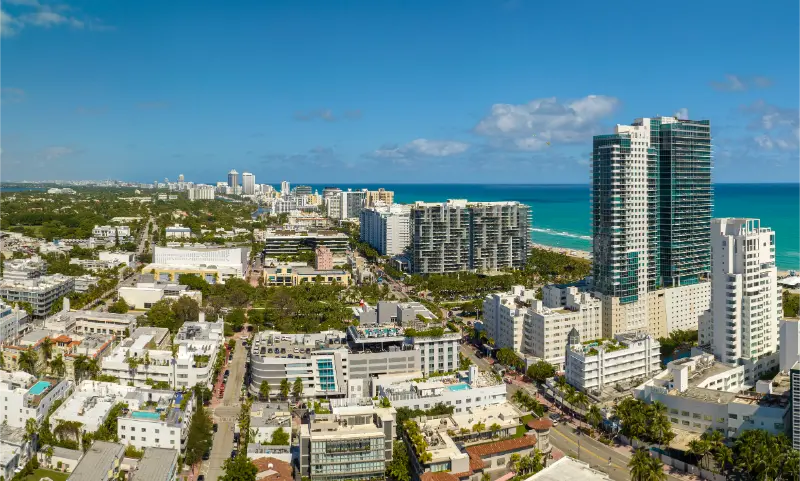
    South Beach Miami Oceanfront Hotels and Turquoise Water

    Miami’s Metromover may help with certain downtown journeys, while other trips need Metrorail, bus, or car. Check Miami-Dade’s transit information for the specific route and service notices rather than assuming one system serves everywhere. Carry water even on apparently short walks; tropical humidity can make distances more tiring than a map suggests.

    Day three: use Brightline to reach Fort Lauderdale

    Travel north after breakfast, leaving a sensible buffer for checkout, station entry, and luggage handling. Recheck departure times on the day. One advantage of the train is avoiding a stressful drive on Interstate 95, but a last-minute change can still affect your plans. Keep essential medication, children’s supplies, a charging cable, and identification in a bag you can access easily.

    After checking in, enjoy part of Las Olas Boulevard or a section of the Riverwalk. Restaurants, galleries, and waterside scenery are close enough to create a pleasant afternoon without stacking attractions. If the heat is intense, start with a shaded indoor stop and wait until later for the waterfront. Boat tours are tempting, but decide whether an additional paid excursion offers something you cannot enjoy from public promenades first.

    Day four: beach, canals, or an indoor fallback

    The beach is the obvious choice, but it is not compulsory. Ask your hotel which route reaches the section with the facilities you need: restrooms, lifeguards, food, shade rentals, or accessible beach equipment. Conditions change, so check local beach flags and weather rather than assuming that calm-looking water is safe. Families should pick a meeting point before anyone goes near the shoreline.

    If you prefer not to swim, explore the canals from a public waterside setting or choose a cultural venue. A water taxi can be scenic transportation, yet its ticket price, boarding arrangements, and routes should be verified independently. This is also a convenient laundry and rest day for a longer holiday. A successful car-free trip needs breathing room; replacing every drive with three connections defeats its purpose.

    Day five: West Palm Beach and a different rhythm

    Ride Brightline to West Palm Beach and settle into your last base. The city offers a different atmosphere from Miami: downtown cafés, public waterfront spaces, and the option of art or shopping without a major highway journey. Visit a small area first and decide how much farther you feel like going. For cultural interest, check the Norton Museum of Art’s current program and admission conditions rather than counting on a particular free-entry period.

    West Palm Beach Florida Waterfront Downtown Skyline

    Palm Beach island is nearby in geographic terms but requires a separate transfer and is not simply part of the rail station neighborhood. If you want to see its architecture or beaches, make that an intentional half-day excursion. Avoid squeezing in both the island and several museums unless you enjoy an intensive pace. Families may be happier with a relaxed evening, ice cream, and an early bedtime.

    Day six: leave enough room for departure logistics

    If you have an afternoon departure, choose one nearby museum, the waterfront, or a café. Do not schedule a prepaid timed attraction immediately before a flight. West Palm Beach station and Palm Beach International Airport are distinct locations; factor in the transfer, security, and the airline’s recommended arrival time. Travelers heading back to Miami for their flight should allow for possible service disruption and avoid betting an international departure on the latest conceivable train.

    A rail itinerary can be reversed if flights are cheaper into West Palm Beach than Miami. What matters is avoiding needless backtracking. Put the longest airport transfer at the end only if the connection is reliable and you have a generous buffer. Check whether the train itinerary saves money after including local fares, rideshares, luggage, and hotel location.

    Realistic transportation budget and booking choices

    Cost category How to estimate it Common surprise
    Intercity rail Price each individual segment Peak-date fares change
    Airport transfers Quote both arrival and departure Station is not inside every airport
    Local journeys Count each day with a non-walkable destination Multiple short rides add up
    Lodging Compare total checkout price Resort and destination fees
    Activities Reserve only the must-do stops Timed tickets and service charges

    Do not promise yourself a fixed per-person dollar total without dates; the spread in hotel and ticket prices is substantial. Compare a two-base version if moving hotels twice feels tiresome. Miami and Fort Lauderdale alone may be better for a four-day trip, while Fort Lauderdale and West Palm Beach may feel calmer for someone uninterested in Miami’s intensity.

    Accessibility, children, and comfortable transfers

    For a wheelchair user, review the train operator’s assistance rules, platform boarding arrangements, and station elevators before booking. Ask hotels about the actual door width, bathroom layout, and usable bed height if these are essential. A station can be accessible while the sidewalk route to your hotel is complicated by roadworks. A prearranged vehicle may be more reliable than arriving and discovering that suitable vehicles are scarce.

    With a stroller, pack light enough to lift what the operator requires and confirm baggage limits. Older children can help track the next stop and plan one interesting activity each day. For travelers who tire easily, pay for a direct transfer rather than insist on saving every dollar. The purpose of going car-free is to make the vacation pleasant, not to turn local bus timetables into a competitive sport.

    Mistakes that can spoil a no-car South Florida holiday

    The biggest mistake is choosing a beachfront property far from a station and then being surprised by repeated road fares. Others include assuming every attraction is close to a Metromover stop, overlooking a train fare’s change rules, booking too many single-night hotels, and forgetting that heavy rain can make a short walk miserable. Many restaurants close on particular days or require reservations on busy weekends; maintain at least one easy food option near your hotel.

    A second mistake is treating the cheapest fare as the only cost worth considering. Consider the value of a well-located room, comfortable shoes, a flexible booking, and a realistic transfer. Before departure, screenshot each hotel address and train confirmation, save a backup payment method, and discuss what everyone in the group would do if a connection is missed.

    A sensible version for different travelers

    Couples who love museums can devote an extra afternoon to Miami’s art scene and skip the beach. Families with younger children might stay three nights in one location and make just one rail move. Visitors over 80 may prefer a central hotel with step-free access, planned door-to-door transfers, and one main outing daily. Travelers keen on swimming should verify lifeguard availability, weather, and local water advisories, not assume that the train corridor guarantees safe beach conditions.

    Above all, remember what the rail itinerary buys you: an opportunity to see contrasting cities without taking responsibility for highway driving. Focus each day on a neighborhood, leave the afternoons adjustable, and treat local transfers as real components of the plan. That combination turns South Florida into an enjoyable multi-city holiday rather than a week of rushing between stations.

    Frequently asked questions

    Can I visit Miami, Fort Lauderdale, and West Palm Beach without renting a car?

    Yes. Brightline connects their rail stations, but you will often need walking, local public transportation, taxis, or rideshares between stations and individual attractions.

    Is Brightline the same as Miami’s local transit?

    No. Brightline is intercity rail. Miami-Dade Transit operates separate local systems, with different routes, fares, and service rules.

    Should I book all my rail tickets before arriving?

    Book important journeys once your hotel plan is firm, especially on busy dates, but read the fare’s change and cancellation conditions before paying.

  • Apalachicola Florida Travel Guide: Best Things to Do, History, Seafood, Nature and Planning Tips

    Apalachicola Florida Travel Guide: Best Things to Do, History, Seafood, Nature and Planning Tips

    Apalachicola is one of the best places in Florida for travelers who want a Gulf Coast trip that feels more like a real small town than a purpose-built beach resort. The compact historic district, working riverfront, seafood culture, locally owned shops and nearby barrier islands give the town an identity that is very different from the larger Panhandle destinations. It is especially rewarding for couples, families who enjoy nature and history, photographers, birders and road-trippers who are comfortable with a slower pace.

    Explore this guide

    The town was established in 1831 and became an important Gulf port. Today the strongest visit combines a walk through the historic center, the riverfront, one or two small museums and enough unstructured time for a meal or coffee. The larger experience extends well beyond town: St. George Island, Eastpoint, the Apalachicola National Estuarine Research Reserve, Tate’s Hell State Forest and St. Vincent National Wildlife Refuge all make sense as part of the same trip.

    Quick planning summary

    • Best for: history, seafood, small-town atmosphere, nature and slow coastal travel
    • Time needed: 1 full day for the town; 2–3 days if adding St. George Island and wildlife areas
    • Main base: historic downtown and waterfront
    • Nearest major airport: Tallahassee is roughly 80 miles away by road
    • Car: strongly recommended for the wider Forgotten Coast

    Important current-status note

    October 2026 information snapshot: this article is scheduled for 2028. Hours, prices, construction, storm repairs, road conditions, seasonal closures, tour schedules and wildlife-management rules can change before publication. The details below are a verified planning baseline, not a promise that every 2026 condition will still apply in 2028. Recheck the linked official source shortly before travel.

    Current practical baseline

    Historic Apalachicola is a small working waterfront community with a large National Register district, locally owned shops and restaurants, museums and easy access to St. George Island, Eastpoint and protected coastal lands. The Apalachicola Bay Chamber visitor center is at 17 Avenue E.

    What makes Apalachicola worth visiting

    Apalachicola works best for travelers who value atmosphere and context. There is no single blockbuster attraction that defines the town. Instead, the appeal comes from the relationship between the river, the bay, historic warehouses and homes, seafood businesses, museums and the surrounding protected landscape. Walking a few blocks, stopping at the waterfront and learning why the river mattered economically will give you more than trying to rush from one attraction to another.

    Best things to do in town

    Start around the historic downtown and riverfront. Add the John Gorrie Museum if you are interested in the history of refrigeration and public health, and Orman House if its tour schedule fits. Browse locally owned shops and galleries, then leave room for a seafood meal. The town also works as a base for St. George Island, St. Vincent Island boat access, the estuarine reserve and scenic US 98 drives.

    Florida White Stucco Historic House and Palm Trees

    How long to stay

    A focused day is enough to understand the town itself. Two nights are much better if you also want a full beach day, a refuge or forest visit, or a boat-based experience. Three nights create a relaxed Forgotten Coast trip with weather flexibility. This matters because a windy or stormy morning can cancel a water activity without ruining the whole vacation.

    Walking, parking and getting around

    Historic Apalachicola is compact enough to explore on foot once you park, but the wider Forgotten Coast is not. Keep the car for St. George Island, Eastpoint, Carrabelle and remote natural areas. Summer heat makes even short walks feel longer, so park once for the downtown portion and avoid repeatedly moving the car by a few blocks.

    Seafood and local character

    Seafood is part of the destination, not just a meal choice. Menus and harvest conditions change, and the Apalachicola Bay oyster story has gone through major ecological and management changes, so avoid planning around a specific local catch without checking current availability. A better approach is to ask what is fresh and local that day.

    Who will enjoy it most

    History-minded adults, couples, photographers, birders and families who like nature tend to get the most from Apalachicola. Travelers seeking nightlife, large attractions or a highly structured resort environment may prefer to use it as a day trip. Children often enjoy the trip more when the town portion is paired with beach time, wildlife or a boat outing.

    A simple first-day plan

    Begin with the historic center while temperatures are comfortable, visit one museum before lunch, eat near the waterfront, then spend the afternoon either on St. George Island or at the Reserve Nature Center in Eastpoint. Return to town for an early dinner. This gives the day variety without excessive driving.

    How to combine it with earlier Wonderful Florida stops

    Travelers coming from Tallahassee can pair the route with St. Marks National Wildlife Refuge on a separate day rather than trying to force both into one rushed coastal loop. The historic context also complements San Marcos de Apalache.

    Planning for different ages and travel styles

    The Forgotten Coast is well suited to multigenerational travel because many of its best experiences are simple rather than high-intensity. Babies and toddlers benefit from shade, predictable restroom stops and short beach sessions. School-age children often enjoy lighthouses, wildlife, boats and hands-on exhibits more than long blocks of historical text. Teenagers may prefer kayaking, photography, fishing, beaches or a scenic drive. Older travelers usually appreciate short walks, benches, museums and waterfront restaurants, but remote wildlife areas can have uneven surfaces and few facilities. The most successful mixed-age day normally combines one active stop with one low-effort stop instead of forcing everyone through a long checklist.

    Best season, heat, storms and insects

    October through April usually offers the easiest weather for long walks, birding and historic districts. Late spring can be pleasant but warmer, while summer brings strong sun, humidity and frequent afternoon thunderstorms. Hurricane season runs through the warm months, and even a distant tropical system can change surf, tides, roads and opening hours. Mosquitoes and biting insects can be intense near marshes and forests, especially around dawn, dusk and after rain. Check radar, official alerts and marine conditions before committing to a remote beach, refuge or forest road.

    Budget and value

    This part of Florida can be relatively good value because several museums, beaches, refuges and nature centers are free or inexpensive. The biggest costs are often lodging, boat transportation, guided wildlife trips, fuel and meals rather than admission fees. Free attractions still require time and driving, so value comes from grouping places geographically. A morning in Apalachicola followed by an afternoon on St. George Island is usually more efficient than zig-zagging between Carrabelle, the island and the river towns several times in one day.

    Pink Vintage Car Outside Retro Florida Diner

    Accessibility and low-effort alternatives

    Accessibility varies sharply. Modern visitor centers and many museums provide level entries and accessible restrooms, while beaches, old houses, forest roads and barrier-island trails can be much more challenging. Before traveling with a wheelchair, walker or stroller, verify the exact accessible route rather than assuming a short trail will be easy. Low-effort alternatives include scenic drives, waterfront viewpoints, indoor museums, lighthouse grounds, boardwalks and short nature-center visits. In summer, choosing a shaded or air-conditioned stop in the middle of the day can make the whole itinerary more comfortable.

    What to bring

    • Refillable water bottles and extra drinking water for remote areas
    • Broad-spectrum sunscreen, hat and sunglasses
    • Insect repellent for marshes, forests and evening stops
    • Comfortable shoes that can handle sand, roots or wet ground
    • Light rain layer during the warm season
    • Downloaded maps because mobile coverage can weaken outside the towns
    • Binoculars for birds, dolphins and distant wildlife
    • Portable phone charger for navigation and photography

    How to combine it with nearby places

    Keep the day geographically compact. Apalachicola, Eastpoint, St. George Island and Carrabelle look close on a regional map, but bridge crossings, two-lane roads, beach stops and slow meals add time. If you are continuing east toward Tallahassee, use St. Marks National Wildlife Refuge or San Marcos de Apalache on a separate travel day rather than forcing every Big Bend stop into one loop.

    What is worth booking in advance

    Reserve any boat transportation, limited-capacity tour, campground, special program or guided wildlife experience that is central to your trip. Ordinary museums and day-use parks often require less advance planning, but seasonal events and holiday weekends can change that. Never assume a boat-only destination can be arranged after you arrive at the ramp.

    Common planning mistakes

    • assuming every attraction keeps big-city hours seven days a week
    • underestimating driving time along two-lane coastal roads
    • planning a remote refuge or forest visit without water, fuel or an offline map
    • treating wildlife sightings as guaranteed
    • ignoring tides, wind and thunderstorms when planning paddling or boating
    • trying to combine too many towns in a single short day
    • forgetting that hurricane repairs and construction can change access for months

    A better daily rhythm

    Put the most weather-sensitive experience first. Beaches, boat trips, wildlife viewing and exposed trails are generally better early, while museums and shops work well during the hottest or stormiest part of the afternoon. Leave at least an hour unassigned. That margin absorbs a bridge delay, a longer seafood lunch, a wildlife stop or a beach you decide not to leave as quickly as planned. The slower rhythm is part of the appeal of the Forgotten Coast.

    Final planning advice

    Use this guide to decide whether the experience fits your trip rather than treating it as a box to check. The Forgotten Coast rewards travelers who accept that distances, weather, tides and seasonal hours can reshape a day. One memorable nature experience, one historical or cultural stop and an unhurried meal usually create a better day than racing between five attractions.

    Parking, arrival time and coastal driving

    US 98 is scenic but is not an interstate. Expect lower speeds, small-town traffic, bridges and occasional weather-related delays. Fill the tank before a remote forest, refuge or island day, and put the exact entrance in your map app because the name of a park can cover a much larger area than the visitor entrance. Arrive earlier than you think you need to when a ferry, guided tour, climb or boat pickup has a fixed departure time.

    Food, restrooms and practical breaks

    Apalachicola, Eastpoint, St. George Island and Carrabelle have food options, but many natural areas have little or no food service. Remote beaches and refuges may also have limited restroom access. Eat or buy supplies before entering a long forest drive, wildlife refuge or boat-only destination. Families should carry snacks even when a restaurant is planned, and everyone should bring more water than they expect to need in hot weather. Seafood is a major part of the local identity, but restaurant hours can be seasonal and some kitchens close earlier than visitors from larger resort areas expect.

    Photography, wildlife and phones

    The Forgotten Coast is excellent for sunrise, sunset, marsh, bird and lighthouse photography. Use a telephoto or digital zoom rather than approaching wildlife, nesting birds or animals resting on the beach. Drones are restricted or prohibited in many parks and refuges, so verify the land manager’s current rules before launching one. A small power bank is useful because navigation, tide checks, camera use and weather radar can drain a phone quickly, especially on a full coastal day.

    If weather changes the plan

    Build at least one indoor backup into a Forgotten Coast day. Museums in Apalachicola and Carrabelle, the Reserve Nature Center and other small cultural sites can rescue a stormy afternoon. Do not wait on an exposed beach, pier or boat ramp during lightning simply because it is part of the itinerary. After heavy rain or tropical weather, roads, trails and low coastal areas can temporarily close. A flexible order is more useful here than a rigid hour-by-hour schedule.

    Is it worth adding to your Forgotten Coast trip?

    Yes when the experience matches your group and sits naturally on the route you are already driving. The Forgotten Coast is not a destination where every attraction needs to be collected. If a stop creates two extra hours of driving, conflicts with safe weather or pushes children and older travelers past their comfortable pace, save it for another trip. The region is at its best when you leave room for the beach, wildlife, food and unexpected views.

    Official information

    Check the official visitor information shortly before travel for current hours, fees, closures and safety notices.

  • PortMiami vs Port Everglades: Which Florida Cruise Departure Is Easier?

    PortMiami vs Port Everglades: Which Florida Cruise Departure Is Easier?

    PortMiami and Port Everglades are two major cruise gateways in South Florida. Travelers sometimes treat them as interchangeable because both connect to Caribbean itineraries and the airports are in the same broad metropolitan region. They are not the same port, and a small booking mistake can lead to a costly transfer or even a missed sailing. Miami offers a downtown-and-bay setting; Port Everglades lies in the Fort Lauderdale area and is especially convenient for travelers flying into FLL. The practical choice depends first on ship and itinerary, then on flights, hotel location, embarkation timing, parking, and the needs of everyone in your party.

    Let the cruise ship and itinerary decide first

    The most important difference between two cruises is often the actual ship, sailing dates, cabin configuration, ports of call, and total price. Do not choose PortMiami or Port Everglades because one sounds easier without checking what you would give up. A ship from the less convenient port may have a better itinerary, more suitable accessible cabins, or a schedule that matches school holidays. On the other hand, two similar cruises from the different ports can present a meaningful opportunity to reduce ground travel or book a more comfortable pre-cruise stay.

    Check the departure location on the cruise line’s official confirmation rather than relying on an agency headline that says ‘Miami area.’ Port Everglades and PortMiami have different terminal arrangements, road entrances, and parking systems. Terminal assignments can be updated as ships or operational needs change. Save the exact port address and any updated terminal instructions, then check again during the week before sailing. The port choice is not a sightseeing preference; it is a transportation decision that must align with the ship reservation.

    What departing from PortMiami feels like

    PortMiami is close to Downtown Miami and the city’s waterfront skyline. This can make it attractive for travelers who want a day in Brickell, the waterfront museums, Little Havana, or Miami Beach before their cruise. A pre-cruise hotel in a downtown district may allow time for an evening meal and a relatively straightforward transfer the next morning. Yet hotel location matters: a property in South Beach is not the same as being directly across from a cruise terminal, and the trip may depend on causeway traffic.

    Miami can also be crowded on busy cruise turnaround days. Roads and terminal approaches may have security controls and queues, especially when multiple large ships are embarking. Do not rely on a taxi driver’s ability to find the right ship without a terminal number. Prepare the boarding documentation, bag tags, and transport booking before leaving the hotel. Choose a sensible departure time that follows the cruise line’s check-in instructions. Arriving excessively early does not always accelerate boarding and may leave a family waiting with luggage in uncomfortable conditions.

    What departing from Port Everglades feels like

    Port Everglades is located near Fort Lauderdale, Hollywood, and Dania Beach. Fort Lauderdale-Hollywood International Airport is geographically close, so a traveler with a suitable flight and a nearby hotel may find the ground transfer particularly easy. The airport’s proximity is not a license to arrive at the last possible minute, however. Airlines and cruise operators have separate schedules and security procedures, and traffic at terminal checkpoints can add time. Choose a hotel with a clear transfer plan and allow for normal delays.

    Sunset over Everglades National Park Landscape

    Fort Lauderdale can be a pleasant pre-cruise base for visitors who enjoy a beach promenade, Las Olas Boulevard, waterways, or a relaxed dinner near their lodging. Some hotels advertise cruise packages or shuttle services; these should be checked for price, departure window, accessibility, and whether transport is included or paid separately. A short distance on the map is not proof that a hotel offers a walkable cruise transfer, especially with bulky baggage or children. Most families should arrange a proper vehicle to the confirmed terminal.

    Miami International or Fort Lauderdale Airport?

    PortMiami is commonly paired with Miami International Airport, while Port Everglades is commonly paired with FLL. This is a useful starting point, not a universal rule. Travelers coming from overseas may have a much better nonstop flight to one airport, and a direct long-haul service can be worth a longer ground transfer. Compare overall travel time, fare conditions, baggage, and the need for an overnight hotel. A cheaper indirect flight with an uncomfortable connection may be less reliable than a nonstop arrival the previous afternoon.

    Avoid assuming that either airport supplies a direct free port shuttle. Ground transportation arrangements vary, and the cruise line’s transfer package, when offered, may have eligibility and flight-time restrictions. If arriving at one airport and sailing from the other city’s port, price a reliable private or shared transfer before booking the airfare. The same applies after disembarkation. Families should request appropriate child seats, and travelers with mobility devices should confirm vehicle compatibility before paying any nonrefundable fee.

    At a glance: practical differences

    What mattersFirst optionSecond option
    LocationMiamiFort Lauderdale area
    Usually paired airportMiami InternationalFort Lauderdale-Hollywood
    Pre-cruise dayMiami neighborhoods and waterfrontFort Lauderdale beach and Las Olas
    TerminalConfirm ship and terminalConfirm ship and terminal
    Main decision factorShip, itinerary and total transfer costShip, itinerary and total transfer cost

    Why the night before matters

    For visitors flying a long distance, especially internationally, arriving one day before departure usually provides a more resilient plan than flying in on cruise morning. Weather, missed connections, baggage delays, and airline schedule changes are outside the passenger’s control. The cost of an overnight hotel can be small compared with the risk of missing an entire voyage. Choose accommodation near an area you would genuinely enjoy visiting, but avoid making the evening so ambitious that everyone starts the cruise exhausted.

    For a PortMiami sailing, a downtown hotel may be convenient for waterfront dining and the next day’s transfer. For Port Everglades, a Fort Lauderdale hotel can work well. Check cancellation terms, early arrival or luggage-storage options, breakfast availability, and whether the hotel can arrange the port transfer at the time you need. If grandparents or small children are traveling, a large hotel room with enough beds and a quiet night may be more valuable than a fashionable location several miles farther away.

    Parking if you drive to the ship

    Travelers driving from elsewhere in Florida should compare official parking at the actual cruise terminal with reputable off-site facilities. Official parking may be convenient for luggage and walking, but the price and accepted payment methods can vary by port, vehicle size, and facility. Do not use a parking price copied from an old review to plan a seven-night expense. Visit the official port website for current rates and instructions, confirm any reservation requirements, and check whether you need to pay on entry or exit.

    Off-site parking can reduce cost but may introduce a shuttle ride, waiting time, a restriction on oversized vehicles, and uncertainty after returning from the cruise. For a group traveling with a wheelchair, stroller, or several heavy suitcases, a slightly more expensive facility near the terminal may be more comfortable. If you are using a rented car, ask whether returning it near the port and taking a short transfer is cheaper than paying the rental and parking throughout the voyage. Include one-way drop-off charges where relevant.

    Traveling with babies, children, and teenagers

    Families should build the embarkation plan around documentation, luggage, and rest. Keep passports, boarding documents, prescribed medicines, snacks, and essential baby supplies in a hand-carried bag. Cruise luggage delivery to the cabin can take time; pack anything needed during the first afternoon separately. Ask the cruise line about required travel documents for minors and any rules for a child traveling with only one parent or another relative. A domestic-sounding Caribbean itinerary can still involve international border requirements that differ according to citizenship.

    Teenagers may enjoy spending a night near the Miami waterfront or Fort Lauderdale Beach before boarding, but do not plan a long sightseeing day after a tiring flight. A short walk, early dinner, and predictable bedtime can make embarkation more enjoyable. Parents should discuss where and when the family will meet after boarding if the ship’s layout is unfamiliar. Keep the party together during port security and check-in. Both ports can work for children of any age; the best choice is usually whichever minimizes rushed transfers while matching the ship and cabin the family wants.

    Accessible cabins and boarding arrangements

    For travelers who use wheelchairs or mobility aids, the accessible cabin inventory on a particular ship is often more important than the departure port. Ask the cruise line about cabins, door widths, shower arrangement, mobility-device storage, and embarkation support before confirming the booking. Do not assume every cabin sold as ‘accessible’ serves every type of equipment or traveler. Some itineraries also involve tender ports where getting ashore can depend on sea conditions and transfer capability. Research these aspects while choosing the ship, not after selecting the cheapest sailing.

    Both PortMiami and Port Everglades have terminal and transport arrangements intended to serve varied passengers, but exact procedures depend on the ship and terminal. Contact the cruise line about assistance at check-in and boarding and verify any special transport requirements with your hotel or provider. Travelers with limited standing tolerance should not be expected to wait in a general queue without a plan. If an older relative requires an accessible vehicle, arrange this beforehand and allow an extra margin for boarding and luggage transfer.

    How much time after the cruise for a flight?

    A cruise’s advertised arrival time is not the same as the moment passengers can enter a taxi. The ship must complete arrival procedures, disembarkation runs in groups, immigration or customs requirements may apply, and guests must collect luggage. Roads can be busy when several vessels disembark simultaneously. Leave time for airport check-in, security, and any flight-specific international departure requirements. Avoid buying a very early departure merely because FLL or MIA looks close to the port on a map.

    If your flight options are awkward, consider spending another night in South Florida. That can turn a stressful departure into a pleasant final day. For families, the additional hotel may be useful if children are tired after a busy cruise. Travelers using mobility assistance should factor in the boarding or disembarkation procedure and the availability of their arranged transfer. The cruise line and airline can provide guidance for the actual itinerary; do not treat a generic two-hour rule found online as a guarantee.

    Comparing cruise totals instead of headline fares

    A cruise advertised at a lower per-person fare can become more expensive after taxes, port fees, gratuities, onboard extras, and ground arrangements. Compare equivalent cabins on similar dates, then add flights, baggage, pre-cruise hotel, two transfers, parking if relevant, and any necessary additional night. A family may decide that a closer departure port is worth a slightly higher fare, particularly if it avoids a connection or expensive vehicle transfer. Conversely, a much better itinerary can justify extra transport when arranged comfortably.

    Be particularly careful with nonrefundable bookings. An airport hotel package may be paid in advance, while a cruise transfer can have fixed departure times or cancellation restrictions. Calculate the whole vacation for each option and do not mix a flexible rate in one column with a restrictive rate in the other. If the price difference is small, prioritize the itinerary and cabin that fit your travelers. Everyone will spend far more time aboard the ship than in the cruise terminal, but a smooth start and finish still matter.

    A pre-cruise day in Miami

    For PortMiami, choose a manageable hotel and spend the afternoon on one part of the city instead of racing between South Beach, Wynwood, Little Havana, and Brickell. A waterfront walk and a relaxed meal may be sufficient after an international flight. If sightseeing matters, book an arrival that gives genuine daylight and leave luggage at the hotel before beginning. Check restaurant distances, transport, and any accessibility needs. At night, confirm the next day’s terminal number and pickup time so the morning does not begin with frantic phone calls.

    On embarkation morning, eat breakfast, check the sailing instructions, and travel with a reasonable time buffer. Keep documents with one responsible adult but ensure the whole family knows where they are. Do not hand passports to a driver or leave them in checked luggage. A simple start reduces the chance of lost items. If the family wants a skyline photograph, do it when time allows, not by making an unplanned stop that risks the boarding window. Once aboard, the vacation can begin on a calmer note.

    A pre-cruise day in Fort Lauderdale

    For Port Everglades, a short walk along the beach or an outing near Las Olas can make a pleasant afternoon without committing to a lengthy drive. Families with preschoolers may prefer the hotel pool and an early dinner. Confirm whether a hotel shuttle is offered and whether all guests and bags can ride together. A package that limits departures to one fixed hour may not match your check-in window. Keep an alternative taxi or accessible transport arrangement available in case a shuttle is full or delayed.

    The morning should follow the same principle as in Miami: verify the correct ship, terminal, documentation, and departure time. Even a port located close to the airport can experience traffic and security queues on a busy sailing day. Allow older relatives enough time to board transport and reach the terminal without rushing. Do not treat proximity as permission to gamble on an exact arrival minute. A low-stress cruise day begins with accepting that the port is part of the journey, not an obstacle to race through.

    The best port for your trip

    Choose PortMiami when the desired ship or itinerary leaves there, you have a convenient flight to MIA, or you want a pre-cruise stay centered on Miami’s urban attractions. Choose Port Everglades when it matches your preferred cruise and FLL flights or a Fort Lauderdale hotel provide an easier transfer. If two otherwise similar ships are available from each port, compare the entire household total and the departure timetable rather than assuming one city is inherently cheaper or more convenient.

    Confirm the port and terminal in writing, plan the prior night when flying from afar, arrange ground transport for the actual number of passengers and bags, and keep documents in cabin luggage. Every age group benefits from these simple decisions. A well-chosen cruise should fit the whole party on board, and a practical port arrangement ensures that the vacation begins with anticipation rather than last-minute stress.

    Frequently asked questions

    Is Port Everglades the same as PortMiami?

    No. Port Everglades is in the Fort Lauderdale area; PortMiami is in Miami. Verify the ship’s actual departure terminal.

    Is it safe to fly in the same morning as a cruise?

    It can be risky, particularly with international flights or tight connections. Arriving a day earlier often provides more protection against delays.

    Which airport is nearest to Port Everglades?

    Fort Lauderdale-Hollywood International Airport is geographically nearby, but transfers and flight schedules should still be checked for the specific sailing.

    Official information to check before your trip

  • Miami vs Fort Lauderdale: Where Should You Stay for Your First South Florida Vacation?

    Miami vs Fort Lauderdale: Where Should You Stay for Your First South Florida Vacation?

    Miami and Fort Lauderdale share warm Atlantic water and international visitors, but they do not offer the same holiday. Miami is a collection of very different neighborhoods with major museums, Cuban and other Caribbean influences, energetic urban life and high-profile beaches. Fort Lauderdale is shaped by waterways, coastal hotels, a walkable beachfront zone and access to quieter nearby communities. Either can suit families, couples or older travelers. What matters is whether you prefer cultural exploration, beach-centered relaxation, evenings out, or a combination. Compare the exact neighborhood and hotel instead of judging an entire metropolitan area by one postcard image.

    Quick decision table

    CompareOption AOption B / planning note
    CultureMiami: broader neighborhood varietyFort Lauderdale: waterfront and arts
    Beach settingMiami Beach districts vary greatlyFort Lauderdale Beach promenade
    AirportsMIA often suits MiamiFLL often suits northern Broward

    Understand what 'Miami' means on a hotel booking

    Miami Beach is a separate city from Miami, across Biscayne Bay. A stay in South Beach is not the same as staying in downtown Miami, Brickell, Coconut Grove or near the airport. They have different walking environments, dining styles and transport links. Travelers attracted by Art Deco buildings and beach access often prefer a convenient portion of Miami Beach, while those interested in museums, transit and downtown events may favor central Miami. A cheap hotel near Miami International Airport can be poor value if most days involve costly transfers to the ocean. Always pin the hotel address and map the actual outings you want to make, particularly when a listing advertises ‘near Miami Beach’ without giving a realistic journey.

    Fort Lauderdale is more than one beachfront strip

    The city has a recognizable beach promenade, the Las Olas area and a network of waterways. Staying directly by Fort Lauderdale Beach is different from staying inland in a suburban hotel or in a neighboring municipality. Families may like being able to alternate a morning on the sand with lunch and an easy afternoon. Couples may enjoy restaurants and waterfront views. Yet waterfront views do not guarantee a quiet night or a low parking bill. Check whether your hotel is across a busy road from the beach, whether beach chairs cost extra and how far you must walk to a public access. Neighborhood selection matters as much as the city name.

    Fort Lauderdale Intracoastal Waterfront Aerial View

    Cultural days: Miami has the broader range

    Miami makes a compelling base for travelers whose trip revolves around neighborhoods and cultural experiences. Little Havana offers Cuban-American foodways and cultural businesses; Wynwood features art and design, though specific murals and galleries change; and Downtown and the museum district connect well to a wider metropolitan itinerary. Respect neighborhoods as places where people live and work, not simply outdoor entertainment districts. Choose a few meaningful stops and learn what they represent rather than arranging a rushed photograph circuit. Fort Lauderdale also has museums, arts venues and historic districts, but someone looking for three or four substantially different urban days may find Miami’s scale and variety better suited to that goal.

    Beach holidays: the answer is more nuanced

    Miami Beach offers well-known oceanfront districts, but its busy nightlife areas do not suit every family. Mid-Beach or northern stretches can feel different from the livelier portions of South Beach, depending on the exact address and season. Fort Lauderdale Beach has broad visitor facilities and hotels, yet parking, traffic and events can make it crowded, especially on desirable weekends. Families should choose a section with practical restroom access, safe crossing points and a manageable route back to accommodation. Neither city’s beach guarantees calm water; Atlantic rip currents and changing conditions require attention to lifeguards and flags. The best beach hotel is often one that minimizes daily logistics rather than one with the most spectacular marketing photographs.

    Airports: MIA and FLL are not interchangeable

    Miami International Airport (MIA) is convenient to many Miami neighborhoods, while Fort Lauderdale–Hollywood International Airport (FLL) may fit a Fort Lauderdale or northern Broward stay more naturally. Some itineraries can use either airport, but transfer prices, traffic and luggage arrangements change the calculation. If a cheap flight lands at FLL and your hotel is in southern Miami Beach, add realistic ground transport before deciding you saved money. Conversely, a Miami arrival can be an awkward match for a northern beach stay. Travelers taking a cruise should verify the actual port—PortMiami and Port Everglades are separate facilities—and plan the transfer to the correct terminal instead of searching only for a city’s name.

    What can you do without renting a car?

    Downtown Miami has the free Metromover system, and the City of Miami operates free trolley routes, but those trolleys do not automatically take you to Miami Beach. Other paid transit connections are needed for parts of the wider metro area. Fort Lauderdale has options including local buses and water-based sightseeing or transportation services, but routes, operating schedules and fares differ. Staying in a walkable hotel district can reduce driving in both cities, while visiting widely dispersed sites without a car may involve rideshares. Download current official transit maps before arriving. A route with one change in daylight can feel easy; the same journey late at night with a stroller, luggage or mobility aid may not.

    A family with toddlers will need a different plan

    Both destinations can work with young children, but a toddler’s schedule should influence the hotel more than the city’s nightlife reputation. Look for a quiet room, refrigerator, a convenient meal option and a beach or park within a short journey. Miami’s museums and protected indoor attractions make strong heat backups, while Fort Lauderdale can support a relaxed beach-centered routine. Do not assume a public trolley supplies a child seat or that a rideshare driver will have one. Confirm lawful and age-appropriate vehicle seating in advance. A family can spend more on an unsuitable hotel through extra transport and rushed meals than it saves in nightly room rates. Plan one major stop and one flexible activity per day.

    Which works for teenagers or a group of friends?

    Older children and teenagers may appreciate Miami’s art districts, sporting events, cultural venues and lively street settings. Fort Lauderdale offers waterway views, beachfront recreation and a slightly different urban rhythm. Neither needs to be reduced to parties or shopping. Ask what the teenagers actually enjoy—architecture, marine life, photography, music, food or active recreation—and place those interests on a map. If younger teens are traveling, supervise beach and evening activities according to their maturity and local conditions. If you are booking water sports, verify operator requirements and weather cancellations. A city that seems exciting in a video may be frustrating if all the experiences a teen wants are spread beyond the hotel’s transport reach.

    Couples and mature travelers: comfort beats stereotypes

    A couple looking for late dinners, neighborhoods and cultural institutions might love Miami. A traveler seeking unhurried ocean walks and waterfront lunches might lean toward Fort Lauderdale. But Miami also has calm hotel areas, and Fort Lauderdale also has busy entertainment districts. Senior visitors should evaluate elevator access, distances to restaurants, shaded walking routes and room noise. Accessibility requirements vary from one attraction or water-taxi vessel to another; contact providers rather than treating an entire service as universally step-free. Avoid booking a room primarily for a balcony view if the walk from the elevator, steep shower entry or inconvenient parking would make daily life difficult. The best fit can be surprisingly specific to a single block.

    Accommodation costs and hidden charges

    South Florida accommodation can change dramatically with conferences, holiday weekends, major events and winter demand. Compare two real quotes for your travel dates, including resort or destination fees, taxes, parking, mandatory housekeeping and cancellation rules. A beach hotel may charge separately for loungers or umbrellas, and a downtown property can add significant vehicle costs. For someone staying one week, a kitchen or laundry may offset part of the rate difference. Look at the cost of airport transfer, too: an apparently inexpensive room far from the things you want can become expensive after repeated rideshares. Do not base the budget on a single nightly headline rate or an out-of-season average.

    Plan three days in Miami without overreaching

    On the arrival day, explore the neighborhood around the hotel and avoid committing to a long-ticketed activity after travel. Use day two for a concentrated urban experience such as Little Havana and one downtown cultural venue, factoring in traffic or transit transfers. Day three can be the beach day or a different neighborhood, not a rushed combination of all distant landmarks. Guests staying on Miami Beach may choose to reverse this order to prioritize easy early beach access. Leave room for afternoon storms and for a return to the hotel before evening. If you cannot realistically visit multiple neighborhoods, choosing one thoughtfully will result in more pleasant travel than constantly changing buses or rideshares.

    Plan three days in Fort Lauderdale without overreaching

    Spend arrival evening enjoying an easy meal near your accommodation. Devote the next morning to the beach with an early start and attention to conditions, then use the afternoon for a short Las Olas visit or museum. For the third day, choose between another shoreline day, a waterway experience with a verified operator, or a nearby nature outing that fits your transport plans. Avoid assuming every canal cruise is accessible to every guest or appropriate during thunderstorms. Families may prefer to stay close to the hotel and take a longer pool break; couples can add an evening restaurant reservation. An intentionally narrow itinerary is particularly useful during busy weekends when parking and bridges slow travel.

    Fort Lauderdale Florida Canal and Waterfront Neighborhood

    Weather and what 'best time' really means

    South Florida has a warm climate, but summer humidity and thunderstorms can make midday sightseeing tiring. Winter often brings attractive walking weather, along with heightened demand and higher accommodation prices at many properties. The Atlantic is never a swimming guarantee: rip currents, marine-life advisories and storm-related warnings must be evaluated locally. Hurricane season also affects flexibility between June and November. Purchase travel products with cancellation terms you understand and monitor official alerts rather than relying on long-range promises about beach conditions. Museums and indoor cultural venues provide useful alternatives on wet days. Packing a light rain layer and making one alternate plan is more sensible than overloading each day.

    Should you split a week between both places?

    Because the cities are connected by regional roads and rail options, visitors with seven or more nights can see both without changing hotels every two days. Whether to split lodging depends on the priorities and group size. If you plan four days around Miami neighborhoods and three beach-centered days in Fort Lauderdale, two bases could make sense. If you primarily want one beach vacation plus one cultural day trip, choose a single base and travel once. Consider hotel check-in times, luggage management, parking and children who dislike frequent moves. A one-day trip can be rewarding when you choose one district, but trying to ‘do Miami’ from Fort Lauderdale or vice versa in six hours will usually be superficial.

    Choose with a neighborhood-first checklist

    Start by ranking beach access, food, culture, transit and sleep quality. Look up one accommodation address in each city and measure three actual journeys: airport to hotel, hotel to primary daytime attraction and hotel to dinner. Add all obligatory fees. Confirm the beach crossing or transit station route if mobility is a concern. Then choose the location that gives you two good days with minimal friction. Pick Miami for a culture-heavy stay and Fort Lauderdale for many convenient beach-and-waterfront plans, while recognizing that these are tendencies rather than rigid rules. Florida is more enjoyable when you choose a practical neighborhood, not merely a city whose name appears most often in travel photographs.

    Trusted resources for current planning

    Use Miami-Dade County transportation for Metromover service and the City of Miami trolley information for route changes. Check Visit Lauderdale and Greater Miami and Miami Beach for local events and visitor information. Always verify the details of your actual hotel and beach access.

    Frequently asked questions

    Is Fort Lauderdale quieter than Miami?

    It can be for a beach-centered vacation, but both destinations include lively and quiet districts. Select the hotel neighborhood and room location carefully.

    Can I visit Miami from Fort Lauderdale by train?

    Regional rail options serve parts of both metropolitan areas. Verify stations, transfers, fares and first/last services; your final destination may still require a taxi or local transit.

    Which airport is better if I want to go on a cruise?

    Choose based on the actual cruise terminal, flight options and transfer plan. PortMiami and Port Everglades are different ports.

  • Key Largo vs Key West: Which Florida Keys Island Should You Choose?

    Key Largo vs Key West: Which Florida Keys Island Should You Choose?

    Key Largo and Key West belong to the same island chain, but they serve very different vacations. Key Largo is where many travelers first encounter the Florida Keys: easy access from South Florida, marine activities, low-key resorts, and road trips into the Upper Keys. Key West sits at the far end of the Overseas Highway, where historic streets, sunset gatherings, museums, and an unusually walkable downtown make the island feel more like a small city than a beach resort. Neither is automatically better. The right decision depends on what you expect to do before lunch, whether you want to drive each day, and how much time you have after arriving in Florida.

    Quick decision table

    CompareOption AOption B / planning note
    Best reason to visitKey Largo: reefs and calm resort timeKey West: history and walkable town life
    Beach expectationWaterfront often means docks or small shorelinesPublic beaches exist but differ from Gulf sand
    Local transportCar useful for most tripsCentral Old Town can be explored on foot

    First decide what kind of holiday you actually want

    Choose Key Largo when snorkeling, diving, fishing, eco-tours, and spending quiet time near the water are the central reasons for traveling. Its accommodation is spread out along the Overseas Highway and connected side streets rather than grouped around a single walkable downtown. Visitors often choose a rental car, especially if they plan to explore Islamorada or state parks. Choose Key West when your ideal day combines a museum, a neighborhood walk, a long lunch, and an evening in town without having to collect the car from a parking garage. Key West is generally livelier, although quieter streets and smaller inns can provide relief from the busiest areas. If you dream principally of a huge sandy beach with effortless swimming, consider the Gulf Coast instead of assuming either Keys destination will deliver that type of shoreline.

    How the geography changes every booking decision

    The distance between the islands is substantial in vacation terms. The Florida Keys tourism authority describes the Overseas Highway as a 113-mile journey with 42 bridges; the route passes communities worth visiting, but it is not a short local transfer. Key Largo is the more practical start for a road trip from Miami, while Key West requires driving much farther southwest or arriving by a different transport arrangement. Allow more than a map application’s optimistic estimate for weekend congestion, rest stops, storms, and photographs. A Key Largo hotel should not be treated as convenient for evenings in Key West. A late-night drive back along a road with long dark stretches is especially undesirable after an active day. For a trip of three nights, using both destinations as bases can cost more time than it saves.

    Key Largo's strongest attractions are around the water

    John Pennekamp Coral Reef State Park is the signature attraction, but choosing a reef tour requires honest attention to swimming confidence, weather, and the ability to board a boat. Snorkeling tours are not identical to a walk along the shoreline; check the operator’s age, equipment, and accessibility requirements rather than treating a description such as ‘family-friendly‘ as a guarantee. Travelers who prefer to remain dry can explore land-based nature stops, visitor exhibits, or suitable glass-bottom boat options when operating. Diving and fishing trips should be reserved around current marine forecasts, not simply the forecast for the hotel pool. A vacation here is most satisfying when you build in flexibility for choppy seas or a cancelled trip, rather than promising a child that the reef excursion will definitely happen on Tuesday.

    What Key West offers beyond Duval Street

    Key West deserves more than its nightlife reputation. Its old town contains historic architecture, gardens, small museums, former homes associated with writers, and shaded streets where the journey between attractions is part of the experience. The waterfront provides boats, working maritime activity, and sunset views. Duval Street can be fun for people who enjoy energy and crowds, but visitors who prefer gentle sightseeing can center their days on the quieter historic districts and choose meal times away from peak evening activity. Some attractions occupy old buildings with steps and narrow rooms, so visitors with reduced mobility should inspect the individual access information before buying tickets. A carefully located hotel can make Key West unusually convenient for tourists who want to spend fewer hours in a car.

    Key West Florida Island and Neighborhood Aerial

    Beaches: the biggest misconception

    The Keys are renowned for brilliant water, coral reef habitats, mangroves, and open views; they are not a continuous ribbon of broad sand. Many hotel shorelines have small sandy areas, docks, ladders, or seawalls. In Key Largo especially, a property described as ‘waterfront’ may have little or no conventional beach. Key West does have public beach options, but the experience is different from staying beside the wide sands of Siesta Key or Clearwater. If access to soft sand is non-negotiable, compare the exact shoreline in recent images, ask about water entry, and read the property’s description carefully. Do not assume that a beautiful aerial image means a gentle, accessible swimming area. Sea grass, rocks, currents, jellyfish, and seasonal conditions deserve attention everywhere.

    Where to stay in Key Largo

    Look at the specific mile marker and the nearby amenities before choosing a resort or vacation rental. A waterfront property outside the small commercial clusters may have spectacular views and limited places to eat on foot. Families might value a kitchenette, parking beside the unit, a shaded pool, and an easy morning departure for boat tours. Couples may prioritize a quiet terrace and a property that feels removed from highway traffic. Ask whether resort fees, parking, boat dock access, and breakfast are included. If multiple generations are sharing the trip, compare sleeping arrangements and the path between rooms, pool, dining, and waterfront. A hotel with an attractive photograph but several flights of stairs can be a poor choice for someone who needs frequent rests.

    Where to stay in Key West

    The choice is often between walkability and quieter surroundings. Old Town puts restaurants and many historic sights within easier reach, but parking may be expensive or scarce and rooms can be smaller in historic buildings. Properties farther from the busiest streets may provide larger pools or better vehicle access at the expense of a longer ride into town. A hotel marketed as ‘Key West area’ could be on a neighboring island rather than in the historic center. Check the actual address and the cost of getting to dinner each evening. Families with strollers and travelers who rely on a mobility aid should verify sidewalks, elevator access, bathroom arrangements, and the walking route from the property to planned attractions.

    Florida Keys Key West Coastal Neighborhood and Sea Aerial

    What a realistic daily budget includes

    Do not compare room rates in isolation. Key Largo guests often need a car for most outings, and marine excursions can be the largest optional expense. Key West visitors may save on driving by staying centrally, but parking, resort charges, and popular lodging prices can offset that advantage. For each destination, make a four-column list: accommodation with taxes and mandatory fees, local transportation, meals, and paid experiences. Put parking and tips in the appropriate columns. In the Keys, peak-season availability can matter more than finding a universal average daily price. If the total exceeds your budget, shorten the expensive activity list before booking accommodation that has poor access to the experiences you really want.

    A good three-day Key Largo stay

    Use the arrival day for settling in, a relaxed meal, and an easy waterfront experience rather than assuming time for a lengthy boat excursion after driving from Miami. Reserve the second morning for your preferred water-based activity, leaving the afternoon free for rest, a short nature stop, or an alternative if conditions prevent sailing. Spend the third day exploring a different section of the Upper Keys or enjoying the resort before departure. This pace helps families with babies, children who tire quickly, and visitors who need midday shade. If you add Islamorada, verify travel time in both directions and avoid turning a leisurely trip into six short stops that leave everyone watching the clock.

    A good three-day Key West stay

    Spend the first day getting oriented on foot and visiting one historic attraction rather than buying tickets for everything immediately. Reserve the second morning for museums or a guided history experience while temperatures are more comfortable, and give the afternoon to gardens, the waterfront, or rest. The third day can be used for a selected boat outing, a leisurely breakfast, or more Old Town exploration. Boat trips to Dry Tortugas are a separate logistical undertaking and should not be squeezed casually into a short itinerary; they require advance planning and consume much of a day. Travelers who need fewer crowds should favor early morning walks and avoid planning every evening around the busiest sunset locations.

    Visiting with children, teenagers, or grandparents

    For young children, the strongest choice depends on water confidence and downtime needs. Key Largo makes sense for a family who wants to enjoy one resort and plan perhaps one boat day, although not every snorkeling operator can accommodate toddlers or non-swimmers. Key West can work well with curious school-age children who like stories, museums, boats, and short walks, but the midday sun and evening atmosphere require thoughtful scheduling. Teens may enjoy either marine adventures or urban exploration. Grandparents who want minimal driving may prefer central Key West if their accommodation and planned attractions are accessible, while those who want a quiet outdoor setting may appreciate Key Largo. The island name alone does not determine accessibility; individual properties and operators do.

    Weather, water conditions, and cancellation planning

    The Florida Keys have a tropical marine environment and can experience heat, thunderstorms, wind, and tropical storms. The Atlantic hurricane season extends from June through November, but even a trip outside those months needs a marine forecast for water-based plans. Distinguish the forecast for rain from the condition of the sea: a beautiful bright morning does not guarantee comfortable snorkeling or ferry travel. When a cruise, fishing charter, or reef trip is the main reason for coming, read the cancellation and rescheduling terms before paying. Leave room in your itinerary for a change of day. Always follow official local evacuation and emergency guidance; trip insurance coverage for named storms and prepaid activities should be reviewed before purchase.

    Can you combine both islands without ruining the pace?

    Yes, if the trip is long enough and your priorities genuinely differ. With roughly six or seven nights, travelers could stay several nights in Key Largo, continue through Islamorada and the Middle Keys, then spend the final nights in Key West. Treat the drive between bases as a sightseeing day, with planned restroom and food stops, rather than a transfer that must happen at high speed. Confirm whether the rental-car return point adds a one-way charge. Flying home from Key West rather than retracing the Overseas Highway can simplify logistics, but compare the complete air itinerary, baggage policies, and fares before deciding. On a four-night trip, one base plus perhaps a carefully considered day excursion is normally less tiring.

    Which destination wins for your travel style?

    The clearest decision is a question: what would disappoint you most if you missed it? If the answer is snorkeling over a reef, a comfortable boat trip, or uninterrupted hours looking over the water, start with Key Largo and find a property suited to those plans. If it is walking historic streets, browsing museums, enjoying a lively sunset scene, and having dinner without driving, start with Key West. Neither destination promises a conventional beach holiday or guaranteed calm marine conditions. Both reward travelers who choose the right hotel location and leave time for weather-related changes. Consult the official Florida Keys tourism information and individual attraction websites before finalizing the details.

    Before planning shoreline activities, review the official Bahia Honda State Park snorkeling and beach information for an example of how designated beaches differ from generic waterfront hotel access.

    Frequently asked questions

    Is Key Largo closer to Miami than Key West?

    Yes. Key Largo is at the northern end of the island chain and is normally the more convenient Keys base for travelers arriving by road from Miami.

    Can I visit Key West from Key Largo in one day?

    It is possible to make the long drive, but an overnight stay is more comfortable for most visitors who want to enjoy Old Town and evening activities.

    Is there a large public swimming beach in Key Largo?

    Do not assume that. Check specific beach access points and whether your accommodation offers sand, a dock, or another kind of waterfront entrance.