
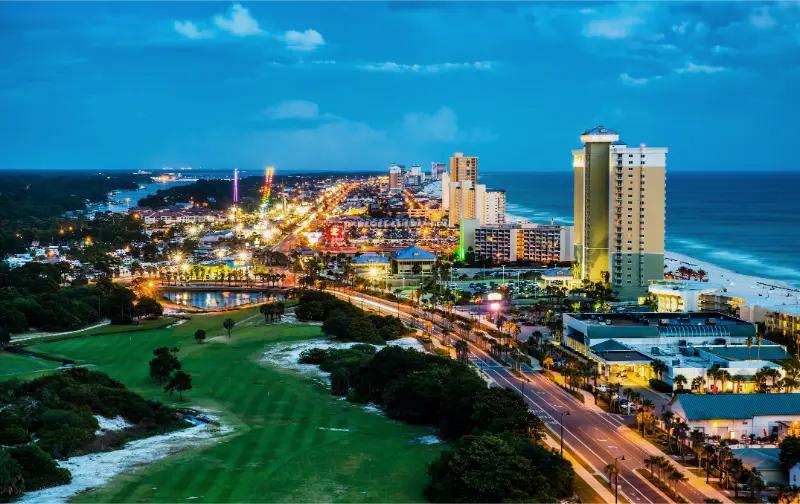
A Panama City Beach vacation does not have to be built around expensive attractions every day. The Gulf, public beach access, sunsets, parks and simple walks can carry a large part of the experience, while one or two carefully chosen paid activities become the memorable extras rather than the financial baseline. The biggest budget gains come from accommodation, food and transportation decisions made before arrival—not from skipping every ice cream or souvenir once you are already there.
Quick planning summary
- Best for: Families, couples, students and road-trippers who want a real beach vacation while keeping daily spending under control.
- Ideal trip length: 3–5 nights is enough for a low-cost beach break; a week becomes good value when lodging includes a kitchen and laundry.
- Getting around: A car can be economical for families and grocery runs, while a well-located stay can reduce fuel and parking costs.
- Most important planning point: Set the lodging and food strategy first, then choose only the paid attractions that truly improve the trip.
Start with the total room cost, not the headline rate
Panama City Beach accommodation can look inexpensive until taxes, cleaning charges, resort fees and parking are added. Compare the final total for the exact dates and number of guests. For a family staying several nights, a condo with kitchen and laundry can offset a higher nightly price by reducing restaurant meals and paid laundry. For a short couple’s trip, a hotel near Pier Park may be better value if it removes the need to drive for dinner and evening entertainment.
Flexibility also has a value. A slightly more expensive refundable rate can protect a vacation budget during hurricane season or when family plans are uncertain. Do not choose a nonrefundable bargain simply because the displayed rate is lower; compare what would happen if a flight changes, a child becomes sick or severe weather alters the trip.
Use free beach time as the center of the itinerary
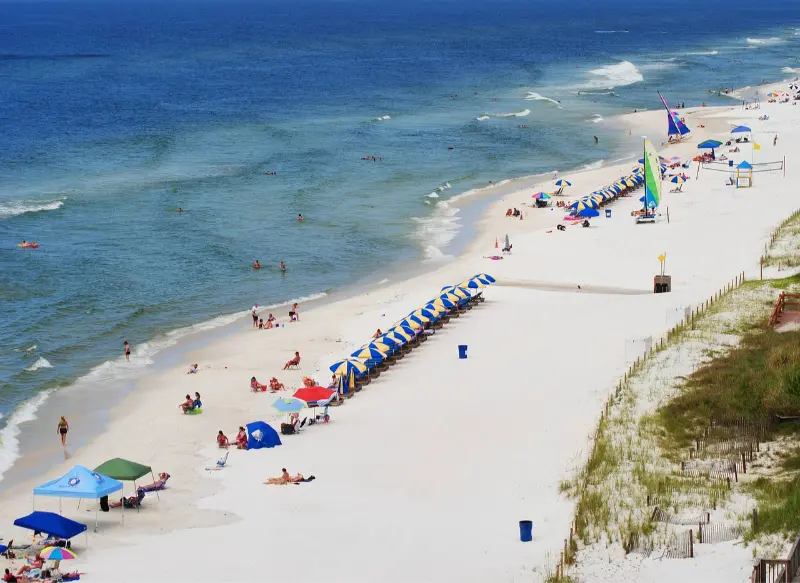
The beach is not filler between attractions—it is the main reason many people visit. An early swim, a midday break and a sunset return can create a complete day without admission tickets. Public access points vary in parking and facilities, so choose the one that best fits the group rather than driving repeatedly to the most famous pier. Bring reusable water bottles, shade, towels and simple snacks, then leave the beach with all belongings under the local Leave No Trace rules.
Low-cost nature is one of the destination’s strengths
Panama City Beach Conservation Park is a strong choice for travelers who enjoy walking or cycling and want a break from commercial attractions. Historic St. Andrews and Downtown Panama City can also create a low-cost half day built around waterfront views, murals, browsing and one affordable meal. State parks charge fees, but a carefully planned state-park day can still be excellent value because beach, walking, wildlife and scenic time are bundled into one stop.

Choose one paid anchor experience
Instead of buying tickets impulsively, ask which experience would be disappointing to miss. A family may choose Shipwreck Island or WonderWorks; a nature-focused traveler may prefer a boat trip; a couple may spend on one special dinner or sunset experience. Once that anchor is chosen, surround it with free or inexpensive activities. The result often feels more deliberate and less rushed than trying to “get value” from several admissions in one day.
Food savings that do not make every meal a chore
A budget vacation becomes unpleasant if every meal turns into a calculation. Use a simple split: inexpensive breakfast at the room, picnic or casual lunch, and one restaurant meal. Families can keep cereal, fruit, sandwich ingredients, drinks and familiar snacks on hand; couples can use the same approach and spend the savings on seafood or a sunset dinner. A grocery stop early in the trip is most efficient when it is combined with check-in rather than repeated daily.
Transportation can quietly become the expensive category
A distant cheap room can create more driving, parking and rideshare spending than a better-located property. If renting a car, compare the full cost including taxes, parking and fuel. If traveling without a car, estimate the likely number of rideshare trips before assuming that strategy is cheaper. For a short stay, location may save more money than negotiating every meal. For a long road trip, free hotel parking and easy highway access may matter more.
Travel dates can matter more than coupon hunting
Weekends, holidays, major events and school-break periods can raise lodging demand. If your schedule is flexible, compare several date combinations rather than only searching for a discount code. Late spring and fall can offer a different balance of weather, crowds and prices, while winter can be attractive to travelers who value walking and quiet more than warm Gulf swimming. Always compare actual current rates because the cheapest month is not identical every year.
Choose accommodation for the trip you are actually taking
Panama City Beach stretches for miles, so the cheapest room is not automatically the best value. A property near Pier Park can reduce evening driving, the West End can feel calmer, Middle Beach keeps many attractions reasonably close, and the Grand Lagoon side can be convenient for boating and St. Andrews State Park. Compare the real route from the room to the beach, parking area, elevator, pool and restaurants rather than relying on the phrase “beachfront” alone.
For budget travel, I would choose the area that minimizes the biggest recurring cost. A family with a car may value free parking and a kitchen; a couple without a car may save more by staying near restaurants and Pier Park. If a property offers a low base rate but charges large cleaning or resort fees, divide the final total by the number of nights before deciding whether it is truly inexpensive.
Always compare the total accommodation price. Parking, resort fees, cleaning charges, taxes and cancellation conditions can change the ranking between a hotel and a condo. For longer stays, a kitchen and laundry may save both money and time. Travelers with mobility needs should confirm the complete accessible route directly with the property, including parking, entrances, elevators, bathrooms and access to any advertised beach or pool facilities.
Beach safety should shape the day, not interrupt it
Panama City Beach uses a beach warning flag system, and the safest habit is to check the current flag before anyone enters the Gulf. Green still means use caution, yellow indicates a medium hazard, red indicates a high hazard, purple warns of dangerous marine life, and double red closes the water to the public. Water can look attractive from a balcony while currents remain strong, so visual impressions are not a substitute for the posted warning. When lifeguarded areas are available, they are the better choice for families, less-confident swimmers and anyone unfamiliar with Gulf conditions.
Rip currents, lightning, heat and changing surf are the hazards most likely to alter an otherwise ordinary beach day. Keep children within the level of supervision their swimming ability requires, do not treat inflatables as lifesaving devices, and move indoors when thunderstorms approach rather than waiting for the rain to become heavy. A flexible itinerary makes this much easier: if the Gulf is unsafe, switch to a park, museum, shopping block or long meal and return only when conditions are appropriate.
Food and budget planning without making the trip feel cheap
Planning tipThe easiest way to control spending is to decide which experiences deserve money before arrival. Beach time, sunset, public parks and walking can fill large parts of the day, leaving room for one paid attraction, boat trip or special meal that actually matters to the group. A condo kitchen is useful for breakfast, cold drinks, snacks and simple lunches, while a hotel traveler can still save by keeping fruit, water and familiar snacks in the room.
Avoid driving across the entire beach for every meal. Choose restaurants close to the activity you are already doing, and treat one destination meal as the exception rather than the daily rule. Families should compare children’s menus and waiting times, while couples and solo travelers may get better value from an early dinner or a casual seafood lunch followed by sunset. Prices and operating schedules change, so check current menus and ticket pages before building a day around a specific offer.
Common budget mistakes
- Comparing nightly rates without taxes, fees and parking.
- Buying attraction tickets before checking weather and age or height suitability.
- Driving long distances for a “cheap” meal that saves only a few dollars.
- Underestimating grocery, drinks and snack costs in hot weather.
- Choosing rigid nonrefundable bookings during a season when plans may change.
- Trying to eliminate every enjoyable expense instead of choosing a few things worth paying for.
Useful Wonderful Florida guides to combine with this article
Continue planning with best time to visit Panama City Beach, one-day Panama City Beach itinerary, Panama City Beach Conservation Park and where to stay in Panama City Beach.
Official information to check before travel
- Visit Panama City Beach
- City of Panama City Beach beach flag information
- City of Panama City Beach Leave No Trace information
Opening hours, parking arrangements, beach conditions, transportation services and local rules can change. If a specific feature is essential to the day, confirm it with the operator or public agency shortly before leaving your accommodation.
Final planning advice
The best low-cost Panama City Beach trip still feels generous: plenty of Gulf time, one or two experiences you genuinely wanted, food you enjoy and enough flexibility to handle weather. Save on the parts that do not matter to you, spend intentionally on the parts that do, and let the beach carry more of the itinerary than a stack of tickets.
One more practical planning point
A useful budgeting exercise is to set a daily discretionary amount after lodging and transportation are already paid. That amount can cover meals, small admissions and treats without turning every purchase into a debate. If one day includes a major paid attraction, make the next day mostly beach and nature rather than trying to spend the same amount every day.