
Orange trees are part of Florida’s identity, but a visitor looking for a picturesque grove must know the difference between working agricultural land, a commercial roadside store, an educational exhibit and a genuine pick-your-own operation. Citrus production has changed because of disease, storm damage, weather and economics. Some places that sold fruit to visitors years ago no longer allow access; others sell citrus from different growing regions. This four-day journey explores the central Florida ridge from Clermont and Lake Wales toward Winter Haven and historic towns, with cultural stops and farm-market alternatives. It is not a promise that visitors can wander onto any grove or harvest a fruit during any month.
Why citrus shaped this landscape
Central Florida’s sandy, elevated ridge lands supported citrus farms, lakeside communities, packing houses and the roads that carried fruit to markets. The landscape is not a single plantation-like attraction; it is a patchwork of towns, subdivisions, remaining groves, protected habitat and businesses serving residents. Citrus history can be explored through local museums, heritage signage, market conversations and a drive that reveals the shape of the ridge. The University of Florida’s citrus-season explanation describes a broad October-to-June harvesting period, but actual fruit availability depends on variety, weather and the current crop.

Visitors should resist the expectation that oranges are available to pick every time the trees look green. Blossoms, developing fruit and ripe fruit belong to different stages. Diseases including citrus greening have affected production and the viability of individual operations. It is respectful to treat groves as private workplaces, not photo props. If a property offers tours, follow designated routes and purchasing arrangements. Never enter planted rows or remove fruit without explicit permission; an orchard behind an attractive fence remains private land.
Best season and where to begin
A cooler-season journey generally offers more comfortable walking temperatures than midsummer, and winter can be a useful time to look for fresh citrus. However, November and December are not interchangeable with March or April: varieties and availability evolve over the season. Confirm that any marketed U-pick experience is actively operating on your chosen day. Citrus harvesting is weather dependent, and farm visits may require reservations or close after a sell-out. Check location details rather than trusting an old travel blog’s list of working farms.
Fly into Orlando if this is part of a longer holiday, then rent a car. This is a car-dependent route because farm stores and small-town attractions are dispersed. An alternative is to base yourself in Winter Haven or Lake Wales and focus on gardens, heritage and local markets without promising a live grove tour. Avoid pushing the trip into the same afternoon as a transatlantic flight. Central Florida’s short winter daylight can make an arrival-day detour less pleasant than a simple dinner and rest.
Day one: Clermont and the Lake County ridge
Clermont’s rolling terrain and lakes offer a first introduction to the interior Florida that differs from the theme-park corridor. Walk along a manageable stretch of waterfront before driving through the surrounding ridge landscapes. If a farm business advertises public tasting or seasonal produce, call ahead and ask whether visitors are allowed at the site, whether fruit was grown locally and whether photographs are welcome. A retail citrus stand is still a legitimate stop even when no U-pick activity exists, provided it openly describes what it sells.
Make this day partly about geography. Compare Clermont’s hills with the flat, heavily developed roads around Orlando. Notice how lakes interrupt the ridges and how older roads sometimes pass homes, agricultural properties and preserved green space. Lunch in downtown Clermont is usually easier than depending on a rural farm kiosk. Spend the afternoon on a waterside walk or in a nearby nature area if there is no currently operating orchard tour. This gives families with small children and older travelers a satisfying day without leaving the success of the visit to fruit availability alone.
Day two: Lake Wales and Bok Tower Gardens
Drive toward Lake Wales, where Bok Tower Gardens provides an exceptional way to understand why the state’s central ridge is ecologically and culturally distinctive. Its landscaped grounds and historic singing tower are a destination in their own right, not a substitute for a commercial citrus farm. Follow the official Bok Tower Gardens visitor information to check admission, opening days, concert times and accessible pathways. Give the gardens several unrushed hours and enjoy views over the elevated landscape rather than making a frantic checklist of every path.
Lake Wales also works as a base for learning about the Lake Wales Ridge’s native scrub habitat. The difference between managed citrus groves and rare native plant communities is instructive. A conservation stop can explain why protecting this landscape matters beyond crop production. Do not leave designated trails to take photographs among sensitive plants. If you are traveling with children, encourage them to compare the shapes of leaves, the birds heard in the gardens and the human-made landscape of nearby towns. A garden visit can be more educational than a superficial farm photo session.
Day three: Winter Haven and the Chain of Lakes
Spend day three in Winter Haven, a community shaped by lakes, tourism and its relationship to the wider citrus belt. A lakeside morning gives a comfortable beginning; later, explore the downtown commercial streets and look for locally operated food shops. Families can choose a theme-park visit at LEGOLAND Florida Resort, but this itinerary works without it. The goal is to understand regional character, not to add an expensive attraction simply because it is nearby. Ask local businesses whether any heritage exhibits, orange-themed products or farm experiences are currently available.
The afternoon is best reserved for an activity chosen according to the weather. A lakefront walk, an indoor museum in a neighboring town or an easy boat outing may be appropriate, provided the operator and conditions are suitable. Lakes are not interchangeable with supervised swimming beaches; stay within designated recreation areas and follow signs about alligators and other wildlife. Winter Haven can also be a practical overnight base for people who prefer not to switch hotels each night. Its everyday restaurants and stores are easier to rely on than a remote tourist-only property.
Day four: historic towns, seasonal produce and a flexible return
Use your final day for a modest loop toward Dundee, Haines City or another nearby town that fits your departure direction. Search for legitimate local produce retailers that are currently open, and ask where their fruit originates. There is no reason to assume that every attractive market is selling citrus from its own trees; transparency is a better measure than rustic décor. A jar of regional marmalade, a citrus-based baked item or a conversation with a farm-store employee can be worthwhile without making claims about authenticity unsupported by the seller.
Take time for one heritage stop, a town center or a small museum with confirmed operating hours. Some museums operate only on limited days and volunteer schedules. If the last day’s travel leads to Orlando, avoid an ambitious circuit that adds hours of backtracking. Road construction and rush-hour traffic can undermine plans even when distances look small. Those returning a rental car should schedule refueling and airport arrival ahead of any final attraction. A calm end to this journey is a better result than reaching one more roadside stand at closing time.
What to ask before booking a U-pick experience
A farm advertising visitors should be able to answer basic questions: Is public picking occurring this week? Which fruit is available? Is booking necessary? What are the admission, picking or minimum-purchase charges? Are children allowed to participate and are strollers practical on the surface? Is there drinking water, shade and a restroom? Are dogs permitted? If the farm cannot confirm the experience, make it an optional add-on rather than the foundation of your day. Avoid online photos from earlier seasons that imply current access.
Make biosecurity part of responsible travel. Do not carry citrus plants or propagate plant material across restricted areas; agricultural transport rules can exist for pest and disease protection. Do not touch trees or equipment unless invited. In the heat, children should wear closed footwear and hats and take breaks. Agricultural ground may be uneven and unsuitable for many mobility devices, even when a shop at the same site is accessible. Ask specifically about the route from parking to the activity rather than assuming a wheelchair symbol on a general business listing means the orchard itself is usable.
Family experiences beyond fruit picking
For travelers with children ages four to ten, the best activities combine movement, curiosity and predictable breaks. Let children examine a fruit label, draw a packing-house sketch, compare the fragrance of citrus products in a market or learn how a garden’s plants attract pollinators. Never invite them to taste unidentified plants in gardens or on roadsides. A guided horticulture demonstration may be interesting if one is actually scheduled; the word “educational” on a business page does not guarantee daily programs.
Teenagers may respond better to the economics and environmental story. Look at how a former agricultural town has changed, consider the role of migration and labor in the citrus industry, and ask why a product sold in Florida might have traveled a long distance. This is a good opportunity to explore where food comes from without romanticizing agricultural work. For grandparents, a seated garden concert or short heritage-museum visit might be more enjoyable than a standing farm tour. Plan these alternatives before committing everybody to the same midday activity.
Where to stay and how much to budget
Clermont is practical for travelers combining Orlando with Lake County, while Lake Wales and Winter Haven reduce driving for a ridge-focused journey. Choose accommodation based on parking, breakfast, mobility needs and proximity to your planned first stop. Tourist hotels can add taxes and service charges; compare the total rather than just the nightly rate. An apartment with a refrigerator is convenient for market produce, but check its location before booking. A lower-priced room far from restaurants may not save money after evening drives and parking charges.
Expect most costs to come from accommodations, car rental, food and paid gardens rather than from fruit itself. Build a flexible amount for admission or a farm event, but do not purchase a tour until its exact date and inclusions are confirmed. Fuel use is moderate if you stay in two bases rather than repeatedly returning to Orlando. A market stop is often free to browse, though purchasing is appreciated. If a day’s planned farm visit cancels, the garden, lakes and town centers ensure the vacation remains worthwhile.
Food and roadside safety
Fresh fruit purchased at a roadside stand should be washed appropriately and stored according to the seller’s advice. Travelers with food allergies should evaluate processed products like citrus candy and baked goods for other ingredients rather than assuming the citrus flavor makes them simple. Avoid leaving food or drinks in a hot parked vehicle for long periods. Keep water accessible during countryside drives; some rural stops close earlier than visitors expect. If using navigation apps, confirm that they lead to a public storefront rather than a locked agricultural gate.
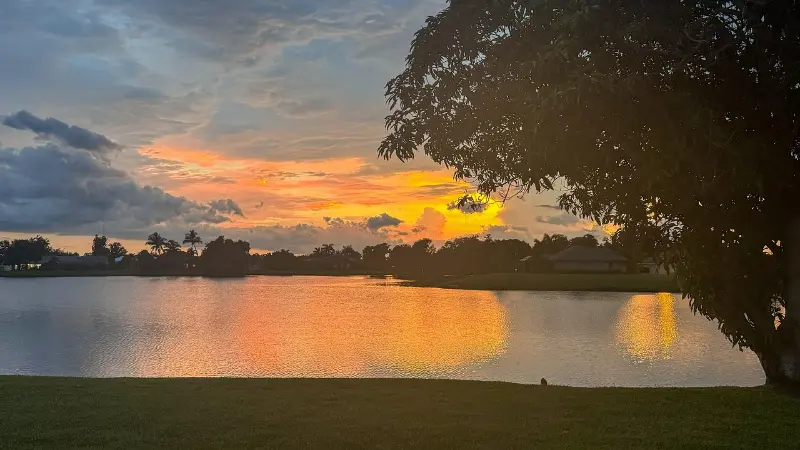
Be mindful of road shoulders. Stopping beside a picturesque grove on a narrow road can be dangerous, especially near heavy agricultural vehicles. Use designated parking only and never block a farm entrance to photograph an orange tree. A sunset landscape may look appealing from the car, but safe photography requires a legal pull-off. Ask permission before photographing identifiable workers or private property. These small choices make travel more welcome in working rural communities.
When the weather or harvest does not cooperate
A prolonged thunderstorm, cool spell or period between harvests does not need to ruin the route. Bok Tower Gardens may change outdoor programming during severe weather, and the best substitute might be an indoor local-history stop or a leisurely lunch. Keep two flexible half-days rather than buying fixed activities for every afternoon. In summer, treat outdoor garden time as an early-morning possibility, and choose a shorter trip if heat makes long days uncomfortable. In winter, bring layers for unexpectedly cool mornings.
Fruit availability is especially uncertain at the individual-farm level. Agriculture is not run like a theme park with a fixed opening-day calendar. Call again shortly before arrival, monitor the operator’s current notices and be prepared for seasonal closure. Visitors seeking a guaranteed tasting should look for confirmed shops, not solely U-pick farms. The deepest reason to make this trip is to understand central Florida’s changing landscape through places and people, not to collect an orange directly from a tree at any cost.
Four-day route at a glance
| Day | Base area | Main experience | Flexible alternative |
|---|---|---|---|
| 1 | Clermont | Lake County ridge and market research | Waterfront walk and town cafés |
| 2 | Lake Wales | Bok Tower Gardens and ridge habitat | Shorter garden visit and indoor break |
| 3 | Winter Haven | Chain of Lakes and downtown heritage | Lakefront meal or family attraction |
| 4 | Dundee / return | Confirmed produce stop and historic town | Direct airport transfer or museum |
Frequently asked questions
Can visitors pick oranges anywhere in Florida?
No. Most groves are private agricultural property. Use only operations that explicitly allow public U-pick visits, confirm current dates and follow staff instructions.
When is Florida citrus season?
Different citrus varieties have different harvest periods; a broad October-to-June window is often cited, but local crops and visitor experiences vary considerably from year to year.
Is this route possible without a rental car?
It would be inconvenient. Farms, garden sites and smaller towns are dispersed, and most public transit is not designed for a citrus-country itinerary. Choose a guided excursion or a single town instead.
Is Bok Tower Gardens a citrus farm?
No. It is a major garden and cultural attraction on the Lake Wales Ridge. Its landscape setting makes it a valuable regional stop, but admission does not imply fruit-picking access.
Can a wheelchair user visit a working grove?
It depends on the individual farm and the route into the fields. Ask about surface, slopes, restrooms and the specific activity; a walkable store may be accessible when the orchard is not.
Official resources and fact checks
Review UF/IFAS Extension's description of Florida citrus season, the Florida Department of Citrus and Bok Tower Gardens for current educational and visitor information. Prepared October 2026; farm participation, harvest dates and operations require direct confirmation.