

St. Augustine and Amelia Island both reward people who want more than a typical Florida beach resort, yet they offer very different ways to spend a day. St. Augustine is a historic city where a dense collection of museums, old streets, and Spanish colonial landmarks attracts day visitors throughout the year. Amelia Island pairs the working history of Fernandina Beach with broad coastal scenery, Fort Clinch State Park, and a slower island vacation rhythm. Choosing between them requires understanding where the historic attractions sit relative to the hotels, beaches, parking, and your group’s tolerance for walking. The most memorable trip is often the one with fewer stressful transfers rather than the longer list of famous sights.
In this guide
- What a normal morning looks like in each place
- St. Augustine's historic appeal is unusually concentrated
- The accessibility limits of the Castillo matter
- Amelia Island's heritage is quieter but substantial
- Fort Clinch is not only about the fort
- Which destination is better for a proper beach holiday?
- Hotels in St. Augustine: downtown or the beach?
- Hotels on Amelia Island: town, beach, or resort?
- A three-day itinerary in St. Augustine
- A three-day itinerary on Amelia Island
- Families, teenagers, and grandparents
- Costs, parking, and the risk of false savings
- Weather and visiting seasons
- Could you enjoy both destinations in one trip?
- The choice that tends to work best
Quick decision table
| Compare | Option A | Option B / planning note |
|---|---|---|
| History | St. Augustine: dense historic district and Castillo | Amelia: Fernandina heritage and Fort Clinch |
| Beach base | Beach areas separate from old town | Several coastal options on the island |
| Mobility detail | Castillo gun deck requires stairs | Fort Clinch has selected accessible services |
What a normal morning looks like in each place
In St. Augustine, you might have breakfast near the historic district, walk to the Castillo de San Marcos, and spend the rest of the morning exploring streets and courtyards. That city-based experience feels rich in history, but it also means uneven pavements, popular pedestrian routes, and potentially busy car parks. On Amelia Island, a morning may begin with a stroll through Fernandina Beach’s center or a drive into Fort Clinch, followed by more time beside the ocean. You can enjoy history on both trips, but St. Augustine invites you to visit several compact sites in one day while Amelia spreads activities between town, fort, beaches, and natural landscapes. Consider which pace your travel companions genuinely enjoy.
St. Augustine's historic appeal is unusually concentrated
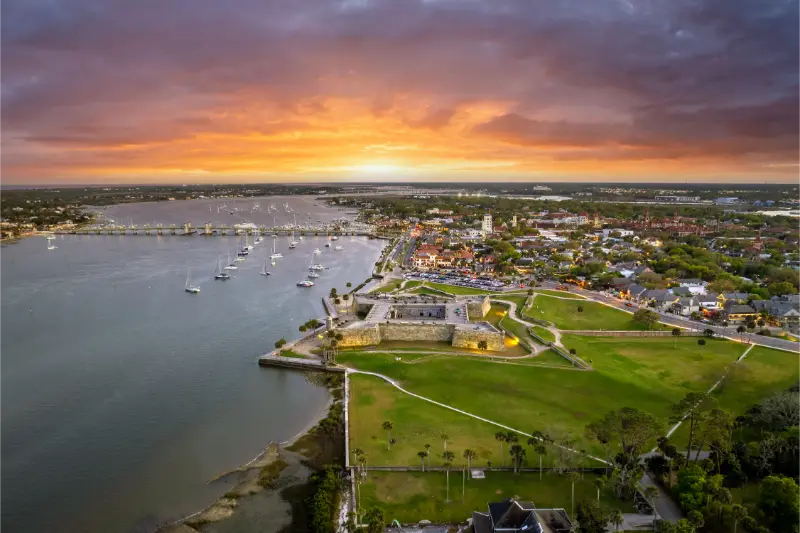
The Castillo, historic buildings, old gates, churches, and museums make St. Augustine attractive for people who like to learn through walking from one place to another. A guided history tour can add context, but the city can also be explored independently with a map and a few carefully chosen admissions. Avoid treating every attraction with a historic-looking facade as essential: select a couple with a clear subject and suitable opening hours. Some privately operated activities are highly commercial, which may appeal to families seeking entertainment but not to everyone interested in history. If you are visiting with children, alternate one educational stop with a courtyard, a snack, or an open-air walk instead of booking consecutive museum sessions.
The accessibility limits of the Castillo matter
The National Park Service’s accessibility information states that the Castillo’s main level, including certain rooms and facilities, is wheelchair accessible, but the upper gun deck is reached only by stairs. This is a practical detail for a traveler with a walker or wheelchair, not a reason to dismiss the visit altogether. Those who cannot climb can still experience important aspects of the fort and use the park’s interpretive resources. Visitors with sensory sensitivities should be aware that firing demonstrations can involve sudden noise and smoke. Ask about current programs when planning. In the wider historic district, inspect walking surfaces and the location of resting places, especially during hot afternoons when short distances can feel much longer.
Amelia Island's heritage is quieter but substantial
Fernandina Beach has a distinctive downtown with Victorian-era and other historic buildings, waterfront views, and stories tied to port activity, fishing, and the area’s changing political history. Fort Clinch State Park is the most obvious landmark for a history-focused stay, combining a preserved nineteenth-century military site with maritime forest and beaches. The town can feel easier to enjoy at a relaxed pace because the main aim need not be visiting several ticketed attractions in succession. People who like history but also want long periods outdoors may find this balance ideal. Allow time for the island’s African American heritage as well, including the story of American Beach, rather than treating the area solely as a pretty historic resort town.
Fort Clinch is not only about the fort
The official Florida State Parks visitor information describes the park’s forest roads, trails, shoreline, and historic fort experiences. A family can make a half-day of an interpretive visit and a picnic without tackling the more strenuous trail system. The park’s historic structures do have accessibility constraints, but the agency describes assistance and equipment for selected areas; reserve or discuss those needs in advance. The beach environment and currents require care, and not every area is suitable for swimming. Anyone hoping to cycle should distinguish the paved park road from the more demanding off-road trail. This is an example of a destination where reading the detailed official guide yields a better day than simply arriving at the gate.
Which destination is better for a proper beach holiday?
Amelia Island is often the more natural choice for guests whose main aim is the ocean with optional historic stops. Its coastal setting includes multiple beach access options, and a comfortable rental or hotel can serve as a beach base. St. Augustine also has beaches and nearby coastal communities, but the beach area is separate from many of the city’s famous old-town attractions. Staying downtown and making repeated beach trips can be inconvenient; staying by the beach and visiting history requires transport. Before booking, decide whether your morning priority is walking to breakfast and a museum or stepping onto sand. Do not underestimate the value of a direct beach access route when traveling with several children or beach equipment.
Hotels in St. Augustine: downtown or the beach?
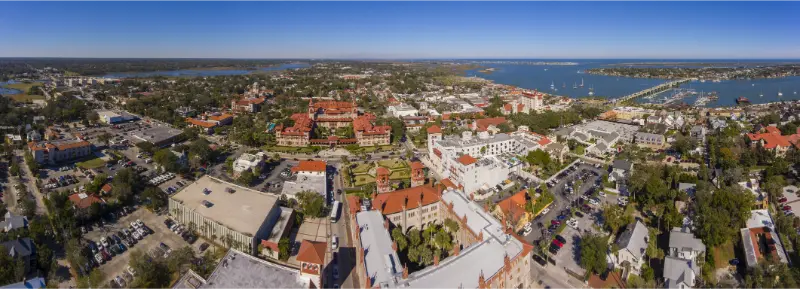
A historic-district stay can allow you to explore after day-trip crowds decline, enjoy dinner on foot, and avoid some daytime parking searches. The disadvantages may include older buildings without lifts, tight rooms, traffic restrictions, and premium central parking. Beach-area accommodation can provide more vacation-style facilities and a less intense evening atmosphere, but daily trips into town will require planning. Look up the property entrance and parking instructions rather than only its location pin. Guests traveling with mobility aids should ask about stairs, thresholds, the bathroom door width, and routes to restaurants. If you choose a rental on a residential street, confirm the authorized parking spaces and quiet hours.
Hotels on Amelia Island: town, beach, or resort?
Fernandina Beach’s center is useful if you like dining and browsing on foot, but it is not automatically the best address for spending every day on the sand. Oceanfront or beach-adjacent properties reduce daily transfers, although they may be farther from the historic waterfront. Some island resorts emphasize amenities and planned activities; smaller inns and vacation rentals provide different kinds of flexibility. Families can benefit from kitchens and laundry facilities, while couples might prefer a short walk to dinner. Check whether a property’s ‘ocean view’ room has direct access to a public beach or merely looks toward the water across a road. Ask how the surrounding area has changed after coastal storms or construction.
A three-day itinerary in St. Augustine
Arrive with enough time to park, settle in, and enjoy a short orientation walk around the historic district. On the first full morning, visit the Castillo and one nearby attraction with a different subject, keeping the afternoon open for rest or a selected museum. On the second full day, choose between a beach excursion and a more detailed heritage experience rather than trying to do both before lunch. Dinner in the center is especially pleasant when you are not rushing back to a faraway hotel. Include a rain backup and avoid assumptions about reenactments or specialist tours running every day. If your group contains preschoolers, one main attraction per morning can be more effective than a crowded all-day schedule.
A three-day itinerary on Amelia Island
Use arrival afternoon for Fernandina Beach’s waterfront and a meal, then allow the following morning for Fort Clinch’s visitor experiences. A picnic or comfortable lunch break separates the fort from any beach time. On the second full day, explore a selected public beach and, if interest and energy allow, a small museum or heritage neighborhood. The itinerary works especially well when you stay in one place and treat optional activities as genuinely optional. Weather may make beach swimming or a long outdoor walk unsuitable, so keep a cultural alternative in reserve. A good Amelia Island holiday does not require visiting every access point or treating each coastal view as a mandatory stop.
Families, teenagers, and grandparents
St. Augustine may be more compelling for school-age children interested in forts, stories, ships, and museums; Amelia can suit those who want wider intervals for swimming and outdoor play. Teenagers who like photography and history might enjoy either, but there is no universal teenage preference. Older travelers who enjoy gentle museums may prefer St. Augustine only if their chosen attractions and hotel are accessible. For grandparents who want fewer queues and quieter evenings, Amelia may feel more relaxed, depending on the season and lodging location. Avoid selecting a destination from an age label alone. Ask each traveler to choose one experience they would be disappointed to miss and organize the itinerary around those priorities.
Costs, parking, and the risk of false savings
St. Augustine’s popular historic experiences can create several separate admission expenses in one day, in addition to downtown parking. Amelia Island can produce higher daily costs through beachfront lodging or long transport between town and shore, even if fewer attractions require tickets. Compare the entire stay with taxes, mandatory fees, paid parking, meals, and your preferred activities. A hotel outside St. Augustine’s center may cost less but require a daily parking payment and travel time; an Amelia vacation home may offer kitchen savings but add a cleaning fee and minimum-night requirement. Prices change dramatically with holidays and events, so calculating a universal ‘average trip price’ is less reliable than building a quote for your dates.
Weather and visiting seasons
Both are in northeast Florida and experience hot summers, occasional intense thunderstorms, cooler winter periods, and tropical-storm risks during the Atlantic hurricane season. Their Atlantic beaches can have rough surf even on attractive sunny days. Historic streets also become tiring in midday heat, so plan the more demanding walks early. Cooler months and major holiday weekends can be popular for heritage tourism; event calendars may change restaurant availability and parking. When a fort program or festival is the main draw, verify the date directly from the operator. Travelers who must use accessible transportation or special equipment should arrange those services in advance rather than expecting immediate availability.
Could you enjoy both destinations in one trip?
Yes, but the decision depends on the length of the visit and how often you want to move hotels. The two destinations are a reasonable pairing for a longer northeast Florida road trip, with Jacksonville-area attractions potentially fitting into the wider route. For a short three-night holiday, choosing one base generally produces more time to enjoy the coast. If you have six or seven nights, split the itinerary only when two distinct experiences justify packing and checking out again. A simpler alternative is a day excursion, allowing for travel time, meals, and parking. Visitors arriving at a distant airport should account for the transfer before adding another leg to an already long journey.
The choice that tends to work best
Choose St. Augustine when history is the primary purpose of the trip and you want several attractions concentrated in a lively historic city. Choose Amelia Island when beaches, relaxed town life, and a combined fort-and-nature experience better suit your group. Either can be a good option for multigenerational travel when you check accessibility, distance to sand, and evening transport carefully. Consult the National Park Service’s Castillo information and the Fort Clinch State Park details before reserving timed activities or relying on specialized facilities.
Frequently asked questions
Is St. Augustine's historic district right on the beach?
No. Many famous old-town sights are separate from the main beach communities, so you will need to plan the journey between them.
Can wheelchair users visit the Castillo de San Marcos?
The main level is accessible, while the gun deck requires stairs. Review the National Park Service’s current information for details.
Does Amelia Island offer historic attractions?
Yes, including Fernandina Beach heritage and Fort Clinch State Park, alongside the island’s beach and nature experiences.