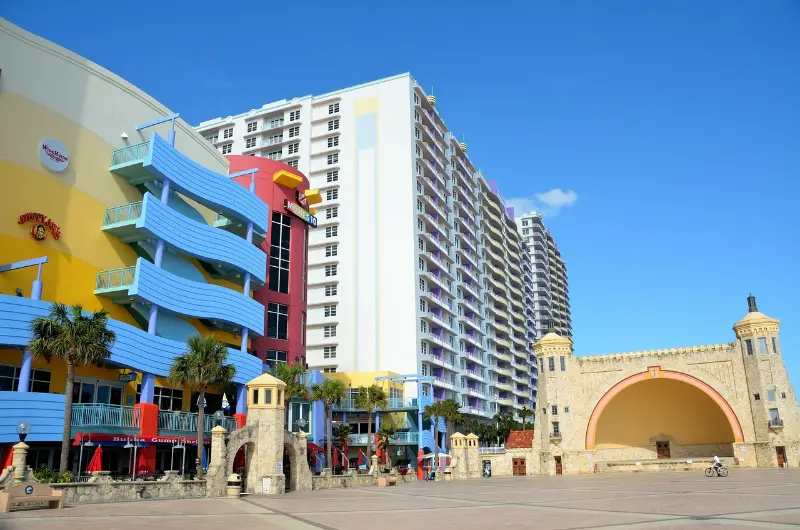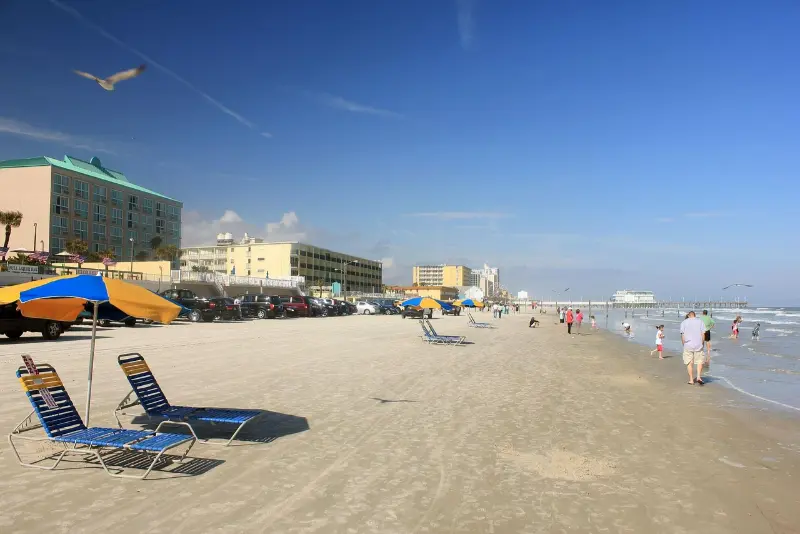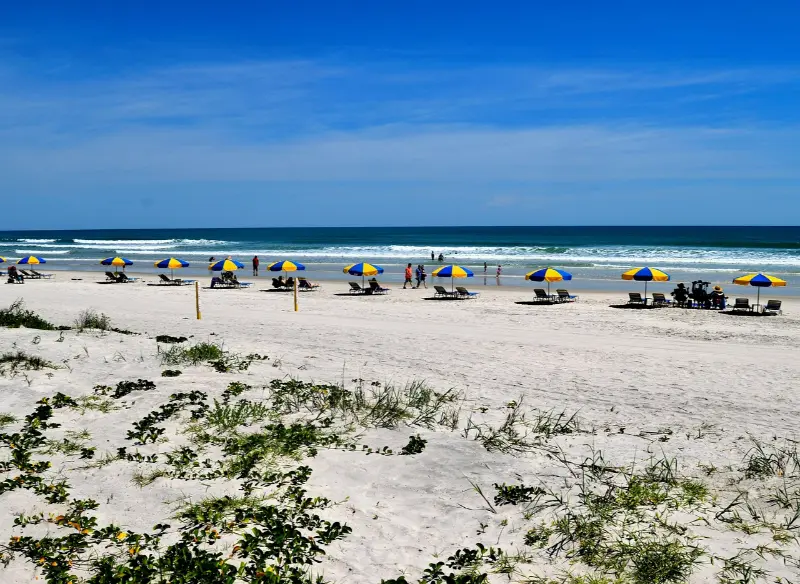
The Daytona Beach area is more varied than its racing reputation suggests. You can tour an internationally recognized speedway, enjoy a classic Atlantic beach atmosphere, explore maritime history around Ponce Inlet and finish in New Smyrna Beach, where galleries and surfing culture create a different coastal mood. Three days are enough to appreciate these contrasts without treating every stop as a hurried roadside attraction. This itinerary is designed for first-time visitors, families, motorsports fans and travelers who prefer gentle beach walks over nonstop activities.
It helps to have a car, though you may not need to use it constantly once you settle in a beachfront district. Volusia County’s beach-driving tradition comes with special rules, fees and daily conditions, so driving onto the sand should be considered an optional activity rather than the default way to reach the beach. Choose where you sleep based on whether racing, beachfront access or a relaxed New Smyrna evening matters most. Keep weather flexibility: Atlantic surf and thunderstorms can change an otherwise straightforward day.
A three-day route worth slowing down for
| Day | Area | Main activity | Flexible alternative |
|---|---|---|---|
| 1 | Daytona Beach | Speedway, downtown history and beach | One museum or track tour only |
| 2 | Ponce Inlet | Lighthouse, maritime exhibits and shoreline | Ground-level history and lunch |
| 3 | New Smyrna Beach | Canal Street, Flagler Avenue and beach | Galleries and relaxed coastal cafés |
You can reverse the days depending on where you stay and when a speedway tour is offered. Racing events may change access and traffic substantially, so always check the event calendar before planning the first day.
Day 1: The speedway and a classic Daytona afternoon
Daytona International Speedway is worth considering even if you are not a dedicated racing fan. A guided track tour can give perspective on the enormous scale of the racing complex and explain why motorsports are central to the city’s identity. However, tours and access routes depend on events, operating schedules and weather. Buy the correct product through the official operator, verify where to park and do not assume every tour enters the same areas. Children may enjoy seeing the venue’s scale, while older visitors can evaluate whether boarding and riding the tour vehicle suits their accessibility needs.
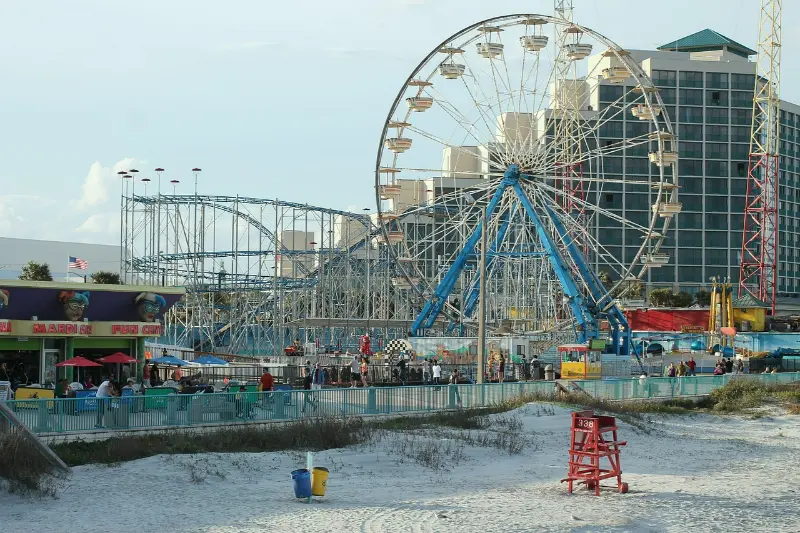
Once you have finished, choose a slower second half of the day. The beachfront around the Boardwalk and pier has a familiar vacation atmosphere with views, food and arcades, but it may be crowded in peak season. If the group includes young children or someone sensitive to noise, a quieter stretch of the shoreline may be more pleasant than a busy entertainment zone. Stop for lunch and a shaded break before walking along the ocean. An afternoon on the Atlantic should not be treated as guaranteed swim time; rip currents, beach flags and weather decide whether entering the water is advisable.
If you enjoy history more than amusement activities, investigate the city’s heritage museums or Beach Street area as an alternative. Check actual opening days; smaller museums do not necessarily operate every day. A nice first evening might be a coastal dinner rather than another drive. The goal is to connect the speedway’s modern story with Daytona’s older tourist character without forcing your party to complete both halves at maximum speed.
Beach driving: a famous tradition with serious conditions
Volusia County manages designated beach driving and parking areas. It publishes the current visitor fees and rules, and not all shoreline sections are open to vehicles. Access depends on conditions, tide, environmental protections and staff decisions. Follow posted speed limits and never treat a beach ramp as ordinary road access. Pedestrians, children and vehicles can occupy the same general environment in permitted driving areas, so alertness is essential. If you would rather not deal with that complexity, use approved off-beach parking and enter on foot.
Do not plan your entire day around the idea of parking beside your picnic spot. A tide-related closure may mean relocating to a garage or county parking lot. Keep valuables out of sight and do not drive on protected dunes or unauthorized sand. If you have a rental car, confirm whether the contract permits driving on any beach before attempting it; ordinary rental terms may prohibit off-road surfaces. A beach-drive photograph is not worth a damage claim or a safety incident. Families may find a vehicle-free section far more relaxing.
Day 2: Ponce Inlet and the maritime side of Volusia County
Head south toward Ponce Inlet and choose the Ponce de Leon Inlet Lighthouse & Museum as the main cultural stop. The lighthouse’s height and maritime history are compelling, but climbing its tower is a substantial physical activity. Check the operator’s height, age or safety requirements and ask about exhibits that can be enjoyed at ground level. A companion who cannot climb should have an interesting alternative, not simply wait outside. This is a useful place to talk with children about navigation and the hazards faced by ships along the coast.
After the lighthouse, select a relaxed waterfront or beach stop. The area around the inlet is particularly sensitive to currents where waterways meet the ocean. Do not improvise swimming at an inlet, jetty or fishing area. Use designated beaches and heed posted warnings. An interpretive nature walk or lunch overlooking the water may be the best way to enjoy the scene. Birdwatchers should keep respectful distance from shorebirds and avoid crossing protected habitat, especially during nesting periods.
If you like marine conservation, investigate a nearby education facility or rescue-focused museum whose current status and opening hours are confirmed. Such stops can add value to a family visit without the heat and physical demands of a long lighthouse climb. Avoid booking several outdoor attractions on a summer afternoon when lightning is possible. Returning to the hotel with time for a swim in an appropriate supervised setting or a quiet dinner can make the day more enjoyable.
Day 3: New Smyrna Beach's art and coastal atmosphere
New Smyrna Beach rewards a slower start. Spend the morning around Canal Street or another historic downtown area, where cafés, galleries and local businesses provide an appealing contrast to the Daytona entertainment strip. Check whether your visit coincides with an art event or special market; that may enhance the experience or increase parking demand. Instead of driving repeatedly between inland downtown and the ocean, decide on one shopping or cultural stop and then make a single move toward the coast.
Flagler Avenue’s commercial area and the nearby shore suit a beach-and-lunch afternoon. As elsewhere along this stretch of Florida, surfing conditions can produce waves and currents unsuitable for casual swimmers. If taking a surfing lesson, use a reputable local provider, follow instruction and respect designated zones. A family with toddlers may prefer watching surfers from dry sand rather than getting into breaking waves. Adults who want a quiet day can make it about food, galleries and the coastal landscape instead of spending hours under the sun.
New Smyrna is also a good final-night base if you are traveling onward toward Cape Canaveral, Titusville or Central Florida, but verify your onward journey and avoid long after-dark driving when tired. Even a three-day holiday feels longer when you allow a satisfying final afternoon rather than loading too many places into the closing hours.
Where to stay between Daytona and New Smyrna
Daytona Beach suits travelers who want direct proximity to the speedway, boardwalk entertainment or a wide choice of beachfront hotels. Ormond Beach may appeal to those seeking another coastal atmosphere, while New Smyrna Beach works for an art-and-beach focus. Check the actual location of an accommodation: ‘Daytona area’ can encompass properties that are not close to either the track or the beach. A hotel close to the ocean may still charge separate parking and resort fees.
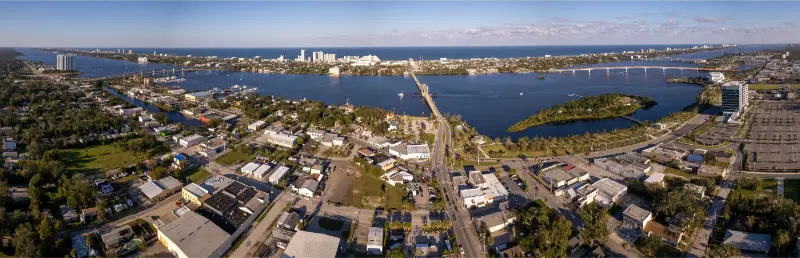
Families should compare room configuration, beach access and the availability of shaded rest areas. If someone uses a wheelchair, verify whether the route from the room to the shoreline is step-free and whether beach equipment is available. A couple may enjoy a historic inn, but older buildings can have stairs. Travelers attending a race should book far ahead and prioritize reliable transport; major events can transform both pricing and traffic patterns for the entire region.
Transportation, parking and moving between destinations
A car makes the three-day circuit easiest, especially Ponce Inlet and New Smyrna. Save parking locations for specific attractions and distinguish beach-driving access from ordinary public beach parking. If you stay beside the beach, walking to meals may reduce daily vehicle use, but do not assume the entire shoreline has a continuous convenient promenade. Bridges and causeways can be congested on holiday weekends. Allow extra time for the speedway or any ticket with a scheduled start.
Daytona Beach International Airport is conveniently located for some visitors, though flight routes may require connections. Orlando’s airports are another possibility but involve a meaningful road transfer. Compare the full journey rather than airfare alone, including rental-car pickup hours and driving after a long flight. If connecting to St. Augustine or the Space Coast, treat those as the next leg of a road trip, not free extras after day three.
Budget and planning around major events
The area’s largest pricing variable is often a racing event or popular beach weekend. Speedway access may be restricted by a race, hotels may require minimum stays and beach parking charges can add up. Build a simple budget with accommodation, attraction ticket, parking, meals and local transportation. A family can spend one paid day at the speedway and use public shoreline access or a modest museum on the other days. Not every afternoon needs a costly attraction.
If your group loves motorsports, invest in the tour experience that matches your interests and spend less elsewhere. If it does not, skip the track and use the time for art or nature. The itinerary is deliberately modular. Avoid paying for multiple nonrefundable outdoor activities during hurricane season. Restaurant prices along prime beachfront areas can differ from inland neighborhoods; a comfortable lunch away from the busiest strip may be better value than eating on a deadline.
Ages, access and personal comfort
Infants need shade, regular breaks and protection from reflected beach sun; the sound and excitement of motorsports may be overwhelming for some small children. School-age children can connect racing technology, lighthouse navigation and coastal ecology, while teens may enjoy surfing or photography. Older adults can participate fully in sightseeing without climbing the lighthouse or driving on the beach. Physical activity is a choice, not a requirement for a meaningful vacation.
Check museum access directly, including tour vehicle boarding, seated breaks and restrooms. At beaches, confirm accessible parking, paths and any chair reservations. Someone who needs quiet may prefer a weekday shoreline morning to the entertainment district after sunset. Most days work better with one major activity and a flexible second stop. If the heat feels excessive, shorten the outdoor portion; Florida weather should shape the plan rather than being treated as an inconvenience to ignore.
Storms, tides and the right time of day
Atlantic coastal conditions change quickly. High surf, rip currents, lightning or tides can limit swimming or vehicle access, even under a bright sky. Start beach visits early in hotter months and consult the National Weather Service plus Volusia County’s beach-safety updates. Hurricane-season travel calls for refundable arrangements when possible. A windier winter day may be ideal for walking and photography but not for a long swim.
If rain disrupts the plan, a museum or scheduled indoor experience can replace the beach, subject to site operations. Allow one day to move around rather than booking three rigid timed activities. When the speedway has an event, adjusting your order may be the difference between a smooth trip and several hours in traffic. This is a flexible three-day route, not a minute-by-minute schedule.
Frequently asked questions
Can visitors drive on Daytona Beach?
In designated areas when conditions permit, under Volusia County’s rules and current fees. It is optional; off-beach parking is often simpler and may be preferable for families.
Is New Smyrna Beach worth an entire day?
Yes, particularly if you enjoy local art, food and a more relaxed coastal environment. Its atmosphere differs enough from central Daytona to justify a separate day.
Do you have to climb the Ponce Inlet lighthouse?
No. Check for ground-level museum exhibits and alternative interpretation. The tower climb is substantial and may be inappropriate for some visitors.
Is this itinerary suitable without a rental car?
A beach-focused stay is possible without one, but connecting the speedway, lighthouse and New Smyrna Beach is easier by car or carefully arranged transfers.
Should we book during a major race?
Only if the event is part of your plans. Prices, road conditions and attraction access can change considerably. Otherwise, pick quieter dates.