
Category: Delray Beach Florida

  • Three Days in Boca Raton and Delray Beach: Atlantic Beaches, Gardens and Walkable Downtowns

    Three Days in Boca Raton and Delray Beach: Atlantic Beaches, Gardens and Walkable Downtowns

    Boca Raton and Delray Beach offer a useful South Florida pairing: beaches on the Atlantic, carefully maintained parks, museums and galleries, and downtown districts where a leisurely meal can be the main attraction. They sit close enough for a three-day trip, but their atmospheres differ. Boca often feels quieter and more spread out; Delray's Atlantic Avenue attracts people looking for lively evening dining and shopping. This plan gives each city a proper day, then leaves the third for an activity that suits your age, energy, and interest in nature.

    Three-day itinerary at a glance

    DayRecommended focusEasy alternative
    Day 1Boca Raton ocean and ecologyCheck beach parking and conditions
    Day 2Delray downtown and beachAtlantic Avenue at a relaxed pace
    Day 3Morikami gardens or wetlandsChoose culture or birdwatching

    Where to stay to avoid spending the trip in traffic

    Delray Beach is convenient if you enjoy restaurants and a walkable stretch of Atlantic Avenue, though downtown parking and street activity can be busy. Boca Raton has a range of hotels near commercial areas as well as coastal properties, but do not assume a hotel named for the city is within walking distance of the ocean. The exact hotel location matters more than the city boundary. Compare a beachside rate with an inland property plus repeated parking and transport costs.

    If you travel with children, ask about adjoining rooms, a refrigerator, safe pool access, and whether the nearest beach entrance has restrooms. Couples may favor a hotel allowing an easy evening stroll, while travelers needing reduced walking distances should check the actual entrance, elevators, and route from parking to dining. A building described as accessible may still be too far from your preferred activities in the heat. For a three-night trip, a conventional hotel sometimes offers better value than a short rental with a large cleaning fee.

    Day one morning: an Atlantic beach introduction in Boca Raton

    Begin with Boca Raton's coast, choosing an officially open beach park based on its facilities and parking rules. Red Reef Park and Spanish River Park are among the local coastal options, but they serve different needs and may have different admission or parking arrangements. Read the city park information before leaving your hotel. Arrive while temperatures are lower and avoid assuming that an empty stretch of sand is an invitation to ignore lifeguard warnings.

    Florida Atlantic Beach with White Sand and Palms

    The Atlantic may have surf, currents, and sea conditions quite unlike a protected pool. Young children need close supervision, and adults should follow posted warning flags. Snorkeling is not automatically suitable on a day with poor visibility or rough water. Some travelers may prefer the view from a shaded bench and a short walk. Beach accessibility depends on the individual park's facilities and any equipment available at that time, so check specifics if you are traveling with a wheelchair or walker.

    Day one afternoon: the quieter side of Boca

    After lunch and a cooling break, choose one gentle outing in Boca rather than driving through the whole city. A garden or nature-learning attraction can introduce coastal ecology and make the afternoon more engaging for children who have already had enough sand. Gumbo Limbo Nature Center has long been associated with marine and coastal environmental education, but operations and access may vary; consult the city's current information before promising a particular exhibit or animal experience.

    If museums and galleries are your preference, find a manageable cultural stop in the city instead. Boca Raton has established arts institutions, but exhibition schedules, admission prices, and special events change. Book only what genuinely interests the group. Parents with a toddler may want an indoor rest and a casual dinner, while couples could reserve a quieter restaurant. The useful rule is to choose one focus: beach plus learning, not beach plus six separate attractions scattered across town.

    Day two morning: discover Delray Beach and Atlantic Avenue

    Spend day two primarily in Delray. Start with a breakfast or coffee near Atlantic Avenue, then walk a comfortable portion of the downtown corridor. The area has restaurants, small shops, and galleries, and it is enjoyable even for visitors who do not intend to buy anything. Be realistic about its length: a pedestrian-friendly central district is not an endless shaded walkway, and the street becomes more demanding in the summer heat. If someone in the group needs frequent breaks, select a short loop and identify a nearby café.

    A late-morning walk toward the ocean gives a sense of how downtown Delray and the beach relate. However, do not assume that parking near the restaurants also permits an unrestricted full beach day. If you plan to move between different parking zones, check rules and payment requirements. Families with strollers should watch crossings and traffic near the busier parts of Atlantic Avenue. For visitors who prefer a calm environment, an early morning is generally a better match than a crowded late-evening outing.

    Day two afternoon: Delray's beach or a cultural alternative

    Delray's public beachfront gives you another chance to experience the Atlantic, perhaps with a different atmosphere from Boca's park beaches. Choose a legal access, carry water and shade, and leave enough time to rest before dinner. The pleasure here is combining town and coast without having to spend the entire afternoon driving to remote attractions. If the surf is uncomfortable or storms threaten, replace the beach with an indoor museum, gallery, or a long lunch.

    A traveler with a teenager might enjoy a supervised water-based activity, but only with appropriate conditions and a reputable instructor. A younger child may be content with sandcastles before an early return to the hotel. People with limited mobility should ask which beach approach has the most practical accessible facilities, rather than assuming that an address on the same street is equally suitable. In the evening, enjoy Delray's restaurant scene if you are comfortable with the activity level, or dine earlier to avoid the busiest period.

    Day three option one: visit Morikami's gardens and museum

    Morikami Museum and Japanese Gardens, west of downtown Delray, provides an appealing change from the Atlantic coast. Its landscaped gardens and cultural exhibitions make it particularly good for travelers who appreciate art, design, and quieter outdoor settings. Confirm the institution's open days, tickets, exhibits, and accessibility before traveling; do not assume the gardens and museum are open every day. Allow time to experience the landscape without turning every path into a photo stop.

    Garden visitors should prepare for warmth and uneven lengths of walking, even where major routes are accessible. A multigenerational family may enjoy a shorter loop plus a museum visit; other members can explore further at their own pace. Young children benefit from a simple activity such as noticing bridges, plants, and design elements rather than being expected to appreciate every cultural exhibit. If rain changes the plan, check which indoor areas are open and consider a different activity if the garden's outdoor paths would not be comfortable.

    Day three option two: wetlands and local nature

    If you'd rather focus on wildlife, choose an approved nature boardwalk or wetland destination in the wider Delray and Boynton area, checking operating rules and current conditions. Wakodahatchee Wetlands is a well-known option for observing birds and other animals from boardwalk routes; wildlife may be close but should never be approached or fed. Stay within railings, supervise children, and remember that even apparently still water can contain alligators. Visitors who are sensitive to heat should arrive early and carry water, because exposed boardwalk sections can be strenuous.

    This is a choice, not an obligation to visit both Morikami and the wetlands. Trying to add them together with a lengthy lunch and beach time may be tiring, especially for older travelers. Select the environment that offers something your first two days did not. If a flight home leaves on day three, make a short local stop instead of traveling to an attraction with uncertain parking or a lengthy walking route. Three good experiences are better than many hurried ones.

    Tailor the itinerary for children and grandparents

    For children under five, prioritize beach mornings, a short nature-learning visit, and a reliable nap or indoor break. A stroller-friendly downtown route may be more useful than an ambitious museum itinerary. With school-age children, combine an ecological attraction with time to play on the sand. Teens may enjoy a gallery, casual shopping, and a supervised activity, but they still need clear safety guidance near streets and water.

    For grandparents, set the accommodation close to the daily focus and arrange comfortable transport between the two cities. Ask about seating and restroom distances at gardens or wetland boardwalks. If someone cannot walk comfortably on beach sand, an oceanfront meal or a short paved overlook can still make the day memorable. Families containing several generations should allow a natural split after lunch, with an agreed meeting point. No one needs to do every activity to have shared stories at dinner.

    Getting around and deciding whether you need a car

    A car makes it easy to combine Boca parks, central Delray, and western cultural attractions. The short distance between the two cities, however, can still involve busy local roads and parking searches. Group Boca activities on one day and Delray activities on another. If you want a largely car-free break, choose a walkable base and reduce the number of outlying stops; check actual rail connections, station transfers, and local transport schedules rather than assuming a train station is at the beach.

    Airport choice also matters. The region is served by several South Florida gateways, but the cheapest flight may require a longer ground transfer. Compare the total journey, not only ticket prices. Hotel parking, beach admission or parking, admission-based attractions, and restaurant meals form the main extra costs. You can keep the trip affordable with free downtown walks, one beach park morning, and a single museum or garden admission. A calm dinner with friends may offer more value than another attraction ticket.

    Weather, accessibility, and wildlife etiquette

    South Florida can feel hot and humid even outside peak summer, and afternoon thunderstorms can disrupt beaches and open gardens. Choose morning outdoor stops where possible. During stormy weather, move into safe indoor space rather than sheltering under open beach structures. In the Atlantic, follow lifeguard instructions and warnings regarding surf and rip currents. If the weather is unfavorable, an indoor arts day is not a poor substitute; it can be one of the most memorable parts of the trip.

    At wetlands, watch animals from a safe distance and never feed them. On nesting beaches, avoid marked areas and follow local nighttime lighting restrictions. Verify accessibility at the specific venue rather than relying on general city descriptions. Restrooms, surface condition, and accessible parking are practical details that can determine whether someone fully enjoys an outing. A thoughtful itinerary treats comfortable participation as part of the plan from the beginning.

    Final checks and a simpler version of the weekend

    Before booking, confirm the beach parking rules, individual attractions' operating dates, hotel fees, and any rental car costs. Choose in advance whether day three will feature Morikami's gardens or a nature boardwalk. If a flight or cruise connection creates a time limit, spend that morning near your lodging rather than trying to squeeze in an entire additional excursion. Check current city or county notices following storms, because beach conditions and facility access may change.

    A shorter but still rewarding plan would be Boca beach and an ecological stop on day one, Delray's downtown and oceanfront on day two, and a garden or wetland walk on day three. It offers variety without demanding long cross-state drives. Boca Raton and Delray Beach are especially appealing when you have enough time to notice their differences: tranquil shore and nature, active streets, and the unexpectedly rich garden and cultural landscape just inland.

    Frequently asked questions

    Is Boca Raton or Delray Beach better for evenings?

    Delray has a particularly active Atlantic Avenue dining area; your preferred atmosphere and hotel location matter.

    Should we visit both Morikami and Wakodahatchee in one day?

    You can, but selecting one often makes a three-day visit more comfortable.

    Are all Boca Raton beaches free to park at?

    No. Park admission and parking conditions vary; consult current city information.
    Official visitor information

  • Where to Stay in Boca Raton and Delray Beach: Oceanfront Hotels, Downtowns and Family Bases

    Where to Stay in Boca Raton and Delray Beach: Oceanfront Hotels, Downtowns and Family Bases

    Boca Raton and Delray Beach sit close together in southern Palm Beach County, yet the experience of staying in each can differ substantially. Delray's Atlantic Avenue draws visitors toward restaurants, galleries and evening strolls, while Boca offers a wider spread of neighborhoods, shopping districts, coastal parks and hotels. Both have access to Atlantic beaches, but the beach is not automatically walkable from the place that appears most central in an online search. For a family trip, a couples' getaway or a week with older relatives, the choice affects driving, parking, meals and how easily you can return for a rest. This guide translates the place names on hotel listings into real vacation decisions.

    Which area fits your trip?

    BaseBest forWatch for
    Downtown Delray BeachRestaurants and evening walksSome streets can be noisy
    Delray Beach oceanfrontShort routes to Atlantic beachesBeach lodging can cost more
    Downtown Boca RatonShopping, dining and cultureBeaches may require a drive
    Inland Boca / I-95Parking and regional road accessNot a walk-to-the-sand stay

    Central Delray Beach: choose it for evenings on Atlantic Avenue

    Downtown Delray Beach suits people who want to walk out for dinner and decide between several restaurants without booking a car for every journey. Atlantic Avenue is the best-known corridor, stretching from the town center toward the ocean, with a changing mix of shops and nightlife. However, “near Atlantic Avenue” covers a long distance. A hotel close to the inland dining core is not the same as an accommodation close to Atlantic Dunes Park or the municipal beach access. Mark the entrance you want on a map before paying for a room advertised as beach-adjacent. Downtown can be especially appealing for couples and adult groups who like an active evening. It may be less restful for people who need an early bedtime if their windows face a lively venue. Look for current reviews mentioning street noise, restaurant queues and parking, and request a quieter room if this matters to your group.

    Delray's beachfront: spend less time moving and more time by the water

    A property close to the Atlantic can simplify life for travelers who want two short beach visits every day instead of one long outing. You can return for lunch, let children nap or avoid the strongest midday sunshine. Beach hotels and small properties have different access routes, amenities and cancellation rules, so do not assume every beachfront listing includes equipment or a pool. Check whether the entrance is reached by crossing a road, whether beach chairs cost extra and how far the closest shaded seating is from the room. Public beaches have rules and changing conditions, including rip-current warnings. Families should locate guarded sections where available and treat rough surf seriously. The Atlantic side can be breezier and waveier than some Gulf settings, so “beautiful water” is not a promise of gentle swimming. Staying by the coast makes the day easier, but it does not replace checking current flags and weather.

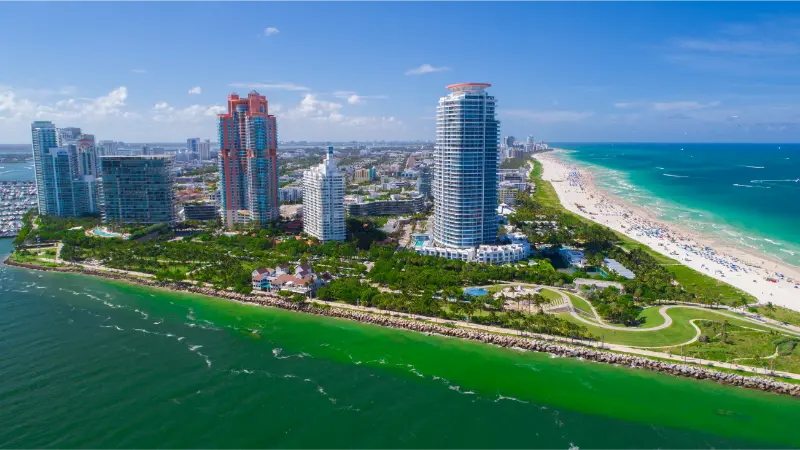
    South Beach Miami Oceanfront Hotels and Turquoise Water

    Downtown Boca Raton: restaurants and urban conveniences

    Central Boca Raton is useful for travelers who want dining, shopping, cultural venues and a well-organized home base rather than an exclusively beach-focused resort. Mizner Park is a recognizable reference point for shops and restaurants, and nearby downtown areas are suited to shorter outings. Yet Boca's hotels are scattered, and a hotel described as “Boca Raton downtown” may not put the beach or Mizner Park within a comfortable walk. In summer humidity, that distinction is significant. Map the property's entrance and street-crossing route, especially for travelers pushing strollers or using mobility aids. Downtown Boca may work for business trips extended into a vacation or a couple planning a blend of beach and city days. Check whether the chosen hotel offers self-parking and whether it has an in-house restaurant open when you expect to eat. Convenience often lies in a few reliable amenities rather than an impressive number of attractions nearby.

    Boca's coastal area: beach access is the critical detail

    Boca Raton's oceanfront includes public beach parks and stretches with a different feel from its commercial inland districts. Red Reef Park and South Beach Park are useful reference points when researching a coastal stay, though their parking, facilities and opening arrangements must be checked for the dates you visit. A lodging advertisement may say “near the ocean” when the actual safe public access requires driving or a longer walk. Do not cross private-property boundaries or use an informal dune track. For travelers keen on swimming or snorkeling, daily wave and marine conditions are more important than hotel marketing. The possibility of seeing fish does not guarantee safe conditions or clear water. Beachfront or close-to-beach lodging may save the time and cost of daily parking, especially on a family holiday, but compare the total room price and the specific route from hotel to sand before deciding.

    Inland Boca and the I-95 corridor: when a cheaper base works

    Hotels near major roads can provide larger rooms, breakfast, parking and access to shopping at a lower rate than oceanfront properties, though actual value depends on the travel dates. This can be a sensible choice when you have a car and plan to visit friends, attend sports events or explore several parts of the county. It is less attractive when the entire holiday revolves around sunrise beach walks. Factor in the cost and inconvenience of repeating a daily drive to the shore. A hotel near an interstate may also face road noise, so ask about room location and read recent reviews. For a family, a suite with a refrigerator and free parking might outweigh the beach distance; for a couple on a short weekend, proximity to downtown restaurants may be worth paying for. The right comparison is never one nightly rate against another without the transport plan attached.

    Boca or Delray: which is better without a rental car?

    Delray's central Atlantic Avenue area has an advantage for a restaurant-focused, compact stay, particularly if the accommodation sits within a realistic walk of the places you want to use. Boca can be convenient in selected downtown pockets, but its attractions, beaches and hotels are more spread out than one lively shopping corridor. Neither city should be treated as wholly car-free without reviewing the precise property and routes. Rail and local transportation help with some regional trips, but an airport connection or station-to-hotel transfer may require a separate service. Check public transport schedules for evenings and weekends rather than assuming weekday frequency. If driving is not possible, choose a base near several essential services, including groceries or breakfast. For visitors who tire easily or use a wheelchair, a short reliable route with safe crossings is more valuable than a nominally central point five blocks from everything.

    Beaches, parks and nature outings beyond the hotel

    The nearby coastline offers more than an umbrella-and-towel day. In Boca, coastal parks can pair with short wildlife observation or simply a quiet shaded break away from the sun. Around Delray, beach walks and downtown galleries make a comfortable combination when you avoid the hottest midday period. If you want a nature-focused excursion, check visitor details for the Wakodahatchee Wetlands boardwalk west of Delray or nearby public conservation areas; amenities and wildlife are not identical at every site. Birdwatching is often rewarding without requiring a long hike, which can suit multigenerational groups. Never approach alligators or feed wildlife, and remember that a wetland boardwalk may be exposed to sun. A one-day itinerary with one beach and one nature stop is usually more enjoyable than several repeated crossings between inland and coastal areas.

    Getting here from airports and nearby cities

    Boca and Delray can be reached via several South Florida airports, but none should be judged only by its place on a regional map. Palm Beach International Airport is north of both cities; Fort Lauderdale-Hollywood International Airport lies to the south. Miami International may make sense for particular flights, yet the onward transfer can be less convenient. Compare actual flight arrival time, luggage, rental-car cost and journey to the hotel. For rail travelers, establish whether the station you intend to use is served by the chosen train operator and how you will cover the final miles. The nearest major station is not necessarily within walking distance of your reservation. Anyone traveling with child seats, multiple suitcases or limited mobility should organize that last step in advance. An extra ten minutes of research before paying can prevent a long and expensive arrival evening.

    Families, couples and senior travelers have different priorities

    Families with young children may value a property with breakfast, a laundry room, a shallow or supervised pool and easy parking. A central Delray hotel can give everyone a pleasant walk to food, but rooms facing nightlife might disturb naps. Couples may prefer a small beach-adjacent property or the active restaurant scene around Atlantic Avenue. Visitors with older relatives often appreciate an elevator, accessible shower, seating in shaded public spaces and a reliable dinner option nearby. Do not rely on a vague accessibility icon when booking: ask for the bathroom configuration and the route from parking to the room. A coastal hotel can be convenient if you spend time on the sand, but a long boardwalk or beach staircase can undermine the benefit for someone with reduced mobility. Choose a schedule with pauses rather than treating every afternoon as an excursion opportunity.

    Weather and seasonal crowd patterns

    In cooler months, south Florida's outdoor dining and beach walks become particularly appealing, and rooms can be in demand during holiday and event periods. Summer brings more heat and frequent thunderstorms; that is a reason to value pools, indoor attractions and covered areas rather than simply searching for the lowest coastal rate. Hurricane season runs from June through November, and travelers should review weather advisories and booking flexibility. Atlantic beach conditions can change quickly, with strong currents even under sunny skies. Look for lifeguard information and current local warnings before entering the water. If your trip includes an outdoor festival, concert or sporting event, check the exact dates and nearby traffic arrangements. Longer stays benefit from a kitchen or laundry and space to avoid the midday heat. The season should influence your room selection as much as your sightseeing list.

    Two sample trips: a relaxing weekend or a working week

    For a weekend in Delray, spend arrival day around Atlantic Avenue, dedicate the next morning to the beach and choose a simple nature or gallery stop for the afternoon. On your final day, enjoy breakfast nearby and avoid booking an activity that risks making you late for the airport. For a week based in Boca, alternate coastal mornings with shopping, parks, a museum and time at the hotel, making longer journeys only on selected days. If a parent needs to work remotely, verify actual internet performance and a quiet workspace instead of assuming “free Wi-Fi” means reliable video calls. For older travelers, place restaurants and essential shops near the hotel before selecting optional attractions. Most vacations become easier when the accommodation supports an enjoyable ordinary day, not only the single day with the most sightseeing.

    Before booking: a straightforward comparison checklist

    Compare a Delray downtown room, a coastal property and a Boca hotel using the same dates and occupancy. Add taxes, parking, mandatory fees, breakfast, any beach-equipment charges and expected rideshare or driving costs. Identify the exact public beach access, not a vague coastline. Confirm the sleeping arrangements, stair or elevator access and whether rooms are quiet at night. Read recent photographs and guest comments carefully, looking for construction, pool closures or parking restrictions. For rentals, verify minimum-stay rules and the full cleaning charge. Save two nearby meal options and your airport transfer arrangements before departure. If a property name includes “Delray Beach” or “Boca Raton,” that is only the beginning of location research, never proof that it suits your holiday. A few concrete checks make the difference between a beautiful address and a comfortable base.

    Frequently asked questions

    Is Atlantic Avenue right on the beach?

    The avenue runs toward the coast, but it stretches a long way inland. Check the hotel address and walking route to the public ocean entrance.

    Is Delray better than Boca without a car?

    A hotel near central Atlantic Avenue can be convenient for restaurants and local outings. Both cities have dispersed attractions, so judge individual property locations and transit.

    Can I swim at any Boca Raton coastal park?

    Swimming suitability depends on posted site rules, beach flags and daily marine conditions. Choose guarded areas when possible and check official notices.

    Official sources and visitor information

  • Delray Beach Florida Travel Guide: Atlantic Avenue, Beach, Gardens, Nightlife and Where to Stay

    Delray Beach Florida Travel Guide: Atlantic Avenue, Beach, Gardens, Nightlife and Where to Stay

    Delray Beach Florida is a lively Palm Beach County beach town where a walkable dining-and-shopping corridor connects downtown energy with an easy Atlantic beach day. The easiest way to enjoy it is to decide what role it should play in the wider Florida trip. It can be a self-contained two- or three-night stop, a quieter base near a larger destination, or a practical part of a longer road trip. What usually goes wrong is trying to make one hotel location serve beaches, museums, nature, nightlife and distant day trips equally well.

    I would plan Delray Beach Florida around two priorities: where you want to spend the early morning and where you want to be after dinner. Those two choices determine whether you should stay by the beach, near the main downtown district or in a more spacious property farther out. The destination is particularly good for couples, friends, food-focused travelers, families who want a compact center, and visitors who like having nightlife without staying in a large city.

    Quick planning summary

    • Atlantic Avenue — Atlantic Avenue is the organizing line of the trip.
    • Delray Municipal Beach — The beach is straightforward and appealing, but parking and busy weekends can shape the experience.
    • Morikami Museum and Japanese Gardens — Morikami is one of the strongest cultural attractions in Palm Beach County.
    • Wakodahatchee Wetlands — The boardwalk at Wakodahatchee offers an easy wildlife experience that can appeal to children, photographers and older travelers.
    • Best stay strategy: choose the district that matches your first and last activity of the day, not the cheapest room on a map.
    • Best pacing: one major activity plus one flexible neighborhood, beach or park stop per day.
    • For families and seniors: protect a midday rest during hot weather and verify parking, shade and accessible routes before arrival.

    In this guide

    Why visit Delray Beach Florida?

    Delray Beach Florida works because it offers a clear identity without forcing every traveler into the same itinerary. A beach-first visitor can spend long mornings outdoors, while someone interested in culture can build the day around museums, local districts and dining. Families can alternate active mornings with easier afternoons, and couples can keep evenings walkable instead of driving from one isolated attraction to another.

    The destination also fits a broader Florida strategy. Rather than changing hotels every night, use it as a base and make selective day trips. This is usually more enjoyable than collecting cities. The reward comes from learning the rhythm of one place: which mornings are quiet, where parking becomes difficult, when the waterfront is comfortable and how much downtime your group actually needs.

    Where to stay in Delray Beach Florida

    The most convenient first-time base is near Atlantic Avenue, ideally close enough to walk to restaurants and either walk or take a short ride to the beach. Staying directly by the ocean favors beach-first mornings. Hotels farther west can be better value and closer to Morikami or Wakodahatchee, but a car becomes much more important.

    Before booking, compare the full stay cost rather than the nightly rate. Parking, resort or destination fees, breakfast, beach equipment, kitchen access and the need for rideshare can change the value dramatically. A slightly more expensive hotel in the right district can be cheaper than a low room rate that requires two paid car trips every day.

    Families should also check room layout, not just occupancy. A sofa bed that technically sleeps two children may be fine for one night but uncomfortable for a week. For senior travelers, elevator reliability, walk-in showers, short routes to the lobby and shade around the property can matter more than a rooftop pool.

    Best things to do in Delray Beach Florida

    Atlantic Avenue

    Atlantic Avenue is the organizing line of the trip. Shops, restaurants, galleries and nightlife stretch from downtown toward the ocean, so it works both for daytime wandering and an evening meal. Staying nearby reduces the need to drive after dinner.

    Florida Atlantic Beach with White Sand and Palms

    Delray Municipal Beach

    The beach is straightforward and appealing, but parking and busy weekends can shape the experience. Arrive earlier than you think you need to, especially in good winter weather, and keep beach gear simple if your hotel is not directly on the sand.

    Morikami Museum and Japanese Gardens

    Morikami is one of the strongest cultural attractions in Palm Beach County. It is inland from downtown, so I would give it a dedicated half-day and combine it with lunch rather than squeezing it between a beach morning and dinner reservation.

    Wakodahatchee Wetlands

    The boardwalk at Wakodahatchee offers an easy wildlife experience that can appeal to children, photographers and older travelers. Early or cooler hours are usually more comfortable. Wildlife is wild, so sightings vary and distance matters.

    Pineapple Grove, Old School Square and local arts

    The arts district and central cultural spaces make Delray more than a beach stop. Murals, galleries and events can fill the gap between beach hours and dinner, and they give rainy or cloudy days a better backup than simply driving to a mall.

    Beaches, parks and outdoor time

    Beach time is the obvious outdoor draw, but the inland wetlands are equally worthwhile. Use mornings for the beach or wildlife and save Atlantic Avenue for late afternoon and evening. That rhythm also helps with summer heat and makes it easier to split the day for children or seniors who need a hotel break.

    Florida outdoor days are easiest when you schedule by temperature rather than by a rigid list. Put the longest walk, beach session, bike ride or wildlife activity early. Use lunch, a museum or the hotel for the hottest part of the day, then return outside later. In summer, thunderstorms can be brief but intense; in winter, a windy cold front can make an exposed beach far less comfortable than the air temperature suggests.

    Whenever swimming is part of the plan, check local flags, lifeguard coverage and current conditions. Never assume a calm-looking ocean or Gulf is risk-free, and do not build a family beach day around a tiny access point if you know you need toilets, shade and an accessible path.

    Getting there and around

    Delray is compact near Atlantic Avenue but spread out once you add Morikami and wetland areas. A car or rideshare is useful for those inland attractions. South Florida rail can help with the broader region, but do not assume the station will place you directly in the walkable beach district.

    For a rental car, include parking and tolls in the budget before pickup. For a car-free or partly car-free stay, check whether the hotel is truly within comfortable walking distance of restaurants and the activities you care about. Florida heat turns a pleasant-looking one-mile map walk into a very different experience at midday.

    Florida House with Garden and Palm Trees

    Airport choice should be based on total transfer time and flight convenience, not only distance. A nonstop flight to a slightly farther airport can be easier than a connection that saves twenty minutes on the ground. If your trip combines several Florida regions, consider collecting or returning the rental car only for the road-trip segment.

    Best time to visit

    For most travelers, the cooler and drier part of the year offers the easiest outdoor conditions, but it also brings stronger seasonal demand in many Florida destinations. Spring can balance warm weather with fewer winter visitors, while summer offers long daylight and family travel availability at the cost of heat, humidity and frequent thunderstorms. Fall can be quieter, but tropical weather planning matters.

    Do not choose a month only from average temperature. Think about the activities that define your trip. Beach swimming, wildlife viewing, outdoor festivals, theme parks and restaurant-focused weekends all have different ideal conditions. Check event calendars and local school-holiday patterns before paying a non-refundable rate.

    Families, teens, seniors and accessibility

    Family tipFor families with babies or toddlers, reduce the number of transitions. One beach, one lunch area and one easy afternoon stop is enough for a good day. Teenagers usually enjoy having one activity with independence or adrenaline—surfing, cycling, shopping, paddling or an evening district—rather than being moved through adult sightseeing all day.

    Senior travelers often benefit from the same strategy: shorter walks, earlier starts, reliable seating and a hotel near dinner. If mobility is limited, verify accessible parking, ramps, beach mats, wheelchairs or boarding assistance directly with the responsible attraction or local authority. “Accessible” can mean very different things depending on whether the challenge is a museum floor, soft sand or a small boat.

    Multigenerational groups do not need to remain together every hour. Plan one shared anchor each day, then allow a split. Grandparents can return to the hotel while teenagers stay at the beach; one adult can take children to a playground while another visits a museum. Regrouping for dinner is often more successful than forcing everyone to follow the most demanding itinerary.

    A practical 3-day Delray Beach Florida itinerary

    Day 1: understand the center

    Check in, explore the primary downtown or visitor district and keep the first evening easy. Choose a walkable dinner and one short attraction or waterfront stop. Arrival days are the wrong time to schedule a prepaid activity that becomes stressful if the flight, rental car or traffic is late.

    Day 2: the signature experience

    Use the morning for the destination’s main outdoor or cultural priority, then take a real break at lunch. In the afternoon, choose one secondary attraction from the list above rather than trying to complete all of them. Finish in the district you most want to experience after dark.

    Day 3: nature or a selective day trip

    Use the final full day for nature, a neighboring community or a second beach. If the weather is poor, swap in a museum, shopping district or indoor family attraction. Keep the last evening simple so packing and departure do not turn a good trip into a rushed finish.

    Food and evening planning

    Atlantic Avenue is where dining becomes part of the experience. Reservations help on busy weekends, but keep at least one meal unplanned so you can respond to weather and energy levels. Families often do better with an early dinner before the evening crowd builds.

    Florida dining times can become competitive in winter and on event weekends. Reserve only the meals that really matter; too many fixed reservations can make a beach or wildlife day feel rushed. For breakfast, a hotel room with a refrigerator or small kitchen can save both money and time, especially for families.

    Budget and booking strategy

    The biggest costs are usually lodging, transport and the activities that require a ticket or boat. Build the budget in that order. Free beaches and parks do not always mean a free day once parking, rentals and food are included. Conversely, a paid attraction with included parking and several hours of entertainment can be good value for a family.

    I would compare at least three lodging scenarios: the convenient central hotel, a beach or resort property, and a larger room or rental farther out. Add parking and local transport to each. For a short stay, location often wins. For a week with children, kitchen and laundry access can justify a little more driving.

    Keep cancellation terms visible in your planning notes. Florida weather can change, and boat tours, outdoor attractions and beach days are more enjoyable when one weather delay does not threaten the value of the whole trip.

    Day trips and how to combine the region

    Boca Raton is close enough for Mizner Park or Gumbo Limbo, while West Palm Beach adds larger museums and cultural venues. If you are heading south, Fort Lauderdale is a logical next overnight. Delray works best as a two- or three-night base rather than a quick photo stop between cities.

    Florida White Stucco Historic House and Palm Trees

    A useful rule is to avoid more than one substantial drive on consecutive days. If you take a long day trip, make the following morning local. Florida roads can be easy when traffic is light and exhausting when weather, crashes or weekend beach traffic intervene. A slower plan usually produces more usable vacation time.

    Common mistakes to avoid

    • Booking the cheapest hotel without checking the real driving pattern of the trip.
    • Scheduling beach, museum, wildlife and nightlife priorities into the same day.
    • Ignoring parking costs or assuming every beach access has the same facilities.
    • Planning long outdoor activities at midday in the hottest months.
    • Using drive-time estimates that do not include event, bridge, theme-park or beach traffic.
    • Forgetting that a good multigenerational itinerary needs rest, shade and easy meal options.
    • Treating a weather-sensitive activity as guaranteed instead of keeping a flexible backup.

    Official resources

    Hours, parking systems, admission prices, beach rules, event schedules and construction can change. When a particular attraction or service is essential to your trip, confirm it on the official source shortly before travel.

    Frequently asked questions

    How many days do you need in Delray Beach Florida?

    Two full days is enough for a focused first visit, while three nights gives you room for a beach or nature day, the main cultural district and one nearby excursion without rushing. Longer stays make sense if the accommodation itself—such as a beach resort or vacation home—is part of the vacation.

    Do you need a car in Delray Beach Florida?

    That depends on the neighborhood. A central stay can reduce driving for meals and evening walks, but a car is usually helpful once you add beaches, nature preserves, family attractions or day trips. Check the actual address before deciding.

    Is Delray Beach Florida good for families?

    Yes, especially when you build the day around short activity blocks and a midday rest. The strongest family trips mix one destination-specific attraction with beach, park or pool time rather than trying to entertain children continuously.

    Is Delray Beach Florida suitable for senior travelers?

    Usually yes. Choose lodging close to dinner, check walking surfaces and parking, and use the cooler morning for outdoor sightseeing. Call ahead when wheelchair, scooter or accessible beach equipment is essential.

    What is the biggest planning mistake?

    Trying to use Delray Beach Florida as both a relaxed vacation base and a launch point for a long drive every day. Pick a few regional excursions and protect enough local time to enjoy the destination you actually booked.

    Final advice

    Delray Beach Florida is most rewarding when you let its strongest experiences set the pace. Choose the right neighborhood, protect the morning for what matters most, leave room for Florida weather and build the trip around the people traveling with you. A thoughtful two- or three-day stay will usually feel richer than a longer checklist with too much driving.