
Florida’s Atlantic coast feels very different when you stop trying to see every major city. Between St. Augustine, Flagler Beach and New Smyrna Beach, you can create a six-day road trip built around historic streets, coastal parks, casual meals and beach mornings. The route is short enough to avoid constant hotel changes, yet varied enough to give each day its own character. It suits couples, families with school-age children and older travelers who prefer comfortable stops to marathon driving.
The idea is simple: start in St. Augustine for history, follow sections of the coastal highway south, slow down near Flagler Beach, then finish around New Smyrna Beach. You won’t be racing toward Miami or attempting to visit Orlando theme parks between beach stops. The interest lies in the details: maritime history, protected dunes, birds near an inlet and the different rhythms of small Atlantic towns.
Two lodging bases are enough for six days
Book the first three nights in or near St. Augustine, then move to the New Smyrna Beach area for the final three. This arrangement limits packing while making the most of the route. Families who dislike hotel changes could stay in one central area, but that creates more repeated driving, particularly if you want several short outings at opposite ends of the corridor.
Historic St. Augustine accommodation may put you close to major sights but introduce parking charges, older-building stairs and noise on busy evenings. A property slightly outside the old town may offer easier car access. New Smyrna Beach has hotels and rentals with very different locations: some are close to the beach, some near downtown and others in quieter areas requiring a car for each meal. Check exact addresses, not just the town name.
For older guests, ask about elevators, shower access and distance from parking. For families, a kitchenette can simplify breakfasts. Review the total costs, especially parking, resort fees and cleaning charges, before choosing a rental on the strength of a low headline price.
Day one: arrive in St. Augustine and focus on its streets
Use the first afternoon for a short walk through the historic district. Look at the old street pattern, pause outside notable buildings and find a café that suits your group. St. Augustine has many attractions, but the first day works better without a timed ticket. If you’re arriving after a flight, an unhurried dinner provides a more comfortable start than racing to fit in one last museum.
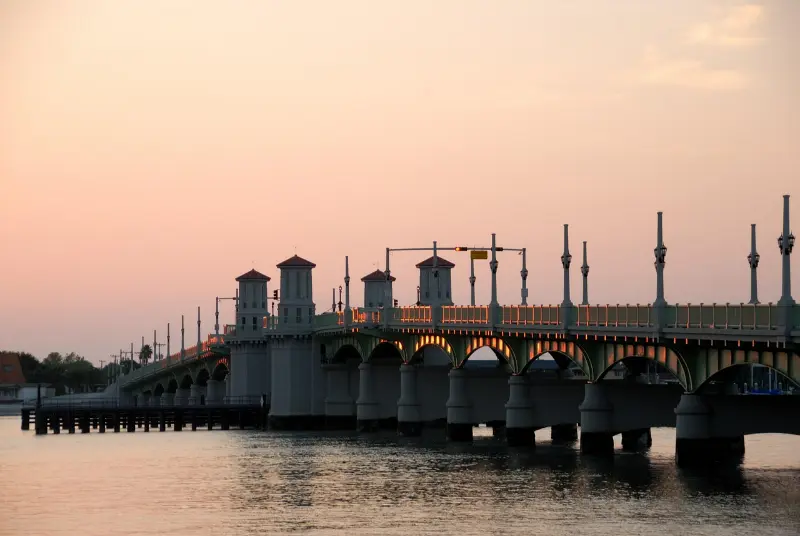
The historic core includes uneven surfaces and narrow areas that can be difficult for some wheelchairs or strollers. Choose the route by actual comfort rather than attempting to cover every photogenic lane. A family member can stop in a shaded place while others browse a nearby shop. If your group is interested in the city’s complicated history, begin with a few questions about the Spanish colonial period, Indigenous communities and how the town changed over centuries.
Evenings can be lively. If you prefer quiet rooms, don’t assume an accommodation in the heart of the district will offer complete silence. Ask about the room’s location and nearby activities before booking.
Day two: a thoughtful visit to Castillo de San Marcos
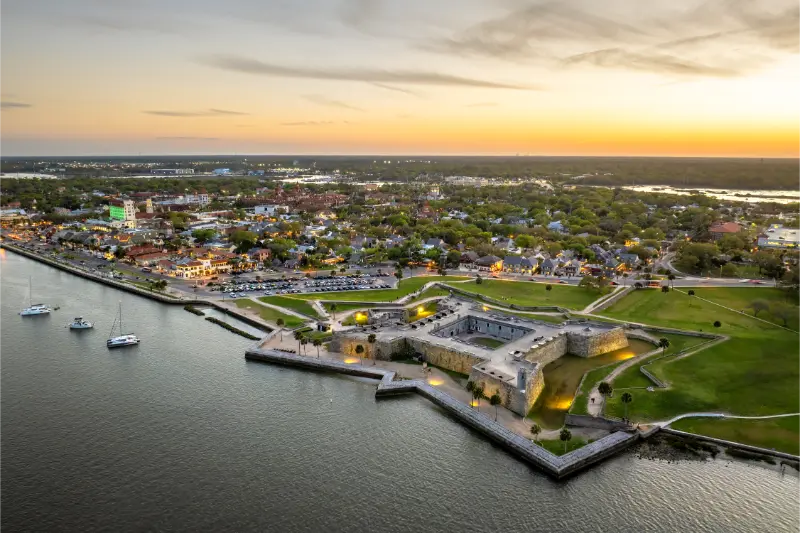
Castillo de San Marcos National Monument is an excellent place to understand why this coast mattered to colonial powers. The fort’s thick walls, defensive design and waterfront position invite questions that interest adults and children alike. Check operating hours, entry arrangements and any ranger programs on the National Park Service website. The monument is a historic structure, so access to different levels may not be equally easy.
Before the visit, explain that forts were built in a period of conflict and that their stories involve soldiers, civilians, enslaved people and Indigenous communities, not just dramatic battles. Encourage children to ask what life inside the fort might have been like and why controlling a harbor mattered. A guided interpretive talk can make the visit more meaningful than moving quickly between rooms for photographs.
Follow this with lunch and a relaxed afternoon. Do not schedule another major attraction across town unless everyone is enthusiastic and the heat is manageable. A short waterfront look and time to rest are enough for day two.
Day three: coastal scenery and a slower afternoon
Use the third day to enjoy the shore near St. Augustine rather than adding another long historic site. Anastasia Island offers beaches and natural areas, including Anastasia State Park, whose current park page is the correct source for access and conditions. Choose a designated public route and remain outside protected dune areas. A beach day can mean an hour of looking for birds, a picnic and a quiet return to town; it need not require swimming.
If swimming appeals to your group, check flags and surf conditions. Atlantic waves and rip currents can be serious, and being a confident pool swimmer does not make a person immune. Active supervision is essential for children. If someone has limited mobility, investigate the specific access point instead of assuming a public beach will have an accessible route across soft sand.
For an indoor alternative, choose a St. Augustine museum or historic venue that genuinely interests the family. A rainy day can still feel well spent if you avoid crossing the city repeatedly in traffic.
Day four: drive south with a Flagler Beach stop
Check out after breakfast and head south toward Flagler Beach using the most appropriate coastal route for the day’s conditions. A1A offers attractive stretches, but roadworks, storm repairs and traffic patterns can change travel times. Make the drive part of the day rather than a race. Choose one public stop in Flagler Beach and explore the local atmosphere, perhaps around a downtown café or beach viewpoint.
The town’s character differs from a high-rise resort destination. That’s part of its appeal. Enjoy a short walk, take a break for lunch and leave time to notice the coast. Do not assume every access point has ample parking or that all features of the historic pier are open; repair work can change access, and the city is the appropriate authority for updates.
For curious children, talk about how coastal communities respond to storms and why dunes matter. For adults, the stop can simply be a peaceful pause between two lodging bases. After lunch, continue to New Smyrna Beach, check in and spend the evening close to the hotel.
Day five: New Smyrna Beach at your own pace
New Smyrna Beach allows an enjoyable combination of coastal scenery, art and local businesses. Start in the morning with a beach or inlet-area viewpoint suited to your group’s interests, then plan a downtown visit or lunch. Some nearby state recreation areas protect coastal habitats and provide scenic outlooks, but access rules, hours and parking can vary; check official park information rather than driving to a random point shown on a map.
If your children enjoy ocean science, bring an inexpensive wildlife identification booklet or make a list of questions about dune plants, seabirds and tidal changes. Teenagers may prefer a supervised beach activity or free time to photograph the town. Older adults might choose a shorter outing followed by a long lunch. There is no obligation to remain together every minute; the family can separate for an hour and meet at an agreed safe location.
Be especially careful around inlets and fishing structures. Current and boat traffic can be dangerous, and attractive photographs are not a reason to cross barriers or enter restricted zones. The Florida State Parks safety guidance is useful background for a coastal day.
Day six: finish with a relaxed breakfast and one small choice
A holiday often feels shorter when the final morning becomes a struggle to fit in one more must-see attraction. Enjoy breakfast and choose between a brief local walk and a comfortable departure. If you’re flying from Orlando or another airport, allow for the drive, fuel, car return and security. Road conditions can change; check the actual route before setting out.
If you have a late departure, choose a nearby art space, safe public waterfront or lunch stop. Avoid a remote beach or a ticketed attraction that could keep you away from the car longer than expected. Families should check chargers, beach toys, medication and wet swimsuits before leaving. A calm ending is worth more than a final photograph taken in a hurry.
Travelers continuing farther south can extend their trip along the coast in a separate itinerary. This six-day plan is deliberately complete without adding Daytona Beach, the Space Coast or the Palm Beaches.
What makes this route good for different ages?
You can adjust the emphasis without changing the overnight stops. For younger children, focus on short beach visits, a fort story told at their level and plenty of rest. For teenagers, give them a role in choosing an art stop, restaurant or activity. For couples, longer historic walks and quiet coastal meals may be the highlights. Older travelers often value predictable parking, benches and a route that can be shortened at any point.
Be honest about mobility differences. A tour described as “easy walking” may still cross cobblestones, sandy approaches or uneven historic surfaces. Ask museums and parks about accessible entrances and the location of seating. If you are bringing a stroller, try a route with paved portions and carry only what is necessary for the outing. Don’t expect a wheel-based device to work well on loose sand without appropriate adaptations.
Allow different interests to coexist. One person may want to visit another historic exhibit while another is content watching the Atlantic from a shaded bench. The best travel day is the one in which everyone feels included without being forced into the same pace.
Timing, storms and local road conditions
Spring and fall can be comfortable for a coastal road trip, though weather remains variable. Summer brings humid conditions and afternoon thunderstorms. Winter may be excellent for historic sightseeing and outdoor meals, but ocean swimming may not appeal to everyone. School holidays and local events can make parking and accommodations busier than expected.
Florida’s Atlantic hurricane season runs from June through November. Follow the National Hurricane Center and local public safety instructions during any tropical threat. Barrier islands and coastal highways are particularly sensitive to severe storms and erosion. Even after skies clear, access may be limited by damage or repairs. Choose refundable arrangements when the risk or your flexibility calls for them.
Fuel up before starting a longer drive and keep the itinerary on a phone that works offline. A1A is scenic in sections but is not always the fastest route. If someone needs a restroom stop or becomes tired, take a break in an established public place rather than stopping unsafely along a narrow road.
A quick budget and route planner
| Day | Overnight | Main visit |
|---|---|---|
| 1 | St. Augustine | Historic district and easy dinner |
| 2 | St. Augustine | Castillo de San Marcos |
| 3 | St. Augustine | Anastasia Island or indoor history |
| 4 | New Smyrna Beach | Flagler Beach coastal stop |
| 5 | New Smyrna Beach | Beach, local art and relaxed lunch |
| 6 | Departure | Short favorite stop or straight home |
Budget for two sets of lodging charges, parking in historic and beach areas, state or national park admissions and meals. Because many memorable activities are public walks, the route need not be expensive. However, beachfront lodging and holiday weekends can raise prices considerably. Compare complete room costs and read cancellation rules before booking.
A trip along this part of A1A is most rewarding when you choose to notice rather than rush. The historic stones of St. Augustine, a low-key afternoon in Flagler Beach and the ordinary sounds of a seaside morning create a satisfying Florida vacation without requiring a single theme park ticket.
Frequently asked questions
Is A1A the quickest way to drive between these towns?
Not always. It is often chosen for scenery rather than speed. Check current roadworks and compare with inland alternatives on your travel day.
Can we travel without changing hotels?
Yes, but you will spend more time repeating the north–south drive. Two lodging bases usually make this six-day itinerary more comfortable.
Is the trip appropriate for someone who cannot swim?
Yes. Historic sites, coastal viewpoints, local dining and wildlife watching are worthwhile without swimming. Confirm exact access conditions for each stop.