Category: Florida Aquariums

Marine life attractions and aquarium visiting guides in Florida

  • Key West Aquarium: Sea Turtles, Touch-Tank Talks and Mallory Square Visiting Tips

    Key West Aquarium: Sea Turtles, Touch-Tank Talks and Mallory Square Visiting Tips

    Key West is famous for colorful streets, sunset crowds and a sense of the sea all around you. The Key West Aquarium, close to Mallory Square, offers a chance to look beneath that surface without booking a boat trip. It is a relatively compact attraction focused on marine animals, interpretation and scheduled keeper presentations. The most rewarding visit is not simply a walk past tanks: it is an opportunity to listen to stories about local habitats, rescued sea turtles, sharks, rays and the practical work of protecting the waters surrounding the Florida Keys.

    What kind of aquarium is it?

    This is not a huge, full-day aquarium with endless corridors of exhibits. Its appeal is proximity to the harbor, an intimate scale and talks that bring the marine animals into focus. Exhibits connect visitors to species found around the Keys and the wider Atlantic and Gulf environments. The layout suits travelers who want an educational stop between Old Town attractions and families who may not want to commit most of the day to an indoor institution.

    Expect a live-animal facility with operating priorities that can change. Animal welfare, veterinary care and maintenance may affect which exhibit is available at a given moment. Rather than judging the aquarium by the quantity of species you see, listen to the staff and notice how local conservation questions are explained. A small museum can provide memorable learning when visitors engage with a knowledgeable interpreter rather than race through in fifteen minutes.

    Location, hours and practical arrival

    The aquarium sits in the Mallory Square area of Downtown Key West, easily integrated into an Old Town walk. Its official visitor page checked in October 2026 lists opening every day 9 a.m. to 6 p.m., with the last entrance at 5:30 p.m. Special engagements can cause earlier closing, so check the current page before planning a late-afternoon visit. If you are arriving by cruise ship, confirm your onboard return time separately; aquarium admission does not extend ship boarding deadlines.

    Parking in central Key West can cost more time and money than visitors expect. When staying in Old Town, walking may be the simplest option. Visitors lodging farther away can compare public transportation, hotel shuttles and legal parking locations. Avoid assuming that a waterfront museum has a dedicated free lot. On very hot days, account for the walk before and after the attraction: the total effort may be greater than the time spent inside the exhibits.

    Make the most of the guided presentations

    According to the aquarium’s current information, admission includes short scheduled presentations, often approximately fifteen to twenty minutes. The published topics include sea turtle conservation, rays and sharks, invasive species and a supervised touch-tank talk. A presentation timetable allows you to move between educational experiences without spending all your time waiting at one enclosure. Choose two talks that matter to your group and build the visit around them.

    The daily schedule may shift because of animal needs, special events or operational changes. Check it when you arrive rather than using a screenshot from weeks earlier. If an animal does not appear or feeding is delayed, treat this as a normal welfare decision. Staff explanations can make these changes educational in themselves. For children, one carefully chosen talk followed by questions can be more valuable than attending every scheduled event while tired.

    The rescued sea turtles and the conservation message

    Sea turtles are among the Keys’ most compelling marine animals, and the aquarium’s scheduled conservation presentations give visitors a reason to think beyond photographs. Ask what factors bring injured turtles into human care and how fisheries interactions, pollution and boat strikes affect wild populations. If a particular rescued turtle’s story is presented, listen closely rather than applying the same story to every animal. Individual animals have different histories and needs.

    The practical takeaway matters after you leave the aquarium. In the wild, do not approach resting turtles, follow a turtle on the beach or use flash photography around nesting sites. Keep plastic and fishing line out of the water, and never attempt a rescue without contacting the appropriate wildlife authorities. The aquarium visit should deepen your appreciation for wild turtles, not create the expectation that protected animals can be touched during a snorkeling trip.

    Rays, sharks and animals visitors misunderstand

    Sharks and rays are often reduced to dramatic headlines. A good aquarium presentation helps explain the sensory adaptations and ecological roles of these fish. Instead of asking only whether an animal is dangerous, ask how it finds food, avoids predators and responds to its surroundings. Young visitors can compare body shapes and movement. Older students may be interested in how fishing pressure or habitat loss affects species differently.

    The aquarium’s rays-and-sharks interpretation also offers a chance to explain basic coastal safety. Wild rays resting in shallow sandy water should not be approached or handled. Aquarium behavior does not translate directly to open-water encounters. Likewise, seeing a shark behind glass does not justify trying to attract one on a reef tour. The lesson is responsible observation and respect for wildlife in its own habitat.

    The touch tank: observation comes first

    The supervised touch-tank presentation can be exciting for children who learn best with tactile experiences. Official program information mentions local invertebrates such as sea stars, sea urchins and horseshoe crabs. The key word is supervised: interaction should occur only when an educator invites it and explains how to avoid harming an animal. Wash or sanitize hands according to staff instructions, and never lift an animal without permission.

    Key West Florida Wooden Pier over Turquoise Water

    If your child is hesitant, watching is a complete and valid form of participation. No one needs to touch an animal to learn from it. Encourage children to describe how a creature moves or protects itself and to ask why some animals can be touched under supervision while wild animals should be left undisturbed. For guests with sensory differences, ask about crowd size and whether it is easier to observe from the side rather than join the busiest moment.

    Is the aquarium worth visiting with children of different ages?

    For toddlers, the compact size can be helpful, but the visit still requires close supervision around tanks and entrances. A toddler may be fascinated by moving fish yet unable to follow a long spoken explanation. Keep expectations modest and use one or two exhibits as the core experience. School-age children can enjoy a conservation talk, an observation challenge and a carefully supervised interactive session. Teenagers may find more value in discussions of invasives, rescue and reef ecology than in simply taking photographs.

    Grandparents may appreciate the manageable scale and central location, especially when traveling with grandchildren. However, ask the attraction directly about accessibility for the exact route, rest areas and any steps that may affect mobility. A small museum is not automatically fully step-free. Build the overall afternoon to avoid standing in long waterfront crowds immediately afterward, particularly during hot weather or busy cruise-ship periods.

    Cruisers and short-stay Key West visitors

    For cruise passengers, the aquarium’s location is attractive because it is near other Old Town stops. Yet the number of people arriving from several ships can affect walkways and ticket queues. Confirm your port schedule and return buffer; the ship’s all-aboard time is more important than any museum opening time. Consider visiting the aquarium early before the midday walking heat becomes intense, then explore nearby streets at a relaxed pace.

    Travelers staying overnight have more flexibility. You can visit the aquarium in the morning, enjoy lunch in Old Town and leave the sunset hours free for the waterfront. Do not force the aquarium and every famous Key West attraction into one short afternoon. A balance of learning, shade, a meal and unhurried walking is usually more enjoyable for a group spanning several ages.

    Florida Keys Key West Coastal Neighborhood and Sea Aerial

    Photo etiquette and animal welfare

    Fish tanks can be difficult to photograph because of glass reflections, moving animals and changing light. Turn off flash when required, avoid pressing devices against exhibit surfaces and never block a doorway for a long photo session. Bright screen lights or tapping on glass can disturb both animals and fellow visitors. The most memorable photograph may be the building’s historic waterfront setting rather than a blurred animal image through a pane.

    Respect staff requests about feeding schedules, exhibit closures or interaction limits. Do not assume a conservation presentation is a staged petting experience. Animal welfare must take priority over visitor entertainment. If you learn one new fact about invasive species, sea turtle rescue or the local food web, the visit has accomplished something valuable regardless of how many pictures you take home.

    Quick decision table

    Question Planning answer
    Main interest Local marine life and interpreter-led presentations
    Location Mallory Square, Downtown Key West
    Published hours 9 a.m.–6 p.m.; last entrance 5:30 p.m.
    Best visit length Around one to two hours, allowing for talks
    Young children Focus on animal observation and one supervised talk
    Cruise passengers Build in extra time for ship return and crowds
    Special programs Confirm the live timetable when you arrive

    Frequently asked questions

    How long do you need at the Key West Aquarium?

    Plan roughly one to two hours if you want to listen to presentations. Visitors who only walk through the exhibits may spend less time, but will miss much of the educational value.

    Are keeper presentations included in regular admission?

    The official visitor page currently lists several scheduled presentations as included. Confirm the timetable and any special-event changes on the day of your visit.

    Can children touch the animals?

    Some supervised touch-tank interactions may be offered. Visitors should follow staff instructions and should never try to touch or lift animals independently.

    Is the aquarium near Mallory Square?

    Yes. It is in the downtown waterfront area, convenient for an Old Town walking itinerary and many cruise visitors. Transport and parking still require planning.

    Is it suitable for rainy weather?

    It may be a useful short attraction when outdoor plans change, but it is not a guarantee of protection from severe weather. Follow any early-closing notices and do not walk through lightning conditions.

    Official resources and final advice

    Use the Key West Aquarium visitor information and daily presentations schedule to check current details. Think of the aquarium as an introduction to the living waters around Key West: leave time for a staff talk, ask a question about conservation and carry those lessons into any future beach, snorkel or boating trip.
  • The Florida Aquarium Tampa Guide: Exhibits, Accessibility and Tickets

    The Florida Aquarium Tampa Guide: Exhibits, Accessibility and Tickets

    If you are planning a Florida vacation and deciding whether The Florida Aquarium belongs in your itinerary, this guide focuses on the decisions that actually change your visit: what is worth doing, who will feel comfortable, what to book, and when to reconsider. It is written for independent travelers and families of different ages, including guests who need a more relaxed pace. It does not claim a personal visit or invent first-hand experiences.

    Explore this guide

    The practical starting point is simple: October 2026 planning note: the aquarium reports that its splash pad and playground are closed during expansion work; do not advertise them as available amenities. This matters because a frequently photographed attraction can change hours, access or activities between the time you read an article and the date you arrive.

    At a glance

    • Location: 701 Channelside Drive, Tampa, Florida 33602
    • Best for: families wanting an engaging non-beach attraction, adults interested in ocean conservation, and visitors seeking an indoor-leaning outing in central Tampa
    • Key experiences: Heart of the Sea, Wetlands of Florida, aquatic habitats and the aquarium’s conservation themes
    • Travel style: aquarium

    Main attractions and experiences

    Heart of the Sea: learning to look carefully

    The aquarium describes its Heart of the Sea habitat as a colorful Indo-Pacific environment housing species such as Napoleon wrasse, groupers and a loggerhead sea turtle. Rather than dashing past the tank, visitors can pick one species and watch its movement for several minutes. This can be a rewarding activity for children and adults, and helps distinguish an aquarium visit from a quick series of photographs.

    Wetlands and the Florida connection

    For visitors planning trips to the Everglades or natural springs, wetlands interpretation helps explain why rivers, coasts and estuaries are linked. Discuss how fresh and salt water shape animal habitats and why preserving vegetation is not merely about scenery. A child can connect animals seen here with responsibly observing wildlife outside, without expecting that every species can be found on a typical tourist outing.

    SeaTREK and other ticketed extras

    The aquarium advertises SeaTREK as an optional underwater walking experience in Heart of the Sea, with an age threshold and special eligibility rules. It should be considered separately from basic aquarium admission. Check availability, health requirements and the exact inclusions before booking. Guests who do not want an immersive activity still have the galleries and exhibits that form the basis of a satisfying day.

    A changing aquarium: check closures and new habitats

    The venue has a Sea Change expansion program, and its FAQ notes the former splash pad and playground have closed while new habitats are developed. That is important for parents arriving with swimwear expecting a water-play afternoon. Use the current exhibit map and announcements instead of assuming a photo from an older family blog still reflects the visitor experience.

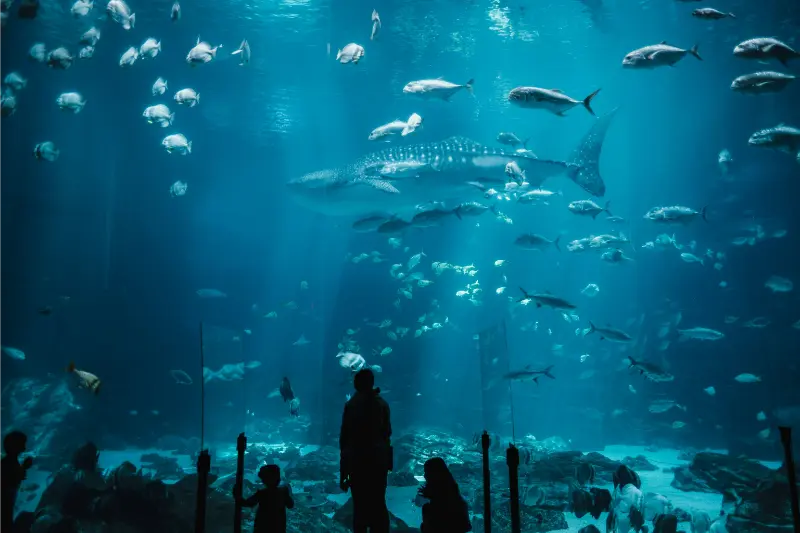
    School of Fish at Florida Aquarium

    Conservation stories that work across generations

    Older travelers may enjoy the calmer pace of looking into a habitat and reading interpretive displays, while children often respond to a single memorable sea creature. Make space for both. Avoid turning the visit into a speed-run through every gallery. The most useful family conversations can emerge from questions about rescued wildlife, healthy oceans and the everyday actions that affect Tampa Bay.

    Planning your visit step by step

    Who will most enjoy this attraction?

    The Florida Aquarium is A major aquarium in downtown Tampa’s Channelside district, with immersive aquatic habitats, conservation interpretation and visiting arrangements that suit a broad range of ages. It is particularly suited to families wanting an engaging non-beach attraction, adults interested in ocean conservation, and visitors seeking an indoor-leaning outing in central Tampa. That description does not mean every member of a party will enjoy every attraction or exhibit. Ask what each traveler wants from the day before booking: energetic rides, calm water, observing animals, a young child's first park or a comfortable indoor break. If your group contains different ages or mobility needs, agreement on two shared highlights usually matters more than an ambitious checklist.

    The experiences worth prioritizing

    The main attractions to research are Heart of the Sea, Wetlands of Florida, aquatic habitats and the aquarium’s conservation themes. The details below explain what makes them different, including the reasons some visitors might choose to skip them. Attraction names, line-up and operating availability can change; check the operator's current map and notices before promising an exact program. Pick two priorities and one backup. This avoids spending the morning walking between distant highlights whenever queues or weather disrupt the plan.

    A realistic route through the day

    Arrive with a simple route through the major habitats and check the day’s schedule for any presentations. Spend time at one prominent tank while the group is fresh; take a break before moving into the next gallery. If anyone has purchased a separate experience, anchor the visit around its check-in time. Leave some flexibility for a favorite exhibit or a relaxed waterfront meal afterward.

    Tickets, reservations and the real budget

    Compare the base entry ticket with any experiences sold separately. Advance-purchase prices and timed entry conditions can change. Families who primarily want indoor wildlife exhibits may not need extras. Factor parking in the Channelside area, food and possible additional entertainment on the waterfront into the actual budget.

    Accessibility and sensory considerations

    The aquarium states that exhibit spaces have wheelchair-accessible routes and elevator access to upper levels, and it publishes information about limited rentals and sensory services. Certain mobility equipment may be first-come, first-served. Guests with hearing or visual needs should contact visitor services about accommodations before arrival rather than relying on generic accessibility labels.

    Getting there and staying in a practical location

    Located at 701 Channelside Drive, the aquarium sits in Tampa’s urban waterfront area rather than at ZooTampa. Check the current parking location and whether street events may affect traffic. Walkable surrounding destinations can be convenient, but weather and mobility needs should determine how much more walking is realistic.

    Visiting with children, teenagers and grandparents

    Small children can enjoy observing colorful fish even when they do not have the attention span for every exhibit. A short scavenger hunt—one turtle, one unusual fin, one animal from Florida—can turn the visit into shared discovery. Families with babies should identify elevator routes and changing facilities before beginning; older adults may prefer scheduled seated breaks.

    Meals, hydration and optional upgrades

    Plan a snack or lunch near an appropriate stopping point rather than eating in a rush because a child is tired. Verify any dining offerings and outside-food restrictions. Guests with serious allergies should confirm information with food-service employees; a visitor-facing menu may not describe shared preparation environments.

    Weather, seasonal patterns and timing

    This venue can be particularly useful when Florida heat or rain makes an all-outdoor attraction uncomfortable. Severe weather can still affect city transport and parking, however, so check local alerts. Opening hours and exhibit access may be adjusted for events or expansion work.

    Should you choose a different Florida attraction?

    The Florida Aquarium is the better pick for marine habitats and an easier downtown Tampa pairing; ZooTampa offers a broader zoological experience with larger outdoor grounds and manatee rescue connections. For travelers spending the whole vacation in Orlando, the aquarium also requires a substantial intercity journey.

    Tampa Florida Downtown Skyline from Waterfront

    What to do afterward?

    Combine an aquarium visit with a measured walk along the Channel District or Tampa Riverwalk only if timing and weather make sense.

    Further practical advice for this type of attraction

    Why an aquarium works on a mixed-weather day

    Indoor galleries make a useful alternative to hours in Florida sun, especially for young children, older adults and visitors traveling during thunderstorms. Nevertheless, entrances, parking and surrounding urban walks remain affected by extreme weather. Check admission times and any exhibit closures before setting out. A deliberate, unhurried visit can be better than adding a second attraction in an attempt to fill a full day.

    Learning with children without rushing

    Instead of asking a child to memorize species, invite them to look for a single surprising shape, color or behavior. Compare how a ray glides with how a fish turns; notice the work of a turtle's flippers. Let a child return to one captivating tank rather than dragging them past every exhibit. For sensory-sensitive visitors, set a quiet meeting place and acknowledge that dark galleries and reflections can feel disorienting.

    Considering accessibility beyond the entry doors

    Wheelchair accessibility is more than reaching the entrance. Check lifts between galleries, suitable restrooms, exhibit viewing heights, stroller rules, sensory accommodations and the distance from parking. Limited rental equipment may be first-come, first-served. For guests with severe mobility limitations, speak directly with visitor services about the routes and experiences you intend to use, especially any separately ticketed in-water activity.

    Marine conservation as part of a Florida itinerary

    An aquarium can help explain the ecological link between inland water, Tampa Bay, seagrass and the Gulf. Connect one exhibit to a broader travel choice, such as wildlife-safe boating, respecting turtle nesting areas, reducing litter or avoiding touching marine animals in the wild. A brief practical discussion is more useful than claiming that visiting an exhibit guarantees a close encounter with a wild animal on a later beach day.

    Questions to ask before booking

    Is the Florida Aquarium near ZooTampa?

    They are separate venues in different parts of Tampa. Plan travel time if visiting both.

    Is the splash pad operating?

    The aquarium’s FAQ says it is closed during the Sea Change expansion; check for updates.

    Are wheelchairs available?

    The aquarium publishes rental and access information, but quantities may be limited. Contact staff ahead of time if a device is essential.

    Final checks: choosing the right day

    Treat the opening calendar, official ride restrictions, animal care requirements and admission terms as live information. Save your ticket and booking confirmation somewhere you can access offline. Check the weather alert forecast, transport time, parking costs and the return journey before committing to a packed afternoon. If the group includes anyone who needs medication, mobility equipment, a quiet rest space or an early meal, decide how that need will be met before leaving the hotel. A successful day is the one people can enjoy safely and remember positively—not the one that covers the greatest number of advertised experiences.

    For accurate dates, current admission and visitor rules, use the official The Florida Aquarium website. For another operator resource, consult the official planning information. The external links are informational, not affiliate advertisements. Editorial research check: 9 October 2026. Prices, animal experiences, ride line-ups, seasonal openings and access arrangements can change; this article makes no claim of a first-hand visit.

  • Clearwater Marine Aquarium: Rescue Stories, Dolphins, Sea Turtles and Visitor Tips

    Clearwater Marine Aquarium: Rescue Stories, Dolphins, Sea Turtles and Visitor Tips

    Plan a marine rescue-focused visit and understand why this aquarium differs from a conventional animal attraction. Clearwater Marine Aquarium is frequently associated with dolphin stories, but its central purpose is marine animal rescue, rehabilitation and conservation education. This distinction matters when deciding whether it is the best aquarium for your group. A traditional aquarium may emphasize a huge variety of themed habitats; Clearwater invites visitors to think about why animals are rescued, how veterinarians and caregivers work, and which creatures cannot return safely to the wild. It can be a particularly meaningful experience for children interested in animals and for adults who want more than a simple photo opportunity during a Gulf Coast beach vacation.

    Explore this guide

    At a glance: is this visit right for you?

    • Where: Clearwater, Florida Gulf Coast.
    • Main attraction: Clearwater Marine Aquarium.
    • Why it is worth considering: Plan a marine rescue-focused visit and understand why this aquarium differs from a conventional animal attraction.
    • Other places to consider nearby: Clearwater Beach; Sand Key Park; Dunedin.
    • Booking rule: Check the official attraction or national-park page on the date you plan to visit; some activities require a separate reservation..
    • Travel style: Works best as one clearly chosen experience, with flexibility for children, adults, older travelers and people who need breaks..

    What makes Clearwater Marine Aquarium different?

    There is no single best Florida attraction for every visitor. Clearwater Marine Aquarium deserves its own decision rather than being grouped uncritically with big resort theme parks. Consider the pace, environment, transportation and experience that actually matters to your party. Families with babies, groups with older relatives and travelers who want an educational or nature-focused visit may have different priorities from thrill seekers. The following sections explain how to evaluate those trade-offs without promising that every scheduled activity or animal encounter will always be available.

    Clearwater Florida Marina City District Aerial

    Rescued dolphins and the story behind the exhibits

    The dolphin habitats allow visitors to observe resident animals and learn why some receive long-term care. The Ruth & J.O. Stone Dolphin Complex includes underwater viewing opportunities as well as viewing from upper levels. Focus on the animals' welfare and the context given by educators rather than expecting trained entertainment routines. Different dolphins have different histories and care requirements, and programs are subject to change. The story of Winter, the rescued dolphin whose experience inspired widely known films, remains part of the aquarium's educational identity. Explain to younger children that rescue centers sometimes become permanent homes for animals who could not survive after release. That is a different message from meeting wild dolphins at sea.

    Sea turtle rehabilitation and the working hospital

    The aquarium's rescue and rehabilitation mission includes sea turtles, and visitors may learn about injuries, recovery and the process used to determine whether release is possible. Not every patient can be displayed or observed, because veterinary care must take priority over visitors. Educational areas such as Turtle Cove and the hospital-related exhibits can illustrate the damage caused by entanglement, pollution or accidental human contact. A useful family conversation is what to do if you see a distressed sea turtle in the wild: do not handle it, keep a safe distance and contact authorized wildlife responders. Be mindful of photography policies, animal-rest periods and the fact that medical needs change daily.

    Manatees, otters and a broader rescue story

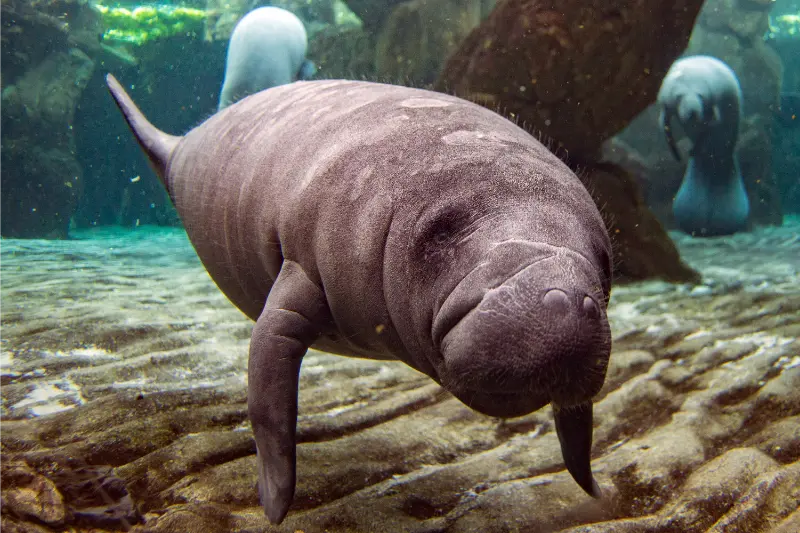
    Visitors may also encounter exhibits relating to manatees, otters, stingrays and other marine species, depending on the current collection and rehabilitation work. The aquarium's manatee facilities and changing rescue cases are worth checking on the official site shortly before your visit. Unlike a conventional zoo, the number and species of patients are not fixed attractions guaranteed to appear on schedule. This variability is part of ethical animal care. Teach children to observe behavior from approved viewpoints and ask what a healthy habitat needs. Reading an animal's story can be more educational than racing between tanks just to tick names off a list.

    Daily talks, feeding times and behind-the-scenes options

    Clearwater Marine Aquarium posts presentations and animal-care programs, which may include dolphin talks, sea turtle interpretation, otter education and additional guided experiences. Use the day's schedule to plan your path rather than assuming a popular presentation runs continuously. Some behind-the-scenes activities, boat tours or interactive experiences cost extra and may have minimum ages or restrictions. These can add depth for committed marine-life enthusiasts but are unnecessary for every family. Plan one or two demonstrations around your group's interests, leaving flexible time for exhibits. If a patient requires special care, scheduled programming can change without warning; respect that treatment always comes before visitor entertainment.

    Where the aquarium fits into a Clearwater vacation

    The aquarium stands near Clearwater Beach but is not simply another beachfront shop. Allow time for bridges, local traffic, parking and moving through the visitor areas. It can fit well into a Gulf Coast holiday as a half-day educational outing, perhaps with beach time afterward if everyone remains energetic. During peak vacation periods, beach parking and road congestion can be significant; avoiding multiple short driving trips often makes more sense than attempting to see everything in one afternoon. If your group includes older adults, an aquarium visit may offer a comfortable alternative to prolonged sun exposure, although some areas can still involve standing and changing levels.

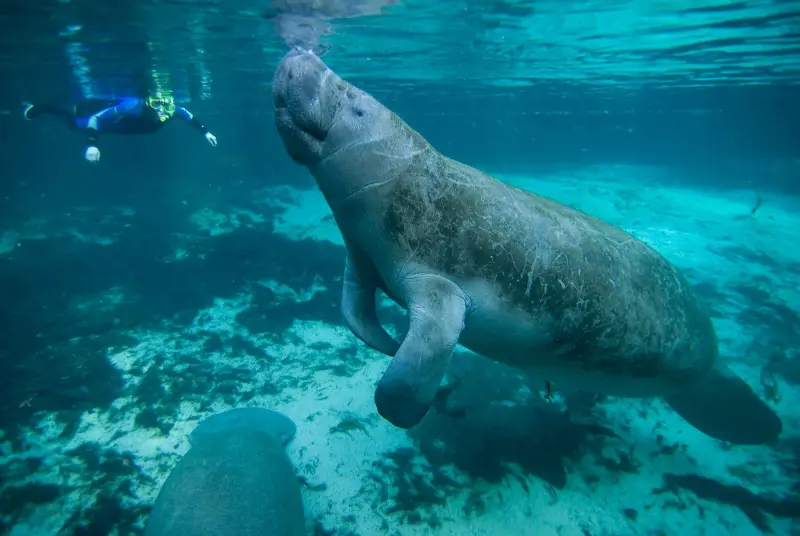
    Manatee Swimming in Clearwater Florida Springs

    Admission and the costs visitors forget

    The official admission page uses different prices for adults, children and seniors and states that prices can change. Check current age categories and any discounts rather than copying an old tourism brochure. Parking, meals and optional animal programs can alter the total cost. Families visiting several aquariums or museums in Florida should compare the educational focus before buying multiple overlapping tickets. A rescued-animal mission may justify the admission even when an exhibit is temporarily unavailable, but visitors expecting a specific animal should verify its current presence. Purchase from the official site or an authorized seller and keep confirmation details accessible on your phone.

    Ethical viewing and a quieter family day

    Rescue institutions are strongest when they help guests understand limits. Do not tap glass, use flash against posted rules, call out to animals or pressure staff for close encounters. An animal may rest, hide or receive treatment instead of remaining visible. For toddlers, concentrate on one underwater viewing area and a short talk rather than trying to follow every scheduled activity. Children with sensory needs may prefer quieter corridors or planned breaks; contact the aquarium about current accommodations. Older guests may appreciate seated presentations and the opportunity to observe without rushing. A successful visit changes how the group thinks about the ocean, even if it produces fewer spectacular photographs than expected.

    Questions children can ask about rehabilitation

    A marine-life rescue visit is an opportunity to explore what happens after an injured animal is found. Who decides whether an animal is ready for release? What kinds of tests and care might be necessary? Why are some patients eventually returned to the sea while others remain in managed facilities? Educators can answer questions within the limits of their work. Parents can explain that rescue is not the same as collecting wild creatures for display. Encourage children to think about how discarded fishing gear, pollution and disturbances near nesting areas affect animals. Visitors leave with a more useful lesson when they understand a prevention step than when they only remember a photograph of a dolphin.

    How to choose an animal program responsibly

    Extra experiences can be tempting, particularly when marketing features close photographs. Before paying, read what the program actually involves, how long it lasts, whether contact with animals occurs and what restrictions apply. Animal welfare should guide the program; a calm observation or educational talk can be more meaningful than a close encounter. If your child has a strong expectation of touching an animal, explain that many rescued species are not available for that kind of interaction. Respectable animal institutions may change or cancel opportunities for veterinary or behavioral reasons. Such changes are a sign that animal needs take precedence, not evidence that your ticket was wasted.

    What to plan around Clearwater traffic

    Clearwater and Clearwater Beach can be busy, particularly on sunny weekends and holiday periods. Check which bridge and route serve the aquarium from your hotel and be realistic about parking. If traveling from Tampa or St. Petersburg, do not treat the outing as a five-minute stop because the cities look close on a map. Combine the aquarium with a nearby meal to reduce repeated crossings. For travelers without a rental car, a rideshare to the aquarium may be workable, but confirm return pickup locations and consider vehicle availability at your chosen hour. A comfortable itinerary keeps the educational visit central and treats sunset sightseeing as an optional extra.

    Comfortable visits for very young or older travelers

    Young children may enjoy watching dolphins underwater but lose interest in detailed veterinary explanations. Give them a short, concrete goal such as spotting how a turtle moves or listening for one interesting fact at a presentation. Older adults may appreciate the structured indoor sections, but standing through multiple talks can still be tiring. Ask about benches, elevator routes, wheelchair options and restrooms before setting out. Families traveling with someone who needs medication or predictable meal breaks should plan those breaks explicitly. An aquarium focused on rescue can be deeply moving for all ages, but there is no requirement to see every patient area or stay for every listed presentation.

    A manageable visit: morning, main activity and departure

    1. Enter with a list of two preferred topics such as dolphins and sea turtles. Review the daily presentation board and adjust the order of exhibits.
    2. Attend one suitable talk, explore the rescue-focused displays and choose an optional paid experience only if it fits the family’s needs and budget.
    3. Finish with a relaxed meal and, if conditions suit, a separate Clearwater Beach visit rather than immediately scheduling another crowded attraction.

    Planning choices for different ages and travel styles

    VisitorPractical approach
    Families with babies or toddlersPick one short priority and plan meals, naps, sun protection and restroom access before entering. Ask about stroller rules and do not schedule every hour.
    School-age childrenLet them choose one exhibit, trail, animal question or attraction they are genuinely curious about. Set a clear spending and snack plan.
    Teenagers and adultsCheck whether the venue matches an interest in history, nature, science, creative play or thrills. An independent activity can be a better use of time than a forced group itinerary.
    Seniors and reduced-mobility visitorsInvestigate the actual boarding, walking surfaces, wheelchair routes, seating and bathrooms rather than relying on a broad accessibility label.
    Travelers on a limited budgetCompare the full cost: admission or tour, ground transport, parking, food, extras and the opportunity cost of a second activity.

    The goal is not to make every person complete the same checklist. If one member wants a demanding experience while another prefers a gentle one, identify a suitable supervised activity or a comfortable place to regroup. Check the operator’s latest rules if any participant needs a companion, transfer support, medication or a particular dietary arrangement. Never treat a general travel article as medical advice or a substitute for the accessibility details of the actual service provider.

    Useful questions before you book

    Is Clearwater Marine Aquarium mainly a dolphin show?

    No. It is a rescue and rehabilitation institution with educational exhibits and animal-care presentations.

    Can visitors see rescued sea turtle patients?

    Some care-related exhibits may be visible, but patient welfare determines access.

    Are all experiences included in the ticket?

    No. Some guided, boat or behind-the-scenes experiences can have separate prices.

    Is the aquarium near Clearwater Beach?

    Yes, in Clearwater; plan for local traffic and parking, especially in peak season.

    Official information and final verification

    Verify the official visitor information for Clearwater Marine Aquarium and consult the relevant official planning or visitor-assistance page for details that may change, including prices, hours, tour availability and accessibility. These are informational links, not affiliate booking links.

    Updated 9 October 2026. Research-based travel information; no first-hand visit or personal experience is claimed. Always recheck operating rules and availability before purchasing tickets or traveling.

  • Mote SEA Aquarium Sarasota: The New Nathan Benderson Park Location Explained

    Mote SEA Aquarium Sarasota: The New Nathan Benderson Park Location Explained

    Visit the correct new aquarium campus and choose tickets and exhibit time without confusing it with the former City Island site. Sarasota has an important change that older Florida travel guides can easily miss: the Mote Science Education Aquarium, known as Mote SEA, opened to the public on October 8, 2025 at Nathan Benderson Park. That is a major practical difference from the previous aquarium experience associated with Mote's City Island headquarters. Travelers searching old addresses or relying on dated maps may waste time. The new public aquarium is intended to connect marine-science research, conservation and interactive education in a purpose-designed setting. It is a strong candidate for families, couples and curious adults who want a Sarasota activity away from the beach.

    Explore this guide

    At a glance: is this visit right for you?

    • Where: Nathan Benderson Park, Sarasota County.
    • Main attraction: Mote Science Education Aquarium.
    • Why it is worth considering: Visit the correct new aquarium campus and choose tickets and exhibit time without confusing it with the former city island site.
    • Other places to consider nearby: Nathan Benderson Park; University Town Center Sarasota; The Ringling.
    • Booking rule: Check the official attraction or national-park page on the date you plan to visit; some activities require a separate reservation..
    • Travel style: Works best as one clearly chosen experience, with flexibility for children, adults, older travelers and people who need breaks..

    What makes Mote Science Education Aquarium different?

    There is no single best Florida attraction for every visitor. Mote Science Education Aquarium deserves its own decision rather than being grouped uncritically with big resort theme parks. Consider the pace, environment, transportation and experience that actually matters to your party. Families with babies, groups with older relatives and travelers who want an educational or nature-focused visit may have different priorities from thrill seekers. The following sections explain how to evaluate those trade-offs without promising that every scheduled activity or animal encounter will always be available.

    The new Mote SEA campus and why the address matters

    Mote's new facility is located in the Nathan Benderson Park area near Sarasota's University Town Center district. The organization describes a large campus built to expand access to ocean science and education. It should not be confused with the original City Island location, which has a separate research-focused future. When planning your visit, enter the current Mote SEA address provided on its official visitor page rather than an address saved from an earlier holiday. Verify where visitors should park and how to reach the entry point from the chosen lot. This matters especially if you use taxis, rideshares or a mobility device: choosing the wrong site can consume the most useful part of the day.

    More than a collection of fish tanks

    The educational ambition behind Mote SEA goes beyond displaying marine life. Its science-focused approach connects exhibits with research questions about ocean habitats, conservation, technology and human impacts on coastal systems. Encourage children to ask how scientists know that a coral reef is healthy, what happens when water temperature rises or why marine animals need particular environments. Adults who enjoy science communication may find the conservation perspective as interesting as the animals themselves. Exhibit content and special programs can evolve as the new facility matures, so avoid promising a fixed species or demonstration based on an opening-week brochure. Let curiosity rather than an exhaustive checklist guide the visit.

    Ticket reservations and timed entry

    Mote's current visitor information recommends booking online ahead of time because entry is controlled in timed intervals and busy periods can sell out. A family that arrives without tickets may face a delay or discover that its preferred entry time is unavailable. The organization also describes advance-purchase discounts tied to how far ahead tickets are bought. Compare the current public price with any family, senior or membership offers and understand exactly what the entry window means. Timed entry is not necessarily the same as a strict departure time, but visitors should follow the ticket's instructions. For a multigenerational group, select an arrival slot that fits meals and rest rather than the very earliest time just to secure a nominal discount.

    How to plan the exhibits by age and interest

    Preschoolers tend to engage with movement, color and visually striking marine environments. School-age children can connect animals with questions about habitat, food webs and coastal conservation. Teenagers may be interested in ocean robotics or the technologies researchers use to monitor conditions. Adults and grandparents can enjoy interpretation at a slower pace without needing to match a child's energy at every interactive station. If your group is very mixed in age, agree on two or three essential exhibit areas and let smaller subgroups spend longer where interest is strongest. A comfortable meeting point and clear regrouping time are more useful than trying to force everyone to inspect each display for the same number of minutes.

    A Sarasota itinerary beyond the aquarium

    Nathan Benderson Park and the surrounding University Town Center area make Mote SEA geographically different from Sarasota's traditional waterfront sightseeing. Consider pairing it with a nearby meal or a walk in a suitable public area rather than assuming the historic Ringling museum or Siesta Key beach is just outside the aquarium door. Sarasota traffic and large intersection layouts can affect drive times. If you have a full day, an aquarium visit can become the educational component and a later coastal stop the scenic component. With young children or older travelers, however, do not add a distant second attraction merely because your hotel is in another neighborhood. One interesting experience and an unhurried meal may be the best itinerary.

    Sarasota Florida Waterfront Villas and Private Boat Docks Aerial

    What to verify about parking, facilities and access

    Because the venue is relatively new, rely on current operating information for parking instructions, accessibility services, strollers, sensory resources and any restrictions on bags or outside food. Do not copy details from the former City Island visitor experience. Travelers who use wheelchairs should ask about the route from accessible parking through entry and between exhibits. Families with babies should identify changing facilities and calm places for feeding before the group becomes tired. If you have a hearing or visual access requirement, contact visitor services to ask what interpretation formats are available. Planning these details ahead can turn an apparently simple aquarium afternoon into an inclusive, comfortable experience.

    Conservation values and how to visit responsibly

    Mote's work involves marine research and conservation, so respect for living exhibits is central to a good visit. Avoid tapping on glass, disturbing animal exhibits or assuming a touch opportunity exists unless clearly supervised and authorized. When explaining the ocean to young children, emphasize that wild animals are not pets and that beaches, waterways and reefs form a connected system. If you enjoy a specific exhibit, spend enough time to read why the institution presents it rather than using the tank only as a photo background. Donations, memberships and educational programs may support wider research, but regular admission is sufficient for a meaningful first visit. Share accurate conservation information, not guesses based on an animal's appearance.

    How to avoid outdated information after a major relocation

    Search engines, booking platforms and old blog articles can preserve addresses long after an attraction moves. For Mote, this is a genuine risk because the public aquarium opened at Nathan Benderson Park in October 2025 while the organization maintains an established identity tied to Sarasota's City Island. Verify the official visitor map, current admissions portal and arrival instructions on the same day you finalize transport. If you find a map pin or website naming the old aquarium location, do not assume it still represents the public visitor entrance. This extra check is especially valuable for an international traveler using a paid airport transfer or car service. It also prevents accidentally scheduling a coastal activity near the wrong end of town.

    Nokomis Beach Sarasota County Florida at Sunset Aerial

    A family conversation about ocean science

    Invite each family member to choose one question before arrival. A young child might ask why a certain fish has its shape; a teenager might wonder how scientists monitor coral reefs; an adult could focus on climate, pollution or research funding. During the visit, compare answers from exhibits instead of rushing toward the next dramatic display. Mote's research background creates a bridge between animals and the methods used to study their habitats. Discuss uncertainty honestly: scientific research changes as new evidence emerges. By making the aquarium a place to ask questions, families can enjoy it even if a particular animal or temporary exhibit is not available on the day they visit.

    Budget, timed tickets and the best day to visit

    A prebooked time slot can remove anxiety when combined with a realistic arrival plan, but choosing a slot too close to a flight, long drive or cruise disembarkation invites stress. Mote recommends advance purchase, and busy weekends, holidays and spring dates may sell out. If your dates are flexible, compare admission across available days and book after verifying refund or change conditions. Add the cost of parking, food and transport when evaluating the visit against other Sarasota activities. A family membership might be worthwhile for residents who plan to return, but tourists making one stop should not assume membership is automatically cheaper. Check whether special programs are included or sold separately.

    Multigenerational comfort and practical pacing

    Aquariums can be a good shared destination for children, parents and grandparents, but a new, busy facility may still demand time on your feet. Plan pauses between exhibit areas and avoid leaving everyone standing at a single crowded tank. Ask in advance about access routes, wheelchairs, changing facilities, sensory resources and any special accommodations. Young children may need a snack or quiet area after an hour of colorful displays. Grandparents may want to read exhibit material more slowly than energetic children. If necessary, divide briefly into two groups with a clear reunion point. A visit feels more inclusive when nobody is expected to hurry, and every person has space to enjoy the science in a way that suits them.

    A manageable visit: morning, main activity and departure

    1. Check the exact Mote SEA address and your timed-entry ticket, allowing a travel buffer for Sarasota traffic and parking.
    2. Explore the science-focused exhibits around your party’s interests, with a planned rest or meal break and no pressure to see every single display.
    3. Finish with a nearby meal or optional Nathan Benderson Park area stop, reserving Sarasota beaches and other museums for a separate part of the trip if needed.

    Planning choices for different ages and travel styles

    VisitorPractical approach
    Families with babies or toddlersPick one short priority and plan meals, naps, sun protection and restroom access before entering. Ask about stroller rules and do not schedule every hour.
    School-age childrenLet them choose one exhibit, trail, animal question or attraction they are genuinely curious about. Set a clear spending and snack plan.
    Teenagers and adultsCheck whether the venue matches an interest in history, nature, science, creative play or thrills. An independent activity can be a better use of time than a forced group itinerary.
    Seniors and reduced-mobility visitorsInvestigate the actual boarding, walking surfaces, wheelchair routes, seating and bathrooms rather than relying on a broad accessibility label.
    Travelers on a limited budgetCompare the full cost: admission or tour, ground transport, parking, food, extras and the opportunity cost of a second activity.

    The goal is not to make every person complete the same checklist. If one member wants a demanding experience while another prefers a gentle one, identify a suitable supervised activity or a comfortable place to regroup. Check the operator’s latest rules if any participant needs a companion, transfer support, medication or a particular dietary arrangement. Never treat a general travel article as medical advice or a substitute for the accessibility details of the actual service provider.

    Useful questions before you book

    Is Mote SEA at the old City Island aquarium location?

    No. The public Mote SEA aquarium opened at Nathan Benderson Park in 2025.

    Should tickets be booked ahead?

    Yes, Mote recommends advance online booking because timed entries can sell out.

    Is Mote SEA suitable for adults without children?

    Yes. Its research and conservation emphasis is relevant to visitors of many ages.

    Can I visit the new aquarium and Siesta Key in one day?

    Potentially, but allow realistic driving and rest time rather than treating them as adjacent attractions.

    Official information and final verification

    Verify the official visitor information for Mote Science Education Aquarium and consult the relevant official planning or visitor-assistance page for details that may change, including prices, hours, tour availability and accessibility. These are informational links, not affiliate booking links.

    Updated 9 October 2026. Research-based travel information; no first-hand visit or personal experience is claimed. Always recheck operating rules and availability before purchasing tickets or traveling.

  • The Florida Aquarium vs Clearwater Marine Aquarium: Which Tampa Bay Attraction Should You Visit?

    The Florida Aquarium vs Clearwater Marine Aquarium: Which Tampa Bay Attraction Should You Visit?

    The Florida Aquarium in Tampa and Clearwater Marine Aquarium are both excellent places to learn about marine life, yet they have different missions and visitor experiences. The Florida Aquarium is a large conservation-based attraction where exhibits introduce ecosystems and a broad variety of animals. Clearwater Marine Aquarium is a working rescue and rehabilitation organization where the stories of individual animals and medical care are central. A family planning only one aquarium day should not choose on the assumption that these are two versions of the same attraction. Think about whether the group wants broad underwater discovery, a closer look at wildlife rescue, or a particular experience that fits its ages and interests.

    What makes the Tampa aquarium distinctive?

    The Florida Aquarium occupies a location in downtown Tampa, convenient for combining a visit with other city attractions. Its displays connect freshwater habitats, wetlands, coastal environments, marine life, and conservation themes. Rather than focusing exclusively on famous individual animals, it invites visitors to notice the relationships between ecosystems. For an elementary-school child fascinated by fish, a variety of habitats may make the day feel like a continuous discovery. Teens interested in biology, coral conservation, or environmental systems can find ideas worth discussing rather than merely taking pictures.

    School of Fish at Florida Aquarium

    Its nonprofit mission goes beyond entertainment: official information emphasizes conservation, education, animal care, and research, including efforts related to coral and sea turtles. That does not mean every aspect of the facility is a rehabilitation display. Think of it primarily as a purpose-built aquarium offering many animal and educational experiences. The exact special programs, behind-the-scenes encounters, and events vary by day and may cost extra. Check what is included with general admission so the children’s expectations match the ticket you buy.

    Why Clearwater is a different kind of visit

    Clearwater Marine Aquarium identifies itself as a working marine animal hospital focused on rescue, rehabilitation, and release when possible. Some resident animals cannot return to the wild and remain as ambassadors for education. Visitors may learn about animal injuries, treatment, threats in the ocean, and the human choices that affect wildlife survival. This is often deeply memorable for thoughtful children and adults, but it is not quite the same as walking through a sequence of large decorative marine displays.

    The organization’s mission should guide expectations. Rescue facilities may alter access or the visibility of an animal because medical care comes first. It would be wrong to promise a particular dolphin interaction or treatment procedure on the day you visit. Some younger children may need simple explanations of illness and rehabilitation, while older children may appreciate the nuance. Clearwater offers an opportunity to talk about why rescuing an animal is sometimes complicated, and why release is not always medically possible.

    Which one is better for toddlers and preschoolers?

    Young children often respond best to clear visual variety, manageable visit segments, and places to stop without disrupting the group. The Florida Aquarium can suit this approach well because the experience naturally moves through different exhibits. However, busy indoor spaces, darkened rooms, and loud groups may be uncomfortable for some toddlers. A shorter visit can be more successful than trying to see every display. Parents should check stroller policies, baby-changing facilities, and the exact services available before arrival.

    Clearwater Marine Aquarium can also interest young children, particularly those captivated by dolphins or sea turtles, but adults may need to interpret the rescue story in age-appropriate language. Do not promise a ‘dolphin show’ as if the center were a traditional marine performance venue. Its value is connected to care and education, not simply spectacle. For either attraction, an early entry time and a planned snack can make a remarkable difference. It is better to leave after a happy two-hour visit than force a tired child through a third hour of exhibits.

    Which aquarium teaches older children more?

    For school-age children, the answer depends on what they want to study. A child fascinated by food chains, ecosystems, and marine biodiversity may favor The Florida Aquarium. It gives a broad framework for explaining how rivers, wetlands, and oceans are linked. A child interested in veterinary medicine, conservation careers, animal rehabilitation, or the effects of fishing line and boat traffic may find Clearwater Marine Aquarium especially powerful. Neither style is automatically more educational; different questions lead to different learning opportunities.

    A useful strategy is to choose one observation challenge before arriving. At Tampa, ask the child to find three ways animals adapt to their environments. At Clearwater, ask what problems rescuers face and what choices humans can make to reduce those problems. Keep the conversation curious rather than testing children with facts they may not remember. Encourage observation, listen to staff explanations, and respect restrictions around animal-care spaces. Quiet learning can be as valuable as a dramatic close-up encounter.

    A realistic visit length and daily pacing

    Do not assume a fixed visit duration applies to every family. At the Tampa aquarium, a visitor who enjoys carefully reading displays and participating in scheduled programs may stay much longer than someone making a quick overview. At Clearwater, a family that engages with animal stories, presentations, or booked experiences may also spend significant time. Factor in the time for parking, ticket entry, meals, and any special program. If you have a separate evening reservation, avoid booking the entire aquarium day without a buffer.

    During school holidays and rainy afternoons, indoor attractions may become crowded. Check official timed-entry or advance-purchase recommendations. Plan one priority presentation, then keep the rest flexible. If someone uses a mobility aid, ask about routes, elevators, or viewing heights associated with the experiences your family wants. The total number of exhibits is less important than whether everyone can enjoy the chosen route. A short visit with thoughtful stops is a legitimate way to experience either aquarium.

    At a glance: useful differences

    QuestionOption AOption B / consideration
    MissionThe Florida Aquarium: marine habitatsClearwater Marine Aquarium: rescue and rehabilitation
    LocationDowntown TampaClearwater
    Best forBroad aquatic ecosystemsInterest in animal care and rehabilitation
    PlanningDate-based admission pricingCheck current programs and times

    Location: downtown Tampa versus Clearwater

    The Florida Aquarium’s downtown Tampa location makes it compatible with a city day. Families might visit the aquarium, take a break for food nearby, then explore a manageable portion of the waterfront. Do not assume every nearby attraction is covered by aquarium admission. Check downtown traffic, event-related parking changes, and walking distances before deciding to leave the car in one place. For visitors staying in central Tampa, the aquarium can be a straightforward urban outing.

    Clearwater Florida Waterfront Marina Aerial

    Clearwater Marine Aquarium is located at 249 Windward Passage in Clearwater, not directly on every tourist’s preferred beach access. If combining it with a Clearwater Beach afternoon, map the route and account for bridge traffic and parking. A sensible plan is to visit the aquarium first, then decide whether there is time and energy for a short beach stop. Travelers staying in St. Petersburg or near Tampa International Airport should compare actual driving times for the selected day. The nearest attraction on a map is not always the quickest to reach in holiday traffic.

    How to compare tickets and add-ons

    Ticket offers may vary by date, promotions, age categories, and special activities. Read the ticket inclusions before comparing two headline prices. One attraction might offer a premium animal encounter while the other has a different guided program; neither is a comparable part of ordinary admission unless stated. Check whether the ticket is dated or flexible, whether entry can be rescheduled, and what the refund policy says. If paying through a third-party platform, ensure the booking conditions match those of the official operator.

    Calculate the total: admission for each family member, parking, meals, optional experiences, and transportation. A seemingly small price difference may be outweighed by a longer drive or a more expensive add-on that your child is especially eager to book. For visitors with reduced mobility, cost may include accessible transport or nearby parking. For a multigenerational group, consider whether a program is suitable for everyone or if only one or two participants should purchase it. Buying every available experience does not necessarily make the visit better.

    Accessibility and sensory considerations

    Both attractions are designed to welcome a range of visitors, but individual exhibits and programs can have different access requirements. Before traveling, review the current accessibility information for wheelchairs, hearing accommodations, sensory needs, and assistance services. Contact the venue if a particular elevator, route, or accessible restroom is necessary. An aquarium may be easier for some visitors than an outdoor wildlife walk, but it can still involve long standing periods and crowds around popular windows.

    For a person sensitive to noise or darkness, plan a quieter visit time and avoid the busiest periods if possible. If a child needs predictable transitions, review a map together before arriving and identify one or two places to pause. Guests with visual impairment may benefit from guided explanation or tactile opportunities, but should ask which services are available rather than assuming everything is hands-on. Animal welfare rules may prohibit touching and photography in certain contexts; those boundaries apply to everyone.

    Conservation is more than an exhibit label

    The Florida Aquarium conducts conservation work associated with marine habitats, coral, and animal care. Clearwater Marine Aquarium emphasizes rescuing and rehabilitating marine animals and, when appropriate, releasing them. These approaches connect: healthy ecosystems can reduce threats to animals, while rescue programs show the consequences of environmental problems. A family that enjoys learning can get different but complementary messages from the two sites, especially if there is time for both on separate days.

    Use the visit to reinforce responsible travel. Do not feed wild dolphins, approach stranded marine animals, disturb sea turtle nesting sites, or leave fishing line on beaches. In the event of a wildlife emergency, contact the appropriate official responder instead of attempting an improvised rescue. A photograph of a marine animal is valuable, but the more important lesson is that animals are not props for tourism. Choose experiences emphasizing welfare and factual education instead of guaranteed close contact.

    One-day plan centered on Tampa

    For a family staying in Tampa, start at The Florida Aquarium with one or two priorities chosen in advance. Visit the relevant exhibits early, take a meal break, and return for any scheduled presentation the group especially wants. After leaving, decide whether a short waterfront stroll is realistic or whether everyone would rather return to the hotel. That decision may be different in July heat than on a cool January morning. A trip does not need two major attractions on the same day to be worthwhile.

    If your group includes a toddler and older children, divide attention intentionally: let one adult spend extra time discussing an ecosystem while the other takes the toddler to a suitable space or break. Meet for a shared favorite exhibit and lunch. On days with uncertain weather, verify local transportation and parking before traveling. Downtown events can affect the easiest entry route. Keep the itinerary flexible and check any restaurant or venue opening times rather than assuming all neighboring businesses keep the aquarium’s schedule.

    One-day plan centered on Clearwater

    At Clearwater Marine Aquarium, build the day around understanding the rescue mission. Begin with the main exhibits, learn the stories of resident animals, and join a scheduled educational program if one is available and appropriate. Leave time for children to ask questions about rehabilitation and release. If an animal-care area is not accessible that day, explain that respecting the needs of the animal is part of what makes this organization different from a standard entertainment attraction.

    Afterward, choose a quiet waterfront meal or a brief beach visit if the weather and group’s energy allow it. Clearwater’s beach environment can be busy, so check parking and water safety separately from aquarium planning. Do not promise both a long aquarium visit and an extensive beach day to preschool children without a place to rest. For adults and older visitors, the combination of a mission-focused morning and a relaxed afternoon is often more appealing than rushing between multiple paid activities.

    Final recommendation: choose by the experience you value

    Choose The Florida Aquarium if the family wants broad ecosystem displays, many kinds of aquatic life, and an aquarium experience that fits a downtown Tampa outing. Choose Clearwater Marine Aquarium if the group is motivated by animal rescue, rehabilitation, and the personal stories of marine residents. If you have two free days, visiting both offers complementary lessons rather than duplication. Whichever you select, confirm tickets, programs, parking, and accessibility directly before the visit, and teach children that marine animals are living creatures whose needs take precedence over entertainment.

    Frequently asked questions

    Is Clearwater Marine Aquarium a traditional dolphin show aquarium?

    No. It is a working rescue and rehabilitation organization. Resident animals and educational experiences reflect that mission, and animal welfare comes first.

    Is The Florida Aquarium better on a rainy day?

    It offers substantial indoor exhibits, but guests should still check operating conditions and travel safely during storms. Clearwater Marine Aquarium also has indoor visitor areas; compare current schedules.

    Can we visit both in one day?

    It is possible for some travelers but often rushed. Two separate days allow time for education, meals, traffic, and age-appropriate breaks without treating the visit as a race.

    Official sources and trip planning