Category: Forgotten Coast Florida

  • Cape San Blas Florida Travel Guide: Beaches, Loggerhead Trail, St. Joseph Bay and Family Tips

    Cape San Blas Florida Travel Guide: Beaches, Loggerhead Trail, St. Joseph Bay and Family Tips

    Cape San Blas is the Gulf County destination for travelers who want a beach vacation with far more nature than resort infrastructure. The narrow cape wraps around St. Joseph Bay, giving visitors access to both Gulf-facing beaches and protected bay scenery within a relatively small area. It works especially well for families, couples, anglers, cyclists and travelers who prefer vacation rentals and quiet evenings to nightlife.

    Explore this guide

    The cape is about a 20-minute drive from Port St. Joe under normal conditions, but the experience is intentionally slower once you arrive. A useful plan is to choose one beach access, one active element such as cycling or paddling and enough unscheduled time for weather changes. The destination becomes less enjoyable when treated as a checklist.

    Quick planning summary

    • Best for: quiet beach stays, families, cycling, kayaking and fishing
    • Signature route: Loggerhead Trail, about 8.7 miles paved
    • Time needed: full day; 2–5 nights for a relaxed stay
    • Car: essential for supplies and wider Gulf County
    • Main nearby hub: Port St. Joe

    Important current-status note

    October 2026 information snapshot: this article is scheduled for 2028. Hours, prices, construction, storm repairs, beach access, wildlife rules, tour schedules and local ordinances can change before publication. The practical details below are a verified planning baseline, not a promise that every 2026 condition will still apply in 2028. Recheck the linked official source shortly before travel.

    Current practical baseline

    Gulf County tourism describes Cape San Blas as a narrow coastal stretch roughly 20 minutes from Port St. Joe. Its current visitor information highlights fishing, kayaking, paddleboarding, cycling and hiking, plus the 8.7-mile paved Loggerhead Trail. Salinas Park provides both Gulf-side and bay-side access and is a practical southern gateway to the cape.

    Understanding the layout

    The cape is not one single beach entrance. Vacation homes, public accesses, Salinas Park, the paved trail and the state park are spread along a long narrow road. Before leaving Port St. Joe, decide whether your priority is beach access, a bike ride, paddling, the state park or simply exploring. That prevents unnecessary driving back and forth.

    Gulf beach versus St. Joseph Bay

    The Gulf side gives you open-water beach scenery and surf. The bay side is more protected and often better for paddling, wildlife observation and shallow-water exploration, but weather still matters. A windy day can make either side uncomfortable. Check conditions rather than choosing solely from photos taken in different seasons.
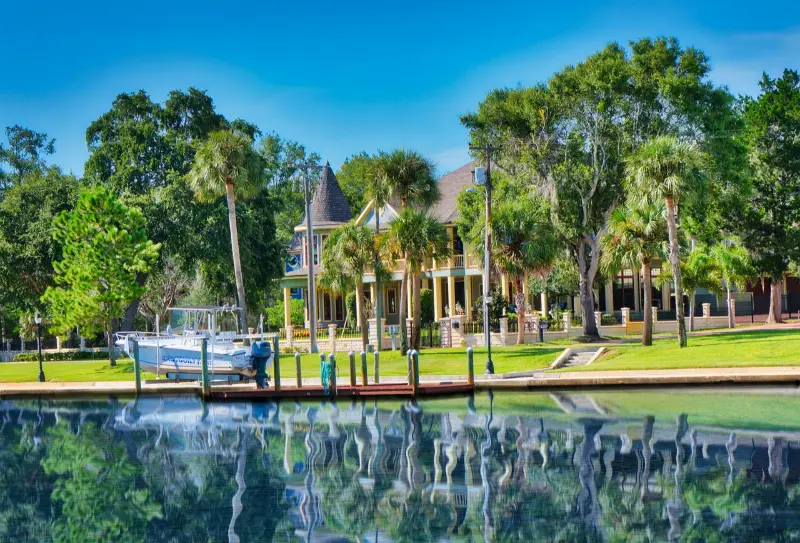
    Florida House with Garden and Palm Trees

    Loggerhead Trail

    The 8.7-mile paved Loggerhead Trail is one of the most useful features for travelers who want activity beyond the beach. Cyclists should remember that summer heat and sun exposure can turn an easy-looking ride into a demanding outing. Start early, carry water and use the trail for a partial out-and-back if the whole distance does not suit your group.

    Families with children

    Cape San Blas can be excellent for children who enjoy sand, shells, wildlife and open space. It is less suitable for families who expect a boardwalk full of attractions within walking distance. Bring beach shade, snacks, water and simple entertainment. Plan a short playground or park stop if young children need variety away from the shoreline.

    Kayaking and paddleboarding

    St. Joseph Bay is visually inviting, but a good paddling day depends on wind, tide, skill and the exact launch. Beginners should stay close to shore and use a route with an easy exit. Do not chase wildlife or paddle farther simply because the water looked calm at launch time.

    Where to base yourself

    A rental on the cape maximizes beach time and sunrise/sunset flexibility. Staying in Port St. Joe provides easier access to groceries, restaurants and a wider set of services. Families staying several nights may prefer the cape, while road-trippers and travelers mixing beaches with museums often find Port St. Joe more practical.

    Road and storm awareness

    Cape roads and dune systems are exposed to tropical weather and erosion. After a major storm, access, walkovers and beach conditions may change even if lodging is open. Confirm road conditions and specific public access points before arrival, especially when traveling far in advance.

    A simple first-day plan

    Arrive early, begin at Salinas Park or another confirmed access, spend the morning on the beach or bay, take a midday break, then cycle a manageable part of Loggerhead Trail or drive toward the state park for late-afternoon scenery. This sequence keeps the day varied without requiring constant car moves.

    Weather, storms and seasonal planning

    Northwest Florida has a long warm season, strong summer sun, frequent afternoon thunderstorms and a hurricane season that can affect beaches, roads and facilities even when the center of a storm is far away. Spring and fall often provide a more comfortable balance for walking and cycling, while winter can be excellent for quiet sightseeing but may bring cool or windy days. Check radar, marine conditions and official alerts before committing to exposed beaches, paddling or long drives on low coastal roads.

    Accessibility and multigenerational travel

    Accessibility varies from modern museums and paved parks to soft sand, dunes, natural trails and boat-only destinations. For a wheelchair, walker or stroller, verify the exact accessible route rather than assuming that a short distance will be easy. Multigenerational groups usually do best by pairing one higher-effort outdoor activity with one low-effort stop such as a scenic overlook, museum, picnic area or short waterfront walk. In hot weather, schedule the most exposed activity early and save air-conditioned stops for midday.

    Budget and value

    This part of the Panhandle can be good value because beaches, scenic drives and several public parks cost little or nothing. The larger expenses are usually lodging, boat trips, equipment rentals, fishing charters and restaurant meals. Save money by grouping stops geographically, carrying water and beach supplies, and avoiding unnecessary back-and-forth drives. A free beach is not truly inexpensive if reaching it requires repeated long detours, parking changes and extra fuel.

    What to bring

    • refillable water and more than you expect to drink on a remote day
    • broad-spectrum sunscreen, hat and sunglasses
    • insect repellent for marshes, forests and evenings
    • comfortable footwear plus sandals or water shoes when useful
    • light rain layer in the warm season
    • offline map or downloaded directions for areas with weak mobile service
    • small power bank for navigation and photography

    Common planning mistakes

    • assuming every beach access has restrooms, lifeguards or food nearby
    • underestimating heat, wind and thunderstorms on an exposed coast
    • treating wildlife sightings, shelling or fishing success as guaranteed
    • ignoring tides and marine conditions before paddling or boating
    • planning too many separated communities in a single short day
    • forgetting that hurricane repairs and erosion can change access
    • relying on old prices or social-media posts instead of an official source

    A better daily rhythm

    Put the most weather-sensitive experience first. Beach time, wildlife viewing, paddling and long walks are usually better early, while museums, downtown shops and long lunches work well during the hottest or stormiest part of the afternoon. Leave at least an hour unassigned. That margin absorbs a bridge delay, a longer meal, a sudden shower or the simple decision to stay at a beautiful beach longer than planned.

    Parking, arrival and driving strategy

    On this stretch of coast, a few extra minutes of preparation can save a surprising amount of time. Put the exact public entrance or parking area into navigation before leaving, because a destination name may cover miles of shoreline or preserve land. Keep fuel above half a tank on remote days, avoid blocking residential access, and never create your own parking space on dunes or vegetation. If a fixed tour or museum opening matters, arrive with a buffer rather than planning to pull in at the exact start time.

    Restrooms, food and practical breaks

    Facilities become less predictable as you move away from Port St. Joe and Mexico Beach. Some parks have restrooms and picnic areas; natural beaches, launches and preserve access points may have very little. Families should use a restroom before a long beach or paddling session, carry snacks and keep drinking water in the car. Restaurants in small coastal communities may close earlier or take midweek days off, particularly outside peak season.

    Photography and responsible wildlife viewing

    Sunrise, sunset, dunes, shorebirds and the changing colors of St. Joseph Bay provide excellent photography without leaving designated access. Use a longer lens for birds and other wildlife, and do not walk into nesting areas for a closer image. Drones may be restricted by the land manager, state park, refuge or local ordinance; verify the exact property rules before flying rather than assuming open sky means permission.

    If the weather changes

    Have a backup that does not depend on calm water. Port St. Joe history stops, the Welcome Center, shops and a longer meal can replace a beach or paddling session during lightning or strong wind. After tropical weather, give official road, park and county updates more weight than crowdsourced posts because washouts, dune repairs and access restrictions can change rapidly.

    Trip-planning details that are easy to overlook

    Before the day begins, check the exact drive time from your lodging, the local time zone, the nearest fuel stop and whether the destination has shade, restrooms and reliable mobile coverage. Coastal distances can look short on a map but bridges, two-lane roads and beach traffic add time. If your group includes young children, older travelers or anyone sensitive to heat, build a guaranteed indoor or shaded break into the middle of the day. Keep one alternative activity nearby so a rough Gulf, thunderstorm or temporary closure does not waste the day.

    Final planning advice

    Use this guide to decide whether the experience fits your group rather than treating it as another box to check. Gulf County and the neighboring coast reward travelers who accept a slower pace and leave room for weather, wildlife, local food and spontaneous stops. One memorable beach or nature experience plus one cultural stop usually creates a better day than racing between five attractions.

    Official information

    Check official visitor information shortly before travel for current hours, fees, closures, access rules and safety notices.
  • Port St. Joe Florida Travel Guide: Best Things to Do, Bayfront, History, Beaches and Planning Tips

    Port St. Joe Florida Travel Guide: Best Things to Do, Bayfront, History, Beaches and Planning Tips

    Port St. Joe is one of the easiest bases for understanding Gulf County because it combines a real small-town center with immediate access to St. Joseph Bay, Cape San Blas, St. Joe Beach and the inland communities around Wewahitchka. It is not a high-rise resort town, and that is exactly why many travelers like it. The best trips use the town as a practical hub rather than trying to turn every hour into an attraction.

    Explore this guide

    A first visit works well for couples, families, anglers, road-trippers and travelers who want a quieter Panhandle stop between Apalachicola and Panama City. Historic context matters here: the early town of St. Joseph hosted Florida’s first constitutional convention, while the modern waterfront reflects a long relationship with fishing, shipping and St. Joseph Bay.

    Quick planning summary

    • Best for: small-town atmosphere, bay views, history, families and outdoor trips
    • Time needed: 1 full day for town; 2–4 nights as a Gulf County base
    • Car: strongly recommended
    • Best base area: downtown/bayfront for walkability or the beaches for sand-first trips
    • Nearest major comparisons: Apalachicola to the east and Mexico Beach/Panama City to the west

    Important current-status note

    October 2026 information snapshot: this article is scheduled for 2028. Hours, prices, construction, storm repairs, beach access, wildlife rules, tour schedules and local ordinances can change before publication. The practical details below are a verified planning baseline, not a promise that every 2026 condition will still apply in 2028. Recheck the linked official source shortly before travel.

    Current practical baseline

    The Gulf County tourism office describes Port St. Joe as a small beach town on St. Joseph Bay with historic downtown, parks, walking trails and boating access. The Gulf County Welcome Center is at 150 Captain Fred’s Place and currently publishes Monday–Thursday hours of 7 a.m.–5:30 p.m. Eastern time. Treat those 2026 hours as a planning reference and verify them again before a 2028 visit.

    Why Port St. Joe works as a base

    The town sits close enough to Cape San Blas, St. Joe Beach, Indian Pass and inland Gulf County that you can change the day according to weather. If the Gulf is rough, shift to a museum, downtown meal or bayfront walk. If the morning is calm, use it for paddling, fishing or beach time. That flexibility is valuable on a coast where wind and thunderstorms can reshape plans quickly.

    Start with downtown and the bayfront

    Historic downtown is compact and better experienced on foot than through repeated short car moves. Browse shops, stop for coffee or lunch and then walk toward St. Joseph Bay. George Core Park, the relocated Cape San Blas Lighthouse and the Gulf County Welcome Center create an easy orientation area. The goal is not to rush; a slower walk gives context before you drive to the beaches or peninsula.

    Florida Bayfront Causeway Aerial View

    History: Constitution City

    Port St. Joe is closely tied to the 1838 convention that drafted Florida’s first constitution. The Constitution Convention Museum State Park is the most focused place to understand that story. Travelers who normally skip small museums may still find this one worthwhile because the local history explains why the community calls itself Constitution City.

    Cape San Blas Lighthouse and George Core Park

    The historic Cape San Blas Lighthouse was moved from the cape to Port St. Joe in 2014 after shoreline erosion threatened the structure. It now stands near the bayfront. The local tourism office currently lists Wednesday–Saturday hours that can vary, so call or check the latest schedule before planning a climb. Even if a climb is unavailable, the park and bayfront make a convenient short stop.

    Best day trips from Port St. Joe

    Choose one direction rather than collecting everything. For a beach-and-nature day, drive toward Cape San Blas and the state park. For a quieter Old Florida atmosphere, use Indian Pass. To the east, Apalachicola adds seafood, museums and river history, while St. Vincent National Wildlife Refuge is a much more remote boat-access experience that deserves separate planning.

    Families, teenagers and senior travelers

    Families can combine a short museum, playground or bayfront walk with beach time so children are not asked to spend an entire day sightseeing. Teenagers often respond better to kayaking, fishing, cycling or sunset beach time than to a long museum sequence. Senior travelers may appreciate the compact downtown and scenic drives, but heat and soft sand can make apparently short beach walks tiring.

    Food and seafood planning

    Leave flexibility for meals rather than building the itinerary around one restaurant. Gulf seafood is a major part of the local experience, but catches, seasons and opening days change. Ask what is fresh and local rather than assuming a particular species or product will be available. On summer weekends, an earlier lunch or dinner can reduce waiting.

    How long to stay

    One full day is enough to see downtown, the bayfront and one historical stop. Two nights create a better trip because you can add Cape San Blas or St. Joe Beach without rushing. Three or four nights are ideal for families or travelers who want one beach day, one water-based experience and one slower history or nature day.

    How to combine Port St. Joe with the Forgotten Coast

    If your road trip arrives from the east, use St. George Island State Park or Apalachicola on a separate day rather than forcing them into the same afternoon. The roads look short on a map, but beach stops, meals and two-lane driving quickly expand the schedule.

    Cruise Ships Leaving Florida Cruise Port

    Weather, storms and seasonal planning

    Northwest Florida has a long warm season, strong summer sun, frequent afternoon thunderstorms and a hurricane season that can affect beaches, roads and facilities even when the center of a storm is far away. Spring and fall often provide a more comfortable balance for walking and cycling, while winter can be excellent for quiet sightseeing but may bring cool or windy days. Check radar, marine conditions and official alerts before committing to exposed beaches, paddling or long drives on low coastal roads.

    Accessibility and multigenerational travel

    Accessibility varies from modern museums and paved parks to soft sand, dunes, natural trails and boat-only destinations. For a wheelchair, walker or stroller, verify the exact accessible route rather than assuming that a short distance will be easy. Multigenerational groups usually do best by pairing one higher-effort outdoor activity with one low-effort stop such as a scenic overlook, museum, picnic area or short waterfront walk. In hot weather, schedule the most exposed activity early and save air-conditioned stops for midday.

    Budget and value

    This part of the Panhandle can be good value because beaches, scenic drives and several public parks cost little or nothing. The larger expenses are usually lodging, boat trips, equipment rentals, fishing charters and restaurant meals. Save money by grouping stops geographically, carrying water and beach supplies, and avoiding unnecessary back-and-forth drives. A free beach is not truly inexpensive if reaching it requires repeated long detours, parking changes and extra fuel.

    What to bring

    • refillable water and more than you expect to drink on a remote day
    • broad-spectrum sunscreen, hat and sunglasses
    • insect repellent for marshes, forests and evenings
    • comfortable footwear plus sandals or water shoes when useful
    • light rain layer in the warm season
    • offline map or downloaded directions for areas with weak mobile service
    • small power bank for navigation and photography

    Common planning mistakes

    • assuming every beach access has restrooms, lifeguards or food nearby
    • underestimating heat, wind and thunderstorms on an exposed coast
    • treating wildlife sightings, shelling or fishing success as guaranteed
    • ignoring tides and marine conditions before paddling or boating
    • planning too many separated communities in a single short day
    • forgetting that hurricane repairs and erosion can change access
    • relying on old prices or social-media posts instead of an official source

    A better daily rhythm

    Put the most weather-sensitive experience first. Beach time, wildlife viewing, paddling and long walks are usually better early, while museums, downtown shops and long lunches work well during the hottest or stormiest part of the afternoon. Leave at least an hour unassigned. That margin absorbs a bridge delay, a longer meal, a sudden shower or the simple decision to stay at a beautiful beach longer than planned.

    Parking, arrival and driving strategy

    On this stretch of coast, a few extra minutes of preparation can save a surprising amount of time. Put the exact public entrance or parking area into navigation before leaving, because a destination name may cover miles of shoreline or preserve land. Keep fuel above half a tank on remote days, avoid blocking residential access, and never create your own parking space on dunes or vegetation. If a fixed tour or museum opening matters, arrive with a buffer rather than planning to pull in at the exact start time.

    Restrooms, food and practical breaks

    Facilities become less predictable as you move away from Port St. Joe and Mexico Beach. Some parks have restrooms and picnic areas; natural beaches, launches and preserve access points may have very little. Families should use a restroom before a long beach or paddling session, carry snacks and keep drinking water in the car. Restaurants in small coastal communities may close earlier or take midweek days off, particularly outside peak season.

    Photography and responsible wildlife viewing

    Sunrise, sunset, dunes, shorebirds and the changing colors of St. Joseph Bay provide excellent photography without leaving designated access. Use a longer lens for birds and other wildlife, and do not walk into nesting areas for a closer image. Drones may be restricted by the land manager, state park, refuge or local ordinance; verify the exact property rules before flying rather than assuming open sky means permission.

    If the weather changes

    Have a backup that does not depend on calm water. Port St. Joe history stops, the Welcome Center, shops and a longer meal can replace a beach or paddling session during lightning or strong wind. After tropical weather, give official road, park and county updates more weight than crowdsourced posts because washouts, dune repairs and access restrictions can change rapidly.

    Final planning advice

    Use this guide to decide whether the experience fits your group rather than treating it as another box to check. Gulf County and the neighboring coast reward travelers who accept a slower pace and leave room for weather, wildlife, local food and spontaneous stops. One memorable beach or nature experience plus one cultural stop usually creates a better day than racing between five attractions.

    Official information

    Check official visitor information shortly before travel for current hours, fees, closures, access rules and safety notices.
  • US 98 on Florida’s Gulf Coast: A Six-Day Drive from Pensacola to Apalachicola

    US 98 on Florida’s Gulf Coast: A Six-Day Drive from Pensacola to Apalachicola

    There is a particular pleasure in discovering that Florida’s Panhandle is not one enormous resort. Along the Gulf, naval history, barrier islands, working harbors, dune lakes, small towns and forests sit within a few hours of one another. US 98 is an organizing thread for this six-day journey from Pensacola to Apalachicola, but it is not always the most scenic road and should not be treated as a continuous beachside promenade. Some of the best detours are on local roads such as Scenic 30A or toward St. Joseph Peninsula. This is a slow trip built around places, not a speed test or a promise that every attraction will be open after storms. Beach conditions and roadwork can change by the day.

    Why this is not simply another beach-hopping itinerary

    Visitors sometimes plan Pensacola, Destin, Panama City Beach and Apalachicola as if every stretch between them consisted of uninterrupted white sand. In reality there are bays, bridges, urban roads, military facilities, residential neighborhoods and protected natural areas. You need to understand the geography to plan sensible stops. The western Panhandle is shaped by Pensacola Bay and the Santa Rosa barrier island. Farther east, Choctawhatchee Bay and the communities along 30A offer a different coastal rhythm. Beyond Panama City, the shoreline becomes more remote near Mexico Beach, Port St. Joe, Cape San Blas and the oyster landscapes of Apalachicola Bay. Plan at least two accommodations during six days. Constant hotel changes consume the hours that make a scenic trip enjoyable. Use your navigation app for real traffic and road closures rather than relying on theoretical drive times.

    Day 1: Pensacola's waterfront and old military history

    Begin downtown at historic streets and the waterfront before heading to the beach. The city’s museums, forts and historic districts tell different chapters of a harbor that has been strategically important for centuries. Pensacola Beach gives families a classic Gulf shoreline without requiring a day-long drive. If your main goal is a fort, verify the current National Park Service access to Gulf Islands National Seashore; storms and maintenance can alter roads and site opening. The National Naval Aviation Museum is within Naval Air Station Pensacola, so civilian and international visitor access is subject to base security rules and eligibility requirements. Never assume that carrying a passport is sufficient for entry. Travelers who cannot meet requirements can enjoy accessible downtown experiences, parks and public waterfront views instead. Stay in Pensacola or Pensacola Beach depending on parking, budget and mobility needs.

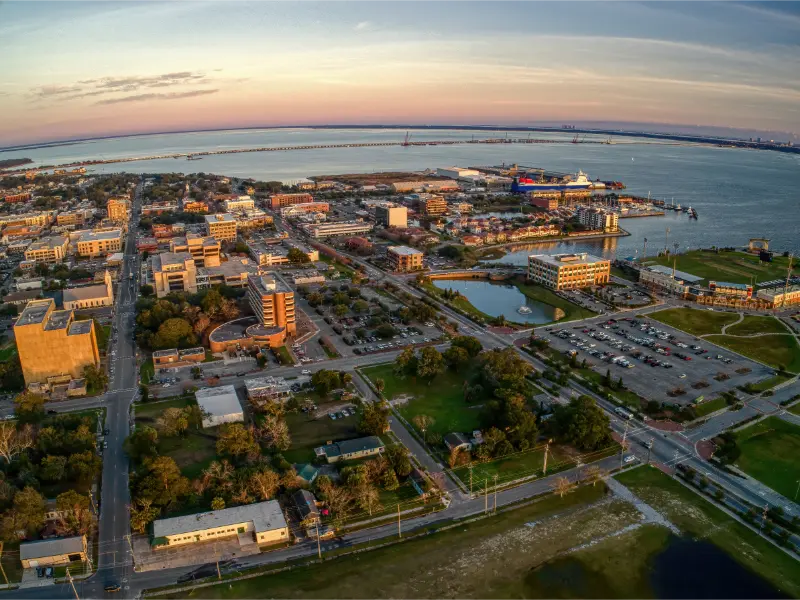
    Pensacola Florida Waterfront City Sunset Aerial

    Day 2: Santa Rosa Island and Navarre's calmer pace

    Drive east and decide how much beach time your group genuinely enjoys. An hour swimming under appropriate flag conditions is different from six hours sitting in the sun. Santa Rosa Island is exposed to Gulf weather; rip currents, lightning and dangerous surf can occur on beautiful-looking days. Navarre Beach often feels less urban than the larger resort centers, making it a good place for a long lunch and a modest walk rather than a packed activity schedule. An accessible beach day still requires advance checks: the existence of parking near the sand does not guarantee beach-wheelchair availability, firm surfaces or an accessible bathroom. If a child needs a break from the shore, use a shaded park or aquarium-type attraction that is confirmed open. Keep an eye on bridge traffic, especially weekends and holiday changeover days. A simple sunset is a better objective than racing east to squeeze another town into the afternoon.

    Day 3: Destin, protected dunes and the choices along 30A

    Destin is a convenient place to pause, but its harbor, main commercial roads and beaches can be congested. Decide whether you want a beach day, a boat excursion or a town-to-town drive; doing all three usually produces a rushed result. Henderson Beach State Park offers managed coastal access, yet Florida State Parks currently requires day-use reservations at certain heavily visited sites, including Henderson Beach. Check the official reservation system, and note that an annual pass does not replace a mandatory reservation. Continue toward South Walton and Scenic 30A only when you are ready to slow down. The coastal dune lakes and pine-backed beaches make this area distinctive. Seaside, Grayton Beach and Rosemary Beach have different street layouts, parking conditions and architectural character. Keep to public access points and respect private property signs. A bicycle outing can be lovely where paths are suitable, but children need properly fitted helmets and steady supervision at road crossings.

    Day 4: 30A to Panama City Beach without over-scheduling

    Use the morning for one carefully chosen destination such as a dune lake viewpoint, a state park trail or a neighborhood that you did not see on day three. Continue toward Panama City Beach, but recognize that its entertainment-oriented sections are different from the subdued landscape farther west. St. Andrews State Park may suit a nature-focused afternoon, depending on park capacity and conditions. Shell Island outings require a separate boating or ferry decision; service varies, and visitors should not treat an undeveloped island as a full-service beach with food and shade. Families with very young children might prefer to stay on the mainland and make the day more predictable. Keep plenty of drinking water in the car and avoid leaving anyone waiting in a parked vehicle during hot weather. Finish with dinner close to your hotel instead of crossing town during peak traffic. A rest day is part of the itinerary, not a failure to experience the Panhandle.

    Day 5: Mexico Beach, Port St. Joe and the meaning of coastal recovery

    East of Panama City the coastline has experienced extensive hurricane damage and rebuilding over the years. Treat this stretch respectfully: it is home to working communities, not merely scenery left behind by storms. Mexico Beach offers coastal character with fewer large-scale attractions. Port St. Joe is a practical stop for a meal, waterfront views and learning about the region’s historical maritime and industrial economy. If conditions allow, explore the Cape San Blas area and consider a park visit on St. Joseph Peninsula. Beaches, access roads and individual facilities may be altered by storms, erosion and restoration. Do not assume that a map pin for a boardwalk, pier or restaurant represents a currently functioning facility. Ask locally, confirm official notices and avoid entering closed dune or construction areas. Travelers seeking a low-effort day can remain in town, enjoy public waterfront space and skip the more isolated beach drives.

    Pensacola Beach Florida White Sand and Coastal Houses

    Day 6: Apalachicola Bay, working waterfronts and the Forgotten Coast

    Arrive around Apalachicola with time to walk downtown streets and understand the bay’s importance to regional fishing and commerce. This is not an invitation to treat docks, oyster houses or private boats as open-air tourist exhibits. Observe from legal public spaces and support businesses that are operating. Oyster harvesting conditions, seasons, restoration work and seafood availability are governed by current regulations; never promise that local oysters will be served on a particular date. St. George Island can be a beautiful extension, but park access must be confirmed if there are storm-related closures. If you want to extend east toward Carrabelle, allow another night rather than adding it as a final frantic detour. For visitors with reduced stamina, the most satisfying Apalachicola day might be just a history walk, a waterside meal and an early evening. A slow itinerary leaves room for real local life instead of collecting beach photographs.

    Where to sleep and how to keep the driving reasonable

    Use Pensacola for the first two nights, the Destin/30A/Panama City area for the next two and the Port St. Joe or Apalachicola area for the final nights. That gives each accommodation a purpose. Along the route, travel costs swing dramatically between a beach-view property and a simple inland motel. Add resort fees, cleaning charges, parking, tolls, bridge traffic and fuel before deciding on value. Some rentals impose minimum stays, particularly during summer school holidays. For travelers with mobility needs, specify a roll-in shower or other essential features in writing and confirm them directly with the property rather than relying on a generic ‘accessible’ label. If driving with older relatives, prioritize a place with elevators and dining options nearby; a room that is technically affordable can become exhausting if every meal requires an extra trip.

    Safety on the Gulf: flags, thunderstorms, heat and boats

    Sea conditions are more important than the color of the water. Beach-warning flags indicate hazards, and absence of flags does not mean there is no risk. Swim near lifeguards where available, remain alert to rip currents and keep children close. Lightning is a reason to leave the water immediately. Outings on rental boats require attention to operator licensing, weather, local navigation rules and appropriate personal flotation devices. On barrier islands, some access points have no shade, drinking water or shops, so prepare for the environment you will actually enter. Hydration breaks and sun protection become especially important for infants, older adults and people with heat-sensitive conditions. Never stop on bridges or road shoulders for photographs unless the spot is a legal turnout. Preserve dunes and nesting areas by using established access. Treat a postponed boat tour as an opportunity for a museum or a relaxed lunch, not as a trip disaster.

    Suggested route at a glance

    DayMain baseCore choice
    1PensacolaHistoric harbor and Pensacola Beach
    2Pensacola/NavarreBarrier-island shoreline and nature
    3Destin/30AState park or one coastal town
    4Panama City areaDune lakes, St. Andrews or rest
    5Port St. JoeMexico Beach and Cape San Blas
    6ApalachicolaWaterfront history and optional island

    Money, seasonality and realistic expectations

    Spring and fall may offer more comfortable sightseeing conditions than the most humid summer weeks, but Atlantic hurricane season also affects the Gulf from June through November. Monitor the National Hurricane Center rather than using seasonal averages as a promise of safety. Summer brings school-vacation crowds to some resorts and extremely hot beach days. Winter can be pleasant for walking yet cool for swimming. Set a flexible daily budget with separate lines for lodging, parking, one paid activity and meals. A group that enjoys beaches and history can avoid many expensive tours; an elaborate charter or premium resort will change the calculation. Keep your final night near your departure route instead of gambling on an early-morning six-hour drive to the airport. Distances on a map do not account for storm diversions, beach traffic or a late check-in queue.

    Official sources to check before driving

    The Florida Scenic Highways program explains designated scenic corridors; Florida State Parks posts park conditions and reservation requirements; and the National Hurricane Center provides authoritative tropical-weather information. Check local beach flag reports and specific attraction websites each day. This journey is best understood as a regional introduction. You can spend a week here without paying for a major attraction every day, but you cannot safely force a barrier-island crossing, a boat trip or a swim when conditions say otherwise.

    Frequently asked questions

    Does US 98 stay next to the beach the whole way?

    No. It passes across bays, inland sections and urban corridors. Scenic 30A and other side roads provide some of the memorable coastal detours.

    Is one week enough for Pensacola to Apalachicola?

    Yes for selected highlights, especially with three accommodation bases. Add nights if you want long boat tours or several full beach days.

    Do I need to book state-park entry?

    Sometimes. Certain high-demand parks require a day-use reservation, and policies may change. A purchased pass does not necessarily guarantee entry.

    Can I make the trip with grandparents and toddlers?

    Yes if you reduce activity count, choose hotels with easy parking and shade, and avoid keeping children on hot open beaches for extended periods.

    What if storms close my preferred beach?

    Use museums, downtowns or a rest day as your alternate. Follow closures and do not enter flood-damaged facilities or closed roads.

  • Seven Days on Florida’s Panhandle Coast: Pensacola, Destin, Panama City Beach and Apalachicola

    Seven Days on Florida’s Panhandle Coast: Pensacola, Destin, Panama City Beach and Apalachicola

    The Florida Panhandle is a rewarding alternative to the theme-park-and-Miami version of a Florida vacation. Here the Gulf Coast shifts between long pale-sand beaches, fishing harbors, military history, coastal dune landscapes and small towns linked by scenic roads. A seven-day road trip from Pensacola toward Apalachicola gives a useful introduction, but only if you resist treating every shore community as an identical beach stop. Pensacola’s historical sites, the Emerald Coast’s waterfronts and the quieter Forgotten Coast have distinct characters, and that difference is the best reason to travel across them.

    This west-to-east route works well with a rental car. A return flight from a different airport may reduce backtracking, but check flight schedules and one-way rental charges before choosing it. It is also entirely reasonable to return to Pensacola if you reserve a final travel day. In summer, beaches are tempting, but afternoon thunderstorms and coastal heat call for earlier starts and indoor backups. In shoulder seasons, some tours, ferries or businesses may operate reduced schedules, so verify the actual week of your visit.

    A practical week without changing hotels every night

    DaysSuggested baseExperiences
    1–2Pensacola or Pensacola BeachHistoric town, waterfront, Gulf Islands National Seashore
    3–4Destin or nearby Emerald CoastBeach and coastal park time, one boat or nature outing
    5Panama City Beach areaSt. Andrews, beach and family activities
    6–7Port St. Joe, Cape San Blas or ApalachicolaSmall coastal communities, heritage and quieter shore

    This plan does not promise an exact journey time between bases, because bridge traffic, storms and seasonal road congestion can radically change the day. Use a live route planner each morning. Choose hotel locations based on what you want to do after parking the car. A central hotel for one night in a working town may be more interesting than a cheaper room near a highway interchange.

    Day 1: Pensacola's historic center and bayfront

    Arrive in Pensacola and explore downtown at a walking pace. The city’s architecture, historic districts and waterfront reflect several eras of settlement and maritime activity. Choose a history museum, a guided walking tour or a self-directed architectural route, but check opening times before traveling; not all heritage sites keep everyday schedules. Take lunch in the center and spend the afternoon near the bayfront rather than racing straight to the beach after a flight or long drive.

    For families, this first day can be a gentle introduction with a small museum, a waterfront walk and an early dinner. Art and history enthusiasts may enjoy adding a gallery or performance if one is scheduled. Travelers who find walking uncomfortable should choose the most accessible blocks and build in places to sit. The area is not a theme-park set, and the most rewarding experience may be learning something about the community rather than collecting landmarks.

    Day 2: Pensacola Beach and Fort Pickens

    Set aside a day for the barrier islands and the Fort Pickens area of Gulf Islands National Seashore. Fort Pickens is a substantial historic coastal defense site, but access roads, beach facilities and interpretive buildings can change due to repairs or storms. The National Park Service publishes current access notices, which deserve a check before you leave. Some visitor-center facilities have been subject to renovation, so do not assume every exhibit or restroom shown in an old photo is operating. Historic structures can also have uneven ground and exposed areas without shade.

    Combine the historical visit with a beach outing at an authorized access point. Check lifeguard information where available, rip-current warnings and surf conditions. On a stormy day, focus on town museums instead of making a long drive to sit in a car near an unsafe shoreline. If the group includes someone who uses a wheelchair, ask the park or local government which exact stops have suitable parking, accessible restrooms and beach access. Bring water and sun protection; coastal wind can make the intensity of the sun easy to underestimate.

    Day 3: Travel toward Destin and the Emerald Coast

    Move east along the coastal region toward Destin. Plan one main stop rather than many quick detours, because beach approaches and roadside shopping districts can be congested. Destin’s harbor and surrounding beaches explain the Emerald Coast reputation, but you will get more from a planned lunch and one comfortable beach session than from spending the entire afternoon searching for the most famous parking lot. If the main public beach area is full, use a preselected alternative rather than circling endlessly with tired passengers.

    Destin Florida Turquoise Gulf Beach and Hotels

    A boat cruise can provide perspective on the harbor and Gulf, but select operators based on vessel access, weather policies and actual itinerary rather than dramatic advertising photographs. For children, find out whether there is shade and a restroom; for older passengers, ask about stability, boarding steps and seating. If you prefer to stay on land, a marina walk and a meal may be exactly right. Reserve the night for resting at your new base, with no obligation to chase another sunset across town.

    Day 4: An Emerald Coast nature day

    Use this day to enjoy a coastal park or beach area in greater depth. Grayton Beach State Park and other state-managed landscapes in the broader region illustrate Florida’s coastal dune environments, though individual sites differ in access and may reach capacity. Decide between a park walk, scenic nature photography and a swim rather than trying to do all three in full. Coastal dunes are sensitive habitats; follow designated boardwalks and keep off restoration areas. If you are interested in birds, bring binoculars and keep noise low near nesting habitat.

    A scenic coastal drive can be an appealing addition, especially through small communities with distinctive architecture, but obey local parking rules and do not block bike lanes. The point is to slow down. Those on a beach-first vacation can stay in one spot with a picnic and a book; an active family might fit an early walk and an afternoon swim. Both versions can work, provided you follow current warnings about lightning, surf and heat.

    Day 5: Panama City Beach beyond the hotel pool

    Continue to the Panama City Beach area and choose an activity that complements the beaches you’ve already visited. St. Andrews State Park is a natural candidate for beach scenery and coastal habitats, though water conditions and facilities should be checked with Florida State Parks. An alternative is a shorter beach outing followed by a family attraction or an indoor stop. Panama City Beach has more than enough commercial entertainment to fill several days, but you do not need to book all of it to have a satisfying visit.

    If you are traveling with toddlers, prioritize a safe shaded rest and a predictable meal instead of two paid attractions in the afternoon. With teenagers, let them help choose a water activity, while making sure the operator’s safety standards and weather policy are clear. For older travelers, an easy coastal overlook and a comfortable restaurant may be preferable to a physically demanding boat excursion. Use a single hotel night here if you plan to move east tomorrow, or stay longer if this is the trip’s main family beach destination.

    Pensacola Florida Downtown Skyline at Golden Sunset Aerial

    Day 6: Port St. Joe and Cape San Blas country

    The landscape becomes quieter as you approach the Forgotten Coast. Around Port St. Joe and Cape San Blas, the appeal lies in relatively undeveloped coastal scenery, local history and a slower daily rhythm. Choose a lawful beach entrance or a state park according to current conditions, and recognize that services can be more spread out than in the bigger resorts. Carry sufficient water, know where restrooms are, and don’t depend on finding a restaurant precisely when a child or traveler with medical needs requires one.

    This is an appropriate region for a coastal walk, birdwatching or a calm picnic when conditions allow. If driving through smaller settlements, keep to designated public access areas and respect residential parking. Shorebird nesting and dune protection rules may restrict entry in some places. Those interested in paddling should use a reputable local outfitter and check the wind and tide rather than assuming a sheltered bay is always beginner-friendly. Spend the night in a community that fits your preferred evening pace.

    Day 7: Apalachicola, maritime history and a memorable finish

    Finish in Apalachicola, a small coastal town whose history is closely connected to the river, bay and maritime trades. A walk among historic buildings and a stop at an interpretive site can provide context for the region’s working waterfront. Ask restaurants about what seafood is actually available rather than assuming every traditional local species is being harvested under unchanged rules. Coastal economies and conservation regulations evolve, and it is worth letting local people explain their town in the present tense.

    Leave the afternoon intentionally open for a waterfront seat, a second historical stop or an early departure. If you need to return to your original airport, the drive should be treated as its own substantial part of the itinerary, not as an invisible afterthought. For an extra night, this quieter portion of the coast is a strong place to linger, especially for travelers who care more about scenery and community character than nightlife.

    What families, solo travelers and older visitors should change

    Families with small children usually benefit from staying at least two nights per base, even if that means cutting a town from the plan. Move the longest drives to morning or nap-friendly periods and stop when everyone needs a break, not only at a scenic viewpoint. School-age children can learn about forts, sea life and dunes, making the trip educational without being classroom-like. Teenagers may welcome a supervised water experience, but they should not be pressured into an activity just because it is marketed to their age group.

    Solo travelers can enjoy the same route by selecting accommodations with reliable check-in procedures and planning sunset outings near the hotel. Visitors in their eighties and beyond may appreciate this region’s gentle historical and scenic experiences, provided actual walking surfaces, seating and restroom access match their needs. A car with easy entry and exit may matter more than a trendy hotel location. Ask specific accessibility questions at the chosen attraction instead of relying on a general label such as “suitable for seniors.”

    Seasonal conditions and what to budget

    The Panhandle has more noticeable winter temperature changes than far South Florida. A January beach walk may be lovely while the water feels much too cold for a swim. Summer offers warmer water but can bring heat, humidity, heavy visitor traffic and thunderstorms. Hurricane season also affects the Gulf coast. A flexible accommodation cancellation policy is particularly valuable for coastal trips. Before entering the water, check local beach flags and rip-current forecasts rather than using the previous day’s conditions as a guide.

    Build a budget around four realities: accommodation, rental car and fuel, parking at busy beaches, and one or two paid experiences. Many shoreline visits are inexpensive, but fees at state parks and national seashore units vary. If you travel between several towns, groceries and picnic supplies can save money while making rural stops easier. Do not promise that seafood dinners will always be affordable or that a sunset cruise will operate every day; those are local, changing conditions.

    Frequently asked questions

    Is one week enough to see the Panhandle coast?

    It is enough for an introduction from Pensacola toward Apalachicola, but not for every beach and coastal town. Extra days make the route less rushed.

    Can we do this road trip without a car?

    Regional public transit is limited for this multi-town route. A rental car or arranged private transfers are usually the practical choice.

    Are Panhandle beaches warm all year?

    No. Winter air and water temperatures can be much cooler than travelers expect from pictures of South Florida.

    Should we book a single hotel for the entire week?

    Only if you’re focusing on a smaller section of coast. For the full route, two or three bases avoid repeatedly driving long distances.

    What happens after a tropical storm?

    Roads, dunes and parks may close or lose facilities. Follow official state, county and National Park Service alerts before setting out.

    Official planning sources

  • Apalachicola Florida Travel Guide: Best Things to Do, History, Seafood, Nature and Planning Tips

    Apalachicola Florida Travel Guide: Best Things to Do, History, Seafood, Nature and Planning Tips

    Apalachicola is one of the best places in Florida for travelers who want a Gulf Coast trip that feels more like a real small town than a purpose-built beach resort. The compact historic district, working riverfront, seafood culture, locally owned shops and nearby barrier islands give the town an identity that is very different from the larger Panhandle destinations. It is especially rewarding for couples, families who enjoy nature and history, photographers, birders and road-trippers who are comfortable with a slower pace.

    Explore this guide

    The town was established in 1831 and became an important Gulf port. Today the strongest visit combines a walk through the historic center, the riverfront, one or two small museums and enough unstructured time for a meal or coffee. The larger experience extends well beyond town: St. George Island, Eastpoint, the Apalachicola National Estuarine Research Reserve, Tate’s Hell State Forest and St. Vincent National Wildlife Refuge all make sense as part of the same trip.

    Quick planning summary

    • Best for: history, seafood, small-town atmosphere, nature and slow coastal travel
    • Time needed: 1 full day for the town; 2–3 days if adding St. George Island and wildlife areas
    • Main base: historic downtown and waterfront
    • Nearest major airport: Tallahassee is roughly 80 miles away by road
    • Car: strongly recommended for the wider Forgotten Coast

    Important current-status note

    October 2026 information snapshot: this article is scheduled for 2028. Hours, prices, construction, storm repairs, road conditions, seasonal closures, tour schedules and wildlife-management rules can change before publication. The details below are a verified planning baseline, not a promise that every 2026 condition will still apply in 2028. Recheck the linked official source shortly before travel.

    Current practical baseline

    Historic Apalachicola is a small working waterfront community with a large National Register district, locally owned shops and restaurants, museums and easy access to St. George Island, Eastpoint and protected coastal lands. The Apalachicola Bay Chamber visitor center is at 17 Avenue E.

    What makes Apalachicola worth visiting

    Apalachicola works best for travelers who value atmosphere and context. There is no single blockbuster attraction that defines the town. Instead, the appeal comes from the relationship between the river, the bay, historic warehouses and homes, seafood businesses, museums and the surrounding protected landscape. Walking a few blocks, stopping at the waterfront and learning why the river mattered economically will give you more than trying to rush from one attraction to another.

    Best things to do in town

    Start around the historic downtown and riverfront. Add the John Gorrie Museum if you are interested in the history of refrigeration and public health, and Orman House if its tour schedule fits. Browse locally owned shops and galleries, then leave room for a seafood meal. The town also works as a base for St. George Island, St. Vincent Island boat access, the estuarine reserve and scenic US 98 drives.

    Florida White Stucco Historic House and Palm Trees

    How long to stay

    A focused day is enough to understand the town itself. Two nights are much better if you also want a full beach day, a refuge or forest visit, or a boat-based experience. Three nights create a relaxed Forgotten Coast trip with weather flexibility. This matters because a windy or stormy morning can cancel a water activity without ruining the whole vacation.

    Walking, parking and getting around

    Historic Apalachicola is compact enough to explore on foot once you park, but the wider Forgotten Coast is not. Keep the car for St. George Island, Eastpoint, Carrabelle and remote natural areas. Summer heat makes even short walks feel longer, so park once for the downtown portion and avoid repeatedly moving the car by a few blocks.

    Seafood and local character

    Seafood is part of the destination, not just a meal choice. Menus and harvest conditions change, and the Apalachicola Bay oyster story has gone through major ecological and management changes, so avoid planning around a specific local catch without checking current availability. A better approach is to ask what is fresh and local that day.

    Who will enjoy it most

    History-minded adults, couples, photographers, birders and families who like nature tend to get the most from Apalachicola. Travelers seeking nightlife, large attractions or a highly structured resort environment may prefer to use it as a day trip. Children often enjoy the trip more when the town portion is paired with beach time, wildlife or a boat outing.

    A simple first-day plan

    Begin with the historic center while temperatures are comfortable, visit one museum before lunch, eat near the waterfront, then spend the afternoon either on St. George Island or at the Reserve Nature Center in Eastpoint. Return to town for an early dinner. This gives the day variety without excessive driving.

    How to combine it with earlier Wonderful Florida stops

    Travelers coming from Tallahassee can pair the route with St. Marks National Wildlife Refuge on a separate day rather than trying to force both into one rushed coastal loop. The historic context also complements San Marcos de Apalache.

    Planning for different ages and travel styles

    The Forgotten Coast is well suited to multigenerational travel because many of its best experiences are simple rather than high-intensity. Babies and toddlers benefit from shade, predictable restroom stops and short beach sessions. School-age children often enjoy lighthouses, wildlife, boats and hands-on exhibits more than long blocks of historical text. Teenagers may prefer kayaking, photography, fishing, beaches or a scenic drive. Older travelers usually appreciate short walks, benches, museums and waterfront restaurants, but remote wildlife areas can have uneven surfaces and few facilities. The most successful mixed-age day normally combines one active stop with one low-effort stop instead of forcing everyone through a long checklist.

    Best season, heat, storms and insects

    October through April usually offers the easiest weather for long walks, birding and historic districts. Late spring can be pleasant but warmer, while summer brings strong sun, humidity and frequent afternoon thunderstorms. Hurricane season runs through the warm months, and even a distant tropical system can change surf, tides, roads and opening hours. Mosquitoes and biting insects can be intense near marshes and forests, especially around dawn, dusk and after rain. Check radar, official alerts and marine conditions before committing to a remote beach, refuge or forest road.

    Budget and value

    This part of Florida can be relatively good value because several museums, beaches, refuges and nature centers are free or inexpensive. The biggest costs are often lodging, boat transportation, guided wildlife trips, fuel and meals rather than admission fees. Free attractions still require time and driving, so value comes from grouping places geographically. A morning in Apalachicola followed by an afternoon on St. George Island is usually more efficient than zig-zagging between Carrabelle, the island and the river towns several times in one day.

    Pink Vintage Car Outside Retro Florida Diner

    Accessibility and low-effort alternatives

    Accessibility varies sharply. Modern visitor centers and many museums provide level entries and accessible restrooms, while beaches, old houses, forest roads and barrier-island trails can be much more challenging. Before traveling with a wheelchair, walker or stroller, verify the exact accessible route rather than assuming a short trail will be easy. Low-effort alternatives include scenic drives, waterfront viewpoints, indoor museums, lighthouse grounds, boardwalks and short nature-center visits. In summer, choosing a shaded or air-conditioned stop in the middle of the day can make the whole itinerary more comfortable.

    What to bring

    • Refillable water bottles and extra drinking water for remote areas
    • Broad-spectrum sunscreen, hat and sunglasses
    • Insect repellent for marshes, forests and evening stops
    • Comfortable shoes that can handle sand, roots or wet ground
    • Light rain layer during the warm season
    • Downloaded maps because mobile coverage can weaken outside the towns
    • Binoculars for birds, dolphins and distant wildlife
    • Portable phone charger for navigation and photography

    How to combine it with nearby places

    Keep the day geographically compact. Apalachicola, Eastpoint, St. George Island and Carrabelle look close on a regional map, but bridge crossings, two-lane roads, beach stops and slow meals add time. If you are continuing east toward Tallahassee, use St. Marks National Wildlife Refuge or San Marcos de Apalache on a separate travel day rather than forcing every Big Bend stop into one loop.

    What is worth booking in advance

    Reserve any boat transportation, limited-capacity tour, campground, special program or guided wildlife experience that is central to your trip. Ordinary museums and day-use parks often require less advance planning, but seasonal events and holiday weekends can change that. Never assume a boat-only destination can be arranged after you arrive at the ramp.

    Common planning mistakes

    • assuming every attraction keeps big-city hours seven days a week
    • underestimating driving time along two-lane coastal roads
    • planning a remote refuge or forest visit without water, fuel or an offline map
    • treating wildlife sightings as guaranteed
    • ignoring tides, wind and thunderstorms when planning paddling or boating
    • trying to combine too many towns in a single short day
    • forgetting that hurricane repairs and construction can change access for months

    A better daily rhythm

    Put the most weather-sensitive experience first. Beaches, boat trips, wildlife viewing and exposed trails are generally better early, while museums and shops work well during the hottest or stormiest part of the afternoon. Leave at least an hour unassigned. That margin absorbs a bridge delay, a longer seafood lunch, a wildlife stop or a beach you decide not to leave as quickly as planned. The slower rhythm is part of the appeal of the Forgotten Coast.

    Final planning advice

    Use this guide to decide whether the experience fits your trip rather than treating it as a box to check. The Forgotten Coast rewards travelers who accept that distances, weather, tides and seasonal hours can reshape a day. One memorable nature experience, one historical or cultural stop and an unhurried meal usually create a better day than racing between five attractions.

    Parking, arrival time and coastal driving

    US 98 is scenic but is not an interstate. Expect lower speeds, small-town traffic, bridges and occasional weather-related delays. Fill the tank before a remote forest, refuge or island day, and put the exact entrance in your map app because the name of a park can cover a much larger area than the visitor entrance. Arrive earlier than you think you need to when a ferry, guided tour, climb or boat pickup has a fixed departure time.

    Food, restrooms and practical breaks

    Apalachicola, Eastpoint, St. George Island and Carrabelle have food options, but many natural areas have little or no food service. Remote beaches and refuges may also have limited restroom access. Eat or buy supplies before entering a long forest drive, wildlife refuge or boat-only destination. Families should carry snacks even when a restaurant is planned, and everyone should bring more water than they expect to need in hot weather. Seafood is a major part of the local identity, but restaurant hours can be seasonal and some kitchens close earlier than visitors from larger resort areas expect.

    Photography, wildlife and phones

    The Forgotten Coast is excellent for sunrise, sunset, marsh, bird and lighthouse photography. Use a telephoto or digital zoom rather than approaching wildlife, nesting birds or animals resting on the beach. Drones are restricted or prohibited in many parks and refuges, so verify the land manager’s current rules before launching one. A small power bank is useful because navigation, tide checks, camera use and weather radar can drain a phone quickly, especially on a full coastal day.

    If weather changes the plan

    Build at least one indoor backup into a Forgotten Coast day. Museums in Apalachicola and Carrabelle, the Reserve Nature Center and other small cultural sites can rescue a stormy afternoon. Do not wait on an exposed beach, pier or boat ramp during lightning simply because it is part of the itinerary. After heavy rain or tropical weather, roads, trails and low coastal areas can temporarily close. A flexible order is more useful here than a rigid hour-by-hour schedule.

    Is it worth adding to your Forgotten Coast trip?

    Yes when the experience matches your group and sits naturally on the route you are already driving. The Forgotten Coast is not a destination where every attraction needs to be collected. If a stop creates two extra hours of driving, conflicts with safe weather or pushes children and older travelers past their comfortable pace, save it for another trip. The region is at its best when you leave room for the beach, wildlife, food and unexpected views.

    Official information

    Check the official visitor information shortly before travel for current hours, fees, closures and safety notices.