Category: Fort Lauderdale

  • Brightline With Kids: Five Car-Free Days From Orlando to Fort Lauderdale

    Brightline With Kids: Five Car-Free Days From Orlando to Fort Lauderdale

    Florida’s private intercity train service makes a short family vacation possible without driving the entire distance between Central and South Florida. Brightline links Orlando International Airport with cities in South Florida, including Fort Lauderdale. You can combine a train experience with museums, waterfront walks and a manageable city base. The key is remembering that a train journey does not automatically make the whole vacation car-free: the station, hotel and family attractions still need a practical connection.

    This five-day itinerary works best with children who enjoy transit, families flying into one region and out of another, or anyone who would rather avoid highway driving. It focuses on Fort Lauderdale rather than trying to visit every Brightline destination. Timetables, fares and station transfer products change, so treat the day-by-day outline as a framework. Book actual trains and family-friendly connections through official providers.

    Understand the route before booking flights

    Brightline’s Orlando station is located at Orlando International Airport. That is useful if you are arriving by air, but the station is not a neighborhood in central Orlando or a theme-park hotel. For a city stay in Orlando, you need to plan the trip from your lodging to the airport station. Likewise, Fort Lauderdale’s station is not literally on the beach. Calculate a transfer to your hotel and the activities you intend to visit. A half-mile stroll may be comfortable with one backpack yet miserable with a stroller, carry-on bags and afternoon heat.

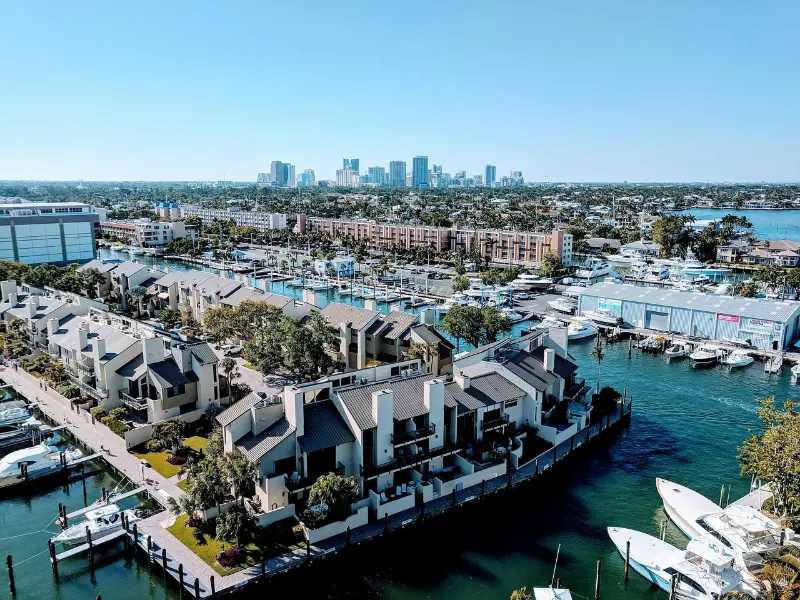
    Fort Lauderdale Florida Canal and Waterfront Neighborhood

    When choosing flights, consider an open-jaw itinerary: arrive at Orlando and leave from Fort Lauderdale or a suitable nearby airport if the pricing and schedules make sense. Do not assume that booking through different airlines will protect missed connections. Leave a sensible margin between landing, immigration, baggage collection and your train departure. An international flight delay could cost the train fare if ticket change conditions are strict. Read the fare terms at checkout before deciding that the lowest displayed price is the best option.

    Traveling with babies, children and strollers

    Brightline’s family-travel information explains that children age two and under travel free and that children ages three to twelve may qualify for fare savings when traveling with an adult, subject to current conditions and selected fare types. Verify age bands and the final price in the booking flow: promotions and discounts can end or change. The operator also says strollers, car seats and booster seats can be carried onboard without counting as regular carry-on luggage, though you should check dimensions and stowage policies for your specific equipment.

    That does not mean you can comfortably carry an unlimited number of bags. A compact stroller, one personal backpack per adult and a small bag of snacks are usually easier to manage than oversized cases. Put essential medications, wipes and documents in an accessible pocket. Have children use the restroom before boarding. Set expectations about sitting, sound volume and walking only with permission. A train is exciting for young travelers, but it is still shared transport; considerate behavior improves the ride for everyone.

    Day one: arrive in Orlando and prioritize the transfer

    If your flight lands late, stay near the airport rather than forcing the train connection on the same evening. With an earlier arrival and enough buffer, taking Brightline south can be a pleasant start to the trip. The journey allows everyone to watch scenery without one adult monitoring highway traffic. Pick up easy food before boarding if dietary restrictions or limited opening hours are a concern. Keep liquids and snacks organized and follow the operator’s current rules about food and beverages.

    Once in Fort Lauderdale, transfer directly to the hotel. If you are using a taxi or rideshare with children, Florida child-restraint requirements may apply, and vehicle availability is not guaranteed for every child seat configuration. Pre-book a suitable transfer or bring appropriate restraints when necessary. Choose a hotel with easy meals nearby and practical access to your main attractions. Resist the urge to include a beach outing on arrival day; the first evening is for a shower, dinner and a calm bedtime.

    Day two: explore downtown Fort Lauderdale on foot

    A downtown day works best when you cluster stops in a compact area around the Riverwalk and nearby cultural sites. Check walking routes for shade, sidewalk accessibility and safe crossings. Some waterfront stretches are delightful, but Florida humidity can make even modest distances demanding. Start with an outdoor walk before the hottest part of the day, then select one indoor attraction if it suits your children’s interests. The Museum of Discovery and Science is a logical possibility, but review its schedule and ticket details before making a promise.

    Fort Lauderdale Waterfront Tropical Sunset

    Lunch can be the day’s reset point. Families with toddlers often do better with a meal before the crowd’s peak; teenagers may enjoy choosing a restaurant or identifying a public artwork. Take a break back at the hotel if needed. A car-free itinerary should not feel like an endurance test. If an attraction is farther than anticipated, a short transfer is often safer than dragging tired children along busy roads. Walking is enjoyable when you have chosen it, not when you are trapped by an unrealistic map calculation.

    Day three: an easy beach day without assuming easy water

    Fort Lauderdale’s beach is a familiar attraction, but a waterfront visit does not require swimming. Look for a public access with the facilities your group needs, check any active beach advisories, and choose a transportation method that minimizes carrying gear. Parking is not your problem without a car, but traffic and transfer delays still matter. Take a compact sand kit, sun protection and water rather than transporting half your hotel room.

    Observe warning flags and lifeguard guidance, and understand that ocean currents can be dangerous even on sunny days. One adult may struggle to supervise several young swimmers at once. Plan a sand-focused morning, supervised paddling where conditions allow, or a shaded boardwalk stroll. Families uncomfortable with waves can spend less time at the shoreline and more at an indoor attraction. Florida beaches also protect wildlife: leave dunes and marked turtle nesting areas undisturbed, remove all trash, and never shine lights toward nesting turtles or hatchlings.

    Day four: choose a genuinely nearby day trip

    Instead of heading back to Orlando or across the entire metropolitan area, choose a destination accessible by a short local transfer. A nature center, coastal park, art museum or another neighborhood can give the day a new focus. Confirm that the venue is open on your chosen weekday and that its entrance is where the map indicates; parks sometimes have multiple gates and limited pedestrian access. If you are visiting during school holidays, book popular indoor experiences ahead but leave the afternoon free.

    The train can also support a separate South Florida outing on certain routes, but do not buy an additional intercity ticket without calculating onward local transfers. A station near a city does not guarantee a walkable path to the activity you want. Families with bigger children may enjoy riding another short train segment simply for the experience; families with babies may prefer a quiet pool afternoon. Either approach is valid. This is a vacation, not an assignment to use every transportation option.

    Day five: departure without last-minute transportation stress

    Prepare the return or onward transfer the evening before. Recheck train times, station entrance, luggage allowance and any weather or service alerts. If your flight departs from South Florida, calculate the complete journey from hotel to airport, including possible security delays. If returning to Orlando by Brightline, avoid booking a train that arrives only a little before a flight. Separate tickets often leave the traveler responsible when a delay causes a missed connection. Build a generous buffer or consider an airport-area overnight.

    Pack snacks before checkout, let the children use the restroom and keep a clean outfit reachable if spills are common. Confirm accessibility assistance in advance for anyone needing help through the station, and arrive with enough time to locate the correct boarding area. A little administrative preparation is what makes train travel feel smooth rather than fragile.

    Where to stay: walkability versus beach atmosphere

    Hotel base Advantages Trade-offs
    Downtown Fort Lauderdale Urban dining, some attractions and waterfront walking Beach usually requires a transfer
    Beachfront area Convenient early sand time, sea views Transfer to rail station and downtown activities
    Near the train station Simpler arrival/departure with luggage Location and family amenities vary
    Airport hotel Practical for late flights or early departure Not ideal for a five-day sightseeing base

    Check whether rooms offer connecting doors if that matters for your family, and whether resort fees, breakfast and laundry cost extra. An apartment-style suite might reduce meal costs and make naptime easier. For visitors with mobility limitations, request concrete details such as a step-free route from the curb to the room and actual bed height. Never assume ‘accessible’ means all the features you need.

    What a no-car budget must include

    Calculate train fares, airport transfers, local rides, occasional taxis and lodging near convenient transit. A bargain accommodation far from both station and beach can absorb its savings through multiple rideshares. Compare the cost of eating near your hotel against buying groceries or using a kitchenette. For families, bag fees and stroller management can be as important as the headline fare. Fares fluctuate by date, booking window, demand and class, so use current quotes rather than a made-up universal total.

    On the other hand, you may avoid rental-car fees, parking, toll charges and the stress of driving. If the train ride is a central part of the holiday, its value is not only measured against driving costs; children may remember the journey itself. Balance that enjoyment against the need for flexible transport at either end. Car-free travel is a good choice when you design the places you stay around it.

    Accessibility, comfort and practical contingencies

    Brightline states that its trains and stations are wheelchair-accessible, but travelers should communicate particular assistance requirements ahead of time. A stroller-friendly station does not guarantee every nearby street is easy to cross. Confirm step-free hotel access, sidewalk conditions and luggage arrangements. If traveling with an older relative, give them an easy option to sit while one adult handles tickets or snacks. During summer storms, prepare a nearby indoor venue; do not treat a downpour as simply an inconvenience to walk through with young children.

    Carry both digital and saved-offline booking details. A photograph of the train ticket, hotel address and emergency contacts can help when mobile service is poor, but follow any operator rules about required ticket display or identification. Check for real-time service changes before leaving the hotel. Do not rely on unofficial timetables copied into a travel blog months earlier. Your itinerary should survive a delayed train by sacrificing an optional activity, not by threatening the entire vacation.

    Frequently asked questions

    Is Brightline a direct substitute for having a car in Florida?

    No. It connects major stations, while hotels and attractions may require local transit, walking or a prearranged transfer. Build the whole itinerary around the station-to-hotel connection.

    Can families bring strollers on Brightline?

    Brightline’s family information says strollers and child restraints can be brought onboard without counting as regular carry-ons. Check current luggage and storage rules before traveling with oversized equipment.

    Is Fort Lauderdale a good stop for younger children?

    Yes, if you choose a walkable hotel area and limit each day to a few compatible activities. Build extra time for beach supervision, food stops and warm-weather breaks.

    Official sources for booking

    Confirm fares, child policies and station details with Brightline family travel and the Brightline official site. For museums see the Museum of Discovery and Science. Check Florida’s child-restraint law before arranging car transfers and the National Weather Service for coastal weather.
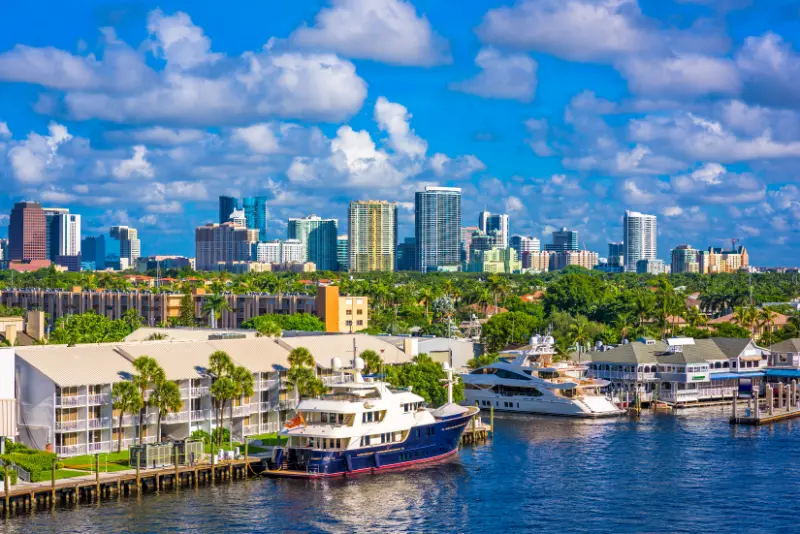
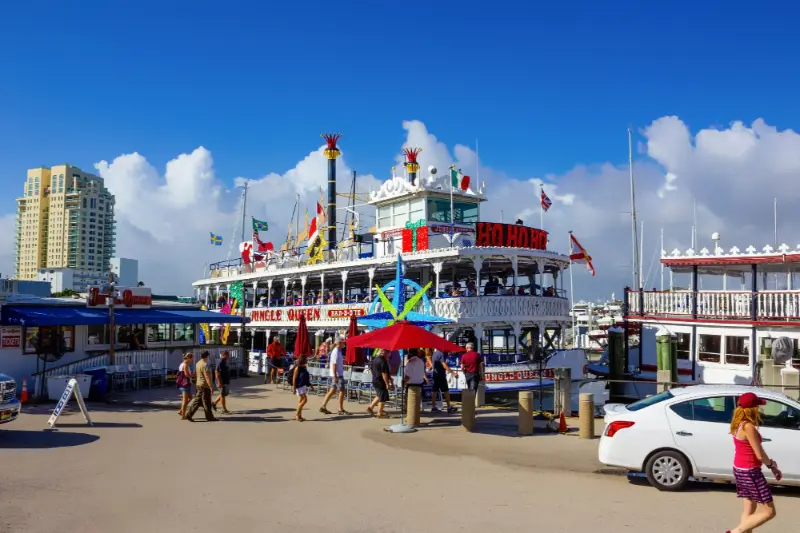
  • Three Days in Fort Lauderdale: Waterways, Beaches and Art Beyond Miami

    Three Days in Fort Lauderdale: Waterways, Beaches and Art Beyond Miami

    Fort Lauderdale is often reduced to a cruise departure port or a less crowded version of Miami. That misses what makes the city rewarding in its own right: canals and the New River, a walkable Las Olas dining district, preserved homes, Atlantic beaches and an urban state park unexpectedly close to the towers. Three days give you enough time to use the waterways as part of your sightseeing instead of driving from parking garage to parking garage. They also give the trip variety for families, couples, solo visitors and travelers who favor slower outings.

    For this itinerary, make downtown or the beach your overnight base and plan just one significant paid attraction per day. The Water Taxi can be enjoyable transportation, but its route and timetable must match your actual stops; it is not a substitute for every local journey. A car is helpful for some extensions, though not essential if you stay centrally and use organized transfers. Most importantly, leave room for a shaded midday break and remember that Fort Lauderdale’s coastal geography turns short-looking trips into bridge crossings and traffic delays.

    Three-day route and sensible starting points

    DayAreaMain planEasy substitute
    1Las Olas and New RiverRiverwalk, museums, canal cruiseWaterfront cafés and short water ride
    2Beach and Birch State ParkAtlantic shoreline, native coastal habitatPark scenic loop and museum
    3Bonnet House and nearby districtsHistoric estate, local art and flexible afternoonOne attraction followed by a relaxed lunch

    Select the Water Taxi ride around its latest official schedule rather than treating the departure times here as a promise. If you are staying after a cruise or before one, make the embarkation day a transfer-only day and shift your attractions to the remaining full days.

    Day 1: Las Olas Boulevard, the Riverwalk and a ride on the water

    Begin along Las Olas Boulevard, where shops, galleries and cafés give the city a neighborhood feel distinct from the beachfront strip. A morning stroll toward the New River leads naturally to Riverwalk Fort Lauderdale, an appealing place to orient yourself with views of bridges, passing vessels and downtown buildings. Choose an indoor stop according to interests: history-focused travelers might favor the Historic Stranahan House Museum, while a family with children may find the Museum of Discovery and Science more engaging. Check opening schedules and tour requirements before arriving, since historic-house experiences may not work as spontaneous walk-ins.

    Make the afternoon the water portion of your day. Greater Fort Lauderdale’s Water Taxi operates a sightseeing-oriented hop-on, hop-off service, and the visitor bureau explains the current routing and ticket options. A boat can make the area’s canals and Intracoastal Waterway understandable in a way a street map does not. However, do not assume every restaurant or attraction is beside a stop, or that the last service will match your dinner reservation. Verify boarding access, ticket rules and the latest sailing time before using it as a return journey.

    For dinner, choose downtown or Las Olas rather than driving unnecessarily to another beach town. If your group includes a child who becomes tired early, use a short scenic ride rather than the entire network. An older traveler may enjoy seated water views more than hours of shopping; someone uncomfortable on moving vessels can visit riverside parks instead. This flexibility lets everyone appreciate the water-centered identity of Fort Lauderdale without forcing one activity onto the whole group.

    Day 2: Fort Lauderdale Beach and Hugh Taylor Birch State Park

    Visit the beachfront in the morning, when the light is softer and parking may be less competitive. Choose an access point based on restrooms, transit, lifeguard availability where provided and the route between sidewalk and sand. The promenade is excellent for views, but the Atlantic is not a supervised swimming pool: check weather, posted beach warnings and rip-current guidance. In warm weather, a shorter beach visit followed by lunch in air conditioning may be far more enjoyable than staying through a thunderstorm-prone afternoon.

    Spend the afternoon in Hugh Taylor Birch State Park. Florida State Parks describes it as a barrier-island green space between the ocean and Intracoastal Waterway, with walking, picnicking, wildlife viewing and paddling opportunities. It is a practical change of pace after the exposed beach. Not every amenity will necessarily be operating: the official park page has carried construction notices about restrooms, pavilions and a floating dock, so check current alerts instead of building a plan around a particular facility. Trails and a scenic loop can be adapted to how much walking feels comfortable.

    For families, watch for native wildlife from respectful distances, take a shaded snack break and decide beforehand whether children are going to the beach or doing a nature walk, not an exhausting combination of both. For photographers, the mix of urban skyline and coastal forest creates a different backdrop from Las Olas. For visitors who prefer minimal walking, ask park staff about current accessible amenities and use a shorter route. An evening by the ocean is optional; a restful hotel dinner can be the wiser choice after a day in coastal heat.

    Fort Lauderdale Florida Oceanfront Skyline and Bay

    Day 3: Bonnet House and a neighborhood you actually enjoy

    The Bonnet House Museum & Gardens is one of the city’s strongest cultural experiences. Its estate history, art collections and gardens help explain the development of this coastline before modern hotels arrived. Verify tour hours, ticket formats and which grounds are included. Historic properties can have uneven approaches or restrictions in certain rooms, so check access with the operator. Put the visit in the morning or at another comfortably timed hour rather than squeezing it between a checkout deadline and the airport.

    Afterward, deliberately choose one neighborhood. Downtown art and cafés are an easy continuation if you stayed near Las Olas. A beachside lunch is convenient if your accommodation is by the ocean. Travelers interested in a larger regional excursion could consider nearby Hollywood’s Broadwalk, but doing so changes the journey and may be better on a fourth day. Do not promise yourself Pompano, Hollywood and Lauderdale-by-the-Sea on a single ‘free afternoon’: bridges, parking and beach gear make that far less relaxing than it sounds.

    If you want a sunset water experience, consult the Water Taxi’s route and schedule or book a clearly defined cruise; the two are not interchangeable. Families may prefer an early restaurant reservation, while nightlife visitors can investigate Las Olas after dark. Have a clear ride home arranged if consuming alcohol. A successful final day means ending with enough energy to enjoy dinner and depart the next morning, not collecting the maximum possible number of attraction photos.

    Where to stay: Las Olas, beach or near the airport

    Downtown and Las Olas are strong bases for restaurants, the Riverwalk and transit-oriented sightseeing. They work particularly well for a visitor without a car, provided the hotel is truly within comfortable walking distance of planned stops. Hotels on or near Fort Lauderdale Beach prioritize sea views and quick shoreline access, although parking, resort charges and beach service fees can add significantly to advertised room rates. Check which side of A1A the property sits on and whether reaching the beach involves an ordinary crossing or additional infrastructure.

    Airport and Port Everglades-area hotels can be economical for cruise transfers or early departures, but may leave you relying on rideshares for every sightseeing trip. For a family, a suite with a kitchenette may matter more than an ocean-facing balcony. For a wheelchair user, confirm room turning space, shower layout, accessible arrival route and actual transportation pickup point directly rather than interpreting a generic ‘accessible’ symbol as sufficient. If arriving late at night, choose convenience and comfort over an elaborate first-evening plan.

    Transportation: airport, bridges, Water Taxi and parking

    Fort Lauderdale-Hollywood International Airport is close to the city but traffic varies with cruise schedules and road conditions. Port Everglades is a working cruise harbor, not a neighborhood to explore without planning. If embarking, follow the cruise line’s terminal instructions and leave abundant transfer time. If using Brightline or another rail service as part of a wider South Florida vacation, check the current station location and transfer route to your hotel; do not assume the train delivers you directly to the beach.

    A rental car becomes more attractive for excursions beyond the center, but compare total parking charges against rideshares or arranged shuttles. Bridges over waterways can create delays, especially in high season. On your phone, save your hotel’s exact entrance and the parking garage address, not just the street name. If using a boat ride, ask the operator about step-free boarding, wheelchair space, service animals and whether high winds can change operations. Flexible transportation is the most effective way to avoid turning a water-focused vacation into a string of costly transfers.

    Budget planning and worthwhile tradeoffs

    Do not buy every museum and tour in advance. Pick one headline paid experience—the Water Taxi, Bonnet House or a museum—and keep one free or inexpensive waterfront walk each day. If traveling with teenagers, let them help select an activity and a food stop so that time in a museum has a purpose. Watch for hotel parking, local taxes, mandatory resort fees, cancellation policies and beach-equipment rentals. These costs can exceed the admission to a small museum, especially for three nights.

    Fort Lauderdale is often busy around holidays, boat-related events and cruise departures. Budget-conscious visitors can compare downtown and nearby areas rather than assuming a more distant highway hotel is automatically cheaper after daily transport. A centrally located stay may reduce the need for a car. Food planning is another lever: a substantial late breakfast or lunch with a simple evening meal can be easier with children, while adults may prefer a special dinner and a modest breakfast. Match spending to what you genuinely value rather than following every recommendation simultaneously.

    Different ages, accessibility and sensory comfort

    With babies, a beach stroller is rarely a substitute for appropriate sand access; choose a hotel with a comfortable indoor rest area and bring sun protection suited to the child. Elementary-age children often enjoy the science museum and short boat rides. Teenagers can choose between photography at the shoreline, waterways and art-focused stops. Travelers over sixty or eighty can focus on seated tours, museums and short promenades if they wish; age alone should not determine activities, but actual mobility and heat tolerance should.

    Humidity and direct sunlight make some routes more demanding than mileage suggests. Ask venues about accessible restrooms and lifts, and confirm that a boat operator can accommodate the person’s equipment rather than making assumptions. For a traveler who finds crowds or loud sound difficult, the park can provide a calmer middle day; choose quieter morning hours and carry hearing protection as needed. Anyone with breathing or heat-related concerns should keep a reliable indoor alternative and prioritize medical advice for personal limitations.

    When to go and how to handle bad weather

    Cooler, drier months often make walking more comfortable, but they can also bring higher demand and hotel prices. Summer weather is hotter and humid, with thunderstorms frequently changing outdoor plans. Tropical systems are a separate risk during hurricane season, and travel insurance terms must be read before booking. Do not assume that a storm will pass quickly or that every boat service operates through lightning. Check National Weather Service alerts and official attraction notices each day.

    A useful order swap is simple: put the museum or Bonnet House in the wettest period, move beach time to the next suitable morning and use indoor meals as natural breaks. Because the three main areas are fairly close, the itinerary tolerates changes without abandoning the whole vacation. If traveling immediately before a cruise, avoid a weather-sensitive offshore excursion on the last free day; flight, port and boarding commitments matter more than chasing another photograph.

    Frequently asked questions

    Is Fort Lauderdale worth visiting if I already know Miami?

    Yes. Its New River and Intracoastal setting, historic houses and beach-adjacent state park create a different experience. The cities are close enough to combine, but Fort Lauderdale merits several days of its own.

    Fort Lauderdale Florida Harborfront and Shops

    Can we do this itinerary without renting a car?

    Yes if you stay centrally, select sites carefully and use Water Taxi, taxis or rideshares. Verify the exact last-mile routes, and do not assume a beach hotel is walkable to downtown.

    Is the Water Taxi practical transportation or just sightseeing?

    It can serve both purposes when its operating stops and timetable match the trip. Treat it as a scenic transit experience first, with a backup plan for late departures or service changes.

    Which stop is best on a rainy day?

    A museum, historic-house tour when operating, or an indoor lunch is generally more weather-resilient than the beach or park. Check for storm-related closures rather than assuming indoor sites always remain open.

    How many days should I allow before a cruise?

    Two or three nights are useful if you want real sightseeing; one night before departure is mainly a buffer for travel disruption. Always prioritize arrival at your assigned cruise terminal on time.

    Official resources

  • One Week on the Broward Coast: Fort Lauderdale, Hollywood, Pompano and Deerfield Beach

    One Week on the Broward Coast: Fort Lauderdale, Hollywood, Pompano and Deerfield Beach

    Greater Fort Lauderdale is often sold as one beach destination, but its coastal communities are not interchangeable. Fort Lauderdale blends beaches with busy canals and Las Olas Boulevard. Hollywood has a long beachfront Broadwalk, Pompano offers a redeveloped oceanfront district, and Deerfield Beach feels different again around its pier and parks. A seven-day visit gives these places room to breathe instead of collapsing them into a single drive-by tour. This plan suits beach-loving families, couples who want restaurants and art, and travelers who appreciate easy waterfront scenery without spending every day on the sand. Keep the itinerary anchored in one accommodation base whenever possible and check individual beach access conditions.

    Pick the right place to sleep

    Fort Lauderdale beach hotels make sense if you want ocean access, waterfront dining and access to city attractions. Las Olas and downtown suit guests who enjoy galleries, restaurants and water transport but do not need to step onto sand each morning. Hollywood Beach is appealing for families who want the Broadwalk close to their lodging, yet some sections become busy and lodging may have strict parking rules. Lauderdale-by-the-Sea offers a smaller coastal atmosphere, while Pompano or Deerfield can work for a slower trip farther north. There is no perfect center for all four beach towns. Compare the cost of parking, bridge or road travel times, breakfast options and the distance between your room and public access. A property advertised as waterfront may face an intracoastal canal rather than the Atlantic; always inspect the exact map and view description.

    Day 1: Fort Lauderdale beach and a manageable introduction

    Start with the seafront promenade around Fort Lauderdale Beach, walking only the stretch that suits the weather and your group. There are attractive views, restaurants and public access points, but crossing from a beachfront hotel to the ocean is not always the same as having direct private access. Check local flags, rip-current guidance and available facilities before anyone enters the water. Families may enjoy a morning on the sand followed by lunch in an air-conditioned café. Travelers who prefer not to swim can take in the seafront, watch boats and spend more time at a shaded table. If you arrive by plane today, do not add a canal tour just because the airport seems near the city. Settle in, confirm your transport plans for tomorrow and spend an easy evening nearby. The strongest first day is often the one that leaves everyone ready to explore the following morning.

    Fort Lauderdale Waterway Residential Neighborhood Aerial

    Day 2: Las Olas and the waterways

    Las Olas Boulevard offers galleries, cafés and a different side of the destination from the beachfront high-rises. Spend the morning browsing at a comfortable pace, then consider the Riverwalk or a museum depending on your interests. The Fort Lauderdale Water Taxi is useful as an experience in itself, with routes and tickets covering portions of the canal network; its detailed service pattern may change, so check the official operator rather than assuming every dock has frequent departures. Boats create good views of waterfront homes and bridges, but accessibility depends on the specific stop and conditions. Verify boarding requirements before booking for a wheelchair user or a large stroller. Take lunch near a dock to avoid rushing between departures. For children, a scenic boat ride can be the highlight; for some adults, time in a gallery or a historic house may be preferable. Neither option requires covering the entire city on foot.

    Day 3: Hollywood Beach Broadwalk

    Hollywood Beach has a different rhythm: a long paved beachfront Broadwalk that invites strolling, cycling in appropriate lanes and stopping for food. Choose a central section and avoid setting a target to walk its entire length in intense heat. If you are renting bicycles, check rules and rental equipment sizes and explain path etiquette to children before setting off. A short bike ride and a picnic can be more enjoyable than an ambitious route. The beach is broad and popular, with conditions that vary by weather and season. Monitor lifeguard flags and give children clear boundaries in the water. Travelers with limited mobility can appreciate the paved promenade, but reaching the actual sand may still require a specific accessible entrance. A beachfront lunch and a lazy afternoon are enough for a full day; do not add a lengthy drive north unless your group truly wants it. Evening entertainment can be fun, but verify that any advertised live music or event is actually scheduled.

    Day 4: Pompano Beach and its fishing pier district

    Pompano Beach is worth a day rather than an afterthought. Around the main oceanfront area you can combine the pier district, restaurants, a beach walk and time on the sand. Fishing access, pier regulations and possible closures should be checked in advance, because a pier is not necessarily open in full to every visitor at every hour. For families with younger children, the proximity of food and facilities can make a morning beach session more manageable. Adults may prefer lunch and a stroll without swimming. If your group enjoys boats, check whether the Water Taxi’s Pompano route aligns with the day and whether it makes practical sense from your base; a scenic ride is not automatically faster than a road trip. Take a break during the midday heat, particularly in summer. A simple evening in the same town lets you appreciate the place’s character instead of spending the day searching for parking in multiple municipalities.

    Day 5: Deerfield Beach and a quieter coastal perspective

    Deerfield Beach’s oceanfront area around the pier has a friendly scale for an unhurried visit. Begin with a walk and a seat overlooking the water, then choose between beach time, a relaxed meal or a nearby park. Check pier conditions and fishing rules rather than assuming an advertised attraction is unrestricted. This is a good day for travelers who want to compare northern Broward’s atmosphere with Hollywood’s busy Broadwalk. A family can structure the morning around sand and snacks while grandparents enjoy a shaded place nearby. Travelers with limited stamina may prefer a brief beachfront circuit rather than a longer trail. Avoid scheduling a distant evening attraction; it can take time to return toward Fort Lauderdale during heavier traffic. If the sea is rough, the town still offers cafés and an ocean view, and you can switch the beach portion for a more sheltered activity without making the entire day a failure.

    Day 6: Nature, gardens or an indoor alternative

    Give the sixth day a different focus from sand. Hugh Taylor Birch State Park near Fort Lauderdale offers an opportunity to see coastal green space, but entrance rules, facilities and rentals can change. Choose a short trail or outdoor activity suited to the group rather than automatically booking a long paddling session. Another possibility is a museum or gallery near Las Olas, ideal during summer storms. Families with children may enjoy an educational program if available, and seniors may favor a scenic park stop and comfortable lunch. Wildlife should be viewed from a distance and never fed. Mosquito protection, water and closed-toe shoes may be more important in park settings than on the beachfront promenade. This is also the day to slow down if the first five were busy: a hotel pool, a nearby café and an evening walk can provide a good vacation memory without another ticket. Check opening times and any weather-related closures the day before.

    Day 7: Lauderdale-by-the-Sea and an easy departure plan

    Lauderdale-by-the-Sea is a satisfying place to finish because it invites a modest walk, a café stop and a final coastal view. Spend the morning around the small town center and public beach access, and check parking arrangements before arriving. A snorkeling excursion may appeal to confident swimmers in good conditions, but it is not an essential part of the visit, and currents and marine conditions need independent assessment. Non-swimmers can enjoy the shoreline without feeling they have missed the point. If you are heading to Fort Lauderdale–Hollywood International Airport or Port Everglades, do not add a distant northward stop with a hard departure deadline. Allow for return of a rental car, luggage collection and traffic. A last relaxed lunch near your accommodation is often more pleasant than a final paid activity. The week should end with a clear understanding of the different communities, not fatigue from trying to experience each one twice.

    Florida Fort Lauderdale Marina and Beachfront

    Water Taxi, public transport and rental-car decisions

    Fort Lauderdale’s Water Taxi connects selected waterfront stops and can serve as sightseeing as much as transport. It is not a universal ferry along every beach, and its multi-route passes, boarding points and service intervals should be verified on the current operator map. The regional bus network offers additional connections, but a long bus journey may be unattractive with beach bags and small children. Renting a car makes it easier to compare the northern beaches, although beach parking can be costly. If staying near Hollywood’s Broadwalk for most of the week, walking and occasional ride-hailing may be sufficient. For travelers with wheelchairs, the usable dock and vessel arrangement matters; ask the operator about the exact boarding stop, not merely whether it advertises accessibility. Drivers should check the difference between city garages, hotel valet parking and beach meters. Keep the day focused geographically instead of using one central hotel as an excuse for repeated north-south trips.

    Budget, meals and room location

    The best savings often come from choosing a walkable accommodation base that matches most of your days. Daily beachfront parking, resort fees and driving can erase the price advantage of a cheap inland room. Apartment-style lodging may help families with breakfast and snacks, but read cleaning fees and check whether kitchen equipment is usable. Balance occasional waterfront dining with supermarkets, cafés and picnics where permitted. Paid boat rides, museum admission and equipment rental should be treated as optional highlights rather than a daily requirement. For a couple who enjoys meals more than attractions, reserve a suitable restaurant and simplify another afternoon. Check cancellation terms during storm season. Hotels near nightlife can be noisier; reading the property’s location details may be as important as its star rating. Do not rely on an advertised ‘ocean view’ as evidence that the room is convenient for a child who needs a midday nap.

    A genuinely comfortable trip for different ages

    A week on this coast can work for a broad range of travelers if the schedule remains flexible. Babies need shade, safe sleep and easy access to familiar food. School-age children do better when an active morning is followed by a free afternoon. Teenagers may enjoy bikes and street life, while adults may favor museums or canal boats. Older relatives and people who cannot walk far can choose a short promenade segment and a waterfront lunch. Confirm accessible restrooms, beach mats or chair programs with the specific town rather than relying on a countywide assumption. Ocean swimming is not a safe default for everyone: rip currents and strong shorebreak may be present even on sunny days. Choose a common meeting place if people pursue different interests. No one has to swim or cycle to appreciate the coast; the trip is about the landscape and local life as well.

    Weather and the calendar can reshape the week

    Winter and early spring can offer comfortable temperatures for promenades, but higher lodging demand and occasional cool beach days. Summer brings humidity, strong sun and thunderstorms, making early outdoor plans and afternoon indoor options useful. Tropical systems may interrupt travel during the June–November hurricane season. Consult local emergency advice and marine forecasts; neither a fixed itinerary nor an old beach photograph is a substitute for live conditions. Events and school vacations change parking pressure and room rates. Water Taxi routes, municipal piers and park openings require current checks. Fortunately, the route is modular: exchange a museum day and a beach day when rain appears, move a boat outing to calmer conditions, or spend another morning in your favorite town. A comfortable week does not demand that every day unfold in exactly the order printed here.

    Frequently asked questions

    Is Fort Lauderdale a good base for visiting several Broward beaches?

    Yes if you accept some north-south travel. For mainly beach days, a base beside your preferred shore is often easier.

    Does the Water Taxi stop at every beach?

    No. Check current operator routes, docks and schedules; it is a scenic waterfront service rather than a universal coastal shuttle.

    Which beach is easiest for a family that wants a promenade?

    Hollywood Beach is known for its Broadwalk, while other towns offer different beachfront paths and facilities. Confirm the exact lodging location.

  • Where to Stay in Fort Lauderdale: Beach, Las Olas, Hollywood or Lauderdale-by-the-Sea?

    Where to Stay in Fort Lauderdale: Beach, Las Olas, Hollywood or Lauderdale-by-the-Sea?

    Greater Fort Lauderdale stretches much farther than the strip of hotels facing the ocean. Inland canals, the restaurants of Las Olas, the broad shoreline at Fort Lauderdale Beach, the small-town feel of Lauderdale-by-the-Sea and Hollywood’s lively Broadwalk all offer different kinds of vacation. Some visitors arrive for a few days before a cruise; others want an entire week of sand, restaurants and short excursions. Because these communities sit along a long Atlantic corridor, a hotel can have “Fort Lauderdale” in its description yet be inconvenient for the places you hope to see. The best place to stay depends on the balance between a walkable beach, an evening dining scene, access to Port Everglades and whether you expect to rent a car. Use this area-by-area comparison to decide before paying for the wrong base.

    At a glance: compare the areas

    Where to stayBest forCheck before booking
    Fort Lauderdale BeachOceanfront resort daysPaid parking and crowds
    Las Olas / DowntownDining and waterwaysNot directly on the sand
    Lauderdale-by-the-SeaLow-rise beach villageLonger inland transfers
    Hollywood BeachBroadwalk and familiesBusy weekends

    Fort Lauderdale Beach: best for a traditional oceanfront vacation

    Staying along the Fort Lauderdale beachfront offers the easiest rhythm for travelers who want sand and sea at the center of their days. Oceanfront accommodation clusters near the beach promenade, with cafés, restaurants and views that reward an early morning walk. That convenience often comes with busier streets, parking charges and a premium for direct ocean views. Ask whether “ocean view” means an unobstructed frontal view or a partial side view between buildings. Some properties advertised as beachfront are across the coastal road rather than directly on the sand; review the exact crossing. Travelers with small children may value quick trips back to the room for naps, while older visitors may appreciate a hotel with seating and shade nearby. A beachfront base is less convenient when your priority is inland shopping or museums every day, so consider how often you truly intend to visit the beach.

    Fort Lauderdale Beach Florida Marina at Sunset

    Las Olas and downtown: dining, canals and more of a city atmosphere

    The Las Olas Boulevard area is well suited to visitors who want restaurants, galleries and an evening stroll as much as time by the ocean. Canal-side settings and the nearby New River give Fort Lauderdale an atmosphere distinct from Miami. A central hotel allows a relaxed afternoon around shops, a boat excursion or a museum without building the whole day around beach parking. Yet Las Olas Boulevard stretches across different sections, and the nearest hotel is not necessarily a short walk from the beach. Check the precise address and whether the route includes long exposed stretches in summer heat. A downtown base is attractive for couples or solo travelers using rideshare, but families should look closely at room layouts and pool arrangements. If your plans include a show or restaurant reservation, allow extra travel time during local events rather than assuming the center will be easy to cross.

    Lauderdale-by-the-Sea: compact village days with a beach focus

    Lauderdale-by-the-Sea, north of the central beachfront, has a distinctive low-rise feel, with a compact center around Anglin’s Square and access to the ocean. It suits visitors who enjoy walking between breakfast, a beach day and a casual dinner without needing a long itinerary. The area is known for offshore reef and snorkeling opportunities, but ocean conditions change and recreational water activities require suitable experience and official local guidance. Do not promise a beginner that a particular day will be safe for swimming simply because snorkeling appears in a brochure. Accommodation often has a smaller-scale feeling than some high-rise resorts, although room standards vary considerably. If you hope to visit Miami or take repeated excursions inland, remember that a quieter village base may increase travel time. For a slower coastal stay, that trade-off can be more than worthwhile.

    Hollywood Beach: a Broadwalk vacation with easy family routines

    Hollywood Beach is particularly appealing to families, walkers and travelers who like an informal beachfront scene. The Hollywood Beach Broadwalk runs alongside the sand, with places to eat and opportunities to stroll or cycle in appropriate sections. A hotel close to the Broadwalk can make an easy vacation day: breakfast nearby, a short beach visit, rest in the afternoon and another walk after the heat fades. Be precise about your location, though. “Hollywood, Florida” includes inland neighborhoods a considerable distance from Hollywood Beach. Check the hotel on a map and confirm whether beach access is direct, crossed by a road or requires a drive. Weekend crowds and festivals can bring energy along the promenade, so ask about noise if early bedtimes matter. Visitors who want a wider restaurant selection or a substantial city itinerary may prefer downtown Fort Lauderdale and use Hollywood for a day trip.

    Pompano Beach and Deerfield Beach: good alternatives farther north

    Pompano Beach offers a renovated oceanfront district and pier-area attractions that can make a satisfying vacation base without staying in central Fort Lauderdale. Farther north, Deerfield Beach has another recognizable beach-town center and a pier setting. Both deserve consideration when hotels on Fort Lauderdale Beach are expensive or you prefer a different coastal atmosphere. However, they are not interchangeable with downtown Fort Lauderdale for evening plans. If you intend to visit Las Olas repeatedly, the journey can become tiring, particularly during rush hour. For a dedicated seaside week, look for a property within easy walking distance of the precise beach access you intend to use. A room one block from the water may be preferable to a cheaper inland listing that forces you to drive and pay for parking every time you want to swim. Review current water conditions, beach rules and lifeguard information before entering the ocean.

    Dania Beach and the airport: useful for flights and cruises

    Hotels near Fort Lauderdale-Hollywood International Airport can be convenient for an arrival night, an early flight or some Port Everglades itineraries. Their appeal is practicality rather than the feeling of waking beside the Atlantic. Dania Beach itself offers coastal recreation and its own attractions, but an airport-area hotel should not be assumed to have a pleasant pedestrian route to the beach. Some properties advertise shuttle services that operate only during limited hours or require advance booking. Check whether the service goes to the airport, cruise terminal or both; those are separate destinations. If your ship boards tomorrow, arrive with enough margin for delayed flights and arrange port transport in advance. Travelers with children or mobility equipment should confirm vehicle suitability. A well-planned overnight stay can remove stress before a cruise, while an inconvenient location can create two extra transfers at the very moment everyone is tired.

    Hotels on the Intracoastal: beautiful views do not always mean beach access

    Fort Lauderdale’s canals and the Intracoastal Waterway are central to its identity, and waterfront properties can offer lovely boat views. But being beside water is not the same as being on the Atlantic beachfront. Some accommodations overlook a marina or canal and require a drive or transfer to reach a safe, public ocean access point. Check whether the property has a private dock, pool or simply a view, and do not assume boat facilities are available to every guest. For families, water near balconies and outdoor spaces makes supervision especially important. For visitors with walking limitations, measure the actual route from the room to restaurants and transport. A scenic marina hotel may be ideal for a couple interested in boating and quiet dinners, while guests wanting daily sand between their toes may be happier nearer the coast. Book for the activity you will do most often.

    Getting around: when a car helps and when it becomes a burden

    A short stay focused on the beach, Las Olas and one organized boat trip may work comfortably with walking and occasional rideshare. A week exploring Pompano, Hollywood, museums and nature areas usually benefits from more deliberate transport planning. Parking at beach hotels is not always included, and valet charges can alter the budget significantly. The region also has rail links serving inland transport corridors, but stations generally are not directly on the sand. Water-taxi routes can be enjoyable sightseeing experiences along navigable waterways; they are not universal replacements for road transport. Check current stops, fares and schedules before relying on them. If an airline or cruise arrival leaves you with substantial luggage, choose a direct transfer rather than dragging bags between attractions. Travelers who need wheelchair-accessible transfers should prearrange them instead of assuming standard rideshare vehicles will fit.

    Fort Lauderdale for families, couples and older travelers

    Families staying several nights may get more value from a kitchenette, laundry and an easy beach return than from an expensive restaurant inside the hotel. Hollywood Beach or a quieter section of Fort Lauderdale Beach could suit this routine. Couples planning romantic dinners and canal views may enjoy Las Olas or a waterside hotel. Older visitors might favor a compact beach district, a hotel with reliable elevators and comfortable seating, and a manageable route to food. Accessibility varies by specific property and beach access, not only by town. Ask detailed questions about step-free access, accessible bathrooms, pool lifts when needed and how far it is to the actual shoreline. A resort can advertise accessibility yet still require a long outdoor walk to a preferred activity. Think through the needs of the least mobile person before paying for a nonrefundable room.

    Fort Lauderdale Beach Pedestrian Promenade

    A relaxed three-night itinerary from one base

    A Fort Lauderdale Beach hotel allows you to spend day one settling in and walking the promenade, with a gentle dinner near the property. On day two, explore Las Olas and perhaps enjoy a canal-oriented boat trip, leaving the afternoon flexible. Day three could be a dedicated beach day or an outing to Lauderdale-by-the-Sea, Pompano or Hollywood, depending on what your group enjoys most. If your base is downtown instead, reverse the emphasis: make cultural attractions and dining the main experience, with a deliberate trip to the ocean. Families may prefer to limit each day to one booked attraction, while visitors on a longer stay can introduce a day trip to a wildlife area. Avoid trying to see every beach community in one day. It turns a holiday of ocean views into an exhausting sequence of parking searches and road journeys.

    How to compare hotel costs honestly

    Price the entire booking rather than comparing banner rates. A beachfront resort may add parking, destination fees, beach-chair rentals and breakfast, while a small guesthouse may include some of those services but lack a staffed overnight desk. Taxes and fees must be checked at the final booking stage. If traveling with more than two people, review whether a king room is actually suitable for the whole group and whether rollaway beds are available. Some vacation rentals introduce cleaning charges and occupancy rules. For a cruise overnight, compare what a hotel shuttle costs against the convenience of a direct taxi or prebooked transfer. For an extended beach stay, a kitchen and washer may offset part of a higher nightly price. Do not assume a hotel is the best value simply because it is branded “airport” or “beach.”

    Final checks before choosing your coastal neighborhood

    Confirm the property's exact city and street rather than relying on the broad phrase “Fort Lauderdale area.” Locate the nearest public beach access, a reliable restaurant and the transport route to the airport or cruise terminal. Check cancellation rules, storm-season flexibility and any restrictions on resort facilities. Travelers interested in snorkeling should read current marine and weather advisories; swimming conditions cannot be guaranteed in advance. For a family, look at pool barriers and whether the room has space for everyone to sleep properly. For anyone with limited mobility, request photographs or dimensions of key access points. The right lodging choice is the one that lets you enjoy the simple moments you came for, whether that means stepping onto the beach at sunrise or strolling along Las Olas after dinner.

    Frequently asked questions

    Should I stay near the airport before a cruise?

    An airport-area hotel can work well for an overnight stay, but check whether transfers serve the airport, Port Everglades or both and book the appropriate service.

    Is Las Olas on the beach?

    Las Olas is associated with both a downtown dining corridor and routes toward the shore. A hotel described as near Las Olas is not necessarily oceanfront; verify its address.

    What is a convenient family beach base?

    Hollywood Beach and appropriately located hotels on Fort Lauderdale Beach can support a simple beach routine. Check your exact property’s access, quietness and room facilities.

    Official resources for checking local details

  • Fort Lauderdale Travel Guide: Beaches, Water Taxi, Las Olas and Where to Stay

    Fort Lauderdale Travel Guide: Beaches, Water Taxi, Las Olas and Where to Stay

    Fort Lauderdale is often described through its beach or cruise port, but the waterways are what make the city feel distinct. The Intracoastal Waterway, New River and canal network connect beaches, neighborhoods, marinas and restaurants, giving visitors the option to sightsee by boat instead of treating every trip as another drive on a busy South Florida road. Las Olas Boulevard and the Riverwalk add a walkable urban layer, while Fort Lauderdale Beach provides the classic Atlantic coast experience.

    Explore this guide

    The city is particularly useful for travelers who want South Florida without basing the entire trip in Miami. It has a major airport, Brightline rail connections, Port Everglades and easy access to Hollywood, Pompano Beach and other communities. A first visit can work without a rental car if you stay in the right place, though families planning several beach towns or Everglades excursions may still value one.

    Quick planning summary

    • Best for: Couples, beach travelers, cruise passengers, families, boat lovers and visitors combining Fort Lauderdale with Miami or Palm Beach.
    • Ideal stay: Three to five nights; longer for a relaxed beach vacation or broader South Florida itinerary.
    • Do not miss: Fort Lauderdale Beach, Las Olas Boulevard, a Water Taxi ride and one museum or nature stop.
    • Getting around: Water Taxi, rideshare, Brightline for regional trips, local transit and a car when exploring widely.
    • Key planning rule: Use the waterways as transportation and sightseeing, not only as a background view.

    How to plan this trip without overloading the itinerary

    The most useful way to plan Fort Lauderdale is to decide what the trip is really about before booking every hour. Choose two or three experiences that would make the visit feel successful even if weather, traffic or fatigue changes the rest of the schedule. Then place those anchors on different days and leave breathing room around them. Florida trips often look easy on a map, but parking, bridge traffic, security lines, heat, thunderstorms and long walks can turn a neat spreadsheet into a tiring holiday.

    For mixed-age groups, plan by energy rather than by attraction count. Put the most important outdoor or high-demand experience in the cooler morning, use lunch as a real rest period, and keep at least one afternoon flexible. A toddler, a teenager and a grandparent do not need to enjoy the same activity at the same intensity. The strongest itineraries make it normal to split up for a few hours and meet again for a meal, sunset or evening activity.

    The experiences worth building the trip around

    Fort Lauderdale Beach

    The main beach offers a long Atlantic shoreline, hotels, restaurants and a lively promenade. It is convenient rather than secluded, which makes it useful for travelers who want to walk from a hotel to the sand and dinner. For quieter beach time, look at nearby communities such as Lauderdale-by-the-Sea or sections farther from the busiest resort corridor.

    Fort Lauderdale Intracoastal Waterfront Aerial View

    Water Taxi

    The Water Taxi is one of the most enjoyable ways to understand the city because the ride itself is sightseeing. Current routes connect waterfront districts and can extend toward other communities. An all-day pass works best when you actually use multiple stops rather than treating the boat as a single short transfer. Check the latest route map and operating times before building dinner reservations around it.

    Las Olas Boulevard and Riverwalk

    Las Olas links downtown with galleries, restaurants and shopping, while the nearby Riverwalk follows the New River through cultural and historic areas. This is the place to spend a late afternoon and evening when you want a break from the beach. Parking and traffic can be easier to avoid if you arrive by rideshare or Water Taxi.

    Bonnet House and Hugh Taylor Birch State Park

    These two attractions add history, gardens and nature close to the beach. Bonnet House offers a preserved estate environment, while Hugh Taylor Birch State Park provides shaded trails, lagoon access and a green buffer between the city and ocean. They are particularly useful for multigenerational groups that want something quieter than an all-day beach session.

    Museums and rainy-day options

    The Museum of Discovery and Science, NSU Art Museum and other cultural sites give Fort Lauderdale a stronger indoor lineup than many beach towns. Families should keep at least one of these in reserve for stormy weather. Adults can combine a museum with Las Olas rather than treating it as a separate cross-city day.

    Port Everglades and cruise extensions

    Fort Lauderdale is a major cruise gateway, and many visitors see only the airport, port and hotel. Adding two or three nights turns a transport stop into a real South Florida trip. If cruising, avoid scheduling a same-day flight connection that leaves no room for airline or port delays. A pre-cruise beach day is often more relaxing than arriving late the night before embarkation.

    Where to stay: choose the base before the hotel

    Fort Lauderdale Beach is the obvious choice for visitors who want to step outside and see the Atlantic. Las Olas and downtown suit travelers who prioritize restaurants, nightlife and urban walkability. Hotels near the airport and Port Everglades are practical for cruise logistics but less atmospheric for a multi-night vacation. Lauderdale-by-the-Sea can be appealing for a smaller-scale beach feel.

    Compare resort fees, parking and beach access when evaluating hotels. A lower room rate can be offset by expensive valet parking and daily rides. Cruise travelers should also verify whether a hotel shuttle actually serves both the airport and port, and whether it operates at the times you need.

    Before paying, check the full price rather than the headline room rate. Resort fees, parking, destination fees and breakfast can change the comparison between two hotels. Families should also look for a refrigerator, laundry access and a pool that is genuinely useful rather than decorative. Travelers with mobility limitations should verify elevator access, step-free routes, bathroom layout and the real distance from the room to parking, transit or the beach.

    Getting there and getting around

    Fort Lauderdale-Hollywood International Airport is close to many visitor districts, making rideshare practical for short stays. Brightline provides regional rail connections that can make Miami or West Palm Beach day trips easier than driving. The Water Taxi covers selected waterfront routes and doubles as an attraction. A rental car is most useful if you plan Everglades outings, multiple beach towns or a broader road trip.

    Fort Lauderdale Florida Canal and Waterfront Neighborhood

    South Florida traffic is highly sensitive to time of day. Avoid creating a schedule with breakfast in one county, a midday attraction in another and a dinner reservation back where you started. Cluster activities, then use rail or boat options when they genuinely match the route.

    Getting aroundIf you are driving, save the hotel, airport, parking garage and first major attraction in your phone before departure. Florida weather can create sudden detours or poor visibility, and a simple offline plan reduces stress. Do not build a schedule that depends on crossing a large metro area or barrier-island bridge at exactly the time you expect; add a buffer whenever a tour, meal or ticket has a fixed start.

    Families, teenagers, seniors and accessibility

    The beach, Museum of Discovery and Science, boat rides and parks give families an easy mix. Teenagers may enjoy water sports, shopping and more independent time around Las Olas. Senior travelers can use the Water Taxi as seated sightseeing and shorten long walks. Major attractions and transportation providers publish accessibility information, but docks, beaches and older buildings can vary. Confirm boarding conditions and beach-access equipment if a mobility device is essential.

    For multigenerational travel, one of the best strategies is to separate the group for one high-energy block rather than forcing everyone through the same day. People who want rides, paddling or long beach time can do that while others choose a museum, garden, café or hotel break. Reunite for the activity with the broadest appeal. When accessibility is essential, confirm details directly with the attraction, hotel, park or transport provider shortly before travel because equipment, procedures and construction can change.

    Best time to visit

    Winter and spring bring lower humidity and strong demand. Summer is hotter and stormier but offers long beach days and often better hotel value. Hurricane-season flexibility matters from summer into autumn. Atlantic surf and currents vary, so follow beach flags and lifeguard guidance rather than assuming calm water because the sky is clear.

    Florida’s Atlantic hurricane season runs from June through November, but that does not mean a trip during those months is automatically a bad idea. The practical response is flexible booking: understand cancellation rules, monitor official forecasts close to departure and avoid making expensive nonrefundable plans that leave no room to adapt. Ordinary afternoon thunderstorms are far more common than a direct tropical-system impact and can often be handled with a long lunch or indoor backup.

    A realistic first-time itinerary

    Day 1

    Beach check-in, short promenade walk and sunset or dinner near the water.

    Day 2

    Water Taxi day with Las Olas, Riverwalk and one or two carefully chosen stops.

    Day 3

    Bonnet House, Hugh Taylor Birch State Park and a relaxed beach afternoon.

    Day 4

    Museum or family attraction, then a regional day trip by Brightline or car if desired.

    Day 5

    Flexible beach morning, cruise embarkation or departure without a rushed final schedule.

    This itinerary is intentionally not packed from breakfast to bedtime. If a beach, museum, park or neighborhood is working for your group, stay longer. A successful Florida trip is not measured by the number of pins cleared from a map. The open space is what allows you to react to weather, tired children, a restaurant recommendation, a wildlife sighting or simply the desire to spend another hour by the water.

    Food, breaks and evening strategy

    Do not let restaurant logistics control the entire vacation. For breakfast, convenience often matters more than novelty, especially before a park, tour or beach morning. At lunch, prioritize shade, air-conditioning and enough time to recover. Save the meal you are genuinely excited about for an evening when the group is not arriving exhausted from a distant attraction. Reservations are useful for one or two special meals, but keeping other evenings flexible prevents a delayed boat trip, storm or traffic jam from becoming a crisis.

    Families can save money and time with simple groceries for breakfast, fruit, water and snacks. Couples may prefer a slower dinner and one less daytime stop. Senior travelers often benefit from eating slightly earlier, before the busiest restaurant period, while teenagers may appreciate one evening with a more casual walkable district rather than another formal plan. Wherever you eat, avoid leaving food or trash around wildlife and follow local beach and park rules.

    Budget: where the money actually goes

    Fort Lauderdale accommodation can carry resort and parking fees that are more important than small differences in base room rate. A car-free stay near the beach or Las Olas may cost more per night but save on parking. Water Taxi passes make sense when you use the network for several stops. Balance restaurant spending with casual seafood, cafés and beach picnics, and reserve premium boat experiences only if they add something beyond the public waterways you can already enjoy.

    When comparing two versions of the trip, calculate the whole day rather than one price. A cheaper hotel far away may add parking, fuel and rideshare costs. A discounted ticket can be poor value if it forces an itinerary that is too intense. Conversely, one strategically located hotel, one well-chosen tour and several free beaches or neighborhoods can produce a better trip than buying a long list of attractions. Keep a small weather buffer in the budget so changing one activity does not feel like losing money twice.

    Practical packing and comfort

    Bring sun protection every season: broad-spectrum sunscreen, a hat, sunglasses and refillable water bottles. Add a compact rain layer in the warmer months and a light sweater in winter, when air-conditioned interiors or cold fronts can surprise visitors. Comfortable shoes matter even on beach trips because boardwalks, museums, parking lots and downtown walks add up. If you are spending time on the water, keep a dry bag or waterproof phone pouch and a change of clothes in the car.

    For young children, pack more snacks and spare clothing than you expect to need. For older adults, keep medication, water and a simple rest plan accessible rather than buried in luggage. If the day depends on a phone for tickets, maps and rideshare, carry a small power bank. Download confirmation emails and key addresses before leaving reliable Wi-Fi.

    Common mistakes to avoid

    • Treating Fort Lauderdale only as a cruise-port overnight.
    • Renting a car automatically when your hotel and itinerary are well served by rideshare, rail and Water Taxi.
    • Scheduling fixed reservations far apart during rush-hour periods.
    • Assuming every nearby beach has the same atmosphere and parking.
    • Failing to include resort and valet fees when comparing hotels.

    Another common mistake is treating travel time as empty space. The journey between a hotel and an attraction may include parking, security, a shuttle, a long walk and a queue before the experience even begins. Build the day from door to door, not from map pin to map pin. This single change usually creates a calmer itinerary and makes it easier to travel with children, older adults or anyone who needs regular breaks.

    Useful Wonderful Florida guides to read next

    Continue planning with Miami and Miami Beach Travel Guide, Best Beaches in Florida, Florida Travel Guide.

    Official resources to check before you go

    Opening hours, admission systems, road access, parking, seasonal services and accessibility procedures can change. Use official sources for the final check shortly before travel, especially when a particular attraction, beach access, tour, transport service or event is essential to your itinerary.

    Final thoughts

    Fort Lauderdale is at its best when you let the water shape the itinerary. Stay near the beach or Las Olas, use the Water Taxi for part of your sightseeing, and leave the car parked when it adds no value. That approach reveals a city with beaches, culture and neighborhoods rather than just an airport between Miami and a cruise ship.