
Category: Marco Island Destination Guide

  • Naples and Marco Island for Older Travelers: Seven Comfortable Days

    Naples and Marco Island for Older Travelers: Seven Comfortable Days

    Naples and Marco Island are often presented through glamorous beaches and resort photographs, but Southwest Florida can also make a satisfying vacation for older visitors who prefer short walks, comfortable meals and nature experiences without a demanding schedule. The secret is choosing the right lodging location and allowing enough rest. A morning spent in a garden, an afternoon overlooking the water and an evening at a relaxed restaurant can be a complete day; you don’t need to fill every hour.

    This seven-day outline is for people who want manageable outings rather than long hikes or constant hotel changes. It can work for adults in their seventies, eighties, nineties and beyond, provided that specific mobility, health and transportation needs are planned individually. It is not a promise that every Florida attraction is barrier-free. Exact parking, restrooms, distances, boat boarding and rental accessibility must be checked before booking.

    Choose a base that reduces daily effort

    Naples offers a wide variety of hotels, vacation properties, restaurants and cultural attractions. Marco Island has a more self-contained resort atmosphere and a broad, attractive beach, but not every lodging location is close to restaurants on foot. If you plan to explore a little every day, Naples may be the more practical single base. If the main goal is a beachfront stay with limited outings, Marco Island deserves consideration. One hotel for all seven nights is usually kinder to travelers who find packing and transferring exhausting.

    Compare the actual room rather than a general accessibility label. Ask about step-free access, elevator location, the bathing arrangement, toilet height, grab bars, pool access and walking distance from parking. A view from the top floor means little if the elevator is far from the room. If anyone uses a walker or wheelchair, have the property confirm in writing the exact accessible room configuration and available equipment.

    Some visitors may prefer a hired driver or occasional rideshare over driving themselves, but confirm vehicle access and the ability to assist with mobility equipment. A rental car still offers flexibility in this spread-out region. Avoid planning frequent long car journeys just to save a little on lodging; comfort is part of the vacation’s value.

    Day one: arrival, essentials and a familiar routine

    Keep the first day deliberately light. After checking in, establish the shortest route to the nearest grocery store, pharmacy and relaxed restaurant. Have drinking water in the room and enough familiar foods for an early meal if travel has been tiring. If the weather is comfortable, visit a close public waterfront viewpoint for a few minutes, but skip it if everyone would rather rest.

    Confirm the room temperature controls and sleeping arrangement before unpacking completely. A guest with limited hearing or vision may appreciate a clear explanation of the hotel’s emergency alert procedures and room telephone or messaging arrangements. Keep medication, contact numbers and essential mobility items in hand luggage during travel, rather than assuming delayed checked bags will arrive with everyone else.

    A simple dinner and early night prepare the group for tomorrow’s garden visit. Don’t let the sense of having paid for a whole week create pressure to start sightseeing immediately after a long flight or drive.

    Day two: Naples Botanical Garden, chosen for comfort

    Naples Botanical Garden is a good place to appreciate tropical plants, designed landscapes and seasonal flowers. However, a large garden can involve considerable walking, even when paths are generally well maintained. Select a short route based on current maps and ask staff about accessible restrooms, shaded seating and wheelchair options. A visitor who wants a modest garden experience does not need to see every section.
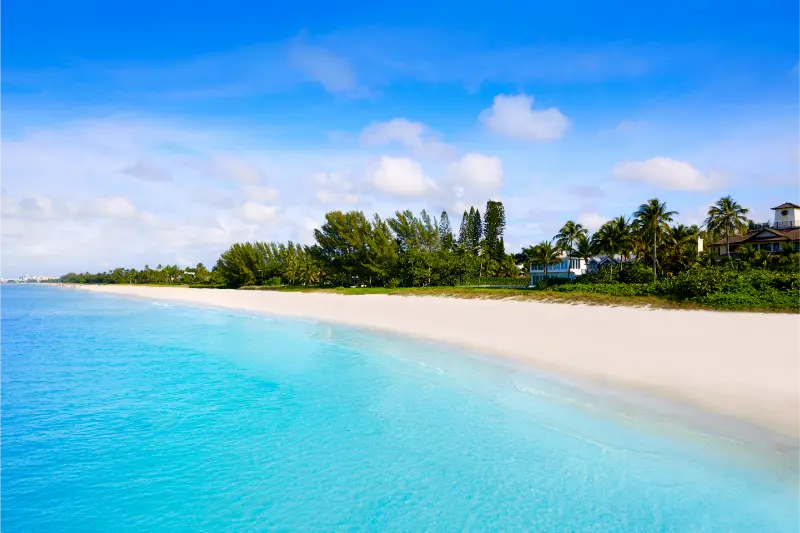
    Naples Beach Florida Sand and Turquoise Water

    The Garden advertises guided tram tours around portions of its grounds, but its own accessibility guidance states that participants must step into the tram independently and that it is not wheelchair-accessible. Do not book such a tour on the assumption that it solves wheelchair access. Review the official tram details and ask about more suitable alternatives if needed.

    After two hours in the garden, leave time for lunch and a quiet afternoon. Heat can build even outside summer, and the best time to see plants may be in the morning. For visitors who love photography, allow stops near shade rather than rushing around the paths. The value of this day is the change in pace and scenery, not the number of steps recorded.

    Day three: historic Naples and a quiet coastal evening

    Explore a manageable section of Old Naples, choosing a location with parking close to the shops or restaurants you want to visit. Fifth Avenue South and Third Street South have appealing streetscapes, but distances can feel longer in the sun. Decide on one or two stops before leaving the hotel, and look for a restaurant with comfortable chairs and easy restroom access. If the group includes a wheelchair user, confirm patio surfaces and doorway thresholds rather than assuming outdoor dining will be easy.

    A coastal viewpoint can follow in the late afternoon. Beach conditions and access points change, and an exposed sandy route may be too difficult for some visitors. A waterfront restaurant or properly surfaced overlook can provide the atmosphere without requiring a walk across deep sand. Look for accessible parking and check whether any beachfront construction affects the route.

    Avoid planning an outdoor evening when severe weather is forecast. The pleasure of a coastal sunset should never turn into a long return walk under lightning or in extreme heat.

    Day four: Rookery Bay without the long boardwalk

    Rookery Bay National Estuarine Research Reserve introduces visitors to mangrove estuaries and the environmental work that protects Southwest Florida’s coast. Its Environmental Learning Center is particularly useful for visitors who prefer exhibits, a controlled indoor setting and shorter educational activities. Check the official Rookery Bay website for opening hours and admission details.

    An important practical detail: the reserve’s Briggs Boardwalk is closed for renovation according to current official notices. Do not plan a trip around that trail or follow a guide that still lists it as an available easy walk. Focus instead on open exhibits, and ask about current accessible options. A guided boat outing may interest some travelers, but boarding requirements, motion and weather make it unsuitable for others.

    After the visit, rest at your hotel or enjoy a short meal in a convenient neighborhood. This is an ideal day to keep the afternoon free, especially if tomorrow involves a drive to Marco Island.

    Day five: Marco Island at a leisurely pace

    Travel to Marco Island with a limited agenda. Begin with a scenic drive and a comfortable stop for coffee or lunch. The island’s residential roads and resort areas can look simple on a map, but private hotel beach entrances are not automatically public access points. Research public beach access and parking in advance, particularly if anyone needs an accessible route. A sea view from a restaurant or hotel may be preferable to hauling equipment across the sand.

    Tigertail Beach Marco Island with Kayaks

    For those who enjoy nature, a wildlife-oriented boat tour may show the mangrove coastline from a different perspective, but it is not a mandatory activity. Ask the operator about the vessel, boarding steps, handrails, seats, shade, toilet arrangements and how often rough conditions cause cancellations. A traveler with balance difficulties can decide based on real information instead of a promotional image of a large boat.

    If the day is hot, retreat to an indoor lunch and drive back early. Taking a break from sightseeing can be the most sensible decision, not a missed opportunity. An optional second Marco Island visit later in the week is better than forcing all possible experiences into one afternoon.

    Day six: choose a beach view, museum or rest day

    A flexible day helps this itinerary suit very different levels of stamina. People who have felt energetic may want a short coastal outing. Others might enjoy a museum or local art exhibition where they can sit frequently and move indoors. Still others may prefer breakfast at the accommodation, a visit to the pool deck and a leisurely dinner. Decide the evening before, using the weather forecast and how everyone feels.

    Delnor-Wiggins Pass State Park is a possibility for some visitors, but current official notices describe changes to fee payment, maintenance dredging and temporary closure risks for some parking areas. Check the current park information before choosing it as an easy beach access point. Travelers with mobility limits should verify the specific route rather than assuming that an open state park automatically offers close parking.

    Avoid Lovers Key as a supposedly effortless tram-assisted beach outing. Florida State Parks currently states that the former beach tram service has been discontinued; reaching the sand requires a pedestrian route of significant length. Visitors who cannot comfortably cover that distance should choose another destination. Current details appear on the Lovers Key park page.

    Day seven: depart without rushing

    Spend the final morning on an easy breakfast, packing and a comfortable transfer to the airport or next stop. If departure is late, choose one simple nearby activity rather than an ambitious excursion. Leave time to return the rental vehicle and any borrowed equipment, and allow extra margin for traffic. An extended trip that ends in a hurried car journey is unlikely to feel restful in hindsight.

    Keep medication and personal necessities accessible during the journey home. Older travelers may be sensitive to changes in routine, so a calm departure is part of the holiday, not merely logistics. If a hotel offers luggage storage after checkout, verify security arrangements and whether someone can help move bags.

    Best season, meals and daily rhythm

    Winter and early spring are popular because conditions are often more comfortable for walking than in summer. Those same months can also bring busy restaurants and higher room rates. Summer and early fall may be quieter but hotter, more humid and more vulnerable to thunderstorms and tropical weather. Choose dates around the group’s actual comfort and health needs rather than chasing the lowest nightly price.

    Make lunch the main meal if evenings are tiring, or book early dinners to avoid late waits. A small fridge in the room is useful for water and familiar snacks. Consider accommodations with breakfast to reduce daily decisions. Sun protection, hydration, and time indoors matter even for people who do not plan strenuous exercise. Families should avoid assuming that a breezy coast eliminates the risk of heat stress.

    What to budget and what to confirm in advance

    Allow for accommodation, transport, parking, meals, admission and optional guided excursions. A waterfront dining room may cost more than a neighborhood café, but you can mix both experiences. Don’t use unsupported estimates for the entire vacation: get current all-in quotes for the chosen dates. If a companion requires a specialized accessible transfer, treat that cost and advance booking as essential rather than optional.

    Before paying, confirm hotel room details, accessibility for the exact attractions selected, cancellation rules, medical insurance arrangements for visitors and how to handle unexpected weather. Travelers with health concerns should seek individualized medical advice on travel fitness and medication handling before departure. An enjoyable week in Southwest Florida is not measured by the number of outings. It is measured by how easily the travelers can appreciate the garden, coast, wildlife and meals without being pushed past their comfort.

    Frequently asked questions

    Can Naples Botanical Garden be enjoyed with very little walking?

    The garden offers a reservable electric tram experience, but the tram is not wheelchair accessible and guests must be able to step aboard independently. If that is not possible, discuss accessible paths, resting areas and suitable programs with the garden before buying admission.

    Is Briggs Boardwalk at Rookery Bay open?

    Official Rookery Bay notices in October 2026 list Briggs Boardwalk as closed for renovations until further notice. Plan around the Environmental Learning Center and other confirmed-open facilities rather than counting on that trail.

    Should older visitors stay in Naples or Marco Island?

    Naples suits travelers who value restaurants, cultural outings and a wider choice of services near their accommodation. Marco Island can work well for a quieter resort-style stay but may require more driving for some activities. Compare door-to-door convenience and the specific property rather than choosing on photographs alone.
  • Naples vs Marco Island: Where to Stay for a Relaxed Southwest Florida Vacation

    Naples vs Marco Island: Where to Stay for a Relaxed Southwest Florida Vacation

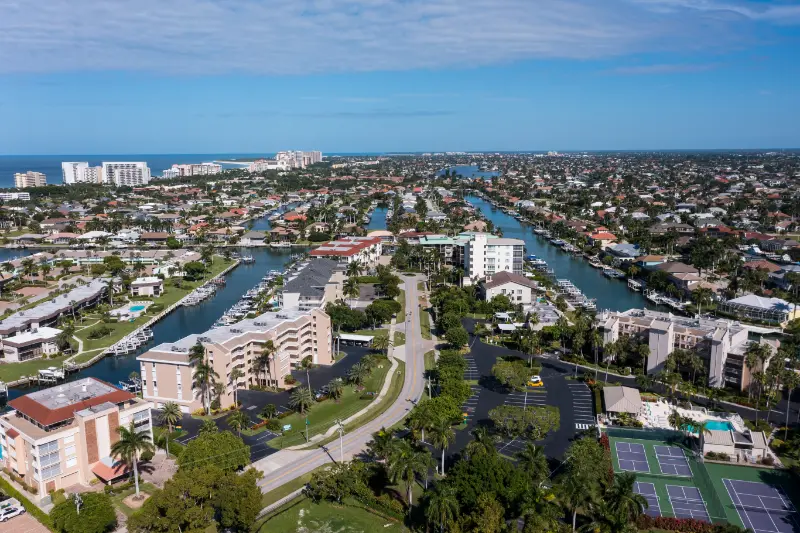
    Naples and Marco Island sit in the same part of Southwest Florida, but they encourage different vacation habits. Naples is a city with a walkable central dining district, shopping, art, gardens and multiple beach access areas. Marco Island is a barrier-island destination where the beach, accommodation location and a slower resort rhythm often dominate the day. Both appeal to couples and older visitors, and both can work for families, yet the details matter. A stay that feels relaxed in one place may require frustrating parking or repeated driving in the other. This guide compares the actual experience of sleeping in Naples or on Marco Island, including public beach access, food, costs, transport and what to do when nobody wants another afternoon in the sun.

    Quick decision table

    CompareOption AOption B or planning note
    Main appealDowntown dining, art and beach optionsIsland resort and beachfront routines
    Public parkingMetered visitor areas and permit-only zonesLimited defined visitor beach entries
    Car useSome central districts walkableDepends heavily on property location
    Best forCulture plus occasional beach daysRelaxed beachfront-focused stays

    The difference in atmosphere

    Naples has a town-center feel in areas around Fifth Avenue South and Third Street South, with restaurants, shops, galleries and access to neighborhood walks. Marco Island is more oriented around resort properties, condominium buildings and a compact island landscape. Neither place should be imagined as uniformly walkable. Naples’ various neighborhoods extend far beyond the central streets, and a hotel marketed as “Naples” could be inland. On Marco Island, a vacation rental might look close to the water but sit along a canal or roadway several blocks from the nearest lawful public beach entrance. Before choosing either base, decide whether you prefer strolling to dinner, spending hours on a beachfront property or making short driving excursions into natural areas. The answer affects your trip much more than an internet ranking of the prettiest beach.

    Beach access in Naples: pay attention to parking rules

    Naples has numerous coastal access points, but visitors must distinguish spaces open to the public from parking reserved for local permit holders. The City of Naples publishes beach parking rules and identifies resident-permit-only beach ends. Nonresident drivers should use legitimate metered visitor spaces and obey posted restrictions; a vacant spot is not permission to park. Some access areas have no extensive facilities, while others offer toilets or a longer walk from the car. If you hope to swim every morning, examine the route from your actual accommodation rather than assuming “Naples beach” is one entrance. Carrying a beach umbrella, stroller and cooler a long distance can become tiring. Check official water quality and lifeguard information when available, and leave room for changing wind and sea conditions. A beautiful Gulf sunset is enjoyable even on days when swimming is not advised.

    Beach access on Marco Island

    Marco Island’s broad resort-side beaches attract visitors who want to stay close to the sand, but access for people who are not staying at a beachfront property is more restricted and specific than first-time travelers expect. Public access points and parking arrangements must be researched before you drive over. Tigertail Beach is a notable county-managed recreation area, and South Marco Beach Access offers another public route; their parking capacity and operating arrangements may change. Some beach entry routes involve substantial walking, soft sand or tidal conditions that are not suitable for every guest. A hotel with documented direct beach access may be worth a higher price for a family with small children or a traveler using mobility equipment. Conversely, an inland rental that seems inexpensive may require daily parking logistics. Do not cross private property or assume a resort’s access gate is open to everyone.

    Marco Island Florida Waterfront at Sunset

    Restaurants, shops and evenings out

    Naples generally provides more opportunities to build a dinner-centered evening around central streets, especially for a visitor staying near downtown. A couple might enjoy a short walk between a restaurant, gallery and dessert without arranging a second trip in the car. Marco Island offers restaurants and resort dining, but the spread of properties makes its evening experience less concentrated. The island can suit travelers who want a slow dinner close to their hotel and a quiet night. Prices at both destinations range considerably, and dining near prime waterfront settings can be expensive. Check whether a restaurant is actually within walking distance and whether the return route has sidewalks and adequate lighting. For older visitors who avoid driving after dark, a central Naples hotel near favored restaurants may be valuable; for someone who wants to eat at the resort, Marco Island may be simpler.

    Attractions beyond the hotel beach

    Naples can support art, botanical gardens, nature education and neighborhood exploration, although attractions lie in different parts of the area. Naples Botanical Garden is a worthwhile choice for travelers who enjoy designed landscapes and do not necessarily want to swim; check current ticketing and mobility access. The wider region offers nature centers and preserves that introduce mangroves, birds and local ecology. Marco Island appeals to visitors who enjoy coastal scenery and boat trips near the Ten Thousand Islands, but not every activity requires boarding a vessel. Travelers uneasy with boat excursions can enjoy appropriately accessible boardwalks, park viewpoints and island dining. Neither destination should be described as offering direct access to every Everglades experience. Distances and departure points matter; a remote airboat operator may be a different outing from a short guided coastal nature tour.

    Access to the Everglades and Ten Thousand Islands

    One reason visitors choose this region is its proximity to Southwest Florida’s wetlands and island habitats. Naples is a natural departure point for exploring certain Collier County preserves, while Marco Island has coastal excursions associated with the Ten Thousand Islands. Yet the underlying terrain is complex. The deeper Ten Thousand Islands waterways are largely experienced from boats; land-based stops provide valuable orientation but do not recreate a water tour. Families should check the age and safety requirements of individual operators rather than purchasing the first “Everglades tour” sold at a hotel desk. Guests with limited mobility should verify boarding conditions, restroom access and whether a tour is appropriate in changing weather. Sensitive ecosystems deserve respectful viewing: do not feed wildlife, approach nesting birds or treat dolphins as guaranteed attractions. Add travel time, not just tour duration, to the day’s plan.

    Is a car essential?

    For most visitors exploring multiple places around Naples and Marco Island, a rental car makes travel easier. However, someone staying in a central Naples hotel with restaurants nearby can reduce driving considerably, especially on days devoted to town and beach. On Marco Island, choosing a room with beach access, food options and a pool on site can make several car-free resort days possible, even though airport transfers and excursions still need planning. Public transport coverage, walking conditions and rideshare availability should be checked for the specific address and hours rather than inferred from a city name. There is no rail link bringing travelers directly to either downtown. If a group avoids driving at night, calculate the cost of taxis to dinner or choose accommodation near dependable dining. A car sitting unused at a beachfront hotel may be an avoidable expense, but a remote rental without a car can be equally costly.

    Which base works for older adults?

    Naples often appeals to older guests because of its dining and cultural options, but that does not make every Naples property accessible. A central inn may have stairs, and an oceanfront access point may require crossing loose sand. Marco Island’s larger resorts sometimes offer easier access to services in one building, but long corridors and substantial distances to beach furniture can still be a challenge. Ask hotels about elevators, bathroom layout, step-free routes, on-site transport and whether accessible beach equipment is provided or available nearby. Someone in their eighties or nineties may prefer a well-positioned room with a balcony, an easy restaurant and short afternoon outings. An active retired cyclist might have entirely different priorities. Age alone should never decide between the island and the city; the specific person’s mobility, interests and preferred daily pace should.

    Which base works for families with children?

    A family with toddlers may value a pool, kitchen, laundry and easy access to the room far more than proximity to upscale shopping. A Marco Island beachfront resort can work especially well when the family intends to spend most days in one place, provided the full bill is affordable and the beach conditions are appropriate. Naples may provide more variety for families with school-age children who enjoy gardens, museums, nature and evening walks in addition to swimming. Check pool safety policies, beach access routes, grocery availability and sleeping arrangements before choosing a vacation rental. Young swimmers need active supervision and appropriate conditions at every beach; the Gulf is not guaranteed to be calm. Mixed-age families should plan one shared outing per day and let individuals opt into additional activities. A relaxed vacation is not measured by how many attractions appear on a checklist.

    A four-day plan based in Naples

    Arrive, settle into the hotel and take an early evening stroll around the district nearest your accommodation on day one. On day two, choose a public beach access with lawful visitor parking, and reserve the afternoon for rest or a downtown meal. Use day three for Naples Botanical Garden or another selected cultural or nature attraction, checking ticket hours and heat conditions. Day four might involve a nearby preserve, a short exploration of the town or departure. Avoid scheduling a major wildlife tour on the morning of an uncertain flight. A couple may add a museum and dinner; a family with grandparents might substitute a shaded garden visit and a long midday break. This base works when you use Naples as a city, not merely as a distant parking lot from which to drive to the beach.

    A four-day plan based on Marco Island

    Spend the first afternoon finding the property’s legitimate beach route, pool facilities and dining options. Day two can be a simple beach-and-resort day, with a shaded break during midday heat and no ambitious excursion. On day three, consider a guided nature outing if everyone is comfortable with the proposed transport and weather; non-boating guests can enjoy another onshore exploration or leisurely meal. Keep day four open for a second beach morning, a local scenic stop or departure. If your accommodation is not directly on the sand, arrange the next day’s parking or access route the night before. A four-day Marco Island trip does not need multiple distant tours to feel satisfying. Its real strength is time to enjoy the coastal setting without turning every day into a long drive.

    Tigertail Beach Marco Island with Kayaks

    Season, weather and water considerations

    Winter and early spring attract many visitors to Southwest Florida, and lodging rates may rise sharply at popular times. Summer offers hot, humid weather with afternoon thunderstorms and the possibility of tropical conditions during hurricane season. Red tide and other water quality advisories are variable; it is impossible to promise a particular beach will be unaffected during a future trip. Check official Florida health information before swimming, especially for anyone with respiratory sensitivities. Heavy rain can make low-lying paths or parking areas less comfortable, and summer outdoor plans should include drinking water and shade. Book with a cancellation policy you understand, and ask whether a property’s essential amenities are operating if severe weather has recently affected the area. Flexibility is more useful than a rigid beach-only schedule when conditions change.

    Comparing the true costs

    Naples’ central lodging and Marco Island’s beachfront resorts can both carry substantial price tags. Do not assume the island is always dearer or that a suburban Naples address automatically provides value. Compare nightly room charges plus taxes, resort and parking fees, housekeeping or cleaning charges, beach equipment and the meals your group is likely to eat out. A kitchen can save money over a week, but only if you actually plan to use it. Add driving costs from the airport and from the hotel to your attractions. If one room allows easy walks to restaurants and the beach, it may be less expensive overall than a cheaper rental requiring multiple trips. Ask whether a quoted resort fee covers services you will use, not just activities listed in marketing. Most importantly, compare properties on the same dates and for the same number of guests.

    How to make the final decision

    Choose Naples for a balance of town life, restaurants, cultural options, and beach visits. Choose Marco Island when the heart of the holiday is a relaxed resort or beach-centered experience, provided the chosen property genuinely offers convenient access. Couples who love evenings out may lean Naples; families with a simple beachfront routine may lean Marco Island. For older travelers, accessible room features and low-effort transport outweigh assumptions about which destination attracts retirees. Before booking, verify beach parking rules, the hotel’s exact location, the total stay cost, one rainy-day option and the condition of the Gulf. Both can be excellent Southwest Florida escapes. The better one is the place where the ordinary parts of your holiday, including meals and rests, are easiest to enjoy.

    Frequently asked questions

    Can nonresidents park at any Naples beach end?

    No. Several beach-end spaces are reserved for local permit holders; use designated visitor parking.

    Does every Marco Island hotel have beach access?

    No. Verify each hotel or rental property and the nearest legal public beach route.

    Is Marco Island a good place without a car?

    A resort with beach and dining on site can work, but excursions and airport transfers still require planning.

    Official sources and trip planning

  • Marco Island Florida Travel Guide: Beaches, Ten Thousand Islands, Families and Where to Stay

    Marco Island Florida Travel Guide: Beaches, Ten Thousand Islands, Families and Where to Stay

    Marco Island sits at an interesting meeting point: it is polished enough for an easy Gulf resort vacation and close enough to the Ten Thousand Islands and Everglades to feel connected to wild Southwest Florida. That combination makes it more versatile than a simple beach destination. You can spend one day almost entirely on a lounge chair and the next on a boat looking for dolphins, mangrove islands and birdlife.

    Explore this guide

    For families and senior travelers, the island is also manageable because many hotels and rentals put the beach, pool and dining into a compact daily routine. The main planning decision is whether to stay fully resort-focused or use Marco as a base for nature excursions. Both are good choices; the mistake is trying to do a long boat trip, Everglades drive and full beach day all at once.

    Quick planning summary

    • Best for: Gulf beaches, boating, shelling, families, couples, winter escapes and easy access to the Ten Thousand Islands.
    • Ideal stay: 4–6 nights for a beach-and-nature vacation; 2–3 nights if Marco Island is paired with Naples or the Everglades.
    • Getting around: A car is useful for arrival, dining and regional day trips. On resort-focused days, leave it parked and use walking or short local rides whenever possible.
    • Best planning principle: Decide how much of the trip is beach resort time and how much is Everglades/Ten Thousand Islands exploration. Marco Island works best when those two styles alternate instead of competing in the same day.

    How to think about Marco Island before you book

    Marco Island’s visitor experience centers on its Gulf shoreline and water access. The developed beach zone provides resorts and vacation rentals, while nearby launches and tour operators connect visitors to the Ten Thousand Islands. Naples is close enough for a city-and-dining change of pace, and Everglades City can open the door to deeper nature experiences. A first trip does not need all three directions; choose the combinations that fit your energy and interests.

    Marco Island Florida Waterfront at Sunset

    My practical rule is to choose the experiences that define the destination first, then place the hotel around them. A slightly cheaper room can become poor value if it forces long drives, repeated parking fees or early departures every day. The same applies in reverse: paying more for a central property can make sense when it lets you walk to dinner, return easily for a child’s nap or avoid moving the car during the busiest hours.

    Best things to do on a first trip

    Use the main beach as your daily anchor

    The broad Gulf beach is the simplest pleasure on Marco Island, and staying within easy reach changes the trip. Morning walks, midday pool breaks and sunset become easy when you do not need to drive. Public beach access and parking are more limited than on some Florida coasts, so visitors not staying directly on the sand should research the exact access plan in advance. Families should also check current flag and water conditions before swimming.

    Take a Ten Thousand Islands boat or eco tour

    A boat trip is the experience that most clearly separates Marco Island from a generic resort coast. Mangrove islands, dolphins, birds and shelling stops may be part of different tours, but wildlife can never be promised. Choose the vessel and duration around the group: young children may prefer shorter trips, photographers may want a smaller boat, and senior travelers should ask about boarding steps, shade and restroom access.

    Visit Tigertail or a nature-oriented beach area with preparation

    Nature-focused access points can feel very different from the resort beach and may involve longer walks, changing channels or conditions that are not obvious from a promotional photo. Check current local information before setting out and bring water, sun protection and footwear appropriate to the plan. This is a good example of why “best beach” lists need context: the most interesting beach for a birder may not be the easiest beach for a toddler or limited-mobility traveler.

    Use Naples for one polished city day

    Naples is close enough to combine with Marco Island on a longer stay, bringing Fifth Avenue South, museums, gardens and another set of beaches. I would use it as a full change-of-pace day rather than drive north for one restaurant. Travelers already staying in Naples may do the reverse and visit Marco for a boat tour and sunset. One well-planned regional day is usually more satisfying than repeated short commutes.

    Connect to Everglades City only when you have enough time

    Everglades City and surrounding nature areas can add airboat alternatives, paddling, park access and a deeper sense of Southwest Florida. Choose your specific experience before leaving Marco because “the Everglades” is too broad to serve as a navigation target. Start early, carry water and check weather. In summer, heat and thunderstorms make a flexible morning-focused plan especially important.

    Where to stay

    There is no single best neighborhood for every traveler. I would choose based on what you want to do before 10 a.m. and after 6 p.m., because those are the hours when a convenient base improves the trip most. During the middle of the day you are usually willing to drive for a major attraction; early and late, convenience matters more.

    Beachfront resort zone

    Best for first-time visitors, families and travelers who want the simplest possible beach routine. Higher rates can be offset by fewer daily transportation needs.

    Inland Marco Island rental or hotel

    Can offer more space or value, especially for longer stays and groups. Check parking and the exact route to legal beach access before assuming the coast will be effortless.

    Tigertail Beach Marco Island with Kayaks

    Split stay with Naples

    Useful for travelers who want several city/culture days plus a few island-resort days, but unnecessary for a short vacation because the two areas are close enough for day trips.

    Getting there and getting around

    Southwest Florida International Airport is the main large airport for many visitors, with Naples Municipal Airport serving limited aviation needs. A rental car is the easiest way to reach Marco Island and explore the region. Once settled at a beachfront property, however, the car may remain parked for long stretches. If you are taking an early boat tour, choose the departure marina carefully and calculate the actual morning route rather than relying on the operator’s “Marco Island area” description.

    For road trips, calculate door-to-door time rather than mileage alone. Florida bridges, beach roads, event traffic and afternoon storms can make a short distance feel much longer. I also avoid scheduling a nonrefundable tour immediately after a flight or a long interstate drive. A flexible first evening gives the trip room to absorb delays without sacrificing something expensive.

    Families, teenagers, seniors and accessibility

    Toddlers and young children often thrive on a simple beach-pool-nap rhythm. School-age children can add a short wildlife boat tour or shelling activity. Teenagers may prefer paddle sports, fishing and longer eco tours. Senior travelers should prioritize shade and stable boat boarding. Mobility-device users should verify beach pathways, resort boardwalks and tour-vessel access in advance. A luxury hotel can be highly accessible internally while the natural excursion you booked the next morning is not.

    For mixed-age groups, it helps to define one shared experience each day and allow the rest of the schedule to split. One person can return to the hotel while others stay for sunset; grandparents can choose a museum while teenagers take a water activity. That is usually more enjoyable than forcing everyone through the same long day. Always verify current accessibility details directly when a specific lift, beach mat, accessible vessel, transfer method or mobility-device policy is essential.

    Best time to visit

    Winter and spring bring comfortable weather and high demand. Summer is hot, humid and stormy but often suits travelers who prefer warm water and can plan around afternoons. Fall requires hurricane-season flexibility. Marine wildlife, tides and water conditions vary throughout the year, so ask operators what the season is realistically good for rather than expecting a fixed list of animals. Gulf water-quality alerts should also be checked close to any swimming-centered trip.

    Florida weather is local. A statewide forecast rarely tells you enough about ocean surf, lightning, wind or a passing storm cell at the exact beach you plan to use. I keep one indoor or lower-exposure option available and check conditions again on the morning of any boat, beach or wildlife day. That small habit prevents a weather change from turning into a lost vacation day.

    A practical first-time itinerary

    1. Day 1: Beach and pool with no major schedule, then sunset.
    2. Day 2: Morning Ten Thousand Islands boat trip, lunch and a slow afternoon.
    3. Day 3: Nature-oriented beach or local exploration. Add Day 4 for Naples and Day 5 for an Everglades City excursion if the stay is long enough.

    Do not treat the itinerary as a contract. If the beach is perfect, stay longer. If a storm arrives, move the indoor day forward. If children are exhausted, a hotel-pool afternoon may create better memories than another admission ticket. The most successful Florida itineraries have a strong structure and weak rigidity.

    Budget and booking strategy

    Accommodation, parking and paid water or attraction experiences usually create the biggest differences in the budget. Compare the total nightly hotel cost, not only the room rate: resort fees, parking and breakfast can change the result. Then decide which one or two paid experiences are genuinely central to the trip. Beaches, neighborhood walks, sunsets and many parks can fill the remaining time without making the vacation feel second-rate.

    For popular seasons, reserve the hotel first with a flexible rate if possible, then add limited-capacity tours. I avoid paying early for every small activity because weather and energy change. Travel insurance becomes more valuable when the trip falls in hurricane season, depends on an expensive cruise or includes nonrefundable lodging. Read the policy rather than assuming every weather event is covered.

    Common mistakes to avoid

    • Assuming every accommodation has easy public beach access.
    • Choosing a boat tour without checking boarding, shade and duration for the group.
    • Trying to combine Naples, Everglades City and a full Marco beach day.
    • Planning only outdoor afternoons in the hottest months.
    • Treating wildlife sightings as guaranteed rather than seasonal natural encounters.

    Useful Wonderful Florida guides to read next

    Continue planning with best beaches in Florida, Everglades National Park guide, Florida with kids, Florida for seniors and best time to visit Florida.

    Official resources to check before you travel

    Opening hours, parking rules, beach access, launch schedules, park conditions, ferry or trolley service and reservation requirements can change. Check the official source again shortly before travel whenever a specific service is essential to your day.

    Final thoughts

    Marco Island is most rewarding when the schedule reflects the destination instead of fighting it. Choose the right base, group activities geographically, protect the hottest or stormiest part of the day and leave enough open time for the experience that turns out to be better than expected. That approach works for a couple, a family with young children, teenagers traveling with parents or a multigenerational group, and it is the style of planning that makes a Florida trip feel like a vacation rather than a logistics exercise.