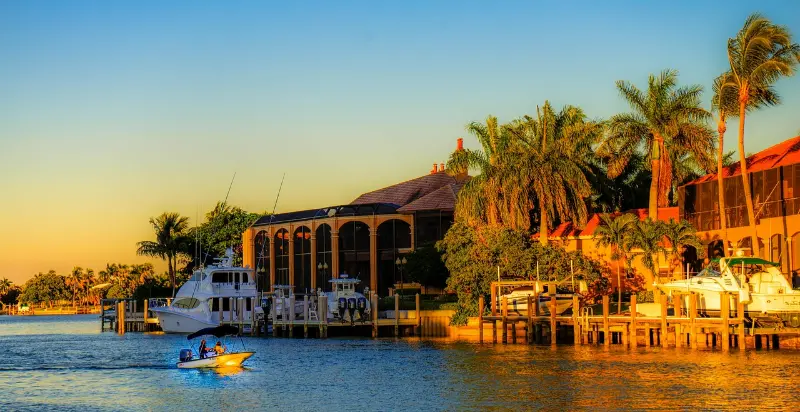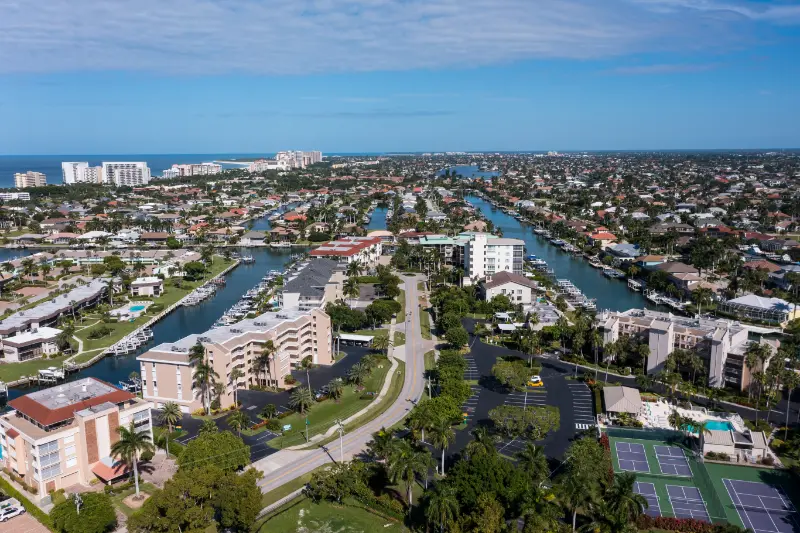
Southwest Florida is well suited to a week organized around beaches, wildlife, garden walks and small coastal towns rather than theme parks. Naples offers waterfront streets and dining, Bonita Springs connects visitors to Gulf beaches and protected parks, and Sanibel is a distinctive island landscape where shelling and conservation matter more than big rides. This itinerary works with one base in the Naples–Bonita area or with a carefully chosen second base farther north. Driving distances are manageable when days are grouped by region, but bridges and seasonal beach traffic can affect plans. Families, couples and older visitors can use the same route by choosing shorter walks, verifying access and allowing time simply to enjoy the coast.
Seven-day overview
| Day | Where to focus |
|---|---|
| 1 | Naples coastal arrival |
| 2 | Naples public beaches and town |
| 3 | Naples gardens or nature |
| 4 | Bonita Springs and Lovers Key |
| 5 | Sanibel and conservation |
| 6 | Optional Captiva or Fort Myers day |
| 7 | Flexible final morning and departure |
Day one: arrive in Naples and meet the Gulf Coast
Begin with Naples at a quiet pace. Choose a short public waterfront or town-center walk and a meal rather than attempting an entire list of attractions after a flight. A Naples address does not always mean direct Gulf access; some accommodation is inland, some near canals, and some genuinely close to sand. Verify the precise property location and whether parking or beach equipment are included. If your trip prioritizes a daily ocean stroll, that distinction is worth more than a picture of a palm tree beside a swimming pool.
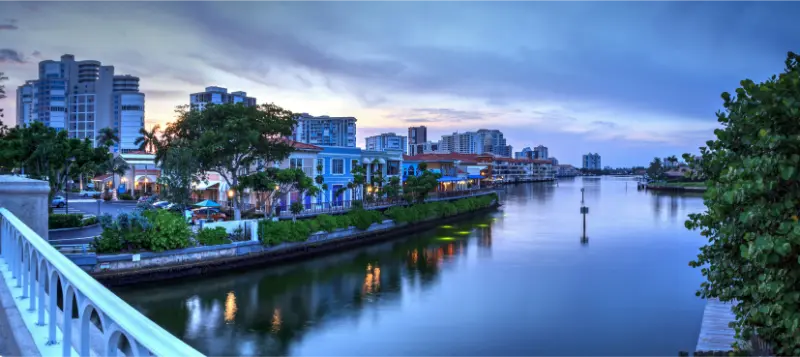
Use the first evening to confirm which local beach accesses, museums and parks are operating. Southwest Florida's coast has experienced storm damage and periods of reconstruction, and services can change. Avoid relying on old listings for piers, restrooms or parking. Families should find a nearby grocery option and give children time to settle; older visitors may appreciate an early dinner and a comfortable place to sit with a view. When the sun is strong, do not mistake a sea breeze for adequate shade. The first day should leave everyone rested and ready for tomorrow's shoreline experience.
Day two: Naples beaches and its quieter streets
Spend the morning at an approved public beach entrance in Naples, checking current access and parking arrangements before setting out. The Gulf can be calm on one day and unsafe for swimming on another; always follow posted conditions and local red tide or water-quality notices. A broad sandy beach may require a long walk from the parking lot, so visitors with mobility challenges should confirm the closest suitable access and any available beach wheelchair program. Choose one convenient beach rather than moving repeatedly in search of an ideal photo.
After lunch, stroll a manageable portion of Naples' commercial or historic streets or return to the accommodation for a rest. Window-shopping and looking at architecture can be enjoyable without making purchases. Children often prefer a short, predictable outing to a long series of stops in the heat. If an afternoon thunderstorm develops, move indoors; a beach umbrella is not lightning protection. The appeal of this day is the contrast between water and town life. There is little reason to fill it with an additional long-distance drive when tomorrow offers a different environment.
Day three: explore the natural side around Naples
Give the third day to nature. The Naples Botanical Garden is an appealing choice for visitors who enjoy plants, landscapes and outdoor paths, while nearby protected areas may offer boardwalks or guided interpretation. Check current opening days, timed admission, paths and accessible features. Gardens can feel especially hot and humid in summer, so an early visit with water and shaded breaks is sensible. A shorter circuit is perfectly valid for a group that includes a toddler or an older relative.
If everyone is interested in more natural habitats, choose one supervised wildlife-oriented stop rather than trying to visit all the region's preserves. Observe birds and reptiles from a safe distance, and do not treat a wild alligator sighting as an invitation to approach. A licensed guided excursion can provide useful context, but the operator's safety and accessibility policies should be checked before booking. Visitors who prefer an indoor day may switch the garden with a cultural attraction in Naples. This flexibility is essential when the coastal forecast changes suddenly or someone needs a slower afternoon.
Day four: Bonita Springs and Lovers Key
Travel toward Bonita Springs for a different Gulf Coast setting. Check Lee County information before planning a beach park visit: Bonita Beach Park parking was affected by construction beginning in September 2026, so do not assume the customary lot is available. Pick an authorized access and note the distance from parking to sand. If the group wants a protected natural environment, Lovers Key State Park offers trails and coastal landscapes, but its former beach tram service has been discontinued. Visitors must assess the current walking options and park services rather than expecting a ride to the sand.
A half-day at the park may be more pleasant than trying to combine beach, long walk and a boat excursion. Bring sun protection, water and insect repellent. Some trails have exposed sections, and shore conditions or storm-related restrictions can change the plan. If you travel with a wheelchair user or anyone who cannot walk far, contact the park for an up-to-date description of the route before buying admission. Lunch in the Bonita area and a quiet afternoon back at lodging can make the day satisfying. The natural coast rewards attention without demanding a strenuous adventure.
Day five: Sanibel's beaches and conservation story
Use day five for Sanibel, where the island's beach environments and conservation ethic give it a distinct personality. Shelling is popular, but visitors should check which shells or marine organisms may be collected and never remove living animals. Leave birds, dunes and nesting habitats undisturbed. Select an official beach access with facilities appropriate to your group, and check parking arrangements and any remaining reconstruction before crossing to the island. The causeway can be busy, especially at popular travel times.
A conservation-oriented visit can complement the beach. The J.N. 'Ding' Darling National Wildlife Refuge offers opportunities to learn about mangrove habitats and birds, but access, tram operations and visitor services should be verified with the refuge. Not every family needs a lengthy trail; an interpretive stop and one carefully selected viewpoint can be sufficient. Insect repellent is helpful near wetlands. If weather becomes unpleasant, return toward the mainland or select a safe indoor alternative. Sanibel is not merely a place to fill a bucket with shells; it is a fragile coastal ecosystem whose appeal depends on visitors treating it carefully.
Day six: a flexible island or river day
The sixth day is a choice. Travelers who love island scenery might continue toward Captiva, comparing current public access and traffic before departing. Others may prefer Fort Myers' historic River District for a cultural contrast, or simply revisit their favorite Naples or Bonita beach. Captiva is not automatically a convenient extension of every Sanibel stop; narrow routes and parking availability can shape the day. If planning a boat tour, check the actual boarding place and whether everyone can board comfortably, especially if the party includes small children or mobility aids.
A quiet mainland day also makes good sense after several beach outings. Perhaps a morning café, laundry and an afternoon by the accommodation pool will suit the group better than another booked activity. Keep the schedule open for a weather-delayed visit from earlier in the week. A guided wildlife cruise should be selected for safety, suitability and genuine educational value, not merely because every vacation advertisement promises dolphins. Wildlife sightings are never guaranteed, and animals should not be chased or fed. A spare day can become one of the most enjoyable parts of the holiday when nobody feels obligated to prove how much they did.
Day seven: finish near the route home
Your departure route should determine the final morning. Southwest Florida International Airport is convenient to many regional bases, but some travelers may fly from farther-away airports depending on fares. Confirm the exact airport code, car return process, toll charges and time required from your lodging. During peak seasonal periods, beach roads and bridges may be congested. Do not schedule a remote island outing before an afternoon flight just because it looks possible on a map.
If time allows, choose a familiar nearby waterfront viewpoint and a relaxed breakfast. Save time for rinsing off beach equipment, securing damp clothes and loading the car. Families with young children may need an additional bathroom stop before joining a highway; older travelers may appreciate an unhurried checkout. If a storm is forecast, follow local travel guidance instead of driving to the shore for a final photograph. A week of coastal nature and town life should end calmly. The region's great advantage is the way it invites visitors to spend time rather than simply pass through.
Where to stay and whether to move bases
Naples provides a base for restaurants, beaches and southern attractions; Bonita Springs can be convenient for both Naples and Lovers Key; Fort Myers may suit travelers planning more time toward Sanibel. A single base near Bonita can reduce hotel changes but still requires daily driving to some destinations. Two bases may help travelers whose interests are split between Naples and Sanibel, although checkout and unpacking cost time. Compare the full room cost, cleaning and resort fees where applicable, parking, kitchen facilities and driving times. An inland pool property may be good value, but it should not be presented as a walk-to-the-beach hotel.
A car offers the most flexibility for the full route, and it is important to budget for causeway or other tolls where applicable, parking, fuel and possible traffic delays. Visitors without a vehicle should choose a narrower geographic plan and prearrange transfers rather than expecting seamless public transport to every refuge and park. A week can be affordable when beach walks and small-town exploration balance one or two paid attractions. Dining costs add up, so simple breakfasts and picnic lunches can be useful. Compare cancellation conditions carefully, especially during storm season or when a key park visit depends on services recovering from maintenance.
Seasonal conditions, safety and comfortable access
Winter and spring can attract many seasonal visitors, while summer and early fall bring humidity, intense sun, thunderstorms and hurricane-season risk. Red tide or other water-quality conditions sometimes affect Gulf beaches, and current official health and environmental information matters more than the way a beach looked in a photograph. Leave the water when advised and move indoors during lightning. Mosquitoes can be troublesome near wetland areas, so pack suitable protection. Do not approach or feed alligators, dolphins, shorebirds or other animals for photographs.
Accessibility varies markedly between a paved downtown street, a wetland boardwalk and a long sand crossing. Confirm the specific park facilities, hotel room features, transport and boat boarding conditions before booking. Families with toddlers should prioritize shade, safe water access and short distances rather than the greatest number of attractions. Travelers with limited walking stamina may enjoy a refuge viewpoint or seated boat experience more than a long beach trek. By allowing time for beaches, gardens, small towns and a genuinely free day, this Southwest Florida itinerary offers variety while treating coastal communities and ecosystems with the care they deserve.
Frequently asked questions
Is southwest Florida good for a week without theme parks?
Yes. Beaches, natural preserves, gardens, riverfront towns and relaxed dining can fill a varied week.
Is Bonita Beach Park parking operating normally in fall 2026?
The Fort Myers area tourism bureau reports Bonita Beach Park parking closed for restoration; check current county guidance.
Should you stay in Naples or Bonita Springs?
Naples suits southern attractions and dining, while Bonita Springs can make a useful midpoint for Naples and Lovers Key.