Category: New Smyrna Beach Florida

  • Three Days in Daytona Beach and New Smyrna Beach: Speedway, Surf and Coastal History

    Three Days in Daytona Beach and New Smyrna Beach: Speedway, Surf and Coastal History

    The Daytona Beach area is more varied than its racing reputation suggests. You can tour an internationally recognized speedway, enjoy a classic Atlantic beach atmosphere, explore maritime history around Ponce Inlet and finish in New Smyrna Beach, where galleries and surfing culture create a different coastal mood. Three days are enough to appreciate these contrasts without treating every stop as a hurried roadside attraction. This itinerary is designed for first-time visitors, families, motorsports fans and travelers who prefer gentle beach walks over nonstop activities.

    It helps to have a car, though you may not need to use it constantly once you settle in a beachfront district. Volusia County’s beach-driving tradition comes with special rules, fees and daily conditions, so driving onto the sand should be considered an optional activity rather than the default way to reach the beach. Choose where you sleep based on whether racing, beachfront access or a relaxed New Smyrna evening matters most. Keep weather flexibility: Atlantic surf and thunderstorms can change an otherwise straightforward day.

    A three-day route worth slowing down for

    DayAreaMain activityFlexible alternative
    1Daytona BeachSpeedway, downtown history and beachOne museum or track tour only
    2Ponce InletLighthouse, maritime exhibits and shorelineGround-level history and lunch
    3New Smyrna BeachCanal Street, Flagler Avenue and beachGalleries and relaxed coastal cafés

    You can reverse the days depending on where you stay and when a speedway tour is offered. Racing events may change access and traffic substantially, so always check the event calendar before planning the first day.

    Day 1: The speedway and a classic Daytona afternoon

    Daytona International Speedway is worth considering even if you are not a dedicated racing fan. A guided track tour can give perspective on the enormous scale of the racing complex and explain why motorsports are central to the city’s identity. However, tours and access routes depend on events, operating schedules and weather. Buy the correct product through the official operator, verify where to park and do not assume every tour enters the same areas. Children may enjoy seeing the venue’s scale, while older visitors can evaluate whether boarding and riding the tour vehicle suits their accessibility needs.

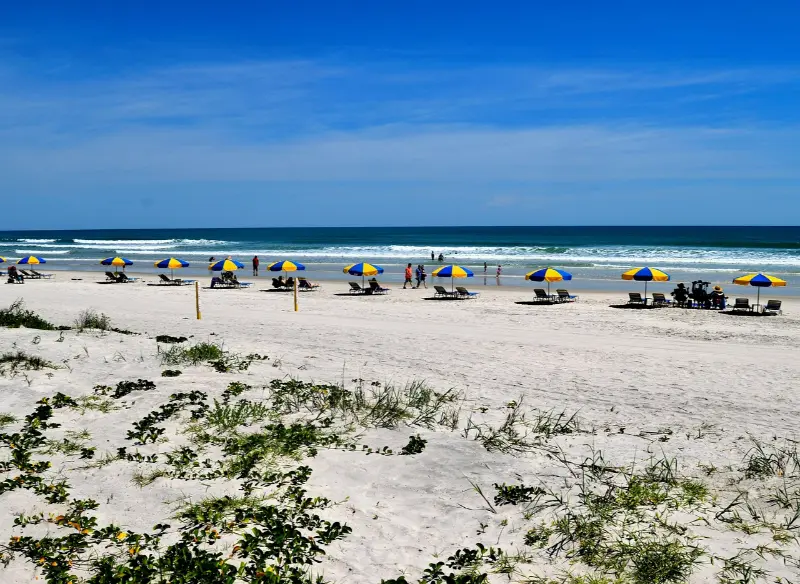
    Once you have finished, choose a slower second half of the day. The beachfront around the Boardwalk and pier has a familiar vacation atmosphere with views, food and arcades, but it may be crowded in peak season. If the group includes young children or someone sensitive to noise, a quieter stretch of the shoreline may be more pleasant than a busy entertainment zone. Stop for lunch and a shaded break before walking along the ocean. An afternoon on the Atlantic should not be treated as guaranteed swim time; rip currents, beach flags and weather decide whether entering the water is advisable.

    If you enjoy history more than amusement activities, investigate the city’s heritage museums or Beach Street area as an alternative. Check actual opening days; smaller museums do not necessarily operate every day. A nice first evening might be a coastal dinner rather than another drive. The goal is to connect the speedway’s modern story with Daytona’s older tourist character without forcing your party to complete both halves at maximum speed.
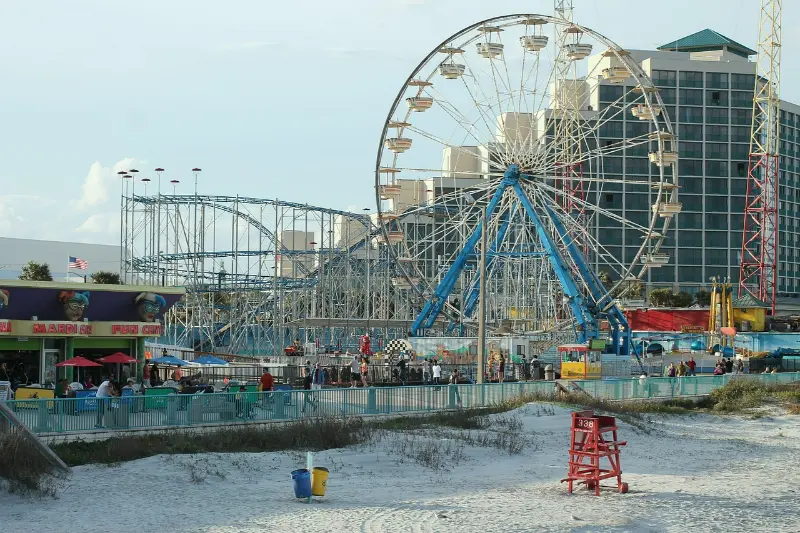
    Daytona Beach Oceanfront Observation Wheel

    Beach driving: a famous tradition with serious conditions

    Volusia County manages designated beach driving and parking areas. It publishes the current visitor fees and rules, and not all shoreline sections are open to vehicles. Access depends on conditions, tide, environmental protections and staff decisions. Follow posted speed limits and never treat a beach ramp as ordinary road access. Pedestrians, children and vehicles can occupy the same general environment in permitted driving areas, so alertness is essential. If you would rather not deal with that complexity, use approved off-beach parking and enter on foot.

    Do not plan your entire day around the idea of parking beside your picnic spot. A tide-related closure may mean relocating to a garage or county parking lot. Keep valuables out of sight and do not drive on protected dunes or unauthorized sand. If you have a rental car, confirm whether the contract permits driving on any beach before attempting it; ordinary rental terms may prohibit off-road surfaces. A beach-drive photograph is not worth a damage claim or a safety incident. Families may find a vehicle-free section far more relaxing.

    Day 2: Ponce Inlet and the maritime side of Volusia County

    Head south toward Ponce Inlet and choose the Ponce de Leon Inlet Lighthouse & Museum as the main cultural stop. The lighthouse’s height and maritime history are compelling, but climbing its tower is a substantial physical activity. Check the operator’s height, age or safety requirements and ask about exhibits that can be enjoyed at ground level. A companion who cannot climb should have an interesting alternative, not simply wait outside. This is a useful place to talk with children about navigation and the hazards faced by ships along the coast.

    After the lighthouse, select a relaxed waterfront or beach stop. The area around the inlet is particularly sensitive to currents where waterways meet the ocean. Do not improvise swimming at an inlet, jetty or fishing area. Use designated beaches and heed posted warnings. An interpretive nature walk or lunch overlooking the water may be the best way to enjoy the scene. Birdwatchers should keep respectful distance from shorebirds and avoid crossing protected habitat, especially during nesting periods.

    If you like marine conservation, investigate a nearby education facility or rescue-focused museum whose current status and opening hours are confirmed. Such stops can add value to a family visit without the heat and physical demands of a long lighthouse climb. Avoid booking several outdoor attractions on a summer afternoon when lightning is possible. Returning to the hotel with time for a swim in an appropriate supervised setting or a quiet dinner can make the day more enjoyable.

    Day 3: New Smyrna Beach's art and coastal atmosphere

    New Smyrna Beach rewards a slower start. Spend the morning around Canal Street or another historic downtown area, where cafés, galleries and local businesses provide an appealing contrast to the Daytona entertainment strip. Check whether your visit coincides with an art event or special market; that may enhance the experience or increase parking demand. Instead of driving repeatedly between inland downtown and the ocean, decide on one shopping or cultural stop and then make a single move toward the coast.

    Flagler Avenue’s commercial area and the nearby shore suit a beach-and-lunch afternoon. As elsewhere along this stretch of Florida, surfing conditions can produce waves and currents unsuitable for casual swimmers. If taking a surfing lesson, use a reputable local provider, follow instruction and respect designated zones. A family with toddlers may prefer watching surfers from dry sand rather than getting into breaking waves. Adults who want a quiet day can make it about food, galleries and the coastal landscape instead of spending hours under the sun.

    New Smyrna is also a good final-night base if you are traveling onward toward Cape Canaveral, Titusville or Central Florida, but verify your onward journey and avoid long after-dark driving when tired. Even a three-day holiday feels longer when you allow a satisfying final afternoon rather than loading too many places into the closing hours.

    Where to stay between Daytona and New Smyrna

    Daytona Beach suits travelers who want direct proximity to the speedway, boardwalk entertainment or a wide choice of beachfront hotels. Ormond Beach may appeal to those seeking another coastal atmosphere, while New Smyrna Beach works for an art-and-beach focus. Check the actual location of an accommodation: ‘Daytona area’ can encompass properties that are not close to either the track or the beach. A hotel close to the ocean may still charge separate parking and resort fees.
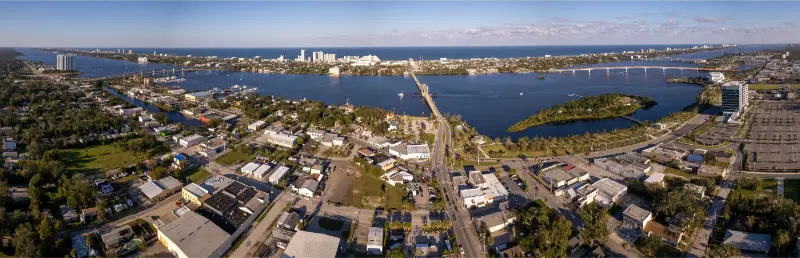
    Daytona Beach Florida City and Stadium Aerial

    Families should compare room configuration, beach access and the availability of shaded rest areas. If someone uses a wheelchair, verify whether the route from the room to the shoreline is step-free and whether beach equipment is available. A couple may enjoy a historic inn, but older buildings can have stairs. Travelers attending a race should book far ahead and prioritize reliable transport; major events can transform both pricing and traffic patterns for the entire region.

    Transportation, parking and moving between destinations

    A car makes the three-day circuit easiest, especially Ponce Inlet and New Smyrna. Save parking locations for specific attractions and distinguish beach-driving access from ordinary public beach parking. If you stay beside the beach, walking to meals may reduce daily vehicle use, but do not assume the entire shoreline has a continuous convenient promenade. Bridges and causeways can be congested on holiday weekends. Allow extra time for the speedway or any ticket with a scheduled start.

    Daytona Beach International Airport is conveniently located for some visitors, though flight routes may require connections. Orlando’s airports are another possibility but involve a meaningful road transfer. Compare the full journey rather than airfare alone, including rental-car pickup hours and driving after a long flight. If connecting to St. Augustine or the Space Coast, treat those as the next leg of a road trip, not free extras after day three.

    Budget and planning around major events

    The area’s largest pricing variable is often a racing event or popular beach weekend. Speedway access may be restricted by a race, hotels may require minimum stays and beach parking charges can add up. Build a simple budget with accommodation, attraction ticket, parking, meals and local transportation. A family can spend one paid day at the speedway and use public shoreline access or a modest museum on the other days. Not every afternoon needs a costly attraction.

    If your group loves motorsports, invest in the tour experience that matches your interests and spend less elsewhere. If it does not, skip the track and use the time for art or nature. The itinerary is deliberately modular. Avoid paying for multiple nonrefundable outdoor activities during hurricane season. Restaurant prices along prime beachfront areas can differ from inland neighborhoods; a comfortable lunch away from the busiest strip may be better value than eating on a deadline.

    Ages, access and personal comfort

    Infants need shade, regular breaks and protection from reflected beach sun; the sound and excitement of motorsports may be overwhelming for some small children. School-age children can connect racing technology, lighthouse navigation and coastal ecology, while teens may enjoy surfing or photography. Older adults can participate fully in sightseeing without climbing the lighthouse or driving on the beach. Physical activity is a choice, not a requirement for a meaningful vacation.

    Check museum access directly, including tour vehicle boarding, seated breaks and restrooms. At beaches, confirm accessible parking, paths and any chair reservations. Someone who needs quiet may prefer a weekday shoreline morning to the entertainment district after sunset. Most days work better with one major activity and a flexible second stop. If the heat feels excessive, shorten the outdoor portion; Florida weather should shape the plan rather than being treated as an inconvenience to ignore.

    Storms, tides and the right time of day

    Atlantic coastal conditions change quickly. High surf, rip currents, lightning or tides can limit swimming or vehicle access, even under a bright sky. Start beach visits early in hotter months and consult the National Weather Service plus Volusia County’s beach-safety updates. Hurricane-season travel calls for refundable arrangements when possible. A windier winter day may be ideal for walking and photography but not for a long swim.

    If rain disrupts the plan, a museum or scheduled indoor experience can replace the beach, subject to site operations. Allow one day to move around rather than booking three rigid timed activities. When the speedway has an event, adjusting your order may be the difference between a smooth trip and several hours in traffic. This is a flexible three-day route, not a minute-by-minute schedule.

    Frequently asked questions

    Can visitors drive on Daytona Beach?

    In designated areas when conditions permit, under Volusia County’s rules and current fees. It is optional; off-beach parking is often simpler and may be preferable for families.

    Is New Smyrna Beach worth an entire day?

    Yes, particularly if you enjoy local art, food and a more relaxed coastal environment. Its atmosphere differs enough from central Daytona to justify a separate day.

    Do you have to climb the Ponce Inlet lighthouse?

    No. Check for ground-level museum exhibits and alternative interpretation. The tower climb is substantial and may be inappropriate for some visitors.

    Is this itinerary suitable without a rental car?

    A beach-focused stay is possible without one, but connecting the speedway, lighthouse and New Smyrna Beach is easier by car or carefully arranged transfers.

    Should we book during a major race?

    Only if the event is part of your plans. Prices, road conditions and attraction access can change considerably. Otherwise, pick quieter dates.
    Official resources

  • St. Augustine to New Smyrna Beach in Six Days: A Relaxed Atlantic Coast Road Trip

    St. Augustine to New Smyrna Beach in Six Days: A Relaxed Atlantic Coast Road Trip

    Florida’s Atlantic coast feels very different when you stop trying to see every major city. Between St. Augustine, Flagler Beach and New Smyrna Beach, you can create a six-day road trip built around historic streets, coastal parks, casual meals and beach mornings. The route is short enough to avoid constant hotel changes, yet varied enough to give each day its own character. It suits couples, families with school-age children and older travelers who prefer comfortable stops to marathon driving.

    The idea is simple: start in St. Augustine for history, follow sections of the coastal highway south, slow down near Flagler Beach, then finish around New Smyrna Beach. You won’t be racing toward Miami or attempting to visit Orlando theme parks between beach stops. The interest lies in the details: maritime history, protected dunes, birds near an inlet and the different rhythms of small Atlantic towns.

    Two lodging bases are enough for six days

    Book the first three nights in or near St. Augustine, then move to the New Smyrna Beach area for the final three. This arrangement limits packing while making the most of the route. Families who dislike hotel changes could stay in one central area, but that creates more repeated driving, particularly if you want several short outings at opposite ends of the corridor.

    Historic St. Augustine accommodation may put you close to major sights but introduce parking charges, older-building stairs and noise on busy evenings. A property slightly outside the old town may offer easier car access. New Smyrna Beach has hotels and rentals with very different locations: some are close to the beach, some near downtown and others in quieter areas requiring a car for each meal. Check exact addresses, not just the town name.

    For older guests, ask about elevators, shower access and distance from parking. For families, a kitchenette can simplify breakfasts. Review the total costs, especially parking, resort fees and cleaning charges, before choosing a rental on the strength of a low headline price.

    Day one: arrive in St. Augustine and focus on its streets

    Use the first afternoon for a short walk through the historic district. Look at the old street pattern, pause outside notable buildings and find a café that suits your group. St. Augustine has many attractions, but the first day works better without a timed ticket. If you’re arriving after a flight, an unhurried dinner provides a more comfortable start than racing to fit in one last museum.

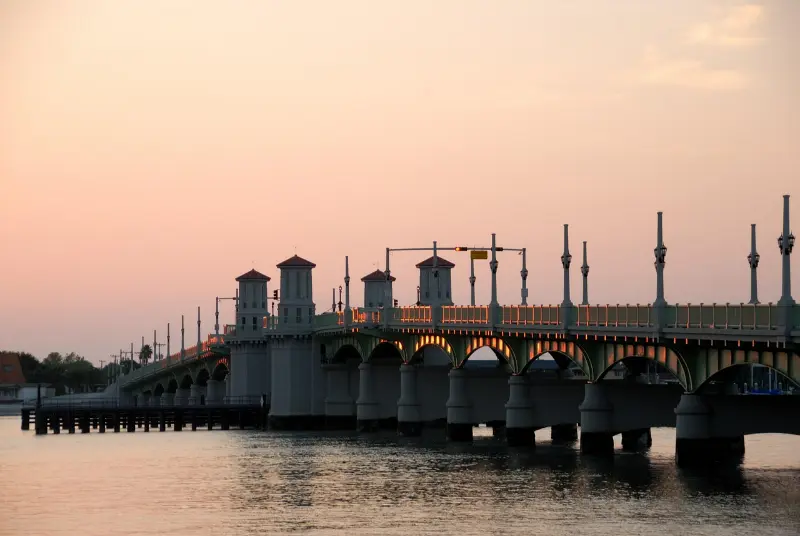
    Bridge of Lions Saint Augustine at Sunset

    The historic core includes uneven surfaces and narrow areas that can be difficult for some wheelchairs or strollers. Choose the route by actual comfort rather than attempting to cover every photogenic lane. A family member can stop in a shaded place while others browse a nearby shop. If your group is interested in the city’s complicated history, begin with a few questions about the Spanish colonial period, Indigenous communities and how the town changed over centuries.

    Evenings can be lively. If you prefer quiet rooms, don’t assume an accommodation in the heart of the district will offer complete silence. Ask about the room’s location and nearby activities before booking.

    Day two: a thoughtful visit to Castillo de San Marcos

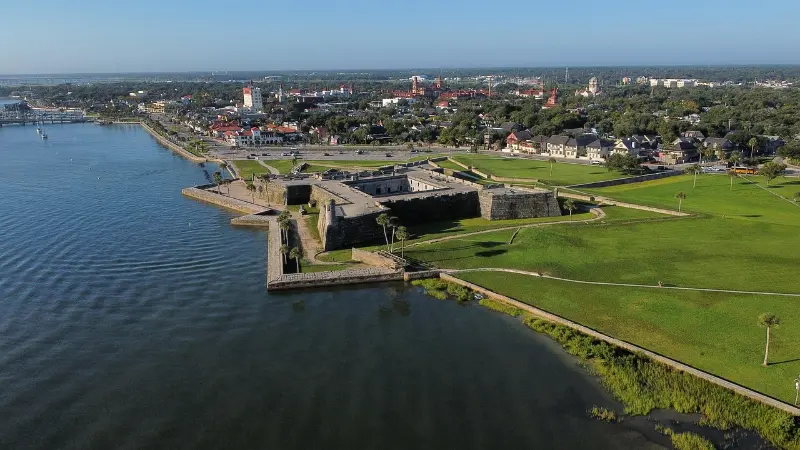
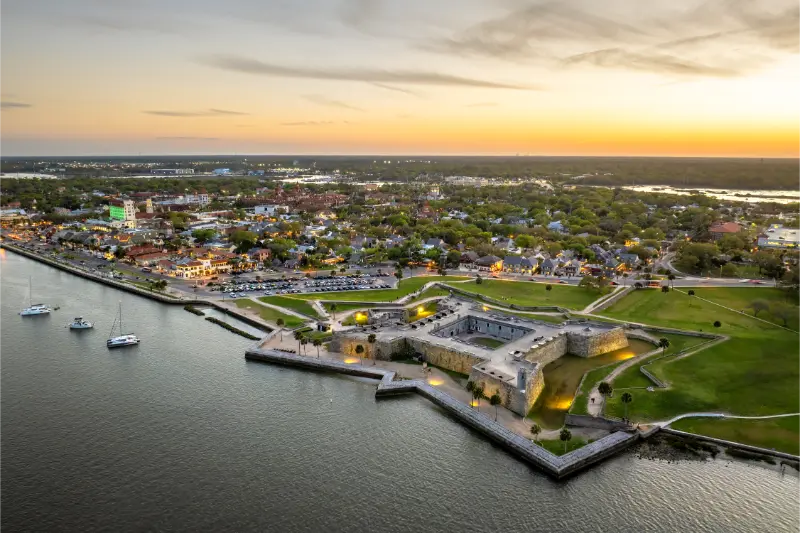
    Castillo de San Marcos National Monument is an excellent place to understand why this coast mattered to colonial powers. The fort’s thick walls, defensive design and waterfront position invite questions that interest adults and children alike. Check operating hours, entry arrangements and any ranger programs on the National Park Service website. The monument is a historic structure, so access to different levels may not be equally easy.

    Before the visit, explain that forts were built in a period of conflict and that their stories involve soldiers, civilians, enslaved people and Indigenous communities, not just dramatic battles. Encourage children to ask what life inside the fort might have been like and why controlling a harbor mattered. A guided interpretive talk can make the visit more meaningful than moving quickly between rooms for photographs.

    Follow this with lunch and a relaxed afternoon. Do not schedule another major attraction across town unless everyone is enthusiastic and the heat is manageable. A short waterfront look and time to rest are enough for day two.

    Day three: coastal scenery and a slower afternoon

    Use the third day to enjoy the shore near St. Augustine rather than adding another long historic site. Anastasia Island offers beaches and natural areas, including Anastasia State Park, whose current park page is the correct source for access and conditions. Choose a designated public route and remain outside protected dune areas. A beach day can mean an hour of looking for birds, a picnic and a quiet return to town; it need not require swimming.

    If swimming appeals to your group, check flags and surf conditions. Atlantic waves and rip currents can be serious, and being a confident pool swimmer does not make a person immune. Active supervision is essential for children. If someone has limited mobility, investigate the specific access point instead of assuming a public beach will have an accessible route across soft sand.

    For an indoor alternative, choose a St. Augustine museum or historic venue that genuinely interests the family. A rainy day can still feel well spent if you avoid crossing the city repeatedly in traffic.

    Day four: drive south with a Flagler Beach stop

    Check out after breakfast and head south toward Flagler Beach using the most appropriate coastal route for the day’s conditions. A1A offers attractive stretches, but roadworks, storm repairs and traffic patterns can change travel times. Make the drive part of the day rather than a race. Choose one public stop in Flagler Beach and explore the local atmosphere, perhaps around a downtown café or beach viewpoint.

    The town’s character differs from a high-rise resort destination. That’s part of its appeal. Enjoy a short walk, take a break for lunch and leave time to notice the coast. Do not assume every access point has ample parking or that all features of the historic pier are open; repair work can change access, and the city is the appropriate authority for updates.

    For curious children, talk about how coastal communities respond to storms and why dunes matter. For adults, the stop can simply be a peaceful pause between two lodging bases. After lunch, continue to New Smyrna Beach, check in and spend the evening close to the hotel.

    Day five: New Smyrna Beach at your own pace

    New Smyrna Beach allows an enjoyable combination of coastal scenery, art and local businesses. Start in the morning with a beach or inlet-area viewpoint suited to your group’s interests, then plan a downtown visit or lunch. Some nearby state recreation areas protect coastal habitats and provide scenic outlooks, but access rules, hours and parking can vary; check official park information rather than driving to a random point shown on a map.

    If your children enjoy ocean science, bring an inexpensive wildlife identification booklet or make a list of questions about dune plants, seabirds and tidal changes. Teenagers may prefer a supervised beach activity or free time to photograph the town. Older adults might choose a shorter outing followed by a long lunch. There is no obligation to remain together every minute; the family can separate for an hour and meet at an agreed safe location.

    Be especially careful around inlets and fishing structures. Current and boat traffic can be dangerous, and attractive photographs are not a reason to cross barriers or enter restricted zones. The Florida State Parks safety guidance is useful background for a coastal day.

    Day six: finish with a relaxed breakfast and one small choice

    A holiday often feels shorter when the final morning becomes a struggle to fit in one more must-see attraction. Enjoy breakfast and choose between a brief local walk and a comfortable departure. If you’re flying from Orlando or another airport, allow for the drive, fuel, car return and security. Road conditions can change; check the actual route before setting out.

    If you have a late departure, choose a nearby art space, safe public waterfront or lunch stop. Avoid a remote beach or a ticketed attraction that could keep you away from the car longer than expected. Families should check chargers, beach toys, medication and wet swimsuits before leaving. A calm ending is worth more than a final photograph taken in a hurry.

    Travelers continuing farther south can extend their trip along the coast in a separate itinerary. This six-day plan is deliberately complete without adding Daytona Beach, the Space Coast or the Palm Beaches.

    What makes this route good for different ages?

    You can adjust the emphasis without changing the overnight stops. For younger children, focus on short beach visits, a fort story told at their level and plenty of rest. For teenagers, give them a role in choosing an art stop, restaurant or activity. For couples, longer historic walks and quiet coastal meals may be the highlights. Older travelers often value predictable parking, benches and a route that can be shortened at any point.

    Be honest about mobility differences. A tour described as “easy walking” may still cross cobblestones, sandy approaches or uneven historic surfaces. Ask museums and parks about accessible entrances and the location of seating. If you are bringing a stroller, try a route with paved portions and carry only what is necessary for the outing. Don’t expect a wheel-based device to work well on loose sand without appropriate adaptations.

    Allow different interests to coexist. One person may want to visit another historic exhibit while another is content watching the Atlantic from a shaded bench. The best travel day is the one in which everyone feels included without being forced into the same pace.

    Timing, storms and local road conditions

    Spring and fall can be comfortable for a coastal road trip, though weather remains variable. Summer brings humid conditions and afternoon thunderstorms. Winter may be excellent for historic sightseeing and outdoor meals, but ocean swimming may not appeal to everyone. School holidays and local events can make parking and accommodations busier than expected.

    Florida’s Atlantic hurricane season runs from June through November. Follow the National Hurricane Center and local public safety instructions during any tropical threat. Barrier islands and coastal highways are particularly sensitive to severe storms and erosion. Even after skies clear, access may be limited by damage or repairs. Choose refundable arrangements when the risk or your flexibility calls for them.

    Fuel up before starting a longer drive and keep the itinerary on a phone that works offline. A1A is scenic in sections but is not always the fastest route. If someone needs a restroom stop or becomes tired, take a break in an established public place rather than stopping unsafely along a narrow road.

    A quick budget and route planner

    Day Overnight Main visit
    1 St. Augustine Historic district and easy dinner
    2 St. Augustine Castillo de San Marcos
    3 St. Augustine Anastasia Island or indoor history
    4 New Smyrna Beach Flagler Beach coastal stop
    5 New Smyrna Beach Beach, local art and relaxed lunch
    6 Departure Short favorite stop or straight home

    Budget for two sets of lodging charges, parking in historic and beach areas, state or national park admissions and meals. Because many memorable activities are public walks, the route need not be expensive. However, beachfront lodging and holiday weekends can raise prices considerably. Compare complete room costs and read cancellation rules before booking.

    A trip along this part of A1A is most rewarding when you choose to notice rather than rush. The historic stones of St. Augustine, a low-key afternoon in Flagler Beach and the ordinary sounds of a seaside morning create a satisfying Florida vacation without requiring a single theme park ticket.

    Frequently asked questions

    Is A1A the quickest way to drive between these towns?

    Not always. It is often chosen for scenery rather than speed. Check current roadworks and compare with inland alternatives on your travel day.

    Can we travel without changing hotels?

    Yes, but you will spend more time repeating the north–south drive. Two lodging bases usually make this six-day itinerary more comfortable.

    Is the trip appropriate for someone who cannot swim?

    Yes. Historic sites, coastal viewpoints, local dining and wildlife watching are worthwhile without swimming. Confirm exact access conditions for each stop.

  • New Smyrna Beach Florida Travel Guide: Surfing, Flagler Avenue, Nature and Where to Stay

    New Smyrna Beach Florida Travel Guide: Surfing, Flagler Avenue, Nature and Where to Stay

    New Smyrna Beach Florida is a laid-back Atlantic beach town known for surfing, a lively beachside main street, lagoon nature and easy access to protected shoreline. The easiest way to enjoy it is to decide what role it should play in the wider Florida trip. It can be a self-contained two- or three-night stop, a quieter base near a larger destination, or a practical part of a longer road trip. What usually goes wrong is trying to make one hotel location serve beaches, museums, nature, nightlife and distant day trips equally well.

    I would plan New Smyrna Beach Florida around two priorities: where you want to spend the early morning and where you want to be after dinner. Those two choices determine whether you should stay by the beach, near the main downtown district or in a more spacious property farther out. The destination is particularly good for surfers, beach families, couples, outdoor travelers and road trippers who want a smaller-scale alternative to Daytona Beach.

    Quick planning summary

    • Flagler Avenue — Flagler Avenue is the social center of the beachside district, with restaurants, shops and easy beach access.
    • The beach and surfing — New Smyrna Beach has a genuine surf identity.
    • Smyrna Dunes Park — At the northern end of the barrier island, Smyrna Dunes adds boardwalks, dunes and views toward Ponce Inlet.
    • Marine Discovery Center and lagoon ecology — The Marine Discovery Center helps explain the Indian River Lagoon and coastal ecosystems through exhibits and guided experiences.
    • Best stay strategy: choose the district that matches your first and last activity of the day, not the cheapest room on a map.
    • Best pacing: one major activity plus one flexible neighborhood, beach or park stop per day.
    • For families and seniors: protect a midday rest during hot weather and verify parking, shade and accessible routes before arrival.

    In this guide

    Why visit New Smyrna Beach Florida?

    New Smyrna Beach Florida works because it offers a clear identity without forcing every traveler into the same itinerary. A beach-first visitor can spend long mornings outdoors, while someone interested in culture can build the day around museums, local districts and dining. Families can alternate active mornings with easier afternoons, and couples can keep evenings walkable instead of driving from one isolated attraction to another.

    The destination also fits a broader Florida strategy. Rather than changing hotels every night, use it as a base and make selective day trips. This is usually more enjoyable than collecting cities. The reward comes from learning the rhythm of one place: which mornings are quiet, where parking becomes difficult, when the waterfront is comfortable and how much downtime your group actually needs.

    Where to stay in New Smyrna Beach Florida

    Beachside near Flagler Avenue is the easiest first visit because you can walk to restaurants and reach the sand quickly. Canal Street and the mainland side feel more local and historic. Vacation rentals farther from the center can offer space, but check parking and driving distances before booking.

    Before booking, compare the full stay cost rather than the nightly rate. Parking, resort or destination fees, breakfast, beach equipment, kitchen access and the need for rideshare can change the value dramatically. A slightly more expensive hotel in the right district can be cheaper than a low room rate that requires two paid car trips every day.

    Families should also check room layout, not just occupancy. A sofa bed that technically sleeps two children may be fine for one night but uncomfortable for a week. For senior travelers, elevator reliability, walk-in showers, short routes to the lobby and shade around the property can matter more than a rooftop pool.

    Best things to do in New Smyrna Beach Florida

    Flagler Avenue

    Flagler Avenue is the social center of the beachside district, with restaurants, shops and easy beach access. It is best enjoyed on foot, especially in the late afternoon when the beach day transitions into dinner.

    The beach and surfing

    New Smyrna Beach has a genuine surf identity. Beginners should use reputable instruction and understand that currents and local conditions matter. Beach driving exists in designated areas under local rules, but visitors should verify current access, fees and closures rather than assuming vehicles are allowed everywhere.

    Smyrna Dunes Park

    At the northern end of the barrier island, Smyrna Dunes adds boardwalks, dunes and views toward Ponce Inlet. It is a good choice for walking and a change from the busier central beach, especially early in the day.

    Marine Discovery Center and lagoon ecology

    The Marine Discovery Center helps explain the Indian River Lagoon and coastal ecosystems through exhibits and guided experiences. It is a strong family stop and a useful way to make kayaking or wildlife viewing more meaningful.

    Florida River Estuary Nature Reserve Aerial

    Canal Street and local history

    The mainland historic district offers shops, galleries and a slower atmosphere. Adding it prevents the trip from becoming only beach-and-surf and works well on a cloudy afternoon or as a dinner alternative to Flagler Avenue.

    Beaches, parks and outdoor time

    The beach is central, but paddling, lagoon wildlife and protected areas make the region much richer. Use the daily weather and water conditions to decide between surfing, kayaking and walking rather than forcing the activity you booked in your head weeks earlier.

    Florida outdoor days are easiest when you schedule by temperature rather than by a rigid list. Put the longest walk, beach session, bike ride or wildlife activity early. Use lunch, a museum or the hotel for the hottest part of the day, then return outside later. In summer, thunderstorms can be brief but intense; in winter, a windy cold front can make an exposed beach far less comfortable than the air temperature suggests.

    Whenever swimming is part of the plan, check local flags, lifeguard coverage and current conditions. Never assume a calm-looking ocean or Gulf is risk-free, and do not build a family beach day around a tiny access point if you know you need toilets, shade and an accessible path.

    Getting there and around

    A car is helpful for parks, mainland districts and regional day trips, though beachside visitors can walk a lot once parked. Traffic and beach access can change during busy weekends or events. If you plan to drive on the beach, read the county rules before arrival and protect children from moving vehicles as carefully as from the surf.

    For a rental car, include parking and tolls in the budget before pickup. For a car-free or partly car-free stay, check whether the hotel is truly within comfortable walking distance of restaurants and the activities you care about. Florida heat turns a pleasant-looking one-mile map walk into a very different experience at midday.

    Airport choice should be based on total transfer time and flight convenience, not only distance. A nonstop flight to a slightly farther airport can be easier than a connection that saves twenty minutes on the ground. If your trip combines several Florida regions, consider collecting or returning the rental car only for the road-trip segment.

    Best time to visit

    For most travelers, the cooler and drier part of the year offers the easiest outdoor conditions, but it also brings stronger seasonal demand in many Florida destinations. Spring can balance warm weather with fewer winter visitors, while summer offers long daylight and family travel availability at the cost of heat, humidity and frequent thunderstorms. Fall can be quieter, but tropical weather planning matters.

    Do not choose a month only from average temperature. Think about the activities that define your trip. Beach swimming, wildlife viewing, outdoor festivals, theme parks and restaurant-focused weekends all have different ideal conditions. Check event calendars and local school-holiday patterns before paying a non-refundable rate.

    Families, teens, seniors and accessibility

    Family tipFor families with babies or toddlers, reduce the number of transitions. One beach, one lunch area and one easy afternoon stop is enough for a good day. Teenagers usually enjoy having one activity with independence or adrenaline—surfing, cycling, shopping, paddling or an evening district—rather than being moved through adult sightseeing all day.

    Senior travelers often benefit from the same strategy: shorter walks, earlier starts, reliable seating and a hotel near dinner. If mobility is limited, verify accessible parking, ramps, beach mats, wheelchairs or boarding assistance directly with the responsible attraction or local authority. “Accessible” can mean very different things depending on whether the challenge is a museum floor, soft sand or a small boat.

    Multigenerational groups do not need to remain together every hour. Plan one shared anchor each day, then allow a split. Grandparents can return to the hotel while teenagers stay at the beach; one adult can take children to a playground while another visits a museum. Regrouping for dinner is often more successful than forcing everyone to follow the most demanding itinerary.

    A practical 3-day New Smyrna Beach Florida itinerary

    Day 1: understand the center

    Check in, explore the primary downtown or visitor district and keep the first evening easy. Choose a walkable dinner and one short attraction or waterfront stop. Arrival days are the wrong time to schedule a prepaid activity that becomes stressful if the flight, rental car or traffic is late.

    Day 2: the signature experience

    Use the morning for the destination’s main outdoor or cultural priority, then take a real break at lunch. In the afternoon, choose one secondary attraction from the list above rather than trying to complete all of them. Finish in the district you most want to experience after dark.

    Day 3: nature or a selective day trip

    Use the final full day for nature, a neighboring community or a second beach. If the weather is poor, swap in a museum, shopping district or indoor family attraction. Keep the last evening simple so packing and departure do not turn a good trip into a rushed finish.

    Food and evening planning

    Flagler Avenue has the visitor-friendly concentration of restaurants, while mainland New Smyrna adds local options. Surf-and-beach days often end with everyone hungry at the same time, so an early dinner or simple reservation can prevent a long wait with tired children.

    Florida dining times can become competitive in winter and on event weekends. Reserve only the meals that really matter; too many fixed reservations can make a beach or wildlife day feel rushed. For breakfast, a hotel room with a refrigerator or small kitchen can save both money and time, especially for families.

    Budget and booking strategy

    The biggest costs are usually lodging, transport and the activities that require a ticket or boat. Build the budget in that order. Free beaches and parks do not always mean a free day once parking, rentals and food are included. Conversely, a paid attraction with included parking and several hours of entertainment can be good value for a family.

    I would compare at least three lodging scenarios: the convenient central hotel, a beach or resort property, and a larger room or rental farther out. Add parking and local transport to each. For a short stay, location often wins. For a week with children, kitchen and laundry access can justify a little more driving.

    Keep cancellation terms visible in your planning notes. Florida weather can change, and boat tours, outdoor attractions and beach days are more enjoyable when one weather delay does not threaten the value of the whole trip.

    Day trips and how to combine the region

    Daytona Beach is close for motorsports and a larger beach-city feel. Ponce Inlet adds a lighthouse and inlet scenery, while Canaveral National Seashore offers a more natural coast to the south. The Space Coast is a reasonable next overnight rather than a rushed same-day return.

    A useful rule is to avoid more than one substantial drive on consecutive days. If you take a long day trip, make the following morning local. Florida roads can be easy when traffic is light and exhausting when weather, crashes or weekend beach traffic intervene. A slower plan usually produces more usable vacation time.

    Common mistakes to avoid

    • Booking the cheapest hotel without checking the real driving pattern of the trip.
    • Scheduling beach, museum, wildlife and nightlife priorities into the same day.
    • Ignoring parking costs or assuming every beach access has the same facilities.
    • Planning long outdoor activities at midday in the hottest months.
    • Using drive-time estimates that do not include event, bridge, theme-park or beach traffic.
    • Forgetting that a good multigenerational itinerary needs rest, shade and easy meal options.
    • Treating a weather-sensitive activity as guaranteed instead of keeping a flexible backup.

    Official resources

    Hours, parking systems, admission prices, beach rules, event schedules and construction can change. When a particular attraction or service is essential to your trip, confirm it on the official source shortly before travel.

    Frequently asked questions

    How many days do you need in New Smyrna Beach Florida?

    Two full days is enough for a focused first visit, while three nights gives you room for a beach or nature day, the main cultural district and one nearby excursion without rushing. Longer stays make sense if the accommodation itself—such as a beach resort or vacation home—is part of the vacation.

    Do you need a car in New Smyrna Beach Florida?

    That depends on the neighborhood. A central stay can reduce driving for meals and evening walks, but a car is usually helpful once you add beaches, nature preserves, family attractions or day trips. Check the actual address before deciding.

    Is New Smyrna Beach Florida good for families?

    Yes, especially when you build the day around short activity blocks and a midday rest. The strongest family trips mix one destination-specific attraction with beach, park or pool time rather than trying to entertain children continuously.

    Is New Smyrna Beach Florida suitable for senior travelers?

    Usually yes. Choose lodging close to dinner, check walking surfaces and parking, and use the cooler morning for outdoor sightseeing. Call ahead when wheelchair, scooter or accessible beach equipment is essential.

    What is the biggest planning mistake?

    Trying to use New Smyrna Beach Florida as both a relaxed vacation base and a launch point for a long drive every day. Pick a few regional excursions and protect enough local time to enjoy the destination you actually booked.

    Final advice

    New Smyrna Beach Florida is most rewarding when you let its strongest experiences set the pace. Choose the right neighborhood, protect the morning for what matters most, leave room for Florida weather and build the trip around the people traveling with you. A thoughtful two- or three-day stay will usually feel richer than a longer checklist with too much driving.