Category: Orlando Florida

  • Easy Bike Trails Near Orlando: Four Family Days on the West Orange, Cady Way and Seminole Trails

    Easy Bike Trails Near Orlando: Four Family Days on the West Orange, Cady Way and Seminole Trails

    You do not need to be a racing cyclist to enjoy Central Florida by bicycle. Just west and north of Orlando, former railroad corridors and paved multiuse routes offer opportunities for short family rides, cafe stops and gentle exercise. The important word is ‘short.’ A trail described as twenty miles long does not mean that a visitor with a seven-year-old must ride all twenty miles. Choosing a comfortable section with a nearby trailhead, shade and a clear turnaround point is what makes the outing appealing.

    This four-day plan focuses on the West Orange Trail around Winter Garden, the Cady Way corridor and a portion of the Cross Seminole Trail. It also allows a rest or indoor day. Trail surfaces, crossing conditions and rental availability can change, and even paved paths include road intersections. Check the local county maps and current notices; a protected multiuse trail is safer than riding in traffic, but it does not remove the need for supervision, helmets and awareness of other users.

    Base your trip near Winter Garden or northeast Orlando

    Winter Garden is a pleasant base for visitors most interested in the West Orange Trail, with opportunities to combine a ride with lunch and a downtown stroll. It is not the most convenient base for every Cady Way or Seminole segment, so a traveler intending to cycle all three areas may prefer a hotel with straightforward access to major roads. Compare parking, transport of bicycles and secure storage before booking. A rental-bike business may not allow equipment to be transported in an ordinary car, and bikes do not magically fit in every vehicle trunk.

    For children, it can be better to select one rental location and repeat a favorite section instead of making long daily transfers. Adults who already own folding bicycles or rent an appropriate vehicle can be more flexible. Avoid choosing accommodation solely because a listing says ‘near the trail’ without checking the exact access point. A busy highway may separate the building from the paved path.

    Orlando Night Show with Colorful Fireworks

    Day one: learn the West Orange Trail in Winter Garden

    The West Orange Trail is a well-known paved corridor west of Orlando, popular with walkers, runners and cyclists. Start near historic downtown Winter Garden, where food and rest opportunities can make a first outing easy. Rent properly sized bikes from a reputable provider and review the route with staff. Decide on a simple out-and-back distance that the least experienced rider can enjoy, and plan to return before the afternoon heat becomes oppressive.

    Cyclists share space with pedestrians and faster riders. Keep to the appropriate side, pass only when safe, announce your presence courteously and slow down near intersections. Children must understand that a trail crossing is still a place where cars may appear. A rail-trail can pass through neighborhoods and road junctions, so do not promise parents a completely car-free experience. The first morning should establish confidence rather than create exhaustion.

    What makes a good family ride

    A successful ride includes a turnaround point before everyone is tired. With young children, begin with a short distance, allow frequent water breaks and turn back while spirits are high. Parents riding with trailers should ask about the operator’s rental policies and confirm that the trailer can safely be used on the chosen path. A child who cannot yet control a bicycle should not be pushed into riding in crowded areas simply because older siblings want to cover more ground.

    Pack a lightweight helmet that fits correctly, sun protection, water, a small repair kit if you are responsible for your equipment and a phone with offline directions. Ask the rental shop what to do in case of a flat tire or mechanical problem; roadside pickup may not be included. If somebody has a mobility limitation, research appropriate adaptive cycles or e-bike rules rather than assuming ordinary rentals will work for everyone.

    Day two: choose a shorter Cady Way section

    The Cady Way Trail links communities around Winter Park and the eastern Orlando area. It offers a different urban setting from the West Orange corridor, with local streets, parks and connections to other trails. Review the Orange County trails information for a current map and locate a parking or drop-off point that avoids riding along busy roads just to reach the pathway. Choose a quiet section and treat any intersection as a fresh safety decision.

    Orlando Florida Giant Welcome Sign

    For a family, the most pleasant approach is to ride for a limited period and then stop for an indoor museum, cafe or park break nearby. Winter Park’s cultural attractions provide useful noncycling options, though they may require separate transport. Do not schedule an outdoor boat excursion automatically after a strenuous ride; choose something comfortable for the weather and your energy. If a thunderstorm is building, shorten the route and return to a substantial building before lightning becomes a hazard.

    Learn how to cross streets safely

    Even separated bike paths may cross several roads. Adults should demonstrate how to slow down, look in both directions and obey signs or signals. Children should not assume that approaching vehicles will stop just because a marked crossing exists. Drivers may be distracted, and turns across a trail can create conflict. If the crossing feels too busy for your group, dismount and walk through the designated pedestrian route where permitted.

    Keep the group together at crossings but leave enough space to prevent collisions. Faster teenagers can ride ahead only if agreed stopping points and supervision arrangements are clear. Avoid earbuds or other distractions that block awareness of bells, warning calls or traffic. A quiet, scenic ride should remain enjoyable for walkers and wheelchair users sharing the trail, not just for cyclists.

    Day three: the Cross Seminole Trail and nearby nature

    The Cross Seminole Trail connects the Cady Way area with communities farther north, ultimately linking toward the Seminole Wekiva Trail. The official county information describes designated trailheads with restrooms and amenities at several locations. Pick one that fits your group’s needs rather than attempting a through-ride requiring complex vehicle shuttles. Big Tree Park or other trailhead parks can provide useful resting or picnic opportunities, depending on current access.

    Ride a manageable section and stop to notice the difference between urban corridors and patches of natural habitat. You may see birds, butterflies or wetland vegetation from the trail, but wildlife sightings cannot be guaranteed. Do not ride off the designated path into sensitive areas. In shaded sections, wet leaves and debris can make corners slippery after rain. In exposed sections, heat can rise quickly despite a breeze while cycling.

    Day four: repeat a favorite or take a full rest day

    Families often enjoy a second ride on a known route more than a fourth new destination. Return to whichever trail felt safest and most interesting, perhaps choosing a different turnaround cafe or a shorter distance. If the weather or legs do not cooperate, visit a museum, library or neighborhood park instead. Exercise is part of the vacation, not a test of endurance. A tired group is more likely to make navigation and road-crossing mistakes.

    Travelers with an early flight should skip a morning ride that requires rental returns and a shower before checkout. Keep departure day simple. If you are transporting bicycles, double-check racks, locks and equipment counts before driving away. A rental company may charge for missing locks or accessories even if the bicycle itself is returned on time.

    Four-day family cycling schedule

    Day Main area Best approach Practical break
    1 Winter Garden and West Orange Trail Easy out-and-back ride Downtown lunch and shade
    2 Cady Way Trail Short urban trail section Winter Park cultural stop
    3 Cross Seminole Trail Start at an established trailhead Park, restroom and picnic
    4 Favorite route or rest Repeat rather than increase distance Museum or departure preparation

    This itinerary is meant to be adjusted. Someone who cycles regularly might travel farther, but the group should use the abilities of its least confident participant when planning a shared outing. Consider dividing into two supervised groups only if suitable adults, maps and return arrangements are in place.

    Which bike should you rent?

    A comfortable hybrid bicycle is appropriate for many paved paths, but frame size, brakes and saddle comfort matter more than appearance. A child needs a genuinely child-sized bike, not an adult bike with the seat dropped. Check helmet provision, spare tires, locks and roadside support. E-bikes may be available, but their legality and operating rules vary by trail and vehicle classification; consult the managing agency’s current policies. Do not assume all trails permit every motorized device.

    If you have not cycled recently, try a bike for several minutes near the rental shop before committing to a long route. A traveler with joint discomfort may prefer an upright frame or an adaptive cycle where available. A trailer, child seat or tag-along attachment should be fitted by staff who know the equipment. Never improvise a passenger arrangement that the manufacturer prohibits.

    Heat, thunderstorms and wildlife along paved trails

    Cycling produces heat even when the air feels pleasant. Begin early during warmer months, carry more water than a casual cafe walk would require and pause under shade. Use sunscreen and breathable clothing, and choose shoes that can control the pedals securely. A child riding at a slower pace may spend longer in direct sun than an adult expects. If anyone becomes dizzy or unusually weak, stop activity and seek appropriate help rather than trying to finish a chosen distance.

    Thunderstorms are serious on long exposed routes. Do not use an isolated picnic shelter or a tree as lightning protection. Reach a substantial building or enclosed vehicle when storms threaten. Florida wildlife, including snakes and potentially alligators near waterways, should be given space. Stay on marked trails and never feed animals. Cycling is a chance to observe Florida calmly, not to approach wildlife for close-up photographs.

    Parking, transport and costs

    Your spending will depend on rental duration, vehicle transport, accommodation, food and any optional attractions. Ask rental shops whether helmets, locks, child attachments and taxes are included. A whole-day rate might be better value than several hours only if the group will actually use the bicycle long enough. Some trailheads have free parking while others may have restrictions, event closures or time limits. Verify the precise trailhead rather than leaving the car at an unrelated business.

    If you are staying without a vehicle, select lodging within safe walking distance of a trail and rental shop. Crossing a highway with a family and rented bikes may not be feasible. Rideshare vehicles are not guaranteed to accommodate bicycles, especially bulky child equipment. A concentrated Winter Garden trip can therefore work better than traveling between multiple trail systems.

    Accessible cycling and mixed-ability groups

    People with balance concerns or physical disabilities may benefit from a properly fitted adaptive cycle, but availability is not uniform. Contact specialist providers well in advance and ask whether the trail has appropriate widths, gradients and crossing arrangements. Do not assume that a paved trail is equally usable in every section; curb transitions, road crossings, construction and surface irregularities can create challenges. Wheelchair users sharing the path need predictable passing behavior from cyclists.

    A mixed-ability group can choose a scenic stopping point accessible by car, letting some members ride while others enjoy a picnic or short walk. Plan clear regrouping locations and respect everyone’s independence. A four-day cycling holiday is successful when people feel safe and included, even if some only ride on one of the days.

    Frequently asked questions

    Do children need to ride the entire West Orange Trail?

    No. An out-and-back section near Winter Garden is usually more appropriate for first-time family cyclists than attempting the full trail.

    Are the routes completely separated from cars?

    No. Paved trails may cross roads and connect through streets or intersections. Follow posted signals and inspect the selected segment on official maps.

    Should we rent e-bikes for children?

    Not without confirming age rules, appropriate equipment, rider ability and the trail agency’s current e-bike policy. Ordinary fitted bicycles may be the safer choice.

    Official trail maps

    Check Orange County Parks and Trails and Seminole County’s Cross Seminole Trail page for maps, trailheads and closures.


  • Three Days in Orlando Beyond Theme Parks: Gardens, Neighborhoods and Easy Nature

    Three Days in Orlando Beyond Theme Parks: Gardens, Neighborhoods and Easy Nature

    Orlando is often treated as a collection of theme-park gates, but its neighborhoods, lakes, art venues and nearby nature offer a very different short vacation. A three-day break outside the major resort complexes can suit a repeat visitor, a family saving its energy for another part of Florida, or anyone who prefers local streets over long attraction queues. This itinerary covers Downtown Orlando, Winter Park and one carefully chosen natural area. The key is to resist mixing far-apart stops just because they share an Orlando mailing address. Good pacing and a sensible hotel can make ordinary Florida places feel like a holiday.

    Three-day summary

    DayMain planEasier alternative
    1Lake Eola and downtown cultureA short lake loop and one museum
    2Winter Park, art and Park AvenueCafé stop and Central Park
    3Leu Gardens or Wekiwa SpringsIndoor museum before departure

    Decide whether to stay downtown or near Winter Park

    Downtown Orlando is a practical base for a city-focused first day, with Lake Eola Park, arts venues and restaurants clustered within a relatively compact area. Winter Park, north of the center, feels smaller and more residential around Park Avenue and its historic streets. Neither should be mistaken for a walkable extension of the Disney or Universal resort districts. If the major theme parks are not on your plan, you may gain comfort by choosing a hotel closer to the neighborhoods you actually intend to explore. Compare parking fees and whether breakfast is included before concluding one hotel is cheaper.

    Orlando Theme Park Street with Night Lights

    Travelers without a car should study exact bus and rail links before booking. SunRail serves stations including downtown Orlando and Winter Park but operates on a defined weekday schedule, not as an all-day theme-park shuttle. Weekend service should never be assumed. A rideshare may be necessary for gardens, evening meals or nature attractions outside the rail corridor. Families may appreciate a hotel with a pool and laundry, while travelers seeking accessibility should check the precise route between reception, elevators and the nearest sidewalk. A central address is not meaningful unless it reduces the effort your particular group must make.

    Day one morning: Lake Eola at your own pace

    Begin beside Lake Eola, a recognizable downtown lake with a walking path, green lawns and views of the city skyline. It is a comfortable introduction to Orlando when you treat it as a short scenic outing rather than insisting on completing the entire circuit. Find a shaded bench, watch the water and orient yourself in relation to surrounding streets. Wildlife lives in this busy park, but do not approach or feed birds and never leave children unattended near the water. The weather can turn hot quickly, making an early start worthwhile for visitors of any age.

    A local café and a short neighborhood stroll can complete the morning. On event days, park pathways or parking arrangements may change, so check city announcements if a festival is scheduled. Families can look for a playground stop, while photographers may prefer the fountain views in the softer morning light. Travelers using mobility devices should plan around their preferred paved paths and accessible crossings, not rely solely on the word “park.” Remember that downtown traffic continues outside the green space. Cross at signals and allow more time than you would in a pedestrian-only visitor attraction.

    Day one afternoon: choose one art or history venue

    Spend the afternoon indoors at a venue that matches your group's interests. The Orange County Regional History Center introduces the region's development, while a live performance or gallery visit can be another worthwhile choice depending on the schedule. Rather than buying tickets because the attraction appears in a tourist ranking, review its exhibits, age suitability and operating hours. Some museums close earlier than restaurants and certain days have reduced hours. A relaxed museum visit can provide welcome relief from the humidity or a summer thunderstorm.

    An art enthusiast may prefer spending longer looking at a few works; younger children may engage better with interactive exhibits or a short visit followed by a snack. Ask about stroller access, elevators, seating and sensory conditions if those features matter. End the afternoon with dinner in a well-chosen downtown area and avoid an unnecessary late-night drive across the metropolitan region. Downtown entertainment streets vary considerably after dark, so select a restaurant and walking route suited to the group. The first day should introduce Orlando beyond the resort image without requiring a tiring evening.

    Day two morning: Park Avenue in Winter Park

    Winter Park makes a pleasant contrast to downtown. Park Avenue is associated with boutiques, cafés and an attractive small-town streetscape, and nearby Central Park offers space to pause between activities. Plan to browse rather than measure the success of the morning by the number of shops visited. A short coffee stop and gentle walk can be particularly satisfying for visitors who want time to talk, photograph architecture and enjoy the surroundings. Be attentive at road crossings and check accessibility of individual older buildings; a quaint storefront may have a step at its entrance.

    If you are coming by rail, confirm SunRail trains in both directions on the exact travel date before setting off. Do not assume that a convenient inbound service guarantees a late-evening return. Those driving should check official public parking information rather than searching indefinitely for a street space. On hot days, arrive early and plan one indoor option. With children, a compact morning followed by a shady park break often works better than dragging them through a succession of shops. Winter Park's appeal is the setting, not a checklist of purchases.

    Day two afternoon: museums or the Scenic Boat Tour

    The Charles Hosmer Morse Museum of American Art is an excellent option for visitors interested in decorative arts, including work associated with Louis Comfort Tiffany. Confirm the museum's current schedule and admission arrangements before travel. Art museums often reward a slower pace; choose a few galleries rather than hurrying through each room. Another option is the Winter Park Scenic Boat Tour through the chain of lakes and canals. It offers a different perspective on the neighborhood, but departures, weather, boarding arrangements and accessibility must be checked directly with the operator. These are alternatives, not activities that every group needs to combine.

    For a family with a young child, a boat trip may be exciting but the absence of a convenient restroom or the requirement to sit still could affect the decision. Guests with balance or mobility concerns should ask how passengers board, whether steps are involved and if the activity can accommodate their needs. If thunderstorms are forecast, keep the museum option available. A couple may finish with an early meal near Park Avenue; a larger family could return to the hotel for swimming and a quieter evening. Flexibility is the advantage of a non-theme-park day.

    Day three morning: a garden or a spring, not an exhausting circuit

    Choose a final-day natural attraction based on your transportation and comfort. Harry P. Leu Gardens offers cultivated garden paths within Orlando, with seasonal displays that change over the year. Verify admission, special closures, parking and the distance between the particular areas you want to see. Gardens may have exposed sections as well as shade, and a detailed map is useful for anyone who cannot comfortably walk the whole site. If you have a car and prefer more natural woodland, Wekiwa Springs State Park is another option, but it requires separate planning for park entry and capacity.

    A spring outing is not simply a guaranteed swim in turquoise water. Popular parks can reach capacity, and rainfall, water conditions or management work can affect use. Review official park alerts, arrive early where appropriate and follow wildlife and swimming restrictions. Alligators inhabit Florida waters, so obey designated swimming areas and official guidance. For small children, a garden may be easier than a full-day park visit with towels, flotation equipment and changing clothes. If the morning is especially hot, keep the excursion short and return before the storm-prone afternoon.

    Day three afternoon: build an easy departure buffer

    Use the final afternoon for something small: a comfortable lunch, a return to Lake Eola, or a short stop at a place missed earlier. This is not the moment to begin a far-off attraction with uncertain parking or a long queue. Orlando International Airport can require significant travel time from north-side neighborhoods, depending on traffic. If your flight departs that evening, calculate the return route from the actual final destination, add time for car returns or luggage pickup, and follow the airline's recommended check-in window. A last-minute lake photograph is not worth a missed flight.

    Travelers continuing elsewhere in Florida should think about their next stop rather than automatically doubling back through downtown. A family driving toward the coast may prefer a simple lunch near the departure road, whereas someone staying another night can enjoy a longer cultural stop. On major holiday weekends, central Florida traffic patterns may be unfamiliar even to experienced drivers. Keep your schedule loose enough that a sudden storm or tired child does not turn the last day into an argument. Finishing comfortably is part of a well-organized vacation.

    Budget, weather and transport realities

    A no-theme-park trip is often easier to budget, but it is not necessarily free. Museums, garden tickets, boat tours, rideshares and hotel parking all add up. Work out the realistic door-to-door cost of a nature excursion rather than comparing admission fees alone. If a state park is inexpensive but requires a rental car, that day may cost more than a central museum visit. Book only the ticketed experiences that genuinely matter to your group. Free lake walks, public parks and an afternoon window-shopping help balance the paid attractions.

    Orlando's summers are hot, humid and regularly stormy; winter mornings may be cooler than visitors expect. Bring drinking water, a lightweight rain layer and shoes suited to paved walks. Lightning is a serious risk around lakes, gardens and open fields, so do not continue an outdoor plan when thunderstorms approach. The weather is not an inconvenience to overcome by sheer determination: it should shape the day's timing. A three-day itinerary with one indoor fallback each day remains useful even when forecasts change at the last minute.

    Make the trip comfortable for children and older companions

    For children, variety matters more than total mileage: a duck-watching morning, one interactive museum, a short boat outing and a pool break can be plenty. Avoid planning two seated cultural activities in a row if a child needs movement. With infants, verify stroller access and family restroom facilities, and remember that a toddler may nap during the day two drive between downtown and Winter Park. Teenagers may enjoy photography, a museum with a subject they choose, or exploring shops and cafés rather than being guided through every exhibit.

    For older visitors or anyone with mobility limitations, two short outings separated by a real seated meal may be ideal. Check the grade and surface of garden trails, accessible parking, museum elevator locations and the actual boarding process for boat tours. Orlando offers many indoor alternatives, so there is no reason to force a difficult trail or long walk simply because it appears in an itinerary. Couples may enjoy an unhurried restaurant and art-focused visit. Travelers of different ages can share the main outing and split briefly when interests differ, then meet for dinner.

    Final checklist for an Orlando trip without theme parks

    Confirm dates and operating times for the museum, gardens or tour you have selected; check SunRail's weekday timetable if it features in your plan; and look for official park-entry alerts before a spring visit. Save addresses of your chosen hotel, parking facility and next destination. Review cancellation terms for any booking that depends on dry weather. If traveling from overseas, arrange reliable phone connectivity and ensure everyone has suitable health coverage. These small decisions matter far more than collecting a long list of attractions.

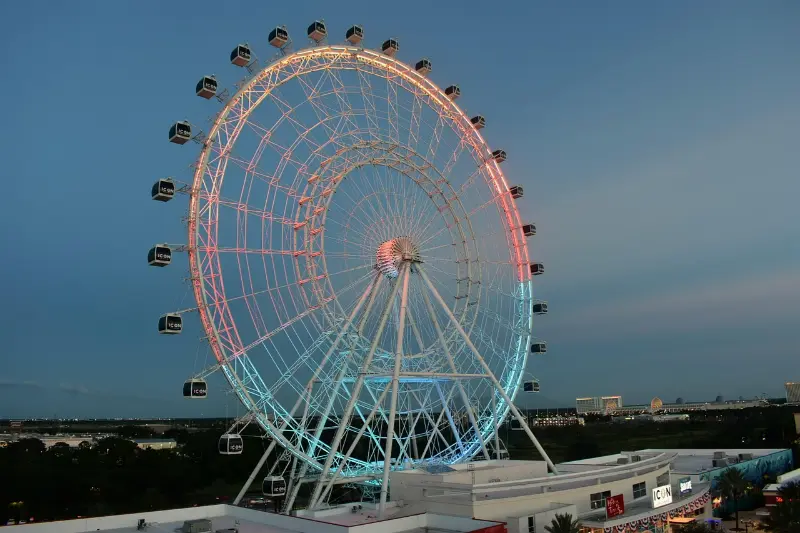
    Orlando Theme Park Observation Wheel at Night

    Three days reveal why Orlando is a real city as well as a vacation resort. Lake Eola brings the urban waterfront into the picture; Winter Park contributes walkable streets and cultural history; gardens or natural springs show another side of central Florida. The itinerary has room for slow breakfasts and weather changes, making it particularly suitable to travelers who want to see more while feeling less rushed. By choosing a location-based route, you can return home with a clearer sense of place and energy left for the rest of your journey.

    Frequently asked questions

    Can I stay near Disney for this itinerary?

    You can, but a downtown or Winter Park base usually reduces the drives for these non-theme-park activities.

    Does SunRail operate on weekends?

    Ordinary SunRail service is scheduled Monday through Friday; verify any special service directly before planning.

    Are spring swimming trips guaranteed?

    No. Park capacity, weather and current restrictions can affect access; gardens are an excellent alternate choice.

    Official information and useful resources

    Explore the area on an interactive map

  • Three Days in Winter Park and Maitland: Lakes, Art Museums and a Gentler Orlando Escape

    Three Days in Winter Park and Maitland: Lakes, Art Museums and a Gentler Orlando Escape

    Winter Park and neighboring Maitland offer an appealing alternative to the familiar image of a Central Florida holiday filled with theme-park lines and long drives. Tree-lined streets, lakes, art institutions and cafés make it possible to organize a three-day break around smaller pleasures. The two communities sit near Orlando, but they have their own identity and should not be treated as a single attraction complex. This itinerary gives Winter Park the first day, adds art and quieter Maitland stops on the second, and leaves a third day for gardens or a carefully chosen lake experience. It suits couples, families and visitors who want cultural variety without an exhausting schedule.

    Three-day summary

    DayMain planEasier alternative
    1Park Avenue and Morse MuseumCompact village stroll and museum seating
    2Winter Park lakes and Maitland artShort public lake viewpoint and local exhibit
    3Gardens and quiet neighborhood discoveriesBreakfast, park seating and easy airport transfer

    Where to stay and whether you need a car

    A hotel near Winter Park's Park Avenue can make cafés and parts of the historic center easy to reach on foot. Staying farther out may reduce room costs and provide parking, but a short distance on a map can include busy junctions and less comfortable pedestrian stretches. Maitland accommodation can be practical for drivers who plan to visit both towns. Visitors also consider downtown Orlando, though that adds transit or car travel for most Winter Park activities. Decide where you want to spend your mornings before booking. If strolling to breakfast is a priority, pay attention to the actual walking route, not merely a hotel's neighborhood label.

    Buenaventura Lakes Orlando Florida Suburban Community Aerial

    SunRail serves Winter Park and Maitland, but regular services are primarily weekday commuter-oriented, with schedules and any special event service subject to change. It should not be assumed to solve every weekend outing or airport connection. A car makes wider exploration easier, though parking near popular shopping streets may require patience. Compare the full cost of a rental car, hotel parking and ride-share transfers. Anyone using a stroller or wheelchair should inspect the path between lodging, transit and chosen attractions. Some older commercial buildings and outdoor areas have entrances or surfaces that vary in accessibility.

    Day one morning: Park Avenue without a shopping marathon

    Start in central Winter Park on or near Park Avenue. Choose a pleasant breakfast stop and explore a manageable cluster of shops, gardens and public spaces. The area's character comes from leafy streets, architectural details and the relationship between commercial life and residential neighborhoods. Rather than visit every shop, pick a few that interest your group and make time to sit in Central Park. Families may find a short walk followed by a snack more successful than a long shopping circuit, while couples can linger over coffee and people-watching. Respect private property and use marked crossings on busier streets.

    Before you goCheck current event schedules because markets, festivals and outdoor performances can change the atmosphere and parking situation. A crowded event may be enjoyable for some travelers and overwhelming for others. If visiting with an older relative, plan a place to rest before fatigue sets in, and make sure the café or restroom you have in mind is actually open. In the hotter months, the morning is a better time for walking than midafternoon. Your goal is to understand Winter Park's appeal as a town, not to collect photographs of every storefront in a fixed order.

    Day one afternoon: the Morse Museum and a slower cultural visit

    The Charles Hosmer Morse Museum of American Art is a strong choice for an afternoon focused on design and history, particularly its collection associated with Louis Comfort Tiffany. Check operating days, admission, accessibility and current exhibitions on the museum's official website before arriving. A modest museum visit can be particularly enjoyable after time in outdoor heat. Give yourself enough space to appreciate a few exhibits properly rather than rushing from room to room. Children may respond well to colors, patterns and materials, while adults interested in architecture can connect the works with the wider decorative arts movement.

    If museums are not a favorite, substitute another current cultural venue or a relaxed café break. Winter Park is suitable for a trip with several different interests because outdoor streets and indoor galleries are close enough to combine sensibly. Be mindful that museums can restrict photography, bags or food. Accessible visitors should ask about entry routes and seating rather than assuming older buildings have no barriers. After the museum, return to your hotel or take a short park walk; there is no need to add a drive across Orlando to fill the evening. A local dinner can be part of the day's experience.

    Day two morning: a lake outing with clear expectations

    Winter Park's chain of lakes gives the town much of its appeal. A scenic boat tour is an option for visitors who enjoy looking at shoreline landscapes and hearing local stories from the water. Check the operator's current schedule, weather policy, ticket arrangements and boarding requirements. Boat tours are not automatically appropriate for everyone: a person with balance difficulties or limited mobility may need specific information about steps, seating and assistance. A parent should ask about children, strollers and suitable life jackets before turning up at a departure point. Reserve an alternative land-based morning in case storms or wind cancel the trip.

    If you choose not to take a boat, explore a public lakeside park or a short scenic street route instead. Remember that many lakefront properties are private, and water views do not create a public right of passage. Do not cross a lawn or use a private dock simply because a map shows water behind it. Freshwater areas may contain alligators and other wildlife, so keep children and pets away from unapproved water edges. A lake outing is best as a viewing and learning experience unless you have specifically arranged permitted water recreation with appropriate safety measures.

    Day two afternoon: Maitland and its art connections

    Use the second afternoon to discover Maitland rather than returning automatically to the same Winter Park streets. The Art & History Museums of Maitland includes distinctive architecture and exhibitions; check which buildings are currently open and whether advance entry is necessary. A short visit can introduce local art and history in a way that differs from the Morse Museum's collection. The grounds and historic structures may have varied walking surfaces, so people who need step-free routes should confirm access with the venue directly. Avoid making promises about every gallery being available on a particular day.

    After the cultural stop, choose a café or a nearby public park for a break. Maitland is not an entertainment district designed around a single pedestrian strip, so a car or planned local transfer can be useful. A family may find that one museum and a good meal form a complete afternoon. Couples can linger over art and architecture, while older travelers might appreciate the lack of pressure to cover an expansive attraction. If rain becomes heavy, skip a planned outdoor walk rather than trying to keep up with the schedule. This day is about contrast between communities, not maximizing your step count.

    Day three: gardens, neighborhood discoveries or an easy departure

    Reserve the final day for whichever experience you missed. Travelers who enjoyed Winter Park may revisit a café, explore another short landscaped area or look for current botanical and cultural programming. Those with more energy could choose one outdoor park farther from the center, but inspect hours and transport before departing. Do not add an Orlando theme park as an afterthought; most need a dedicated day, ticket planning and a very different schedule. If you are heading to the airport, keep the morning short and predictable rather than attempting an excursion that risks making you late.

    Winter Park Florida Neighborhood and Gardens Aerial

    A slower final morning can also make the trip more inclusive. Families can let each child select one shop or public space, adults can return to a museum store, and older relatives can enjoy a seated garden view. When choosing parks, check whether the route is paved, the restrooms are open and there are enough benches. If you're interested in local history, read neighborhood interpretive information rather than treating every older building as a public attraction. The region's quality is in its layering of art, town life and water, and you can appreciate those themes without visiting ten locations in one day.

    Food choices and the hidden costs of short urban trips

    Winter Park has dining choices across casual and special-occasion price ranges. A café breakfast, picnic or light lunch can balance the cost of a museum ticket or evening restaurant. Read menus and any automatic gratuity policy, especially when dining with a group. Many sought-after restaurants book quickly on weekends or during special events; make reservations where necessary, but avoid committing to a rigid three-meal schedule. Grocery supplies help families managing naps, dietary restrictions or picky eaters. Check if your lodging has a refrigerator and whether breakfast is included in the final rate.

    Prepare a budget that includes lodging, parking, museums, any boat tour, taxis or train fares and food. A low hotel rate can be offset by paid parking or extra transfers. If your interests are primarily Park Avenue and the Morse Museum, staying near them may save enough transport time to justify a slightly higher rate. For a group driving from another Florida destination, consider an extra night rather than a rushed day trip if the journey would otherwise begin and end in darkness. The goal is not to spend very little, but to use money for experiences the group actually enjoys.

    Different ages, mobility needs and comfortable pacing

    With babies or toddlers, schedule the principal morning activity early and keep afternoons flexible. A stroller can work on many paved streets, though individual curb cuts and entrances vary. School-age children might enjoy discovering Tiffany patterns or comparing different types of artwork, while teenagers can select a café or cultural stop. For older visitors, short downtown walks and an accessible museum can be more enjoyable than a long boat or trail outing. A multigenerational group may choose the boat tour for some participants and a park visit for others, then reunite for lunch without anyone feeling excluded.

    If someone uses a wheelchair, check boat boarding specifically and do not assume accessible grounds mean accessible vessels. Ask museums for details about ramps, restrooms, lifts and seating. Heat and humidity can affect even short walking routes, so allow frequent water breaks and use indoor spaces strategically. People who avoid vigorous activity can still enjoy the area through art, gardens and well-planned meals. Don't overload the itinerary simply because Winter Park lies near Orlando's major attractions. It is perfectly reasonable to treat a quiet afternoon as the highlight of the trip.

    Weather, safety and the final booking checklist

    Central Florida's summers are hot and stormy, while winter and spring can be especially pleasant for town walks. Lightning should immediately end boating or time in exposed parks, even if there is no heavy rain yet. Freshwater lakes require caution, and swimming should occur only where expressly permitted and suitable. Check SunRail's actual operating days, museum schedules, boat departures and local festival calendars before the trip. A single closed museum or canceled boat outing need not ruin the holiday if you have one indoor and one outdoor alternative ready.

    Pack comfortable shoes, a water bottle, sun protection, a light rain layer and a phone with current maps. Keep a note of actual venue addresses, not only their names, and allow extra time for university or community events that affect roads. An accessible itinerary should be built around verified door-to-door routes and realistic rest stops. Three days in Winter Park and Maitland can be a memorable chapter of a Florida vacation precisely because the region invites you to slow down, look at art and enjoy ordinary town life near the lakes.

    Frequently asked questions

    Can I visit Winter Park without driving?

    Central Winter Park is walkable around Park Avenue, but regional trains and other transport options have schedule and route limitations.

    Are all Winter Park lakes safe for swimming?

    No. Permissions differ by park and water body, and freshwater wildlife requires caution; check current city rules.

    Is the Winter Park Scenic Boat Tour wheelchair-accessible?

    Do not assume. Contact the operator for exact boarding steps, seating and assistance before booking.

    Official information and useful resources

    Explore the area on an interactive map

  • Seven Days in Florida Without Renting a Car: Orlando and Miami by Train

    Seven Days in Florida Without Renting a Car: Orlando and Miami by Train

    A car-free Florida vacation is possible, but it succeeds only when you choose the right places. Many beaches, springs and nature preserves are difficult to reach without a vehicle. Orlando and Miami are a more workable pair because Brightline operates intercity passenger trains between Orlando International Airport and Miami, with intermediate South Florida stops. Within each destination, a carefully located hotel, walking, transit and targeted rideshares can cover a satisfying range of experiences. The important qualification is that the train solves the long intercity link; it does not magically put every attraction beside the station.

    This seven-day itinerary gives three days to Orlando and four to Miami, including the travel day. It is designed for people who prefer not to drive abroad, solo travelers, couples, families and older adults who would rather avoid the stress of Florida expressways. It also makes the financial trade-off clear: no rental-car counter or parking bill, but station transfers and occasional taxis still cost money. The best itinerary is not the one with zero cars under any circumstances, but the one that avoids owning a car for a week while keeping every transfer manageable.

    The itinerary at a glance

    DayStayPlanGround transportation
    1OrlandoArrival, hotel and restAirport transfer
    2OrlandoOne attraction or resort-area dayHotel shuttle, taxi or rideshare
    3OrlandoLocal neighborhood or second selected activityPreplanned transfers
    4MiamiBrightline to MiamiCentral, downtown orientationTrain, Metromover and walking
    5MiamiMiami Beach and Art Deco architectureBus, trolley where operating or rideshare
    6MiamiLittle Havana and museum choiceBus or rideshare
    7DepartureAirport transferMetrorail where suitable, taxi or rideshare

    If your flight home leaves very early, spend the last night near a suitable airport connection, not necessarily near the beach. For international travel, allow ample time for security and baggage. Check station and hotel locations before deciding whether to reverse the cities; the train route operates in both directions, but airline schedules may make one sequence easier.

    Day 1: Orlando arrival with no rental desk

    At Orlando International Airport, follow the instructions for your booked hotel shuttle, authorized transfer or rideshare pickup. Do not assume a hotel advertises a free shuttle to every theme park or runs it late into the night. Confirm exactly which services are included, whether advance reservations are needed, and how luggage, child safety seats or wheelchairs are handled. A hotel close to a particular park may still require crossing high-traffic roads unsuitable for walking.

    For the first night, prioritize convenience and sleep. Check in, buy basic supplies near the hotel if accessible, and enjoy a simple meal. Car-free travel involves a little more planning for groceries and laundry, so a hotel with dependable on-site facilities can be worth more than one with an impressive view but no nearby food options. If traveling with a toddler, verify crib requests and stroller storage directly.

    Day 2: One Orlando attraction, properly planned

    Choose one Orlando headline experience: a theme park, a museum-focused day or a resort-area attraction that genuinely interests you. Theme parks are easier without a car if your hotel has a reliable shuttle serving the exact park you want, but read the departure and return times before buying admission. Some shuttles operate only a few trips per day. If you use rideshare, factor in pickup zones, end-of-day queues and higher fares around closing time. Arriving at the correct entrance is more important than winning a theoretical fare comparison.

    A full park day can be exhausting regardless of age. Identify the top three experiences, plan rest periods and note where the group can get food and water. If accessibility is important, review the operator’s queue, mobility-device and transport information. Some hotel shuttles cannot accommodate all equipment even when the park itself can. Ask rather than assuming. You do not have to visit a theme park for the trip to be worthwhile; one major local attraction chosen well can fill the day.

    Day 3: Another Orlando experience without pretending distances disappear

    Use the third day for a second activity that is relatively easy to reach from your hotel. A Winter Park outing may appeal to museum and café lovers, while another resort-area attraction suits families looking for entertainment. Make the transport plan before you leave: the return trip from a beautiful but isolated attraction can be harder to arrange at night. A guided excursion can occasionally be more economical than two long rideshares, especially for a solo visitor, though you must compare full costs and cancellation terms.

    Do not put Kennedy Space Center into this day automatically. It is east of Orlando and not beside the Brightline station. If space exploration is essential, consider a tour with confirmed transport and check its full itinerary, pickup location and return time. Otherwise, save the Space Coast for a future car-based trip. A car-free itinerary improves when it acknowledges limitations instead of making travelers spend much of the day solving them in real time.

    Day 4: Brightline from Orlando Airport to MiamiCentral

    Book the Brightline train for a departure that allows a relaxed hotel checkout and transfer. The Orlando station is beside Terminal C at Orlando International Airport, not in downtown Orlando. Give yourself time to reach it from the hotel and navigate the station. Check the operator’s baggage policy, ticket conditions and check-in guidance before paying. Brightline’s official station information lists MiamiCentral, Aventura, Fort Lauderdale, Boca Raton and West Palm Beach as South Florida stops on the route, making Miami a logical destination for this plan.

    When you arrive at MiamiCentral, take a little time to orient yourself. If your hotel is Downtown or Brickell, you may be able to combine a short transfer with the free Metromover, depending on luggage and route accessibility. If staying in Miami Beach, use a bus or direct paid transfer; Miami Beach is not served by Metromover. Check how the hotel handles luggage before check-in. An easy evening waterfront walk is more sensible than crossing to three separate neighborhoods after the train journey.

    Day 5: Miami Beach by transit or rideshare

    Plan a South Beach day, beginning with the Art Deco Historic District and an ocean walk. Visit in the morning if possible, when taking photographs and exploring the streets is more comfortable in warm weather. Miami Beach is geographically separate from Downtown Miami and requires a bridge crossing. Use current public-transit schedules, the city’s operating trolley services where available, or an authorized rideshare. Price the whole family’s transfer, not just a single ticket, and consider whether a direct ride will avoid a difficult stroller or mobility-device connection.

    Miami Downtown Causeway at Night

    Make the afternoon deliberately light. The beach can be a main attraction, or it can be a thirty-minute shoreline visit followed by lunch and a shaded neighborhood stroll. Observe warning flags and lifeguard directions before swimming. Families should never rely on flotation toys as a replacement for close adult supervision. Finish with an early evening in South Beach or return to the mainland before traffic and fatigue build.

    Day 6: Little Havana and a Downtown museum

    Spend the morning in Little Havana for food, cultural context and a neighborhood walk focused around Calle Ocho. A guided interpretation can help connect landmarks to Cuban American history. Treat the area as a lived-in community and respect residents and private businesses. Rather than stacking multiple disconnected destinations, take a meal break and decide if you want an indoor attraction that afternoon. Pérez Art Museum Miami and Frost Science offer different experiences around Museum Park; one is usually enough after a full morning.

    If you prefer a lower-effort day, choose just the museum and the nearby waterfront. Miami’s free Metromover can be useful between downtown areas, but routes and station service should be checked before relying on it for a timed event. Some official tourism pages publish different hours as services are updated; use the transit agency’s current alert feed as the final authority. Ask staff about accessible entrances if that matters to your party.

    Day 7: Getting to the airport without a missed connection

    Miami International Airport can be reached using a combination of local transport options, including a Metrorail connection through the airport’s intermodal center, but only when your hotel and luggage make that realistic. A direct taxi or rideshare may be preferable for a family with many bags or a traveler with reduced mobility. Work backward from your airline’s recommended airport arrival time, allowing time for the transfer itself and potential delays. Do not schedule a final museum visit against a tight international departure window.

    If you are returning from Fort Lauderdale rather than Miami, calculate the actual airport transfer instead of assuming the cities are interchangeable. Brightline serves Fort Lauderdale city station, which is not inside the airport. Check the last mile using the operator’s current station guidance. The appeal of a car-free trip is fewer driving responsibilities, not immunity from transfer planning.

    Can this trip include an Everglades excursion?

    Yes, but treat it as a substantial optional replacement for a Miami day, not a quick public-bus add-on. The Everglades’ principal entrances do not connect by interior roads, and the National Park Service explains that public transit is not available within the park. A guided tour with clear pickup arrangements is the realistic option for many car-free visitors. Read precisely which entrance and experience are offered; an airboat ride at a private attraction is not identical to a National Park Service experience inside the park.

    Discuss physical access and safety in advance. Wildlife viewing, tram rides and boardwalks can be wonderful for different ages, but actual boarding conditions and accessible restrooms vary. The itinerary works perfectly well without the Everglades, and it is better to enjoy Miami deeply than buy an unsuitable tour because it appears on a “must-see” list.

    Comparing the real cost with renting a car

    Add together the Brightline fare for your exact travel day, hotel-to-station transfers, airport transfers, local rideshares and transit fares. Compare that with the full rental-car rate, insurance or coverage choices, hotel parking, toll arrangements and fuel. A train can be especially attractive for a solo traveler who would otherwise pay every driving cost alone. For a family of five, the same calculation may favor a car, particularly if the planned hotel is far from transit. Do not use headline fares to make the comparison.

    Where to sleep matters as much as the transport mode. A Downtown Miami hotel near Metromover may reduce local travel costs, while a remote inexpensive hotel can force several taxi rides each day. In Orlando, a good shuttle schedule may justify a higher room rate. When comparing options, use the total week’s budget and the number of stressful transfers, not merely the cheapest nightly price.

    Who should adapt this car-free route?

    Travelers with strollers should check whether a transit transfer involves elevators, accessible boarding and a manageable walk on both ends. Wheelchair users need exact access information for train boarding, hotel bathrooms and any planned shuttles. Older adults who prefer a shorter walking day might choose a central hotel and one museum per afternoon rather than the maximum number of stops. Teenagers can take responsibility for navigation while adults handle reservations and safety decisions.

    For everyone, save transit maps, hotel addresses and booking references offline. Florida’s thunderstorms can slow traffic and interrupt outdoor activities, so keep nearby indoor alternatives. This itinerary demonstrates a useful principle: choose places around the transport network, rather than choosing scattered attractions and hoping a transport network will appear afterward.

    Frequently asked questions

    Does Brightline go to Downtown Orlando?

    No. The Orlando Brightline station is at Orlando International Airport next to Terminal C, requiring a separate local transfer.

    Orlando Florida Downtown Skyline at Dusk

    Does Brightline stop at Miami Beach?

    No. Its MiamiCentral station is in Downtown Miami; Miami Beach needs an additional bus, trolley connection where suitable or paid transfer.

    Can we visit the Everglades without driving?

    An organized guided tour may work, but the park’s internal roads are not a public-transit network. Check the exact entrance and pickup details.

    Is this suitable for visitors over 70?

    Yes if individual mobility, accommodation and transfer arrangements fit the traveler. Age itself should not determine the activity choices.

    Is a week enough for Orlando and Miami?

    Yes for a focused introduction. Avoid adding Key West and the Gulf Coast unless you have substantially more time.

    Official planning sources

  • Rainy Days in Orlando: Five Museum-First Vacation Days Without Theme Parks

    Rainy Days in Orlando: Five Museum-First Vacation Days Without Theme Parks

    Florida rain does not have to turn an Orlando vacation into a week of shopping malls and television. The region has science exhibits, history collections, art museums, theaters and indoor activities that are worthwhile in their own right. What needs adjusting is the expectation that everyone will want eight hours of indoor sightseeing each day. Children need movement and breaks, older travelers may prefer shorter visits, and thunderstorms can complicate the walk between a parking garage and a museum entrance.

    This five-day plan is for visitors who want a real vacation without Disney or Universal tickets, either because the weather is unhelpful or because they simply prefer local culture. It uses Orlando, Winter Park and nearby communities rather than suggesting long drives across the state. Hours, programs and admission conditions can change, and some attractions close one or more days each week. Book only after verifying the actual calendar for your travel dates.

    Choose a base with easy parking or good local access

    A hotel near downtown Orlando or Winter Park makes sense if museums are the main focus. A resort along International Drive may have a wider choice of indoor entertainment but often requires additional driving or rideshare journeys to local cultural sites. Compare the door-to-door trip, not just the map distance. A downtown parking garage may add a walk in rain; a cheaper suburban hotel may add tolls and heavy commuter traffic. If mobility is important, ask about covered drop-off points and how far it is from parking to the elevator.

    Before paying for lodging, review any destination fees, mandatory parking charges and cancellation conditions. Families may value an indoor pool, but indoor or enclosed water activities must still follow lightning and venue safety policies. A separate sleeping area can be useful when a child needs an afternoon nap while adults relax. Keep a small umbrella, dry shoes and an extra layer within reach rather than leaving all rain gear in the checked suitcase.

    Day one: begin at Orlando Science Center

    Orlando Science Center in Loch Haven Park is a strong starting point for families because it combines interactive exhibits with science demonstrations and films. Its current calendar normally lists Wednesday as a closure day outside specified school breaks, making a quick opening-hour check essential. Reserve enough time to explore at your group’s pace but avoid treating the entry price as a challenge to stay until closing. Younger children may focus intensely on one exhibit rather than moving efficiently between floors.

    Orlando Skyline and Theme Park at Night

    Look at the day’s presentation schedule when you arrive, then prioritize one or two experiences. Ask about sensory-friendly resources if noise, crowds or lighting could be difficult for somebody in your group. An adult may enjoy a science film while children prefer hands-on stations; dividing briefly into supervised groups can improve the visit. Check parking arrangements and cafe hours before arrival. Lunch inside or near the building is more comfortable than searching for a distant restaurant during a lightning storm.

    Make the second half of day one flexible

    After a substantial science visit, leave the afternoon open. In lighter rain without thunder, a short stroll around the cultural park may be pleasant; if lightning is approaching, stay in a substantial building and wait for conditions to improve. Florida summer weather can move quickly, so a forecast icon showing a storm does not necessarily mean twelve straight hours of rain. Conversely, a brief sunny break is not proof that conditions are safe for an exposed park or lakefront.

    A low-cost evening can be a casual dinner near the hotel followed by a family game, photo sorting or quiet reading. Resist booking another expensive indoor attraction just because the rain interrupted a beach plan. Children often appreciate downtime after a noisy museum. Travelers who have trouble standing may particularly welcome a rest day with one successful outing rather than a forced late-night schedule.

    Day two: discover Central Florida’s history downtown

    The Orange County Regional History Center explores the area beyond the modern tourist economy, including its communities, environment and development. Its downtown location is suitable for visitors interested in learning how Central Florida changed over time. The museum information describes multiple floors and elevators, but ask about any temporary exhibitions, program changes and accessible entrance arrangements before visiting. A family can explore one floor deeply and still have a rewarding experience.

    Bring a simple question for younger visitors: How did people travel here before highways? What changed when tourism expanded? Which histories are represented, and whose stories may be less obvious? Older teenagers might prefer researching a particular exhibit rather than completing a child-oriented worksheet. Keep the museum visit within a reasonable time window and then choose lunch nearby, factoring in downtown parking and the possibility of a wet walk.

    Day three: an art-focused Winter Park afternoon

    Winter Park offers a different urban atmosphere from downtown Orlando. The Charles Hosmer Morse Museum is especially known for its collection of works by Louis Comfort Tiffany, including stained glass and decorative art. Check open days and current exhibition details because smaller museums often have different weekly schedules from major theme parks. This is more suitable for visitors who enjoy looking carefully at objects than for toddlers who need a climbing space every twenty minutes.

    Orlando Theme Park Entrance Plaza

    Plan a short, well-paced visit, then spend time in a cafe or bookstore nearby if the weather allows. An arts-focused day is also a chance to explore the area’s architecture and town center without forcing everyone onto an outdoor boat tour. The scenic boat tour is a fine-weather option only when operators are running safely. Do not buy a fixed departure as your rain backup and then feel pressured to board in unsettled weather.

    Day four: pick an indoor activity around your group’s interests

    There is no single perfect rainy-day activity. For younger children, choose a reputable indoor play or discovery venue with a defined age range and clear supervision rules. For teenagers, a reserved escape room, guided creative workshop or interactive exhibit may be more engaging. Adults might prefer a gallery, performance or special exhibition. Look for actual operating hours, age restrictions, refund policies and recent customer information rather than using an old ‘top ten indoor activities’ list.

    Be skeptical of entertainment complexes that advertise a cheap starting price while charging separately for each activity, parking and refreshments. Review the final booking cost. For families with sensory needs, call ahead about music volume, flashing lights, small rooms and crowd patterns. A venue described as family-friendly is not necessarily quiet or accessible. Choose one activity with enough time for an unhurried meal and transport.

    Day five: choose the weather window, not a fixed outdoor promise

    By the final day, you may have a clear morning even during a wet week. If so, choose a short outdoor stop such as a downtown lakeside walk, a garden or a neighborhood playground, always checking current conditions. If rain continues, return to the indoor experience everyone enjoyed most, browse a library or enjoy a longer sit-down lunch. A five-day plan should have flexibility: your group might prefer two days at the science center over five unrelated museums.

    For travelers leaving by air, do not schedule a paid activity too close to departure. Weather can affect airport roads and flights as well as outdoor attractions. Plan airport transport, keep essential medications and documents in hand luggage, and check the carrier’s current flight updates. If your return journey is delayed, a hotel lobby or nearby library may be more useful than another attraction ticket.

    Practical itinerary at a glance

    Day Primary plan If it clears up Low-energy option
    1 Orlando Science Center Short Loch Haven park walk Exhibits only, early dinner
    2 Orange County Regional History Center Downtown historic streets One museum floor and cafe
    3 Morse Museum, Winter Park Short town walk Gallery and quiet lunch
    4 Indoor play, workshop or theater Neighborhood park One reserved activity
    5 Favorite indoor return visit Short garden or lakefront stop Library, lunch and departure

    Do not treat this table as a timetable. Local school holidays can shift opening days, and storms can make even short transfers unpleasant. Museums may have timed admission or limited capacity for popular programs, so check before traveling rather than improvising at the ticket desk.

    Understand the difference between rain and lightning

    A warm shower can be a minor inconvenience; lightning requires serious changes. Avoid outdoor pools, boat tours, golf, exposed parking lots and lakeside paths when thunderstorms threaten. Follow official warnings and the instructions of venue staff. Waiting in a substantial enclosed building is a much better approach than sheltering under a picnic umbrella or an isolated tree. Do not attempt to cross flooded streets; water can conceal hazards and stalled vehicles can block routes.

    The National Weather Service provides forecasts and alerts. Tropical weather is a separate planning issue from ordinary afternoon thunderstorms. If a named storm is developing, follow local government instructions and airline updates rather than assuming a museum plan makes the day safe. Booking flexible tickets and allowing free time protects your money as well as your schedule.

    What to do with children of different ages

    For babies and toddlers, pack dry clothes, snacks, diapers and a compact stroller that fits through crowded entrances. Many children become tired in indoor venues that require sustained attention; choose one major outing and one easy break. School-age children may enjoy a small notebook to sketch an exhibit or write a question. Teenagers are more likely to participate if they can choose a topic, performance or dinner venue rather than being asked to follow a preschool itinerary.

    A grandparent or older relative may prefer seated interpretation and a short route. Ask museums about benches, loaner wheelchairs, elevators or assistive listening services instead of assuming they are available everywhere. If one person wants a quiet hour while others continue, agree on a safe meeting point indoors and a specific return time. The goal is a shared holiday, not identical energy levels.

    Keep food and transport manageable

    Build a small food plan around reliable opening hours. Lunch inside a museum can cost more but may avoid a difficult rainy drive; a nearby cafe can be better when conditions are settled. Before visiting restaurants with food allergies, contact the venue directly about ingredient handling and cross-contact. Carry water even on a rainy day, because enclosed attractions and parking garages can feel warm and humid.

    A rental car gives flexibility, but downtown parking and wet-road driving have costs. If relying on rideshare, allow extra time during heavy rain; vehicles may be delayed and pickup areas crowded. Families needing child seats or travelers requiring wheelchair-accessible transport should arrange suitable transportation rather than expecting an appropriate vehicle to appear instantly.

    Costs that are easy to overlook

    A museum itinerary can be affordable compared with major theme parks, but it is not free. Admission for multiple people, paid parking, films or special exhibits, workshops and meals add up. Compare an attraction’s member and reciprocal programs only if you genuinely qualify, and confirm that a reciprocal benefit covers the exact ticket you want. Discounts for seniors, military families, teachers or residents may require documentation and do not necessarily apply to foreign visitors.

    Plan at least one genuinely low-cost day with a public library, a short historic walk if weather permits and a simple meal. It may be sensible to save money on a hotel with fewer amenities if you will spend the day indoors elsewhere, but check the transport costs before choosing a distant bargain. A financially comfortable rainy holiday has money left over for the next sunny day, not a fresh ticket bought out of frustration after every shower.

    Frequently asked questions

    Is the Orlando Science Center open every day?

    No. It normally closes Wednesdays except during specified school breaks and has holiday exceptions. Check the official daily calendar before setting your itinerary.

    Can I rely on outdoor scenic boat tours as a rain backup?

    No. Boats may be postponed or canceled in unsafe weather. Choose indoor attractions as your firm backup and save tours for favorable conditions.

    What is the best rainy-day plan for grandparents and toddlers together?

    A short museum visit with nearby seating, accessible restrooms and a flexible early return often works better than an all-day entertainment complex.

    Use Orlando Science Center, the Orange County Regional History Center, the Morse Museum and National Weather Service alerts to build an up-to-date plan.

  • Aquatica Orlando vs Discovery Cove: Which Water-Focused Day Should You Choose?

    Aquatica Orlando vs Discovery Cove: Which Water-Focused Day Should You Choose?

    Aquatica Orlando and Discovery Cove are operated within the same Orlando visitor ecosystem, yet they are very different purchases. Aquatica is a water park built around slides, pools, and energetic family play. Discovery Cove is a reservation-only day resort where guests spend time among tropical waterways, animal habitats, and included dining and equipment. The two experiences can suit different generations on the same family trip, but price alone rarely settles the question. Understanding what is included, who wants to swim, and how comfortable everyone is around animals is the quickest route to a decision you will not regret.

    The essential distinction before buying a ticket

    At Aquatica, the main product is admission to an active water park. The day centers on choosing slides, floating in water attractions, playing in splash areas, and finding breaks between rides. Some comforts and premium options may require separate spending. Discovery Cove is built as a more structured resort visit with advance reservations and limited daily attendance. The standard admission package includes meals and various equipment; a dolphin-swim experience is not automatically included and requires an eligible upgraded package. Read the inclusions on your chosen date carefully because product bundles and special offers can change.

    Imagine two families. One has teenagers who want to repeat exciting water rides and spend very little time sitting. Aquatica may be the more natural fit. The other includes a young child, parents who enjoy snorkeling, and grandparents who want a calm tropical atmosphere and a predictable meal routine. Discovery Cove may offer a more comfortable shared day, though aquatic activities and animal encounters are never appropriate for every visitor. Neither product is objectively more luxurious or more entertaining for all ages; they solve different vacation problems.

    Aquatica: the appeal of an active water-park day

    Aquatica is designed for people who enjoy slides, water movement, and the energy of a large park. There are family water-play areas, attractions with varying intensity, and spaces where people can relax between activities. The exact ride lineup, suitability, and operating hours should be checked on Aquatica’s official website for the visit date. A beautifully themed family slide still may have a minimum height, maximum weight, or other restrictions. Do not promise a small child a particular ride until its current rules have been reviewed.

    Volcano Bay Universal Orlando Water Park Aerial

    One advantage of this format is freedom to prioritize the activities that appeal to your party. Two adults might take turns supervising a younger child while older siblings enjoy higher-intensity attractions. The trade-off is that a mixed-age group may separate more often and need a careful meeting plan. Queues are not predictable, and a full park can involve substantial time walking between ride areas. If your holiday already includes two demanding theme park days, Aquatica can feel like a third action-packed park instead of a day of rest.

    Discovery Cove: the appeal of an included day resort

    Discovery Cove advertises breakfast, lunch, snacks, selected drinks, towels, lockers, snorkeling gear, swim vests or wetsuits, specially formulated sunscreen, and parking as part of its admission. Its reservation-only system and attendance limits make it different from a general water-park gate. Guests can experience tropical landscapes and water areas without building the day around a sequence of high-speed slides. For someone who dislikes making dozens of small transactions, included food and useful equipment are a significant advantage.

    Do not interpret ‘all-inclusive’ as permission to assume everything on the website is part of the least expensive ticket. Dolphin Swim is an upgraded package, and private cabanas or premium activities can cost more. Visit packages that include tickets to other parks also have their own terms and date windows. Compare the final checkout total for each traveler, not a starting price from an old advertisement. If certain members of the group would prefer not to enter the water, calculate whether the scenery and dining alone justify their admission.

    Dolphin encounters and choosing an ethical experience

    A dolphin-swim package is a defining difference for some Discovery Cove guests, but it should be an informed choice rather than an automatic family milestone. Visitors have different views about interactive programs involving captive marine mammals. Those concerned about animal welfare may prefer to explore the included tropical fish habitats, aviary, conservation information, and landscaped water areas without buying a dolphin encounter. No family member needs to participate in an animal interaction to have a worthwhile vacation.

    If a dolphin encounter interests you, review current participation requirements, physical positioning, age or height conditions, caregiver rules, and operator safety information. Ask what the interaction entails, how animals are managed, and what happens if an experience is delayed. Never portray an interaction as an opportunity to touch or feed wildlife whenever a guest chooses; staff determine what is permitted. Children who appear excited in promotional videos may be anxious when entering water around a large animal. A responsible plan allows them to change their mind without pressure.

    Which option works for younger children?

    Aquatica has family-focused water-play opportunities that can work for preschoolers, provided adults select areas with suitable depth and posted safety requirements. Parents still need to supervise within arm’s reach when appropriate. The presence of a lifeguard does not substitute for a designated adult responsible for a young child. Children may enjoy a few minutes of splashing more than an entire paid day in a large park. If a toddler requires two naps, consider whether returning to the hotel would be easier than trying to find a quiet resting area amid music and crowds.

    At Discovery Cove, younger children may enjoy bird viewing, tropical scenery, beaches, and spending time with family members who move between the water and shaded spaces. However, not every pool, animal encounter, or water activity is appropriate for every age. Confirm minimum age requirements and whether a child may accompany a family member into a particular area. The significant package price means it is especially worth checking what a non-swimming toddler can genuinely enjoy. Parents with infants should prioritize feeding, shade, changing facilities, and flexibility over a list of famous attractions.

    At a glance: useful differences

    QuestionOption AOption B / consideration
    Day styleAquatica: energetic water parkDiscovery Cove: reservation-only resort
    Food and gearCheck ticket package/extrasMeals, towels and gear generally included
    Animal activityNot the central reason to visitDolphin swim requires upgrade
    Best forSlides and fast-paced daySnorkeling and calm resort environment

    How teenagers and confident swimmers may decide

    Teenagers who love fast slides, a little competition, and an energetic atmosphere may favor Aquatica. A park-style day allows them to spend time on rides that match their abilities and interests. Yet being a confident swimmer does not remove attraction restrictions or the need to follow instructions. Every member of the group should know where to meet, when to return, and what to do if a ride temporarily closes. A teenager who dislikes crowds might not enjoy the experience as much as someone drawn to busy water parks.

    Orlando Giant Observation Wheel

    Discovery Cove can appeal strongly to teens interested in snorkeling, marine life, photography, and observing the natural world. The activities are not merely a substitute for a thrill park; they offer a different focus. Some teenagers may find the day calming and distinctive, while others may grow restless if they expected steep slides. Before booking, show the family the official attraction descriptions and ask for their honest preferences. The most expensive package is not a reward if its central activities do not excite the person receiving it.

    Grandparents and travelers who prefer not to swim

    Both facilities can accommodate groups containing non-swimmers, but it is important to assess whether those guests will actually enjoy the visit. At Aquatica, the person who never enters the pool might spend much of the day watching loved ones leave for various rides. Shade, seating, walking distance, and access to restrooms become central questions. At Discovery Cove, relaxing in the landscaped resort environment and sharing meals may be more appealing, although the admission fee could be hard to justify if the guest only wants to sit under an umbrella.

    For visitors in their seventies, eighties, nineties, or beyond, the deciding issue is rarely their age alone. What matters is mobility, stamina, sun tolerance, swimming preference, and how enjoyable the pace feels. Some older adults love water-based experiences; others prefer a pleasant lunch and a short visit. Request accurate information about accessible routes, changing facilities, transfers into the water, and any companion assistance. Do not assume a pool’s accessibility based solely on photos of nearby wide pathways.

    Health, motion sensitivity, and water confidence

    High-speed slides and wave areas can be unsuitable for certain health conditions or for people who experience anxiety in moving water. Read all attraction warnings and discuss relevant concerns with a health professional when needed. For anyone with a history of dizziness, back issues, or motion sensitivity, a gentle water area may be more comfortable than a tall body slide. Use a properly fitted flotation device according to the operator’s rules, and never use an inflatable toy as a substitute for appropriate safety equipment.

    Snorkeling and deeper water at Discovery Cove require confidence, attention to instructions, and the ability to use equipment comfortably. Glasses wearers may need to investigate appropriate vision options, and anyone relying on hearing aids should ask how instructions are communicated near the water. Visitors who are pregnant or have other relevant health considerations must review specific attraction rules rather than depend on general statements that a resort is ‘family friendly.’ Respect the water and the staff’s directions at either property.

    Food, drinks, and budget surprises

    Discovery Cove’s included dining is one of its strongest selling points for groups that dislike repeated spending and complicated mealtimes. The published inclusion of breakfast, lunch, snacks, and nonalcoholic beverages helps families predict their spending, though optional premium items remain possible. Guests with dietary restrictions should contact the operator in advance, confirm how allergy requests are handled, and avoid assuming the phrase ‘all-inclusive’ guarantees safe food for every medical or dietary need.

    At Aquatica, compare current ticket bundles, dining plans, locker rules, parking, and reserved shade options. The cost of a modest admission ticket can grow when every person needs meals, drinks, transport, and a locker. Conversely, a family eating a simple breakfast at the hotel and planning a shorter park visit may keep costs lower than at a premium day resort. For a fair comparison, make a table with admission, travel, food, towels, locker, seating, and optional animal interaction. Use current checkout quotes for your actual dates rather than generic prices found in search results.

    Arrival, logistics, and the weather

    Both parks are in the Orlando area, but they do not use an interchangeable entrance or timetable. Confirm the exact address and arrival instructions for whichever admission has been booked. Discovery Cove’s reservation-only day works best when the party is ready to arrive at the recommended time and enjoy the included experiences, while Aquatica may suit a group prioritizing selected rides for a portion of the day. A taxi, rideshare, or rental car can be useful, but check the return plan before assuming a driver will be available immediately.

    Florida storms can interrupt water attractions, and intense midday sunlight requires routine breaks even on cloudy days. Bring water-safe footwear where permitted, protect phones and medication, and pay attention to rules around sunscreen in animal habitats. Discovery Cove provides an animal-safe product that visitors are expected to use according to instructions. For a family traveling with children, keep dry clothes and a simple change plan ready rather than leaving all luggage in a distant hotel. Refund and change conditions can vary by booking and package, so read them before paying.

    The choice for a mixed-age group

    Make a short priority list for each member of the party before booking. If the primary goal is several exciting rides, a vibrant water-park atmosphere, and a flexible day with lots of movement, Aquatica is the likely fit. If the goal is snorkeling, tropical surroundings, included food, and a more deliberately paced resort visit, Discovery Cove is the likely fit. If only one or two members want a dolphin encounter, compare whether splitting the group for separate activities makes financial and practical sense.

    A sensible alternative is not to take the whole family to either property. Some members might enjoy a calm hotel pool or an Orlando museum while others visit an active water park. The family can reunite in the evening with energy left to enjoy a meal together. No ticket price or attraction ranking should force children, nonswimmers, or older relatives into a day they would not choose. Selecting according to the group’s real interests is the best way to turn a Florida vacation into a good shared experience.

    Frequently asked questions

    Does the standard Discovery Cove ticket include swimming with dolphins?

    Not necessarily. Dolphin Swim requires an eligible package; check the exact inclusions when reserving.

    Is Aquatica a better choice for people who prefer thrilling slides?

    Usually yes, because Aquatica is a conventional water park centered on slides and active water play. Check current ride availability and safety restrictions.

    Are food, towels, and lockers included at Discovery Cove?

    The operator lists meals, towels, lockers, and several kinds of equipment among its included amenities, subject to the terms of the booked package.

    Official sources and trip planning

  • Magic Kingdom vs EPCOT: Which Disney World Park Should Your Family Visit First?

    Magic Kingdom vs EPCOT: Which Disney World Park Should Your Family Visit First?

    Choosing between Magic Kingdom and EPCOT is often the first genuinely difficult decision for a family planning a short Walt Disney World vacation. Both parks can fill a day, but they appeal in different ways. Magic Kingdom centers on familiar stories, themed lands, classic attractions, and the iconic castle. EPCOT combines rides with international pavilions, exhibits, architecture, gardens, and a broader variety of food. Neither is a universal winner for children or adults. The most helpful question is what your particular group wants to remember at the end of the day, especially if everyone is paying for only one Disney park ticket.

    The key difference in one sentence

    Magic Kingdom is generally the safer first choice for travelers dreaming of the traditional Disney experience: characters, classic attractions, and an unmistakable fairytale setting. EPCOT can be the better choice for families who enjoy exploring, different cuisines, science-oriented displays, and a less exclusively storybook atmosphere. That is a starting point, not a rule. A child who loves Frozen or Remy may be more excited by EPCOT than by attractions at Magic Kingdom; an adult who grew up with classic Disney characters may be happiest spending an entire day in Fantasyland.

    Before comparing individual rides, look at who is traveling. List the youngest child’s favorites, any thrill-seeking teenagers, adults who want to avoid spinning or motion simulation, and older companions who need regular seated breaks. It is much easier to choose a park with that information than with a ranking of ‘best’ attractions written for someone else’s family. Confirm the current attractions, refurbishment notices, and character offerings on Disney’s official calendar; these can change more quickly than a blog article.

    Magic Kingdom: storybook lands and shared moments

    Magic Kingdom’s strength is the concentration of recognizable Disney imagery. Walking toward Cinderella Castle, entering Fantasyland, and seeing classic themed environments can feel like the vacation’s centerpiece. For young children, the appeal often comes from attractions they can enjoy without understanding a complex storyline or sitting through a long educational presentation. For grandparents, slower-paced experiences, theatrical details, and shared family photographs can be as memorable as a major coaster. Magic Kingdom encourages mixed-age families to build a day around many shorter experiences.

    Disney Magic Kingdom Street with Visitors

    It can also be overwhelming. Popular attractions are spread across themed lands; distances, crowds, and queue time add up. A family that races from one side to the other for every reservation may end up spending more time navigating than enjoying. Choose a few priorities and group nearby experiences whenever possible. Toddlers need shade and meals, while teenagers may value one memorable thrill ride over a long list of gentle rides. The castle is a visual anchor, but it should not become an excuse to keep everyone in hot, crowded central walkways longer than necessary.

    EPCOT: discovery, food, and longer explorations

    EPCOT’s appeal unfolds differently. Spaceship Earth, the World Celebration and World Discovery areas, World Nature, and World Showcase give the park multiple identities within a single day. Some guests come for rides; others enjoy pavilion details, cultural displays, seasonal gardens, or the chance to sample food at a slower pace. It is a particularly good option for teens and adults who enjoy discussing what they see and exploring without a rigid checklist. Children can still enjoy recognizable stories and family attractions, but the day’s structure may require more adult guidance.

    The challenge is scale. World Showcase invites visitors to wander and can involve a great deal of walking. Someone expecting one compact attraction area may be surprised by the distance between favorite rides and dining stops. Build in more time than you think for travel between sections. If visiting with a stroller or mobility scooter, inspect route details and accessibility instructions for individual rides. EPCOT can be relaxing when the itinerary is selective; it can feel exhausting if the family tries to collect every pavilion and every headline attraction in one visit.

    Compare ride experiences, not just ride counts

    Magic Kingdom offers a broad mixture of gentle family attractions and more intense choices. Families interested in classic storytelling can find several opportunities to ride together, while older children may gravitate toward major coasters. EPCOT has distinct high-demand experiences such as Guardians of the Galaxy: Cosmic Rewind, along with family favorites and quieter explorations. Thrill level varies, and attraction suitability cannot be guessed solely from the theme. Motion sensitivity, height restrictions, restraint systems, and individual fears all matter.

    A practical method is to select three must-do experiences per person, combine overlapping choices, and see which park produces the shorter and more satisfying list. If one park has eight genuinely loved options and the other has only two, you have your answer. Be careful with rides whose stories sound gentle but use motion simulation or spinning; consult Disney’s warnings before taking a sensitive visitor. Families with infants should check current rider-switch policies and accessibility information rather than assuming that every adult can board at the same time.

    Which park is better for preschoolers?

    Magic Kingdom is often easier to recommend to first-time preschool visitors because of familiar characters, visually understandable attractions, and a strong fairytale atmosphere. A young child may not remember which resort restaurant had the best meal, but might remember a favorite character or castle picture. However, age is only one factor. A preschooler who adores Frozen, ocean animals, or the playful culinary world of Remy may have clear reasons to choose EPCOT, especially when the rest of the family also enjoys it.

    Keep naps, diaper changes, snack routines, and stroller parking in mind. Both parks offer baby-care resources, yet the walking and waiting can be demanding. Consider beginning early, selecting two or three attractions with manageable waits, and taking a long midday break if your ticket and transport plans permit it. On a one-day park visit, leaving and returning can create more hassle than relief if the hotel is far away. A quiet seated meal or an indoor attraction can sometimes provide a better reset than a lengthy trip out of the park.

    At a glance: useful differences

    QuestionOption AOption B / consideration
    Primary drawMagic Kingdom: classic Disney storytellingEPCOT: discovery, culture and food
    Younger childrenMany familiar themed experiencesSpecific favorite characters and family rides
    Biggest pacing riskBusy queues and changing landsLong walks between pavilions
    Decision shortcutTraditional first Disney dayCurious explorers and food lovers

    Which park works better with teenagers?

    Teenagers who want speed and standout thrill experiences should compare the current lineups rather than defaulting to Magic Kingdom because it is the ‘main’ Disney park. EPCOT may win for a teen interested in futuristic themes, Guardians of the Galaxy, or unusual foods; Magic Kingdom may win for someone who loves coasters, classic franchises, and iconic photographs. Many teens value the freedom to choose a few interests rather than follow younger siblings through a tightly planned itinerary. Include them in prioritizing rather than presenting the park choice as an adult decision.

    Mixed ages create a tradeoff. Suppose one teen wants thrills but a grandparent prefers gentler activities. Both parks offer things to enjoy without riding, but the distance between those activities and the family’s willingness to split up matter. Agree on a meeting point and an approximate reunion time. Keep phones charged and understand the park’s location tools, but do not rely on the youngest member of the group to navigate independently. If children are too young to separate, alternate between favorites instead of allowing one person to dominate the day.

    Food can change the decision

    For many adults, EPCOT is appealing partly because dining and sampling varied flavors can be a main attraction rather than an interruption. World Showcase encourages breaks that combine atmosphere and food, and seasonal events may offer additional choices. Check menu prices and ingredient information online before arrival. Festival stands can be fun, but a collection of small plates can cost more than a planned meal. A family with food allergies should review official dining procedures and communicate needs directly with cast members.

    Magic Kingdom also has substantial dining options, but visitors may focus more on attractions than on a leisurely food-led day. Character meals and themed restaurants require careful booking, and availability should never be assumed. If the budget is tight, choose a simple counter-service meal and prioritize snacks only when they genuinely add to the experience. Families with young children should avoid waiting until everyone is hungry to decide where to eat. Both parks can work with dietary restrictions, but menu offerings change, and advance checking is part of responsible planning.

    Walking, heat, and senior travelers

    Neither park is small, and a ticket purchase does not eliminate the physical demands of a theme park day. EPCOT often involves extensive open-area walking between pavilions, while Magic Kingdom has concentrated high-traffic zones and queues. The actual experience for a senior visitor depends on how much walking they can comfortably manage, whether they require a mobility device, and their interest in rides. A person who needs frequent breaks can have a wonderful day at either park if the itinerary focuses on a few nearby experiences.

    Use the official accessibility guides to learn which attractions require a transfer and where accessible transport or seating is available. Do not assume that a posted ‘accessible’ designation means no walking at any point. Consider a scooter or wheelchair rental only after clarifying needs and booking terms. In hot weather, plan indoor or shaded activities during the most uncomfortable hours, drink water, and avoid long outdoor lines where possible. Returning to the hotel before total exhaustion is a sensible decision, not a missed opportunity.

    Lightning Lane and the real cost of one day

    Park admission, date-based pricing, parking, meals, and optional Lightning Lane passes all affect the budget. Lightning Lane is not a replacement for a valid park ticket and does not promise immediate access to every attraction. In 2026, Disney offers Multi Pass, Single Pass, and Premier Pass products with different rules. Some high-demand attractions are sold separately rather than included with Multi Pass. Check the official selection lists and current availability before budgeting; assumptions based on older FastPass systems are not reliable.

    If everyone in the party wants the same few rides, a targeted strategy may work. If the group is happiest with shows, character sightings, and strolling, expensive queue-skipping products may provide less value. Budget for the family as a whole, not just a single advertised pass price. A multi-person purchase can significantly affect vacation costs. Dates and hotel eligibility also influence when selections may be made. The official Disney app is the final source for your visit day’s rules, not an article promising a fixed schedule months in advance.

    A balanced one-day Magic Kingdom plan

    Start with a small cluster of top-priority attractions rather than racing from land to land. Let the youngest visitor enjoy at least one simple choice early, then use a seated or indoor activity before lunch. During the middle of the day, keep an eye on heat and individual energy levels. A family photo near the castle is worth planning, but allow flexibility when crowds make the perfect shot impractical. Choose one major afternoon highlight and leave time for a leisurely meal or quiet attraction.

    Cinderella Castle at Disney Magic Kingdom from Distance

    In the evening, decide whether a nighttime entertainment offering is essential. Special events, weather, and schedules can alter entertainment, and an exhausted toddler may not benefit from staying long past bedtime. A family that leaves with everyone still comfortable often remembers the day more fondly than one that spends another ninety minutes pushing through crowds. If traveling with grandparents, consider a planned exit strategy or an option for part of the group to return to the hotel earlier.

    A balanced one-day EPCOT plan

    At EPCOT, start with the most important available attraction in the park area you enter, using your reservation plans when applicable. Mix a headline ride with an unhurried exploration rather than stacking intense experiences. Decide in advance how much World Showcase you want to cover. Visiting every pavilion is not mandatory; choosing four or five that genuinely interest your group may produce a better day. Include a meaningful food break and one indoor opportunity to cool down.

    If younger children are joining, let them help select a pavilion or family attraction instead of assuming they will enjoy watching adults eat. Adults interested in architecture or cultural details may appreciate extra time in fewer areas. After sunset, weigh the appeal of nighttime entertainment against the return trip. From EPCOT’s several access and transport arrangements, the route back to the hotel can depend on where you stay. Verify the correct exit and last transport details before the evening becomes crowded.

    The smartest choice if you have only one Disney day

    Choose Magic Kingdom for a first-time visit focused on Disney icons, familiar characters, and a broad assortment of story-based family rides. Choose EPCOT for a group excited by exploration, global food, science-oriented areas, and particular EPCOT attractions. For a mixed-generation trip, vote on everyone’s two most wanted experiences and let those answers guide the decision. Do not pay for two parks just because online itineraries insist that a complete Disney vacation requires everything. One well-chosen, well-paced park day can be a highlight of a Florida trip.

    Frequently asked questions

    Is Magic Kingdom always better for little kids?

    Not always, but it often suits first-time visitors with preschoolers who love classic characters and fairytale settings. EPCOT may be a better fit for a child whose favorites are there and a family that enjoys exploring.

    Can I do Magic Kingdom and EPCOT in one day?

    Only with suitable admission and a realistic appreciation of travel time. A two-park day is usually less relaxed, especially for young children or anyone who needs frequent rest breaks.

    Do both parks include Lightning Lane access with admission?

    No. Lightning Lane products are optional purchases with rules and availability that vary by attraction and date. Check Disney’s official pass descriptions before paying.

    Official sources and trip planning

  • A Florida Vacation With One Parent and Kids: A Practical Seven-Day Orlando and Space Coast Plan

    A Florida Vacation With One Parent and Kids: A Practical Seven-Day Orlando and Space Coast Plan

    Traveling through Florida as the only adult with one or more children can be rewarding, but the logistics are different from those of a two-adult family. Somebody must handle the bags while watching the children, manage restroom stops, read maps, organize meals and make decisions when weather changes. The most helpful itinerary is therefore not the one with the most attractions. It is the one that limits transfers, provides predictable breaks and builds in several ways to recover when a child becomes tired or anxious. This seven-day route uses the greater Orlando area as a base and adds the Space Coast as one carefully planned excursion. It is suitable for a single parent, a grandparent traveling alone with grandchildren or another sole caregiver, although documentation and medical needs vary among families.

    Choose a single base before choosing tickets

    Consider staying all seven nights in one location rather than moving between hotels every other day. A hotel with a refrigerator, breakfast option, dependable elevators and laundry facilities can simplify daily routines more than a fashionable address. Lake Buena Vista is convenient for resort attractions, Winter Park for lower-key urban outings and the airport side for early departures. Check the real journey to the places you care about during typical traffic periods. A large resort pool may be wonderful, but if the path from room to parking requires a shuttle, tired children can turn a short outing into an ordeal.

    If one child still naps, look for a quiet room and the ability to return early. Confirm whether a reserved room truly contains two suitable beds; terms such as “sleeps four” may include a sofa bed. Look at parking fees, refundable cancellation terms, any resort charges and what happens if your arrival is delayed. Requesting a room near an elevator can reduce walking but may increase corridor noise. Decide which compromise matters to your family, and keep a simple printed copy of the reservation in case the phone battery runs out.

    Day 1: arrival, supplies and the first calm evening

    An arrival day is not a sightseeing day. Transfer from Orlando International Airport, settle into the room and locate the nearest supermarket or pharmacy. If renting a car, inspect child-seat arrangements before leaving the airport and be sure the driver can fit and use the restraint correctly. Florida law imposes child-restraint requirements; the Florida Senate's 2026 statute is the authoritative text, while safety organizations may recommend restraints beyond the legal minimum. Do not assume a rideshare vehicle will supply the seat you need or that an adult’s arms make a safe substitute.

    Buy water, familiar breakfast foods and a few items your children will eat when restaurant plans collapse. Place a small card with your phone number in each child’s pocket or bag without exposing personal details in public. Establish the room as a meeting location and explain what to do if separated in a crowded venue: stay in a safe public area and ask uniformed staff for assistance. For younger children, practice the instruction rather than assuming they will remember it in a noisy environment. End with an easy meal and an early night.

    Day 2: Winter Park at the family's speed

    Start with a manageable excursion to Winter Park instead of a major park opening. Walk a compact stretch of the downtown neighborhood, take a shaded snack break and, if appropriate, consider a short scenic outing operating that day. A child may find a small fountain, a bookstore or watching boats more interesting than an attraction that requires another forty-minute queue. Park once when possible. Do not expect every block to have continuous shade; bring hats, sunscreen and the ability to step into an air-conditioned space.

    Return to the hotel before the afternoon becomes a battle over fatigue. Quiet time does not require every child to sleep, but it helps everyone reset. The second half of the day can be a hotel swim with active adult supervision or a neighborhood dinner. If you are the only adult, swimming safety is particularly important: choose a pool you can supervise without dividing attention between a toddler and an older sibling. If children of very different abilities want to swim, use life jackets as appropriate and stay within arm’s reach of inexperienced swimmers. Water wings do not replace supervision.

    Day 3: select one theme park or a smaller attraction

    If the family dreams of Disney World or Universal Orlando, reserve one major park day rather than assuming multiple consecutive days are obligatory. Compare rides by age, minimum height and comfort level before paying. Some attractions are more frightening in the dark or louder than publicity suggests. Consider whether the child who cannot ride something will be waiting with you, and what alternative is available; there is no second adult to rotate responsibilities. Confirm current accessibility support, locker rules, stroller arrangements and official ticket conditions directly with the operator.

    Colorful Roller Coaster at Orlando Amusement Park

    Choose three priorities for the morning and treat anything else as a bonus. Sit down for meals, use restroom breaks strategically and identify an indoor place to rest. If you decide against a theme park, substitute an interactive museum, gardens or a low-stakes indoor play activity, verifying availability before leaving the hotel. The benefit is not merely saving money: it allows a child who dislikes noise or crowds to enjoy Florida without feeling that the vacation is a failure. Carry an extra shirt, a phone charger and a small supply of familiar snacks that comply with venue rules.

    Day 4: a genuine rest day with optional local exploration

    Reserve day four for recovery. Many families schedule their most expensive ticket on day three and then leave no room for children to process the experience. Sleep later, wash clothes and plan a simple lunch close to the hotel. A half-day at a playground or quiet lakeside walk may be enough. If everyone still has energy, consider a nearby cultural activity, but avoid prepaying for another full day without knowing how the children feel. This is also the day to check the weather forecast and decide whether the Space Coast excursion should be moved.

    A low-cost day is helpful financially as well as emotionally. Buying breakfast foods and eating one meal in the room can offset a costly attraction without sacrificing the holiday. Do not turn every snack into a bargaining point; establish a simple daily allowance for treats. Older children can help pack the day bag and choose a grocery item for the family meal. Giving each child one manageable responsibility makes the group more cooperative, especially when there is only one adult organizing everything.

    Day 5: Kennedy Space Center with an exit strategy

    Leave early enough for a reasonable arrival at Kennedy Space Center Visitor Complex on Merritt Island, but do not set the alarm so early that everyone is exhausted. Check the official visitor information for hours, exhibit status, security, weather and any special operational announcements. The complex is substantial, with exhibits and activities that vary in emotional intensity and physical effort. Children who enjoy rockets may love seeing Space Shuttle Atlantis and the larger historical exhibits. Others may prefer photographs in the Rocket Garden and a few memorable demonstrations.

    As the sole adult, carry a concise plan: two major exhibits, a meal and one optional activity. Keep a map saved offline and know the route back to the car. Do not promise a rocket launch, which is subject to operational and weather changes. For a child who struggles with loud sounds or simulators, ask staff about alternatives before joining a line. If a toddler is present, check stroller restrictions and possible walking distances. Return to Orlando in daylight if possible, or choose a prebooked Space Coast hotel only if the family benefits from an overnight stay rather than another packing cycle.

    Day 6: Cocoa Beach or an Orlando indoor alternative

    If the weather is favorable, spend a morning on the Space Coast. Choose a beach with clear public access, an achievable walk from parking and lifeguard coverage when available. Keep the visit short enough to end while children are still having fun. Ocean surf can change quickly; younger swimmers should remain actively supervised and everyone must follow warning flags. Have a dry bag, clean clothes and a simple lunch plan. If driving back toward Orlando after lunch, build a rest stop into the journey and do not rely on children falling asleep exactly when you expect.

    Orlando Theme Park Vintage Cinema Entrance

    When the ocean is rough or thunderstorms are predicted, replace the beach with a local indoor attraction or an extra hotel day. Check admissions and hours on the same day. Do not replace a dangerous outdoor plan with an equally stressful cross-state drive. Florida’s predictable-looking summer storms can still be dangerous around beaches and pools, and lightning means getting off the water promptly. A seven-day vacation can be successful even if one planned destination is skipped entirely.

    Day 7: depart with space for the unexpected

    Pack the previous evening and put passports, medications and essential travel documents in a bag that stays with the adult. Review the rental-car return route and airline check-in procedures. Ask children to check beneath beds, behind curtains and in bathroom drawers for personal items. If flights are later in the day, choose a short nearby outing with free cancellation, not an attraction several hours from the airport. Allow extra time for traffic, security, unexpected restroom stops and settling a rental-car fuel question.

    The best ending might be breakfast together at a familiar place. Ask the kids which moments they remember. Many will mention the pool, a funny meal or a small encounter rather than the expensive admission. Keep that perspective when planning future trips: one caregiver and several children can enjoy Florida very successfully when a flexible rhythm matters more than completing every possible attraction.

    Documents, permissions and travel safety for one caregiver

    International visitors should verify current US entry rules for each traveler according to nationality, passport and travel status. A child’s surname may differ from the accompanying adult’s, and family circumstances vary. Airlines and border authorities may request documentation demonstrating parental permission or custodial arrangements in some circumstances. Consult the airline and relevant government sources for your specific situation; do not rely on a blanket statement that one letter always is, or is not, mandatory. Carry any prescribed medicine and a list of emergency contacts, but protect sensitive documents and do not post copies publicly.

    Consider what happens if the sole caregiver becomes ill. Another trusted adult at home should know the broad itinerary and hotel details. Save emergency contacts and the nearest medical care information on your phone and on paper. Carry adequate travel insurance if applicable, with attention to medical care for every family member. Explain to older children how to call 911 in an actual emergency and how to tell staff where they are. This is basic preparedness rather than a reason to be afraid of traveling.

    Money, transport and weather decisions

    A rental vehicle is usually the most straightforward way to combine Orlando and Kennedy Space Center, but compare its full price, child-seat fee, fuel, tolls, hotel parking and collision coverage. Airport transfers and local rideshares can be sensible for a shorter Orlando-only stay, but an excursion to the coast becomes harder. If you use rideshares, confirm age-appropriate child restraints and pickup arrangements in advance. Never assume a child can travel without a suitable seat simply because the distance is short.

    Pay for one marquee experience if it is important, then protect funds for meals, snacks, transportation and unexpected clothing or equipment. Florida’s afternoon thunderstorms and seasonal hurricanes make refund conditions relevant; monitor weather alerts and follow official instructions in severe conditions. Book the least flexible items only after checking the itinerary’s structure, and keep at least one indoor fallback. The easiest way to save money may be not buying an activity the family is too tired to enjoy.

    Seven-day schedule at a glance

    DayMain planBackup choiceEvening
    1Orlando arrivalGroceries and restEarly dinner
    2Winter ParkShaded local walkPool or quiet time
    3One major attractionIndoor museumSimple meal
    4Rest and laundryNeighborhood activityPack for day trip
    5Kennedy Space CenterFewer exhibitsReturn and rest
    6Cocoa BeachOrlando indoorsRelaxed evening
    7Airport departureNo distant outingTravel home

    Frequently asked questions

    Is Florida manageable with one adult and two or three kids?

    Yes, particularly with a single hotel base, short day plans and realistic supervision. The key is avoiding situations that require one adult to be in two places at once, especially at pools and ride queues.

    Should I bring my own car seat?

    That depends on your child’s size, the transport you will use and the airline’s procedures. Confirm compatibility, rental availability and legal requirements well before travel; a reservation alone does not prove installation is correct.

    Does a parent need a permission letter from the other parent?

    Requirements depend on citizenship, custody and specific transport or border procedures. Verify with official authorities and your airline rather than relying on general online checklists.

    How many theme park days should we book?

    For this itinerary, one can be enough. A second may make sense if all children enjoy the experience and the budget allows it, but protect a rest day and assess ride restrictions first.

    What if storms cancel our beach visit?

    Use an Orlando indoor alternative or spend a low-cost day at the hotel. Avoid swimming during lightning and check formal warnings rather than judging safety from a brief sunny interval.

    Official planning resources

    Check Florida child-restraint law, Kennedy Space Center visitor planning and the National Weather Service before finalizing this itinerary. This guidance was reviewed in October 2026; operating procedures and conditions may change.

  • Where to Stay in Kissimmee, Celebration and Davenport: Vacation Homes, Resorts and Theme Park Routes

    Where to Stay in Kissimmee, Celebration and Davenport: Vacation Homes, Resorts and Theme Park Routes

    An Orlando-area rental can look perfect in photographs and still add an exhausting drive to each theme park morning. Kissimmee, Celebration and Davenport offer different combinations of homes, hotels, resorts and everyday conveniences, but a booking label alone will not tell you whether the front gate of your chosen park is near. These communities serve family groups, couples, extended stays and travelers with different budgets. To choose well, start with the parks you intend to visit, the actual property address and how your group expects to spend evenings away from the attractions.

    Which area should you choose?

    AreaBest forConsider before booking
    Kissimmee visitor districtsResorts and vacation-home varietyLarge distances across area
    Celebration coreTown-center dining and walksNot every listing is central
    Davenport communitiesLarger vacation houses and poolsLonger drives to some parks
    Highway-area hotelsShort stays and straightforward serviceAdditional parking and transfer costs

    Kissimmee is a large area, not one theme park neighborhood

    Kissimmee is widely associated with family vacations and vacation homes, but it covers a broad range of residential and visitor districts. Some accommodation clusters are convenient for Walt Disney World, while others are farther south or east and better suited to a car-based holiday with additional local outings. A listing that simply says “Kissimmee” is not enough to estimate the daily drive. Put the complete address into a route planner and compare travel to the precise parking entrance, not a generic theme park pin.

    The area is particularly useful for groups wanting more bedrooms, kitchens, laundry and shared living space. Those advantages are meaningful for children who nap, grandparents who prefer slower mornings and friends who like to cook together. A big rental is less appealing when it has no shaded pool seating, an awkward staircase or a check-in procedure that requires a late-night detour. Confirm whether the advertised property is part of a managed resort community, an independent home or a conventional hotel.

    Kissimmee Florida Epcot Night Fireworks View

    Celebration for a walkable town atmosphere

    Celebration offers a different experience from a sprawling vacation-home subdivision. Its attractive town center and lakeside pedestrian setting appeal to visitors who want a relaxed breakfast, a short stroll or dinner away from crowded attraction districts. It can feel especially refreshing on a rest day between major parks. A lodging address near the center can be a comfortable choice for couples, families who like to wander after dinner and travelers who want some local atmosphere alongside Disney-focused activities.

    Not every property with “Celebration” in its marketing is within comfortable walking distance of the town center. Check the route from the exact entrance to the restaurants you expect to use. A hotel on a larger road may be more vehicle-oriented than a small property overlooking a pedestrian area. If you plan to spend every morning at a theme park, compare travel time with nearby accommodations rather than assuming the appealing neighborhood makes the commute effortless. Walking convenience within Celebration and driving convenience to park entrances are separate considerations.

    Davenport and the question of distance

    Davenport and surrounding Polk County communities attract visitors looking for spacious vacation houses, sometimes with private pools and game rooms. They can work very well for families planning a relaxed week, with a mixture of attraction days, grocery shopping and time at the house. The challenge is that some properties described as Orlando-area homes sit far enough from the parks for the daily drive to become tiring, particularly during school holidays. A low rental price may lose its appeal when the group spends long periods in traffic each day.

    Check the entrance roads and likely departure time, not simply the straight-line distance to the nearest edge of the Walt Disney World property. I-4 and major local roads can have congestion. For older travelers or toddlers, an extra hour in the car changes the whole rhythm of a day. Davenport becomes a stronger proposition when you plan fewer park visits, appreciate a private home and regard the pool or patio as a real part of the vacation rather than a place you will barely see.

    Resort community versus independent rental home

    A resort community may offer shared pools, splash areas, fitness facilities and a gated entrance. These can be excellent features when several generations travel together. However, amenity rights vary by rental and owner. Do not assume that booking any unit within a named community gives unrestricted use of every water park, restaurant or clubhouse. Ask the manager to confirm in writing what passes are included, whether extra fees apply and how far the property's entrance is from the shared facilities.

    An independent house can provide privacy and a calmer environment but may require guests to handle rubbish, supplies and basic maintenance questions through a remote host. Check pool heating charges, barbecue rules, property capacity and the safety arrangements for children near the pool. A house with six bedrooms is not necessarily right for six adults with reduced mobility if several bedrooms are upstairs. Floor plans, bathroom photographs and clear terms are more useful than a gallery of themed children's rooms.

    Disney, Universal and mixed-park travel are different decisions

    For a primarily Disney vacation, assess the address against the Disney parks and your likely start time. Universal Orlando is in a different part of the metropolitan area, so staying west or south of Disney may lengthen Universal days considerably. Travelers dividing their week between Disney, Universal and other attractions should not assume that one Kissimmee address is “near everything.” Compare two or three realistic departure routes and make the total driving burden visible before booking.

    Kissimmee Florida Residential Neighborhood Aerial

    A family with three Disney days and one Universal day might sensibly optimize for Disney, then accept one longer journey. A couple splitting time equally may prefer a different base or even a change of hotel. Theme park parking, hotel shuttles and early-entry policies have specific eligibility rules; confirm them directly with the relevant operator rather than trusting a general description of “free transportation.” A shuttle that runs only once in the morning can be a poor fit for children who need midday breaks.

    Hotels along major corridors: predictability has value

    Standard hotels remain a good option for short stays, small families and travelers who do not want the responsibility of a vacation rental. Staffed reception, daily services and predictable room layouts can simplify late flights or early departures. Some suites have cooking facilities, laundry or a pool, making them a useful middle ground between a home and a resort. Their drawback can be limited sleeping space and daily parking or resort fees that change the true total cost.

    Read the room description carefully: “sleeps five” can mean two beds plus an uncomfortable sofa bed, and a kitchenette may contain little more than a microwave. If you need a crib, accessible bathroom or connecting rooms, make the request directly to the hotel and understand what is guaranteed. Families who intend to eat lunch at their accommodation should check grocery access and whether the refrigerator is big enough. A slightly smaller property with a good breakfast routine can beat a vast resort requiring long walks to every facility.

    Choosing a home for toddlers, teens and grandparents

    Toddler-focused planning means safe pool arrangements, room for a stroller, a washing machine and an easy route back after a tiring attraction day. Households with teenagers may value separate bedrooms and time to use the pool after dinner. Multigenerational groups need a more detailed conversation: are there ground-floor sleeping rooms, suitable showers, a quiet space for early bedtimes and enough seating for everyone to eat together? The largest pool photograph tells you nothing about whether a grandparent can comfortably enter the home.

    If a family member uses a wheelchair, check thresholds, internal door widths, bath and shower configuration, and whether the driveway connects to the entrance without steps. Many vacation homes are spacious but not designed for independent access. For travelers who dislike noise, ask about neighboring construction and late-night gatherings. If the holiday includes several young children, a fenced private pool or verified safety alarm is a crucial booking detail, not an optional extra.

    Road access, tolls and using a car realistically

    The flexibility of Kissimmee and Davenport usually assumes you have access to a car. Factor tolls, theme park parking, hotel parking and rental insurance into the daily cost. One car may be enough for a small family, but a party of ten cannot necessarily fit into one standard vehicle with luggage and car seats. Review the pickup rules for rental vehicles and any additional driver charge. Long highway trips after a full day walking in hot weather can be especially tiring for the driver.

    If you prefer not to rent a car, choose a property with genuinely useful transport arrangements and verify service directly. Check how often a hotel shuttle operates, which park it serves, where it drops guests and what happens if the group wants to return early. Rideshare trips can provide flexibility, but surge pricing and child-seat requirements need consideration. A rental home in a gated community can also have complicated pickup procedures; ask whether drivers can access the exact address without trouble.

    Rest days and life beyond the theme park gates

    A vacation that includes a full week of attractions is often more enjoyable with a day without tickets. In Kissimmee you might choose a gentle nature-oriented outing, a slow breakfast or simply a morning at the accommodation. Celebration supports an easy change of scene, with walking and dining as the activity rather than a rush to the next queue. Davenport properties with pools make it possible to build a proper rest day around meals at home. Which is best depends on your group's energy, not on a universal recommendation.

    For visitors over 70 or families with small children, these low-pressure days can be essential. Schedule supermarket shopping separately from a late park return instead of arriving to an empty refrigerator at midnight. During summer, plan outdoor time early and keep indoor alternatives for storms. If anyone needs medications that must remain cool, verify reliable refrigeration and access to a pharmacy. A vacation home's comfort becomes valuable only when the itinerary leaves time to use it.

    Weather, cancellations and total booking cost

    Compare final payable amounts, not headline nightly rates. A vacation rental may add cleaning, platform, pool-heating and security charges; a hotel may add parking or destination fees. Spread fixed charges over the number of nights and divide the overall cost by actual usable beds rather than advertised occupancy. For a weekend, a hotel often competes strongly because rental cleaning costs are concentrated over very few nights. For a week with several people, a home with cooking and laundry can offer real value.

    Florida weather should also shape the booking decision. Afternoon thunderstorms can alter outdoor plans, while tropical storms and hurricanes can disrupt travel during part of the year. Read the cancellation and rebooking conditions and understand when a refund is and is not available. Book through traceable channels and be cautious about last-minute requests for direct payment. Ask for contact information for urgent property problems, especially if arriving after office hours. If the host cannot explain access arrangements clearly, look for a more reliable choice.

    A booking checklist for a manageable park vacation

    Write down your top three priorities before searching. They might be short Disney drives, a ground-floor bedroom, a safe pool, a walkable dinner area or the lowest all-in cost. Reject listings that fail those tests even if their photos are spectacular. For the finalists, map travel to each park at realistic times, check grocery and pharmacy access, read recent maintenance reviews and request a clear inventory of included amenities. Keep a record of the terms attached to the exact property rather than relying on general community advertising.

    For a first Florida theme park holiday, Kissimmee can offer outstanding flexibility, Celebration can add a pleasant neighborhood feel, and Davenport can make sense for travelers who value home space over proximity. The choice becomes much easier when you stop comparing town names and start comparing the specific day you will experience: morning travel, afternoon breaks, evening meals and an easy place to sleep. A suitable base is the one that supports that rhythm for every person in the group.

    Frequently asked questions

    Is a Davenport rental always near Disney World?

    No. Check the exact road address and travel time to each planned Disney parking entrance.

    Can a vacation-home guest use every resort-community pool?

    Not necessarily. Amenity passes and access depend on the individual booking and community rules.

    Should we stay closer to Disney or Universal?

    Choose based on the number of days at each resort and realistic routes; the two resort areas are in different locations.

    Official visitor resources

  • Animal Kingdom vs Hollywood Studios: Which Disney World Park Fits Your Vacation Better?

    Animal Kingdom vs Hollywood Studios: Which Disney World Park Fits Your Vacation Better?

    Disney’s Animal Kingdom and Disney’s Hollywood Studios are both strong choices for a single Walt Disney World day, yet comparing them only by the number of thrill rides misses the point. Animal Kingdom combines wildlife, immersive landscapes, themed rides, and live entertainment. Hollywood Studios leans into cinematic storytelling, Star Wars, Toy Story, and shows with a strong entertainment focus. For a family with one park day left, the decision should begin with interests and stamina rather than the popularity of one ride. These parks can deliver excellent experiences for children, teenagers, adults, and grandparents, but they ask for different kinds of attention.

    Why these parks feel different from the first hour

    Animal Kingdom invites you to pay attention to habitats, scenery, and living animals alongside its attractions. You may spend a satisfying morning observing wildlife or exploring a richly themed area without riding constantly. The experience changes with animal behavior and weather, so it rewards a flexible approach. Hollywood Studios has a more show-business rhythm: choose the stories your group loves, plan around popular ride times, and watch the schedules for theatrical entertainment. Neither is a simple ‘adult park’ or ‘kids’ park.’

    The biggest planning mistake is assuming each park will be experienced like Magic Kingdom. Animal Kingdom can be particularly rewarding early in the day, with cooler temperatures improving comfort for outdoor wandering and wildlife viewing. Hollywood Studios may require more careful queue strategy for signature attractions. Before choosing, compare the current park calendars, refurbishments, stage shows, dining options, and height or motion restrictions. An exciting attraction name on a brochure does not tell you how it will feel to a motion-sensitive visitor.

    Animal Kingdom's wildlife appeal

    Kilimanjaro Safaris is one of Animal Kingdom’s most recognizable experiences. It is a managed wildlife environment rather than a guarantee of spotting every advertised species. Animal behavior varies with time, heat, weather, and countless other factors; trying to schedule a ‘perfect’ sighting is unrealistic. Children who understand that animals may be resting will enjoy the outing more. Other walking areas, animal exhibits, and interpretive elements can be equally meaningful for visitors who enjoy nature, conservation, and discussion.

    For grandparents or family members who are not interested in thrill rides, a wildlife-focused schedule provides a strong reason to choose the park. Still, some viewing routes involve walking and periods outside, so request current accessibility information. If a child is fearful of animals or loud sounds, plan shorter encounters rather than insisting on a complete circuit. Animal Kingdom should not be confused with a wild safari: respect posted boundaries, do not feed animals, and follow cast-member guidance on interactions and photography.

    Hollywood Studios' movie-based immersion

    Hollywood Studios appeals to visitors who want to inhabit famous fictional settings. Star Wars: Galaxy’s Edge is a major draw for fans who appreciate architecture, sound design, and interactive details as much as the rides themselves. Toy Story Land offers a different, playful visual setting, while the park’s stage and indoor attractions create additional ways to enjoy the day. Someone fascinated by Star Wars may get more personal satisfaction from one thoughtful hour in that area than from trying to visit every Animal Kingdom exhibit.

    However, the crowds around headline rides can be challenging. Arrive with two or three genuine priorities and accept that not every attraction will be possible. Look at current height restrictions, ride warnings, and show schedules before making a promise to younger children. Some attractions use intense motion, darkness, drops, or loud effects; a family’s shared enthusiasm for a movie does not mean every member will enjoy its ride. Build a plan with alternatives such as a live show, a shop visit, or a relaxed themed meal.

    Thrill rides and motion sensitivity

    Both parks offer memorable high-intensity choices, but the sensations differ. At Animal Kingdom, Avatar Flight of Passage uses a distinctive motion-based experience that may not appeal to everyone, while Expedition Everest is an intense coaster experience. At Hollywood Studios, Star Wars: Rise of the Resistance and other attractions use storytelling and complex ride systems; other major rides may involve substantial acceleration or physical motion. Check live Disney attraction descriptions rather than deciding only from the headline franchise.

    Disney World of Disney Store Entrance

    If anyone experiences vertigo, motion sickness, or strong anxiety, build the day around accessible alternatives. Guardians of the Galaxy belongs at EPCOT, not either park; location mistakes are common in rushed itineraries. A helpful rule is to decide which rides are optional before reaching the queue. It is entirely fine for one adult to enjoy a ride while another takes a child to a suitable nearby attraction. Review rider-switch information and designated meeting places beforehand so the day remains coordinated rather than stressful.

    Live entertainment can decide the winner

    Animal Kingdom’s live performances and theater-style attractions can add variety to a wildlife-focused day. A family that likes music, storytelling, and seated shows may be surprised by how satisfying the park feels without constant rides. Hollywood Studios has its own entertainment appeal, with themed productions and character-focused experiences that can become the highlight for movie lovers. Show offerings change, so do not publish or follow a rigid schedule based on last year’s times.

    For visitors with limited stamina, shows provide the chance to sit but should not be mistaken for guaranteed rest in a cool, quiet environment. Entry lines, loud audio, flashing lights, and the walk to the venue can affect comfort. Ask guest services or review the current accessibility descriptions for seats, assistive listening, captions, or wheelchair locations. If a show is essential, plan around its published times rather than arriving spontaneously just as the final performance begins.

    At a glance: useful differences

    QuestionOption AOption B / consideration
    Main focusAnimal Kingdom: wildlife and immersive settingsHollywood Studios: films, Star Wars and shows
    Natural historySafari and conservation displaysLess central
    Thrill appealAvatar and coastersHigh-demand themed rides
    TimingPlan around animal activityPlan around scheduled shows

    Preschoolers and elementary-age kids

    A child who loves animals may enjoy Animal Kingdom without worrying about whether they are tall enough for a large coaster. The safari, animals, and some live entertainment can offer memorable shared experiences. Nevertheless, young children can tire quickly in the heat and may be frightened by unexpectedly loud or immersive elements. Bring a stroller where useful, allow a flexible lunch, and give children time to look instead of rushing from one stop to the next. The park can work as a slower day when adults resist treating it as a race.

    Hollywood Studios may be the obvious favorite for a child deeply interested in Toy Story or Star Wars, yet adults should check specific ride suitability. Some children love seeing a themed land but do not want to ride in darkness or under restraint. Familiar movie characters can give a sense of comfort, but that feeling does not transfer automatically to a thrilling attraction. Let a young child enjoy a show, a photo, and a quieter experience without measuring success by the family’s ride count.

    Teenagers and adults without children

    Teenagers who enjoy immersive movie worlds may prefer Hollywood Studios, especially if they follow Star Wars or appreciate highly themed thrill experiences. Teens interested in wildlife photography, animal behavior, or conservation may find Animal Kingdom more distinctive. Both have opportunities for adults without children; the best choice depends on whether those adults value production design and rides or a blend of animal-focused education and attractive landscapes.

    A couple may choose Animal Kingdom for an early morning safari and relaxed exploration, saving another evening elsewhere for dinner. Alternatively, Hollywood Studios might create a fun full day of movie-themed attractions and entertainment. The tradeoff is not sophistication versus childishness. Both parks include thoughtful design and complex visitor logistics. Choose the setting that aligns with your hobbies, and do not pay for features you know you will not use merely because someone else called them essential.

    Food, shade, and overall pace

    Animal Kingdom has several dining settings that reinforce its global and nature-oriented atmosphere. Hollywood Studios offers movie-themed food and casual park options. At both, menus, mobile ordering, and dining reservations may affect convenience, particularly at busy times. The practical question is whether your group wants a quick meal between rides or a quieter sit-down break. Visitors with food allergies should review Disney’s current procedures and communicate directly with cast members instead of relying on old screenshots of menus.

    Cinderella Castle During Fireworks at Disney World

    Weather can change the rhythm sharply. Animal Kingdom involves outdoor animal settings and pathways; Hollywood Studios also has exposed walkways, but certain attractions and shows provide indoor time. Neither is truly a no-walking option. On hot days, prioritize morning outdoor experiences, drink water, and use shade strategically. Families with toddlers should not stretch the day far beyond the child’s tolerance merely to reach a particular dining reservation or late show. Take the weather forecast seriously when thunderstorms are possible.

    Which park offers better value for a short visit?

    Value depends on the activities a person will actually enjoy, not simply the number of advertised attractions. If your family is captivated by wildlife and willing to spend time with exhibits, Animal Kingdom may offer many meaningful hours without buying add-ons. If the group is determined to experience certain headline movie rides, Hollywood Studios may feel more worthwhile, but queue management becomes important. Ticket prices vary by date, and optional Lightning Lane purchases can change the total substantially.

    In 2026, Disney offers Lightning Lane Multi Pass, Single Pass, and Premier Pass with different eligibility and attraction lists. Major rides may require a separate Single Pass rather than appearing among the Multi Pass selections. Check the official details and current availability before buying, especially if an attraction is under refurbishment. A family with two people not riding may have little reason to purchase exactly the same pass for everyone. Compare the entire party’s wishes and the cost of a calmer visit versus a more ride-focused schedule.

    Accessibility and practical walking routes

    Guests using wheelchairs or mobility scooters should review individual ride transfer requirements and show-access details. An accessible entrance does not always mean a guest remains in the same device for every ride. Both parks have substantial walking routes, and some surfaces or queues may present challenges. Families traveling with a stroller and a mobility device should prioritize nearby attractions and allow longer movement time. The practical cost of crossing a park repeatedly is fatigue, not only minutes lost.

    For visitors with hearing or visual disabilities, Disney publishes current accessibility services that should be checked for the selected attractions. If sensory sensitivity is important, consider a less packed itinerary and identify quieter alternatives in advance. Guests often find it helpful to plan one major attraction followed by a flexible low-pressure option rather than scheduling several intense experiences consecutively. Don’t assume a designated service guarantees a short wait everywhere; eligibility, procedures, and accommodations vary.

    Disney World Main Street with Cinderella Castle

    A one-day Animal Kingdom outline

    Begin with a priority wildlife or headline attraction that fits your family’s interests and the current operating conditions. Follow it with nearby walking areas while everyone is fresh. Take a substantial break for an early lunch or a seated performance, then explore one more themed zone without trying to visit everything. Use late afternoon for a repeat wildlife stop or an indoor experience, depending on heat and fatigue. The best day might include only a handful of main activities plus the joy of observing details along the way.

    If your family has strong animal interests, consider reading about habitats beforehand so children can ask thoughtful questions. A child’s interest in one animal can lead to a longer, more valuable conversation than five hurried rides. Avoid making animal sightings sound guaranteed, and keep the itinerary adaptable. If a rainstorm changes plans, follow cast-member instructions and wait indoors or choose a suitable alternate activity rather than entering an area closed for safety.

    A one-day Hollywood Studios outline

    Choose two or three must-do movie attractions and decide how they fit with any Lightning Lane reservations. Visit one major themed land with time to appreciate it, not just race from ride to ride. Put a seated entertainment option in the middle of the day, especially with mixed ages. Leave room for an unplanned character experience or a second look at a favorite setting. The park works better when one memorable story anchors the day instead of an impossible attempt to ride every headliner.

    If Star Wars is the principal reason for visiting, discuss which experiences are essential and what can be skipped without disappointment. If the family includes a younger sibling not ready for intense rides, assign a nearby activity to the non-riding adult. Confirm meeting points and be realistic about queue lengths. Toward evening, review travel arrangements rather than leaving just as everyone becomes exhausted. A comfortably paced park day is usually more enjoyable than a final hour spent rushing to beat a timetable.

    Final decision for different types of travelers

    Choose Animal Kingdom for animal lovers, nature-focused families, and visitors who enjoy wandering through richly themed environments with a mixture of rides and live entertainment. Choose Hollywood Studios for movie enthusiasts, Star Wars fans, and guests whose wish list is dominated by immersive headline attractions. For mixed generations, ask each person which two experiences they would most regret missing; if the answers cluster around one park, that is a stronger guide than any generic ranking. Either can be the right choice when expectations fit the park’s character.

    Frequently asked questions

    Is Animal Kingdom better for children who do not like rides?

    It often suits children interested in animals and shows, but check the particular experiences and heat exposure. Hollywood Studios also offers attractions beyond intense rides, so interests remain the deciding factor.

    Does Hollywood Studios have better thrill rides?

    It may appeal more to people seeking several movie-based headline rides, while Animal Kingdom has its own intense attractions. Compare current ride warnings and availability instead of relying on a fixed ranking.

    Can I combine both parks in one day?

    With appropriate admission it may be possible, but transfers and queues reduce time in each park. A mixed-age family generally benefits from giving one park its own relaxed day.

    Official sources and trip planning