Category: Palm Beaches Destination Guide

  • Jupiter Florida Travel Guide: Lighthouse, Beaches, Loxahatchee River, Families and Where to Stay

    Jupiter Florida Travel Guide: Lighthouse, Beaches, Loxahatchee River, Families and Where to Stay

    Jupiter is one of Southeast Florida’s strongest destinations for travelers who want beaches and water without giving up real nature. The Jupiter Inlet Lighthouse, Loxahatchee River, Riverbend Park, estuary parks and nearby wildlife sites make it easy to build a trip around outdoor mornings, while Abacoa and waterfront dining provide comfortable evening options.

    I would choose Jupiter for families, couples, active senior travelers and multigenerational groups who prefer kayaking, beaches and wildlife to a dense nightlife district. It also works well as a quieter base for exploring the northern Palm Beaches, especially when you want more outdoor space than a central West Palm Beach stay.

    For a first visit to Jupiter, I would build the schedule around one priority experience each morning, then keep the afternoon flexible. Florida heat, marine conditions and short-lived storms can change the order of the day quickly. The best itineraries leave enough room to move a beach, boat, garden or wildlife activity without losing a prepaid reservation.

    Quick planning summary

    • Recommended stay: 3–4 nights for a first visit.
    • Best first stop: Jupiter Inlet Lighthouse.
    • Best for: travelers who want a mix of local character, outdoor time and realistic day-to-day logistics.
    • Transport: choose lodging by the places you will visit most often, not only by the advertised destination name.
    • Planning rule: one priority activity in the morning, one flexible afternoon option and an easy evening close to the hotel.

    In this guide

    Why visit Jupiter?

    Jupiter is one of Southeast Florida’s strongest destinations for travelers who want beaches and water without giving up real nature. The Jupiter Inlet Lighthouse, Loxahatchee River, Riverbend Park, estuary parks and nearby wildlife sites make it easy to build a trip around outdoor mornings, while Abacoa and waterfront dining provide comfortable evening options.

    I would choose Jupiter for families, couples, active senior travelers and multigenerational groups who prefer kayaking, beaches and wildlife to a dense nightlife district. It also works well as a quieter base for exploring the northern Palm Beaches, especially when you want more outdoor space than a central West Palm Beach stay.

    Jupiter is most rewarding when you give it enough time to change pace during the day. Early morning is often the best window for beaches, gardens, trails, wildlife or water activities; lunch and the hottest hours are better for museums, shaded districts or a real rest; late afternoon can bring a second outdoor window. Staying at least a few nights also gives you a backup day if wind, storms, capacity limits or traffic interfere with the original plan.

    I would not judge the destination only by the number of famous attractions. The quality of the trip usually comes from the combination of a good base, short transfers, one or two signature experiences and unstructured time for a neighborhood, park, café or sunset that was not on the original checklist.

    Where to stay

    Jupiter Inlet and beach side

    Best for travelers who want quick access to the lighthouse, DuBois Park, beach time and waterfront dining. Rates can be higher, but you reduce the first drive of the day.

    Abacoa and central Jupiter

    Practical for restaurants, events and Roger Dean Chevrolet Stadium, with straightforward road access to beaches and Riverbend Park.

    Jupiter/Tequesta north side

    A quieter choice for the Loxahatchee River, natural areas and trips toward Jupiter Island. Check how far the hotel is from evening dining if you do not want to drive after dark.

    Before booking, compare the full trip rather than the nightly rate. Look at parking, resort fees, breakfast, kitchen and laundry facilities, beach or park access, elevator availability and the first drive of the morning. If anyone in the group has limited mobility, confirm the route from the room to the parking area, pool, beach or restaurant instead of relying on a generic accessibility icon.

    Family tipFor families, a slightly larger room with a refrigerator can make mornings much easier. Couples may prefer a smaller but walkable property near dinner. Senior travelers often benefit from avoiding properties where every meal, attraction and sunset requires another car trip. The best area is the one that removes friction from the part of the day your group values most.

    Best things to do

    Jupiter Inlet Lighthouse

    The signature landmark combines history, views and a natural-area setting. Climb rules, age or height requirements and weather closures can change, so verify them before promising the climb to the whole family.

    DuBois Park and Jupiter Beach

    A useful combination of inlet scenery, family-friendly shoreline options and easy access to the coast. Water conditions vary between inlet and ocean areas.

    Riverbend Park and the Loxahatchee River

    One of the best local choices for paddling, cycling and shaded nature. The river is a very different South Florida experience from the open Atlantic beach.

    Miami Downtown Skyline across River at Twilight

    Busch Wildlife Sanctuary

    A good educational stop for learning about native Florida animals and rehabilitation, especially for families and rainy or very hot days.

    Blowing Rocks Preserve and Jupiter Island

    A nearby natural-area excursion where limestone shoreline and conservation landscapes provide a striking contrast to broad sandy beaches.

    Do not try to fit all of these into one day. Choose the two experiences that define the destination for you, then use the others as weather alternatives or shorter additions. If a boat tour, guided activity or timed attraction is important, reserve that first and keep nearby flexible stops around it rather than creating a chain of nonrefundable bookings.

    Nature, beaches and outdoor time

    Jupiter’s best days often combine two environments: river or preserve in the cooler morning, then beach or inlet later. Paddlers should consider current, wind and skill level, while ocean swimmers need to respect flags and rip-current conditions. Wildlife is common, but feeding or approaching animals changes their behavior and can create risk.

    Outdoor planning in Florida works best by conditions rather than by a rigid clock. Check heat, lightning, wind, tides, surf flags and local alerts before leaving the hotel. Carry water and sun protection even when the morning feels comfortable. On beaches and waterways, follow lifeguard or ranger guidance and never assume that calm-looking water means there is no current or marine risk.

    Wildlife should stay wild. Do not feed animals, block their movement, approach nests or turn a close photograph into the goal of the encounter. Ethical viewing usually produces a better experience anyway because animals behave more naturally when people give them space.

    Getting there and around

    Palm Beach International Airport is the closest major airport for many visitors, with Fort Lauderdale and Miami useful when flight schedules or international connections are better. A car is strongly recommended because the lighthouse, beaches, Riverbend Park and Jupiter Island are spread out. Brightline can help with a broader South Florida trip, but local last-mile transport still matters.

    For rental cars, add tolls, parking and fuel to the budget before pickup. If part of the stay is meant to be car-free, verify the exact walking route from the hotel rather than only the distance. A mile in humidity, across a multi-lane road or with a stroller can feel very different from a mile on a shaded pedestrian street.

    Arrival day should stay intentionally light. Flights, baggage, rental-car lines and traffic can consume more time than expected, so I would avoid placing the most expensive tour on the first afternoon. Use arrival day to learn the area, buy water or groceries and have an easy dinner near the hotel.

    Best time to visit

    Late fall through spring is especially comfortable for kayaking, walking and beach days, while summer demands an earlier outdoor schedule and real midday breaks. Winter water temperatures and cold fronts can vary. Spring-training dates can also affect demand around Abacoa, so check the local event calendar before booking.

    Prices and crowds can be driven by school calendars, festivals, sporting events and holiday weekends as much as by weather. If a specific event is not the reason for the trip, check the calendar before choosing dates. Shoulder periods can provide excellent value, but flexible cancellation terms are worth more than the absolute lowest rate when tropical weather is part of the season.

    Families, teenagers, seniors and accessibility

    For multigenerational groups, do not force everyone through the same pace. Choose one shared morning anchor, then split for a few hours if needed and regroup for dinner. Parents can use nap or pool time, teenagers can add an activity, and older travelers can choose a museum, café or shaded walk without feeling that they are slowing the group down.

    Accessibility should be checked at the exact attraction or beach access you plan to use. A destination may advertise itself as accessible while individual boardwalks, boat docks, sand paths or historic buildings have limitations. Confirm accessible parking, restrooms, ramps, beach mats or wheelchairs, elevator access and boarding procedures when those details are essential.

    Heat management matters across every age group. Build shade, indoor time and hydration into the schedule before anyone feels exhausted. A good vacation day does not have to last from breakfast until midnight; one memorable experience plus an easy evening can be more successful than three attractions completed by force.

    A practical 3-day itinerary

    Day 1: orientation and an easy local evening

    Check in, learn the immediate area and choose Jupiter Inlet Lighthouse or another short signature stop that does not require a long transfer. Keep dinner close to the hotel. Arrival day is for understanding the destination, not proving how much can fit into six hours.

    Day 2: the signature experience

    Use the coolest part of the morning for DuBois Park and Jupiter Beach or the most weather-sensitive activity on your list. Take a real midday break, then add Riverbend Park and the Loxahatchee River if energy and conditions are good. Finish with a sunset, waterfront walk or neighborhood dinner instead of another long drive.
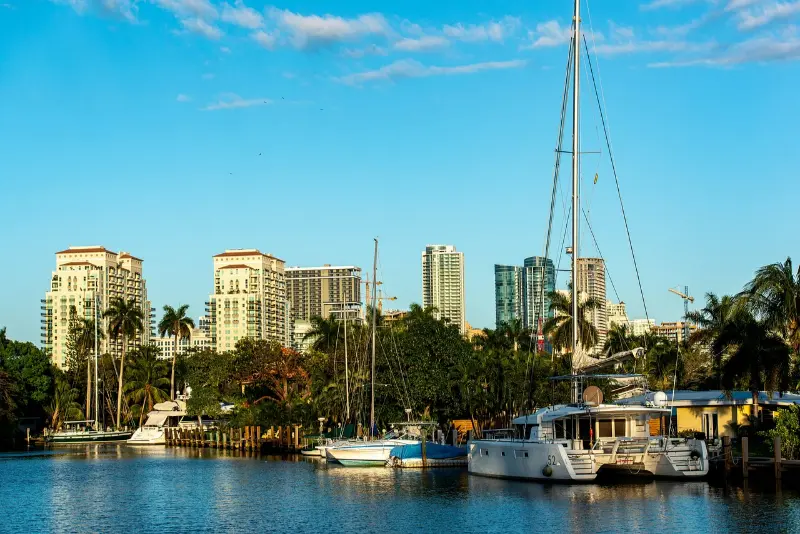
    Miami River Skyline and Sailboats

    Day 3: nature, culture or a selective excursion

    Choose Busch Wildlife Sanctuary, spend more time at the beach or park you liked most, or make one of the day trips below. If the weather turns poor, use a museum, shopping district, historic site or long lunch as the backup. Leave enough space at the end of the day to pack and prepare for departure without ruining the final evening.

    If you have 3–4 nights, slow this itinerary down rather than adding more distant places. Repeat a favorite beach, schedule a second water activity, add a rest morning or take one full regional day trip. Repetition is often what turns a checklist vacation into an actual holiday.

    Food and evening planning

    Waterfront seafood is part of the Jupiter experience, but do not limit every dinner to the inlet. Abacoa and central Jupiter add casual restaurants and easier parking. For multigenerational groups, choosing a hotel within a short drive of several dinner options is often more valuable than a slightly better ocean view.

    For mixed-age groups, dinner location matters almost as much as the restaurant. A twenty-minute drive after a full beach or park day can feel much longer than it did on the map. Choose at least half of your evening meals close to the hotel and save the longer drive for one restaurant that is genuinely worth it.

    Budget and booking strategy

    The real budget is larger than the room rate. Add parking, resort or destination fees, tolls, equipment rentals, breakfast, beach gear and the cost of getting from the airport. A more expensive hotel can be the better value when it includes parking, a kitchen or a location that eliminates repeated rideshare trips.

    To control costs, decide which experiences are worth paying for and let parks, beaches, walking districts and scenic drives fill the rest of the schedule. Families can save significantly with a refrigerator or kitchen, while couples may prefer to spend more on one memorable dinner and keep lunches casual.

    Reserve popular lodging and one must-do experience first. Everything else can be layered around those anchors. Avoid paying in advance for multiple outdoor activities on consecutive days unless cancellation policies are generous; one windy or stormy period can otherwise affect several reservations at once.

    Best day trips

    West Palm Beach and Palm Beach

    Good for museums, shopping, architecture and a more urban day.

    Jonathan Dickinson State Park

    A strong northward nature day with trails, river landscapes and another view of Southeast Florida ecosystems.
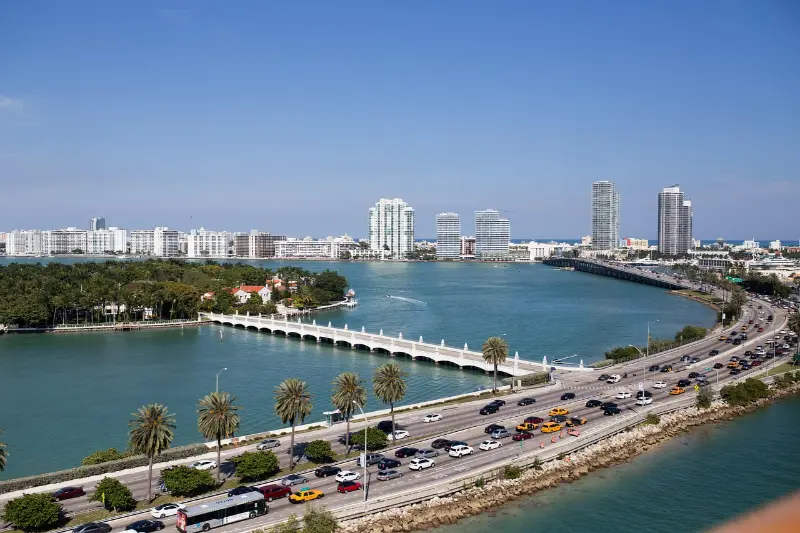
    Miami River Bridges and Skyline

    Delray Beach or Boca Raton

    Useful for combining beach time with walkable dining districts and cultural attractions.

    A day trip should add contrast, not simply duplicate what you can do near the hotel. Pick one destination and spend enough time there to understand it. If the round-trip drive is long, an overnight may be a better use of vacation time—especially with young children, senior travelers or anyone who dislikes repeated packing and early starts.

    Mistakes to avoid

    The biggest mistake is trying to use Jupiter only as a sleeping base for distant attractions every day. If most mornings begin with a long drive, the hotel location is working against the trip. Protect enough local time to enjoy the destination you actually booked.

    Another common mistake is planning by map distance instead of real Florida travel time. Bridges, beach traffic, school breaks, thunderstorms, road work and limited parking can turn a short-looking transfer into the most tiring part of the day. Leave buffer time and avoid stacking fixed reservations back to back.

    Do not assume every waterfront hotel has a usable beach, every beach has lifeguards, or every nature attraction operates the same way year-round. Read the current access rules and official alerts shortly before the visit, especially when parking, capacity, weather or wildlife protections can change the plan.

    Finally, do not overbook the final day. Weather delays, traffic and longer-than-expected meals are normal parts of Florida travel. Leaving one open block protects the experiences that came before it and gives you somewhere to move an activity that had to be postponed.

    Use these guides to expand the trip without repeating the same research:

    Official resources to check before you go

    Hours, parking rules, capacity limits, tours and weather-related closures can change. Check the official sources shortly before travel:

    Frequently asked questions

    Is Jupiter worth visiting?

    Yes, if the experiences in this guide match the way you like to travel. Jupiter is strongest when you allow enough time for its local character rather than using it only as a stop between two more famous places.

    How many days should I spend in Jupiter?

    3–4 nights is a useful first-trip range. Shorter stays work when you have one clear goal; longer stays are better for water activities, families, slower travelers and anyone who wants a weather backup day.

    Do I need a car?

    For most itineraries, a car is helpful even when one neighborhood is walkable. The answer depends on the hotel location and whether your plans include parks, beaches, day trips or airports outside the immediate center.

    Is Jupiter good for families and senior travelers?

    Usually yes. The key is matching activity length, heat exposure and accommodation location to the group. Confirm accessibility details directly when ramps, beach access, boat boarding or elevators are essential.

    What should I book first?

    Book the accommodation and the one experience that would be difficult to replace. Then keep enough flexibility for weather, traffic and changes in energy. A vacation with a little empty space is usually easier to enjoy.

    Final advice

    Jupiter works best when the itinerary reflects the place rather than fighting it. Stay close to what matters, use mornings intelligently, respect Florida weather and wildlife, and let one or two excellent experiences carry each day. That approach works just as well for a couple as it does for a family with children or a multigenerational group.

  • Where to Stay in the Palm Beaches: West Palm Beach, Palm Beach, Jupiter or Lake Worth Beach?

    Where to Stay in the Palm Beaches: West Palm Beach, Palm Beach, Jupiter or Lake Worth Beach?

    Palm Beach County stretches across a surprisingly varied section of Florida's Atlantic coast. You can spend a long weekend among museums and cafés in West Palm Beach, stay in a polished oceanfront setting on Palm Beach island, or choose the more relaxed atmosphere around Jupiter and Lake Worth Beach. These are not merely different names for the same beach destination. Bridges, railway stations, parking and the distance between communities influence every day of a vacation. Before you reserve a room, decide whether you picture morning walks to an Atlantic beach, evenings without a car or days exploring the county from one base. The answer changes which address offers the most useful holiday.

    Which area fits your trip?

    BaseBest forWatch for
    West Palm BeachMuseums, train links and diningMainland waterfront, not surf beach
    Palm Beach islandElegant coastal hotels and shoppingOften higher total lodging cost
    Jupiter / Juno BeachNature outings and beach daysIndividual districts are spread out
    Lake Worth BeachCreative downtown and local diningBeach and downtown are separate

    West Palm Beach: the urban base with restaurants and transport

    Downtown West Palm Beach offers a recognizable city rhythm, with waterfront paths, Clematis Street dining and cultural attractions close enough to combine into a leisurely day. A hotel in the right downtown block can work well for visitors who prefer arriving by train or spending evenings close to their room. The Norton Museum of Art and the Kravis Center can help anchor a cultural trip, while downtown food choices make it easier to return for an afternoon rest. The important distinction is that West Palm Beach is on the mainland: the waterfront along the Intracoastal Waterway is not an Atlantic surf beach. Reaching ocean sand normally means crossing toward Palm Beach island or traveling to another coastal public access. Some downtown addresses are close to rail services; others are not. Compare the actual distance to your preferred station and inquire about parking fees and event-related traffic before assuming a car-free weekend will be effortless.

    Palm Beach island: coastal scenery with a different price and pace

    Palm Beach island is closely associated with grand hotels, landscaped streets, elegant shopping around Worth Avenue and an Atlantic shoreline. For visitors who want that atmosphere as the central experience, sleeping on the island saves repetitive bridge trips. But do not confuse an island address with automatic beachfront access. A property on an inland street may be several blocks from a suitable public entry, and beaches can have access rules, changing conditions or restricted facilities. Lodging may cost more than comparable mainland options, and restaurant or parking choices can be less flexible for a family on a tight budget. An island stay often suits couples seeking a quiet, polished holiday or travelers who intend to enjoy their hotel facilities. If your primary schedule involves multiple downtown museums, a convention or day trips around the county, West Palm Beach could offer a better everyday starting point. Choose by routine, not by prestige.

    Jupiter and Juno Beach: a coastal base for nature and families

    Jupiter sits north of West Palm Beach and is a strong candidate if your plans feature the Jupiter Inlet Lighthouse, waterfront dining, parks and coastal nature. Nearby Juno Beach has its own ocean shoreline and a different accommodation pattern. A stay here can be appealing for families wanting beach mornings without commuting from a distant city hotel, or for active visitors planning nature outings around the northern county. However, “Jupiter area” can describe very different addresses: some properties are inland near major roads, while others are closer to public beach access or the inlet. Driving is generally useful for visiting several parks, and even short journeys can require a route around waterways. Check lighthouse tour requirements, accessibility and current weather before planning a climb; it is not suitable for every traveler. For relaxed beach days, choose the actual shoreline entrance that matches your needs rather than assuming every oceanfront stretch has identical facilities.

    Lake Worth Beach: local character and a compact downtown

    Lake Worth Beach has a lively downtown with independent restaurants, street art and a less formal feel than Palm Beach island. It works particularly well for people who prefer spending money on food and experiences rather than a luxury resort setting. The city's Atlantic beachfront is separate from its inland downtown streets, so a property near cafés is not necessarily within an easy walk of the ocean, especially in the heat. Beach parking, bridge approaches and access arrangements are part of the calculation. Travelers who like local neighborhoods may enjoy evenings around Lake Avenue; visitors who need predictable silence should check nearby entertainment venues and recent property reviews. A rental with a kitchen and laundry can be useful for an extended stay, but verify local rules and the conditions of the building. Lake Worth Beach is a good example of why the character of a place matters as much as whether a listing includes the words “near Palm Beach.”

    Orlando Resort Lake Aerial View

    Delray Beach and Boca Raton: worth considering farther south

    If the Palm Beach County trip leans toward dining, a walkable town center and beaches, Delray Beach deserves a place on the accommodation shortlist. Atlantic Avenue provides an active evening corridor, while ocean access depends on the specific hotel location. Boca Raton offers more dispersed hotel districts, shopping and coastal parks, which may suit families who prefer a larger room or predictable driving routes. Both lie south of West Palm Beach, so they are less convenient if most activities are in Jupiter or northern Palm Beach County. Consider them as separate vacation bases rather than add-ons that are “just down the road.” A railway or highway connection can help, but door-to-door time still includes station transfers and parking. A couple seeking restaurants after dark may value Delray's central location; a family attending an event in Boca should resist an apparently cheaper hotel in a distant northern suburb.

    Do you need a car in Palm Beach County?

    A short city break centered on downtown West Palm Beach can work with trains, walking and selective rideshare journeys. Brightline and other rail services serve parts of South Florida, but they are not door-to-door beach shuttles. Confirm operating routes, fares and which station is actually closest to your hotel. For a multi-beach holiday with visits to Jupiter, wildlife refuges and smaller coastal parks, a rental car gives greater flexibility. The downside is parking: some oceanfront approaches or downtown garages charge, and hotel valet services can change the total budget. If traveling with children, arrange appropriate car seats for any hired road transfer rather than assuming they will be supplied. Travelers using wheelchairs should research accessible transport or specific vehicle arrangements before making a nonrefundable reservation. A truly car-free vacation usually works best when you choose one compact base and accept a smaller sightseeing radius.

    Where to spend a beach day without fighting logistics

    Start by identifying the beach itself rather than the city name. Palm Beach, Juno Beach, Jupiter-area shores and Lake Worth Beach offer different parking areas, walking distances and access facilities. The closest patch of water on a map may be the Intracoastal rather than a suitable swimming beach. Before heading out, check local beach conditions, lifeguard coverage where provided, marine advisories and whether public restrooms are open. Atlantic waves and rip currents can be powerful even on a sunny day; choose a guarded beach when possible and follow warning flags. For children, a shaded break and a place to rinse sand can be more important than finding the most photographed stretch. Older relatives may appreciate a paved approach and benches before the sand. Carry water, keep lightning forecasts in mind and be prepared to leave promptly when thunderstorms develop.

    Arriving by air or rail: identify the actual end point

    Palm Beach International Airport (PBI) serves the area, but your preferred accommodation might still require a meaningful transfer. Downtown West Palm Beach is a different journey from northern Jupiter or southern Boca Raton. If you arrive through Fort Lauderdale or Miami, consider the overall transfer cost and time before choosing a seemingly cheaper flight. Train stations help with selected city-to-city routes, but luggage, station access and the last stretch to an island hotel need planning. If landing late, verify hotel check-in hours and whether food is available nearby; do not rely on every beach-town kitchen staying open. Visitors arriving by car from Orlando should allow a break rather than stacking a full beach itinerary onto the arrival afternoon. Save the property's exact address offline, as similarly named Palm Beach and West Palm Beach establishments can cause unnecessary confusion on travel day.

    Choosing an area for families, couples and older travelers

    A family with younger children might prioritize a kitchenette, pool, laundry and short trip to a guarded beach. Jupiter or Juno Beach can fit that pattern when the property is well located; West Palm Beach can also work if museums and casual dining form most of the schedule. Couples interested in architecture, shopping and a slow oceanfront stay may prefer Palm Beach island. People traveling with older family members should check walking distances, street crossings and access to a comfortable evening meal, not just hotel photographs. A downtown West Palm room near restaurants can be easier than a remote coastal rental requiring everyone to drive each night. Travelers with sensory needs may favor a quieter location away from nightlife or busy intersections. For any mobility needs, verify the exact accessible bathroom and path to the property entrance, including whether construction or outdoor seating reduces the clear route.

    Seasonal demand, climate and weather decisions

    Winter and spring often bring demand for outdoor stays, with higher room prices during popular travel periods and events. Summer is humid, with intense sun and thunderstorms that make indoor alternatives useful. Atlantic hurricane season extends from June through November, so pay attention to cancellation conditions and current forecasts. A hotel with an appealing pool may be more useful in August than a property whose only selling point is proximity to midday outdoor activities. Ocean conditions can vary daily, and red or other warning flags are more informative for swimming than a generic description of warm Florida water. Local arts festivals, sporting events and holidays can affect hotel availability; check the actual calendar for your dates rather than relying on a statewide “low season” label. Visitors staying more than a week may appreciate an accommodation with laundry and shaded outdoor space.

    What a realistic three-day itinerary looks like from each base

    From downtown West Palm Beach, spend one day exploring the waterfront, cafés and a museum, then choose one planned island beach or garden outing for the next day. A final day can focus on art, shopping or a short northern excursion without attempting to see the entire county. From Jupiter, make the first day about your local beach and a waterfront meal, the second about the inlet, parks and a nature activity, and leave the third open for rest or a selected southern visit. From Lake Worth Beach, alternate the downtown streets with the beach instead of crossing to West Palm every few hours. From Palm Beach island, enjoy the accommodation and neighborhood you paid to be near; a packed highway itinerary wastes its advantage. Travelers with infants or older relatives can reduce the schedule to one main activity per day. The aim is a workable rhythm rather than checking every attraction off a long list.

    Booking checklist: avoid the county's common location mistakes

    Check the city and the actual road address, then mark your preferred beach, restaurant district and two attractions. Verify whether your hotel is on a barrier island or mainland and whether beach access is public, private or off-site. Compare total fees, parking, room layout, cancellation and any construction notices. Look up recent reviews for noise, elevator reliability and the truth of phrases like “five minutes to the beach.” Confirm airport or station transfer arrangements and make sure late check-in is possible. If a rental advertises bicycles, read its policy for use and suitable equipment rather than assuming everyone in your party can ride. Finally, choose a base with one nearby pleasure that requires no special transport: a park, café, beach entrance or waterfront walkway. That simple morning option is often what makes a longer stay feel like a vacation.

    Frequently asked questions

    Is West Palm Beach directly on the Atlantic Ocean?

    Downtown West Palm Beach is on the mainland along the Intracoastal Waterway. Reaching the Atlantic coast generally requires a bridge crossing or travel to another public beach.

    Which area works best for a car-free city break?

    A well-chosen downtown West Palm Beach hotel can work with walking, train services and planned rides. Multi-beach itineraries usually need more transport.

    Does a Palm Beach island hotel guarantee private beach access?

    No. Access rights differ by property, and public entrances have their own rules. Verify the exact route to the sand before reserving.

    Official sources and visitor information

  • The Palm Beaches Travel Guide: Palm Beach, West Palm Beach, Delray, Jupiter and Where to Stay

    The Palm Beaches Travel Guide: Palm Beach, West Palm Beach, Delray, Jupiter and Where to Stay

    The Palm Beaches are not one beach town. They are a chain of very different communities, from the manicured streets and oceanfront estates of Palm Beach to the urban waterfront of West Palm Beach, the restaurant energy of Delray Beach and the more nature-oriented coast around Jupiter and Juno Beach. That variety is the reason a first trip should be planned by zones rather than by a list of famous addresses.

    Explore this guide

    This is one of my favorite styles of Florida trip for multigenerational groups because high-energy and low-energy days are easy to mix. One person can spend hours shopping or visiting museums while another prefers a garden, a beach walk or a waterfront lunch. The challenge is distance: Palm Beach County is long, and a hotel that is perfect for one cluster may be inconvenient for another.

    Quick planning summary

    • Best for: beaches, culture, upscale resorts, gardens, shopping, couples, families and comfortable multigenerational travel.
    • Ideal stay: 4–6 nights if you want to combine Palm Beach, West Palm Beach, Delray and northern coastal stops.
    • Getting around: A car is useful for exploring the county, but West Palm Beach and selected downtown districts can be enjoyed with walking, rail and short rides. Avoid zigzagging north and south every day.
    • Best planning principle: Choose a geographic cluster for each day. Palm Beach and West Palm Beach pair naturally; Delray is a separate southern day; Jupiter and Juno Beach form a northern nature-and-coast day.

    How to think about The Palm Beaches before you book

    The destination’s official visitor materials present The Palm Beaches as a collection of communities with beaches, arts, golf, shopping and outdoor experiences. For planning, I would think in four clusters: Palm Beach and West Palm Beach for culture and architecture; Delray and Boca Raton for dining, gardens and family attractions; Jupiter/Juno/North Palm Beach for nature and beaches; and the central coastline for resort stays. You can sample all of them, but a strong trip does not need to visit every town.

    My practical rule is to choose the experiences that define the destination first, then place the hotel around them. A slightly cheaper room can become poor value if it forces long drives, repeated parking fees or early departures every day. The same applies in reverse: paying more for a central property can make sense when it lets you walk to dinner, return easily for a child’s nap or avoid moving the car during the busiest hours.

    Best things to do on a first trip

    Pair Palm Beach with the Lake Trail and historic landmarks

    Palm Beach is most rewarding on foot or bicycle in small sections rather than from a car window. The Lake Trail offers a different perspective from the oceanfront, while Worth Avenue and historic architecture bring the classic resort identity. The Flagler Museum can add context if history interests you. Dress for heat, use sun protection and avoid turning the island into a parking challenge by moving the car for every short stop.

    Give West Palm Beach a full urban half-day

    Downtown West Palm Beach, the waterfront and Clematis Street create a walkable contrast to Palm Beach across the Intracoastal Waterway. The Norton Museum of Art can anchor the cultural side of the day, while restaurants and events make the area useful into the evening. This is a good zone for travelers who want to reduce driving because several experiences can be connected on foot or with short local transport.

    Use Delray Beach for an evening with more local energy

    Atlantic Avenue connects the downtown core toward the ocean and works particularly well from late afternoon into dinner. Morikami Museum and Japanese Gardens is outside the downtown strip and deserves its own time earlier in the day. Delray can therefore become a balanced culture-plus-dining day rather than a simple beach stop. Check event calendars because busy weekends can make parking and reservations much more competitive.

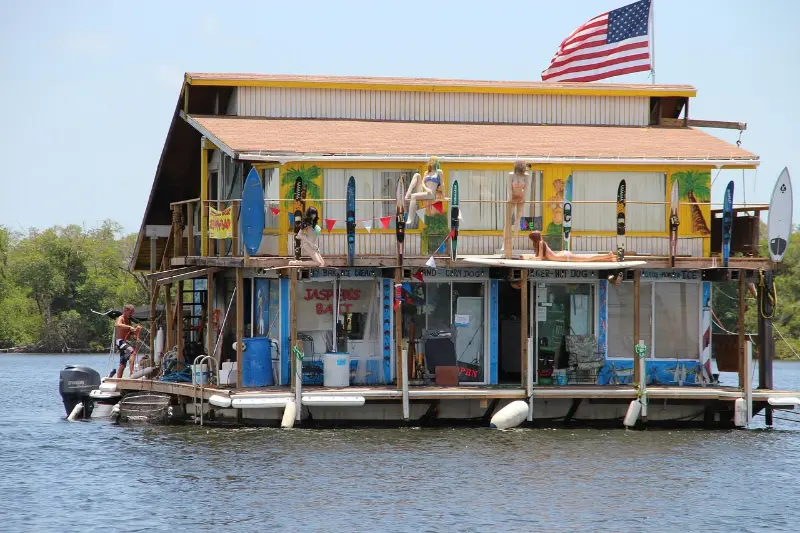
    American Flag outside Florida Wooden Beach House

    Go north for Jupiter, Juno Beach and coastal nature

    The northern Palm Beaches are excellent when you want lighthouses, sea-turtle conservation, beaches and a less urban rhythm. This is where I would place a nature-focused day, especially after museum and shopping time farther south. Some attractions use timed programs or seasonal wildlife experiences, so check current schedules rather than assuming every activity is available daily.

    Choose beach access for convenience, not just scenery

    There are many attractive beaches, but parking, restrooms, shade, surf and accessibility differ. Families with young children may value a park with facilities more than an isolated stretch of sand. Senior travelers may prioritize a short, stable route from parking to the beach. The “best” beach is therefore the one that matches the group and the day, not simply the most photographed one.

    Where to stay

    There is no single best neighborhood for every traveler. I would choose based on what you want to do before 10 a.m. and after 6 p.m., because those are the hours when a convenient base improves the trip most. During the middle of the day you are usually willing to drive for a major attraction; early and late, convenience matters more.

    Palm Beach

    Best for a resort-focused, upscale stay where the setting itself is part of the trip. Expect premium pricing and choose carefully if you plan to explore the entire county every day.

    West Palm Beach

    The most flexible base for a first-time urban/coastal combination, with dining, culture and transport options plus easy access across to Palm Beach.

    Delray Beach, Boca Raton or the northern beaches

    Choose Delray/Boca for dining and a southern base; choose Jupiter/Juno for nature, boating and a quieter coastal feel. These are better when your itinerary is concentrated in that end of the county.

    Getting there and getting around

    Palm Beach International Airport is especially convenient for central Palm Beach County. Fort Lauderdale and Miami airports can also work for southern itineraries, while driving from Orlando is practical for a wider Florida road trip. Brightline and other rail options can help with intercity travel in Southeast Florida, but a car remains useful for beaches, gardens and northern nature stops. If you rent one, confirm hotel parking charges before deciding to keep it every night.

    For road trips, calculate door-to-door time rather than mileage alone. Florida bridges, beach roads, event traffic and afternoon storms can make a short distance feel much longer. I also avoid scheduling a nonrefundable tour immediately after a flight or a long interstate drive. A flexible first evening gives the trip room to absorb delays without sacrificing something expensive.

    Families, teenagers, seniors and accessibility

    Families can mix beach mornings with the zoo, science-oriented attractions, gardens or wildlife centers. Teenagers may enjoy water sports, shopping districts and more independent downtown time. Senior travelers often appreciate the large choice of low-intensity cultural activities, waterfront drives and garden visits. Accessibility is generally strong at major institutions, but beach access varies by municipality and park. Check the exact beach facility for mats, wheelchairs, boardwalk design and parking.

    For mixed-age groups, it helps to define one shared experience each day and allow the rest of the schedule to split. One person can return to the hotel while others stay for sunset; grandparents can choose a museum while teenagers take a water activity. That is usually more enjoyable than forcing everyone through the same long day. Always verify current accessibility details directly when a specific lift, beach mat, accessible vessel, transfer method or mobility-device policy is essential.

    Best time to visit

    Winter and early spring bring some of the most comfortable weather and strongest demand. Summer is hotter, more humid and stormier but may provide better value. Shoulder periods can work well if you remain flexible. Hurricane season affects Southeast Florida from June through November, so review cancellation terms and avoid nonrefundable commitments that would be difficult to change. Water conditions also vary by wind and seasonal factors, so a beautiful forecast does not automatically mean calm ocean swimming.

    Florida Resort and Ocean View from Above

    Florida weather is local. A statewide forecast rarely tells you enough about ocean surf, lightning, wind or a passing storm cell at the exact beach you plan to use. I keep one indoor or lower-exposure option available and check conditions again on the morning of any boat, beach or wildlife day. That small habit prevents a weather change from turning into a lost vacation day.

    A practical first-time itinerary

    1. Day 1: Palm Beach Lake Trail, Worth Avenue or historic sights, then West Palm Beach waterfront and dinner.
    2. Day 2: Norton Museum or another cultural stop, beach time and a relaxed evening close to your hotel.
    3. Day 3: Delray Beach with Morikami and Atlantic Avenue. Use Day 4 for Jupiter, Juno Beach and coastal nature.

    Do not treat the itinerary as a contract. If the beach is perfect, stay longer. If a storm arrives, move the indoor day forward. If children are exhausted, a hotel-pool afternoon may create better memories than another admission ticket. The most successful Florida itineraries have a strong structure and weak rigidity.

    Budget and booking strategy

    Accommodation, parking and paid water or attraction experiences usually create the biggest differences in the budget. Compare the total nightly hotel cost, not only the room rate: resort fees, parking and breakfast can change the result. Then decide which one or two paid experiences are genuinely central to the trip. Beaches, neighborhood walks, sunsets and many parks can fill the remaining time without making the vacation feel second-rate.

    For popular seasons, reserve the hotel first with a flexible rate if possible, then add limited-capacity tours. I avoid paying early for every small activity because weather and energy change. Travel insurance becomes more valuable when the trip falls in hurricane season, depends on an expensive cruise or includes nonrefundable lodging. Read the policy rather than assuming every weather event is covered.

    Common mistakes to avoid

    • Treating all of Palm Beach County as one compact destination.
    • Changing hotels repeatedly instead of using one well-chosen base.
    • Choosing a beach without checking parking and accessibility.
    • Keeping a rental car in an expensive hotel garage when the first part of the trip is mostly walkable.
    • Scheduling too many north-south drives during rush periods.

    Useful Wonderful Florida guides to read next

    Continue planning with Florida travel guide for first-time visitors, best beaches in Florida, Florida with kids, Florida for seniors and best time to visit Florida.

    Official resources to check before you travel

    Opening hours, parking rules, beach access, launch schedules, park conditions, ferry or trolley service and reservation requirements can change. Check the official source again shortly before travel whenever a specific service is essential to your day.

    Final thoughts

    The Palm Beaches is most rewarding when the schedule reflects the destination instead of fighting it. Choose the right base, group activities geographically, protect the hottest or stormiest part of the day and leave enough open time for the experience that turns out to be better than expected. That approach works for a couple, a family with young children, teenagers traveling with parents or a multigenerational group, and it is the style of planning that makes a Florida trip feel like a vacation rather than a logistics exercise.