
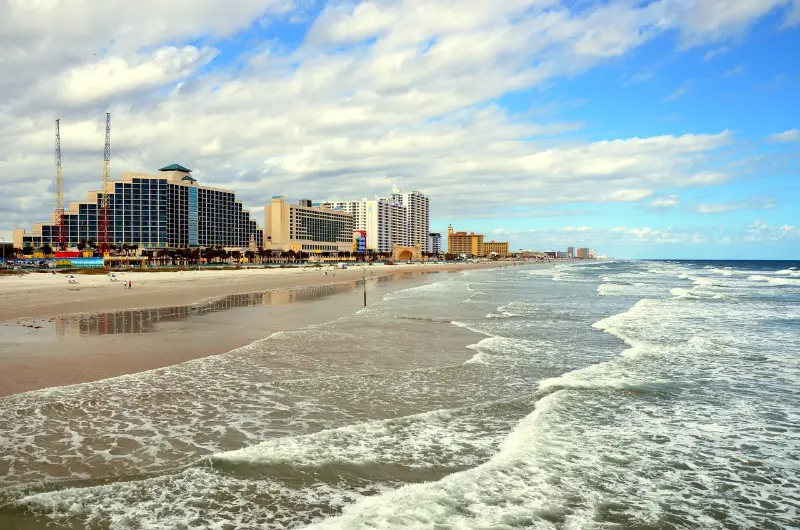
Daytona Beach has an international reputation for motorsports, but you do not need to be a racing fan to enjoy this part of Florida. Ocean scenery, the Ponce Inlet lighthouse, a marine rehabilitation center, coastal parks and local neighborhoods can easily fill four relaxed days. This alternative itinerary is especially useful for families with children, couples who enjoy maritime history and seniors who prefer a mix of indoor interpretation and shorter outdoor stops. One caution matters in 2026: the Museum of Arts & Sciences campus is closed to normal daily admission during its redevelopment, so it should not be included as a guaranteed rainy-day attraction.
In this guide
- Where to stay if racing is not your priority
- Day one: discover the Atlantic shoreline
- Day two: Ponce Inlet Lighthouse and maritime history
- Ponce Inlet's quieter side
- Day three: Marine Science Center and wildlife care
- What about the Museum of Arts and Sciences?
- Day four: a flexible coastal finale
- Activities for toddlers, teenagers and grandparents
- Parking and beach-driving rules
- Food, restrooms and a realistic holiday budget
- Seasons, storms and wildlife protection
- How to make the itinerary feel like a vacation
- Frequently asked questions
- Official information
Quick planning table
| Day | Suggested plan |
|---|---|
| One | Safe Atlantic shore time |
| Two | Ponce Inlet lighthouse history |
| Three | Marine Science Center; check Monday closure |
| Four | Flexible coastal finale |
Where to stay if racing is not your priority
Choose lodging based on the kind of coast you want to experience. An oceanfront Daytona Beach hotel makes sunrise walks convenient but may bring crowds, events, resort fees and high parking charges. Daytona Beach Shores and other quieter nearby areas can be preferable if a restful stay matters more than nightlife. Ponce Inlet has a residential coastal atmosphere and attractions nearby, but fewer standard hotel choices. Evaluate actual driving distance, parking and room accessibility rather than choosing only by a map's proximity to the water.
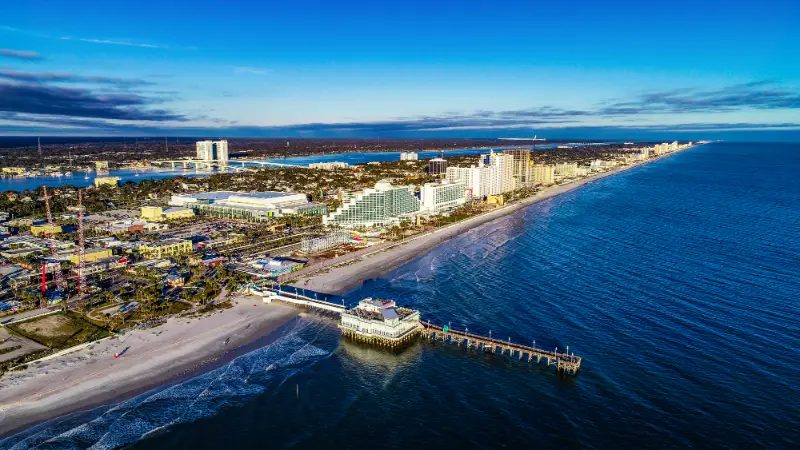
Ask about elevator operation, steps between the garage and lobby, pool accessibility and balcony safety if children are traveling. If your dates coincide with a major racing or motorcycle event, prices and traffic can rise even though you are not attending. Consider shifting dates if you prefer a quieter setting. A beachfront room is only an advantage if the extra cost leaves room for the experiences your family actually wants.
Day one: discover the Atlantic shoreline
Start with a slow beach morning. Daytona's long stretches of sand are visually impressive, but ocean swimming requires judgment about surf, tides and rip currents. Some areas allow vehicle access under specific county regulations and conditions, while others do not. Never assume a map showing a beach access road means cars are permitted at the moment you arrive. Follow lifeguard instructions, pay the correct parking fee and stay out of restricted wildlife habitat.
A sunrise walk, breakfast and a short visit to a local public park can be more pleasant than trying to fit three attractions into the first morning. If you are traveling with young children, spend time building a sandcastle above the active surf zone rather than encouraging them into unfamiliar waves. Visitors who avoid swimming can still enjoy the shore's light, sounds and people-watching. Retreat indoors when the sun becomes intense.
Day two: Ponce Inlet Lighthouse and maritime history
The Ponce de Leon Inlet Light Station is one of the area's major historic landmarks, with lighthouse grounds, exhibits and a tower climb for visitors able and willing to take the stairs. The view can be impressive, but climbing is not necessary for everyone to appreciate the maritime story. Visitors with limited mobility should check the museum's current accessibility arrangements and decide whether the ground-level exhibits will provide a fulfilling experience. Don't pressure a hesitant child or older relative to climb simply because tickets include the possibility.
The official lighthouse website publishes seasonal hours and reports temporary partial closure of a gallery deck during restoration work. Verify conditions on the day you intend to visit. Give yourself time for the exhibits about navigation, lighthouse keeping and coastal history. A family may find stories of how ships navigated hazardous shoals more memorable than reaching the top of the tower. Protect younger children near stairs and exposed viewpoints.
Ponce Inlet's quieter side
After the lighthouse, explore an appropriate waterfront or coastal nature area near Ponce Inlet. The landscape where ocean and inlet meet helps explain why a lighthouse was needed here. Observe currents from a safe, public viewpoint; inlets can have powerful water movement and are not places to improvise a swim. If you photograph boats, remain away from working docks and private property. Local seafood restaurants can provide a relaxed lunch, but their hours and menus should be checked in advance.
Choose just one additional stop rather than trying to see every nearby shore park. An afternoon spent watching shorebirds, learning about dunes or relaxing at the hotel can be as enjoyable as an expensive cruise. During nesting season, respect roped-off bird habitat and avoid approaching chicks. A light day is useful when some of the group have spent the morning climbing a long staircase.
Day three: Marine Science Center and wildlife care
The Marine Science Center in Ponce Inlet explains local habitats and the rehabilitation of sick or injured sea turtles and seabirds. It is an appealing indoor component for travelers who have already spent two days in the sun. The official center lists Tuesday through Saturday hours, a shorter Sunday schedule and closure on Monday, with different summer hours. Plan the visit on a day it is actually open and confirm any temporary exhibit changes. Exhibits are educational rather than a promise to see a particular animal undergoing treatment.
Use the teaching displays to discuss why animals become entangled in debris, how injuries are treated and why conservation means more than releasing animals. Children may respond well to comparing different shells, turtle adaptations and habitats. Avoid treating a rehabilitation facility like a petting zoo; follow any restrictions on photography, noise or touching displays. Afterward, choose a simple lunch or a short outside walk, depending on the weather.
What about the Museum of Arts and Sciences?
Old travel guides often recommend the Daytona Beach Museum of Arts & Sciences (MOAS) and the Cici & Hyatt Brown Museum of Art as ordinary everyday attractions. The institution's current website says the campus is closed to regular daily admission while preparing for an expansion. Some special planetarium events or community programs may continue, but they require separate verification and cannot be treated as the same thing as an open museum visit. Do not plan a rainy afternoon around simply arriving at the locked campus.
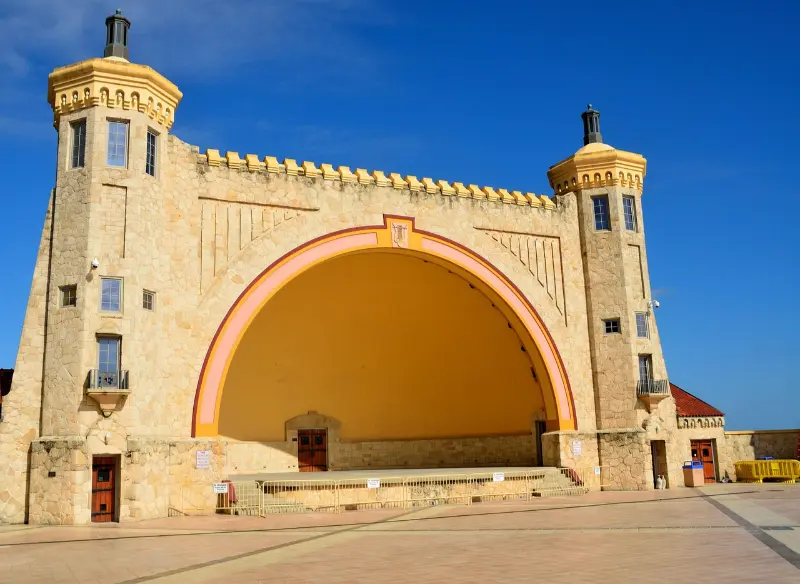
Instead, select a currently open historical venue, a local library program, or a shopping-and-cafe break. If a special MOAS event interests your party, check its published calendar and ticket status specifically. A good itinerary acknowledges a closure and offers a realistic alternative instead of repeating the attraction's former hours as if nothing has changed.
Day four: a flexible coastal finale
For the last day, revisit your favorite beach access at a time when conditions are comfortable. An early morning may be quieter than the afternoon, although the tide and surf can change. If you prefer nature, look into a publicly managed park or boardwalk in the nearby Volusia County area. Verify the path length and accessibility before going. Some public boardwalks are exposed to sun, while others provide shade and benches. Choose one that matches the physical stamina of the whole party.
Plan departure without adding a faraway Orlando attraction. If you are driving to an airport, leave an appropriate traffic and vehicle-return margin. Daytona Beach is not a substitute for Orlando just because both are in Central Florida; the extra distance matters with tired children and luggage. Finishing with a leisurely breakfast and one short stop often makes a better memory than spending the final hours in traffic.
Activities for toddlers, teenagers and grandparents
Children under five may enjoy the Marine Science Center exhibits and short, supervised beach play. Bring spare clothing and an early lunch plan. Older children and teenagers might appreciate marine rehabilitation, photography and lighthouse navigation stories. Grandparents can choose the historic ground-level attractions and nearby seating instead of the tower stairs. Allow the group to split temporarily if one person wants to climb while another prefers a museum display; agree on a clear meeting point.
Travelers with walkers or wheelchairs should confirm step-free entrances, restroom dimensions and parking arrangements with each venue. The word 'museum' does not guarantee all buildings or historic structures have the same accessibility. The beach itself may require a beach wheelchair or a constructed path; check the precise managed access point rather than assuming every road end has one.
Parking and beach-driving rules
Parking deserves an early decision because Daytona's beach-driving tradition can confuse first-time visitors. Rules are managed locally, can vary by location and season, and may change because of high tides, storms or turtle conservation. If you don't want to drive on sand, choose an ordinary designated parking lot. Never follow another car onto a beach where no current signs authorize entry. Watch for pedestrians and children, especially at ramps where vehicles and beachgoers share space.
If you're renting a car, check the rental contract before considering beach driving; permitted municipal access does not guarantee the rental company allows its vehicle on sand. A conventional lot and a short walk may be a much less stressful choice. Take the same care when leaving valuables in the car as you would in any resort destination.
Food, restrooms and a realistic holiday budget
A four-day stay can be planned around three nights of accommodation, a rental car or verified local transport, modest admission fees and coastal meals. Rather than claiming a fixed daily cost, compare real lodging quotes for your dates and inspect charges for parking, taxes and resort services. Lighthouse and marine-center tickets have separate pricing, while beach access fees depend on the exact location. Add a contingency for an event weekend or a day when bad weather changes your plans.
Keep snacks and water in the car, particularly for younger travelers. A beach outing can become difficult if the nearest restroom is much farther away than it seemed on a map. Check the specific access point's facilities before carrying umbrellas and chairs down to the sand. Visitors with allergies should confirm food options directly; menus from an old review may no longer be accurate.
Seasons, storms and wildlife protection
The winter and spring months often offer more comfortable temperatures for outdoor history visits, but event schedules may increase visitor numbers. Summer is hotter and stormier, and strong ultraviolet exposure makes a long midday beach stay uncomfortable. During tropical weather season, follow official local alerts and be willing to change plans. Never treat an inlet, pier or elevated observation deck as a safe place during lightning.
Sea turtles and shorebirds use coastal habitat at sensitive times. Keep lights low near nesting beaches, respect roped-off areas and don't chase wildlife for photographs. If you encounter an injured turtle or seabird, contact the appropriate wildlife authority rather than attempting to handle it. The Marine Science Center and Florida Fish and Wildlife Conservation Commission publish reporting information for these situations.
How to make the itinerary feel like a vacation
The most common mistake is forcing a Daytona trip to behave like a theme-park vacation. There is no reason to spend every morning in a ticket line. Combine one substantial attraction with flexible beach time and good meals. If rain interrupts the plan, trade the beach for an open indoor destination rather than paying for a questionable substitute out of urgency. The variety is enough: maritime history, coastal wildlife and simple ocean scenery each contribute something different.
This is also a useful destination for multigenerational groups because people can enjoy different parts of the day without losing the shared experience. A parent and child might climb the lighthouse while a grandparent explores a lower-level exhibit. Everyone can meet afterward for lunch and return to the beach in the late afternoon. Comfort and flexibility are a bigger success measure than the number of attractions visited.
Frequently asked questions
Do I need to be interested in NASCAR to enjoy Daytona Beach?
No. Maritime history, beach walks, coastal parks and marine conservation offer several days of experiences unrelated to racing.
Can I visit the Museum of Arts and Sciences in 2026?
Its website reports closure to normal daily admission during expansion preparations. Check for individual special programs instead of expecting regular gallery hours.
Is the Ponce Inlet lighthouse climb suitable for everyone?
It requires significant stairs. Ground-level history exhibits may suit visitors who cannot climb, subject to current access information.
Official information
Consult the Ponce Inlet Lighthouse Museum, the Marine Science Center and MOAS visiting updates before finalizing the schedule.