Category: Punta Gorda & Port Charlotte Florida

  • Charlotte Harbor and Boca Grande: A Four-Day Florida Coastal Trip Without a Boat

    Charlotte Harbor and Boca Grande: A Four-Day Florida Coastal Trip Without a Boat

    Charlotte Harbor is an appealing choice for travelers who like working waterfronts, historic towns, wide estuary views and calmer evenings than the largest beach resorts offer. A four-day trip can combine Punta Gorda, the harbor communities, Placida and Boca Grande without booking a cruise or renting a boat. It suits couples, families with children who enjoy history and shoreline stops, and older travelers who prefer moderate activity. The important distinction is that the region includes both mainland communities and barrier islands: crossing a bridge is not the same as driving a continuous beachfront road.

    Choose one accommodation base near Punta Gorda or Port Charlotte, or split the stay if you particularly want an island atmosphere. Check current hurricane-recovery works before relying on a particular waterfront boardwalk, fishing pier or playground. Facilities have been undergoing repairs following several storms, so an attractive old travel photograph is not evidence that every amenity is open today.

    Four-day coastal itinerary

    Day Base / area Focus Gentle alternative
    1 Punta Gorda Downtown and harbor setting Short waterfront stop
    2 Charlotte Harbor Historical interpretation and parks Scenic drive and café
    3 Placida / Boca Grande Island history and lighthouse Museum-focused visit
    4 Punta Gorda / departure Local shopping and rest Early checkout

    The route is intentionally compact. You do not need to reach every beach or island in Charlotte County. Keep morning activities limited, especially when traveling with young children or companions who need regular seating. A car remains the simplest transport; private shuttles and rideshares should not be assumed available across every rural barrier-island route.

    Day 1: Punta Gorda as a walkable orientation stop

    Punta Gorda has a historic waterfront character that rewards a relaxed arrival day. Begin in the downtown area, where you can appreciate the buildings, find a café and learn the basic geography of the harbor. Rather than rushing to the nearest beach, notice the mixture of public waterfront, working marinas and residential neighborhoods. Public paths can be enjoyable, but specific segments may change because of construction or storm recovery. Check local signs and do not cross barriers to reach a familiar photograph location.

    Families can enjoy a short scavenger hunt for architecture, boats and native birds, while older visitors can choose a café with outdoor views. If it is very hot, limit the exposed walking and save an indoor activity for later. One advantage of this destination is the ability to have a satisfying first day without purchasing a major attraction ticket. The key is to keep the itinerary grounded in actual accessible public space.

    Day 2: Charlotte Harbor and the importance of current park notices

    Drive around selected mainland harbor areas, choosing one public park or interpretive site whose current amenities are confirmed. Bayshore Live Oak Park is described by Charlotte County as a harborfront park with historical information and recreational facilities. However, the county also lists ongoing disaster-recovery projects affecting features such as sidewalks, piers, seawalls and other amenities. Check the county recovery update before treating the entire waterfront as open.

    This is an important lesson for visitors planning a leisurely holiday: a park can be open while individual facilities are unavailable. A traveler using a wheelchair may be especially affected if the intended route includes damaged or closed surfaces. Telephone the park department if that determines whether you can visit comfortably. Have an alternative lunch or short scenic drive ready, and do not send children toward fenced repair areas.

    Enjoying an estuary without taking a boat

    Charlotte Harbor is an estuarine environment, where freshwater and seawater mix, creating habitat for fish, birds and other wildlife. Shore-based observation can be fascinating when you choose an official public access point. Binoculars, a field guide and patience are more useful than trying to approach animals. Watch for pelicans, wading birds and changes in the water’s appearance, while accepting that sightings depend on weather, tide and season.

    Never enter marsh vegetation or private shoreline to take a photograph. Avoid feeding birds and do not leave fishing line, food wrappers or bait packaging behind. Visitors with small children should choose an established area with toilets and seating. A waterfront lunch can feel like a complete holiday experience when the environment is treated as something to observe rather than conquer.

    Day 3: The drive to Boca Grande and Gasparilla Island

    Boca Grande on Gasparilla Island is a distinct destination, reached over a toll causeway. Plan for bridge charges as well as any park admission or parking fees. Start early enough to enjoy the island before midday heat, but do not assume that all the streets are public sightseeing routes. Respect residential areas and use designated parking. Beach access and soft sand may limit what people with mobility aids can do, so build the morning around a museum and a manageable paved walk when appropriate.

    Gasparilla Island State Park protects portions of the southern island. Its Port Boca Grande Lighthouse is especially interesting because it connects maritime navigation with local history. The building houses a museum interpreting the island, including its Indigenous history, phosphate shipping and fishing heritage. It is a more substantial cultural stop than simply taking a photograph of the lighthouse from outside.
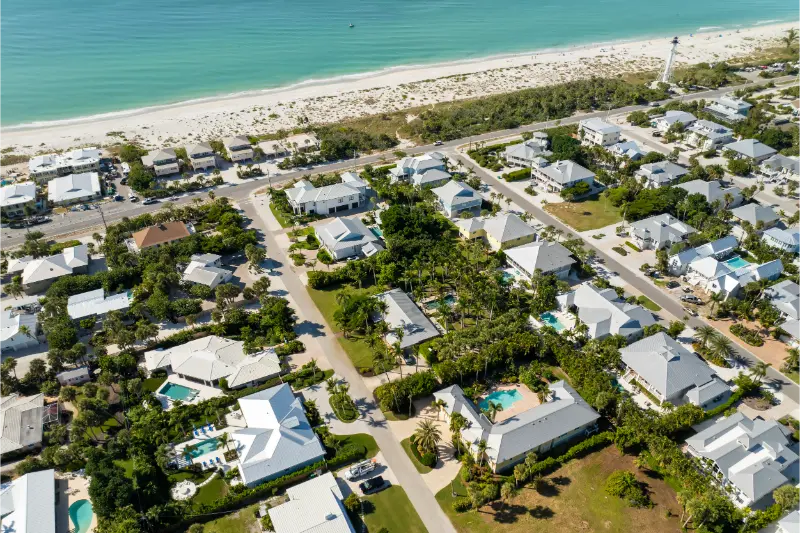
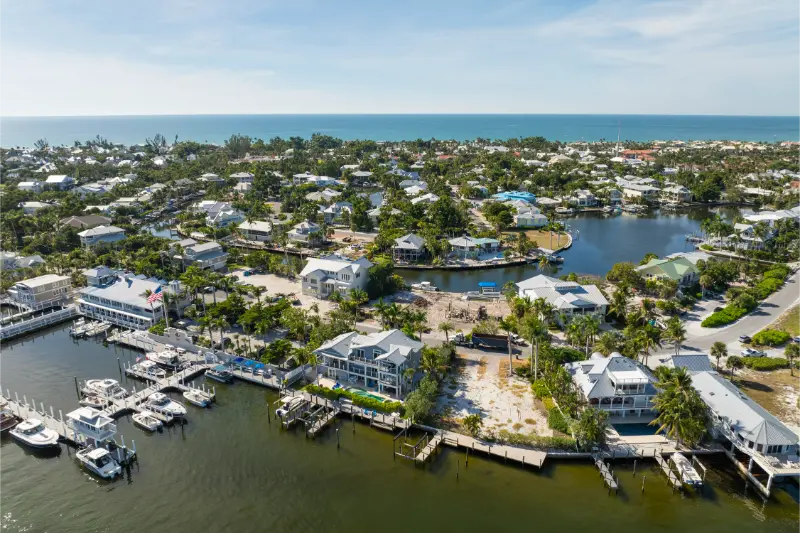
    Boca Grande Florida Tropical Waterfront Houses Aerial

    Port Boca Grande Lighthouse: check seasonal museum hours

    The Gasparilla Island State Park hours page distinguishes the state-park opening day from the lighthouse museum’s seasonal schedule. Museum hours vary between warmer and cooler parts of the year, and holidays may alter access. There is also a separate toll to reach the island. Check the museum’s current visitor information before driving out specifically for the displays.

    Inside, look for exhibits about how the harbor supported commercial shipping and why a lighthouse was needed here. Children may respond to the connection between ships, local fossils and history; adults may enjoy learning how the shoreline and port activities changed. Follow museum rules for photographs and touching exhibits. Do not promise visitors that they can climb the lighthouse: the historic structure is a museum, and access rules should be taken from its operator.

    Boca Grande as more than an expensive beach address

    The village is often associated with a refined island atmosphere, but a worthwhile visit need not revolve around luxury shopping or high-end dining. A comfortable lunch, a short look at historic streets and the lighthouse area can fill the day. Keep parking restrictions in mind and resist the urge to drive a golf cart on a public road without checking legal rules. If you rent a bike, ask about helmets, traffic, the route’s exposure to sun and any local cycling restrictions.

    Travelers hoping for shelling or beach photography should choose a permitted access point and observe wave conditions. The Boca Grande Pass area is known for currents, fishing activity and boat traffic; it is not a place to improvise swimming because the beach looks quiet. Families may prefer observing the water from dry land. Leave plenty of time for the return bridge crossing and avoid driving when exhausted.

    Day 4: A low-pressure last morning

    Use the final morning to return to a favorite café, buy local products from an operating shop or enjoy one brief public view of the harbor. Do not add a distant island excursion before your flight. Storm-related construction can alter travel times, and busy bridge corridors are not always predictable. A short waterfront outing is enough to close a trip focused on the region’s history and landscapes.

    If you have a full extra day, consider exploring another mainland community only after checking current attractions. Placida and the Cape Haze area can provide different views of the harbor and barrier islands, but many island destinations need a boat. Do not promise that a ferry or water taxi serves a particular island without verifying the operator’s current schedule and boarding location.

    Where to stay and what to compare

    Punta Gorda offers a useful town base with restaurants and access to major roads. Port Charlotte has a range of practical accommodation and shopping services. Boca Grande can be attractive for a special island stay but may involve higher prices and fewer everyday conveniences. Compare the total price, including resort charges, parking, cleaning fees and bridge tolls. Travelers needing medical facilities or accessible accommodation should prioritize confirmed services over a remote scenic address.
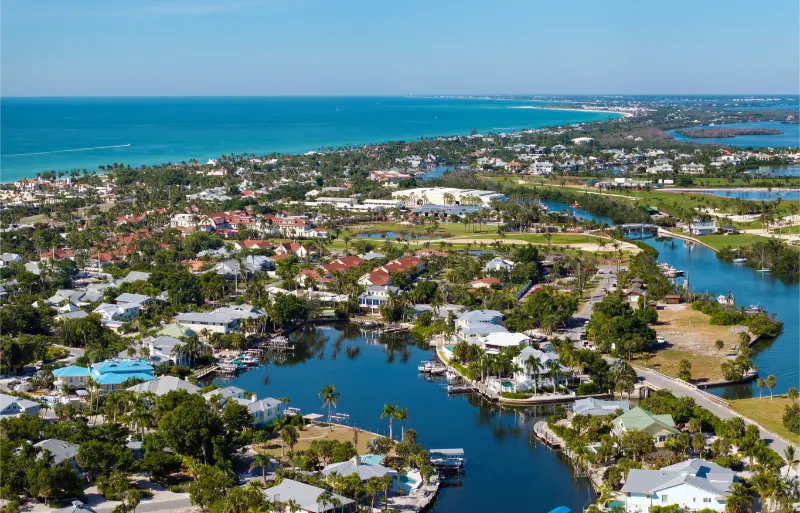
    Boca Grande Florida Luxury Waterfront Villas Aerial

    For multigenerational groups, a hotel with a lift, breakfast and a quiet room can be more valuable than a waterfront view. Young children benefit from a refrigerator and room to sleep early. If a vacation rental includes stairs to a raised entrance, verify whether everyone can manage them. Hurricane recovery can affect both the surrounding neighborhood and a property’s amenities, so ask directly about anything essential before paying.

    Best season and weather expectations

    Winter and spring can be pleasant for walking and outdoor dining but are also popular for visitors escaping colder climates. Summer is hotter and more humid with frequent thunderstorms. Autumn may bring variable weather, and Atlantic hurricane season is a consideration through November. Do not rely on old promotional claims that one month is always calm or dry. Check the forecast and local storm information before each activity.

    In hot weather, place outdoor stops in the morning and schedule an indoor lunch or rest. Bring sunscreen, drinking water and insect repellent. Anyone sensitive to heat should keep activities shorter and avoid exposed midday walks. A coastal wind can make a warm day feel cooler without reducing ultraviolet exposure. Carry a light rain layer but leave an exposed pier or beach if lightning approaches.

    Budget, safety and visitor etiquette

    Plan for hotel costs, car rental, fuel, meals, the Gasparilla causeway toll and park fees. Museum admission can differ from state-park vehicle entry. Check the current charges directly; avoid presenting a single guaranteed total because peak-season hotel rates vary substantially. This route is usually less expensive than a theme-park-centered holiday when visitors choose simple activities, but upscale island restaurants can change that quickly.

    Observe wildlife without feeding it, use marked public access points and never enter restoration sites or private waterfront property. Swimming should be limited to appropriate locations and conditions, with active supervision for children. Keep away from strong currents and fishing areas. A respectful visitor leaves a working coastal community just as pleasant for residents after leaving as it was on arrival.

    Four-day planning checklist

    Reserve a convenient base, identify parking for your key stops and check the county’s storm-recovery notices. Confirm lighthouse museum hours, the bridge toll and any special event affecting Boca Grande. Keep a backup for weather and construction. Pack enough water and plan predictable meal stops for children and older companions. If a facility is closed, do not force the itinerary: a scenic drive and relaxed meal are often a better choice than searching for an unsafe alternate access point.

    Charlotte Harbor is ideal for a vacation built around landscapes, everyday history and slower coastal pleasures. Its most interesting experiences are found through careful planning rather than the assumption that every waterfront attraction is operating exactly as it did before a storm.

    Frequently asked questions

    Can we visit Boca Grande without a boat?

    Yes. Gasparilla Island is reached by road over a toll causeway. Some nearby barrier islands require a boat, but this itinerary does not depend on them.

    Is every harbor boardwalk currently open?

    No. Charlotte County has ongoing recovery projects at some waterfront parks. Check the specific facility and the county’s latest project notices.

    Can we climb the Port Boca Grande Lighthouse?

    Do not assume tower climbing is available. The lighthouse operates as a historical museum, and visitors should follow the current operator’s access rules.

    Is this a good trip for older travelers?

    Yes, especially with a carefully selected hotel and short walks. Confirm park paths, museum access and restroom facilities for each companion’s needs.

  • Where to Stay in Punta Gorda and Port Charlotte: Historic Harbor Walks or Convenient Gulf Coast Driving?

    Where to Stay in Punta Gorda and Port Charlotte: Historic Harbor Walks or Convenient Gulf Coast Driving?

    Punta Gorda and Port Charlotte share the Charlotte Harbor region, but they offer noticeably different visitor experiences. Punta Gorda has a compact historic center and waterfront places that suit strolling, dining and a relaxed weekend. Port Charlotte covers a broad suburban area with shopping, practical services and useful road connections. Neither should be confused with a conventional Gulf beachfront resort. The harbor offers scenery and boating, while the open Gulf beaches require a separate journey. Selecting accommodation here is about deciding whether you want local-town atmosphere, easy road access or a base for exploring the wider southwest Florida coast.

    Which area should you choose?

    AreaBest forConsider before booking
    Historic Punta GordaWalkable restaurants and harbor viewsEvents, parking and room location
    Punta Gorda harborfrontWater views and marina-oriented tripsNot an open Gulf beach
    Port Charlotte hotelsGrocery access and regional drivesCar-oriented surroundings
    Port Charlotte rental neighborhoodsGroup space and longer staysWaterfront type and driving distance

    Punta Gorda's historic downtown for a walkable weekend

    Downtown Punta Gorda is an appealing choice when the plan is to leave the room, have coffee, explore nearby streets and enjoy waterfront views without continually getting into the car. Its older buildings and dining areas create a different setting from the main shopping corridors to the north. Lodging close to downtown may come in a range of forms, from conventional hotels to smaller accommodations. The key is the exact walk from the entrance to the restaurants and harbor areas you expect to use.

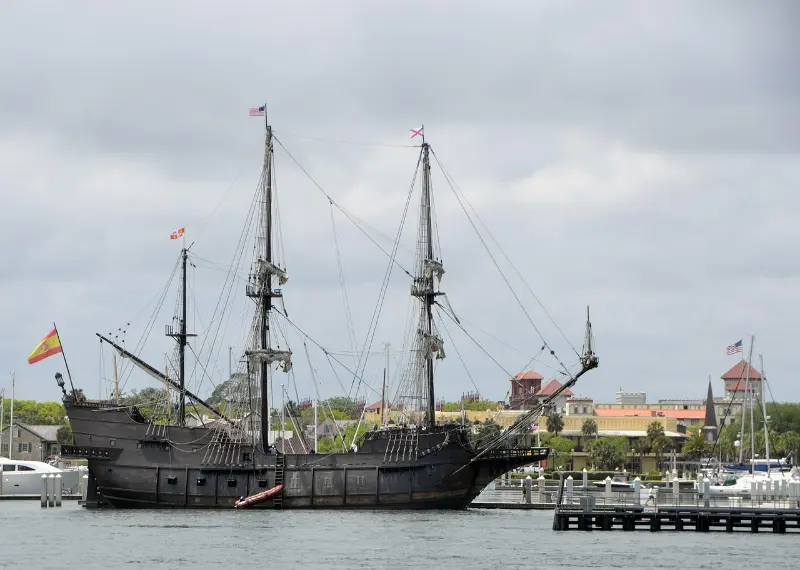
    Historic Tall Sailing Ships Docked in Florida Harbor

    Before booking, inspect sidewalks and crossings rather than relying on a listing's “close to downtown” promise. A distance that looks insignificant on a map may involve a major road or a long exposed stretch in summer heat. Ask about parking arrangements and whether nearby events can affect road access or nighttime noise. A hotel that feels quiet on a weekday may experience a different rhythm during a weekend festival.

    For couples or senior travelers wanting a gentle short break, being close to restaurants and waterfront paths can matter more than having a large pool complex. The convenience is not luxurious, but it lets the town become part of the holiday.

    Harborfront stays and the difference between water views and beach access

    A harbor-facing room can provide a memorable view of boats, changing clouds and broad water. That does not create an open-ocean swimming beach outside the door. Charlotte Harbor is an estuary, and conditions differ from the sandy Gulf shore of barrier islands. Booking websites sometimes emphasize “waterfront” without explaining this distinction. Check exactly what the accommodation faces and whether any advertised swimming beach is on the property or several towns away.

    Fishermen, birdwatchers and travelers who enjoy watching the light change may find a harbor outlook more attractive than a busy Gulf resort. Families expecting children to spend hours digging in coastal sand should instead plan a proper beach excursion, potentially toward Englewood or another suitable coastal access. Port Charlotte Beach Park has a sheltered harborfront recreation setting, not the same experience as an open Gulf beach.

    A balcony above the marina may have beautiful views but also early morning boat activity. Ask about noise, privacy, wind exposure and whether the room view is guaranteed in the reserved category.

    Port Charlotte for supermarkets, hotels and road trips

    Port Charlotte can be the practical option for families visiting several locations over a week. Its hotels, shopping and service areas are spread across a broad road network rather than a single historic walking district. You may find a conventional room with straightforward parking and more predictable meal options. That can be valuable when traveling with children, carrying sports equipment or planning to explore Charlotte County by car.

    The trade-off is daily driving. Even a property a short distance from the harbor on a map can be separated from attractions by large intersections and roads built primarily for vehicles. Do not assume that a supermarket or restaurant across the road is easy to walk to with a stroller. Check whether the route has sidewalks and safe crossings, particularly for evening meals.

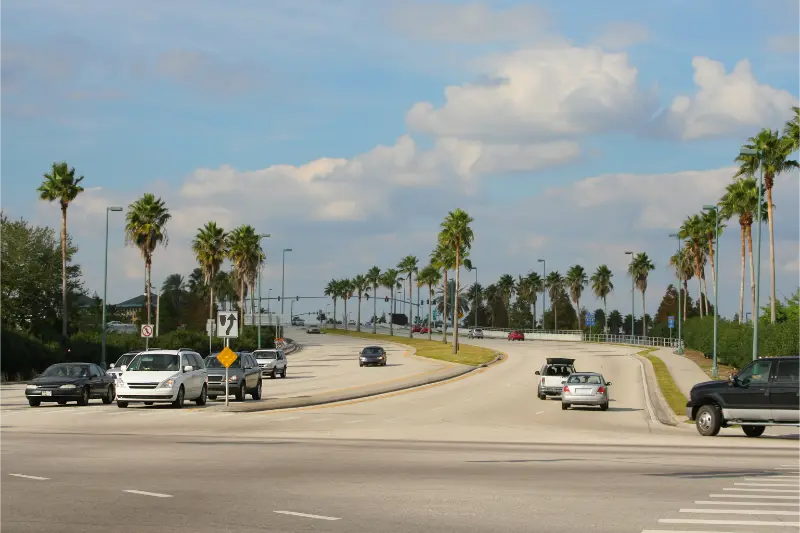
    Driving Along Palm Lined Florida Road

    For one night on a road trip, an accessible hotel near the planned onward route may be ideal. For a romantic weekend of sunset walks, Punta Gorda's downtown is often a better starting point. Choose the experience before choosing the nightly rate.

    Fishermen's Village and nearby attractions

    Punta Gorda's waterfront is associated with Fishermen's Village, a shopping, dining and marina destination that often appears in visitor itineraries. A hotel nearby may be convenient for an evening meal or arranged cruise, but the exact distance and pedestrian route still matter. Attraction businesses can change hours or operating status, so verify current information before reserving a room mainly for one specific boat departure.

    Other regional experiences include historic streets, parks and harbor-oriented nature outings. Travelers interested in wildlife should bring binoculars and use designated observation areas rather than approaching animals along the shore. A guided boat trip can be rewarding, but weather and sea conditions determine whether it operates. Ask about shade, restrooms, boarding assistance and child minimum ages before buying tickets.

    Trying to visit every waterfront place in a single afternoon rarely improves the experience. An unhurried meal, one walk and a scheduled activity are often enough, especially for grandparents traveling with younger children.

    How to plan real Gulf beach days from an inland base

    One of the most common mistakes is treating a Punta Gorda or Port Charlotte hotel as if it were steps from a Gulf swimming beach. The closest suitable outing depends on the exact accommodation and the current status of public beaches. Routes toward Englewood and the barrier islands can involve traffic, parking and seasonal access changes. Check the specific park or beach entrance, not just the coastline on a map.

    Bring everything needed for a few hours outdoors, including water, sun protection and dry clothing, so you do not have to repeat the drive after forgetting a towel. If a family plans five daily beach mornings, reconsider whether an inland hotel is the right base. It might be more efficient to stay on or closer to the barrier island and visit Punta Gorda for an evening instead.

    For a trip focused on boating, historic streets or visiting relatives, the inland choice makes much more sense. A destination's value depends on what you came to do.

    Traveling with children or older relatives

    Families can enjoy the harbor region when they structure the trip around shorter outdoor sessions and dependable meals. A room with a refrigerator, enough beds and an easy bathroom setup reduces stress. Children need supervision near docks and seawalls, where deep water may be close to an apparently safe public walkway. Do not assume that every waterfront area is intended for swimming or play.

    Older visitors may appreciate the ability to sit with a harbor view and take a short paved walk rather than crossing long beaches in strong sun. However, accessibility varies between older buildings and modern hotels. Ask about elevator access, bathroom layout, parking-to-room distance and whether local waterfront routes have curb ramps. The presence of a restaurant at the property is useful for someone who does not want a long outing every evening.

    Multigenerational groups should select accommodation allowing some people to rest while others explore. Two connecting rooms or a rental with a shared living area may be more practical than a large number of beds in one open room.

    Arrival routes, local transport and parking

    Southwest Florida airports can serve this region, but the most convenient arrival airport depends on where you are flying from and the next stop in your itinerary. Plot the route between the selected airport and the actual hotel address. For drivers, investigate tolls, rental-car insurance arrangements and the location of the parking entrance rather than stopping at an approximate map pin.

    Port Charlotte is generally car-oriented, while portions of Punta Gorda's historic center can support a car-light short stay. Regional transit and rideshares should be checked for their exact hours and coverage, particularly if you need an evening return or accessible vehicle. A hotel described as “downtown area” may still be outside your comfortable walking distance. Verify that a planned walk is practical in heat and heavy rain.

    If traveling with a boat trailer or large vehicle, request permission for overnight parking in writing. Standard guest spaces are not necessarily designed for oversized vehicles.

    Seasonal weather, storms and waterfront conditions

    Southwest Florida weather can disrupt boat excursions, outdoor meals and beach plans. Thunderstorms are a serious concern on open water, and tropical weather can affect roads and coastal infrastructure. Read current county notices before travel, especially after a major storm. Do not rely on older images of parks, piers or marinas as evidence they are fully open. A waterfront hotel's proximity to water should also prompt a careful reading of cancellation and evacuation policies.

    During hot months, visit exposed waterfronts earlier in the day and take longer breaks indoors. Sunscreen and drinking water matter even if you are not entering the sea. In cooler months, a harbor walk may be more comfortable for much of the day, while swimming conditions can differ from the marketing images visitors associate with Florida.

    Travel insurance is worth evaluating for the particular risks of your itinerary, including nonrefundable boat trips. Make plans that can be rearranged when weather changes.

    Two simple itineraries for different travelers

    For a two-night Punta Gorda getaway, arrive in the afternoon, explore the central waterfront and have dinner nearby. Spend the following morning on a comfortable walk or historical outing, take an indoor break and consider one prebooked harbor activity when weather allows. Keep the last morning easy enough for an unrushed checkout. This is a good rhythm for couples, grandparents and travelers who prefer fewer transitions.

    For a four-night road-based stay in Port Charlotte, plan separate days around the harbor, one Gulf beach and one inland or nature activity. Avoid putting the longest drives on consecutive days, particularly with younger children. A supermarket stop on arrival can make breakfasts easy and reduce the need to leave the hotel early every day.

    Do not schedule an essential boat trip on the final morning before a flight. Weather delays or late returns can create unnecessary pressure. The region rewards flexible time more than a densely packed checklist.

    Full cost comparison and a final recommendation

    Compare a downtown Punta Gorda room, a harbor-view property and a Port Charlotte hotel using the same dates and number of guests. Add taxes, parking, resort or cleaning fees, breakfast and the realistic cost of driving to beaches. A less expensive Port Charlotte hotel may be ideal for a road trip but less attractive for a traveler who intends to walk to waterfront restaurants every evening. A harbor-view hotel can be worth the premium when the room itself is part of the holiday.

    Choose Punta Gorda for a more walkable, historic harbor experience. Choose Port Charlotte for practical services and a car-based regional itinerary. Neither is a substitute for staying directly on a Gulf beach. Before paying, confirm the view, room accessibility, parking, mandatory fees, dining hours and cancellation terms. The best base lets you enjoy the region's calm character without constantly commuting toward the vacation you imagined.

    Frequently asked questions

    Does Punta Gorda have Gulf beachfront hotels?

    Its central waterfront is on Charlotte Harbor rather than an open-Gulf barrier beach.

    Is Port Charlotte a good walking-based base?

    Usually less so than central Punta Gorda. Examine the actual address and roads around your hotel.

    Can visitors reach a Gulf beach on a day trip?

    Yes, with a planned drive to a suitable public beach access, subject to current parking and facility rules.

    Official visitor resources

  • Punta Gorda and Port Charlotte Travel Guide: Charlotte Harbor, Boating, Nature and Where to Stay

    Punta Gorda and Port Charlotte Travel Guide: Charlotte Harbor, Boating, Nature and Where to Stay

    Punta Gorda and Port Charlotte make sense for travelers who prefer a calmer Southwest Florida base built around Charlotte Harbor rather than a dense resort strip. Punta Gorda brings the walkable historic core, waterfront parks and Fishermen’s Village; Port Charlotte adds practical lodging, shopping and access to the wider region. Together they work especially well for boating, fishing, cycling, nature and relaxed multigenerational trips.

    For a first visit, I would plan Punta Gorda and Port Charlotte around two questions: what do you want to do before lunch, and where do you want to be after dinner? Those choices determine whether a central hotel, a beach-side base or a more practical inland property will save the most time. The destination is easier when you protect mornings for the priority experience, use the hottest part of the day for lunch or an indoor stop, and leave enough flexibility for Florida weather.

    Quick planning summary

    • Fishermen’s Village — A waterfront complex for shops, dining, marina activity and harbor views.
    • Punta Gorda Harborwalk — The waterfront walking and cycling network helps connect parks, marinas and downtown.
    • Peace River — The river is central to local kayaking, fishing and fossil-hunting culture.
    • Peace River Botanical & Sculpture Gardens — A landscaped cultural stop that gives the trip an indoor-outdoor balance and works well for visitors who want something quieter than a full beach day.
    • Best pacing: one major activity plus one flexible neighborhood, park or beach stop each day.
    • Who it suits: couples, families, senior travelers and multigenerational groups who prefer a balanced Florida itinerary.
    • Transport: a car is usually helpful even when one district is walkable.

    In this guide

    Why visit Punta Gorda and Port Charlotte?

    Punta Gorda and Port Charlotte make sense for travelers who prefer a calmer Southwest Florida base built around Charlotte Harbor rather than a dense resort strip. Punta Gorda brings the walkable historic core, waterfront parks and Fishermen’s Village; Port Charlotte adds practical lodging, shopping and access to the wider region. Together they work especially well for boating, fishing, cycling, nature and relaxed multigenerational trips.

    The strongest reason to stay rather than rush through is the ability to experience different parts of the day. Morning light, lunchtime heat and the evening waterfront or downtown atmosphere can completely change a place. An overnight also lets you choose the best weather window for a beach, boat, trail or wildlife activity instead of forcing it into one fixed hour.

    I would not use Punta Gorda and Port Charlotte as a base for a long drive every day. It works better when at least half the trip is genuinely local. Pick two or three regional excursions, keep the rest close to the hotel, and allow enough unstructured time for a park, café, sunset or local event you did not know about before arrival.

    Where to stay

    Historic Punta Gorda

    Best for waterfront walks, local restaurants and a more atmospheric evening. You can park the car and spend part of the day on foot.

    Historic Tall Sailing Ships Docked in Florida Harbor

    Charlotte Harbor and Fishermen’s Village area

    Useful for travelers who want marina views, boat departures and easy access to waterfront dining.

    Port Charlotte

    Often the practical choice for larger hotels, highway access and road-trip value, especially if you plan to explore several directions rather than stay downtown every day.

    Before booking, compare the total trip cost. A centrally located room can cost more per night but save parking, fuel and rideshare. A larger room farther out can be better for a family if it includes a kitchen, laundry and free parking. Senior travelers should check walking distance, elevator access and bathroom layout; families should look beyond the advertised occupancy and consider whether everyone can actually sleep comfortably for several nights.

    Best things to do

    Fishermen’s Village

    A waterfront complex for shops, dining, marina activity and harbor views. It is easy to combine with an evening walk and sunset without turning the day into a long drive.

    Punta Gorda Harborwalk

    The waterfront walking and cycling network helps connect parks, marinas and downtown. It is one of the best ways to understand how the city relates to Charlotte Harbor.

    Peace River

    The river is central to local kayaking, fishing and fossil-hunting culture. Guided experiences are useful if you are unfamiliar with tides, wildlife or access points.

    Peace River Botanical & Sculpture Gardens

    A landscaped cultural stop that gives the trip an indoor-outdoor balance and works well for visitors who want something quieter than a full beach day.

    Charlotte Harbor Environmental Center and preserves

    The wider harbor region rewards birding, short trails and interpretation of mangrove and estuary ecosystems.

    Historic downtown Punta Gorda

    Murals, local restaurants and compact streets make this the best part of the area for an unstructured afternoon or evening.

    Nature, beaches and outdoor time

    Charlotte Harbor is the main attraction even when you never step onto a boat. Mangroves, tidal rivers and bird habitat shape the landscape. If you book fishing, paddling or a wildlife cruise, keep a weather backup because wind can change harbor conditions quickly.

    Outdoor planning in Florida works best by temperature rather than by a rigid clock. Put the longest walk, bike ride, paddle or beach session early, then use lunch and an indoor attraction for the hottest hours. Later afternoon can be excellent again, but summer storms may arrive quickly. If swimming is part of the day, check flags, lifeguard coverage and local conditions instead of assuming calm-looking water is safe.

    Wildlife encounters should stay observational. Do not feed birds, dolphins, manatees, alligators or other animals, and never block an animal’s movement for a photograph. When nesting areas, rookeries or protected habitats have seasonal restrictions, treat those rules as part of the experience rather than an inconvenience.

    Florida River Estuary Nature Reserve Aerial

    Getting there and around

    A car is the easiest way to connect Punta Gorda, Port Charlotte and outlying beaches. Punta Gorda Airport can be convenient for some routes, while Southwest Florida International Airport offers broader service. Distances look short on a map, but bridges and beach traffic can change drive times.

    For rental cars, add parking and tolls to the budget before pickup. If you plan a partly car-free stay, verify the exact hotel address and not just the neighborhood name. A one-mile walk on a map can feel very different in midday humidity, across a wide arterial road or with a stroller. Airport choice should be based on nonstop flights and total transfer time, not only straight-line distance.

    Best time to visit

    For most travelers, late fall through spring gives the easiest combination of comfortable outdoor weather and lower humidity, although winter can also bring higher accommodation prices and busier weekends. Summer is workable if you start outside early, take a real midday break and expect afternoon thunderstorms. Shoulder-season travel can offer better value, but tropical systems and heat should stay in the planning conversation.

    Event weekends can change both prices and traffic, especially in smaller towns where one festival fills much of the hotel inventory. If a specific event is the reason for the trip, book early. If it is not, checking the calendar before choosing dates can help you avoid paying festival-weekend rates for an ordinary getaway.

    Families, teenagers, seniors and accessibility

    Family tipFor families with babies or toddlers, reduce transitions: one major attraction plus pool, park or beach time is enough for a good day. Teenagers usually respond better when the plan includes something active or independent such as paddling, cycling, shopping or a waterfront district. Senior travelers benefit from the same pacing—shorter outdoor blocks, dependable seating and a hotel close to dinner. If accessibility is essential, confirm ramps, beach mats, accessible restrooms, boat boarding and parking directly with the operator or local authority before arrival.

    Multigenerational trips do not need to keep everyone together every hour. One shared morning anchor, followed by optional afternoon choices, often works better than forcing the youngest child and oldest adult through the same pace. Regrouping for dinner can turn a difficult schedule into an easy one.

    A practical 3-day itinerary

    Day 1: learn the center

    Arrive, check in and explore the main downtown or waterfront district. Choose one short attraction and an easy dinner within a few minutes of the hotel. Avoid expensive prepaid activities on arrival day because flight delays, rental-car lines and traffic can turn them into stress.

    Day 2: signature outdoor experience

    Use the morning for the destination’s strongest beach, preserve, boat, trail or cultural activity. Take a real lunch break, then choose one secondary attraction from the list above. Finish with a sunset or neighborhood dinner rather than adding another long drive.

    Day 3: culture, nature or a selective day trip

    Choose the experience you skipped on day two or make one regional excursion. If the weather is poor, switch to a museum, shopping district or indoor family attraction. Keep the final evening simple so departure does not become a rushed ending to the trip.

    Food and evening planning

    Look for seafood, casual waterfront restaurants and independent downtown dining. Punta Gorda is the better choice for a walkable dinner; Port Charlotte is more spread out and usually easier for parking and quick family meals.

    For families, breakfast in the room and one planned restaurant meal can make the day easier. For couples, a walkable dinner district is often worth paying slightly more for the hotel. In winter and during special events, reserve only the meals that really matter; too many fixed bookings can make outdoor days feel rushed.

    Budget and booking strategy

    The largest costs are usually lodging, transport and paid experiences. Compare the full stay, not only the room rate: parking, resort or destination fees, breakfast, beach equipment and rideshare can change the real price. Free parks and beaches still create parking and food costs, while one well-chosen paid attraction can deliver several hours of useful family time. Keep at least one flexible day so poor weather does not force you to waste a prepaid outdoor booking.

    A useful budget test is to compare three lodging scenarios: the central hotel, the resort or beach property, and a larger room or rental farther out. Add parking, breakfast, local transport and the amount of driving each requires. The cheapest nightly rate is not always the cheapest trip.

    Best day trips and regional combinations

    Boca Grande, Englewood, Venice and Fort Myers are all possible day trips. I would pick one coastal direction rather than combining several beaches in the same day.

    Avoid stacking substantial drives on consecutive days. If you take a long day trip, make the following morning local. Florida roads can be easy when traffic is light and exhausting when crashes, storms, bridge delays or weekend beach traffic intervene.

    Common mistakes to avoid

    • Booking the cheapest hotel without checking the actual daily driving pattern.
    • Trying to combine a full beach day, a major attraction and a long-distance day trip in one schedule.
    • Ignoring afternoon heat or thunderstorms when planning outdoor time.
    • Assuming every beach access or park has the same parking, lifeguards and restroom facilities.
    • Building every evening around a fixed reservation when boat tours, traffic or weather can run late.
    • For multigenerational groups, keeping everyone together all day instead of planning one shared anchor and optional split time.

    Official resources

    Hours, admission prices, beach access, parking systems, ferry schedules, construction and storm-recovery conditions can change. If a specific attraction or service is essential to your trip, confirm it with the official source shortly before travel.

    Frequently asked questions

    How many days do you need in Punta Gorda and Port Charlotte?

    Two full days is enough for a focused introduction, while three or four nights gives you room for the signature outdoor experience, the main cultural district and one nearby excursion without rushing. Stay longer if the hotel, beach or boating itself is a major part of the vacation.

    Do you need a car?

    For most visitors, yes. One central district may be walkable, but beaches, preserves, airports and day trips are easier with a car. A partly car-free trip can work when you deliberately choose a central hotel and limit regional excursions.

    Is Punta Gorda and Port Charlotte good for families?

    Yes, especially when you keep days simple. One destination-specific attraction plus beach, park or pool time is usually more successful than filling every hour. Check age, height and boarding requirements before paying for water activities.

    Is it suitable for senior travelers?

    Usually yes. Choose lodging close to dinner, schedule outdoor sightseeing in the cooler morning and verify accessibility details when they are essential. Boat steps, soft sand and long boardwalks can matter more than an attraction’s general “accessible” label.

    What is the biggest planning mistake?

    Trying to use the destination as a launch point for a long drive every day. Protect enough local time to enjoy the place you actually booked, and treat day trips as optional additions rather than the whole vacation.

    Final advice

    Punta Gorda and Port Charlotte is most rewarding when you let its strongest experiences set the pace. Choose the right base, protect the morning for what matters most, leave room for Florida weather and build the itinerary around the people traveling with you. A thoughtful three-night stay usually feels richer than a longer checklist with too much driving.