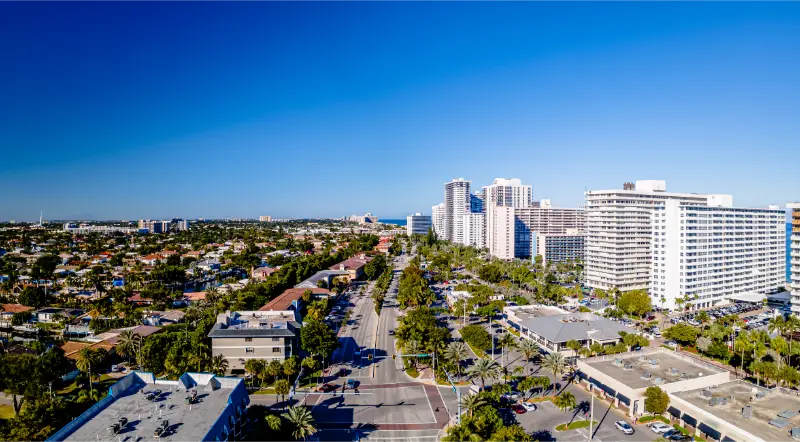
Category: Safety Harbor Florida

  • Three Days North of Tampa: Tarpon Springs, Dunedin and Safety Harbor

    Three Days North of Tampa: Tarpon Springs, Dunedin and Safety Harbor

    If your Florida vacation centers on Tampa or Clearwater, an extra three days north of the bay can change the entire mood of the trip. Tarpon Springs has a distinctive Greek-American maritime history, Dunedin mixes a walkable downtown with access to the Pinellas Trail and barrier-island nature, and Safety Harbor offers an easygoing waterfront and a compact main street. They are close enough to visit from one hotel, but different enough to deserve separate days. This itinerary does not try to add Busch Gardens, downtown Tampa and Clearwater Beach to an already full schedule. It is for visitors who want museums, food culture, cycling or short strolls, birdlife and quieter coastal settings.

    Choose a base by the day you care about most

    Dunedin is a practical middle base if you enjoy walking to restaurants and intend to visit Honeymoon Island. Tarpon Springs works for travelers more interested in the Sponge Docks and historic districts, while Safety Harbor appeals to those who want a calmer waterfront atmosphere and convenient access to Tampa Bay-side parks. Staying directly on a beach is not necessary for this itinerary, and the best shore excursions involve a drive or ferry. Compare hotels by the real parking situation, room access and proximity to a lively street—not just a promotional claim of being “minutes from the beach.” A rental car offers the easiest regional transfers. Without one, confine yourself mainly to a selected town and arrange rides for outlying attractions.

    Day 1: Tarpon Springs beyond the souvenir shops

    The Sponge Docks are an obvious starting point, but they make more sense when you understand why sponge diving became central to the local economy and why Greek-American immigrants shaped the food, language and religious traditions of the town. Browse the working waterfront with respect for boats and employees; these are not simply movie-set props. Enjoy a Greek meal and, if interested, choose an interpretive tour whose claims and schedule are transparent. Walk beyond the dockside strip to see another side of Tarpon Springs, perhaps its historic downtown or a museum. In a group with young children, one guided experience plus lunch may be enough before an afternoon break. Do not mistake an advertised “sponge cruise” for a guaranteed opportunity to observe commercial harvesting in progress.

    Understanding the Sponge Docks respectfully

    A good visit distinguishes heritage from a themed shopping district. Sponges, bakeries, cultural festivals and church traditions reflect generations of local residents, not an invented tourist concept. At the same time, restaurants and retail shops vary in authenticity and price. Ask where a sponge was harvested, what a specialty pastry contains or how a particular dish is prepared, especially when food allergies matter. You need not pay for several short boat trips to understand the story; a local cultural exhibit or thoughtful conversation can add more. Parking near the waterfront becomes difficult on peak weekends, so arrive early and review municipal rules rather than circling residential streets looking for a convenient illegal spot.

    Day 2: Dunedin's town center and the Pinellas Trail

    Start with Dunedin’s compact downtown and enjoy the streets that make the town a useful contrast to big resort beaches. The Pinellas Trail, a paved regional path, passes through town and is popular with walkers and cyclists. Choose a short section appropriate for your ability instead of treating the entire trail as a mandatory ride. Rental bikes can be useful for confident riders, but children must be fitted with suitable helmets and everyone should yield carefully at road crossings. Anyone using a wheelchair should still check construction and crossing conditions rather than assume that a paved path is uniformly effortless. A gallery, coffee shop or waterfront stop can fill the rest of the morning. This is a place to allow unplanned browsing without turning the day into a shopping checklist.
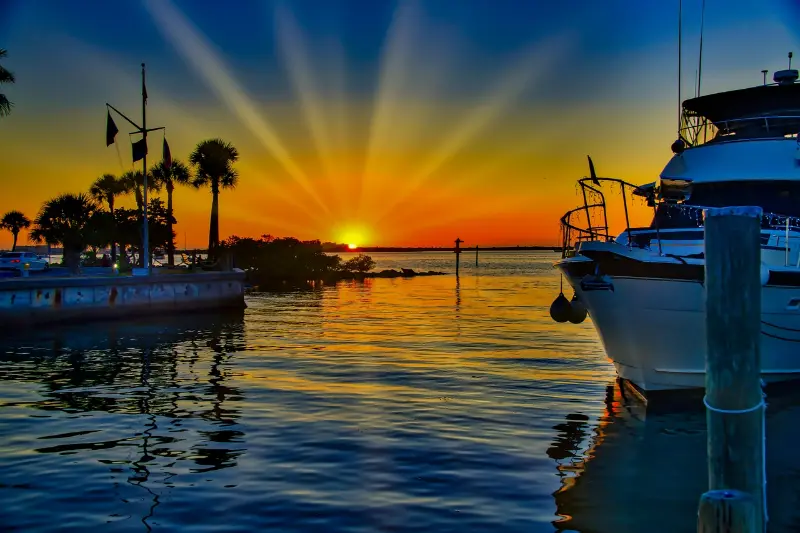
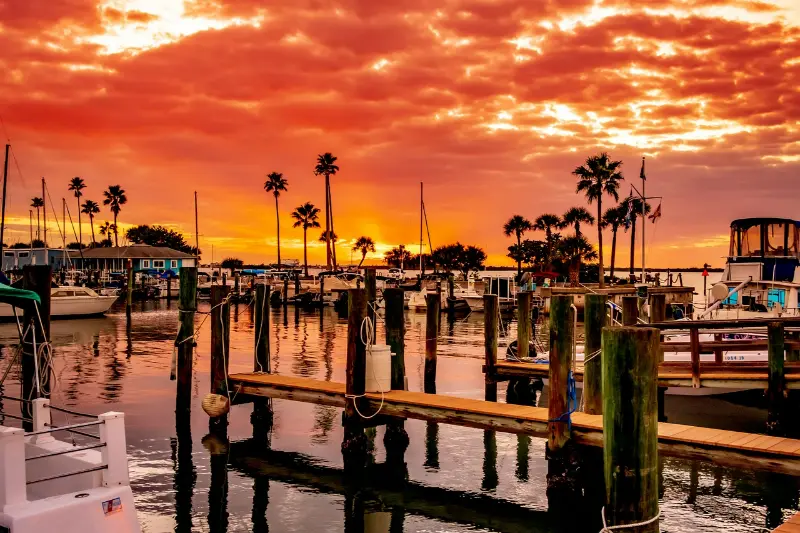
    Dunedin Florida Sailboats against Orange Sunset

    Honeymoon Island in 2026: check the notices before departure

    Honeymoon Island State Park is reached by causeway from Dunedin and offers beaches, coastal views and wildlife habitat. However, its official page reported flooding-related parking-lot closures in October 2026, including the North, Oasis and Picnic Area lots. It also warns about a cut in the northern sandspit formed by erosion and water movement. Do not attempt to cross the cut or enter dangerous water to reach an isolated stretch of sand. Confirm which facilities are accessible on the actual day. You can still enjoy approved areas when open, but a closed lot may make the original plan impractical. Bring sun protection, water and a change of clothes, and treat any lifeguard or warning flag guidance as more important than your planned afternoon schedule.

    Caladesi Island is a separate logistical decision

    Caladesi Island State Park is reached by ferry from Honeymoon Island or by private watercraft, not by driving onto it. Ferry trips have schedules and weather constraints, and the state park’s latest notices describe marina limitations and possible restricted food service. In other words, “see both parks in an afternoon” is often a poor promise, particularly with young children or visitors who tire easily. If Caladesi is your priority, give it most of a day, check ferry availability and bring essential food and water. If your group prefers a shorter outing, remain on open areas of Honeymoon Island and preserve Caladesi for a future trip. Before boarding any vessel, verify steps, seating, the possibility of seasickness and access for mobility aids.

    Day 3: Safety Harbor's main street and Philippe Park

    Safety Harbor is small enough that the day can begin with an unhurried downtown walk and continue along the bay. Visit local shops or a cultural stop, then enjoy a waterfront view rather than driving to another ocean beach. Philippe Park, along Old Tampa Bay, offers picnic spaces, mature trees and historical context. Its landscape also deserves cultural respect: the Tocobaga mound is a significant Indigenous heritage feature, not a climbing challenge or recreational hill. Stay on permitted paths and follow site signage. A picnic under shade can be a welcome alternative to an expensive restaurant, especially after two active days. If the weather turns, shorten the park time and focus on an indoor venue in town.
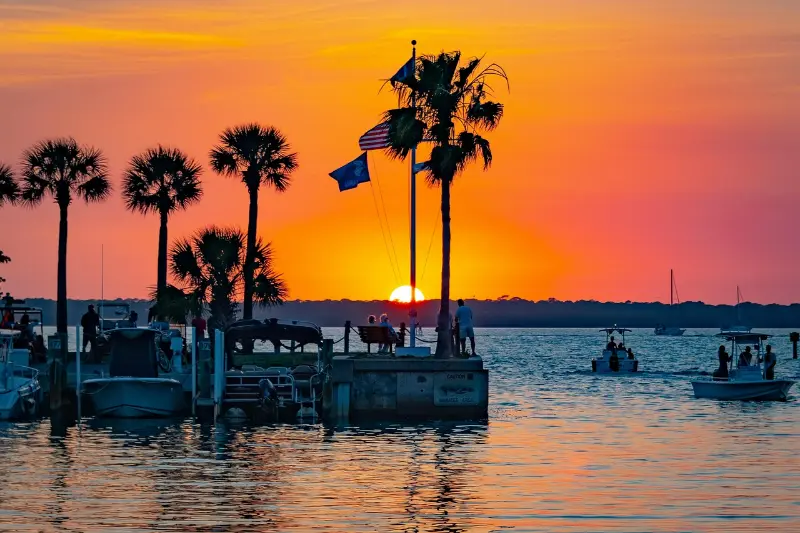
    Dunedin Florida Palm Trees at Sunset

    Food, culture and a realistic daily budget

    Tarpon Springs is the natural place to explore Greek-influenced cooking, but the region’s food choices extend well beyond one cuisine. Try a bakery or family restaurant if it suits your dietary needs, and keep time for independent cafes in Dunedin and Safety Harbor. Compare menu prices and service charges before ordering; tourist waterfront settings may cost more than places a few streets away. The budget’s larger variables are lodging, optional cruises, beach parking, state park entrance and ferry tickets. You can keep a three-day trip reasonably economical by making only one paid boat experience, if any, and allowing walking, local museums and picnic breaks to fill the other hours. Avoid booking multiple prepaid outings on the same storm-prone afternoon.

    Best seasons and what Gulf weather means here

    Winter and spring can be comfortable for town walking and birdlife, but water temperatures may feel chilly for visitors expecting tropical swimming. Summer is hot and humid, and strong afternoon thunderstorms can disrupt cycling and island excursions. Early fall belongs to the Atlantic hurricane season, so monitor official alerts and choose flexible accommodations. At any time of year, wind and rough water may cancel a ferry or make an exposed shoreline unpleasant. A blue sky in downtown Dunedin does not guarantee calm Gulf boating conditions. Bring layers for boat rides during breezy months, and treat sunscreen, drinking water and lightning safety as essential rather than optional beach accessories.

    Planning for several generations in one group

    Three towns over three days offer a genuine chance to split up without losing a shared holiday. Grandparents who do not wish to cycle might browse downtown Dunedin while teenagers ride a short permitted trail section with a responsible adult. A preschooler may prefer a playground or simple picnic to a full ferry excursion. For a person who uses a wheelchair, check boardwalk surface conditions, actual restroom accessibility and whether an operator can safely accommodate mobility equipment. Visitors with sensory sensitivities may find busy waterfront markets noisy but enjoy quieter gardens or bay overlooks. Schedule a meeting place and time rather than assuming everyone wants to move at the pace of the fastest walker.

    Travel logistics and common errors

    Driving between towns is usually straightforward outside rush hour, but local parking and causeway traffic can surprise visitors. Check a ferry’s departure location rather than putting “Caladesi” directly into a navigation app. Separate city parking fees from state park entry fees and from the ticket cost of a private cruise. Don’t leave bags visible in vehicles; take valuables along or store them securely. The largest error is attempting Tarpon’s docks, both barrier islands, the entire Pinellas Trail and Safety Harbor in one or two days. Choose one main focus each morning, then use the afternoon for a smaller activity or a rest. The towns reward attention to detail, not rapid accumulation of sights.

    Three-day itinerary table

    DayPrimary areaPriorityEasier alternative
    1Tarpon SpringsSponge Docks and local historyWaterfront lunch and museum
    2DunedinDowntown, trail and optional islandShort trail walk and café
    3Safety HarborWaterfront, main street and Philippe ParkShaded park picnic and short stroll

    Frequently asked questions

    Can we stay in one hotel for all three days?

    Yes. Dunedin is a convenient middle choice, but any of the towns can work depending on price and whether you prefer dining, heritage or waterfront quiet.

    Is Caladesi Island accessible by road?

    No. Visitors use ferry or private watercraft, and schedules depend on weather and operations. The park’s marina and services have had restrictions, so check before traveling.

    Is the Pinellas Trail suitable for children?

    Short portions can be, but it is a shared-use trail with crossings. Supervise young riders, choose properly fitting helmets and select a distance appropriate for your group.

    Are the Sponge Docks only souvenir shops?

    No. They reflect a working waterfront and significant Greek-American heritage, although tourist retail is prominent. Look for history as well as food and shopping.

    What should we do if Honeymoon Island lots are closed?

    Follow the park’s published notice and choose an approved alternative: more Dunedin time, Safety Harbor or a separate beach access where authorities confirm it is open.

    Official resources to verify

    Three well-chosen days north of Tampa are about small differences that linger in the memory: sponge-boat history, a trail that runs through a real town and a quiet bayfront park at the end of the trip.
  • Safety Harbor Florida Travel Guide: Main Street, Philippe Park, Waterfront and Where to Stay

    Safety Harbor Florida Travel Guide: Main Street, Philippe Park, Waterfront and Where to Stay

    Safety Harbor is a strong choice when you want a compact waterfront town on Old Tampa Bay with a walkable center, mature trees, parks and a slower pace than the major beach resorts. It is not a destination that requires a packed checklist to feel worthwhile. The better approach is to identify the one or two experiences that matter most to your group, choose a convenient base, and leave enough open time to enjoy the local pace.

    For a first visit, I would plan around 2–3 nights. That gives you enough time to understand the area without turning the trip into a sequence of parking lots and short photo stops. Safety Harbor is especially well suited to couples, senior travelers, multigenerational groups, spa weekends and visitors who want a quiet Tampa Bay base.

    This guide focuses on practical trip design: where to stay, what deserves priority, how much driving to expect, how to adapt the trip for children or older travelers, and how to connect Safety Harbor with the rest of Tampa Bay. Hours, admission policies, road conditions and event schedules can change, so always confirm time-sensitive details on official sites before the day of your visit.

    Quick planning summary

    • Recommended stay: 2–3 nights for a balanced first visit.
    • Best for: couples, senior travelers, multigenerational groups, spa weekends and visitors who want a quiet Tampa Bay base.
    • Main strength: a compact waterfront town on Old Tampa Bay with a walkable center, mature trees, parks and a slower pace than the major beach resorts.
    • Transport: a car is usually the easiest way to combine the destination with surrounding attractions, even when the central district itself is walkable.
    • Best planning rule: organize each day by area instead of zig-zagging across the region.

    In this guide

    Why visit Safety Harbor?

    Safety Harbor works because it gives a Florida trip a different rhythm from the state’s biggest resort corridors. You can still build full sightseeing days, but you do not need to. The destination rewards slower mornings, one substantial activity, a relaxed lunch and enough time for the setting itself.

    That makes it particularly useful in a longer Florida itinerary. After several intense theme-park, city or driving days, a stop in Safety Harbor can reset the pace without feeling like a “nothing day.” The experience is still specific to Tampa Bay, but the pressure to maximize every hour is lower.

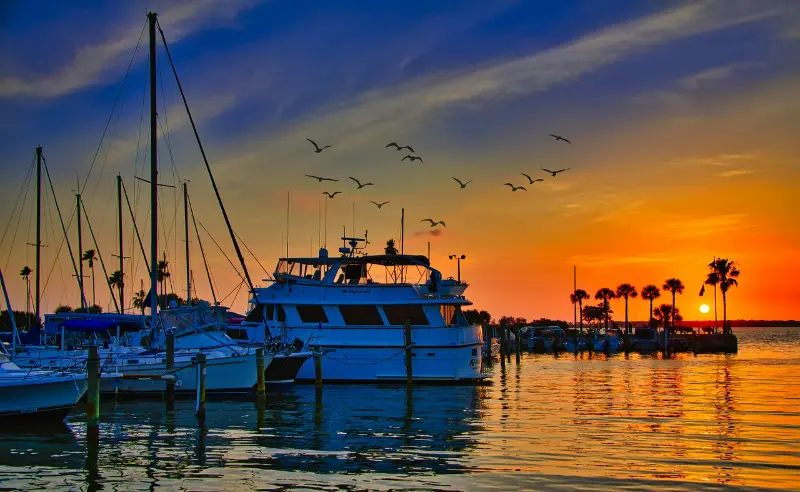
    Dunedin Harbor with Boats at Golden Sunset

    It is also a good place for travelers with different energy levels. A teenager can choose a more active experience, younger children can focus on parks or simple outdoor time, and grandparents can stay involved through scenic stops, short walks, museums, waterfront areas or meals that do not require a major physical commitment.

    My preferred way to approach the destination is to identify one anchor experience for each day, then add secondary stops only if the group still has time and energy. That simple rule prevents the most common Florida planning problem: trying to force too much into a hot, spread-out destination.

    Where to stay in Safety Harbor

    The best area is not automatically the most luxurious one. For most visitors, convenience matters more than a small difference in room quality. Look at parking fees, breakfast, pool hours, room size, elevator access, cancellation policy and the real door-to-door drive to your priority attractions.

    Downtown / Main Street

    Best for: best for restaurants, local shops, events and walking to the waterfront. Before booking, compare the exact route to the places you expect to visit most often. A hotel that looks close on a regional map can still create repeated driving, parking or bridge time.

    Waterfront / marina area

    Best for: good for bay views, morning walks and a calm residential feel. Before booking, compare the exact route to the places you expect to visit most often. A hotel that looks close on a regional map can still create repeated driving, parking or bridge time.

    McMullen Booth / airport side

    Best for: practical for drivers prioritizing regional access over village atmosphere. Before booking, compare the exact route to the places you expect to visit most often. A hotel that looks close on a regional map can still create repeated driving, parking or bridge time.

    Family tipFor families, a refrigerator, laundry access and a pool can be more valuable than an elaborate lobby. Couples may prefer walkability and evening atmosphere. Senior travelers should check elevator availability, shower design, the distance from parking to the room and whether restaurants are reachable without crossing wide roads.

    If you are using a vacation rental, compare the full price after cleaning and service fees, read parking and occupancy rules carefully, and confirm whether beach equipment, bicycles or other advertised extras are actually included.

    Best things to do in Safety Harbor

    1. Main Street

    The compact downtown is the social center of Safety Harbor, with independent restaurants, shops and an easy evening rhythm. Give this stop enough time to enjoy it without immediately rushing to the next item. For mixed-age groups, it is usually better to shorten the list and leave room for breaks than to plan a full day of tightly timed stops.

    2. Philippe Park

    One of Pinellas County’s most distinctive parks, with large shade trees, bayfront views, picnic space and archaeological history. Give this stop enough time to enjoy it without immediately rushing to the next item. For mixed-age groups, it is usually better to shorten the list and leave room for breaks than to plan a full day of tightly timed stops.

    3. Safety Harbor waterfront and pier area

    A simple place for sunrise, walking and watching the bay rather than a high-intensity attraction. Give this stop enough time to enjoy it without immediately rushing to the next item. For mixed-age groups, it is usually better to shorten the list and leave room for breaks than to plan a full day of tightly timed stops.

    4. Safety Harbor Resort and Spa

    The town’s spa identity is part of its tourism history, making wellness-focused stays especially natural here. Give this stop enough time to enjoy it without immediately rushing to the next item. For mixed-age groups, it is usually better to shorten the list and leave room for breaks than to plan a full day of tightly timed stops.

    Dunedin Florida Boat Harbor at Sunset

    5. Folly Farm and local parks

    Smaller green spaces make Safety Harbor appealing for travelers who enjoy short walks and low-key outdoor time between larger Tampa Bay outings. Give this stop enough time to enjoy it without immediately rushing to the next item. For mixed-age groups, it is usually better to shorten the list and leave room for breaks than to plan a full day of tightly timed stops.

    Nature and outdoor time

    This is not a Gulf beach destination, but the bayfront setting and parks give it a strong outdoor identity. Use Safety Harbor as a calm base, then drive to Clearwater, Dunedin or barrier-island beaches when you want sand and surf.

    Florida weather changes how an outdoor day feels. In warm months, the same trail or beach that is comfortable at 8:00 a.m. can feel completely different at 1:00 p.m. Use shade, water, sun protection and realistic walking distances, and check radar rather than assuming a forecast icon means an entire day will be lost.

    If wildlife is part of the experience, treat observation distance as part of the attraction rather than an inconvenience. Do not feed animals, block nesting areas or approach wildlife for a photograph. For beaches and waterways, follow posted flags, closures and local safety advice.

    Getting there and around

    A car is useful for regional exploration, though downtown itself is pleasantly walkable. Tampa International Airport is a convenient gateway for many visitors.

    When planning a Florida road trip, think in terms of actual travel time rather than map distance. Bridges, beach traffic, event crowds and parking searches can add significant time. Build at least one buffer period into each day, especially if you have a timed tour or reservation.

    For air travel, compare the total trip from the airport to your hotel rather than the flight price alone. A cheaper airport can lose its advantage once rental-car rates, tolls and a longer drive are included. If anyone in the group uses a mobility aid, confirm vehicle size before pickup.

    Best time to visit

    Late fall through spring is excellent for walking and dining outside. Summer is quieter and hotter, so plan mornings and evenings outdoors and use midday for spa, lunch or indoor attractions.

    Florida’s peak travel periods can also include school holidays, major events and winter escapes from colder states. If your dates are fixed, book the hardest-to-replace item first: a special hotel, event ticket, campground or vacation rental. Flexible travelers can often find better value by avoiding Friday and Saturday arrivals.

    During hurricane season, keep reservations and insurance terms clear. A tropical system does not mean every Florida trip will be disrupted, but refundable or changeable bookings are valuable when uncertainty increases.

    Families, teenagers, seniors and accessibility

    With babies and toddlers

    Keep the first day simple. Choose one outdoor stop, return to the room for a nap or pool break, and avoid scheduling a long dinner after a full afternoon in the sun. Shade and access to restrooms matter more than adding another attraction.

    With school-age children

    Alternate “look and learn” attractions with something active. A museum followed by a park, a historic district followed by swimming, or a nature center followed by ice cream usually works better than three educational stops in a row.

    With teenagers

    Give teenagers a role in choosing one activity, restaurant or photo stop. Destinations feel more engaging when they have some control over the day rather than simply following an adult itinerary.

    For seniors and multigenerational groups

    Plan shorter walking loops, more seated breaks and easy meal access. Avoid treating every group member as if they have the same heat tolerance. One traveler can do a longer walk while another enjoys a shaded viewpoint, museum or cafe.

    Accessibility

    Accessible facilities can vary between beaches, historic buildings, parks and private attractions. Check current accessibility pages directly, especially for beach mats, wheelchairs, ramps, elevators, companion restrooms, sensory resources and accessible parking. Historic properties may have unavoidable stairs even when part of the visit is accessible.

    A practical 3-day Safety Harbor itinerary

    Day 1: orientation and local character

    Start with the most walkable central area and give yourself time to understand the street layout, parking and restaurant options. Choose one signature attraction for late morning or early afternoon, then keep the evening close to the hotel. The first day should establish the rhythm of the trip rather than exhaust the group.

    Day 2: the major experience

    Use the second day for the attraction or outdoor area you would be most disappointed to miss. Start early if parking or heat could become an issue. After lunch, choose a flexible secondary activity that can be shortened if weather or energy levels change.

    Day 3: nature, beach or regional extension

    Finish with a contrasting experience: if the first two days were history and dining, choose nature; if they were beach-focused, add culture or a nearby town. Keep the final afternoon light if you are driving onward, because Florida traffic often makes late-day transfers more tiring than expected.

    If you have a fourth day, use it for a larger regional day trip rather than adding more small local stops. That gives the trip a clearer structure and reduces repeated packing and hotel changes.

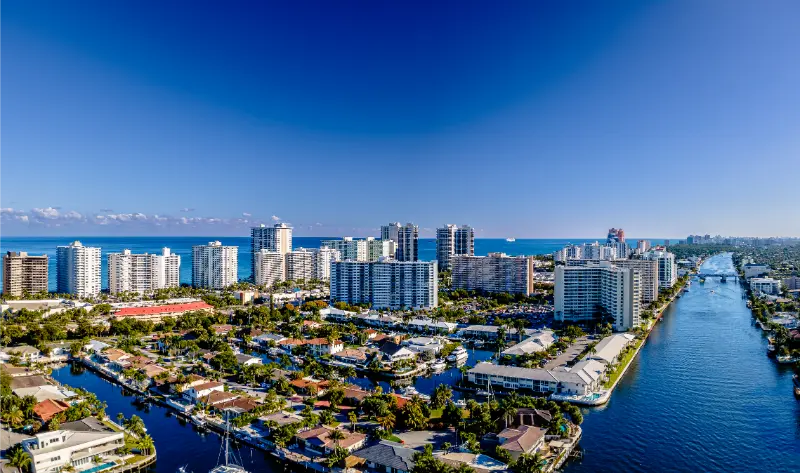
    Florida Waterfront Condominium Towers

    Food and evenings

    Main Street is the center of the dining experience. Staying close enough to walk can make a short weekend feel more relaxed and avoids repeated parking decisions.

    For families, an early dinner often solves several problems at once: shorter waits, easier parking and a calmer bedtime. For couples, sunset or a post-dinner walk can be more memorable than adding another paid attraction.

    Do not build the entire trip around famous restaurants seen on social media. Keep one or two priority meals, then leave space for a cafe, bakery, seafood counter or casual local place you discover while walking.

    Budget and booking strategy

    Separate your budget into lodging, transport, food and paid attractions. Beach and park time may be inexpensive, but parking, rental-car costs and resort fees can change the total quickly. Always compare the final hotel price, not only the advertised nightly rate.

    For a value-focused trip, spend on location rather than on constant upgrades. A slightly more expensive room in the right area can save fuel, parking and time. Use free outdoor attractions to balance one or two paid experiences that genuinely matter to the group.

    Book time-sensitive attractions through official sellers whenever possible. If the schedule is uncertain, prioritize flexible tickets or refundable reservations. For outdoor plans, avoid paying for multiple weather-dependent activities on consecutive afternoons.

    Best day trips from Safety Harbor

    Dunedin, Clearwater, Tarpon Springs, St. Petersburg and Tampa are all straightforward regional day trips.

    Keep a day trip to one main destination. A two-hour drive followed by four separate attractions and another long return is rarely a good use of vacation time. Choose one anchor experience and one meal stop, then treat anything else as optional.

    If you are moving hotels after the day trip, pack the car once in the morning and avoid returning to the old base. That turns a transfer day into a useful sightseeing day without adding another long drive.

    Mistakes to avoid

    • Booking by map distance only: bridges, parking and traffic matter as much as mileage.
    • Overloading the hottest hours: schedule outdoor priorities early and keep midday flexible.
    • Ignoring event calendars: festivals, races, holidays and school breaks can change prices and parking.
    • Assuming every beach, park or historic site has the same accessibility: verify individual facilities.
    • Planning every meal in advance: reserve only the truly important ones and leave room for discovery.
    • Forgetting weather flexibility: one indoor backup activity can rescue a stormy afternoon.

    Official resources

    Use official sources for current hours, closures, event schedules, access rules and safety information before you travel:

    Frequently asked questions

    How many days do you need in Safety Harbor?

    2–3 nights is a good first-trip target. A shorter stay works if you focus on one neighborhood or attraction, while a longer stay makes sense if you want several regional day trips.

    Do you need a car in Safety Harbor?

    For most visitors, yes. Some central areas can be explored on foot, but a car makes it much easier to connect parks, beaches, nature areas and neighboring towns.

    Is Safety Harbor good for families?

    Yes, especially when the itinerary is paced around the age of the youngest traveler. The strongest family days usually combine one structured attraction with simple outdoor time and a pool or rest break.

    Is Safety Harbor suitable for senior travelers?

    Yes. Choose lodging with easy parking and elevators, prioritize shaded or seated attractions, and keep midday heat exposure under control. Confirm accessibility directly for historic buildings and outdoor sites.

    What should first-time visitors avoid?

    Avoid trying to turn the destination into a checklist. The trip is better when you choose a convenient base, group activities geographically and leave enough time to enjoy the setting instead of driving constantly.

    Travel information can change. Always verify current hours, admission, road conditions, weather alerts, beach flags and accessibility details on official websites before departure.

  • Where to Stay in Dunedin, Tarpon Springs and Safety Harbor: Three Different Tampa Bay Getaways

    Where to Stay in Dunedin, Tarpon Springs and Safety Harbor: Three Different Tampa Bay Getaways

    Dunedin, Tarpon Springs and Safety Harbor are often grouped together on North Pinellas itineraries, yet they are not interchangeable places to sleep. Dunedin offers an active downtown, the Pinellas Trail and access toward Honeymoon Island. Tarpon Springs centers on Greek heritage, sponge-dock restaurants and its own historic districts. Safety Harbor is a quieter bayfront town with a walkable Main Street and pleasant park stops. None provides the same kind of direct oceanfront hotel setting found on Clearwater Beach. Choosing among them depends on whether your vacation revolves around cycling, dining, cultural sightseeing or simply resting in a small town after days exploring the Tampa Bay area.

    Which area should you choose?

    AreaBest forConsider before booking
    Downtown DunedinRestaurants and Pinellas Trail cyclingBeach visit still needs transfer
    Tarpon Springs Sponge DocksGreek food and heritage sightseeingWaterfront not Gulf bathing beach
    Historic Tarpon SpringsSmall-town streets and local visitsFewer central accommodation options
    Safety Harbor Main StreetRelaxed bayfront walks and diningNo direct Gulf swimming beach

    Downtown Dunedin for walking and local restaurants

    Downtown Dunedin is the natural choice when visitors want to step out for coffee, browse small shops and dine without moving the car each evening. The central streets are compact and relatively pleasant for walking in suitable weather. Independent accommodations and vacation apartments may put you near the heart of the community, although actual layouts and parking conditions vary widely. A property described as “Dunedin” can also lie outside this walkable center, so confirm its position relative to Main Street.

    Dunedin Florida Sailboats against Orange Sunset

    The Fred Marquis Pinellas Trail runs through the city, creating opportunities for easy cycling and walking without relying entirely on road shoulders. That does not mean every hotel is directly on a protected route. Check the route from the front door and whether there is secure bicycle storage. A traveler planning to rent bikes should ask whether the chosen shop offers the appropriate frame size, children's equipment and helmets rather than improvising once everyone is dressed for a ride.

    Downtown can also be lively during festivals and weekend evenings. Ask about road closures or outdoor events if a quiet night's sleep is important. A room one or two blocks from the main activity may balance access and rest better than a unit directly above a popular restaurant.

    Honeymoon Island and the difference between a town stay and a beach stay

    Dunedin is a useful base for visiting Honeymoon Island State Park and the coastal causeway. Yet a downtown hotel is not a beachfront hotel; the trip to the shoreline still requires planning. The park has natural beaches and trails, and conditions, fees or access can change after storms. Consult its official park page before setting off, especially if a particular beach section or accessible facility is essential to your plans.

    For a two-night visit focused on restaurants and a single beach afternoon, downtown Dunedin works beautifully. For a week built around swimming every morning, calculate the repeated travel time to Honeymoon Island and compare it with the convenience of lodging directly beside the Gulf in another town. A rental described as “close to Caladesi” does not guarantee direct island access: Caladesi Island State Park has its own access arrangements, and visitors must check current transportation options.

    Families should pack for changing conditions and allow time to get back from the park before dinner. Older visitors may enjoy a shorter boardwalk or causeway outing instead of trying to cover multiple trails in the midday heat.

    Tarpon Springs near the Sponge Docks

    The Sponge Docks give Tarpon Springs a strong identity. Dodecanese Boulevard is the place to see sponge-boat heritage, browse shops and enjoy Greek restaurants. Staying nearby makes it easy to return for another meal or stroll without planning a full transfer. For visitors interested in culture and food more than swimming, this can be more satisfying than paying for a Gulf-view room far from the sights they intend to explore.

    But Tarpon Springs has separate activity centers. The Sponge Docks and historic downtown are not exactly the same place, and lodging advertised within the city can be situated along busy roads. If you want to walk after dinner, map the precise route and consider lighting and crossing points. The small-town feeling around the waterfront does not extend to every roadside hotel, especially near major commercial corridors.

    A short stay is enough for many visitors to enjoy the docks, a museum and a relaxed meal. Travelers building several days around the surrounding parks and coast should verify parking, operating hours for boat excursions and how far they will need to drive each morning.

    Historic Tarpon Springs, Fred Howard Park and nearby lodging

    Tarpon Springs' historic town center offers a different experience from its tourist waterfront. Visitors who enjoy galleries, architecture and quieter local streets may prefer a base that emphasizes the older downtown rather than souvenir shopping. Accommodation choices are fewer than in some other Pinellas destinations, and a practical chain hotel near a main road may be easier to find than an atmospheric inn. This is a good reason to search by map rather than assume the perfect room exists in a particular district.

    Fred Howard Park, with its causeway leading toward the Gulf, is a popular outdoor destination. It is a park outing, not a private beach provided by a downtown hotel. Verify current hours, beach conditions and parking before promising children an afternoon of swimming. Sunset Beach Park is another local coastal setting, but its facilities and rules should be checked separately.

    If you expect to visit several Gulf beaches, compare the local road trips involved. A Tarpon base can be excellent for Greek food and heritage, but may be less efficient than Dunedin or a barrier-island town for a beach-heavy itinerary farther south.

    Dunedin Florida Palm Trees at Sunset

    Safety Harbor for a quiet Main Street and bayfront walks

    Safety Harbor lies on the western shore of Old Tampa Bay rather than the open Gulf. This distinction is important: bayfront scenery, a marina and parks create a calm atmosphere, but the waterfront is not a substitute for an ocean swimming beach. Visitors who prefer reading on a shaded bench, browsing local shops and walking to dinner may find this a very appealing base.

    Main Street is the focal point for an easygoing stay. A property within a short, safe walking distance reduces driving between meals and evening activities. Around the town are several park areas, including Philippe Park and Folly Farms Nature Preserve, each better approached as a purposeful outing rather than part of a nonstop sightseeing checklist. Weekend events can create welcome activity but may also alter parking and noise conditions near the center.

    Safety Harbor can work well for a couple seeking a slow weekend or for an older traveler prioritizing moderate walking and an uncomplicated town environment. Anyone wanting to visit Tampa, Clearwater Beach and Tarpon Springs daily should calculate those separate drives before booking.

    Which town works for children and a three-generation group?

    For school-age children, Dunedin offers the combination of a pedestrian-friendly center, bike-friendly routes and access to a state-park beach. Tarpon Springs brings a different kind of interest through sponge-diving history and waterfront food stops. Safety Harbor is often the simplest setting for unhurried meals, short walks and time together in public parks. There is no universal winner; the right choice depends on the ages and attention spans in the group.

    With toddlers, prioritize laundry, a refrigerator and a room layout that permits early bedtimes. Families with teenagers may prefer downtown Dunedin's variety of food options and cycling possibilities. When grandparents travel too, it helps to pick an area where someone can return to the room without everyone else needing to drive back. A small apartment near a walkable center may be better than two isolated hotel rooms along a highway.

    For any outdoor day, build in shade, hydration and short alternatives if a planned activity becomes too tiring or the weather changes.

    Car-free stays and the limits of regional transit

    A car-light stay is most plausible when the daily program revolves around one town center. Dunedin and the historic districts of Tarpon Springs offer useful walking opportunities, while the towns are also connected by regional routes that require careful schedule checking. The Pinellas Trail is a recreational route, not a guarantee of safe bicycle travel between every hotel, beach and museum. Some journeys still involve major intersections or uncomfortable distances in heat.

    Before you goCheck current public transportation and any local trolley service from the precise lodging address, including the return after dinner. Visitors with limited mobility should pay special attention to stop access, waiting conditions and whether an accessible vehicle is guaranteed on the chosen trip. Using a rideshare twice during a short break can be simpler than keeping a rental car, but frequent trips to state parks or distant attractions may reverse that calculation.

    If bringing a vehicle, ask whether hotel parking is included and whether downtown event closures could complicate arrival. A “walkable vacation” should reduce stress, not replace it with uncertainty about the final mile.

    Budget decisions that do not start and end with the room price

    Compare three properties for the same dates and group size. Include taxes, parking, cleaning, resort or spa charges, bicycle rental, beach admission and daily transport costs. A downtown Dunedin room may be worth more than a slightly cheaper highway hotel if it eliminates two drives per day. Conversely, a convenient roadside hotel with breakfast might be ideal for travelers who plan to explore different parks every morning and use the room mostly to sleep.

    A longer stay benefits from laundry and a practical kitchen, while a weekend may work better in a hotel that handles cleaning and luggage storage. Read cancellation deadlines, particularly if travel dates fall during the wetter months or around seasonal events. Do not assume that breakfast is included simply because the property calls itself an inn.

    Look at accessible-room features, not just broad labels. Confirm shower design, steps, elevator access, parking-to-room distance and the specific bedding arrangement in writing before making a nonrefundable booking.

    Two practical itineraries depending on your interests

    For a relaxed three-day cultural stay, base yourself in Tarpon Springs, spend a half day around the Sponge Docks, explore the historic center and enjoy a nearby park on another morning. Leave the afternoons light so restaurants, museums and small discoveries do not become boxes to tick. Alternatively, use Safety Harbor for a weekend with Main Street meals, a bayfront stroll and one park visit without ambitious cross-county transfers.

    For a more active four-day trip, stay near downtown Dunedin. Enjoy the town on arrival, allocate one early day to Honeymoon Island, cycle a comfortable portion of the Pinellas Trail and make Tarpon Springs a separate outing. The essential improvement is to allow a real rest interval between cycling, beach exposure and late dining. For a family with young children, even two of those experiences may be more satisfying than four rushed ones.

    Plans should remain flexible for storms, park crowding or temporary access restrictions. Check park notices on the day of departure and retain a simple indoor alternative.

    Final recommendation and questions for the accommodation

    Dunedin is the most versatile choice for people combining restaurants, cycling and occasional Gulf beach visits. Tarpon Springs is distinctive for Greek heritage and the Sponge Docks. Safety Harbor is especially attractive for a gentle bayside weekend, but it does not offer an open Gulf beach at the doorstep. If daily ocean swimming is essential, consider a barrier-island base instead of assuming any of these towns is beachfront.

    Before paying, verify the precise neighborhood, parking, nighttime noise, elevator or step access, total fees and walking route to the main activity. Ask how the room handles heat, whether family bedding is genuinely suitable and whether the booking can be changed if flights are delayed. The best base is the place that makes the activities you care about pleasantly close, while leaving enough time to enjoy being there.

    Frequently asked questions

    Does Dunedin have a beach in its downtown?

    No. It is a mainland town with access to nearby coastal park areas such as Honeymoon Island.

    Are the Sponge Docks the same as Tarpon historic downtown?

    No. The two are related but separate visitor areas. Verify which district is closest to your lodging.

    Is Safety Harbor a Gulf beach resort?

    No. It is a bayfront town on Old Tampa Bay, better for gentle walks and local dining than daily ocean swimming.

    Official visitor resources