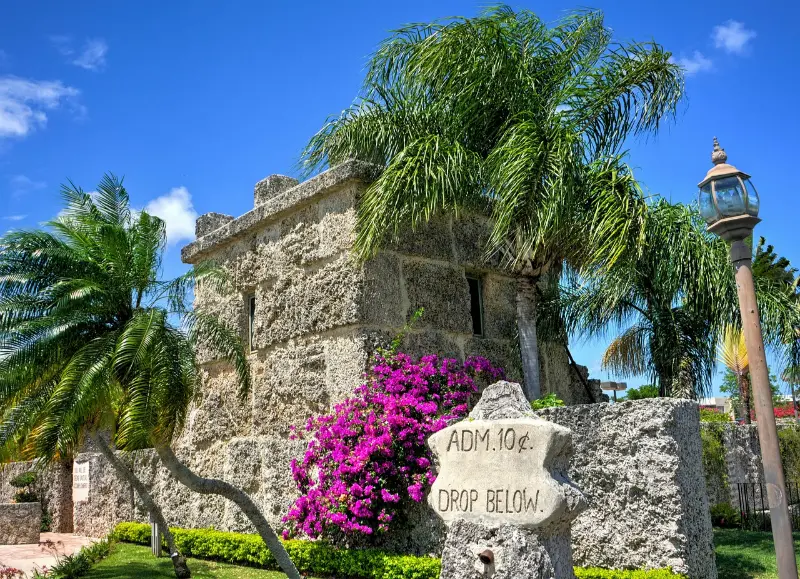
Yesteryear Village is a living-history attraction at the South Florida Fairgrounds where more than 30 historic and restored buildings create a walk-through setting for learning about earlier life in Florida. Instead of a single museum hall, visitors move between structures and encounter furnished spaces, local stories, interpreters when available and special events that use the village as an active historic backdrop.
This is one of the attractions in Palm Beach County where checking the calendar matters more than simply checking a daily opening time. The regular 2026 visitor schedule has public access on Thursdays and Fridays, group-only periods on Tuesdays and Wednesdays, and weekends reserved for private events. Special event periods can replace normal admission entirely. Those patterns may change in 2027, so confirm the exact date before driving to the fairgrounds.
Quick planning summary
- Best for: families with school-age children, Florida history fans, homeschoolers, multigenerational groups and travelers looking for a cultural stop away from the coast.
- How much time: 2–3 hours for a general visit; longer during major special events.
- Current cost: Current regular admission is $10 adults, $7 seniors age 60+, $7 children 6–11, and free for children 5 and under. Special events use separate pricing.
- Current hours: For the 2026 regular schedule: Thursday–Friday 10 a.m.–4 p.m. for the public; Tuesday–Wednesday 10 a.m.–1 p.m. for group reservations. Weekend and special-event access differs.
- Location: South Florida Fairgrounds, 9067 Southern Boulevard, West Palm Beach, FL 33411.
Why this stop is worth including
Yesteryear Village adds historical context to a Palm Beach County itinerary dominated by oceanfront mansions and modern attractions. The restored buildings make everyday history easier for children to visualize: schools, homes, workspaces and community structures become physical places rather than paragraphs in a textbook. The attraction is especially useful for families who want a learning day without spending hours inside a conventional museum.
The practical advantage is flexibility. You can give the place a clear role in the day without forcing it to fill every hour. That matters in South Florida, where heat, traffic, beach conditions and afternoon thunderstorms often reward itineraries with one strong priority and several optional additions.
What I would prioritize on a first visit
Confirm that the village is open for general admission on your exact date, then arrive at least two hours before closing as the official visitor page recommends. Start with the buildings that require interpreters or have limited access, then move through self-guided areas. On special-event days, use the event schedule rather than the regular village plan because admission, crowds and parking can be completely different.
Choose one signature experience before arrival and make everything else secondary. This prevents the common problem of spending the best weather, energy or attention on generic activities and reaching the distinctive part of the visit only when the group is tired.
Best things to do and how to experience them
Walk through the historic buildings rather than photographing only the exteriors
The village is most useful when you step inside furnished structures and compare how people lived, worked and studied. Ask interpreters questions when they are present; small details often create stronger memories than a broad historical timeline.
Look for demonstrations and period interpretation
Volunteer and interpreter availability varies, but living-history elements can transform the visit from a collection of old buildings into a more understandable story. Check the day’s program rather than assuming every activity runs continuously.
Use the village as a Florida-history lesson for children
Give children a simple mission: find three ways daily life was harder, three objects they would still recognize, and one building they would most like to enter again. A task like this keeps younger visitors engaged without turning the outing into a lecture.
Plan separately for major special events
The village hosts seasonal events that can close normal general admission and use their own tickets. These events may be excellent, but they are not the same experience as a quiet regular day, so decide which atmosphere you actually want.
Leave enough time for the fairgrounds logistics
The South Florida Fairgrounds is a large complex, and concerts or other events can redirect traffic. Follow the current gate instructions from the village rather than navigating only to the fairgrounds street address and assuming the first entrance will be open.
How much time do you really need?
For most travelers, 2–3 hours for a general visit; longer during major special events is realistic. Use the lower end if this is one stop in a larger day and everyone already knows the priority. Use the upper end with children, photographers, wildlife watchers, senior travelers or anyone who prefers longer food and restroom breaks.
Do not schedule the next fixed reservation for the exact minute your estimated visit ends. Add at least 30–45 minutes for walking back to the car, traffic, changing clothes, finding restrooms or simply staying longer because the experience is better than expected.
Current practical information
Hours: For the 2026 regular schedule: Thursday–Friday 10 a.m.–4 p.m. for the public; Tuesday–Wednesday 10 a.m.–1 p.m. for group reservations. Weekend and special-event access differs.
Cost: Current regular admission is $10 adults, $7 seniors age 60+, $7 children 6–11, and free for children 5 and under. Special events use separate pricing.
Address: South Florida Fairgrounds, 9067 Southern Boulevard, West Palm Beach, FL 33411
Important current note: The public schedule and special-event blackout periods change by year. The hours and prices in this guide reflect official 2026 information and must be rechecked for a 2027 visit.
Parking and arrival strategy
Arrive with the exact entrance or parking area saved before leaving the hotel. South Florida attractions often share a large park, campus or waterfront district, and the street address does not always lead you to the best place for the activity you want. On weekends and during high season, allow extra time for parking rather than circling until everyone is frustrated.
Never leave passports, cameras, shopping bags or luggage visible in a parked car. Move anything valuable before you reach the lot, not after parking where other people can see what you are hiding.
Best time of day and best season
Morning is usually the easiest default for outdoor-heavy visits because temperatures are lower and storms are less likely than late afternoon. Cultural attractions may work better around their opening hours or ticket schedule. From late fall through spring, Palm Beach County is generally more comfortable for walking, while summer rewards shorter outdoor blocks separated by air-conditioned breaks.
High season can also mean heavier traffic and more competition for event tickets, restaurant reservations and convenient parking. The best weather and the easiest logistics do not always occur at the same time, so decide which matters more for your trip.
Families with children
Families get more value when children actively compare past and present. Ask them to notice cooking, schooling, transport, lighting and household tools rather than simply moving from building to building.
For younger children, use a simple rhythm: one main activity, snack or restroom break, then one optional second activity. Leaving while children are still enjoying the experience usually creates a better memory than squeezing in one extra feature because it is included in the price.
Teenagers
Teenagers may engage through architecture, photography, social history or the stories behind individual buildings. Let them choose which structure deserves the most time and avoid turning the visit into a continuous quiz.
Give teenagers some control over the sequence, photography, navigation or lunch choice. A small amount of ownership often works better than presenting every stop as something the whole family must enjoy in exactly the same way.
Senior travelers and multigenerational groups
Senior travelers often enjoy the slower pace and recognizable objects, but outdoor walking and uneven historic surfaces can matter. Ask about accessible routes and use available seating rather than trying to follow every group at the same speed.
Multigenerational groups do not need to move as one unit every minute. Agree on a clear meeting point and time if some people want a longer walk while others prefer to rest. That is usually more comfortable than asking the slowest person to hurry or the most active person to wait constantly.
Accessibility and comfort
Accessibility is more than a formal ADA label. Parking distance, sand, heat, curb cuts, roots, stairs, crowd density, restroom access and the availability of seating all affect the real visit. If mobility access is essential, check the exact facility or trail you plan to use rather than relying on a general statement that the attraction is accessible.
Carry medications, cooling aids and mobility equipment you normally need. South Florida humidity can make a modest distance feel harder than expected, particularly for travelers arriving from cooler climates.
Heat, rain and storm planning
Some buildings provide cover, but the village is an outdoor campus and heavy rain can disrupt movement and demonstrations. Special events may have different weather policies, so check before leaving for the fairgrounds.
If the forecast is unstable, choose one must-do experience and make the rest optional. Keep a dry pouch for phones, a light rain layer and a nearby indoor alternative. Florida weather often changes quickly enough that flexibility is more useful than a rigid minute-by-minute schedule.
Budget and value
Look beyond the admission price. Parking, rentals, food, special programs and transportation can matter more than the base ticket, while a free attraction can still consume a valuable half-day if it involves long driving. Spend more only when an upgrade creates the experience you genuinely came for.
A useful value test is simple: if you would still want the activity without the words ‘must-see’ or ‘top attraction’ attached to it, it probably belongs in your itinerary. If not, protect your time for something that better matches your interests.
Food, water and restroom strategy
Check where food and restrooms are located before the group urgently needs them. Natural areas and beach parks may have limited food service, while museums and cultural campuses can have cafés with shorter hours than the attraction itself. Carry water for every outdoor-heavy visit.
A real meal break is not wasted sightseeing time. Sitting in air conditioning or shade for 30–45 minutes can make the second half of a Florida day much more productive and pleasant.
What to bring
Comfortable walking shoes, water, sun protection and the current gate/parking instructions. For children, a small notebook or scavenger-hunt list can add more value than carrying extra entertainment devices.
Keep the day bag small enough that you are willing to carry it. Extra equipment that never leaves the bag adds heat and fatigue without improving the experience.
Photography tips
Early and late light is usually best outdoors, while midday can create harsh contrast and reflections. Wildlife photography requires distance and patience; never feed, call, chase or crowd an animal for a picture. In museums and cultural spaces, check flash, tripod and commercial-photography rules before bringing large equipment.
Protect phones and cameras from sudden rain, salt spray and humidity. A simple resealable pouch or small dry bag is often more useful than an extra lens on a beach, wetland or boat-oriented day.
Where to stay
West Palm Beach is the most convenient general base, while hotels farther west can make Yesteryear Village, Lion Country Safari and Grassy Waters easier to reach. Beach-focused travelers can still visit from Palm Beach or Singer Island, but allow extra cross-county driving time.
How to combine it with other Wonderful Florida guides
Useful already-published guides include Cox Science Center and Aquarium, Mounts Botanical Garden, Lion Country Safari, Grassy Waters Preserve. Combine them only when geography, weather and your group’s energy make the pairing sensible; otherwise they are better as separate half-days.
A realistic day plan
Visit Yesteryear Village during its public hours, have lunch nearby, then choose either Mounts Botanical Garden or a relaxed West Palm Beach evening. Do not combine it with a major fairgrounds event unless that event is intentionally part of the plan; parking and crowds can dominate the day.
Step 1: protect the main experience
Give this attraction the first clear block of time. Start with any fixed-hour, weather-sensitive or high-priority component rather than spending the best conditions on secondary browsing.
Step 2: add food and recovery time
Plan a genuine break instead of eating while rushing back to the car. South Florida days improve dramatically when lunch, shade and hydration are treated as part of the itinerary.
Step 3: keep the final stop flexible
Use the end of the day for something easy to shorten: a waterfront walk, hotel pool, casual dinner, sunset or one small neighborhood. This gives you room for traffic, weather or a longer-than-expected main visit.
Who may want to skip or shorten the visit
Shorten or skip this stop if its main theme does not genuinely interest your group. A respected Palm Beach County attraction is not automatically the right use of limited vacation time. Travelers with only one or two days should protect the experiences that are most specific to their interests.
Weather can also change the answer. A long outdoor walk or beach visit may not be sensible during extreme heat or active lightning, while a small museum may feel less valuable on a perfect beach morning. Build the day around conditions rather than trying to prove that the original plan was correct.
Common mistakes to avoid
- Arriving without checking public versus group-only hours
- Assuming a special-event day uses regular admission
- Trying to see every building at the same pace
- Ignoring fairgrounds gate instructions
- Arriving less than two hours before closing
Practical questions before you go
Do I need to reserve in advance?
General outdoor access often does not require a reservation, but tours, classes, performances, campsites, pavilion rentals and special events may. Reserve only the parts that genuinely benefit from certainty so the day remains flexible if weather changes.
Is this a good rainy-day choice?
Some buildings provide cover, but the village is an outdoor campus and heavy rain can disrupt movement and demonstrations. Special events may have different weather policies, so check before leaving for the fairgrounds.
What should I bring?
Comfortable walking shoes, water, sun protection and the current gate/parking instructions. For children, a small notebook or scavenger-hunt list can add more value than carrying extra entertainment devices.
Can I combine this with the beach?
Usually yes if the attraction is reasonably close to the coast, but remember that beach time includes parking, changing, rinsing and sand cleanup. A short late-afternoon beach stop can complement a morning attraction; a full beach day plus another major attraction is usually too ambitious for families.
What is the best first-visit strategy?
Choose one thing you absolutely want to experience, one optional second feature and one practical break. That simple structure survives crowds, weather and different energy levels much better than a minute-by-minute checklist.
Official resource to check before you go
Final thoughts
The strongest visits are built around what makes a place distinctive, not around completing every possible activity. Confirm current access, protect enough time for the signature experience and leave room to adjust for weather and energy.
A complete Palm Beach County itinerary should mix coast, wildlife, culture, neighborhoods, gardens and slower local experiences. That variety makes the trip more resilient when conditions change and gives travelers of different ages a better chance of finding something that feels personally worthwhile.