
The Everglades is not a park with one front gate and a series of connecting internal roads. It is an immense mosaic of sawgrass, mangroves, freshwater sloughs, hardwood hammocks and coastal waterways. The most expensive mistake for a first-time visitor is to choose an entrance for an activity offered many miles away. Shark Valley, the Homestead main entrance, Flamingo and the Gulf Coast at Everglades City provide very different experiences. This comparison helps visitors of every age match their route to available time, mobility, wildlife interests and comfort with Florida’s heat.
Quick comparison
| Area | Signature experience | Plan for |
|---|---|---|
| Shark Valley | Tram, paved loop and observation tower | Reservations and busy winter weekends |
| Homestead entrance | Royal Palm and multiple short trails | Driving between stops |
| Flamingo | Florida Bay coastal environment | Remote services and long road |
| Gulf Coast | Ten Thousand Islands waterways | Boat access and current operations |
Why the entrances do not connect by road
The National Park Service emphasizes that the major Everglades entrance areas are not interconnected by roads within the park. Shark Valley lies along the Tamiami Trail west of Miami; the Ernest F. Coe main entrance is reached from the Homestead and Florida City area; Flamingo sits deep inside the park at the southern end of the main road; the Gulf Coast entrance is in Everglades City. Driving between these destinations means returning to public roads, sometimes adding hours to a day. A mapping app that displays all four on the same map can create a false sense of proximity. Choose one primary area for a short trip, or allocate separate days if you wish to compare ecosystems.
Shark Valley: a first wildlife-focused day from Miami
Shark Valley is known for its long paved loop, observation tower, abundant wetland scenery and opportunities to see birds and alligators. A narrated concessionaire tram tour is an appealing choice for people who prefer not to cycle or walk the entire loop. Cyclists can enjoy the route in suitable conditions, but distances, sun and wildlife require planning. The visitor center sits on U.S. 41 west of Miami, and its parking area can become congested on busy winter weekends. Reserve tram arrangements when available, check current hours and arrive with water and sun protection. Wildlife is wild and never guaranteed; a memorable visit can still be the changing prairie and sky rather than a close encounter.
Homestead: the main entrance for trails and varied habitats
The Ernest F. Coe Visitor Center near Homestead leads to the Royal Palm area and the long road to Flamingo. It is a good choice for visitors who want several shorter stops rather than a single all-day tram or paddling adventure. Royal Palm and the Anhinga Trail area provide classic opportunities for birdwatching and wetland scenery, while other walks reveal pine rocklands and tropical hammocks. Start at the visitor center to check temporary closures, current trail accessibility and wildlife activity. Because stops are spread along the road, driving offers the easiest way to combine them. A family with young children may get more enjoyment from two or three relaxed trail stops than from attempting the entire road and every viewpoint.
Flamingo: a destination deep in the park, not another gate
Flamingo is not a separate road entrance from Miami. You reach it by continuing along the main park road from the Homestead entrance, approximately 38 miles beyond Ernest F. Coe. The remote location borders Florida Bay and offers a different coastal perspective, with marina-related activities and opportunities for boat tours or paddling when operating. It is a strong option for patient birdwatchers, anglers and travelers interested in the quiet end of the landscape. However, supplies and services can be limited, and mobile coverage is inconsistent. Visitors arriving by an on-demand ride service may struggle to arrange a return. Do not schedule Flamingo as a casual hour-long detour from a Miami hotel.
Gulf Coast: Everglades City and the Ten Thousand Islands
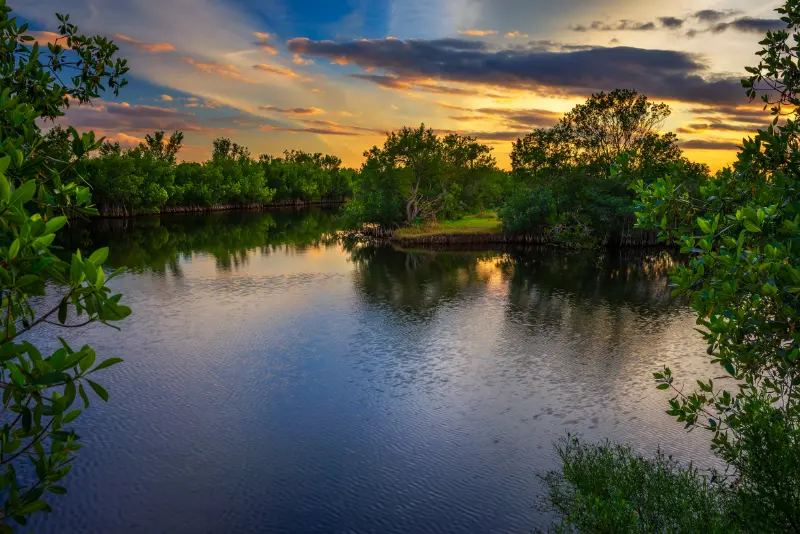
The Gulf Coast entrance near Everglades City looks toward mangrove islands and coastal waterways rather than the famous inland paved loop. It suits visitors who want a boat-based experience, kayaking with appropriate skills or an introduction to the Ten Thousand Islands region. Shore-side facilities are more limited than visitors may imagine from a “national park visitor center” label, and boat tours depend on weather, water conditions and operators. It can fit naturally into a trip between Naples and the western Everglades, but it is not a shortcut from Shark Valley through the park. Before arriving, verify the current status of the Gulf Coast visitor center, ticket purchasing arrangements, launch availability and whether a planned excursion is appropriate for children or people with mobility limitations.
Choosing by age, mobility and attention span
With a baby or toddler, short shaded or boardwalk-style stops and a quick return to the car are often easier than a lengthy outdoor excursion. School-age children may love ranger explanations, birds and the excitement of a tram tour, especially when parents set realistic wildlife expectations. Teens interested in photography might appreciate early light, while confident adults can choose a longer bike or guided paddling experience. Older visitors and wheelchair users should inspect the accessibility information for each specific trail, tram and boat rather than relying on a generic description of the park as accessible. Restrooms, benches, surfaces, boarding requirements and heat tolerance matter as much as the apparent distance on a map.
Dry season versus wet season
South Florida’s drier, cooler months tend to bring more comfortable walking temperatures and can concentrate wildlife around remaining water. That also means popular park entrances may attract large crowds. The wetter and hotter season changes water levels, mosquito intensity, comfort and the timing of thunderstorms. Alligators, wading birds and other wildlife do not perform on a fixed schedule, and a rainy afternoon does not mean the whole visit is ruined. Plan around weather alerts and avoid exposed trails when lightning threatens. Bring insect repellent appropriate for your group, long sleeves when useful, drinking water and a hat. Sun protection and caution near water are essential all year.
Food, water, connectivity and park-entry fees
Treat an Everglades day as travel into a largely undeveloped protected area. Carry enough drinking water for delays, not just the expected walk. Pack snacks and remove all trash, including food scraps that could attract wildlife. Download maps and reserve any timed tours before mobile coverage becomes unreliable. There is a park entrance fee, and accepted passes or payment methods depend on current rules and the entrance. Particularly for Gulf Coast visitors, verify where to buy a pass before setting out. There are no guarantees that every visitor center sells meals or that an app-based taxi will be available at the end of a trip. A well-stocked car and a clear plan make exploration far more comfortable.
Three simple itineraries to match your base
From central Miami, a half-day Shark Valley excursion with a prearranged tram and additional buffer may be a manageable first experience. From Homestead or Florida City, begin at Coe Visitor Center, then choose Royal Palm, one hammock trail and a few scenic stops rather than overloading the road to Flamingo. From Naples or Marco Island, consider Everglades City and a guided coastal experience, adding time for lunch and local interpretation. Travelers with two days can explore Homestead on one and Shark Valley on another, but these are separate drives. Avoid adding Flamingo, Gulf Coast and Shark Valley to a single short sightseeing day simply because all three share the word Everglades.
Ethics, photography and safety
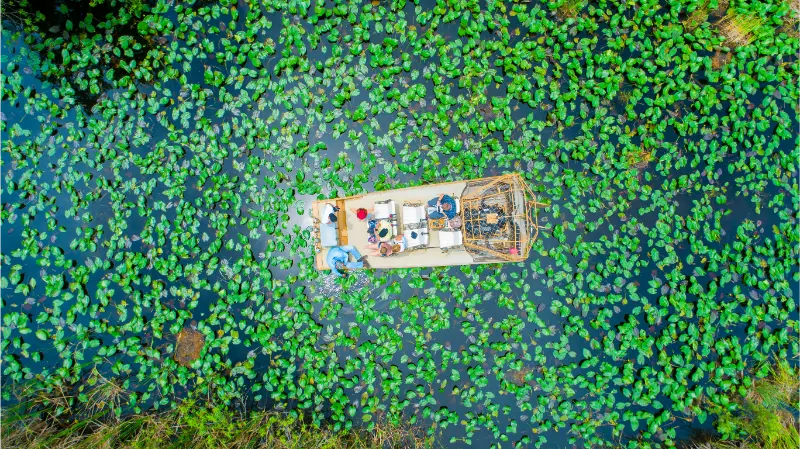
Never feed or approach an alligator, block a trail to photograph wildlife or allow children to stand near water edges unattended. Maintain a respectful distance, use a zoom lens and obey ranger notices. Boats should avoid sensitive habitat and keep an appropriate distance from manatees, dolphins and birds. When choosing an airboat attraction outside the national park, understand that it is not the same as exploring a park trail or a park-authorized boat excursion. The national park’s ecosystems deserve quiet observation, not forced animal encounters. If storms, high heat or a closure interfere with plans, accept a shorter visit; protecting the park and your group is more important than completing an itinerary.
A realistic one-day decision chart
If you want a narrated overview and broad open wetland scenery, start by checking the Shark Valley tram schedule and access conditions. If your priority is several short trails and the variety of freshwater and forest habitats, choose Homestead and leave enough time for the road between stops. If you are already traveling toward the Lower Keys and are attracted by a remote Florida Bay setting, Flamingo can be an immersive destination, but do not treat it as a quick roadside stop. If your holiday is based around Naples, Marco Island or Everglades City and you want mangrove channels or a guided boat journey, investigate the Gulf Coast entrance. In any case, ask three questions before leaving: What is open? How will we return? What will we do if the weather cancels the main activity? These answers make a national-park visit adaptable across ages and seasons.
Frequently asked questions
Can I drive from Shark Valley to Flamingo inside the park?
No. You must use public roads between the relevant entrance areas; their internal roads do not connect.
Which entrance is best for a first-time visitor staying in Miami?
Shark Valley is a popular option for the loop and tram, while Homestead is best for a wider range of short trails. Choose according to your interests and travel time.
Is Flamingo close to Ernest F. Coe Visitor Center?
No. It is about 38 miles farther along the main park road and requires a significant additional drive.
Can I visit the Gulf Coast area without a boat?
You can visit shore-side facilities when available, but the Ten Thousand Islands experience is largely water-based. Check current access and tour operations.