
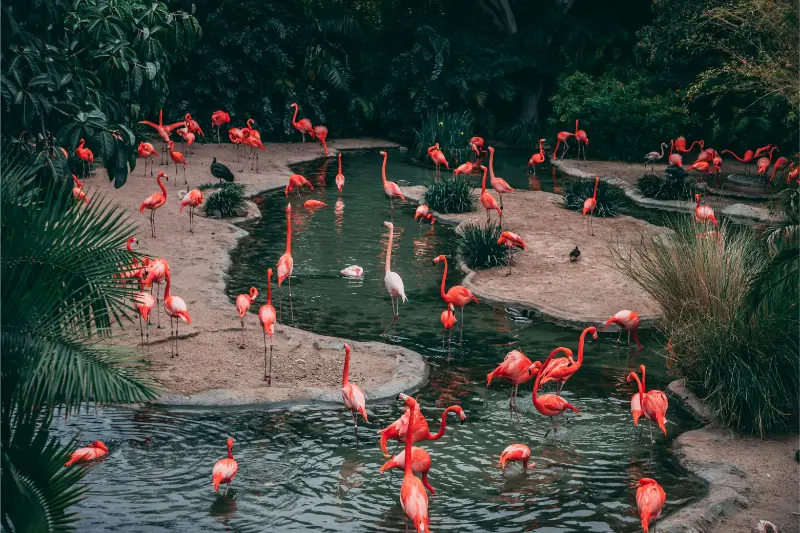
Florida's estuaries are among its most interesting natural environments, but they are easy to miss when a vacation is organized around open-ocean beaches. These are places where freshwater and saltwater mix or interact, creating habitats for fish, birds, oysters, mangroves and other wildlife. You do not need to paddle a kayak or book a long boat tour to begin understanding them. Educational centers at protected coastal areas offer exhibits, short outdoor routes, guided programs and opportunities to ask questions about the landscape. The Guana Tolomato Matanzas Research Reserve near Ponte Vedra Beach, Rookery Bay near Naples and the Environmental Learning Center in Vero Beach make good examples. They differ in visitor facilities, weather exposure and program schedules, so choosing the right one is more useful than attempting to visit all three.
| Choice | Best fit | Check before visiting |
|---|---|---|
| Northeast coast | GTM Visitor Center | Free center; parking may differ |
| Naples | Rookery Bay Learning Center | Briggs Boardwalk renovation notice |
| Vero Beach | Environmental Learning Center | Lagoon exhibits and trails |
Why an estuary is worth a separate day trip
A conventional beach day usually focuses on waves, swimming, sand and relaxation. An estuary visit draws attention to what happens behind a barrier island, in a lagoon or among mangrove roots. Birds may gather in shallow areas to feed, small fish depend on protected waters, and changes in salinity or water quality affect entire communities of organisms. Visitors who understand these systems can better appreciate why access rules, fishing regulations and boat speed limits exist. An educational center provides context that is difficult to gain from a waterfront photograph alone. Some institutions have aquariums, touch pools, models or interpretive displays; others emphasize outdoor trails. You can learn a great deal even if wildlife stays hidden. Look at the center's visitor page to find out what is indoors and which paths are open. A family with small children may spend most of the time among displays; a birdwatcher may prefer a short walk outside. Neither type of visit is less legitimate.
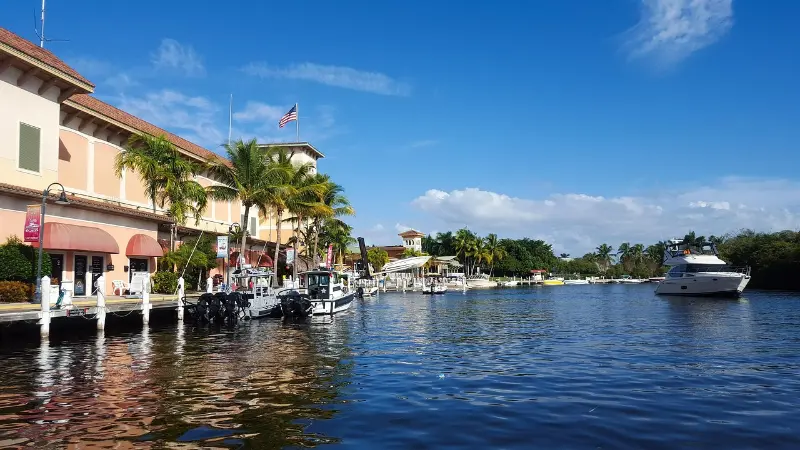
GTM Research Reserve on Florida's northeast coast
The Guana Tolomato Matanzas National Estuarine Research Reserve, often called GTM, has a visitor center near Ponte Vedra Beach, south of Jacksonville and north of St. Augustine. The Florida Department of Environmental Protection publishes the address, visitor-center hours and recreational access rules. Its official page has listed free visitor-center admission, while certain parking areas and outdoor access points carry separate fees. That distinction matters: a free educational visit does not necessarily mean free parking in every reserve area. The property includes natural habitats and trails, but you need not undertake a long hike to learn about the estuary. Check the center's current exhibitions and short-route options, then decide how much time the group should spend outdoors. If traveling with someone who uses a wheelchair or walker, ask about the entrance and any boardwalk surfaces; a nature reserve can contain very different access conditions within the same property. For families staying in St. Augustine, GTM offers a science-oriented alternative to historic downtown attractions.
Rookery Bay near Naples
Rookery Bay National Estuarine Research Reserve protects a large coastal environment near Naples and presents educational exhibits through its Environmental Learning Center. Visitors interested in Southwest Florida's mangroves and marine habitats can learn about the reserve without needing to charter a boat. Current visitor information is essential: the reserve's official site has announced that the Briggs Boardwalk is closed for renovation until further notice. A blog that repeats an old 'walk the boardwalk' itinerary would send readers toward an unavailable feature. Before setting out, check which exhibits, outdoor areas and guided activities are open on your actual date. The learning center itself may provide enough material for a relaxed visit, especially on a hot afternoon. Ask about the schedule of interactive programs if your children enjoy demonstrations. Visitors who want a boat tour should treat that as a separate reservation, with its own boarding, weather and accessibility rules. Do not assume that learning-center admission includes water-based excursions.
Environmental Learning Center in Vero Beach
The Environmental Learning Center in Vero Beach is located along the Indian River Lagoon, offering an educational setting with nature trails, exhibits and other programs. Its official website describes a large campus with boardwalks, aquariums, a touch tank and educational activities for children and adults. This can be a strong choice for travelers along the Treasure Coast who want a balance between indoor learning and an outdoor lagoon environment. The facility's age-based admission categories and any discounts should be checked on the official website before visiting. Parents of toddlers can focus on the exhibits and short paths, while older children may want more time outdoors or a supervised program. An advertised kayak or pontoon activity is not automatically included with regular entry, so check the difference between campus admission and optional experiences. In warm weather, plan to use the shaded or indoor areas between short outdoor walks. The Indian River Lagoon can be beautiful without a dramatic wildlife sighting, so set expectations around learning rather than promising dolphins or manatees on demand.
How to choose the best center for your trip
Location should decide most choices. GTM makes sense for visitors based in St. Augustine, Jacksonville or the Ponte Vedra area. Rookery Bay fits Naples and the southwestern Gulf Coast. The Environmental Learning Center is convenient for Vero Beach and neighboring Treasure Coast destinations. If your itinerary already includes a long drive, avoid adding a second estuary center simply to compare exhibits. Instead, look at which landscape is unfamiliar to your family. A traveler who has seen Atlantic beaches but never visited a mangrove habitat may find Southwest Florida especially interesting. A family that wants short indoor exhibits on a rainy day may prioritize the facility closest to the hotel. Also consider staff programming, admission, parking, restroom access and stroller routes. Check whether outdoor activities are self-guided or accompanied by a ranger or educator. The best choice is the center you can enjoy thoroughly, not the one with the most items on its activities page.
A gentle itinerary for babies and young children
For families with a baby or preschooler, treat the educational center as the main activity and a short nature walk as an optional extra. Arrive after breakfast, when most children are more alert. Start with exhibits that encourage looking, listening or touching where explicitly permitted. Keep snacks in approved areas and locate restrooms early. A toddler may be fascinated by a tank of fish yet uninterested in a long explanation of salinity; follow that interest and move on when attention fades. If the visitor center has a small interactive program, check whether advance booking is necessary and whether the child meets its age requirement. Outside, use designated paths and keep hands away from unfamiliar plants or animals. Mosquitoes may be present, particularly near vegetation and still water. In Florida heat, a fifteen-minute trail can be plenty for a young child. A successful visit can end with lunch and a nap rather than an ambitious second destination.
Wildlife viewing without disturbing animals
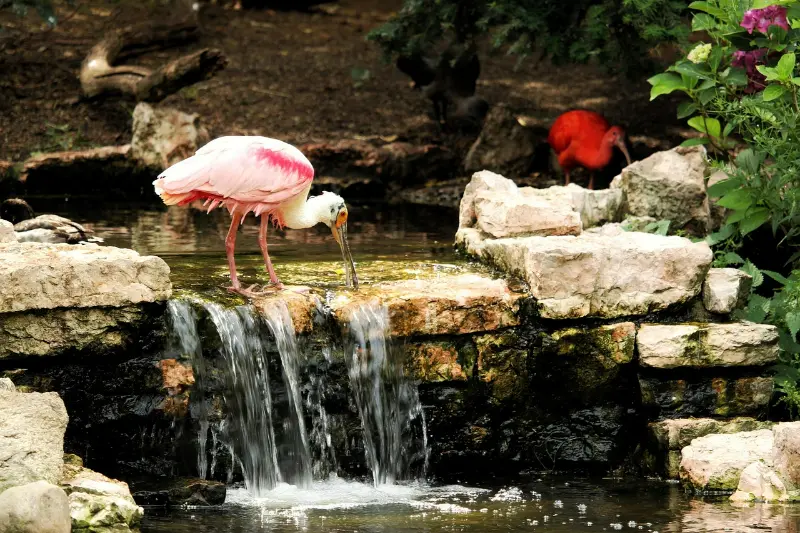
Estuaries support birds, crabs, fish and many other animals. The most rewarding approach is patient observation from a safe distance. Do not feed wildlife, reach into a habitat, collect shells containing living creatures or disturb nesting birds for a photograph. If there is a touch pool, follow staff directions about which organisms may be touched and how to protect them. Natural areas can also contain alligators and snakes; stay on maintained paths and supervise children closely near water. Keep pets only where the particular facility permits them, distinguishing pets from trained service animals under applicable rules. Binoculars help older children appreciate distant birds without moving closer. A simple field notebook can turn a short walk into a discovery activity: note the color and behavior of an animal rather than trying to identify every species immediately. Wildlife does not perform on schedule. Even when nothing large appears, changes in tide, plant roots and small creatures reveal how the ecosystem works.
Accessibility and low-stamina planning
An estuary learning center can be an excellent activity for visitors who cannot manage a challenging trail, but facilities differ. Ask whether the exhibit building has step-free access, whether benches are available and which outdoor routes have firm, stable surfaces. A wooden boardwalk may be accessible on paper but temporarily closed, damaged or slippery after rain. A visitor with hearing loss may need written labels or captioned videos; a person with low vision might benefit from guided explanations or tactile exhibits if offered. Families with strollers should check ramp and doorway widths rather than assuming every trail is suitable. Keep the visit short enough that someone with reduced stamina can enjoy it. If a boat program is advertised, ask separately about the boarding platform and onboard seating; accessible access to a visitor center does not establish accessibility of a vessel. Have a nearby, comfortable break in mind and choose a return time before the group becomes overtired.
Costs, activities and weather changes
Learning-center admission, park parking and optional guided activities may be charged separately. Read the current fee schedule carefully, especially where a reserve spans multiple entrances. Ask whether discounts require proof of local residency, senior status or membership in a participating program. A guided paddling tour may be canceled by wind or thunderstorms even if indoor exhibits remain open. Do not assume that an admission ticket can be used for a different activity without a new booking. Check opening days because nature centers sometimes close on particular weekdays, state holidays or during maintenance. Bring drinking water, sun protection and insect repellent for outdoor time, following venue rules. Some sites have restrictions on single-use items to protect the environment. If coastal flooding, storms or water-quality advisories affect the area, choose the indoor portions or reschedule. The staff's current notice is more reliable than a dated social-media photograph of a clear boardwalk.
Make the science memorable after you leave
A meaningful visit can be continued without buying souvenirs. At lunch, ask the children what they noticed about roots, tides or animal homes. Compare the estuary with the ocean beach they visited earlier: is the water calmer, do different plants grow nearby, and why might juvenile fish use sheltered habitat? Teenagers can think about how freshwater runoff, coastal development and water quality influence ecosystems. Adults may be curious about the research carried out by reserves and how monitoring works over time. Look for official educational resources if someone wants more detail; there is no need to invent facts about a species seen briefly. A small sketch or a note of the location can become part of a travel journal. If your family enjoyed the experience, choose another coastal environment on a future trip rather than trying to fit every reserve into the same vacation. Learning about Florida's natural systems works best at a pace that encourages attention.
FAQ
Do I need to book a boat trip to visit an estuary center? No. These centers provide land-based education; boat activities are optional and have separate conditions.
Is Rookery Bay's Briggs Boardwalk currently open? The reserve's website has reported a renovation closure. Check its latest notice before planning a walk there.
Can small children enjoy an estuary center? Yes. Focus on exhibits and a short supervised walk, and follow age rules for interactive programs.
Will I definitely see manatees or dolphins? No. Wildlife sightings are never guaranteed; educational exhibits make the visit worthwhile regardless.