
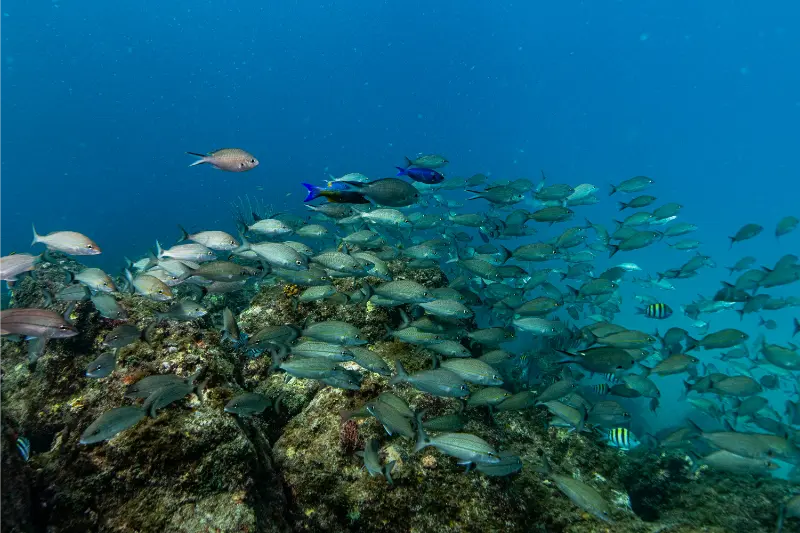
Seeing coral underwater is unforgettable, but the Florida Keys offer another way to appreciate the reef: learning why it needs protection and how restoration projects work. Some organizations provide educational programs for tourists, snorkelers and certified divers, ranging from talks and observation to supervised conservation activities. They are not casual opportunities to plant coral wherever you like. Marine restoration is technical work, and protected waters have strict rules. A good visitor chooses a legitimate program, understands their own swimming ability and leaves the ecosystem undisturbed unless a qualified leader has explicitly authorized a particular task.
| Option | Best fit | Check first |
|---|---|---|
| Shore-based talk | Learn restoration basics | No diving required |
| Supervised snorkel | Observe reef from surface | Swimming ability matters |
| Qualified dive program | Advanced participation possible | Check training and permits |
Why Florida's coral reef matters
The Florida Keys reef system supports marine wildlife, local livelihoods, recreation and a sense of place that cannot be replicated by an aquarium exhibit. Living corals are animals building structures over many years, and those structures provide shelter for fish and other creatures. Reefs are affected by multiple pressures, including warming waters, disease, pollution and physical damage. A broken coral branch is not simply a piece of decoration; it can be part of a fragile living community. Visitors who understand this are better able to enjoy snorkeling without accidentally causing harm.
Restoration programs aim to support damaged reef habitats through science and long-term work. Activities may involve nursery culture, monitoring, outplanting coral grown under controlled conditions and recording the health of existing sites. Not every coral species or location is suitable for every method, and success cannot be judged from one day's photographs. Visitors should be wary of marketing promising that a single paid trip will save an entire reef. Real conservation requires monitoring, professional oversight and effective management of the wider environmental threats.
What visitors can realistically do
The most accessible contribution is often education. You can attend a talk, visit a conservation center or book an operator that explains ecological rules before taking visitors onto the water. More advanced opportunities can include supervised observation, data collection or, for appropriately qualified divers, activities connected with nursery maintenance. The exact role depends on the organizer, weather, insurance, qualifications and conservation permissions. A snorkeling participant should never be promised the same underwater tasks as a trained scuba diver.
NOAA's Florida Keys National Marine Sanctuary describes its Iconic Reef Guardians initiative as a way for recreational divers and snorkelers to contribute to a broader reef-restoration mission. Coral Restoration Foundation likewise publishes dive and snorkel programs with an educational component. Those are examples of structured pathways, not an invitation to begin moving coral on a private excursion. Always book through a recognized organizer, ask what your role will be and understand whether the session is primarily observation or hands-on work.
Key Largo: a practical base for conservation-focused experiences
Key Largo is a logical starting point for visitors who want to combine reef education with a short stay in the Upper Keys. Conservation organizations and dive operators have programs in the area, and travelers can choose from educational facilities, snorkeling and scuba activities. The most important decision is selecting a program appropriate to your water skills. Someone who is comfortable in shallow water but has never snorkeled in open sea should not jump straight into an advanced outing simply because a conservation label sounds worthwhile.

Ask about the meeting point, boat duration, whether equipment is supplied and how many participants each professional supervises. A center-based introduction can be excellent for children or older visitors who prefer remaining ashore. A boat trip may involve boarding steps, rolling seas and a swim ladder that is difficult for some passengers. Choose an option based on the least confident person in the group rather than allowing the strongest swimmer to set everybody's pace.
Snorkeling, scuba and observation are not equivalent
A snorkeler generally observes the reef from the surface while using fins, mask and snorkel where conditions allow. Scuba diving involves breathing apparatus, specific training and additional health screening. An ordinary reef sightseeing cruise may be enjoyable without anyone entering the water. Conservation programs can be built around any of those formats, but access to a scientific task is not automatic. A diver who is newly certified might need more experience controlling buoyancy before working close to delicate coral structures.
Ask what certification level is required, whether recent diving experience is necessary and whether a refresher is recommended. For snorkeling, discuss swimming ability, flotation support and comfort in deeper water. A person who does not swim should not be persuaded that a conservation mission justifies an unsafe entry. There may be shore-based education or boat-passenger options instead. An inclusive experience meets participants where they are; it does not treat concern about safety as a lack of commitment to nature.
Protected areas and why touching coral is prohibited
Florida Keys National Marine Sanctuary has sanctuary-wide regulations and special management zones. NOAA explains that sanctuary preservation areas generally permit snorkeling and diving but prohibit activities such as fishing or collecting, and they forbid touching or standing on coral. Anchoring restrictions and rules about mooring buoys are also important. Those regulations can evolve, with additional anchoring changes published for 2027, so a traveler should review the current sanctuary guidance rather than follow a years-old map or boat brochure.
Even a dead-looking coral structure can be protected and delicate. Do not stand on it to adjust a mask, grab it for balance or remove pieces as souvenirs. Keep fins clear of the bottom and avoid kicking up sediment over living colonies. Leave sea creatures undisturbed and never feed fish for a photograph. If your boat operator appears to ignore protected-area rules, do not imitate the behavior. Responsible operators should know where they are allowed to stop and should brief passengers about the reef before entry.
How a conservation program differs from an ordinary snorkel trip
A conventional recreational trip may focus on seeing fish and scenery. A conservation-oriented program should explain the ecological purpose, the partner organizations involved and what visitors can actually learn or do. It may include instruction on coral identification, reef conditions and restoration methods. Some programs involve collecting observations rather than touching organisms. Ask whether the advertised conservation activity is supported by trained staff and whether any data collected has a real management or scientific use.
The program should also be transparent about payment. A fee may cover the boat, instruction, gear, education and an organizational contribution, but not every expensive trip funds restoration work in the same way. Request a clear description rather than relying on claims such as "eco-friendly" or "save the reef." If the provider is vague about permits or says visitors are free to take coral home, look elsewhere. An ethical tour treats conservation as a responsibility and a learning process, not a prop for promotional photographs.
What to expect from boat conditions in the Keys
Even when the mainland weather feels pleasant, conditions offshore can be windy, choppy or uncomfortable. Programs depend on boat safety and water clarity, so cancellations or itinerary changes are a normal possibility. Choose a day with room for rescheduling, especially if your Florida Keys visit is short. Bring water and any gear required by the organizer, but avoid arriving with loose items that can blow away or end up in the sea. Secure cameras so they cannot fall into the water.
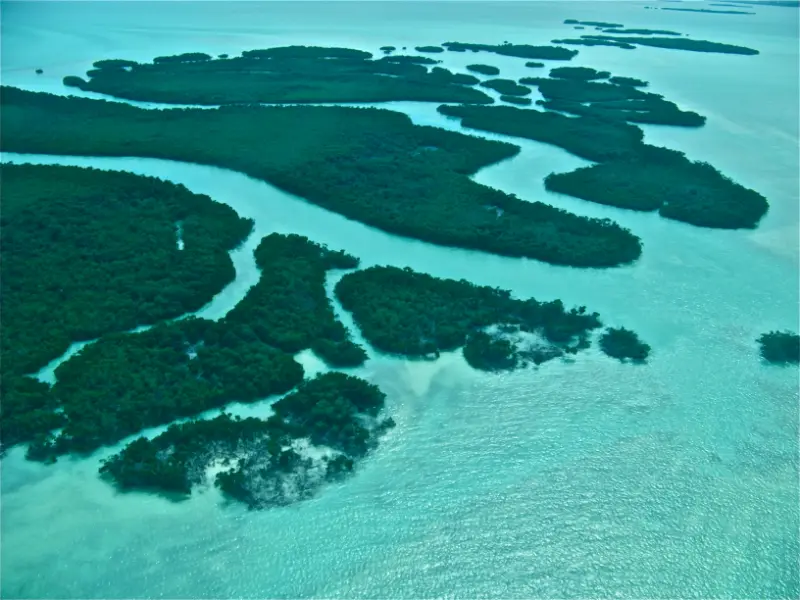
People who are prone to seasickness should discuss precautions with a healthcare professional if needed before departure, especially if they take other medication. Travelers with limited mobility must ask about dock access and reboarding from the water, not just whether a boat technically accepts wheelchair users. Families should check whether children's sizes of masks and flotation devices are available. A safe, comfortable boat day is more important than reaching a particular nursery site when the sea does not cooperate.
Helping from dry land also counts
A visitor need not be a diver to support a healthy marine environment. Learning about the reef, choosing responsible tour operators, disposing of trash correctly and minimizing harmful runoff are practical actions. Joining an authorized educational event or supporting an established conservation organization can also be meaningful. Children can create a wildlife observation notebook or compare photographs of different reef habitats after attending a talk. The goal is to develop informed habits rather than give everyone a token job with a coral fragment.
If an organization advertises volunteer opportunities, confirm age limits, advance applications, training and whether short-term visitors qualify. Some roles require commitments longer than a holiday, while others welcome one-day participants. Do not show up at a nursery expecting access without an appointment. A conservation facility may be actively handling animals, equipment or sensitive research materials. Respect that it is a workplace first and an educational opportunity only under the conditions set by its staff.
Costs, planning and the right itinerary
A full-day conservation dive can cost more than a simple snorkel cruise because it may involve education, specialized equipment and qualified personnel. Compare the activity details carefully: number of dives, equipment rental, lunch, certification requirements, transportation and cancellation terms. Do not assume that a cheaper program is less ethical or that a higher price guarantees greater environmental benefit. Ask for a realistic schedule and whether the program is suited to the ages and swimming skills in your party.
For a mixed-age trip, consider one educational morning ashore, followed by a relaxing afternoon near your accommodation. Water-confident family members could book an additional supervised trip another day while others enjoy a museum or waterfront walk. Avoid packing a reef outing immediately before a flight when scuba diving is involved; divers must follow appropriate post-dive flying intervals based on their dives and professional guidance. The safest itinerary gives everyone choices without creating pressure to join a water activity they are not ready for.
Choosing an ethical operator: questions worth asking
Who authorizes the conservation activity? What does a visitor do, and what is left to qualified staff? Where does the trip operate, and how are protected-area rules explained? How does the captain avoid anchoring on coral? What is the plan for poor weather or a participant who wants to remain aboard? Are refunds and cancellations explained in writing? Does the organization describe the long-term purpose of the project rather than merely promising a photogenic experience?
Pay attention to the briefing. A good operator encourages careful fin movement, safe distances from wildlife and realistic expectations about visibility and marine life. Nobody can guarantee a particular fish, turtle or perfect coral photograph. Reef conditions change, and a trip may emphasize observation over active restoration because that is the appropriate activity for the day. The most valuable takeaway can be understanding both the beauty and vulnerability of the ecosystem, then leaving it undamaged for future visitors.
FAQ
Answers to common planning questions:
Can beginners help with coral restoration? Some educational or observation programs welcome beginners; hands-on underwater work may require training and qualification.
Can I touch coral if a tour is called a restoration experience? Never assume that. Follow NOAA regulations and only perform expressly authorized tasks under qualified supervision.
Can children take part? Some programs have youth options or shore-based learning. Verify ages and water-skills requirements.
What if the sea is rough? Boat-based activities may be rescheduled or canceled for safety; check the provider's policy.