
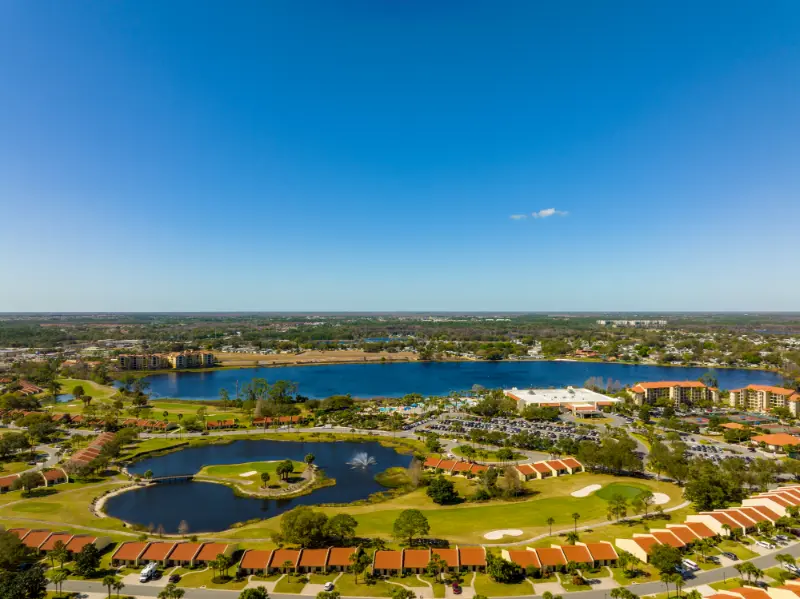
Florida's inland lakes can be surprisingly different from its beaches. At Lake Kissimmee State Park, broad wetlands, open grazing landscapes and historical interpretation help explain how people lived and worked in Central Florida long before the growth of modern attractions. The area offers wildlife-watching, short walks and the chance to understand the history of Florida's cow hunters. A four-day visit based around Lake Wales or another nearby town can suit families and older travelers especially well. The important 2026 detail is that the state park campground is closed for renovation, so this is not currently a campground-based itinerary.
In this guide
- What makes Lake Kissimmee different
- Stay in Lake Wales rather than assuming you can camp
- Day one: arrive, orient yourself and leave room to rest
- Day two: the state park and living-history cow camp
- Choose a realistic walk rather than the longest trail
- Day three: expand the trip without confusing destinations
- Day four: wildlife, food and an easy departure
- Where to eat and how to handle limited services
- Fees, timing and a practical cost plan
- Accessibility, heat and family pacing
- Respect wildlife and Florida's working landscapes
- Choosing the best season
- Frequently asked questions
- Official information
Quick planning table
| Day | Suggested plan |
|---|---|
| One | Arrive in the Lake Wales area |
| Two | State park and confirmed cow camp program |
| Three | Gardens or a nearby cultural attraction |
| Four | Short wildlife stop and departure |
What makes Lake Kissimmee different
The state park borders lakes Kissimmee, Tiger and Rosalie and protects a mixture of floodplain marsh, upland habitat and forests. Its identity is tied to cattle culture: historical demonstrations recreate aspects of an 1876-era cow camp, revealing a different Florida from the orange groves and beach resorts that dominate brochures. None of that requires a full-day hike. Short nature stops, interpretive information and a carefully timed heritage visit create a meaningful experience even when nobody in your group wants to kayak or fish.
Begin by deciding whether your party wants a relaxed natural-history trip or a more strenuous outdoor break. The park has an extensive trail network, but much of its appeal can be enjoyed without covering every path. Older children may be interested in how early cow hunters worked, while preschoolers may prefer simply watching birds near picnic areas. Check the latest https://www.floridastateparks.org/parks-and-trails/lake-kissimmee-state-park park notices before each day.
Stay in Lake Wales rather than assuming you can camp
Florida State Parks reports that the Lake Kissimmee State Park campgrounds closed for renovation effective February 17, 2026. That matters for people who find old listings offering lakefront camping. Do not book a campsite or plan to arrive with an RV based on an undated travel article. Instead, consider ordinary accommodation around Lake Wales or another suitable Polk County base, and treat the park as a day-trip destination until the park confirms reopening.
A hotel base allows for predictable evening meals and sheltered rest. Families with small children can choose a room with refrigeration and separate sleep space. Seniors may prioritize elevator access, a walk-in shower, and parking close to reception. Rural accommodations can be pleasant, but an attractive cabin photo says little about accessible entrances or emergency services. Ask the property to confirm exactly what is provided before relying on an amenity.
Day one: arrive, orient yourself and leave room to rest
Use the first day for a comfortable arrival in the Lake Wales area. Florida's inland roads can be unfamiliar to travelers who have only driven around Orlando, and long drives can be tiring after a flight. Shop for snacks, drinking water and any essentials before heading toward rural roads. If you arrive early, take a short walk near your lodging or visit a local downtown area rather than trying to squeeze in a major park trip late in the afternoon.
Look at a map of the connected lakes and notice how water routes cross land that can seem flat from the highway. Explain to children that the park's name is not connected with the theme-park city of Kissimmee in the simple way they might expect; the lake system is a much larger part of Central Florida geography. Spend the evening checking the park's weather and cow-camp demonstration schedule. Planning a historical visit for a day when interpreters are absent may disappoint everyone.
Day two: the state park and living-history cow camp
Arrive at Lake Kissimmee State Park early, pay the current entrance fee and ask staff which areas are open and appropriate for your group. The official posted schedule lists cow-camp demonstrations on Saturdays between October and April, with seasonal hours, but interpretive staffing or programs can change. Confirm that the demonstration will operate before building a vacation around it. If the camp is not active, the historical setting and the park's landscapes remain worthwhile as a natural history outing.
When an interpreter is available, focus on the practical details of historic work: how people handled cattle in wet landscapes, what tools were necessary, and how local environments shaped daily life. This is more instructive than treating the cow camp as a costume photograph. Encourage children to compare the old equipment with what modern ranchers might use. Ask polite questions and follow any barriers around exhibits. A supervised living-history program is not permission to handle animals or tools without instruction.
Choose a realistic walk rather than the longest trail
After the history visit, choose a short suitable path or observation spot. Trails may include uneven ground, exposed sections and sandy surfaces. If someone uses a stroller or mobility aid, ask rangers about the exact trail grade, restroom distance and ground condition. A short walk may still provide views of oak woodland, wetland edges or birds. Trying to complete miles of trail in the middle of a hot day often adds little enjoyment, especially if a child becomes tired before reaching an interesting habitat.
Watch for sandhill cranes, deer, eagles and other wildlife with binoculars. None is guaranteed. The park's official description mentions bobcats among species observed, but that is not a promise of a sighting. Treat animal behavior as the point of interest rather than the number of species checked off. Keep pets leashed where permitted, never feed wildlife, and stay out of the water unless a designated activity is explicitly allowed and conditions are safe.
Day three: expand the trip without confusing destinations
Use the third day to explore one complementary Polk County destination, perhaps a garden, historic downtown or museum selected for the travelers in your group. Lake Wales provides access to several attractions, but avoid presenting the famous Bok Tower Gardens as part of the state park; they are separately managed places with different admission systems. A garden visit can be an effective contrast to the open prairie and lakes, particularly for mixed-age families who need paved routes and seating.
Check the selected property's operating days and the physical effort involved. A visitor who enjoyed watching birds from a short trail at Lake Kissimmee might prefer a shaded garden rather than another exposed walk. If the weather is poor, switch to an indoor cultural stop or take a leisurely meal in town. The day should broaden your understanding of the region instead of becoming a rushed list of unrelated roadside attractions.

Day four: wildlife, food and an easy departure
On departure morning, decide whether a second short park visit is worthwhile or whether a breakfast stop and a gentle drive are enough. Returning to the same lakeside viewing area in different light can produce entirely new impressions. A morning with fewer visitors may be rewarding for birdwatchers, but wildlife behavior changes with season and water levels. Avoid blocking access roads while waiting for an animal to appear.
Pack the car early enough to avoid leaving valuables visible at a remote parking area. If another destination lies hours away, choose one stop on the journey rather than stacking multiple parks before sunset. The trip should end without the driver being exhausted. Families with toddlers can plan toilet and snack stops before leaving the more developed towns; services are not evenly distributed along country roads.
Where to eat and how to handle limited services
Your best selection of supermarkets, cafes and familiar services will usually be in established towns, not beside an isolated park entrance. For a full outdoor day, bring sufficient water, a picnic or packaged snacks, and a cooler when appropriate. Dispose of waste properly and follow any rules about food storage. Restaurants can change hours, especially away from major tourist centers; check the chosen business directly rather than relying on old listings or a travel blog's recommended opening time.
A calm meal break is particularly helpful when combining young children and grandparents. Consider a light lunch after the main outdoor activity, not between two long hikes. Travelers with allergies should ask food providers directly about ingredients and cross-contact procedures. A named menu item on a website does not guarantee that it will be available on the day of your visit.
Fees, timing and a practical cost plan
The park's official fee page lists general day-use admission per vehicle and different charges for other visitor types. Prices can change. At the time of checking, a standard vehicle with two to eight occupants was listed at $5. Do not multiply that by every passenger as if it were an individual ticket. The larger vacation costs will normally be lodging, car rental, fuel and meals rather than this entrance fee.
A useful budget divides expenses into confirmed reservations, estimated variable spending and a contingency amount for a rain day or unexpected transfer. The cow-camp program should be checked shortly before arrival, and the campground closure must be treated as current until official park information states otherwise. Buying equipment for a camping trip that cannot take place is far more expensive than spending a few minutes verifying conditions.
Accessibility, heat and family pacing
Accessibility varies by facility and trail. The combination of a car-based approach, rest breaks and carefully chosen short walks can make the area manageable for many older visitors, but it should not be advertised as wholly wheelchair accessible. Ask staff about the parking surface, restrooms, distance to historical activities and current routes before arriving. Bring stable footwear; sandy paths and wet ground can make even a short walk challenging for someone using a cane.
If traveling with an infant, plan for shade and feeding breaks. Never leave anyone—child, adult or pet—in a parked vehicle. In summer, outdoor time is usually more comfortable early in the morning, with late-afternoon alternatives depending on storms. Sunscreen, water and a hat help, but they do not replace good judgment about heat exposure. For a mixed-age group, shorter activities combined with meaningful explanations often beat a strenuous itinerary.
Respect wildlife and Florida's working landscapes
Lake Kissimmee is part of a living ecosystem, not a wildlife exhibit. Alligators may be present near freshwater, so supervise children closely and avoid edges where footing is unsafe. Do not approach nests, feed birds, chase deer or use drones without permission. Historical cattle culture also deserves respectful interpretation: the modern ranching community continues to work across Central Florida, and visitors should never enter private ranchland simply because it looks picturesque.
The best photographs come from designated public places and patient observation. If you cannot see wildlife clearly, binoculars are a better tool than stepping through protected vegetation. Remain on permitted trails and obey any seasonal closures. Responsible habits preserve the landscape for future visitors and help reduce conflict between recreational use and wildlife conservation.
Choosing the best season
Cooler and drier months often provide more comfortable hiking weather and coincide with the published cow-camp demonstration season. The exact weather varies, and warmer days can still occur in winter. Spring can produce pleasant mornings but stronger sun later. Summer brings more heat, afternoon storms and insects. Match your schedule to the group's tolerance rather than describing one month as universally perfect.
If living history is your main motivation, arrange the holiday around a confirmed program. If birds and scenery matter more, you have greater flexibility. In all cases, check recent notices, local forecasts and travel times shortly before leaving. A good four-day plan can adapt to one canceled activity without losing its purpose.
Frequently asked questions
Can I camp at Lake Kissimmee State Park in 2026?
The park reports a campground closure for renovation effective February 17, 2026. Check official reopening notices before planning any overnight camping.
Is the cow camp open every day?
No. The official program has a seasonal Saturday schedule and can change. Confirm the next demonstration with the park before visiting.
Is the park suitable for young children and grandparents?
It can be, with shorter activities, shade, breaks and appropriate facilities. Trail accessibility and physical effort vary, so verify your specific needs.
Official information
Use the Lake Kissimmee State Park official page for closures and visitor guidance, and the park hours and fees page for the seasonal cow-camp schedule and admission.