
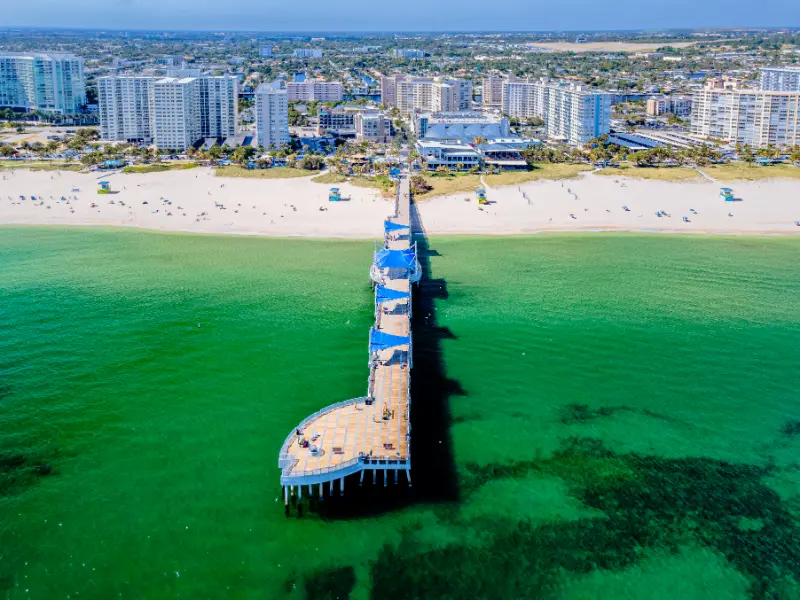
Sample-McDougald House Museum works best when you plan it as part of a real Broward County day rather than as an isolated map pin. The attraction itself may be compact, but traffic, heat, parking, opening windows and the pace of your group still determine whether the visit feels relaxed or rushed.
This guide is written for first-time visitors, families, teenagers, senior travelers and mixed-age groups. The goal is not to fill every minute; it is to help you decide how long the stop deserves, what is genuinely worth prioritizing and how to fit it into a realistic South Florida day.
Quick planning summary
- Best for: historic-house fans, architecture lovers, couples, senior travelers, families studying local history and visitors who prefer a focused one-hour cultural stop.
- How much time: 1–1.5 hours.
- Current cost: Current home-tour admission is $15 per adult, $5 for children ages 5–12, and free for members and children under 5. Special events can have separate pricing.
- Current hours: The house is currently open Tuesday–Saturday from noon to 4 p.m. with guided tours beginning at noon, 1 p.m., 2 p.m. and 3 p.m. It is closed Sunday and Monday.
- Address: 450 NE 10th Street, Pompano Beach, FL 33061.
Why this place is worth including
Built in 1916, the Sample-McDougald House offers a very different Broward experience from beaches and wetlands. The value is not sheer size; it is the ability to understand early Pompano-area domestic life through one preserved home, guided interpretation and a compact landscaped setting at Centennial Park.
It is also useful because it adds contrast. A strong Florida itinerary should not repeat the same type of experience every day. Mixing coast, wetlands, local history, art and relaxed neighborhood stops keeps the trip more interesting and gives you alternatives when weather changes.
What is actually worth prioritizing?
Prioritize a scheduled house tour. The house makes far more sense when rooms are explained in sequence, especially if this is your first historic-house museum in South Florida.
If you only have an hour, choose one clear objective and leave once you have achieved it. If you have more time, add interpretation, photography or a break rather than simply adding another checklist item.
Best things to do and how to experience them
Take a guided house tour
Tours currently begin on the hour during opening periods, so the easiest plan is to arrive 10–15 minutes early rather than halfway through a time slot. The guided format helps connect architecture, family history and regional development.
Listen for how the house was used rather than focusing only on furniture. Daily routines, building materials and room functions often reveal more about early Florida life than individual decorative objects.
Look closely at the architecture
Historic houses are useful because they make climate adaptation visible. Porches, window placement, circulation and room arrangement show how people managed heat and social life before modern air-conditioning became standard.
Take a slow exterior walk before or after the tour so you can connect the floor plan described inside with the actual building form.
Use accessibility information before arrival
The museum currently provides a zero-entry ramp and a lift to the first floor, accessible parking and accessible restrooms. The second floor is reached by stairs, but photographs of upstairs spaces are displayed for visitors who cannot climb.
That makes this a better historic-house option than many older buildings, but travelers with specific mobility needs should still call ahead so staff can prepare appropriate assistance.
Pair the house with modern Pompano Beach
A short historic-house visit is easy to combine with a contemporary arts stop, lunch or the coast. Keeping the second activity different prevents the day from feeling like a sequence of small museums.
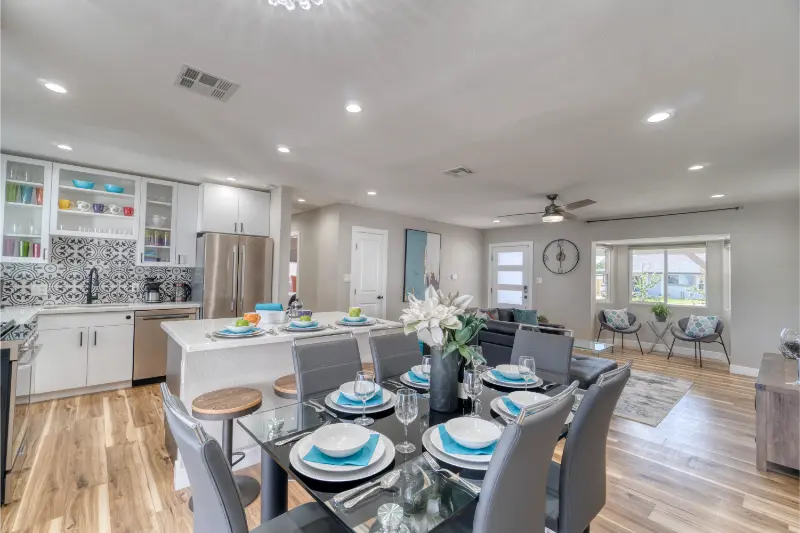
For a balanced itinerary, use the house for history and choose beach, public art or an outdoor waterfront walk afterward.
How much time do you really need?
Planning tipFor most visitors, 1–1.5 hours is a realistic range. Use the shorter end if this is a secondary stop and the longer end if you are joining a tour, activity, workshop or simply prefer to move slowly.
Add at least 20–30 minutes of buffer before any timed reservation afterward. Small attractions are exactly where travelers tend to overpack the schedule because they underestimate parking, restrooms, heat and the time it takes a mixed-age group to regroup.
Current practical information
Hours: The house is currently open Tuesday–Saturday from noon to 4 p.m. with guided tours beginning at noon, 1 p.m., 2 p.m. and 3 p.m. It is closed Sunday and Monday.
Admission and activity costs: Current home-tour admission is $15 per adult, $5 for children ages 5–12, and free for members and children under 5. Special events can have separate pricing.
Location: 450 NE 10th Street, Pompano Beach, FL 33061.
Hours, prices, programs and individual facilities can change after this guide is published. If one specific feature is the reason for your visit, check the official source on the day you travel rather than relying on an old screenshot or map listing.
Getting there, parking and local driving
Broward County looks compact on a map, but travel time varies with commuter traffic, school dismissal, beach congestion, major events and summer storms. Avoid building a schedule that depends on perfect driving conditions. When possible, group attractions by the same part of the county rather than crossing east to west more than once in a day.
Save the exact address—450 NE 10th Street, Pompano Beach, FL 33061—before leaving the hotel. Broward County contains many similarly named parks, civic centers and cultural facilities, and a broad map search can place you at the wrong entrance or parking lot.
Best time of year
November through April usually brings lower humidity and more comfortable outdoor conditions in South Florida. Winter is also the busier visitor season, so roads, hotels and popular attractions can be more crowded. From May through October, start outdoor sections earlier, carry water and keep an indoor or shaded backup because heat and thunderstorms can change the day quickly.
Best time of day
For indoor cultural stops, midday is often ideal because it protects the hottest part of the day for air-conditioned sightseeing. If the venue stays open later, late afternoon can also be quieter after school and lunch traffic changes.
Always work backward from the least flexible element—last tour, workshop start, animal program, sunset, or gate closing—rather than from the general idea that you have ‘the whole afternoon.’
Families with children
The tour works best for children who can listen for about 45–60 minutes. Give younger visitors a simple search task—old kitchen tools, window features or objects that predate electricity—to keep the rooms meaningful.
A useful family rhythm is one main activity, one food or movement break and one optional second activity. Children usually remember one strong experience better than six rushed stops.
Teenagers
Teenagers interested in architecture, social history or photography may find the house more engaging than a general local-history museum because the story is anchored to a real domestic space.
Give teenagers ownership of one decision—the photo goal, route, favorite artwork, historical question or next stop. That small amount of independence can improve the day more than adding another attraction.
Senior travelers and multigenerational groups
This is a strong senior-friendly cultural stop thanks to its compact scale and first-floor accessibility features. Plan enough time to use the lift without feeling rushed between tour times.
For multigenerational trips, agree on a precise meeting point if the group splits. One person may want to read every label while another prefers a bench, garden, trail or café break.
Accessibility and comfort
A zero-entry ramp and lift provide access to the first floor, and accessible parking and restrooms are available. The second floor is stairs-only, with photographs used to interpret upstairs rooms for visitors who cannot access them physically.
Accessibility in Florida is not only about steps. Heat, humidity, rain, restroom distance, slopes, wet surfaces and the distance from parking to the main experience can matter just as much as formal wheelchair access.
Heat, rain and hurricane-season planning
South Florida weather changes quickly. Lightning is more important than light rain: leave exposed water, open fields, elevated viewpoints and long boardwalks when thunder approaches. After tropical weather, a park or museum may reopen while one trail, program or building remains unavailable, so check same-day notices when a particular feature matters to you.
Budget and value
The best value comes from matching the stop to your interests, not from maximizing hours. A free one-hour museum or short nature walk can be more memorable than an expensive attraction your group did not really want. Include parking, activity fees, food and transportation when comparing the true cost of a day.
Food, water and restroom strategy
Do not assume every park or small museum has a full café. Carry water, especially for outdoor stops, and use nearby restaurants as a deliberate break rather than waiting until everyone is tired. If your day includes a timed tour or activity, eat before it or leave a generous gap afterward instead of squeezing a meal into the check-in window.
Photography tips
The exterior, porch lines and period details are natural photo subjects. Ask your guide about indoor photography rules before taking close images of artifacts.
Around wildlife, historic objects and working artists, the best photograph is never worth disturbing the subject or blocking other visitors. Follow posted rules and keep pathways clear.
Where to stay
Pompano Beach is the simplest base, while Deerfield Beach and Fort Lauderdale are convenient alternatives for a north-central Broward itinerary.
Choose accommodation based on the majority of the itinerary. Beachfront hotels make sense for repeated ocean time, while inland bases reduce driving when several days focus on western or central Broward County.
How to combine it with other Wonderful Florida guides
Useful already-published guides include Hillsboro Inlet Lighthouse, Deerfield Beach International Fishing Pier, Butterfly World. Use them as next-day ideas or as a second stop only when geography, weather and your group’s energy make the combination sensible.
A realistic three-stop Broward plan
Stop 1: the main attraction
Give this guide’s attraction the first clear block of time rather than squeezing it between errands. Start with the feature that has fixed hours or a scheduled program.
Stop 2: a contrasting experience
Choose one nearby experience that feels different—nature after a museum, art after a park, or a short historic site after an active morning. Contrast is more valuable than simply staying busy.
Stop 3: food, coast or downtime
End with something flexible: a meal, waterfront walk, hotel pool, beach hour or sunset. Keeping the final stop unreserved gives you room to absorb traffic or weather delays earlier in the day.
Who may want to skip or shorten the visit
Shorten the visit if the main theme does not interest your group or if weather, mobility or attention makes the central experience uncomfortable. A small museum, short boardwalk or park should never become a test of endurance simply because it was on the plan.
Travelers with very limited time should protect the experiences that are most specific to their interests. Selective travel is usually better than filling every open hour.
Common mistakes to avoid
- Arriving between scheduled tour times and expecting an immediate house tour
- Assuming the second floor is step-free
- Scheduling the next reservation with no buffer for traffic or parking
- Ignoring heat, lightning or changing weather because the attraction looks small
- Assuming every program operates for all hours that the park or museum is open
- Arriving without checking same-day closures, special events or maintenance notices
- Trying to combine too many Broward County attractions simply because they look close on a map
Practical questions before you go
Do I need to reserve in advance?
Reserve whenever your visit depends on a guided tour, horseback ride, workshop, timed program or limited-capacity activity. General park access and ordinary gallery visits are often more flexible, but the feature you care about most may not be.
Is this a good rainy-day choice?
Indoor museums and galleries are useful in rain, while outdoor parks can still work in light showers if surfaces remain safe. Lightning changes the answer immediately for exposed outdoor areas, so keep an indoor backup.
What should I bring?
For outdoor-heavy visits bring water, sun protection, insect repellent when appropriate, a light rain layer and footwear suited to the actual surface. For museums, a light layer can be useful in strong air-conditioning.
How do I keep the day comfortable with children or senior travelers?
Plan around energy rather than the maximum possible itinerary. One main activity, a real break and one optional second stop usually works better than a chain of rushed attractions.
Can I combine this with the beach?
Usually yes somewhere in Broward County, but geography matters. A short coastal stop can complement an inland attraction; a full beach day plus a major inland park often becomes too ambitious once traffic and weather are added.
Official resource to check before you go
Final thoughts
Sample-McDougald House Museum is most rewarding when you plan around what is distinctive about it rather than using it as another box on a South Florida checklist. Confirm the current access details, protect enough time for the core experience and let your group’s energy decide whether you add anything afterward.
A strong Florida itinerary is built on variety: one day can be coastal and active, another shaded and nature-focused, and another cultural or historical. That mix improves the trip and gives you practical alternatives when weather or traffic changes.