

Where you stay in Crystal River matters more than the hotel brand. The region spreads from Kings Bay and downtown Crystal River south to Homosassa and east toward Inverness, and the right base depends on whether your first priority is a dawn manatee tour, family wildlife attractions, cycling or a quieter waterfront stay.
For most first-time visitors, Crystal River itself is the best all-around base. Homosassa is the stronger choice for river atmosphere and the wildlife state park, while Inverness works better for inland trails and cycling than for early Kings Bay activities.
Quick planning summary
- Best for first-time visitors: central Crystal River
- Best for early manatee tours: Kings Bay / central Crystal River
- Best for Homosassa wildlife and river atmosphere: Homosassa
- Best for cycling and inland Citrus County: Inverness
- Best for road-trippers: US-19 corridor, if you accept less atmosphere in exchange for easy driving
- Ideal stay: 2 nights for first-time sightseeing, 3+ nights for paddling, scalloping or multiple wildlife days
Important current-status note
October 2026 information snapshot: practical details reflect information available in October 2026 and should be checked for the date of travel. Recheck admission, hours, shuttle operations, parking, water access, wildlife closures, weather-related restrictions and tour rules shortly before traveling. Crystal River is a living wildlife destination, so seasonal protections and temporary closures are a normal part of visiting responsibly.
1. Central Crystal River — best all-around base
Choose central Crystal River if your itinerary includes Three Sisters Springs, Kings Bay, guided manatee tours, Hunter Springs Park and downtown restaurants. Shorter morning transfers matter when you need to arrive early, park, check in with an operator and change into water gear.
This area also gives non-driving members of the group a better chance of enjoying part of the town on foot, though you still need a car for Fort Island Gulf Beach, Homosassa and many regional parks.
2. Kings Bay / waterfront lodging — best for water-first trips
Waterfront or bay-adjacent lodging is worth paying more for if you are paddling repeatedly or want immediate access to docks and tour operations. It is less important if you only have one two-hour manatee tour. Compare the premium against how many times you will actually use the location advantage.
Ask whether the property provides a kayak launch, boat dock, equipment storage and parking for trailers if those features matter. “Waterfront” can mean very different things on a map.
3. Homosassa — best for a slower Nature Coast feel
Homosassa is a good base for travelers who prioritize Ellie Schiller Homosassa Springs Wildlife State Park, riverfront dining, fishing or a quieter village atmosphere. It can also reduce driving for trips farther south along the Nature Coast.
The trade-off is morning access to Kings Bay. If your most important booking is a very early Crystal River tour, staying in Homosassa adds a commute and another variable before sunrise.
4. Inverness — best for cycling and inland Citrus County
Inverness is a different experience: lakes, the Withlacoochee State Trail and a more inland downtown setting. Choose it if cycling or east-side Citrus County is central to the trip. Do not choose it only because the room looks cheaper if every day starts on Kings Bay.
5. US-19 corridor — practical for road trips
Chain hotels and motels along the main highway can be convenient for a one-night stop, late arrival or early departure. You gain predictable parking and road access but may lose the sense of being in a spring-and-river destination. This is often a sensible trade for families arriving after dark.
Families
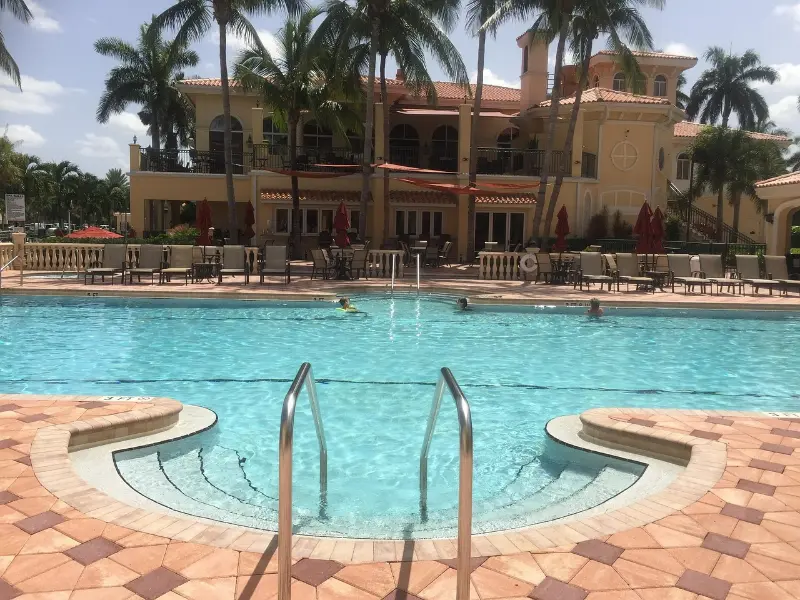
Families should prioritize quiet sleeping arrangements, breakfast availability, a refrigerator, easy parking and a realistic distance from the first activity. A pool can be surprisingly valuable after a structured wildlife morning because children can relax without another drive.
Couples and photographers
Couples may value waterfront atmosphere or walkable dining more than proximity to playgrounds. Photographers should consider how early they plan to reach the boardwalk or launch. Saving twenty minutes before sunrise can matter more than a larger room.
Senior and multigenerational groups
Look for elevator access, walk-in showers, close parking and a lobby or breakfast area where the group can gather. Do not assume a waterfront inn is automatically easier for mobility; older properties can have stairs, narrow paths or uneven docks.
How many nights?
One night is workable for a single tour but feels rushed. Two nights lets you separate the main water experience from Homosassa, archaeology or Fort Island. Three nights is better for weather flexibility and for travelers who want both paddling and land-based wildlife viewing.
When to book early
Book earlier for winter manatee season, school holidays, major local events and scallop season. The exact demand pattern changes year to year, but the principle is stable: if one specific tour or water activity is the reason for the trip, secure that activity and then choose lodging around it.
Budget strategy
Compare total trip cost, not nightly rate. A cheaper room farther away can add fuel, parking and meal costs if you repeatedly return to Crystal River. Conversely, an expensive waterfront premium may not be worthwhile if the group spends most of the day driving to Homosassa, Inverness or Ocala.
Use the itinerary to choose the base
If your first day is our one-day Crystal River itinerary and your second day is Homosassa, central Crystal River usually wins. If the trip focuses on the wildlife state park and river fishing, Homosassa may make more sense. If you are arriving from Ocala and continuing toward the Gulf coast, a highway-access property can be practical for one night.
Official accommodation directory
The official Discover Crystal River lodging directory lists hotels, resorts, vacation rentals, B&Bs, cabins and RV options across Citrus County. Use it to compare areas, then verify cancellation rules and current property details directly before booking.

Common mistakes to avoid
- choosing Inverness for a dawn Kings Bay activity solely because the room is cheaper
- paying a waterfront premium you will not use
- forgetting trailer or kayak-storage needs
- assuming all “Crystal River area” listings are actually near Kings Bay
- booking a non-refundable stay before confirming the wildlife activity that motivated the trip
Final thoughts
Planning tipFor a first trip, stay close to Crystal River and let convenience win. On later visits, choose Homosassa or Inverness when the itinerary becomes more specialized. The best lodging decision is the one that shortens the drive you will repeat, not the one with the most attractive marketing photo.
Booking questions worth asking the property
- Is parking included and can it accommodate a trailer or oversized vehicle?
- How early is breakfast available during winter manatee season?
- Is there a refrigerator for medication, snacks or children’s food?
- Is the advertised waterfront directly accessible or only visible from the property?
- Are elevators or step-free rooms available?
- What is the cancellation policy if a storm changes the trip?
These questions reveal more than star ratings when the trip is built around early water activities and mixed-age travelers.
Practical planning details that make the day easier
Citrus County looks compact on a statewide map, but wildlife sites, city parks, Gulf access and Homosassa are spread along different roads. Plot the exact entrance of every stop before setting the schedule. A short distance can take longer than expected when you are changing from wet gear, waiting for a shuttle, finding metered parking or driving a narrow coastal road.
Keep drinking water, a dry bag, towels, sun protection and a light layer in the car. Waterproof phone cases are useful around springs, but they are not a substitute for securing car keys and medication. Download reservation confirmations and maps before leaving strong cell service. If a wildlife tour is canceled, move to a land-based attraction rather than trying to recreate the same activity independently.
Leave at least one unbooked block each day. Wildlife, weather and water access are not controlled by a vacation calendar. A flexible afternoon protects the trip when a cold front closes a spring basin, a thunderstorm delays a paddle or a child decides that two hours in cool water was enough.
Final planning checklist
- recheck the official page the day before travel
- confirm parking and arrival instructions
- save tickets or reservations offline
- pack sun protection and dry clothing
- keep one weather backup available
- do not schedule another fixed activity immediately after a wildlife tour
A little preparation matters more in Crystal River than in a conventional city attraction because the destination depends on water, wildlife and weather. Build the plan around those realities and the day becomes much easier for every age group.
How to make the visit work in real life
The most useful way to plan this part of the Nature Coast is to separate what is fixed from what is flexible. A paid tour, timed shuttle or museum schedule is fixed. Wildlife sightings, weather, water clarity and how long a child wants to stay in cool spring water are not. Put only one or two fixed commitments into the day, then use parks, downtown walking, scenic drives or meals as flexible blocks around them. This prevents a twenty-minute delay from turning into a chain of missed reservations.
Driving also deserves more attention than it appears to on a map. Crystal River, Homosassa, Fort Island and the inland side of Citrus County are close enough to combine, but not so close that constant backtracking is efficient. Group the day geographically. If the morning is on Kings Bay, stay in Crystal River for lunch and nearby attractions. If the afternoon moves toward Homosassa, finish the day there rather than returning north for a minor stop. If Fort Island is the sunset goal, save it for the final driving block instead of visiting at noon and then repeating the same road later.
For families and multigenerational groups, define the non-negotiable need of the least flexible traveler before booking. That may be a toddler nap, accessible restroom, medication schedule, fear of deep water or limited walking endurance. Then choose the wildlife format around that constraint. A boardwalk visit that everyone enjoys is better than a snorkel tour that half the group endures. Likewise, a shorter paddle can be a better family memory than a long route that ends with tired children and stressed adults.
Keep a small dry kit in the vehicle: towels, a warm layer, spare socks, drinking water, sunscreen, insect repellent and a plastic bag for wet clothing. Even on hot days, spring-fed water can leave swimmers chilled after they exit, and winter mornings can feel much colder on a boat than in the parking lot. The extra gear is inexpensive insurance against the most common comfort problems.
Finally, check the official source twice: once when you build the itinerary and again shortly before departure. The first check tells you whether the activity belongs in the trip; the second tells you what is actually operating. This matters especially for wildlife closures, hurricane recovery, boat service, seasonal parking and construction. Treat the 2026 details in this article as a planning baseline, not a promise about a 2028 operating day.