Category: Homosassa Florida

  • Three Days in Crystal River and Homosassa: Manatee Conservation, Springs and Old Florida Nature

    Three Days in Crystal River and Homosassa: Manatee Conservation, Springs and Old Florida Nature

    Crystal River and Homosassa offer a different Florida vacation from beaches and theme parks. Freshwater springs, tidal rivers and protected manatee habitat shape the landscape, while small communities provide places to eat, walk and learn about the region's ecology. Three days here are best organized around respectful wildlife watching, one river-focused outing and a relaxed day that leaves room for changing weather. The most important planning point is that seeing manatees and entering the water are not the same thing. Wildlife protection rules, seasonal closures and visitor access differ from place to place. A comfortable, memorable visit starts by understanding those differences.

    Three-day itinerary at a glance

    DayRecommended focusEasy alternative
    Day 1Three Sisters Springs land visitBoardwalk and Crystal River town
    Day 2Homosassa Springs and riverWildlife education or public viewpoint
    Day 3Permitted guided paddling or town heritageChoose land-based activities instead

    Begin with the seasons and access rules

    Manatees often gather in spring-fed waters when colder Gulf conditions make warm-water refuges especially important. Winter can therefore be an appealing season for viewing, but the animals are wild and cannot be guaranteed on any date. In warmer seasons you can still appreciate the springs and waterways without expecting a dense gathering of animals. Before traveling, read the U.S. Fish and Wildlife Service's Crystal River National Wildlife Refuge information. The rules for paddling, swimming and protected areas can change, particularly during cold weather when officials protect manatees from disturbance.

    Do not assume that an admission ticket to Three Sisters Springs includes swimming from the boardwalk property. Its land-access site provides overlooks and trails, while in-water visitors use designated launches elsewhere on Kings Bay under separate rules. The City of Crystal River and the refuge provide current guidance. This distinction is essential for families and anyone who wants a land-based nature visit. A person who does not swim can still enjoy excellent habitat viewing from approved overlooks, often with far less expense and preparation than a guided in-water activity.

    Day one morning: Three Sisters Springs from land

    Start with a land visit to Three Sisters Springs, reserving time for the boardwalk and wetland habitat. Check the current ticketing or shuttle arrangement through the City of Crystal River; visitors may need to begin at a designated center rather than driving directly to the refuge gate. The boardwalk provides viewing points over the protected spring complex, and staff or volunteers may offer ecological interpretation depending on the day. The surrounding habitat is worth attention even when no manatees are visible. Look for birds, vegetation and the relationship between spring water and the estuary.

    Travelers with mobility needs should examine the current accessibility map rather than assuming every trail is paved. The boardwalk has accessible elements, but surrounding paths can vary in surface. Allow room for seated rest and avoid demanding a full walk through every part of the property. Children can enjoy comparing different shades of water and learning why feeding or touching manatees harms them. Bring binoculars if you have them; standing back with a view is preferable to crowding a rail. Plan the morning as a learning experience, not a wildlife show with a guaranteed performance.

    Day one afternoon: Crystal River's small-town waterfront

    After the refuge, spend the afternoon around downtown Crystal River or another lawful public waterfront area. Independent shops, casual restaurants and small streets offer an easy shift from the concentration of the nature visit. The Kings Bay landscape is more complex than a swimming beach: it includes navigable waterways, docks, conservation zones and designated launches. Observe boating activity from public places and keep children away from unsecured edges. If your group likes local history, look for an interpretive venue or display that is open on your date rather than relying on a specific museum's hours without checking them.

    A relaxed lunch and short waterfront walk can be enough. Winter visitors may want to finish daylight activities early, while summer visitors may need an air-conditioned break from heat and thunderstorms. Travelers with a cane or walker should identify a comfortable parking place and a short level route before arriving. If you stayed in a roadside hotel outside downtown, consider whether returning to the room between activities saves everyone energy. The purpose of the first day is to understand the area's manatee habitat and settle into the town, not to squeeze in a boat charter and another spring excursion before sunset.
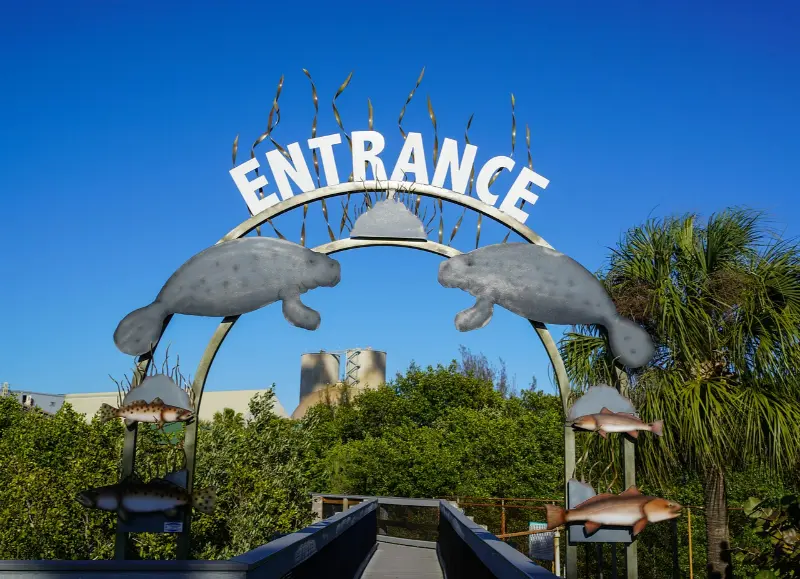
    Florida Manatee Rescue Entrance

    Day two: explore Homosassa's character

    On the second day, head toward Homosassa, where natural springs, river scenery and working waterfront traditions create a different impression from Crystal River. Homosassa Springs Wildlife State Park is a prominent educational destination, with opportunities to learn about Florida wildlife in an organized setting. Confirm park transportation, operating hours, admission and exhibit availability on the official Florida State Parks website. The park provides an alternative for people who prefer land-based wildlife learning rather than entering the water. Its animals and habitats should be understood in the context of conservation, not as replacements for seeing healthy wild animals living undisturbed.

    Allow most of the morning for the park and a slow lunch. Families may value interpretive exhibits that make Florida ecology accessible to school-age children; adults can focus on wetland plants and the area's relationship to spring-fed rivers. Visitors with limited mobility should ask which viewing routes and vehicles meet their needs. Some natural settings have boardwalks but also changes in elevation or distance between features. Do not assume that every attraction in the region shares identical accessibility. A deliberate park morning with a quiet afternoon usually works better than chasing a second distant attraction just because there is daylight left.

    Day two afternoon: the river without crowding wildlife

    Spend the afternoon watching the Homosassa River landscape from an approved public location or, if appropriate, joining a guided boat excursion. Ask providers about boat size, shade, life jackets, boarding steps, access to restrooms and how they handle encounters with protected animals. Even on guided outings, manatees, dolphins and birds appear on their own schedule. Operators should follow federal and state wildlife rules and avoid harassment. Any promise of touching, chasing or feeding manatees is a warning sign rather than a selling point. Photographs are valuable only when they do not interfere with animals' natural behavior.

    Visitors who prefer a gentler afternoon can enjoy a restaurant near the water, a short heritage stop or an hour at their lodging. If anyone in the party is easily fatigued, skip the boat tour without feeling that the trip is incomplete. If children want more action, look for an age-appropriate educational program rather than an unsupervised swim in river channels. Tides, vessel traffic and currents demand respect. The attraction of Homosassa is its living landscape; watching it calmly often teaches more than trying to create a close animal encounter.

    Day three: choose paddling, heritage or a restful spring morning

    Use your final full day for one activity, chosen according to the weather and your group's abilities. Confident paddlers may consider a guided route in permitted waterways, but launching areas and seasonal manatee closures must be verified. People inexperienced with current, boat traffic or warm-weather exertion should not treat a kayak as a casual toy. A guide can help interpret wildlife rules, yet participants still need suitable safety equipment and a realistic understanding of their stamina. Always tell someone your route and expected return, and never attempt to enter protected spring sanctuaries when closed.
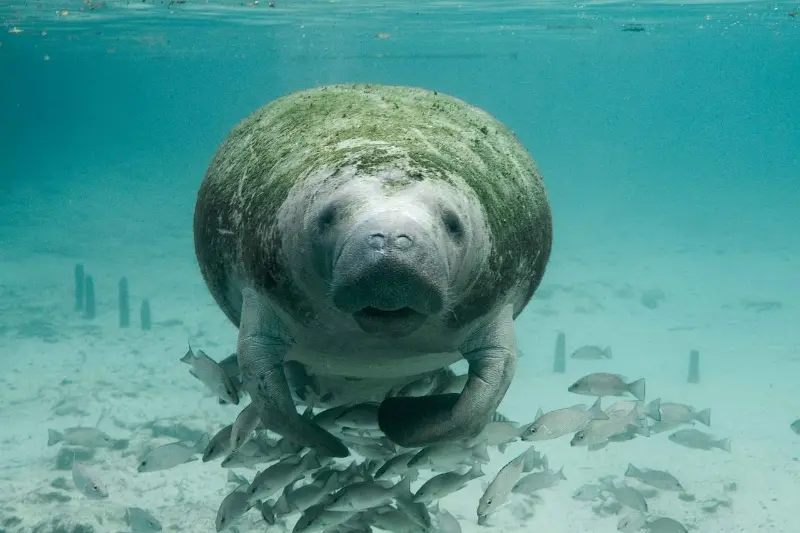
    Manatee Swimming toward Camera Underwater

    For a land-based alternative, revisit an accessible springs viewpoint, explore an open local heritage site or spend time in a riverside park. A traveler who cannot board a kayak can still have a complete three-day vacation centered on the refuge, wildlife park and town. Families might use this day as a lighter finish with time for packing, while a couple could choose a long riverside lunch. Keep the afternoon flexible if your departure requires driving toward Tampa, Orlando or another part of Florida. A quiet final morning is especially valuable after two days of walking and warm weather.

    Where to stay: Crystal River, Homosassa or the highways

    Crystal River is practical for visitors whose main objective is the refuge and Kings Bay. Homosassa may suit travelers who want to focus on its springs, wildlife park or river environment. Lodgings along the main highways can be convenient for road trips, but they may not allow pleasant walking to dinner. Check the exact property location and whether you will need a car for almost every activity. A rental near the water is not automatically a safe swimming property; some waterfronts are canals or active boat routes. Ask about permitted access, boat lifts and shoreline conditions before booking.

    Compare the final price, including parking, taxes and required charges. A kitchen can be valuable for multi-generational groups, particularly when children need early meals. Couples may prefer a small hotel with less housekeeping. Ask for written confirmation of accessible bathrooms, steps or elevators if needed. In winter, demand near manatee attractions may affect availability and rates; reserve flexible lodging early if your dates are fixed. Summer brings storm considerations, so review cancellation policies and official forecast guidance. Good accommodation here emphasizes comfort and convenience over an unrealistic promise of wildlife outside every window.

    Protecting manatees and other wildlife

    Manatees are federally protected, and the region's conservation rules are designed to prevent disturbance, especially when cold weather makes warm spring refuges essential. Never feed, touch, pursue, surround or block the travel path of a manatee. Keep a respectful distance and obey instructions from refuge personnel and authorized operators. A calm animal does not grant permission for human contact. In-water recreation is subject to designated areas and closures, so consult current refuge guidance immediately before paddling or swimming. Educate children in advance; watching an animal from afar is the right way to demonstrate respect.

    The waterways also support birds, fish, turtles and vegetation sensitive to propellers and anchors. Stay within designated channels, avoid damaging seagrass and dispose of all fishing line and trash properly. If you see a distressed animal, contact the relevant wildlife authority rather than intervening. Photographers should avoid pressuring an animal for a better angle. Respect private docks and residential shorelines as well. These practices help maintain the natural qualities that make Crystal River and Homosassa worth visiting, and they protect visitors from taking unnecessary risks around wild animals.

    All-ages planning and accessible alternatives

    A mixed-age group can share the Three Sisters Springs boardwalk, a wildlife education stop and a waterside meal without anyone needing to swim. For a preschooler, a short morning and predictable snack break may be ideal. School-age children might enjoy wildlife interpretation and identifying bird species. Teenagers may prefer a permitted guided paddling experience; adults should verify fitness and age rules. Seniors or visitors recovering from injury can focus on viewpoints, museums and comfortable restaurants. The ability to see spring habitat from land makes the region appealing to people who do not want strenuous boating.

    Mobility information should be precise. Check shuttle boarding arrangements, available seating, restroom locations, boardwalk widths and any gravel trail surfaces before buying tickets. If someone uses a wheelchair, ask about the exact area and route they can access, not just whether the site is generally accessible. Plan an indoor backup for thunderstorms. Heat can be tiring even in a naturally shaded environment, and water safety is relevant year-round. One meaningful attraction per day, followed by rest and a modest second activity, usually offers better comfort than an ambitious timetable.

    Costs, transport and weather contingencies

    Expect expenses for lodging, meals, car travel, land-entry tickets, and any guided boating or paddling tours. Viewing the refuge from land may be more economical than booking several water activities, but compare official rates close to travel. Water operators may have their own equipment and cancellation charges. A visitor budget should also allow for parking and transport to a designated entry center. Do not rely on an outdated article for exact manatee-season admission prices or sanctuary access; official city and refuge pages are the right sources for current policies.

    Cold winter weather is relevant because it changes manatee movements and protection measures; summer weather matters because thunderstorms, heat and high humidity affect water outings. During hurricane season, monitor forecasts and local emergency instructions. If a boat trip is canceled, substitute an indoor or land-based experience rather than taking avoidable risks. Before departure, save the Three Sisters Springs admission and shuttle information, Homosassa Springs Wildlife State Park visitor details, and any tour confirmation. This three-day region rewards care: respect the animals, accept that sightings vary, and take pleasure in springs and river landscapes on their own terms.

    Frequently asked questions

    Does a Three Sisters Springs boardwalk ticket include swimming?

    No. Land access and in-water activities use different entry arrangements and regulations.

    Are manatees guaranteed in winter?

    No. They are wild and move according to environmental conditions; respect closures and viewing rules.

    Can I plan three days without a boat?

    Yes. Boardwalks, a wildlife park, small-town stops and riverside meals can fill a gentle visit.

    Official visitor information

  • Florida Nature Coast Road Trip: Six Days From Homosassa to Cedar Key

    Florida Nature Coast Road Trip: Six Days From Homosassa to Cedar Key

    Between the large resorts of Tampa Bay and the better-known beaches of the Panhandle, Florida’s Nature Coast reveals a quieter side of the Gulf. Springs emerge from limestone, rivers wind through forests and small waterfront communities preserve a slower pace of life. A journey from Homosassa through Crystal River, the lower Suwannee country and Cedar Key is not the trip for nightclub seekers or travelers who want an endless row of beachfront towers. It is well suited to people who enjoy wildlife, simple seafood meals, local history and the pleasure of stopping when a view deserves more time.

    This six-day route deliberately leaves room for unpredictable weather and wildlife. Manatee sightings vary by season, tides affect some waterways, and small-town opening hours can be limited. Rather than guaranteeing a close encounter or a particular boat trip, the itinerary provides good bases and alternative choices so families, couples and older travelers can enjoy the region at their own rhythm.

    Plan the route and decide where to sleep

    Begin in Homosassa or Crystal River, move north toward the Suwannee River and finish at Cedar Key. You can do the drive in a much shorter time, but that would miss the point: the value of the route lies in exploring the places between the major stops. A car is extremely helpful because public transport does not link the smaller parks, coastal roads and lodging areas in a way that suits a standard sightseeing vacation.

    Two nights around Homosassa or Crystal River, one or two nights in the Chiefland or Fanning Springs area and two nights in Cedar Key make a sensible pattern. Travelers who dislike moving luggage can instead stay longer in Crystal River and choose day trips, accepting more driving. Look for accommodation with air conditioning, parking, reliable communication and dining nearby. Waterfront rentals can be charming but may be far from stores, restaurants and the nearest medical or transport services.

    Before booking Cedar Key, confirm the specific property’s condition and current access arrangements. Coastal communities can be affected by storms and repairs, and availability can change. A newly reopened restaurant or pier may not have the same hours or services shown in older travel photographs. Contact small operators directly when an activity is essential to your plans.

    Day one: settle into Homosassa and explore river country

    Arrive in Homosassa early enough to have a leisurely meal and a look at the riverside setting. The town’s appeal is not an urban shopping district; it comes from waterways, boats, working coastal culture and nearby wildlife sites. Choose a short outing rather than attempting a complicated paddling excursion immediately after the drive. A waterfront meal can be a useful first introduction to the region, especially if everyone is adjusting to Florida’s weather.

    Homosassa Springs Wildlife State Park offers a chance to learn about native wildlife in a managed setting. Check current exhibits, visitor access and whether any transport options are operating before you go. Families may find that a few hours here give children a better understanding of manatees and Florida habitats than a rushed boat ride where the animals are not visible. Older visitors can arrange a shorter experience instead of trying to see everything.

    For the evening, seek a comfortable view over the river and let the first day finish early. Florida’s coast can feel very quiet after dark away from the main resort centers. Having dinner plans confirmed is more useful than relying on an advertised restaurant that might close early on weekdays.

    Day two: Crystal River, springs and manatee etiquette

    Spend the morning in the Crystal River area. During cooler months, manatees may gather in spring-fed waters, making winter one of the most rewarding times to look for them. Three Sisters Springs is particularly well known for above-water viewing from designated boardwalk areas when public access is available. The reserve and its managed access procedures can change with conservation requirements, so check the official pages before setting out: Crystal River National Wildlife Refuge.

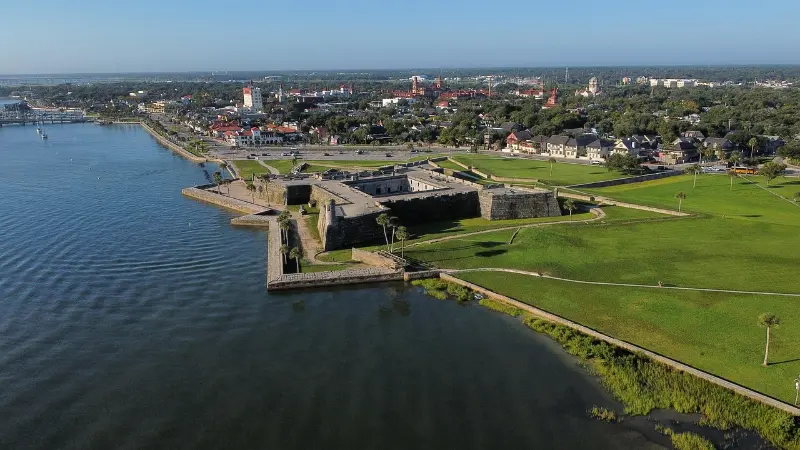
    Florida River Estuary Nature Reserve Aerial

    Wildlife is not a scheduled performance. Even during winter, a particular animal sighting cannot be guaranteed. Watch quietly and avoid crowding or touching manatees. Feeding or giving them water is prohibited; pushing toward a resting animal can change its behavior and endanger it. The Florida Fish and Wildlife Conservation Commission’s manatee viewing guidelines are worth reading even if your group plans only to observe from shore.

    In warmer months, when many manatees are dispersed, make spring landscapes and local history the main attractions. Choose a scenic boat outing only with a reputable operator who explains conditions and wildlife rules clearly. Some travelers are happier with a dry, land-based viewpoint than with snorkeling or paddling; nobody has to enter the water to appreciate this region.

    Day three: the archaeology and landscape of the Crystal River area

    Give the day a different focus. Crystal River Archaeological State Park preserves evidence of long-standing Indigenous presence along the coast. Reading interpretive material and looking over the site can broaden the story of Florida beyond beaches and modern attractions. Treat archaeological places respectfully: stay on designated paths, don’t collect artifacts and explain to children why sites associated with earlier communities deserve care.

    If your group wants more nature afterward, consider a short trip into nearby forested or wetland landscapes rather than another long water excursion. For families, a small trail with clear signs can become a scavenger hunt for leaves, bird calls or different tree shapes. For photographers, early or late light often gives a richer sense of the landscape than bright midday sun. An accessible outing should be selected according to current path conditions, not an assumption that all nature trails are smooth.

    This is also a useful laundry or rest afternoon before continuing north. Travelers on a road trip tend to underestimate the time needed for groceries, petrol, packing and a quiet meal. Using a middle day for those practical tasks makes the next move more enjoyable.

    Day four: Fanning Springs and the Suwannee River

    Drive north toward the Suwannee River area. Fanning Springs and nearby communities provide a change from coastal marshes to spring water and wooded river scenery. Pick one state park or river viewpoint rather than trying to tour several facilities in an afternoon. In some places swimming is popular, but a visit can still revolve around walking, looking at the water and learning about the limestone landscape.

    River levels, current, water quality and park access can change. If paddling is important, ask a local outfitter whether the selected route suits the experience of your whole group. A family with a small child or an older traveler who prefers stable footing may enjoy the river more from a dock or shaded picnic area. Never assume a spring’s clear appearance makes every part of the water safe for an inexperienced swimmer.

    Stay near Chiefland or another practical base with evening dining options. This part of the route is less developed for tourists than major beach centers, which is part of its character and also means you should plan fuel, meals and hotel check-in rather than hoping to discover everything spontaneously after sunset.

    Day five: Lower Suwannee landscapes and the road to Cedar Key

    Check the Lower Suwannee National Wildlife Refuge visitor guide for permitted roads and trails. Allow time for Lower Suwannee National Wildlife Refuge, where forests, waterways and bird habitats show the ecological breadth of the Nature Coast. Choose official roads and trails, respecting weather closures and wildlife protection notices. A slow scenic drive with a few short stops may suit a mixed-age group better than a long hike. Bring binoculars: looking at a distant bird through lenses is kinder to the animal and more enjoyable than approaching until it flies away.

    Then continue to Cedar Key, a small island community where the waterfront, working heritage and changing light are the attraction. It is not a wide, white-sand resort destination like Destin. That distinction matters when choosing a hotel and setting expectations for children. Look for the details: docks, low buildings, salt air, seafood, boats and a sunset that changes the colors of the water.

    Arrive well before dinner, park once if your accommodation permits and walk a short section of town. Ask local businesses about current opening times and conditions. If repairs or temporary closures affect an attraction, use the afternoon for the waterfront and a leisurely meal rather than driving long distances to fill an empty slot.

    Day six: Cedar Key history, birds and a slow departure

    The last morning should be flexible. If local museums are open, they can help explain Cedar Key’s past as a working settlement connected to fishing, trade and transport. Check opening days before making a museum the center of your schedule; small attractions may run fewer hours than visitors expect. Families might enjoy looking for shorebirds and learning the difference between wading birds and gulls. If the group has little interest in museums, choose a peaceful morning around the water instead.

    People who enjoy paddling can ask locally about conditions, launch locations and appropriate routes, but tidal waters are not suitable for an improvised first outing. Weather, boat traffic and exposed channels demand judgment. For a low-effort option, a knowledgeable guided boat tour may offer valuable context when conditions permit. Anyone susceptible to motion sickness should ask about vessel size, duration and weather arrangements before paying.

    Leave enough time to reach the next destination in daylight. The Nature Coast rewards an unhurried driver, but wildlife, narrow roads and unfamiliar turnoffs can complicate navigation after dark. Offline maps are useful when mobile reception is inconsistent.

    When to visit and what changes by season

    Late fall through spring often brings more comfortable temperatures for walks and birdwatching than midsummer. Winter is particularly interesting for manatee observation in appropriate areas, although cold fronts can alter the feel of the coast and water activities. Summer may provide long days and lush scenery but also oppressive humidity, insects, thunderstorms and high afternoon heat. Hurricane season calls for a flexible booking approach, a weather check and awareness of local evacuation guidance.

    If seeing manatees is the main reason for visiting, treat the trip as a winter nature vacation and accept that the animals make their own choices. If boating and relaxed waterfront meals are the priority, the best dates may be different. Around holiday weekends, book ahead: small towns have fewer accommodation options and can feel busy when many visitors arrive at once.

    Costs, comfort and accessible choices

    Costs usually come from lodging, car rental, fuel, meals, park entry and any guided outing. A day spent driving scenic roads or visiting inexpensive public spaces can balance a paid wildlife experience. Do not compare the region only with theme park ticket prices; the Nature Coast’s value is the slower atmosphere and the chance to enjoy outdoors without constant bookings.

    Older travelers or visitors with limited mobility should favor accommodations with step-free entry, parking close to the room and a shower arrangement that matches their needs. Wildlife boardwalks vary in surface and access, and a dock may not have accessible boarding. Ask specifically about walking distances and restroom locations. Families need sun protection, insect repellent, water and a plan for shade; a charming waterfront street can become uncomfortable quickly at midday.

    Travel responsibly in sensitive habitats

    Do not touch manatees, approach nesting birds or collect plants and animals. Stay on established routes through marshes and forest, and don’t feed wildlife. Keep dogs leashed where permitted and check pet rules before entering a refuge or state park. If a place seems quieter than a famous beach, that doesn’t mean its wildlife is less vulnerable to disturbance. Travel gently and use reputable local services that explain conservation responsibilities.

    This trip works best when you allow a spring, a river and a coastal community to stand on their own merits. What makes the Nature Coast memorable is not a checklist of landmarks, but the combination of clear water, historic landscapes, human-scale towns and enough empty space in the day to notice them.

    Frequently asked questions

    What time of year is best for watching manatees?

    Cooler months are generally the most promising, because manatees may seek warmer spring-fed waters when surrounding temperatures fall. Sightings cannot be guaranteed, and protected zones or access arrangements may change. Use official wildlife-watching guidance before planning any encounter.

    Do we need a boat to enjoy the Nature Coast?

    No. Riverfront towns, archaeological sites, overlooks, wildlife refuges and springs offer worthwhile land-based days. A boat tour can add another perspective, but anyone prone to motion sickness or with boarding difficulties can skip it without losing the character of the journey.

    Is this six-day route suitable for grandparents?

    It can be if lodging is convenient and the group chooses short walks and scenic drives over intensive hiking. Check gravel road surfaces, bathroom availability and distances between stops in advance. In summer, finish outdoor activities early and include shaded or indoor breaks.

  • Where to Stay in Crystal River & Homosassa: Best Areas for Manatees, Families, Waterfront and Road Trips

    Where to Stay in Crystal River & Homosassa: Best Areas for Manatees, Families, Waterfront and Road Trips

    Where you stay in Crystal River matters more than the hotel brand. The region spreads from Kings Bay and downtown Crystal River south to Homosassa and east toward Inverness, and the right base depends on whether your first priority is a dawn manatee tour, family wildlife attractions, cycling or a quieter waterfront stay.

    Explore this guide

    For most first-time visitors, Crystal River itself is the best all-around base. Homosassa is the stronger choice for river atmosphere and the wildlife state park, while Inverness works better for inland trails and cycling than for early Kings Bay activities.

    Quick planning summary

    • Best for first-time visitors: central Crystal River
    • Best for early manatee tours: Kings Bay / central Crystal River
    • Best for Homosassa wildlife and river atmosphere: Homosassa
    • Best for cycling and inland Citrus County: Inverness
    • Best for road-trippers: US-19 corridor, if you accept less atmosphere in exchange for easy driving
    • Ideal stay: 2 nights for first-time sightseeing, 3+ nights for paddling, scalloping or multiple wildlife days

    Important current-status note

    October 2026 information snapshot: practical details reflect information available in October 2026 and should be checked for the date of travel. Recheck admission, hours, shuttle operations, parking, water access, wildlife closures, weather-related restrictions and tour rules shortly before traveling. Crystal River is a living wildlife destination, so seasonal protections and temporary closures are a normal part of visiting responsibly.

    1. Central Crystal River — best all-around base

    Choose central Crystal River if your itinerary includes Three Sisters Springs, Kings Bay, guided manatee tours, Hunter Springs Park and downtown restaurants. Shorter morning transfers matter when you need to arrive early, park, check in with an operator and change into water gear.

    This area also gives non-driving members of the group a better chance of enjoying part of the town on foot, though you still need a car for Fort Island Gulf Beach, Homosassa and many regional parks.

    2. Kings Bay / waterfront lodging — best for water-first trips

    Waterfront or bay-adjacent lodging is worth paying more for if you are paddling repeatedly or want immediate access to docks and tour operations. It is less important if you only have one two-hour manatee tour. Compare the premium against how many times you will actually use the location advantage.

    Ask whether the property provides a kayak launch, boat dock, equipment storage and parking for trailers if those features matter. “Waterfront” can mean very different things on a map.

    Florida Luxury Waterfront Home Swimming Pool

    3. Homosassa — best for a slower Nature Coast feel

    Homosassa is a good base for travelers who prioritize Ellie Schiller Homosassa Springs Wildlife State Park, riverfront dining, fishing or a quieter village atmosphere. It can also reduce driving for trips farther south along the Nature Coast.

    The trade-off is morning access to Kings Bay. If your most important booking is a very early Crystal River tour, staying in Homosassa adds a commute and another variable before sunrise.

    4. Inverness — best for cycling and inland Citrus County

    Inverness is a different experience: lakes, the Withlacoochee State Trail and a more inland downtown setting. Choose it if cycling or east-side Citrus County is central to the trip. Do not choose it only because the room looks cheaper if every day starts on Kings Bay.

    5. US-19 corridor — practical for road trips

    Chain hotels and motels along the main highway can be convenient for a one-night stop, late arrival or early departure. You gain predictable parking and road access but may lose the sense of being in a spring-and-river destination. This is often a sensible trade for families arriving after dark.

    Families

    Families should prioritize quiet sleeping arrangements, breakfast availability, a refrigerator, easy parking and a realistic distance from the first activity. A pool can be surprisingly valuable after a structured wildlife morning because children can relax without another drive.

    Couples and photographers

    Couples may value waterfront atmosphere or walkable dining more than proximity to playgrounds. Photographers should consider how early they plan to reach the boardwalk or launch. Saving twenty minutes before sunrise can matter more than a larger room.

    Senior and multigenerational groups

    Look for elevator access, walk-in showers, close parking and a lobby or breakfast area where the group can gather. Do not assume a waterfront inn is automatically easier for mobility; older properties can have stairs, narrow paths or uneven docks.

    How many nights?

    One night is workable for a single tour but feels rushed. Two nights lets you separate the main water experience from Homosassa, archaeology or Fort Island. Three nights is better for weather flexibility and for travelers who want both paddling and land-based wildlife viewing.

    When to book early

    Book earlier for winter manatee season, school holidays, major local events and scallop season. The exact demand pattern changes year to year, but the principle is stable: if one specific tour or water activity is the reason for the trip, secure that activity and then choose lodging around it.

    Budget strategy

    Compare total trip cost, not nightly rate. A cheaper room farther away can add fuel, parking and meal costs if you repeatedly return to Crystal River. Conversely, an expensive waterfront premium may not be worthwhile if the group spends most of the day driving to Homosassa, Inverness or Ocala.

    Use the itinerary to choose the base

    If your first day is our one-day Crystal River itinerary and your second day is Homosassa, central Crystal River usually wins. If the trip focuses on the wildlife state park and river fishing, Homosassa may make more sense. If you are arriving from Ocala and continuing toward the Gulf coast, a highway-access property can be practical for one night.

    Official accommodation directory

    The official Discover Crystal River lodging directory lists hotels, resorts, vacation rentals, B&Bs, cabins and RV options across Citrus County. Use it to compare areas, then verify cancellation rules and current property details directly before booking.

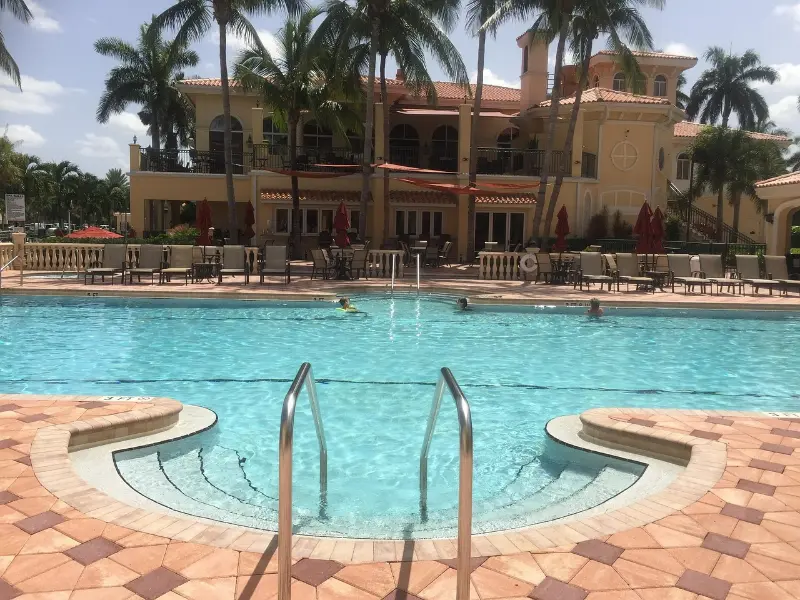
    Florida Resort Hotel Complex with Swimming Pools Aerial

    Common mistakes to avoid

    • choosing Inverness for a dawn Kings Bay activity solely because the room is cheaper
    • paying a waterfront premium you will not use
    • forgetting trailer or kayak-storage needs
    • assuming all “Crystal River area” listings are actually near Kings Bay
    • booking a non-refundable stay before confirming the wildlife activity that motivated the trip

    Final thoughts

    Planning tipFor a first trip, stay close to Crystal River and let convenience win. On later visits, choose Homosassa or Inverness when the itinerary becomes more specialized. The best lodging decision is the one that shortens the drive you will repeat, not the one with the most attractive marketing photo.

    Booking questions worth asking the property

    • Is parking included and can it accommodate a trailer or oversized vehicle?
    • How early is breakfast available during winter manatee season?
    • Is there a refrigerator for medication, snacks or children’s food?
    • Is the advertised waterfront directly accessible or only visible from the property?
    • Are elevators or step-free rooms available?
    • What is the cancellation policy if a storm changes the trip?

    These questions reveal more than star ratings when the trip is built around early water activities and mixed-age travelers.

    Practical planning details that make the day easier

    Citrus County looks compact on a statewide map, but wildlife sites, city parks, Gulf access and Homosassa are spread along different roads. Plot the exact entrance of every stop before setting the schedule. A short distance can take longer than expected when you are changing from wet gear, waiting for a shuttle, finding metered parking or driving a narrow coastal road.

    Keep drinking water, a dry bag, towels, sun protection and a light layer in the car. Waterproof phone cases are useful around springs, but they are not a substitute for securing car keys and medication. Download reservation confirmations and maps before leaving strong cell service. If a wildlife tour is canceled, move to a land-based attraction rather than trying to recreate the same activity independently.

    Leave at least one unbooked block each day. Wildlife, weather and water access are not controlled by a vacation calendar. A flexible afternoon protects the trip when a cold front closes a spring basin, a thunderstorm delays a paddle or a child decides that two hours in cool water was enough.

    Final planning checklist

    • recheck the official page the day before travel
    • confirm parking and arrival instructions
    • save tickets or reservations offline
    • pack sun protection and dry clothing
    • keep one weather backup available
    • do not schedule another fixed activity immediately after a wildlife tour

    A little preparation matters more in Crystal River than in a conventional city attraction because the destination depends on water, wildlife and weather. Build the plan around those realities and the day becomes much easier for every age group.

    How to make the visit work in real life

    The most useful way to plan this part of the Nature Coast is to separate what is fixed from what is flexible. A paid tour, timed shuttle or museum schedule is fixed. Wildlife sightings, weather, water clarity and how long a child wants to stay in cool spring water are not. Put only one or two fixed commitments into the day, then use parks, downtown walking, scenic drives or meals as flexible blocks around them. This prevents a twenty-minute delay from turning into a chain of missed reservations.

    Driving also deserves more attention than it appears to on a map. Crystal River, Homosassa, Fort Island and the inland side of Citrus County are close enough to combine, but not so close that constant backtracking is efficient. Group the day geographically. If the morning is on Kings Bay, stay in Crystal River for lunch and nearby attractions. If the afternoon moves toward Homosassa, finish the day there rather than returning north for a minor stop. If Fort Island is the sunset goal, save it for the final driving block instead of visiting at noon and then repeating the same road later.

    For families and multigenerational groups, define the non-negotiable need of the least flexible traveler before booking. That may be a toddler nap, accessible restroom, medication schedule, fear of deep water or limited walking endurance. Then choose the wildlife format around that constraint. A boardwalk visit that everyone enjoys is better than a snorkel tour that half the group endures. Likewise, a shorter paddle can be a better family memory than a long route that ends with tired children and stressed adults.

    Keep a small dry kit in the vehicle: towels, a warm layer, spare socks, drinking water, sunscreen, insect repellent and a plastic bag for wet clothing. Even on hot days, spring-fed water can leave swimmers chilled after they exit, and winter mornings can feel much colder on a boat than in the parking lot. The extra gear is inexpensive insurance against the most common comfort problems.

    Finally, check the official source twice: once when you build the itinerary and again shortly before departure. The first check tells you whether the activity belongs in the trip; the second tells you what is actually operating. This matters especially for wildlife closures, hurricane recovery, boat service, seasonal parking and construction. Treat the 2026 details in this article as a planning baseline, not a promise about a 2028 operating day.