
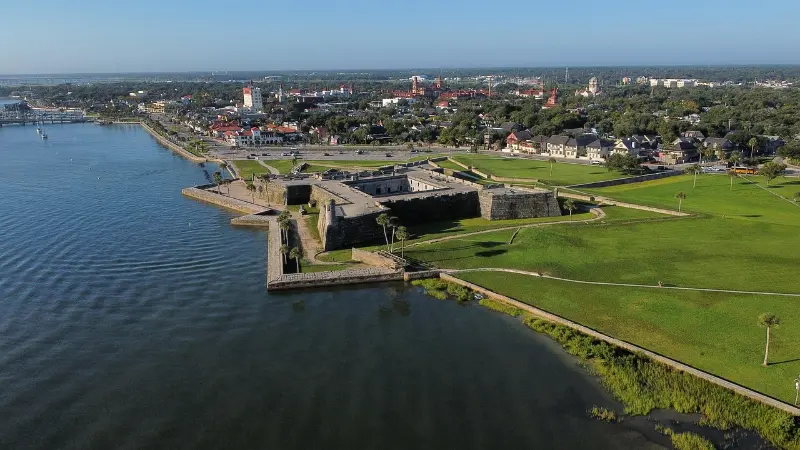
Crystal River and Homosassa offer a different Florida vacation from beaches and theme parks. Freshwater springs, tidal rivers and protected manatee habitat shape the landscape, while small communities provide places to eat, walk and learn about the region's ecology. Three days here are best organized around respectful wildlife watching, one river-focused outing and a relaxed day that leaves room for changing weather. The most important planning point is that seeing manatees and entering the water are not the same thing. Wildlife protection rules, seasonal closures and visitor access differ from place to place. A comfortable, memorable visit starts by understanding those differences.
Three-day itinerary at a glance
| Day | Recommended focus | Easy alternative |
|---|---|---|
| Day 1 | Three Sisters Springs land visit | Boardwalk and Crystal River town |
| Day 2 | Homosassa Springs and river | Wildlife education or public viewpoint |
| Day 3 | Permitted guided paddling or town heritage | Choose land-based activities instead |
Begin with the seasons and access rules
Manatees often gather in spring-fed waters when colder Gulf conditions make warm-water refuges especially important. Winter can therefore be an appealing season for viewing, but the animals are wild and cannot be guaranteed on any date. In warmer seasons you can still appreciate the springs and waterways without expecting a dense gathering of animals. Before traveling, read the U.S. Fish and Wildlife Service's Crystal River National Wildlife Refuge information. The rules for paddling, swimming and protected areas can change, particularly during cold weather when officials protect manatees from disturbance.
Do not assume that an admission ticket to Three Sisters Springs includes swimming from the boardwalk property. Its land-access site provides overlooks and trails, while in-water visitors use designated launches elsewhere on Kings Bay under separate rules. The City of Crystal River and the refuge provide current guidance. This distinction is essential for families and anyone who wants a land-based nature visit. A person who does not swim can still enjoy excellent habitat viewing from approved overlooks, often with far less expense and preparation than a guided in-water activity.
Day one morning: Three Sisters Springs from land
Start with a land visit to Three Sisters Springs, reserving time for the boardwalk and wetland habitat. Check the current ticketing or shuttle arrangement through the City of Crystal River; visitors may need to begin at a designated center rather than driving directly to the refuge gate. The boardwalk provides viewing points over the protected spring complex, and staff or volunteers may offer ecological interpretation depending on the day. The surrounding habitat is worth attention even when no manatees are visible. Look for birds, vegetation and the relationship between spring water and the estuary.
Travelers with mobility needs should examine the current accessibility map rather than assuming every trail is paved. The boardwalk has accessible elements, but surrounding paths can vary in surface. Allow room for seated rest and avoid demanding a full walk through every part of the property. Children can enjoy comparing different shades of water and learning why feeding or touching manatees harms them. Bring binoculars if you have them; standing back with a view is preferable to crowding a rail. Plan the morning as a learning experience, not a wildlife show with a guaranteed performance.
Day one afternoon: Crystal River's small-town waterfront
After the refuge, spend the afternoon around downtown Crystal River or another lawful public waterfront area. Independent shops, casual restaurants and small streets offer an easy shift from the concentration of the nature visit. The Kings Bay landscape is more complex than a swimming beach: it includes navigable waterways, docks, conservation zones and designated launches. Observe boating activity from public places and keep children away from unsecured edges. If your group likes local history, look for an interpretive venue or display that is open on your date rather than relying on a specific museum's hours without checking them.
A relaxed lunch and short waterfront walk can be enough. Winter visitors may want to finish daylight activities early, while summer visitors may need an air-conditioned break from heat and thunderstorms. Travelers with a cane or walker should identify a comfortable parking place and a short level route before arriving. If you stayed in a roadside hotel outside downtown, consider whether returning to the room between activities saves everyone energy. The purpose of the first day is to understand the area's manatee habitat and settle into the town, not to squeeze in a boat charter and another spring excursion before sunset.
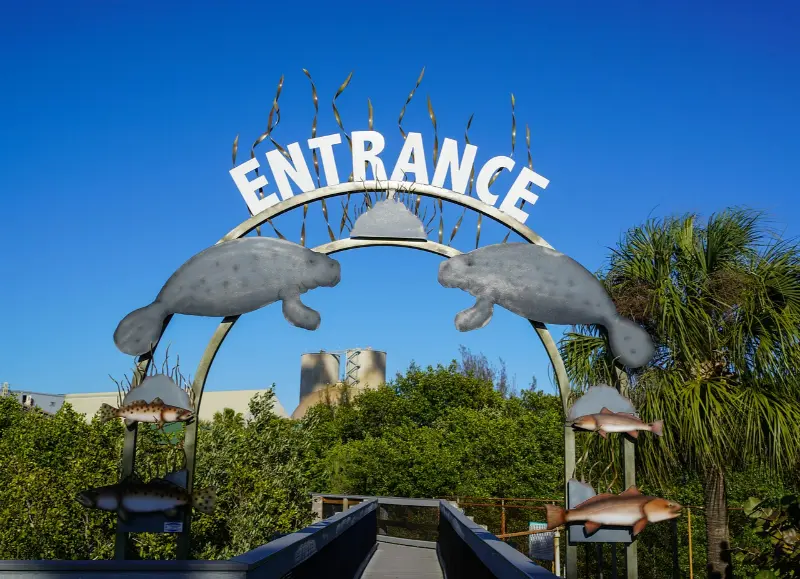
Day two: explore Homosassa's character
On the second day, head toward Homosassa, where natural springs, river scenery and working waterfront traditions create a different impression from Crystal River. Homosassa Springs Wildlife State Park is a prominent educational destination, with opportunities to learn about Florida wildlife in an organized setting. Confirm park transportation, operating hours, admission and exhibit availability on the official Florida State Parks website. The park provides an alternative for people who prefer land-based wildlife learning rather than entering the water. Its animals and habitats should be understood in the context of conservation, not as replacements for seeing healthy wild animals living undisturbed.
Allow most of the morning for the park and a slow lunch. Families may value interpretive exhibits that make Florida ecology accessible to school-age children; adults can focus on wetland plants and the area's relationship to spring-fed rivers. Visitors with limited mobility should ask which viewing routes and vehicles meet their needs. Some natural settings have boardwalks but also changes in elevation or distance between features. Do not assume that every attraction in the region shares identical accessibility. A deliberate park morning with a quiet afternoon usually works better than chasing a second distant attraction just because there is daylight left.
Day two afternoon: the river without crowding wildlife
Spend the afternoon watching the Homosassa River landscape from an approved public location or, if appropriate, joining a guided boat excursion. Ask providers about boat size, shade, life jackets, boarding steps, access to restrooms and how they handle encounters with protected animals. Even on guided outings, manatees, dolphins and birds appear on their own schedule. Operators should follow federal and state wildlife rules and avoid harassment. Any promise of touching, chasing or feeding manatees is a warning sign rather than a selling point. Photographs are valuable only when they do not interfere with animals' natural behavior.
Visitors who prefer a gentler afternoon can enjoy a restaurant near the water, a short heritage stop or an hour at their lodging. If anyone in the party is easily fatigued, skip the boat tour without feeling that the trip is incomplete. If children want more action, look for an age-appropriate educational program rather than an unsupervised swim in river channels. Tides, vessel traffic and currents demand respect. The attraction of Homosassa is its living landscape; watching it calmly often teaches more than trying to create a close animal encounter.
Day three: choose paddling, heritage or a restful spring morning
Use your final full day for one activity, chosen according to the weather and your group's abilities. Confident paddlers may consider a guided route in permitted waterways, but launching areas and seasonal manatee closures must be verified. People inexperienced with current, boat traffic or warm-weather exertion should not treat a kayak as a casual toy. A guide can help interpret wildlife rules, yet participants still need suitable safety equipment and a realistic understanding of their stamina. Always tell someone your route and expected return, and never attempt to enter protected spring sanctuaries when closed.
For a land-based alternative, revisit an accessible springs viewpoint, explore an open local heritage site or spend time in a riverside park. A traveler who cannot board a kayak can still have a complete three-day vacation centered on the refuge, wildlife park and town. Families might use this day as a lighter finish with time for packing, while a couple could choose a long riverside lunch. Keep the afternoon flexible if your departure requires driving toward Tampa, Orlando or another part of Florida. A quiet final morning is especially valuable after two days of walking and warm weather.
Where to stay: Crystal River, Homosassa or the highways
Crystal River is practical for visitors whose main objective is the refuge and Kings Bay. Homosassa may suit travelers who want to focus on its springs, wildlife park or river environment. Lodgings along the main highways can be convenient for road trips, but they may not allow pleasant walking to dinner. Check the exact property location and whether you will need a car for almost every activity. A rental near the water is not automatically a safe swimming property; some waterfronts are canals or active boat routes. Ask about permitted access, boat lifts and shoreline conditions before booking.
Compare the final price, including parking, taxes and required charges. A kitchen can be valuable for multi-generational groups, particularly when children need early meals. Couples may prefer a small hotel with less housekeeping. Ask for written confirmation of accessible bathrooms, steps or elevators if needed. In winter, demand near manatee attractions may affect availability and rates; reserve flexible lodging early if your dates are fixed. Summer brings storm considerations, so review cancellation policies and official forecast guidance. Good accommodation here emphasizes comfort and convenience over an unrealistic promise of wildlife outside every window.
Protecting manatees and other wildlife
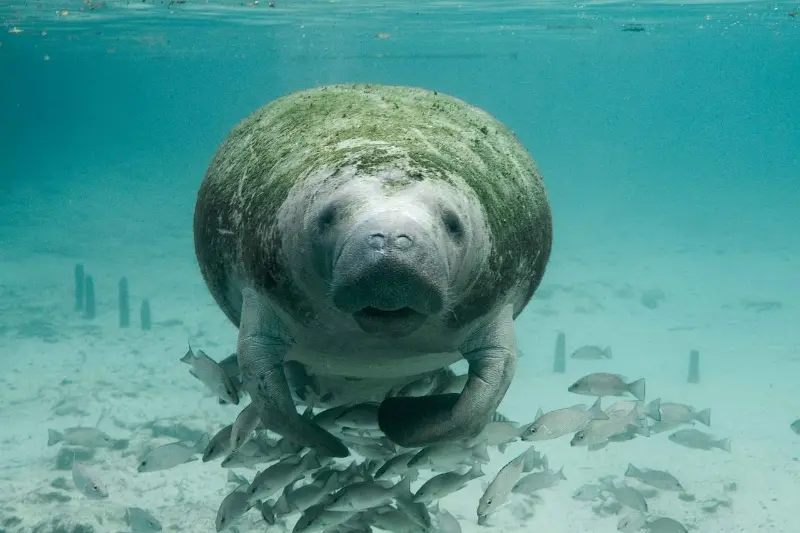
Manatees are federally protected, and the region's conservation rules are designed to prevent disturbance, especially when cold weather makes warm spring refuges essential. Never feed, touch, pursue, surround or block the travel path of a manatee. Keep a respectful distance and obey instructions from refuge personnel and authorized operators. A calm animal does not grant permission for human contact. In-water recreation is subject to designated areas and closures, so consult current refuge guidance immediately before paddling or swimming. Educate children in advance; watching an animal from afar is the right way to demonstrate respect.
The waterways also support birds, fish, turtles and vegetation sensitive to propellers and anchors. Stay within designated channels, avoid damaging seagrass and dispose of all fishing line and trash properly. If you see a distressed animal, contact the relevant wildlife authority rather than intervening. Photographers should avoid pressuring an animal for a better angle. Respect private docks and residential shorelines as well. These practices help maintain the natural qualities that make Crystal River and Homosassa worth visiting, and they protect visitors from taking unnecessary risks around wild animals.
All-ages planning and accessible alternatives
A mixed-age group can share the Three Sisters Springs boardwalk, a wildlife education stop and a waterside meal without anyone needing to swim. For a preschooler, a short morning and predictable snack break may be ideal. School-age children might enjoy wildlife interpretation and identifying bird species. Teenagers may prefer a permitted guided paddling experience; adults should verify fitness and age rules. Seniors or visitors recovering from injury can focus on viewpoints, museums and comfortable restaurants. The ability to see spring habitat from land makes the region appealing to people who do not want strenuous boating.
Mobility information should be precise. Check shuttle boarding arrangements, available seating, restroom locations, boardwalk widths and any gravel trail surfaces before buying tickets. If someone uses a wheelchair, ask about the exact area and route they can access, not just whether the site is generally accessible. Plan an indoor backup for thunderstorms. Heat can be tiring even in a naturally shaded environment, and water safety is relevant year-round. One meaningful attraction per day, followed by rest and a modest second activity, usually offers better comfort than an ambitious timetable.
Costs, transport and weather contingencies
Expect expenses for lodging, meals, car travel, land-entry tickets, and any guided boating or paddling tours. Viewing the refuge from land may be more economical than booking several water activities, but compare official rates close to travel. Water operators may have their own equipment and cancellation charges. A visitor budget should also allow for parking and transport to a designated entry center. Do not rely on an outdated article for exact manatee-season admission prices or sanctuary access; official city and refuge pages are the right sources for current policies.
Cold winter weather is relevant because it changes manatee movements and protection measures; summer weather matters because thunderstorms, heat and high humidity affect water outings. During hurricane season, monitor forecasts and local emergency instructions. If a boat trip is canceled, substitute an indoor or land-based experience rather than taking avoidable risks. Before departure, save the Three Sisters Springs admission and shuttle information, Homosassa Springs Wildlife State Park visitor details, and any tour confirmation. This three-day region rewards care: respect the animals, accept that sightings vary, and take pleasure in springs and river landscapes on their own terms.
Frequently asked questions
Does a Three Sisters Springs boardwalk ticket include swimming?
No. Land access and in-water activities use different entry arrangements and regulations.
Are manatees guaranteed in winter?
No. They are wild and move according to environmental conditions; respect closures and viewing rules.
Can I plan three days without a boat?
Yes. Boardwalks, a wildlife park, small-town stops and riverside meals can fill a gentle visit.