
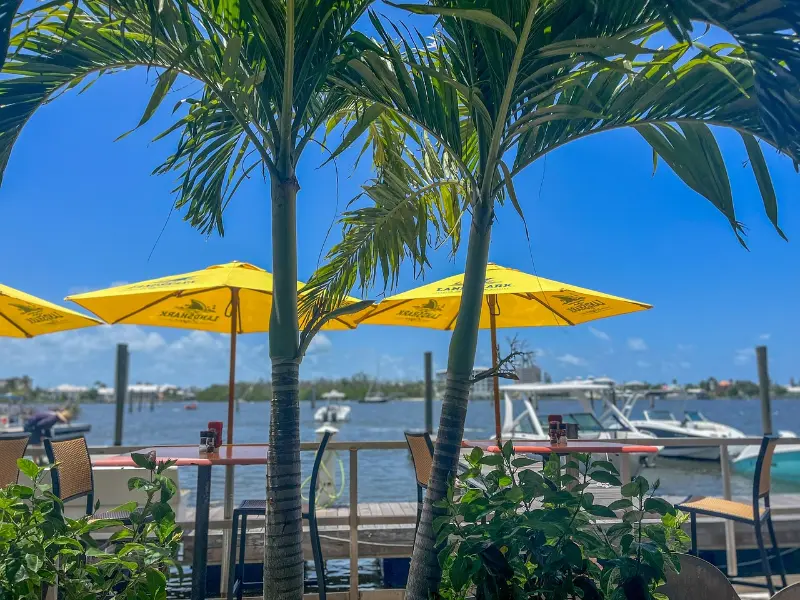
The Palm Beaches are not one beach town. They are a chain of very different communities, from the manicured streets and oceanfront estates of Palm Beach to the urban waterfront of West Palm Beach, the restaurant energy of Delray Beach and the more nature-oriented coast around Jupiter and Juno Beach. That variety is the reason a first trip should be planned by zones rather than by a list of famous addresses.
This is one of my favorite styles of Florida trip for multigenerational groups because high-energy and low-energy days are easy to mix. One person can spend hours shopping or visiting museums while another prefers a garden, a beach walk or a waterfront lunch. The challenge is distance: Palm Beach County is long, and a hotel that is perfect for one cluster may be inconvenient for another.
Quick planning summary
- Best for: beaches, culture, upscale resorts, gardens, shopping, couples, families and comfortable multigenerational travel.
- Ideal stay: 4–6 nights if you want to combine Palm Beach, West Palm Beach, Delray and northern coastal stops.
- Getting around: A car is useful for exploring the county, but West Palm Beach and selected downtown districts can be enjoyed with walking, rail and short rides. Avoid zigzagging north and south every day.
- Best planning principle: Choose a geographic cluster for each day. Palm Beach and West Palm Beach pair naturally; Delray is a separate southern day; Jupiter and Juno Beach form a northern nature-and-coast day.
How to think about The Palm Beaches before you book
The destination’s official visitor materials present The Palm Beaches as a collection of communities with beaches, arts, golf, shopping and outdoor experiences. For planning, I would think in four clusters: Palm Beach and West Palm Beach for culture and architecture; Delray and Boca Raton for dining, gardens and family attractions; Jupiter/Juno/North Palm Beach for nature and beaches; and the central coastline for resort stays. You can sample all of them, but a strong trip does not need to visit every town.
My practical rule is to choose the experiences that define the destination first, then place the hotel around them. A slightly cheaper room can become poor value if it forces long drives, repeated parking fees or early departures every day. The same applies in reverse: paying more for a central property can make sense when it lets you walk to dinner, return easily for a child’s nap or avoid moving the car during the busiest hours.
Best things to do on a first trip
Pair Palm Beach with the Lake Trail and historic landmarks
Palm Beach is most rewarding on foot or bicycle in small sections rather than from a car window. The Lake Trail offers a different perspective from the oceanfront, while Worth Avenue and historic architecture bring the classic resort identity. The Flagler Museum can add context if history interests you. Dress for heat, use sun protection and avoid turning the island into a parking challenge by moving the car for every short stop.
Give West Palm Beach a full urban half-day
Downtown West Palm Beach, the waterfront and Clematis Street create a walkable contrast to Palm Beach across the Intracoastal Waterway. The Norton Museum of Art can anchor the cultural side of the day, while restaurants and events make the area useful into the evening. This is a good zone for travelers who want to reduce driving because several experiences can be connected on foot or with short local transport.
Use Delray Beach for an evening with more local energy
Atlantic Avenue connects the downtown core toward the ocean and works particularly well from late afternoon into dinner. Morikami Museum and Japanese Gardens is outside the downtown strip and deserves its own time earlier in the day. Delray can therefore become a balanced culture-plus-dining day rather than a simple beach stop. Check event calendars because busy weekends can make parking and reservations much more competitive.
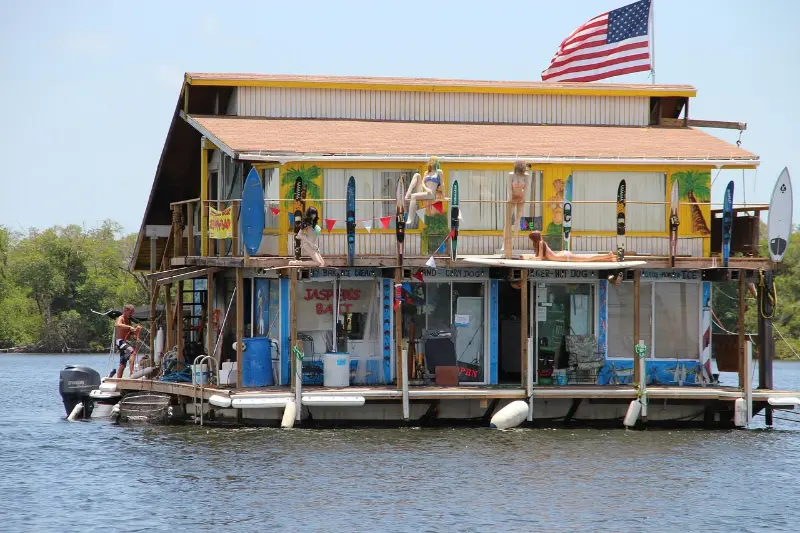
Go north for Jupiter, Juno Beach and coastal nature
The northern Palm Beaches are excellent when you want lighthouses, sea-turtle conservation, beaches and a less urban rhythm. This is where I would place a nature-focused day, especially after museum and shopping time farther south. Some attractions use timed programs or seasonal wildlife experiences, so check current schedules rather than assuming every activity is available daily.
Choose beach access for convenience, not just scenery
There are many attractive beaches, but parking, restrooms, shade, surf and accessibility differ. Families with young children may value a park with facilities more than an isolated stretch of sand. Senior travelers may prioritize a short, stable route from parking to the beach. The “best” beach is therefore the one that matches the group and the day, not simply the most photographed one.
Where to stay
There is no single best neighborhood for every traveler. I would choose based on what you want to do before 10 a.m. and after 6 p.m., because those are the hours when a convenient base improves the trip most. During the middle of the day you are usually willing to drive for a major attraction; early and late, convenience matters more.
Palm Beach
Best for a resort-focused, upscale stay where the setting itself is part of the trip. Expect premium pricing and choose carefully if you plan to explore the entire county every day.
West Palm Beach
The most flexible base for a first-time urban/coastal combination, with dining, culture and transport options plus easy access across to Palm Beach.
Delray Beach, Boca Raton or the northern beaches
Choose Delray/Boca for dining and a southern base; choose Jupiter/Juno for nature, boating and a quieter coastal feel. These are better when your itinerary is concentrated in that end of the county.
Getting there and getting around
Palm Beach International Airport is especially convenient for central Palm Beach County. Fort Lauderdale and Miami airports can also work for southern itineraries, while driving from Orlando is practical for a wider Florida road trip. Brightline and other rail options can help with intercity travel in Southeast Florida, but a car remains useful for beaches, gardens and northern nature stops. If you rent one, confirm hotel parking charges before deciding to keep it every night.
For road trips, calculate door-to-door time rather than mileage alone. Florida bridges, beach roads, event traffic and afternoon storms can make a short distance feel much longer. I also avoid scheduling a nonrefundable tour immediately after a flight or a long interstate drive. A flexible first evening gives the trip room to absorb delays without sacrificing something expensive.
Families, teenagers, seniors and accessibility
Families can mix beach mornings with the zoo, science-oriented attractions, gardens or wildlife centers. Teenagers may enjoy water sports, shopping districts and more independent downtown time. Senior travelers often appreciate the large choice of low-intensity cultural activities, waterfront drives and garden visits. Accessibility is generally strong at major institutions, but beach access varies by municipality and park. Check the exact beach facility for mats, wheelchairs, boardwalk design and parking.
For mixed-age groups, it helps to define one shared experience each day and allow the rest of the schedule to split. One person can return to the hotel while others stay for sunset; grandparents can choose a museum while teenagers take a water activity. That is usually more enjoyable than forcing everyone through the same long day. Always verify current accessibility details directly when a specific lift, beach mat, accessible vessel, transfer method or mobility-device policy is essential.
Best time to visit
Winter and early spring bring some of the most comfortable weather and strongest demand. Summer is hotter, more humid and stormier but may provide better value. Shoulder periods can work well if you remain flexible. Hurricane season affects Southeast Florida from June through November, so review cancellation terms and avoid nonrefundable commitments that would be difficult to change. Water conditions also vary by wind and seasonal factors, so a beautiful forecast does not automatically mean calm ocean swimming.

Florida weather is local. A statewide forecast rarely tells you enough about ocean surf, lightning, wind or a passing storm cell at the exact beach you plan to use. I keep one indoor or lower-exposure option available and check conditions again on the morning of any boat, beach or wildlife day. That small habit prevents a weather change from turning into a lost vacation day.
A practical first-time itinerary
- Day 1: Palm Beach Lake Trail, Worth Avenue or historic sights, then West Palm Beach waterfront and dinner.
- Day 2: Norton Museum or another cultural stop, beach time and a relaxed evening close to your hotel.
- Day 3: Delray Beach with Morikami and Atlantic Avenue. Use Day 4 for Jupiter, Juno Beach and coastal nature.
Do not treat the itinerary as a contract. If the beach is perfect, stay longer. If a storm arrives, move the indoor day forward. If children are exhausted, a hotel-pool afternoon may create better memories than another admission ticket. The most successful Florida itineraries have a strong structure and weak rigidity.
Budget and booking strategy
Accommodation, parking and paid water or attraction experiences usually create the biggest differences in the budget. Compare the total nightly hotel cost, not only the room rate: resort fees, parking and breakfast can change the result. Then decide which one or two paid experiences are genuinely central to the trip. Beaches, neighborhood walks, sunsets and many parks can fill the remaining time without making the vacation feel second-rate.
For popular seasons, reserve the hotel first with a flexible rate if possible, then add limited-capacity tours. I avoid paying early for every small activity because weather and energy change. Travel insurance becomes more valuable when the trip falls in hurricane season, depends on an expensive cruise or includes nonrefundable lodging. Read the policy rather than assuming every weather event is covered.
Common mistakes to avoid
- Treating all of Palm Beach County as one compact destination.
- Changing hotels repeatedly instead of using one well-chosen base.
- Choosing a beach without checking parking and accessibility.
- Keeping a rental car in an expensive hotel garage when the first part of the trip is mostly walkable.
- Scheduling too many north-south drives during rush periods.
Useful Wonderful Florida guides to read next
Continue planning with Florida travel guide for first-time visitors, best beaches in Florida, Florida with kids, Florida for seniors and best time to visit Florida.
Official resources to check before you travel
Opening hours, parking rules, beach access, launch schedules, park conditions, ferry or trolley service and reservation requirements can change. Check the official source again shortly before travel whenever a specific service is essential to your day.
Final thoughts
The Palm Beaches is most rewarding when the schedule reflects the destination instead of fighting it. Choose the right base, group activities geographically, protect the hottest or stormiest part of the day and leave enough open time for the experience that turns out to be better than expected. That approach works for a couple, a family with young children, teenagers traveling with parents or a multigenerational group, and it is the style of planning that makes a Florida trip feel like a vacation rather than a logistics exercise.