
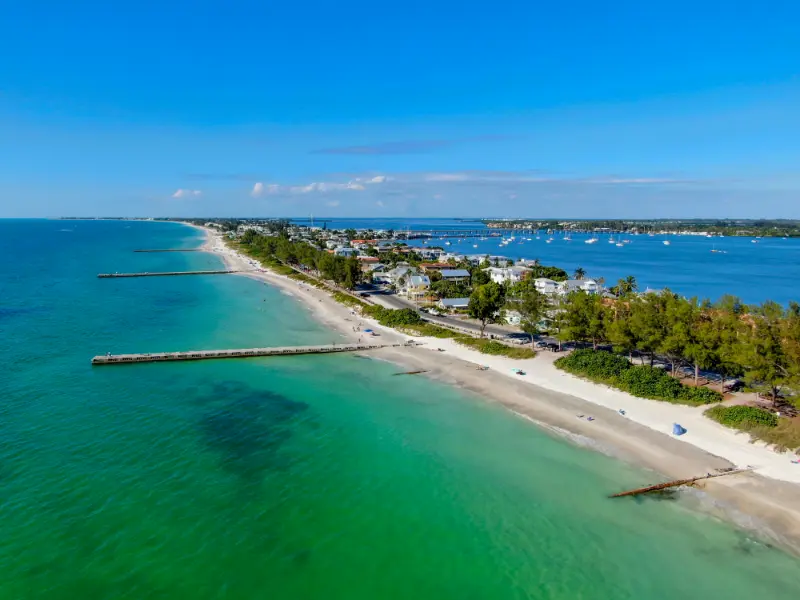
Anna Maria Island is the kind of Florida destination where doing less usually makes the trip better. The island is small, but bridge traffic, limited parking and popular beaches can make constant driving feel disproportionate to the distance. I would choose the right part of the island, settle in and let the trolley or a short walk handle as much of the vacation as possible.
The appeal is the combination of low-rise neighborhoods, Gulf sunsets, simple beach days and small commercial districts rather than a long list of blockbuster attractions. That makes Anna Maria especially good for families, couples and multigenerational groups who want to spend time together without managing a complex schedule. It is also a place where the quality of the rental or hotel matters because you may genuinely enjoy staying close to home for part of each day.
Quick planning summary
- Best for: relaxed Gulf beaches, families, couples, low-rise island atmosphere, sunsets and travelers who prefer a slower beach vacation.
- Ideal stay: 4–7 nights for a true island holiday; 2–3 nights works as part of a Gulf Coast road trip.
- Getting around: Once on the island, use the trolley, bicycles and walking where practical. Parking is limited in popular areas, so the best plan is often to leave the car at the accommodation.
- Best planning principle: Choose your island town before choosing the property: Anna Maria in the north, Holmes Beach in the middle and Bradenton Beach in the south each create a different daily rhythm.
How to think about Anna Maria Island before you book
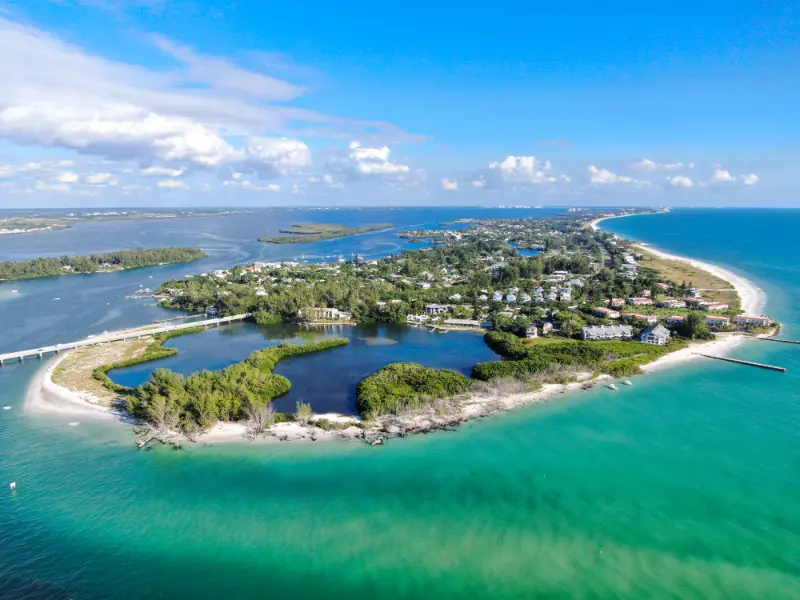
The island has three main communities. Anna Maria at the north end feels residential and relaxed, with Bean Point and Pine Avenue nearby. Holmes Beach is central and practical, with easier access to shops and services. Bradenton Beach in the south has Bridge Street, restaurants and proximity to the mainland bridge. None is universally “best.” The right choice depends on whether you prioritize quiet mornings, central convenience or an evening district you can reach without driving.
My practical rule is to choose the experiences that define the destination first, then place the hotel around them. A slightly cheaper room can become poor value if it forces long drives, repeated parking fees or early departures every day. The same applies in reverse: paying more for a central property can make sense when it lets you walk to dinner, return easily for a child’s nap or avoid moving the car during the busiest hours.
Best things to do on a first trip
Start with the beach nearest your accommodation
On Anna Maria Island, convenience often beats chasing a famous access point. If you can walk to a good Gulf beach, use it. Morning and sunset beach sessions become much easier when you are not searching for parking. Bean Point is beautiful but has limited facilities and requires more self-sufficiency than larger public beach areas. Families with small children may prefer access with restrooms, food and a shorter carry from parking.
Use the free or local trolley system as part of the vacation
Island trolley service can reduce parking stress and makes it easier for groups to split up without taking multiple cars. Routes and schedules can change, so check current information before relying on it for a fixed reservation. The best use is often flexible: ride to lunch, Bridge Street or another beach zone and return when you are ready. During peak season, allow extra time rather than treating it like a city metro.
Walk Pine Avenue and the north end slowly
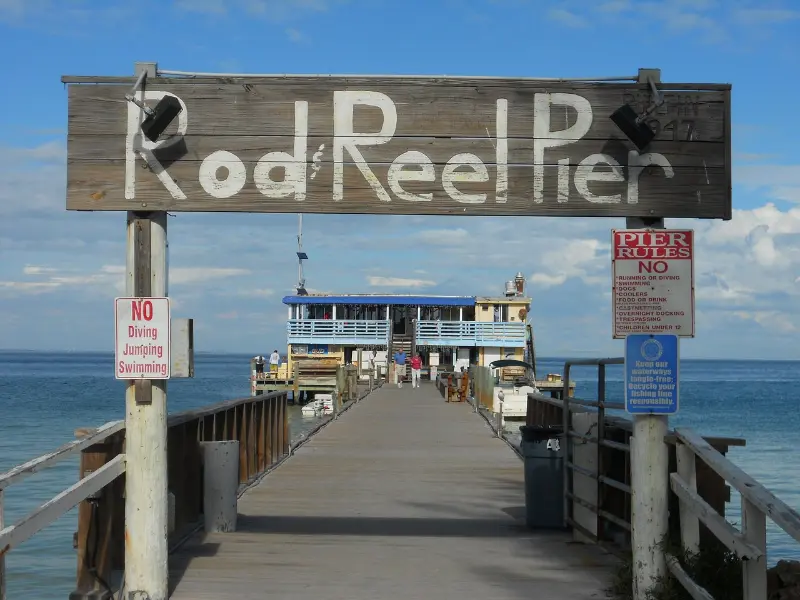
The north end rewards wandering more than checklist sightseeing. Small shops, food stops, piers and residential streets create the atmosphere. This is a good morning for couples and senior travelers because it can be adapted to energy level. Combine it with beach time instead of planning another distant attraction. If heat is strong, return to the accommodation for the middle of the day and come back out for sunset.
Give Bradenton Beach and Bridge Street an evening
Bridge Street provides a livelier counterpoint to the quieter north end, with restaurants, shops and access to the water. It works well in the late afternoon when a beach day is winding down. Parking can be competitive, which is another reason to use trolley or walk if your accommodation allows it. Families can keep the evening casual, while adults may stay longer for dining and live entertainment.
Add one mainland nature or culture day only if the island stay is long enough
Bradenton, Robinson Preserve and other Gulf Coast attractions can broaden a weeklong vacation, but I would not sacrifice multiple island days on a short trip. The mainland makes sense as a weather backup, grocery run or change of pace. A seven-night stay has room for one such day; a three-night stay usually does not.
Where to stay
There is no single best neighborhood for every traveler. I would choose based on what you want to do before 10 a.m. and after 6 p.m., because those are the hours when a convenient base improves the trip most. During the middle of the day you are usually willing to drive for a major attraction; early and late, convenience matters more.
Anna Maria city, north end
Best for quiet streets, Bean Point access and a village atmosphere. Choose this if calm mornings and sunsets matter more than having the largest concentration of services nearby.
Holmes Beach
The most central and practical base, especially for families who want straightforward access to groceries, beaches and transportation in both directions.
Bradenton Beach
Good for travelers who want Bridge Street, restaurants and a livelier evening scene, plus quick access to the mainland bridge.
Getting there and getting around
Most visitors arrive by car from Tampa, St. Petersburg, Sarasota or Bradenton. Bridge traffic can become part of the travel time, especially on weekends and peak-season changeover days. Once you arrive, avoid moving the vehicle simply because a destination looks two miles away. Parking is one of the island’s limited resources. A walkable property or reliable trolley stop can be worth more than a slightly larger room farther from the beach.
For road trips, calculate door-to-door time rather than mileage alone. Florida bridges, beach roads, event traffic and afternoon storms can make a short distance feel much longer. I also avoid scheduling a nonrefundable tour immediately after a flight or a long interstate drive. A flexible first evening gives the trip room to absorb delays without sacrificing something expensive.
Families, teenagers, seniors and accessibility
Families with babies benefit from a property close enough for naps and quick clothing changes. School-age children often need little more than beach, pool, ice cream and one short outing. Teenagers may enjoy bikes, paddleboards and more independent movement if traffic and local rules allow. Senior travelers should prioritize a short, stable route to the beach and shaded seating. Accessible beach facilities vary by location, so confirm the exact public access rather than assuming every sandy path is suitable for a mobility device.
For mixed-age groups, it helps to define one shared experience each day and allow the rest of the schedule to split. One person can return to the hotel while others stay for sunset; grandparents can choose a museum while teenagers take a water activity. That is usually more enjoyable than forcing everyone through the same long day. Always verify current accessibility details directly when a specific lift, beach mat, accessible vessel, transfer method or mobility-device policy is essential.
Best time to visit
Winter and spring are popular for comfortable weather, while summer is hotter, wetter and often more humid. The Gulf can be wonderfully warm, but thunderstorms and heat require flexible beach timing. Late summer and fall overlap hurricane season, making refundable lodging particularly valuable. Red tide and other water-quality conditions can occasionally affect Gulf Coast experiences, so check current local reports shortly before swimming-focused trips.
Florida weather is local. A statewide forecast rarely tells you enough about ocean surf, lightning, wind or a passing storm cell at the exact beach you plan to use. I keep one indoor or lower-exposure option available and check conditions again on the morning of any boat, beach or wildlife day. That small habit prevents a weather change from turning into a lost vacation day.
A practical first-time itinerary
- Day 1: Settle into your nearest beach, explore the local town on foot and watch sunset without driving.
- Day 2: Trolley to a different island zone, lunch, another beach and Bridge Street in the evening.
- Day 3: Slow north-end morning around Pine Avenue and Bean Point area, then pool or beach time. Add a mainland nature day only on longer stays.
Do not treat the itinerary as a contract. If the beach is perfect, stay longer. If a storm arrives, move the indoor day forward. If children are exhausted, a hotel-pool afternoon may create better memories than another admission ticket. The most successful Florida itineraries have a strong structure and weak rigidity.
Budget and booking strategy
Accommodation, parking and paid water or attraction experiences usually create the biggest differences in the budget. Compare the total nightly hotel cost, not only the room rate: resort fees, parking and breakfast can change the result. Then decide which one or two paid experiences are genuinely central to the trip. Beaches, neighborhood walks, sunsets and many parks can fill the remaining time without making the vacation feel second-rate.
For popular seasons, reserve the hotel first with a flexible rate if possible, then add limited-capacity tours. I avoid paying early for every small activity because weather and energy change. Travel insurance becomes more valuable when the trip falls in hurricane season, depends on an expensive cruise or includes nonrefundable lodging. Read the policy rather than assuming every weather event is covered.
Common mistakes to avoid
- Driving to every beach access instead of using the one near your accommodation.
- Booking a rental without checking the real walking route to the beach.
- Assuming island distances mean traffic and parking are irrelevant.
- Overfilling a short stay with mainland day trips.
- Choosing a quiet north-end rental when the real priority is walking to nightlife, or the reverse.
Useful Wonderful Florida guides to read next
Continue planning with best beaches in Florida, Florida with kids, Florida for seniors, best time to visit Florida and 14-day Florida road trip.
Official resources to check before you travel
Opening hours, parking rules, beach access, launch schedules, park conditions, ferry or trolley service and reservation requirements can change. Check the official source again shortly before travel whenever a specific service is essential to your day.
Final thoughts
Anna Maria Island is most rewarding when the schedule reflects the destination instead of fighting it. Choose the right base, group activities geographically, protect the hottest or stormiest part of the day and leave enough open time for the experience that turns out to be better than expected. That approach works for a couple, a family with young children, teenagers traveling with parents or a multigenerational group, and it is the style of planning that makes a Florida trip feel like a vacation rather than a logistics exercise.