
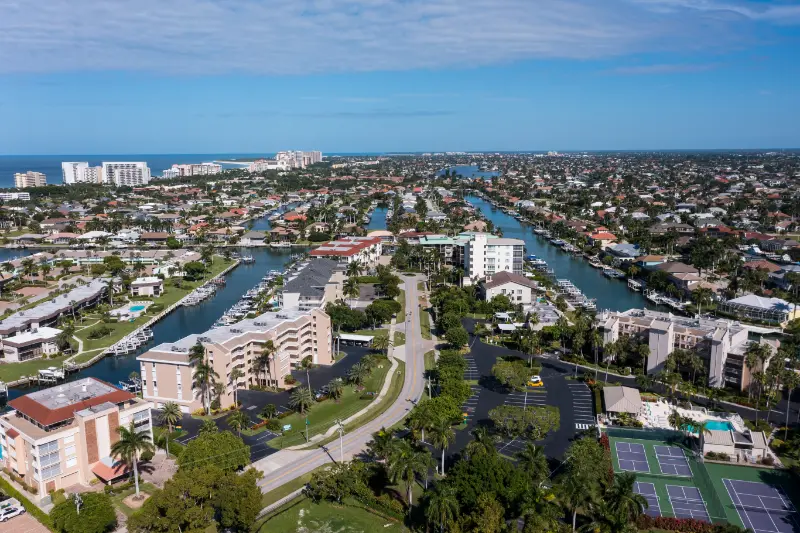
Marco Island sits at an interesting meeting point: it is polished enough for an easy Gulf resort vacation and close enough to the Ten Thousand Islands and Everglades to feel connected to wild Southwest Florida. That combination makes it more versatile than a simple beach destination. You can spend one day almost entirely on a lounge chair and the next on a boat looking for dolphins, mangrove islands and birdlife.
For families and senior travelers, the island is also manageable because many hotels and rentals put the beach, pool and dining into a compact daily routine. The main planning decision is whether to stay fully resort-focused or use Marco as a base for nature excursions. Both are good choices; the mistake is trying to do a long boat trip, Everglades drive and full beach day all at once.
Quick planning summary
- Best for: Gulf beaches, boating, shelling, families, couples, winter escapes and easy access to the Ten Thousand Islands.
- Ideal stay: 4–6 nights for a beach-and-nature vacation; 2–3 nights if Marco Island is paired with Naples or the Everglades.
- Getting around: A car is useful for arrival, dining and regional day trips. On resort-focused days, leave it parked and use walking or short local rides whenever possible.
- Best planning principle: Decide how much of the trip is beach resort time and how much is Everglades/Ten Thousand Islands exploration. Marco Island works best when those two styles alternate instead of competing in the same day.
How to think about Marco Island before you book
Marco Island’s visitor experience centers on its Gulf shoreline and water access. The developed beach zone provides resorts and vacation rentals, while nearby launches and tour operators connect visitors to the Ten Thousand Islands. Naples is close enough for a city-and-dining change of pace, and Everglades City can open the door to deeper nature experiences. A first trip does not need all three directions; choose the combinations that fit your energy and interests.
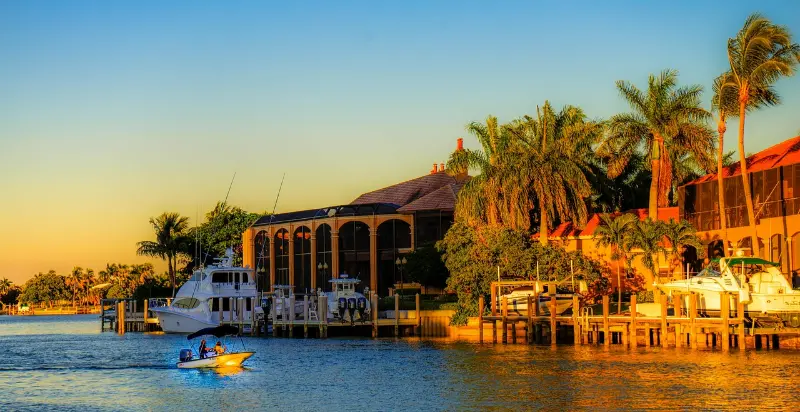
My practical rule is to choose the experiences that define the destination first, then place the hotel around them. A slightly cheaper room can become poor value if it forces long drives, repeated parking fees or early departures every day. The same applies in reverse: paying more for a central property can make sense when it lets you walk to dinner, return easily for a child’s nap or avoid moving the car during the busiest hours.
Best things to do on a first trip
Use the main beach as your daily anchor
The broad Gulf beach is the simplest pleasure on Marco Island, and staying within easy reach changes the trip. Morning walks, midday pool breaks and sunset become easy when you do not need to drive. Public beach access and parking are more limited than on some Florida coasts, so visitors not staying directly on the sand should research the exact access plan in advance. Families should also check current flag and water conditions before swimming.
Take a Ten Thousand Islands boat or eco tour
A boat trip is the experience that most clearly separates Marco Island from a generic resort coast. Mangrove islands, dolphins, birds and shelling stops may be part of different tours, but wildlife can never be promised. Choose the vessel and duration around the group: young children may prefer shorter trips, photographers may want a smaller boat, and senior travelers should ask about boarding steps, shade and restroom access.
Visit Tigertail or a nature-oriented beach area with preparation
Nature-focused access points can feel very different from the resort beach and may involve longer walks, changing channels or conditions that are not obvious from a promotional photo. Check current local information before setting out and bring water, sun protection and footwear appropriate to the plan. This is a good example of why “best beach” lists need context: the most interesting beach for a birder may not be the easiest beach for a toddler or limited-mobility traveler.
Use Naples for one polished city day
Naples is close enough to combine with Marco Island on a longer stay, bringing Fifth Avenue South, museums, gardens and another set of beaches. I would use it as a full change-of-pace day rather than drive north for one restaurant. Travelers already staying in Naples may do the reverse and visit Marco for a boat tour and sunset. One well-planned regional day is usually more satisfying than repeated short commutes.
Connect to Everglades City only when you have enough time
Everglades City and surrounding nature areas can add airboat alternatives, paddling, park access and a deeper sense of Southwest Florida. Choose your specific experience before leaving Marco because “the Everglades” is too broad to serve as a navigation target. Start early, carry water and check weather. In summer, heat and thunderstorms make a flexible morning-focused plan especially important.
Where to stay
There is no single best neighborhood for every traveler. I would choose based on what you want to do before 10 a.m. and after 6 p.m., because those are the hours when a convenient base improves the trip most. During the middle of the day you are usually willing to drive for a major attraction; early and late, convenience matters more.
Beachfront resort zone
Best for first-time visitors, families and travelers who want the simplest possible beach routine. Higher rates can be offset by fewer daily transportation needs.
Inland Marco Island rental or hotel
Can offer more space or value, especially for longer stays and groups. Check parking and the exact route to legal beach access before assuming the coast will be effortless.

Split stay with Naples
Useful for travelers who want several city/culture days plus a few island-resort days, but unnecessary for a short vacation because the two areas are close enough for day trips.
Getting there and getting around
Southwest Florida International Airport is the main large airport for many visitors, with Naples Municipal Airport serving limited aviation needs. A rental car is the easiest way to reach Marco Island and explore the region. Once settled at a beachfront property, however, the car may remain parked for long stretches. If you are taking an early boat tour, choose the departure marina carefully and calculate the actual morning route rather than relying on the operator’s “Marco Island area” description.
For road trips, calculate door-to-door time rather than mileage alone. Florida bridges, beach roads, event traffic and afternoon storms can make a short distance feel much longer. I also avoid scheduling a nonrefundable tour immediately after a flight or a long interstate drive. A flexible first evening gives the trip room to absorb delays without sacrificing something expensive.
Families, teenagers, seniors and accessibility
Toddlers and young children often thrive on a simple beach-pool-nap rhythm. School-age children can add a short wildlife boat tour or shelling activity. Teenagers may prefer paddle sports, fishing and longer eco tours. Senior travelers should prioritize shade and stable boat boarding. Mobility-device users should verify beach pathways, resort boardwalks and tour-vessel access in advance. A luxury hotel can be highly accessible internally while the natural excursion you booked the next morning is not.
For mixed-age groups, it helps to define one shared experience each day and allow the rest of the schedule to split. One person can return to the hotel while others stay for sunset; grandparents can choose a museum while teenagers take a water activity. That is usually more enjoyable than forcing everyone through the same long day. Always verify current accessibility details directly when a specific lift, beach mat, accessible vessel, transfer method or mobility-device policy is essential.
Best time to visit
Winter and spring bring comfortable weather and high demand. Summer is hot, humid and stormy but often suits travelers who prefer warm water and can plan around afternoons. Fall requires hurricane-season flexibility. Marine wildlife, tides and water conditions vary throughout the year, so ask operators what the season is realistically good for rather than expecting a fixed list of animals. Gulf water-quality alerts should also be checked close to any swimming-centered trip.
Florida weather is local. A statewide forecast rarely tells you enough about ocean surf, lightning, wind or a passing storm cell at the exact beach you plan to use. I keep one indoor or lower-exposure option available and check conditions again on the morning of any boat, beach or wildlife day. That small habit prevents a weather change from turning into a lost vacation day.
A practical first-time itinerary
- Day 1: Beach and pool with no major schedule, then sunset.
- Day 2: Morning Ten Thousand Islands boat trip, lunch and a slow afternoon.
- Day 3: Nature-oriented beach or local exploration. Add Day 4 for Naples and Day 5 for an Everglades City excursion if the stay is long enough.
Do not treat the itinerary as a contract. If the beach is perfect, stay longer. If a storm arrives, move the indoor day forward. If children are exhausted, a hotel-pool afternoon may create better memories than another admission ticket. The most successful Florida itineraries have a strong structure and weak rigidity.
Budget and booking strategy
Accommodation, parking and paid water or attraction experiences usually create the biggest differences in the budget. Compare the total nightly hotel cost, not only the room rate: resort fees, parking and breakfast can change the result. Then decide which one or two paid experiences are genuinely central to the trip. Beaches, neighborhood walks, sunsets and many parks can fill the remaining time without making the vacation feel second-rate.
For popular seasons, reserve the hotel first with a flexible rate if possible, then add limited-capacity tours. I avoid paying early for every small activity because weather and energy change. Travel insurance becomes more valuable when the trip falls in hurricane season, depends on an expensive cruise or includes nonrefundable lodging. Read the policy rather than assuming every weather event is covered.
Common mistakes to avoid
- Assuming every accommodation has easy public beach access.
- Choosing a boat tour without checking boarding, shade and duration for the group.
- Trying to combine Naples, Everglades City and a full Marco beach day.
- Planning only outdoor afternoons in the hottest months.
- Treating wildlife sightings as guaranteed rather than seasonal natural encounters.
Useful Wonderful Florida guides to read next
Continue planning with best beaches in Florida, Everglades National Park guide, Florida with kids, Florida for seniors and best time to visit Florida.
Official resources to check before you travel
Opening hours, parking rules, beach access, launch schedules, park conditions, ferry or trolley service and reservation requirements can change. Check the official source again shortly before travel whenever a specific service is essential to your day.
Final thoughts
Marco Island is most rewarding when the schedule reflects the destination instead of fighting it. Choose the right base, group activities geographically, protect the hottest or stormiest part of the day and leave enough open time for the experience that turns out to be better than expected. That approach works for a couple, a family with young children, teenagers traveling with parents or a multigenerational group, and it is the style of planning that makes a Florida trip feel like a vacation rather than a logistics exercise.