

The hardest part of planning Florida is not finding something to do; it is choosing among trips that feel completely different. Orlando is built around world-scale attractions, Miami mixes beach and city life, the Keys reward slow driving and water time, the Gulf Coast can be soft and relaxed, and North Florida offers history, springs and old-town character. A first trip becomes easier when you choose a travel style before you choose a hotel.
I would not try to collect Florida like a checklist. Distances are large, and the best trips give each region enough time to feel distinct. The places below are not ranked from one to ten because a family wanting theme parks and a couple wanting quiet shelling beaches are solving different problems. Instead, use the categories to identify two or three regions that fit the people actually traveling.
Quick planning summary
- Best for theme parks: Orlando and Central Florida
- Best city-and-beach mix: Miami and Miami Beach
- Best island road trip: Florida Keys and Key West
- Best Gulf beach bases: St. Pete/Clearwater, Sarasota/Siesta Key, Naples and Destin
- Best history: St. Augustine
- Best wildlife: Everglades, Crystal River region and nature-rich state parks
- Best rule: choose one or two major regions for a short trip instead of crossing the entire state
Orlando for theme parks and easy family infrastructure
Orlando is the obvious choice when Walt Disney World, Universal Orlando, SeaWorld or other major attractions are the central reason for travel. The hotel inventory is enormous, airport access is strong and families can build almost any level of comfort around the parks. The trade-off is intensity: ticket costs, walking and traffic can dominate the trip if every day is scheduled.
I like Orlando more when one non-park day is protected. Springs, gardens, neighborhoods and nearby towns show a different side of Central Florida and give tired legs a reset. If parks are the priority, stay close enough that a midday break is realistic.
Miami and Miami Beach for urban energy
Miami works for travelers who want restaurants, art, nightlife, Latin and Caribbean culture, architecture and beaches in the same trip. South Beach is only one piece. Downtown, Brickell, Little Havana, Wynwood and Coral Gables change the experience substantially, and hotel location determines how much time you spend in traffic.
Miami can also begin or end a Keys road trip or cruise. I would not rent a car automatically for every Miami stay; parking can be expensive and rideshare or transit may work better until you are ready to leave the city.
The Florida Keys for a slow island road trip
The Overseas Highway gives the Keys a natural progression: Key Largo for reefs, Islamorada for fishing and water access, Marathon for a central base, and Key West for history, architecture and nightlife. The journey is part of the trip, so a rushed out-and-back from Miami misses much of the appeal.
The Keys are strongest when you accept higher accommodation prices and plan fewer miles per day. Water conditions, heat and weather affect many activities, which makes a flexible schedule valuable.
St. Pete, Clearwater and Sarasota for Gulf Coast balance
St. Petersburg and Clearwater combine wide Gulf beaches with museums, restaurants and an urban waterfront. Sarasota and Siesta Key add cultural attractions, calm beach days and access to barrier islands. These areas work well for mixed groups because one person can spend the morning at a museum while another prefers the sand.
The Gulf Coast often feels easier than a theme-park trip, but it is not car-free in practice. Choose a base carefully and avoid moving hotels every night. Barrier-island traffic can also make short map distances surprisingly slow.
Naples, Marco Island and the Everglades for Southwest Florida
Southwest Florida is a strong fit for travelers who like warm-weather beaches, polished towns, wildlife and day trips into the Everglades or Ten Thousand Islands. Naples offers restaurants and a refined downtown, while Marco Island feels more resort-oriented and water-focused.
This region is particularly good for multigenerational trips when the group wants comfortable lodging and nature without a major-city schedule. Summer heat and storm risk are real, so mornings matter.
St. Augustine and Northeast Florida for history
St. Augustine is one of Florida’s best choices when history matters as much as the beach. The historic district, fort, museums and walkable core create a trip that does not depend on a car every hour. Nearby beaches and Anastasia Island add a completely different pace.
Jacksonville and Amelia Island can extend the route. Northeast Florida also has more seasonal temperature variation than South Florida, which can be pleasant for walking in winter but occasionally chilly.
Destin, Pensacola and the Panhandle for bright Gulf water
The western Panhandle is a distinct Florida trip. Destin and Fort Walton Beach are popular for family beaches and fishing, while Pensacola adds history, downtown life and the National Naval Aviation Museum. The sand and water can be spectacular, but weather and water conditions still vary.
Remember that part of the Panhandle uses Central Time while most of Florida uses Eastern Time. That matters when you are crossing the state for flights, tours or timed reservations.
Nature-first Florida: Everglades, springs and state parks
Some of the best Florida trips are built around ecosystems rather than cities. Everglades National Park, clear springs, wildlife refuges and state parks can create a vacation with paddling, birding, swimming and short hikes. These trips are usually cheaper than theme-park vacations but may require more driving and earlier starts.
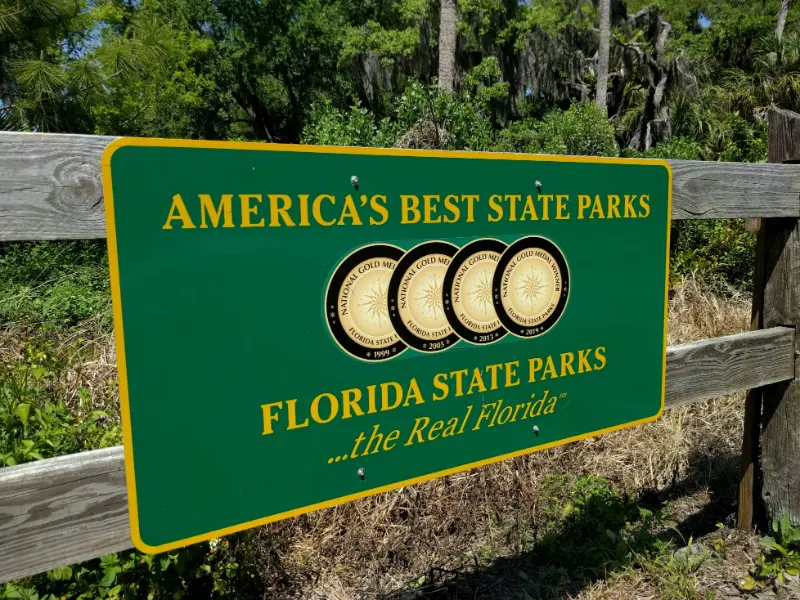
Seasonality matters. Manatee viewing, spring swimming, mosquitoes, water levels and wildlife activity change through the year. Use nature trips as planned experiences, not random roadside stops.
Families, older travelers and accessibility
Families with young children often do best with one major attraction region plus a beach or nature base rather than three cities. Teenagers usually respond well when they can choose a high-energy activity such as surfing, snorkeling, space exploration or a thrill park. Senior travelers may prefer St. Augustine, Naples, Sarasota or a resort area where mornings and evenings can stay close to the hotel. Accessibility varies by beach and attraction, so pair this article with the dedicated accessible Florida guide when mobility or sensory needs shape the trip.
For mixed-age groups, I would plan the day around the person with the lowest heat tolerance or the strongest mobility, feeding or rest requirement, then let more energetic travelers add optional activities. Florida becomes much easier when the group does not have to move as one unit every minute. Build obvious meeting points, keep phones charged and choose a hotel or base that allows someone to stop early without collapsing the rest of the day.
Budget and booking strategy
The cost difference between Florida regions can be larger than the difference between hotel categories. Theme-park tickets and parking can make Orlando expensive even with a modest room, while a coastal resort may cost more per night but require fewer paid attractions. Compare the whole day: lodging, transport, parking, tickets and meals. Moving hotels every night also creates hidden costs in fuel, parking and lost time.
When comparing prices, look at the total daily cost rather than one headline number. Parking, tolls, resort fees, food, equipment rental, transfers and cancellation rules can change which option is actually cheaper. I also prefer reservations that can be modified when weather or family needs are likely to affect the plan, even if the flexible rate costs a little more.
Best timing and seasonal planning
Winter is attractive for South Florida, the Keys and Gulf Coast escapes, while spring offers excellent weather in much of the state. Summer brings family schedules, warm water and long days but also heat, humidity, thunderstorms and tropical-weather risk. Fall can be quieter and better value, yet hurricane-season flexibility remains important. Match the month to the region rather than using one statewide rule.
Florida is large enough that conditions vary by region. A cool morning in North Florida can coexist with beach weather in the Keys, and a thunderstorm in one part of a metro area does not mean the entire day is lost. Check local forecasts, water conditions and official attraction notices close to the visit rather than relying on a statewide forecast saved weeks earlier.
A practical way to use this guide
Start by choosing the one outcome that would make the trip feel successful. Then protect the time, location and budget for that priority before adding optional experiences. This prevents a common Florida problem: an itinerary with many individually good ideas that becomes tiring because the driving, heat and check-in times do not fit together.
I would also separate fixed commitments from flexible choices. Flights, cruises, major attraction reservations and special tours belong in the fixed group. Beaches, neighborhood walks, parks, casual restaurants and hotel-pool time can usually remain flexible. When weather or fatigue changes the day, move the flexible pieces instead of trying to force the original schedule.
Common mistakes to avoid
- Trying to combine Orlando, Miami, Key West and the Panhandle in one short vacation.
- Choosing a destination because of one photo without checking the surrounding area and transport.
- Assuming every Florida beach has the same water, waves, parking or family facilities.
- Booking a remote resort when the group actually wants restaurants and evening walks.
- Underestimating traffic around barrier islands and major attractions.
- Planning every day at maximum intensity.
Useful Wonderful Florida guides
- Florida first-time visitor guide
- Best beaches in Florida
- Florida road trip itinerary
- Best time to visit Florida
Official resources to check before you go
Hours, access rules, reservation systems, transportation schedules and weather-related closures can change. Check the official source shortly before travel when a specific attraction, service or route is essential to the trip.
Final thoughts
The best place in Florida is the place that fits the people on the trip. Choose the travel style first, then the region, and give that region enough time. A focused seven-day trip to two well-matched areas usually creates better memories than a rushed tour of five famous names.