
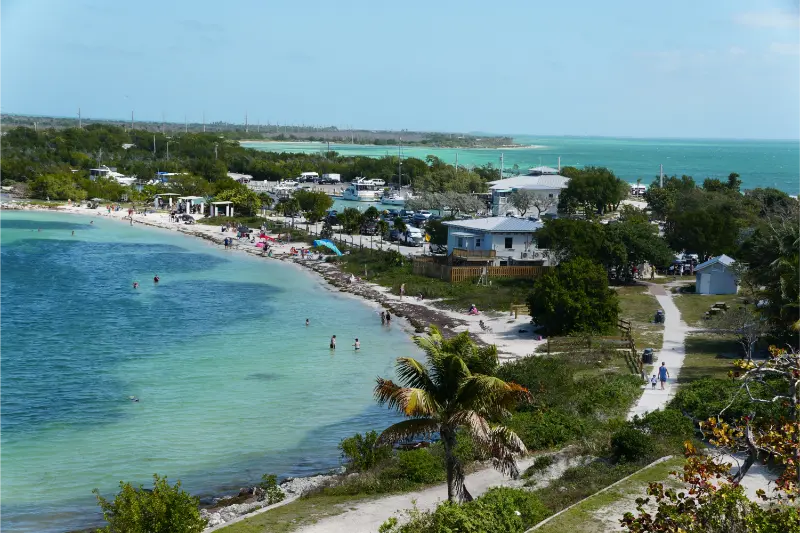
Florida road trips become much more interesting when the drive is part of the experience rather than dead time between attractions. The state has officially designated scenic highways as well as famous travel corridors such as the Overseas Highway and Tamiami Trail. Some routes deliver ocean views, others cross marsh, forest, ranch land or historic communities. The best scenic drive is not necessarily the longest. I would choose one that matches the rest of the trip and leave enough time to stop without turning every viewpoint into a parking challenge.
Quick planning summary
- Best for: travelers who enjoy the journey, small stops, photography, beaches, wildlife and historic towns.
- Do not measure a scenic drive only by mileage; bridges, viewpoints, towns and park stops can double the useful time.
- Florida has an official Scenic Highways program with designated routes across the state.
- Choose two or three meaningful stops rather than attempting every attraction on the route.
- Check road conditions, weather and park access before leaving, especially after storms.
Florida Keys Scenic Highway and the Overseas Highway
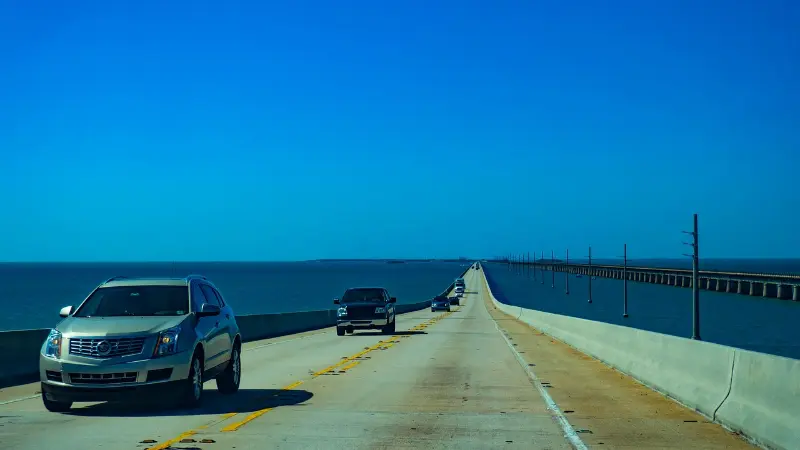
The drive through the Keys is Florida’s most recognizable road trip, linking islands with long bridges and wide water views. The mistake is treating Miami to Key West as a simple transfer. Key Largo, Islamorada, Marathon and the Lower Keys each justify stops, and traffic can make the same mileage feel very different by time of day. If Key West is the final destination, consider breaking the drive with a meal, short nature stop or overnight rather than arriving exhausted after chasing every roadside attraction.

A1A on the northeast and central Atlantic coast
A1A appears in several scenic segments and gives travelers access to beaches, maritime forests, historic communities and oceanfront stretches. The St. Augustine and Palm Coast area is particularly useful for combining history with coastal scenery, while Ormond’s scenic loop adds shaded roads and natural landscapes. Because A1A passes through populated areas, the experience is not continuous wilderness. Plan specific stops—beach access, lighthouse, state park or historic district—rather than expecting an uninterrupted postcard view.
Big Bend Scenic Byway
Florida’s Big Bend offers a very different landscape from Miami or Orlando: forests, salt marshes, small communities and access to the Gulf. This is a route for travelers who value nature and quieter places more than dense attractions. Fuel, food and mobile coverage deserve more attention than on an urban drive. Build daylight into the itinerary, check conditions at wildlife and forest areas, and resist the temptation to treat every remote road as faster simply because it looks empty on the map.
Scenic Highway 30A and the Emerald Coast
The 30A area combines Gulf beaches, planned communities, dune lakes, cycling and short scenic segments. It is beautiful but can be slow in busy periods, so the best experience often comes from parking once and exploring a smaller area on foot or bike. The road is not a substitute for a Panhandle road trip; it is a destination corridor in its own right. If you are moving between Destin, South Walton and Panama City Beach, avoid scheduling timed reservations too tightly around a scenic detour.
Tamiami Trail between Miami and Southwest Florida
US 41 crosses the Everglades landscape and provides access to wildlife, visitor centers and cultural sites. It is one of Florida’s most interesting cross-state drives, but wildlife viewing should happen from designated safe locations rather than roadside improvisation. The drive works well as part of a Miami-to-Naples itinerary, especially for travelers who want to understand the wetland landscape rather than fly over it. Allow extra time for official stops and never approach alligators or other wildlife for a closer photo.
Ormond Scenic Loop and inland alternatives
Not every Florida scenic route follows a beach. Ormond’s loop blends coastal and oak-canopied scenery, while routes through Central Florida reveal lakes, citrus-country history, small towns and rolling terrain that surprises visitors expecting a completely flat state. These drives are useful when beach weather is poor or when a road trip needs a quieter day between major attractions. Check whether the route includes narrow roads, cycling traffic or limited facilities before taking a large vehicle or RV.
How to plan stops without losing the entire day
Choose one anchor stop of at least an hour, two shorter stops and a meal area. Anything beyond that should be optional. Scenic-drive itineraries collapse when every beach access, museum and viewpoint becomes mandatory. Save locations offline because mobile coverage can be inconsistent in remote areas. If photography matters, build around sunrise or late-afternoon light but do not stop on shoulders that are not designed for parking. Official overlooks and parks are safer and usually more rewarding.
Fuel, tolls and road conditions
Most famous scenic routes are straightforward, but Florida road trips can still involve toll roads before or after the scenic segment. Understand the rental-car toll program and keep enough fuel when entering quieter areas. Storms, flooding, bridge work and restoration can alter a route. Check official road and park information close to departure. A scenic drive should remain flexible: if a section is slow or inaccessible, shorten the route instead of racing to protect every planned stop.
Best scenic drives for families and slower travelers
Families usually enjoy routes with frequent bathrooms, short nature walks and a clear destination better than long uninterrupted driving. Older travelers may prefer a scenic corridor with comfortable visitor centers and easy parking. The Keys, 30A and A1A can work well because they combine scenery with towns, while Big Bend and forest routes suit travelers comfortable with fewer services. Match the route to the passengers, not just the driver’s idea of a road trip.
Planning for families, seniors and accessibility
For children, break the drive with beaches, boardwalks, visitor centers or short trails instead of adding more mileage. Senior travelers should avoid long periods without a comfortable stop, and anyone with mobility needs should verify viewpoint surfaces and restroom access. Scenic routes can be highly accessible when enjoyed from the vehicle, but the most attractive photo stop may still involve sand, uneven boardwalks or limited parking.
Build the day around the traveler with the lowest tolerance for heat, long walks, rough water or late nights. That does not mean the entire group must do the same thing. Split time can make a multigenerational Florida vacation much easier: one person can take a longer activity while another returns to the hotel, pool or a shaded attraction. The best itinerary is the one everyone can recover from, not the one that looks fullest on paper.
Budget, booking and timing
Scenic driving can be inexpensive compared with ticketed attractions, but fuel, parking, bridge-area traffic and overnight lodging still matter. A one-way route is usually more efficient than backtracking to the same hotel. If using a rental car, understand toll policies before leaving the airport. Pack water and simple snacks for remote stretches, then spend on one destination meal rather than relying on convenience stops at every break.
Florida prices can change sharply by school calendar, major event, holiday weekend and weather-sensitive season. Compare the total cost instead of the headline price, and keep the cancellation policy with the booking confirmation. When one experience is the main reason for the trip, reserve that item first and build flexible activities around it. A free afternoon is not wasted time; it is protection against traffic, weather, fatigue and the inevitable delay that appears on a real vacation.
Common mistakes to avoid
- Planning by mileage instead of realistic stop time.
- Stopping on unsafe shoulders for photos.
- Trying to drive the Keys to Key West with every stop in one day.
- Entering remote areas with little fuel or no offline map.
- Assuming road conditions are unchanged after storms.
- Turning a scenic day into a timed-reservation race.
Useful Wonderful Florida guides to combine with this article
Florida 14-day road trip itinerary, Getting around Florida, Florida Keys and Key West guide, Best small towns in Florida, 7 days in Florida.
Official resources to check before travel
Opening hours, reservation systems, prices, road conditions, access rules, wildlife protections and weather-related operations can change. If a specific feature is essential to the trip, confirm it with the operator or public agency shortly before travel rather than relying on an old screenshot or saved social post.
How to build a realistic day
Start with one anchor activity and place the most weather-sensitive part of the day where conditions are usually best. Leave at least one meal unscheduled when driving between regions, because traffic around beaches, bridges, theme parks and major cities can change quickly. Keep water, sun protection and a light layer in the car, and save the next address offline before leaving reliable mobile coverage. For families, a midday reset can preserve the evening; for older travelers, shorter activity blocks often produce a better trip than one long excursion. If something closes or weather changes, switch to the backup rather than spending an hour trying to rescue the original plan.
When comparing two options, choose the one with simpler logistics unless the harder option is genuinely the reason for the trip. Florida vacations often become expensive because visitors pay to solve preventable transportation and timing problems. A well-located hotel, an early reservation or one fewer destination can be more valuable than adding another ticketed attraction. Keep confirmation numbers together, photograph important parking or meeting-point instructions and verify the next morning’s first activity before going to bed. These small habits reduce friction without turning the vacation into a rigid schedule.
Final planning advice
The strongest Florida trips leave room for conditions and energy levels to change. Choose a clear priority for each day, keep one realistic alternative and avoid making every meal, transfer and attraction dependent on perfect timing. That approach works for first-time visitors, families, solo travelers and older travelers alike, and it makes it much easier to enjoy the part of Florida you actually came to see.