
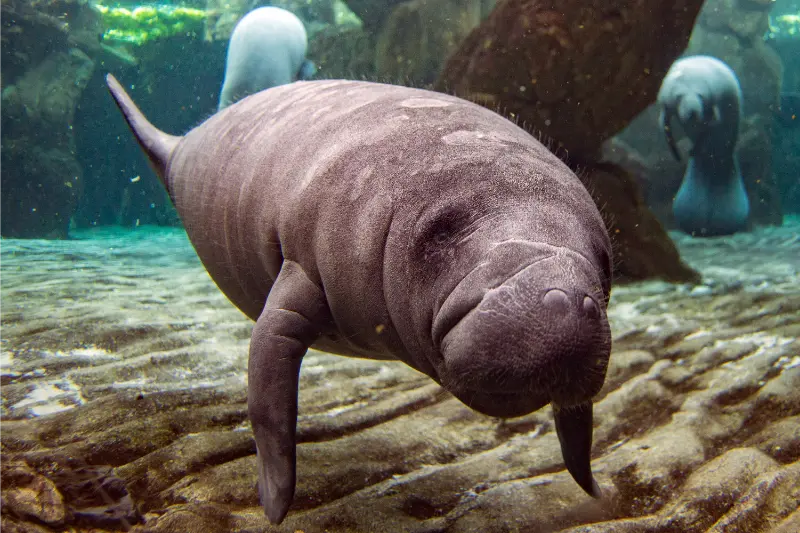
If you are planning a Florida vacation and deciding whether The Florida Aquarium belongs in your itinerary, this guide focuses on the decisions that actually change your visit: what is worth doing, who will feel comfortable, what to book, and when to reconsider. It is written for independent travelers and families of different ages, including guests who need a more relaxed pace. It does not claim a personal visit or invent first-hand experiences.
The practical starting point is simple: October 2026 planning note: the aquarium reports that its splash pad and playground are closed during expansion work; do not advertise them as available amenities. This matters because a frequently photographed attraction can change hours, access or activities between the time you read an article and the date you arrive.
At a glance
- Location: 701 Channelside Drive, Tampa, Florida 33602
- Best for: families wanting an engaging non-beach attraction, adults interested in ocean conservation, and visitors seeking an indoor-leaning outing in central Tampa
- Key experiences: Heart of the Sea, Wetlands of Florida, aquatic habitats and the aquarium’s conservation themes
- Travel style: aquarium
Main attractions and experiences
Heart of the Sea: learning to look carefully
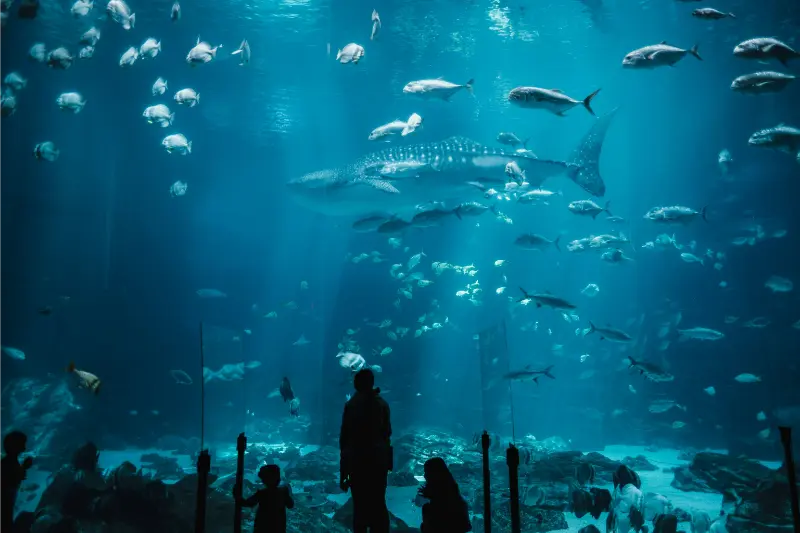
The aquarium describes its Heart of the Sea habitat as a colorful Indo-Pacific environment housing species such as Napoleon wrasse, groupers and a loggerhead sea turtle. Rather than dashing past the tank, visitors can pick one species and watch its movement for several minutes. This can be a rewarding activity for children and adults, and helps distinguish an aquarium visit from a quick series of photographs.
Wetlands and the Florida connection
For visitors planning trips to the Everglades or natural springs, wetlands interpretation helps explain why rivers, coasts and estuaries are linked. Discuss how fresh and salt water shape animal habitats and why preserving vegetation is not merely about scenery. A child can connect animals seen here with responsibly observing wildlife outside, without expecting that every species can be found on a typical tourist outing.
SeaTREK and other ticketed extras
The aquarium advertises SeaTREK as an optional underwater walking experience in Heart of the Sea, with an age threshold and special eligibility rules. It should be considered separately from basic aquarium admission. Check availability, health requirements and the exact inclusions before booking. Guests who do not want an immersive activity still have the galleries and exhibits that form the basis of a satisfying day.
A changing aquarium: check closures and new habitats
The venue has a Sea Change expansion program, and its FAQ notes the former splash pad and playground have closed while new habitats are developed. That is important for parents arriving with swimwear expecting a water-play afternoon. Use the current exhibit map and announcements instead of assuming a photo from an older family blog still reflects the visitor experience.
Conservation stories that work across generations
Older travelers may enjoy the calmer pace of looking into a habitat and reading interpretive displays, while children often respond to a single memorable sea creature. Make space for both. Avoid turning the visit into a speed-run through every gallery. The most useful family conversations can emerge from questions about rescued wildlife, healthy oceans and the everyday actions that affect Tampa Bay.
Planning your visit step by step
Who will most enjoy this attraction?
The Florida Aquarium is A major aquarium in downtown Tampa’s Channelside district, with immersive aquatic habitats, conservation interpretation and visiting arrangements that suit a broad range of ages. It is particularly suited to families wanting an engaging non-beach attraction, adults interested in ocean conservation, and visitors seeking an indoor-leaning outing in central Tampa. That description does not mean every member of a party will enjoy every attraction or exhibit. Ask what each traveler wants from the day before booking: energetic rides, calm water, observing animals, a young child's first park or a comfortable indoor break. If your group contains different ages or mobility needs, agreement on two shared highlights usually matters more than an ambitious checklist.
The experiences worth prioritizing
The main attractions to research are Heart of the Sea, Wetlands of Florida, aquatic habitats and the aquarium’s conservation themes. The details below explain what makes them different, including the reasons some visitors might choose to skip them. Attraction names, line-up and operating availability can change; check the operator's current map and notices before promising an exact program. Pick two priorities and one backup. This avoids spending the morning walking between distant highlights whenever queues or weather disrupt the plan.
A realistic route through the day
Arrive with a simple route through the major habitats and check the day’s schedule for any presentations. Spend time at one prominent tank while the group is fresh; take a break before moving into the next gallery. If anyone has purchased a separate experience, anchor the visit around its check-in time. Leave some flexibility for a favorite exhibit or a relaxed waterfront meal afterward.
Tickets, reservations and the real budget
Compare the base entry ticket with any experiences sold separately. Advance-purchase prices and timed entry conditions can change. Families who primarily want indoor wildlife exhibits may not need extras. Factor parking in the Channelside area, food and possible additional entertainment on the waterfront into the actual budget.
Accessibility and sensory considerations
The aquarium states that exhibit spaces have wheelchair-accessible routes and elevator access to upper levels, and it publishes information about limited rentals and sensory services. Certain mobility equipment may be first-come, first-served. Guests with hearing or visual needs should contact visitor services about accommodations before arrival rather than relying on generic accessibility labels.
Getting there and staying in a practical location
Located at 701 Channelside Drive, the aquarium sits in Tampa’s urban waterfront area rather than at ZooTampa. Check the current parking location and whether street events may affect traffic. Walkable surrounding destinations can be convenient, but weather and mobility needs should determine how much more walking is realistic.
Visiting with children, teenagers and grandparents
Small children can enjoy observing colorful fish even when they do not have the attention span for every exhibit. A short scavenger hunt—one turtle, one unusual fin, one animal from Florida—can turn the visit into shared discovery. Families with babies should identify elevator routes and changing facilities before beginning; older adults may prefer scheduled seated breaks.
Meals, hydration and optional upgrades
Plan a snack or lunch near an appropriate stopping point rather than eating in a rush because a child is tired. Verify any dining offerings and outside-food restrictions. Guests with serious allergies should confirm information with food-service employees; a visitor-facing menu may not describe shared preparation environments.
Weather, seasonal patterns and timing
This venue can be particularly useful when Florida heat or rain makes an all-outdoor attraction uncomfortable. Severe weather can still affect city transport and parking, however, so check local alerts. Opening hours and exhibit access may be adjusted for events or expansion work.
Should you choose a different Florida attraction?
The Florida Aquarium is the better pick for marine habitats and an easier downtown Tampa pairing; ZooTampa offers a broader zoological experience with larger outdoor grounds and manatee rescue connections. For travelers spending the whole vacation in Orlando, the aquarium also requires a substantial intercity journey.

What to do afterward?
Combine an aquarium visit with a measured walk along the Channel District or Tampa Riverwalk only if timing and weather make sense.
Further practical advice for this type of attraction
Why an aquarium works on a mixed-weather day
Indoor galleries make a useful alternative to hours in Florida sun, especially for young children, older adults and visitors traveling during thunderstorms. Nevertheless, entrances, parking and surrounding urban walks remain affected by extreme weather. Check admission times and any exhibit closures before setting out. A deliberate, unhurried visit can be better than adding a second attraction in an attempt to fill a full day.
Learning with children without rushing
Instead of asking a child to memorize species, invite them to look for a single surprising shape, color or behavior. Compare how a ray glides with how a fish turns; notice the work of a turtle's flippers. Let a child return to one captivating tank rather than dragging them past every exhibit. For sensory-sensitive visitors, set a quiet meeting place and acknowledge that dark galleries and reflections can feel disorienting.
Considering accessibility beyond the entry doors
Wheelchair accessibility is more than reaching the entrance. Check lifts between galleries, suitable restrooms, exhibit viewing heights, stroller rules, sensory accommodations and the distance from parking. Limited rental equipment may be first-come, first-served. For guests with severe mobility limitations, speak directly with visitor services about the routes and experiences you intend to use, especially any separately ticketed in-water activity.
Marine conservation as part of a Florida itinerary
An aquarium can help explain the ecological link between inland water, Tampa Bay, seagrass and the Gulf. Connect one exhibit to a broader travel choice, such as wildlife-safe boating, respecting turtle nesting areas, reducing litter or avoiding touching marine animals in the wild. A brief practical discussion is more useful than claiming that visiting an exhibit guarantees a close encounter with a wild animal on a later beach day.
Questions to ask before booking
Is the Florida Aquarium near ZooTampa?
They are separate venues in different parts of Tampa. Plan travel time if visiting both.
Is the splash pad operating?
The aquarium’s FAQ says it is closed during the Sea Change expansion; check for updates.
Are wheelchairs available?
The aquarium publishes rental and access information, but quantities may be limited. Contact staff ahead of time if a device is essential.
Final checks: choosing the right day
Treat the opening calendar, official ride restrictions, animal care requirements and admission terms as live information. Save your ticket and booking confirmation somewhere you can access offline. Check the weather alert forecast, transport time, parking costs and the return journey before committing to a packed afternoon. If the group includes anyone who needs medication, mobility equipment, a quiet rest space or an early meal, decide how that need will be met before leaving the hotel. A successful day is the one people can enjoy safely and remember positively—not the one that covers the greatest number of advertised experiences.
For accurate dates, current admission and visitor rules, use the official The Florida Aquarium website. For another operator resource, consult the official planning information. The external links are informational, not affiliate advertisements. Editorial research check: 9 October 2026. Prices, animal experiences, ride line-ups, seasonal openings and access arrangements can change; this article makes no claim of a first-hand visit.